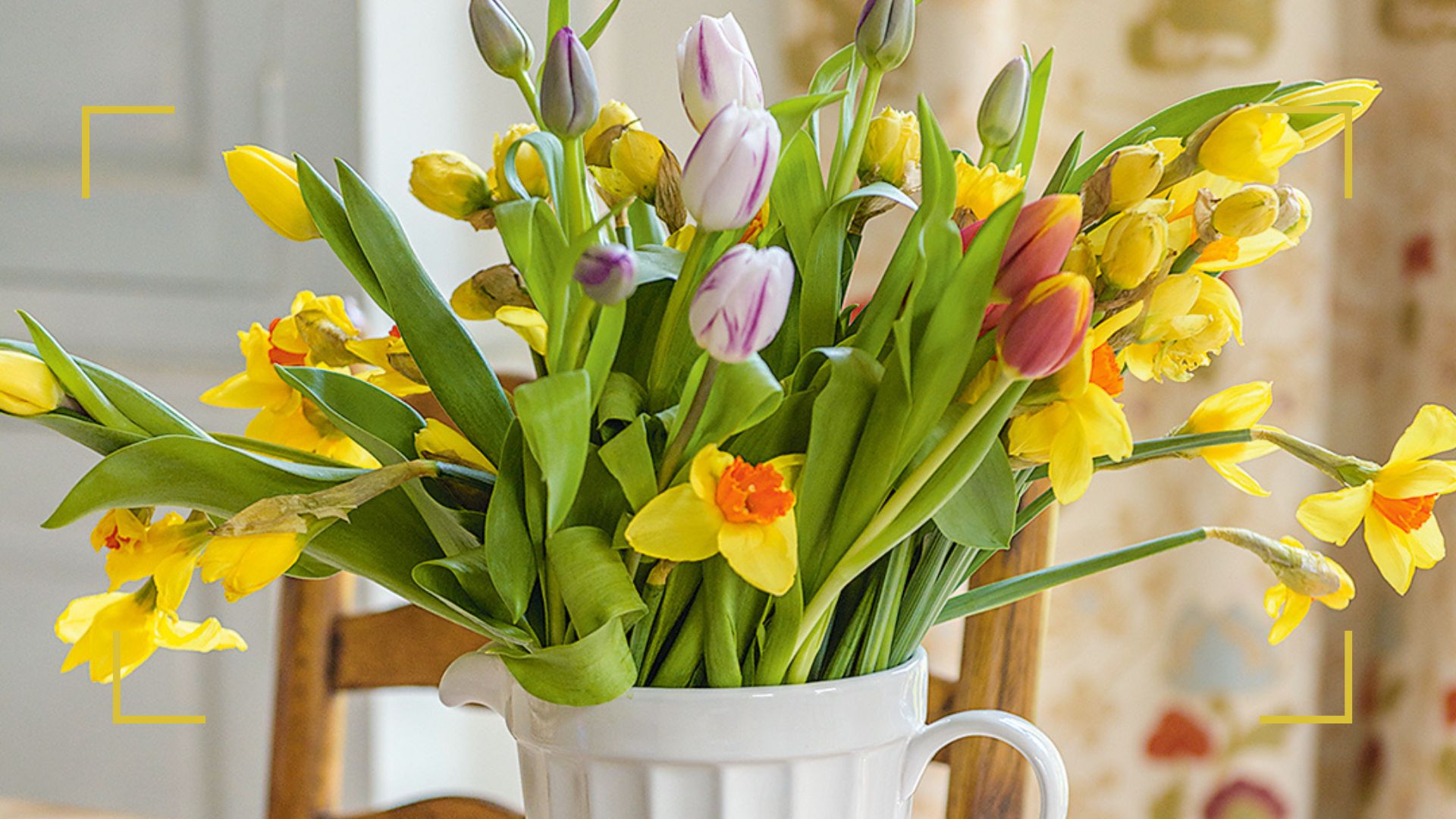
1/4
Don't put your daffodils in a vase without doing this one thing first, warns a florist
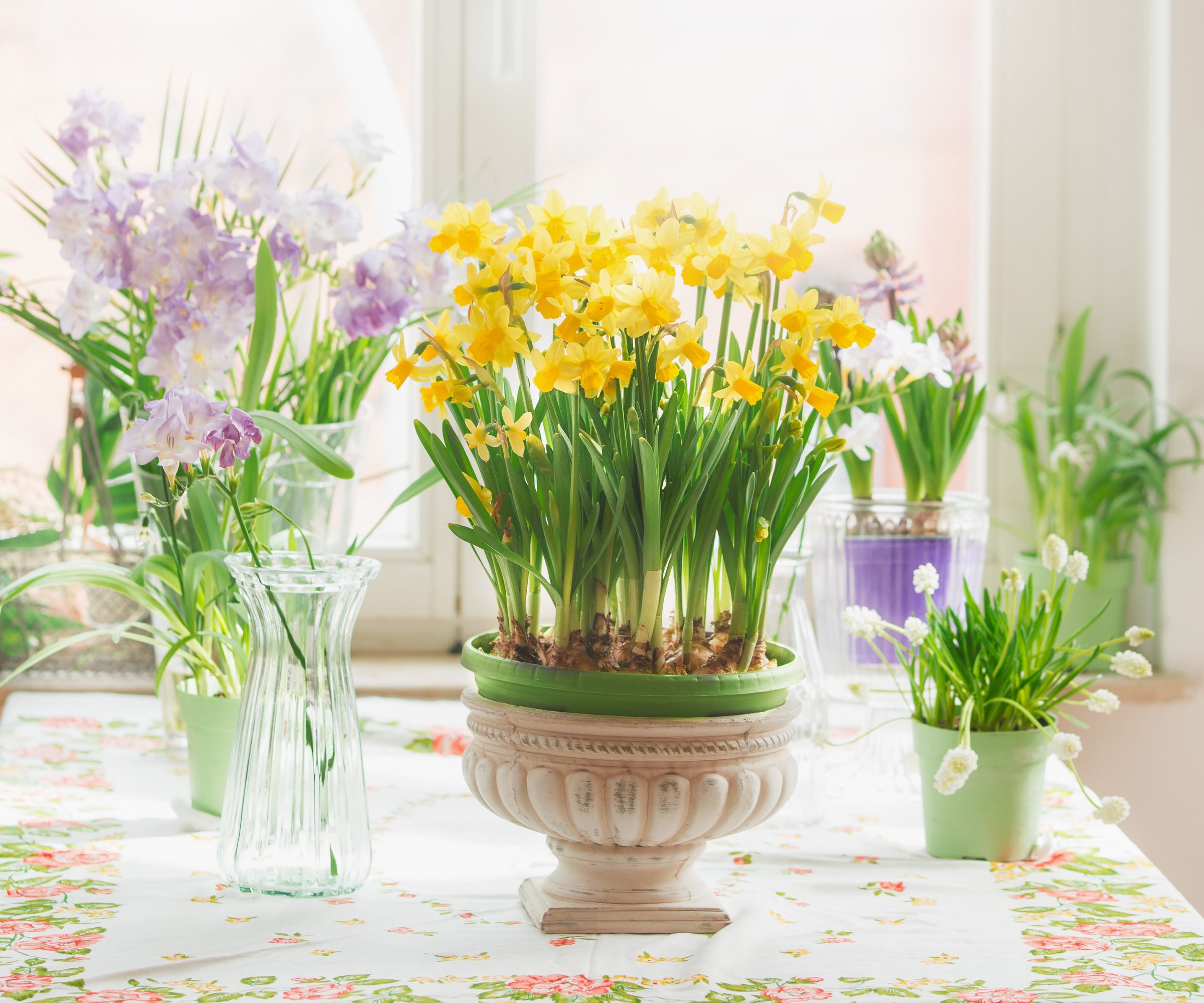
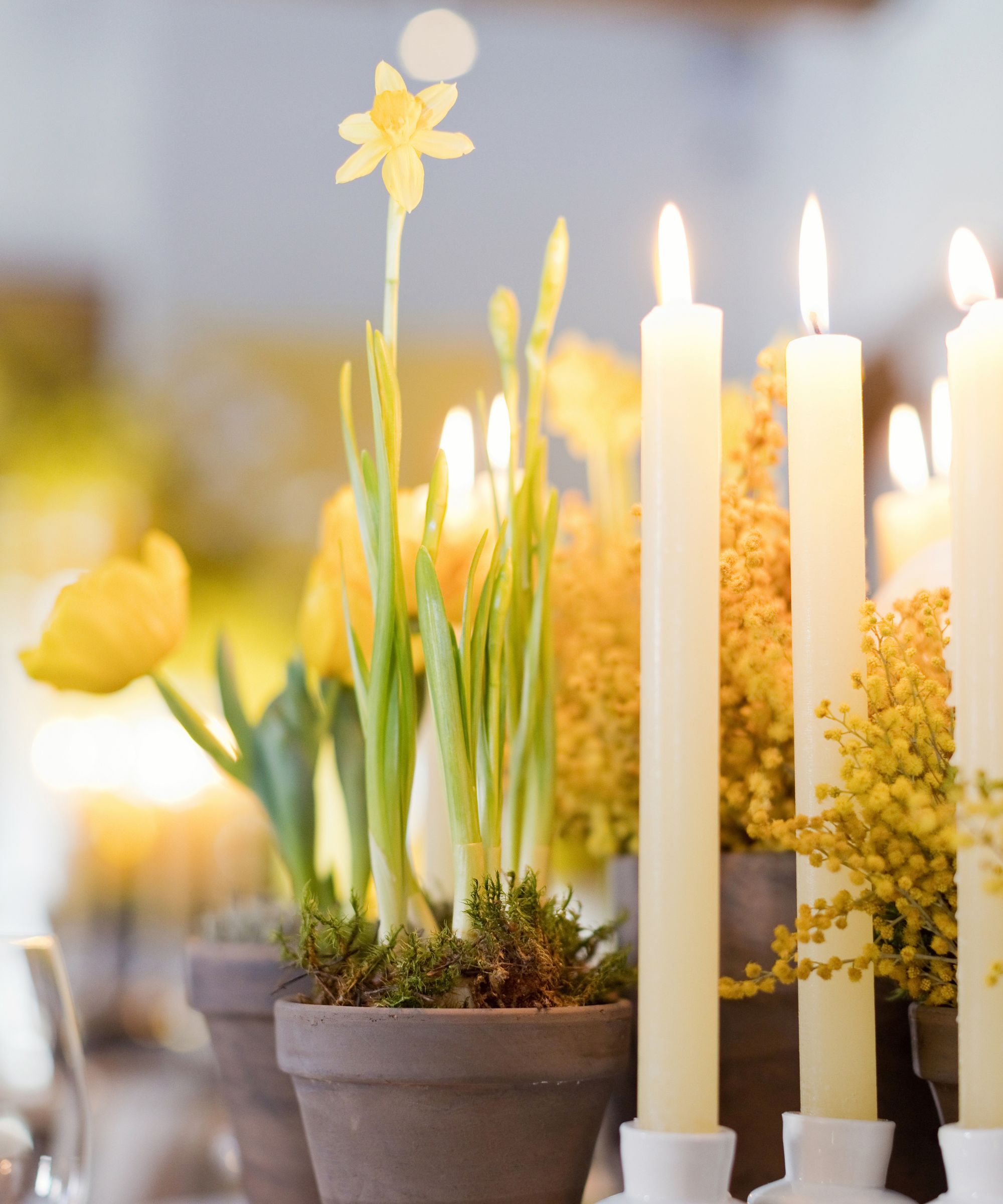
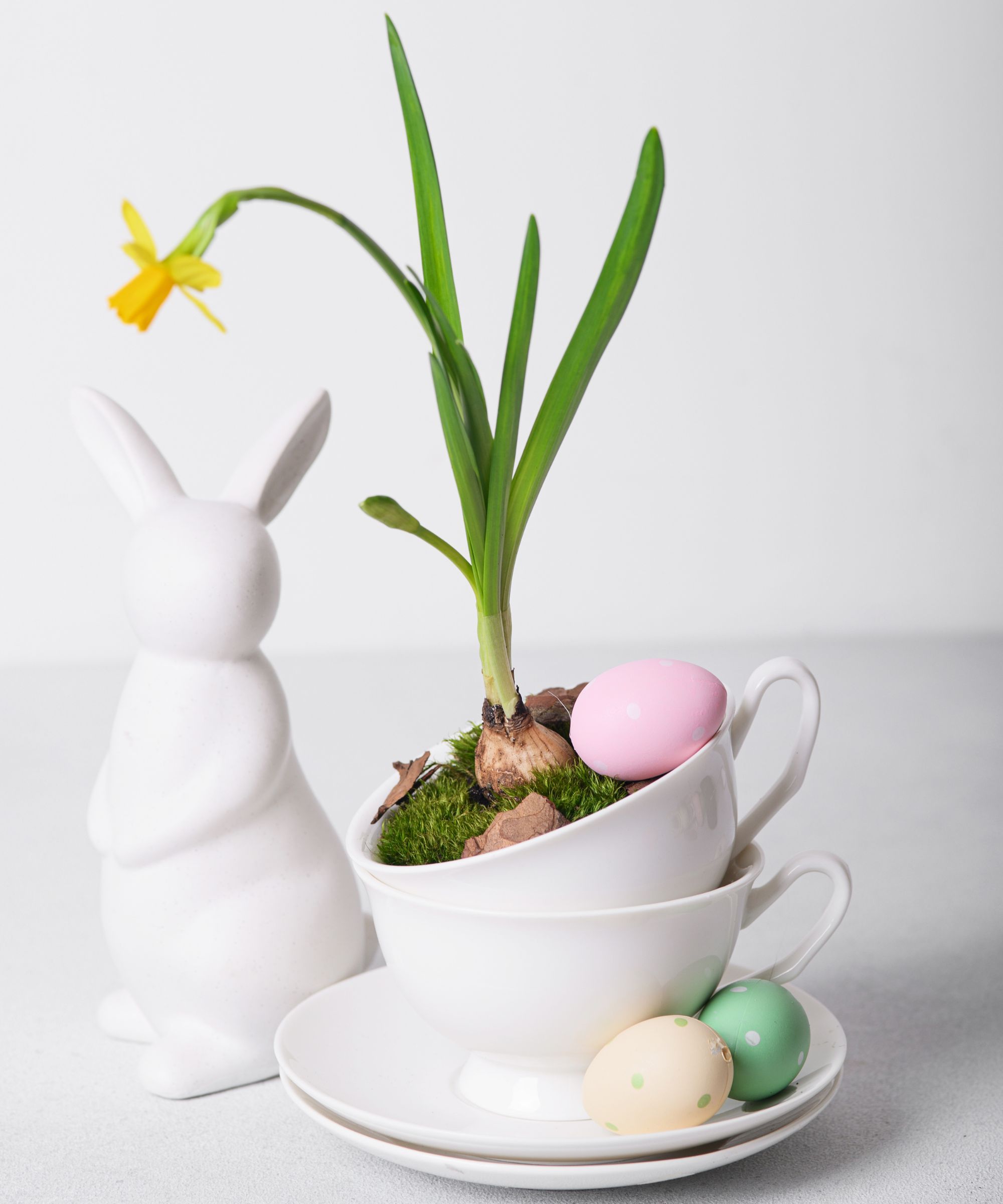
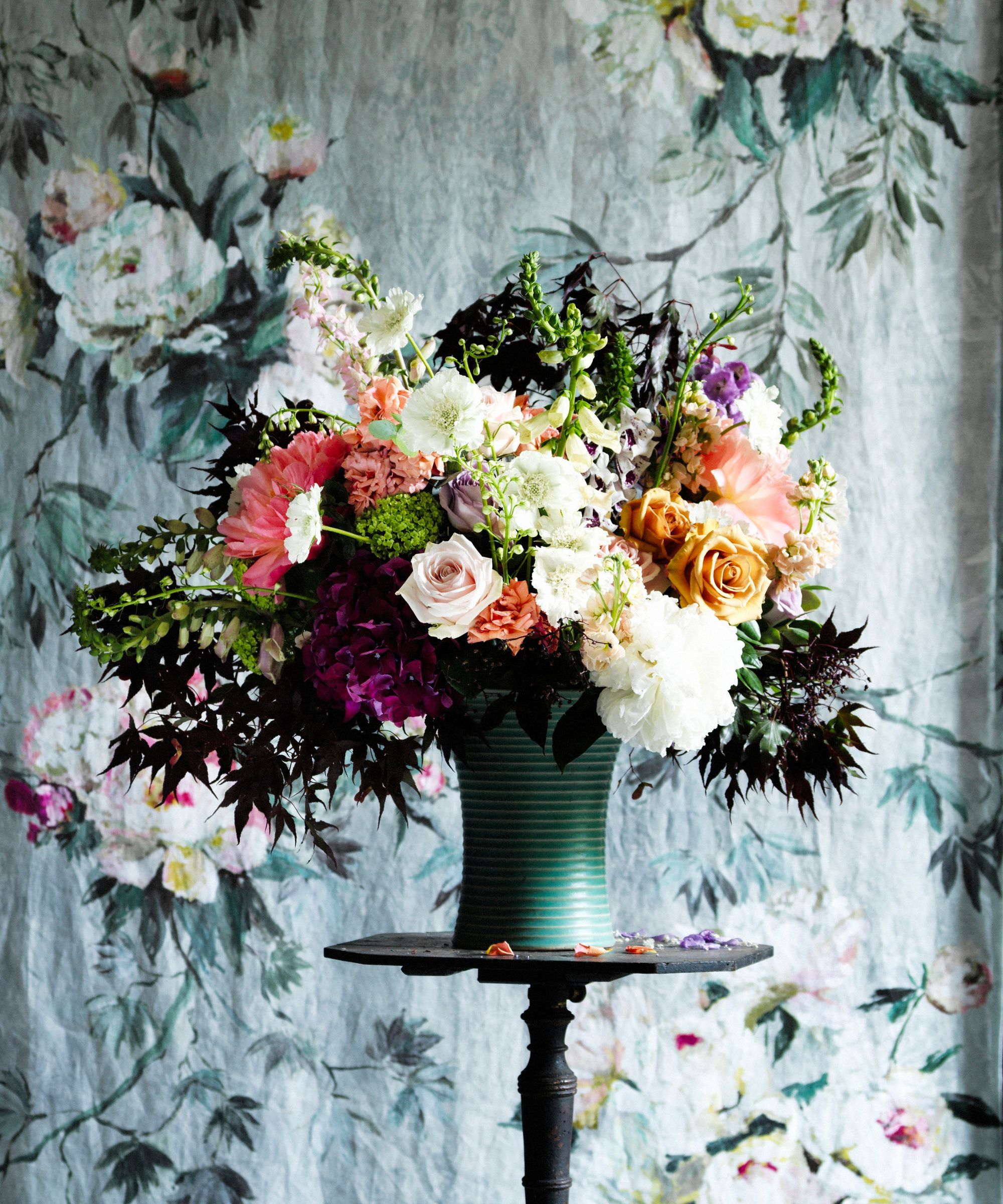
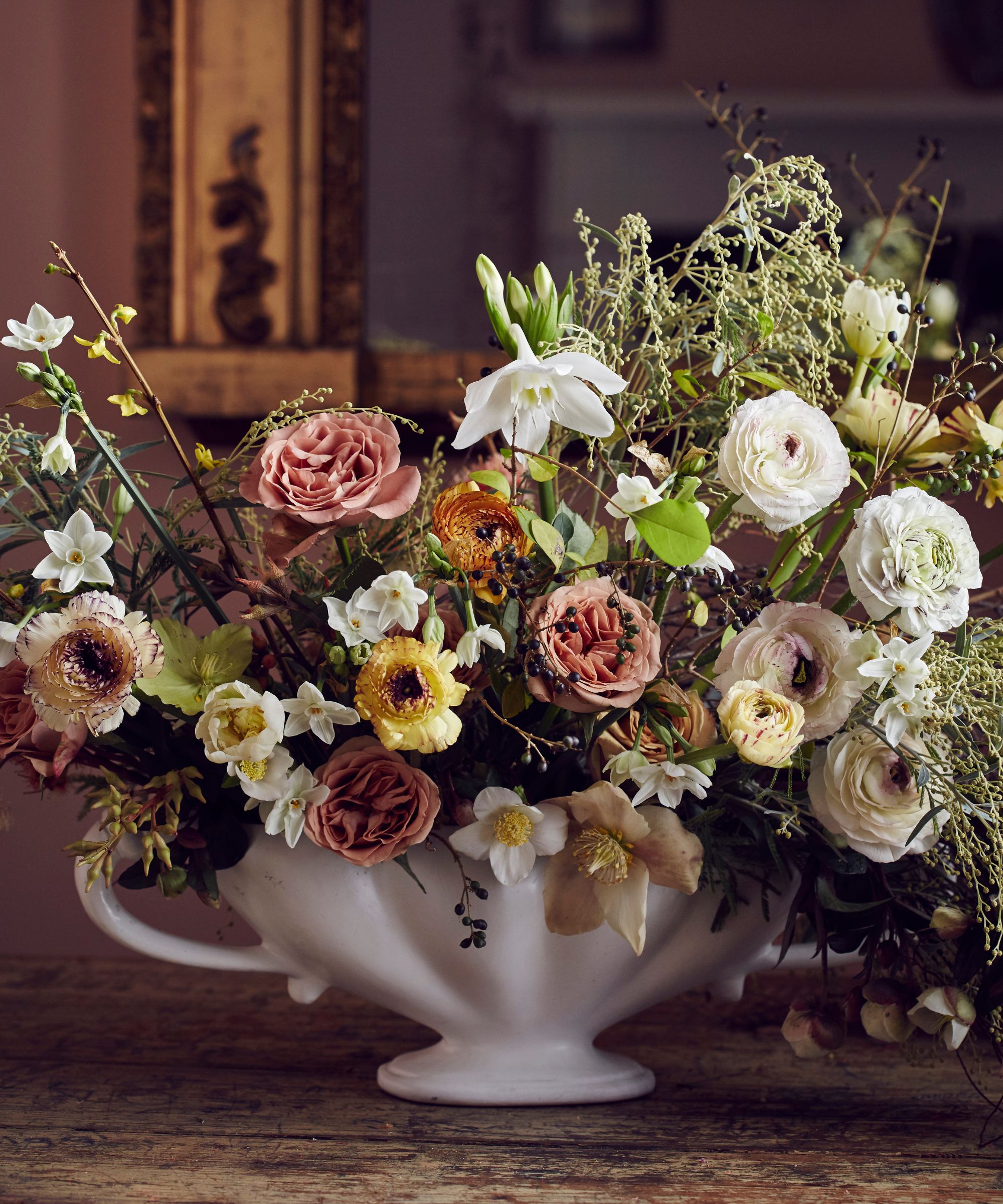
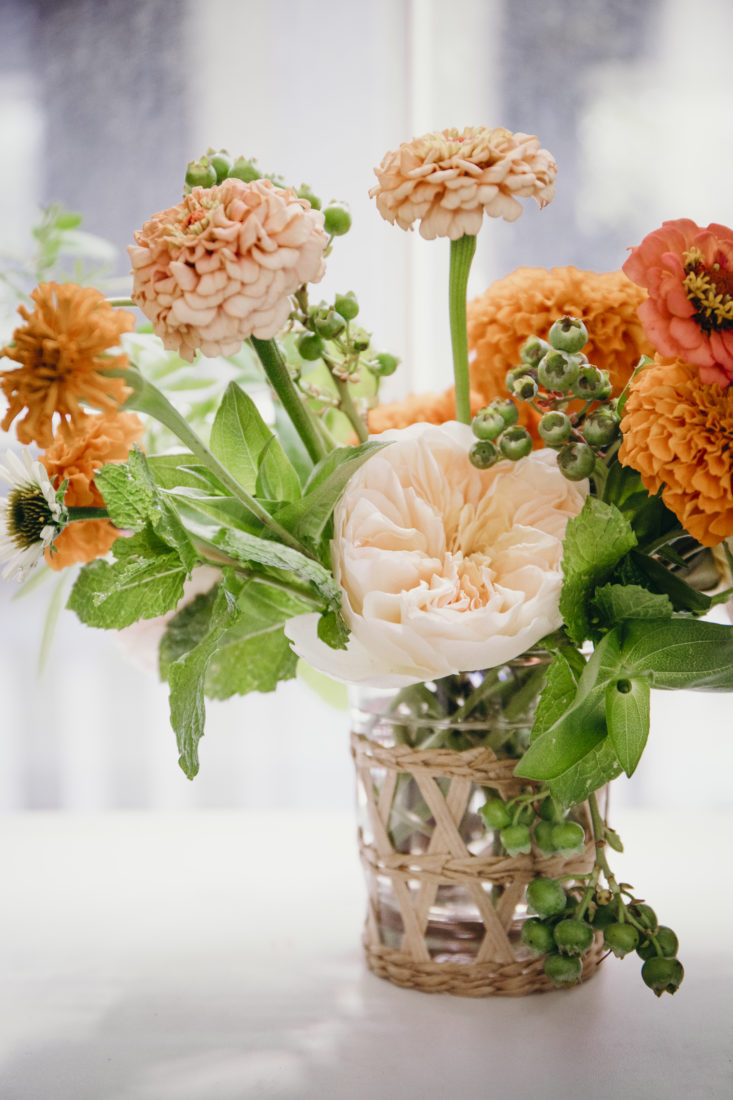
The appearance of daffodils signals the arrival of spring, with their vibrant yellow hues offering an uplifting touch to home decor. Many individuals integrate these seasonal blooms into table centerpieces and vase displays to refresh their homes for spring. However, to extend the lifespan of these flowers and prevent harm to other blooms in mixed arrangements, a specific preparatory step is essential. Daffodils, when their stems are cut, release a sticky, toxic sap. This sap, if not managed, can contaminate the water in a vase, causing other flowers to wilt and die prematurely. The florist David Denyer from eflorist.co.uk emphasizes the importance of this 'daffodil sap hack' to ensure successful mixed floral displays.
Denyer explains that when daffodil stems are initially cut, they begin to exude this toxic sap. He advises wearing gloves when handling freshly cut daffodils, as the sap can also cause skin irritation or rashes in humans. The traditional belief that daffodils cannot be mixed with other flowers due to this toxicity is not entirely accurate, provided this crucial step is followed. To neutralize the sap's harmful effects, Denyer recommends placing the freshly cut daffodils in a separate vase of water for a few hours. This isolation period allows the sap to drain out into the water before the daffodils are introduced to other blooms.
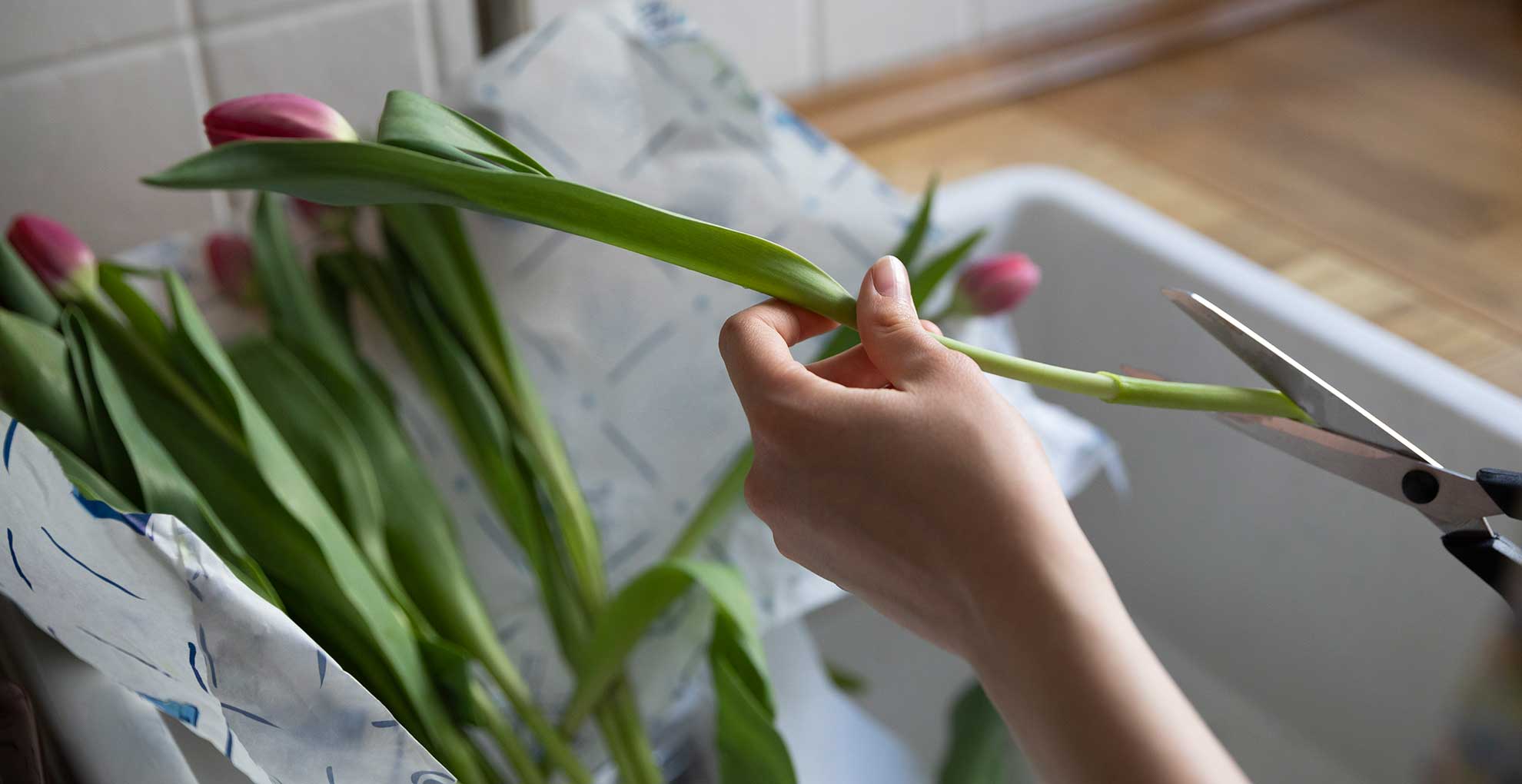
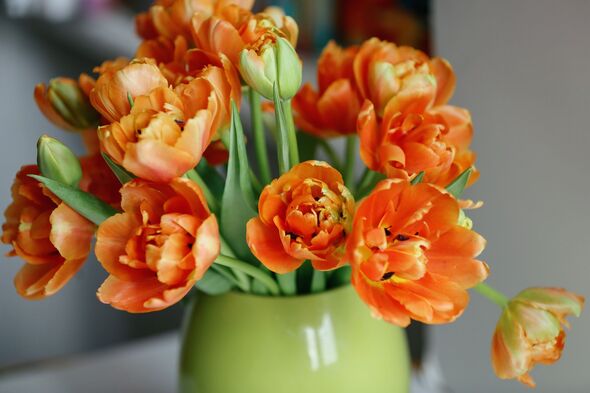
Regarding the cutting technique, soft-stemmed daffodils should be cut straight across the stem, unlike other varieties that benefit from a 45-degree angle cut. After the initial sap-draining period, the daffodils are ready to be combined with other flowers. Mixing daffodils with other spring blooms, such as tulips, anemones, and irises, can create a visually appealing and layered seasonal display. Once the initial sap drainage is complete, there is no need to re-isolate the daffodils each time the stems are trimmed or the water is changed in the mixed bouquet. The initial draining is sufficient to prevent further sap release.
For arrangements consisting solely of daffodils, the sap-draining step is not necessary, as the sap will not affect the longevity of other daffodils. However, for all daffodil displays, whether mixed or solitary, proper care includes replacing the water every few days with cool water and re-trimming the stems. Daffodils prefer cooler conditions, so they should be kept in shallow water, away from direct sunlight, drafts, and heat sources like radiators. Additionally, to further extend the life of spring floral arrangements, an expert-approved tip suggests using denture tablets in the vase water.
#DaffodilCare #FlowerArrangements #FloralHacks #HomeDecor #SpringFlowers #GardeningTips #FloristryAdvice #DaffodilCare #FlowerArrangements #FloralHacks #HomeDecor #SpringFlowers #GardeningTips #FloristryAdvice
0 comment in total
 No comments yet
You may also like
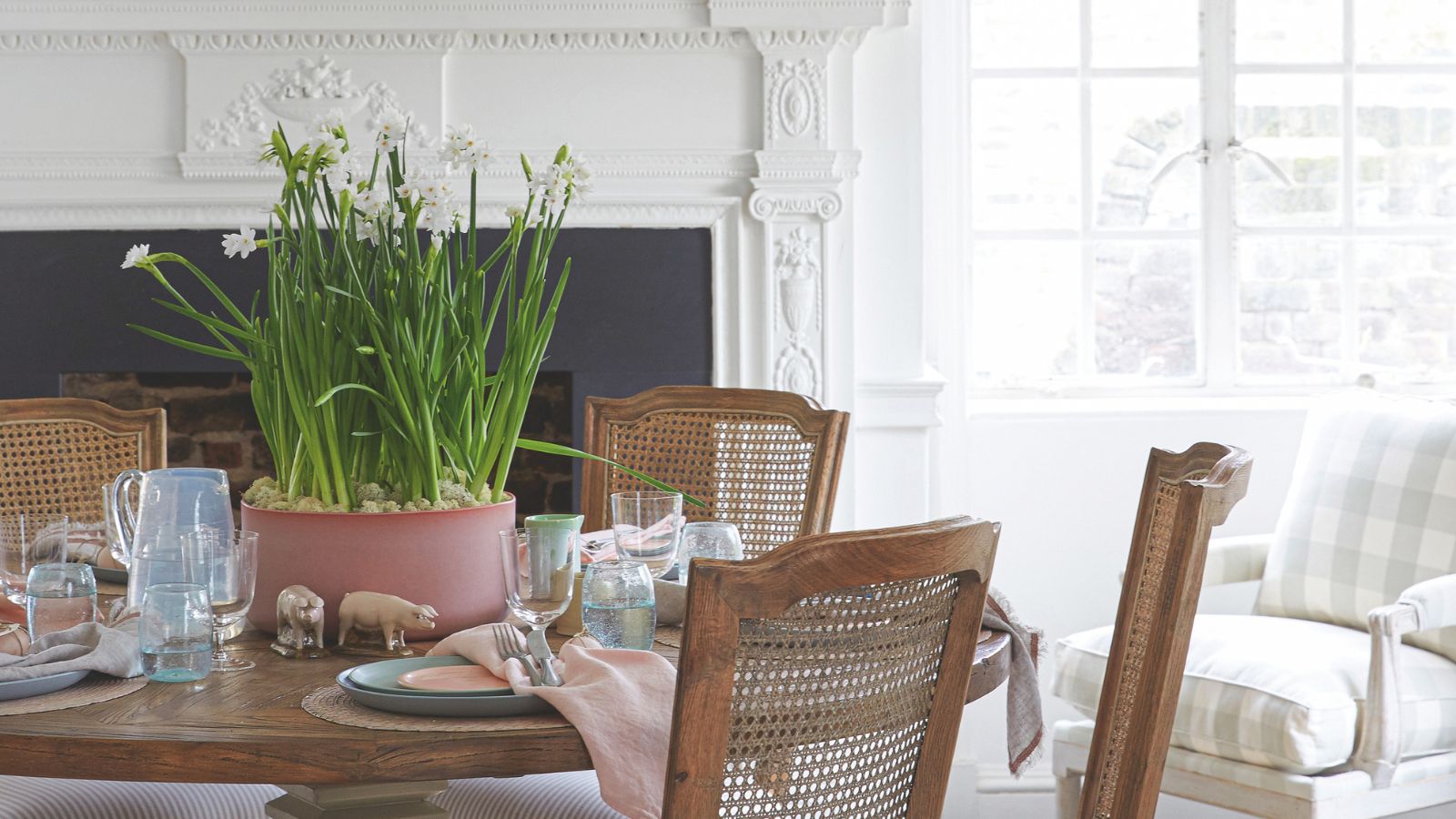
5 gorgeous ways to arrange daffodils for a seasonal spring display

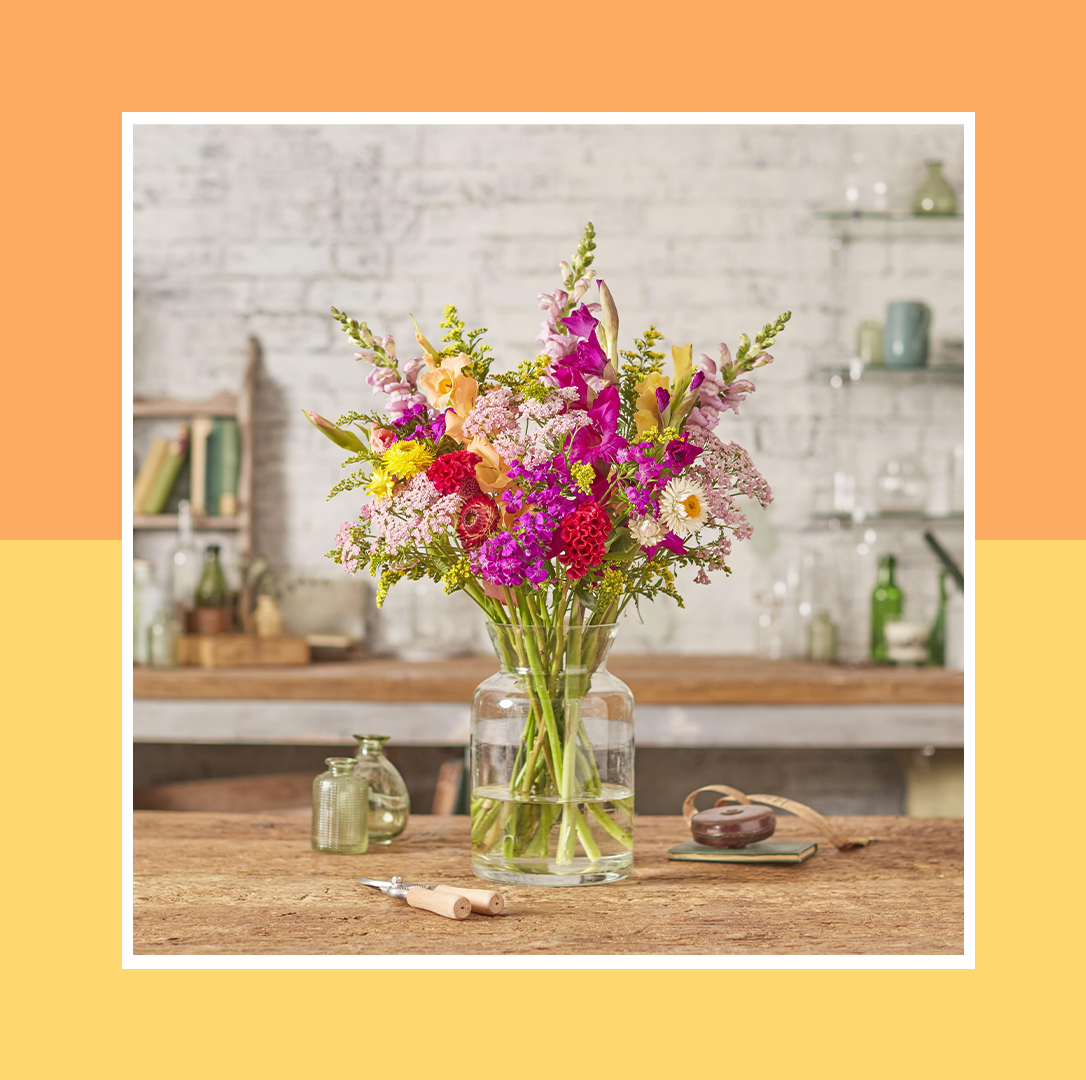
The best online flower delivery services out of 22 tested with 144 bouquets sent

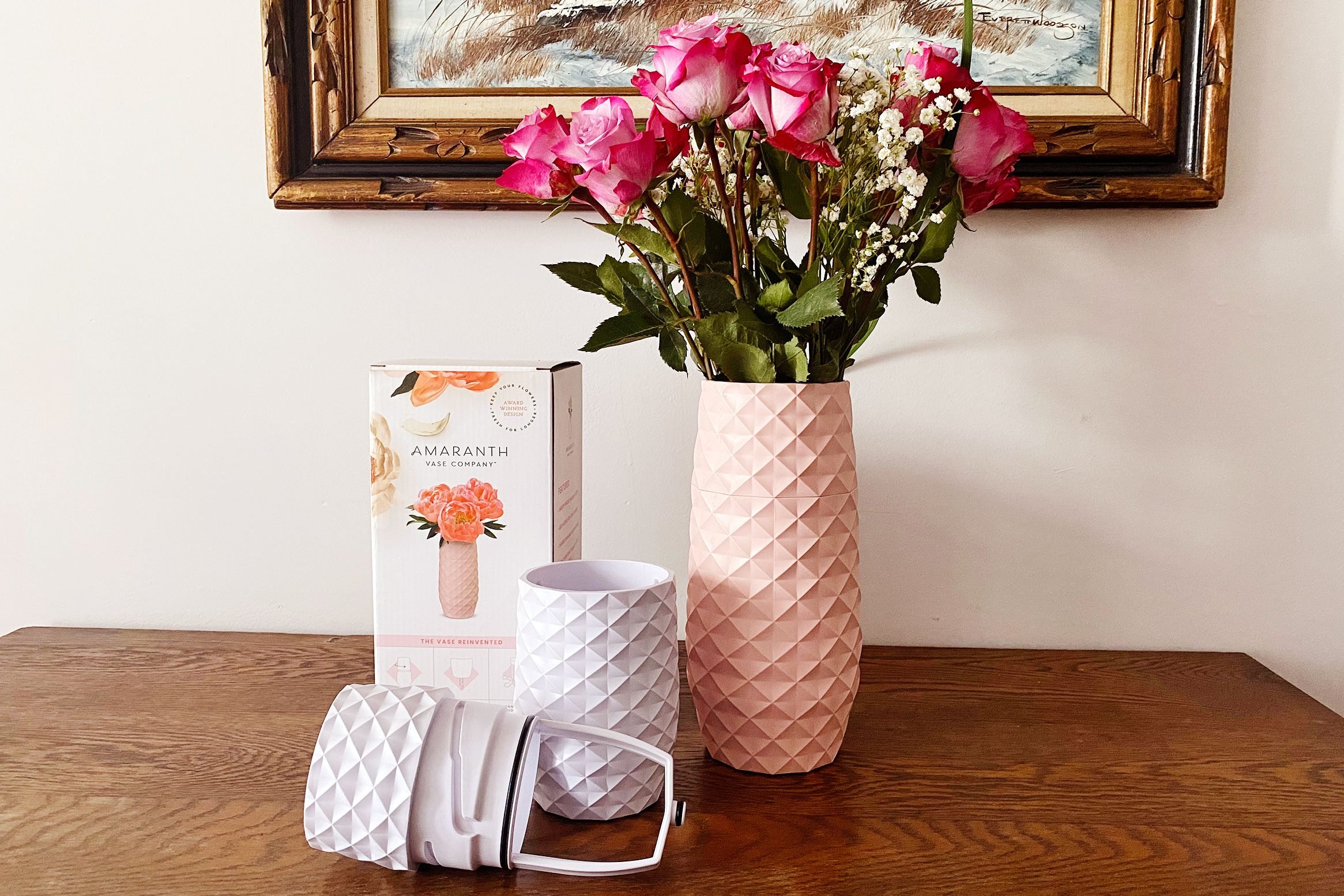
I Tried an Amaranth Vase, the Vase Designed to Keep Your Flowers Fresh

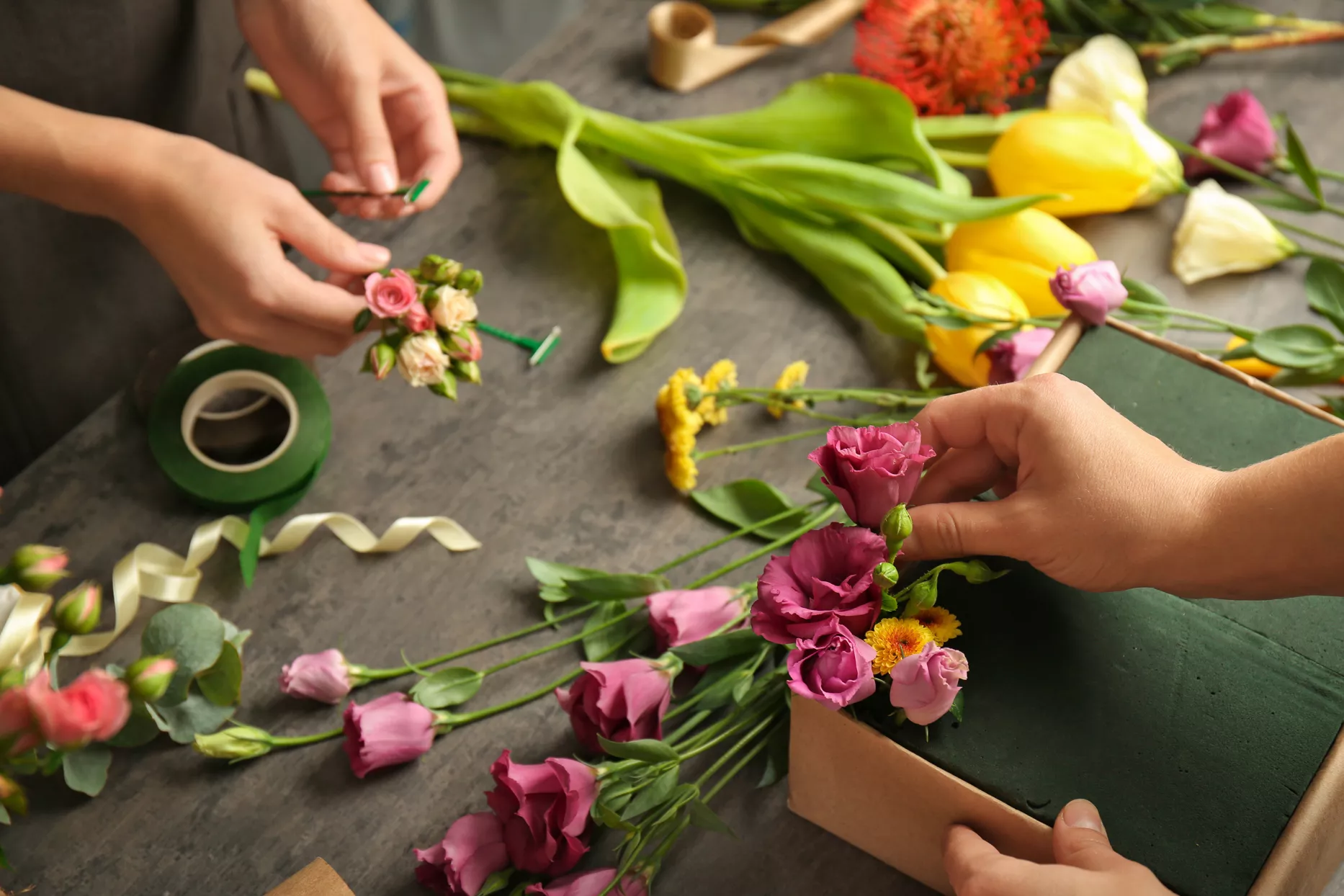
Why You Should Skip the Toxic Floral Foam for Your Flowers (and What to Use Instead)

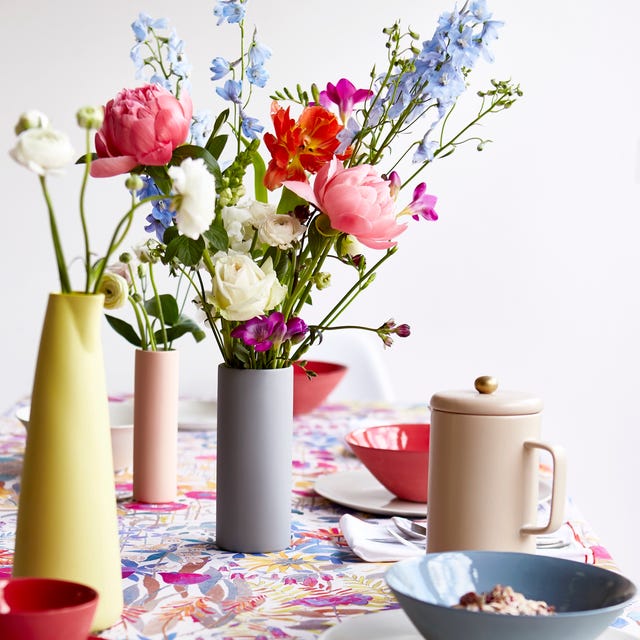
Gardening experts reveals how to make your cut flowers last longer
Do NOT Forget the Plant "Details" by Your Front Door

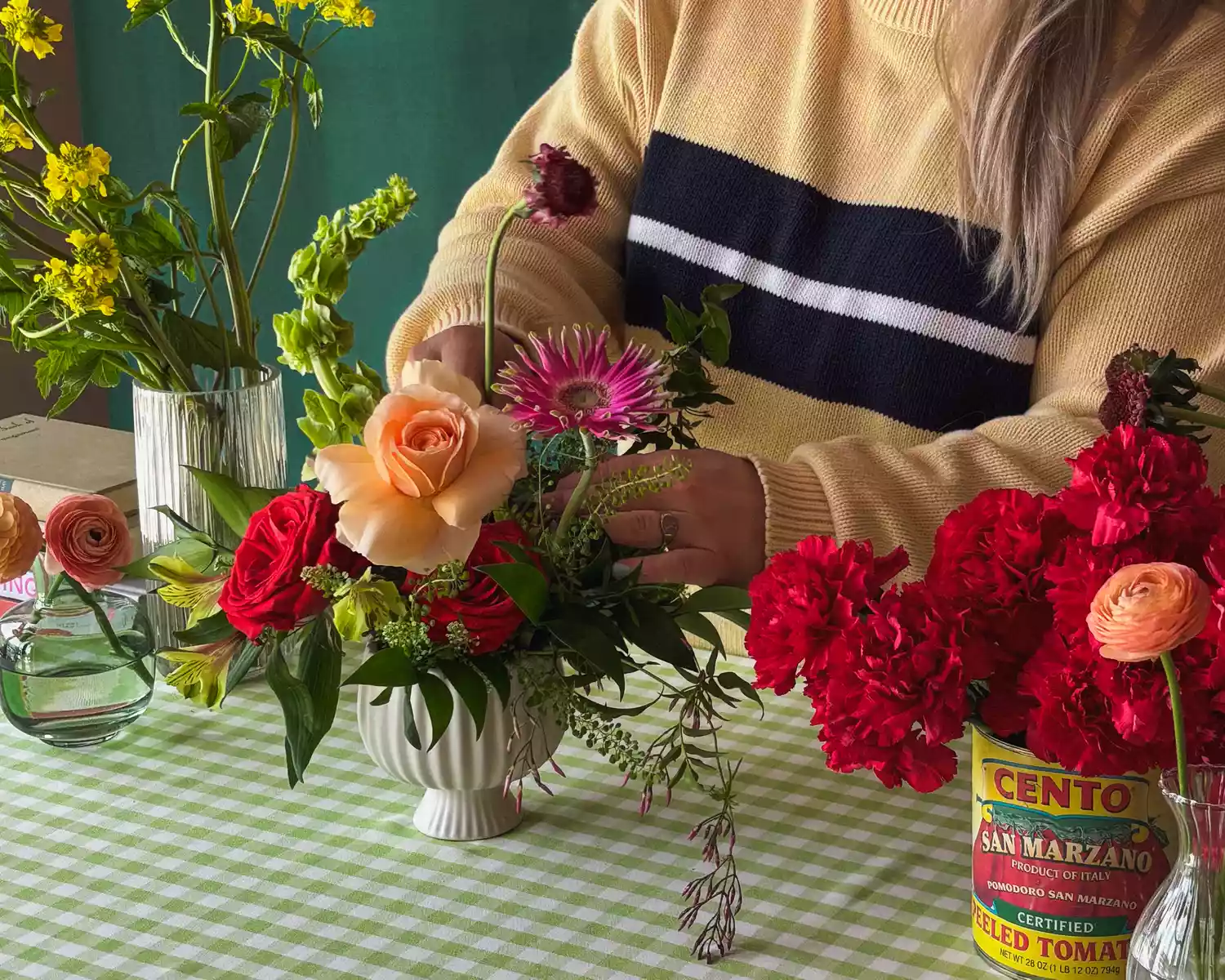
8 Things You Should Never Do With Fresh Flowers If You Want Them To Last
A NoVA Florist Explains How to Make the Perfect DIY Floral Arrangement
How to make cut flowers last longer – 7 expert tips for getting the most out of your bouquet
The Perfume Storage Mistake You Need To Stop Making, According To An Expert
7 Flower Subscription Services Perfect for You (or Your Best Bud)
14 Flower Arranging Secrets That Will Help You Build a Better Bouquet

Enhancing the power of a flower
How to arrange flowers like a professional – these 7 rules are all you need according to floral experts
How to Pick the Perfect Vase for Your Flowers

How To Care For Cut Tulips To Help The Blooms Last Longer
The Best Flower Delivery Services & Subscriptions For The Ones You Love

How to Match Flowers to Containers
Flowers in vases will last 'few days' longer if placed in 1 unusual place in home