1/3
A NoVA Florist Explains How to Make the Perfect DIY Floral Arrangement
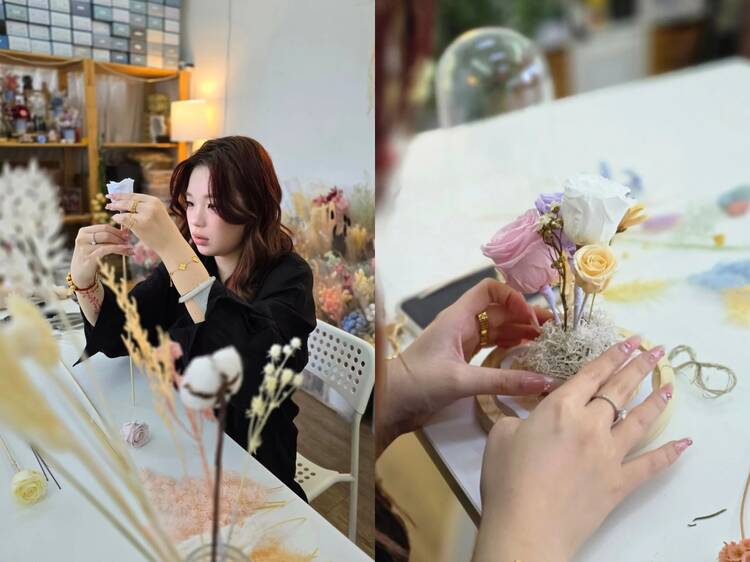
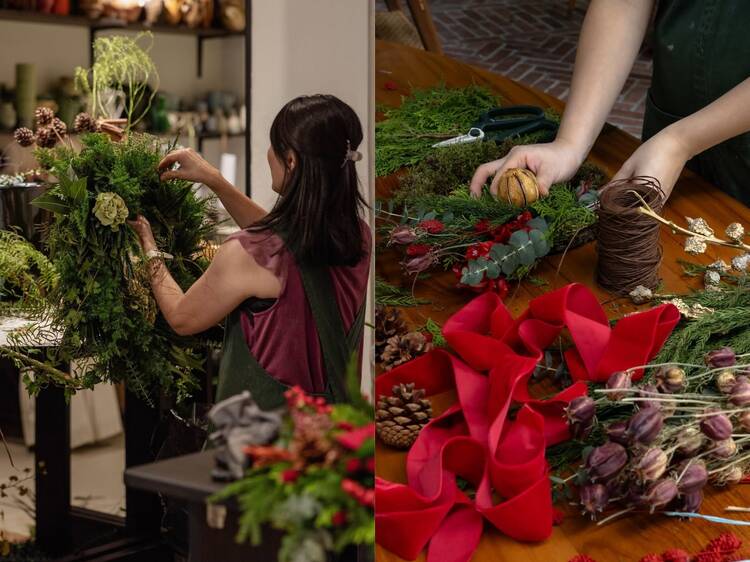
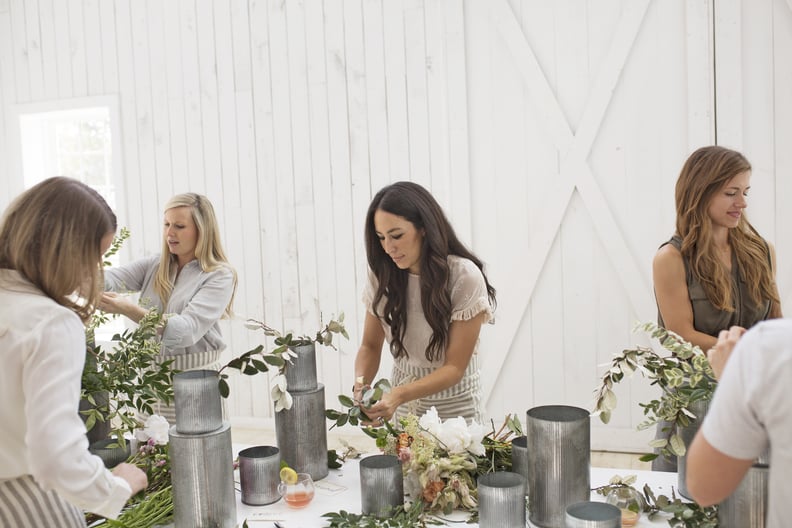
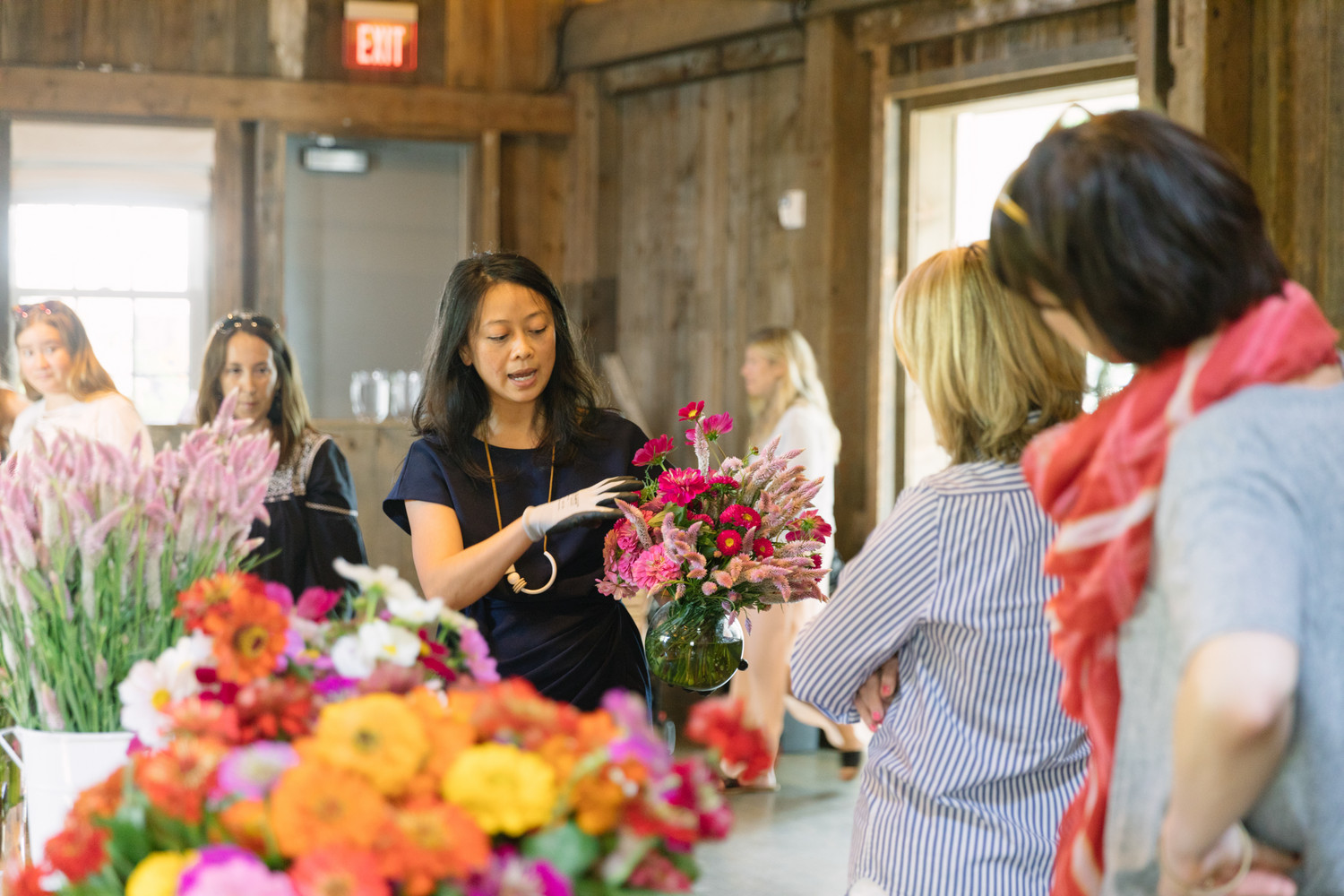
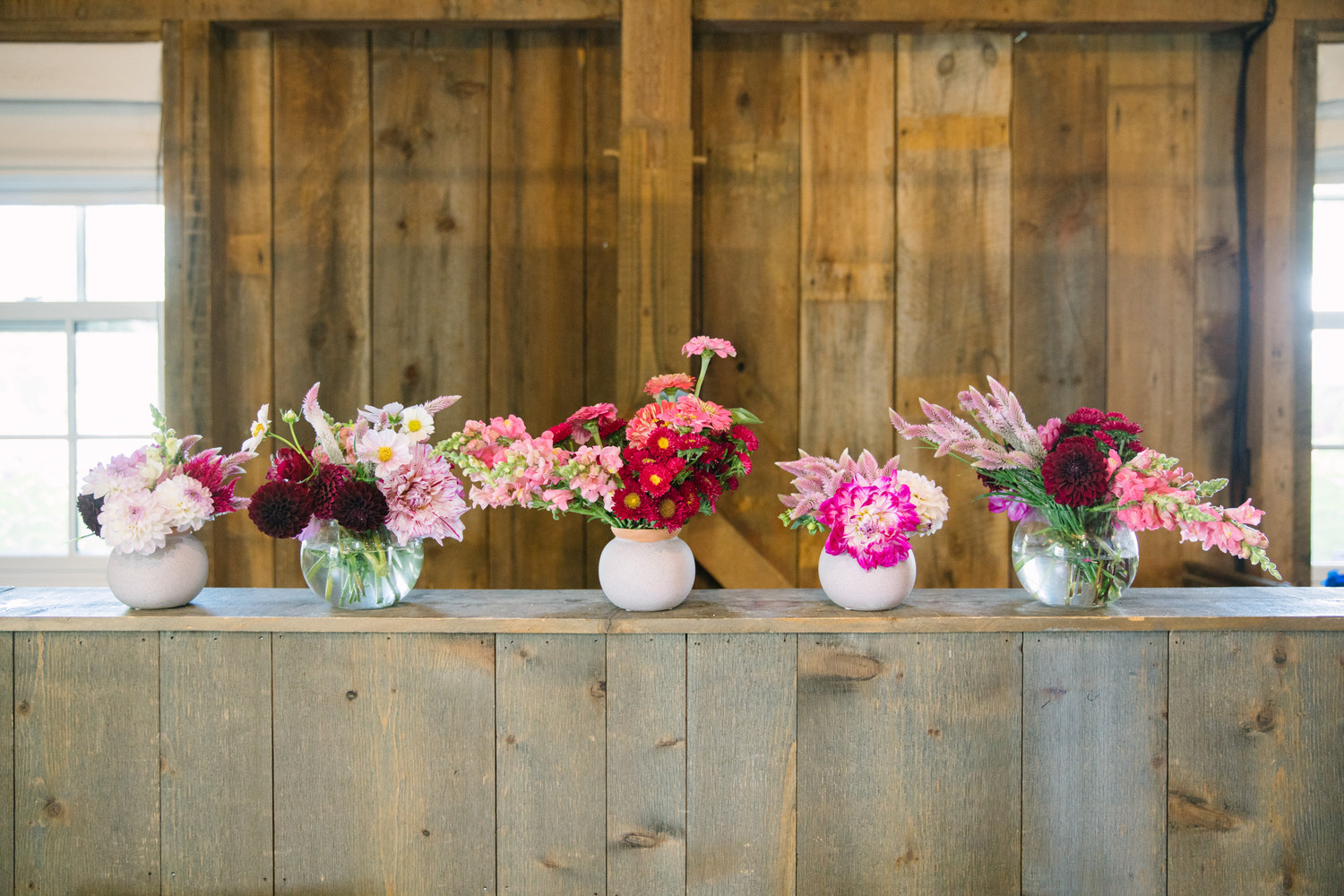
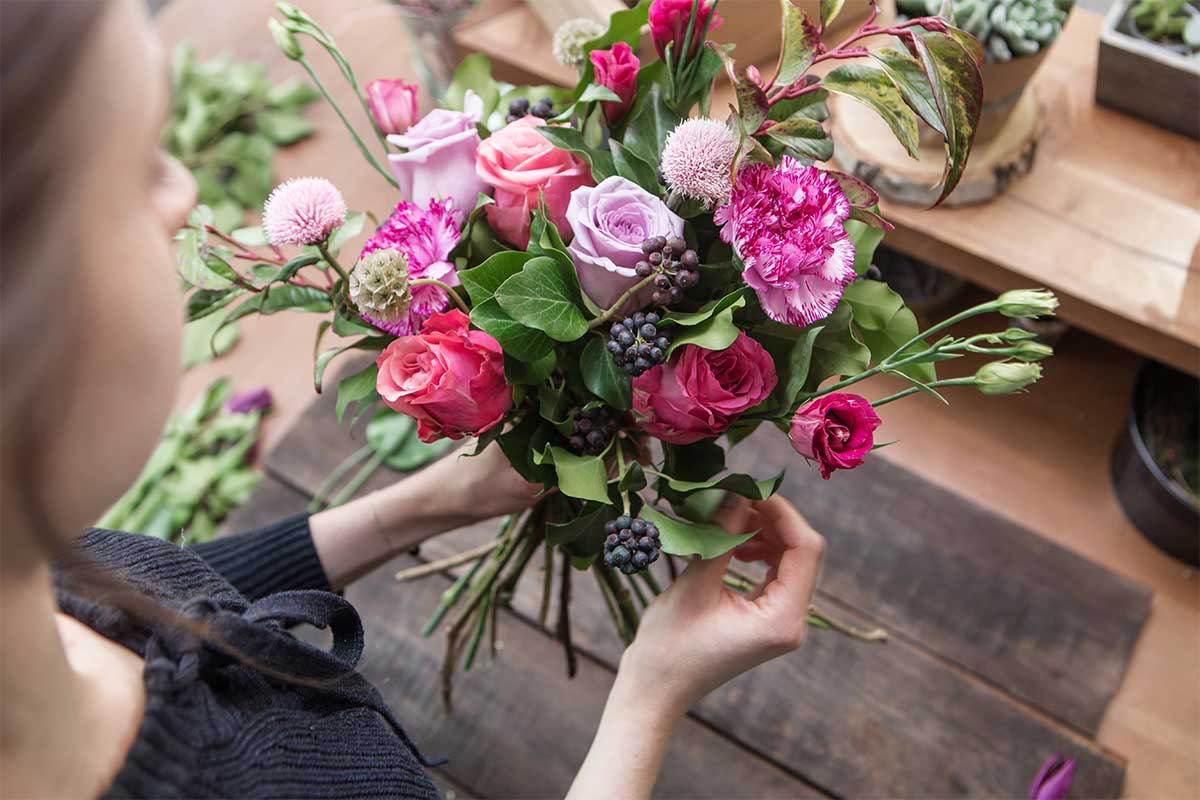
The article explores the increasing interest in floral arrangements, particularly as a source of happiness and stress relief, as highlighted by behavioral research. Margaret Fleegal, president and CEO of Metro Flower Market and Twinbrook Floral Design, observed a significant surge in demand during the COVID-19 pandemic, with daily deliveries reaching 200, as people sought ways to connect with loved ones. This period also saw a heightened interest in floral design classes offered by Metro Flower Market. These professional-level courses are taught by Carol Caggiano, a floral design director for Teleflora and an AIFD-certified designer, who imparts tried-and-true techniques.
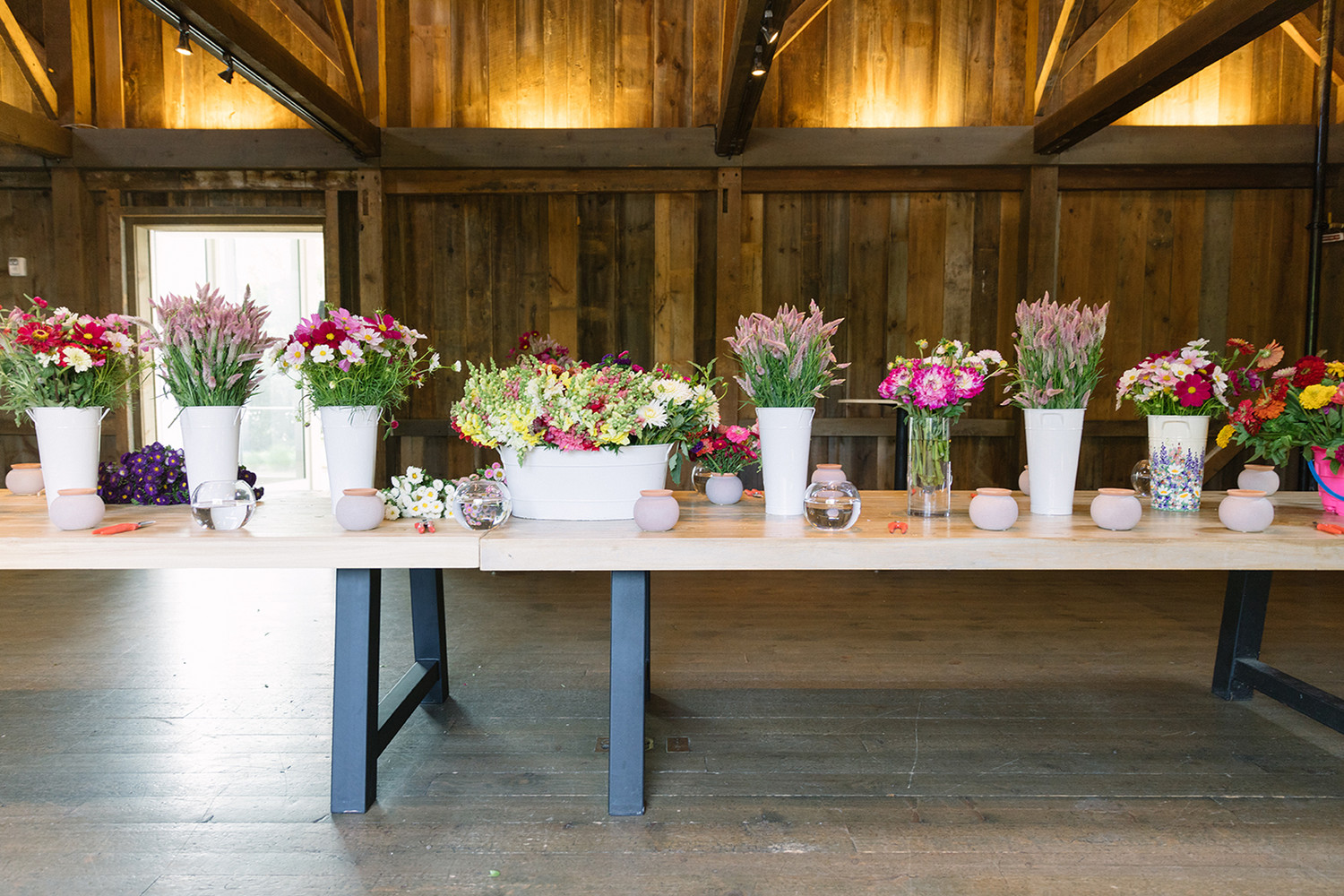
The classes cater to a diverse audience, including individuals, couples, and corporate teams, with themes varying by season, color, and texture. Participants often have specific goals, such as creating Thanksgiving centerpieces, Christmas wreaths, or wedding bouquets, while others are exploring potential careers in floristry. Fleegal emphasizes that these classes offer a realistic glimpse into the floral industry.
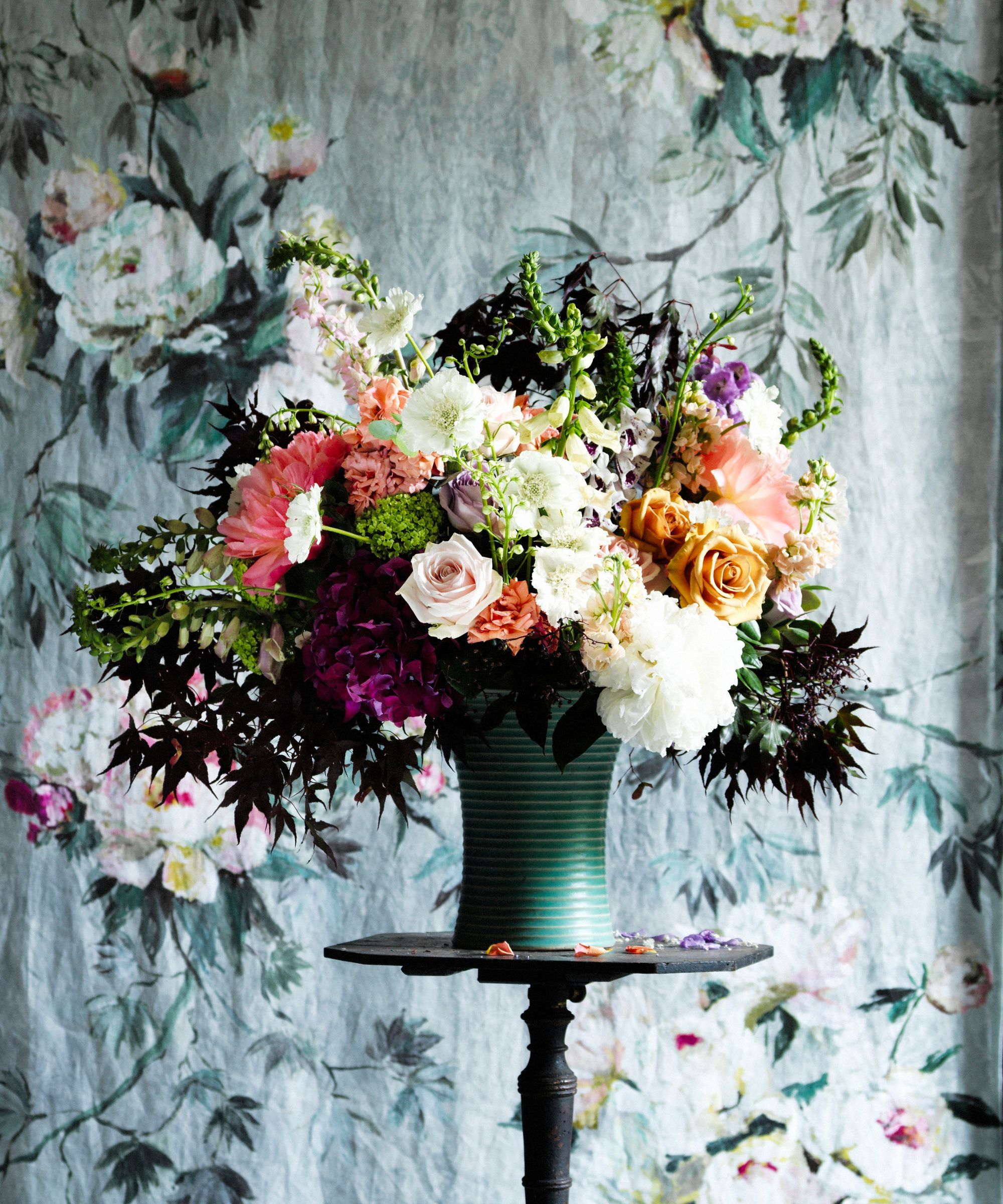
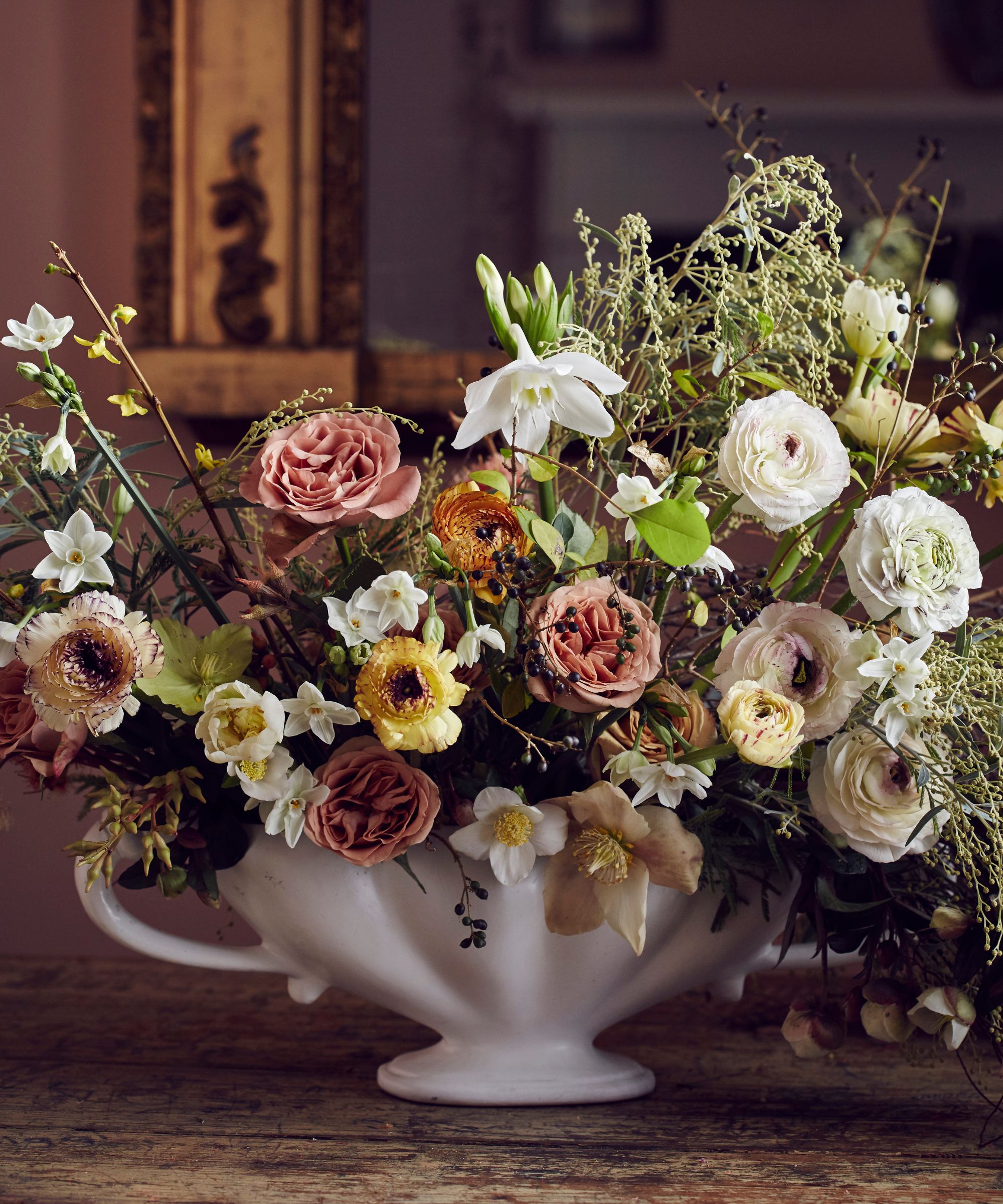
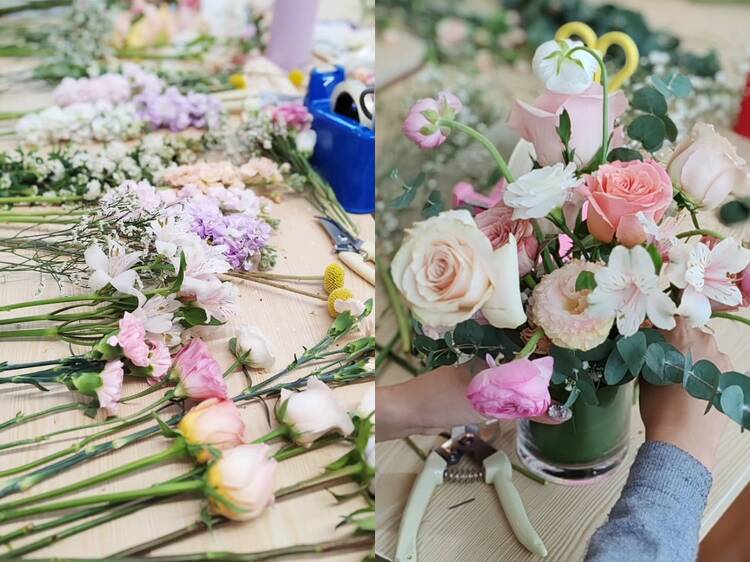
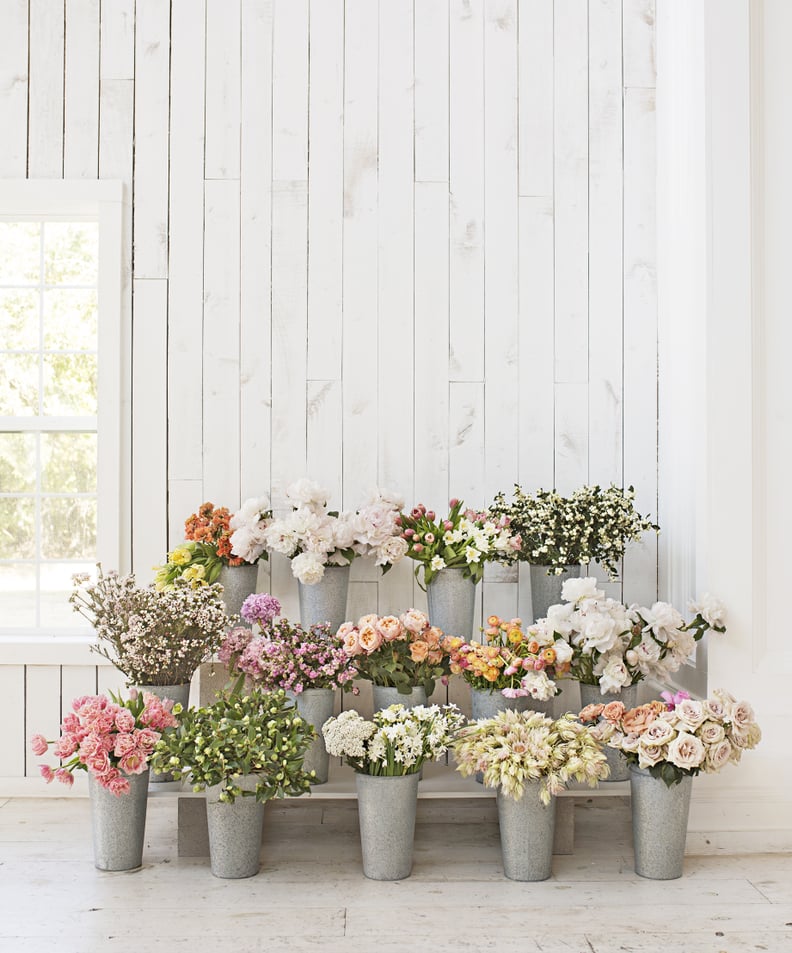
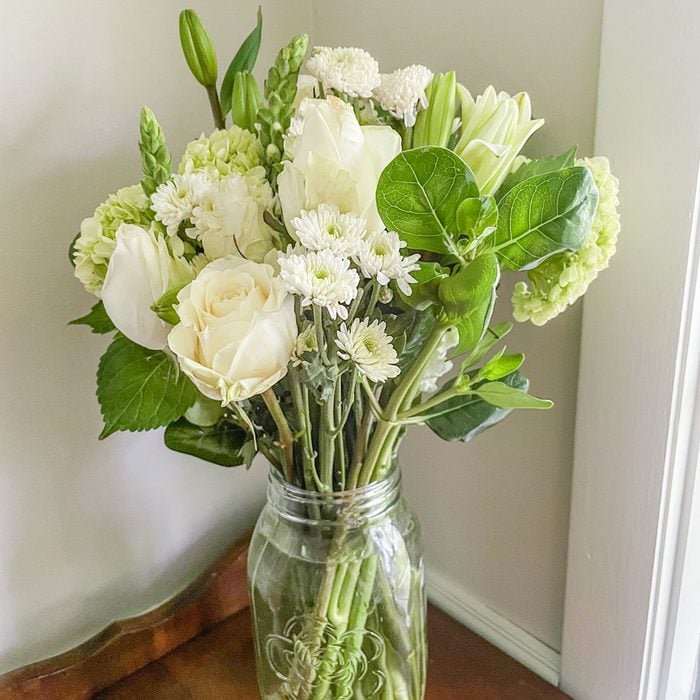
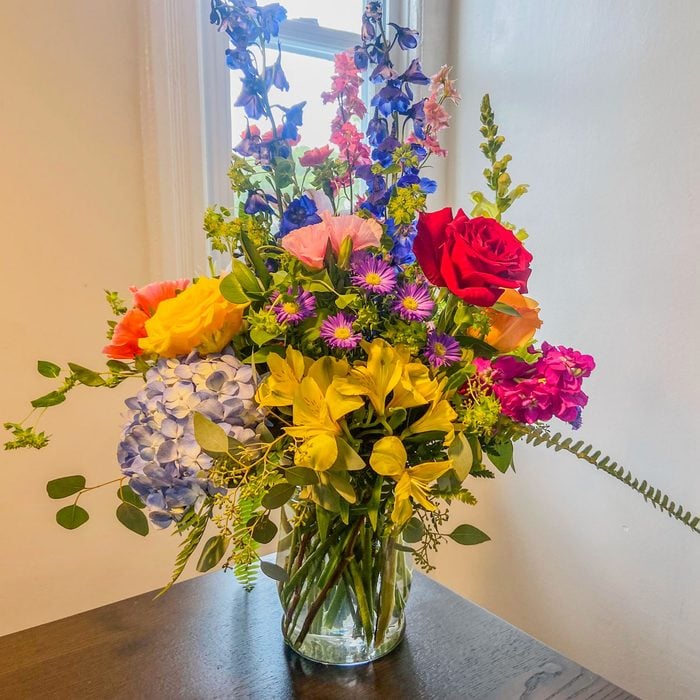
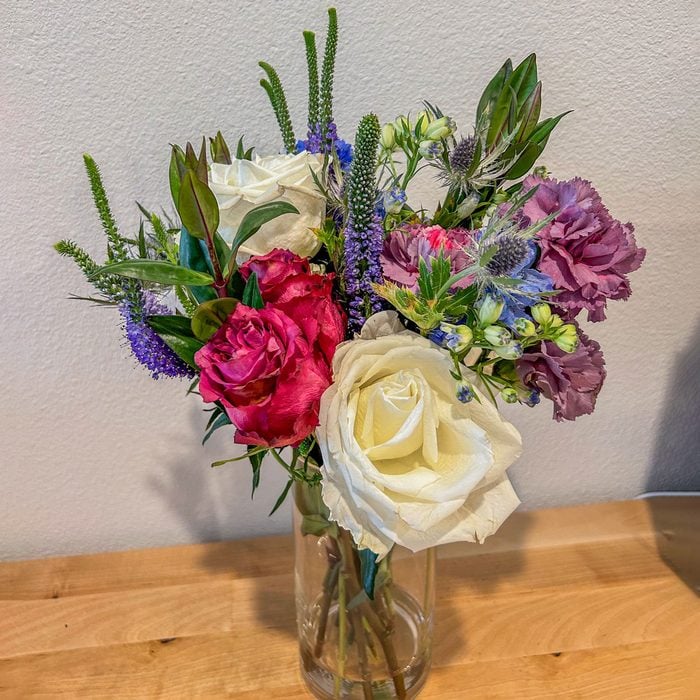
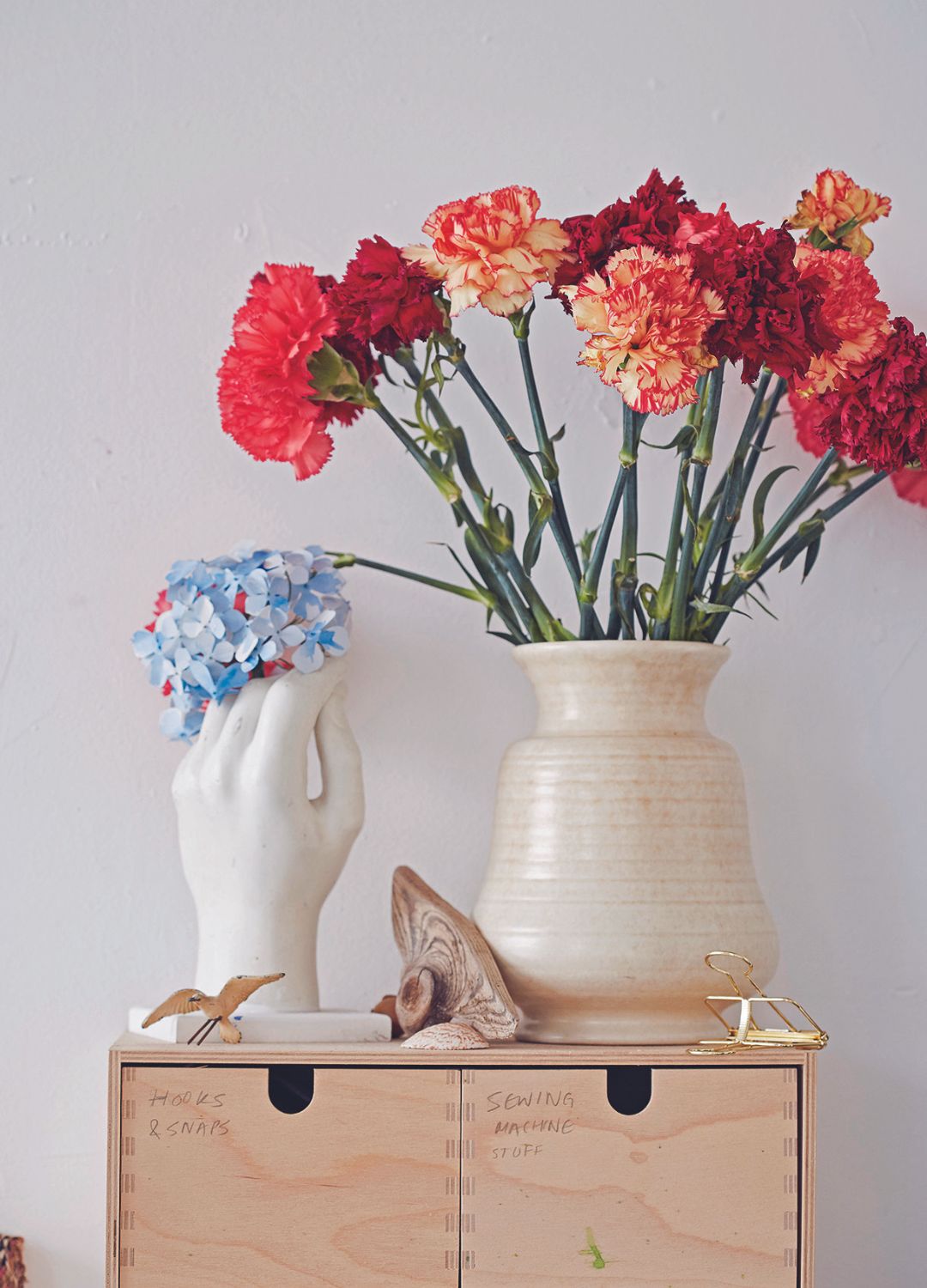
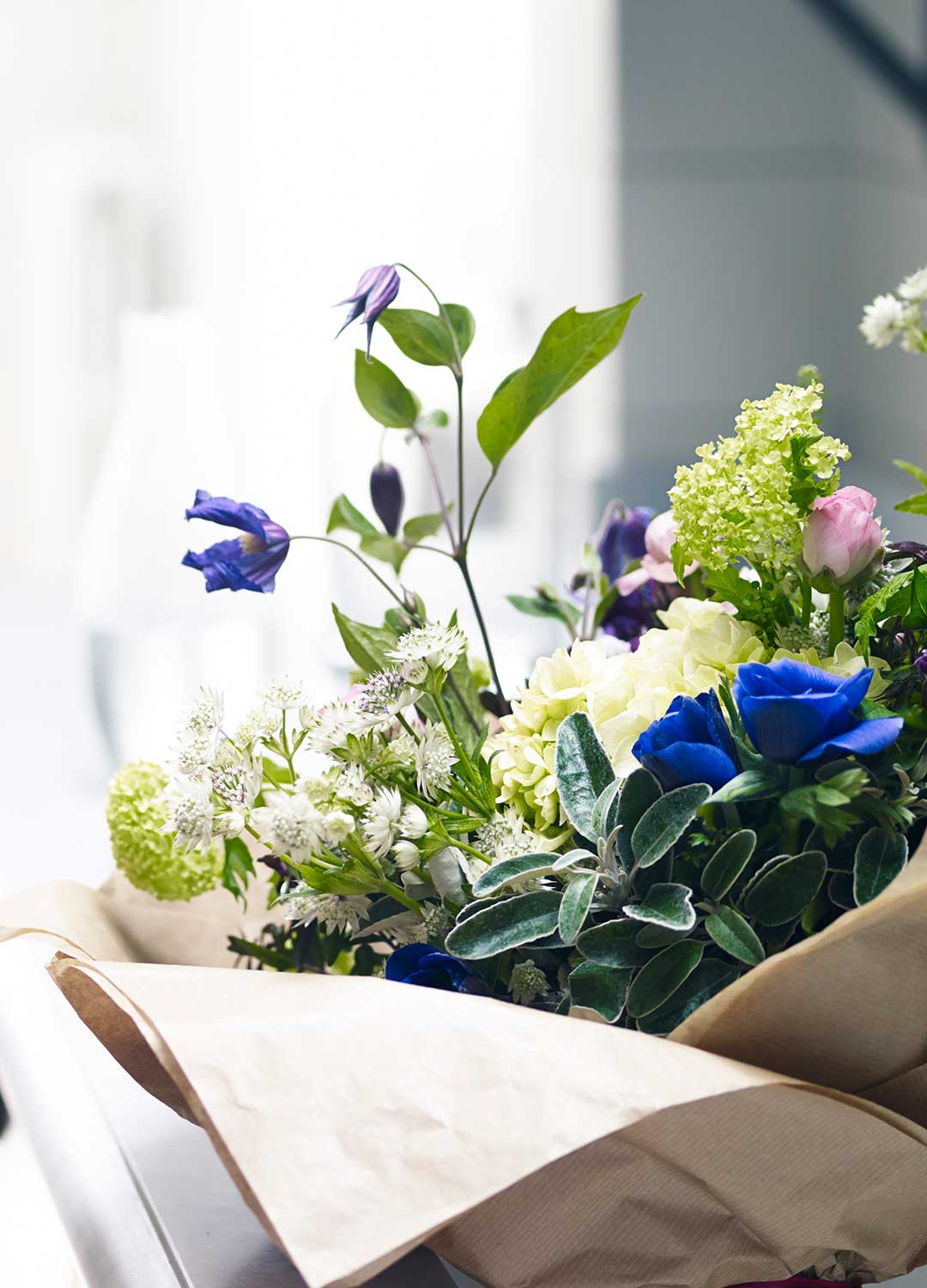
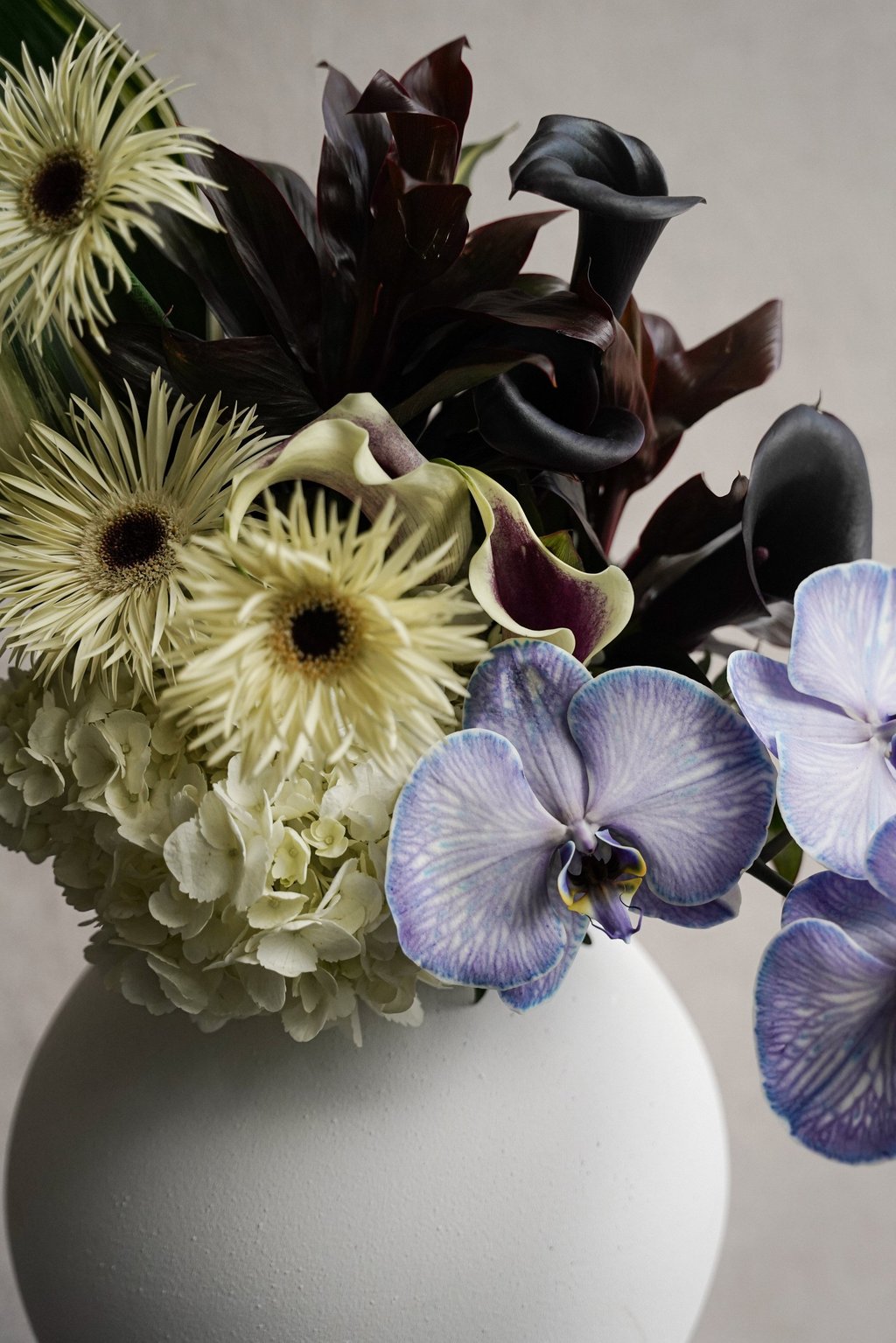
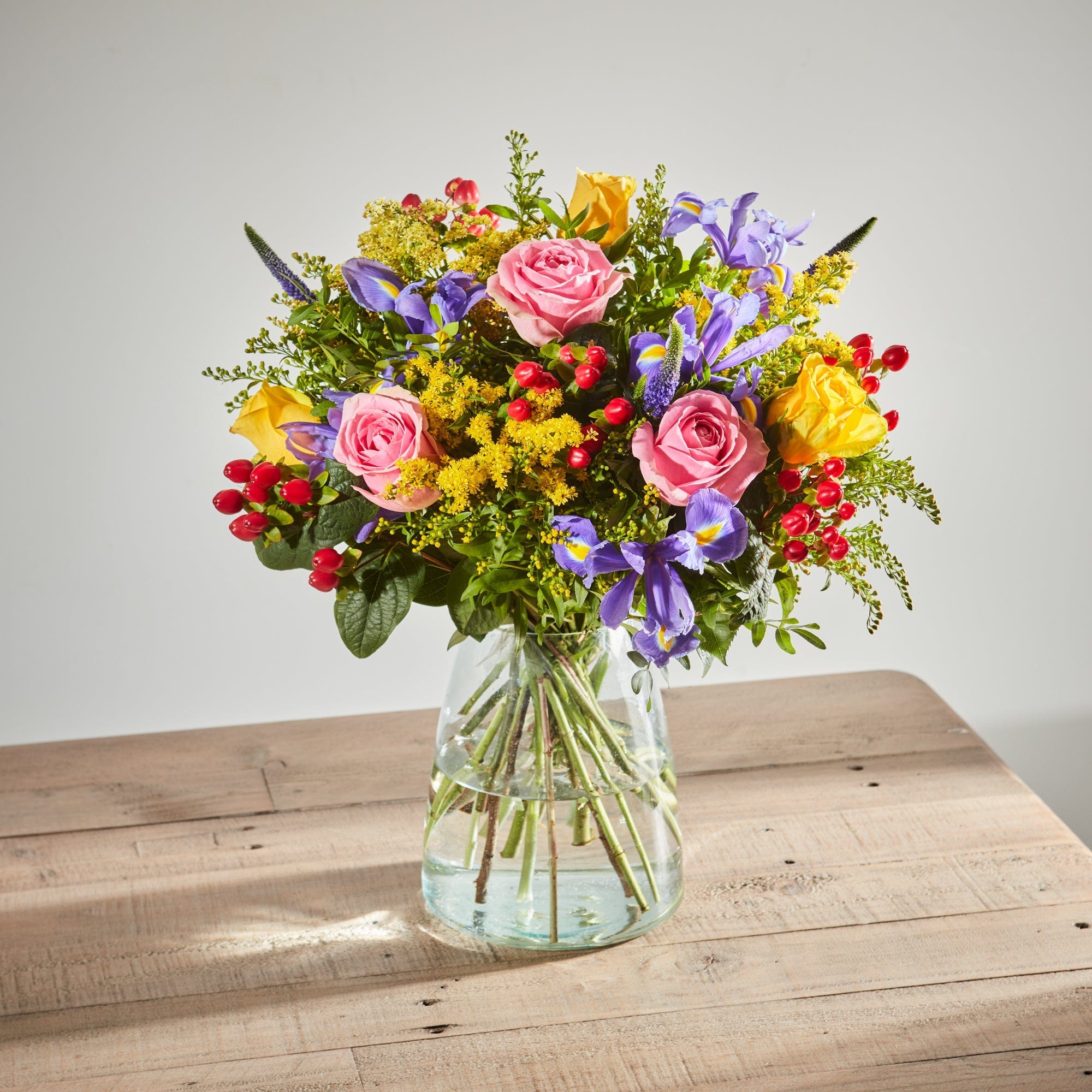
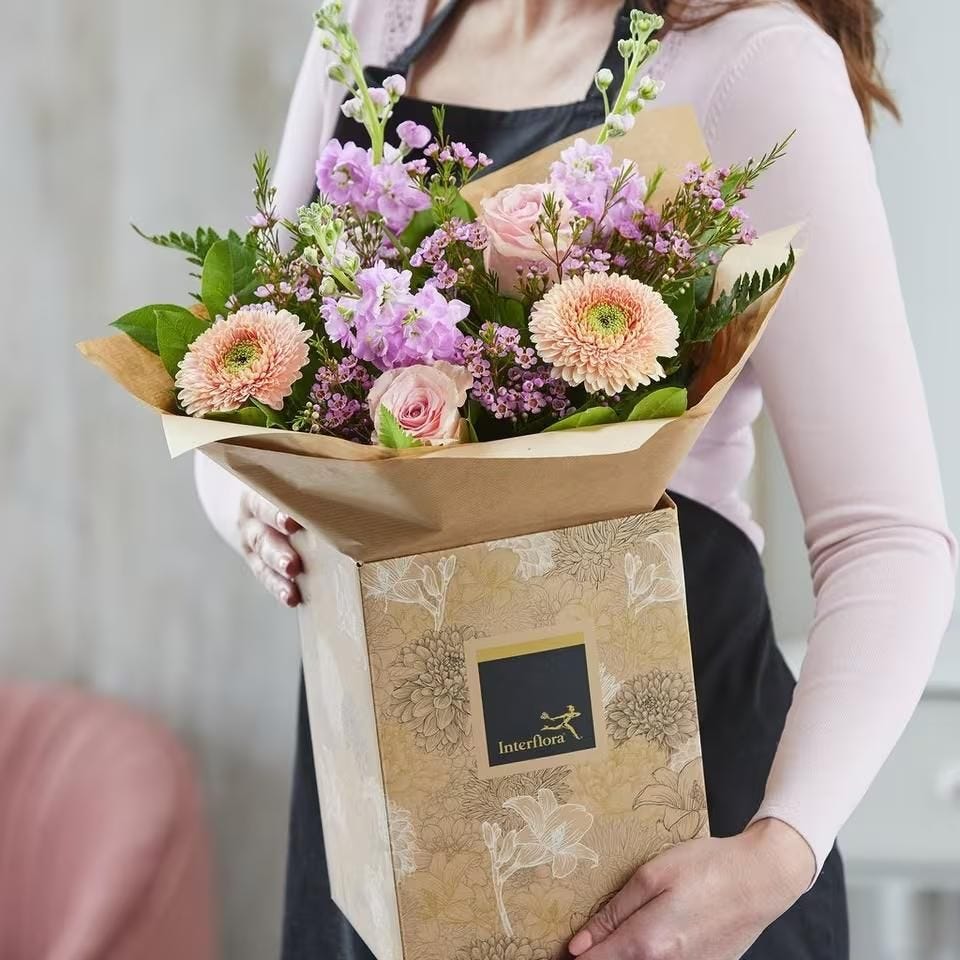
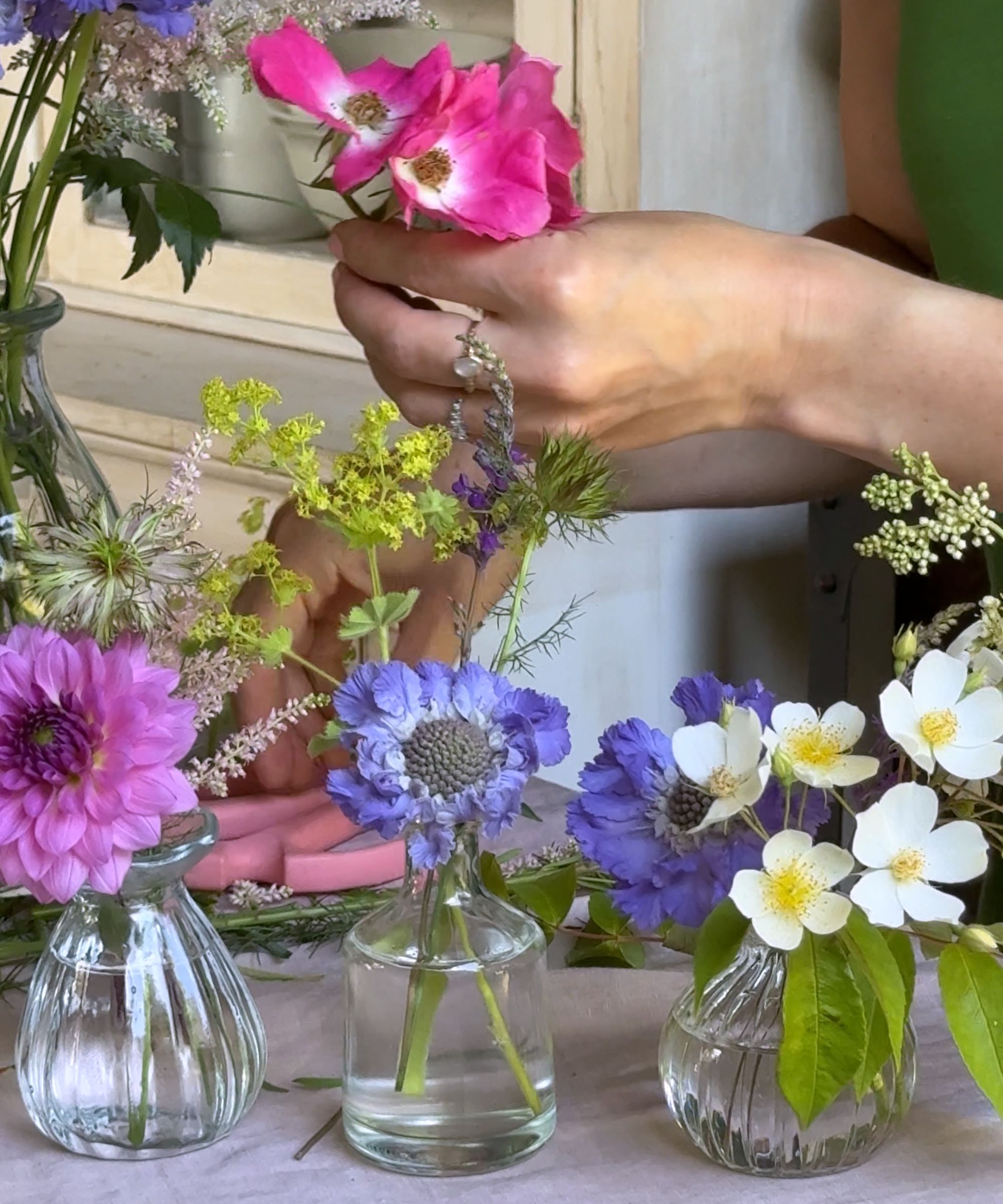
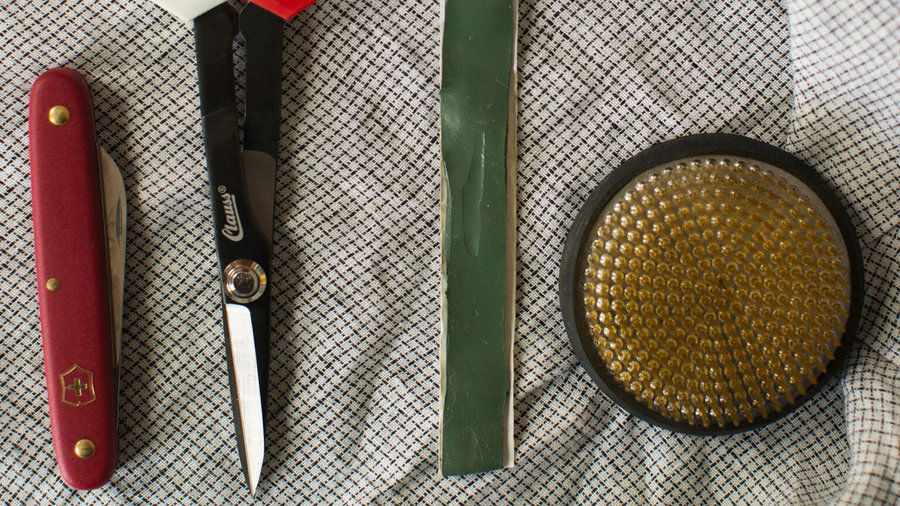
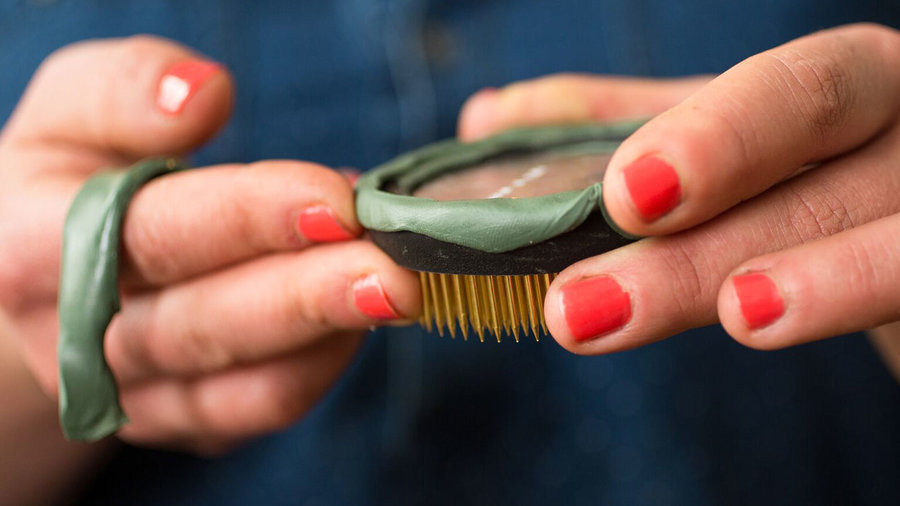
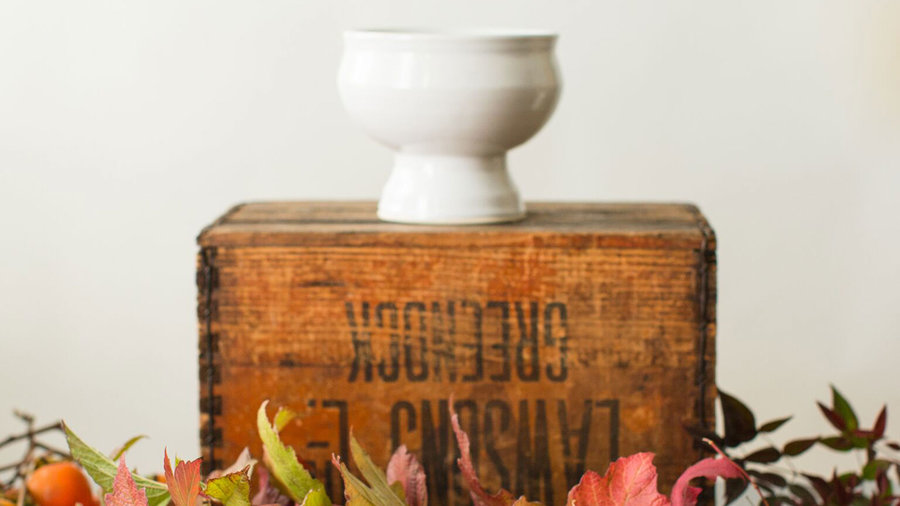
Fleegal shares practical advice for creating outstanding DIY floral arrangements. When selecting blooms, it is crucial to consider their longevity and characteristics; for example, carnations are durable and versatile, while hydrangeas require constant hydration to prevent wilting. Peonies can be expensive out of season, and tulips will continue to grow and bend towards light sources once cut. Consulting with a florist for recommendations is advisable. For containment, the size of the container should complement the flowers. For low or shallow containers, floral foam is essential for anchoring. A grid, created with floral tape or by intertwining greenery stems, helps keep flowers upright. Curly willow can also be used at the base of the vase. It is important to protect wood furniture with a waterproof barrier underneath the container, as most leak when watered.
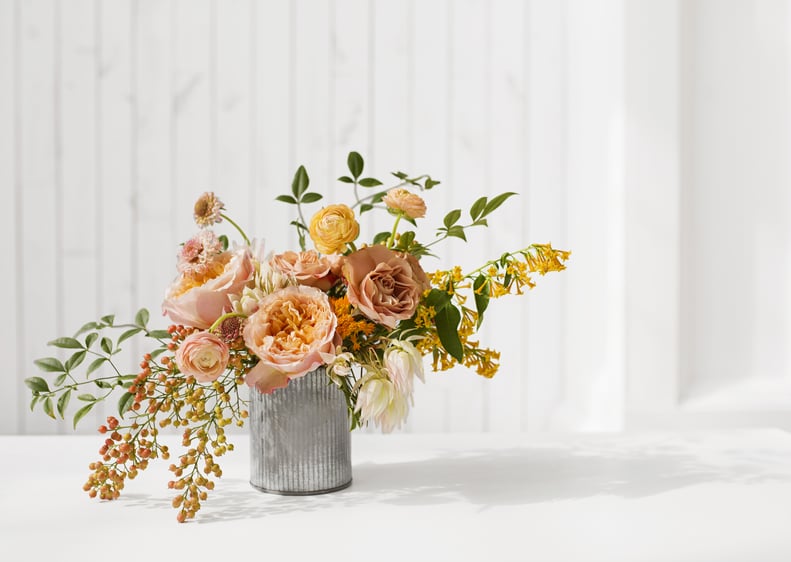
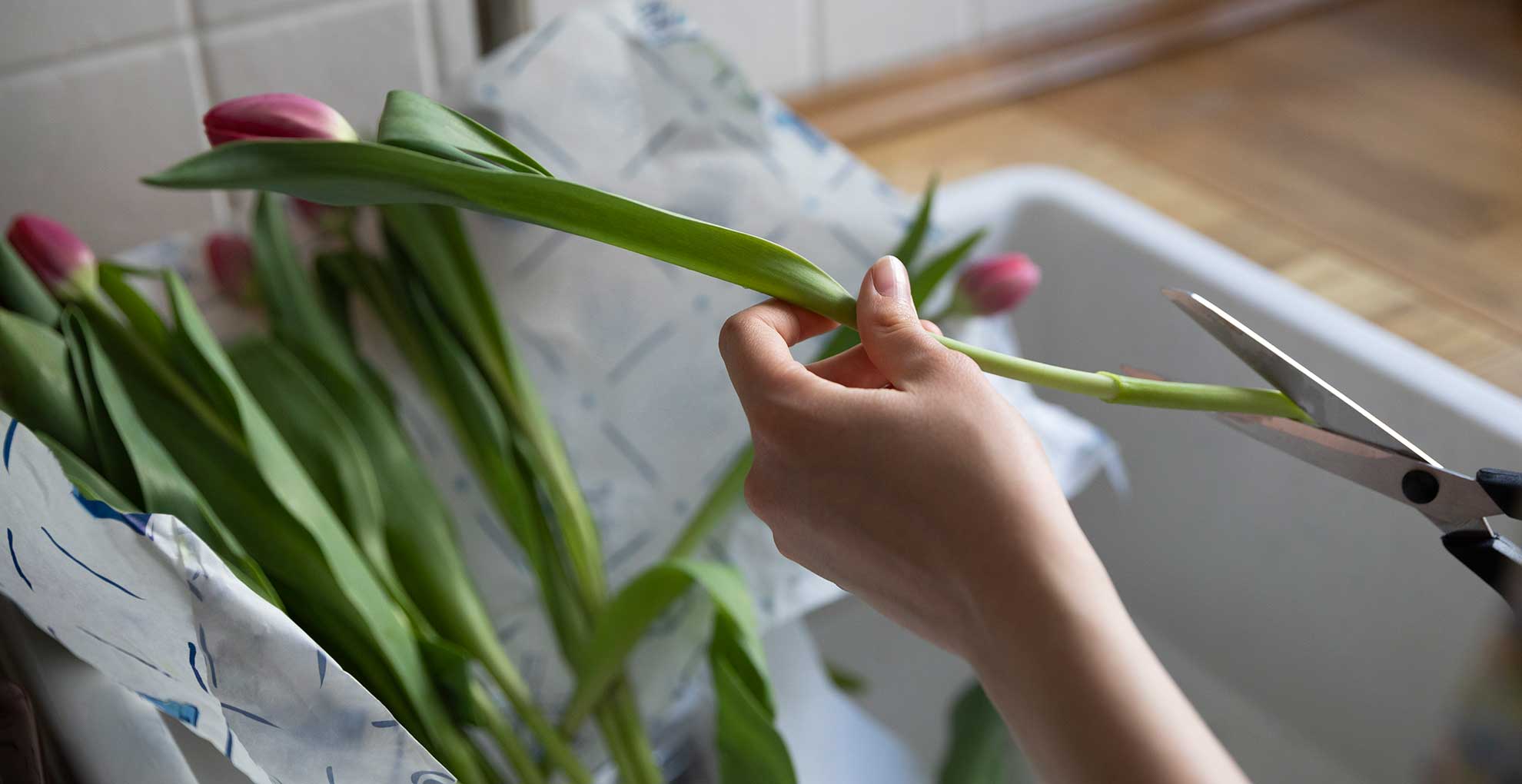
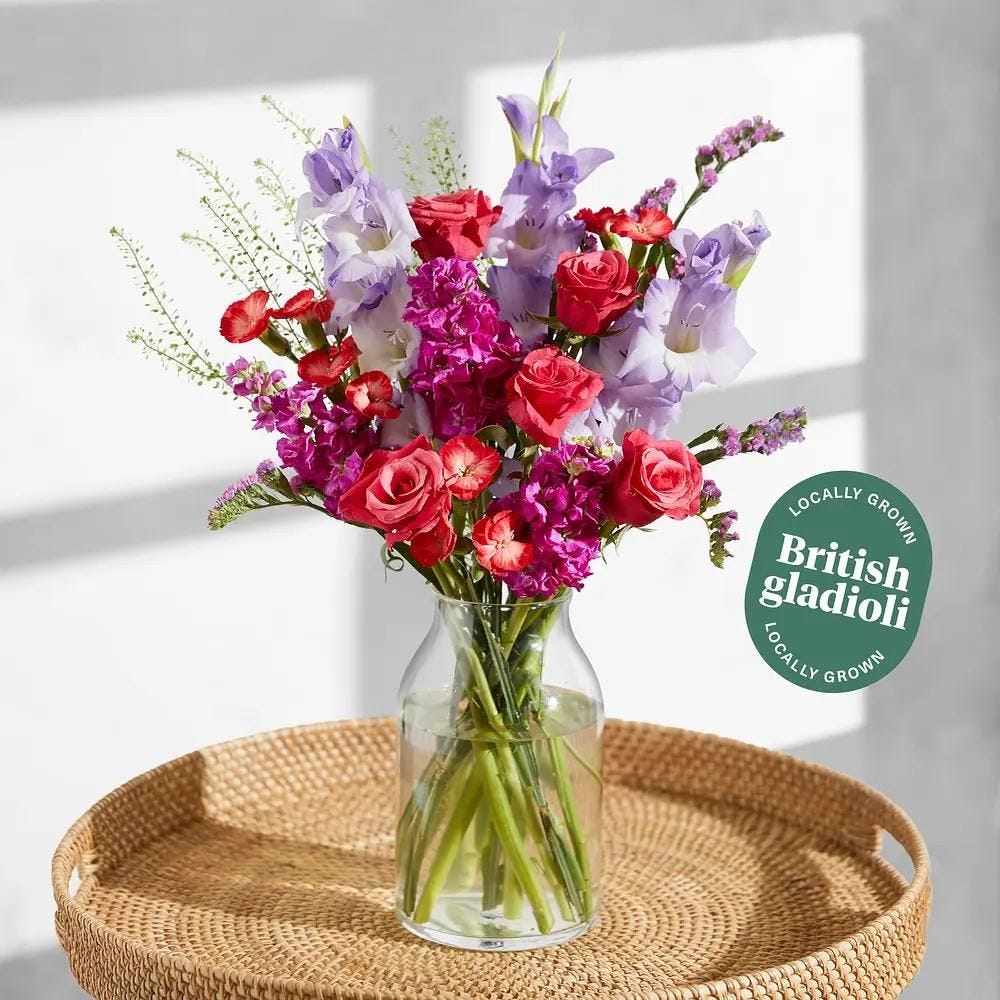
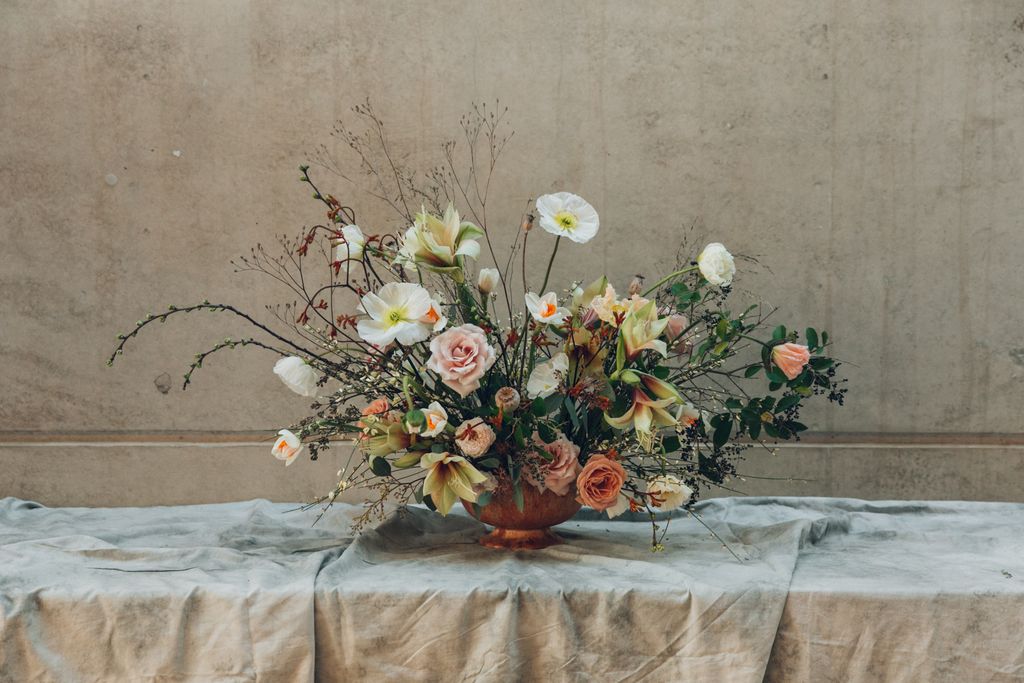
For arrangement, flowers are added one at a time after the grid and greens are in place. Larger, heavier flowers are typically positioned at the bottom, with taller blooms extending upward, and the tallest, such as gladiolus, added last to provide height. Wire reinforcement can be used for tall or heavy stems. The arrangement should be balanced within the greenery, and filler flowers can be added last for additional texture and color. To preserve the arrangement, it should be kept out of direct sunlight. Stems should be trimmed with clean, disinfected tools immediately upon arrival and placed in cool water with a quality commercial floral preservative. Finished arrangements should be kept away from hot spots, as most flowers prefer cooler temperatures. Daily watering is necessary, ensuring all stems are submerged, and floral preservative should be added if the water is changed.
#DIYFloralArrangements #FlowerDesignTips #HomeDecor #MetroFlowerMarket #MargaretFleegal #FloralPreservation #ChantillyVA #WellnessBenefitsOfFlowers #DIYFloralArrangements #FlowerDesignTips #HomeDecor #MetroFlowerMarket #MargaretFleegal #FloralPreservation #ChantillyVA #WellnessBenefitsOfFlowers
0 comment in total
 No comments yet
You may also like
How to arrange flowers like a professional – these 7 rules are all you need according to floral experts

7 Flower Subscription Services Perfect for You (or Your Best Bud)

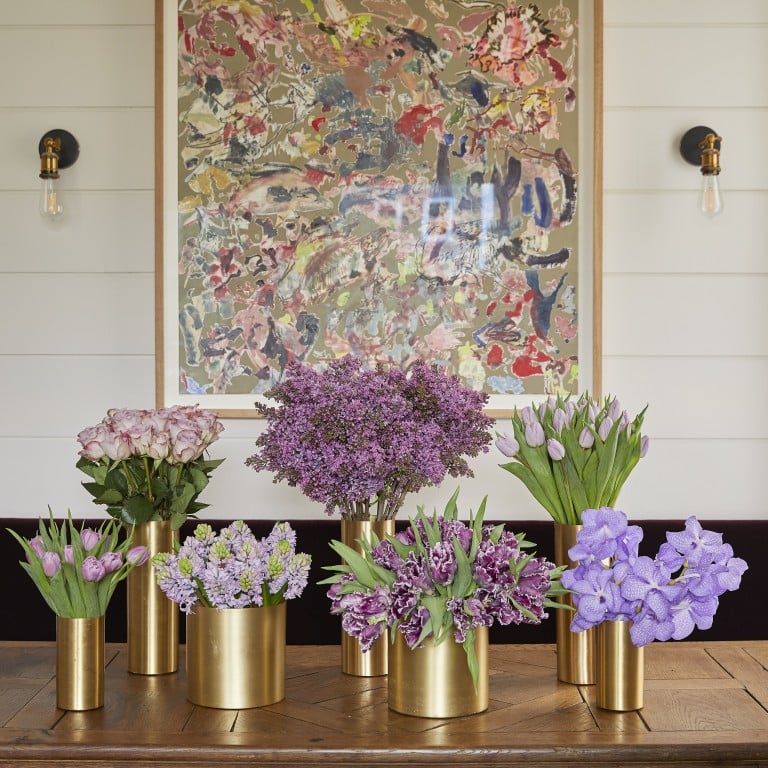
How to make your home bloom, plus 5 tips for the perfect floral display

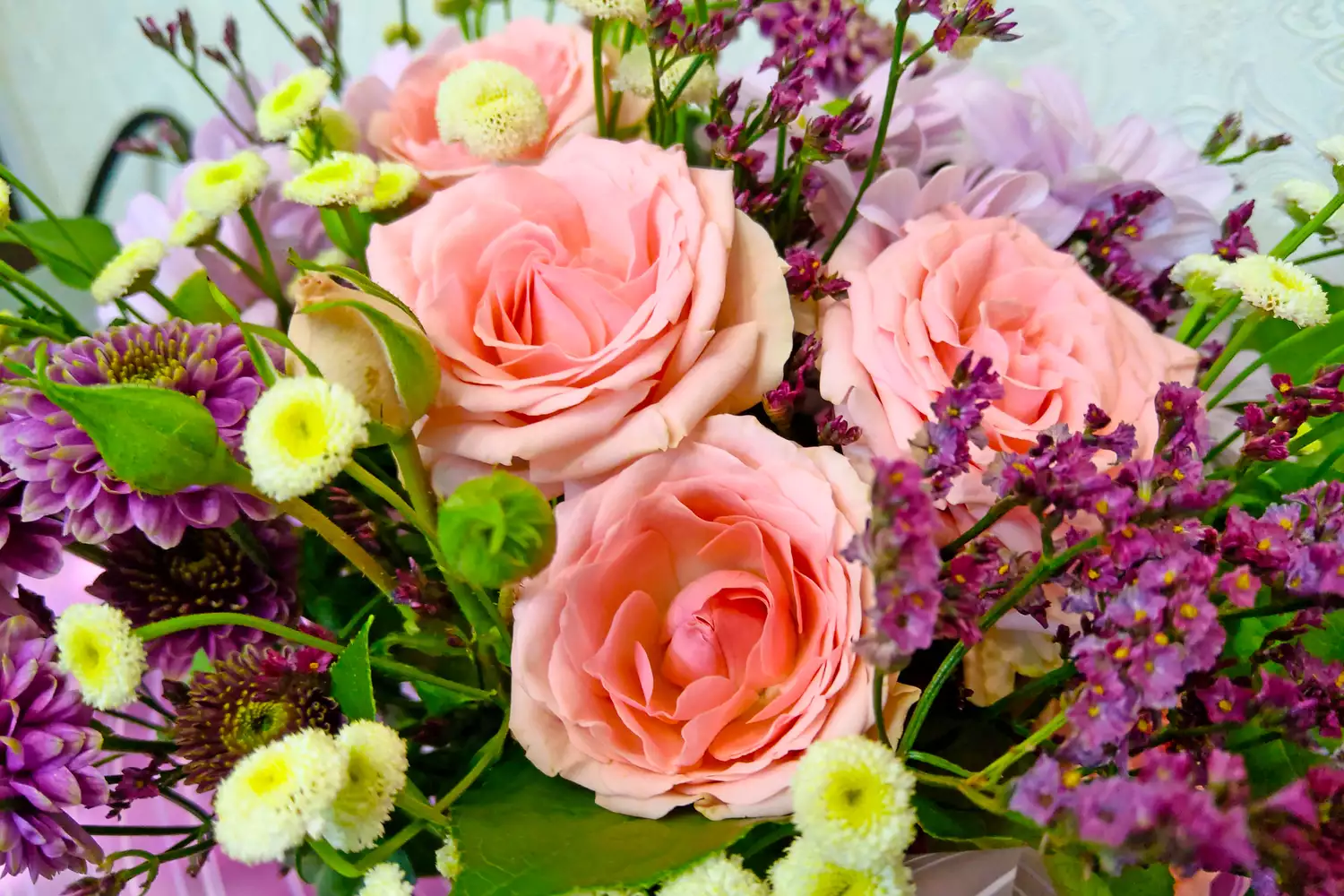
The '3-5-8 Rule' Is Every Florist's Secret to Creating Stunning Flower Arrangements—and It's So Easy to Try at Home
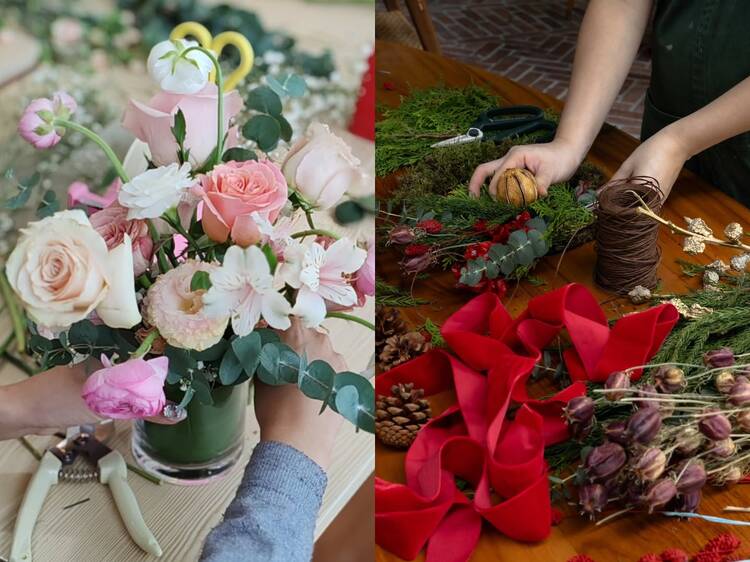
The best floral arrangement classes in Singapore

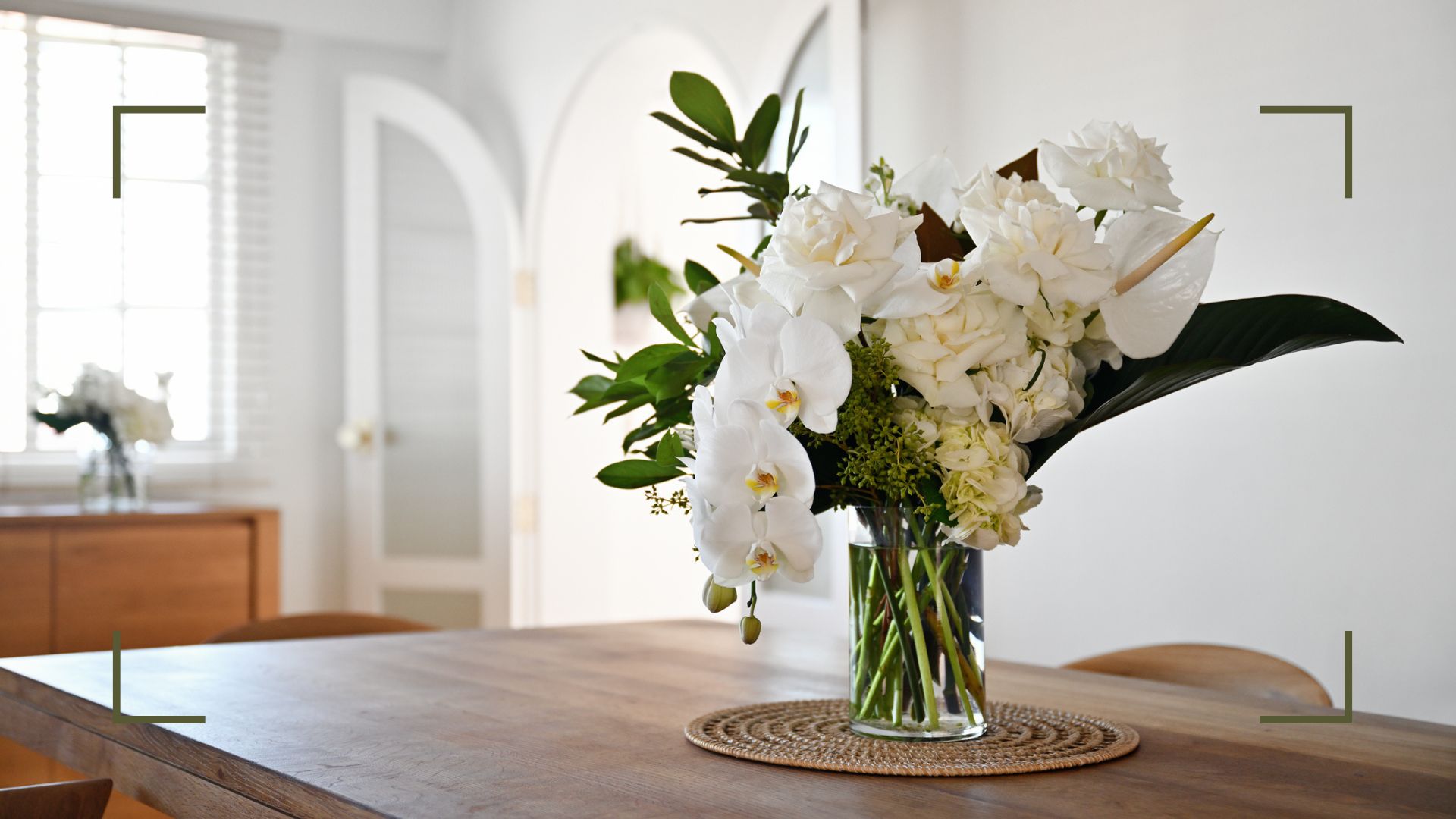
How to make cut flowers last longer – 7 expert tips for getting the most out of your bouquet

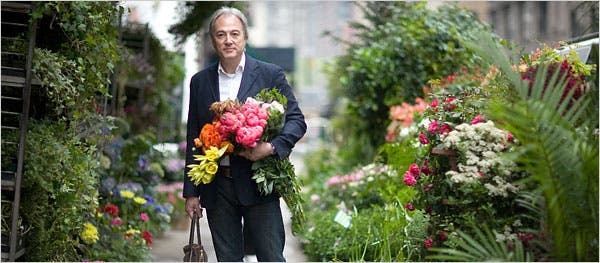
Shopping for Flowers with De Juan Stroud (Published 2008)
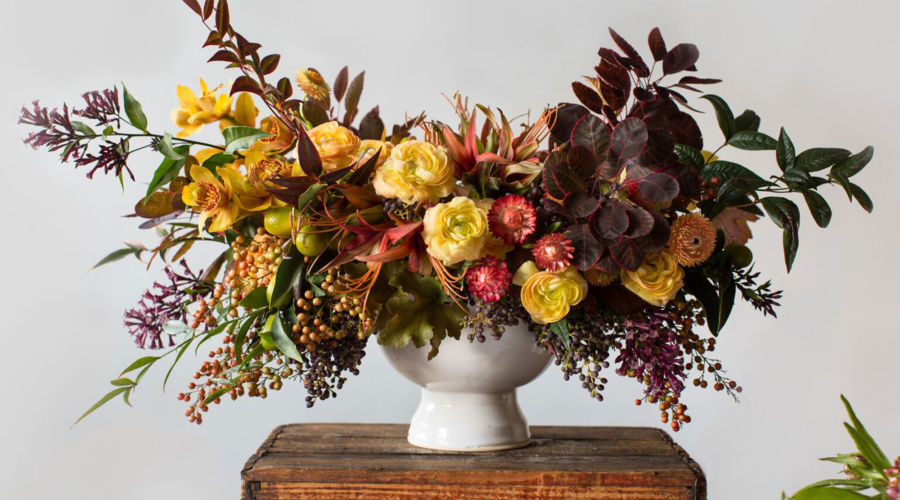
This DIY Fall Floral Arrangement Is an Instant Show-Stopper
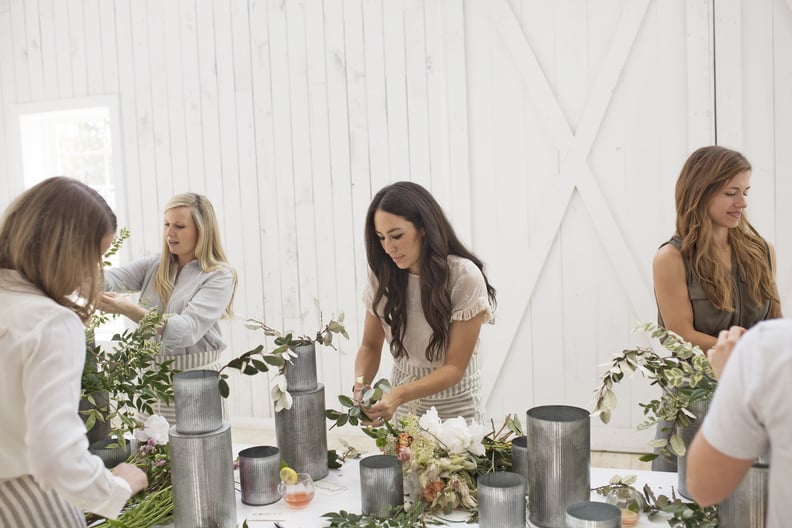
Joanna Gaines's 5 Must-Read Tips For Creating Stunning Flower Arrangements
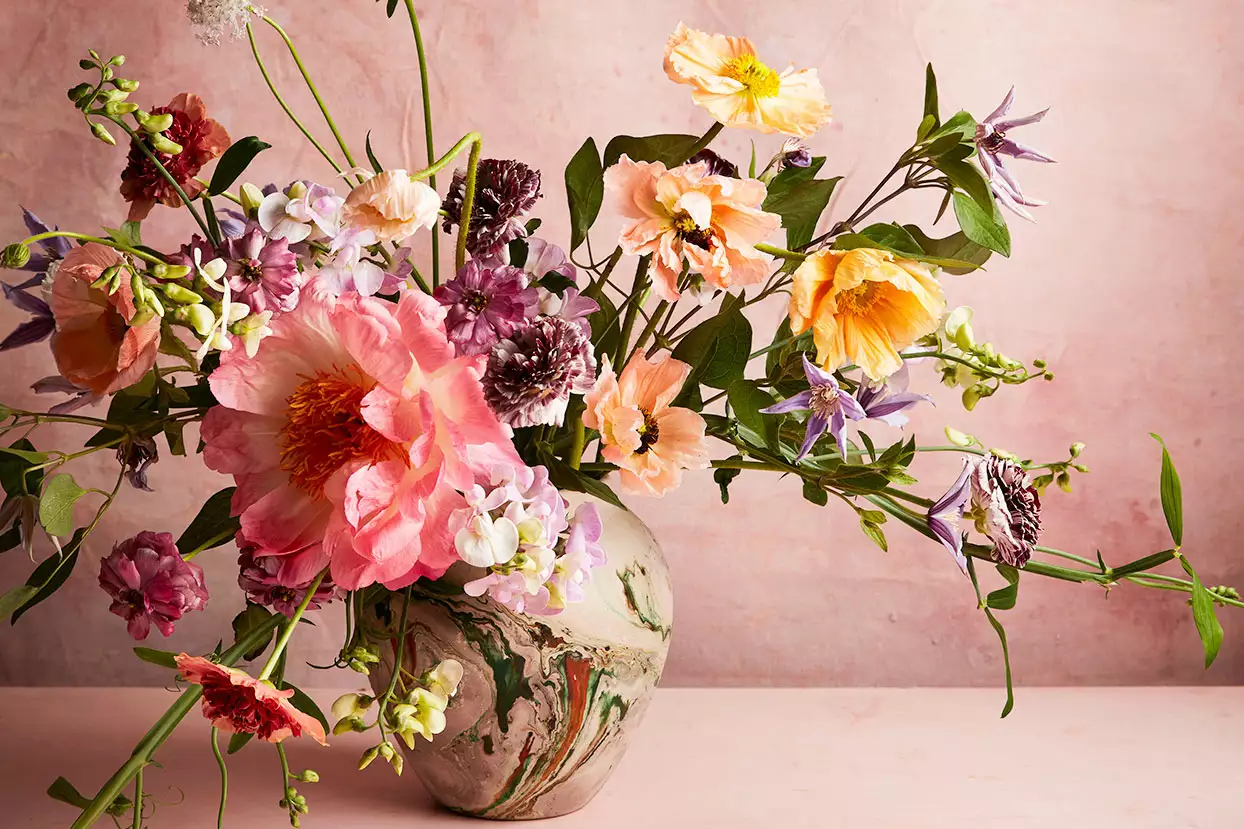
14 Flower Arranging Secrets That Will Help You Build a Better Bouquet

The best online flower delivery services out of 22 tested with 144 bouquets sent

5 Unexpected Ways to Display Flowers, No Vase Required

Treat Yourself to One of These Fabulous Floral Workshops
Expert tips for creating Christmas floral arrangements

How to design a bud vase arrangement using wild flowers from your garden
How to Elevate Your Farm Stand Flowers

Steal These Florists' Tips to Create Better Bouquets at Home
These Stunning Arrangements Use Just One Type of Flower
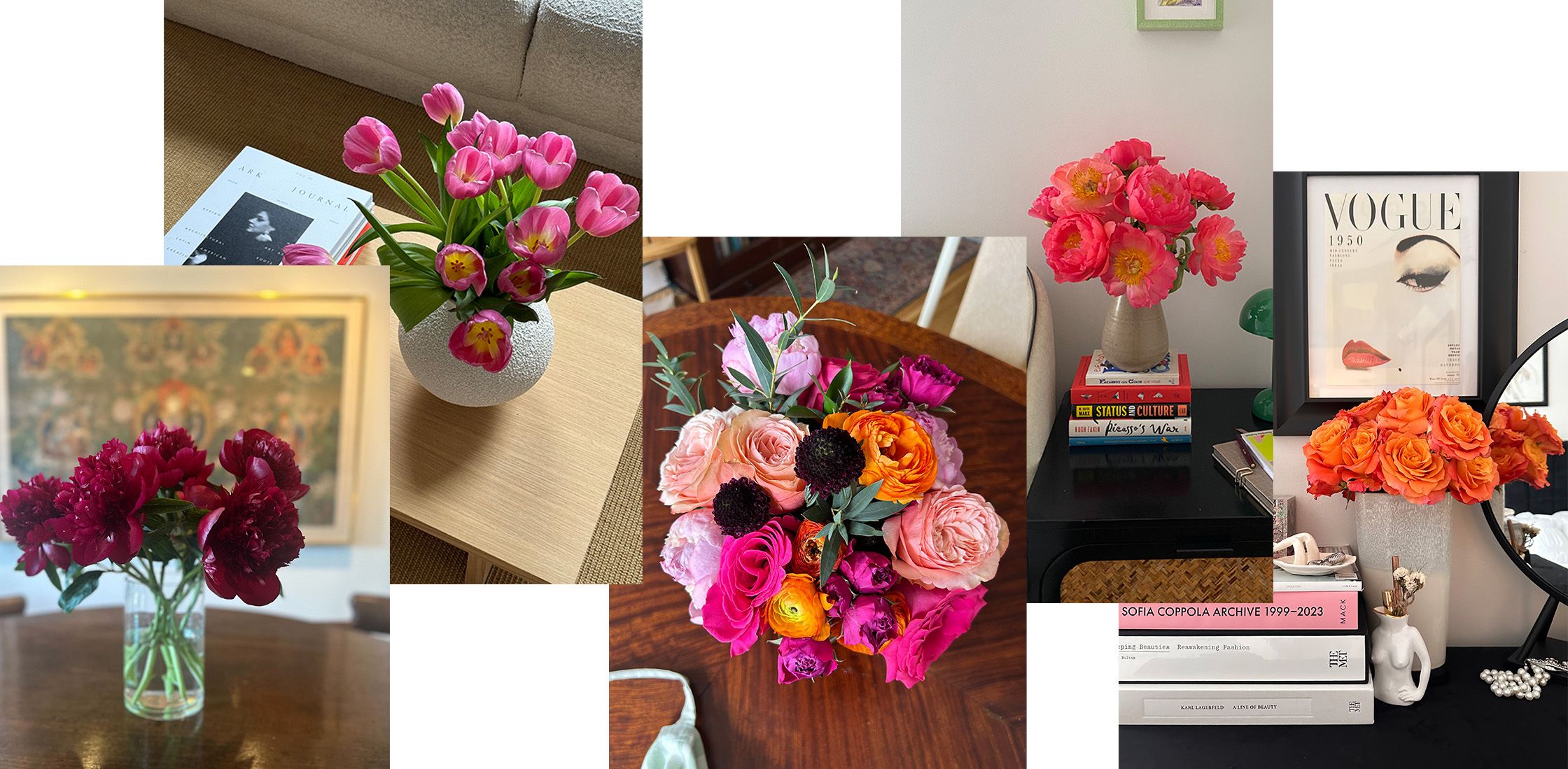
The Best Flower Delivery Services & Subscriptions For The Ones You Love
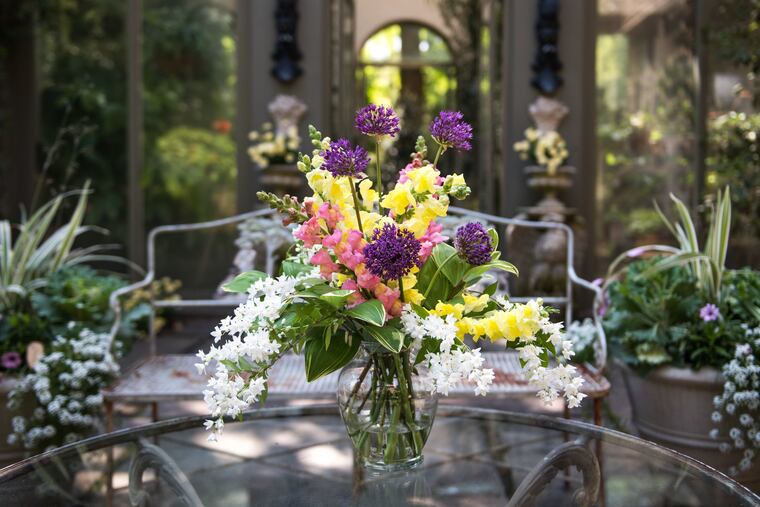
Flower arrangement 101: How to make a bouquet from backyard flowers