
1/9
11 tips from the professionals to get your garden ready for spring
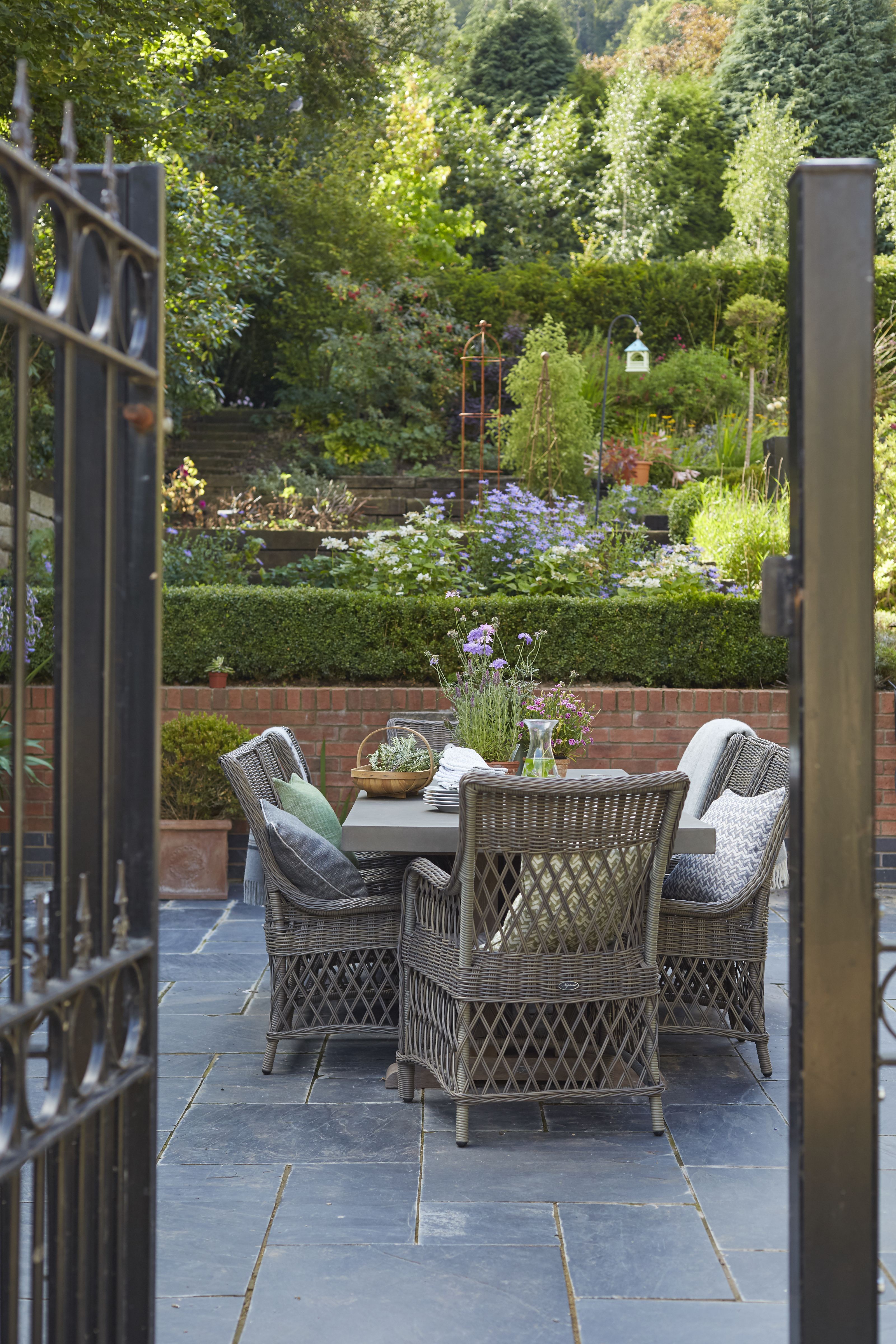
As the May bank holiday approaches, many gardeners look forward to preparing their outdoor spaces for the upcoming season. This guide offers eleven professional tips to ensure your garden is in optimal condition for spring. The recommendations cover a range of tasks from general tidiness to specific plant care and structural maintenance.
Beginning with a 'Spring clean,' the first tip emphasizes the importance of cleaning your greenhouse. This involves thoroughly scrubbing the glass with hot, soapy water to maximize light penetration, which is crucial for plant growth. Additionally, cleaning helps eliminate overwintering pests and diseases, promoting a healthier environment for your plants. A plant label can be used to access tight joins and remove accumulated debris.
Next, the guide advises on lawn care, specifically 'Mowing the meadow.' If not already done, gardeners should mow their lawns on a dry day, ensuring the mower blades are set to the highest possible setting. This approach helps maintain a healthy lawn while preparing it for continued growth throughout spring and summer.
To enhance the aesthetic appeal of the garden, the third tip, 'Be edgy,' suggests using a lawn edger. This tool helps create clean, defined lines along paths and borders, giving the garden a neat and polished look after mowing.
The fourth point, 'Chop, chop,' focuses on managing herbaceous plants. Gardeners should cut back any dead or last year's stems from these plants. The removed material can then be added to a compost heap, contributing to a sustainable gardening practice.
Conversely, 'Leave it alone' is the fifth tip, which refers to clearing old leaves. Accumulated leaves from the previous year should be removed from around plants to prevent smothering and reduce habitats for pests.
Weed control is addressed in 'Hoe, hoe, hoe.' Since weeds are typically the first plants to emerge in spring, it's important to address them early. Lightly hoeing on a dry, sunny day will remove weeds, leaving them on the surface to dry out and die.
For flowering shrubs, 'Prune away' recommends pruning spring-flowering varieties immediately after they finish blooming. This practice prevents them from becoming overgrown and encourages healthy growth for the next flowering cycle.
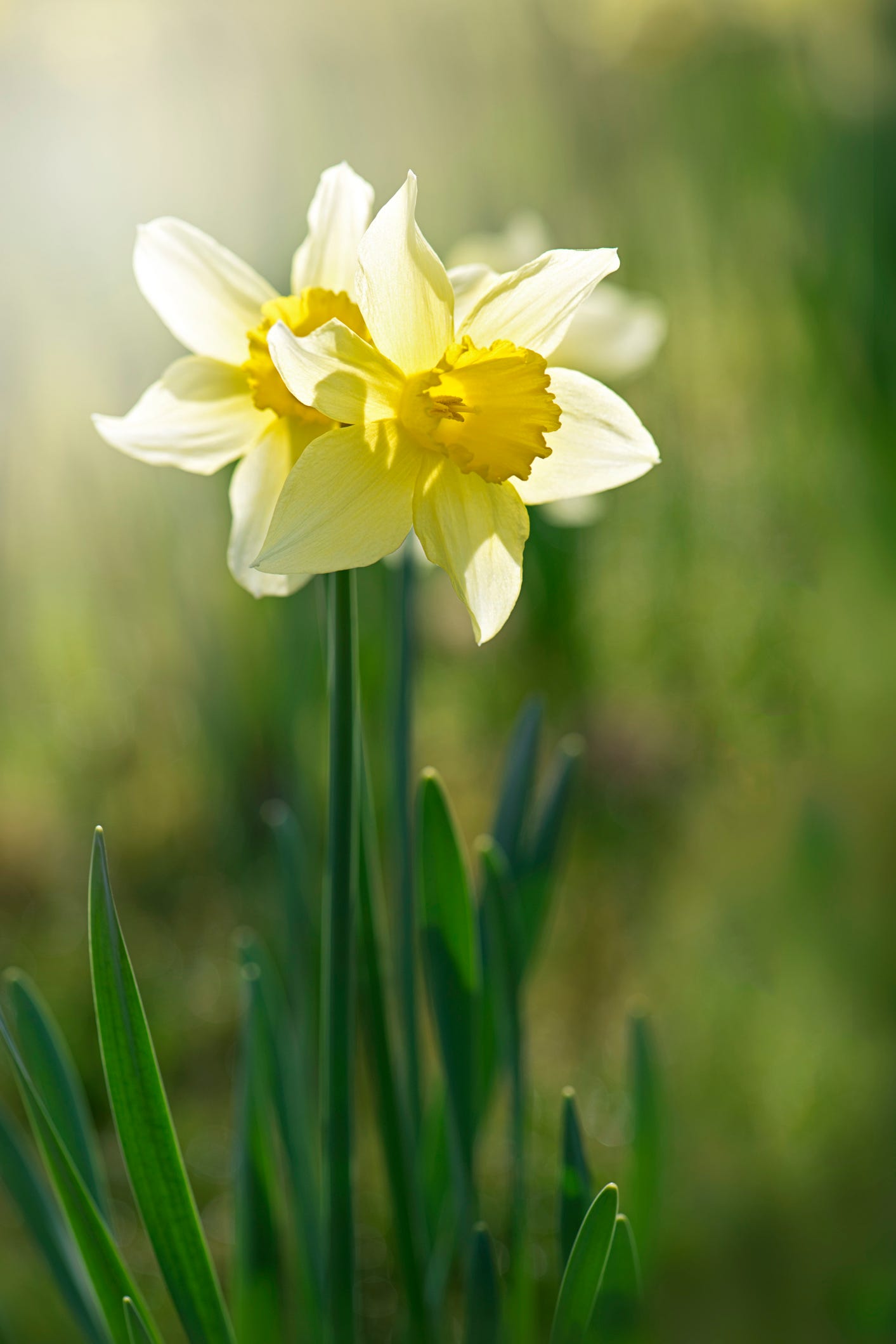
The eighth tip, 'Off with their heads,' specifically concerns daffodils. After they have flowered, deadhead them, but allow the foliage to naturally die down. If they were potted, they can be planted out into the garden to establish themselves.
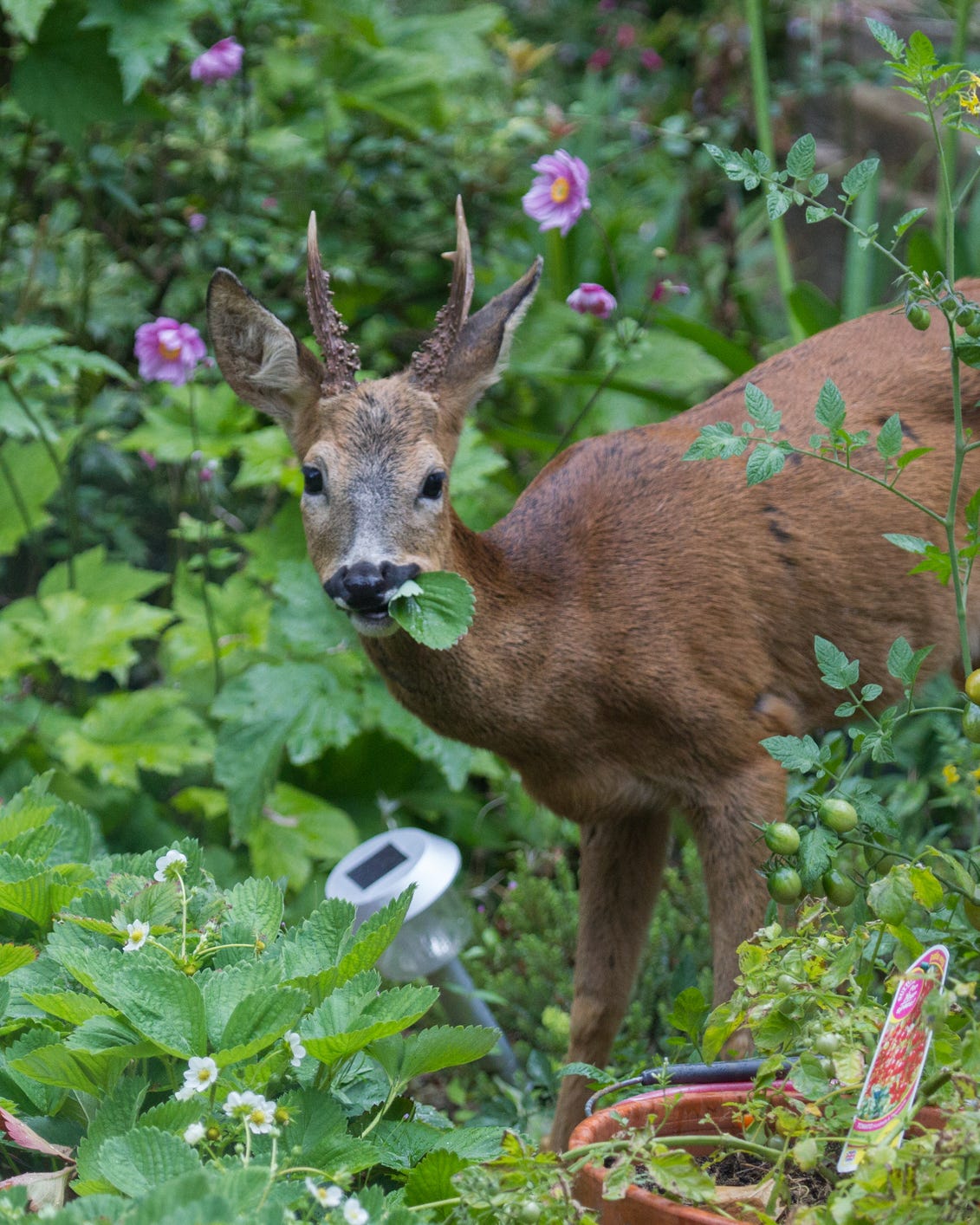
Maintaining garden boundaries is covered in 'Mind your boundaries.' Spring is an opportune time to inspect and repair any damage to fences and other woodwork. Additionally, gardeners should consider reinforcing or adding rabbit-proofing measures if necessary.
'Brush up' suggests repainting any garden woodwork or fences every two years. Applying paint, varnish, or wood stain not only refreshes the appearance of structures like gates, benches, or fences but also protects them from weather elements. It is crucial that the surfaces are dry and clean before painting.
Finally, 'Power tools' recommends using a power-hose to clean paths. This effectively removes moss and dirt, resulting in a fresh and tidy appearance for paved areas.
#SpringGardening #GardenMaintenance #LawnCare #PlantPruning #WeedControl #GreenhouseCleaning #BoundaryMaintenance #OutdoorCleaning #BeechgroveGarden #SpringGardening #GardenMaintenance #LawnCare #PlantPruning #WeedControl #GreenhouseCleaning #BoundaryMaintenance #OutdoorCleaning #BeechgroveGarden
0 comment in total
 No comments yet
You may also like

3 design expert tips for preparing your backyard for spring

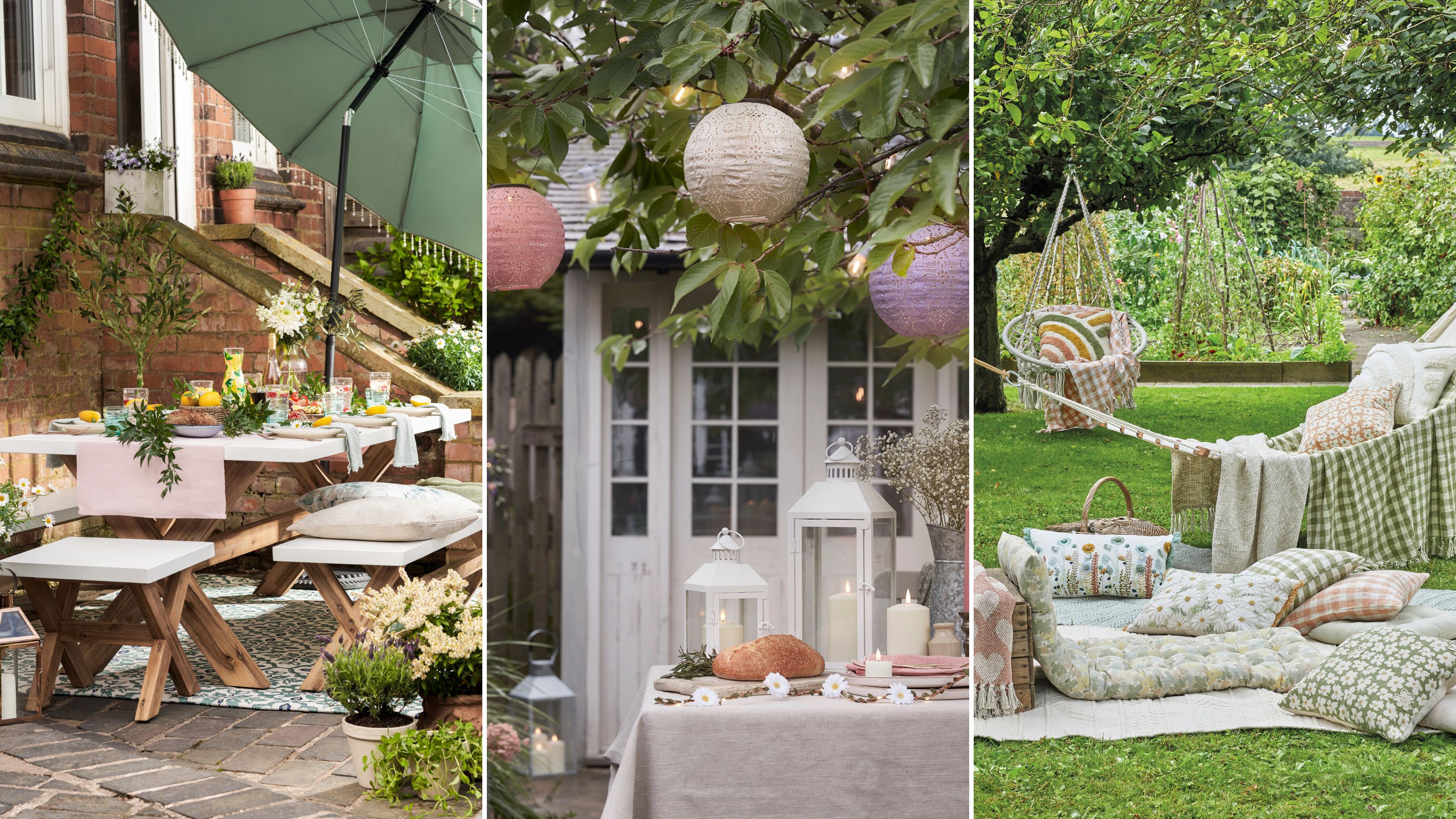
Outdoor spring decor ideas — 7 ways to make your backyard look beautiful


Spring Decor

14 Home Maintenance Projects to Add to Your Spring To-Do List

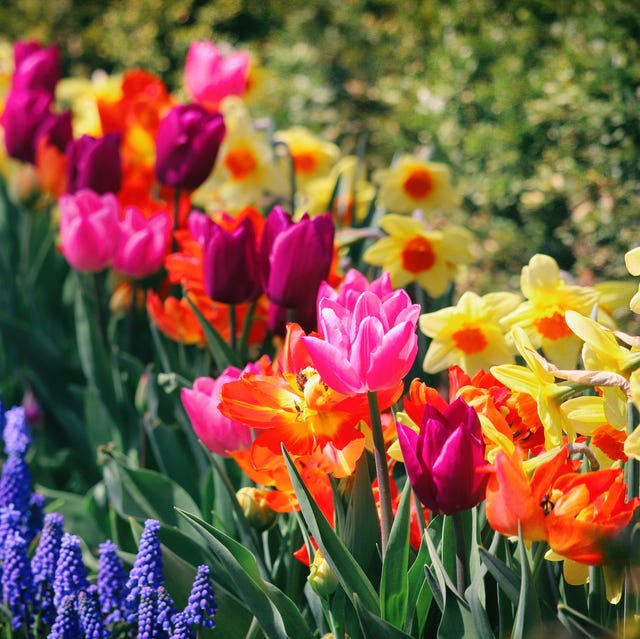
Grow These Stunning Spring Flowers to Welcome in the Season


5 updates to refresh your outdoor living space for spring


6 Outdoor Fixes You Should Do Now for a Damage-Free Spring, Home Reno Pros Say

You Should Plant Night Sky Flowers in Your Yard ASAP

Start Planning Your Ideal Garden with These Garden Plans and Ideas

Gardening: The right lighting to get those seeds started for spring


How To Clean And Prepare Your Patio For Warmer Months Ahead


7 spring home decor ideas to refresh your home for the season
Spring Into the Outdoors: Prep Your Space for Outdoor Living
18 spring decor ideas to help you set the scene this season

16 Spring Decorating Ideas to Give Your Home the Refresh It Deserves


10 Of The Most Unique Gardens In San Francisco Perfect For Spring


How to Bring Spring to Your Patio — 5 Ideas to Transition Your Outdoor Space


Gorgeous Spring Decor Ideas to Welcome the Warm Weather


Fall Is the Perfect Time to Change Your Garden’s Flow—Here’s How to Do It

23 Spring Flower Arrangements That Put the Season's Best Blooms on Display