1/2
How To Clean Bathroom Chrome
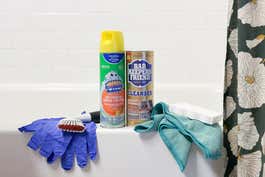
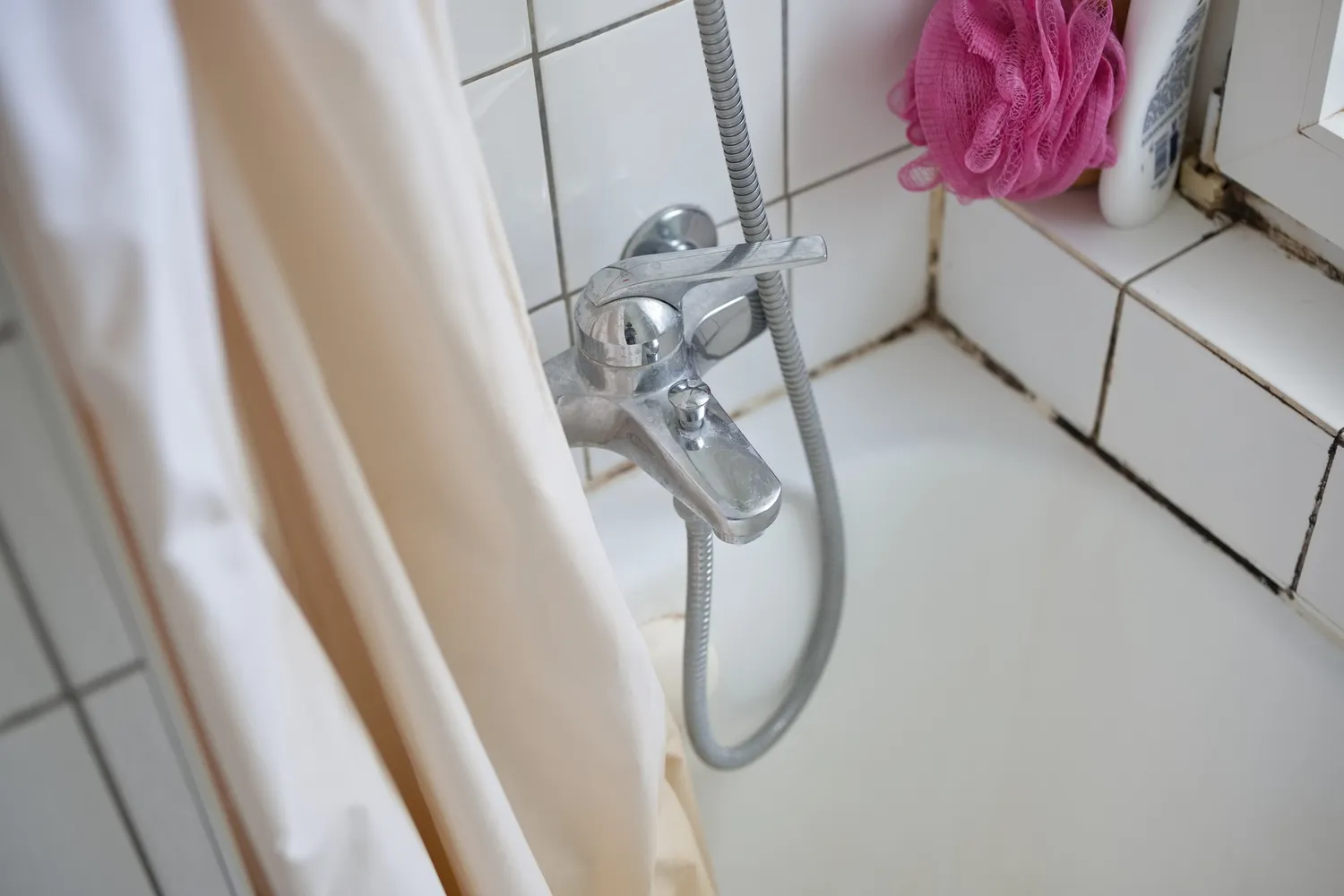
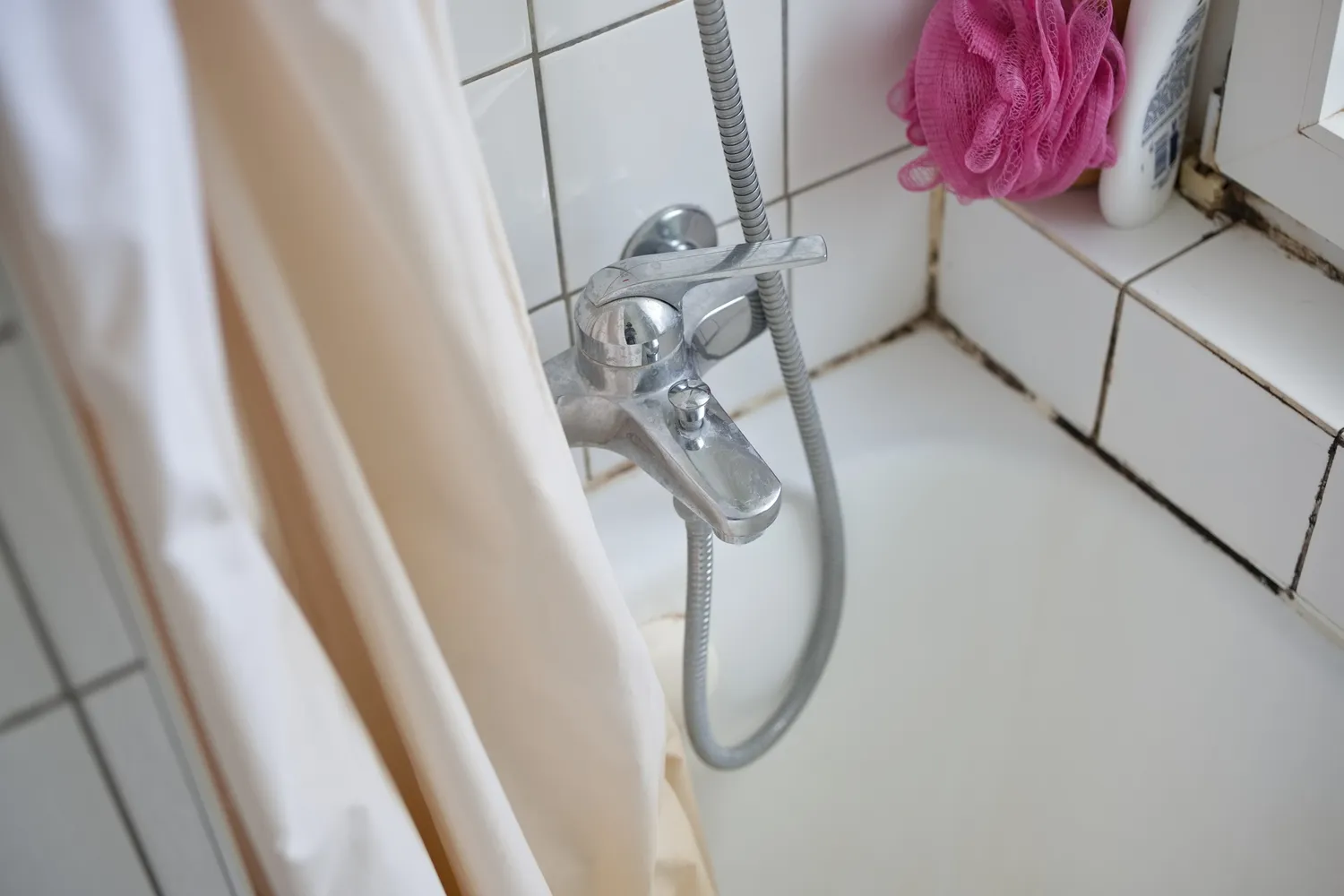
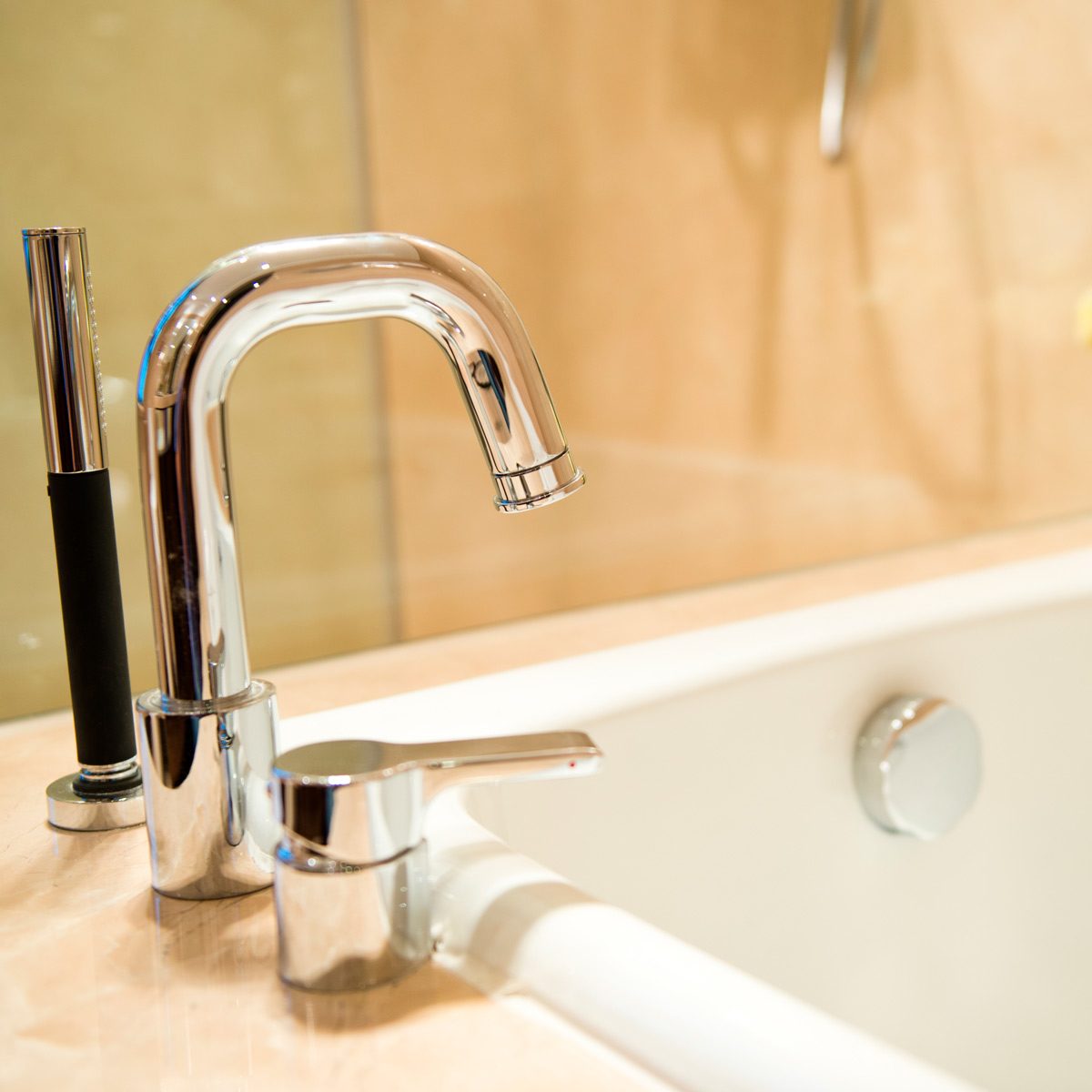
This article provides comprehensive guidance on how to clean bathroom chrome, addressing issues such as soap scum, mineral deposits, water spots, and stubborn stains. It emphasizes the importance of regular cleaning to maintain the shine and longevity of chrome fixtures, offering both commercial and DIY cleaning methods. The article highlights that for general cleaning, products like Bar Keepers Friend Soft Cleanser Liquid are effective due to their non-toxic, gentle nature, making them suitable for removing common bathroom grime without causing damage. Alternatively, a simple solution of mild dish soap and warm water applied with a microfiber cloth can also achieve satisfactory results.
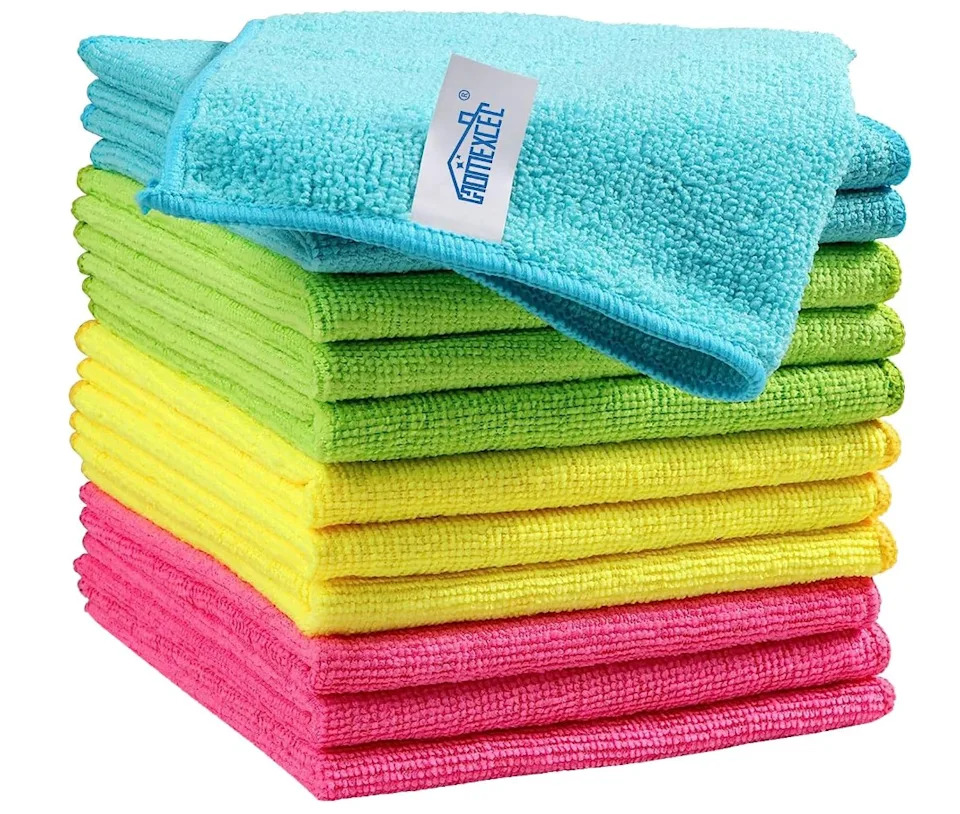
A key recommendation is to always use microfiber cloths and avoid abrasive cleaners, scrub pads, or stiff-bristled brushes, as chrome is a soft metal susceptible to scratches and damage. For stubborn hard water stains, the article outlines three natural and targeted approaches. White vinegar mixed with water is a versatile cleaner; it can be applied to the chrome with a microfiber cloth and left to sit for 15 minutes, with an old toothbrush used for hard-to-reach areas. For rust spots, crumpling aluminum foil and dipping it in the vinegar solution can be surprisingly effective when scrubbed with medium force.
Another natural method involves using lemon. Rubbing a lemon half directly onto the stained chrome and allowing the juice to sit for 3 to 5 minutes before wiping it clean with a damp microfiber cloth, followed by a dry one, is suggested for achieving a full shine. Baking soda also serves as an effective chrome cleaner. A paste made from four tablespoons of baking soda mixed with a quart of warm water can be applied to tarnished chrome, left for 15 minutes, then wiped with a damp microfiber cloth and buffed dry with another for a shimmering finish.
The article also includes a frequently asked questions section, reiterating that abrasive cleaners should never be used on chrome due to the risk of scratching and damaging the plating. For polishing chrome after cleaning, specialized chrome polishes, such as Simichrome Polish, are recommended. Alternatively, the baking soda and warm water mixture can also be used as a polishing agent, applied to affected areas, and then wiped with a damp cloth after a 15-minute wait. These methods ensure that bathroom chrome not only looks clean but also maintains its reflective quality without incurring damage.
#BathroomCleaning #ChromeCare #HardWaterStains #DIYCleaning #NaturalCleaners #HomeMaintenance #FaucetCleaning #SoapScumRemoval #MicrofiberCloth #HouseholdTips #BathroomCleaning #ChromeCare #HardWaterStains #DIYCleaning #NaturalCleaners #HomeMaintenance #FaucetCleaning #SoapScumRemoval #MicrofiberCloth #HouseholdTips
0 comment in total
 No comments yet
You may also like

Squeegee Every Time You Shower — and More Bathroom Cleaning Hacks | Reviews by Wirecutter
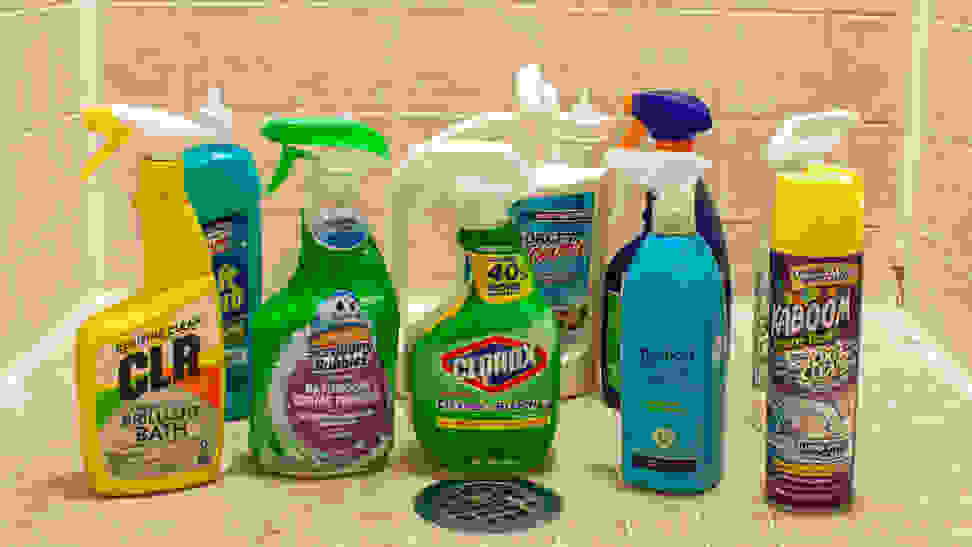
The Best Shower Cleaners of 2025

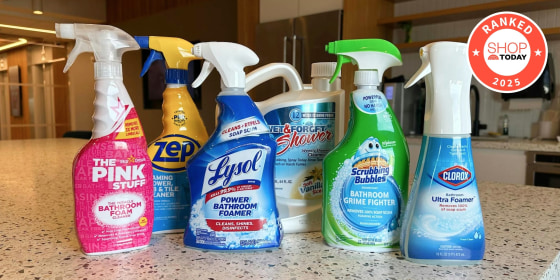
The 6 Best Shower Cleaners 2026, Tested by an Editor

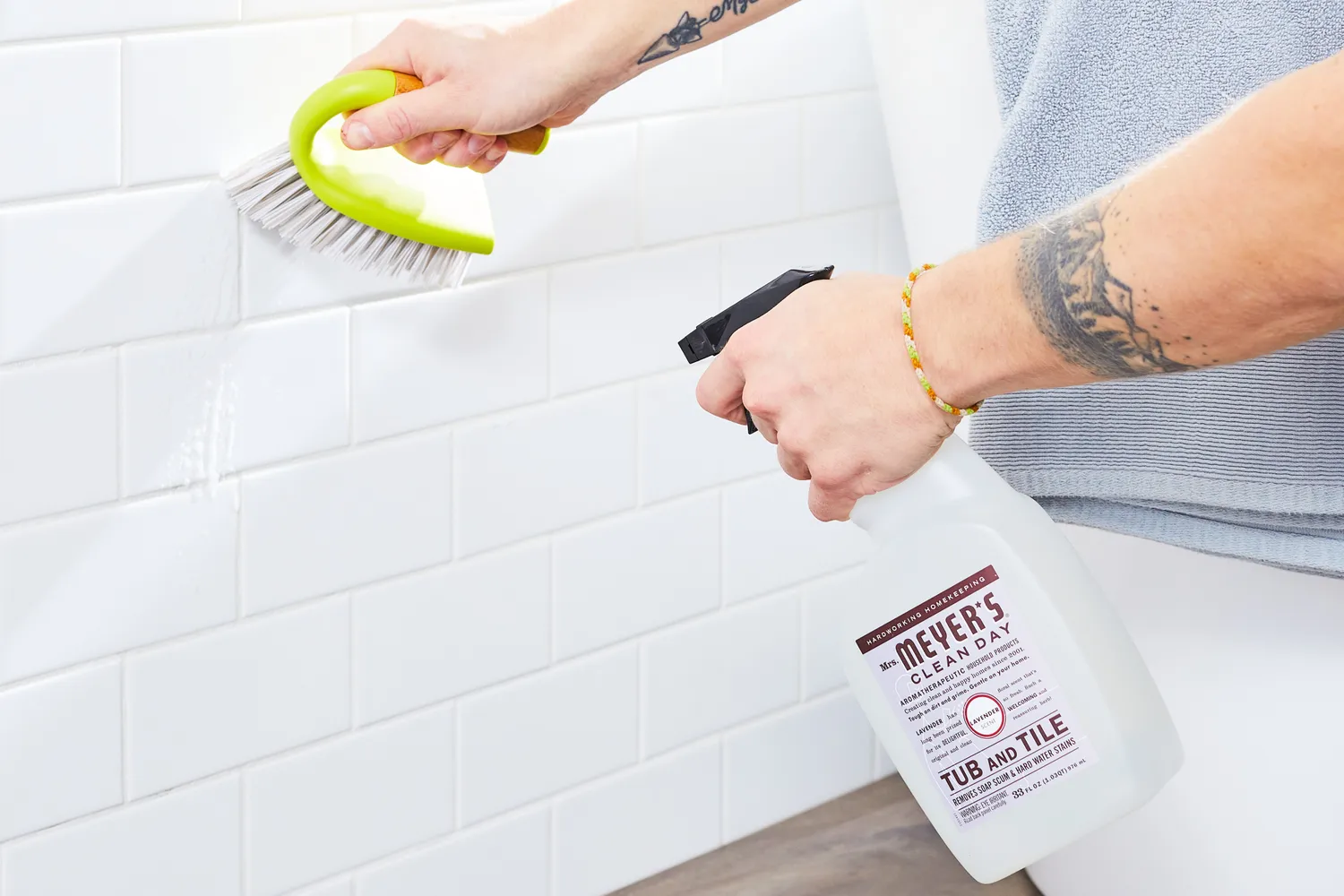
Want a Super Clean Bathroom? Here Are the 8 Best Bathtub Cleaners to Get the Job Done

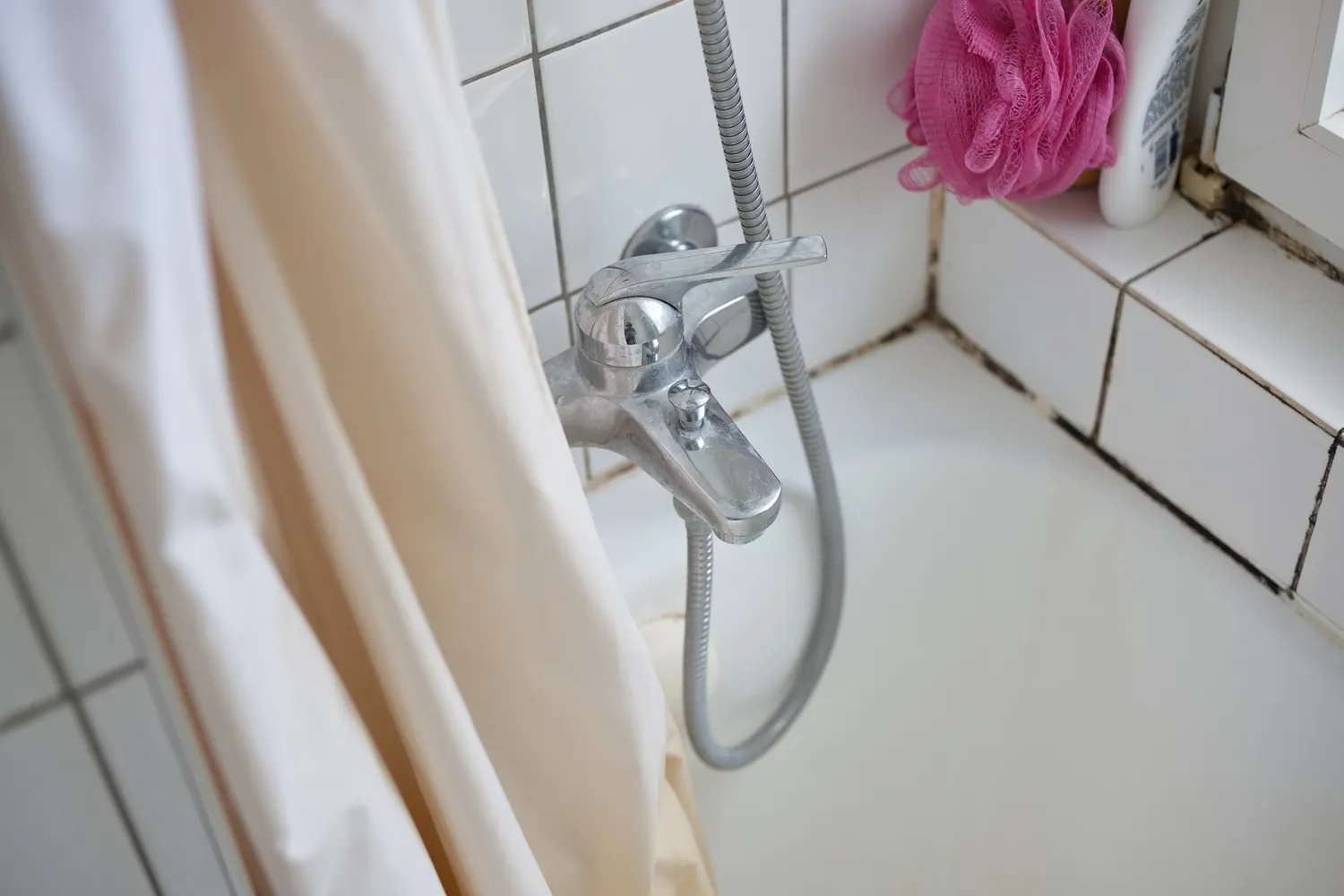
We Asked a Cleaning Pro How to Finally Get Rid of Mold in the Shower—And We're Trying This ASAP
Chemical engineer insists a kitchen staple removes all water stains from shower doors - only a teaspoon is needed

Pink Mold in Your Shower? What It Is and How to Get Rid of It

The Best Bathroom Cleaner for Targeting Hard Water Stains

32 Of The Best Shower Cleaners To Give Your Bathroom A Much Needed Deep Clean
A professional cleaner just revealed the most obvious bathroom cleaning hack, and I'm shocked I never thought of it


How to clean a bathroom sink – expert tips for a well-scrubbed sink

The Best Shower Tile Cleaner for a Sparkling Shower, Tested

Scummy Shower Doors? These Are the 7 Best Shower Glass Cleaners That Actually Get Rid of the Grime

The Best Bathroom Cleaners for Different Surfaces
13 Best Shower Cleaners for Clear Glass, Shiny Tile and More

My bathroom mirror is a lint magnet — I asked an expert how to get a spotless finish

The Best Cleaners for Sparkling Glass Shower Doors, Tested
How to declutter a bathroom according to the experts

7 ways to clean your shower (and keep it that way) using natural products


How To Clean Grout For A Fresh And Sparkling Bathroom