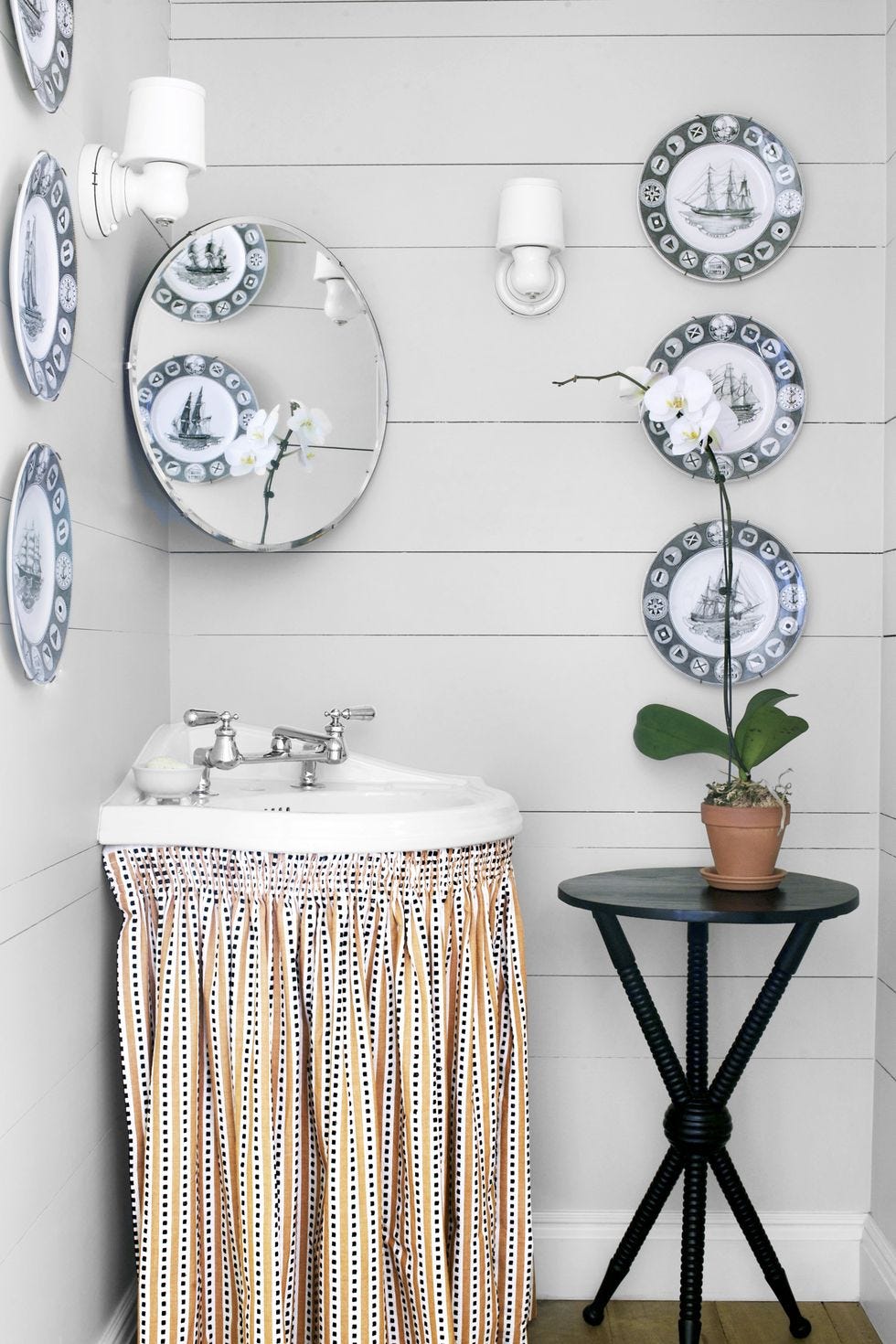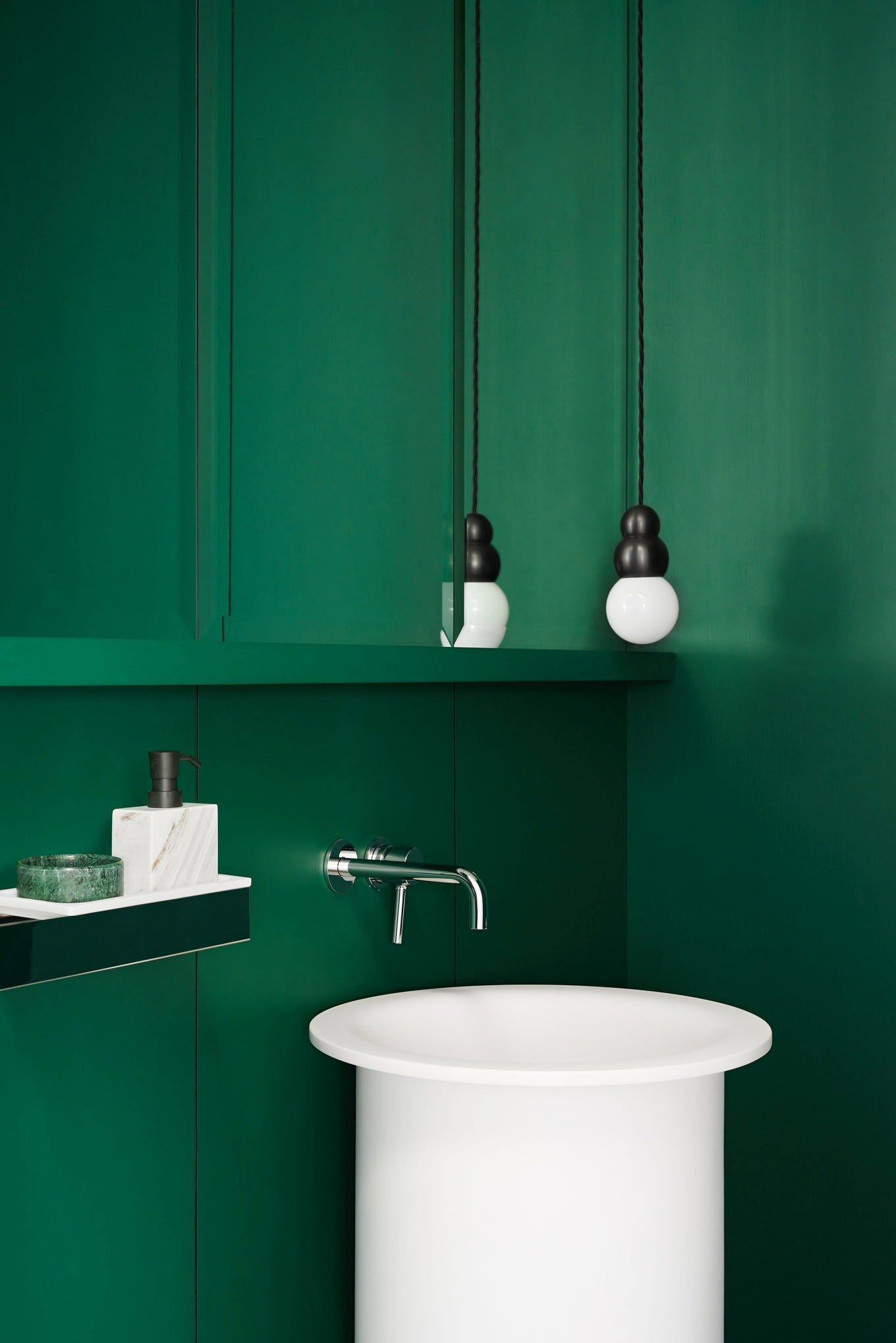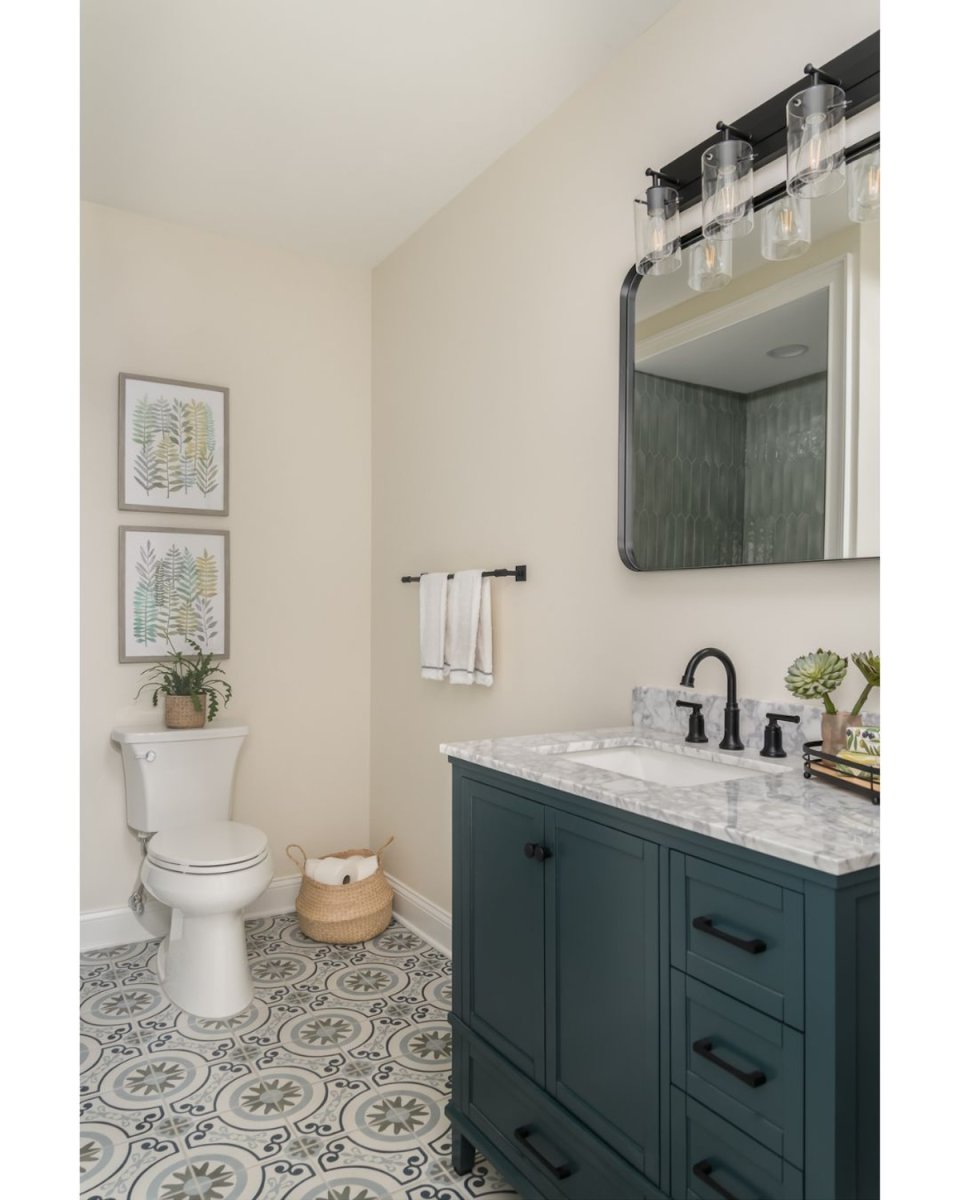
1/6
Dark Paint in a Small Bathroom: What I Wish I’d Known First
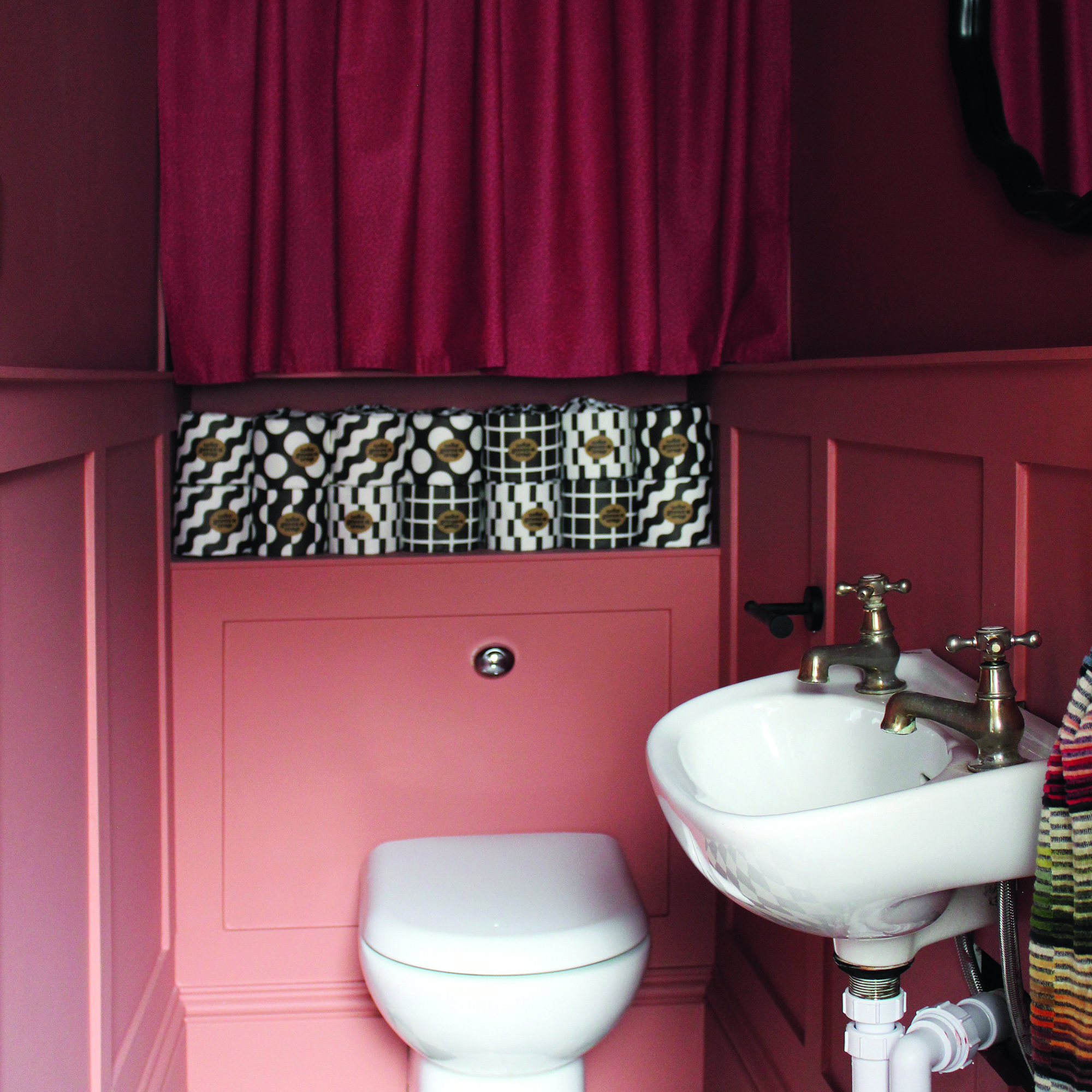
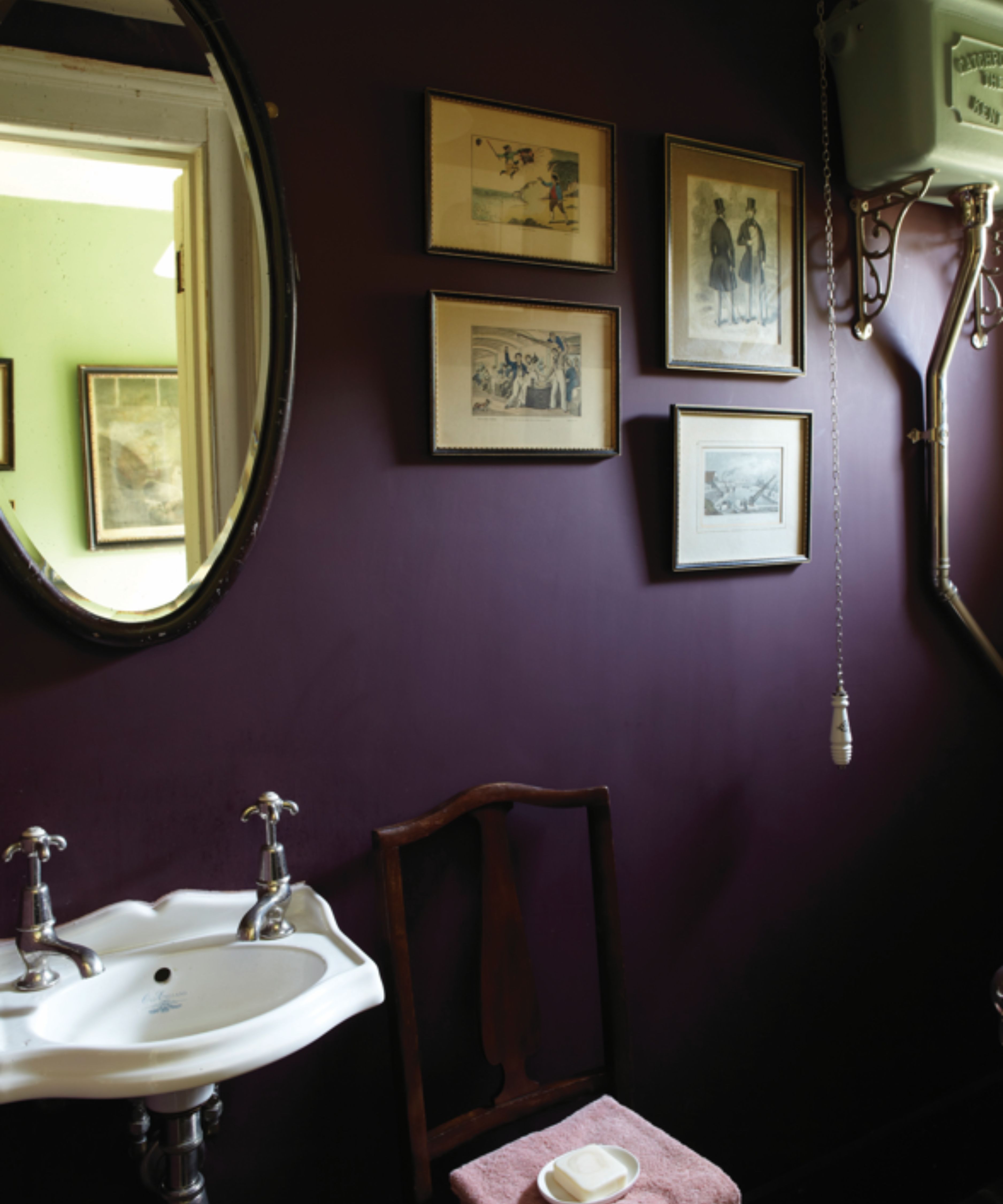
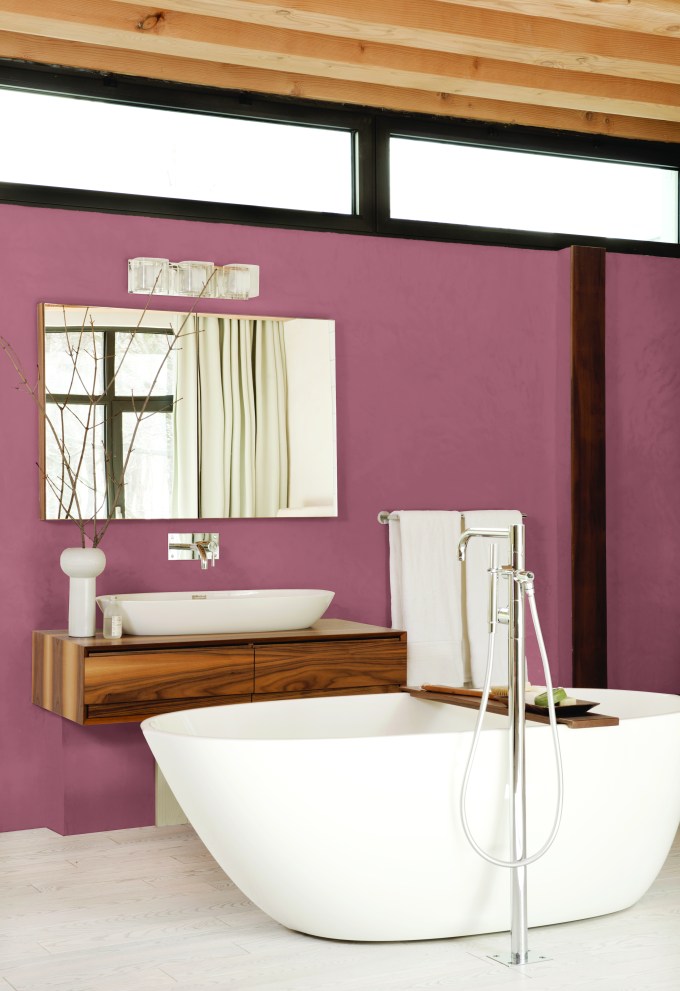
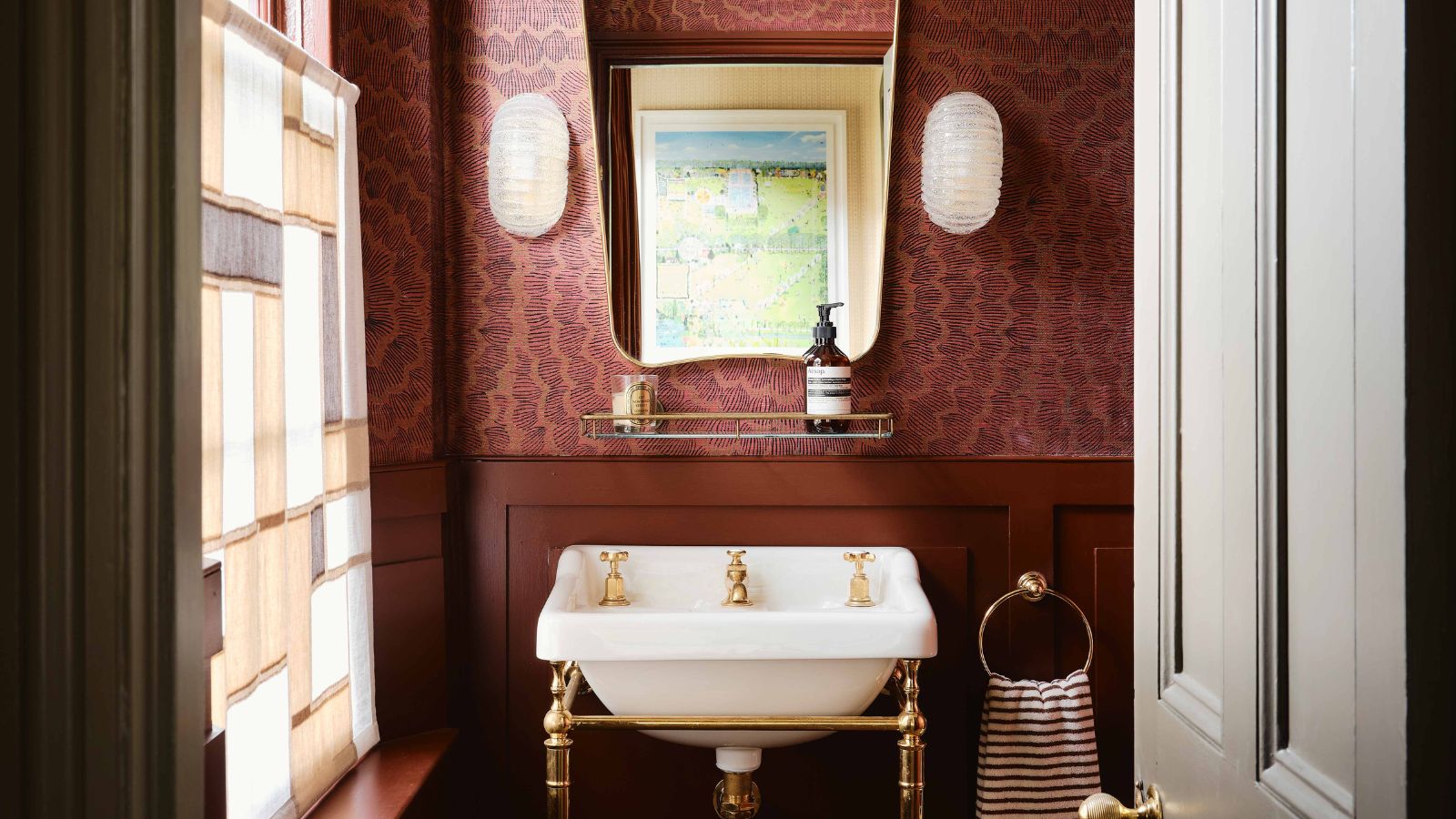
This article discusses the experience of painting a small bathroom a dark, chic color, a popular trend often seen on social media. The initial motivation was to achieve a cocooning, impactful, and personality-filled space, despite the bathroom's small size and limited natural light. The chosen color was a rich burgundy red. While the immediate aesthetic impact was positive, creating a sense of drama and sophistication, the author quickly learned that dark paint amplifies not only the intended style but also imperfections.
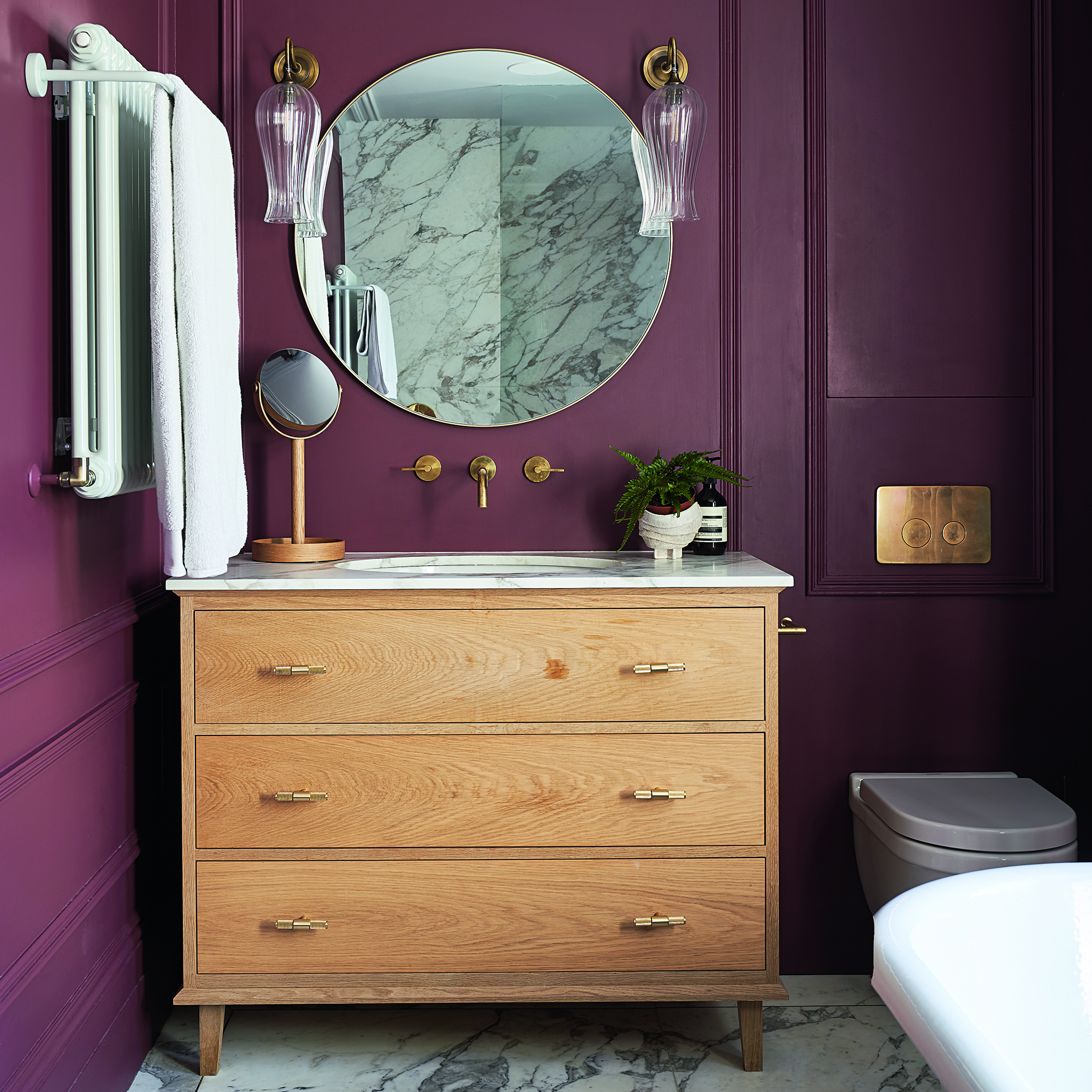
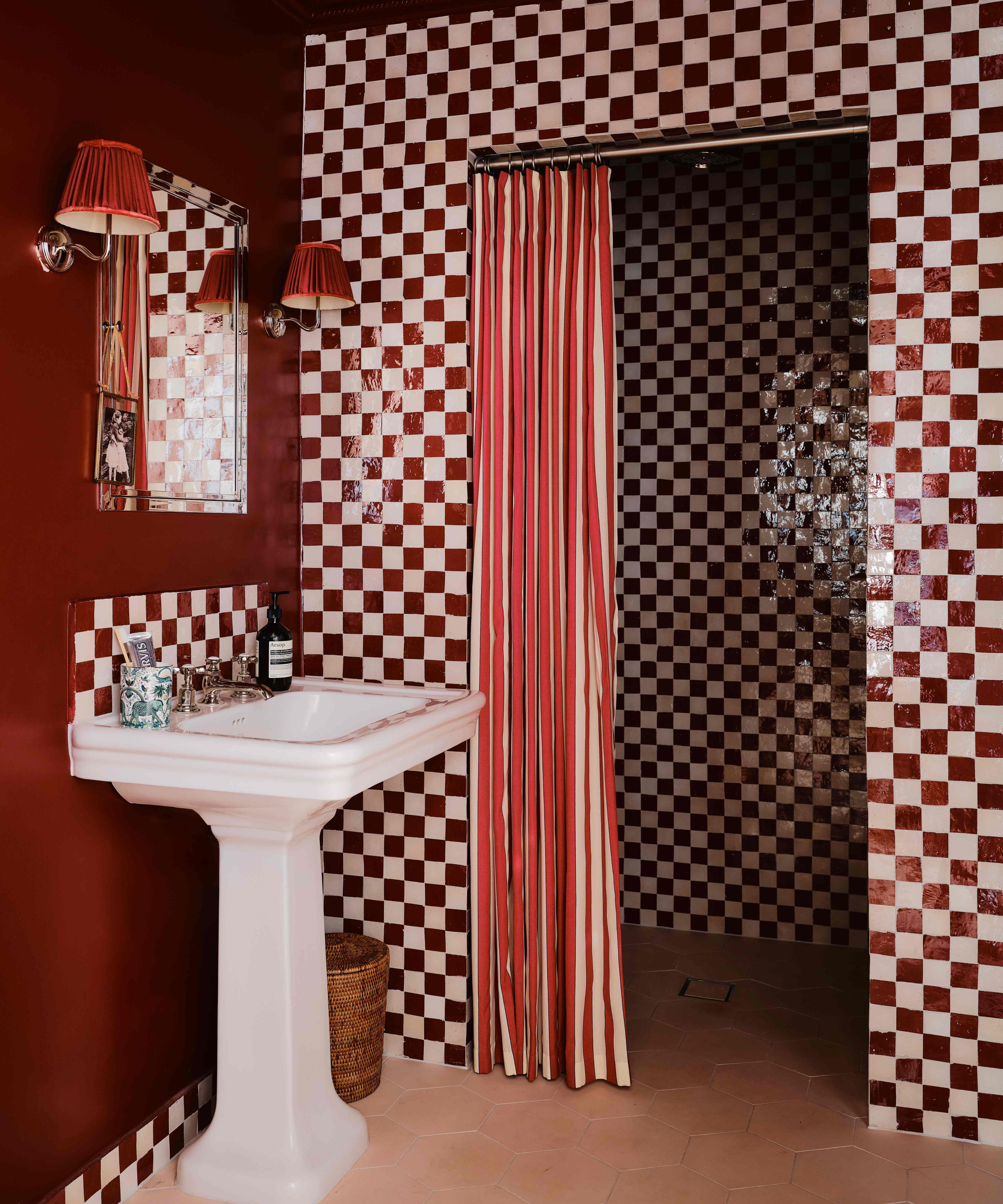
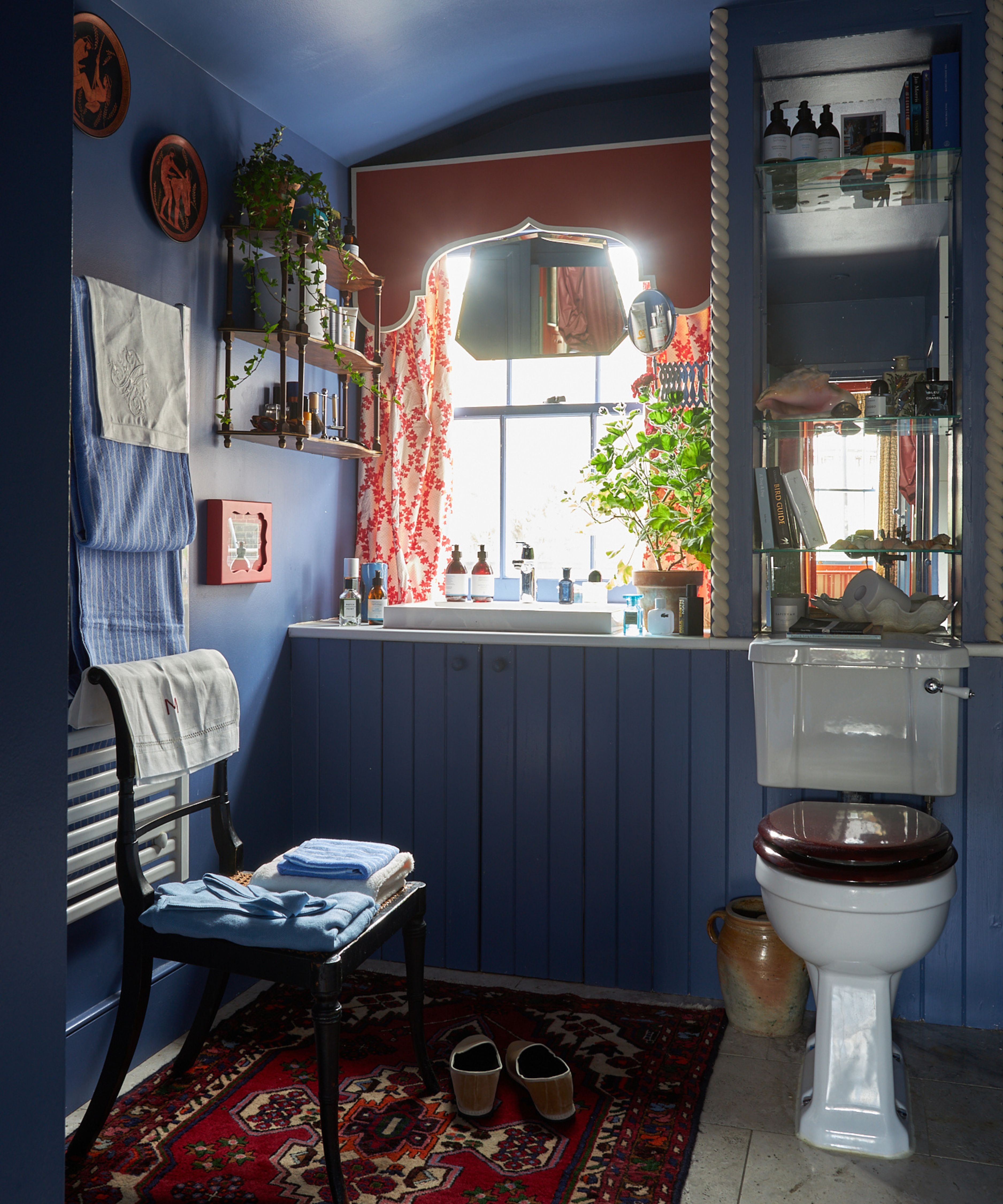
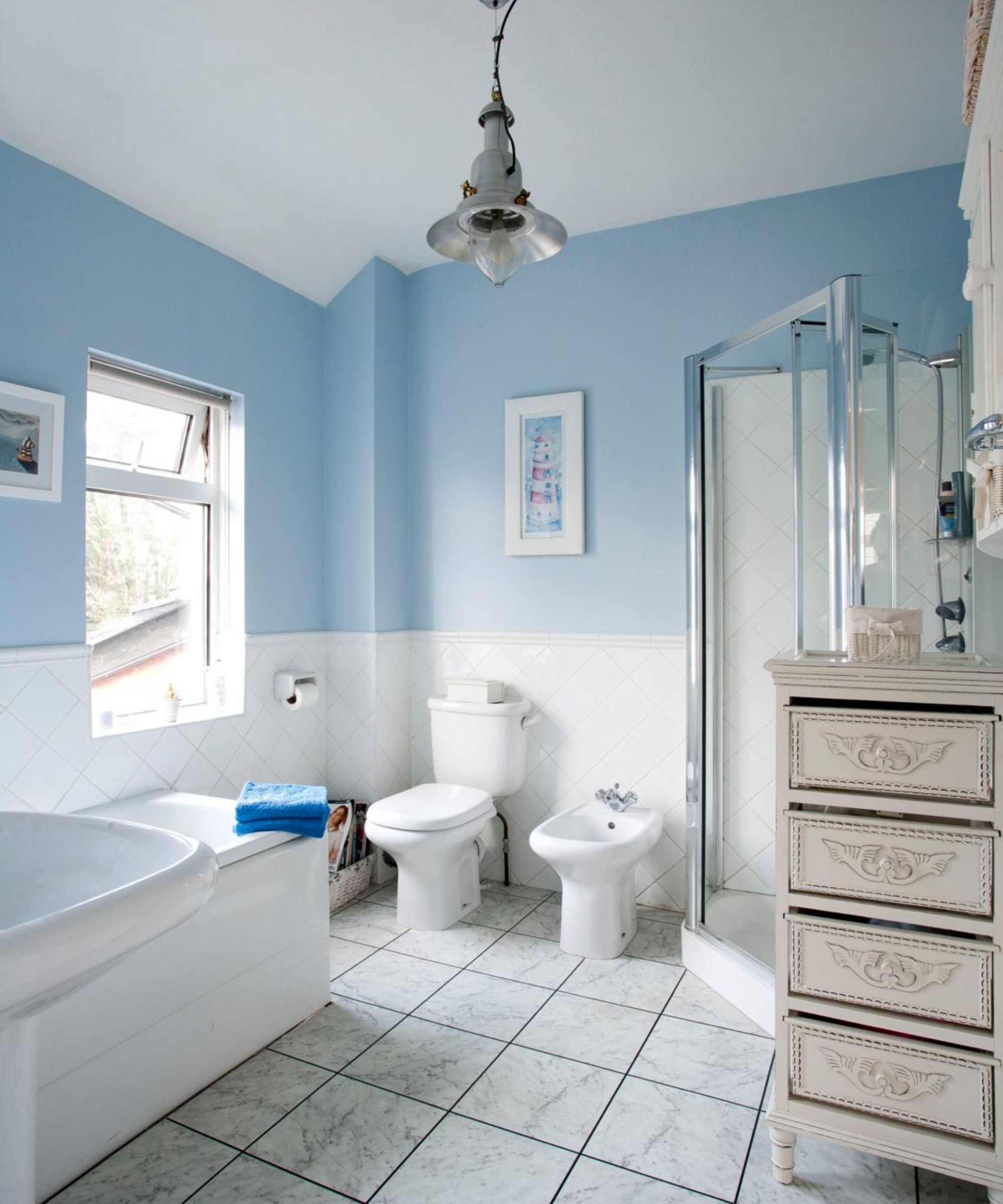
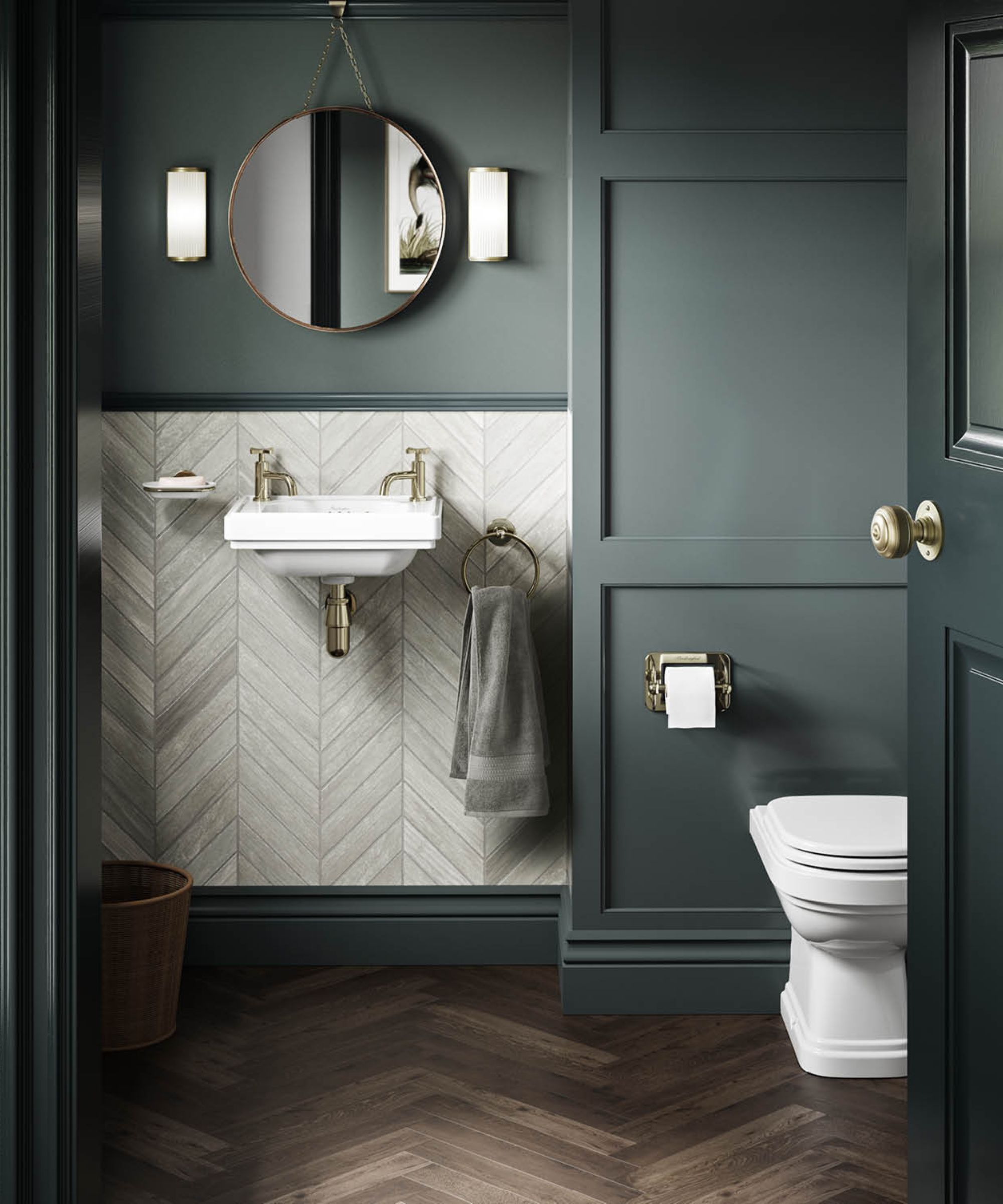
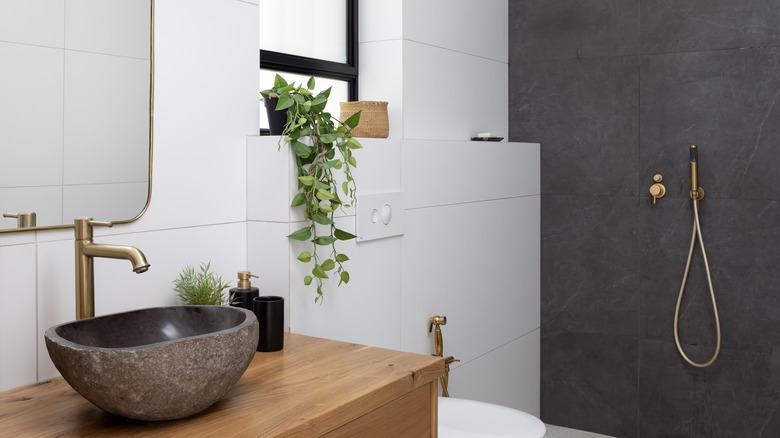
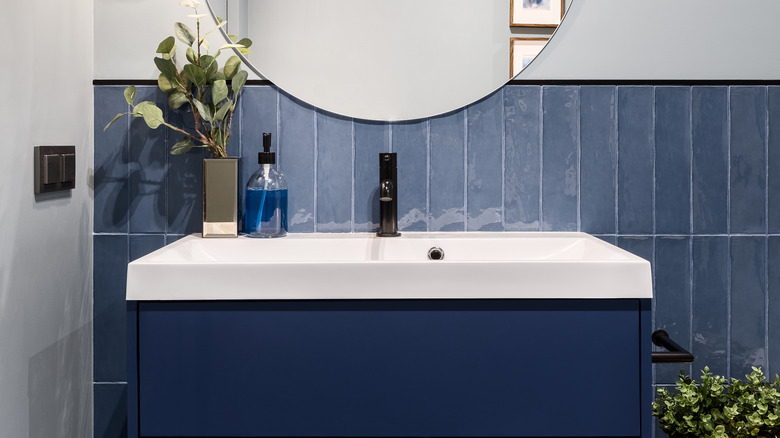
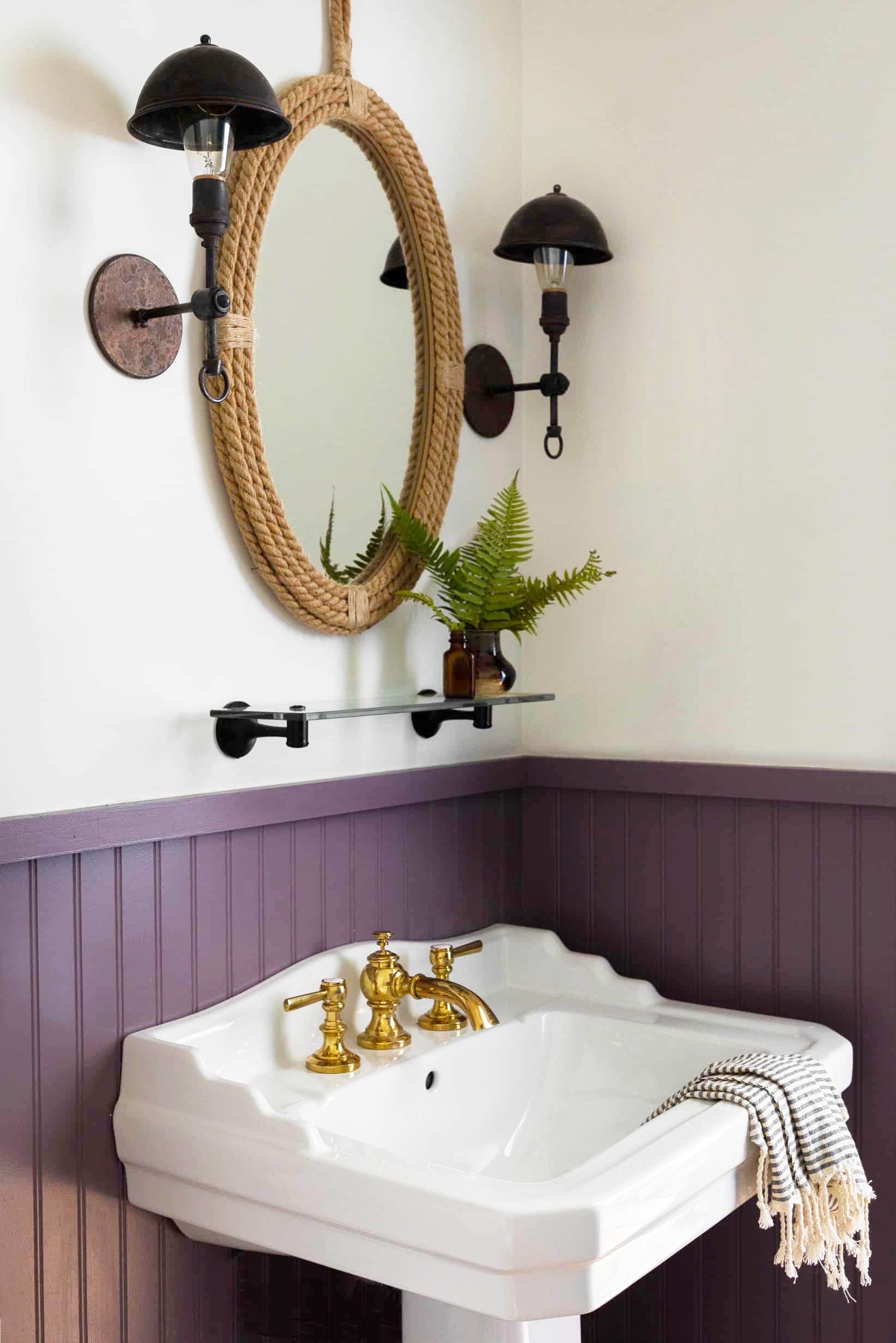
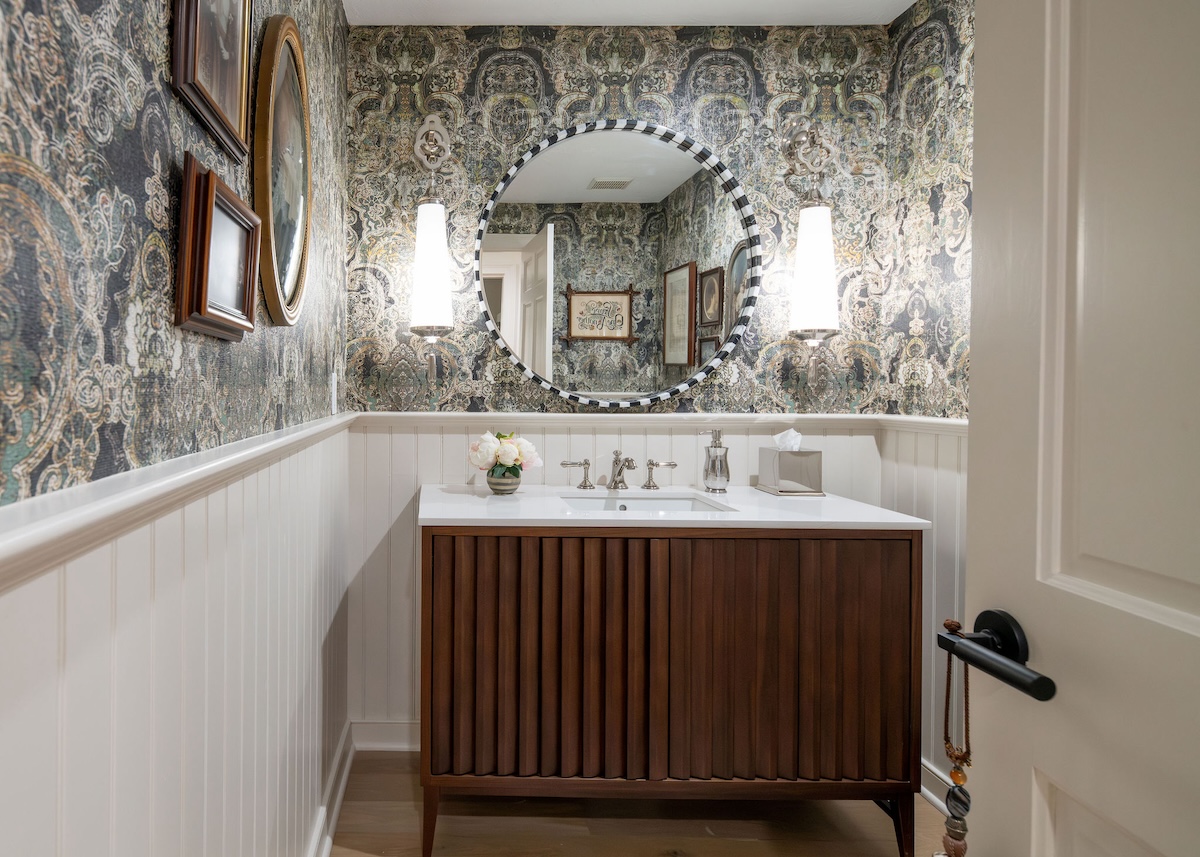
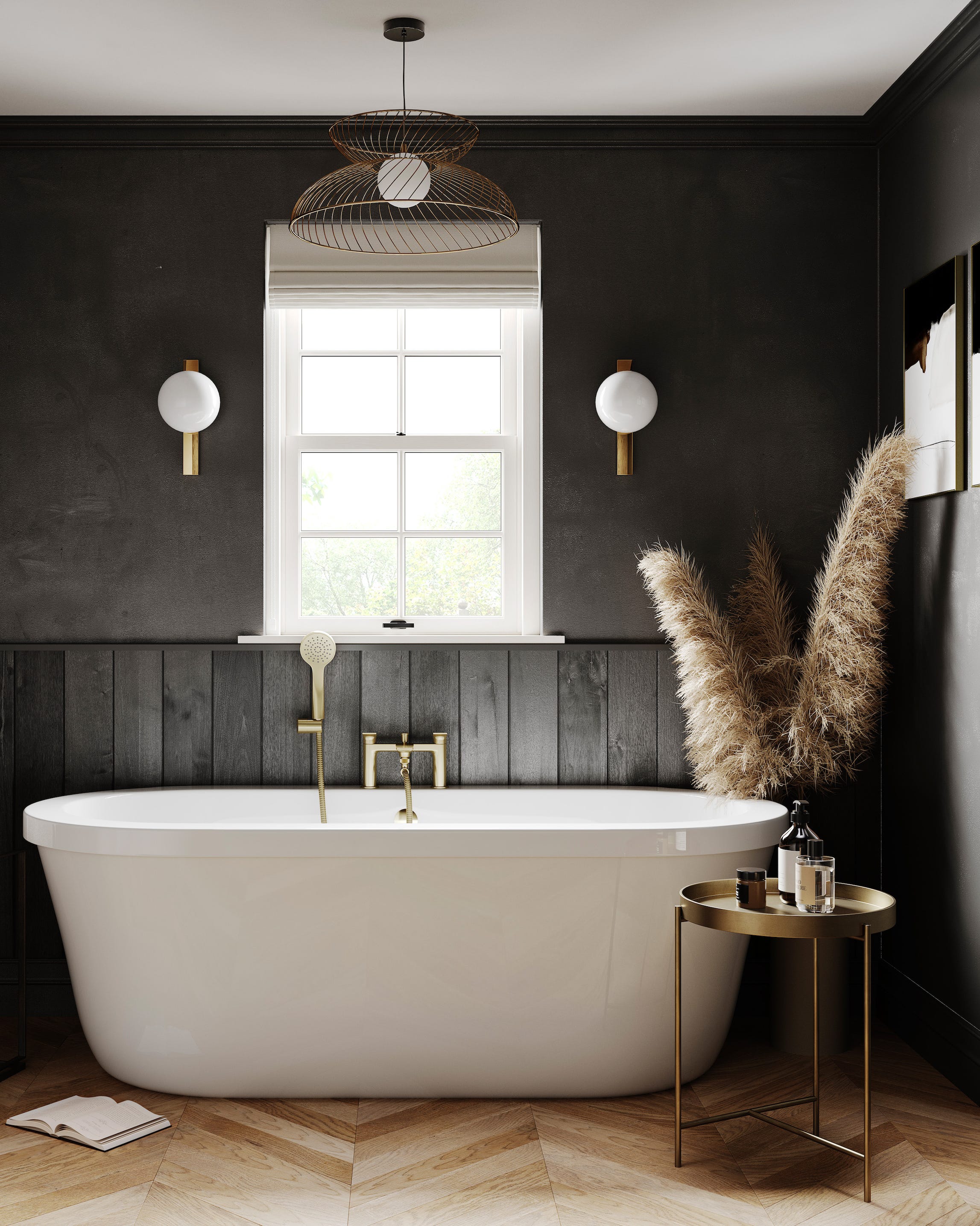
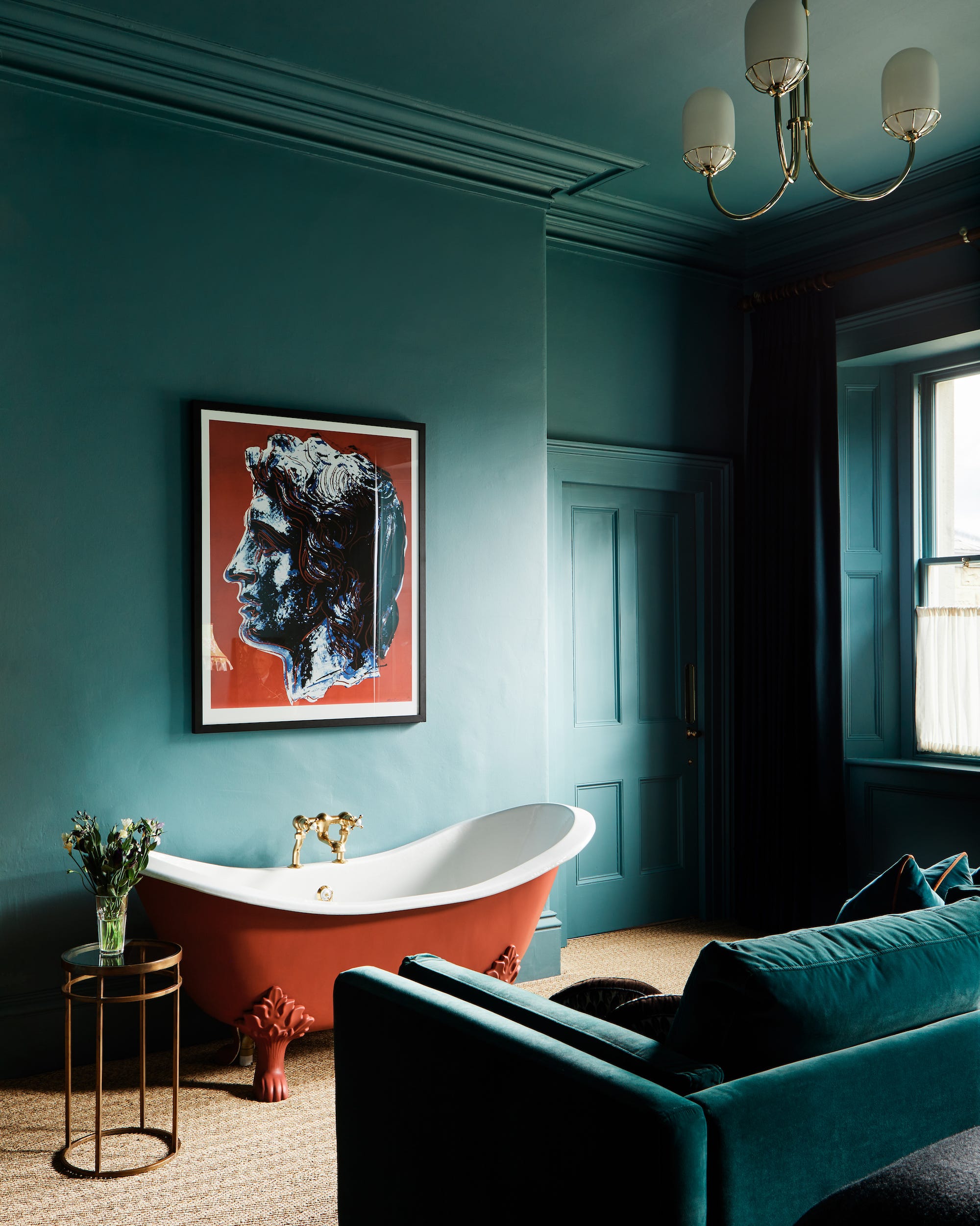
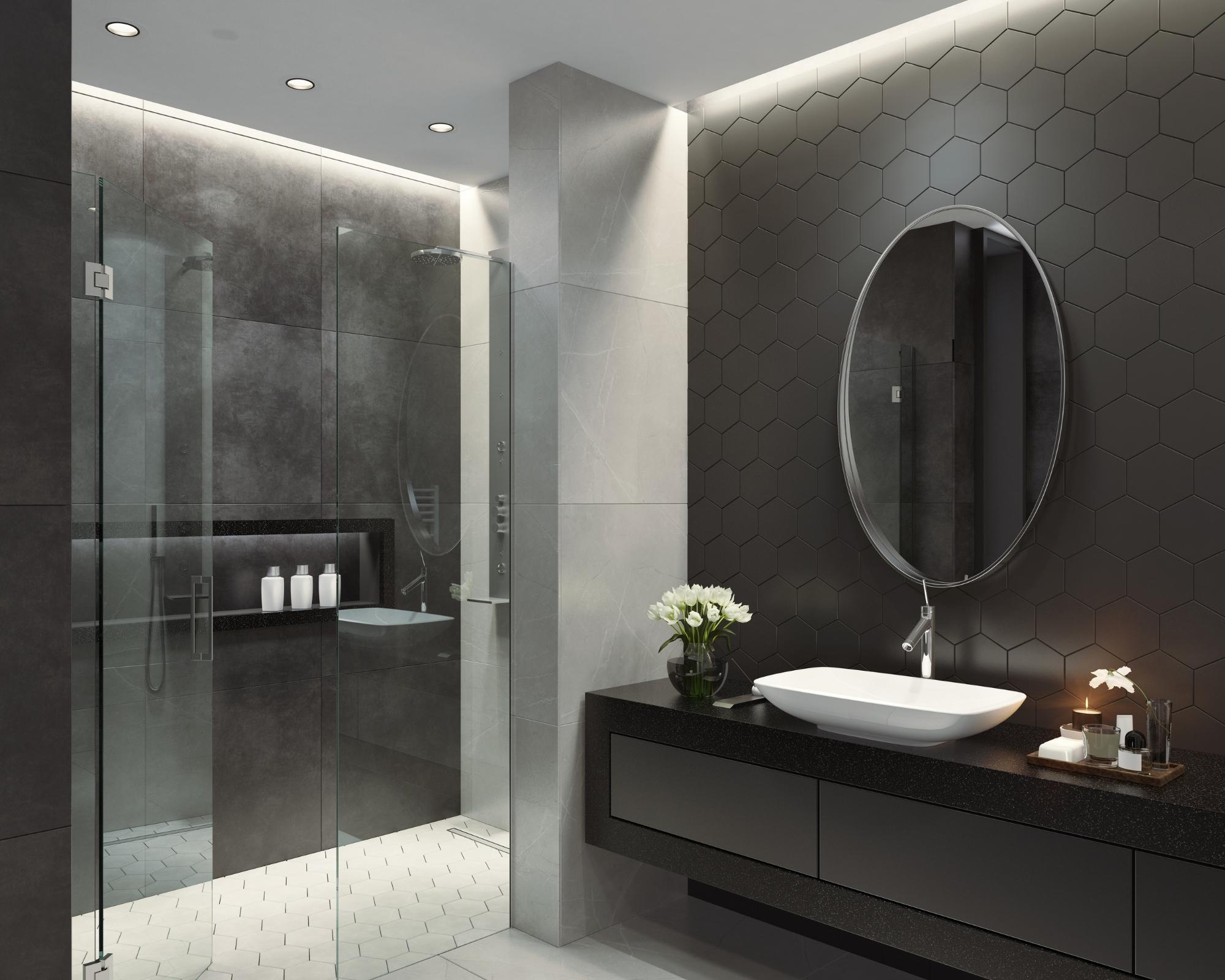
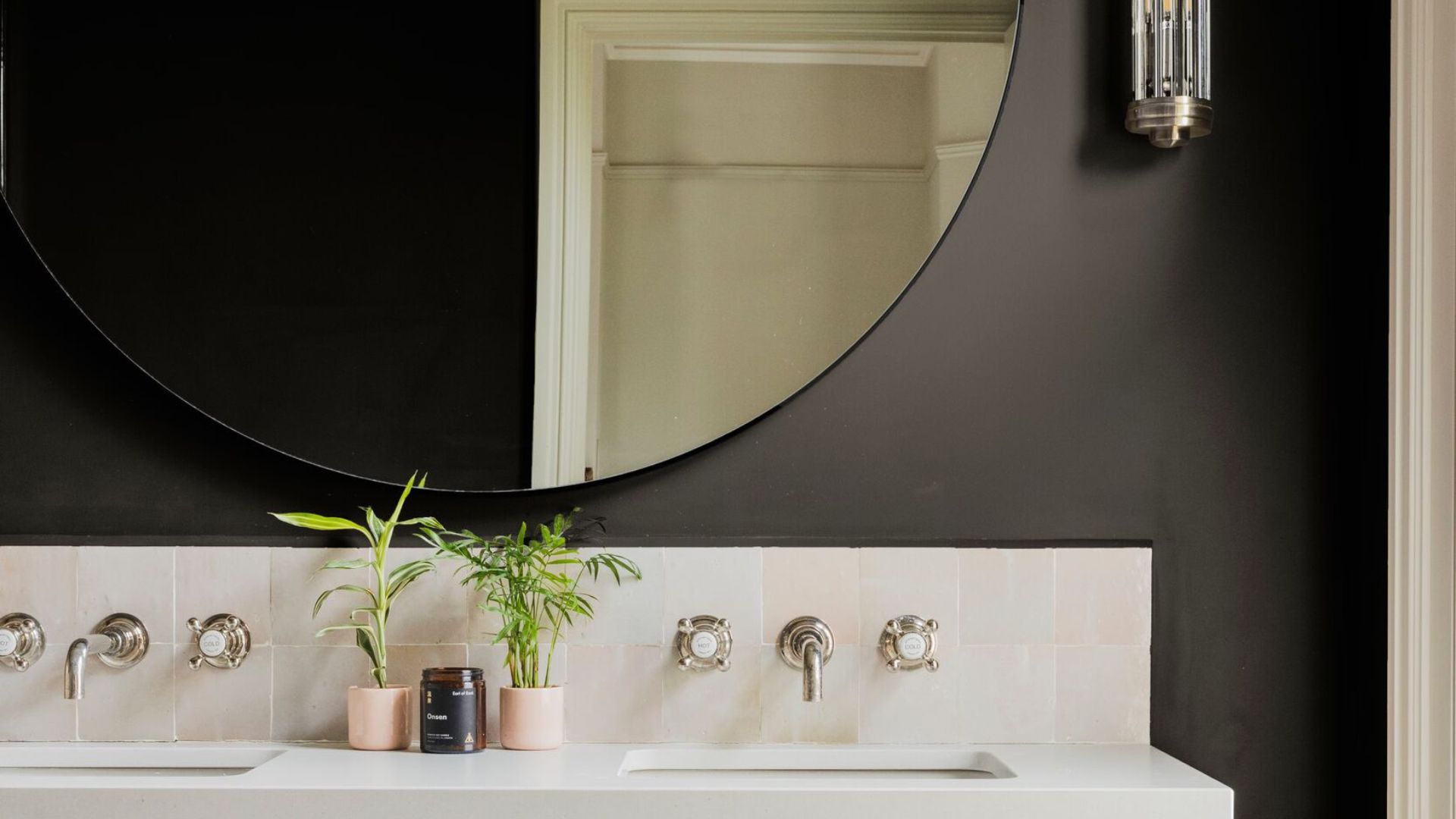
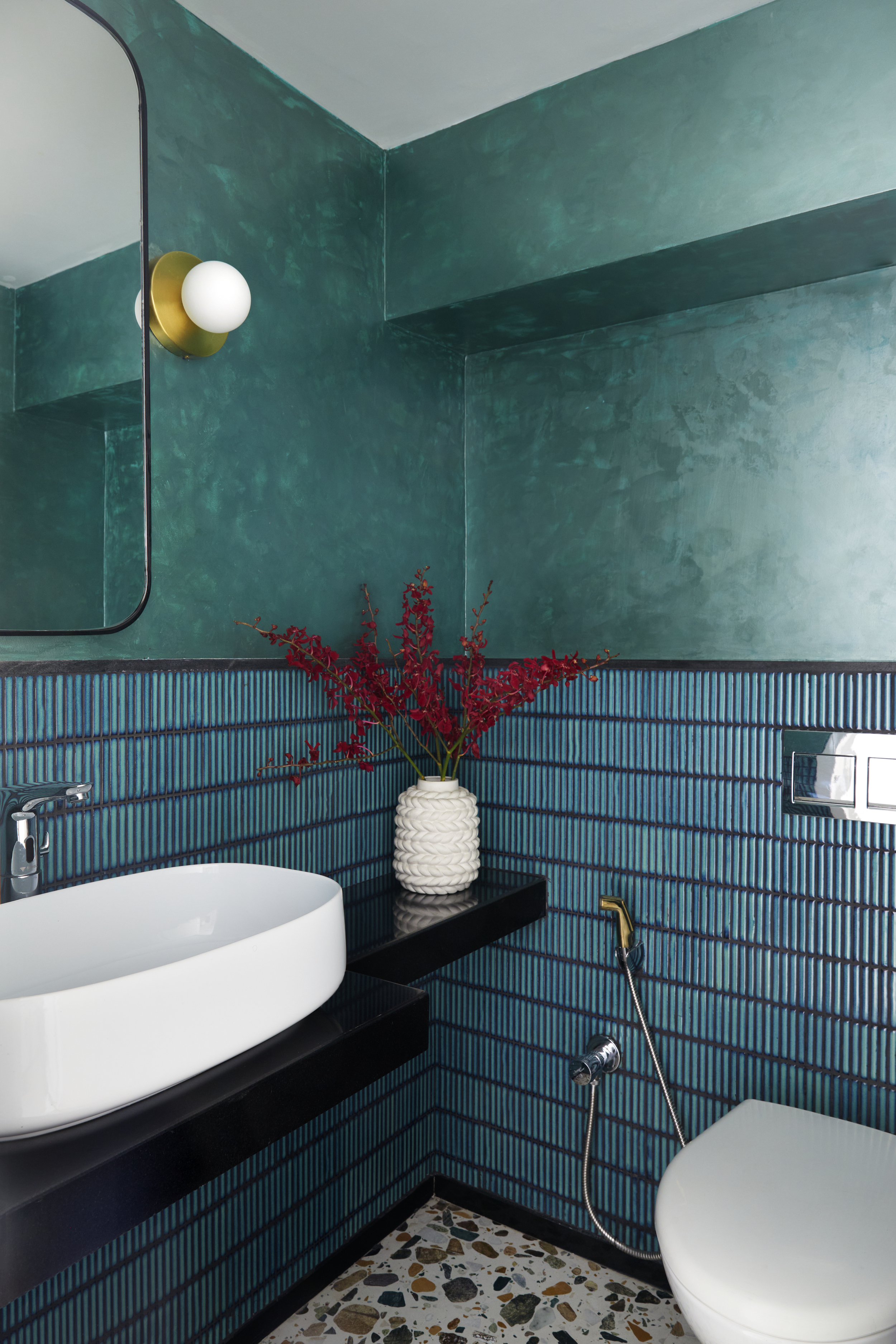
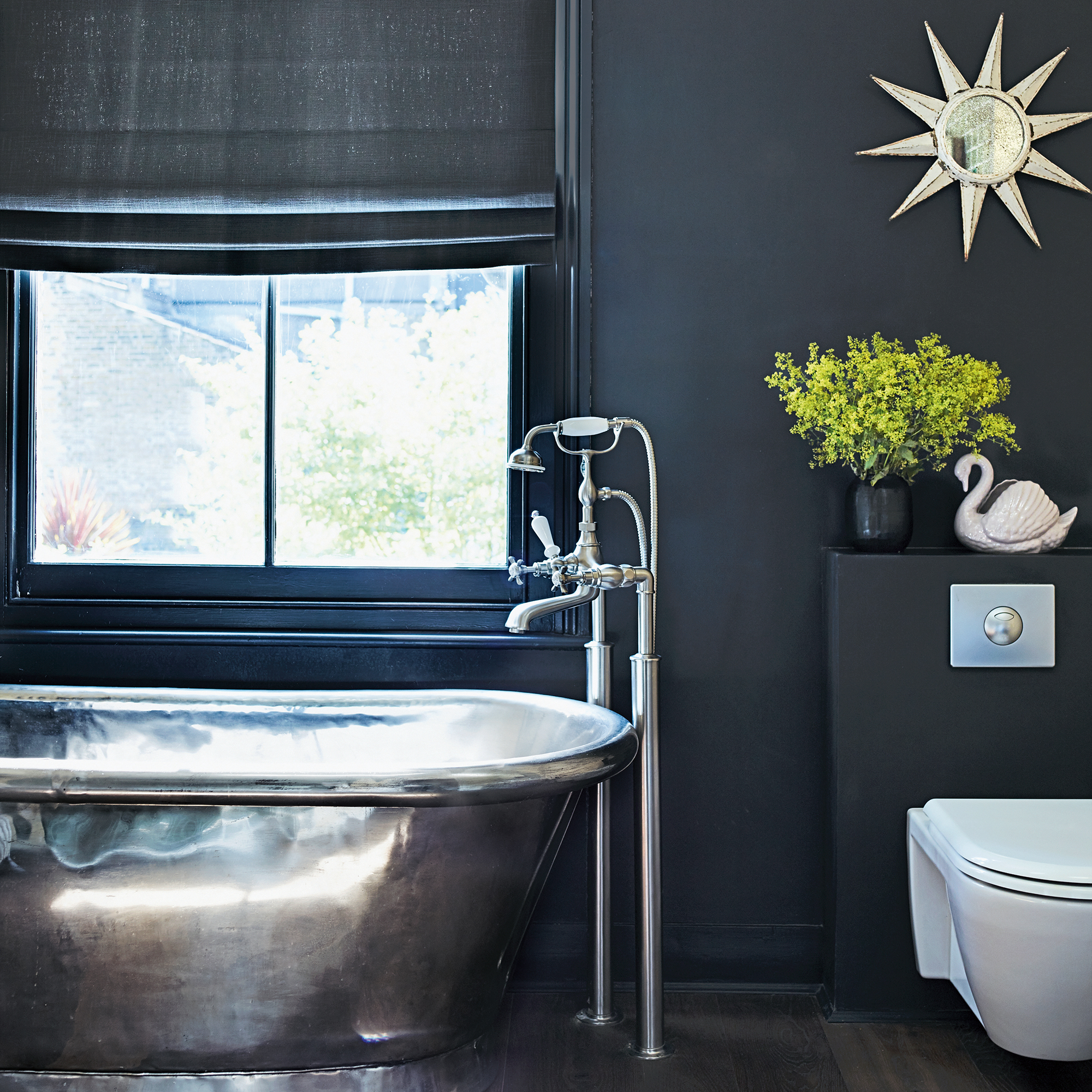
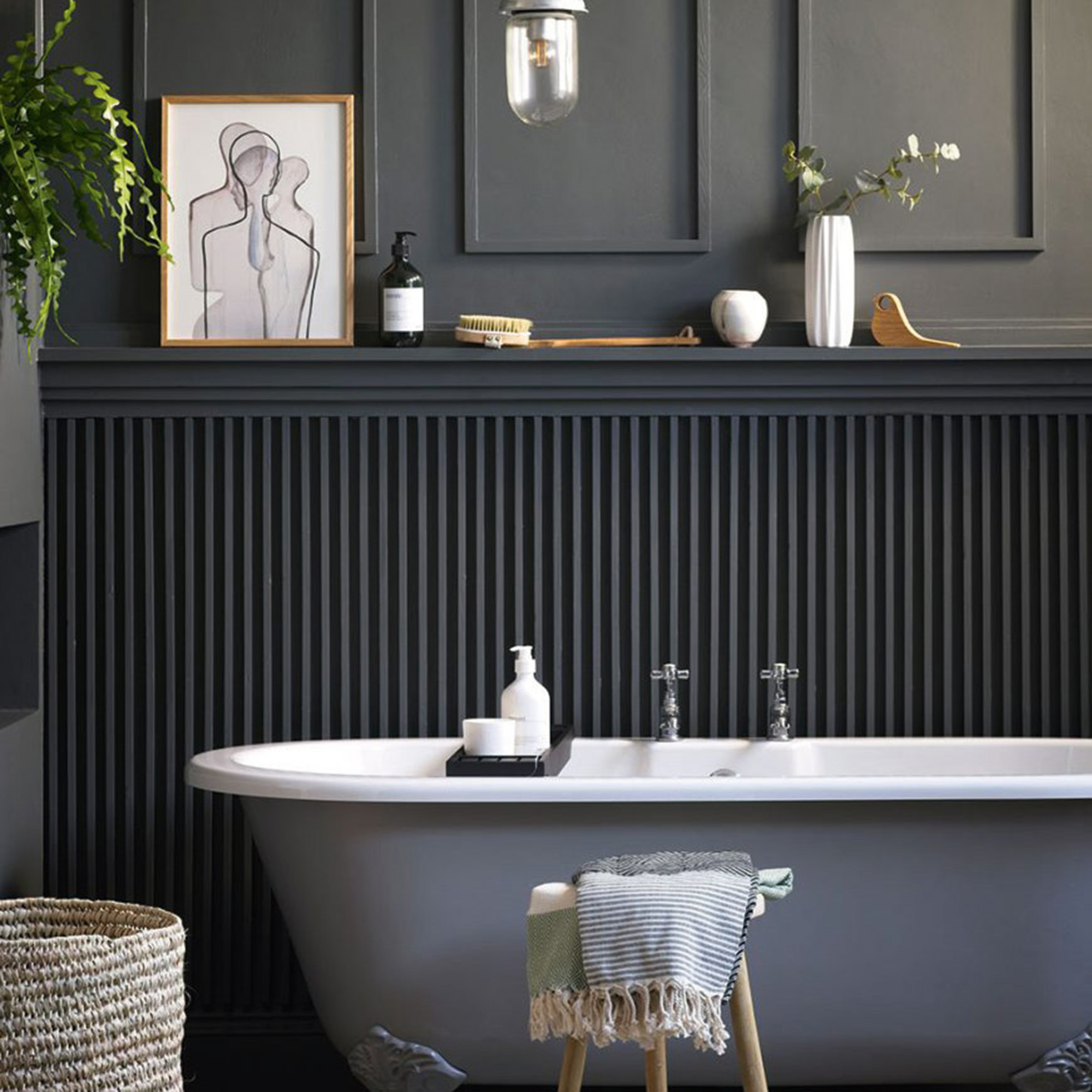
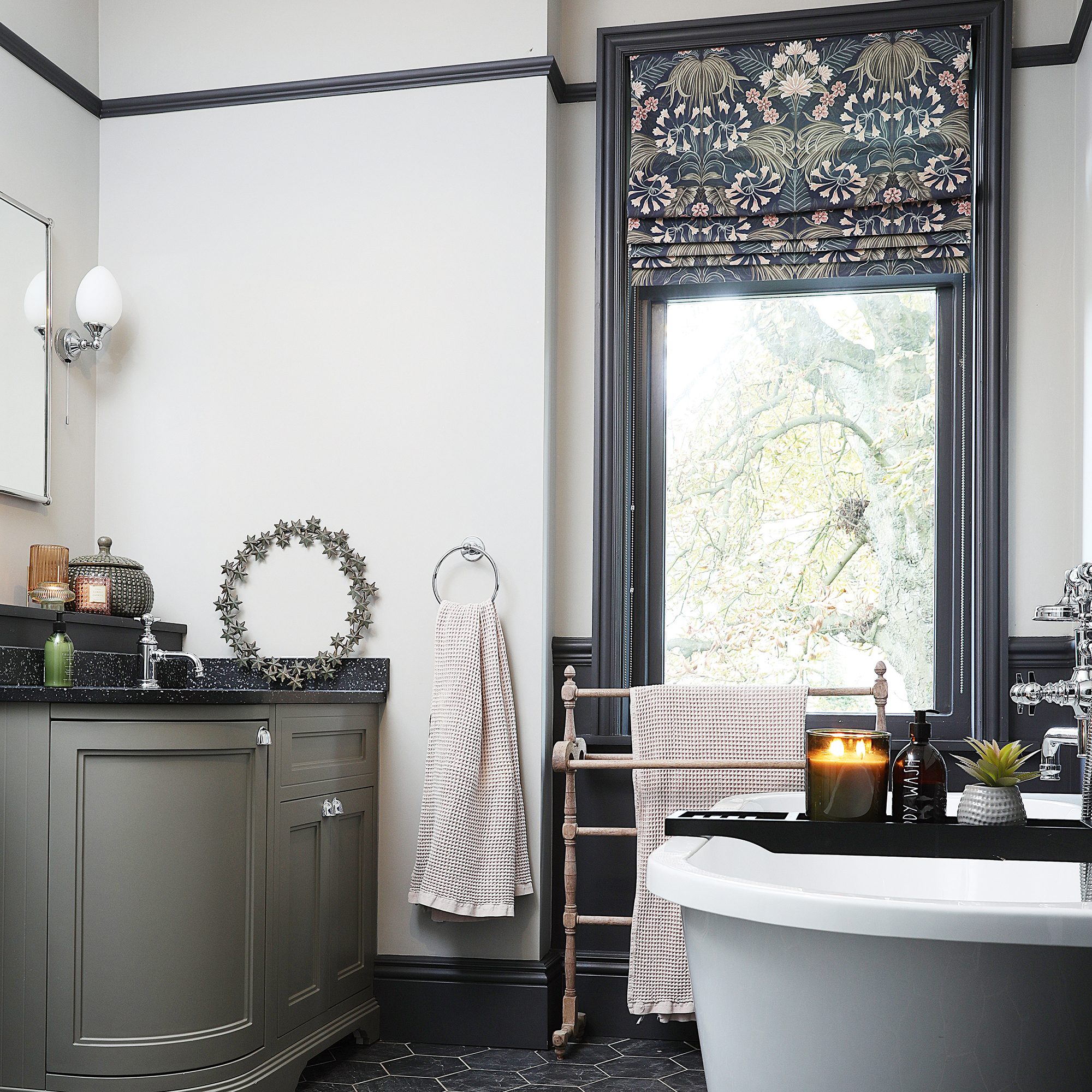
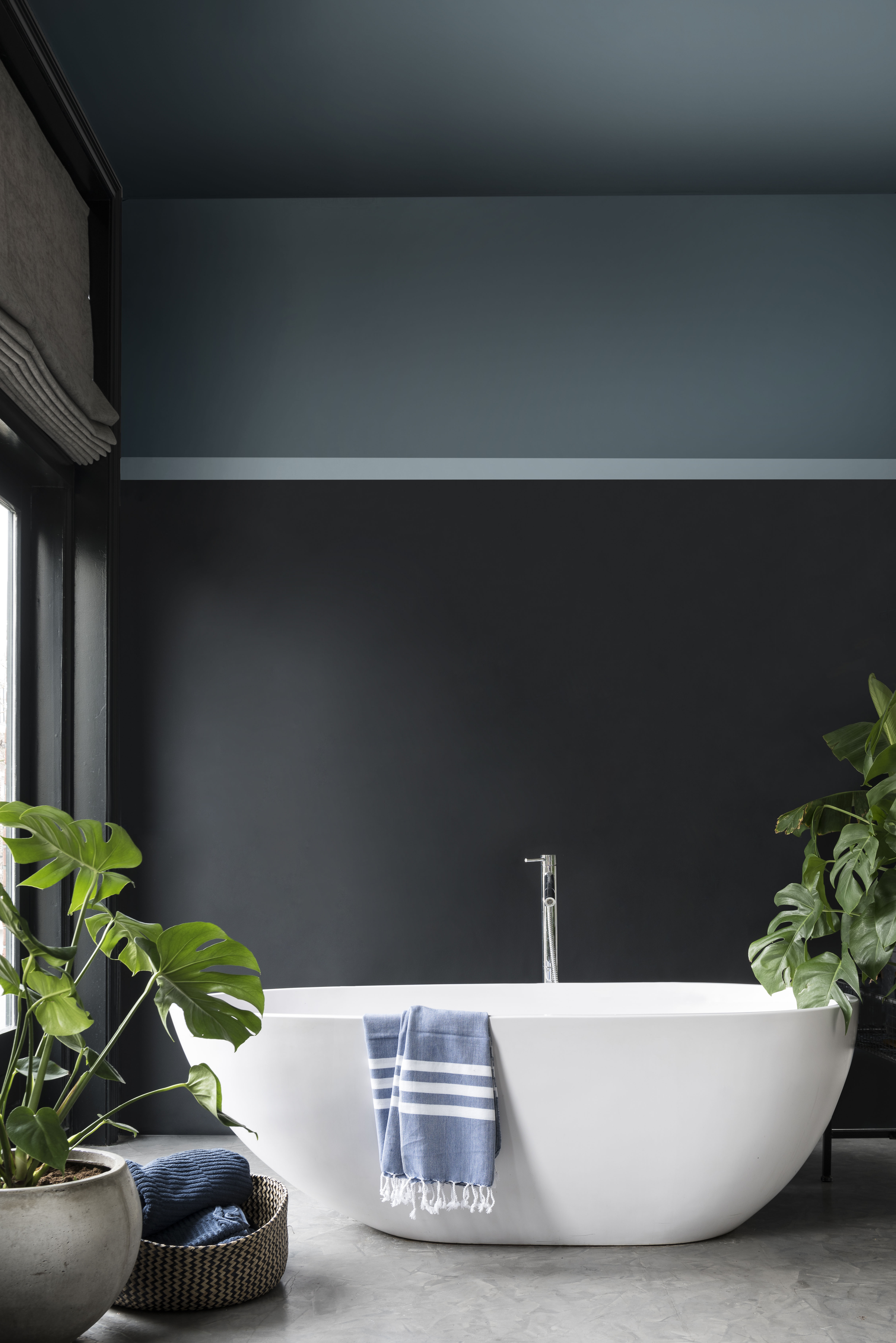
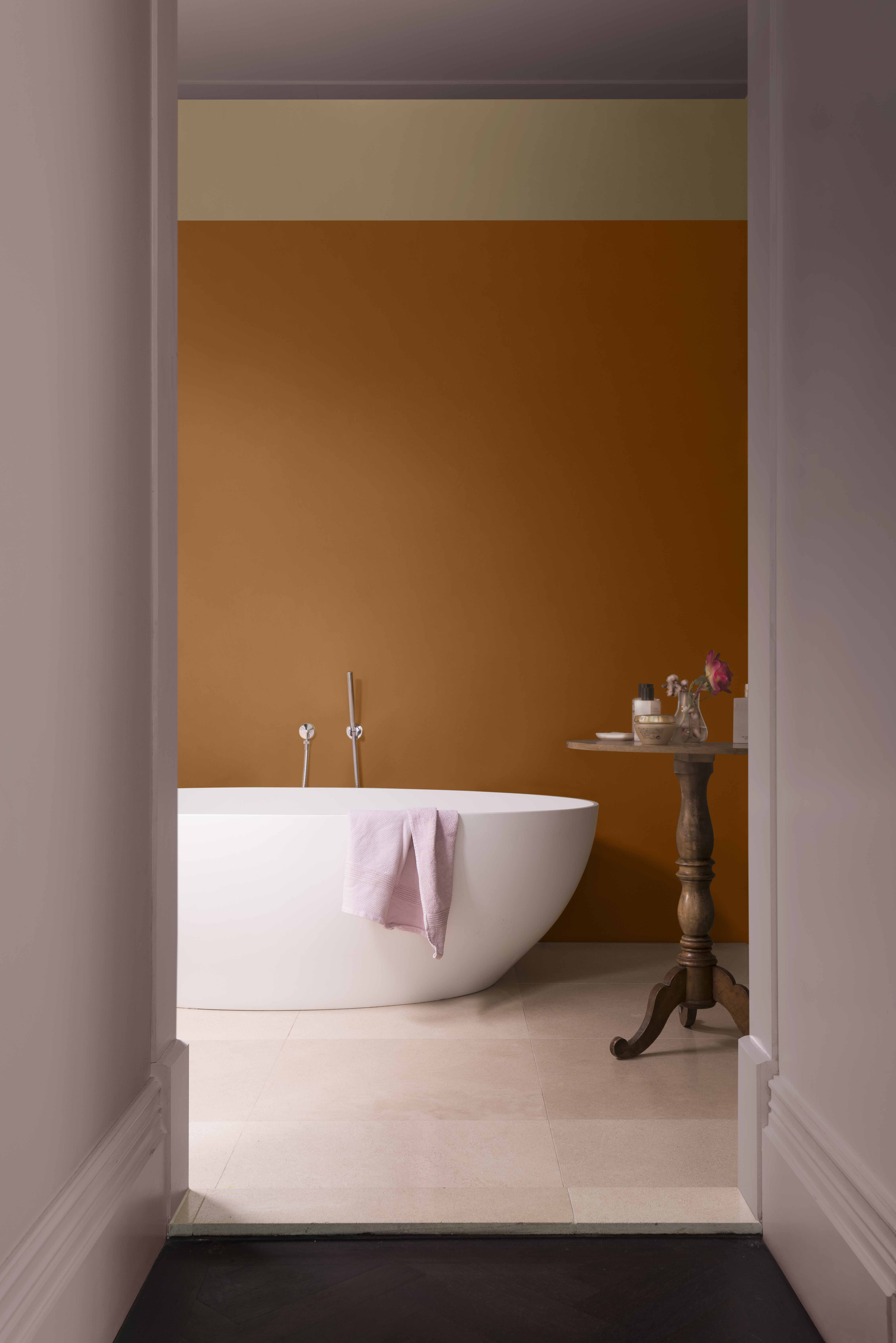
Experts in interior design, such as Helen Shaw from Benjamin Moore and Ruth Mottershead from Little Greene, confirm that small bathrooms can indeed benefit from dark, rich colors like plum, deep green, or navy blue, creating an immersive and cocooning effect. They suggest that painting walls, cabinetry, and even bathroom furniture in the same hue amplifies the drama and provides a seamless, sophisticated look. Color drenching, where the ceiling, walls, and woodwork are painted in the same shade, is highlighted as a technique that blurs the edges of a small space, creating an illusion of space and height by eliminating stark color contrasts. Patrick O’Donnell from Farrow & Ball further supports this by noting that dark shades are surprisingly effective in poorly lit rooms, making walls recede and providing an excellent backdrop for artwork. He also mentions the resurgence of browns as a color family for warmth and elegance, especially in smaller rooms.
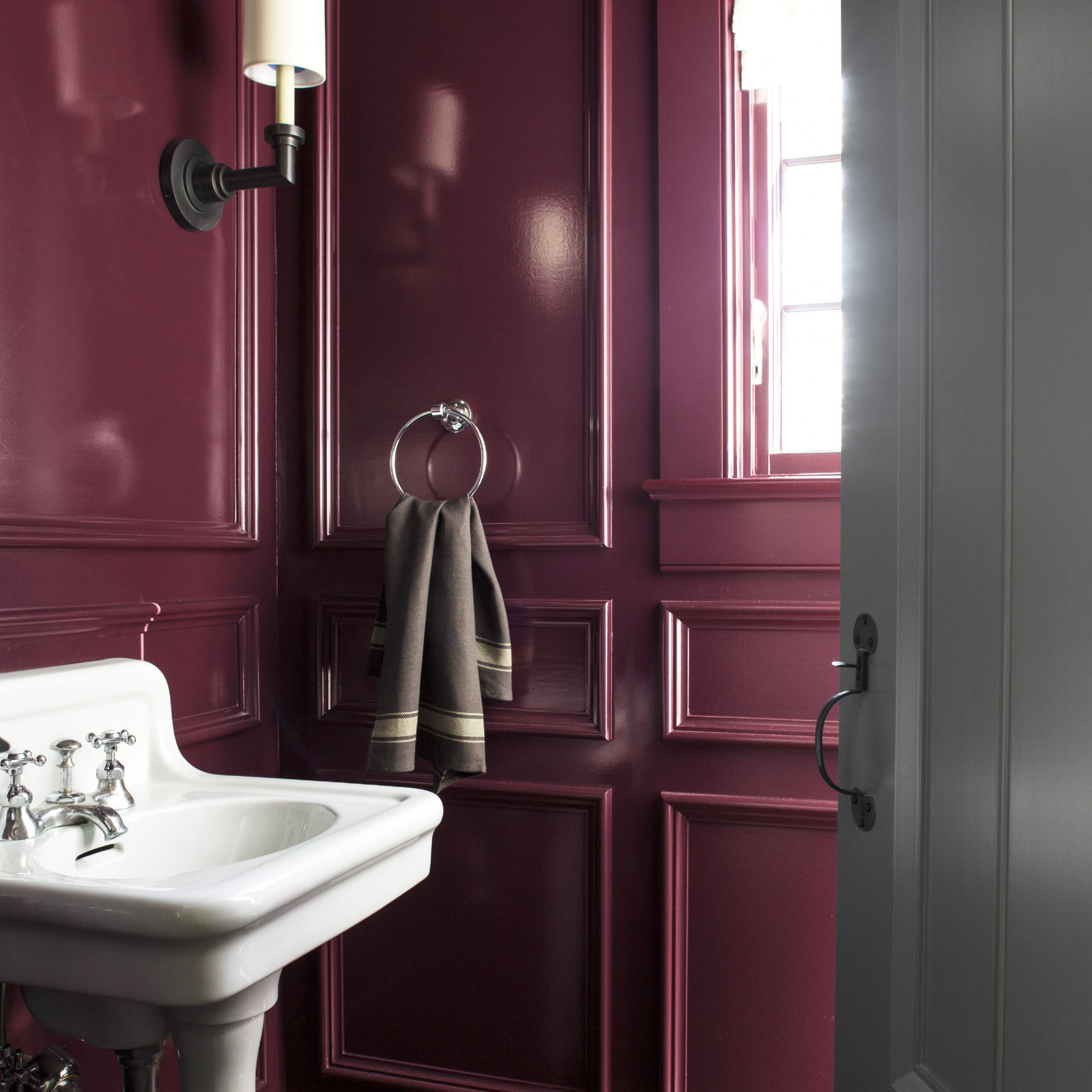
However, the central learning from this experience revolves around lighting and paint finishes. The author discovered that a single overhead light was insufficient for a dark-painted room, leading to flat appearances in the morning and overly dramatic ones at night, with varied effects depending on light direction. Crucially, the chosen flat matte paint finish highlighted every imperfection. Design experts emphasize the importance of selecting the correct paint finish. Helen Shaw recommends semi-gloss or high-gloss finishes for a luxurious feel, as their reflective qualities add depth, enhance the sense of space, and highlight architectural details. Ruth Mottershead also advocates for high-sheen finishes like Intelligent Gloss, noting their unique light-reflectance and richness of color.
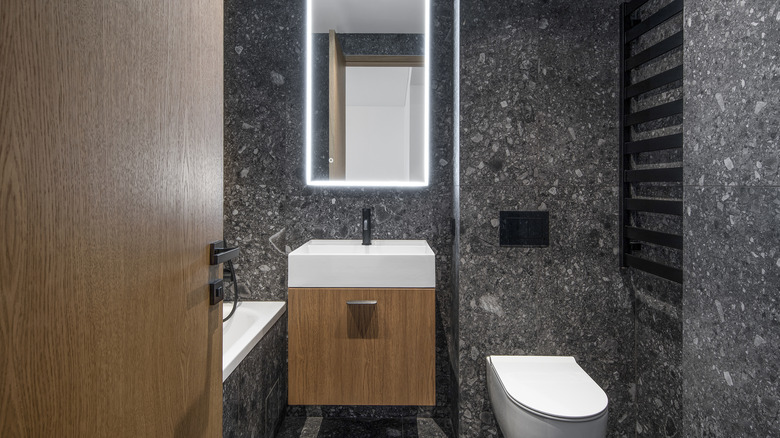
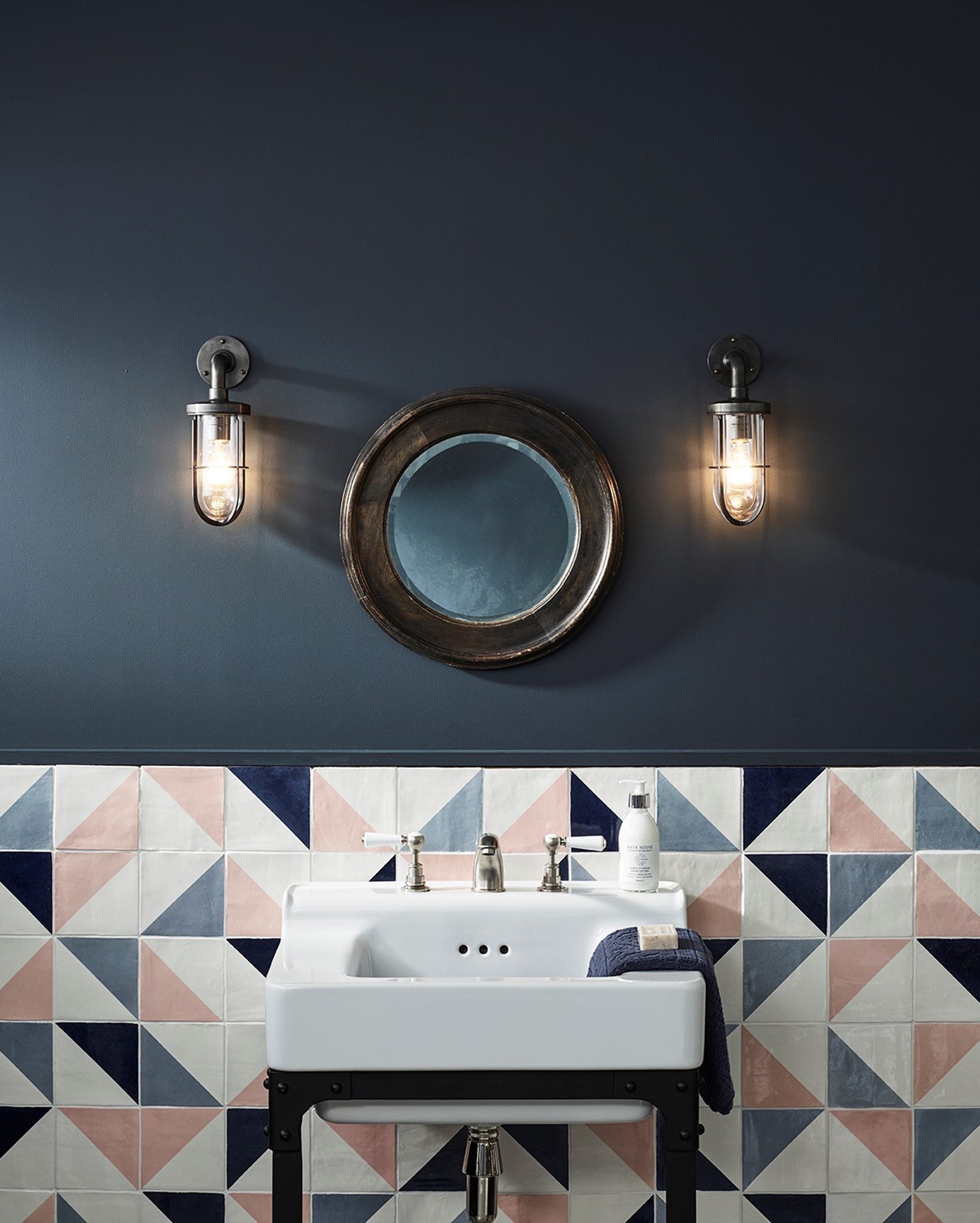
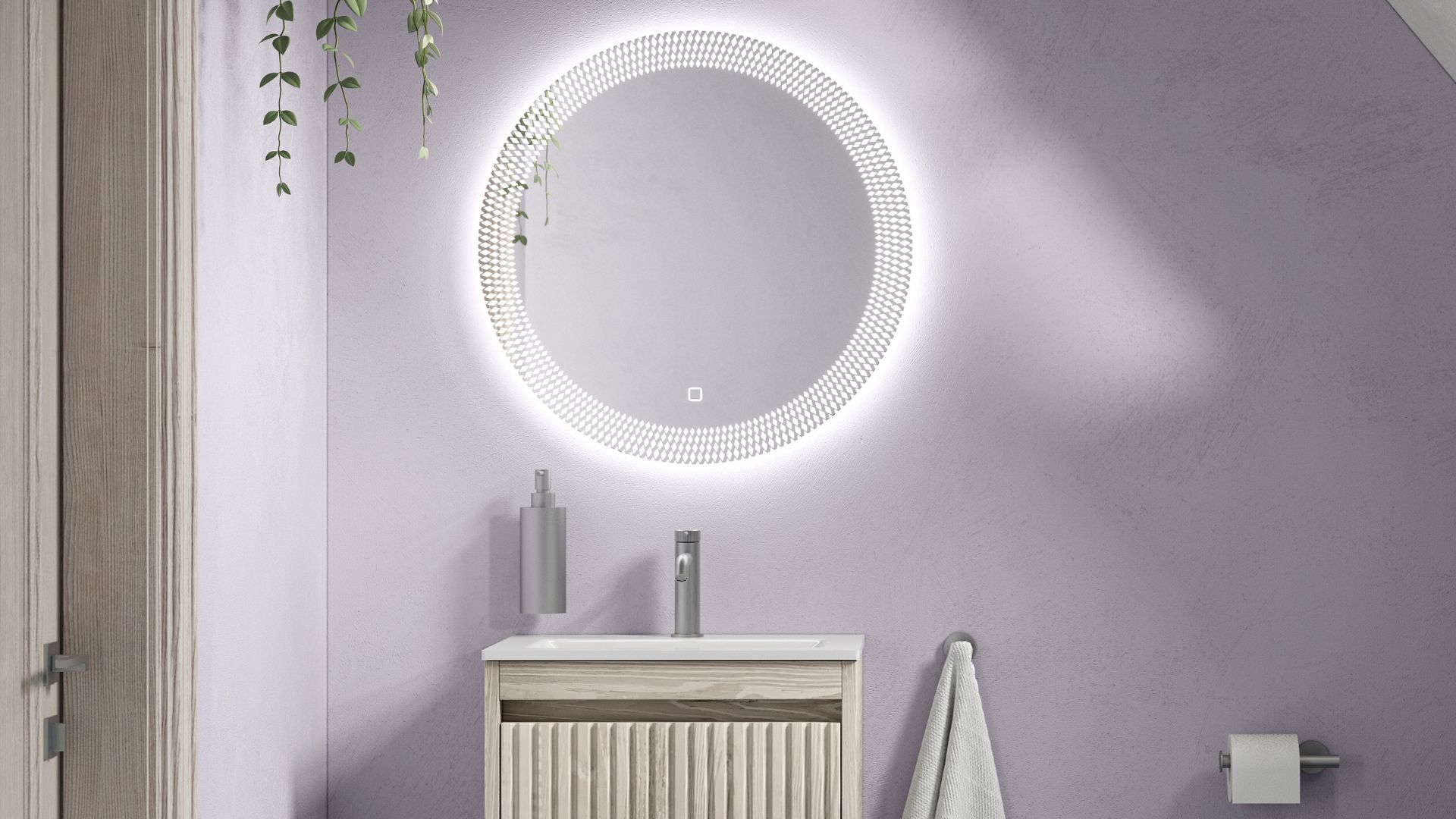
Hollie Moreland from David Hunt Lighting elaborates on the interplay between lighting and paint finishes. Glossy surfaces catch and reflect light, adding glamour, while matte surfaces absorb light, creating depth and calm. For glossy surfaces, she advises positioning spotlights to lightly skim the walls, producing soft illumination and drama. For matte surfaces, double wall lights with frosted bulbs are suggested to gently bathe the surface in light, creating a cocooning and ambient effect. Layering different light sources—such as wall lights, pendants, flush ceiling lights, or illumination around mirrors—is paramount in color-drenched spaces to create a soft, atmospheric, and intimate setting.
In conclusion, while the dark paint choice itself was not a mistake, the key takeaway is the necessity of thoughtful planning regarding lighting schemes and paint finishes in compact rooms. The author plans to rectify the initial oversights by applying a glossy topcoat and adding rechargeable sconces to improve the space's illumination without extensive rewiring. The experience underscores that bold design choices, especially in small areas, require careful consideration of all elements to achieve the desired effect.
#SmallBathroomDesign #DarkColors #ColorDrenching #PaintFinishes #BathroomLighting #InteriorDesignTrends #HomeRenovation #DecoratingTips #SpaceMaximization #SmallBathroomDesign #DarkColors #ColorDrenching #PaintFinishes #BathroomLighting #InteriorDesignTrends #HomeRenovation #DecoratingTips #SpaceMaximization
0 comment in total
 No comments yet
You may also like
Can a small bathroom be painted a dark colour? Experts explain how to make a dramatic shade work
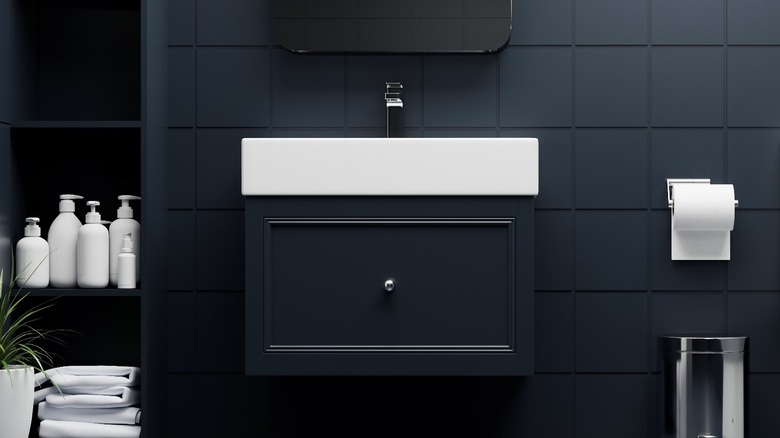
15 Colors That Will Turn Your Bathroom Into A Dark And Moody Oasis

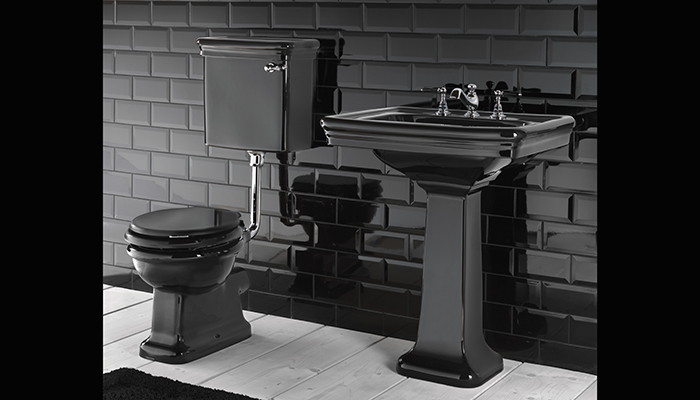
Dark secrets: Making the most of black products in bathroom design
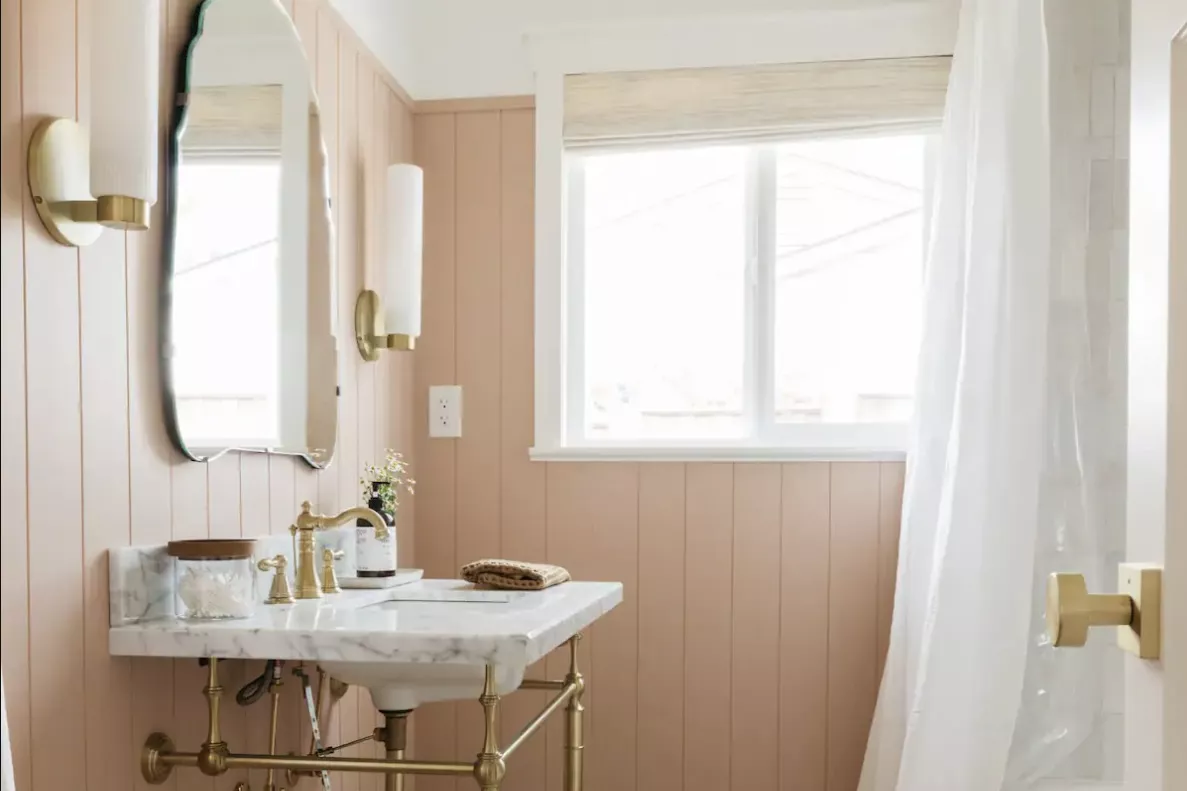
11 Paint Colors That Instantly Make a Small Bathroom Look Bigger

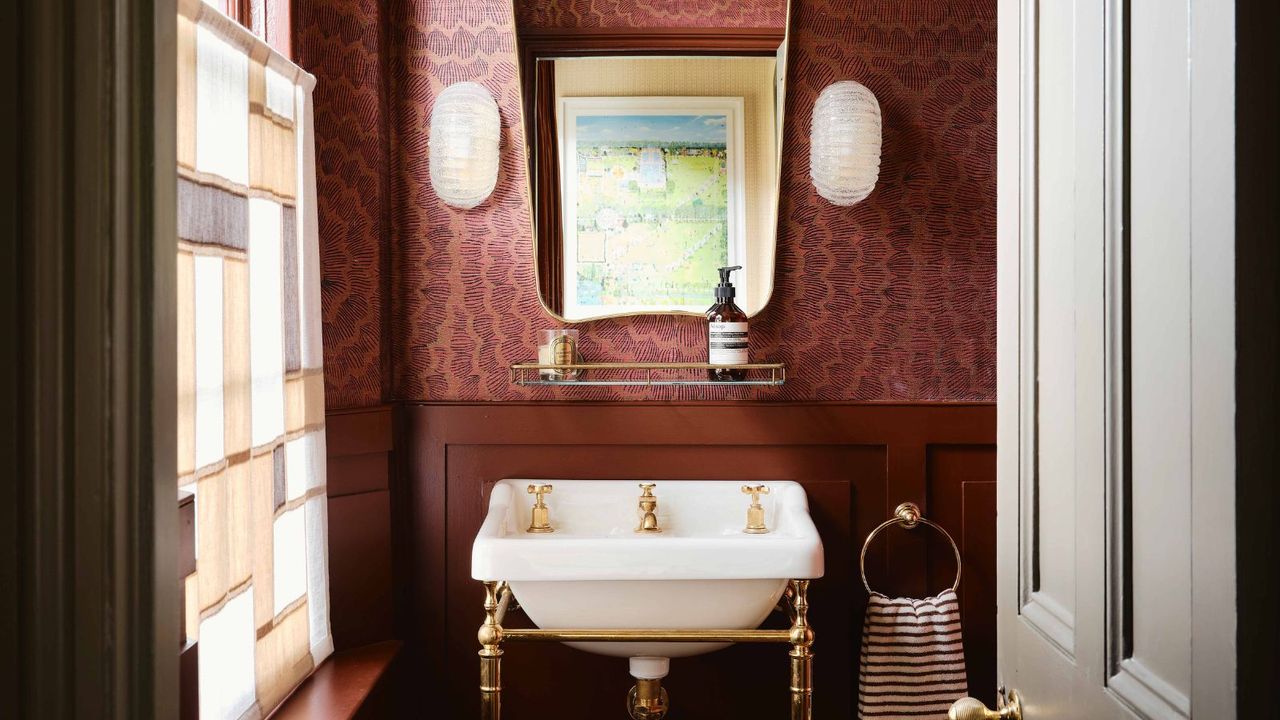
I Caved and Painted My Small Bathroom a Chic Dark…

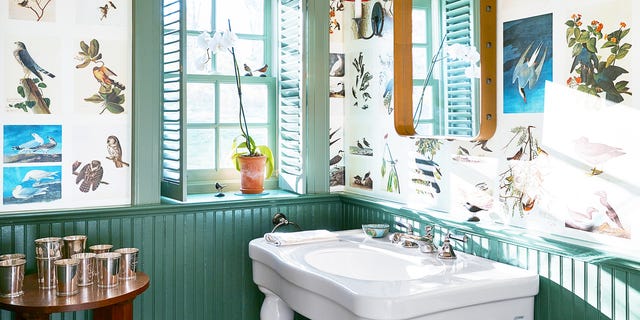
18 Best Paint Colors to Make Small Bathrooms Feel Bigger

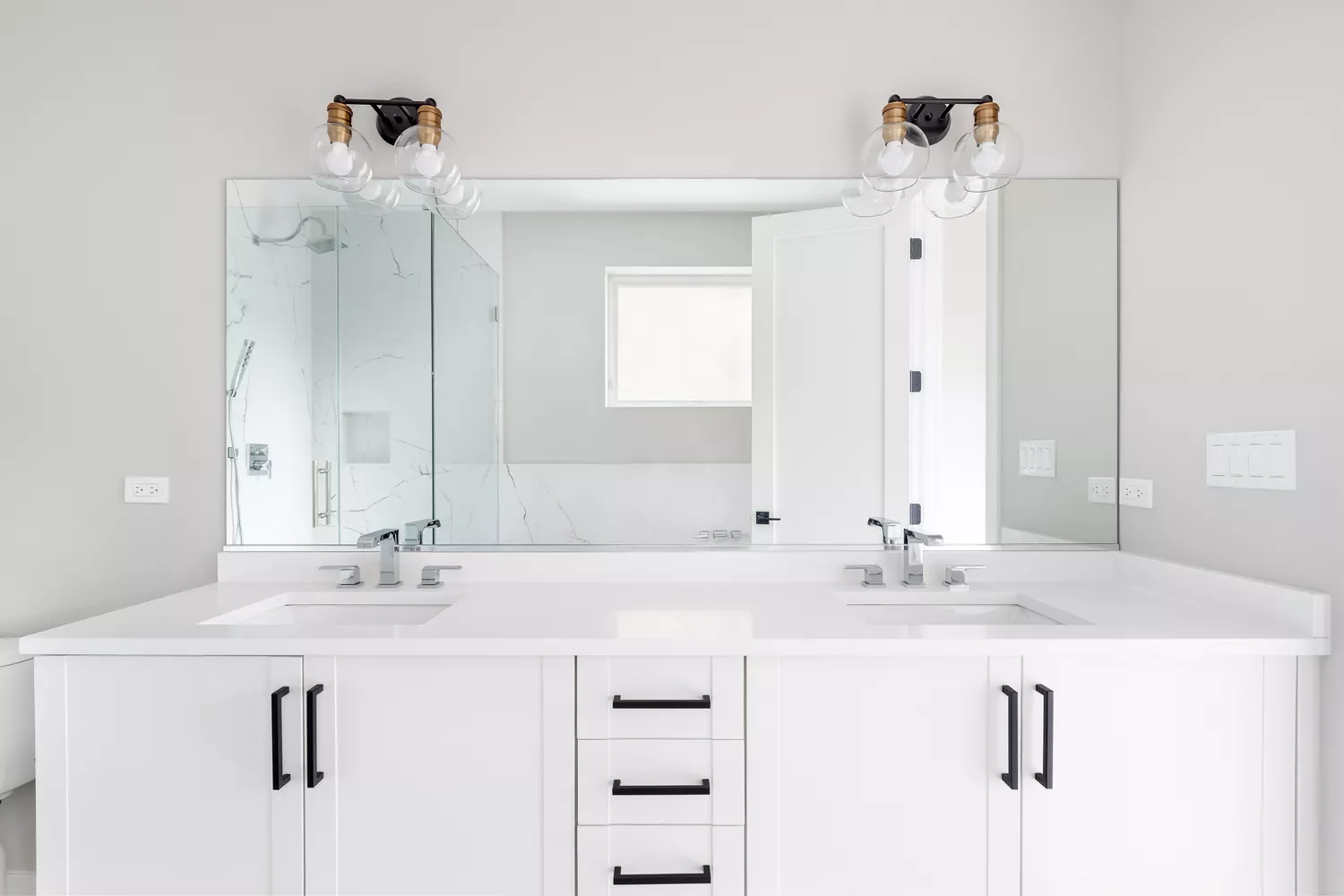
We Asked a Designer Which Bathroom Paint Colors People Always Regret—These 4 Came Up the Most

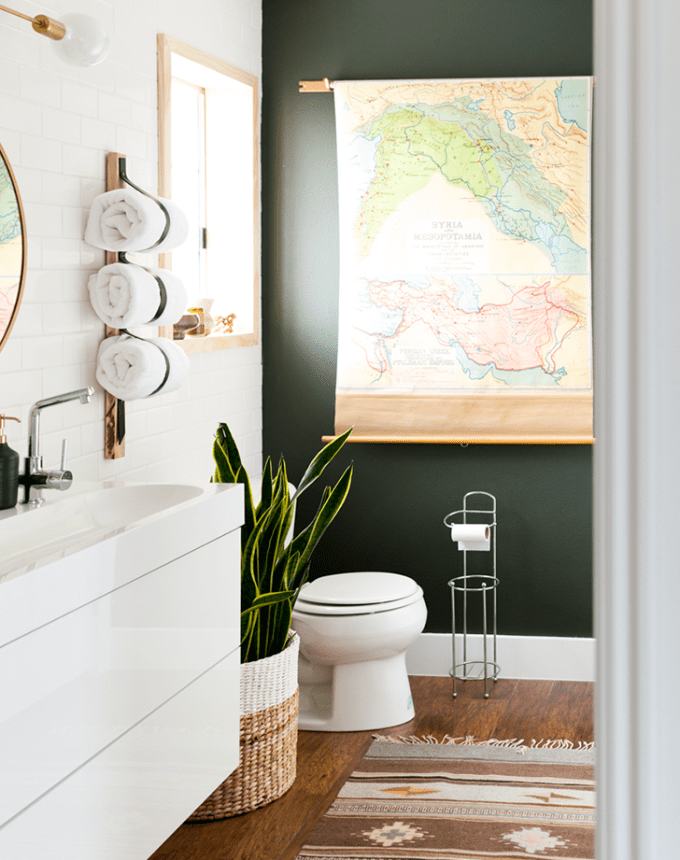
12 Bathroom Paint Color Ideas You Haven't Thought of Before
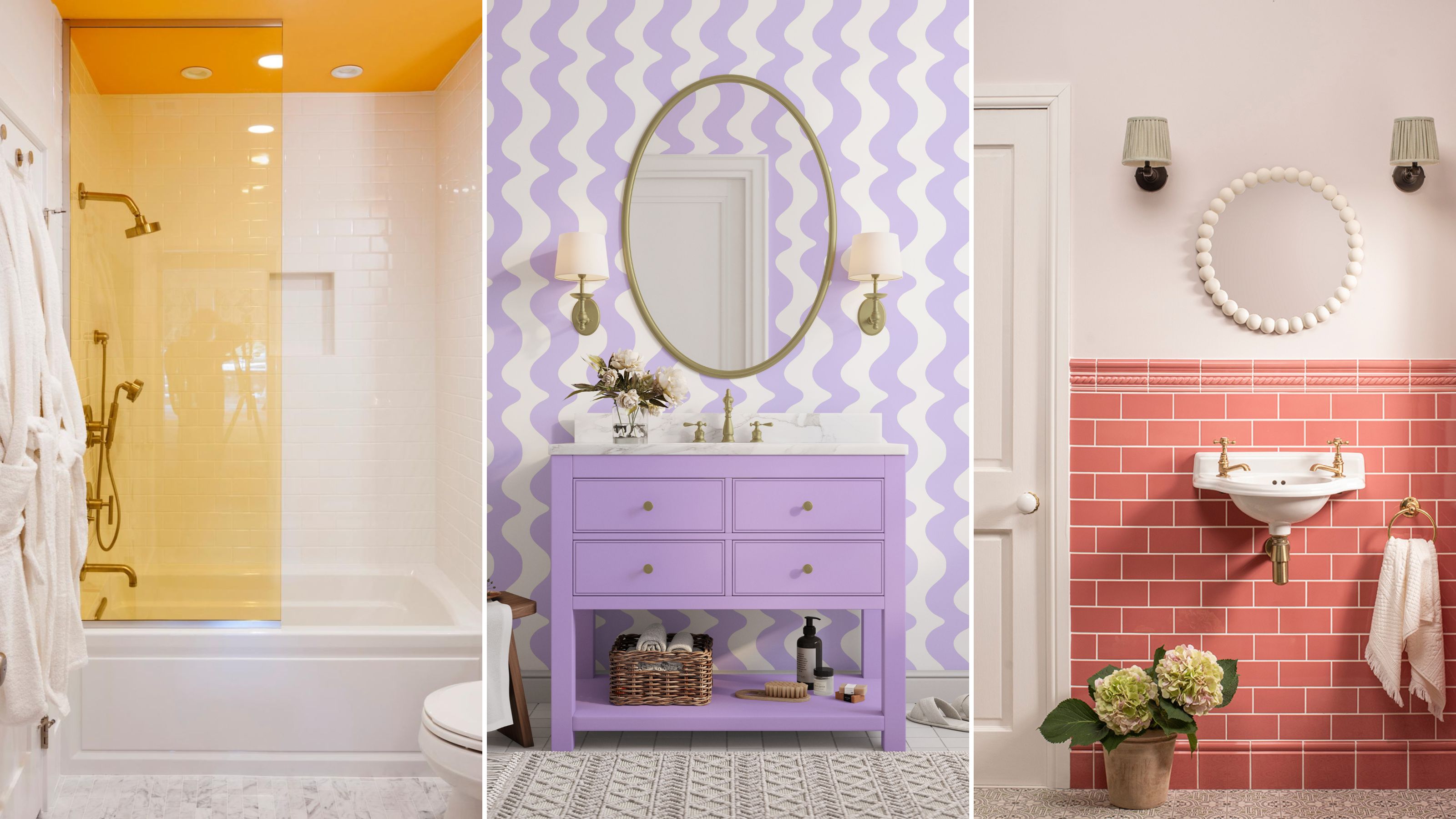
The 10 best paint colors for small bathrooms, according to design experts


27 Best Paint Colors for Small Bathrooms from the Experts

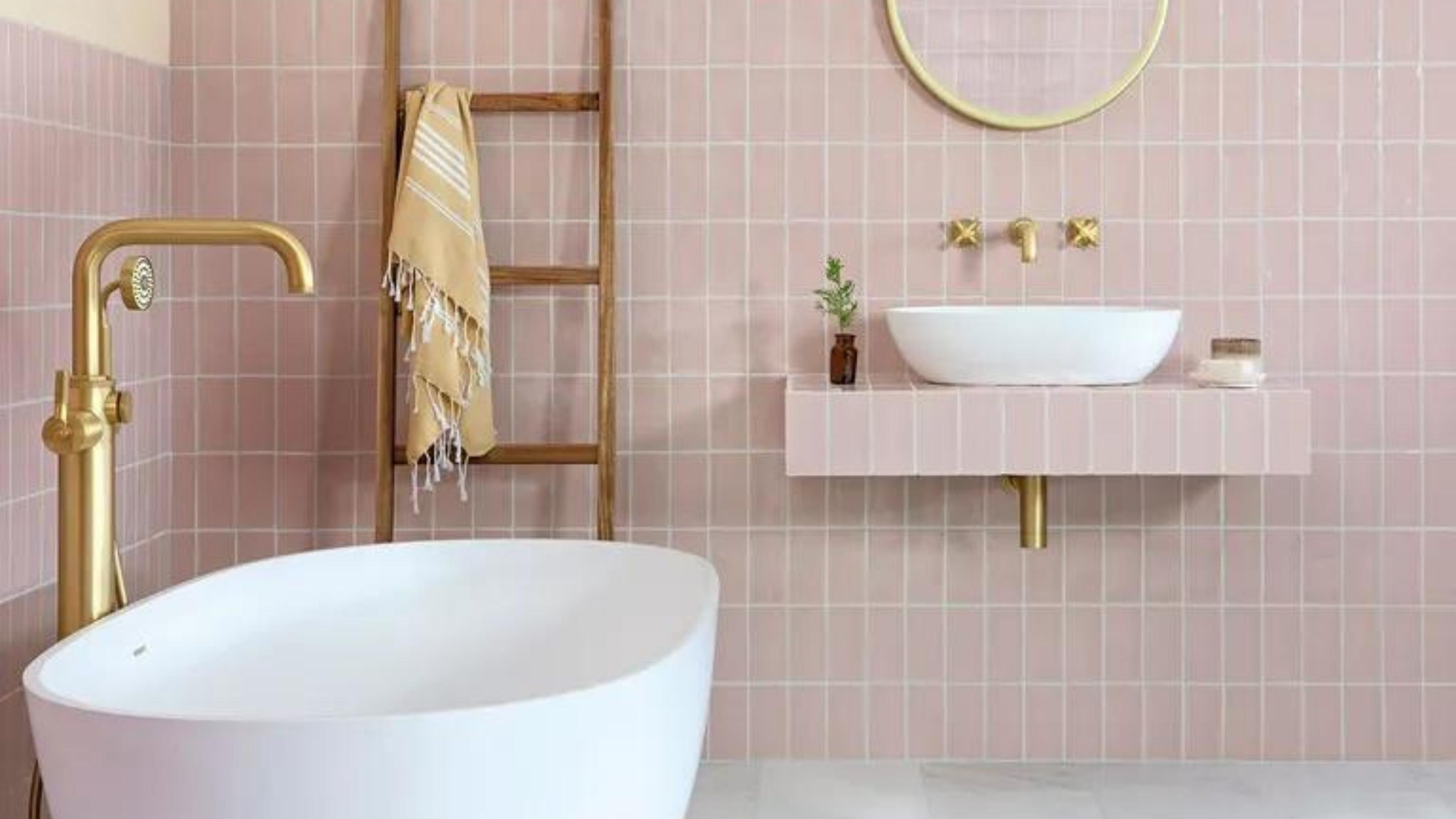
Yikes! The worst colors for a small bathroom that should definitely be avoided

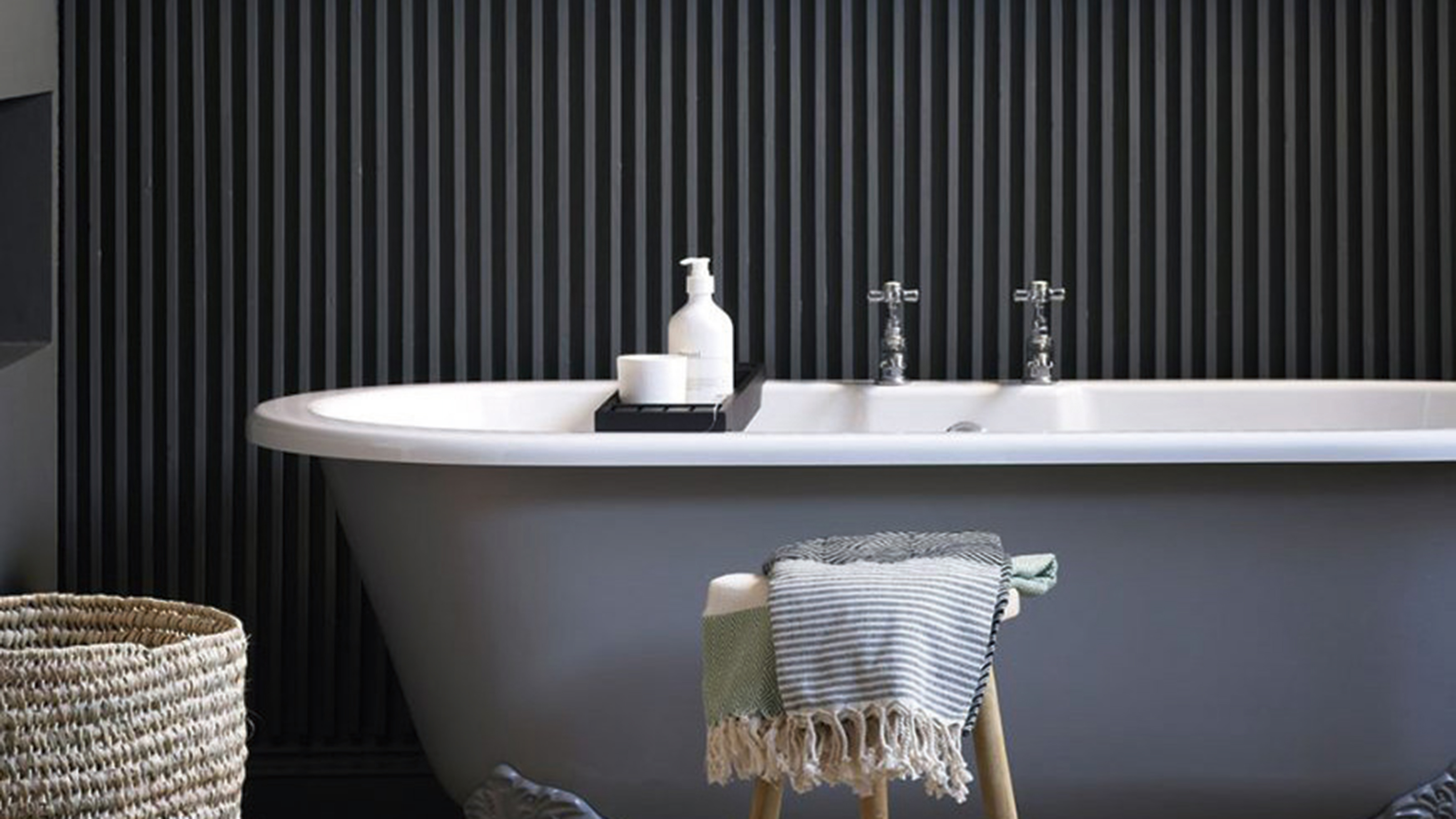
Dark bathroom ideas – how to embrace the dark side in your space
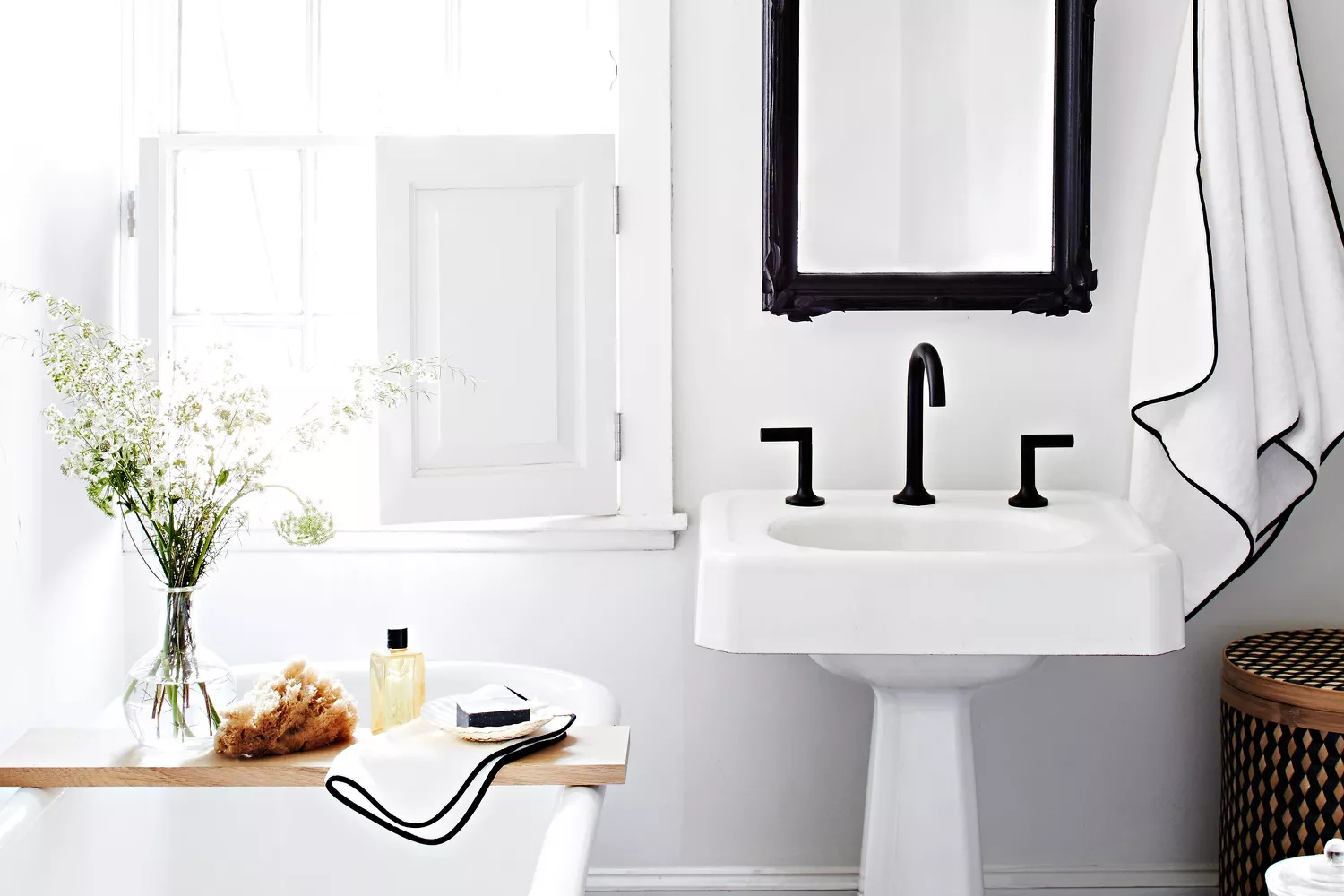
13 Paint Colors That Make Small Bathrooms Feel Bigger
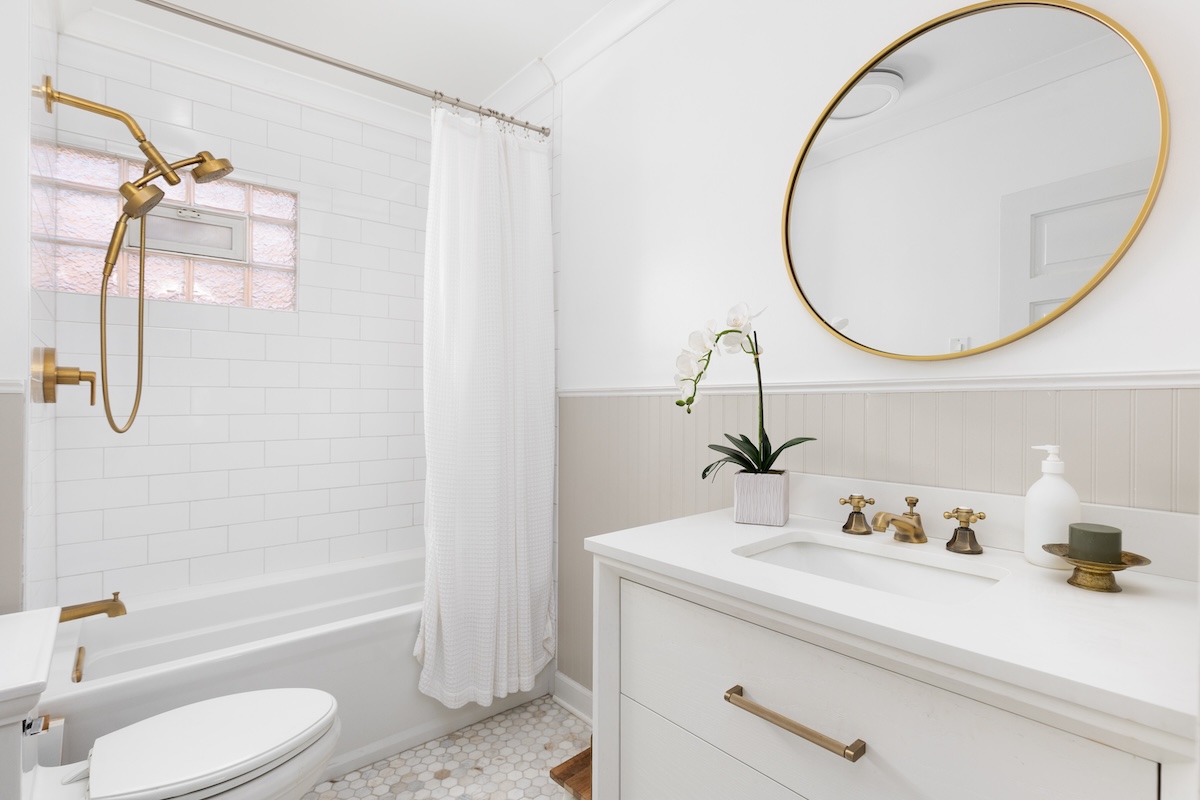
The 10 Best Colors to Paint a Small Bathroom, According to Experts

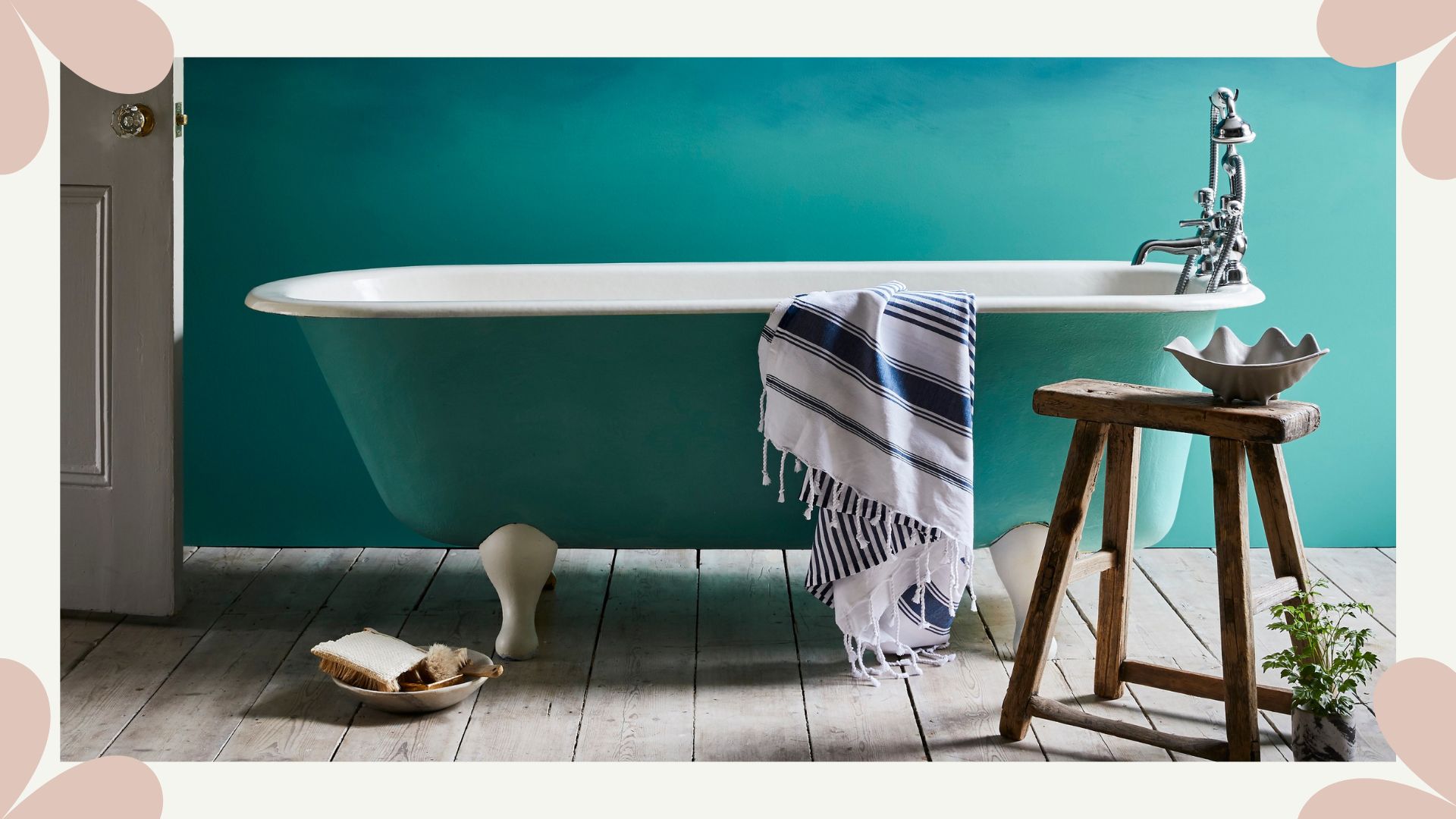
Paint color ideas for bathrooms: expert advice for choosing the best shades

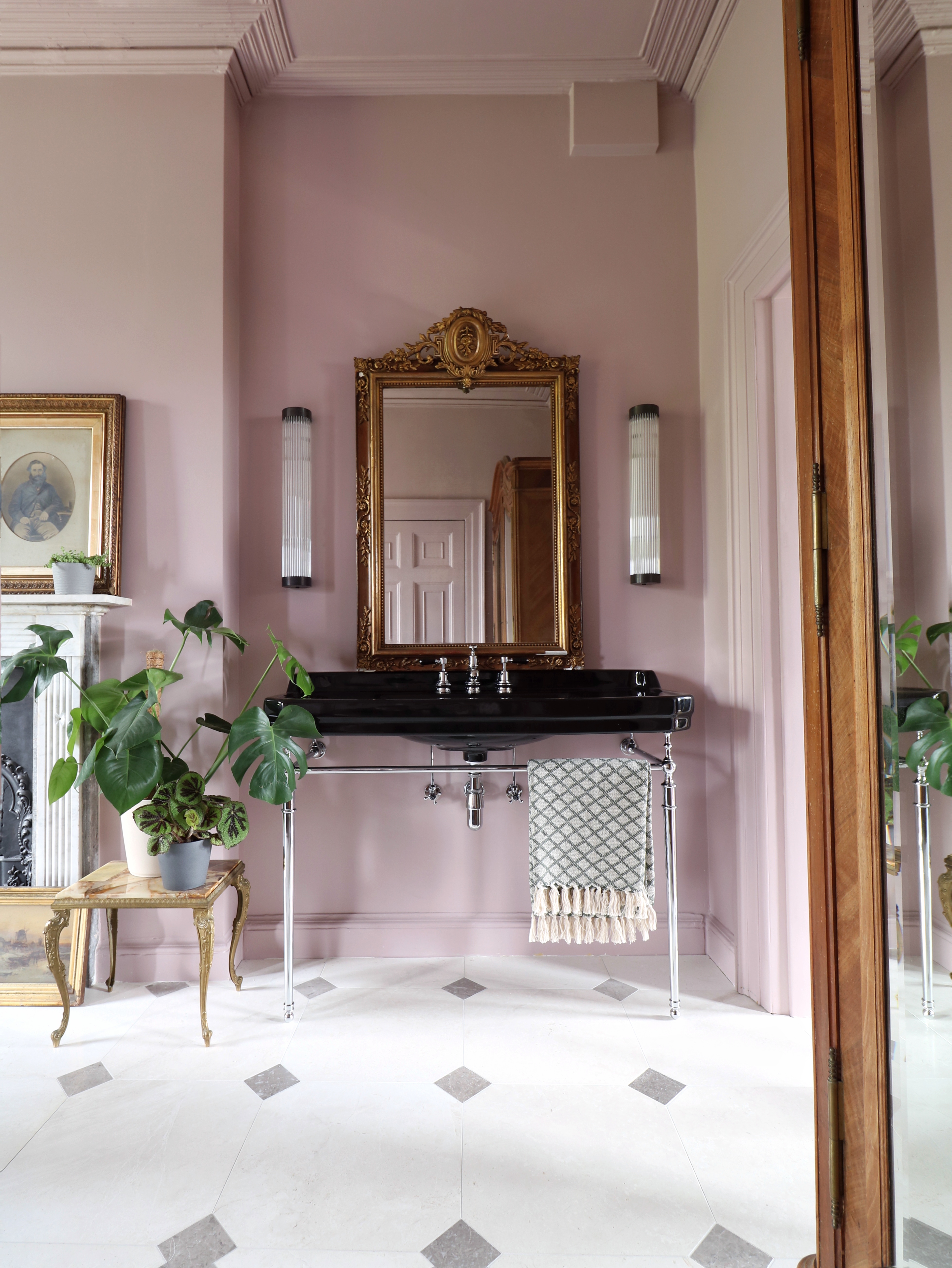
25 bathroom paint ideas to brighten up your color scheme fast

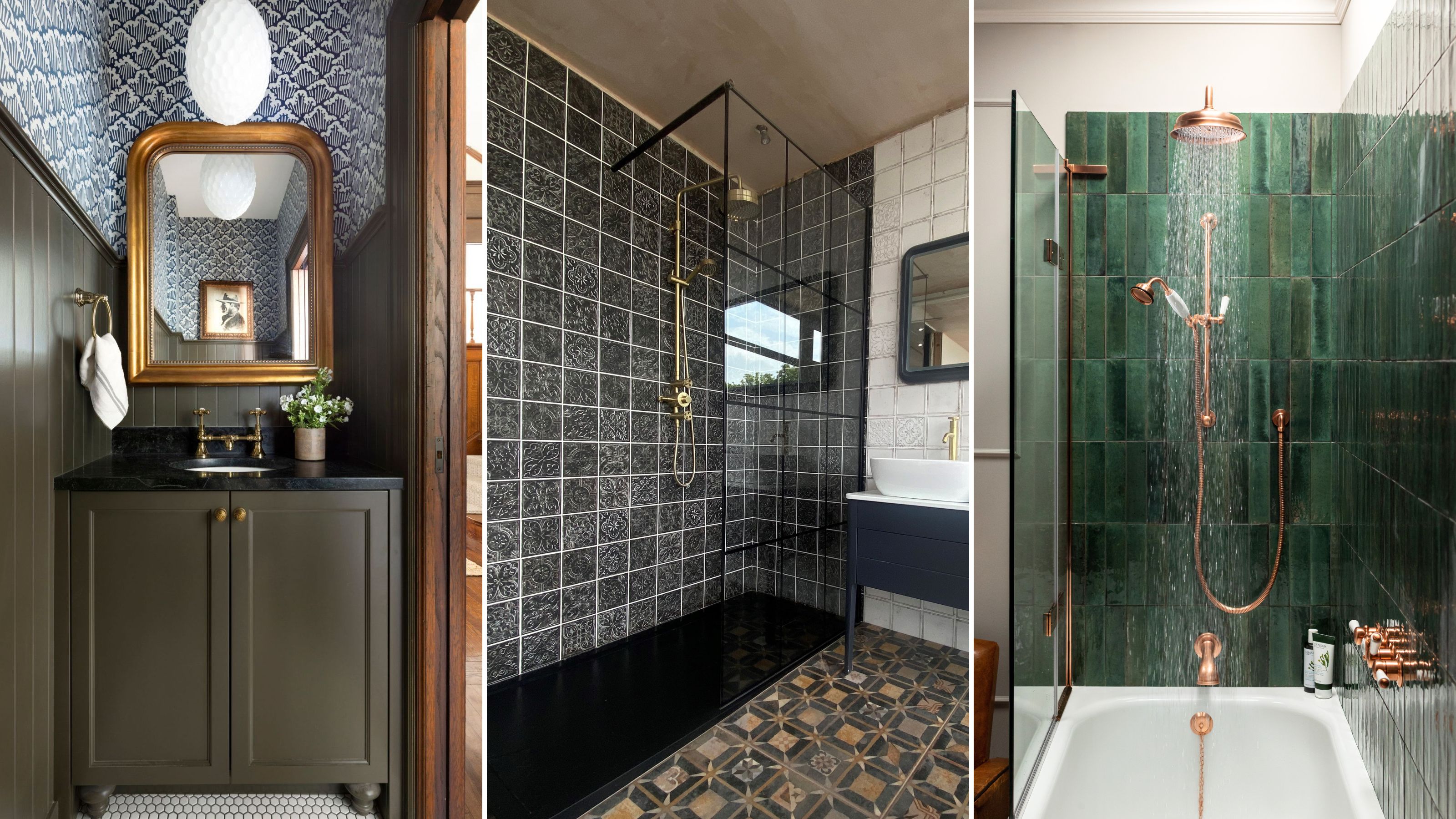
7 stunning dark small bathroom ideas — designers love using this aesthetic to give small spaces a "luxurious depth"
14 Dark Bathroom Ideas
Small bathroom paint ideas – 10 ways to make this tiny place come alive

The One Bathroom Paint Color Experts Say Will Never Be Outdated