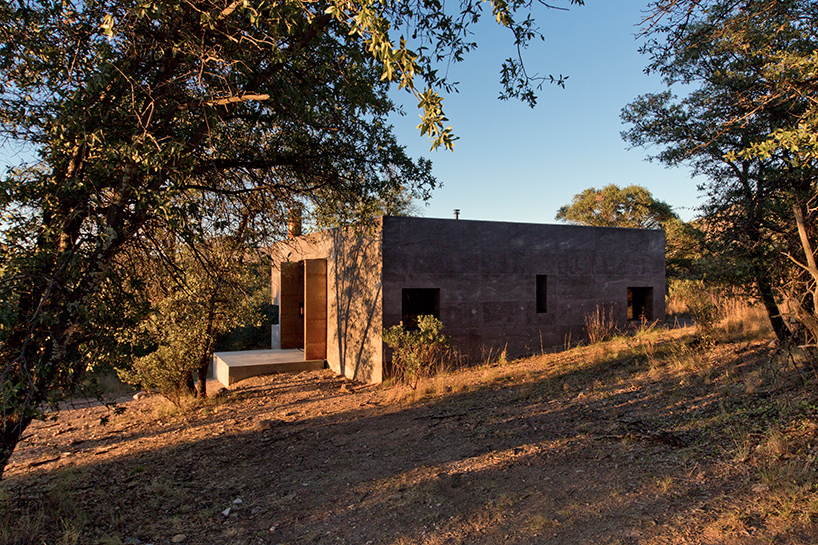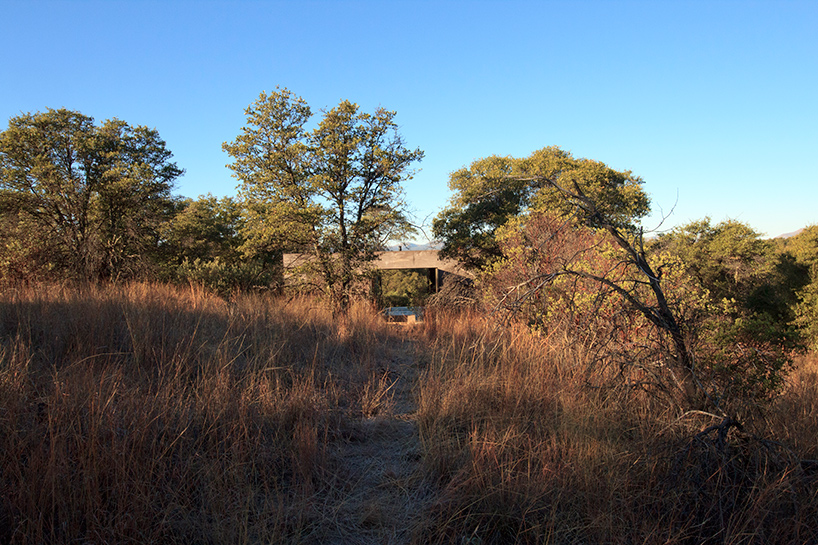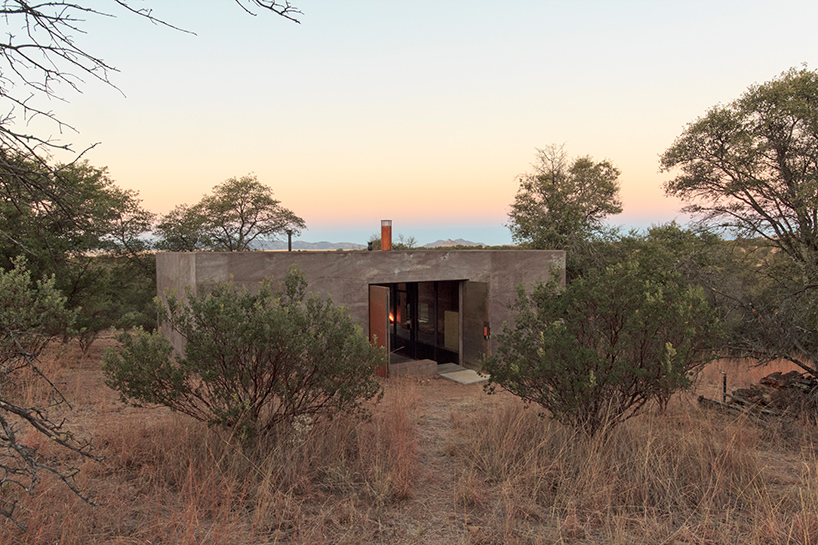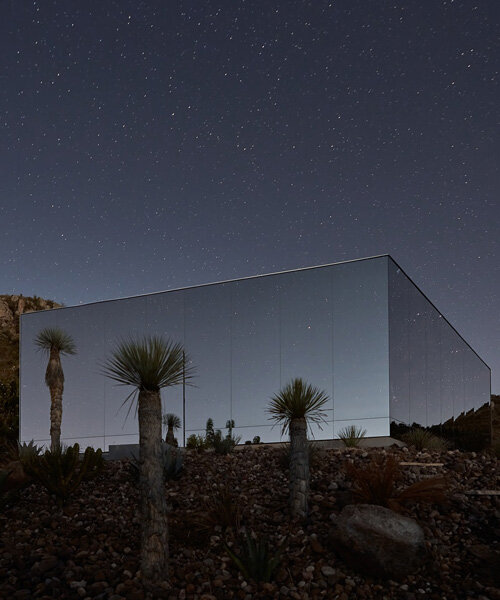
casa etérea is an off-grid glass house set on the slopes of an extinct volcano in mexico
Casa Etérea is a unique off-grid glass hideaway designed by Singaporean writer and designer Prashant Ashoka, located on the slopes of an extinct volcano, approximately 20 minutes from San Miguel de Allende, Mexico. The residence is distinguished by its mirrored facade, which is engineered to reflect the surrounding natural landscape, providing a continuous interaction with ambient light throughout the day. This design choice aims to create a 'theater to nature,' fostering a deep connection between the occupants and the environment.
Sustainability is a core principle of Casa Etérea's design. The dwelling operates entirely off-grid, relying on solar panels for its power needs and collecting rainwater for its water supply. A notable feature of the mirrored exterior is a patterned ultraviolet coating. This innovative application makes the glass visible to birds, preventing accidental collisions, while maintaining its reflective quality to the human eye, thus integrating ecological responsibility with aesthetic vision.
Prashant Ashoka undertook the entire construction process with limited resources, showcasing a hands-on approach to realizing his architectural vision. The design draws inspiration from the concept of 'emotional architecture,' pioneered by figures such as architect Luis Barragán and sculptor-painter Mathias Goéritz. This influence is evident in the strategic use of mirrored panels, which are intended to generate a visually abstract and interactive experience, enhancing sensory engagement with the natural setting.
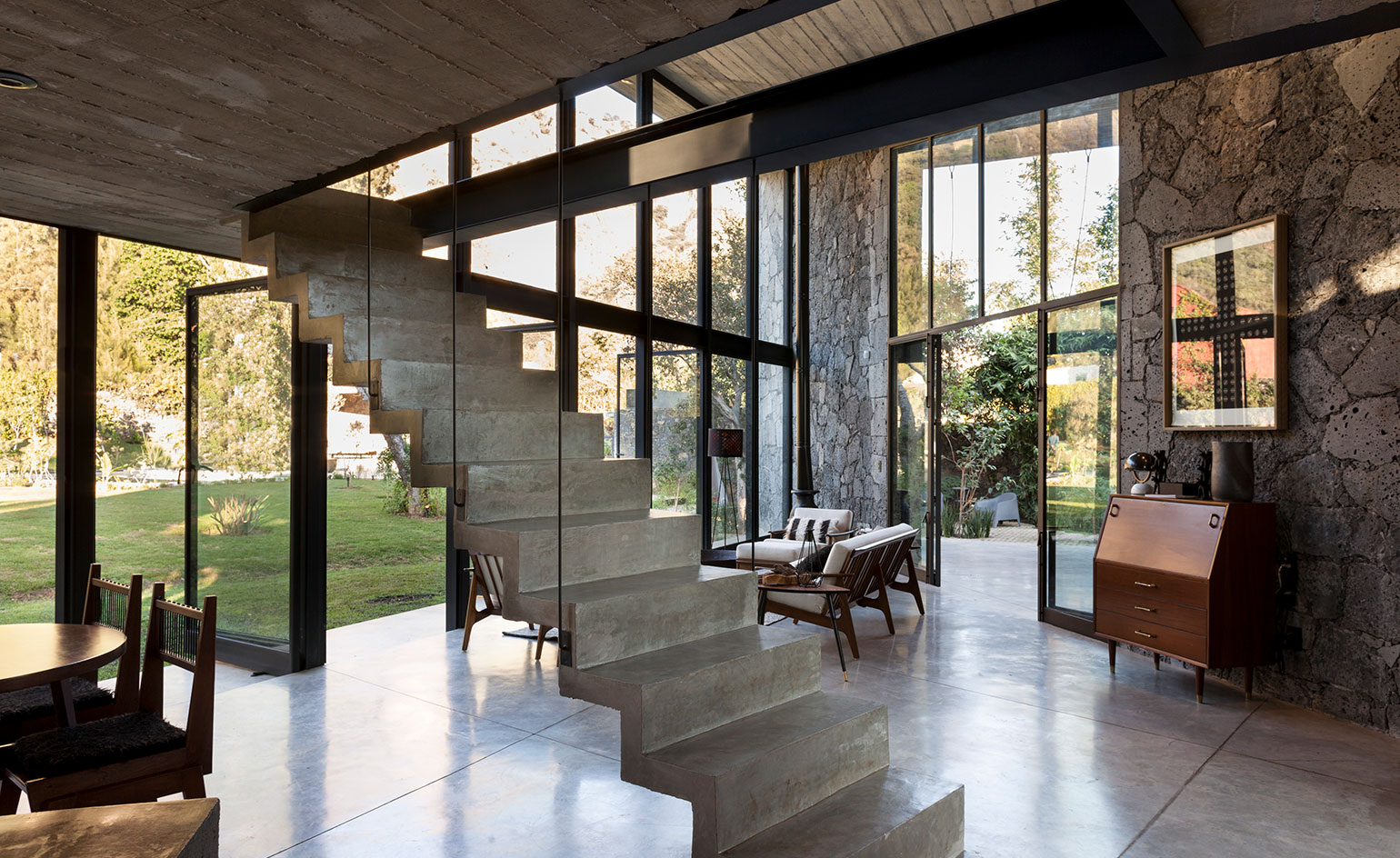
The interior layout of Casa Etérea is characterized by a lack of partition walls, forming a singular, expansive room. This open-plan design incorporates floor-to-ceiling sliding glass doors, which serve to frame panoramic views of the towering cliffs that define the landscape. Complementing the indoor space, the exterior features a decked patio area and a solar-heated pool, surrounded by native olive and pomegranate trees. This integration of indoor and outdoor spaces further blurs the architectural boundaries with nature.
The mirrored facade plays a crucial role in blending the structure with its environment, making the building appear to dissolve into its surroundings. Natural light is not merely an illumination source but an integral structural element, constantly redefining the home's exterior appearance as it reflects and refracts. Prashant Ashoka articulated his intention for this interplay of light and scale to evoke a profound sense of awe and unity with the wilderness. He designed the house to prompt contemplation on humanity's stewardship role in ecosystem preservation.
Ashoka vividly describes the house's dynamic visual transformation: at dawn, it emits a phosphorescent blue glow, contrasting sharply with the dark mountainous backdrop. As sunset approaches, the volume scintillates like a mirage against the landscape, eventually seeming to vanish. This chameleon-like quality ensures that the house's structural presence never imposes upon or alters the natural environment it inhabits, reinforcing its ethos of harmony and integration.
#OffGridLiving #GlassArchitecture #SustainableDesign #VolcanoSetting #MexicoArchitecture #PrashantAshoka #EmotionalArchitecture #MirroredFacade #EcoFriendlyHome #OffGridLiving #GlassArchitecture #SustainableDesign #VolcanoSetting #MexicoArchitecture #PrashantAshoka #EmotionalArchitecture #MirroredFacade #EcoFriendlyHome
0 comment in total
 No comments yet
You may also like
A volcanic stone house by Cadaval & Solà-Morales holds its own in Mexico

A Dramatic Floating Roof Crowns This Rammed Earth Home in Arizona

Vertical Glass House by Atelier FCJZ has glass floors instead of windows
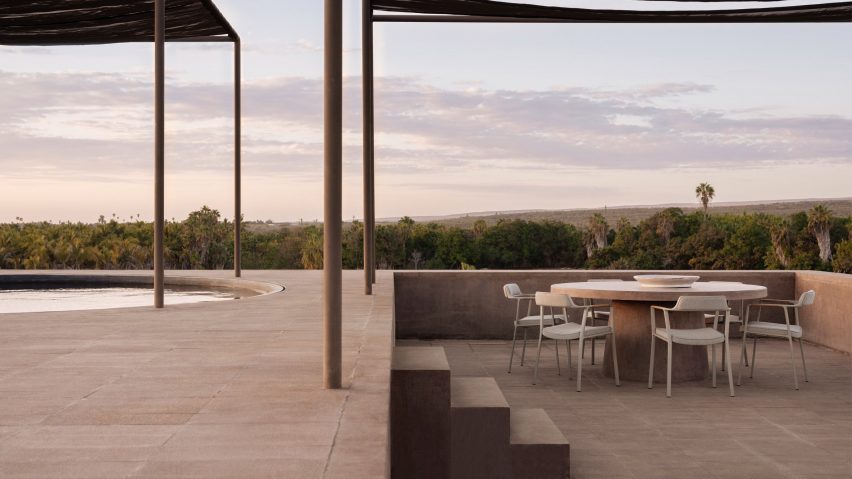
PPAA designs rammed-earth guesthouse in Mexico to "blend seamlessly with the terrain"
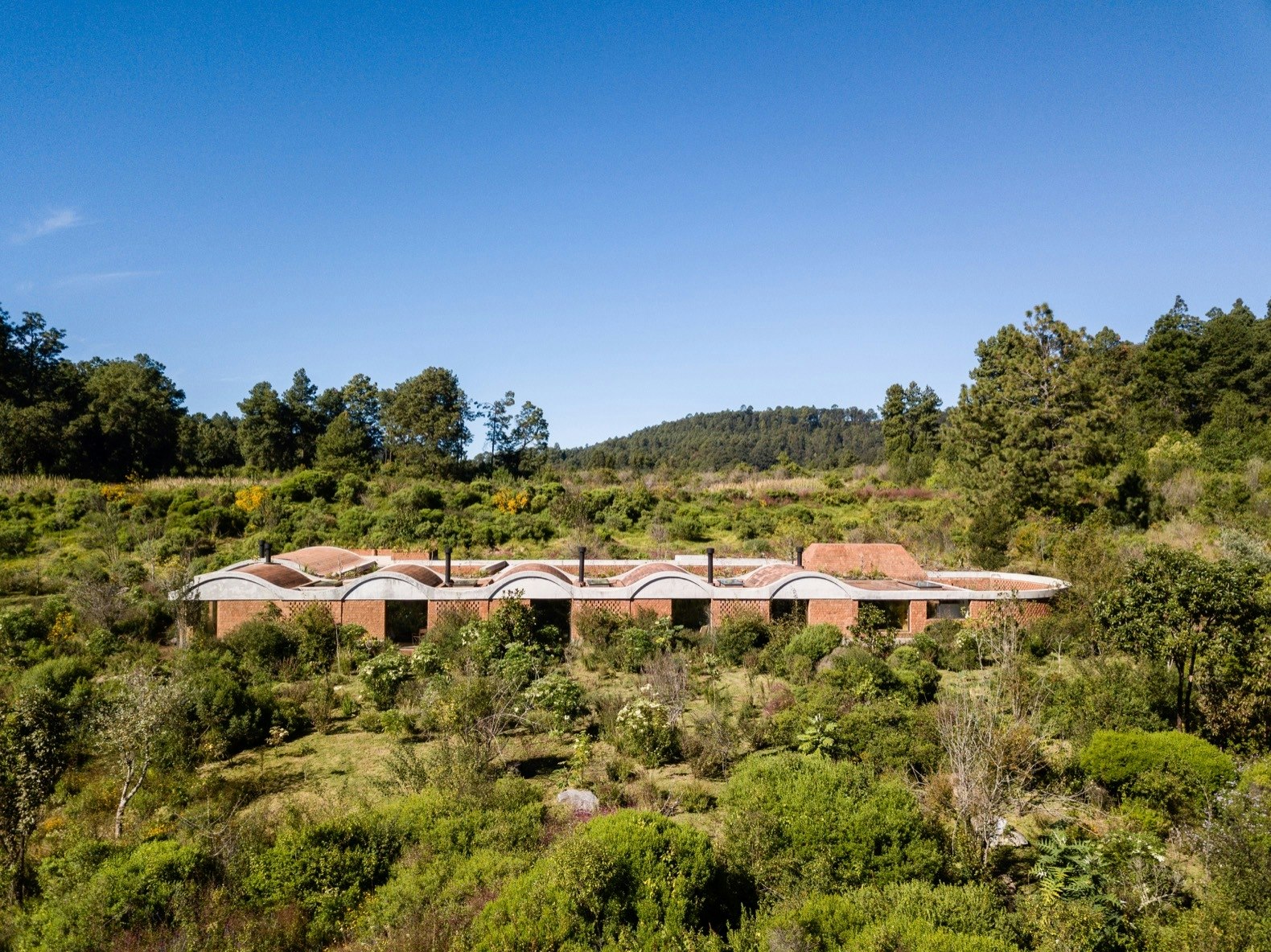
Barrel-Vaulted Ceilings Cap an Architect’s Off-Grid Retreat in Mexico
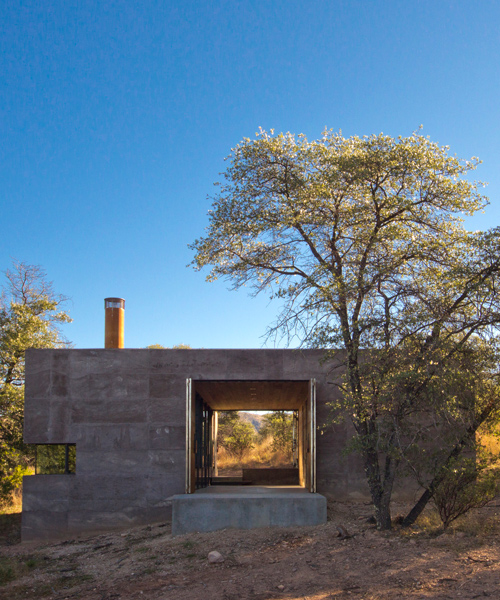
DUST custom builds an off-grid arizona dwelling from volcanic rock
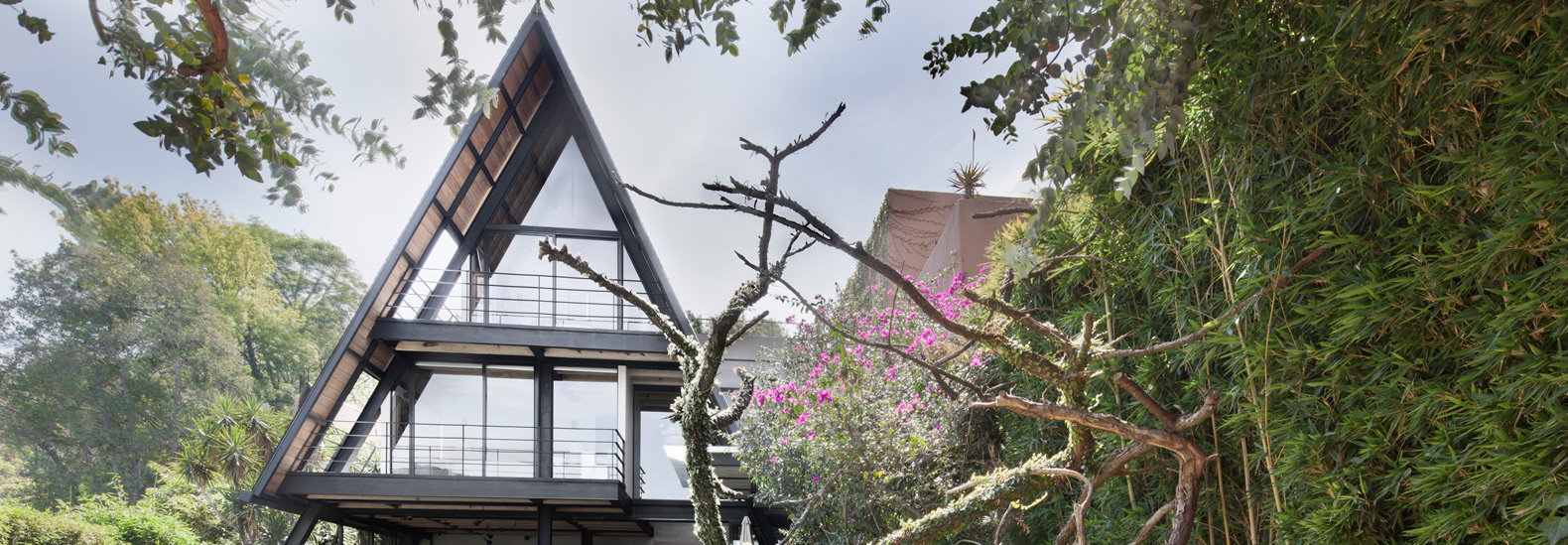
Contemporary A-frame home soaks up lakeside views in Mexico
Ibizan architecture influences white walls of Casa Elisa in Argentina
la miradora house by taller general opens to volcano views in machachi, ecuador
house of miracles by danilo veras godoy looks almost alive through naser nader ibrahim's lens
This Designer Inherited Dreamy Floor Tile When She Found Her Mexico City Home

rammed-earth residence unfolds around central planted courtyard on mexico's coast
clad in rammed earth + burnt wood, 'santerra house' echoes the arid mexican landscape
A Sustainable Rammed Earth Home in New Mexico
This Mexico penthouse is inspired by a New York loft
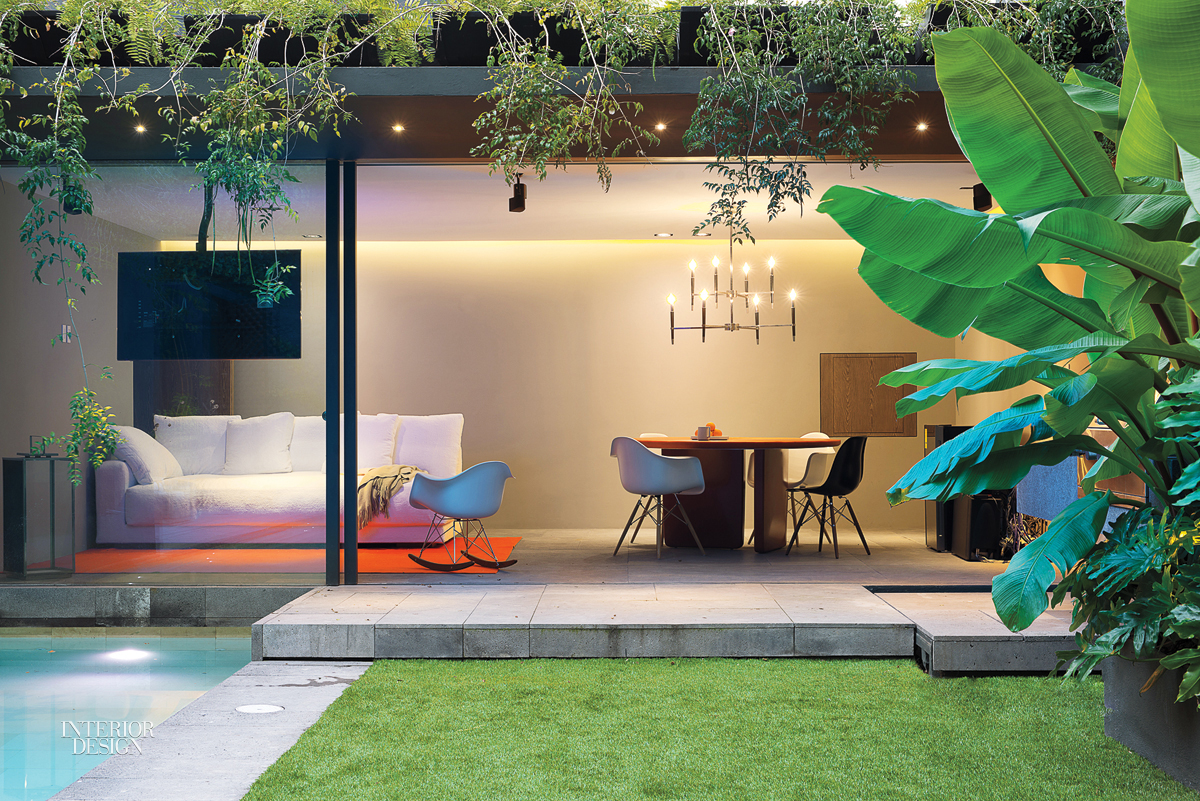
1970’s House in Mexico City Recast for Indoor-Outdoor Living

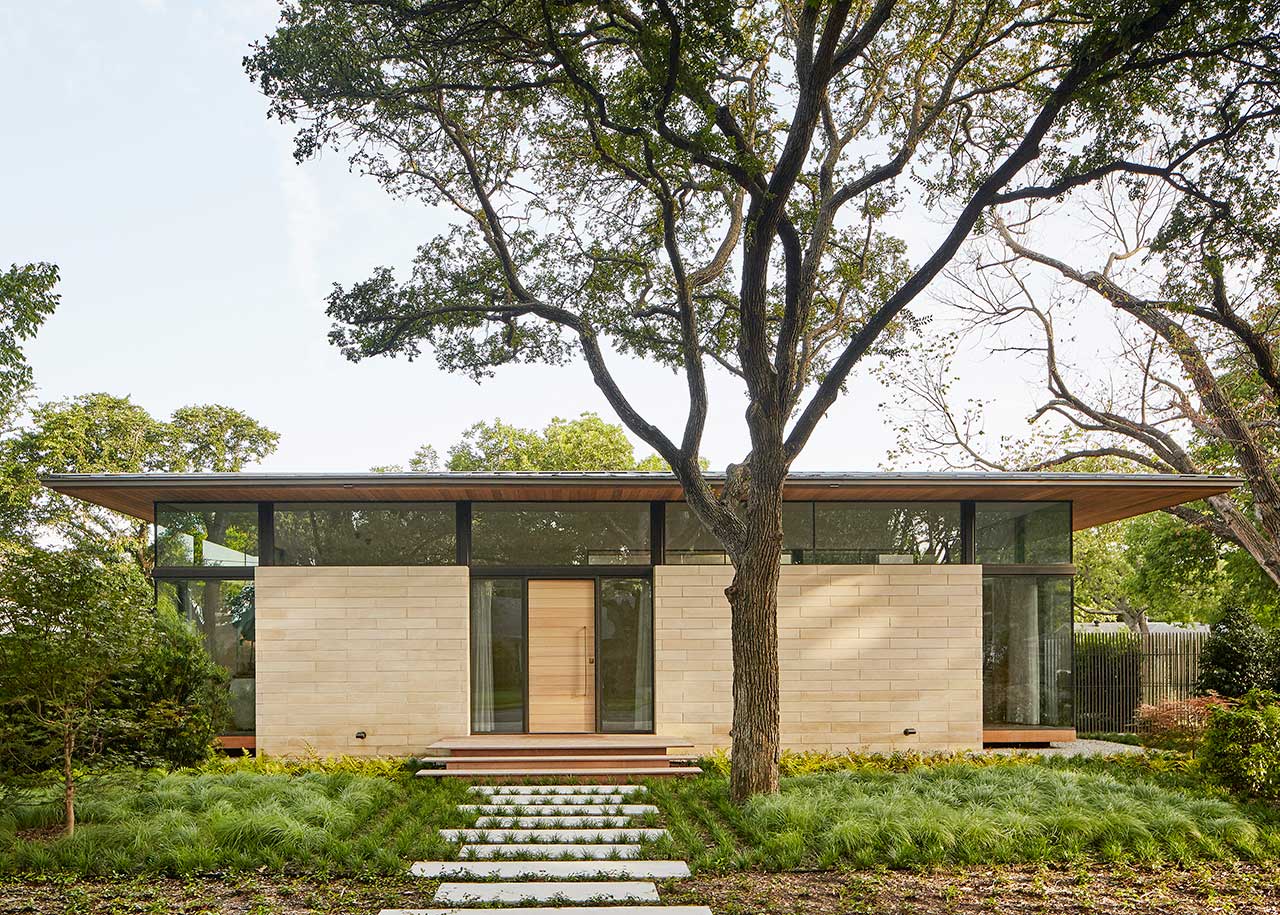
A Glass House in Texas With a Roof That Appears to Float
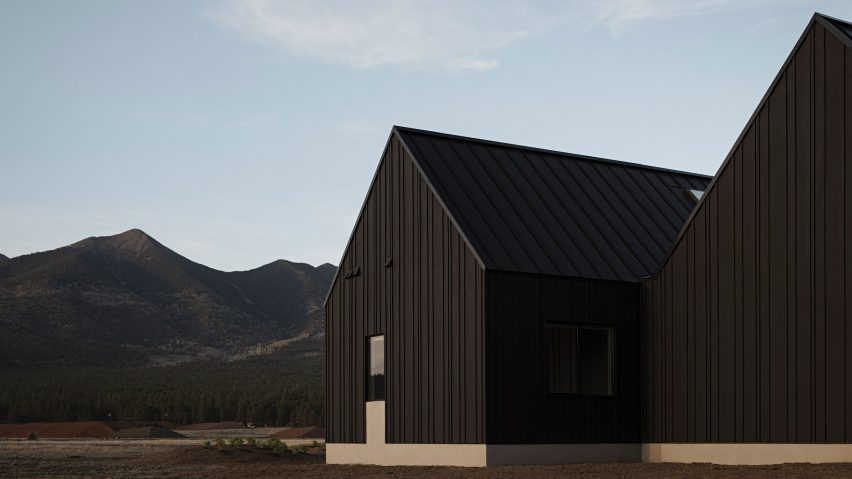
Volcanic terrain informs design of Noir Peaks house by The Ranch Mine
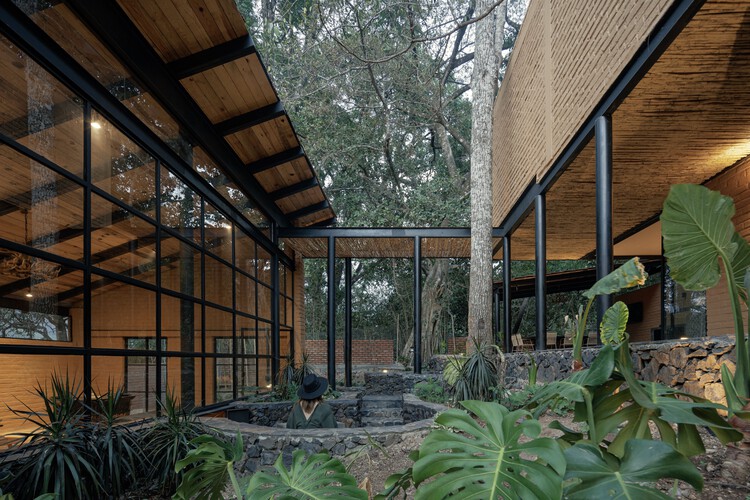
Patio House / herchell arquitectos

clay bricks clad vibrant 1980s home in mexico revived by fmt estudio