The Search for Our Missing Colors
The article explores the limitations of modern digital displays in reproducing the full spectrum of colors visible to the human eye, despite significant advancements in computing power and screen resolution over the past decades. It highlights that most televisions, computer monitors, and mobile devices can only display approximately one-third of all perceptible colors, notably omitting vibrant, saturated hues such as Pantone's "Emerald" or the distinct red of London's double-decker buses.
Historically, the electronics industry, through the International Telecommunication Union (I.T.U.), codified a standard gamut in the 1990s that limited the range of colors displays could produce. This standard influenced the design of both technology and content, creating a chicken-and-egg dilemma that hindered the adoption of wider color spaces for over two decades. Consequently, consumers have been consistently missing out on the true vibrancy of many real-world colors when viewed on digital screens, whether it's the color of a sports team's uniform or an advertised home decor item.
However, a shift is underway as content creators, artists, and movie producers begin to move beyond this outdated color space, adopting broader gamuts that better match print and cinematic standards. Recognizing this need, the I.T.U. established Rec. 2020 in 2012, a new set of technical specifications for future displays intended for adoption by 2020. This standard significantly expands the color gamut, based on a 1980 study by Michael R. Pointer, which charted virtually all perceivable colors. The new gamut proposed by Rec. 2020 is approximately twice as large as the previous standard.
The technological breakthrough enabling this wider color reproduction is quantum-dot technology. These tiny semiconductor crystals can be precisely tuned to emit very specific and pure colors. Integrated into existing liquid-crystal displays (LCDs), quantum dots use blue light-emitting diodes to excite nanocrystals, which then produce vivid red and green light. These colors, combined with blue, create white light that passes through filters to form pixels with much richer and more saturated hues.
Manufacturers have made rapid progress in quantum-dot technology, with companies like Sony introducing consumer TVs with these screens in 2013, followed by a range of other devices including tablets, laptops, and monitors. At recent industry trade shows, companies like T.C.L., Sharp, and Hisense have showcased displays achieving over ninety percent of the new Rec. 2020 gamut, making the 2020 target for widespread adoption appear well within reach. While content widely utilizing this expanded gamut is still emerging, examples like Pixar's "Inside Out," created in Dolby Vision format, demonstrate the artistic potential. The film used the broader palette to differentiate between the subdued 'human world' and the 'heightened reality' of the mind, showcasing deep blacks, intricate shadow details, and vivid fluorescent greens and purples. Although this next generation of displays represents a significant leap, certain light sources like neon signs or lasers may still present challenges for accurate reproduction, suggesting ongoing evolution in display technology.
#ColorTechnology #DigitalDisplays #QuantumDots #ColorGamut #DisplayStandards #Rec2020 #TechnologicalInnovation #HomeDecor #EntertainmentTechnology #ColorTechnology #DigitalDisplays #QuantumDots #ColorGamut #DisplayStandards #Rec2020 #TechnologicalInnovation #HomeDecor #EntertainmentTechnology
0 comment in total
 No comments yet
You may also like

The Color Combo You’re About to See Everywhere
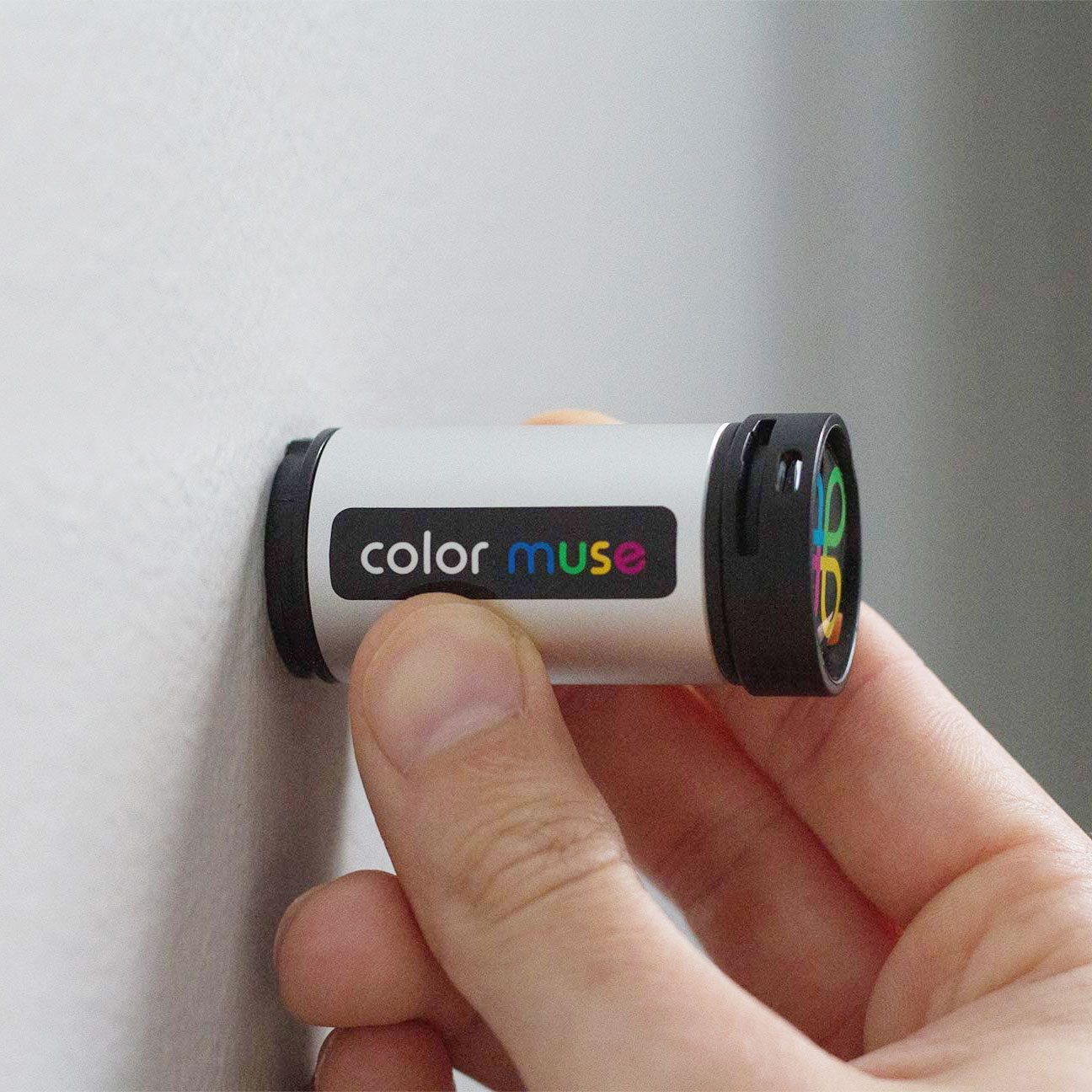
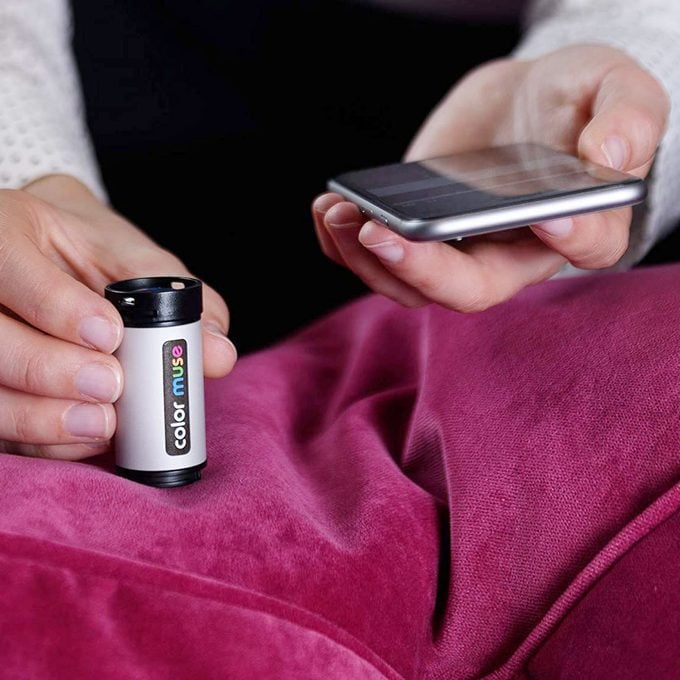
Never Guess a Paint Color Again, Thanks to This Hue-Matching Colorimeter

7 'Unhappy' Colors That Color Psychology Experts Would Never Paint Their Walls


to choose paint colors.
Using the New Olo Color Scientists Discovered in Your Home

We Pinpointed the Swatches Behind Our Favorite Painted Closets

Colour instinct: the art of personal colour analysis


These 6 Colors Will Rule Interiors in 2026, According to Experts

What you didn’t know about colour


The return of the fashion colour consultation

What Colors Will Rule 2027 (and Beyond)? Experts Make Their Predictions

I asked 3 interior designers for their must-try paint colors in 2025 – they are all the perfect 'in-between' shades

If You Think Teal And Turquoise Are The Same Color, You Might Not Do Well On This Color Trivia

This surprising color trend is having a comeback
A Guide to All the Pantone Colors of the Year and What They've Represented

Make choosing paint easy with new 'natural light' colours

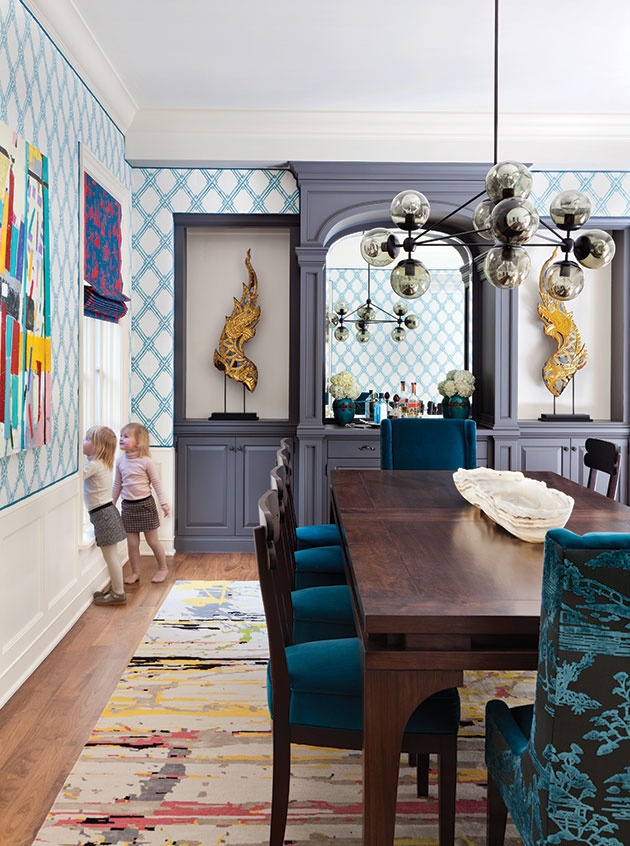
Living In Color


This Very "Controversial" Color Is About To Be Everywhere Again


Here's what color experts actually think about the unexpected red theory – is it really as simple as it sounds?

The play of color and light