1/9
Unexpected Red Is So 2024—Here’s the Design Hack that Ruled 2025
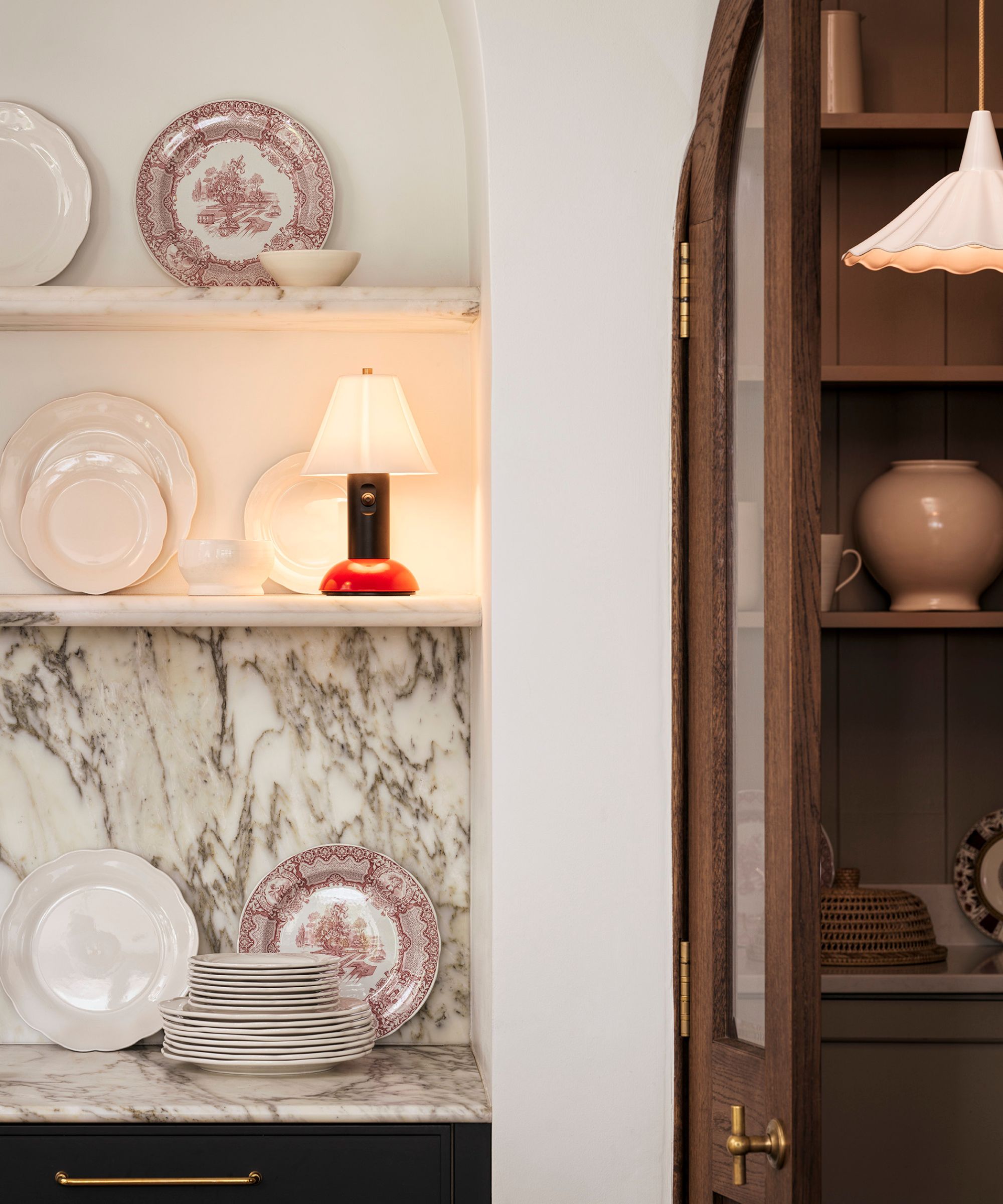
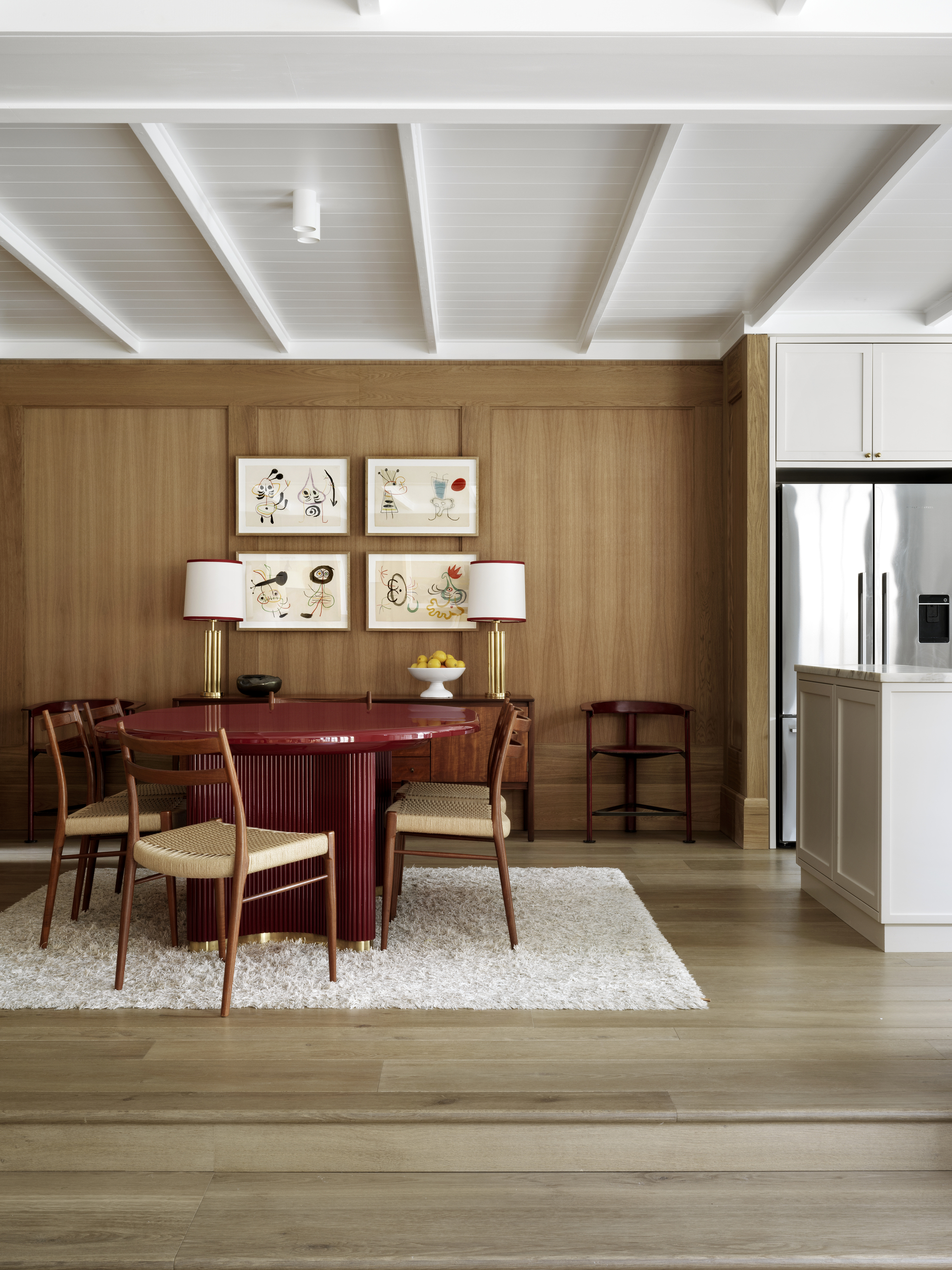
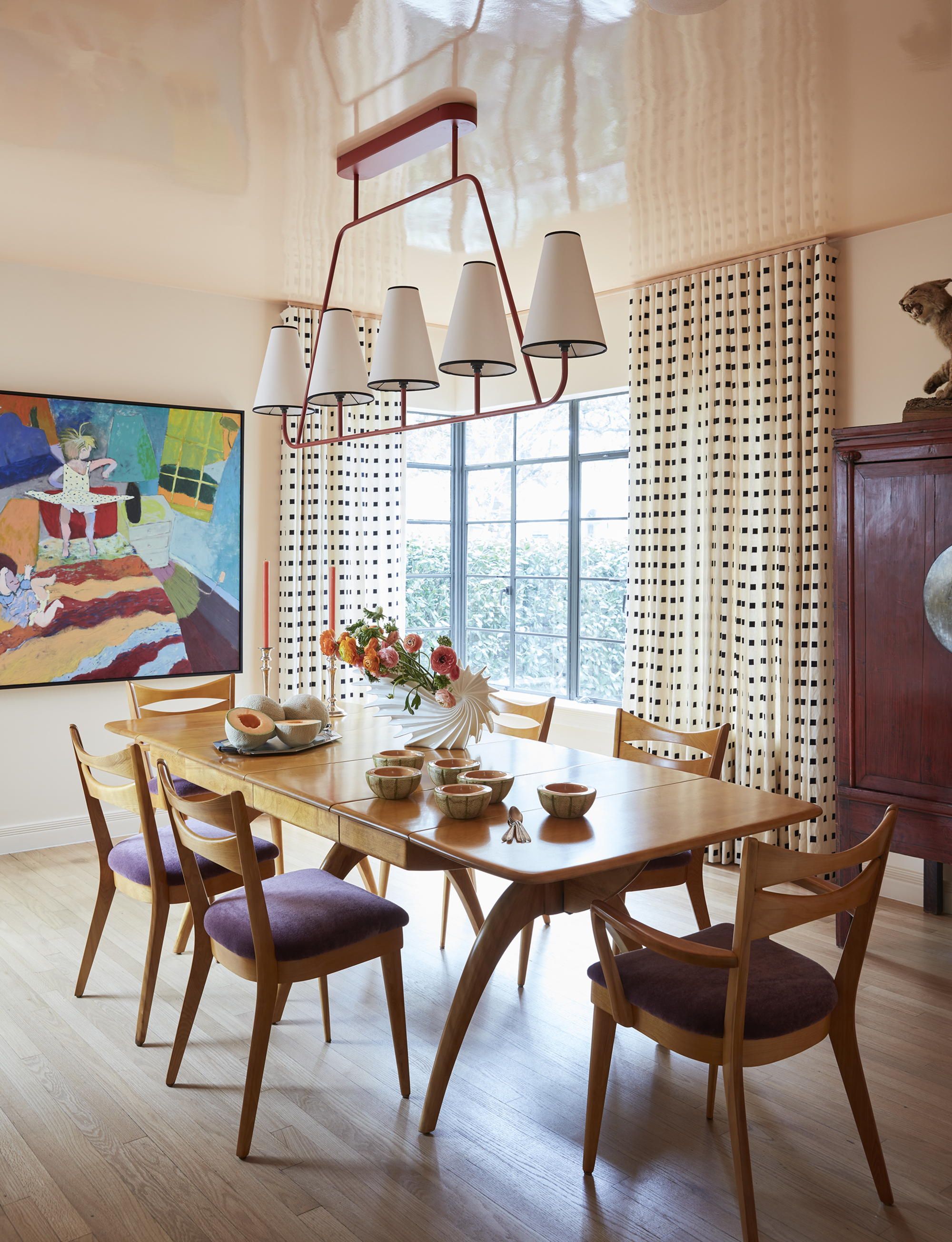
The 'Unexpected Lamp Theory' emerged as a prominent interior design trend in 2025, advocating for the strategic placement of offbeat or unconventional lamps to introduce visual interest and personality into a space. This concept builds on earlier viral design theories like the 'Wrong Shoe Theory' and the 'Pop of Red Theory,' by offering a simple yet effective framework for defining personal style within home interiors. The core idea is to use lamps in ways that are slightly out of place, whether through their size, material, style, or placement, to prevent a room from appearing overly predictable or staged.
According to Brooklyn-based interior designer Taylor Simon, who first articulated the theory on Instagram in 2024, the element of surprise created by an unexpected lamp makes a space feel genuinely designed. This approach is echoed by acclaimed interior designer Leanne Ford, known for her preference for oversized fixtures in smaller rooms. Ford emphasizes that every room benefits from at least one unique or personal piece that adds character, and a lamp can fulfill this role by providing a 'spark of attitude' or 'rock and roll' essence. Several interior design professionals, including Shelby Girard, Madelynn Hudson, and Tali Roth, further elaborate on practical applications of the Unexpected Lamp Theory.
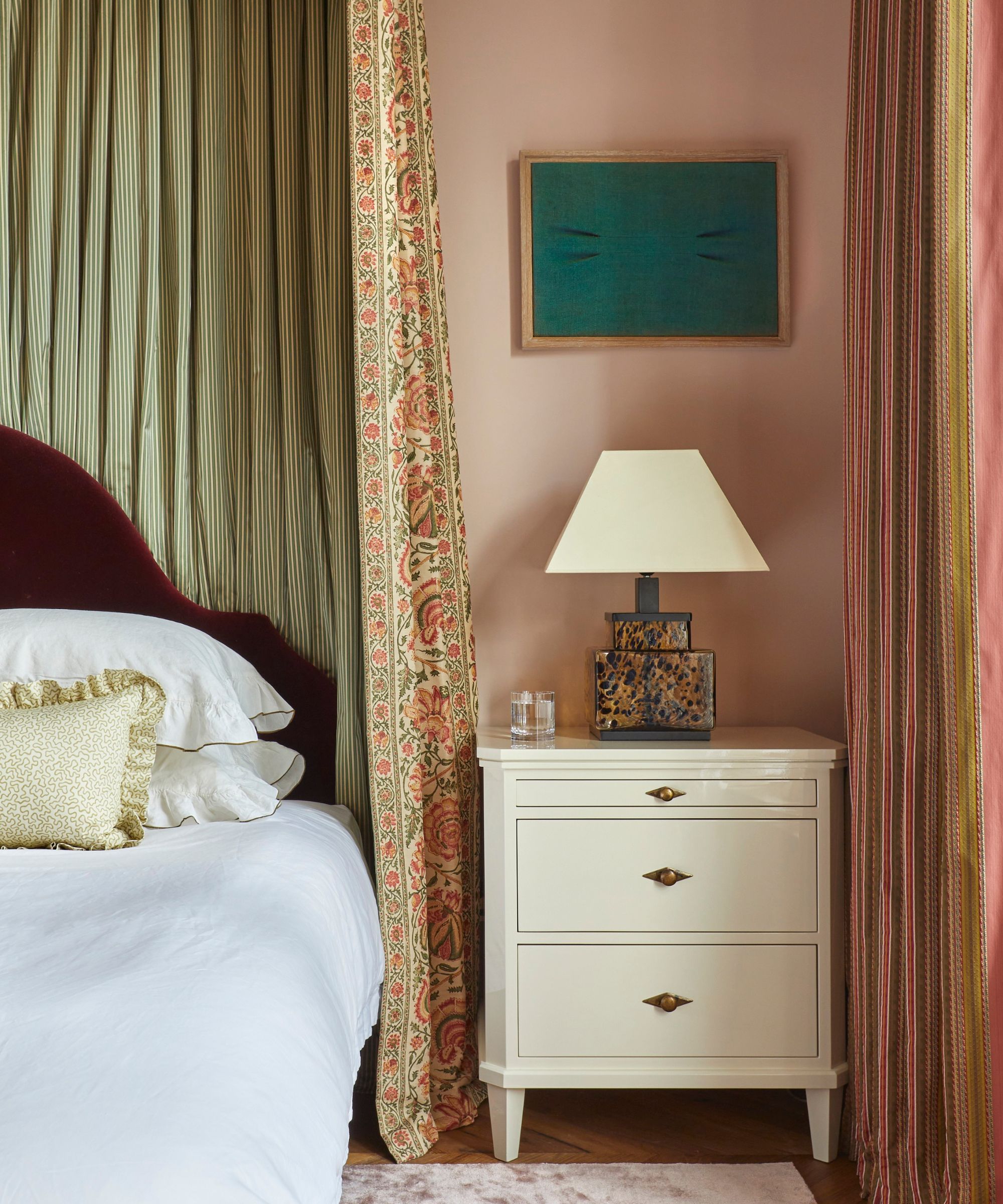
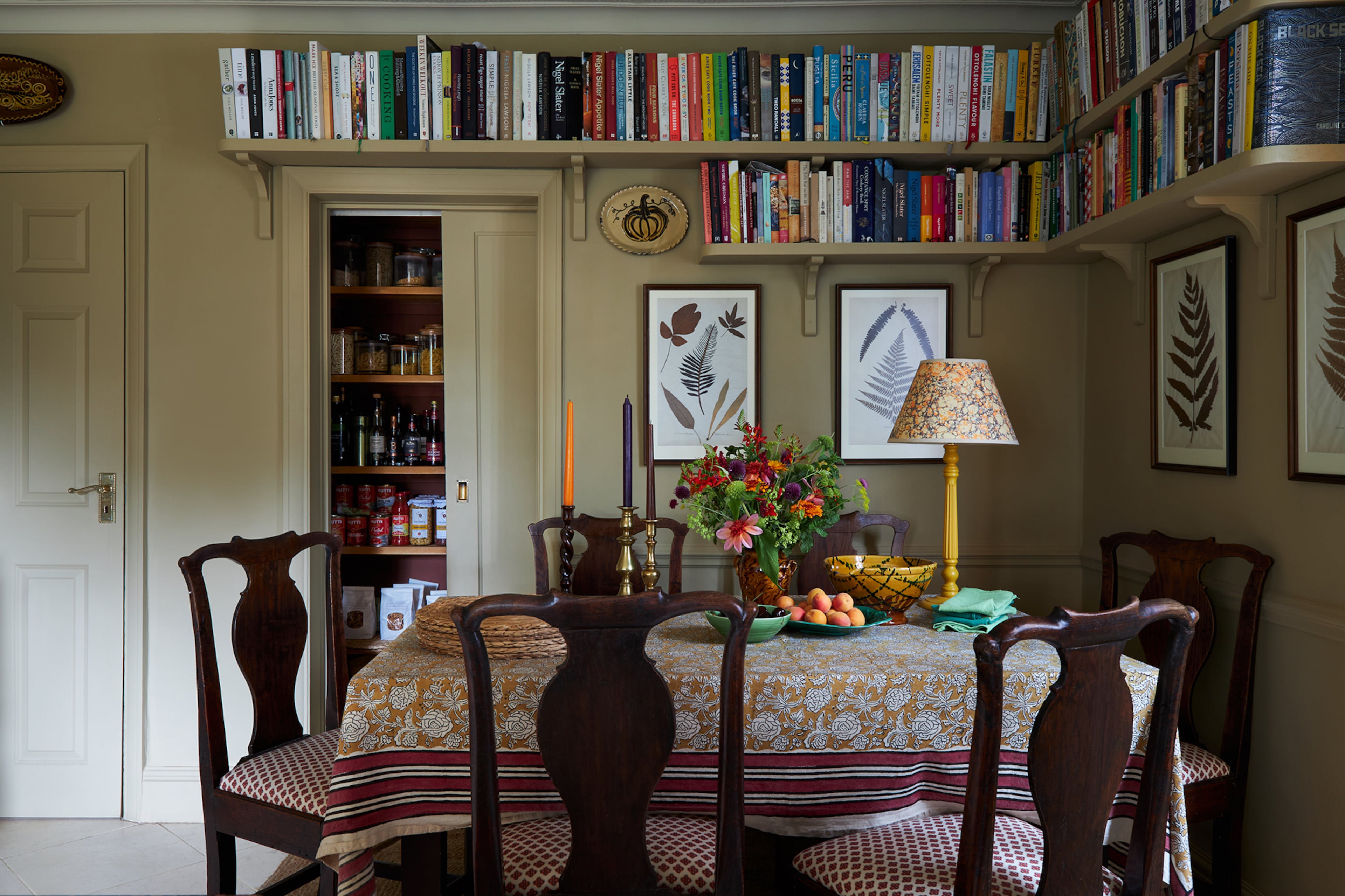
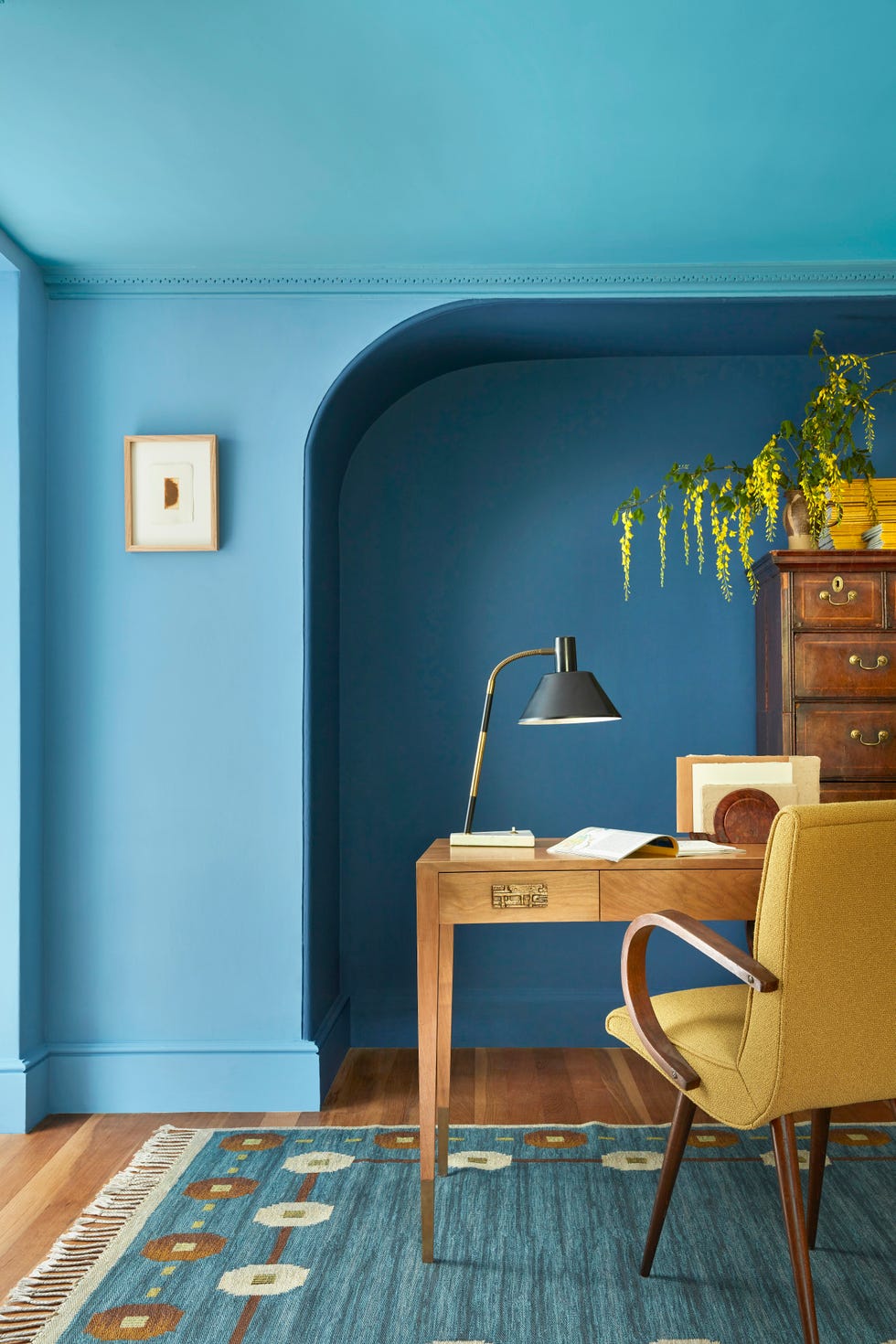
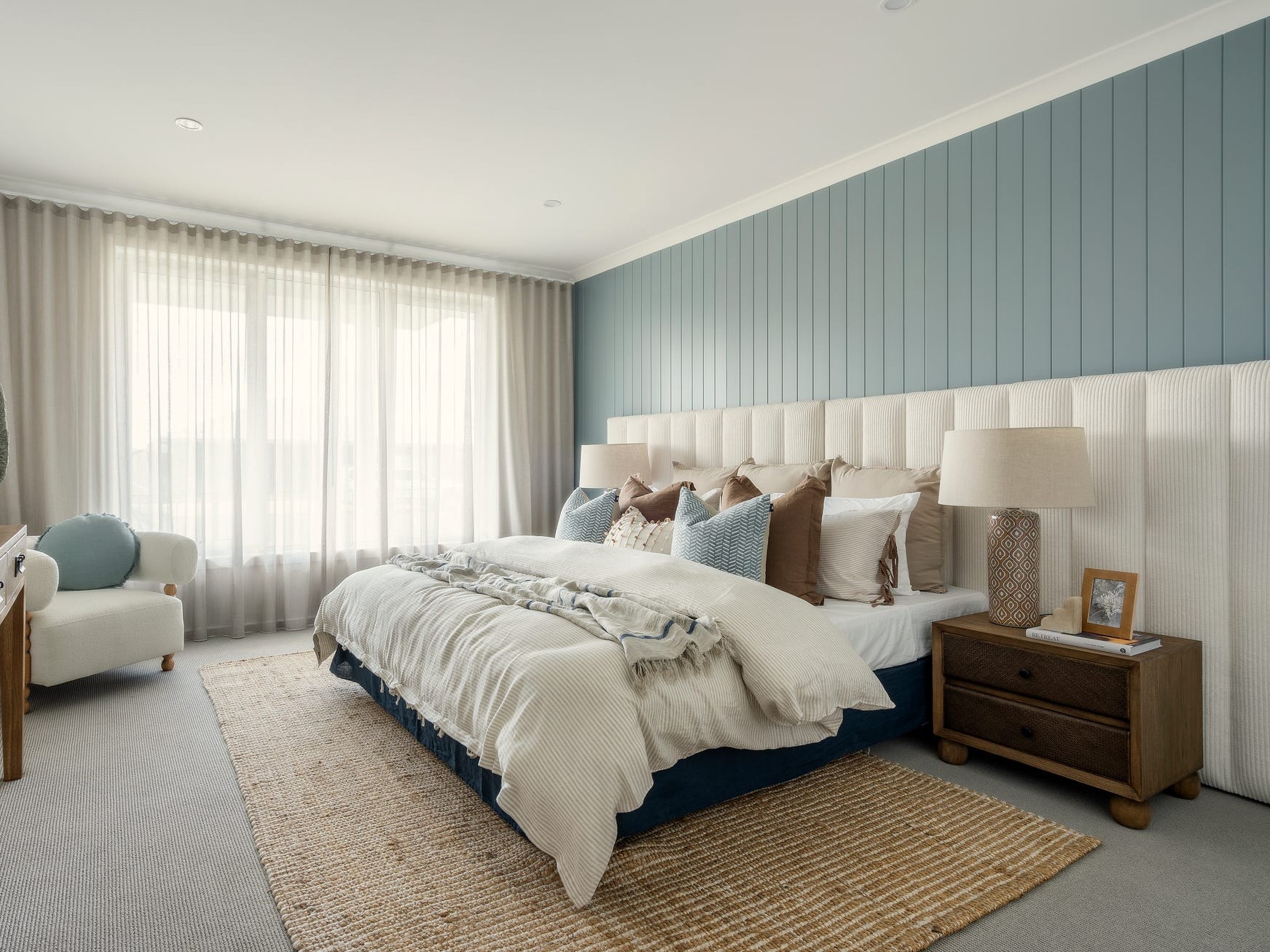
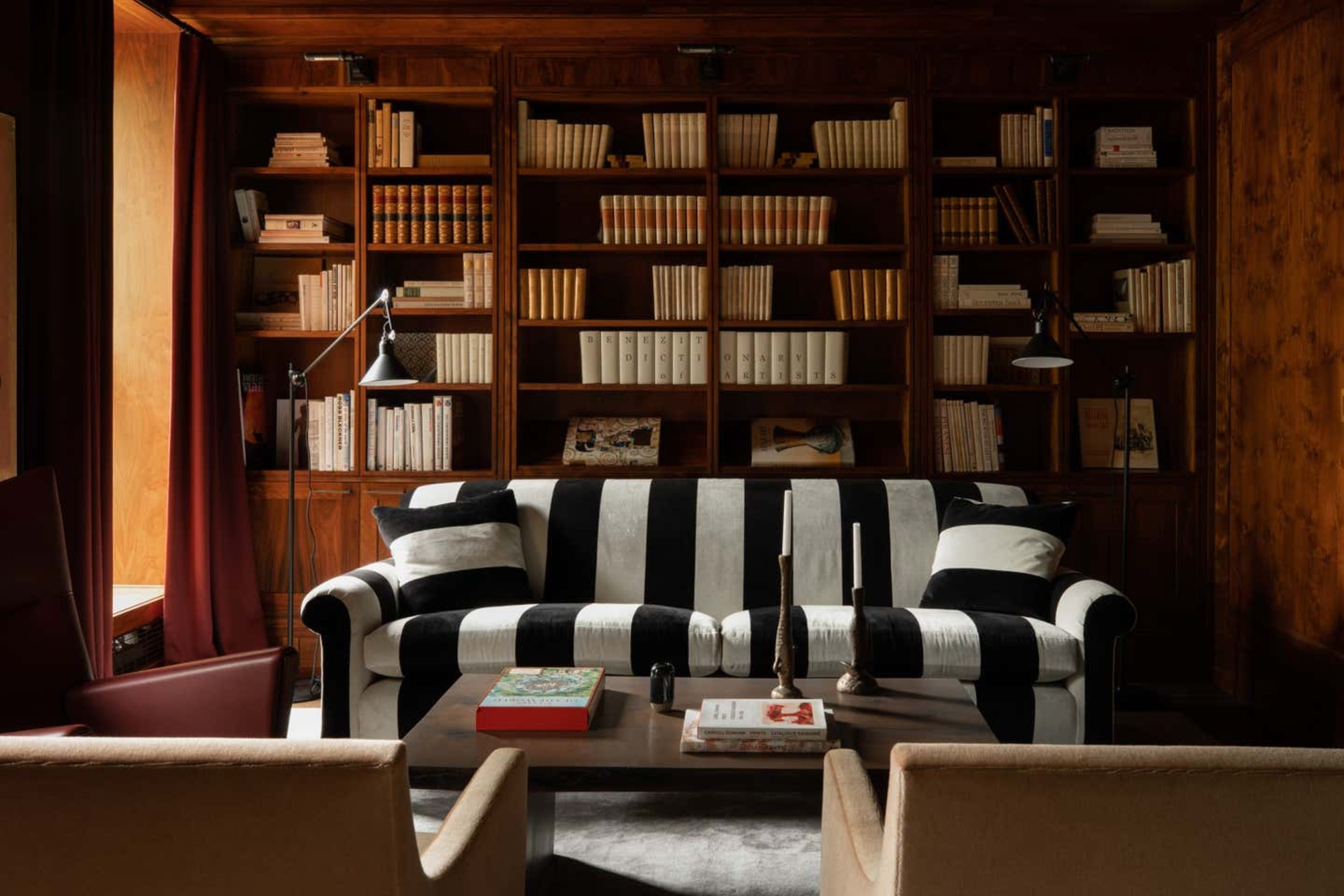
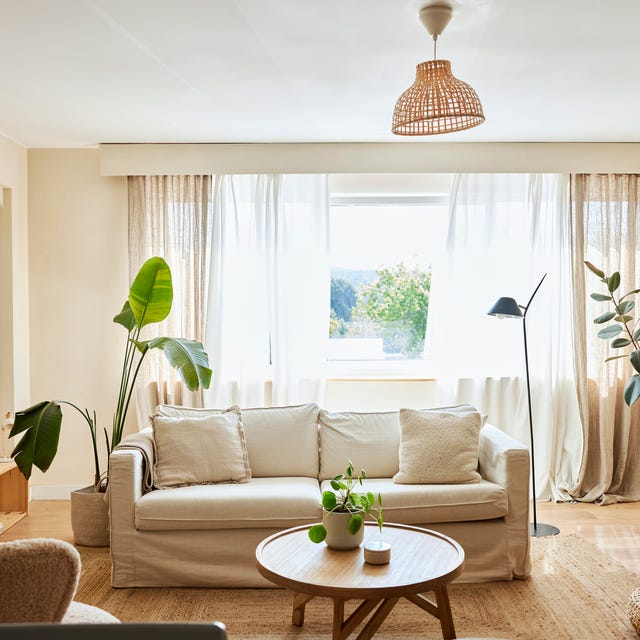
One key application involves mixing materials and textures. Simon suggests incorporating lamps made from diverse materials such as metal, fabric, glass, wicker, and ceramic within a single room. This variety ensures that each lamp casts light differently, contributing to a layered and inviting atmosphere that appears collected over time. For instance, pairing a modern black metal lamp with warm wood tones and soft textures, or introducing glass or metallic lighting into an earthy organic modern setting, creates an individualistic touch by contrasting established aesthetics.
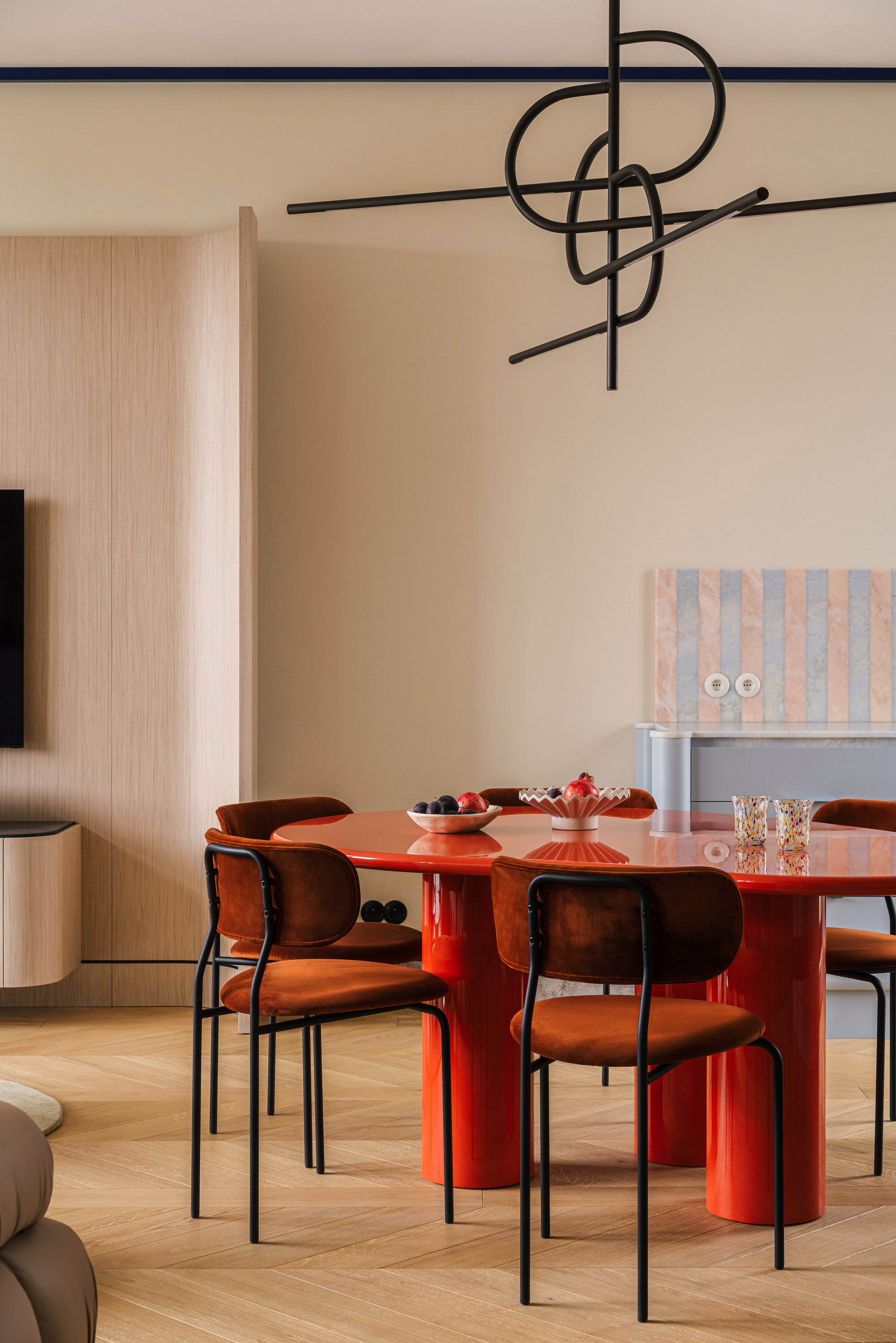
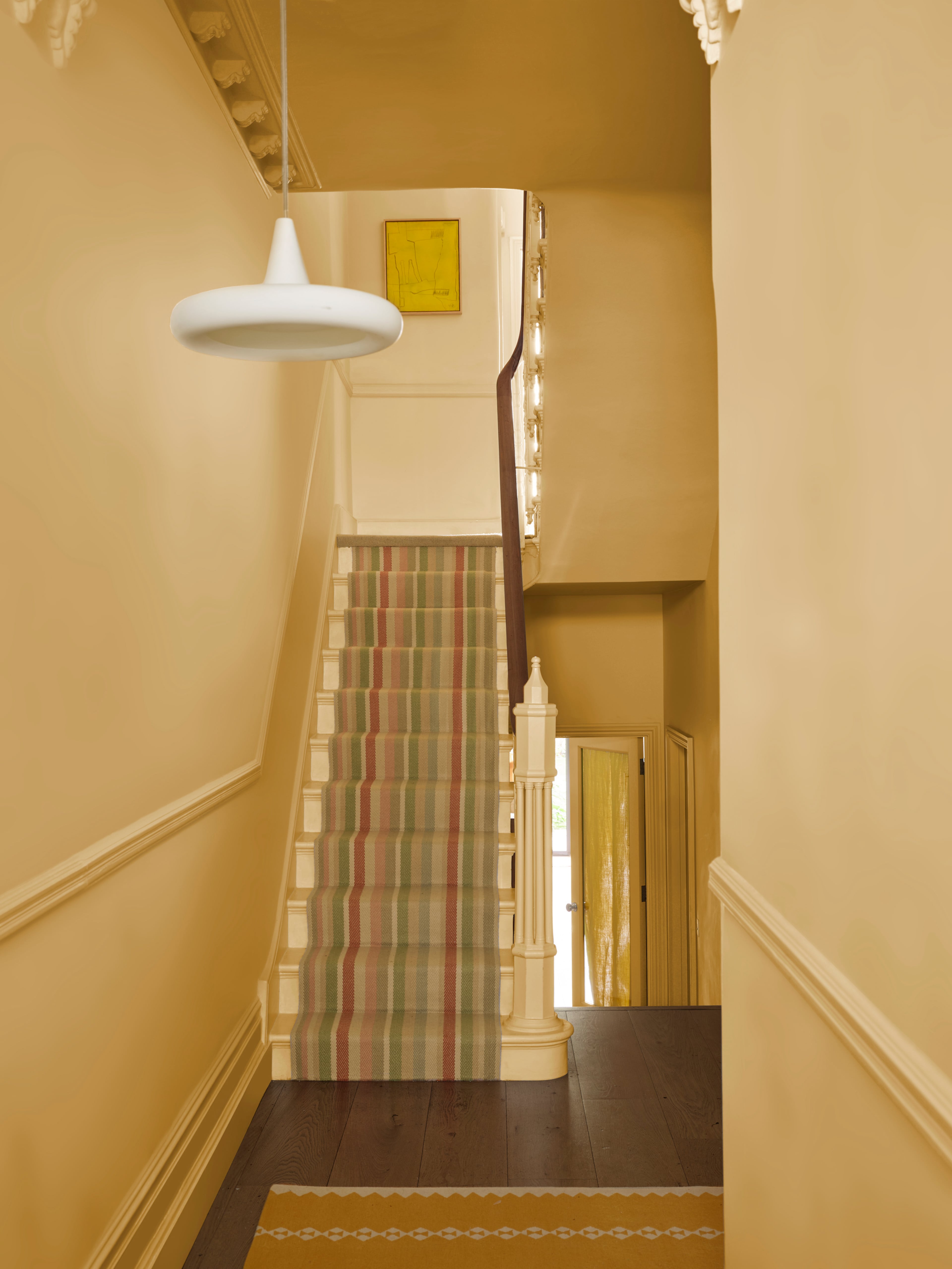
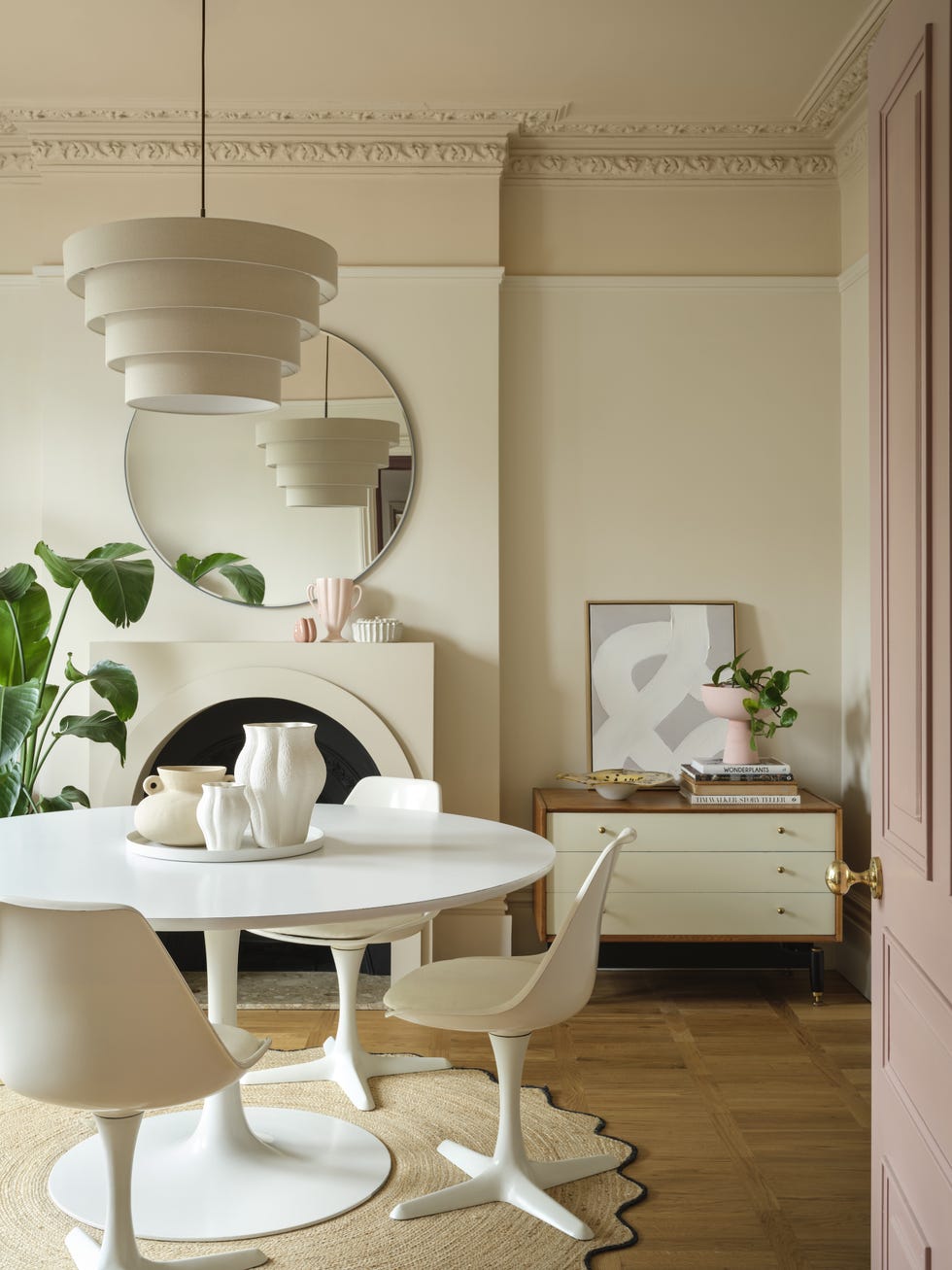
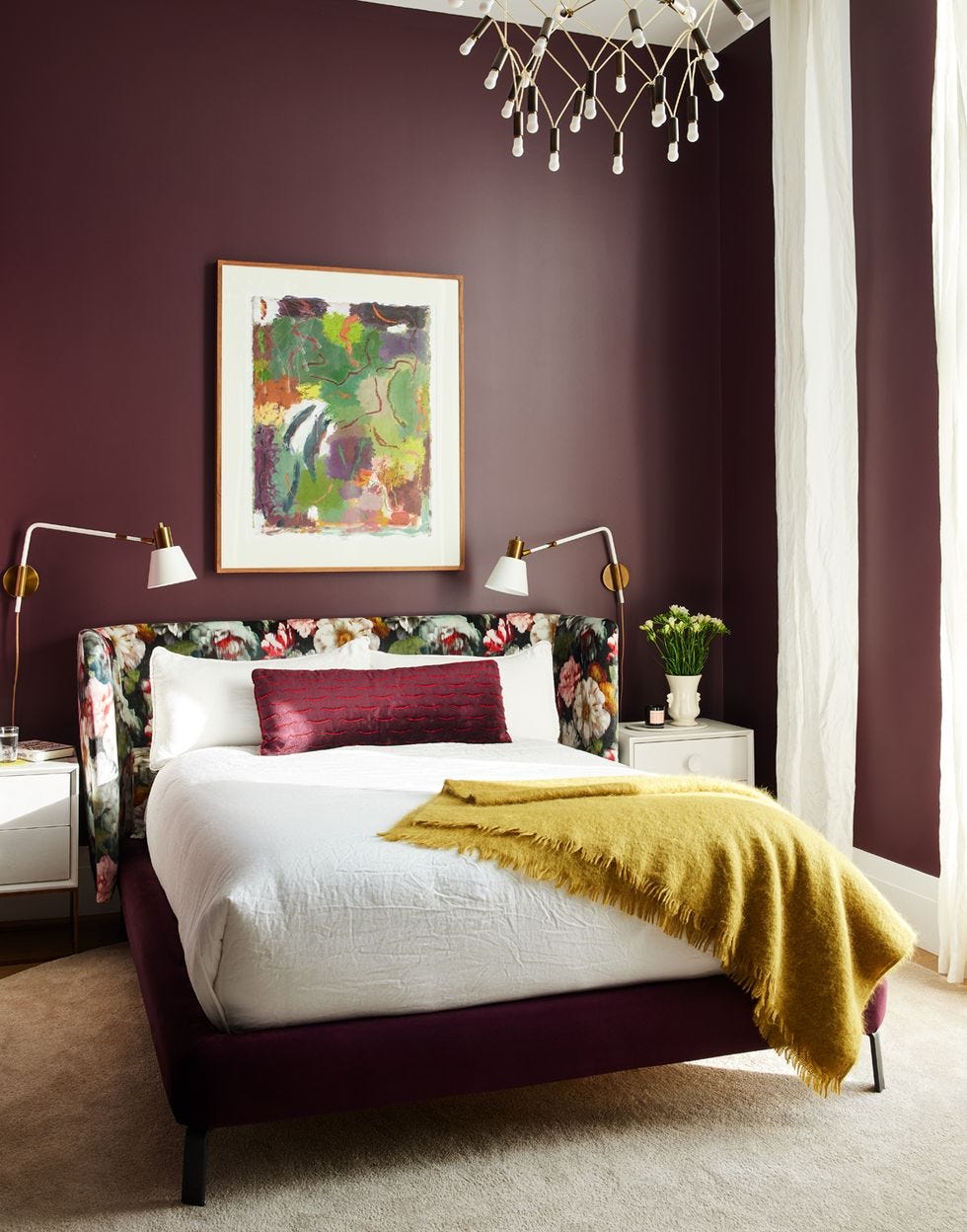
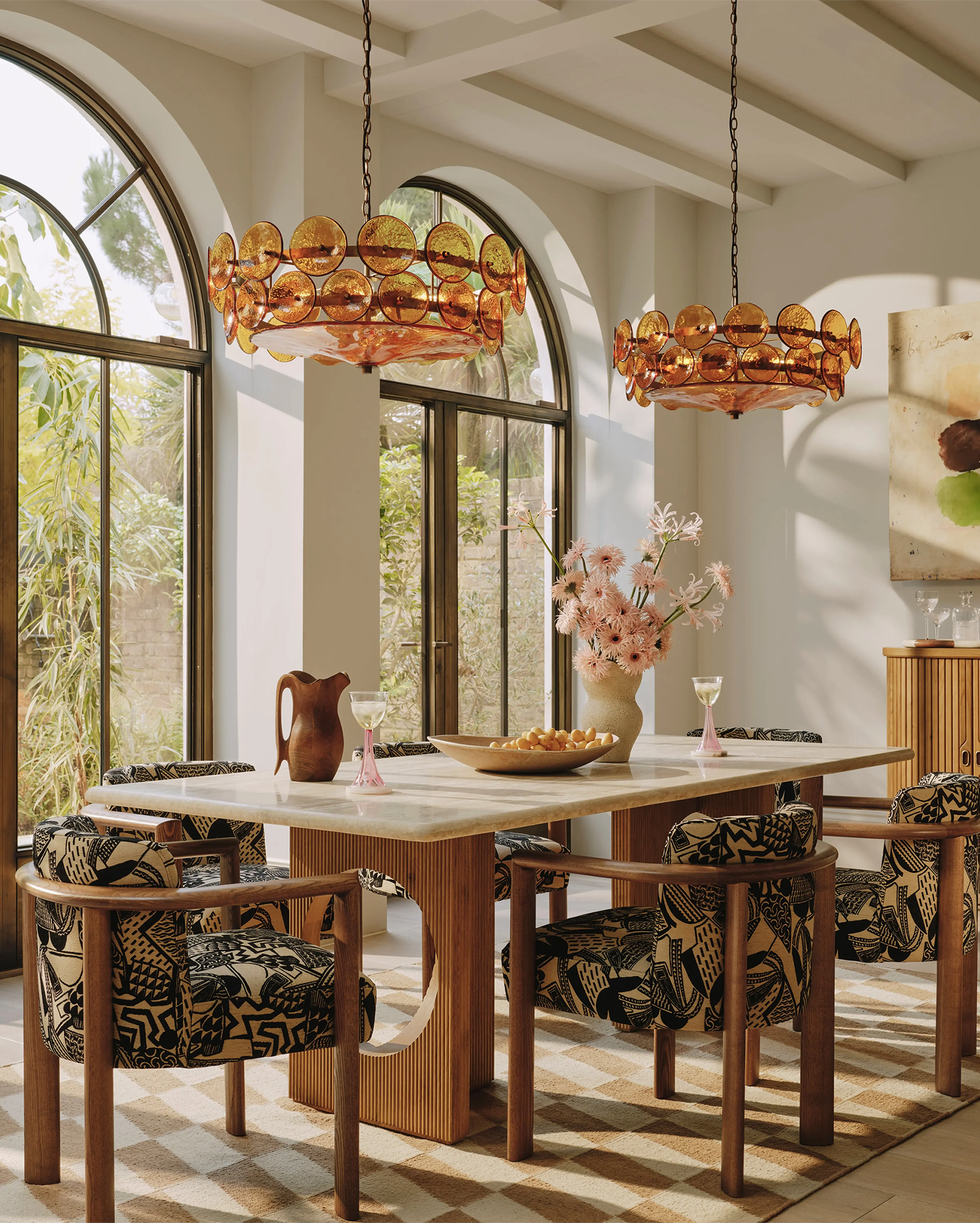
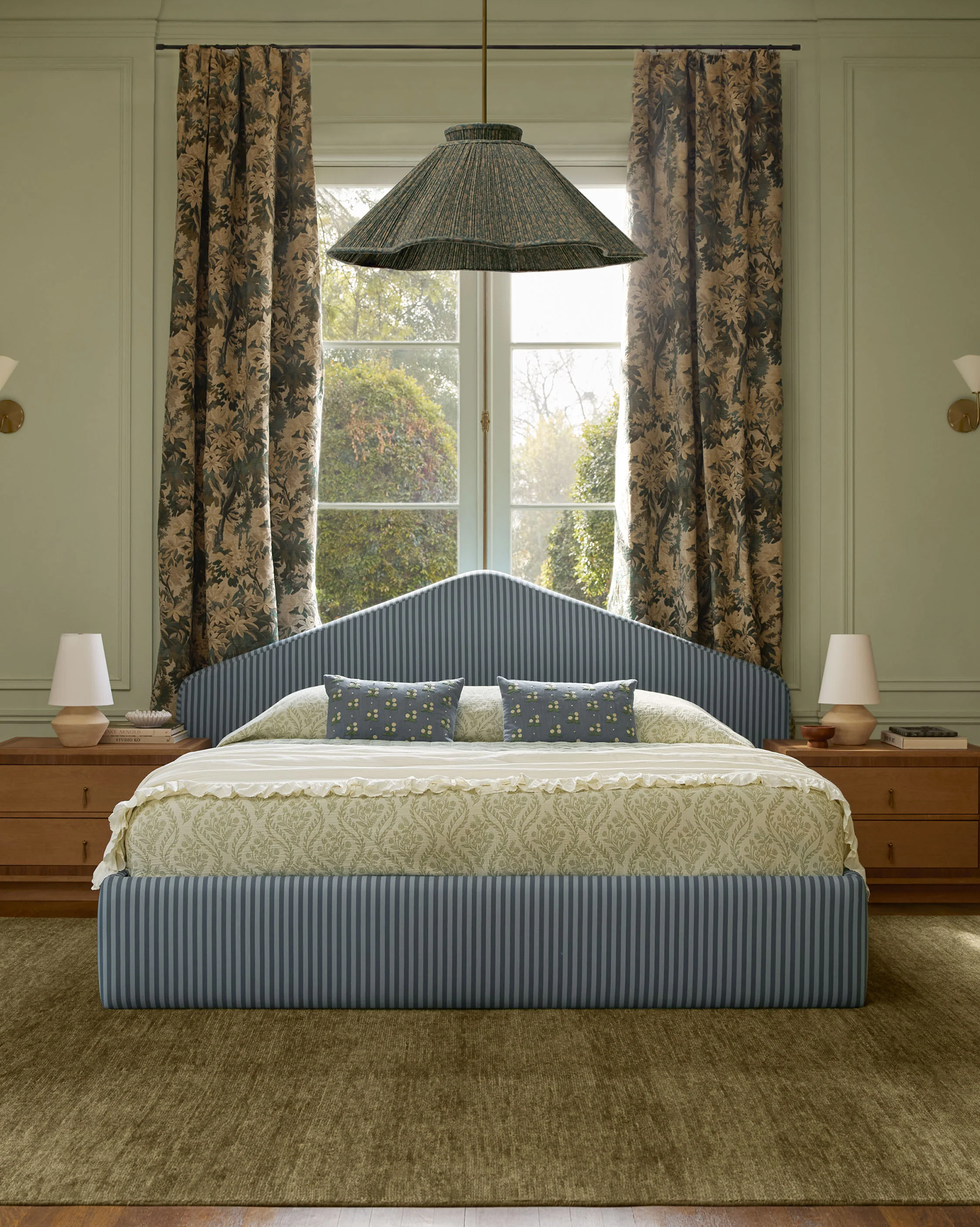
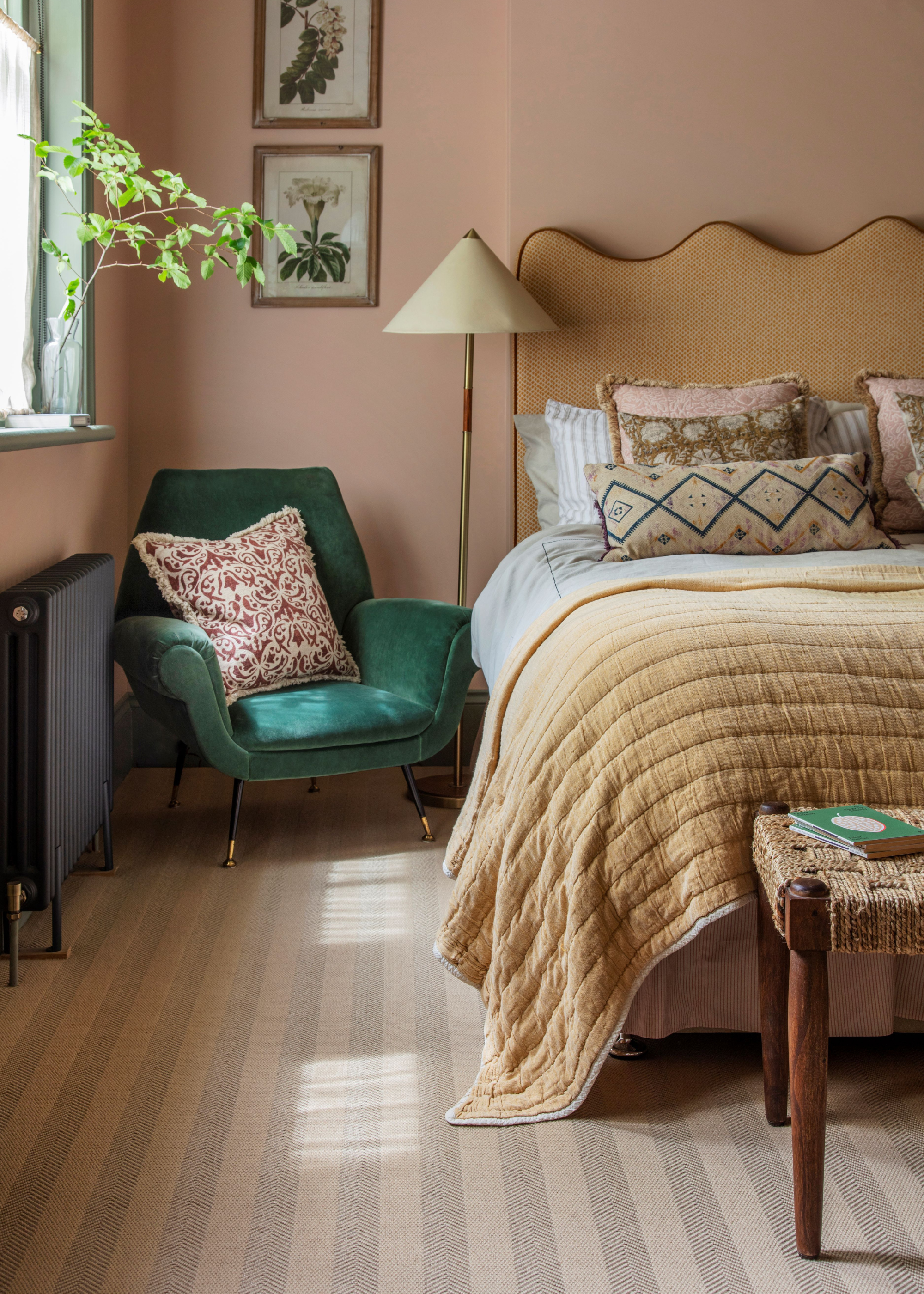
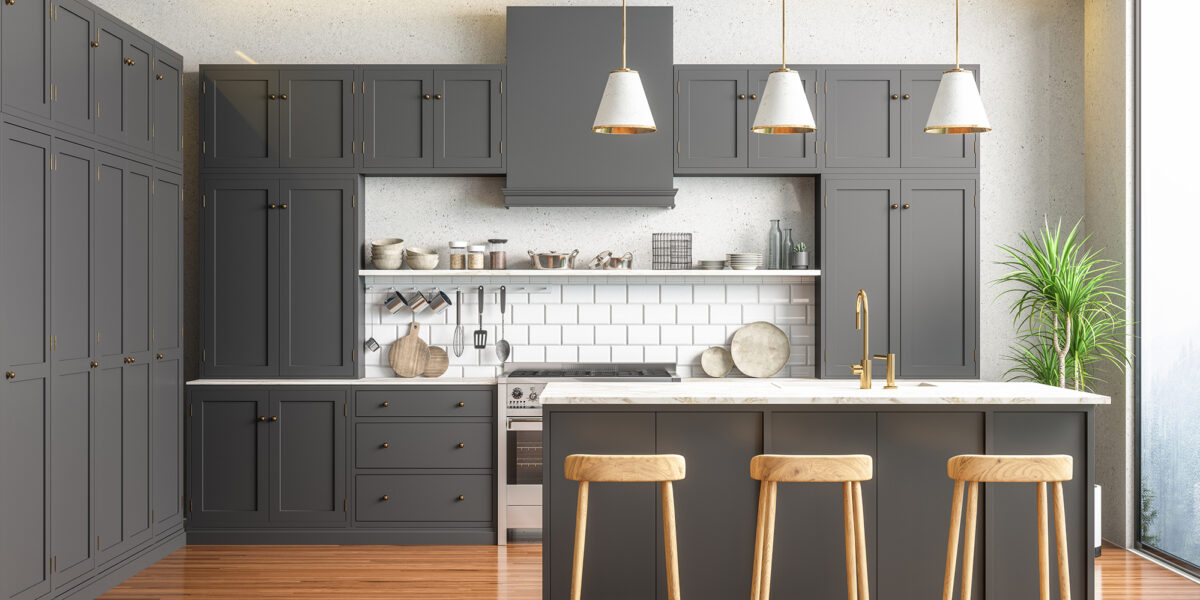
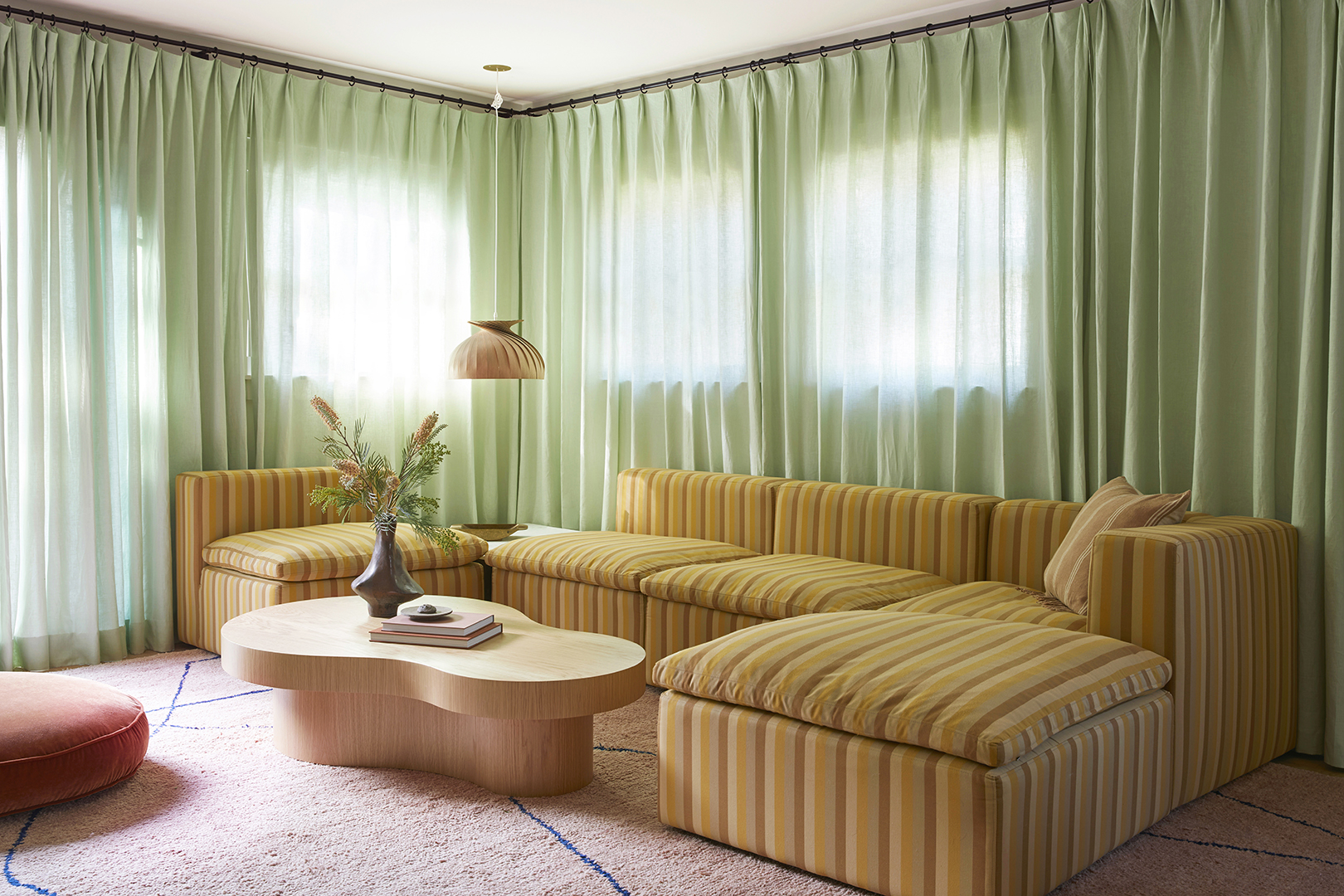
Another crucial aspect is contrasting scale and size. Oversized lighting is a favored technique, with Ford noting that if a fixture feels too large during installation, it is likely the perfect size for an impactful statement. Conversely, intentionally using small wall sconces on a vast, blank wall can achieve a similar unexpected effect. This play on scale challenges conventional notions of proportion and draws attention to the lighting elements.
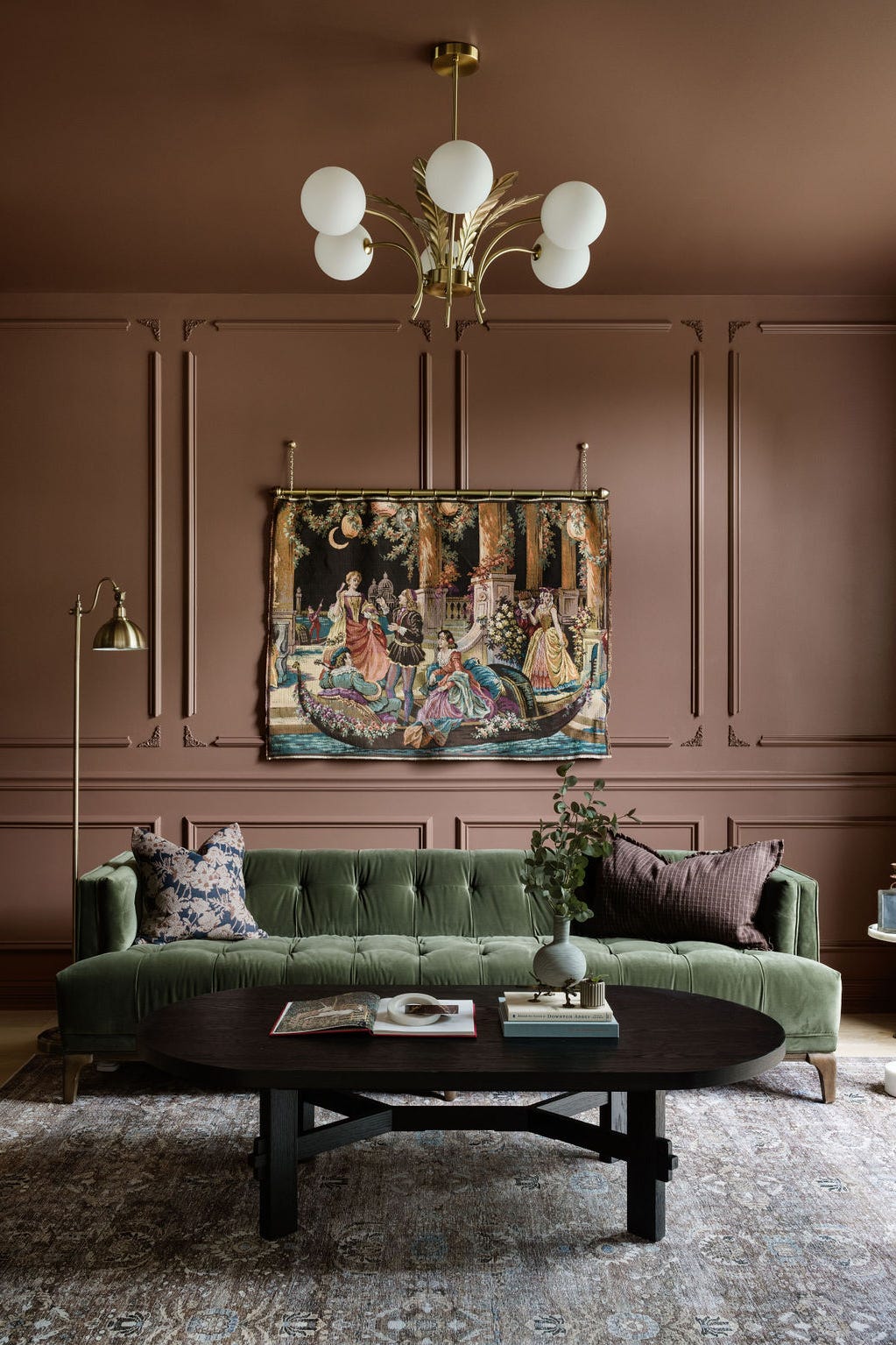
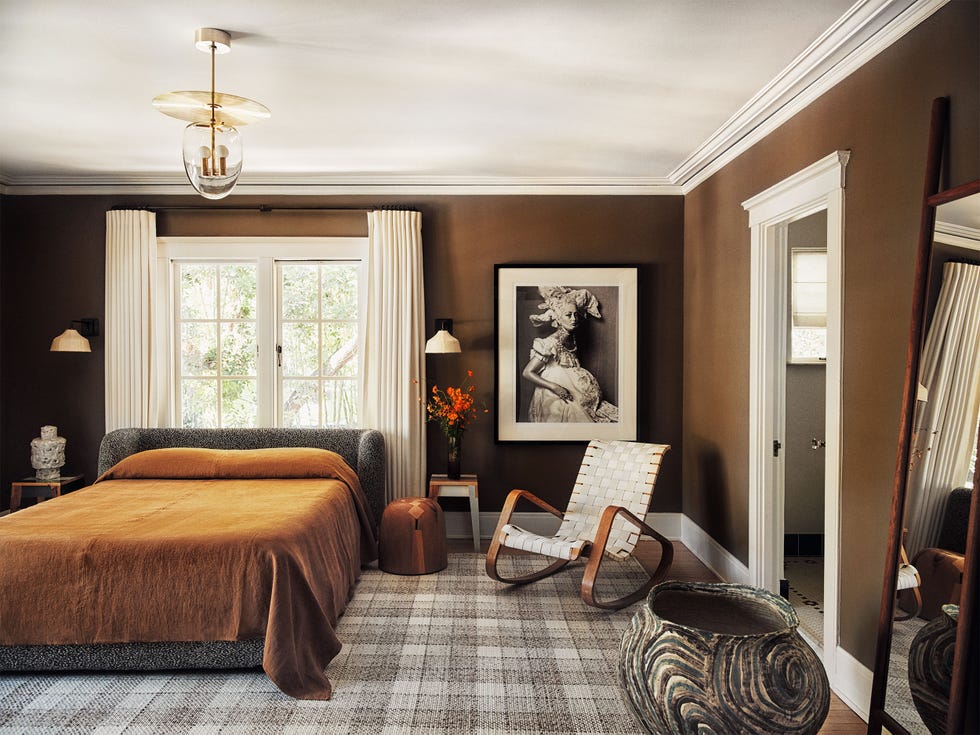
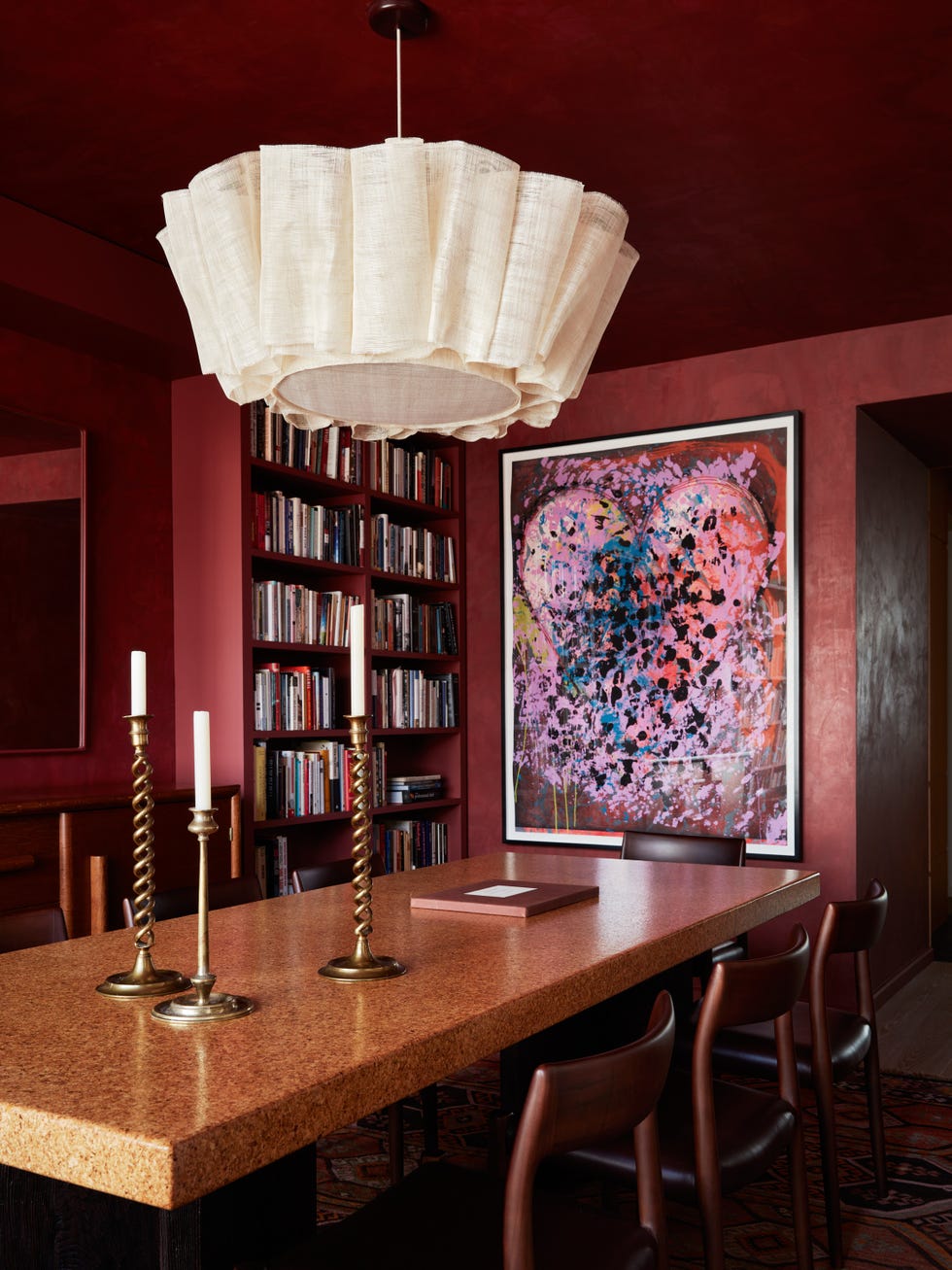
The theory also encourages the introduction of different styles and eras. Designers like Shelby Girard advocate for blending various periods and aesthetics to create a more dynamic and lived-in feel, as opposed to a singular, potentially monotonous style. Examples include placing a vintage, patinated brass lamp in a contemporary setting or a sleek, modern pendant in a traditional home. This juxtaposition of styles imbues the space with a distinct personality.
Embracing asymmetry is another method to apply the Unexpected Lamp Theory. Tali Roth, an interior designer, advises against strictly symmetrical arrangements, particularly for elements like sconces. By creating vertically stacked lighting or varying placements around a console, fireplace, or bedroom, designers can achieve a more intriguing composition and a better sense of scale and harmony, especially in naturally symmetrical vignettes.
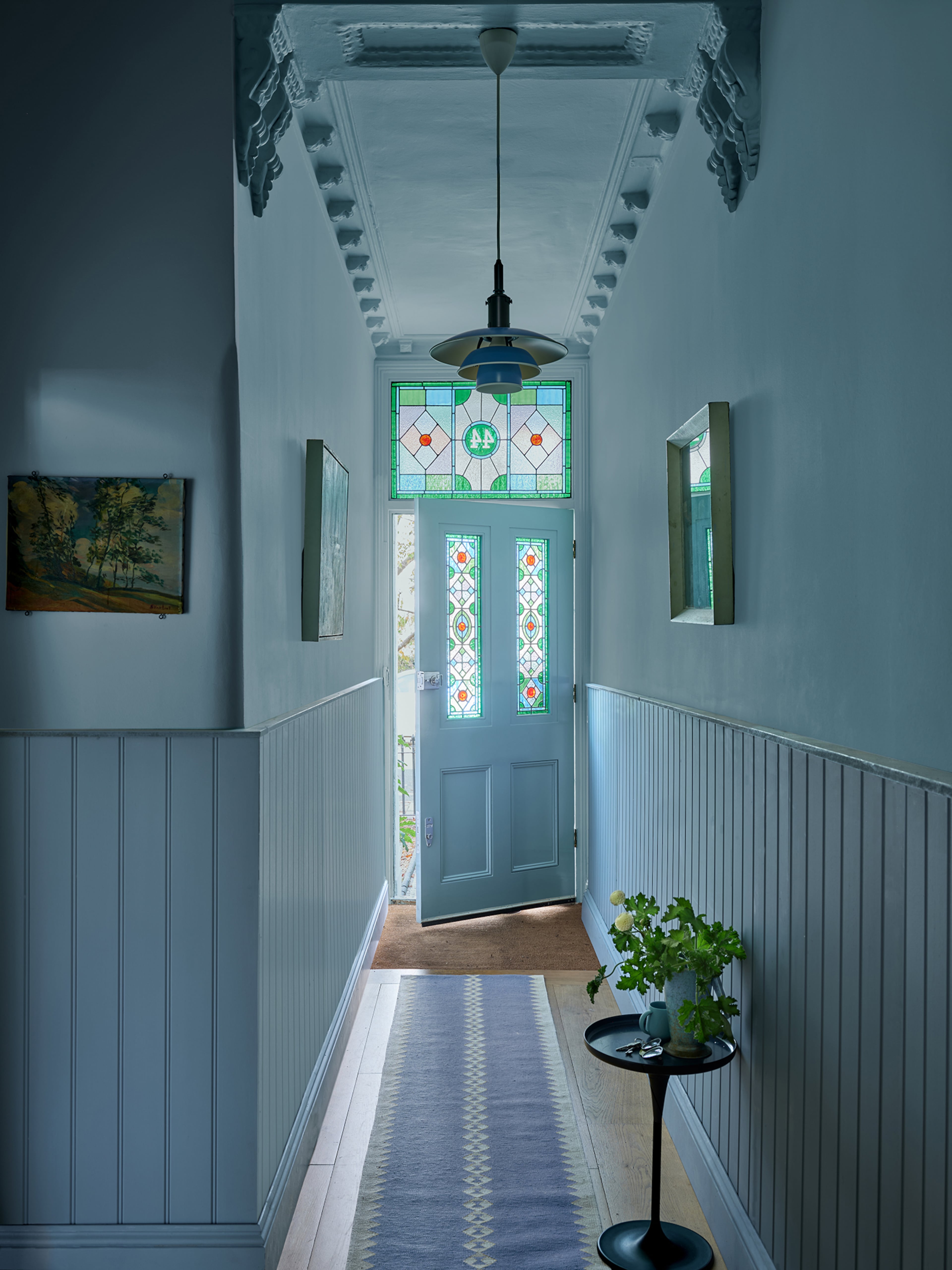
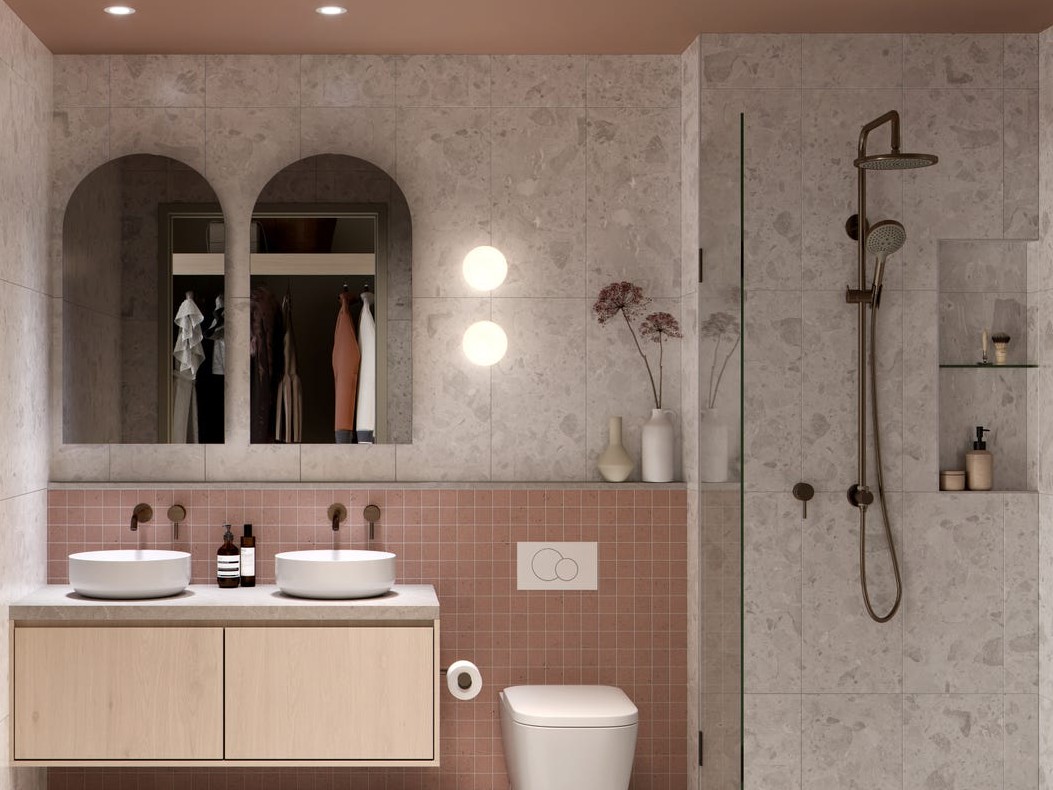
Finally, designers are encouraged to experiment with non-traditional placements. Madelynn Hudson suggests unconventional installations, such as placing a table lamp on the floor or a pendant light in a bathroom. Such placements foster a sense of intimacy and personality, creating a warm, sculptural glow that resembles candlelight and subtly guides the eye through the space. Hudson recommends extending this approach to kitchens, hallways, or bathrooms to introduce an element of surprise. The overarching advice from Simon emphasizes the importance of experimentation and avoiding an overly serious approach to lighting design, as the goal is to create playful and personalized environments.
#InteriorDesign #LightingTrends #HomeDecor #DesignTheory #UnexpectedLampTheory #DecoratingTips #InteriorStyling #HomeLighting #DesignHacks #InteriorDesign #LightingTrends #HomeDecor #DesignTheory #UnexpectedLampTheory #DecoratingTips #InteriorStyling #HomeLighting #DesignHacks
0 comment in total
 No comments yet
You may also like
What's replacing the 'Unexpected Red Theory'? Here's what colors designers say will be popular in 2025

The #1 Paint Color Trend of 2025, According to Designers

It’s Time to Say Goodbye to These Outdated Design Trends in 2024
2025 Design Trends We're Loving
‘Unexpected Yellow Theory’: The Bold New Interior Trend Replacing Red in 2025
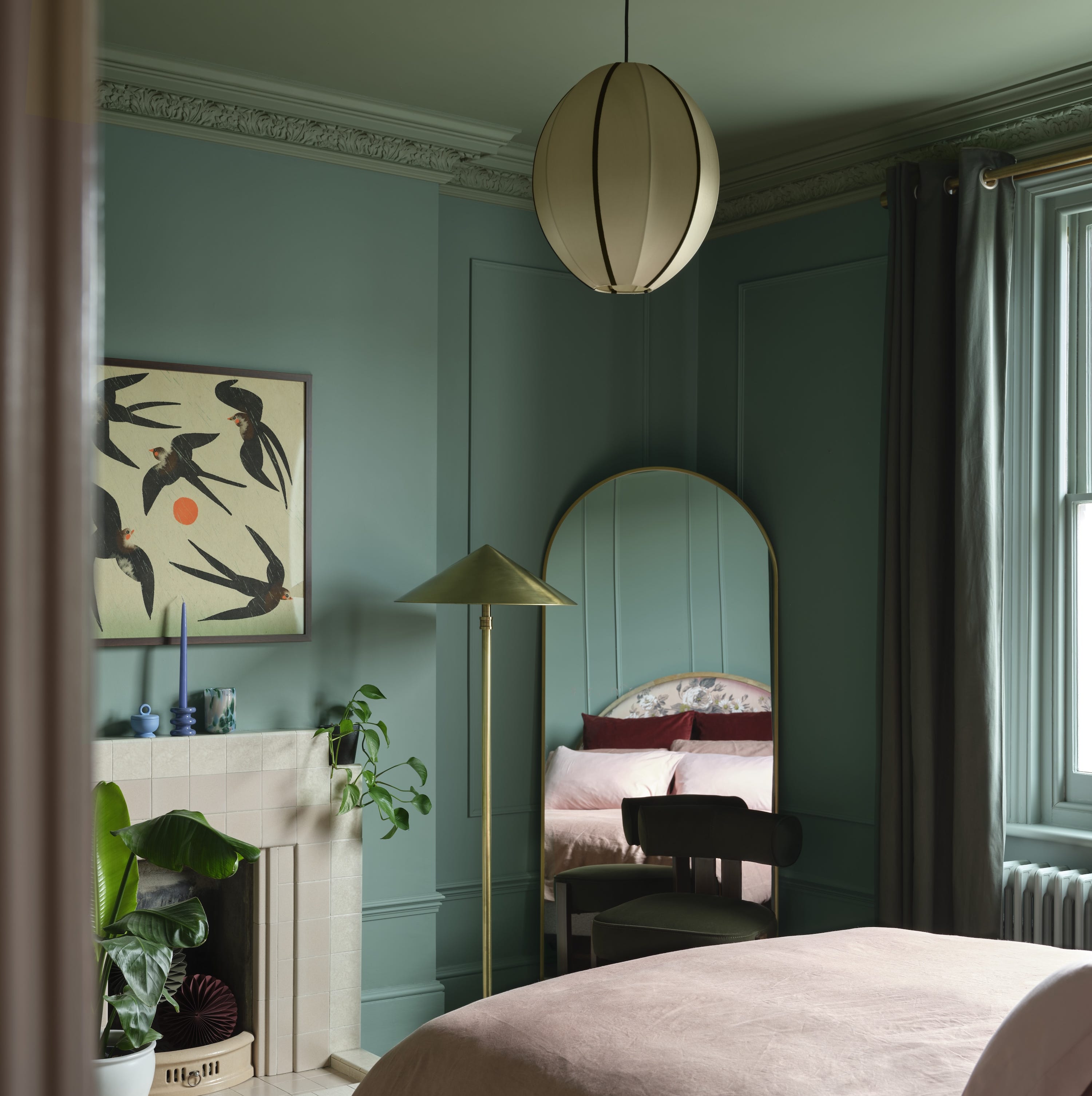
Designers Predict This Will Be The Biggest Paint Trend Of 2026

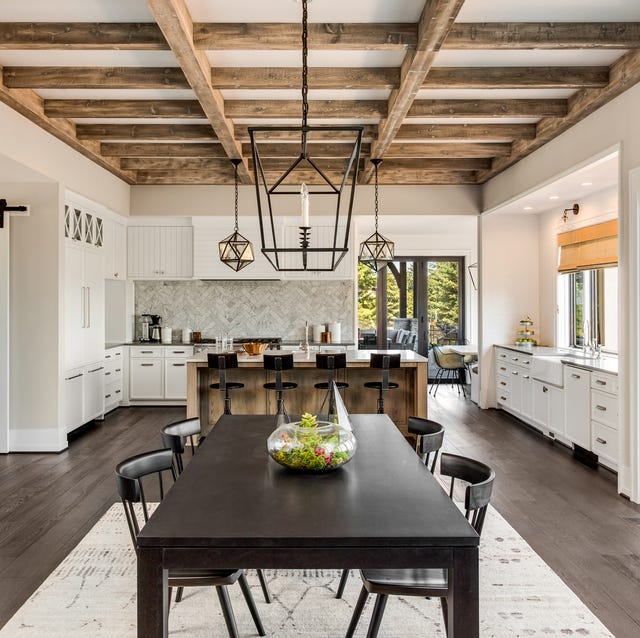
Designers Say This Beloved Style Is Completely Out for 2025
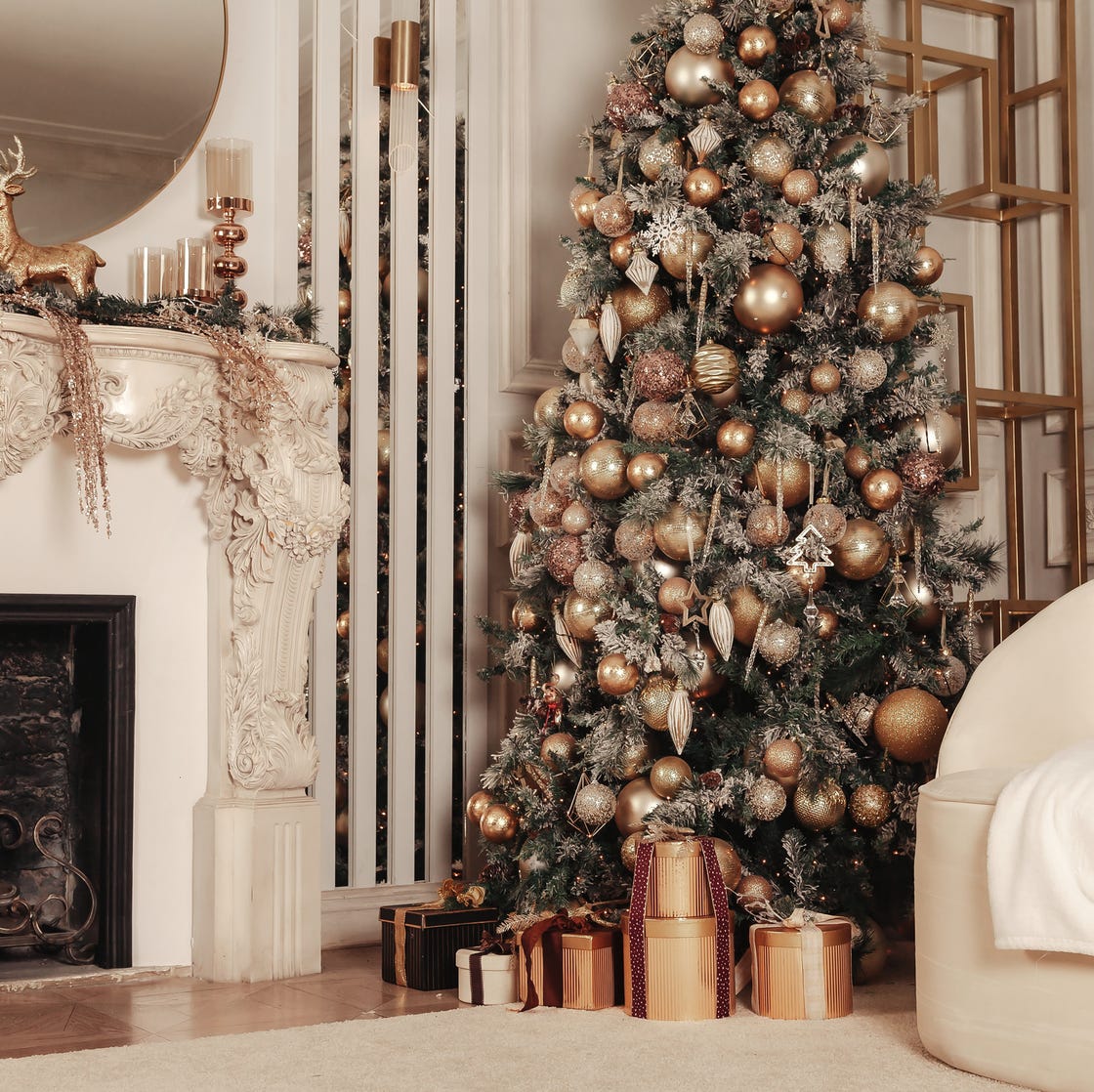
Designers Reveal the Biggest Holiday Decor Trends of 2024—And They're Not All What You'd Expect
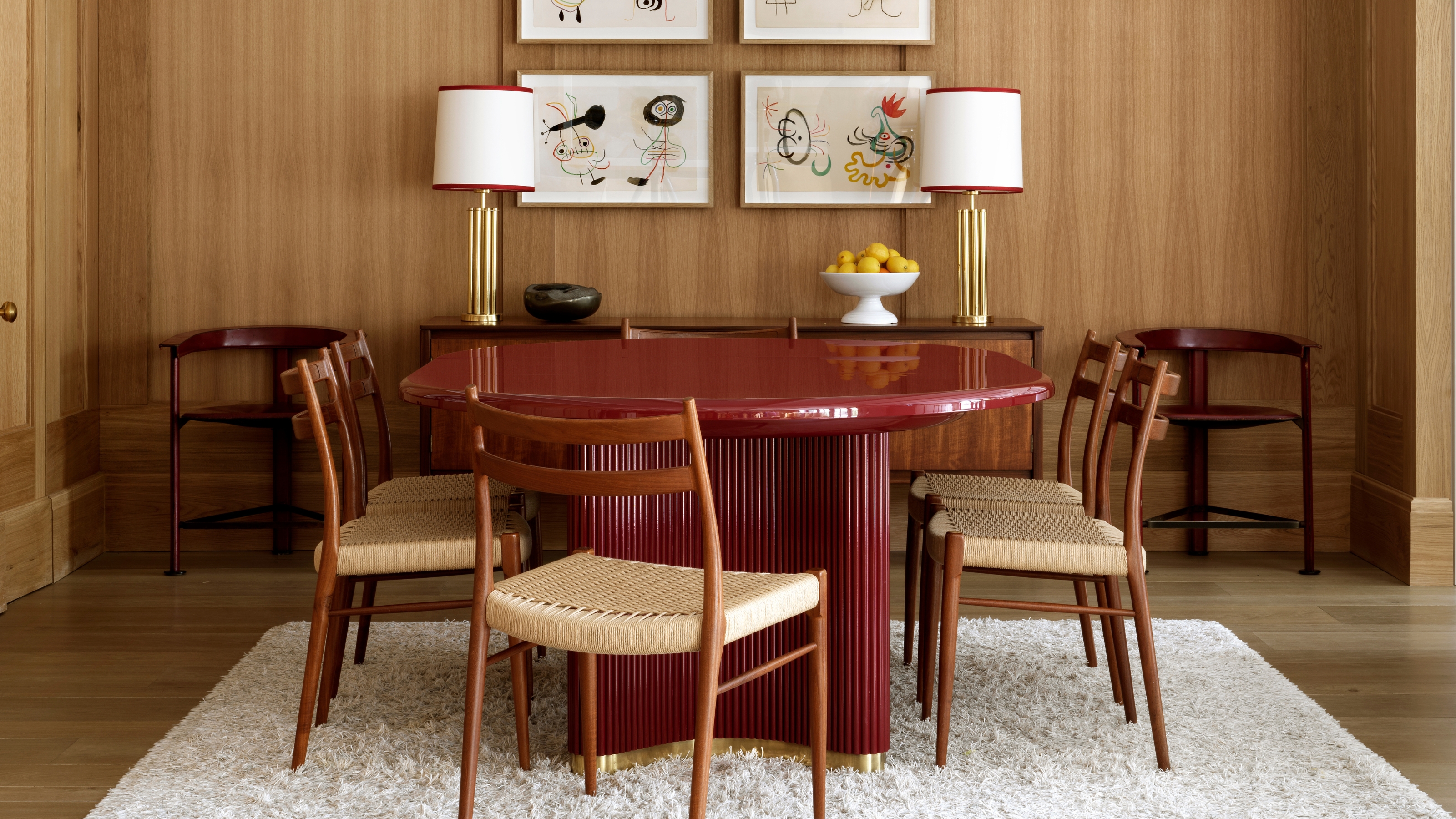
The 'Red Table Trick' Is the Easiest and Most Expensive-Looking Trend to Hit 2025 So Far

The Controversial Design Style That's Out for 2025, According to Designers
Ready to Redecorate? 2025’s Top Design Trends Just Dropped

The Biggest Colour Trends Taking Off in 2025
Designers Agree Color Drenching Should Be the One Trend You Try in 2025—Here's Why

We’re Calling It: These Are the Official Color Trends of 2025

Designers and property experts have called it - this unique front door colour is set to be huge in 2024
Designers' Reveal the Biggest Pattern Trends for 2025, and It's Shaping Up to Be a Bold Return to the Classics
Bold, edgy color drenching is going to be big in 2024
2025 is the Year of This Genius Small Space Solution | domino

Kitchen colour experts are calling this the 'it' colour of 2024 that will go down as a future classic
From Funky Shapes to Bold Colors—6 Unexpected Hardware Trends That Will Define 2025 Home Design