1/6
Freestanding basins are the big trend that can help you get creative with your bathroom's layout
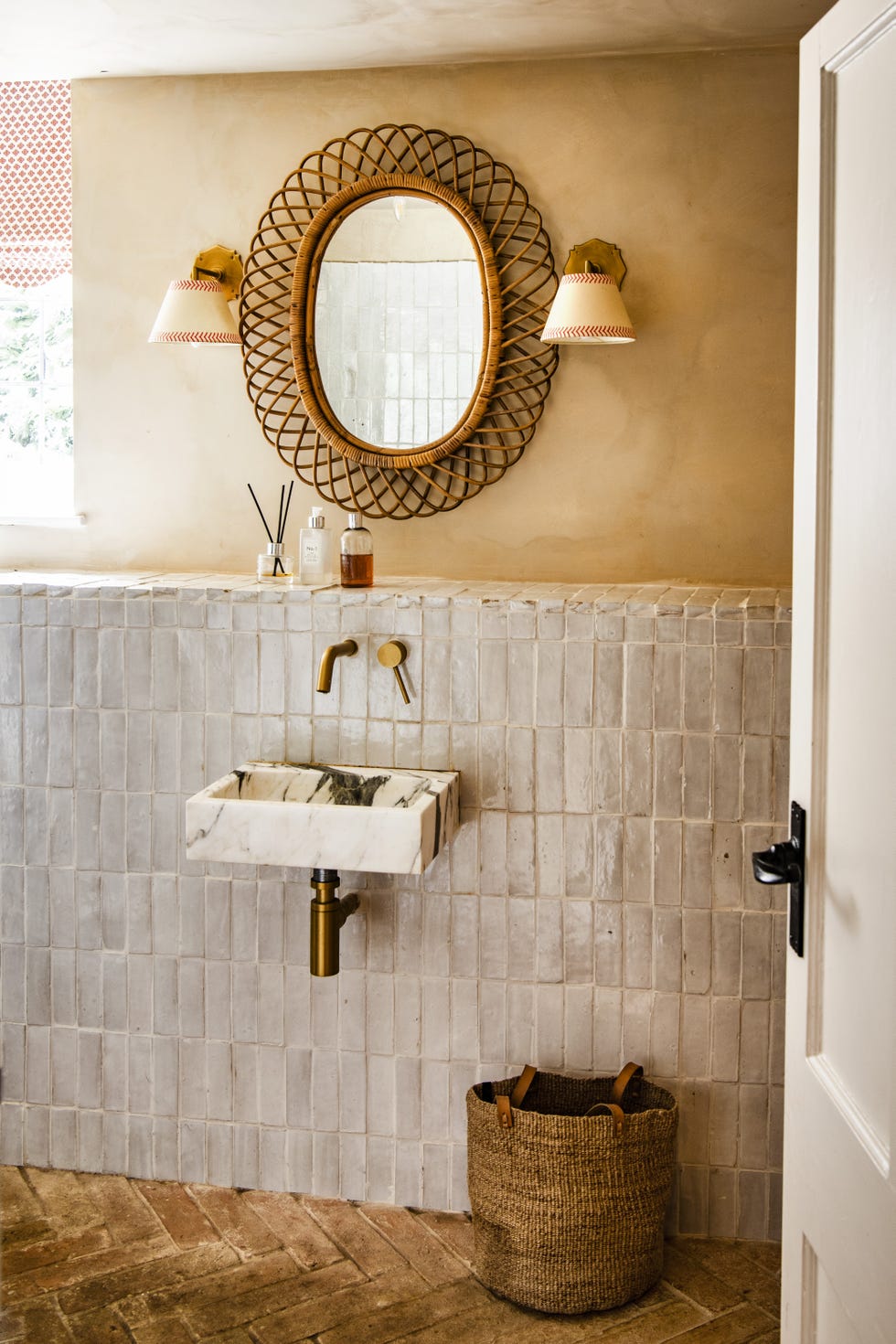
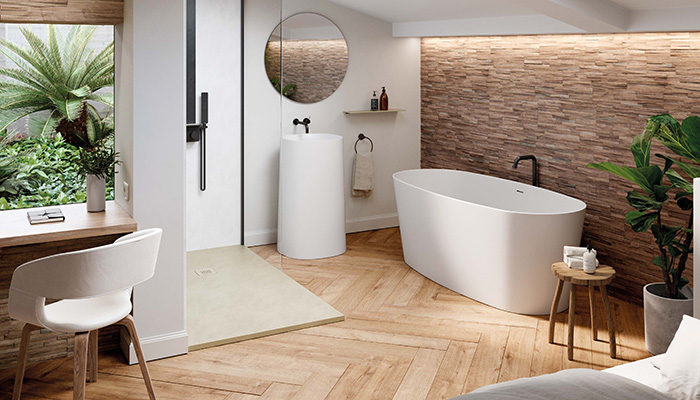
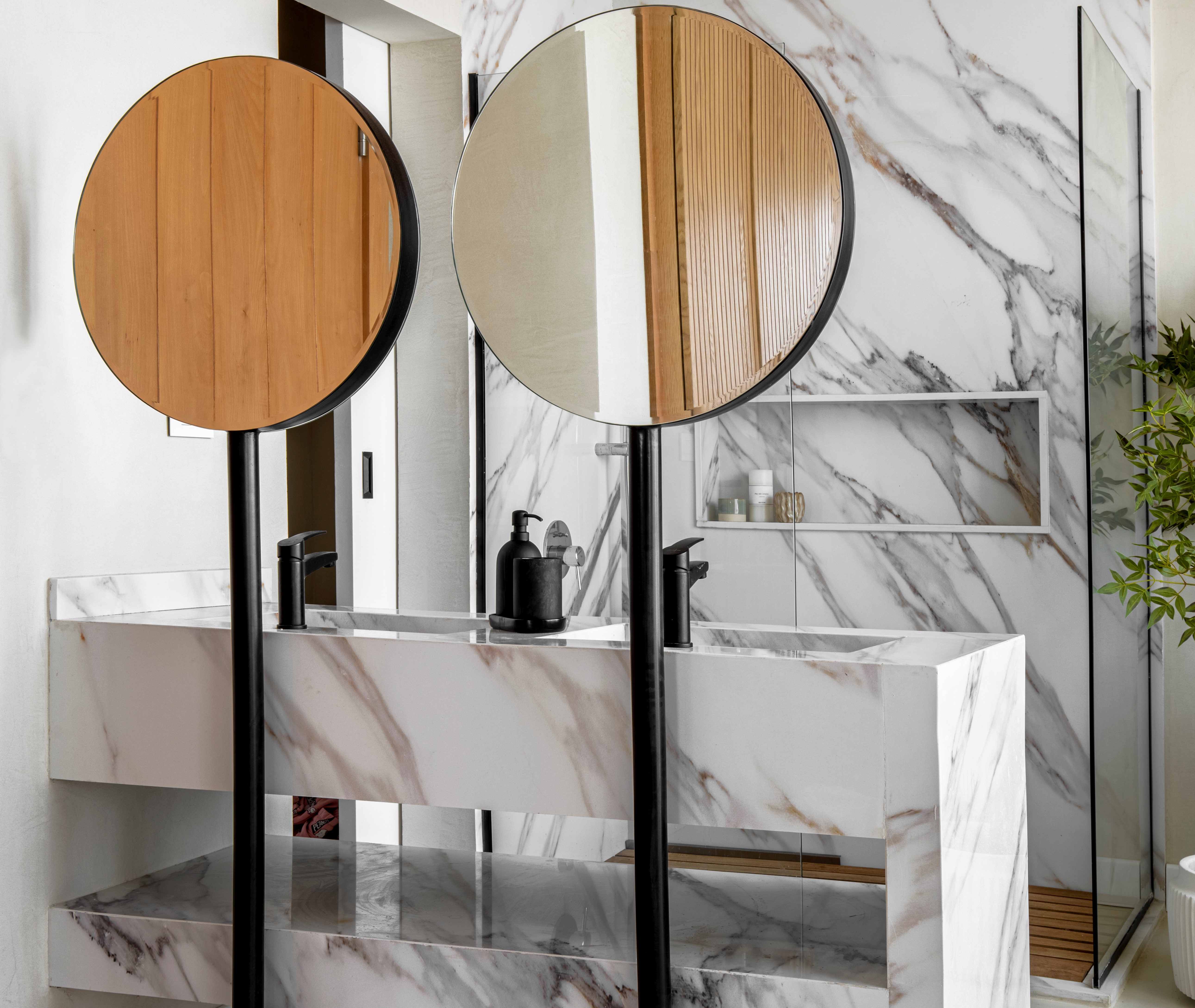
Freestanding basins represent a significant trend in modern bathroom design, offering both aesthetic appeal and practical benefits. These sinks, which stand directly on the floor rather than being mounted to a wall, consist of two primary components: a leg or pedestal and the basin itself. Unlike conventional designs, their plumbing — including drain and supply pipes — typically enters from the floor, allowing for greater flexibility in placement. While various styles and installation methods exist, there is a growing preference for positioning these basins centrally within a room, transforming them into striking accent pieces.
Design experts highlight that freestanding basins not only serve as a focal point but also optimize space, particularly by freeing up wall areas that might otherwise be occupied by traditional vanity units. This liberation of wall space allows for more creative storage solutions and can enhance the overall functionality and openness of a bathroom. Julia Mack, a Brooklyn-based interior designer, describes freestanding basins as an elegant and classic choice, often appearing more graceful than bulky vanities. Their compact footprint and lack of an underlying cabinet contribute to a luxurious and high-style ambiance in any space.
Before installing a freestanding basin, several factors should be considered. Foremost among these is the existing bathroom aesthetic; the chosen basin should complement the prevailing style and the color of other fixtures. A modern space typically benefits from a linear, streamlined design, whereas a traditional setting might accommodate a heavier, more detailed basin. A key characteristic of freestanding sinks is their limited inherent storage, due to their slender profile. To mitigate this, homeowners might opt for customized designs with integrated storage cabinets or utilize wall-mounted cabinets and shelves to meet their storage needs. Additionally, installing these basins may involve extra costs related to floor plumbing and new base molding. The size of the bathroom is also crucial; while freestanding sinks create a sense of openness, they might not be ideal for very small bathrooms where maximum circulation space is paramount.
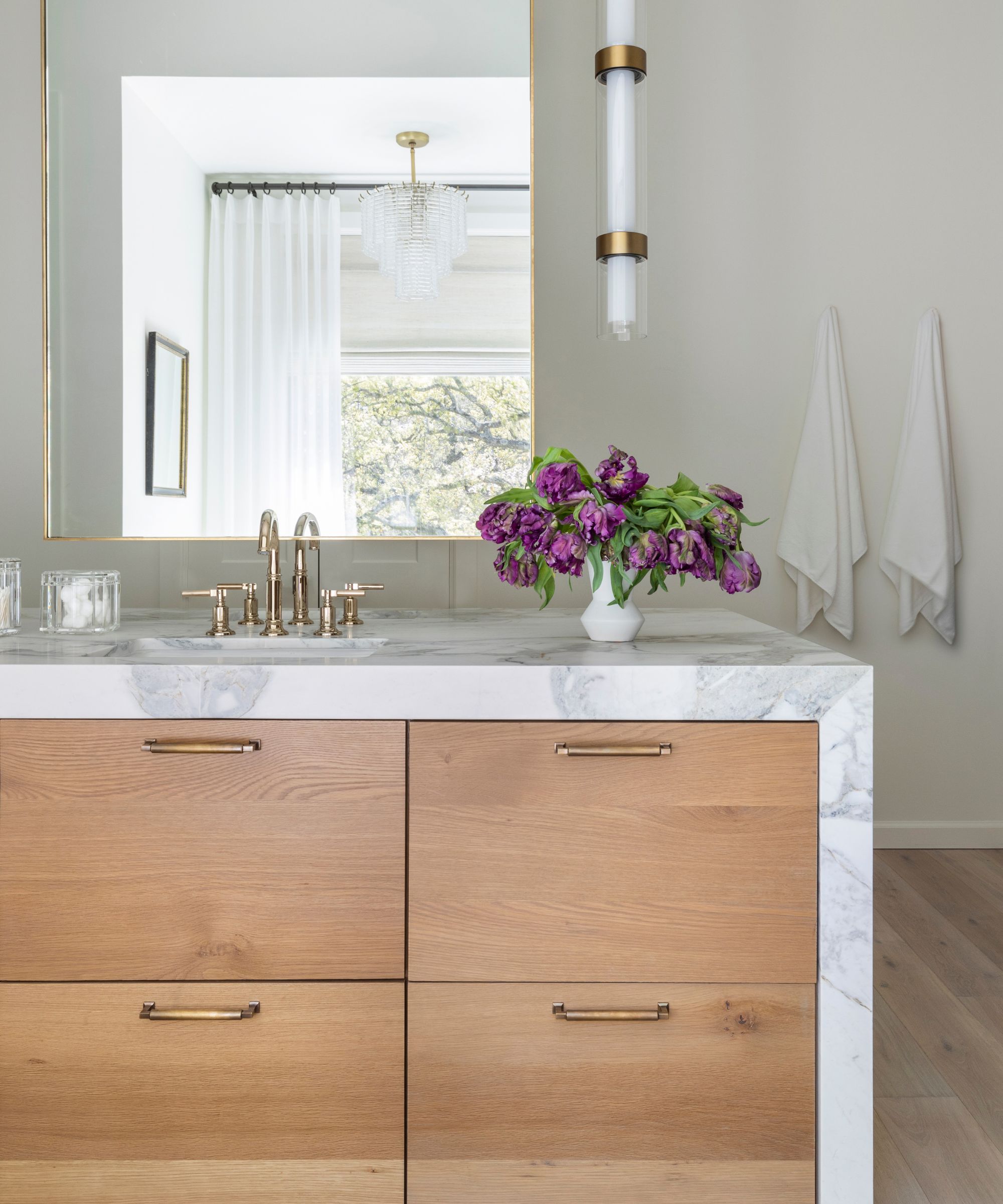
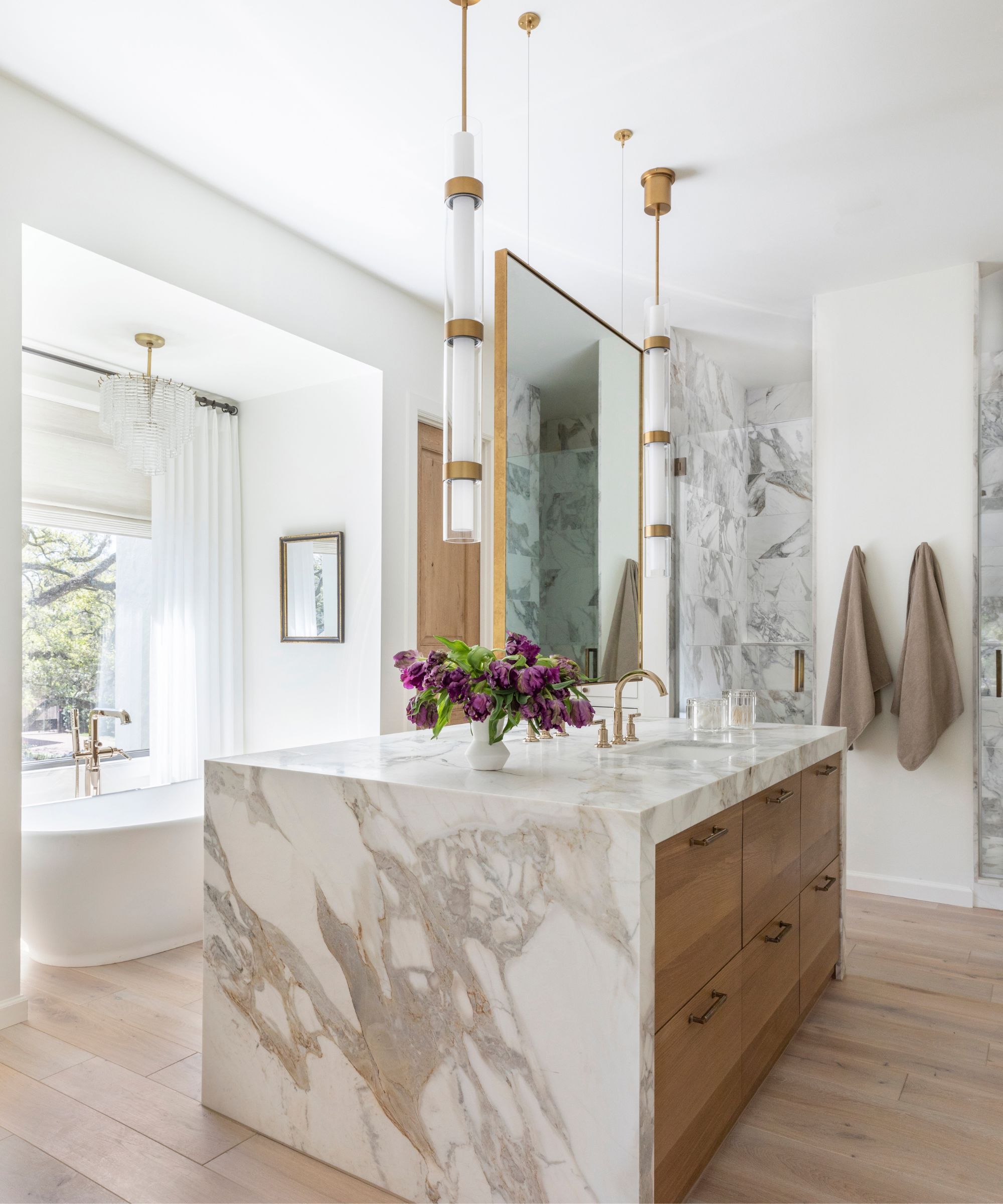
Bryan Boyer, co-founder of Dash Marshall, notes that such basins can reorient the bathroom experience, shifting focus away from the mirror and towards bodily awareness. He describes an instance where a sink and console were designed to float centrally, providing a washing station, accessible toiletries, and a pull-out hamper, with additional storage integrated into wall closets. The primary advantage of freestanding basins lies in their ability to save space by moving the washing function to the room's center, thereby freeing walls for other design elements or increased storage. In larger master bathrooms, a centrally placed freestanding sink can paradoxically make the space appear even grander and more expansive.
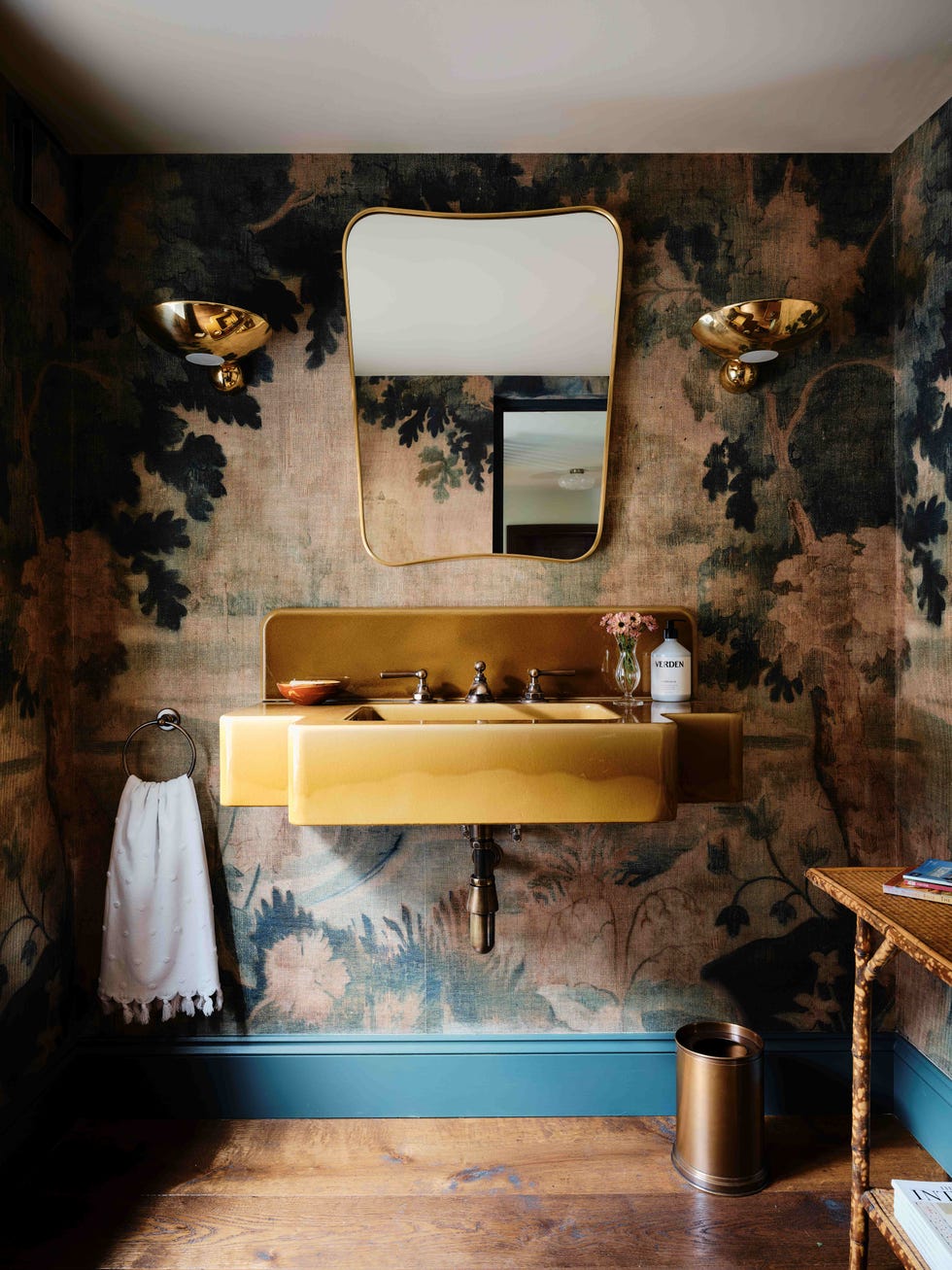
Julie Niass, Senior Associate and Head of Interiors at Carter Williamson Architects, points out that freestanding basins also simplify cleaning and make a room feel larger by preserving open floor space. The aesthetic appeal of these basins is significant; they often function as decorative elements, and when paired with a unique pendant light, can resemble a piece of jewelry. Lucía Soto, co-founder of Comite de Proyectos, emphasizes their role in creating introspective, spa-like atmospheres, where the basin becomes the main architectural object, drawing attention and fostering a connection with oneself. Available in diverse materials, colors, and designs—from ceramic and stainless steel to marble and natural stone—freestanding basins offer numerous stylistic possibilities. They can be square with accent curves, small and round, or even vintage pedestal sinks painted in vibrant colors. While central placement is popular, these basins can also be positioned against a wall opposite a shower or bathtub, or in a room's corner, effectively maximizing space. When placed against a wall, maintaining a distance of 15-20 inches from the back wall ensures that their 'freestanding' character is preserved, making them appear more like movable furniture than fixed fixtures, as noted by Simon Astridge, founder of Saa Workshop.
#FreestandingBasins #BathroomDesign #InteriorTrends #SpaceSavingSolutions #ModernBathrooms #BathroomRenovation #LuxuryInteriors #HomeDesign #FreestandingBasins #BathroomDesign #InteriorTrends #SpaceSavingSolutions #ModernBathrooms #BathroomRenovation #LuxuryInteriors #HomeDesign
0 comment in total
 No comments yet
You may also like
Too shallow to take the plunge? Five freestanding baths to freshen up your bathroom
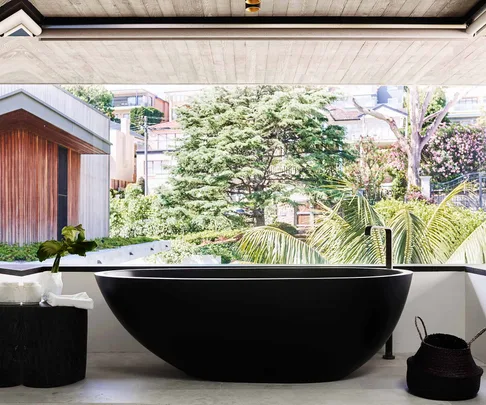
14 of the best freestanding baths and how to choose the right one

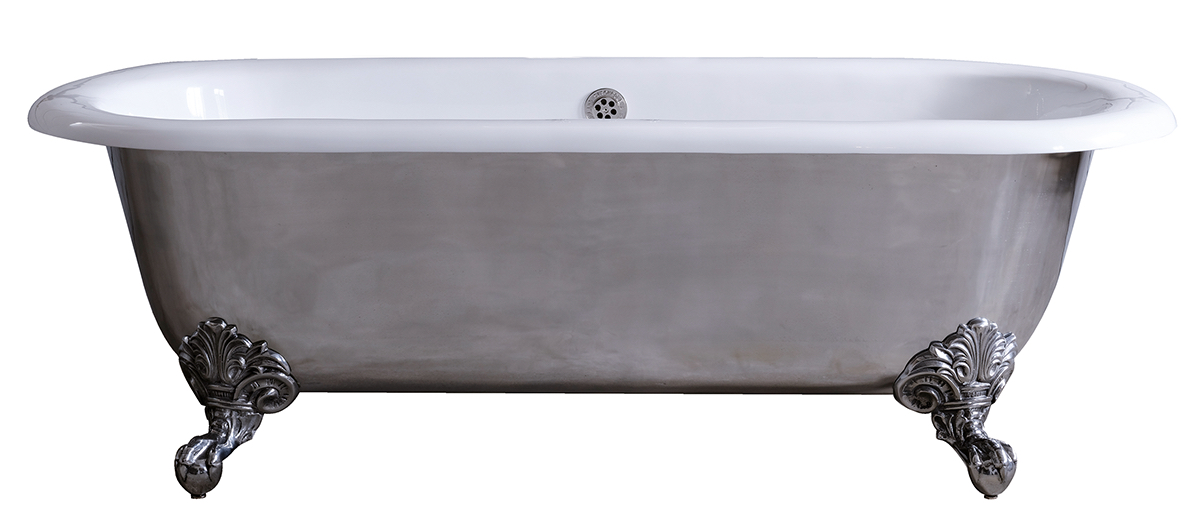
Best free-standing baths from £4,000 to £14,000 — for people who really want to splash out
The Pros and Cons of Free-Standing Bathtubs


Freestanding Baths

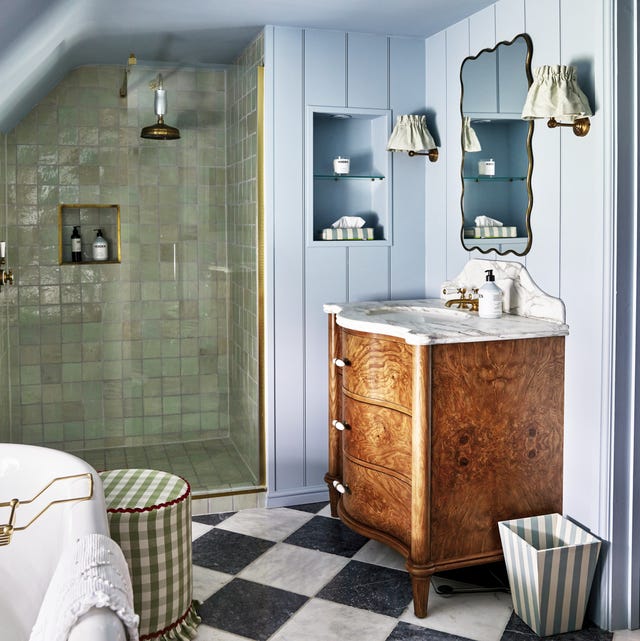
10 bathroom trends that will define 2026 – from floating vanities to pastel tones
These 6 Freestanding Tubs Will Turn Any Bathroom Into a Spa

Freestanding Baths – Our Pick of the Best
3 Hot Bathroom Trends: Spa-like With Some Organic Feels
Freestanding bathtub ideas and inspiration for your bathroom renovation

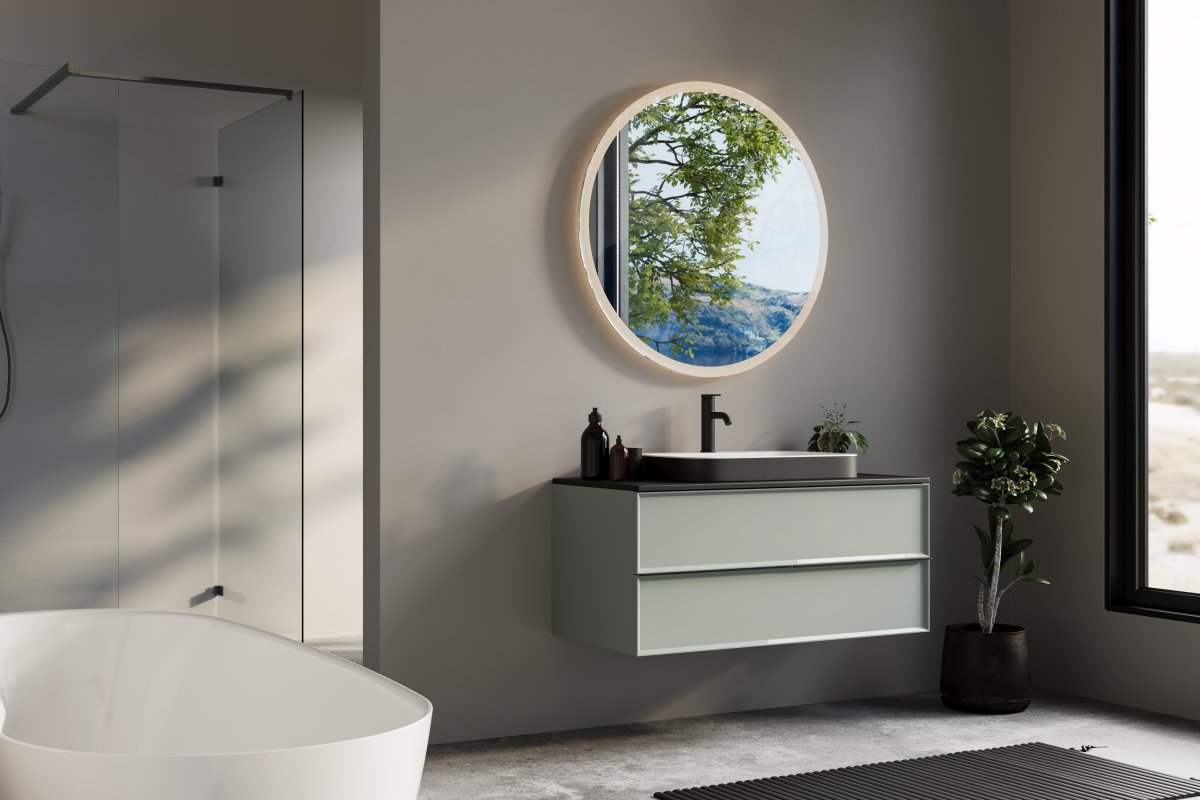
This Once-Popular Bathroom Feature Is Falling Out of Favor (and What’s Replacing It)

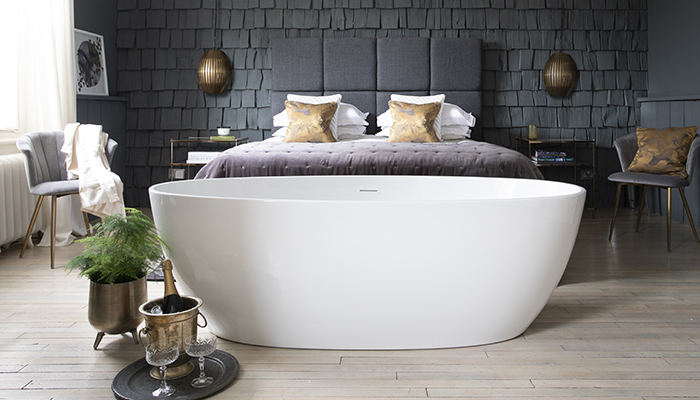
Boutique chic: Taking luxury to the next level with bedroom bathing
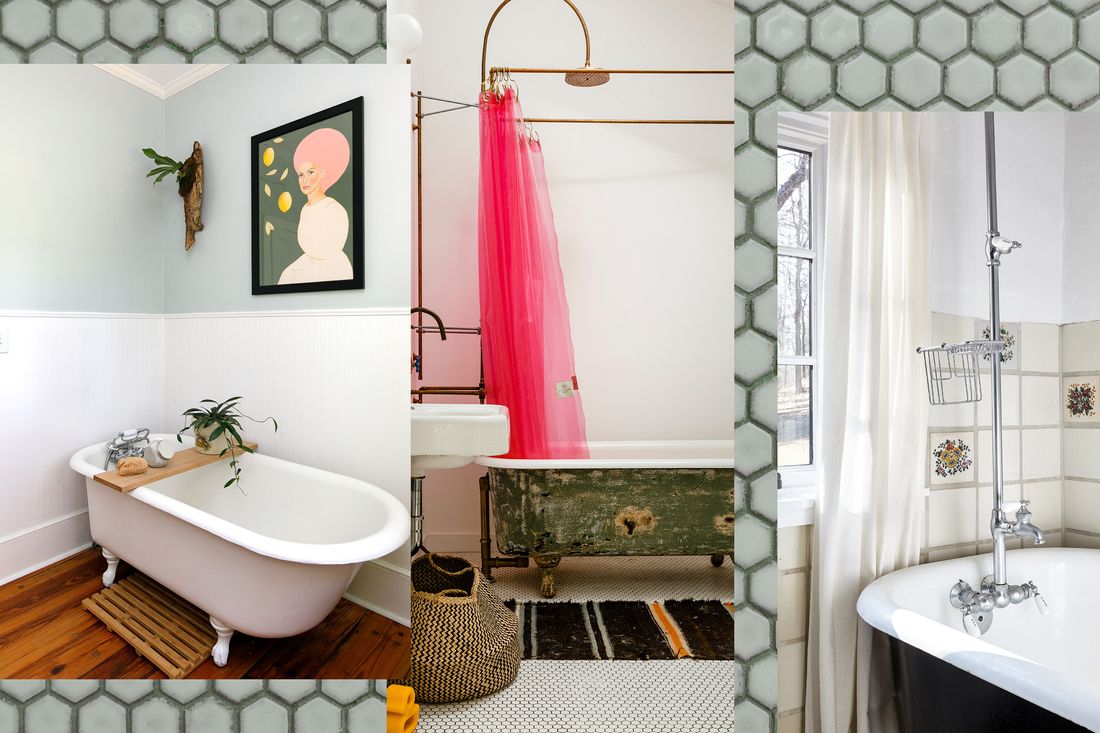
The Bath Bubble
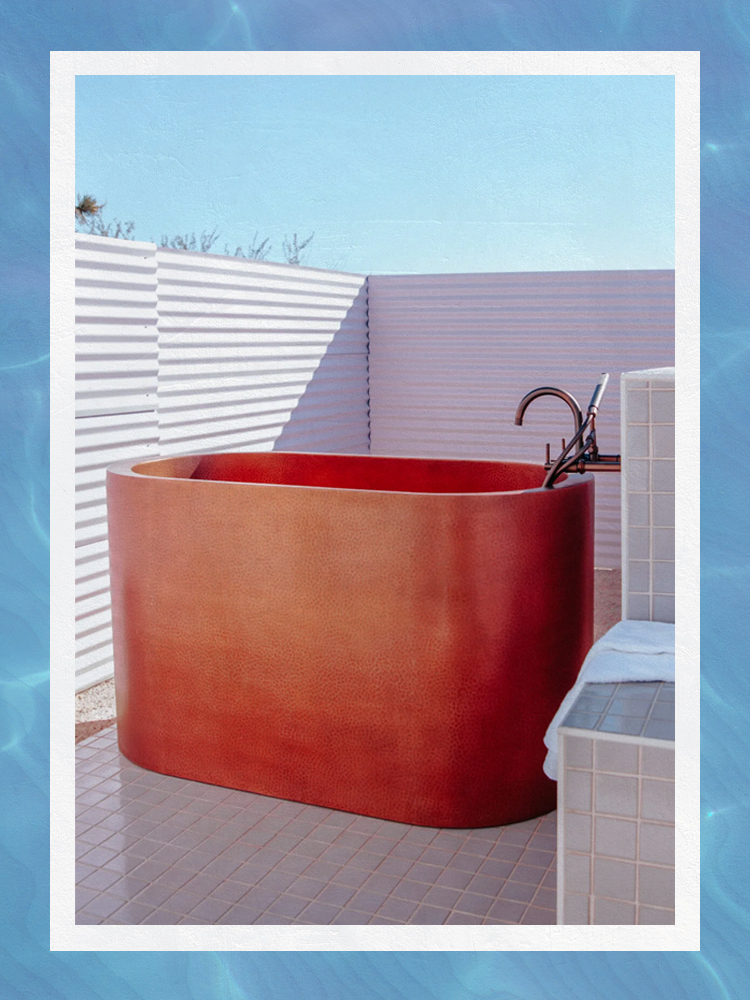
6 Designers on the Best Freestanding Tub Brands for Sudsy Soaks
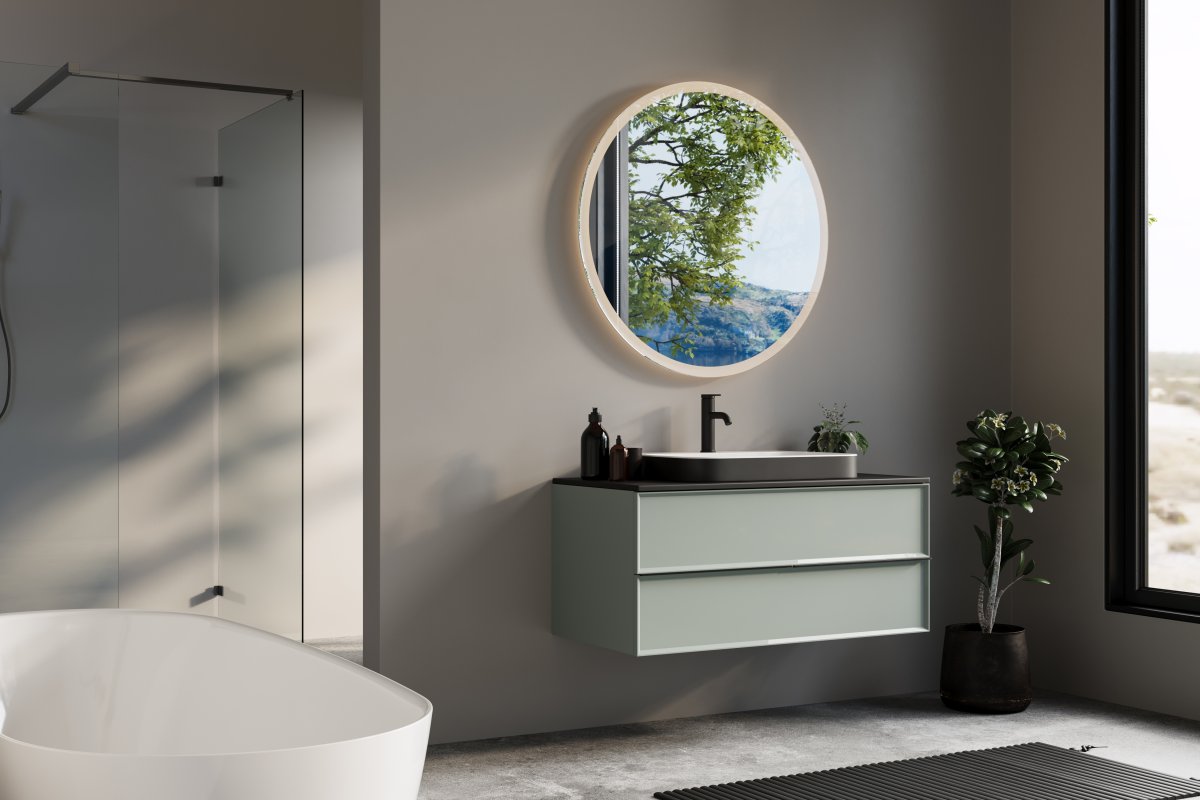
This Once-Popular Bathroom Feature Is Falling Out of Favor (and What’s Replacing It)
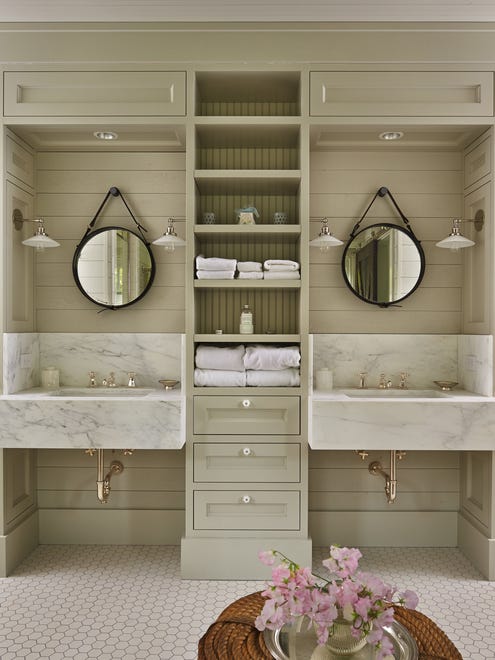
Bathroom Trends
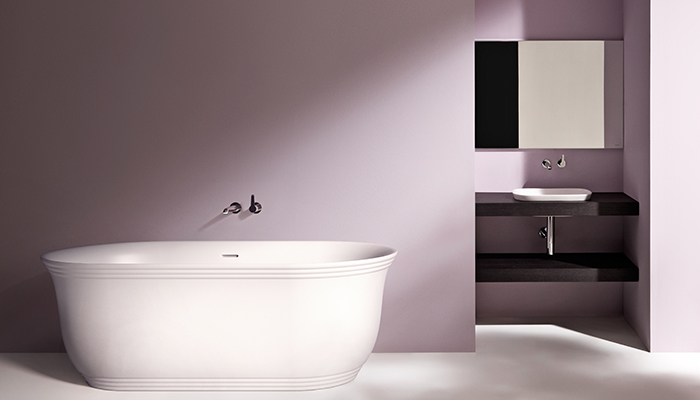
Laufen's new freestanding bath range offers a solution for every space
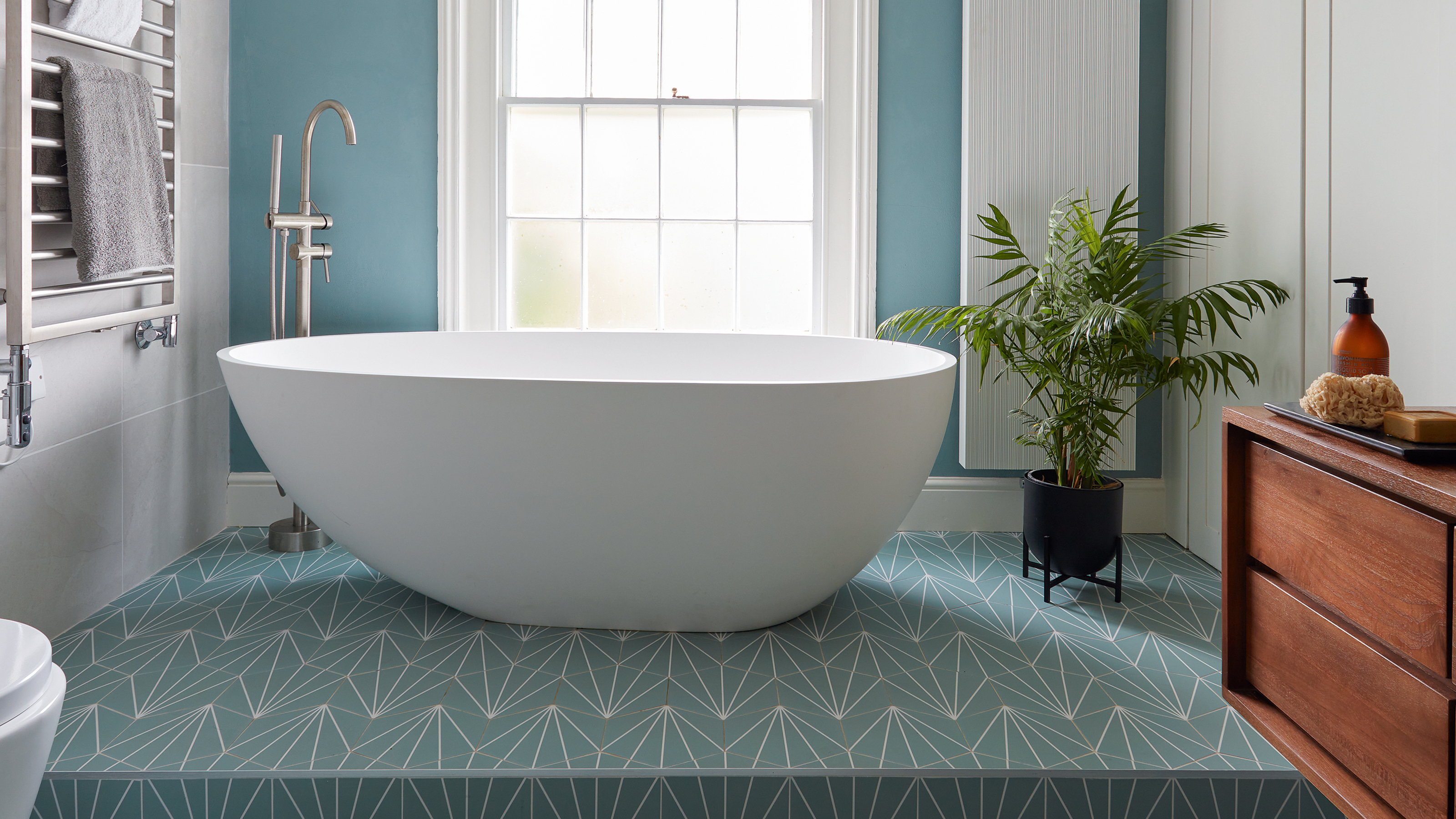
A genius layout solution makes a freestanding bath the star of this luxe bathroom makeover
Bathroom islands are the luxurious feature you didn't know you needed – here's how designers nail the trend
The 7 Best Bathroom Vanities of 2026 for Style and Storage