1/11
This Mexican Hotel Is a Case Study on How to Do Vibrant Tile Right
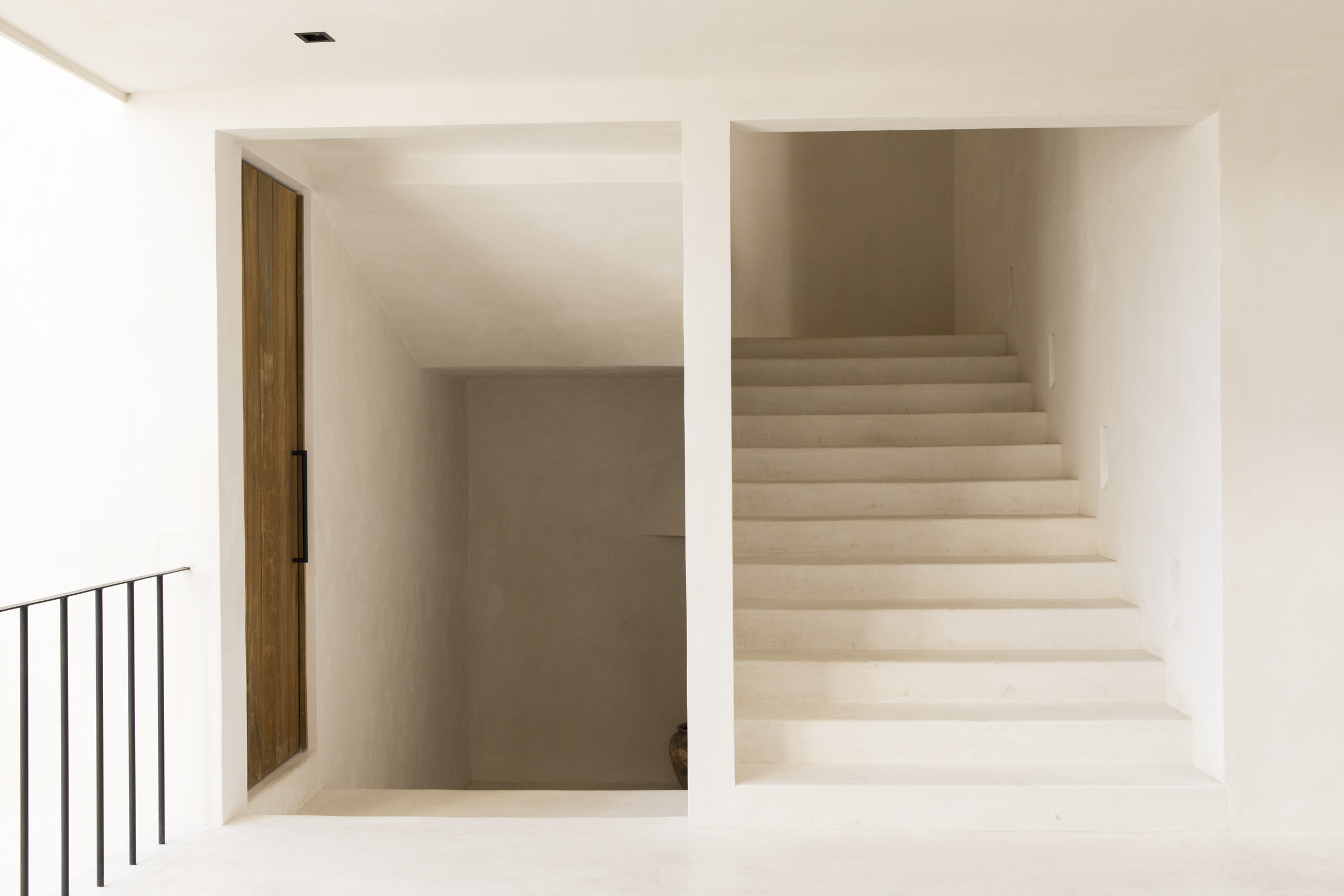
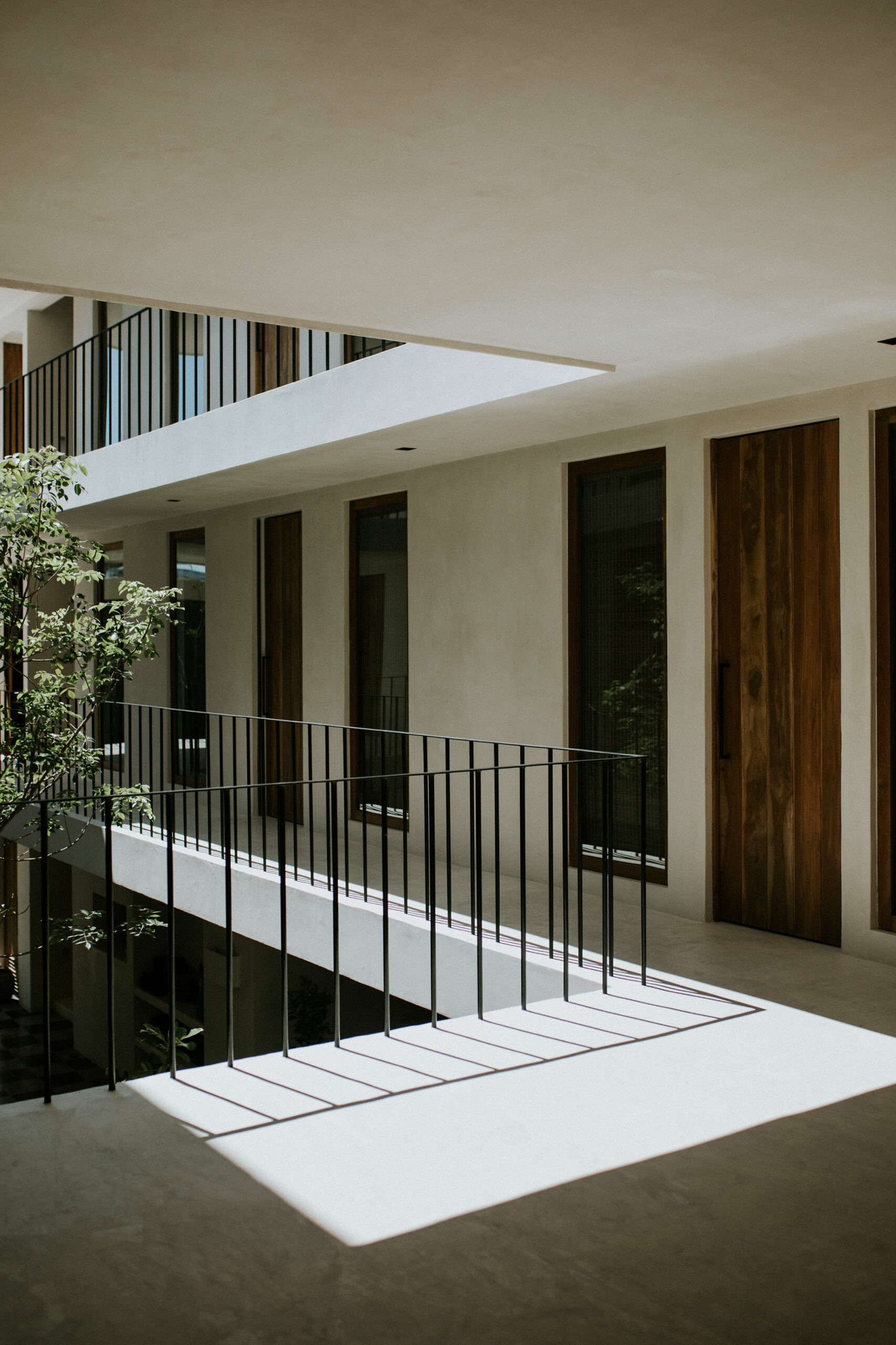
San Miguel de Allende, a UNESCO World Heritage Site known for its colonial architecture, is home to Casa Hoyos, a newly opened 16-room hotel. The hotel, housed in a historic building dating back to the 17th and 18th centuries, underwent a significant transformation led by Mexico City–based design firm A-G Studio. The goal was to honor the Hoyos family legacy, who have owned the property since the early 20th century, while showcasing contemporary Mexican artistic and cultural offerings.
The building, originally a traditional Spanish residence with a central patio, had a varied past, including serving as a currency exchange bureau and a grain and seed store. These commercial activities inspired the current fourth-generation Hoyos owners to create a unique blend of historical preservation and modern design. A-G Studio faced the challenge of working within strict regulatory parameters due to the city's historic designation. Their approach involved restoring the main courtyard while constructing contemporary spaces in the rear, requiring meticulous approval for every renovation detail. This combination of restoration and modern design successfully captured the essence of San Miguel de Allende, creating an authentic and distinctive space.
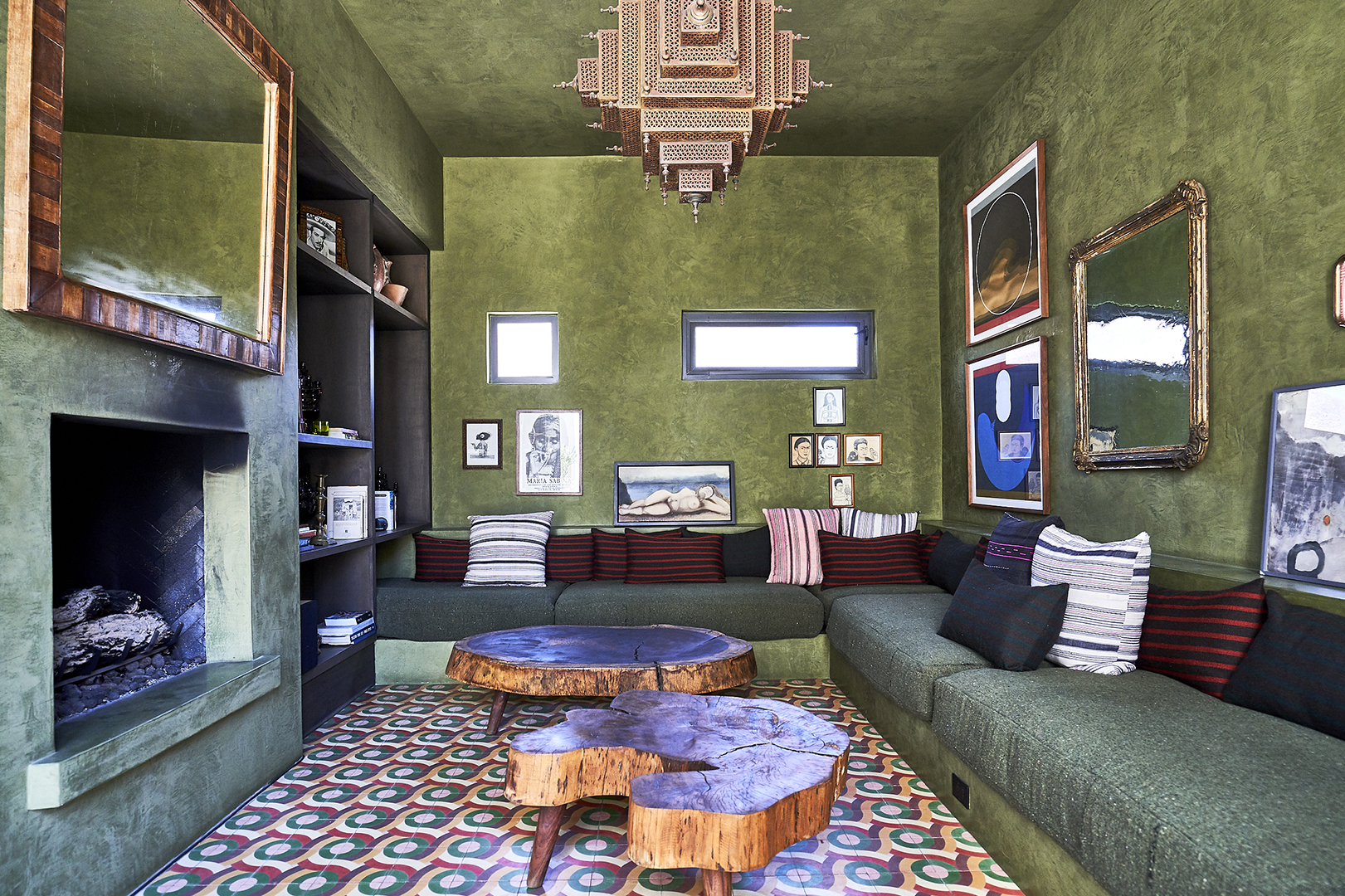
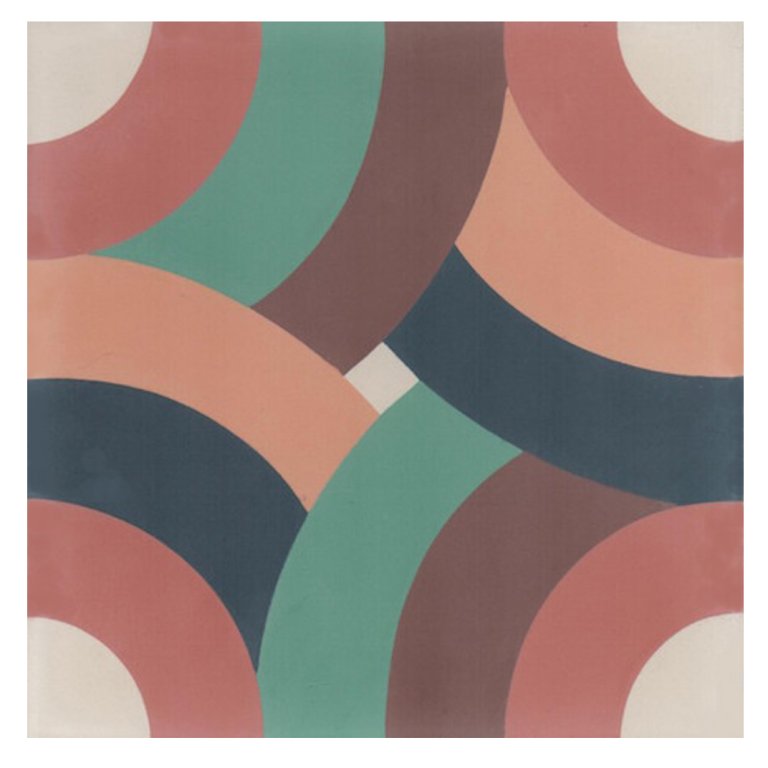
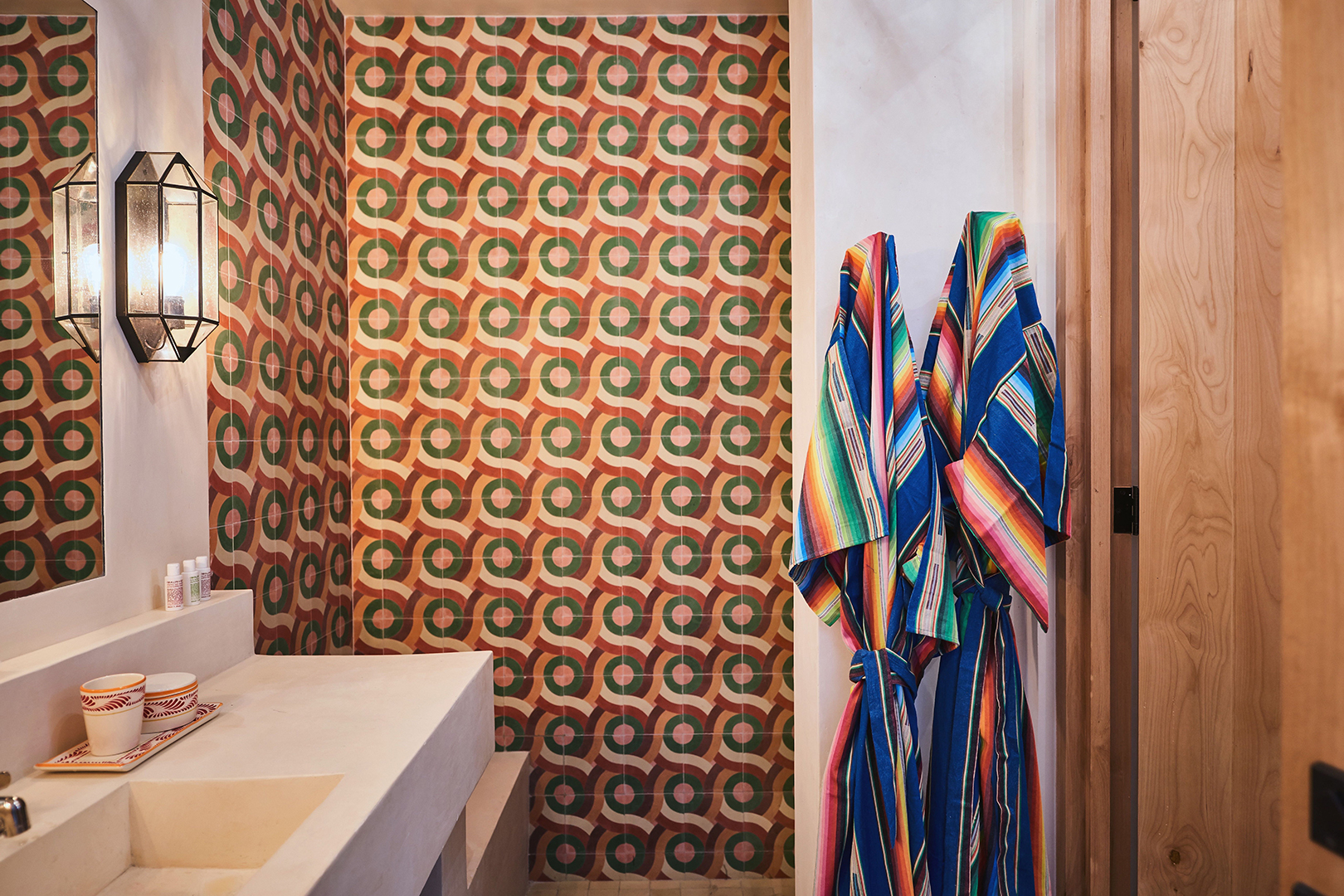
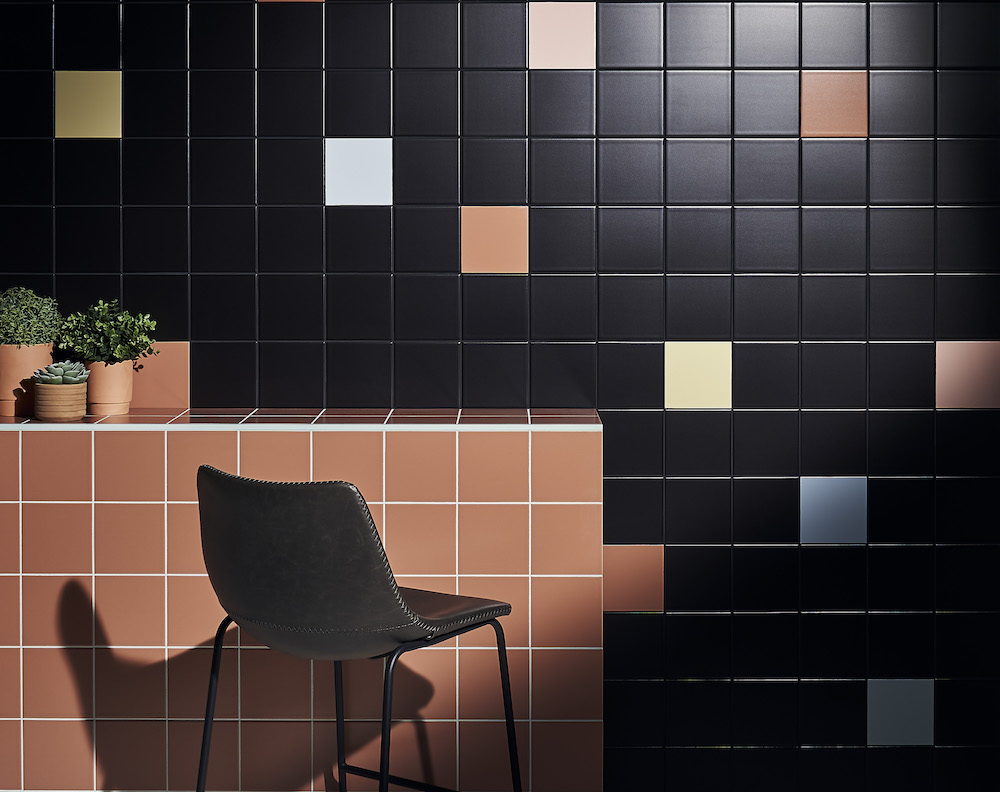
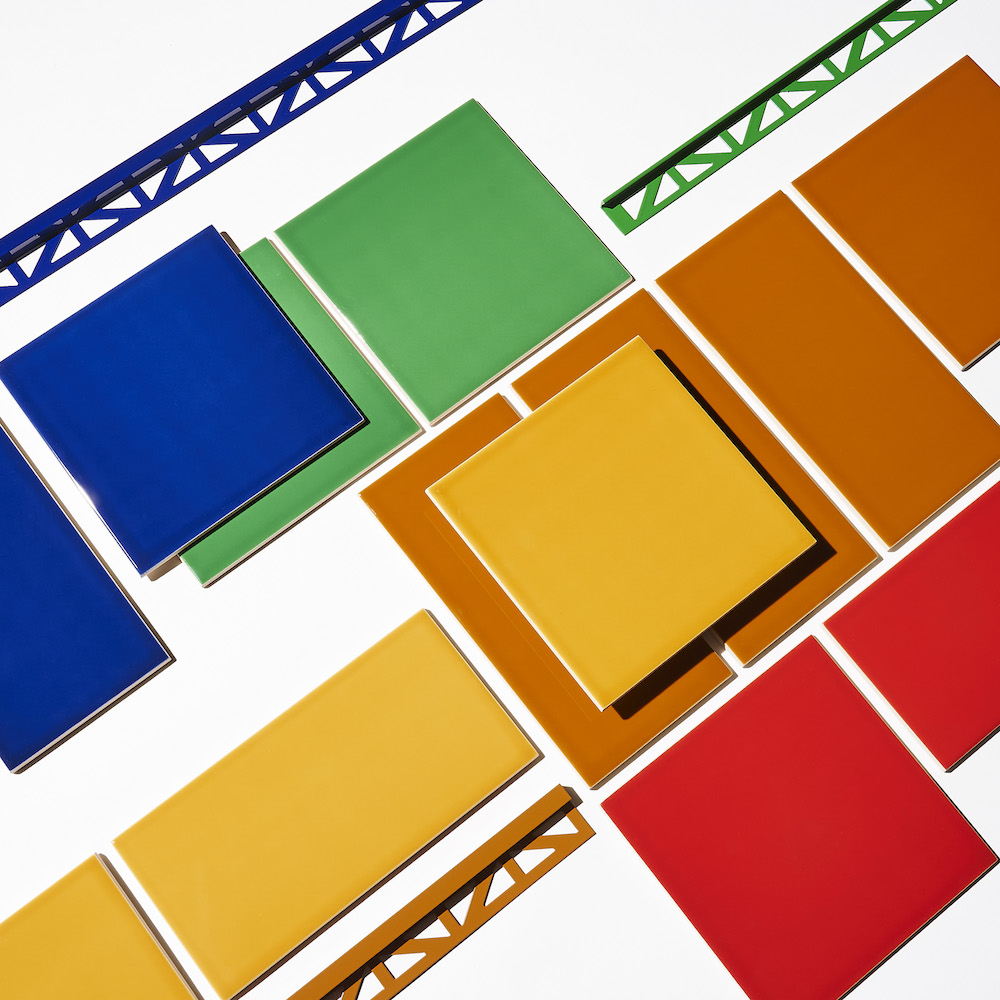
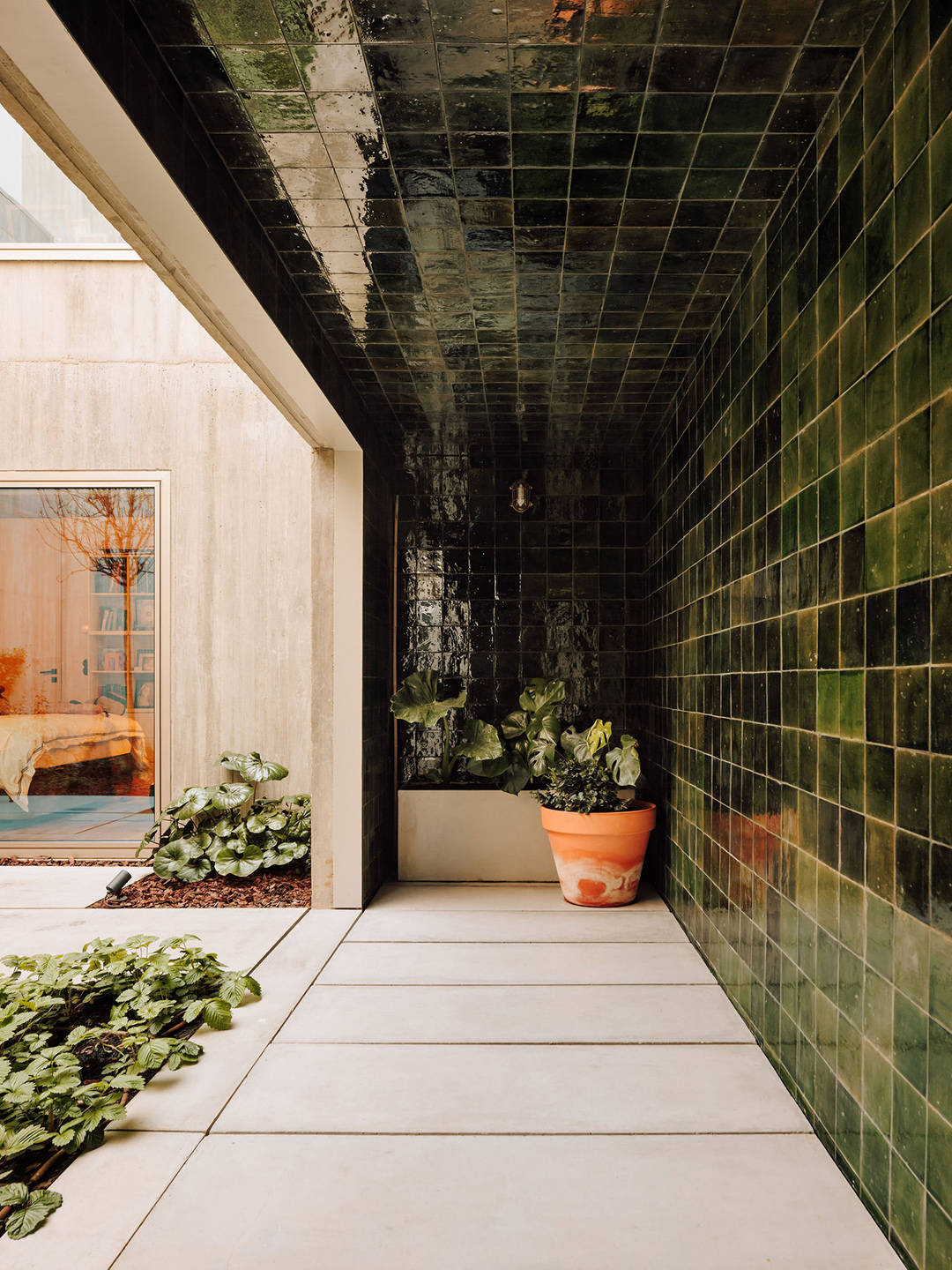
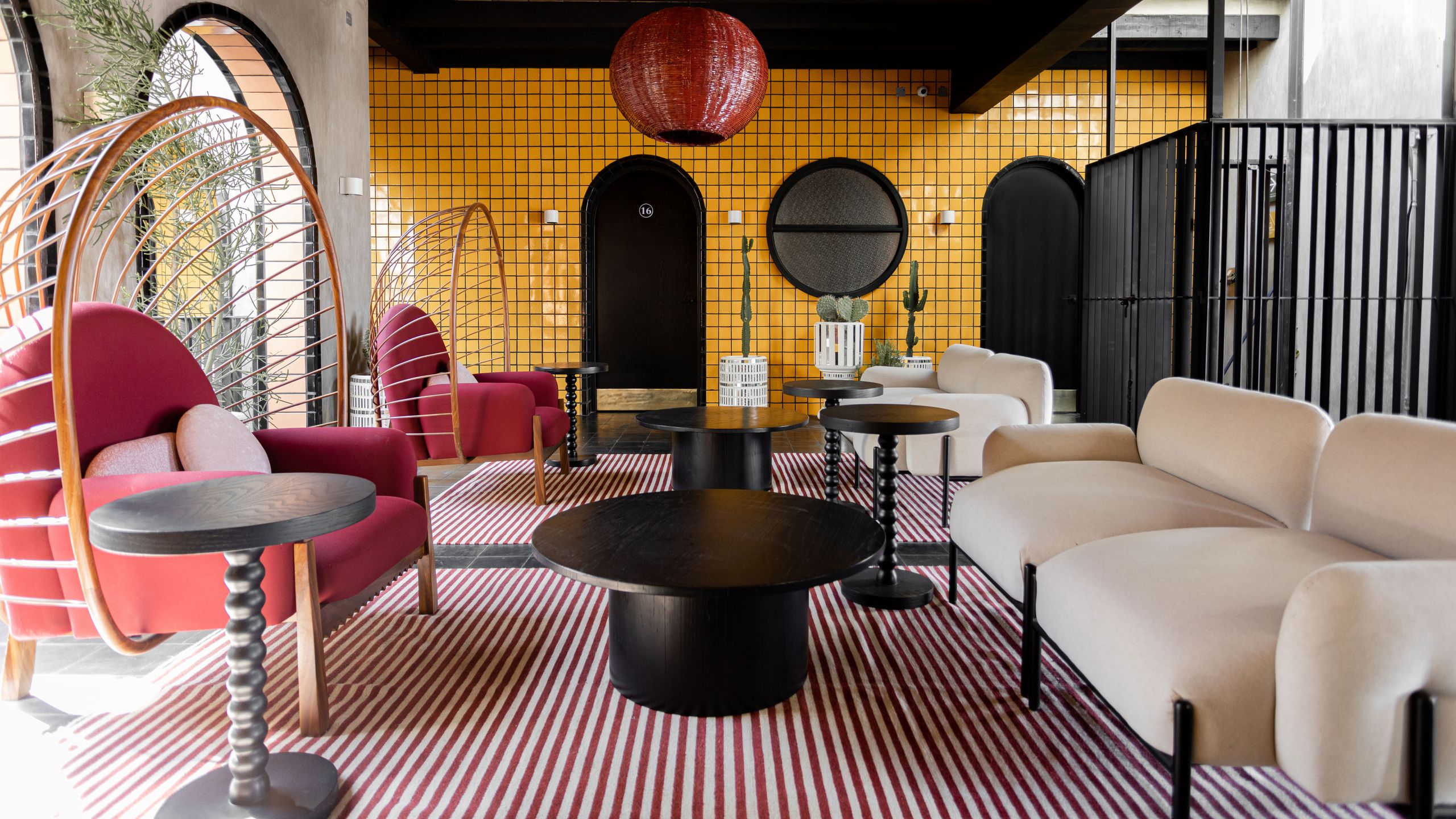
A key design element is the extensive use of vibrant, glazed tiles throughout the hotel, extending beyond traditional bathrooms and kitchens into living areas and patios. These brightly colored tiles adorn walls and arches, reflecting sunlight and adding a lively dimension to the interiors. The color choices are symbolically significant; yellow tiles represent the corncob, a staple in Mexican cuisine, while salmon-colored tiles around the arches are derived from the Hoyos family shield.
The design draws inspiration from three pivotal moments in the Hoyos family's history, influencing material selection and decorative elements. This includes incorporating original furniture from the building's time as a bank and an altar with roots in the Iberian Peninsula, the Hoyos' ancestral origin, to weave the building's narrative into its furnishings.
Emphasis was placed on collaborating with Mexican artists and craftspeople for furniture, textiles, plantings, and tiles, ensuring that the design resonated with the region's rich heritage while embracing a contemporary voice. Examples include handwoven wool gobelins by Melissa Ávila, created using ancient Oaxacan techniques, and other wool textiles handmade in Guanajuato. Artwork typical of various Mexican states, such as a talavera mural depicting a Sorrowful Virgin of Loreto, further enrich the local aesthetic.
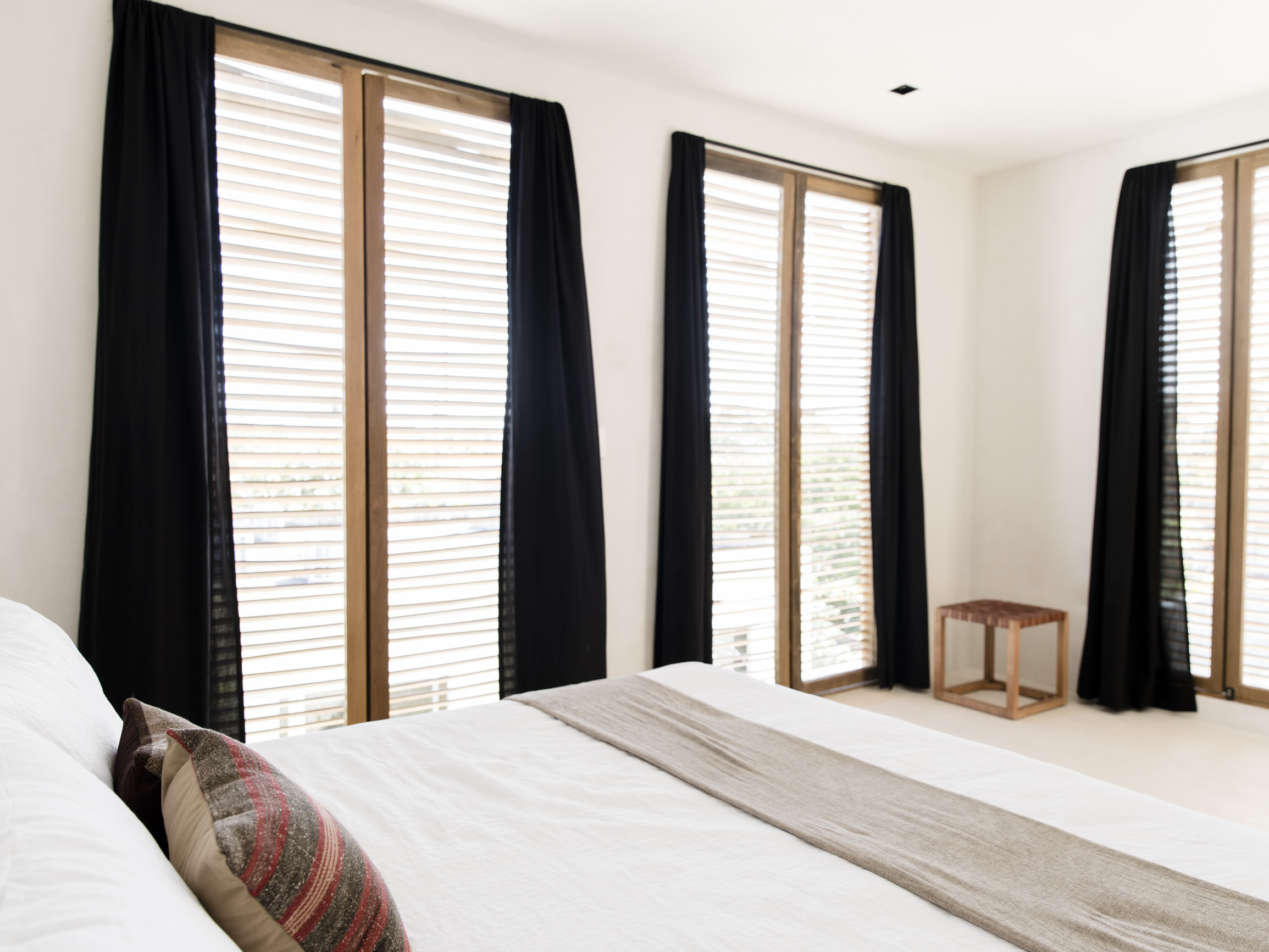
Black is strategically used as a neutral throughout the hotel, providing a unifying element. It acts as an accent framing arched openings in the courtyard, outlines the rooftop pool, and is consistently applied to furniture frames and the enclosed elevator lobby. This thoughtful use of black allows it to harmoniously integrate with bold colors and diverse textures, enhancing the overall design. The rooftop also features a pool and terrace bar, BEKEB, which utilizes red tones, from terra-cotta floor tiles to bright lounge chairs, contributing to a vibrant and cohesive aesthetic.
#MexicanHotel #SanMiguelDeAllende #TileDesign #HistoricPreservation #InteriorDesign #CulturalHeritage #LocalArtisans #BoutiqueHotel #ArchitecturalRenovation #MexicanHotel #SanMiguelDeAllende #TileDesign #HistoricPreservation #InteriorDesign #CulturalHeritage #LocalArtisans #BoutiqueHotel #ArchitecturalRenovation
0 comment in total
 No comments yet
You may also like
INDUSTRY INSIGHT: Make a statement with a striking tiled feature wall

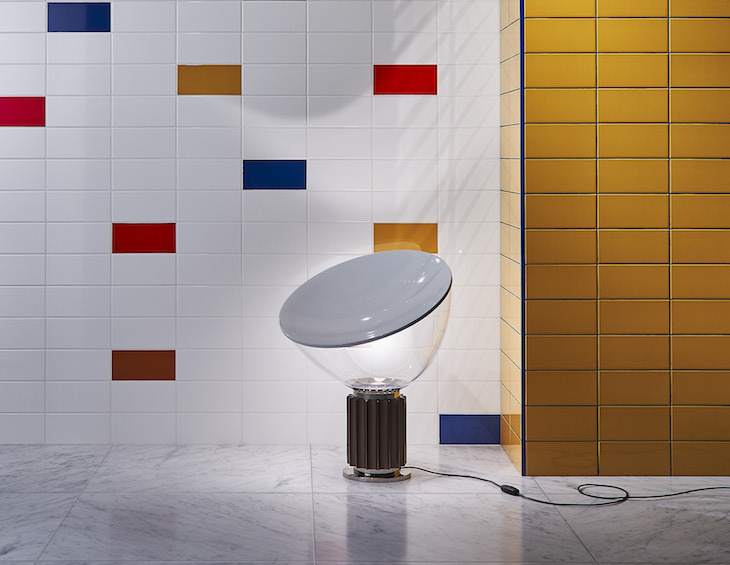
Parkside launches Matrix ceramic wall tile collection
The 9 Best Tile Brands of 2023

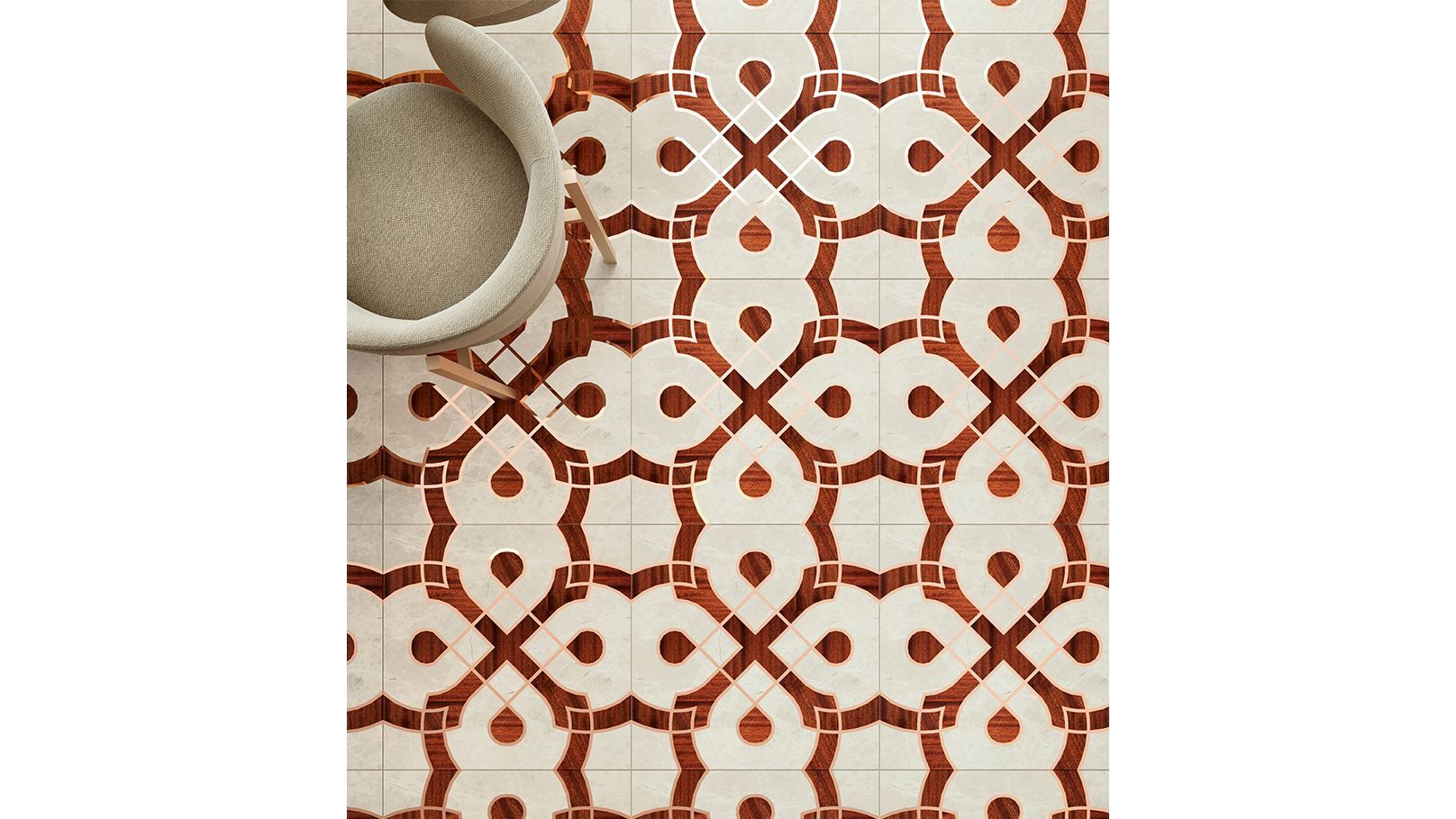
Orvi Surfaces blends wood, metal, and stone in an impeccable new collection of tiles


Homestyle: Terrific tiles
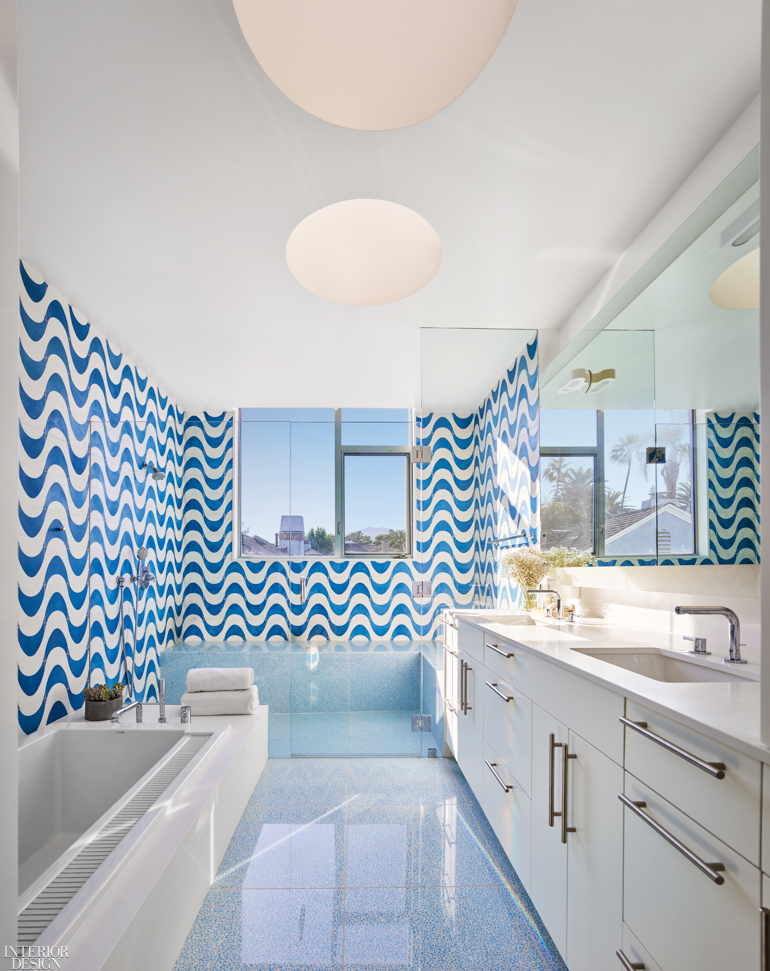
10 Spaces Designed With Colorful Tiles

5 reasons to specify luxury vinyl flooring
New ways with tiles: 15 creative ideas for using tiles at home


We Found Out Where You Can Get This Baja Hotel’s Insta-Famous Swirly Tile

Tasteful tile style for the home
8 Times Tile Brought Architectural Charm to an Otherwise Regular Exterior
A Tile Area Rug Is Just One Idea We’re Stealing From This New Amalfi Coast Hotel

Tile Style


Well-Edited: Exotic Tile
Patterned Concrete and Geometric Tiles Turn This California Renovation Into a Cheerful Oasis

Onyx Lux tiles by Azteca
Showstopping Tile

Casa Pueblo by M Studio is Ready Made for Global Nomads in Tulum
9 of the Most Creative Ways to Decorate Your Home With Tiles — Ideas That Will Change How You Think About Tiling

The Stylish Tile Hack That Adds A Pop Of Gingham To Any Room