1/2
Vertical garden to tower over Chelsea Flower Show | Damian Carrington
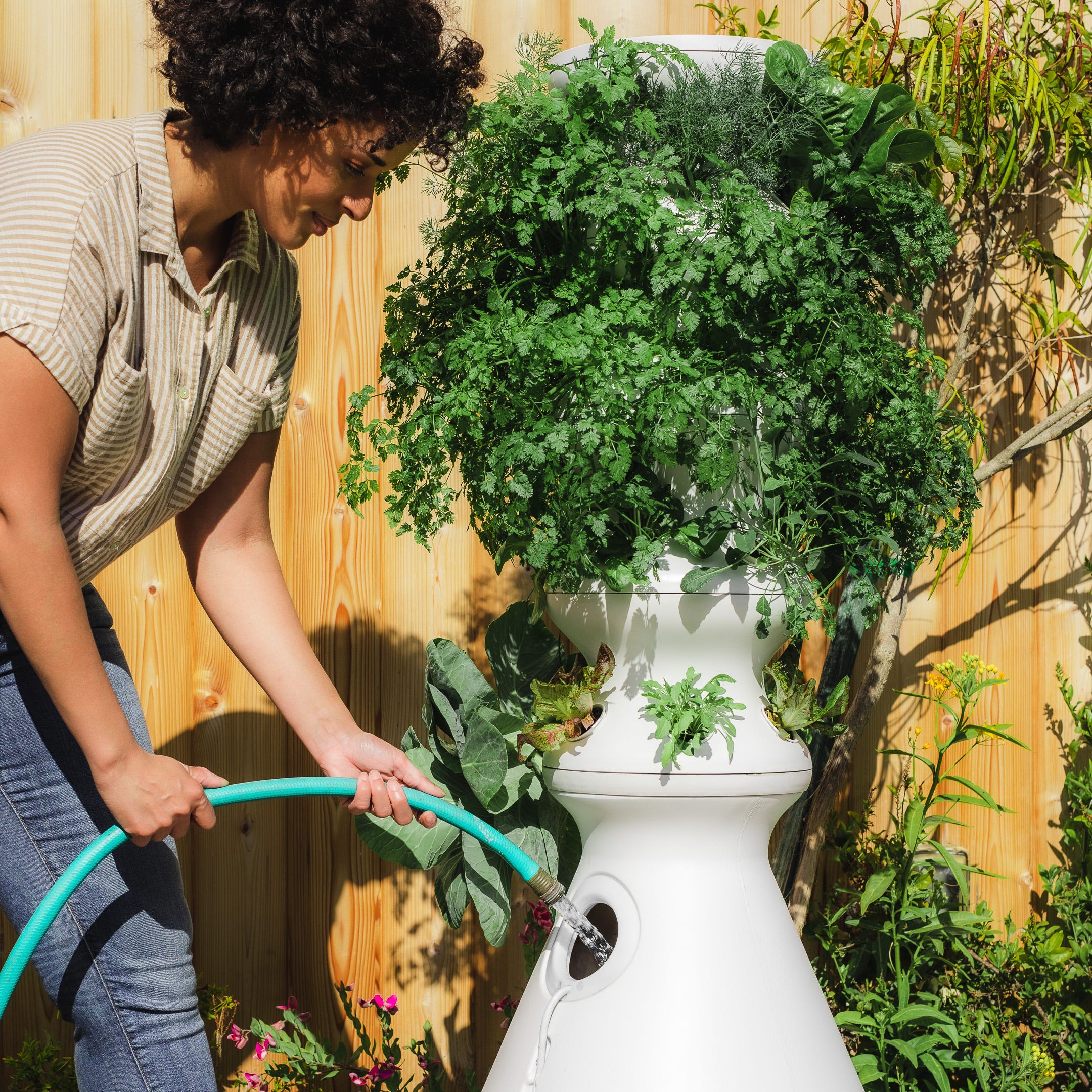
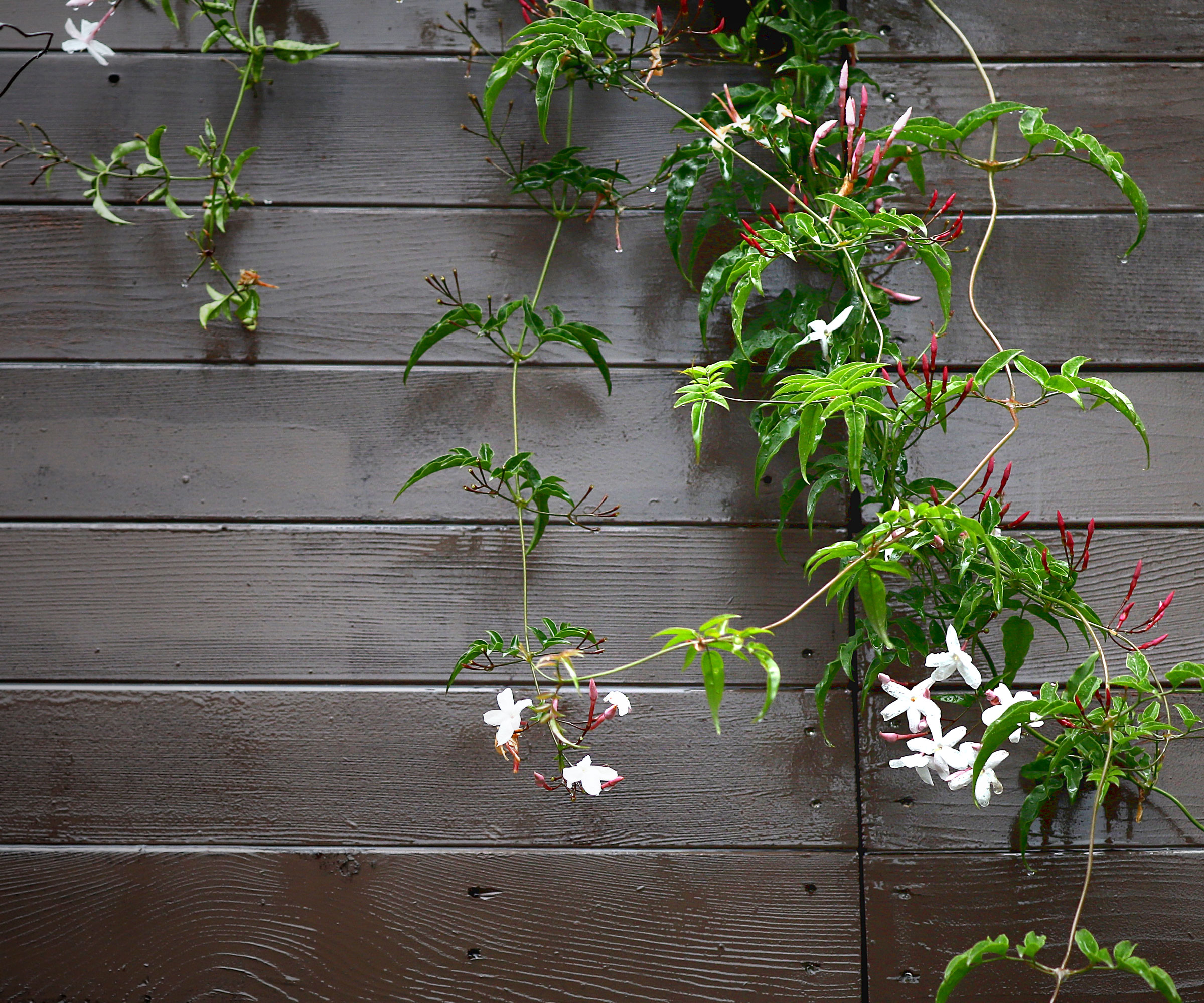
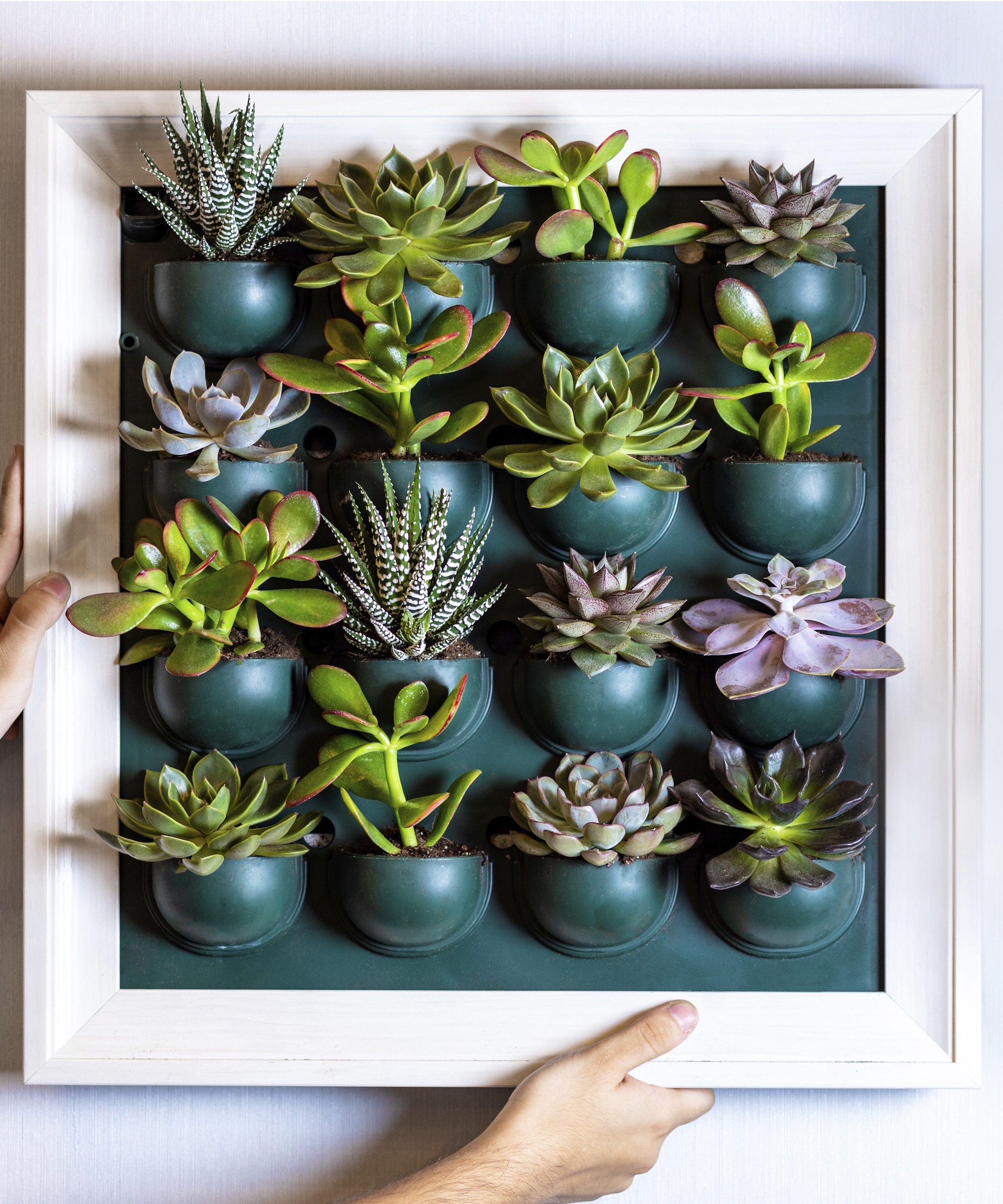
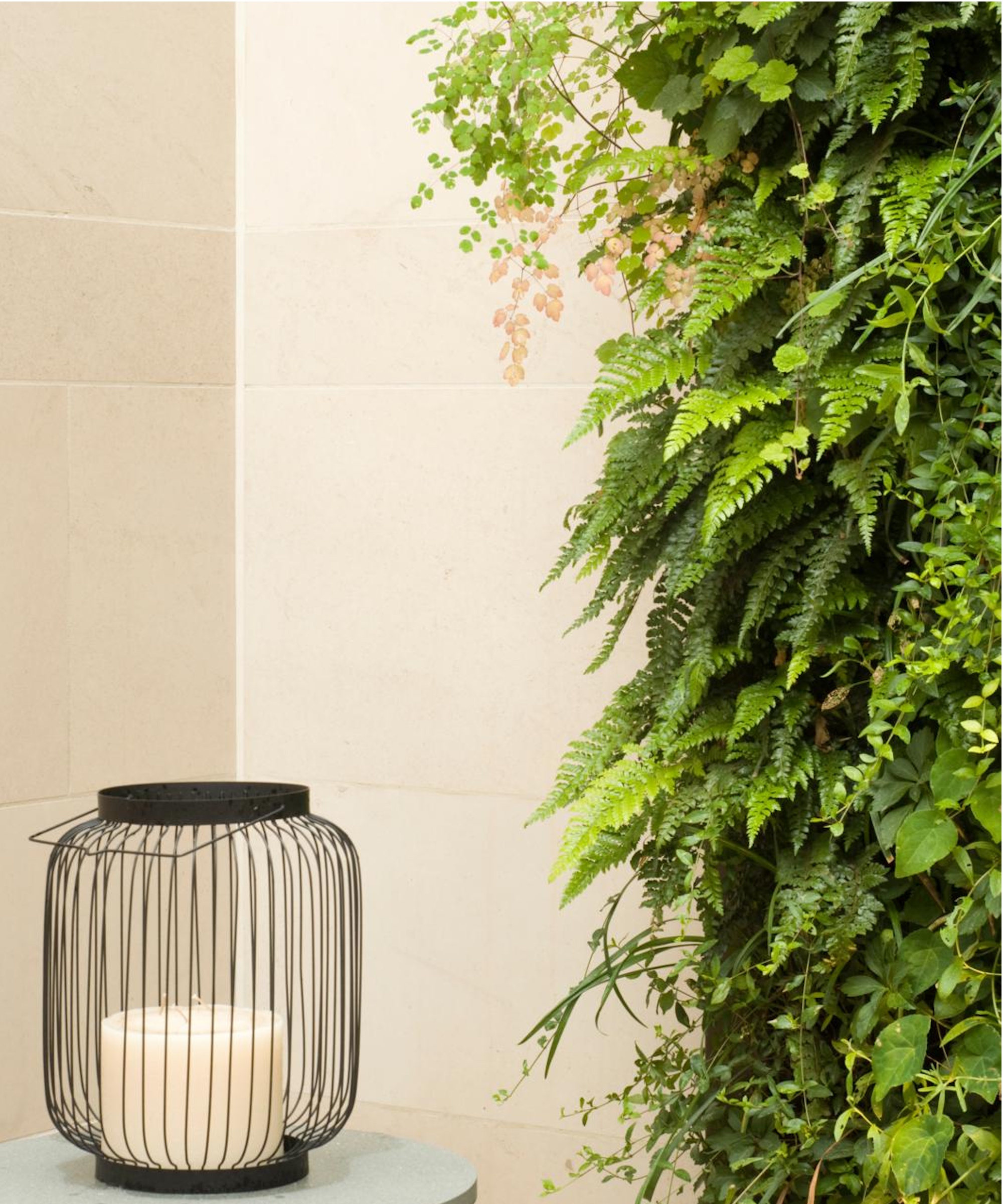
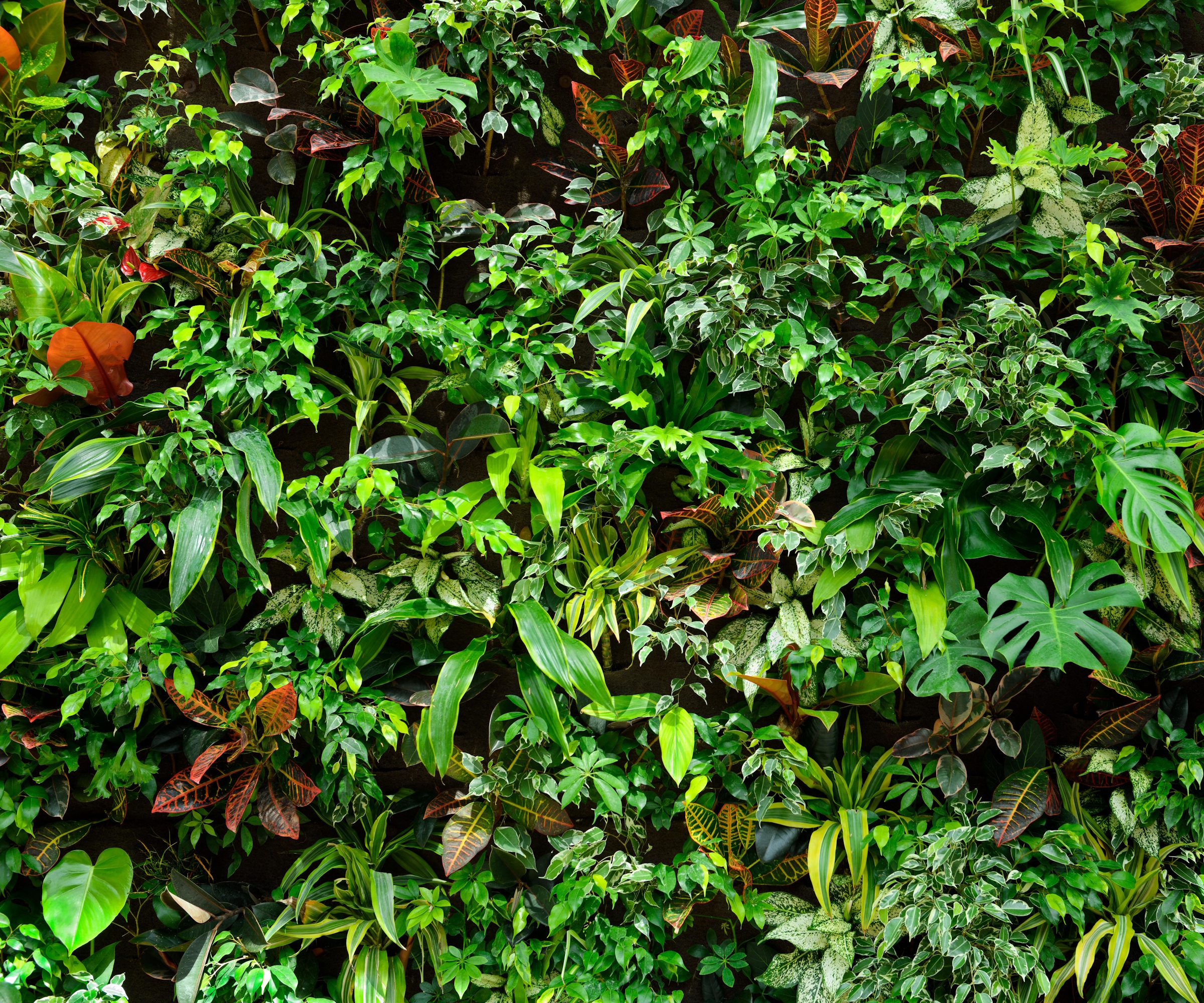
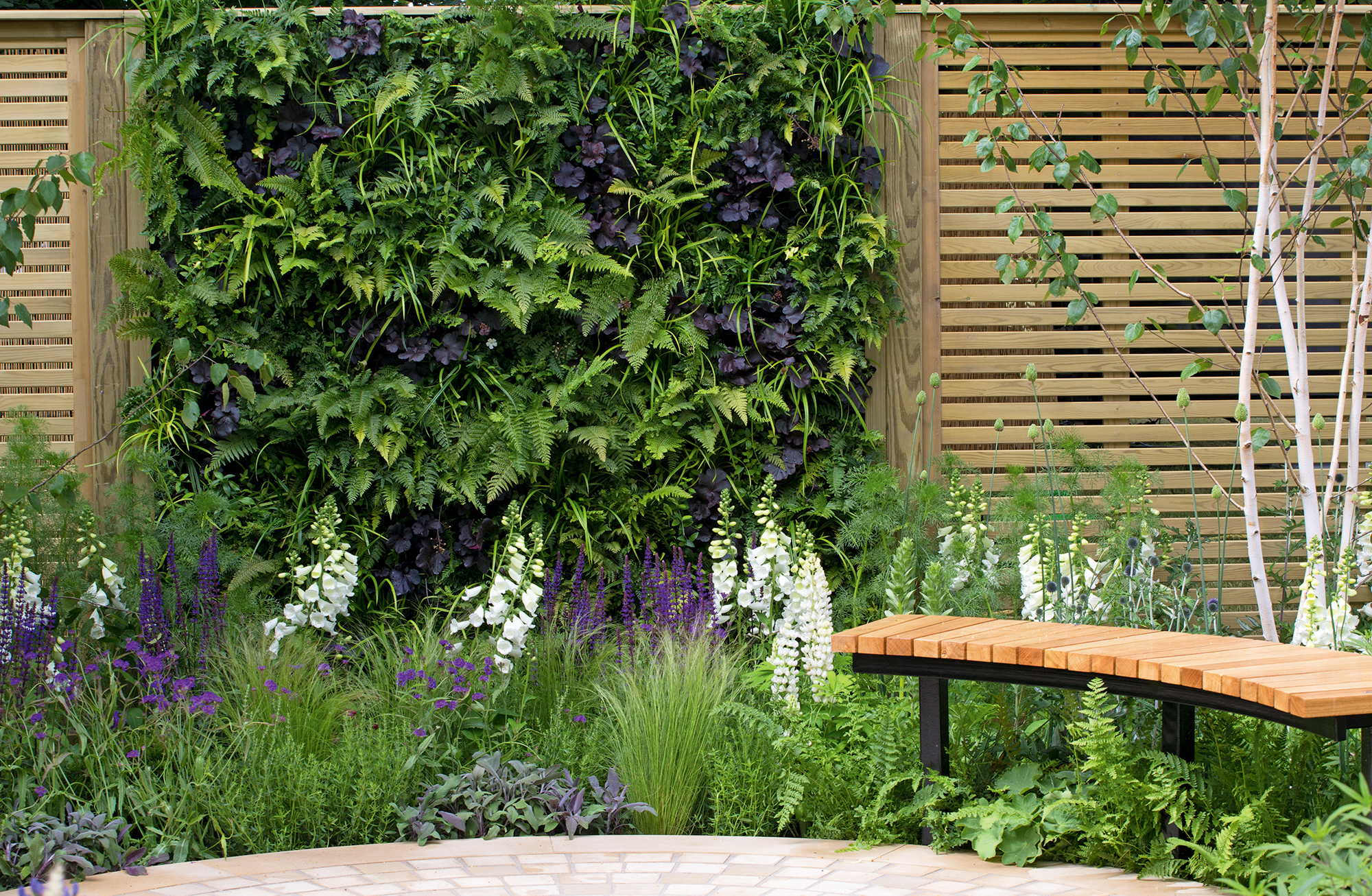
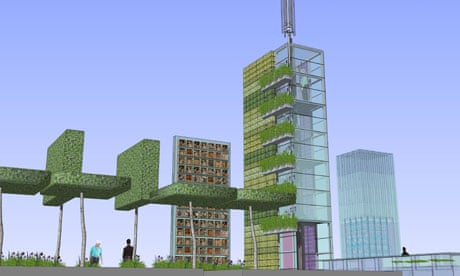
The concept of 'skyfarming,' which involves cultivating food vertically rather than horizontally, is moving beyond the realm of science fiction and into practical application. This is exemplified by a 9-meter tall food garden currently under construction in London for the prestigious Chelsea Flower Show, the UK's premier garden exhibition. This innovative structure features one wall dedicated entirely to plants and the other to solar photovoltaic panels. These panels are crucial for powering the water pumps that circulate water from a borehole through a hydroponic growing system, demonstrating a sustainable approach to urban agriculture.
Inside the tower, alongside a staircase, are designated greenhouse areas for plant propagation and a compost chute for waste management. The plant-covered wall is adorned with large window boxes, accommodating a variety of edible plants such as tomatoes, peppers, and nasturtiums. This design was conceived by landscape architect Patrick Collins and architect Laurie Chetwood for the B&Q-sponsored garden. Adjacent to the window boxes is a wall featuring herbs like thyme, chamomile, and oregano, which thrive when regularly clipped, highlighting the aesthetic and practical benefits of such a system.
While acknowledging that a 9-meter tower is not a typical addition to a city garden, Chetwood emphasizes that the Chelsea Flower Show serves as a platform for grand, inspirational ideas. The goal is to present concepts that, while ambitious in scale, contain practical elements that individuals can adapt for their own smaller gardens. Collins reinforces this message, stating that the garden aims to illustrate that anyone can grow their own vegetables, even with limited space like a window box.
The garden's focus on edibility extends to all its components, including the trees. Vertically trimmed lime trees produce flowers suitable for herbal tea, and mulberry trees offer crunchy berries. Collins points out that while 90% of global food comes from just 20 plant species, the world hosts hundreds of edible plants. The B&Q Garden aims to showcase this diversity, featuring less common edibles like *Stevia rebaudiana*, a plant known for its sweet taste and potential as a sugar substitute.
An interesting feature of the garden is an 'insect hotel' with 90 'bedrooms' designed by schoolchildren. This playful element carries a serious message: to encourage people to establish ecological habitats within their gardens. The decline in insect populations, often described as 'getting hammered,' underscores the importance of creating environments where these creatures can thrive. The architects and designers behind this project express a strong belief in the importance of fostering urban food production, particularly in cities like London, where food security can be a concern. The project serves as an inspiration for city dwellers to engage in gardening, regardless of the size of their available space.
#ChelseaFlowerShow #VerticalGarden #Skyfarming #Hydroponics #UrbanGardening #SustainableLiving #EdiblePlants #InsectHotel #FoodSecurity #ChelseaFlowerShow #VerticalGarden #Skyfarming #Hydroponics #UrbanGardening #SustainableLiving #EdiblePlants #InsectHotel #FoodSecurity
0 comment in total
 No comments yet
You may also like

RHS Chelsea Flower Show 2025 trends you'll want on your radar

Best plants to cover a fence – 10 ways to disguise a fence with beautiful flowers and foliage

5 best plants to grow up a pergola for a beautiful, scented awning
haldane martin: wallflower vertical garden system
These Vertical Gardens Are a Plant Lover’s Dream

Vertical indoor garden ideas: 7 elevating ideas
Flower Arrangements Are Reaching New Heights (Published 2024)

Hanami on the Hill: Cherry Blossom Season on U.S. Capitol Grounds

House of the Week: Rock Rim Ponds Estates, Win a $2,500 Garden Makeover, Create Your Own Floral Centerpiece

Try This At Home: 10 Indoor and Outdoor Design Ideas from the Philadelphia Flower Show

The colour trend taking over our gardens for summer holiday vibes all year round
How to Elevate Your Farm Stand Flowers

Chelsea Flower Show 2025: Take a peek behind-the-scenes of the Country Life stand
This Visual Design Trick Is the Coolest Way to Style Your Houseplants
Sanctuaries in the city – NYC garden designer reveals how to transform urban rooftop gardens into green oases

Rylan Clark unveils rare peek at incredible garden with outdoor bar and party area


Once overrun with florals, this ex-farmhouse has had a major glow-up

The best plants for a pergola: 5 thriving climbers chosen by professional gardeners

Trellis ideas – 17 beautiful ways to add vertical interest
A Tall Vase Inspired by Bodega Flower Stands (Published 2022)