
1/3
The Pro Tip Erin Napier Suggests For Squeezing Every Inch Out Of A Small Home
Homeowners often face the challenge of making small living spaces feel larger and more open. Traditional design approaches may include selecting space-saving furniture, utilizing features like pocket doors, or employing visual tricks to expand a room's perceived size. One effective strategy, as highlighted by HGTV co-host Erin Napier on "Home Town," involves installing vaulted ceilings. During an episode, Napier advocated for vaulting the ceiling in a couple's living room, asserting that this modification would significantly enhance the sense of space in a modest home.
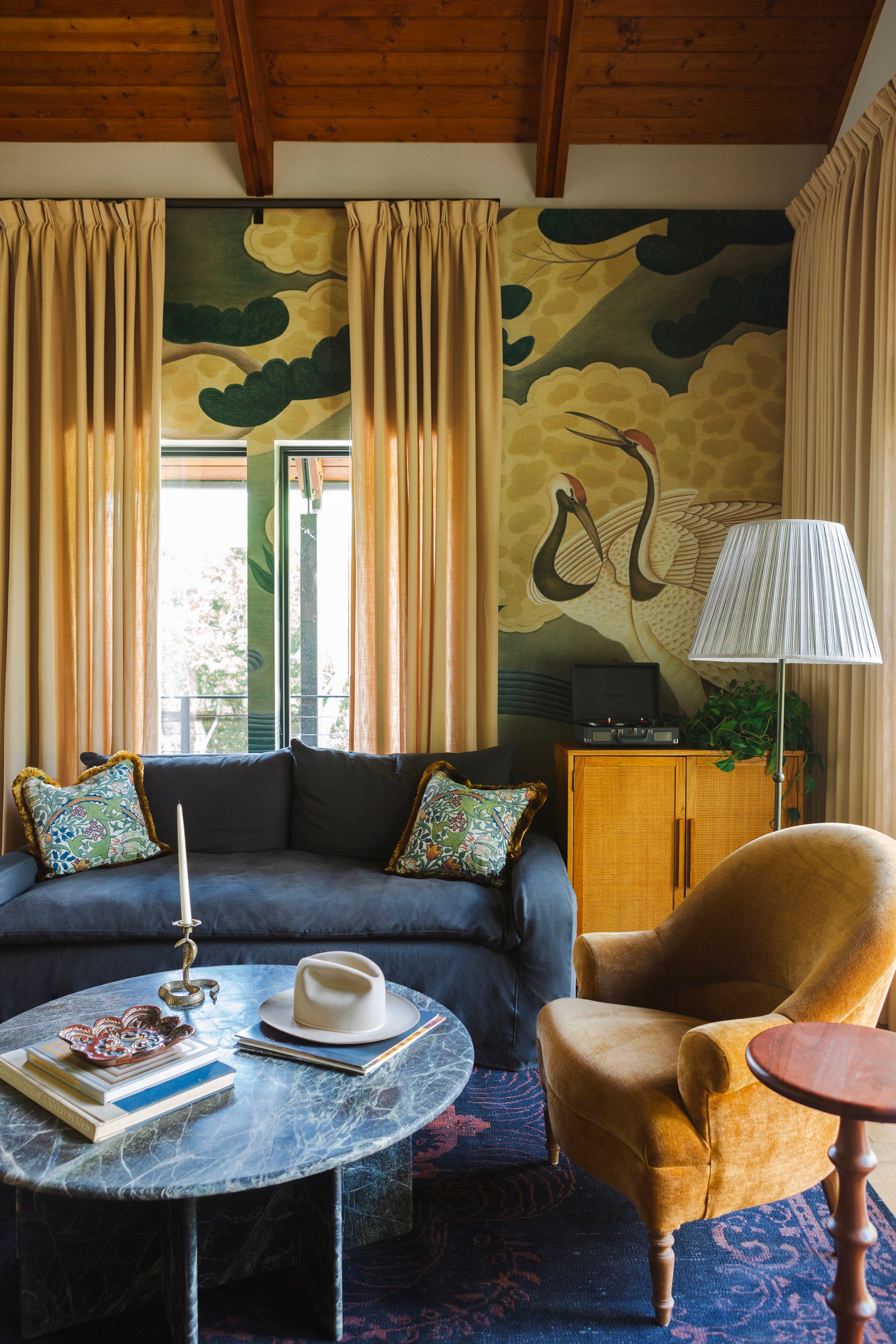
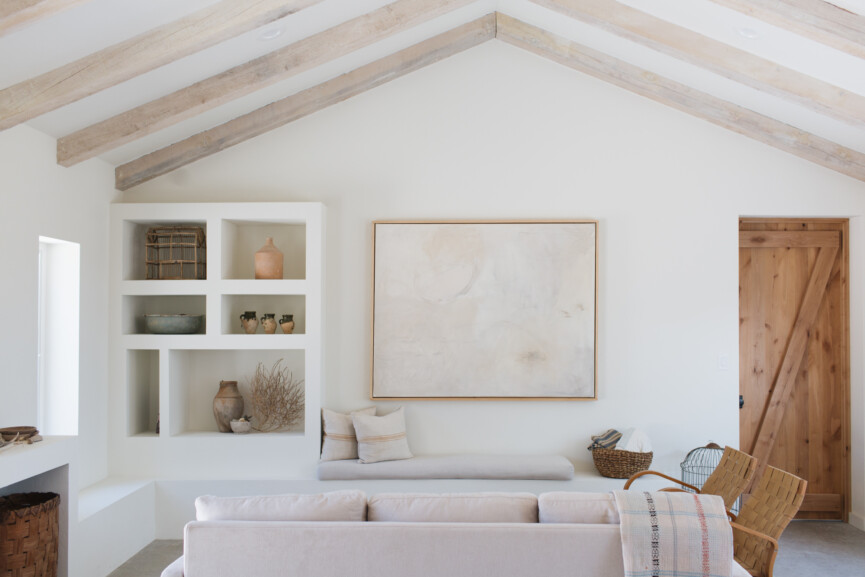
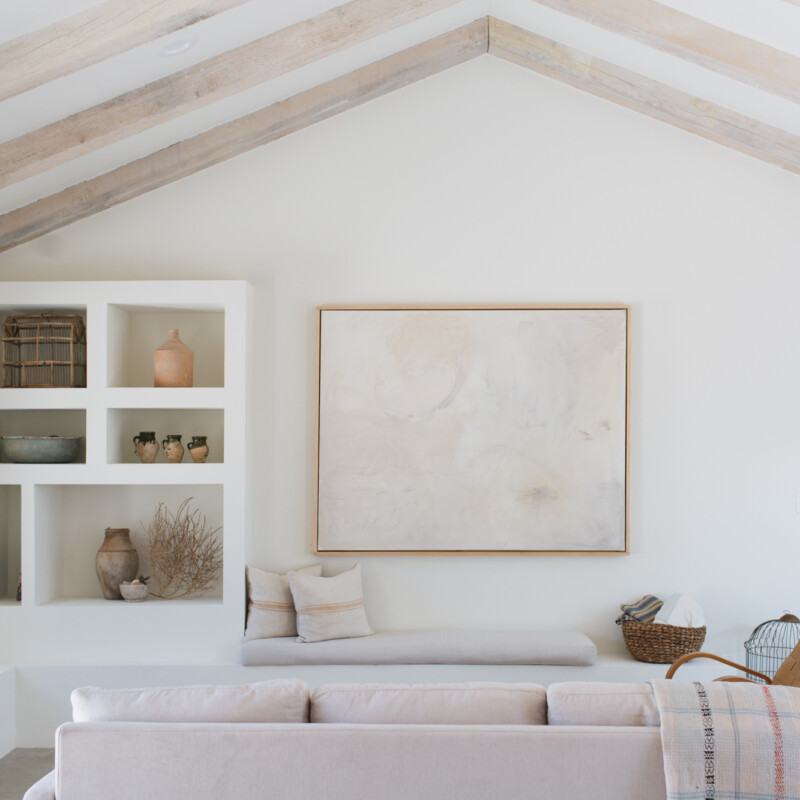
Vaulted ceilings, characterized by their height, typically exceeding eight to ten feet, often feature an arched center, contributing to a sophisticated aesthetic. While sometimes used interchangeably with cathedral ceilings—which are typically installed directly beneath the roofline and mimic its pitch—both styles achieve a similar effect of elevating the ceiling plane beyond standard heights. The primary benefit of these high ceilings in a small home is the creation of an illusion of vastness. Although the actual square footage remains unchanged, the increased vertical space dramatically alters the perception of the room's dimensions, making it feel substantially larger and more open. This effect was visibly demonstrated in the "Home Town" episode, where the upgraded living room garnered enthusiastic approval from the homeowners.
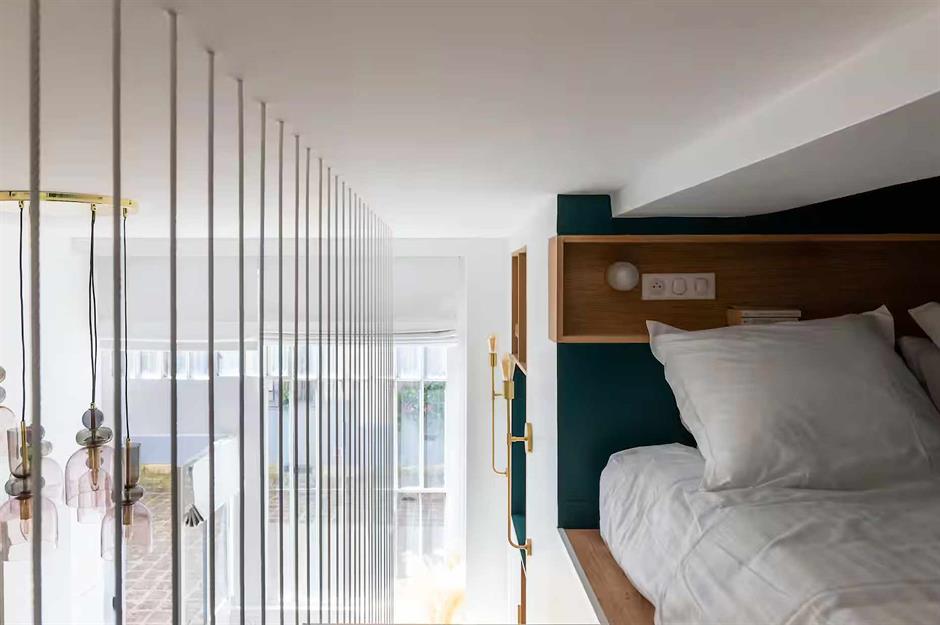
Beyond the visual expansion, vaulted ceilings offer practical advantages, such as providing ample room for decorative lighting fixtures that might otherwise overwhelm a smaller space with lower ceilings. For instance, a low-hanging chandelier, which would be impractical in a standard room, could become a focal point in a space with a vaulted or cathedral ceiling. When considering implementation, it is advisable to be selective about where to introduce vaulted ceilings. They are most beneficially installed between the structural beams of the roof and are often best suited for high-traffic areas like living rooms. However, even smaller rooms with limited headroom, such as bathrooms, can benefit from a cathedral ceiling.
While the aesthetic and spatial benefits are considerable, it is crucial to evaluate both the advantages and disadvantages before committing to vaulted ceilings. One significant pro is the potential to introduce more natural light. Depending on their structure, vaulted ceilings can accommodate elevated windows along their arched sections, transforming a potentially dim room into a sunlit area. Conversely, there are several drawbacks to consider. Maintenance can be challenging due to the height, making tasks like cleaning and accessing lighting fixtures difficult. Heating efficiency can also be compromised, as hot air tends to rise and accumulate near the ceiling, potentially leaving the lower portions of the room feeling cooler.
Furthermore, the cost associated with installing vaulted ceilings can be substantial. For an existing home, upgrading to vaulted ceilings can range from approximately $18,000 to $35,000. In new constructions, the cost is somewhat lower, typically between $16,000 and $21,000, as the design can be integrated from the outset. Therefore, while Erin Napier's recommendation offers a compelling solution for maximizing the perceived space in a small home, a thorough assessment of these factors is essential for homeowners contemplating this significant design alteration.
#SmallHomeDesign #VaultedCeilings #ErinNapierTips #InteriorDesignHacks #SpaceSavingSolutions #HomeRenovationCosts #HGTVDesign #ArchitecturalFeatures #SmallHomeDesign #VaultedCeilings #ErinNapierTips #InteriorDesignHacks #SpaceSavingSolutions #HomeRenovationCosts #HGTVDesign #ArchitecturalFeatures
0 comment in total
 No comments yet
You may also like
Erin Napier’s Clever Design Trick That Works in EVERY Room

Erin Napier’s "Tinfoil Rule" Is the Surprisingly Simple Trick To Avoid a Major Home Design Fail

How to organize a small space: 13 tips to keep your home clutter-free

Small space big ideas - 1 May 2025 - woman&home Magazine
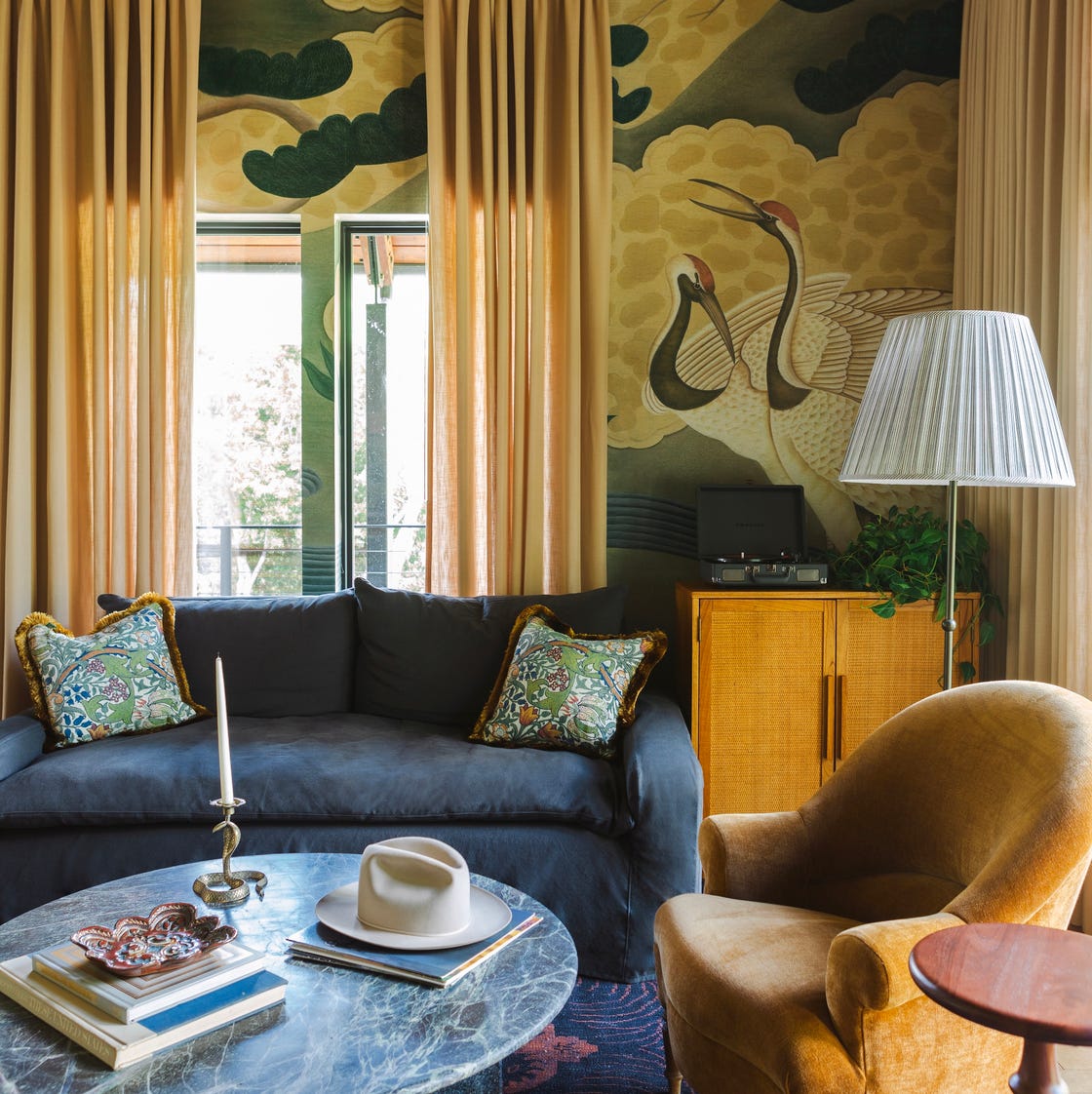
Design Pros Reveal Their Secret Tricks for Maximizing Space in the Tiniest Living Rooms

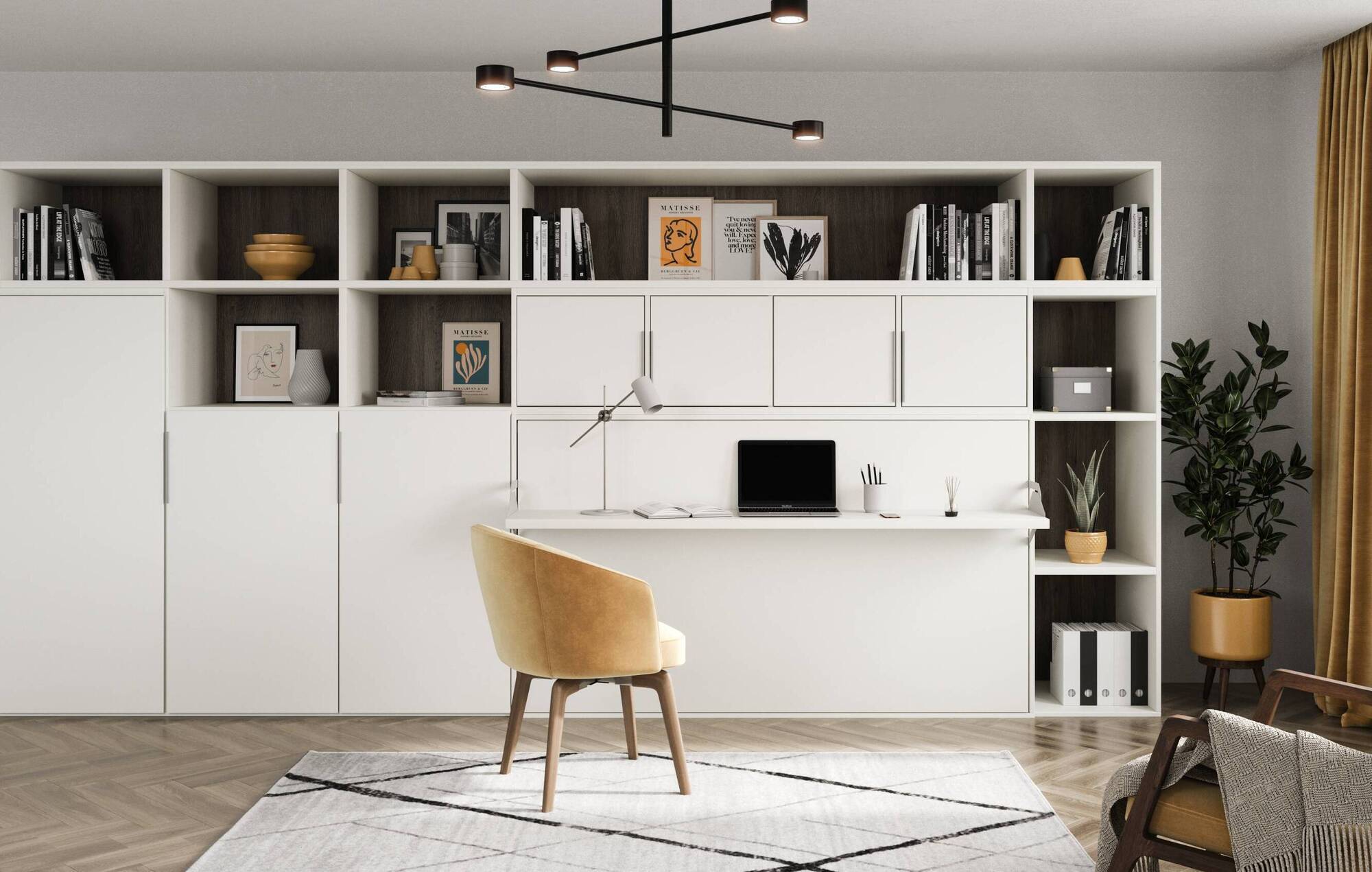
Jennifer Sheahan: Space-saving ideas and picks for tiny homes
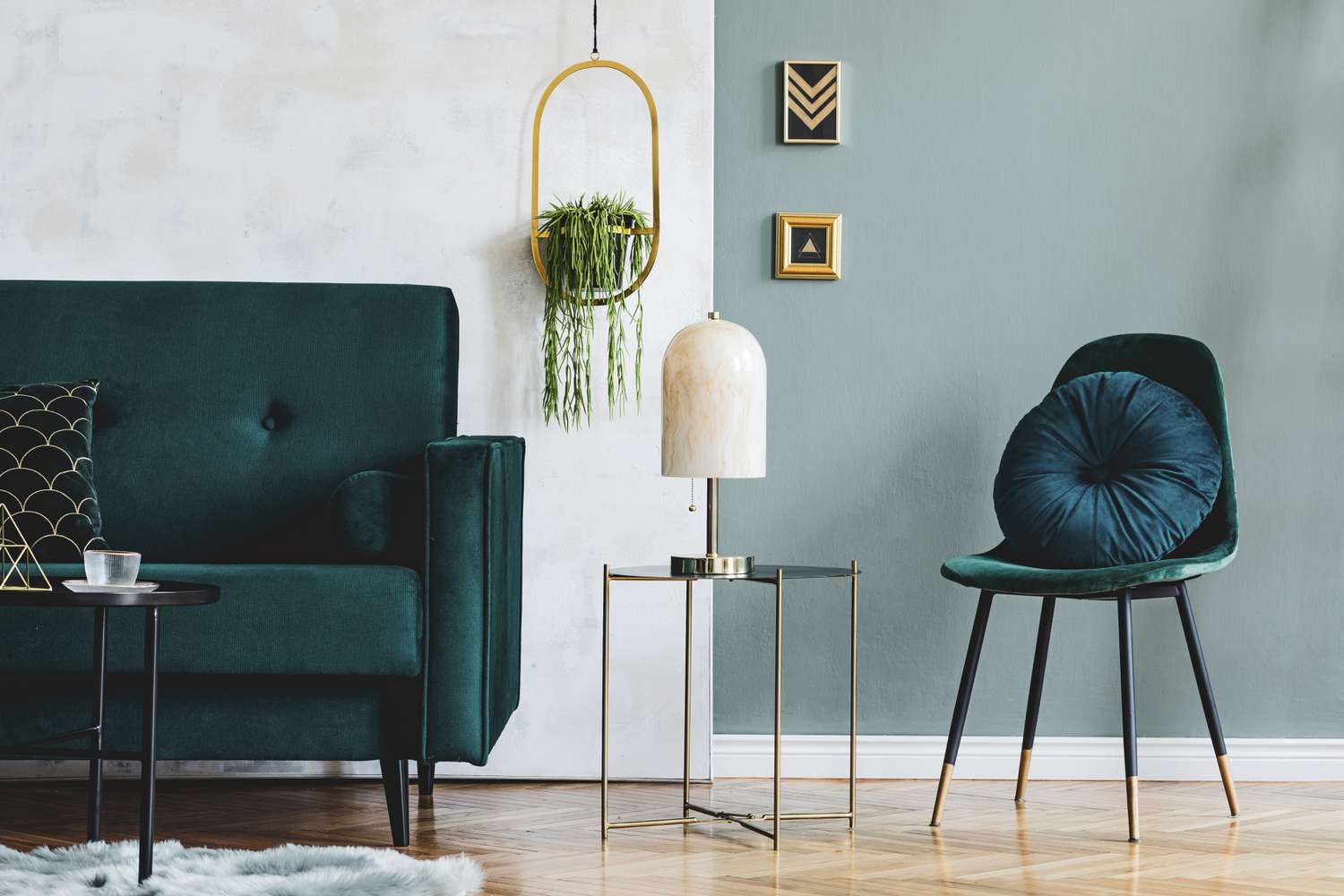
7 Things Minimalists Would Never Put in Their Living Room

7 Organizing Secrets I Learned From Writing a Book About—And Living in—Small Apartments
Inside 8 tiny apartments that prove downsizing is an upgrade | loveproperty.com

How To Make Erin Napier's Vintage Design Tip Work For Any Room In The Home
6 decor essentials that I'm taking when me when I downsize
Tiny Living Room? These 10 Small-Space Solutions Will Transform Your Home

Got My Kitchen Reviewed by an Interior Designer, Got Design Tips
Eco-friendly organizing tips for a more sustainable home

How to Declutter a Small Entryway, According to Professional Organizers
The Secrets to Maximizing a Small Living Room

How to Maximize Space in a Small Home, According to Design Experts

5 surprising storage essentials minimalists avoid – and what they use instead


Genius Storage Solutions From Home Town's Erin Napier You'll Want To Steal

The Art of Letting Go and Keeping Only What You Love