1/4
How to prevent dust on furniture – 3 quick time-saving solutions
Maintaining a dust-free home can be a continuous challenge, with dust accumulation on furniture being a particularly common and frustrating issue. While completely eliminating dust is impractical, adopting preventative measures can significantly reduce its presence and simplify cleaning routines. This approach focuses on making surfaces less appealing for dust to settle, thus minimizing the frequency and effort required for dusting.
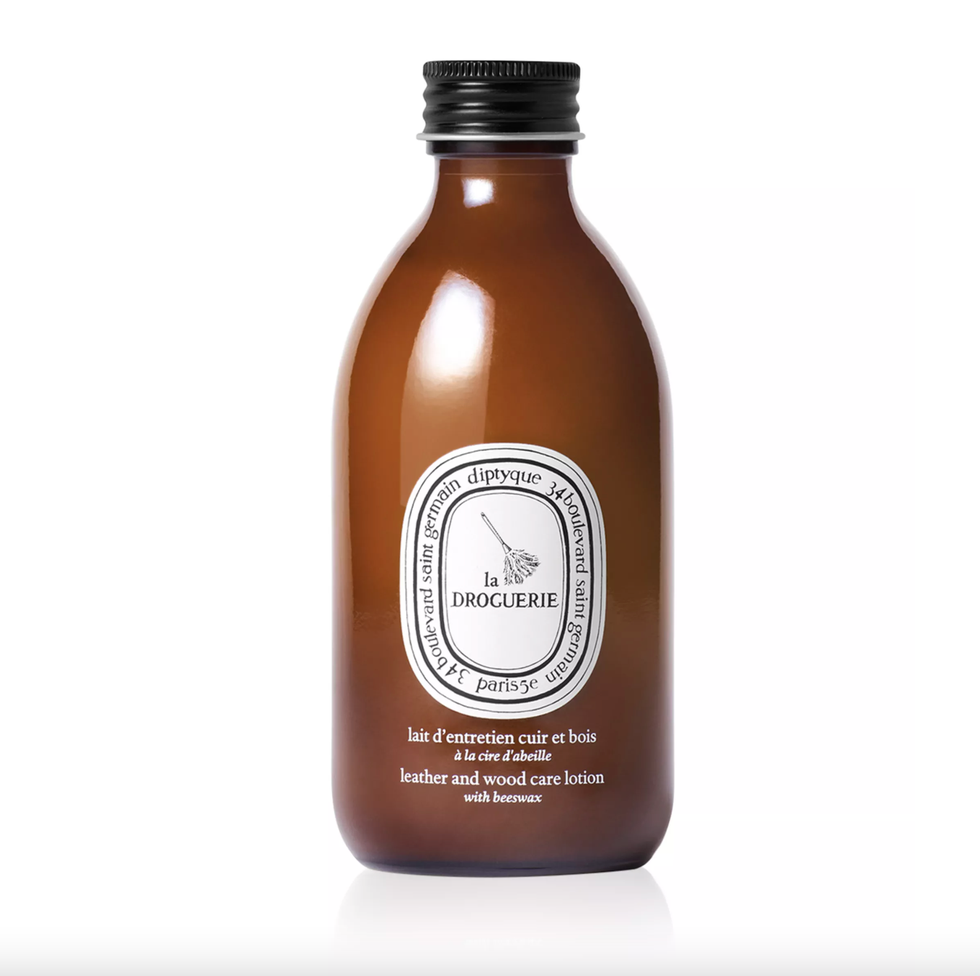
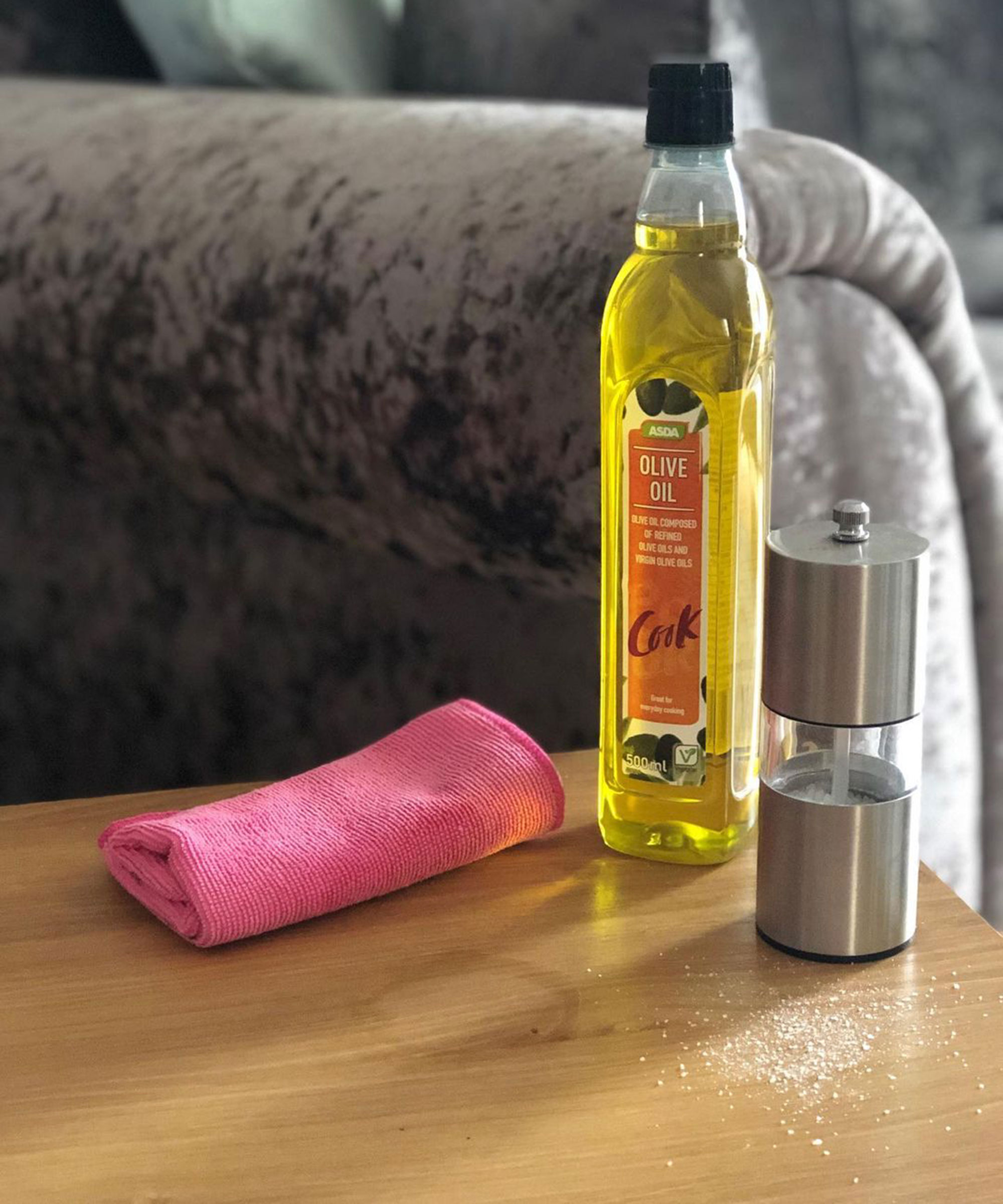
One effective method for wooden furniture involves regular waxing with a beeswax and coconut oil mixture. Beeswax creates a protective layer that hinders dust from adhering to the wood, while coconut oil facilitates application and nourishes the material. To prepare this solution, a quarter cup of grated beeswax is melted with three-quarters of a cup of coconut oil. After cooling slightly, the mixture is applied along the wood's grain, allowed to set for a few minutes, and then buffed with a soft, clean cloth for a polished finish. This treatment is recommended every few months to maintain its efficacy and can be supplemented by commercially available wood seasoning beeswax and organic virgin coconut oil products.
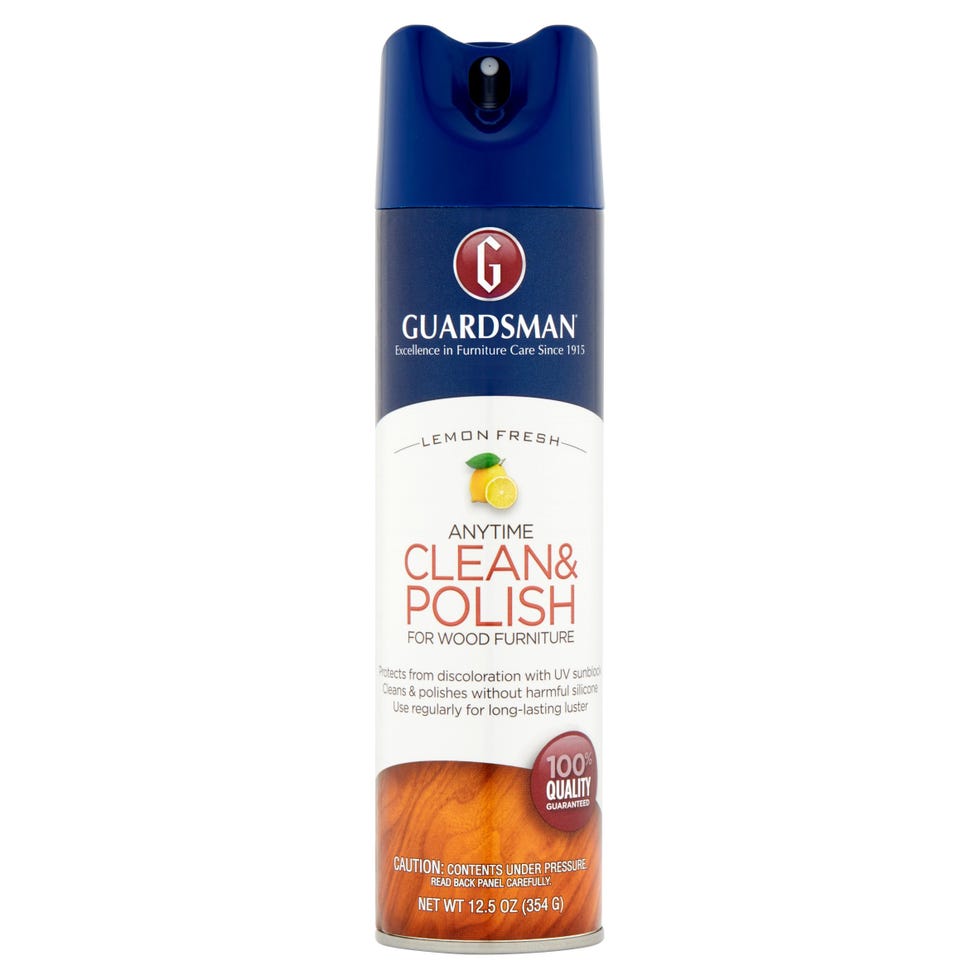
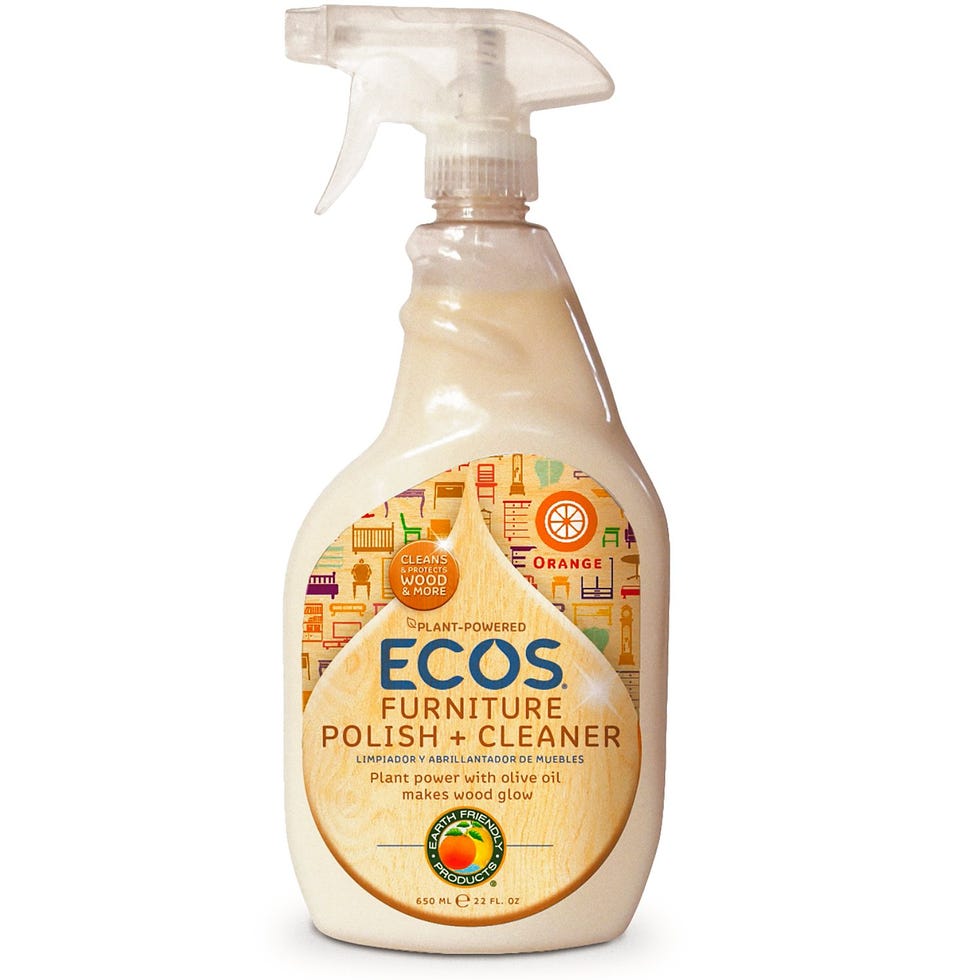
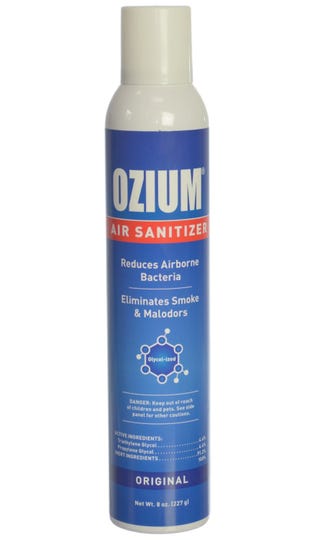
For non-wooden surfaces such as glass or metal, anti-static polishes offer a suitable alternative to prevent dust accumulation. Dust often clings to surfaces due to static electricity. Anti-static sprays or furniture polishes are designed to reduce this static charge, making the surfaces less attractive to dust particles. This method provides a similar benefit to traditional fabric softener and water mixtures in terms of static reduction but without the associated flammability risks. Using such products can be particularly beneficial for individuals with allergies, as it helps to keep airborne allergens at bay.
Beyond surface treatments, integrating an air purifier into the home environment can address dust at its source. Air purifiers equipped with high-efficiency particulate air (HEPA) filters are capable of trapping airborne dust particles, thereby improving indoor air quality and preventing dust from settling on furniture, including soft furnishings and upholstery that cannot be treated with polishes. By actively removing dust from the air circulation, air purifiers serve as a proactive measure to keep surfaces cleaner for longer. This strategy complements regular cleaning by reducing the overall dust load within a room.
Regardless of the prevention methods employed, consistent maintenance is crucial. Preventing dust on furniture requires periodic reapplication of protective treatments and regular dusting. When cleaning, it is advisable to dust hard surfaces with a clean, dry microfiber cloth before vacuuming. For upholstered furniture, a vacuum cleaner with a dedicated upholstery attachment should be used to avoid damaging fabric fibers. This sequence ensures that dust dislodged from surfaces during dusting is subsequently captured by the vacuum. Understanding why a home gets dusty quickly, such as the presence of pets or infrequent cleaning, and addressing these underlying factors can further enhance dust prevention efforts. The color of furniture, particularly dark hues, can also make dust more conspicuous, highlighting the importance of these preventative strategies.
#DustPrevention #FurnitureCare #HomeCleaning #BeeswaxPolish #AntiStaticSpray #AirPurifier #HomeMaintenance #IndoorAirQuality #CleaningTips #DustPrevention #FurnitureCare #HomeCleaning #BeeswaxPolish #AntiStaticSpray #AirPurifier #HomeMaintenance #IndoorAirQuality #CleaningTips
0 comment in total
 No comments yet
You may also like

How to Protect Fabric Furniture From Stains and Dirt
7 things you might be forgetting to clean in your bedroom

The Simplest Way to Extend Your Sofa’s Life—And We’re Not Talking Slipcovers

This DIY Spray Keeps Surfaces Dust-Free for Longer—and Uses Just 2 Pantry Ingredients

How to prevent mould in wardrobes - expert-approved tips to protect your furniture and your clothes

Hidden dangers hiding in your upholstery: Experts reveal harmful bugs living in YOUR home

How to remove coffee stains on wood coffee tables - 8 ways to get rid of rings and marks

18 Genius Pieces Of Furniture That’ll Conceal Clutter With Minimal Effort

5 Common Sofa Cleaning Mistakes You Might Be Making

Experts reveal 7 surprising ways you're ruining your furniture

What to Do When a Dirty, Smelly Dude Sleeps on Your Couch

This is the Best Fabric Protector for Your Sofa, According to All the Cleaning Professionals We Asked


7 Unexpected Ways You're Secretly Damaging Your Furniture, Designers Say

10 Best Furniture Polishes, Tested by Cleaning Experts

Are You Cleaning Your Couch Enough? Here's How to Do It the Right Way

How to stop sofa cushions from sliding – 4 ways to keep your living room seating in place and looking neat

5 things professional cleaners always notice in dirty bedrooms that are a ‘breeding ground’ for dirt

How to clean outdoor furniture – 3 simple steps for wood, metal, resin and rattan

I Asked My Furniture-Maker Dad How to Remove Water Stains From Wood — These Are His 3 "Tried and Tested" Tricks

Monsoon-proof your home: Smart furniture care tips for the rainy season