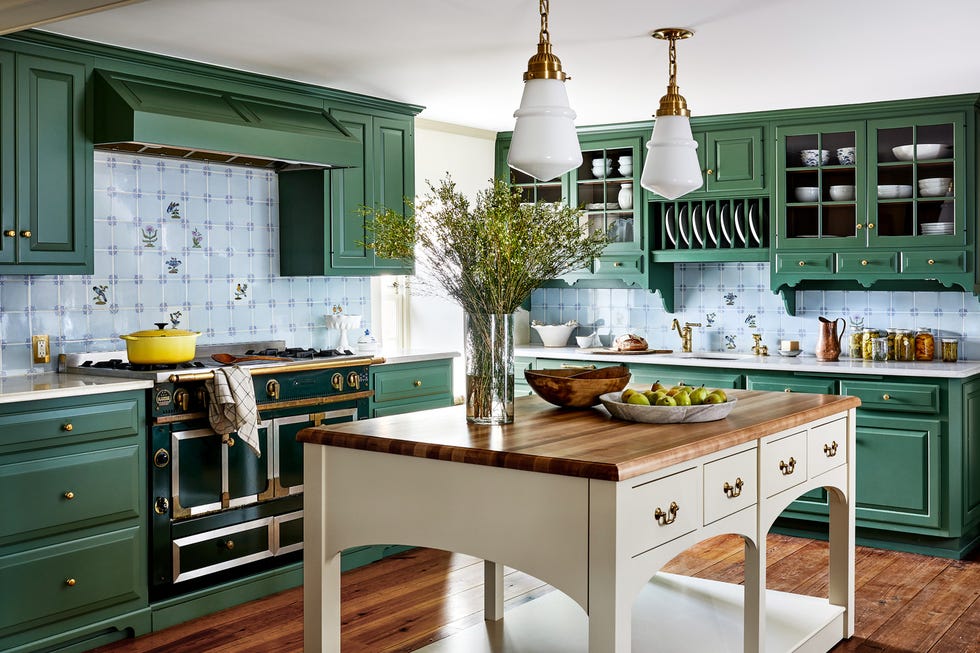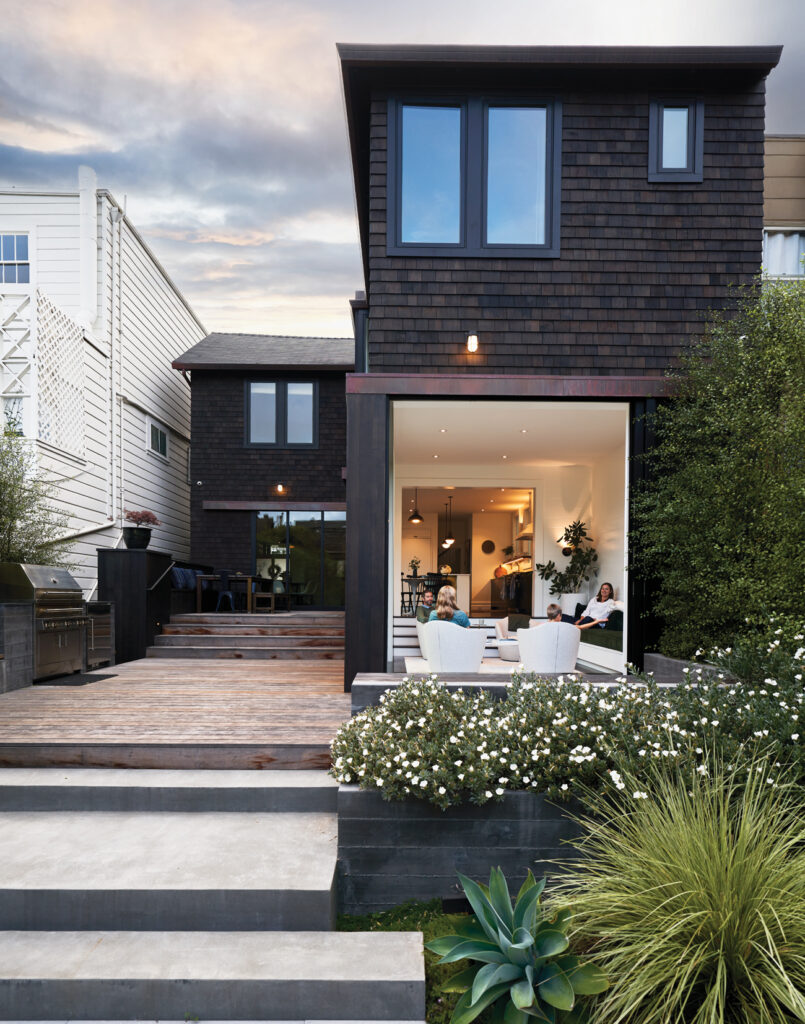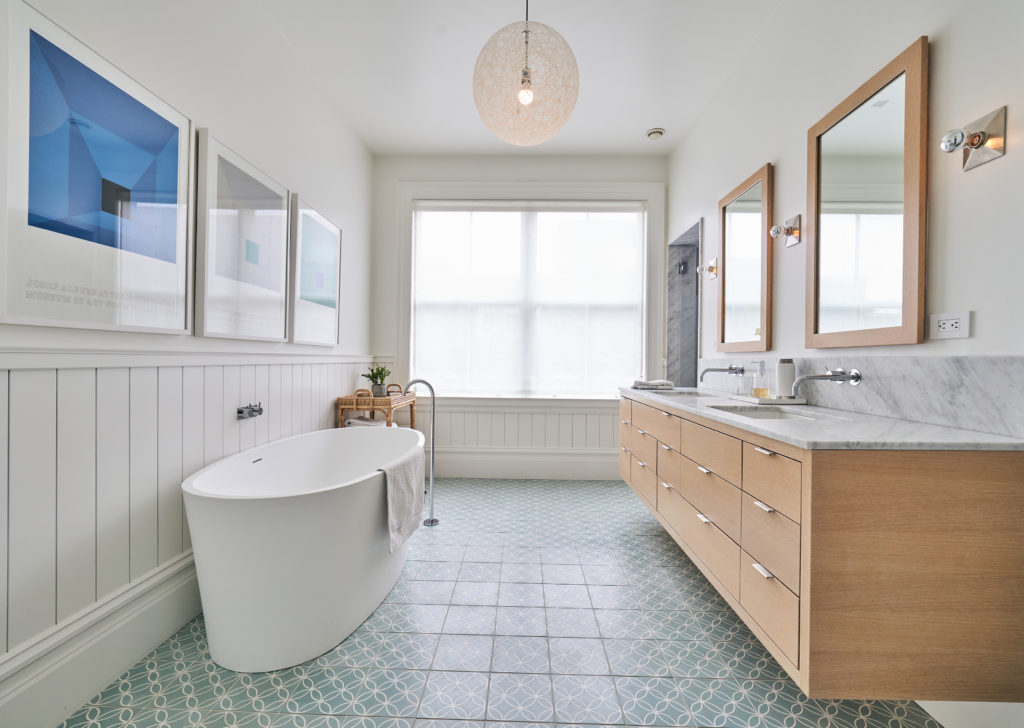
6 Headache-Saving Tips You Should Know Before Starting a Remodel, According to Designers
Embarking on a home remodeling project, whether it's a simple paint change or a significant renovation, requires careful planning to ensure satisfaction with the outcome. Designers, architects, and renovators offer essential advice to mitigate common pitfalls and unexpected issues. A primary consideration is the budget; experts advise adding a 15% contingency to the overall budget to account for unforeseen expenses. Remodels can uncover hidden problems such as outdated electrical systems or plumbing that require extensive and costly overhauls. Furthermore, local regulations may mandate updating entire properties to current codes if a certain percentage of the structure is renovated, potentially involving new electrical wiring, plumbing, or systems like high-efficiency heat pumps, or preventive measures against extreme weather.
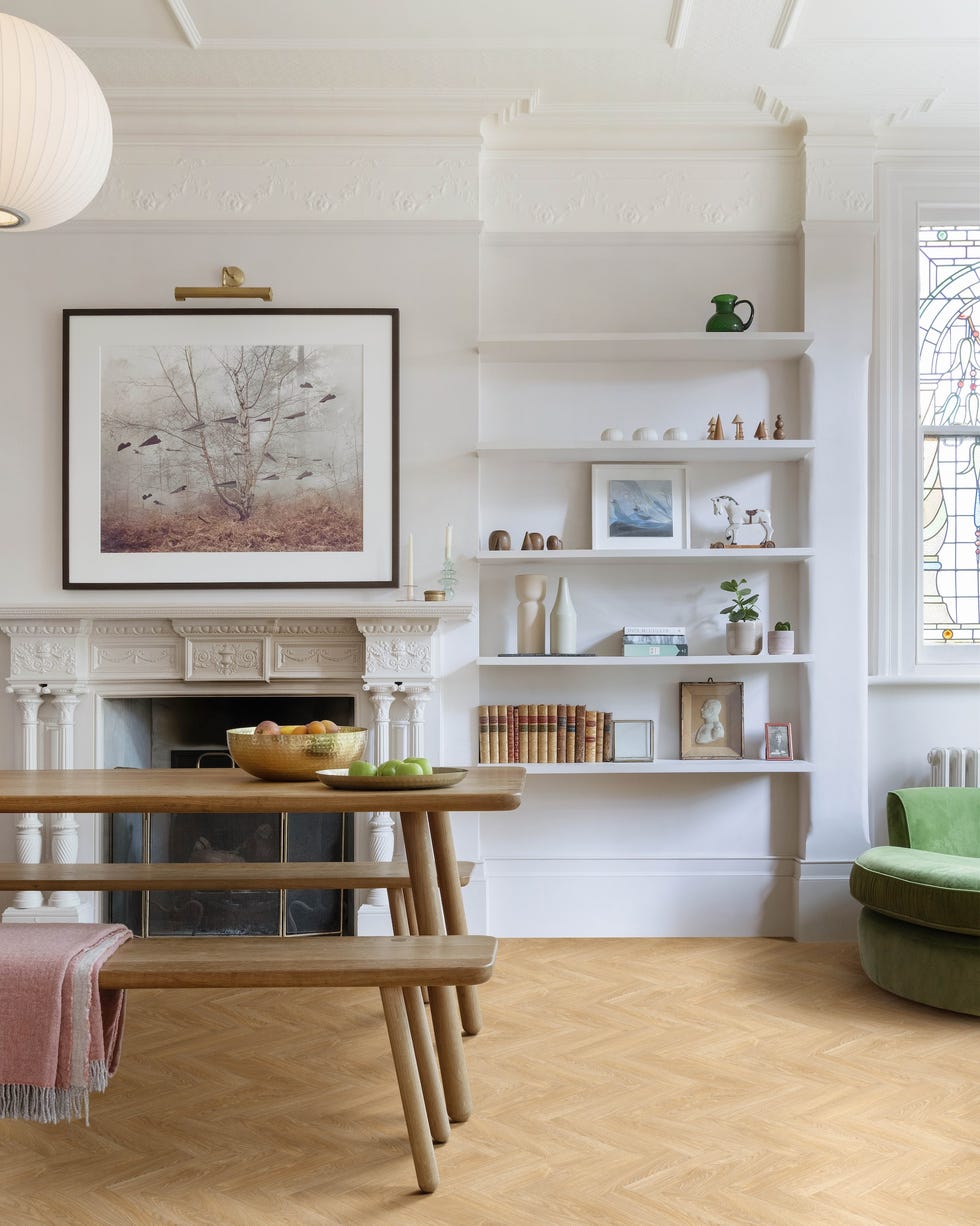
Understanding how you envision and intend to use the space is crucial. Developing a clear plan by considering everyday flow and mapping out furniture placement on accurately scaled floor plans can prevent issues later. For instance, electrical plans need to accommodate lighting fixtures directly above planned furniture. Effectively communicating this vision to the renovator is paramount. This can be achieved through various methods, from rudimentary architectural drawings doodled over photos to comprehensive mood boards. A mood board, showcasing everything from paint colors and furniture styles to upholstery textures, helps maintain aesthetic consistency throughout the home, especially when planning future updates or different phases of renovation.
Financially, it is often more efficient to undertake a comprehensive renovation rather than piecemeal projects. While some homeowners opt to finance projects in stages, obtaining a home equity loan or similar financing to complete more work simultaneously can significantly reduce overall costs. This is because bringing construction trades back for separate, smaller projects incurs more labor hours and potentially higher pricing than if all related work, such as demolition, is completed at once. Contractors frequently offer different pricing structures based on the scope and consolidation of work.
Preparing to vacate the property during the renovation is another key tip. Depending on the extent of the remodel and the disruption to essential services like hot water or clean air, temporary relocation may be necessary. Protecting belongings from construction dust and debris is also vital; standard covers may not suffice, and storing items in external units like portable pods is often recommended to safeguard furniture and clothing.
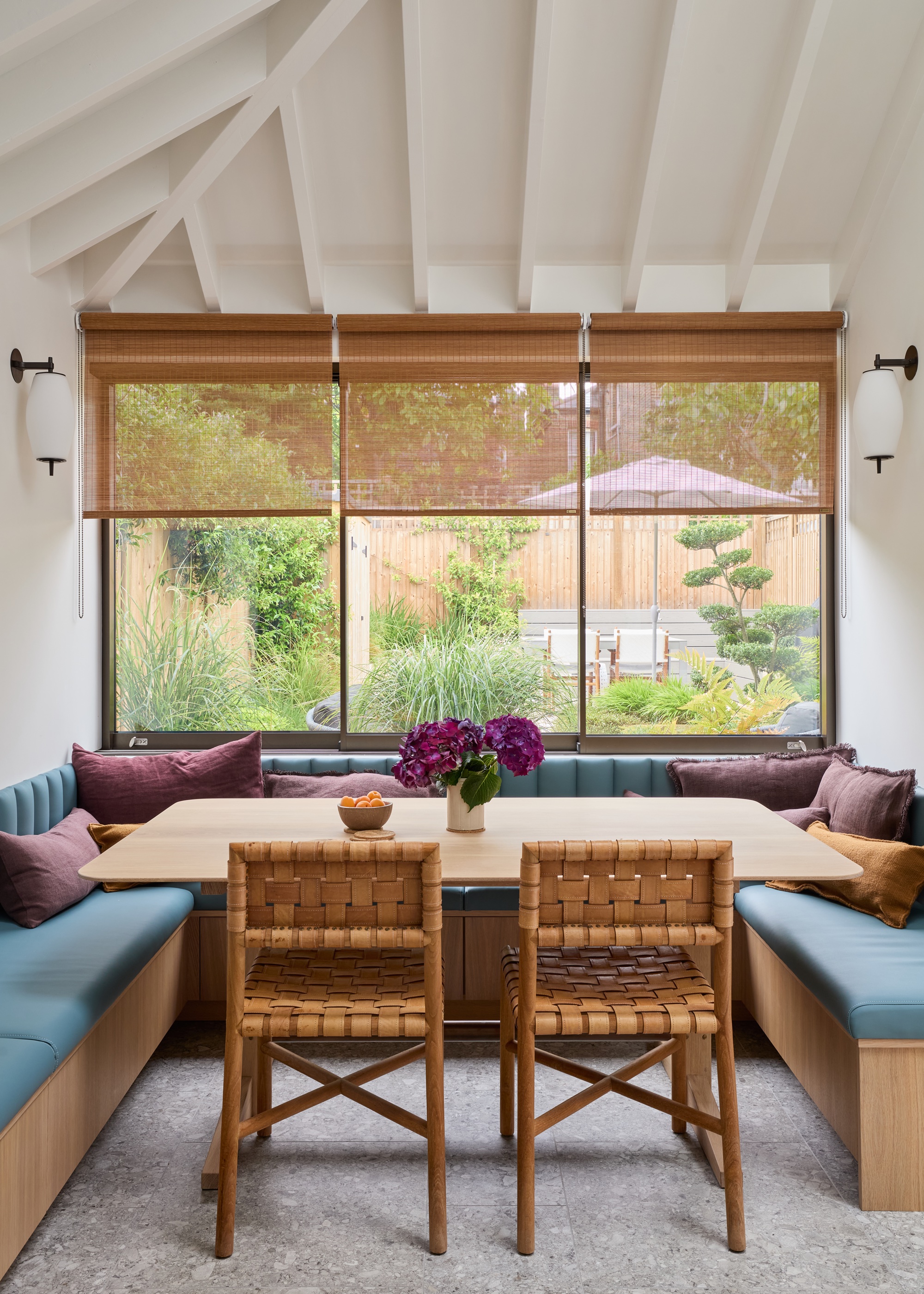
Finally, maintaining a flexible mindset and understanding the realities of quality and timelines are essential. Post-pandemic supply chain issues continue to affect the availability and delivery of materials, leading to potential changes in costs and schedules. While these can be challenging surprises, not all unexpected developments are negative. Sometimes, adapting to discoveries during the renovation, such as uncovering a vaulted ceiling, can lead to beneficial design enhancements like adding a skylight, which, though not initially budgeted, can greatly improve the space. Embracing the process and managing the emotional aspects alongside designers and remodelers can result in positive and unexpected outcomes.
#HomeRemodeling #RenovationTips #InteriorDesign #BudgetPlanning #ConstructionProcess #DesignCommunication #HomeRemodeling #RenovationTips #InteriorDesign #BudgetPlanning #ConstructionProcess #DesignCommunication
0 comment in total
 No comments yet
You may also like
6 Lessons I Wish I’d Known Before Renovating My Home

6 movies you need to watch before your next redecorating project

Before and After: 4 Things I Wish I Knew Before My Kitchen Renovation


6 Home Renovation Tips To Cut Costs, Avoid Stress and Boost Resale Value


9 Things You Need to Know Before Renovating Your Home, According to Experts

6 Underrated Designer Secrets That Instantly Make Any Room Look Better
If you want a home remodel to go quickly, know what you want to do and prepare early


5 Things Interior Designers Wish You Would Do


6 mistakes design experts instantly notice in your home – and how to fix them


6 Things You Should Always Do Before Shopping for Furniture, Designers Say
Design pros share their best tips for renovating and styling your bathroom


You should try to avoid these 10 common home remodeling mistakes, urge experts
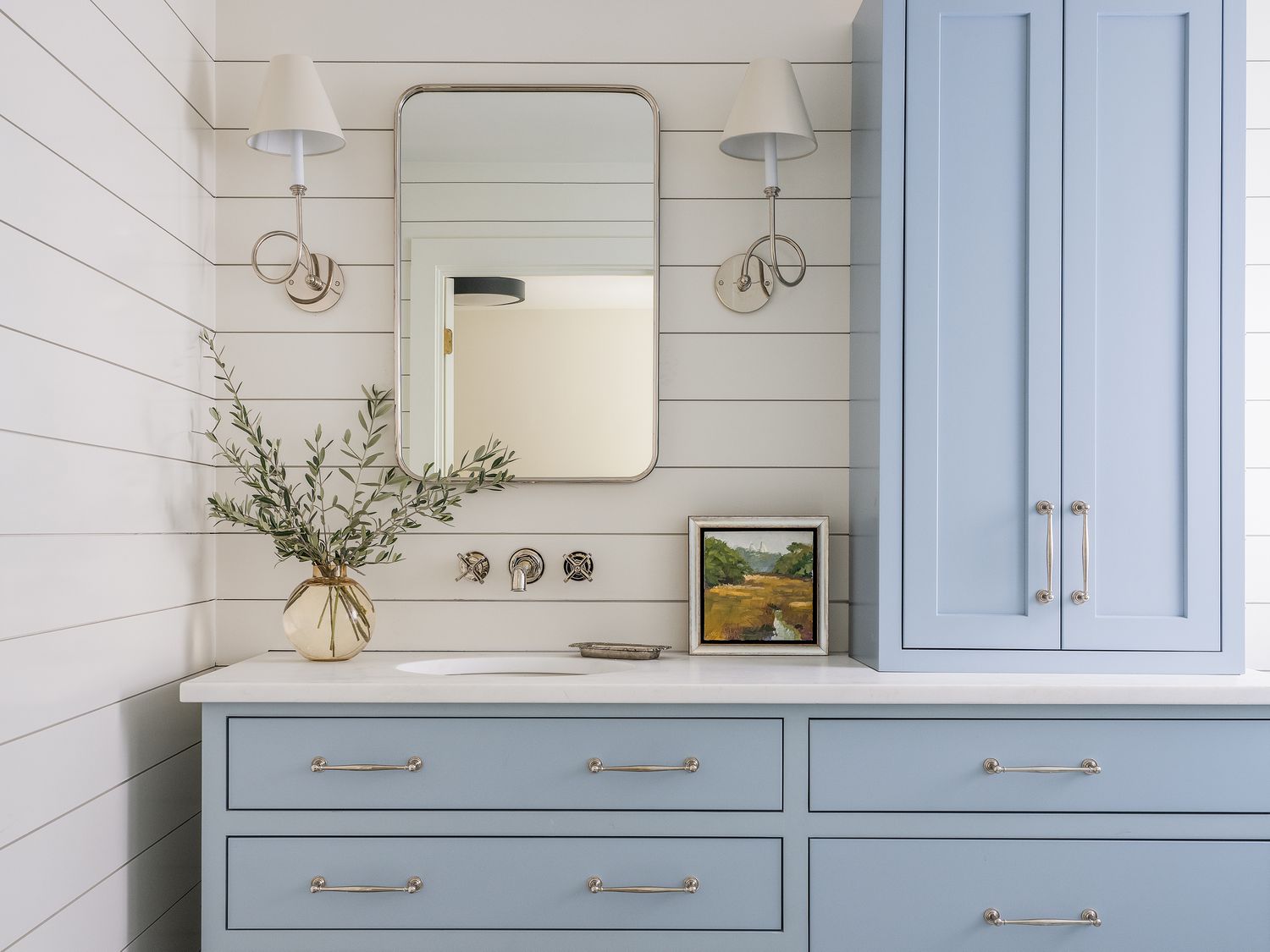
7 Things Designers Wish You Knew Before Starting A Bathroom Remodel
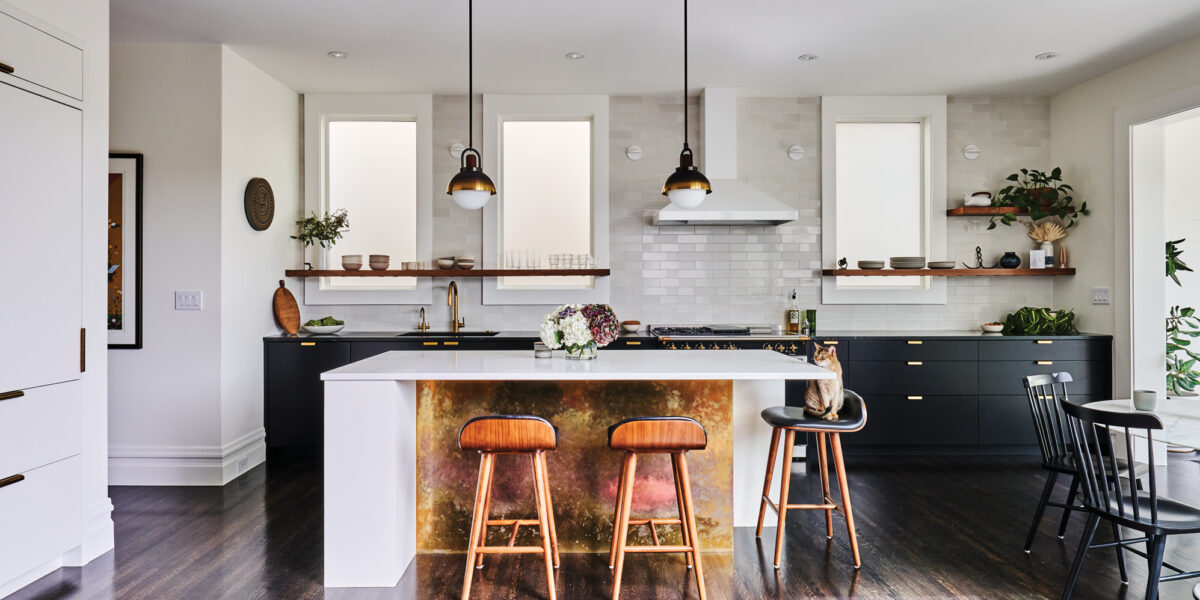
7 Small Hacks That Will Save You Money on Your Next Remodel
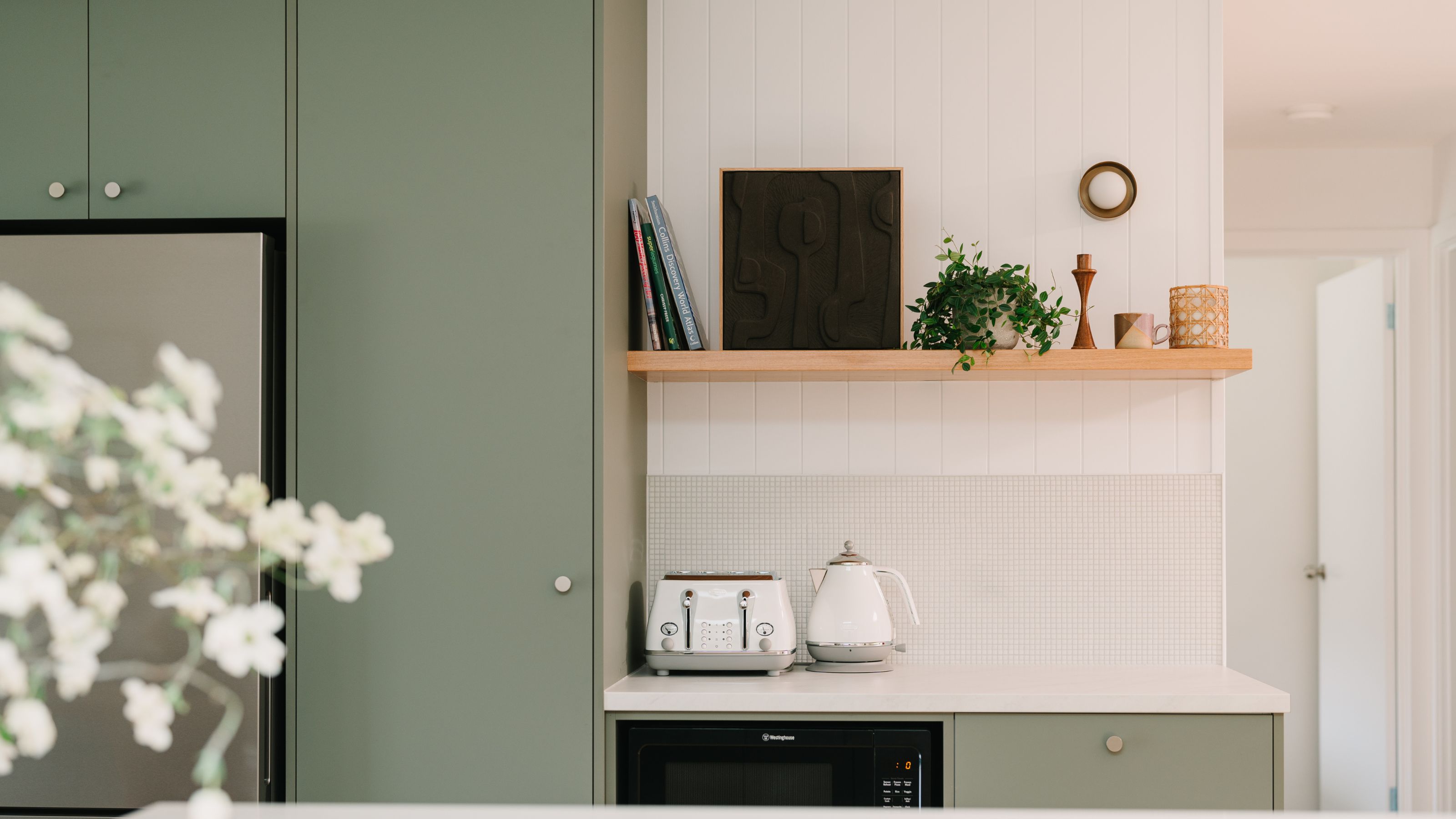
How to Survive a Kitchen Remodel — The 10 Lessons I Learned the Hard Way That Make Your Project a Lot Easier


19 Tips From A Top Interior Designer

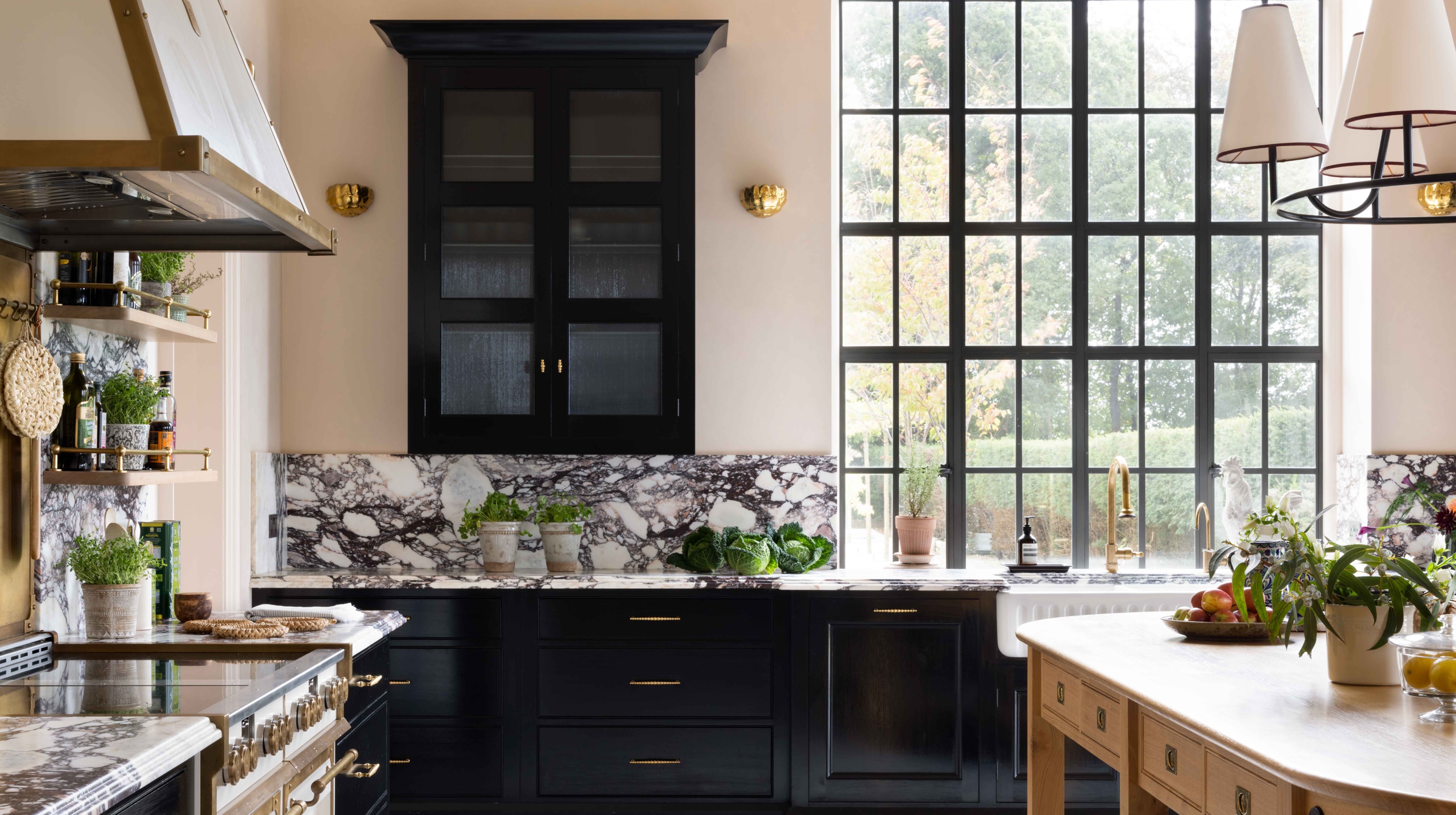
10 Habits Interior Designers and Architects Want You to Adopt in Your 2026 Renovations
5 interior design regrets experts are always called in to fix

7 Things You Can Actually Cut Corners on During a Home Renovation, According to Experts

5 Things To Consider Before Starting A Basement Remodel, According To Builders