Alternatives to Leather: Your Vegan Guide to the Best Brands and Styles
Vegan leather, an animal-free material designed to mimic authentic leather, is experiencing significant growth in the fashion industry, with the market projected to reach $85 billion by 2025. This surge is driven by increased consumer awareness regarding the environmental and ethical impacts of traditional leather production, lower manufacturing costs, and continuous innovations in textile technology.
Traditionally, most vegan leather found in stores is made from polyurethane (PU), a versatile polymer. Polyvinyl chloride (PVC) was also popular but is less commonly used now due to its texture and durability issues, and concerns about dioxin release when incinerated. While PU is widely available and continuously being refined to reduce manufacturing toxins and reliance on fossil fuels, recent advancements have led to the creation of vegan leathers from unexpected natural sources. These include pineapple fiber (Piñatex), apple peels (used by brands like Veerah), mushrooms (such as ZVNDER and mycelium-based Reishi), and coconut water (Malai).
Piñatex, for instance, utilizes discarded pineapple leaves, providing a sustainable material and an additional income stream for farmers. The remaining biomass is then used as fertilizer or biofuel. Apple leather, like Appeel, processes juice industry byproducts into a plant-based material. Mushroom leathers, such as those from ZVNDER, are crafted from hand-harvested forest mushrooms, while mycelium-based leathers by brands like Reishi and Bolt Threads (collaborating with Stella McCartney) are engineered to replicate the look, feel, and even smell of traditional leather, offering customizable properties.
Coconut leather, developed by Malai, uses agricultural waste from the coconut industry to create a flexible, durable, and water-resistant material free from plastic coatings. Other emerging vegan leathers include corn leather, used by Veja for sneakers, and SCOBY (symbiotic culture of bacteria and yeast) from kombucha fermentation, which has been utilized by designers for jackets and other items.
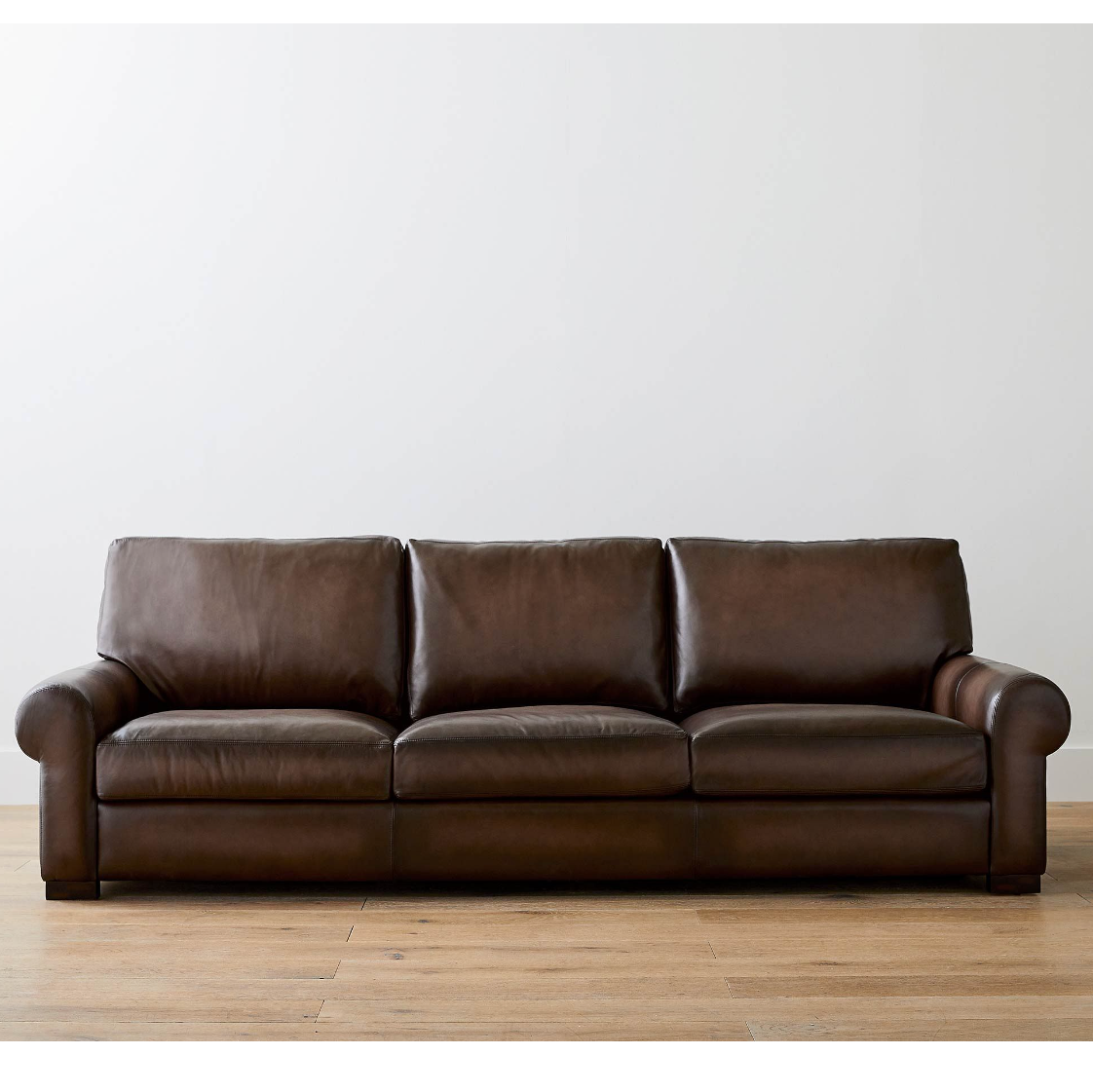
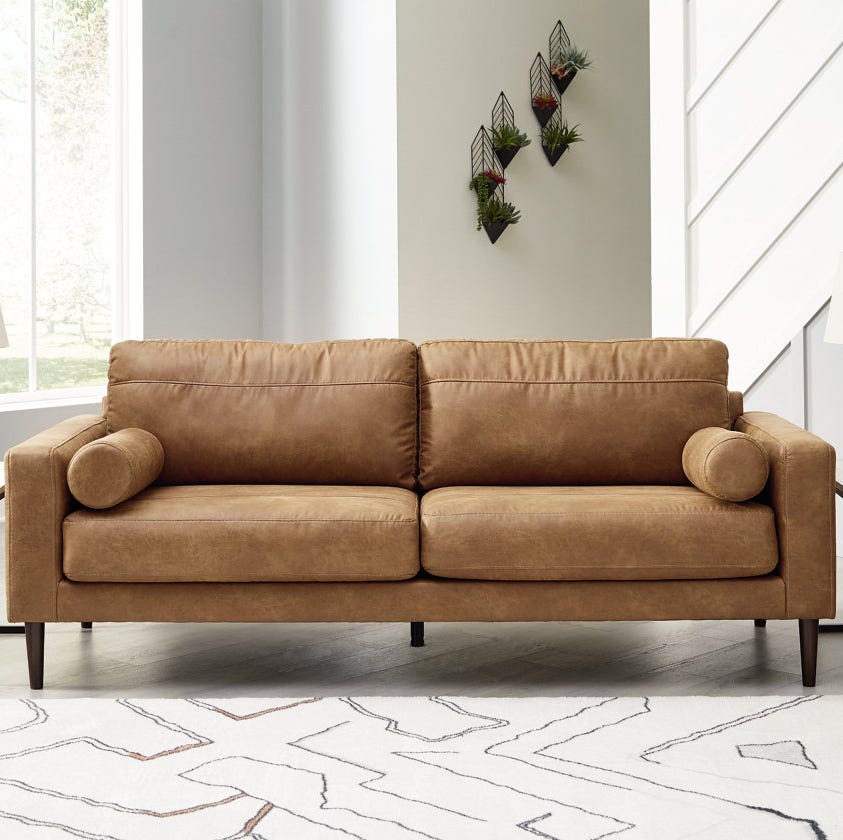
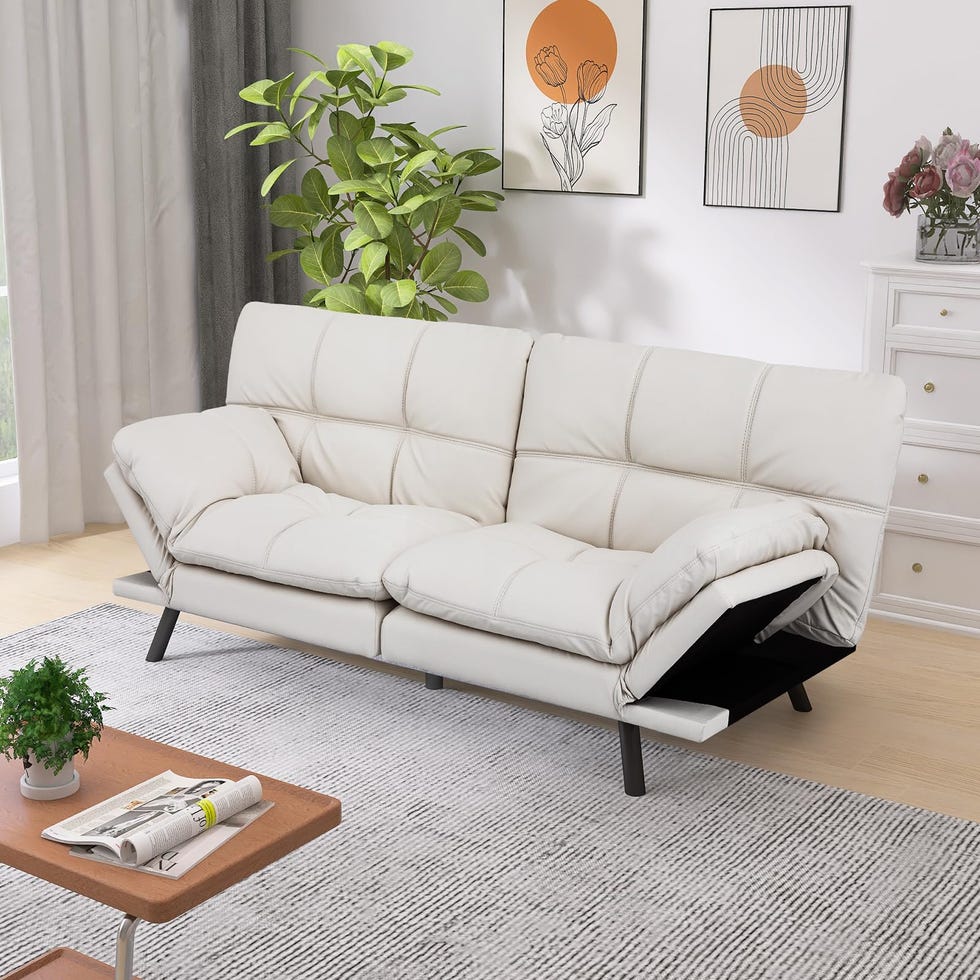
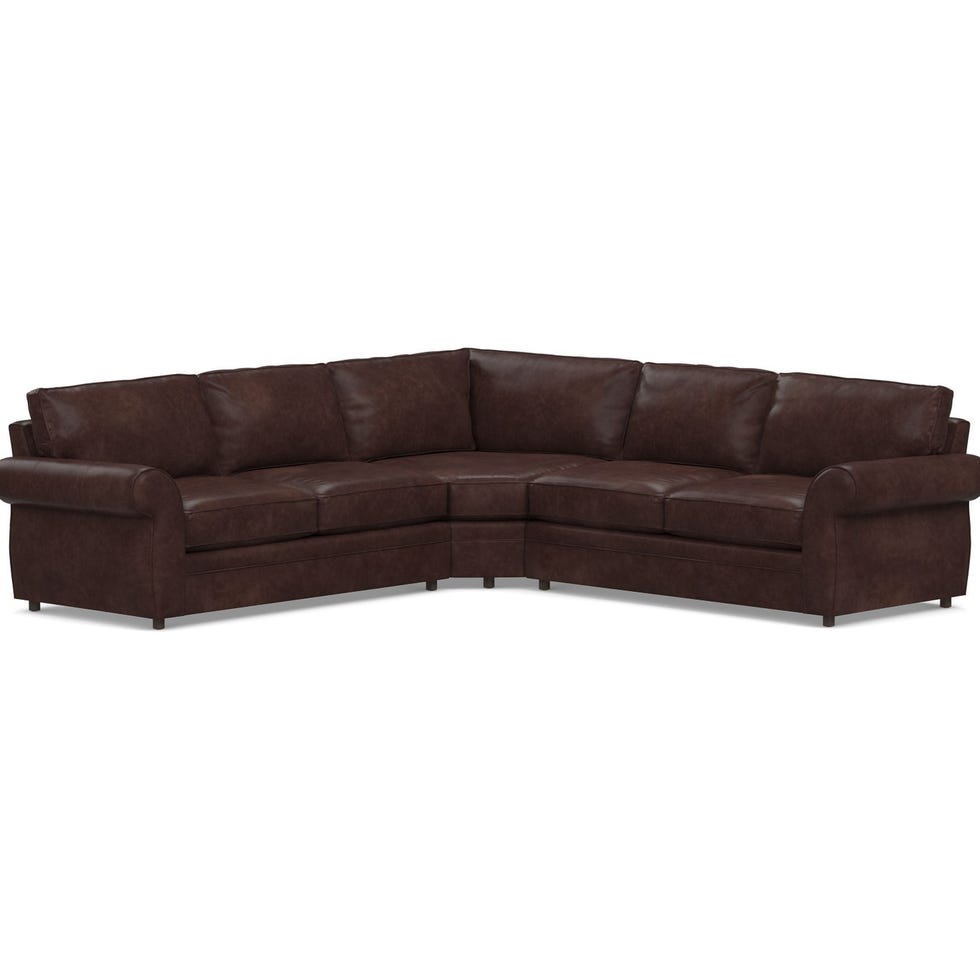
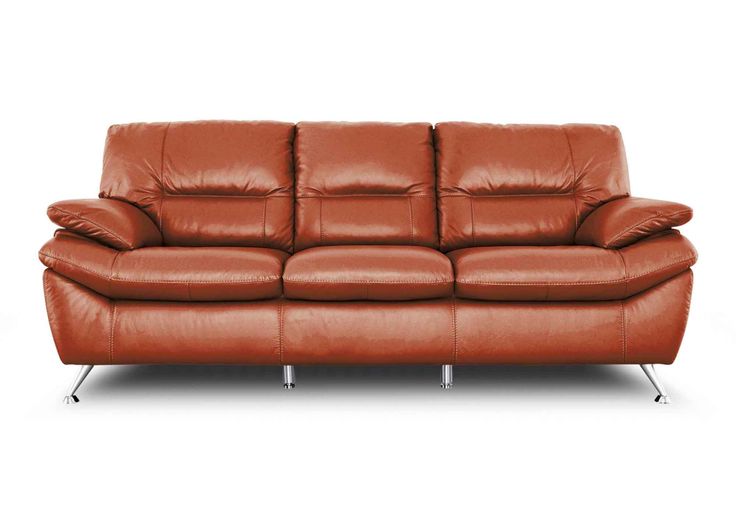
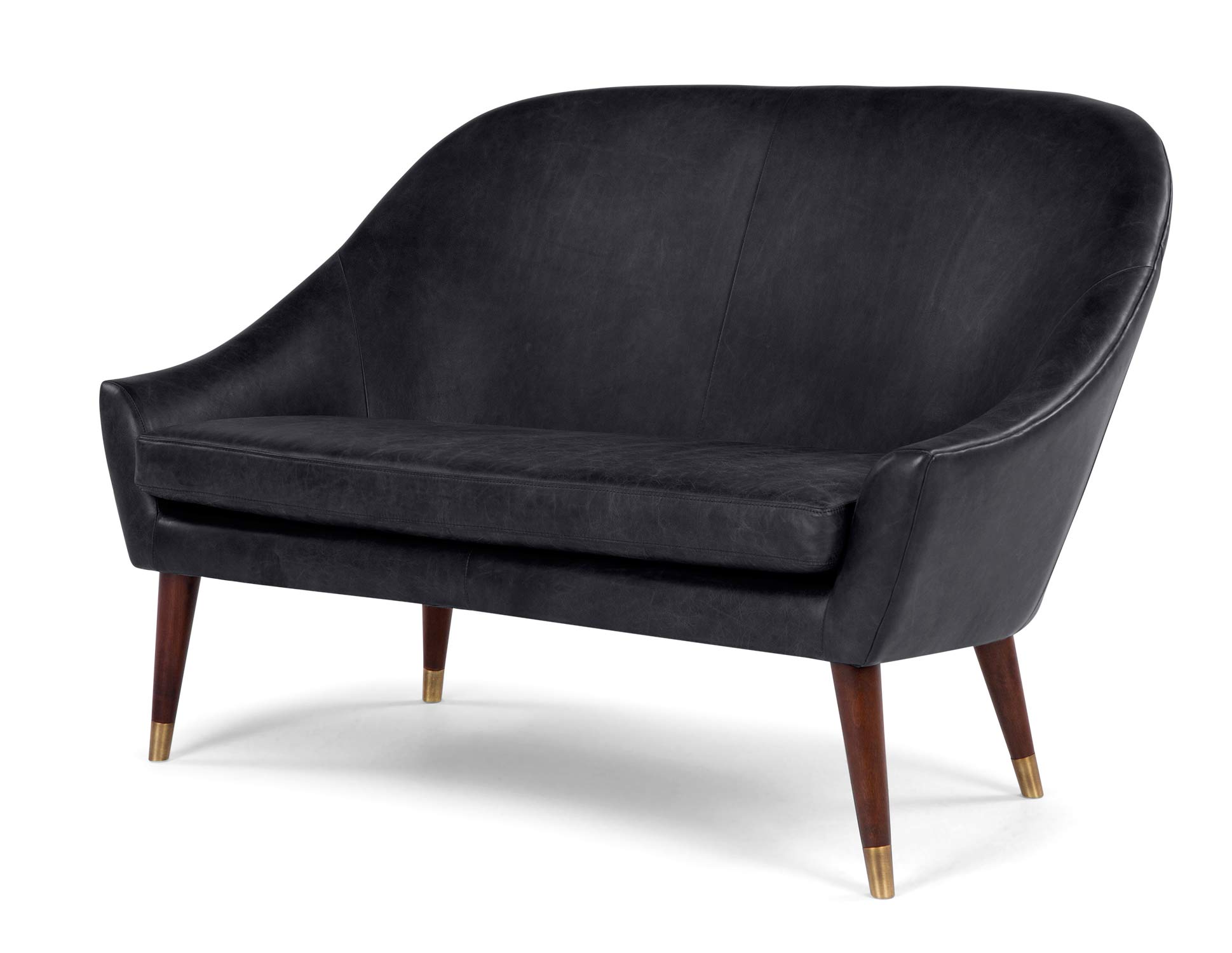
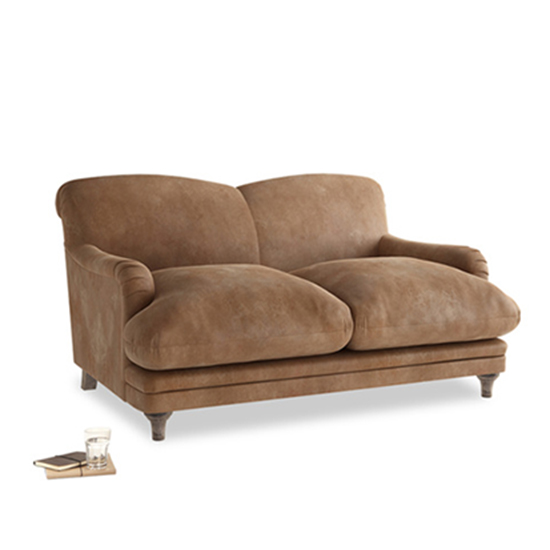
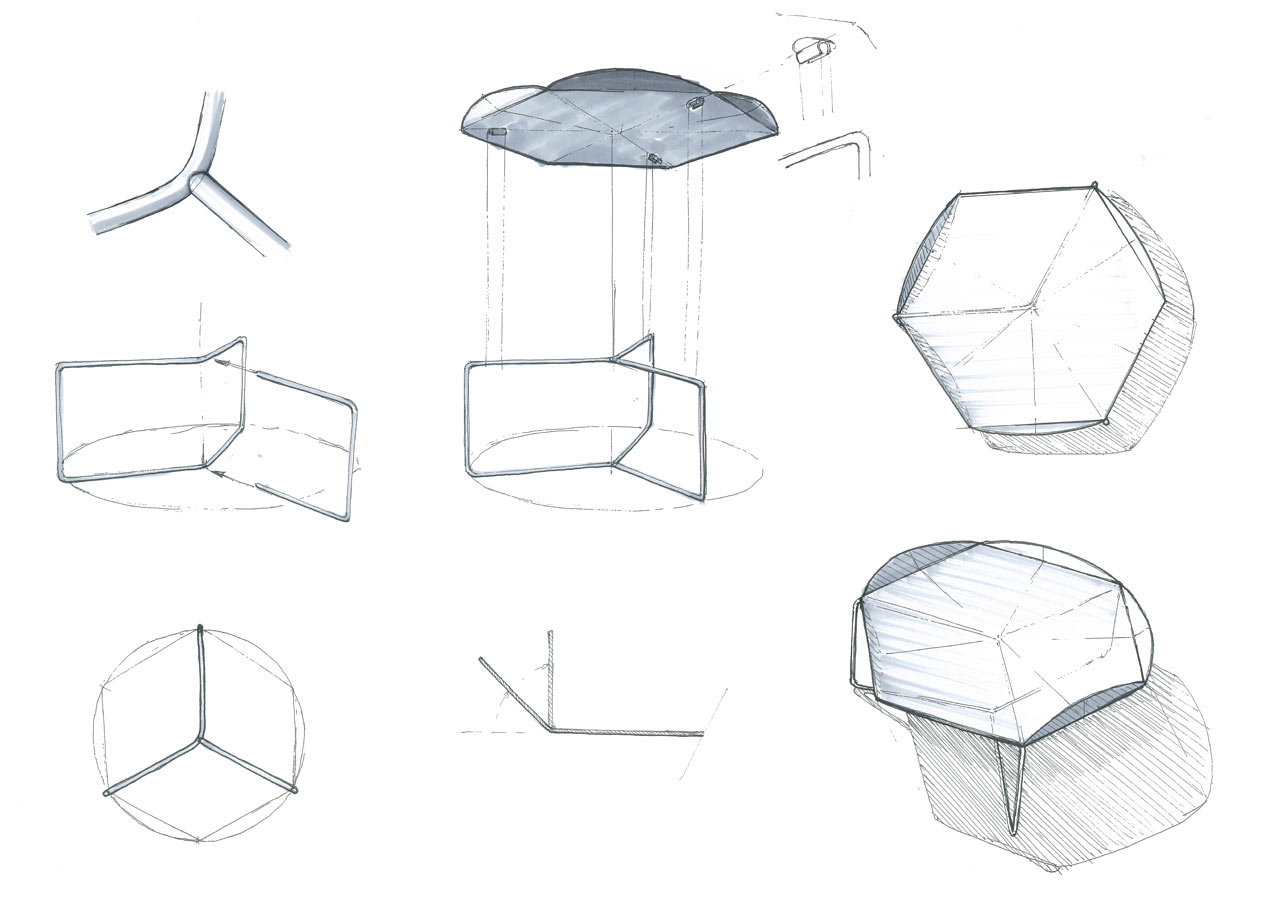
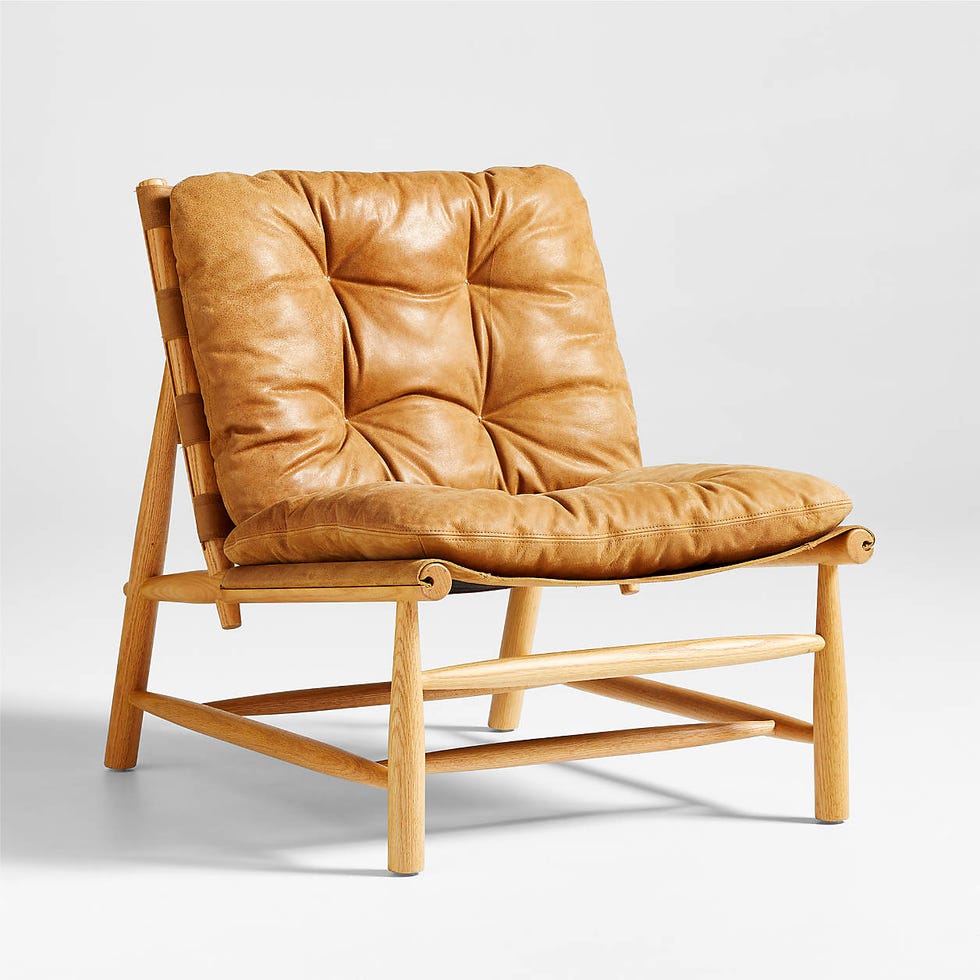
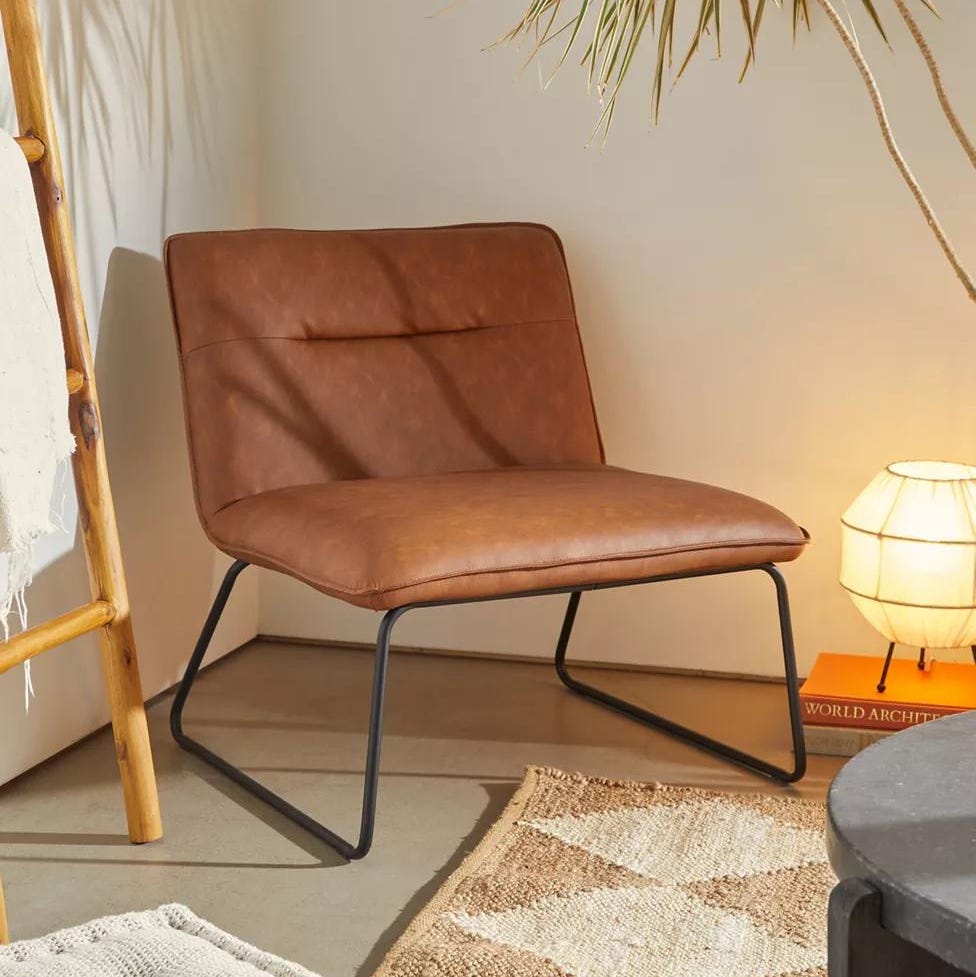
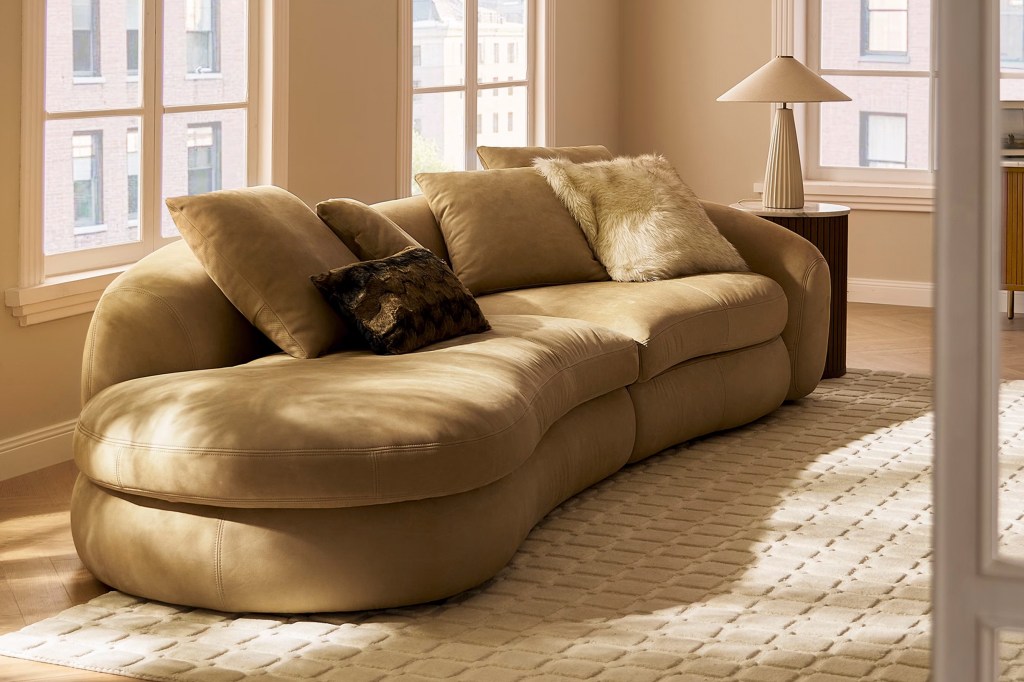
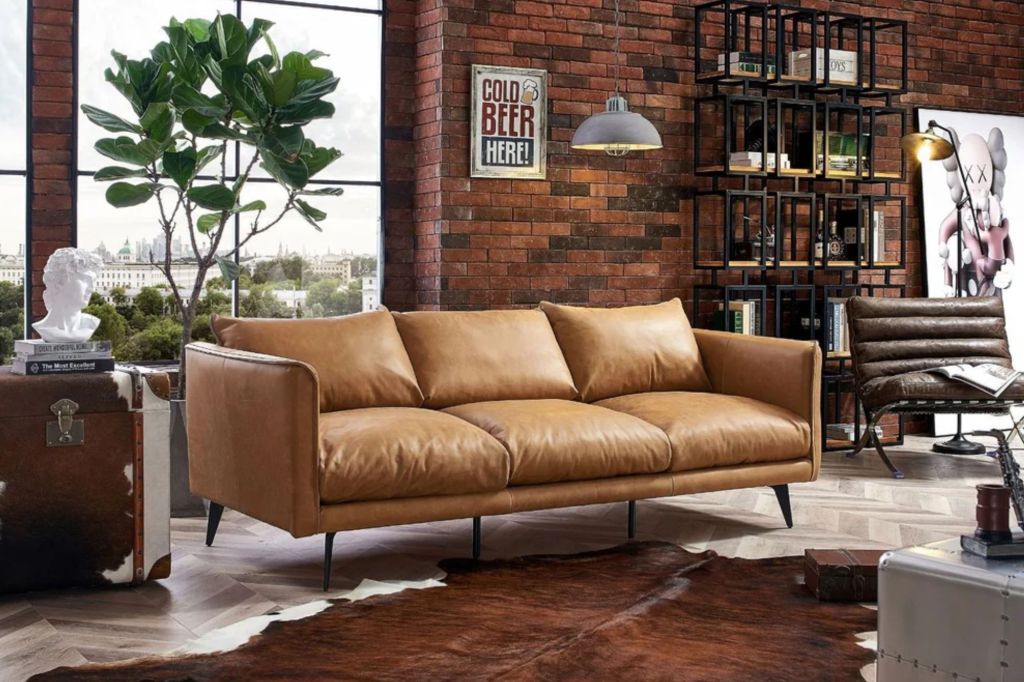
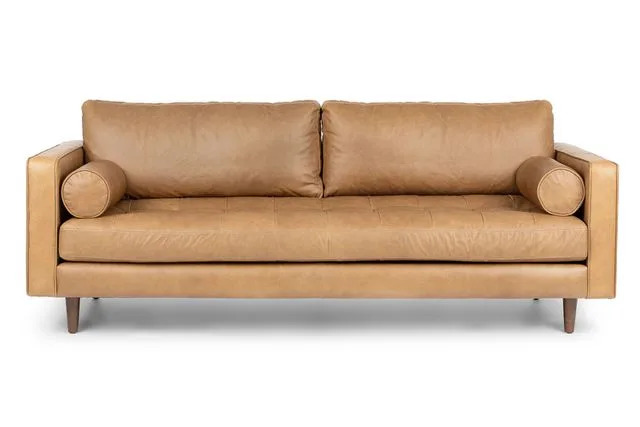
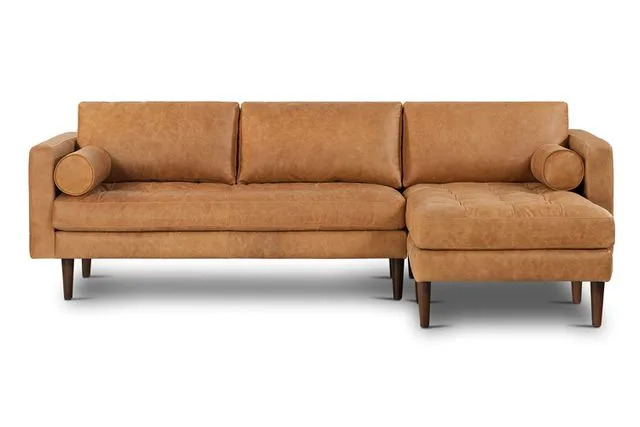
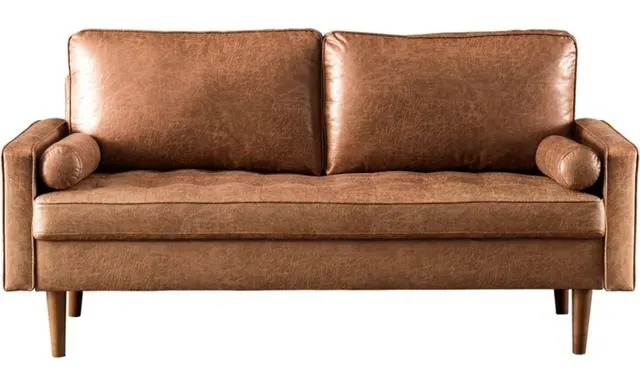
Vegan leather's applications extend beyond clothing to furniture and car interiors. Iconic brands like Chesterfields now offer vegan leather sofas, responding to consumer demand for ethical home decor. French designer Philippe Starck has even created furniture from apple waste. In the automotive sector, electric car manufacturers like Tesla, Fisker Inc., Audi, BMW, Nissan, and Volvo's Polestar line are incorporating vegan leather interiors, making animal-free options increasingly standard.
Consumers can find vegan leather in various products, including jackets from brands like Altiir and James&Co, footwear from all-vegan stores such as MooShoes, and designers like Stella McCartney and Veerah. Accessories like belts and watches are available from Brave GentleMan, Corkor, Baum, and Votch, with some designers even using recycled rubber and tires for jewelry. Wallets and bags are offered by brands like Matt & Nat, Betsey Johnson, and Stella McCartney, with affordable options also found in major retailers. The increasing availability and innovation in vegan leather underscore a broader shift towards cruelty-free and sustainable choices across multiple industries.
#VeganLeather #SustainableFashion #EthicalMaterials #AnimalFree #TextileInnovation #EcoFriendlyProducts #PlantBasedLeather #CrueltyFreeLifestyle #FashionTechnology #VeganLeather #SustainableFashion #EthicalMaterials #AnimalFree #TextileInnovation #EcoFriendlyProducts #PlantBasedLeather #CrueltyFreeLifestyle #FashionTechnology
0 comment in total
 No comments yet
You may also like

Whew, These 10 Leather Couches Are Serving Main Character Energy
The 14 best leather cleaners and conditioners, per experts
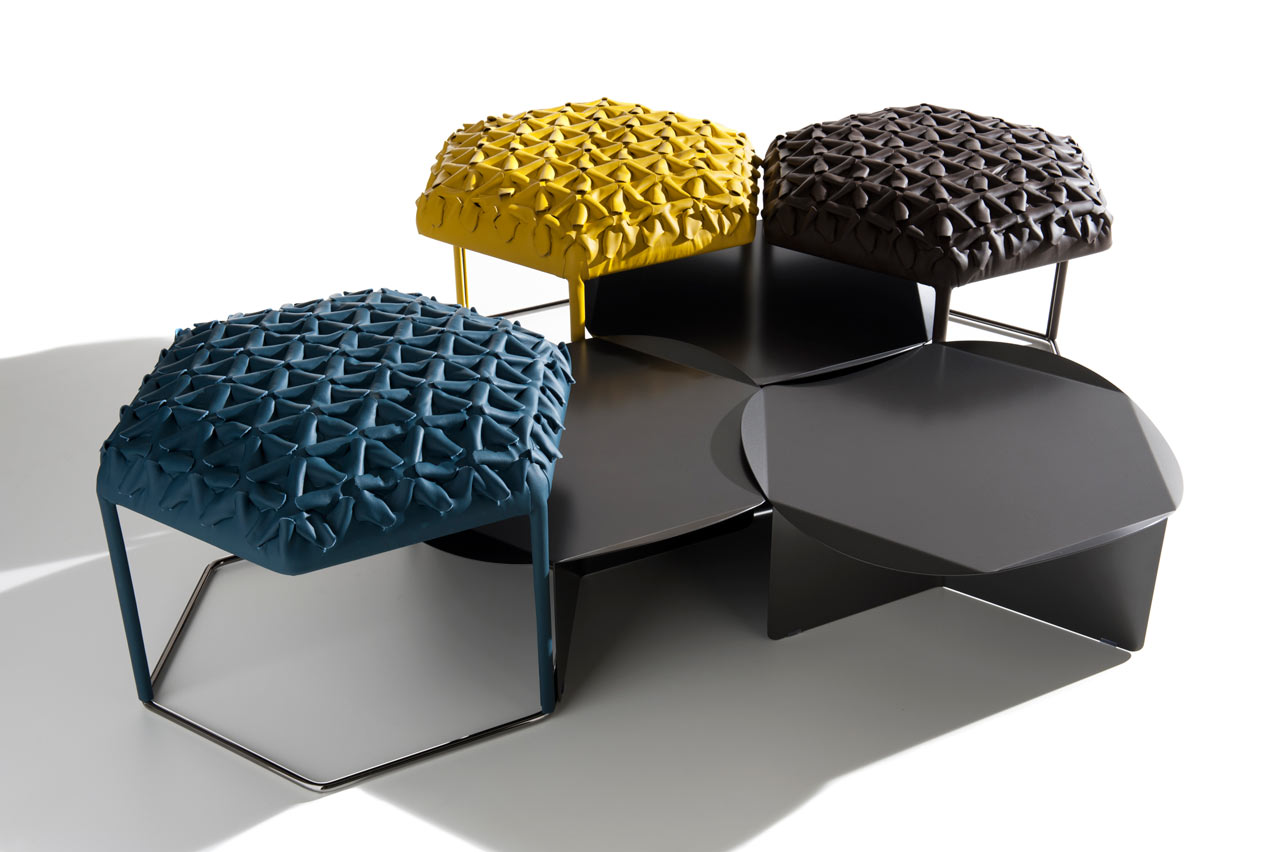
Hive: Leather Patches Create 3D Upholstery Textiles

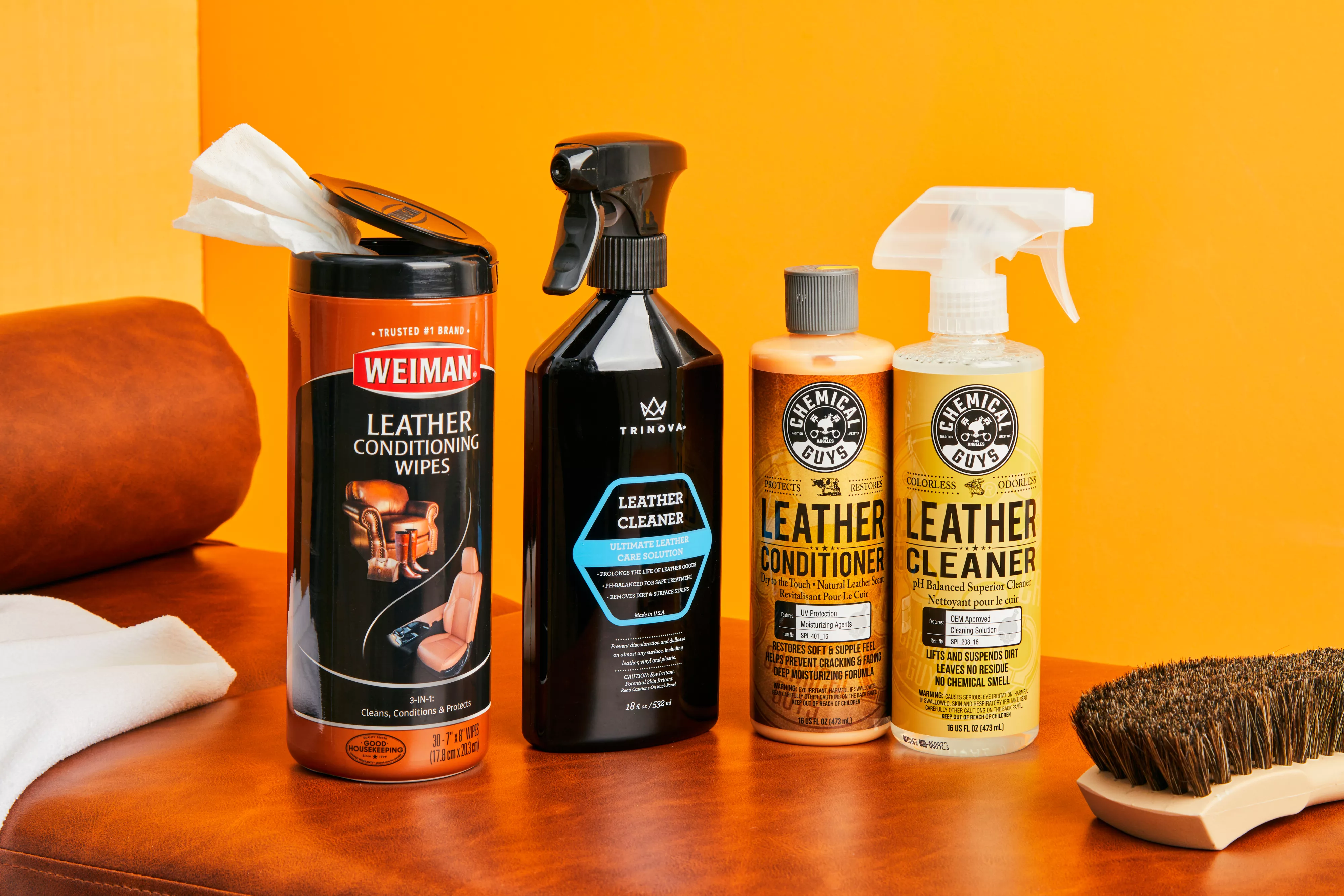
The 7 Best Leather Cleaners for Restoring Your Sofa, Car Seats, and Clothing

Sustainable Rugs for Your Vegan Home

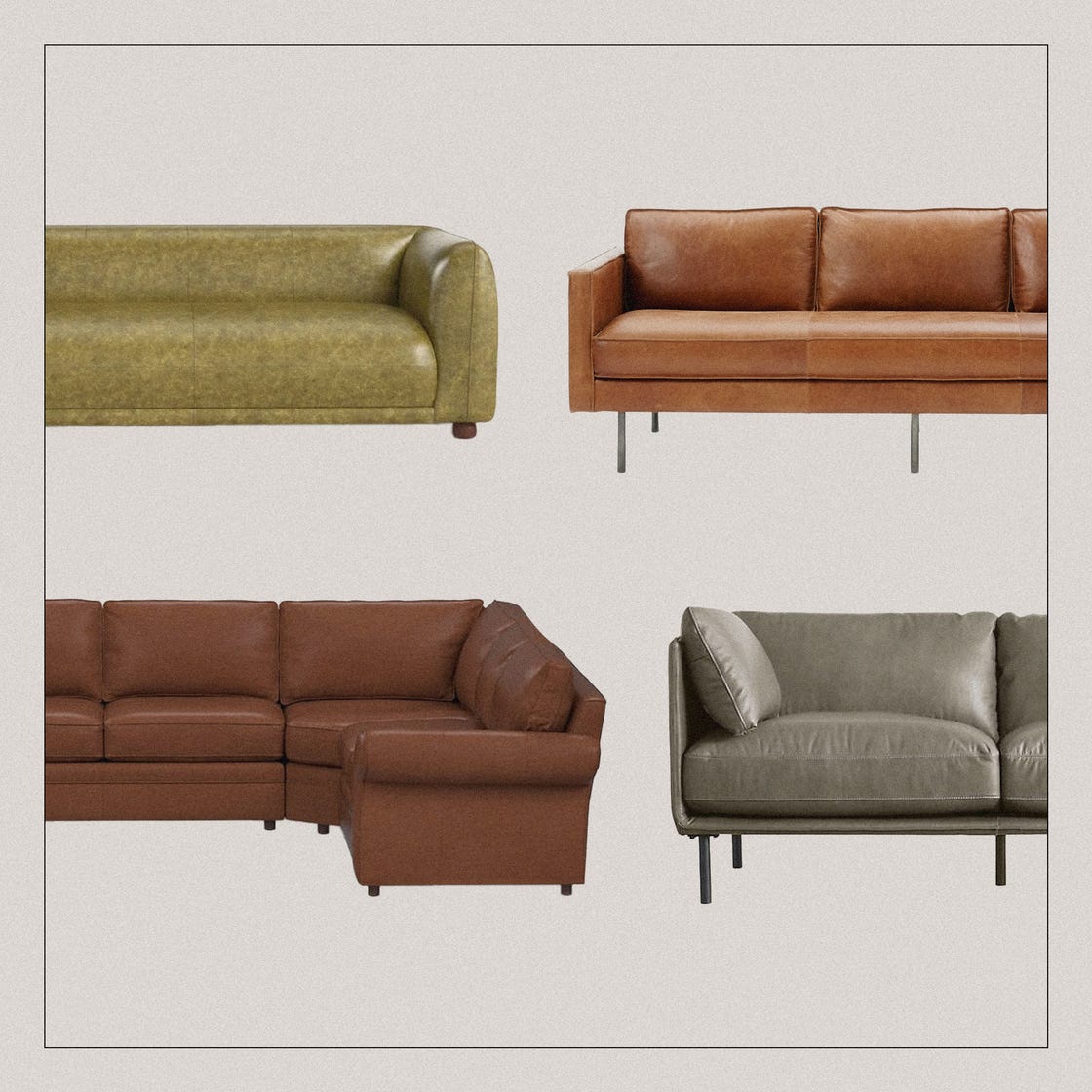
These Are the Best Leather Sofas You Can Buy Online

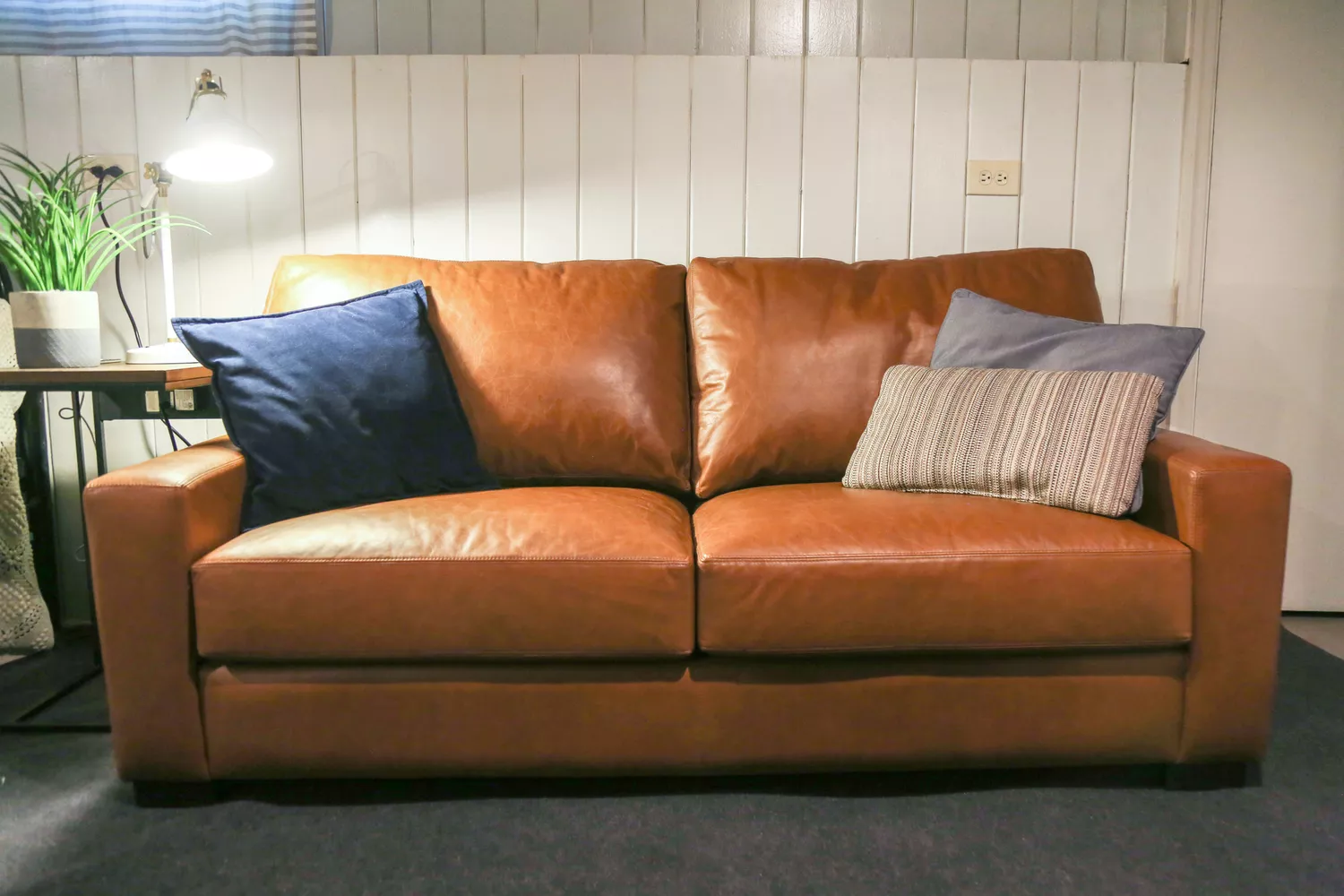
Looking for the Perfect Leather Sofa for Your Space? We Bet It's on Our List of the Best 17


10 Faux Fur Rugs That Will Make Your Space Uber-Cozy

The Best Leather Repair Kits


The 12 Best Leather Sofas of 2023


The 20 Best Leather Accent Chairs That Only Get Better With Time

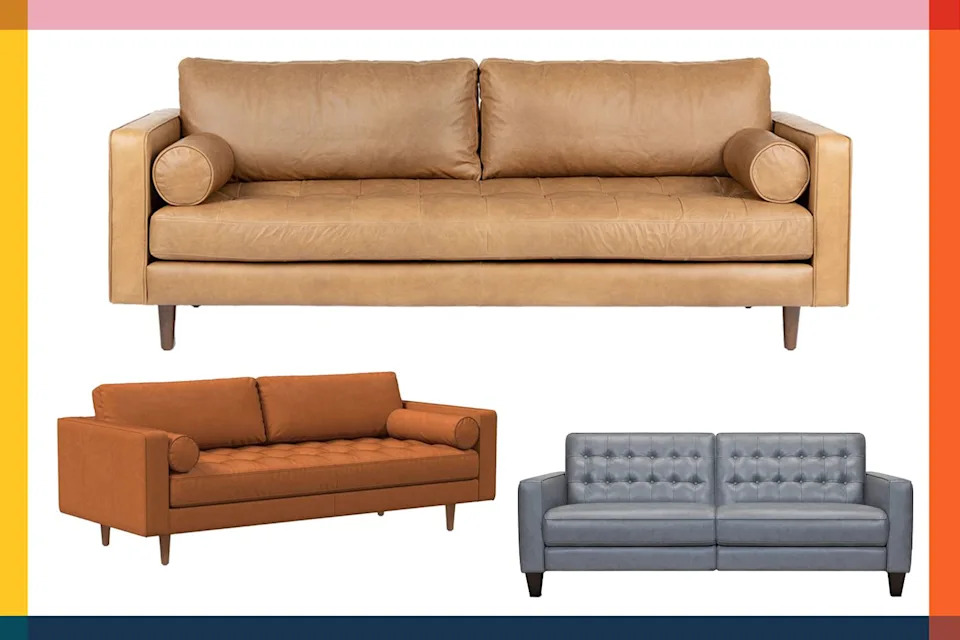
The 14 Best Leather Sofas of 2023, According to Design Experts

Vegan Design Is the Eco-Friendly Decorating Solution You've Been Looking For

12 Best Leather & Faux Leather Dog Beds

The best leather couches for your living room in 2025
Does the World's Oldest Fabric Have a Future in High Fashion?

Fixing Leather Damage Is Easier Than Ever—See the Repair Kits Our Experts Recommend

Leather Sofas – Our Pick of the Best
18 of the Best Leather Chairs For Every Aesthetic
We Tested Leather Cleaners, and These 6 Will Give Your Shoes a Professional Shine