How to Shop for a Sustainable Sofa
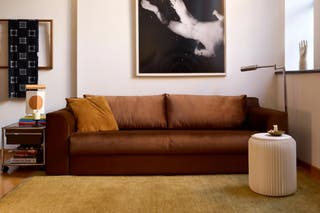
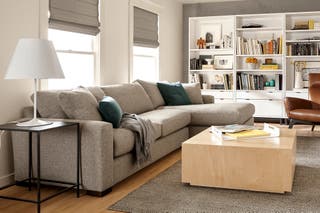
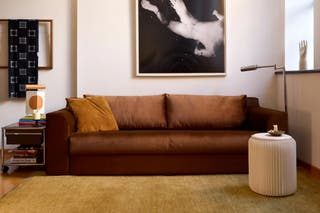
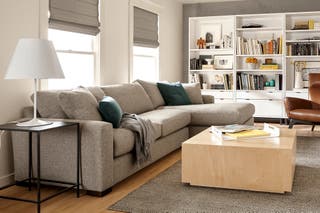
The article provides a comprehensive guide on purchasing a sustainable sofa, emphasizing its role in daily life and its environmental impact. It begins by highlighting the importance of considering sustainability when buying a sofa, which is a central piece of furniture in most homes.
The first and most environmentally friendly option presented is acquiring a second-hand sofa. Platforms like Gumtree, eBay, Facebook Marketplace, and specialized interiors apps such as Narchie are recommended for finding pre-owned furniture. For higher-end vintage and antique options, Rehaus and Vinterior are suggested. The advantage of second-hand sofas is their inherently low levels of Volatile Organic Compounds (VOCs), as these chemicals dissipate over time. The guide also encourages exploring local car boot sales and antique markets.
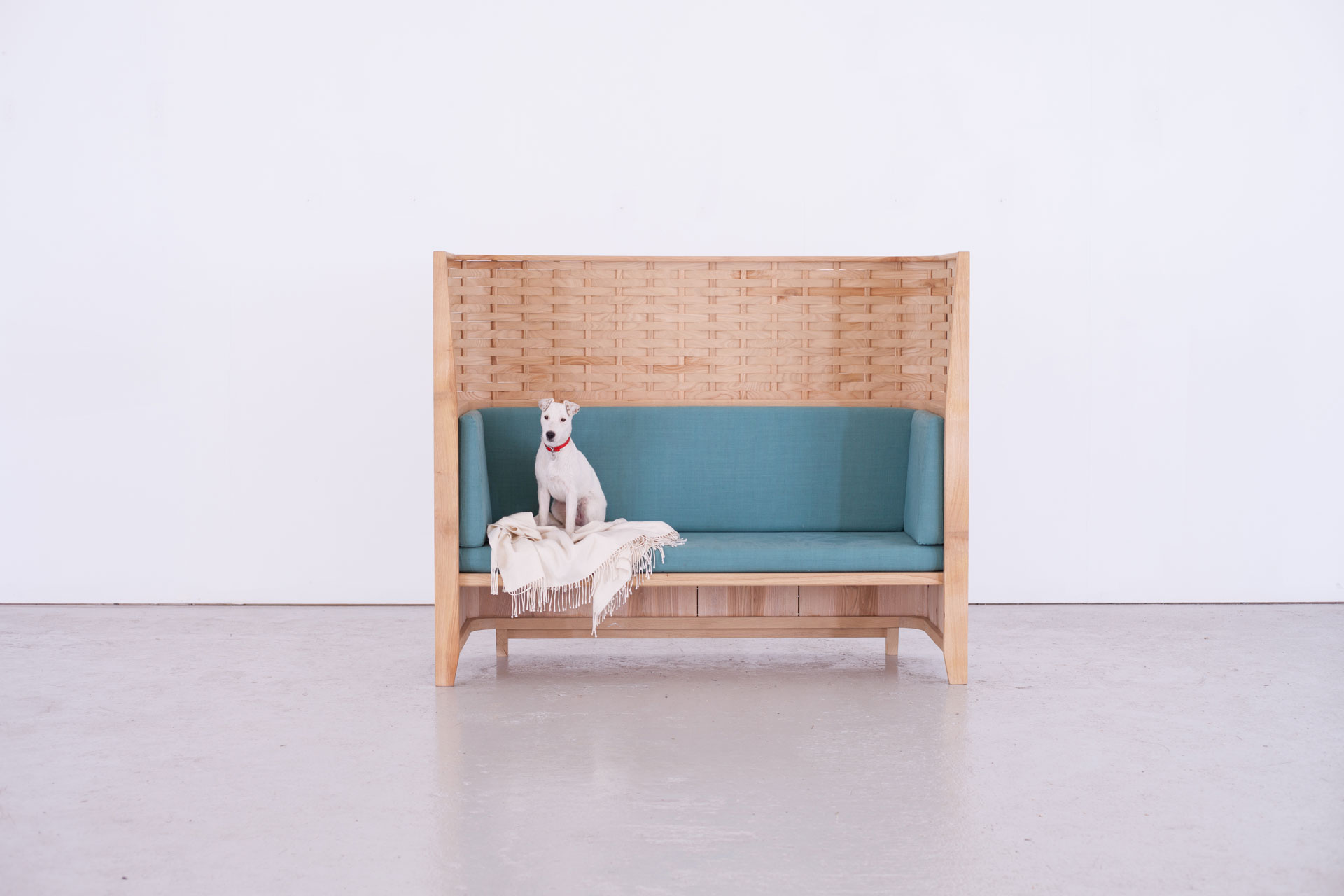
Several brands known for their sustainable practices are then showcased. Vinterior is highlighted as an online marketplace for unique, high-end vintage and antique sofas, offering items with history and character. Sebastian Cox, a British brand with a focus on wood, provides sofas with calculated environmental impacts through their Life Cycle Assessment, with each product displaying its carbon value. Their Bayleaf Settle, made from solid and woven English ash, allows for custom upholstery to minimize waste. Benchmark, another featured brand, is FSC (Forest Stewardship Council) certified and part of PEFC (Programme for the Endorsement of Forest Certification), and has received the Queen's Award for Enterprise in Sustainable Development. Benchmark partners with Naturalmat Company to use natural, sustainable, and biodegradable materials like coir, latex, and sheep's wool instead of plastic foam. For the US market, Part & Whole offers the Chord Sofa, constructed from FSC-certified, formaldehyde-free plywood and 100% new wool upholstery, with components available individually for easier repair and reduced waste. Rehaus is an online marketplace specializing in vetted designer second-hand furniture, ensuring quality and authenticity for brands like De Sede and Ligne Roset.
The article also delves into the critical aspects of materials, advising consumers on what to look for and what to avoid to ensure a sofa is truly sustainable. It warns against harmful and fossil fuel-derived materials such as plastic and polyester. Chrome-tanned leather is also flagged due to its toxic wastewater production, recommending vegetable-tanned leather as a more eco-friendly alternative. The importance of certifications is stressed, with GOTS (Global Organic Textile Standard) mentioned for organic cotton, ensuring responsible manufacturing throughout the supply chain. Understanding VOC levels is presented as crucial; these volatile organic compounds, often found in cheaper upholstery foams like polyurethane and associated flame retardants, can contain hazardous chemicals. The guide suggests that cheaper sofas made with organic filling and composite wood are more likely to contain and be treated with VOCs. Finally, responsibly sourced wood with an FSC Certification is recommended for sofa frames, signaling good forestry management practices.
#SustainableSofa #EcoFriendlyFurniture #SecondHandFurniture #InteriorDesign #VOCLevels #FSCcertified #GOTSstandard #GreenLiving #EthicalShopping #SustainableSofa #EcoFriendlyFurniture #SecondHandFurniture #InteriorDesign #VOCLevels #FSCcertified #GOTSstandard #GreenLiving #EthicalShopping
0 comment in total
 No comments yet
You may also like

The 7 Best Sofas of 2025 | Reviews by Wirecutter
10 of the best sofa brands for families in 2024
Sofa buying guide: expert advice on how to buy a sofa
Best Couch Fabrics: 9 Types of Couch Materials to Choose From


The Best Sofas For Every Style

Attention! Here Are the 20 Best Places to Buy a Comfy New Couch
The 9 best places to buy a couch, whether your budget is $500 or $5,000
Where to buy a sofa – I've spent over 25 hours testing sofas and these are the 10 brands I'd recommend
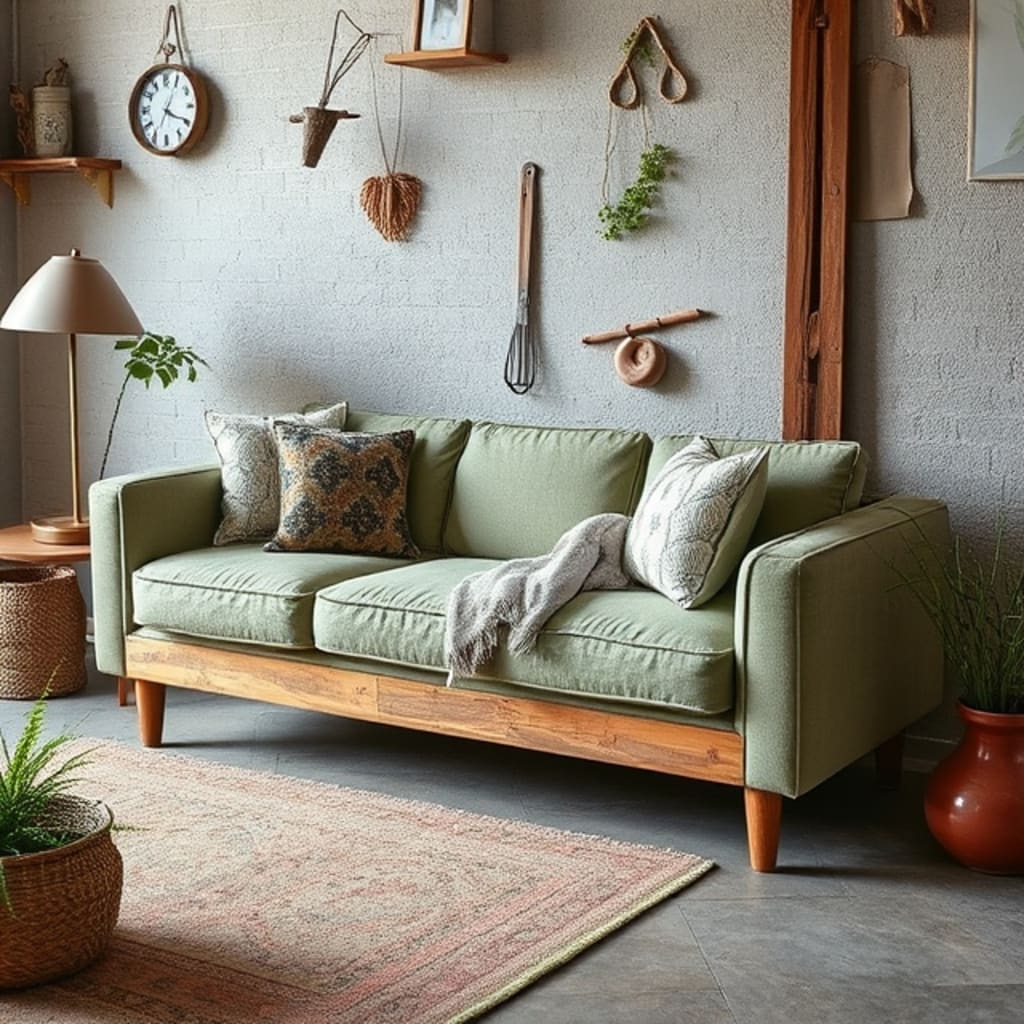
2025 Sofa Trends: Eco-Friendly Styles for a Sustainable Future
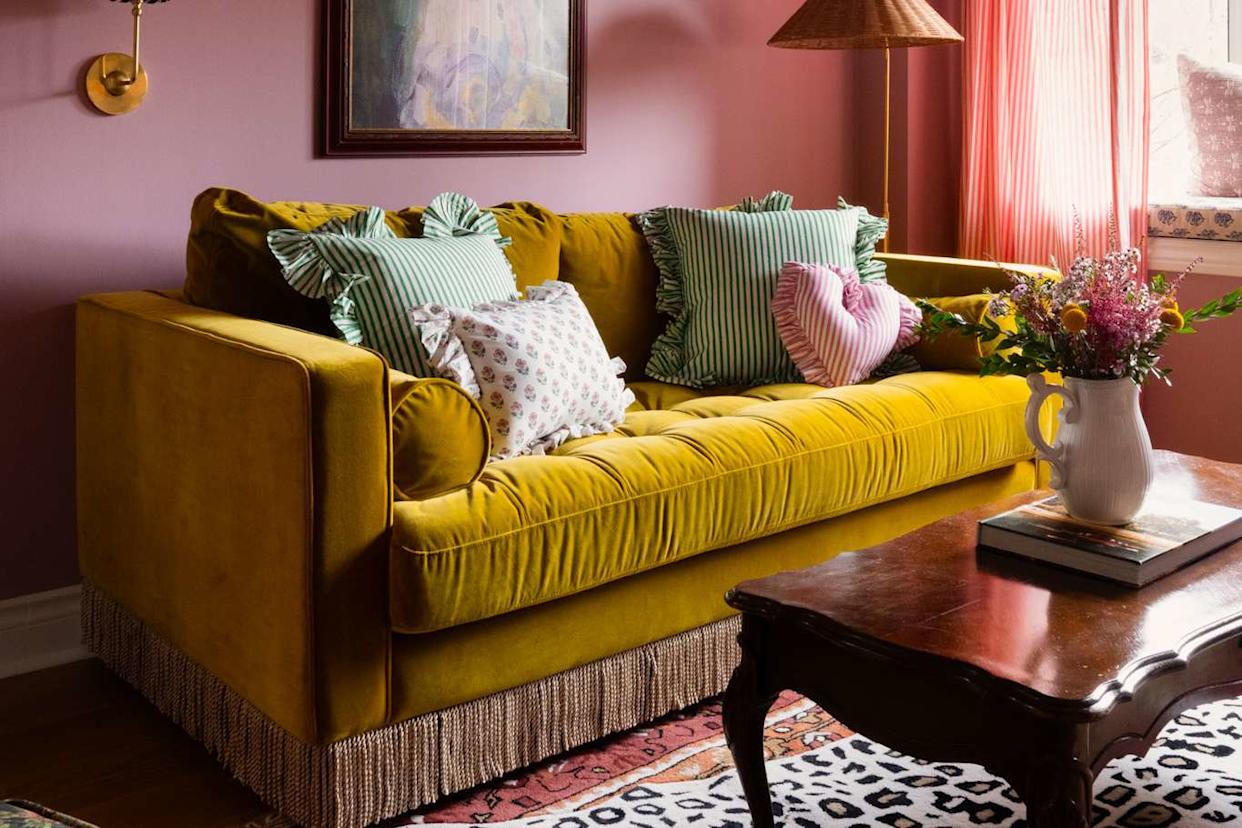
How to Select the Right Sofa for You, According to Designers

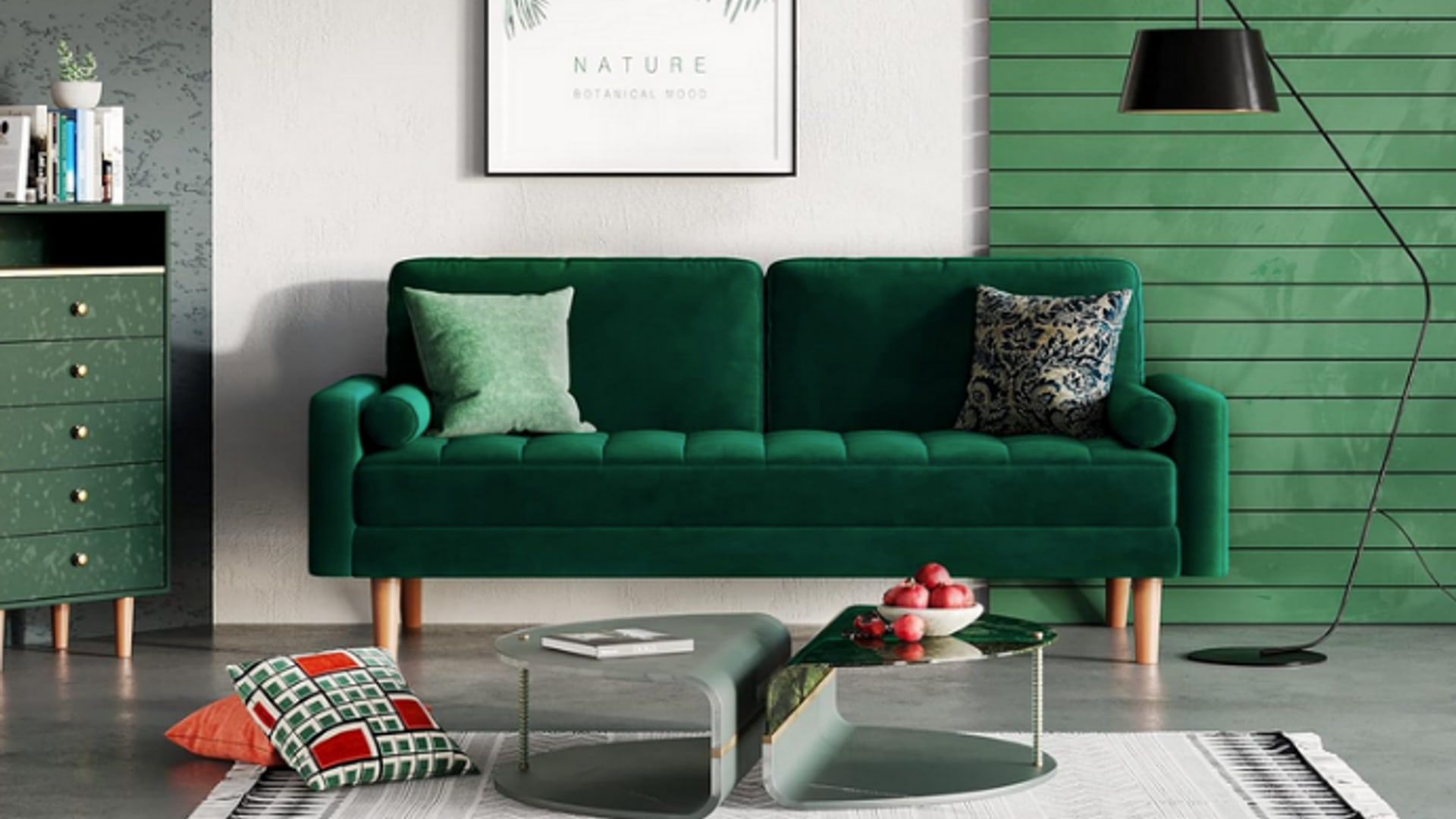
The ultimate best sofas guide: Our favourite top trends and sofa brands for 2025

The 21 Very Best Couches | The Strategist
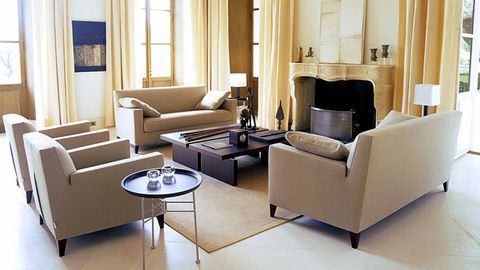
Sit back and relax: sofa buying tips


How Long Should a Sofa Last? Get the Lowdown on Lifespan and Easy Ways to Extend it

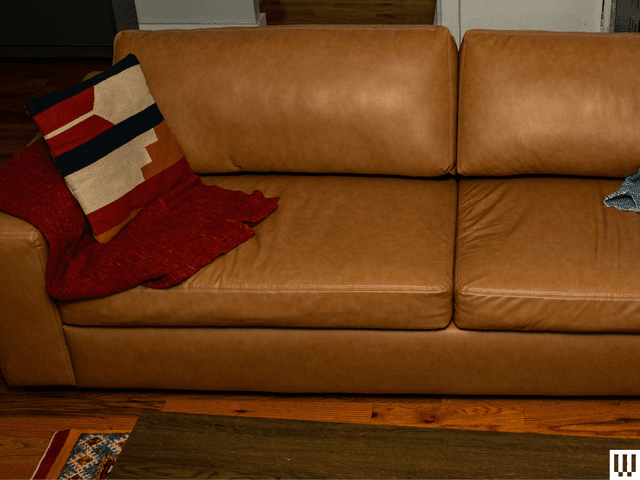
These Are Our 17 Favorite Couches We’ve Tested—and You Can Buy Them Online
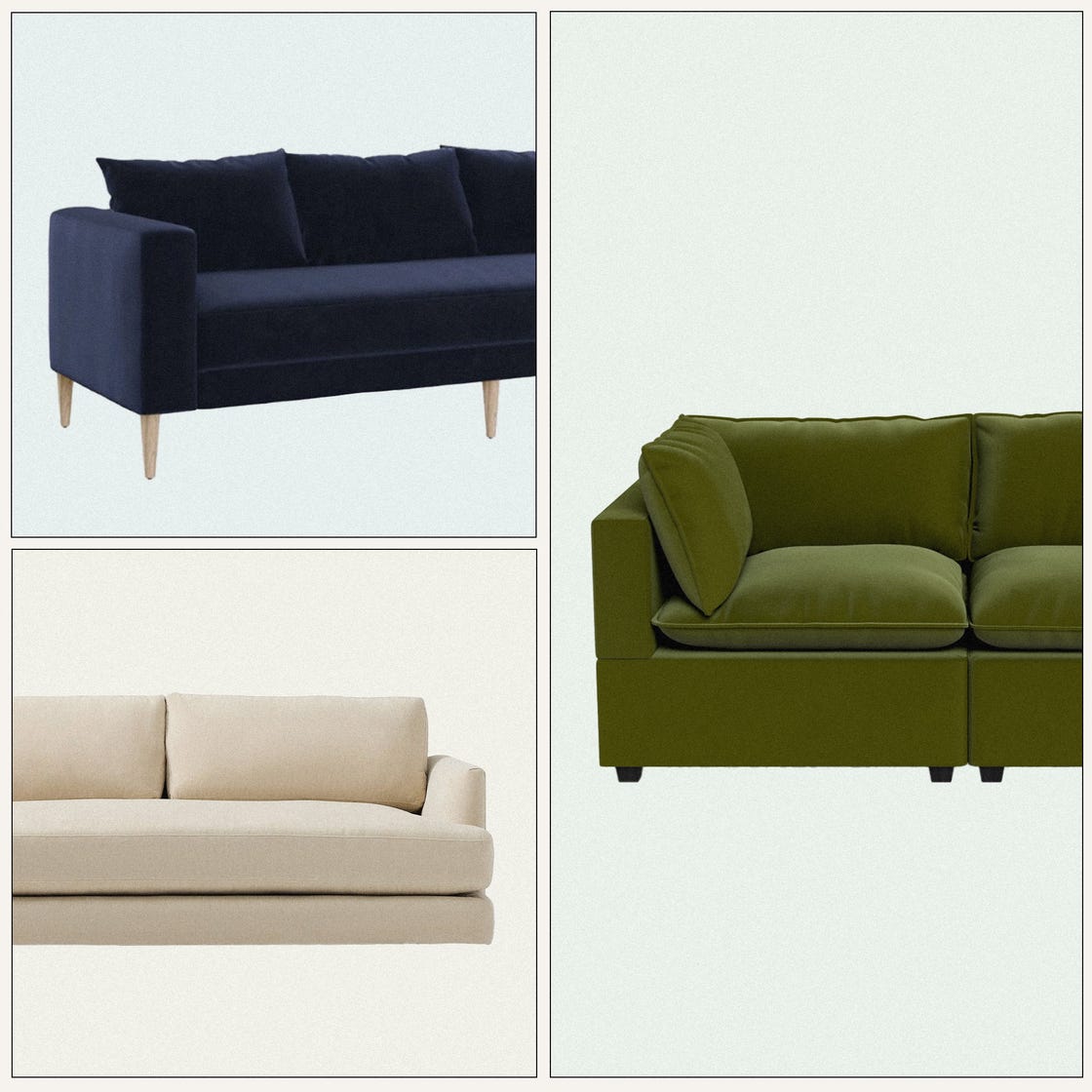
Our Editors Share the Most Comfortable Couches They Sit, Nap, and Lounge On
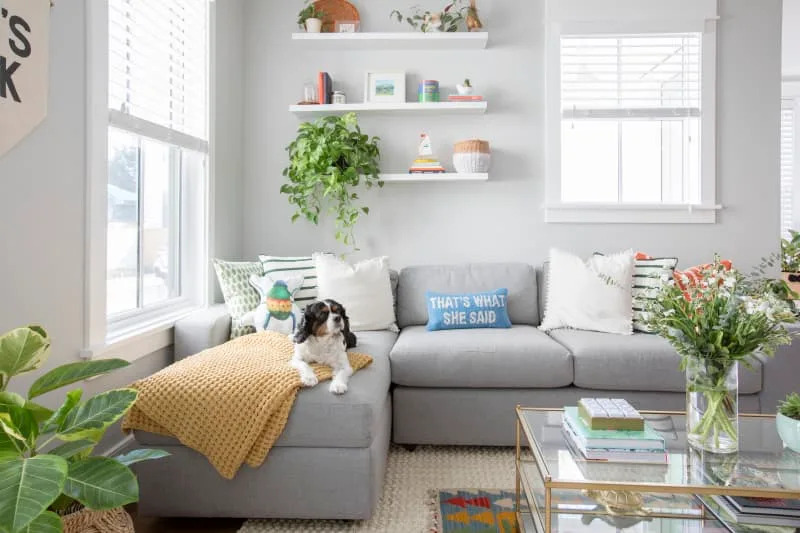
The Best Kid- and Pet-Friendly Sofas You Can Buy Now

The 20 Best Sofa Brands of 2026

How Much Should You Spend on a Living Room Sofa?

The 12 Best Places to Buy a Couch