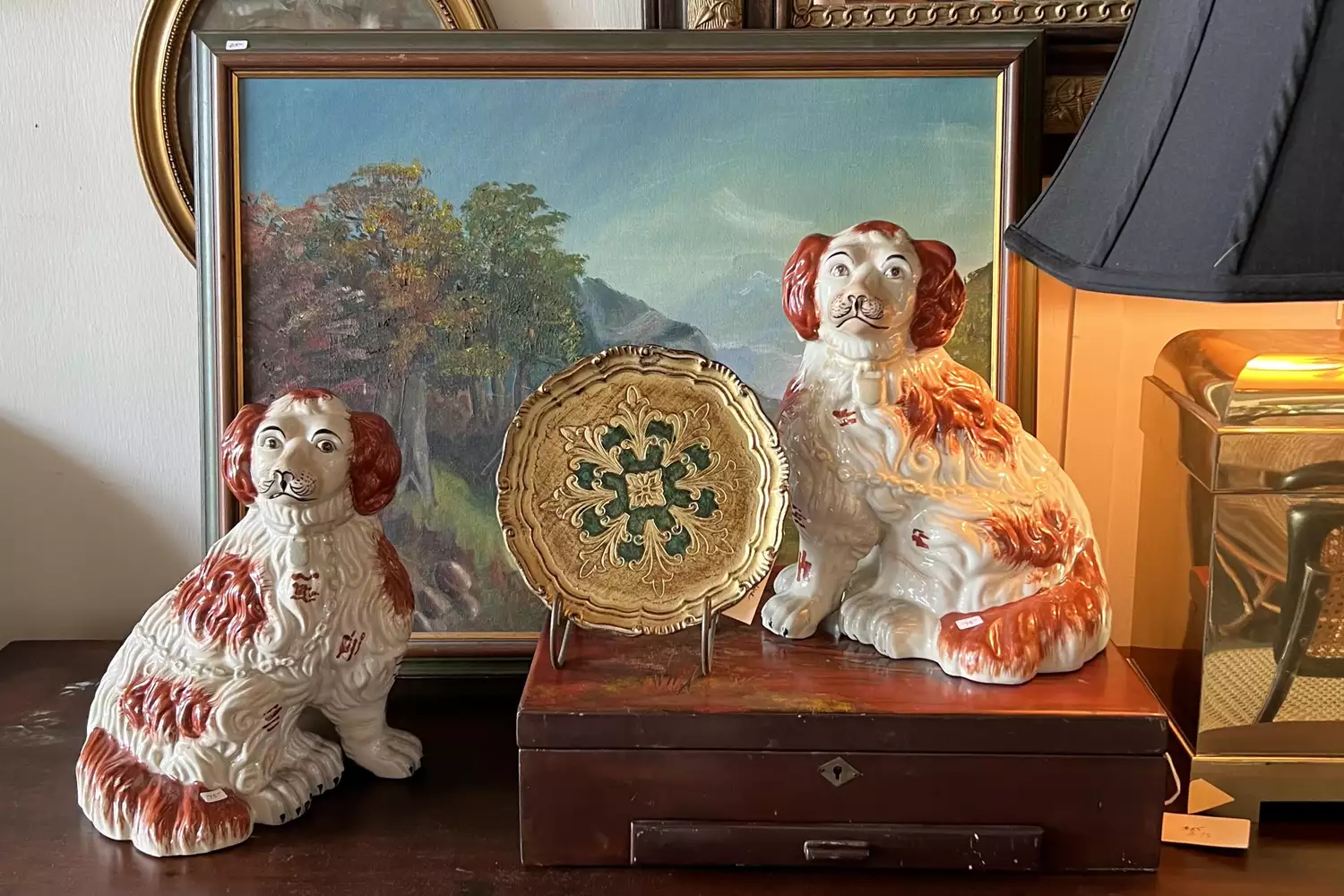
6 Expert Tips On How To Haggle On Antiques (Plus, When You Shouldn't!)
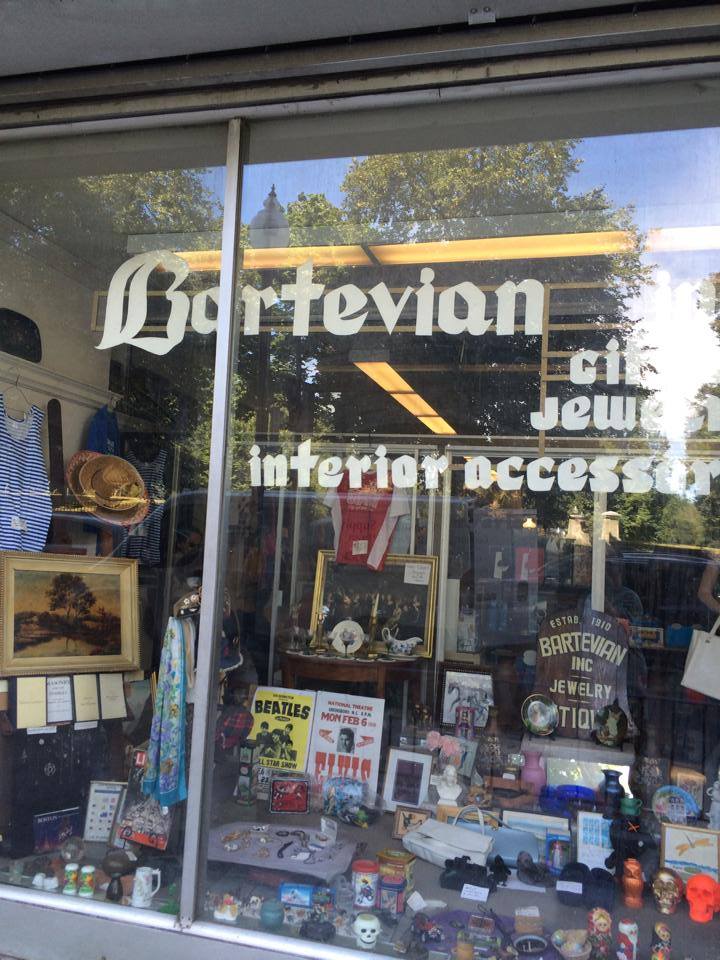
Successfully navigating antique purchases often involves the delicate art of haggling, a practice that, when executed with finesse, can lead to securing desirable pieces for one's home at a more favorable price. This process requires a nuanced understanding of when to negotiate and when it's appropriate to accept the stated price. Experts in the field, including antiques dealers Jen Bienvenu of J. Bienvenu Interiors and Charlotte Jeffers of Union Camp Collective, offer insights into effective haggling strategies and situations where negotiation is ill-advised.
Haggling is a common and expected aspect of the antiques business. One of the most effective and least aggressive ways to initiate a negotiation is by directly asking the dealer for their "very best price." This approach signals genuine interest without resorting to a lowball offer. Enhancing this inquiry with a compliment about the item, such as calling it "beautiful," further fosters a positive interaction, demonstrating appreciation for the piece and potentially making the dealer more amenable to a price adjustment. Another persuasive tactic involves expressing genuine affection for an item while gently noting it falls outside one's current budget. Phrases like, "It’s so awesome but it’s over my mental budget. What would be your best price if I could take it off your hands today?" can encourage a dealer to reconsider the price, especially when they perceive the item is going to a good home.
Observing how long an item has been displayed can provide a strategic advantage. Dealers are often more inclined to negotiate on pieces that have been unsold for an extended period, typically three months or more. Signs like faded price tags can indicate a prolonged presence on the sales floor. In such cases, offering a cash price can be particularly effective, as it eliminates credit card transaction fees for the dealer, making the offer more attractive. Similarly, if an item is priced at the higher end of its market value, there is generally more room for negotiation. However, it's important to set realistic expectations; a discount of 10-15% is typical, and rarely should one expect more than 20% off. Buyers should also consider the dealer's investment in the piece, including acquisition costs, display rent, and any restoration work.
While cash remains a powerful negotiation tool, digital payment methods like Venmo, Zelle, and CashApp can also bypass credit card fees, offering an alternative for reducing the dealer's overhead. For repeat customers, there may be more flexibility in negotiating prices, particularly for items marked "firm." Building a rapport with dealers through regular visits and polite conversation can lead to a willingness on their part to work within a client's budget. Dealers are more likely to accommodate familiar and courteous customers who show genuine interest in their business.
Conversely, there are specific scenarios where haggling is inappropriate and can be counterproductive. If an item is already significantly underpriced or undervalued, it is best to purchase it at the tagged price without drawing attention to its low cost. Haggling on new stock is generally futile, as dealers prefer to wait and see if newly arrived items sell at full price. Criticizing a piece's imperfections or basing a negotiation on desired cosmetic changes that the buyer intends to make (e.g., reupholstering a chair in a disliked color) is also ill-advised, as it can be insulting to the dealer and does not reflect a genuine appreciation for the item as it stands. These actions can deter a dealer from engaging in further negotiation.
#Antiques #HagglingTips #AntiqueShopping #HomeDecor #InteriorDesign #NegotiationSkills #VintageFinds #DealersPerspective #SmartBuying #Antiques #HagglingTips #AntiqueShopping #HomeDecor #InteriorDesign #NegotiationSkills #VintageFinds #DealersPerspective #SmartBuying
0 comment in total
 No comments yet
You may also like
6 Things to Never Pass Up at a Flea Market, According to a Pro Vintage Buyer

These Houston Antique Shops Are Full of Vintage Gems
5 Rules for Identifying Antique and Vintage Ceramics—Plus the Types That Are Most Valuable

5 Red Flags to Avoid at All Costs When Thrifting Home Decor, According to Designers

Antiquing vs. Distressing: 8 Tips on Creating the Look and Patina of a Genuine Antique


Kelly Wearstler's Not-So-Secret Source for the Best Antiques
How To Clean And Care For Antiques, According To An Expert
Decorating with antiques – 8 designer tips to channel the past in the chicest way

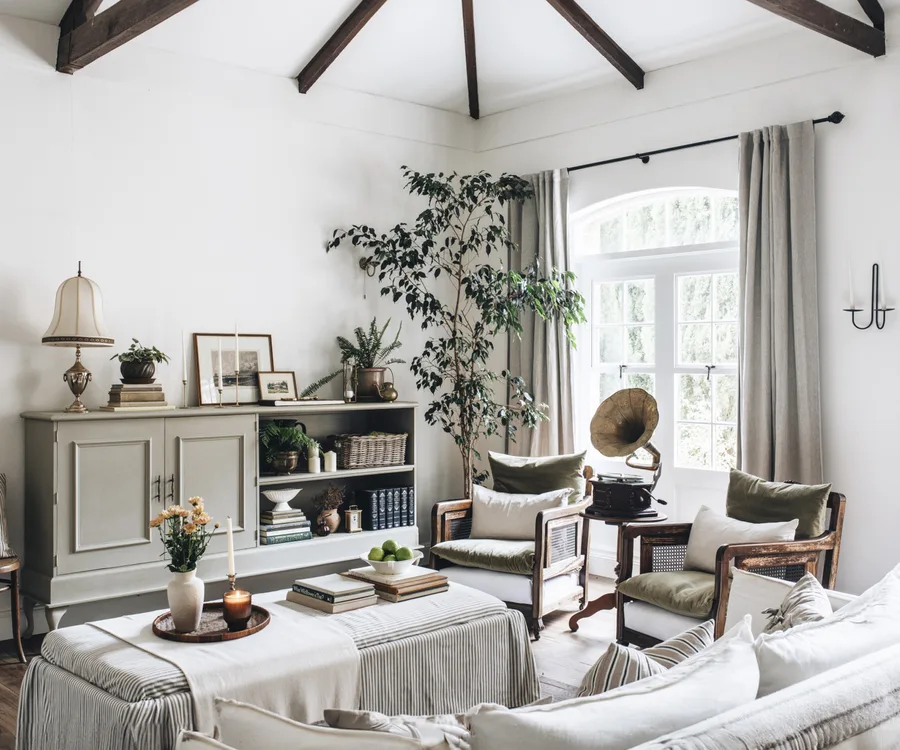
A designer’s guide to decorating with antiques


Expert Tips for Buying Used and Vintage Furniture | Reviews by Wirecutter


Shop Secondhand Like a Pro: How Our Decor Experts Find Worth-It Furniture on a Budget

These designers source and restore vintage furniture every single day – here are their top tips for shopping and reviving
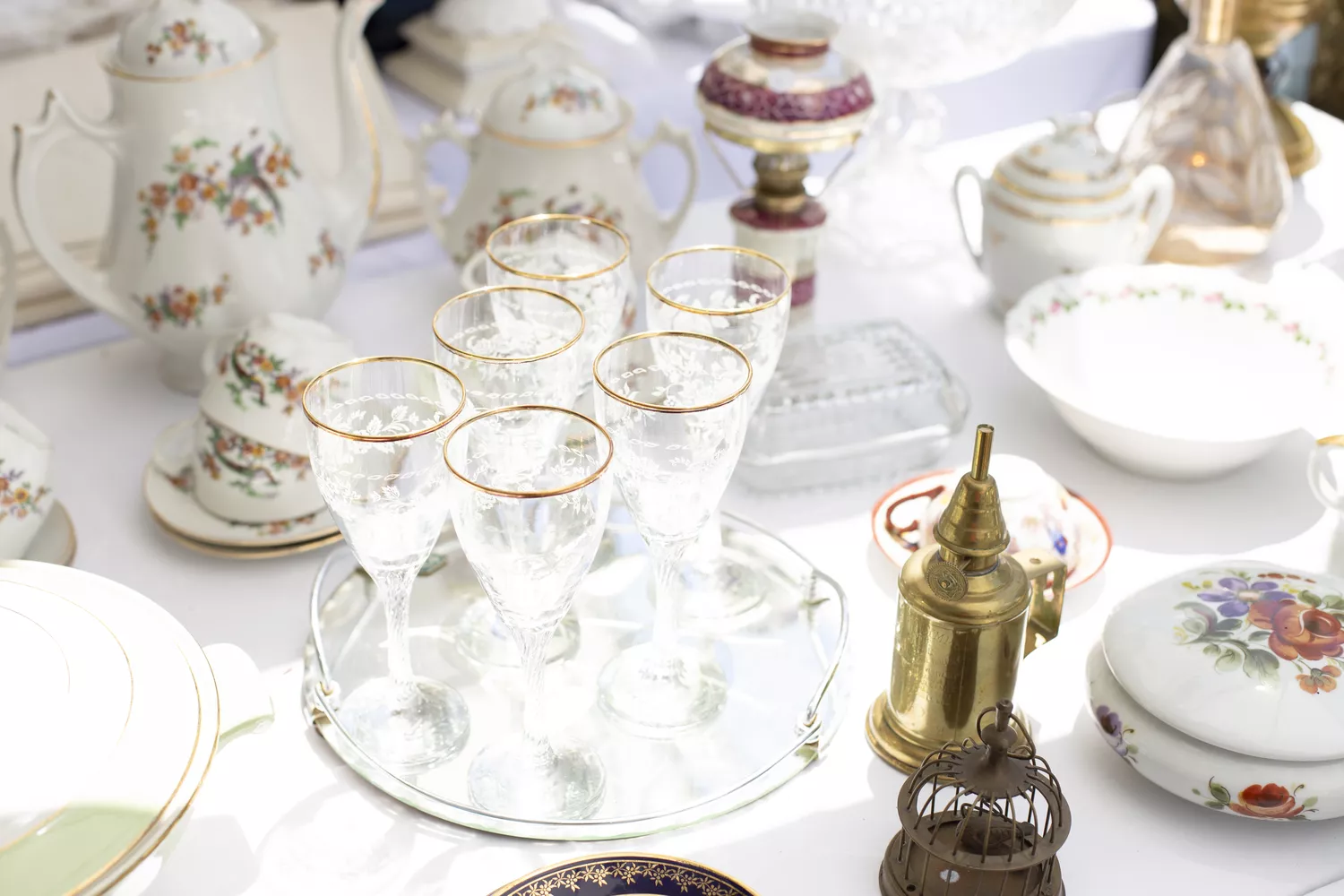
12 Things You Should Never Buy at an Estate Sale, According to Experts

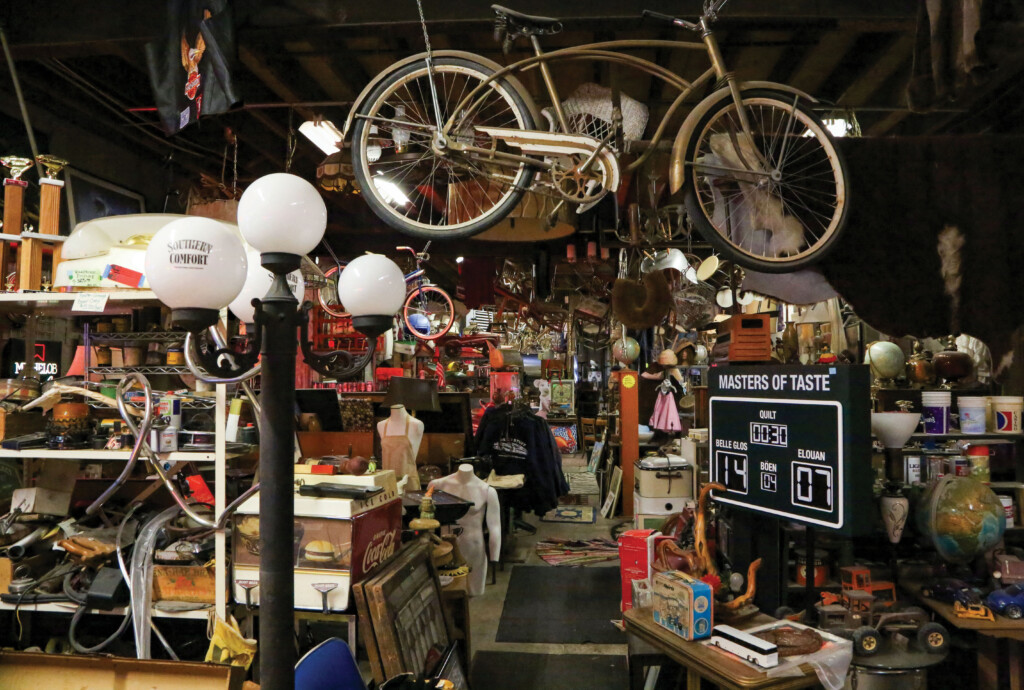
The Thrill of the Hunt: Understanding the art of antiquing in KC

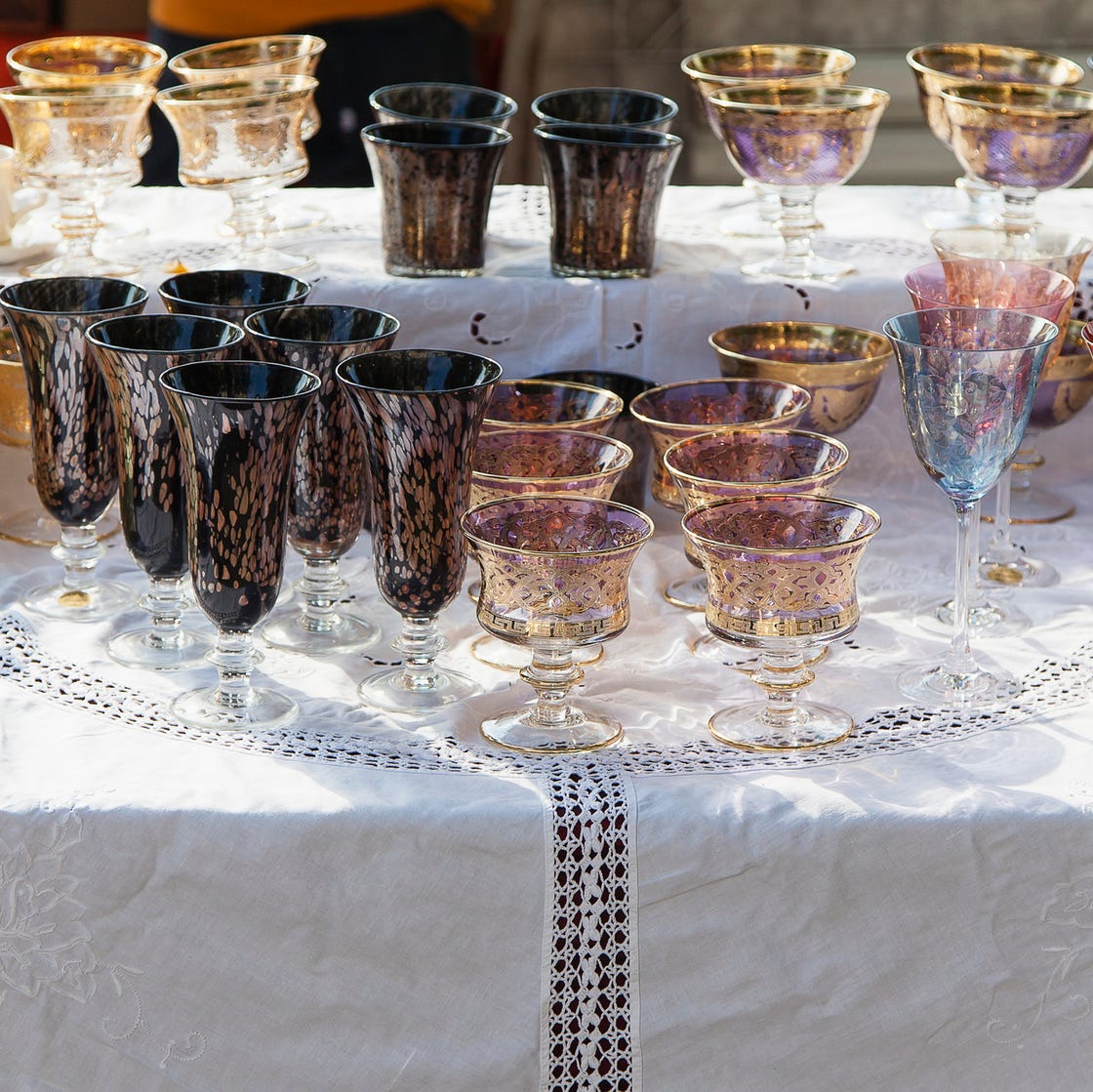
Experts Say These Rare Antique Glassware Finds Are Always Worth Buying at Vintage Stores
These antique and vintage collectibles are in high demand this year
8 most expensive antiques in the world

5 Rules for Identifying Antique and Vintage Ceramics—Plus the Types That Are Most Valuable

10 Unique & Eclectic Antique Stores In Boston


How to Find Valuable Art in Thrift Stores, According to Experts