16 things around your house you should be cleaning with baking soda and vinegar
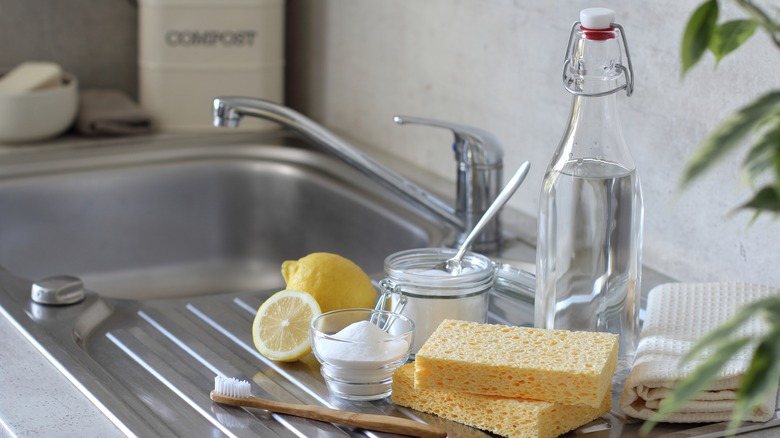
Baking soda and vinegar, two common household ingredients, can be combined to create a powerful, chemical-free cleaning solution for various tasks around the home. The interaction between the acid in vinegar and baking soda releases carbon dioxide gas, which effectively lifts dirt, cuts through grease, and removes stains from numerous surfaces. This combination is a safer alternative to many commercially produced cleaners, though it is crucial never to mix vinegar with bleach due to the production of toxic chlorine gas.
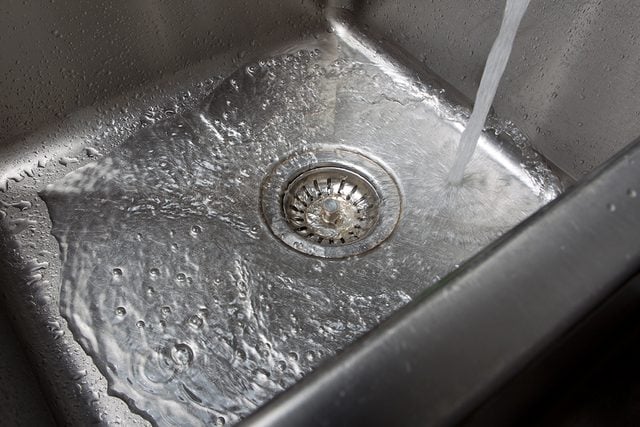
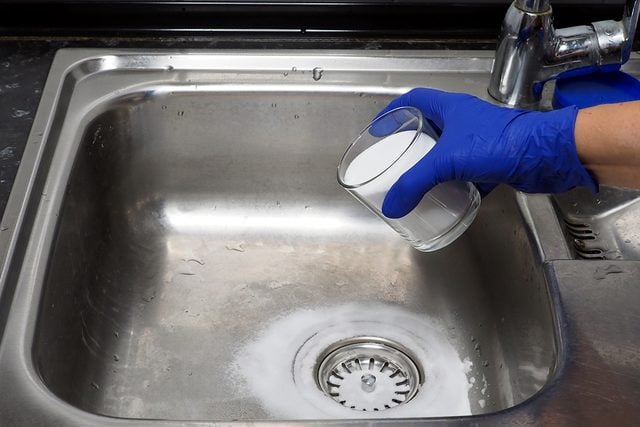
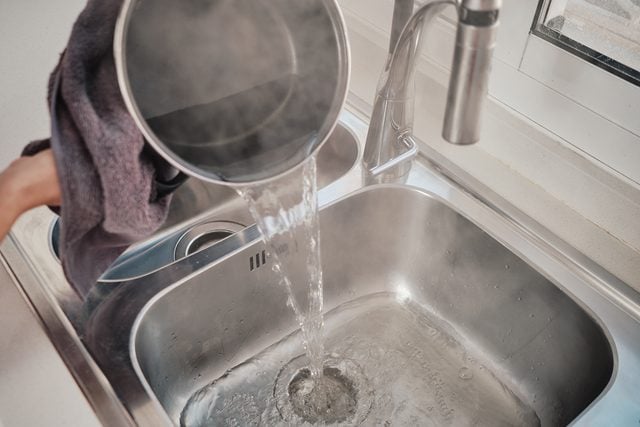
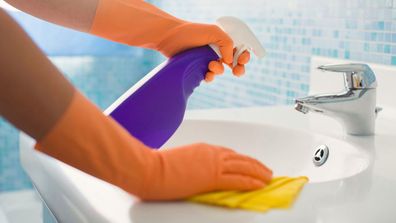
For kitchen cleaning, this dynamic duo can revitalize a garbage disposal by pouring half a cup of baking soda followed by a cup of vinegar, letting it sit for ten minutes, and then rinsing with water. Similarly, clogged drains can be cleared using the same process, potentially requiring repetition for stubborn clogs. Sinks can be cleaned by sprinkling baking soda, then foaming it with vinegar, and scrubbing with a soft sponge. Stubborn stuck-on food, whether on the sink or microwave, responds well to a paste of two tablespoons of baking soda and one tablespoon of water, activated with a spray of vinegar and gently scrubbed.
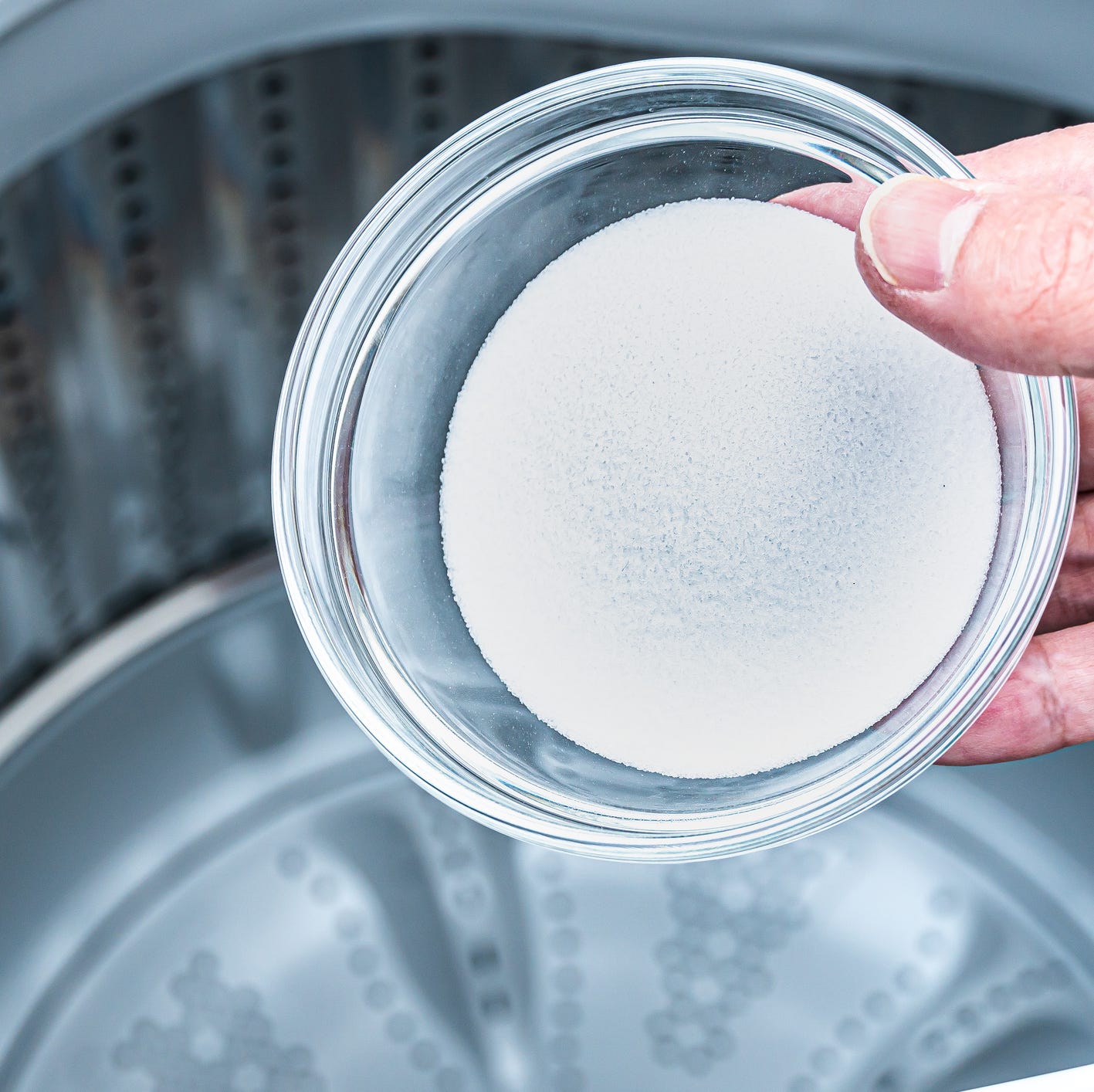
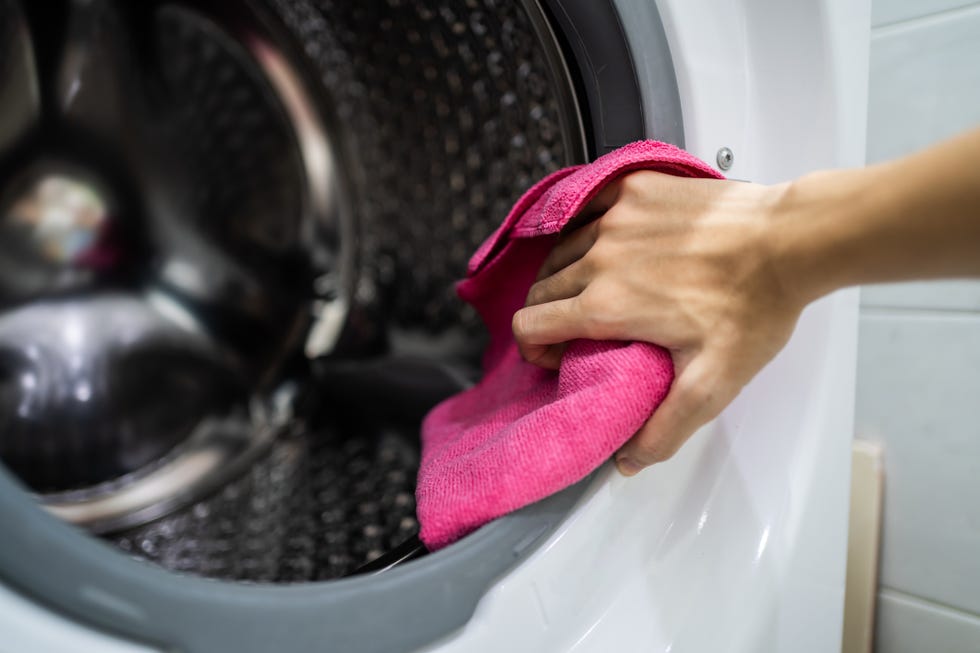
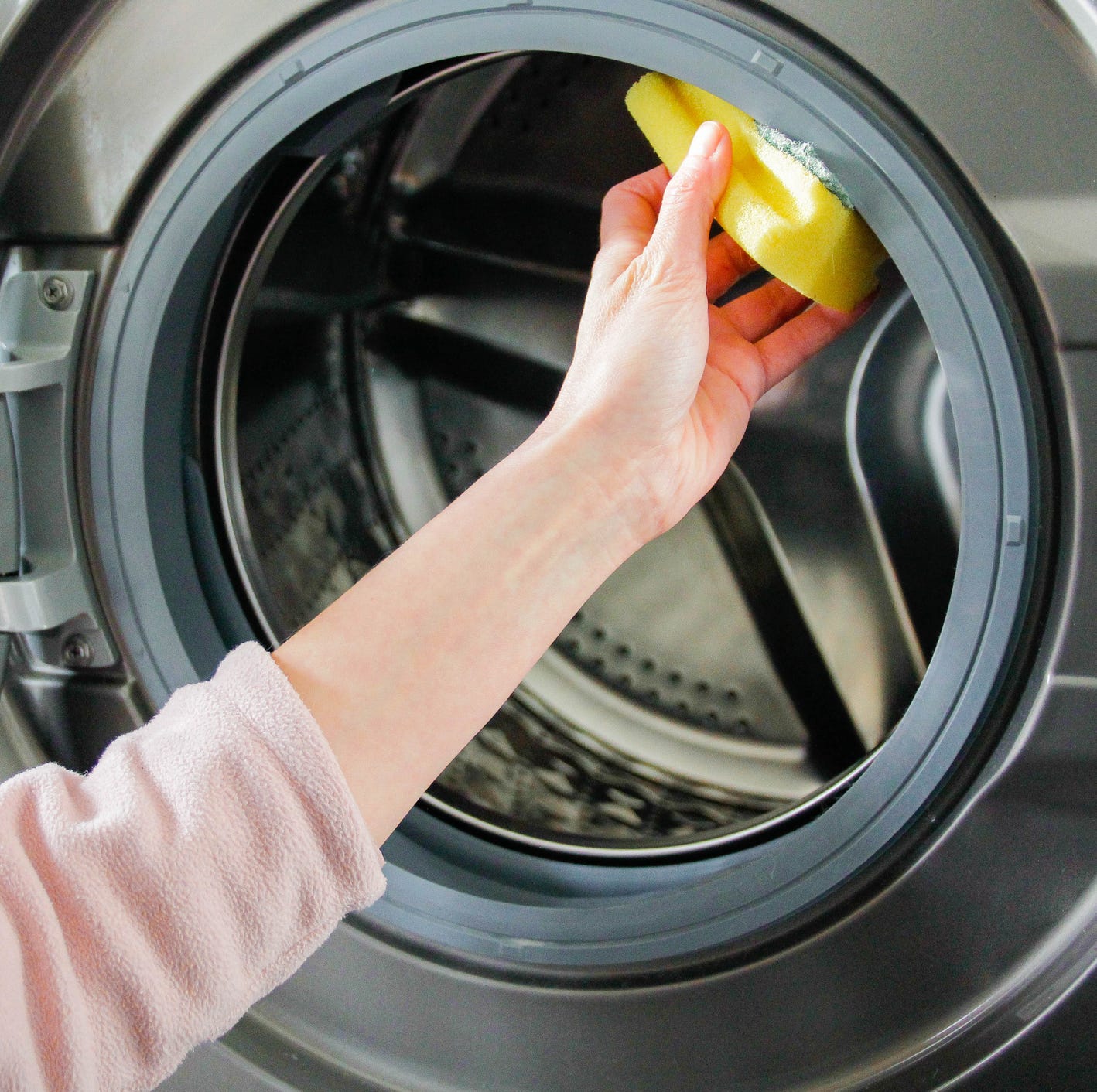
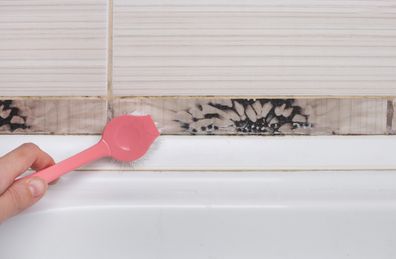
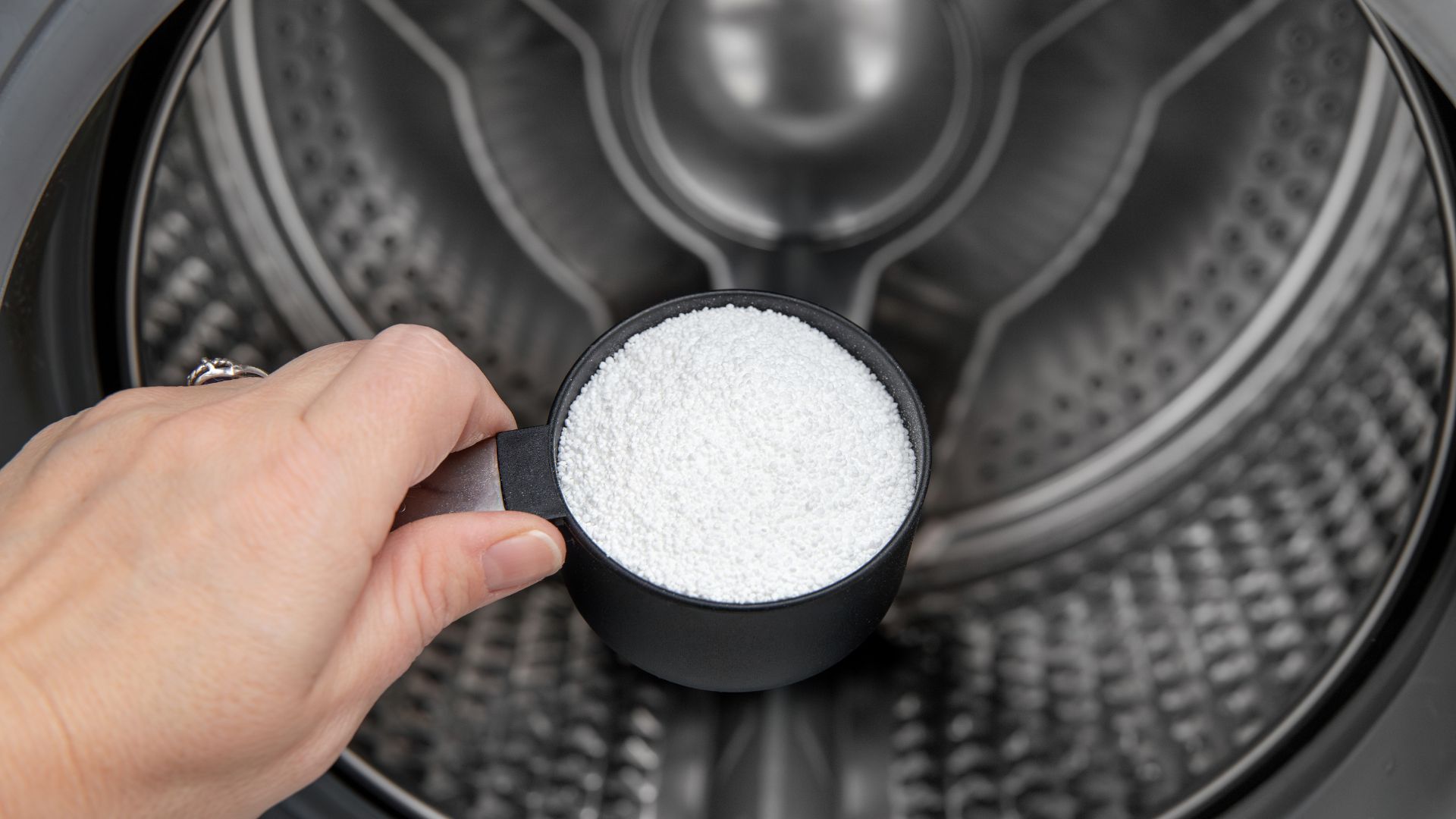
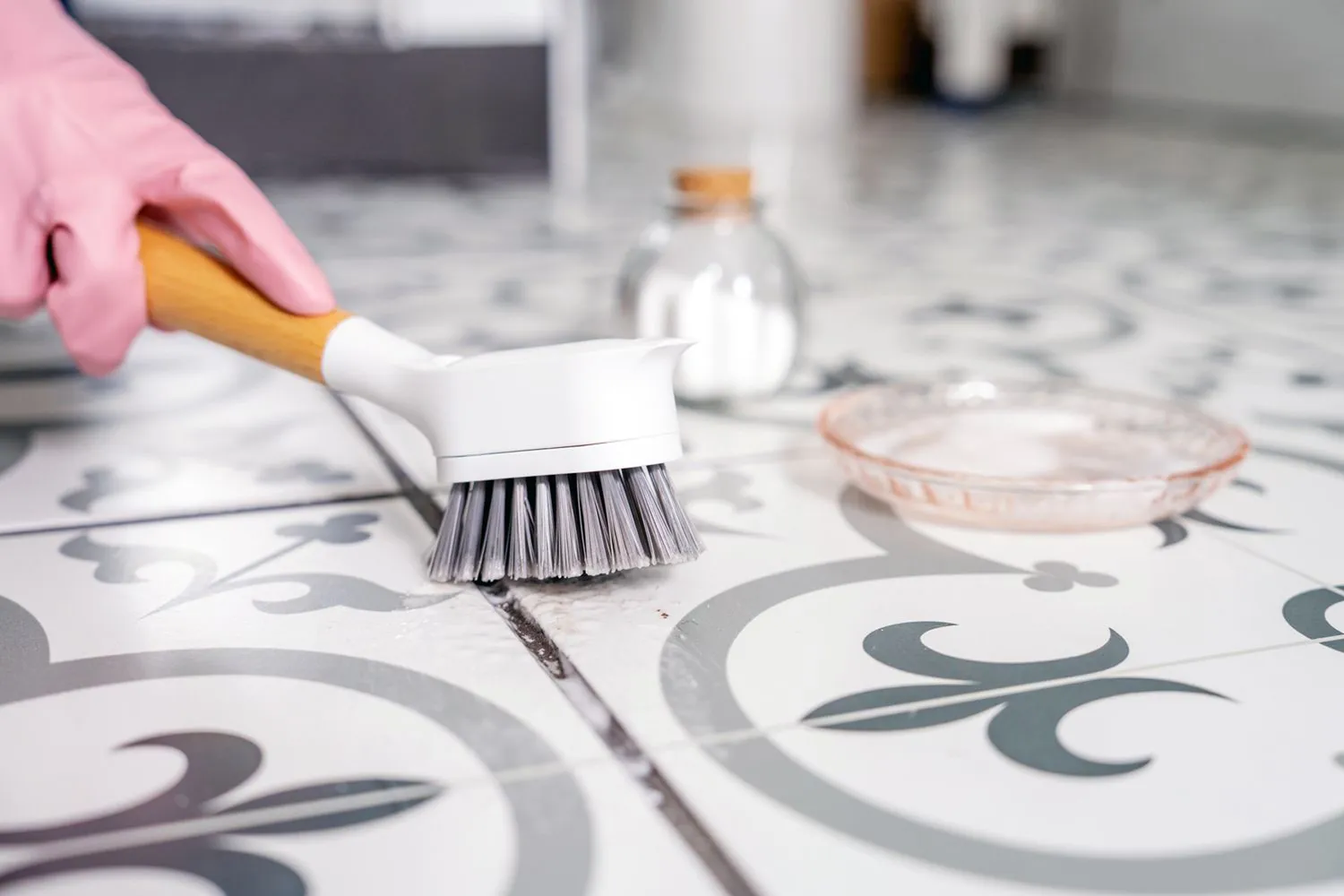
Beyond the kitchen, the baking soda and vinegar method extends to appliances and other areas of the home. Washing machines can be cleaned by adding both ingredients to the drum and running a hot cycle, taking care to avoid getting vinegar on rubber seals to prevent erosion. Grout lines can be brightened annually by applying a mixture of two tablespoons of baking soda and one teaspoon of Castile soap, spraying with white vinegar, letting it fizz, and then wiping or gently scrubbing. However, vinegar should be avoided on marble or granite surfaces, where hydrogen peroxide can be substituted for a safer alternative.
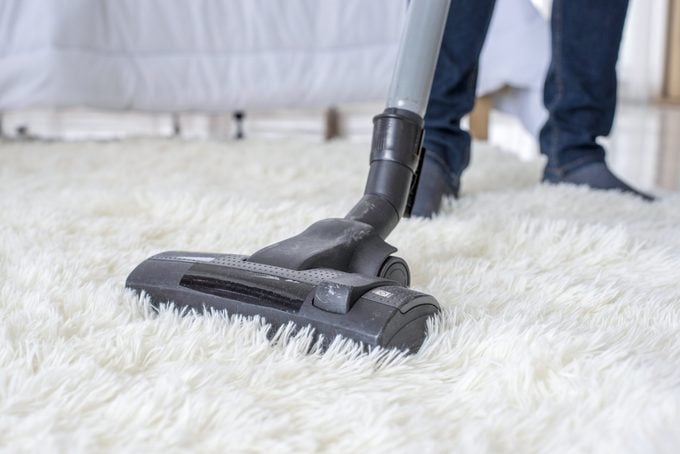
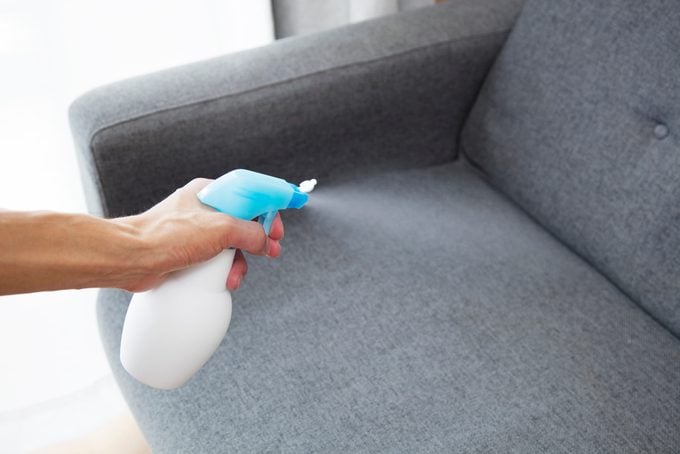
In bathrooms, shower mold and mildew can be treated by spraying with white vinegar, letting it sit for an hour, and wiping clean. For persistent mold, a baking soda and water paste can be gently scrubbed on. Carpets and upholstery can also benefit; baking soda sprinkled on a stained spot, then sprayed with vinegar, will lift the stain, which should be blotted, not scrubbed, with a light-colored towel after spot-testing. Pots and pans with cooked-on residue can be cleaned by boiling a mixture of water and vinegar in them, then adding baking soda after removing from heat and scrubbing once cool. Stovetops and ovens can also be degreased and cleaned using baking soda and vinegar, often involving a paste for tougher cooked-on stains or steam to loosen grime in the oven.
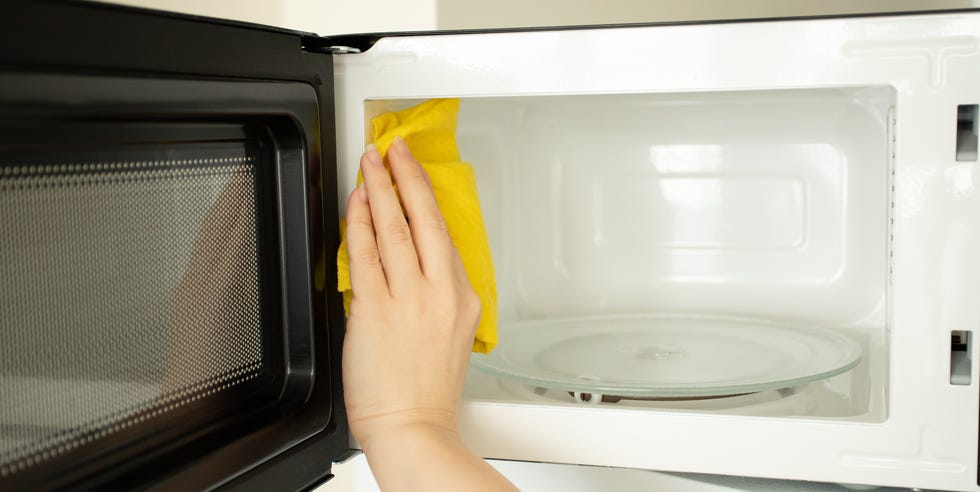
Finally, silverware can be made to gleam by placing it in an aluminum foil-lined glass baking pan, sprinkling with a mixture of baking soda and sea salt, adding vinegar, and then boiling water. After soaking for up to four minutes, the silverware should be removed with tongs and dried with a microfiber cloth. Microwaves can be cleaned by microwaving a cup of water with a tablespoon of vinegar, allowing the steam to loosen stains, and then wiping clean, using a baking soda paste for any stubborn spots. Toilet bowls can be cleaned by pouring two cups of white vinegar followed by one cup of baking soda (with optional essential oils for scent), allowing it to fizz, scrubbing with a toilet brush, and flushing. This method provides an effective, non-toxic approach to various household cleaning challenges.
#HomeCleaning #BakingSodaVinegar #NaturalCleaners #HouseholdHacks #DIYCleaning #EcoFriendlyCleaning #StainRemoval #KitchenCleaning #BathroomCleaning #HomeCleaning #BakingSodaVinegar #NaturalCleaners #HouseholdHacks #DIYCleaning #EcoFriendlyCleaning #StainRemoval #KitchenCleaning #BathroomCleaning
0 comment in total
 No comments yet
You may also like
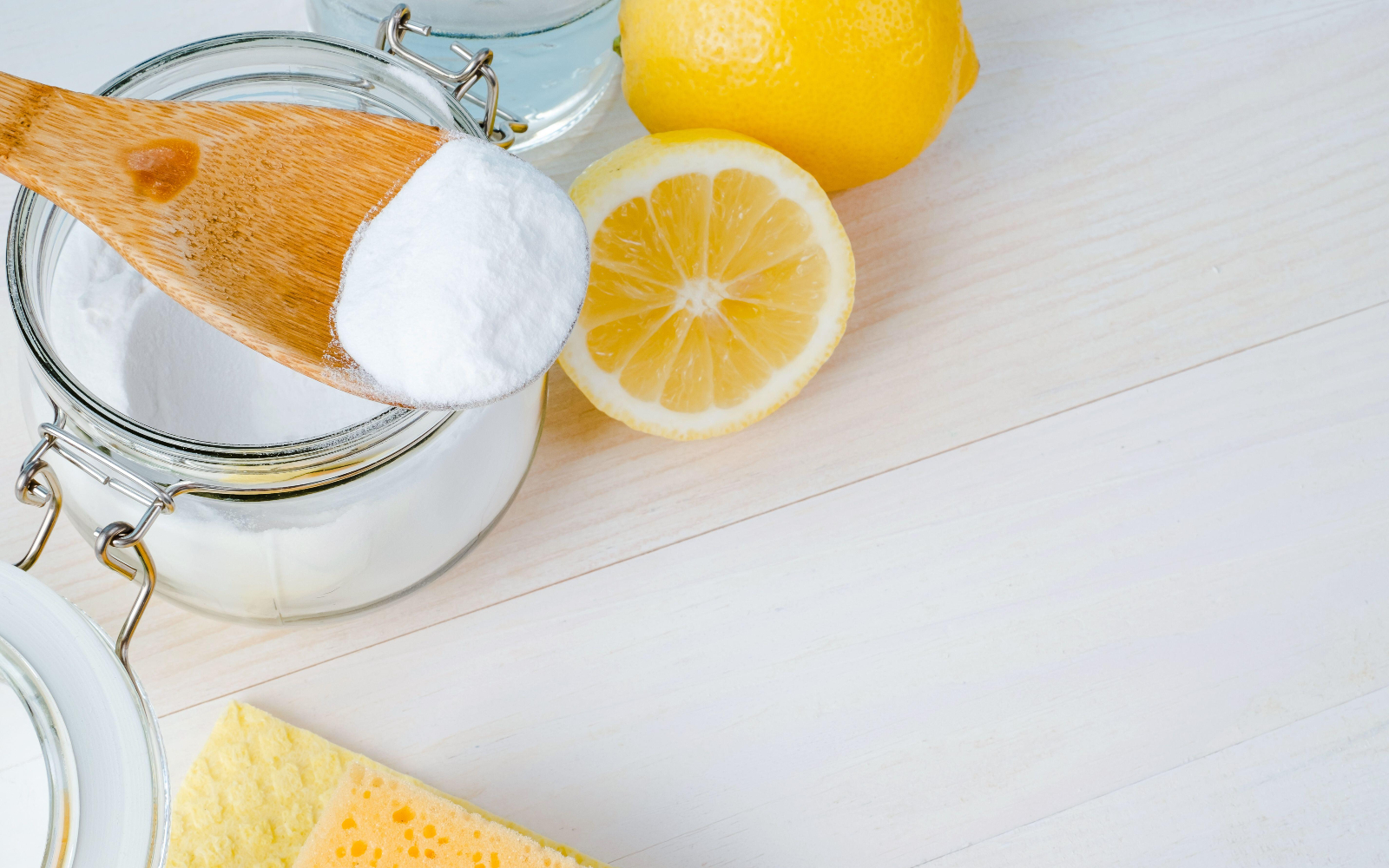
5 things you should never clean with baking soda – according to professionals


6 essential money-saving spring cleaning hacks – save as you spruce
Five cheap and easy ways to clean grout using things you already own
Kitchen cabinets won't be greasy or sticky if you use 3 household items cleaners love
16 Things In Your Kitchen You NEED To Clean More Often, According To Experts
Best Cleaning Advice & Tips

Vinegar + vacuum = cleaning magic for household appliances

Everything you can clean with a steam cleaner (and it’s a long list)


The 10 Best Hacks To Control Gross Smells In Your Home

11 Homemade Cleaners to Make with Ingredients from Your Pantry
Nine of My Favorite Products for Cleaning the Kitchen

The 22 Best Cleaning Products for Your Home That Basically Do the Work for You

12 Unexpected Things You Can Clean With Vodka, From Cutting Boards to Sneakers

How to clean your washing machine: Experts reveal their top tips
Hate cleaning? These 11 workhorse products will save you time and simplify everyday chores

New Year cleaning checklist: 10 places to focus on in 2025
How To Clean a Drain With Baking Soda and Vinegar


How to Get Rid of Dog Smell from Everywhere in Your House

Cleaning with citric acid: 6 ways to harness the power of this natural cleaning agent

You Can Clean Almost Every Surface in Your Bathroom With This One Household Product—Here’s How