Furniture makers embellishing with rivets
The article explores the resurgence of nail-head trim and rivets in contemporary furniture design, highlighting their historical significance and current applications. Historically, nail-head trim served a functional purpose in 17th-century France and 19th-century England, securing materials to upholstered furniture while also providing a decorative element. Similarly, rivets were common in manufacturing and shipbuilding centuries ago. Today, both fasteners are experiencing a revival in home decor, appearing in a variety of styles from traditional elegance to urban and edgy aesthetics.
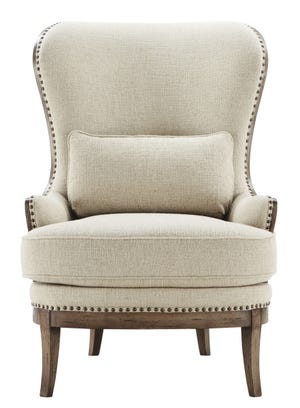
Seattle interior designer Timothy De Clue notes that nail-head trim, despite being a 400-year-old detail, is now being used in novel applications to create bold looks. Lisa Ferguson, an interior designer in Toronto, utilized antique-brass nail-head trim along the skirt of a pair of armless coral chairs, observing that it generally imparts a perception of luxury and adds texture to a piece. She advises consumers to be discerning, recommending attention to the quality of the trim. Ferguson emphasizes that craftsmanship is crucial, suggesting that the scale and spacing of nail heads should be carefully considered in relation to the furniture piece. She also recommends opting for individual metal heads over plastic rows if budget allows, to achieve a more upscale appearance.
Several designers and retailers are incorporating these elements into their collections. Ballard Designs offers customizable tufted and untufted headboards that can be finished with brass or silver nail heads, allowing for personalized decor. Designer Jonathan Adler integrates nail motifs into his work, such as the Channing screen, a white lacquered room divider adorned with polished nickel nail heads, named after Bette Davis’ character in “All About Eve.” Adler also features an acrylic obelisk filled with construction nails, demonstrating a playful and unconventional approach to the motif.
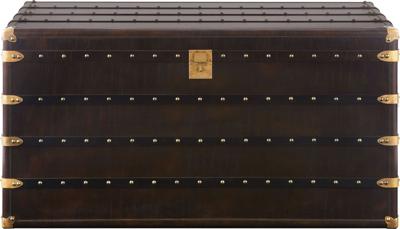
Jayson Home's Bretton shelf unit exemplifies how nail-head trim complements textured materials, with the unit covered in burlap and accented with brass nails. Arhaus features a collection of chairs that combine recycled leather seats with woven fabric backs, using a nail-head border where the materials meet. Their Portsmouth chair and settee integrate the deconstructed furniture trend with a refined finish, showcasing exposed framing, grain-sack-textured upholstery, and nail trim. The Colburn steamer trunk from Arhaus, crafted from chestnut leather and detailed with antique brass nail heads, evokes the aesthetic of early ship travel, further illustrating the versatility of rivets and nail-head trim in contemporary home furnishings.
#FurnitureDesign #HomeDecor #InteriorDesign #NailHeadTrim #Rivets #DecorativeElements #LuxuryFurniture #ContemporaryDesign #Craftsmanship #FurnitureDesign #HomeDecor #InteriorDesign #NailHeadTrim #Rivets #DecorativeElements #LuxuryFurniture #ContemporaryDesign #Craftsmanship
0 comment in total
 No comments yet
You may also like
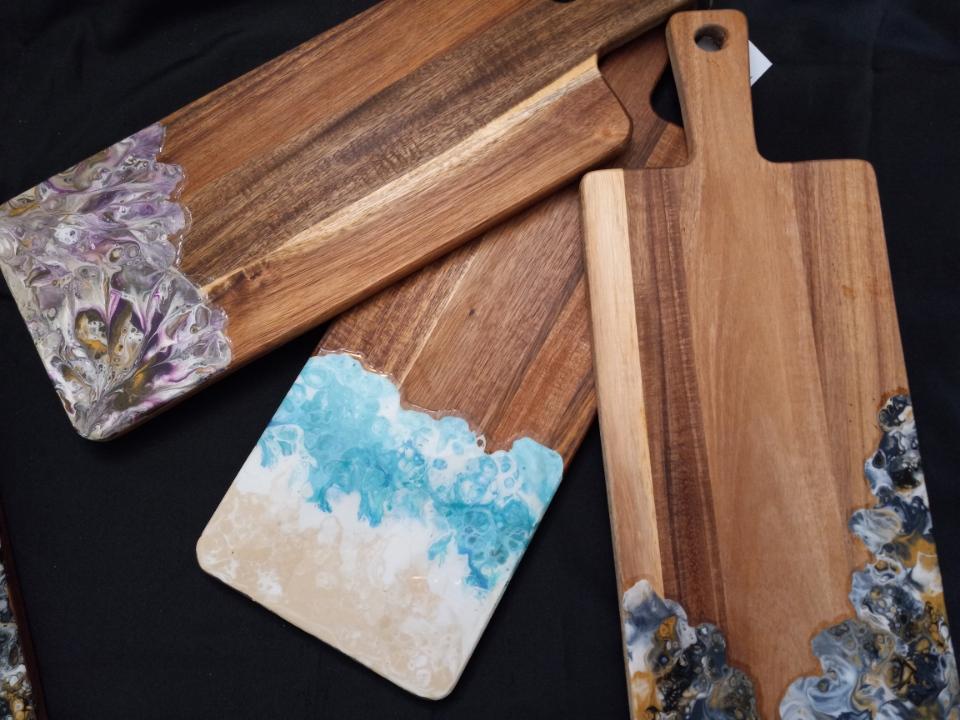
From cutting boards to coasters, maker brings signature swirl to handmade work
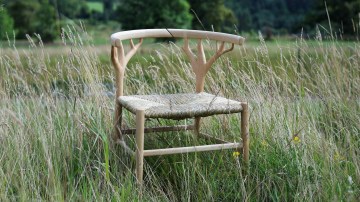
15 future furniture and home decor design classics to invest in now
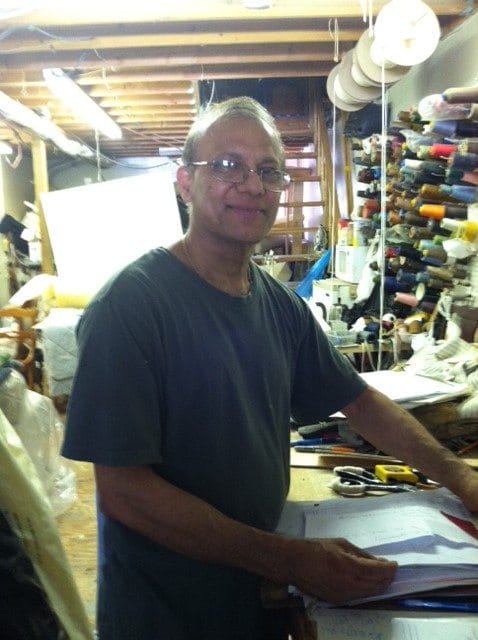
Meet Das Upholstery’s Das Chunilall As He Brings A Rocking Chair Back To Life

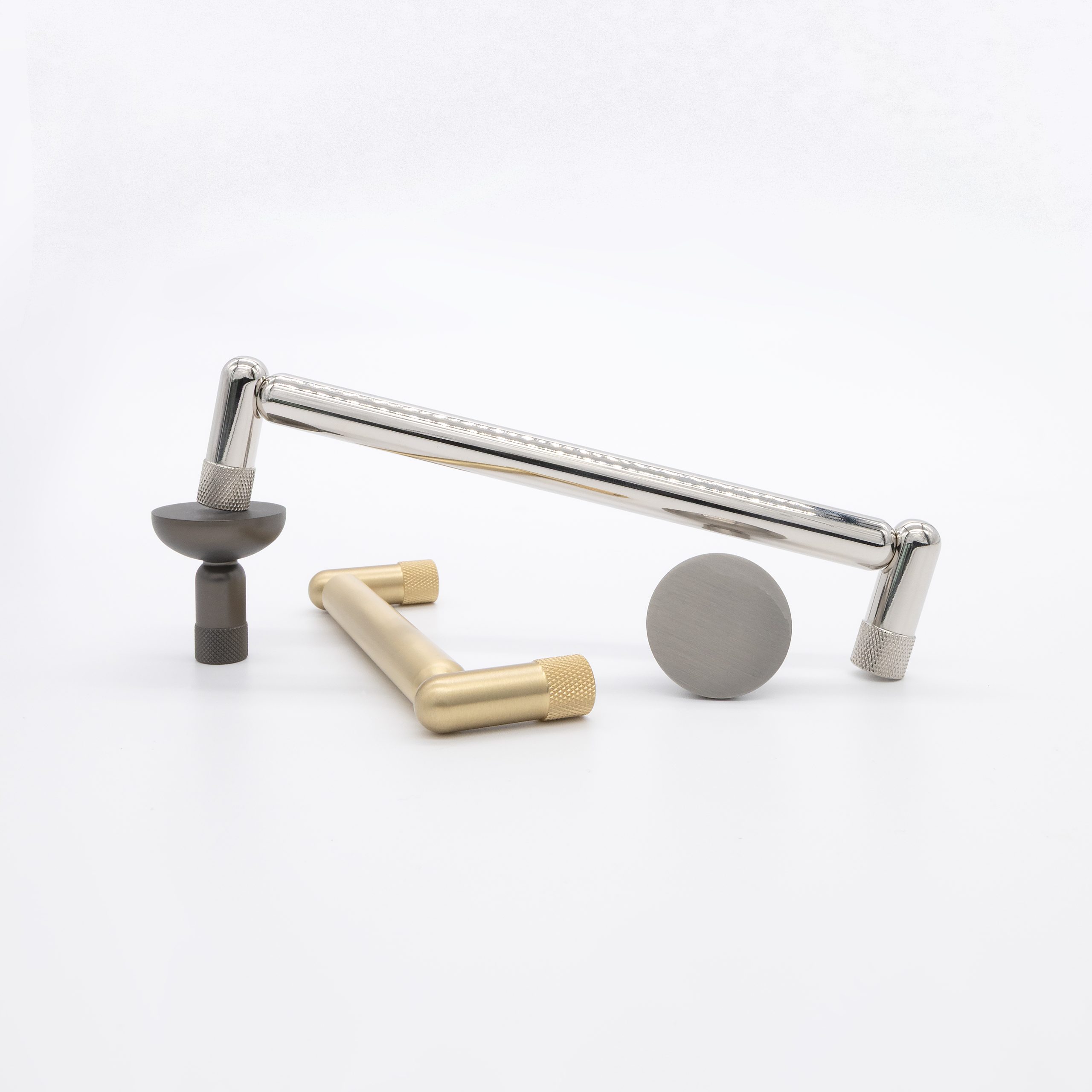
Knurled Decorative Hardware

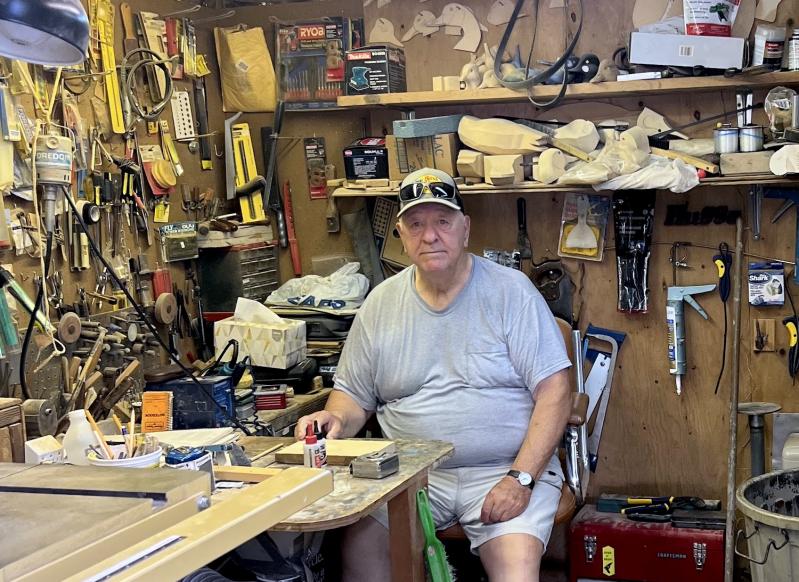
Master Carver Coaxes Feathers From Wood


Mouldings | Decorative Moulding

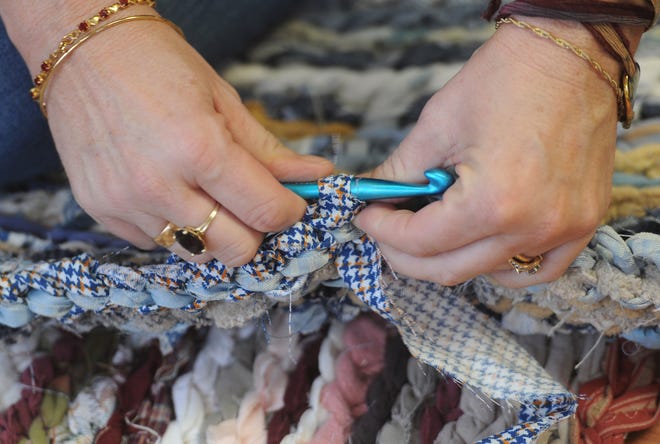
Artisan goes from rags to rugs
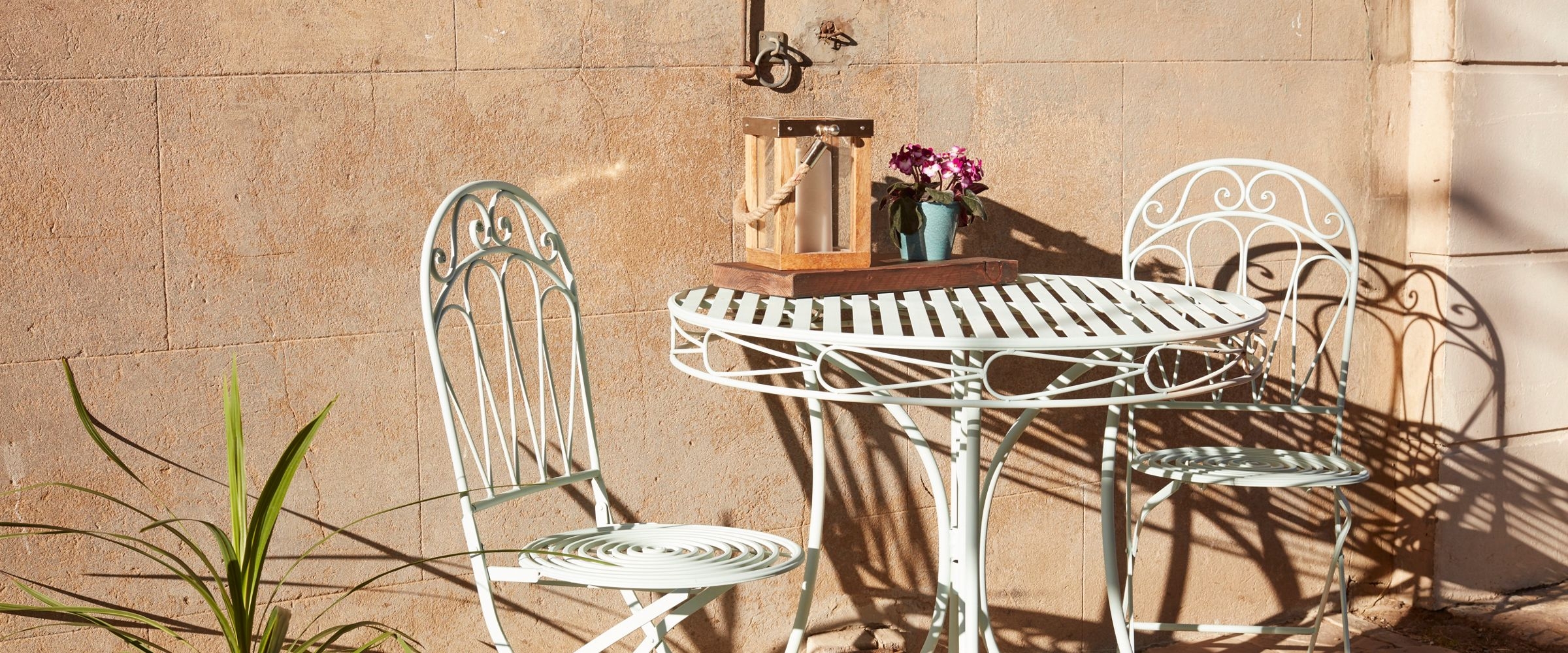
Metal furniture makeover

Finishing Touches
Take This Chair & Stuff It
Decorating with paint
Hive: Leather Patches Create 3D Upholstery Textiles

Furniture makers nail it with old-time fasteners
Sculpture and Furniture Design

Toronto Woodworkers Making Heirloom-Quality Wares
21 of the greatest craftspeople working in Britain today, as chosen by the nation's best designers and architects
Designer Creates Furniture Using Only Forces of Tension, No Nails Needed

6 Hudson Valley Woodworkers Crafting Contemporary Furniture and Home Goods

Homestyle: Attention to detail
Beving & Dall's Leah Darling Takes Us Inside Her Shop