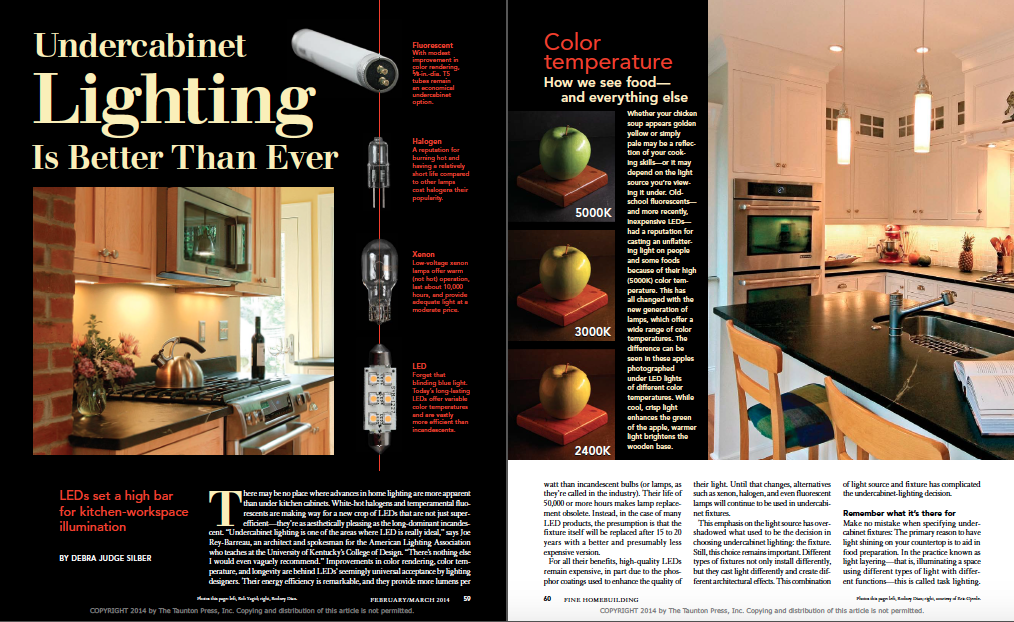
Undercabinet Lighting Is Better Than Ever
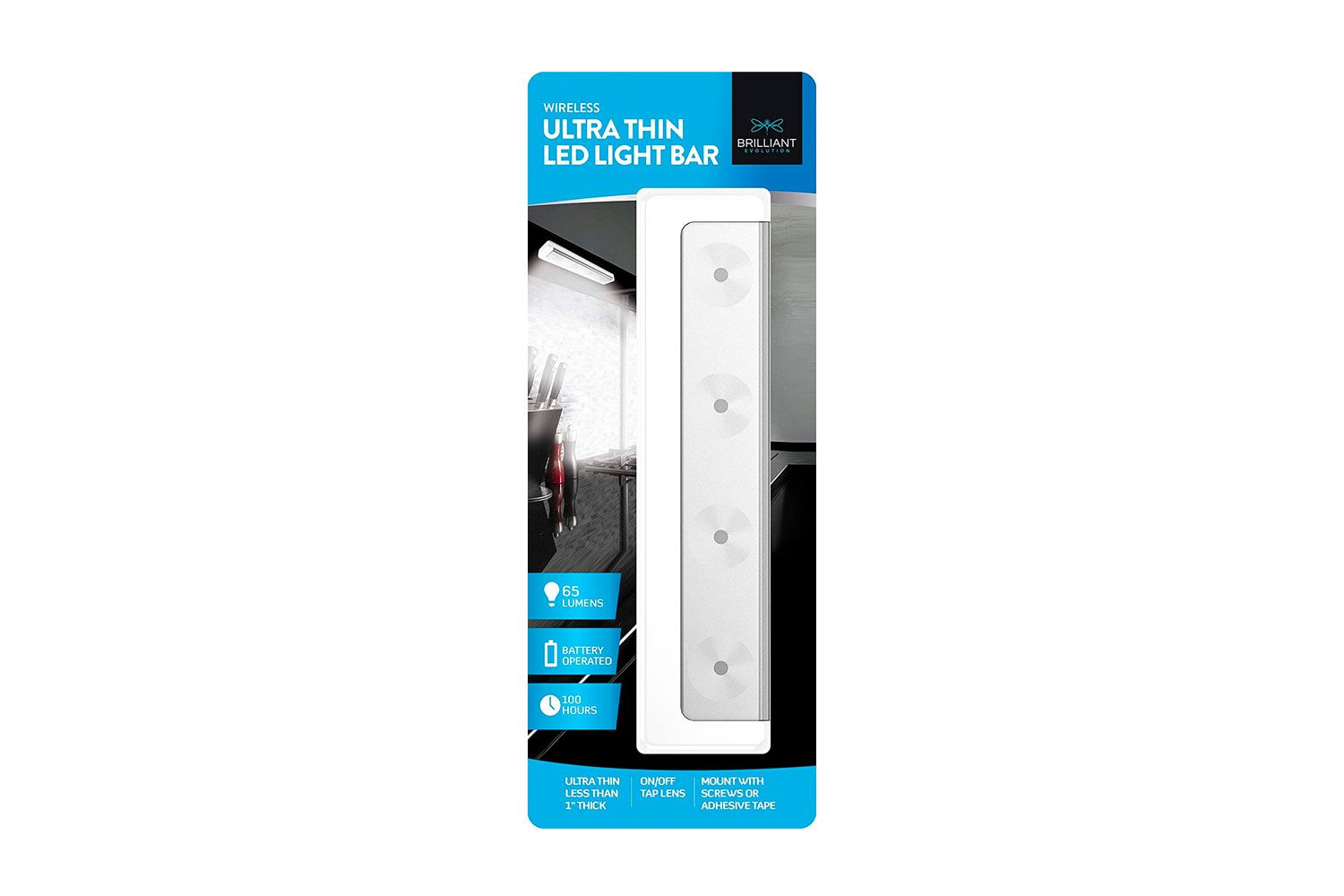
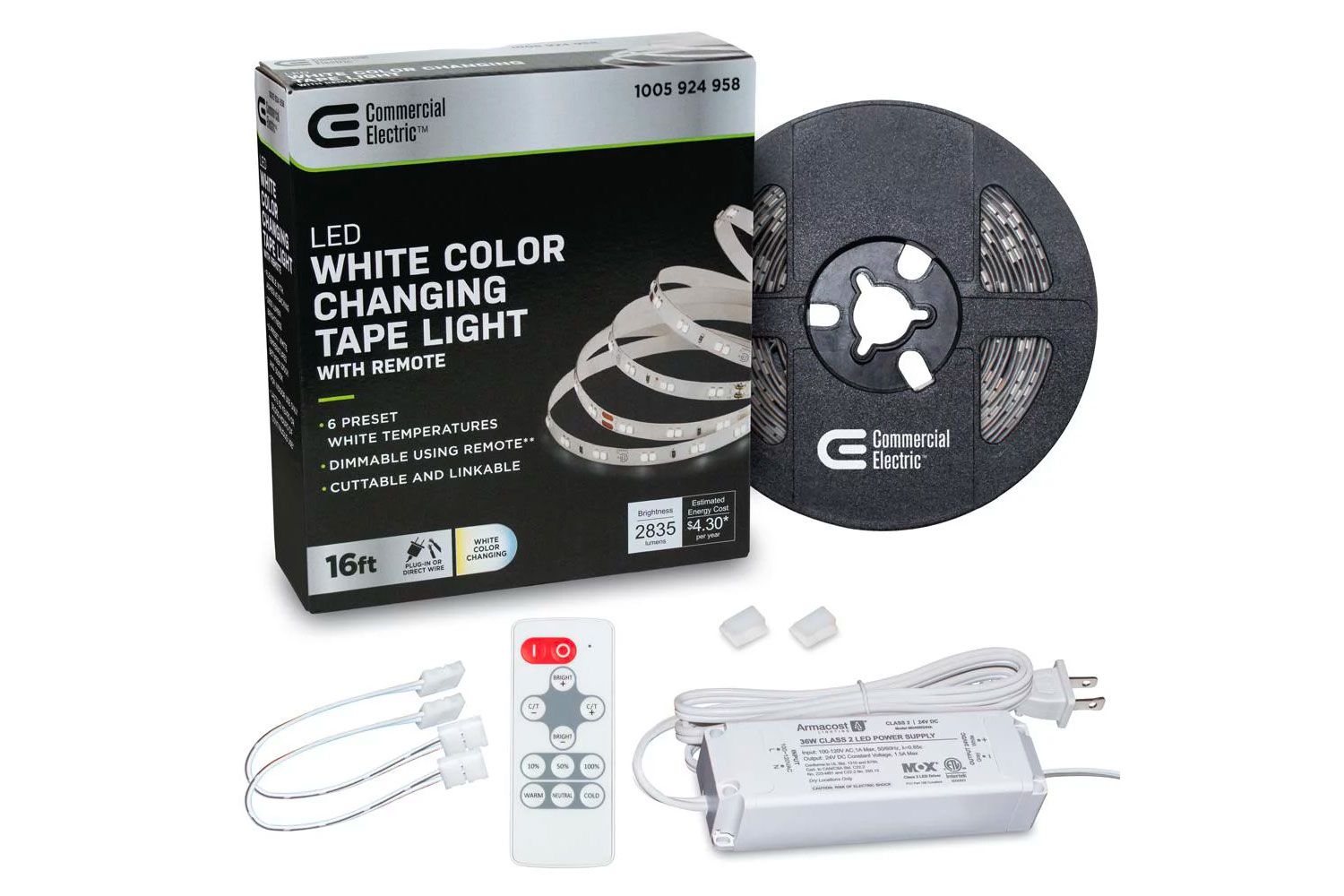
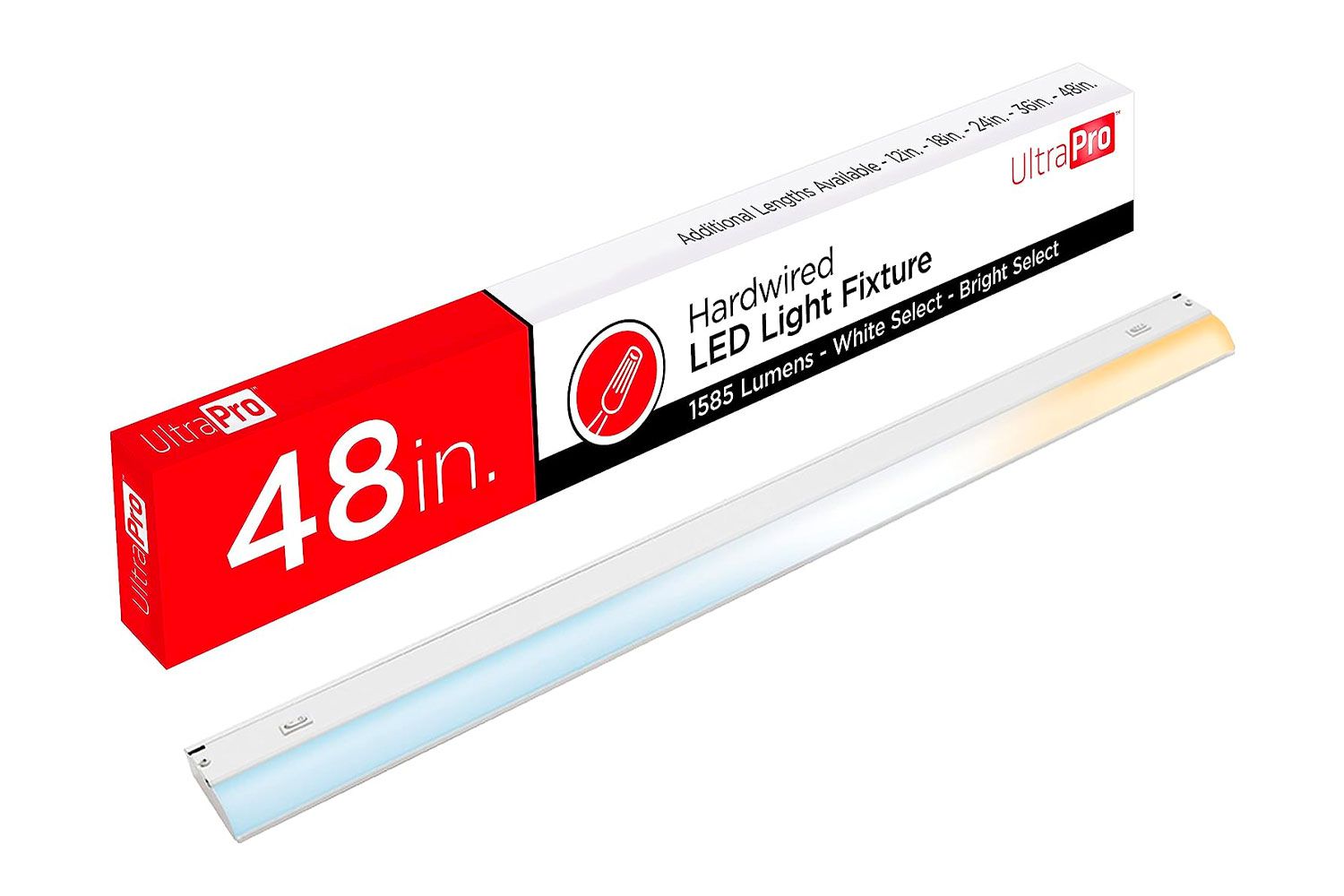
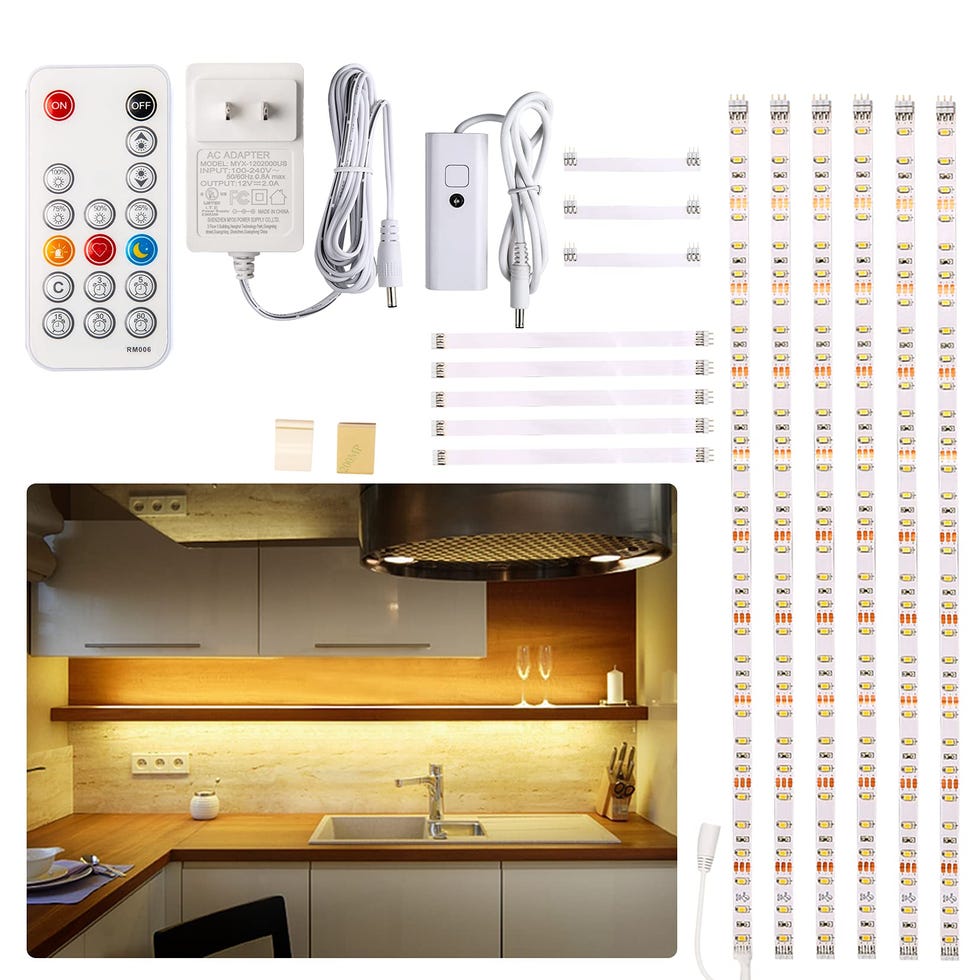
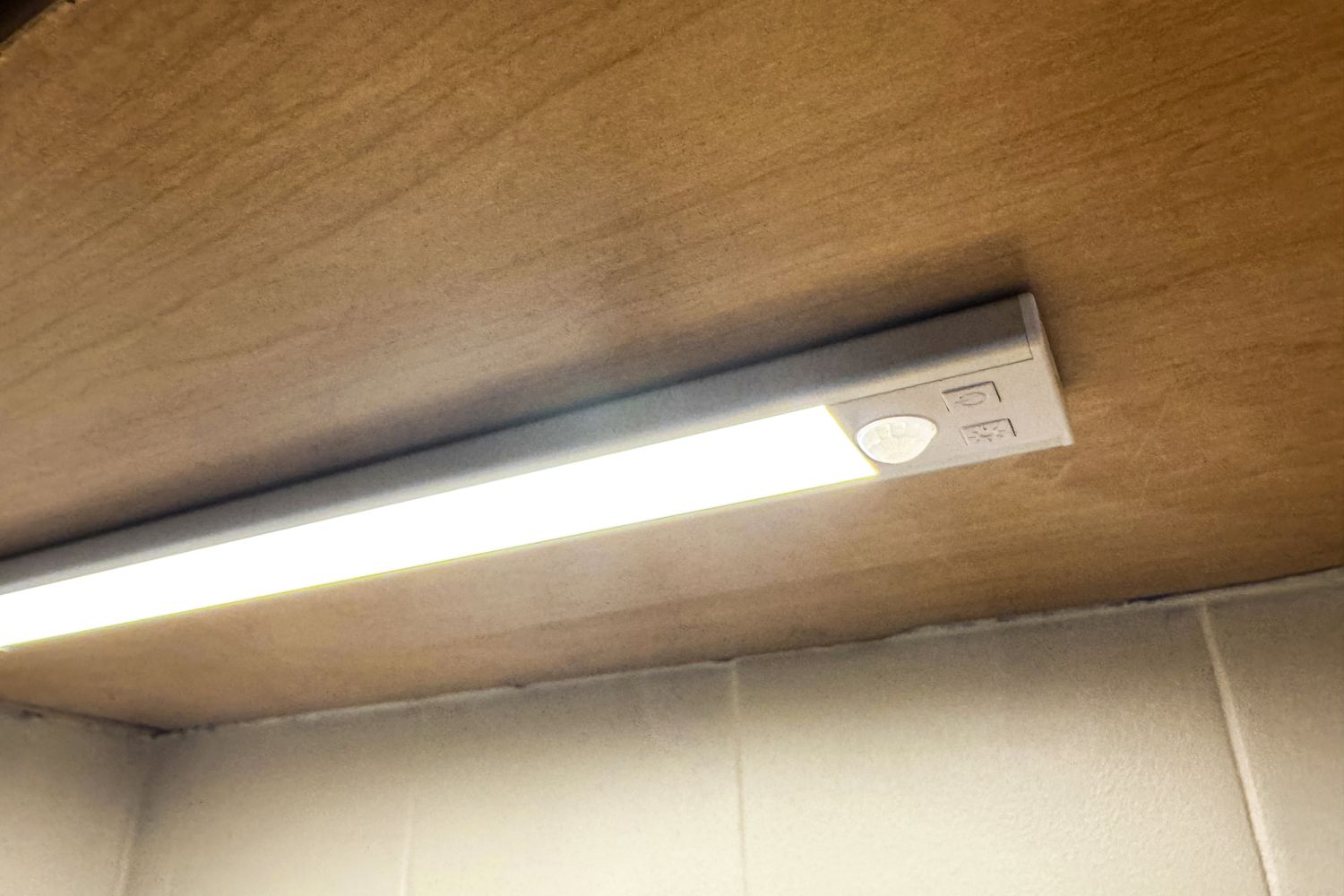
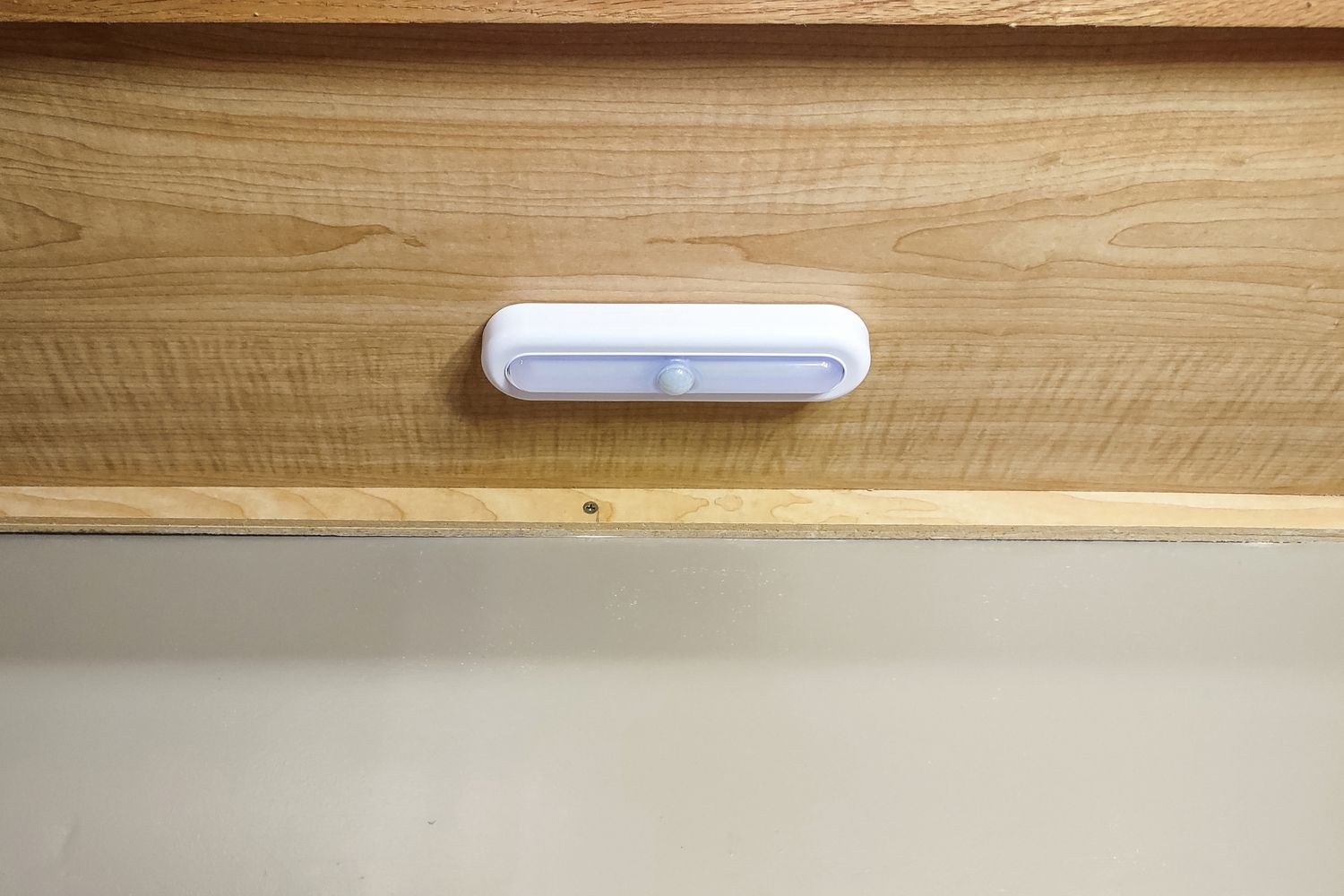
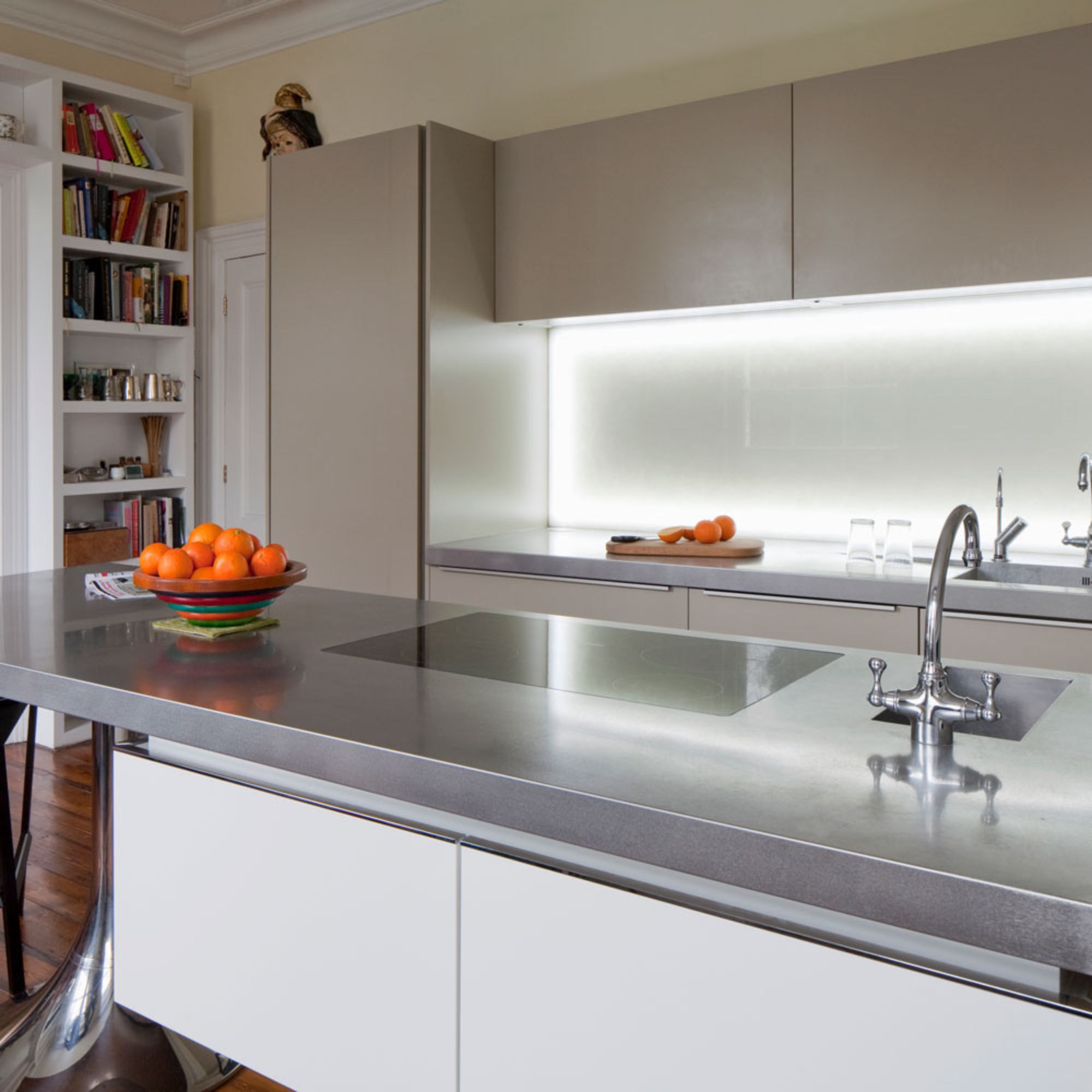
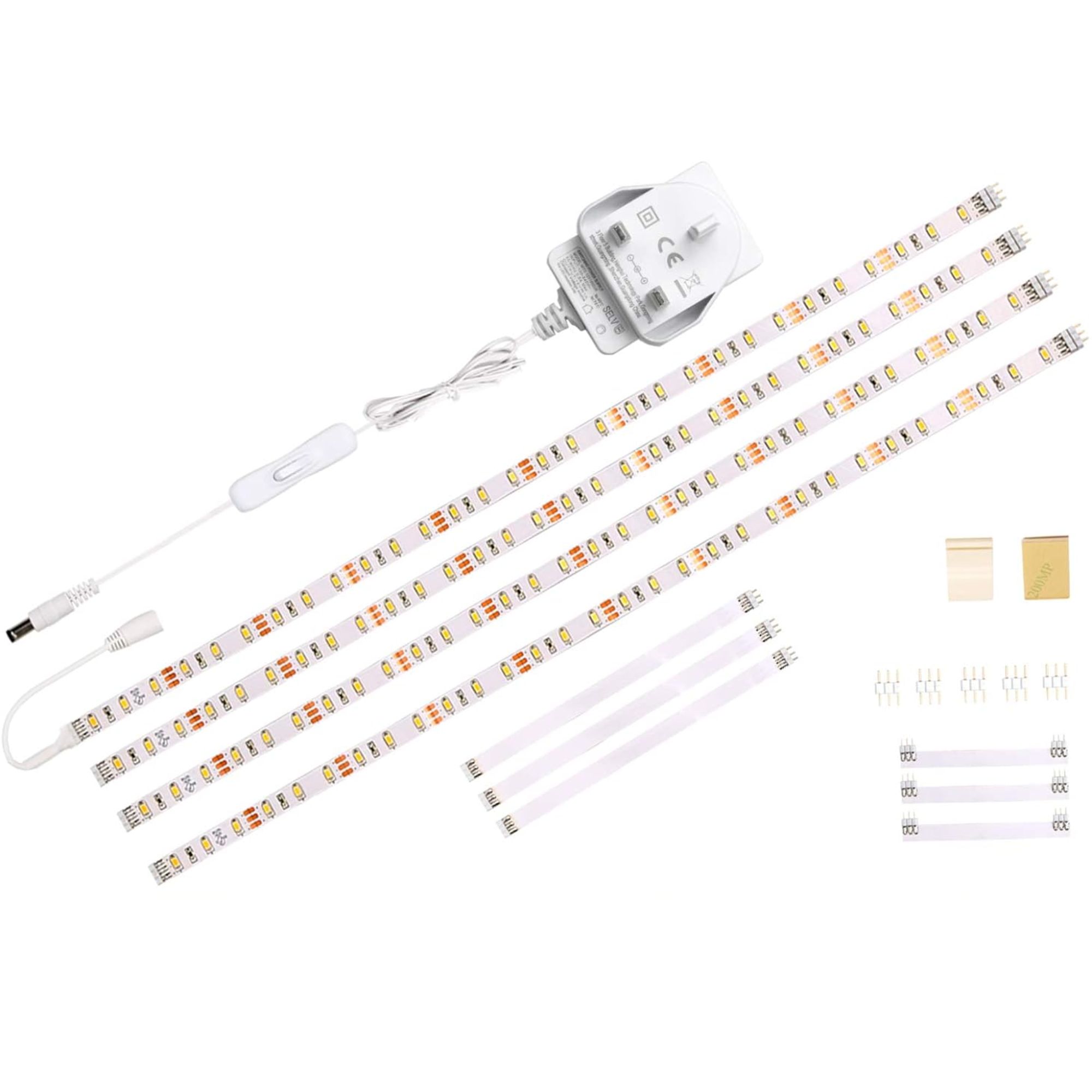
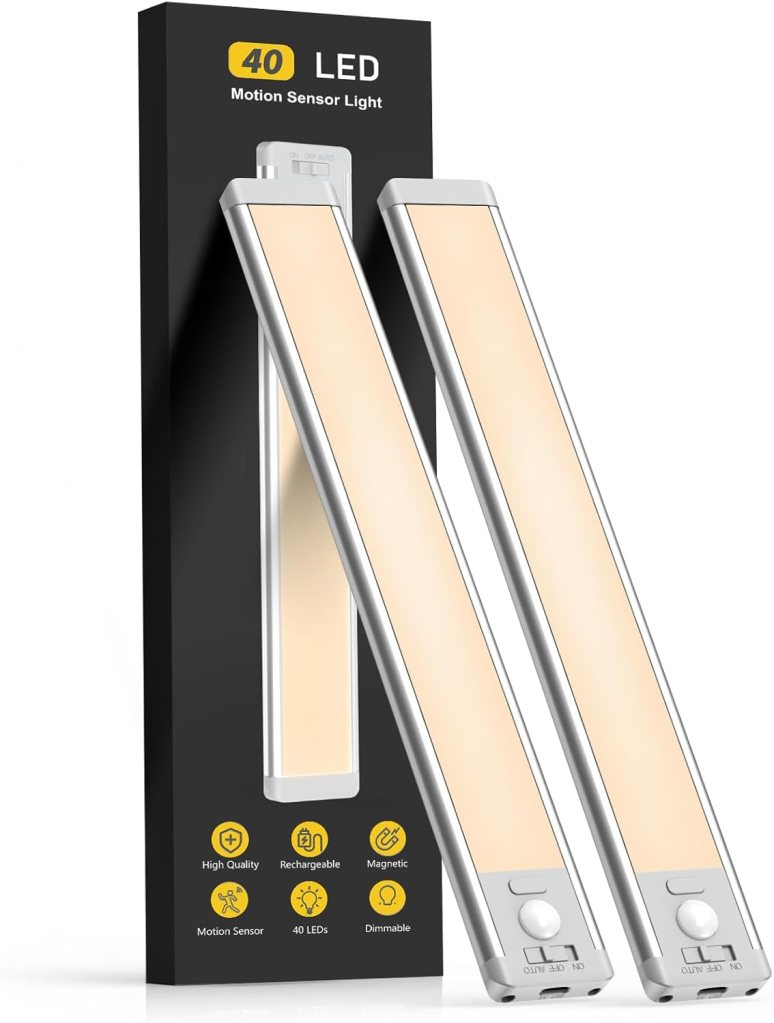
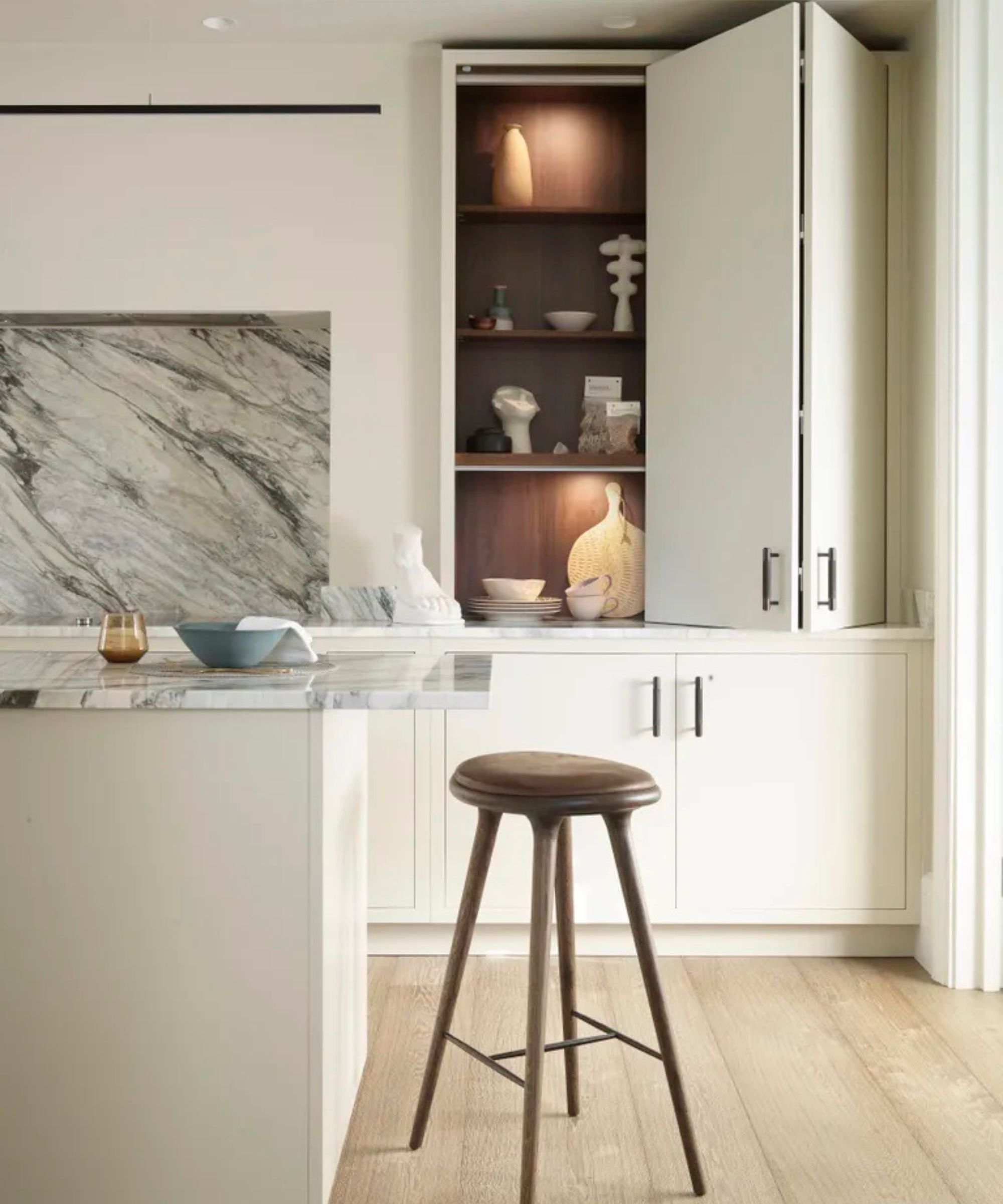
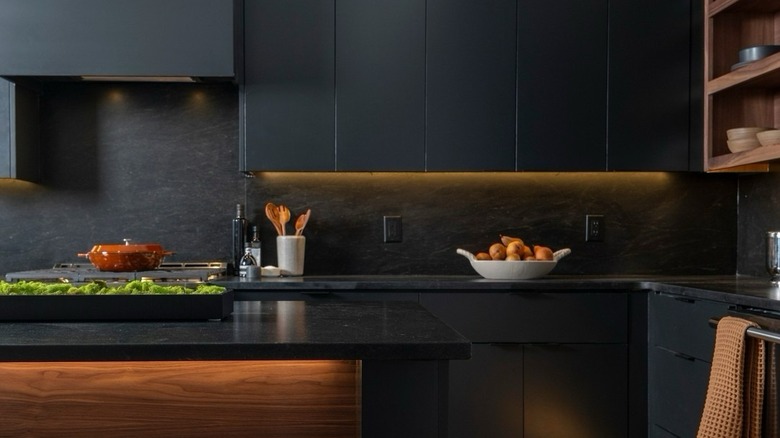
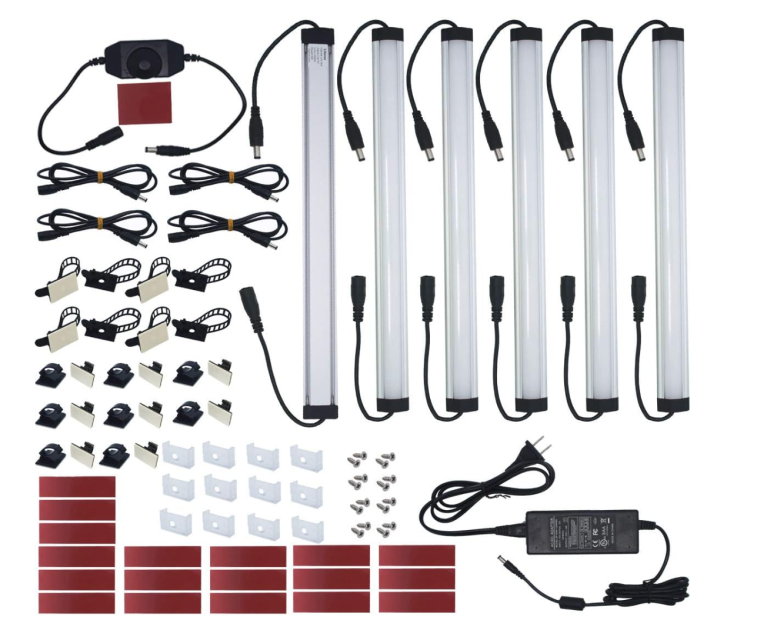
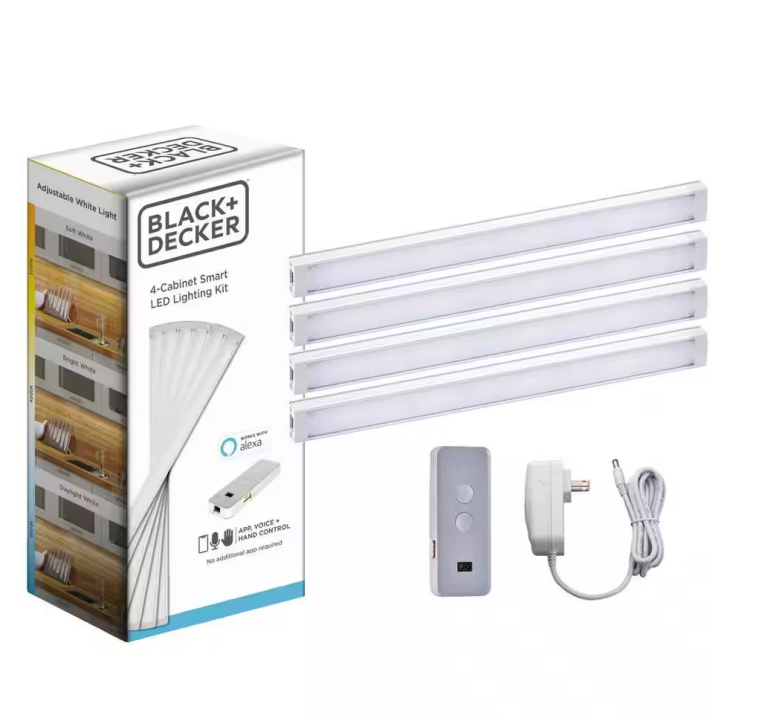
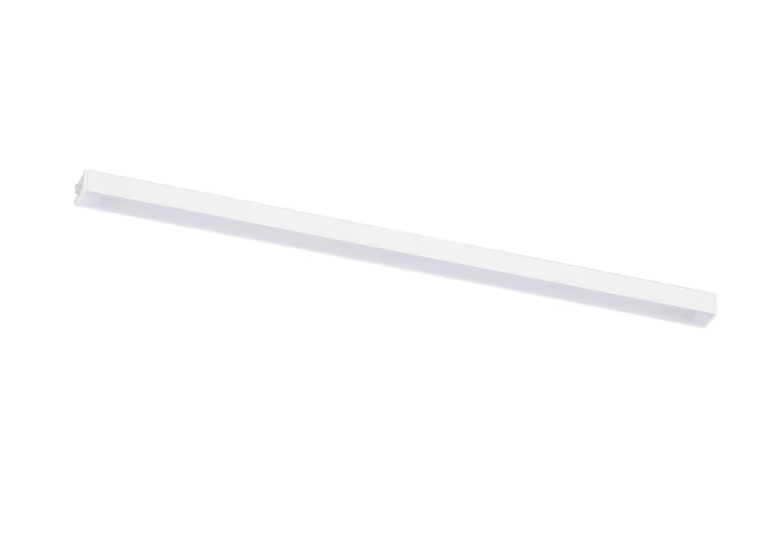
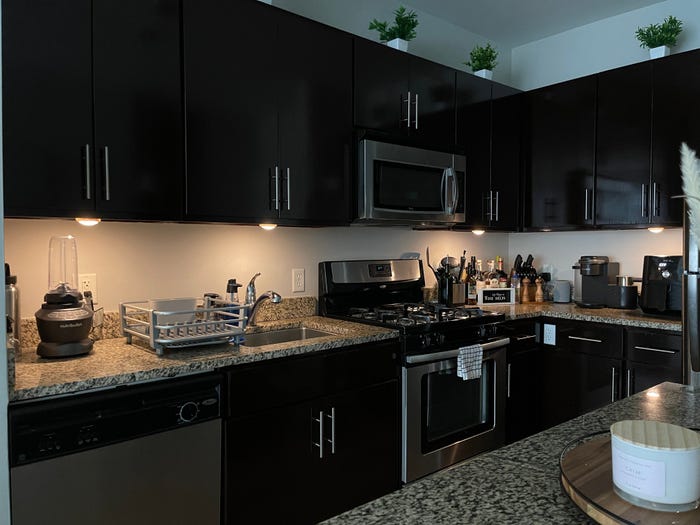
The field of home lighting, particularly under kitchen cabinets, has seen significant advancements, with Light-Emitting Diodes (LEDs) now setting a high standard for kitchen-workspace illumination. Traditional lighting options like halogens and fluorescents are being phased out in favor of LEDs due to their superior efficiency and aesthetic appeal. Joe Rey-Barreau, an architect and spokesperson for the American Lighting Association, strongly advocates for LEDs in undercabinet applications, noting their ideal characteristics for such use. These improvements encompass better color rendering, precise color temperature control, and exceptional longevity.
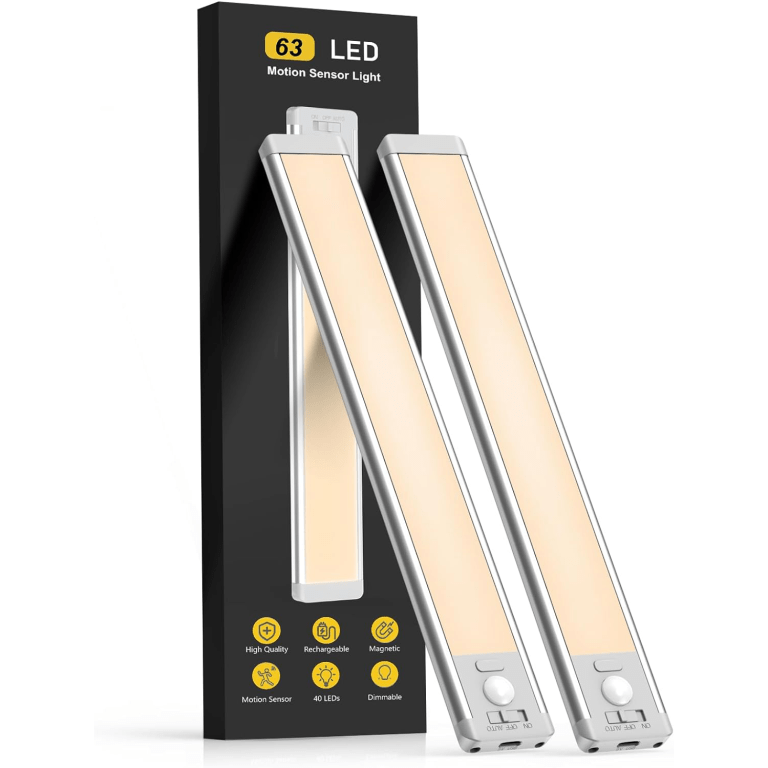
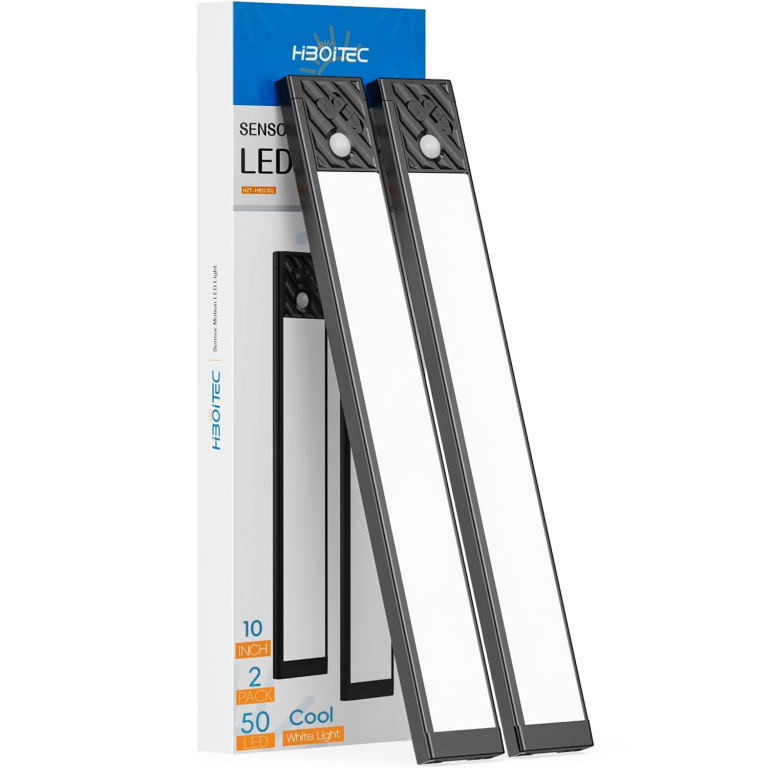
LEDs offer remarkable energy efficiency, providing more lumens per watt compared to incandescent bulbs. Their impressive lifespan, often exceeding 50,000 hours, virtually eliminates the need for frequent bulb replacement. In many LED products, the fixture itself is designed to last 15 to 20 years, after which it might be replaced with a newer, potentially more cost-effective model. Despite these advantages, high-quality LEDs remain relatively expensive, largely due to the phosphor coatings required to enhance light quality. This cost factor means that alternatives like xenon, halogen, and even fluorescent lamps continue to be used in some undercabinet fixtures.
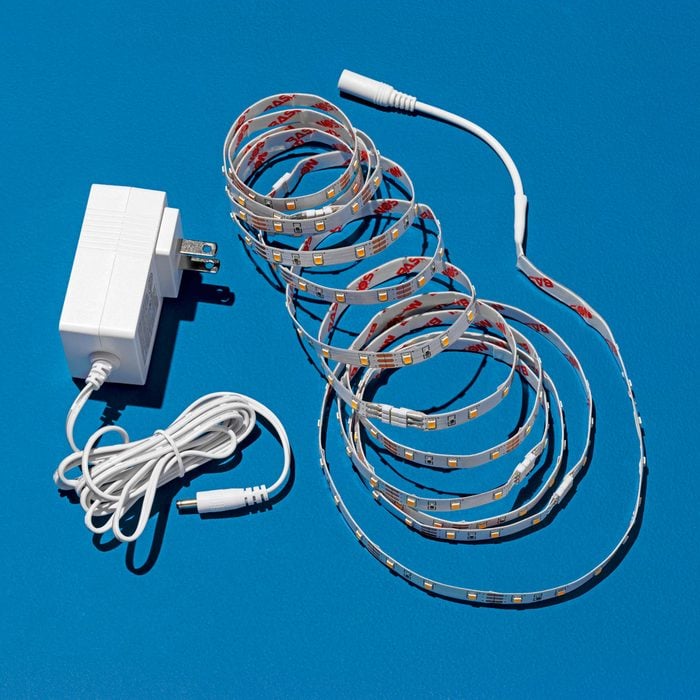
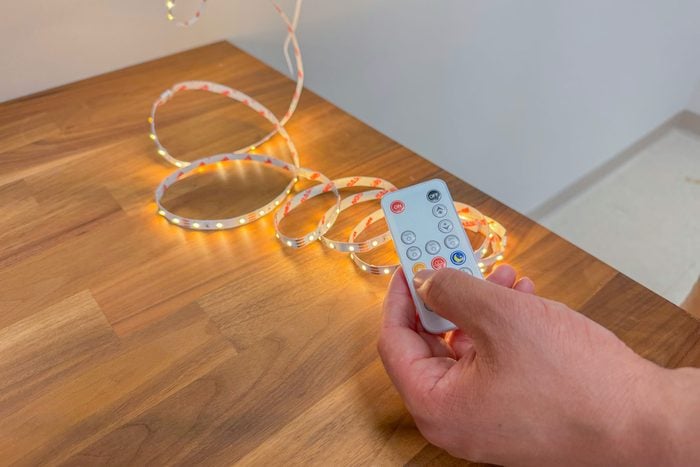
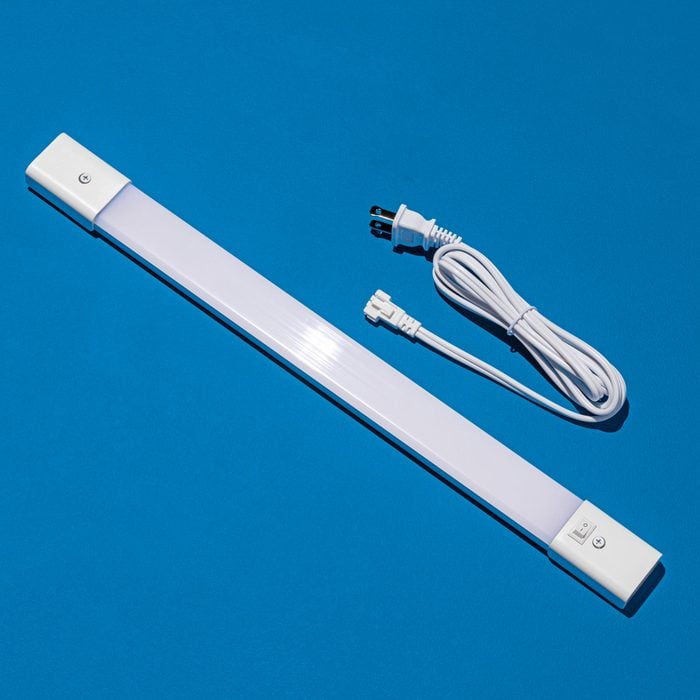
The evolution of lighting technology has shifted the focus from merely selecting a fixture to a more nuanced consideration of the light source itself. However, the choice of fixture remains critical, as different types offer varied installation methods, light distribution patterns, and architectural effects. This interplay between the light source and the fixture adds complexity to the decision-making process for undercabinet lighting.
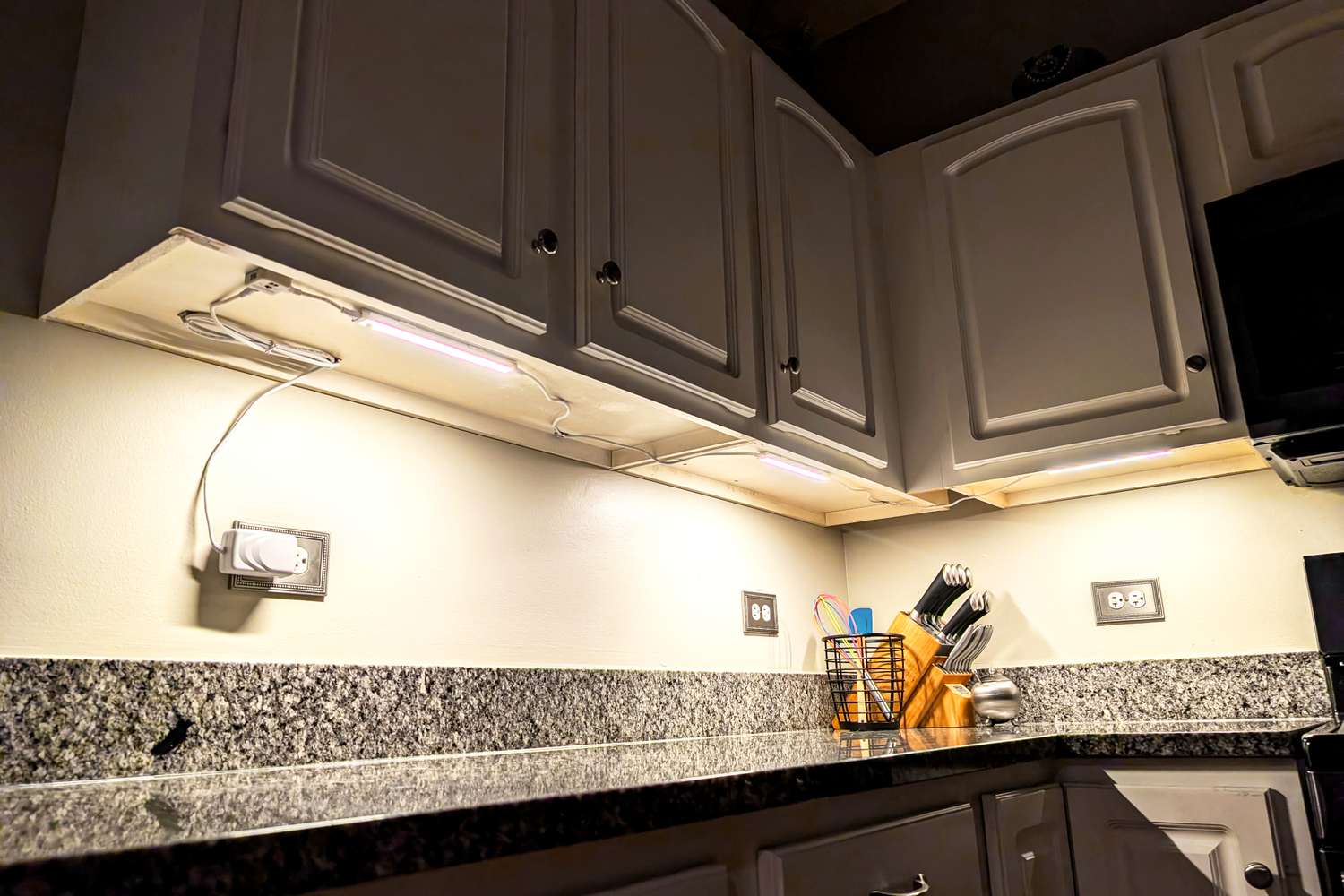
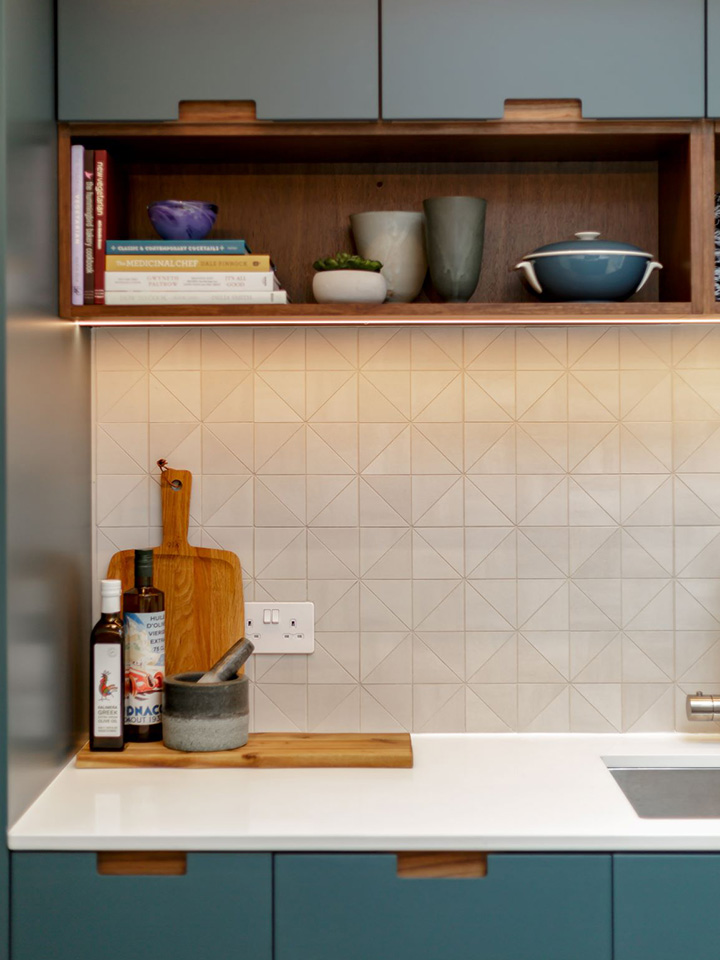
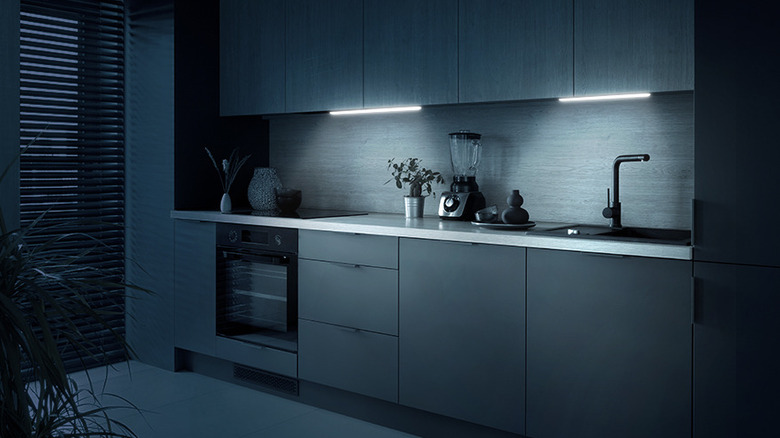
The primary purpose of undercabinet lighting is task illumination, specifically to assist with food preparation on countertops. This falls under the concept of light layering, where different types of light serve distinct functions within a space. While undercabinet lighting is sometimes mistakenly viewed as accent lighting—used for highlighting backsplashes or providing subtle ambient light—this misconception can lead to inadequate illumination for practical countertop tasks. Therefore, it is crucial to prioritize the functional aspect of task lighting when specifying undercabinet fixtures.
When choosing undercabinet lighting, it is also important to consider the users and their specific needs. Jeffrey R. Dross, director for education and industry trends at Kichler Lighting, points out that older individuals and avid cooks typically require more intense illumination in their task areas. He emphasizes that the amount of light needed varies significantly depending on how frequently and for what purpose the kitchen countertop is used. Ultimately, the goal is to select a lighting solution that effectively supports the functional demands of the kitchen workspace while also contributing to the overall aesthetic.
#undercabinetLighting #LEDLighting #kitchenLighting #taskLighting #homeImprovement #energyEfficiency #lightingDesign #kitchenRenovation #undercabinetLighting #LEDLighting #kitchenLighting #taskLighting #homeImprovement #energyEfficiency #lightingDesign #kitchenRenovation
0 comment in total
 No comments yet
You may also like
We Tested Under-Cabinet Lights—These Will Instantly Upgrade Your Kitchen

10 Best Under Cabinet Lighting

5 Trending Kitchen Light Fixtures That Will Add Spark To Your Home
The Sleek Solution Jenny & Dave Marrs Use To Make A Kitchen With Dark Cabinets Pop

Our Kitchen Has Never Been More Functional Thanks to This Simple Product

We Tested Dozens of Under‑Cabinet Lights, and These 8 Were the Brightest Winners

These Easy-to-Install Under-Cabinet Lights Will 'Elevate the Vibe of Your Kitchen' for Less Than $20

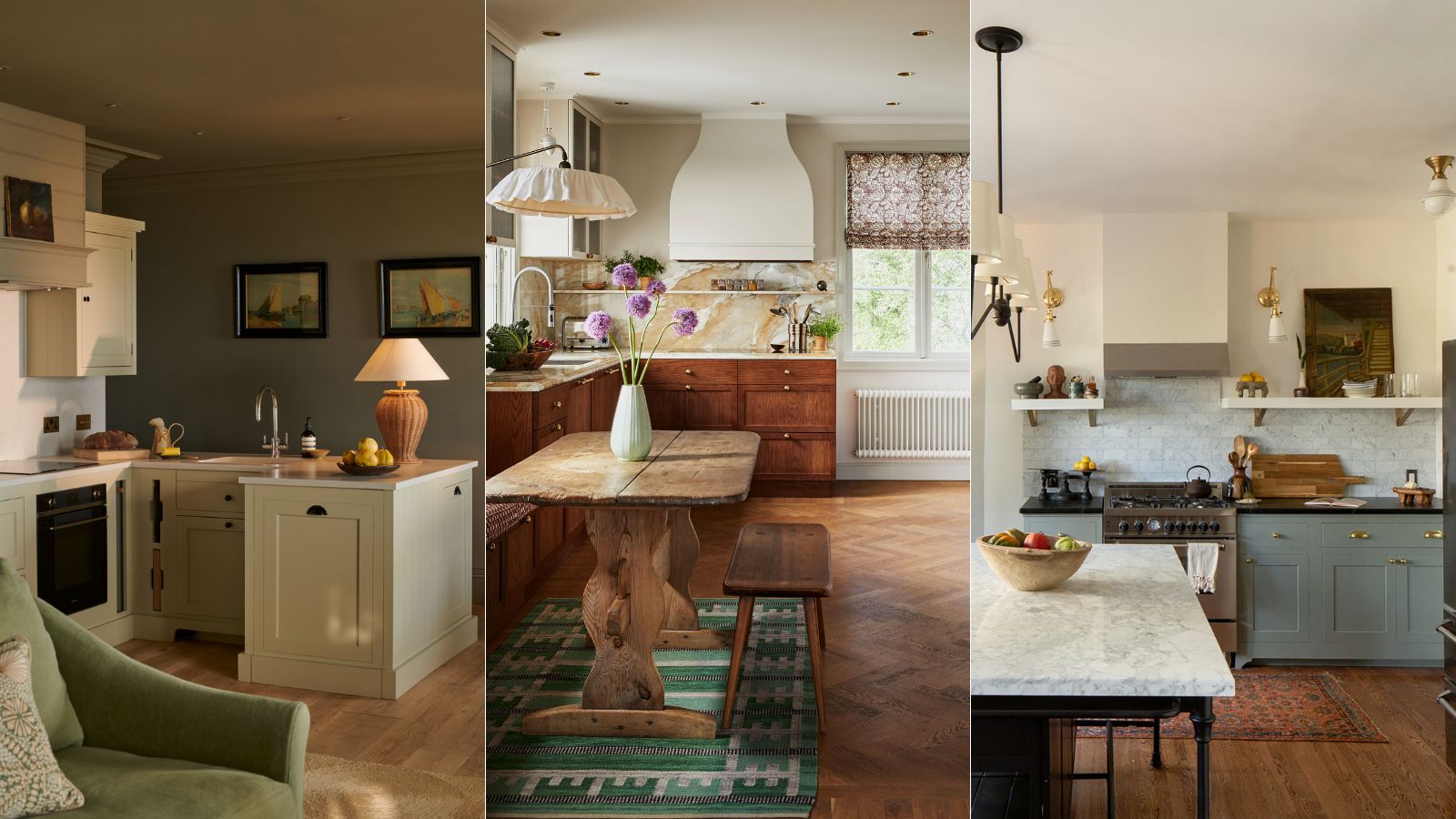
Why I regret using recessed lights in my kitchen remodel


RS Recommends: The Best Under-Cabinet Lighting for Your Studio or Home

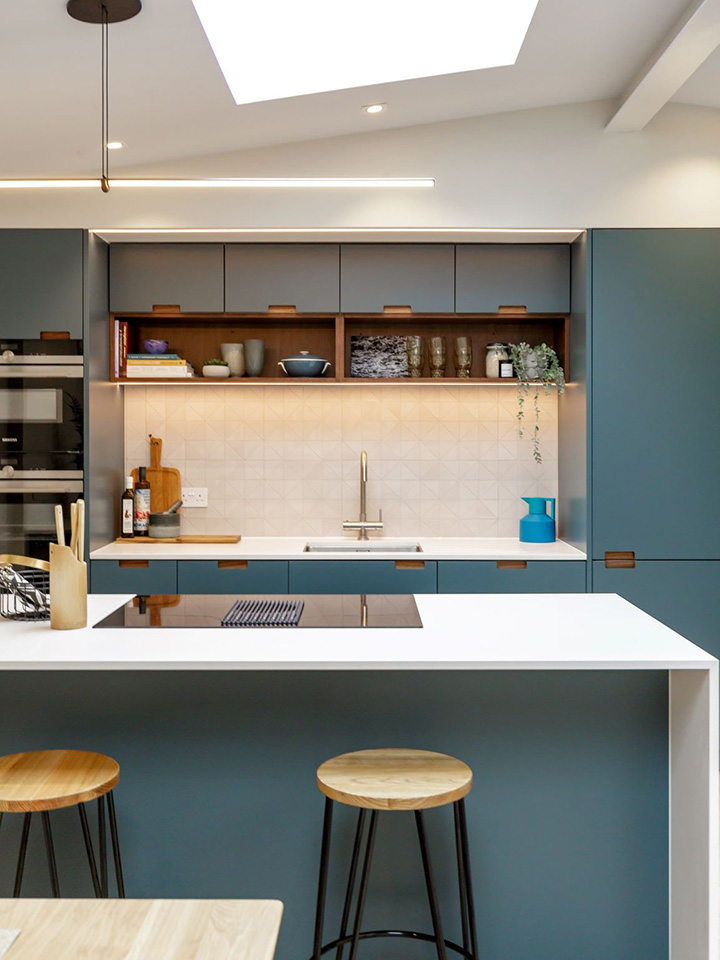
The Best Under-Cabinet Lighting Has Nearly 4K Positive Reviews
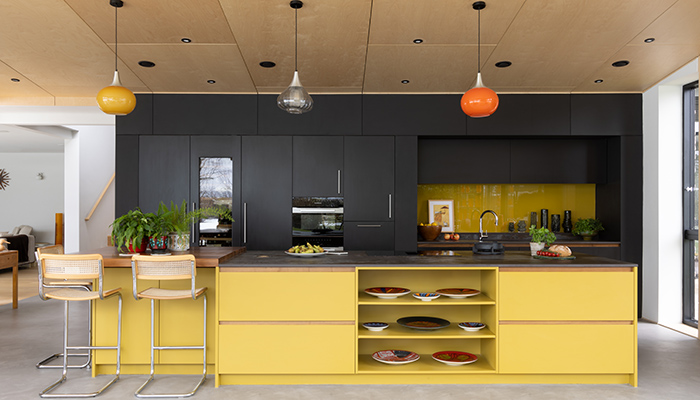
How discreet extraction has made space for statement kitchen lighting
Jennifer Garner Made This Mini Reno to Her Kitchen Right After Moving In

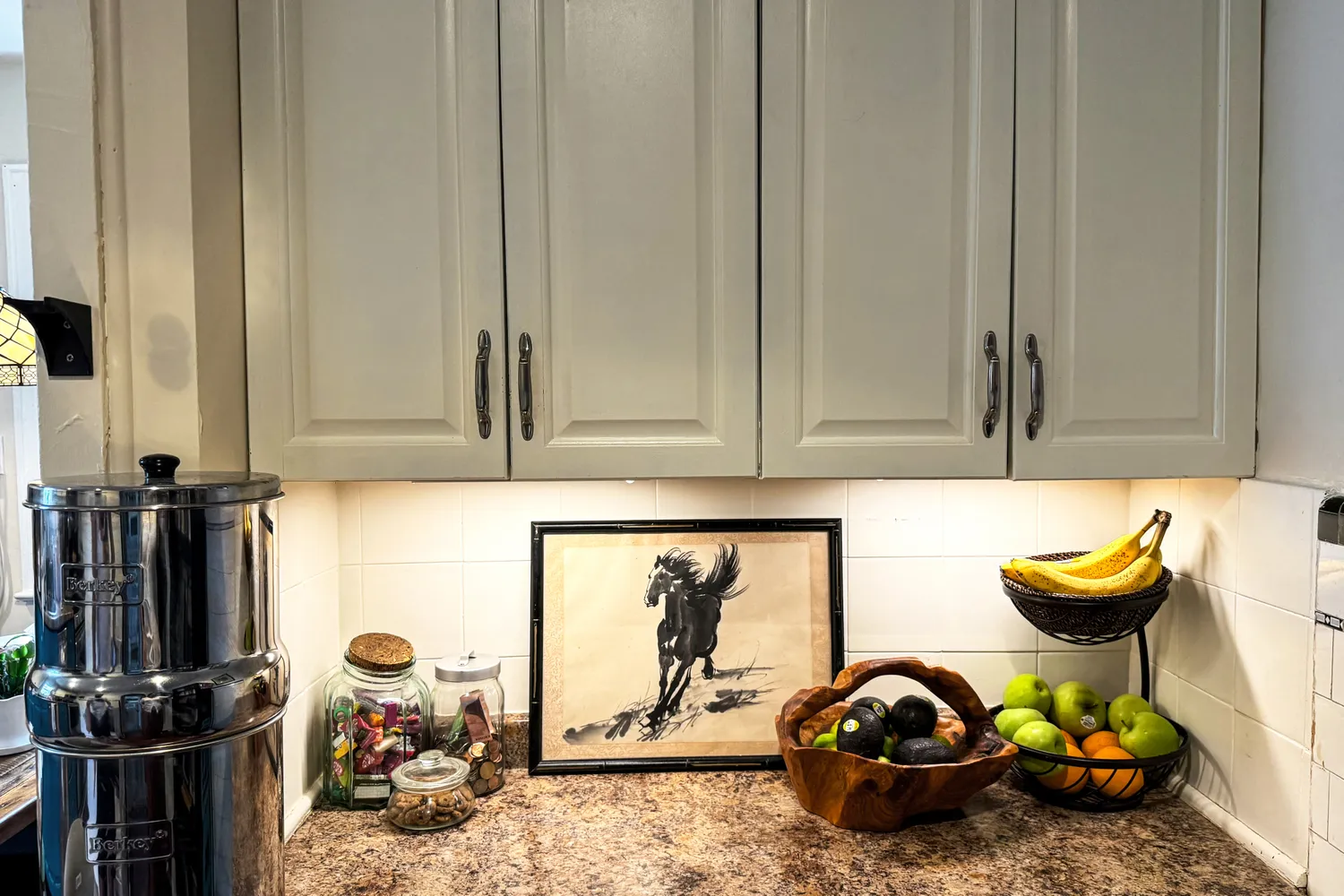
The 7 Best Under‑Cabinet Lighting Options for Bright, Functional Kitchens

Fred Sirieix's clever and affordable lighting solution instantly elevates a kitchen – designers say it's a 'must-have'
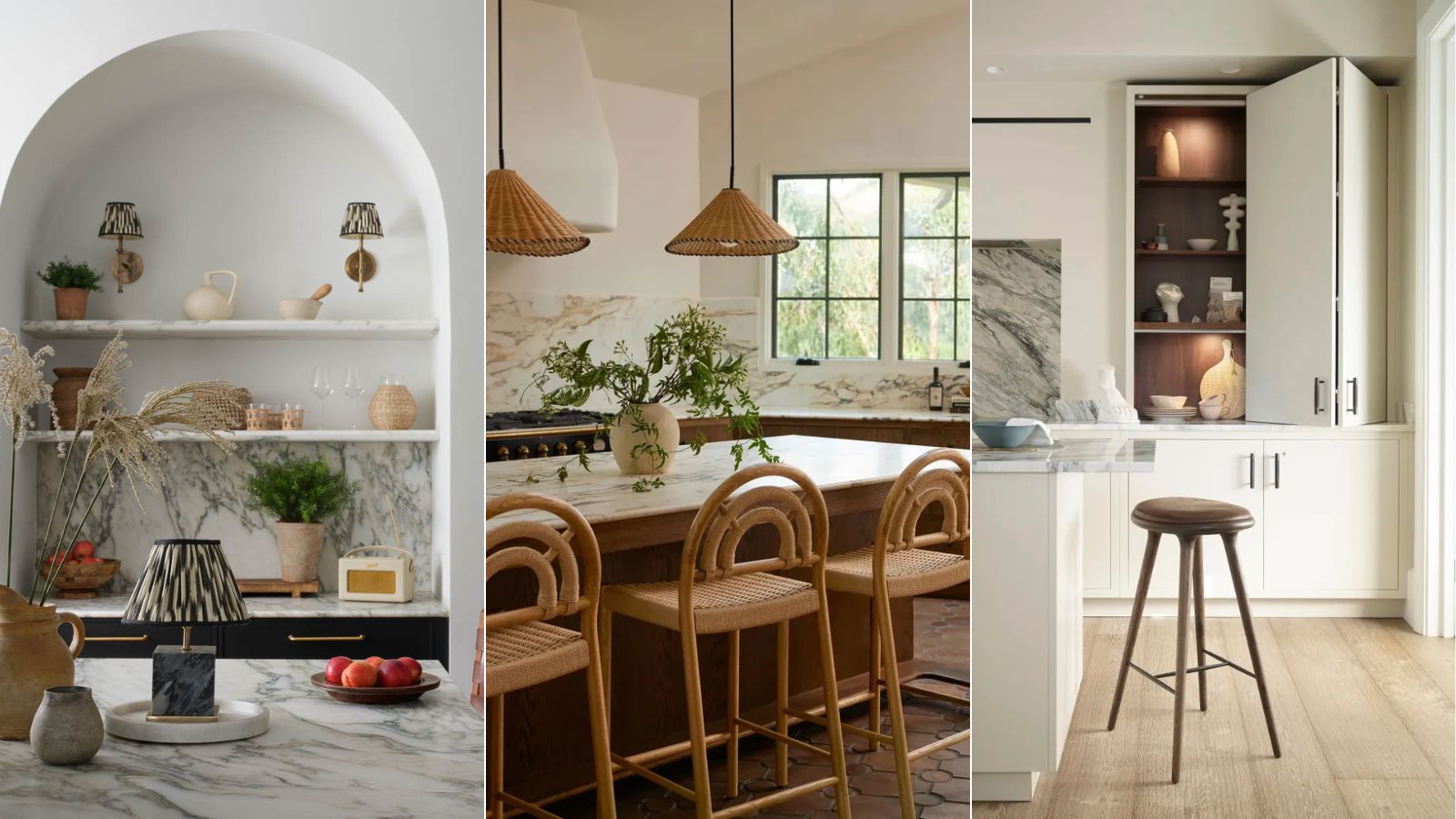
10 kitchen lighting trends interior designers are loving in 2025

Anthony Hopkins makes the case for this unusual kitchen lighting – and for dad dancing, too
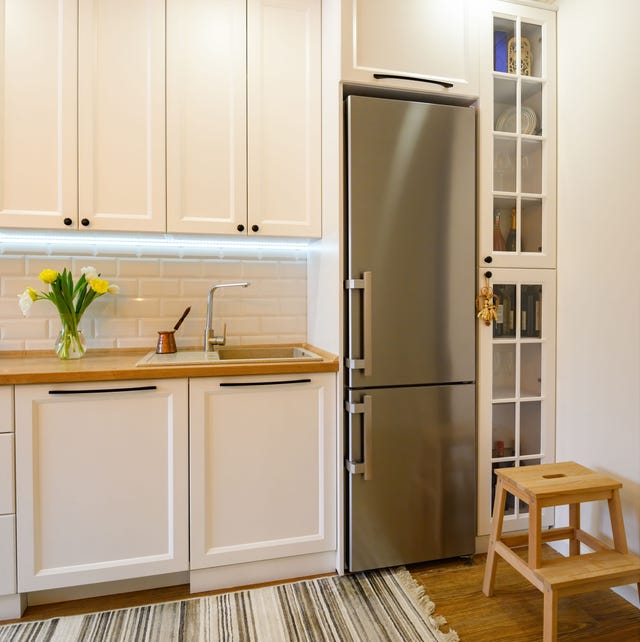
Under-Cabinet Lighting Is the Easiest Upgrade Your Kitchen Needs
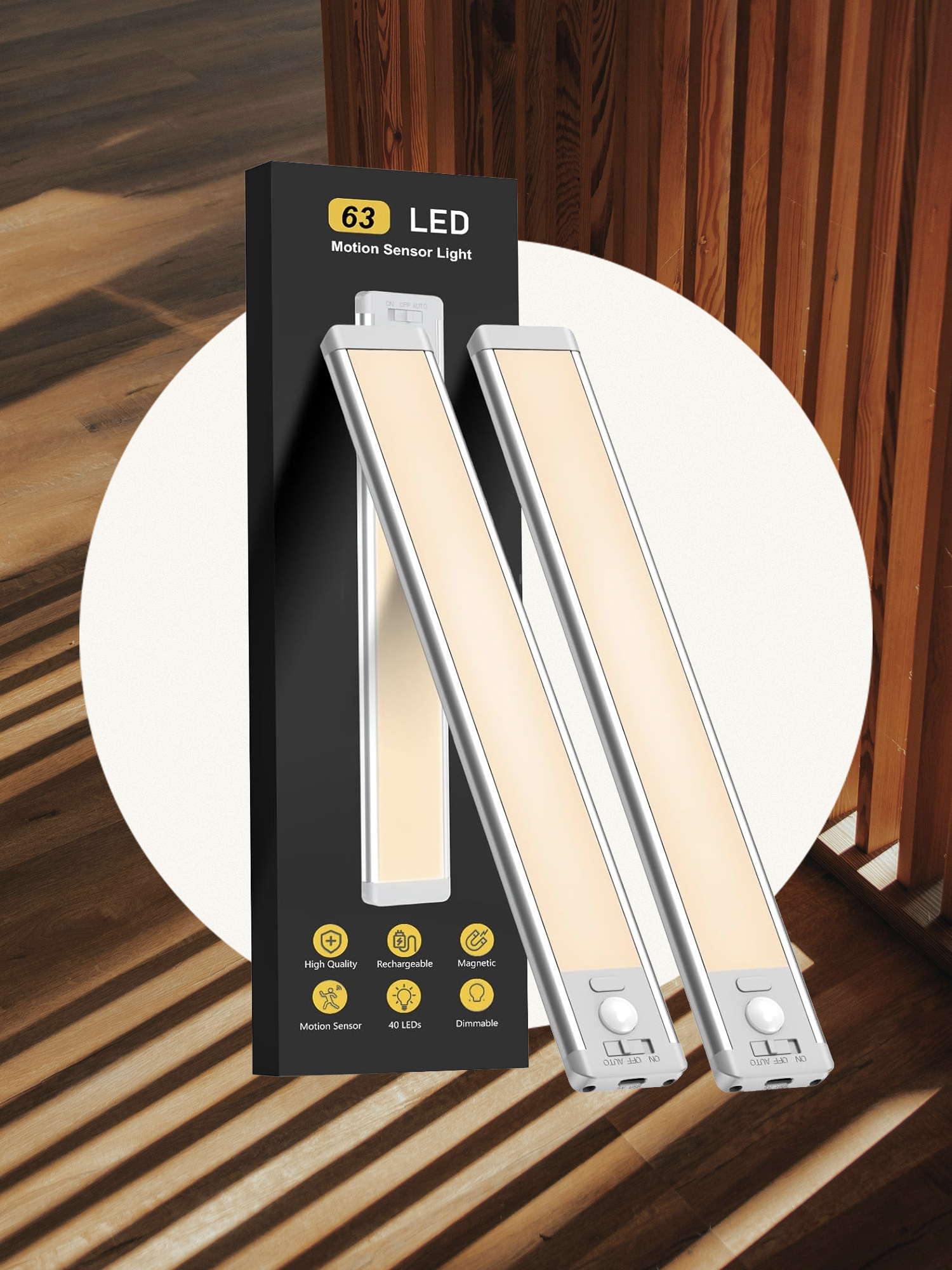
These $24 Rechargeable Under-Cabinet Lights Are Exactly What My New Apartment Needs
8 Best Kitchen Light Fixtures
These under-cabinet LED lights make for a cheap and renter-friendly kitchen upgrade