People Are Revealing The "Outdated" Home Design Trends That Are Wayyy Better Than Modern Trends
This article explores a collection of "outdated" home design trends that readers believe are superior to many contemporary designs and deserve a comeback. The discussion builds upon a previous post, with commenters sharing additional examples of past home features that offered practical benefits and aesthetic appeal.
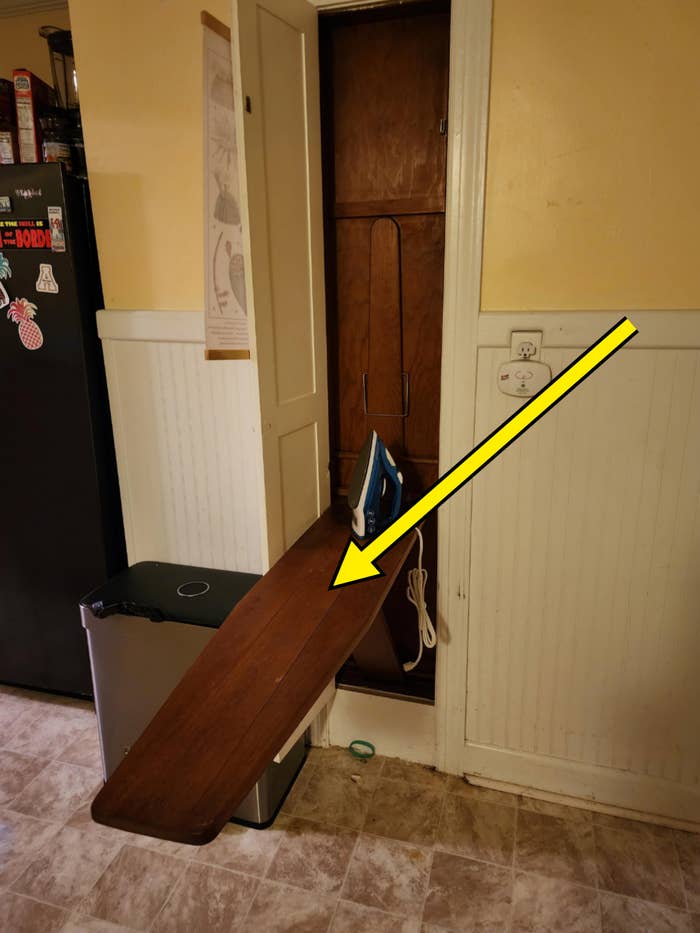
One frequently mentioned trend is the built-in or drop-down ironing board, often integrated into kitchen cabinets. Readers highlight its usefulness, noting how it frees up space and provides a convenient solution for ironing. Some variations even allowed for the repurposing of the space as a spice cabinet when the ironing board was removed.
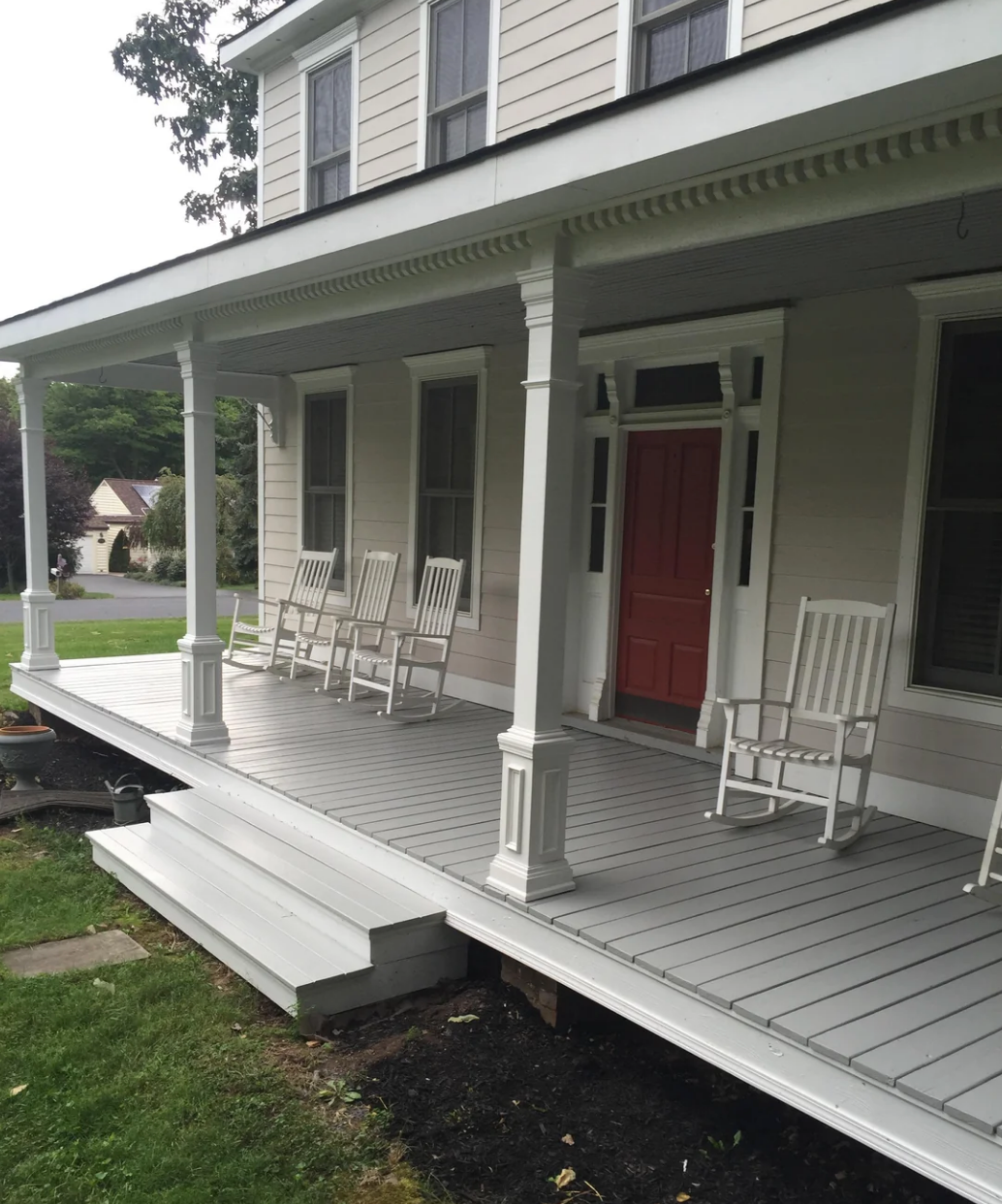
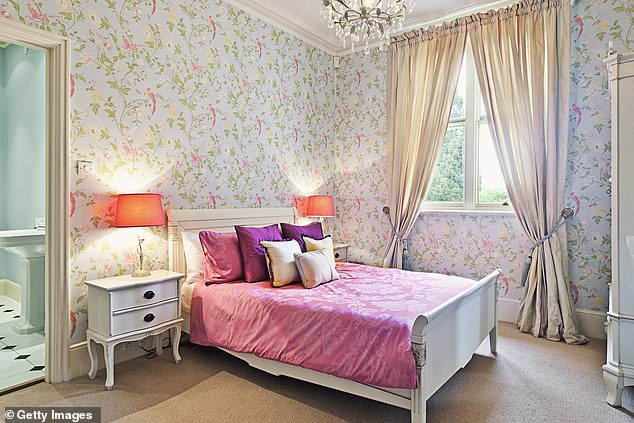
Wall-to-wall carpeting in bedrooms is another trend praised for its comfort, warmth, and soft feel, contrasting with the often harder surfaces found in modern bedrooms. The layout of garages also came under scrutiny, with a call to bring back detached garages. This preference stems from the desire to avoid large garage doors dominating the front facade of a house, which some find unappealing.
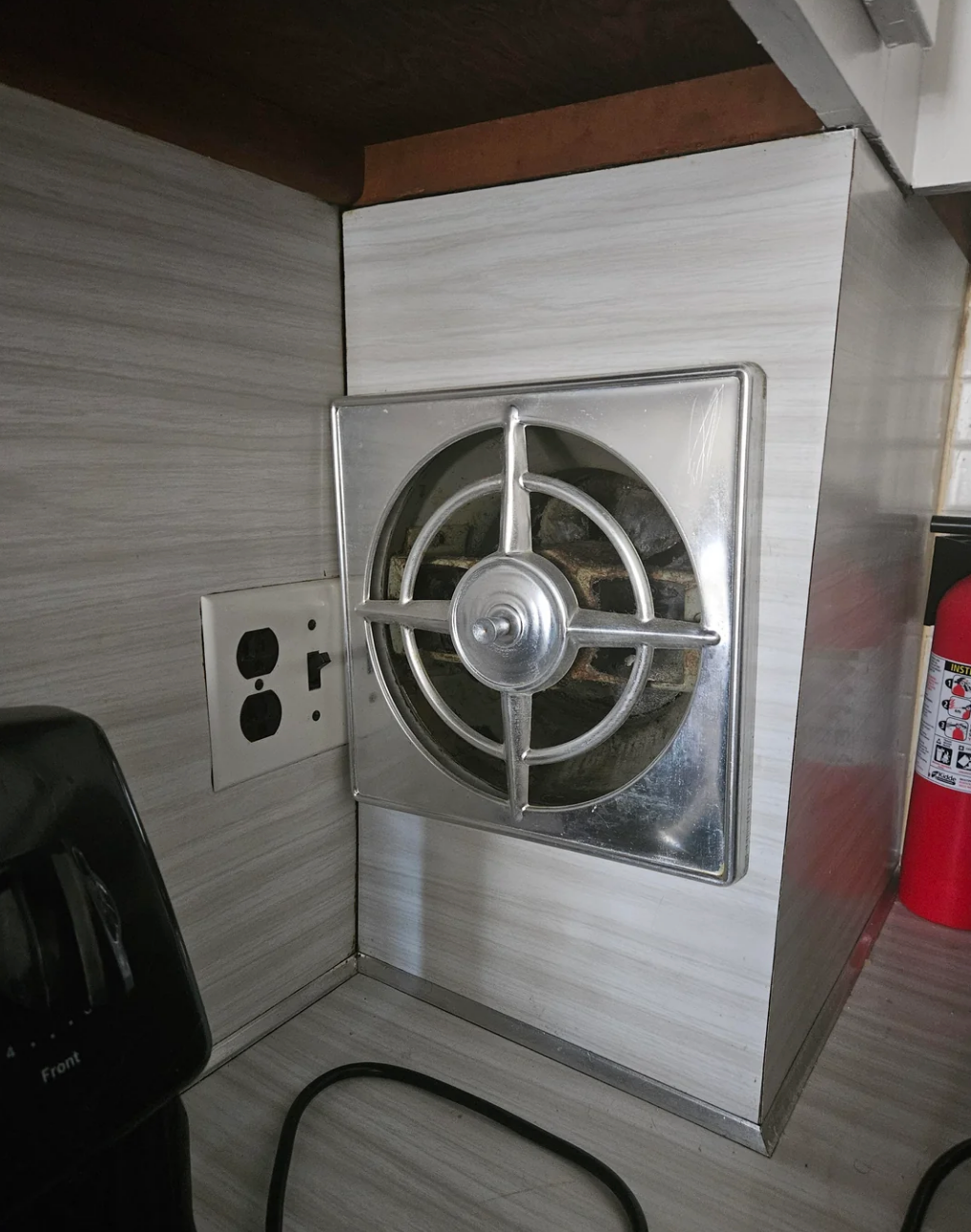
Emphasis is placed on home designs that prioritize natural ventilation and airflow. While air conditioning is appreciated, many readers express a desire for homes that allow for effective cross-ventilation when windows are open, promoting fresh air circulation without solely relying on mechanical cooling.
Fireplace clean-outs, specifically those with a metal door opening to the outside, are identified as a highly practical feature for wood-burning fireplaces. This design simplifies ash removal, preventing spills and dust within the living space. Living rooms positioned at the front of the house with large picture windows are also desired, primarily for the aesthetic benefit of displaying holiday decorations like Christmas trees to passersby.
Intercom systems are recalled fondly by several contributors. These systems provided a convenient way for family members to communicate across different rooms, acting as a simple internal communication network for waking up children, answering the door, or calling for meals.
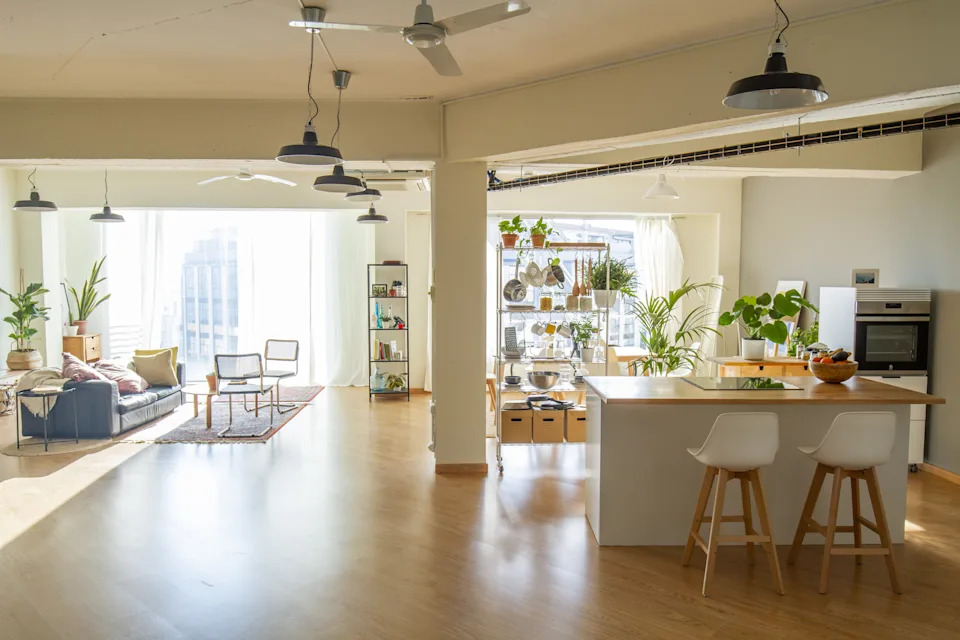
A significant theme is the yearning for "starter homes" and smaller housing options. Many readers feel that new constructions are disproportionately large, making it difficult to find smaller, more affordable homes unless purchasing older properties. This trend highlights a desire for more modest and functional living spaces.
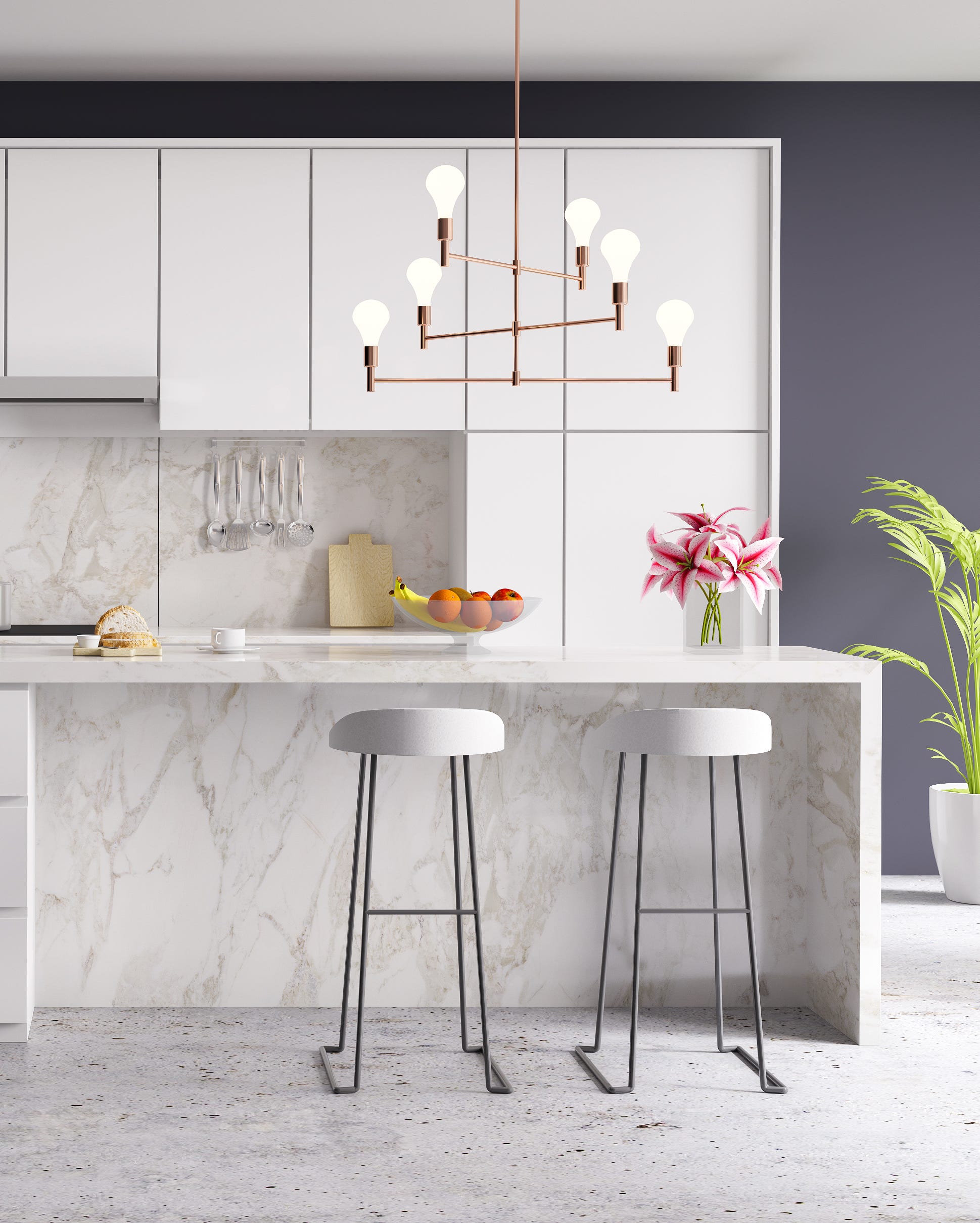
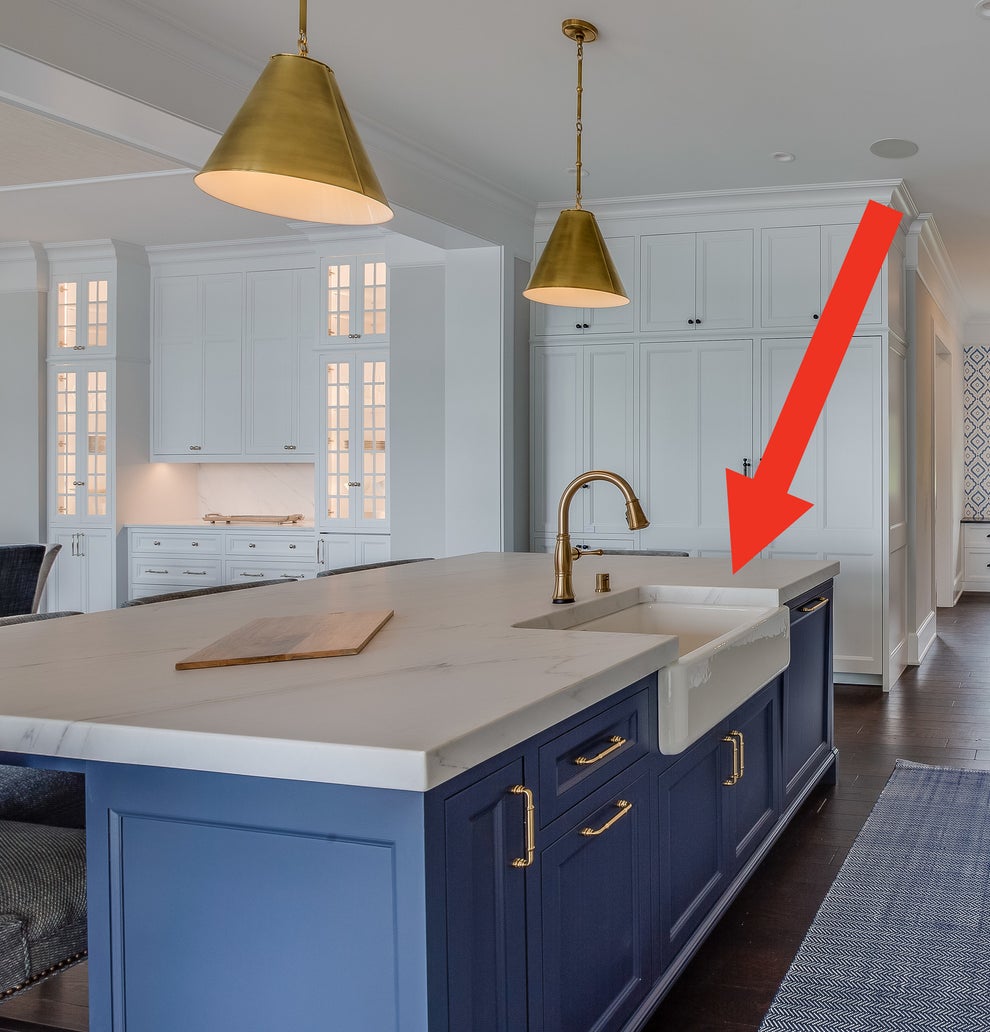
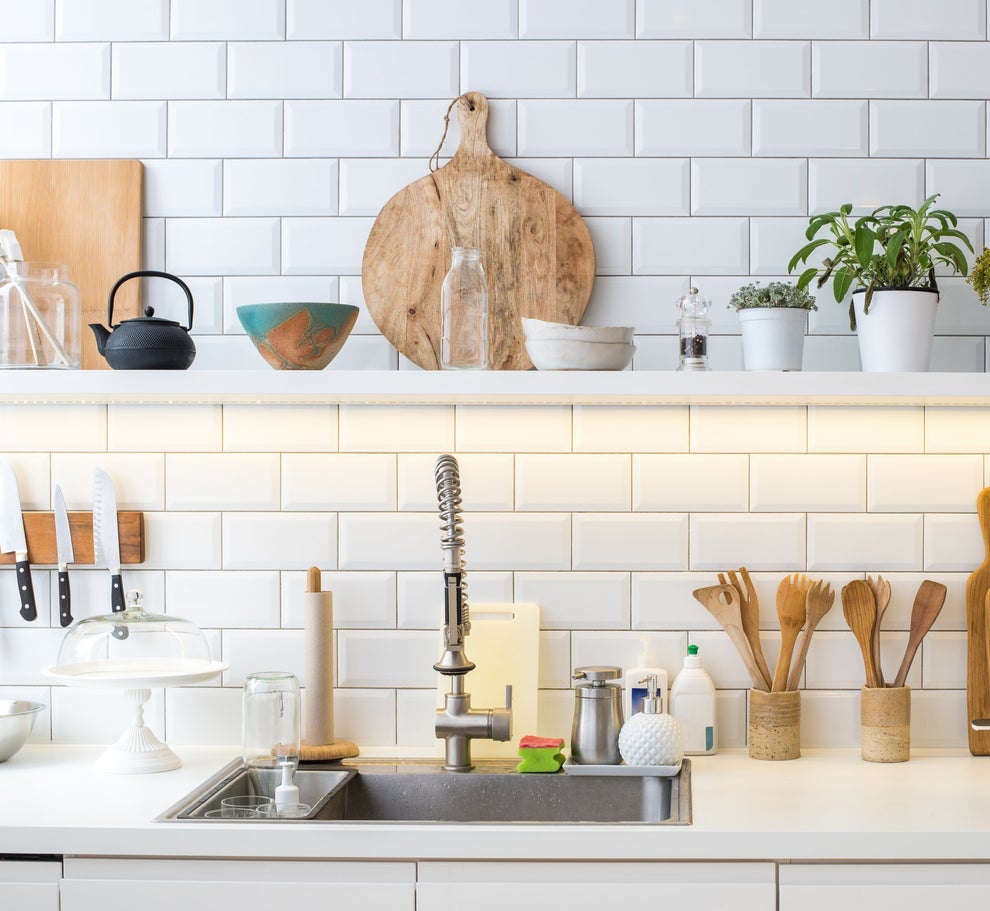
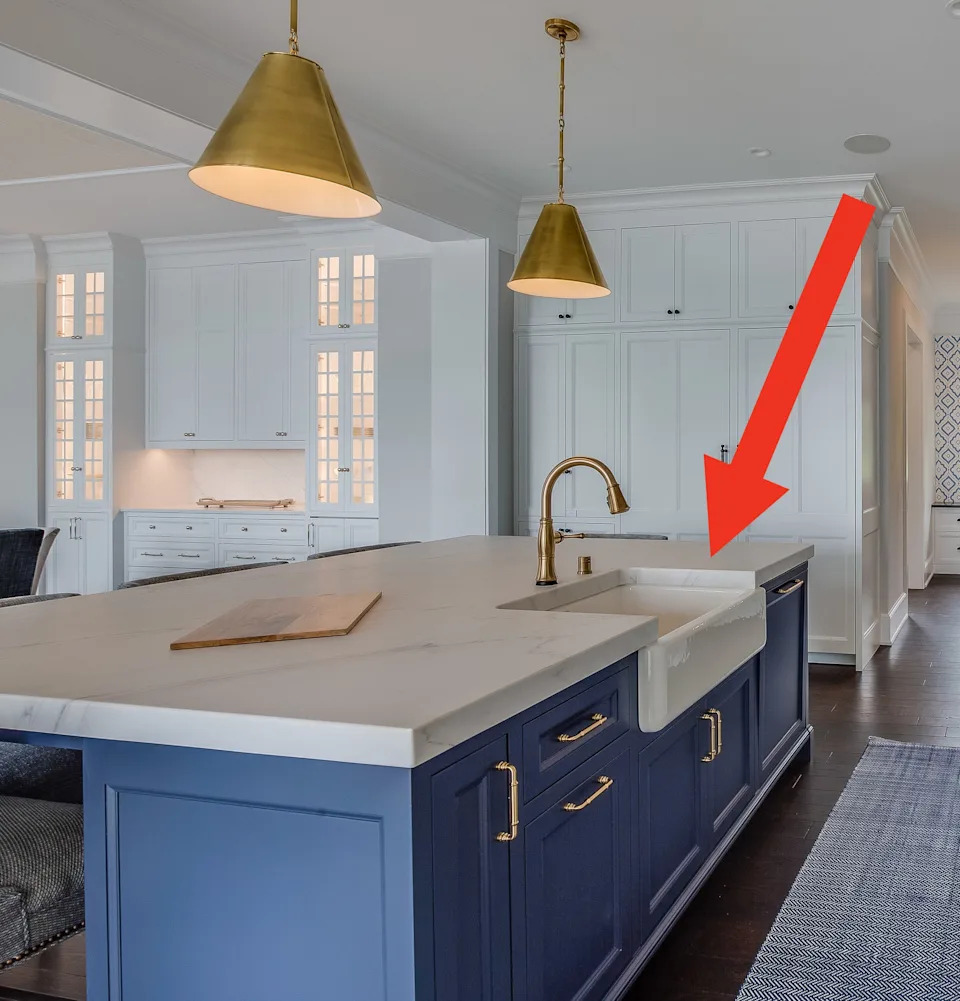
Additionally, the presence of hallways is valued for the privacy and separation they offer between bedrooms and common living areas. Utility sinks are lauded for their versatility in handling messy projects and pet bathing. Built-in cutting boards are appreciated for increasing counter space and providing a convenient, stable surface for food preparation.
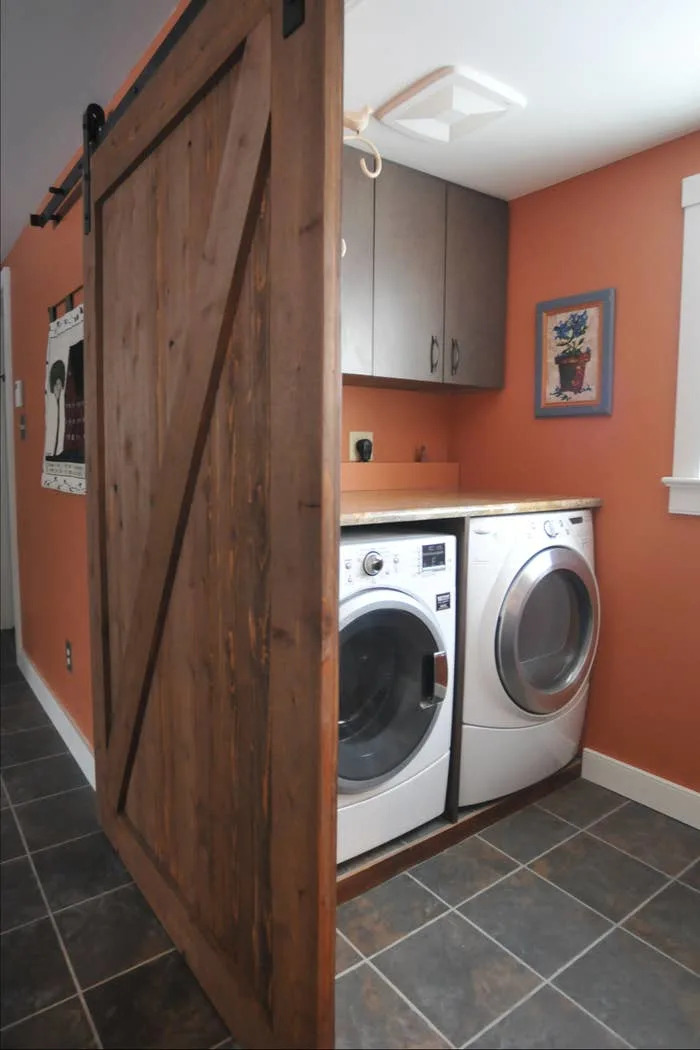
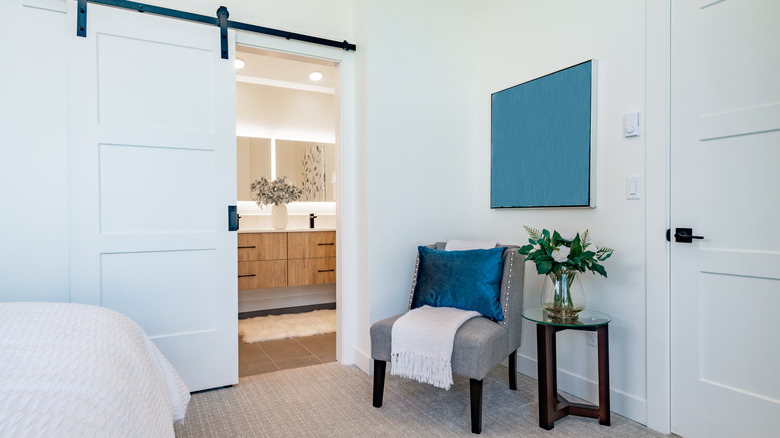
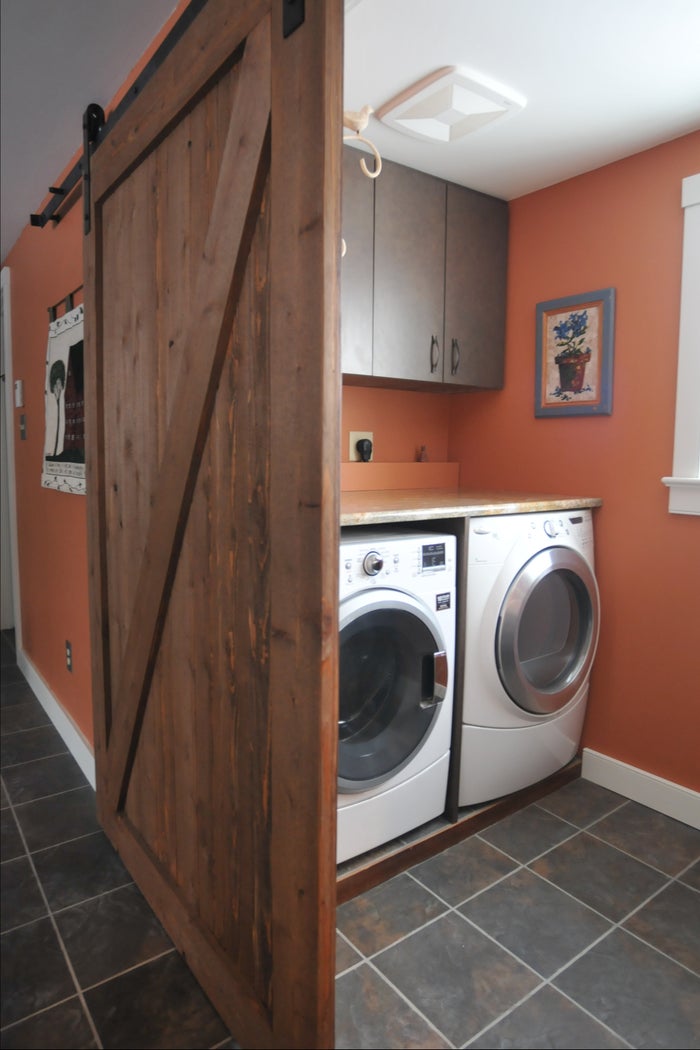
The layout of master suites is also critiqued, with a preference for designs that do not have a direct, open doorway between the bedroom and bathroom, especially when the bed faces the bathroom sink. Small powder rooms near main living areas are also favored for their convenience, allowing guests to use a dedicated space without intruding into private bathrooms. Practical features like laundry porches, which provide a dedicated space for laundry away from the main house and often include utility sinks and direct access to clotheslines, are also highly desired. Mudrooms, designed to contain shoes, coats, and backpacks, are seen as essential for keeping entryways tidy. Finally, laundry chutes are remembered as an efficient way to transport dirty clothes directly to the laundry area, promoting tidiness. Even coal chute windows, used for deliveries in older homes, are mentioned for their historical utility.
#homeDesignTrends #interiorDesign #outdatedTrends #homeFeatures #architecturalDesign #practicalLiving #homeImprovements #nostalgia #homeDesignTrends #interiorDesign #outdatedTrends #homeFeatures #architecturalDesign #practicalLiving #homeImprovements #nostalgia
0 comment in total
 No comments yet
You may also like
21 "Outdated" Home Design Trends That Are Sooo Much Better Than Modern-Day Trends

Vintage Home Design Trends That Are Making Huge Comebacks

Designers Say These 4 Decor Trends Are Super Outdated—Update Your Home With These 8 Finds Instead

5 Outdated Home Features That Are Suddenly Back in Style, According to Designers

16 "Outdated" Home Design Trends That Are Wildly Better Than Modern-Day Trends
Mark Our Words, This Will Be The #1 Home Trend Of 2022
What’s Old Is New: 5 Outdated Home Features Designers Are Loving Again

Outdated Trends That HGTV's Property Brothers Swear Are Ruining Your Home's Vibe
40 Outdated Home Trends We Hope Never to See Again

People Are Revealing The "Outdated" Home Design Trends They Want Brought Back, And It's Controversial
7 Vintage Home Decor Features That Designers Want to See EVERYWHERE in 2026
5 outdated pattern trends that will make your home feel old-fashioned – and what to use instead

11 "Outdated" Home Design Trends That Definitely Need A Resurrection
People Are Defending The "Unpopular" Home Design Trends That Actually Make A Lot Of Sense In Their Own Homes
Expert reveals the interior design trends that will make your home look dated
It’s Time to Say Goodbye to These Outdated Design Trends in 2024
People Are Revealing The "Outdated" Home Design Trends From The '80s That Need To Come Back
People Are Defending The "Unpopular" Home Design Trends That Actually Make A Lot Of Sense In Their Own Homes
People Are Exposing The Home Decor Trends That'll "Completely Fade Out" Sooner Than You'd Think
These 5 Home Decor Styles Are So Outdated, According to Interior Designers