1/2
People Are Revealing The "Outdated" Home Design Trends They Want Brought Back, And It's Controversial
A recent discussion among the BuzzFeed Community highlighted a desire for the return of several "outdated" home design trends, challenging the dominance of current minimalist and open-concept aesthetics. Many contributors expressed a longing for more defined spaces and personalized touches within their homes. The overarching sentiment suggests that homes should prioritize the comfort and preferences of their inhabitants rather than solely focusing on resale value or mass appeal.
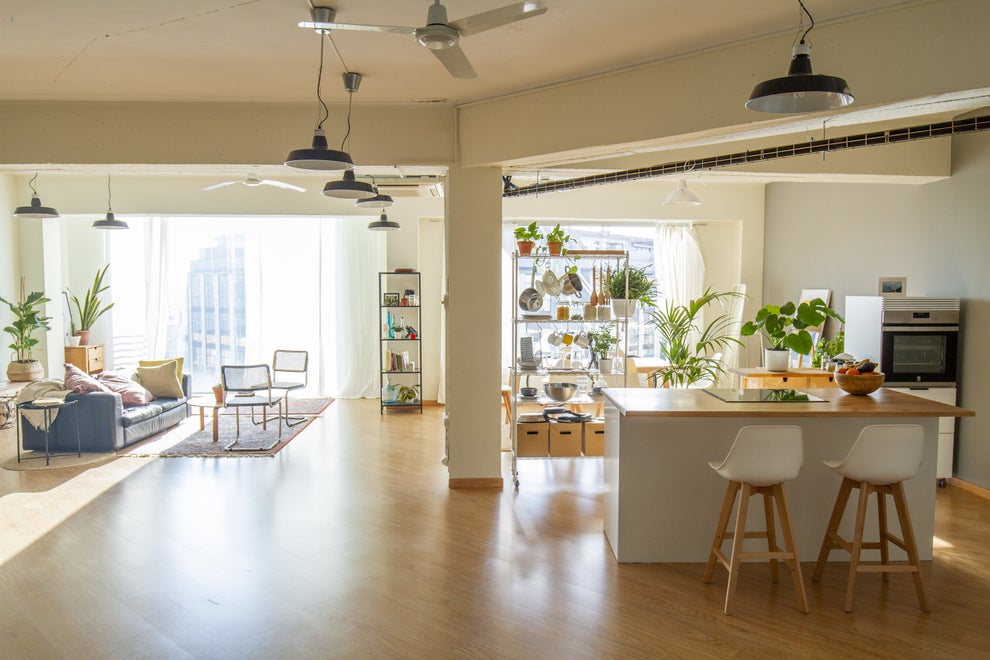
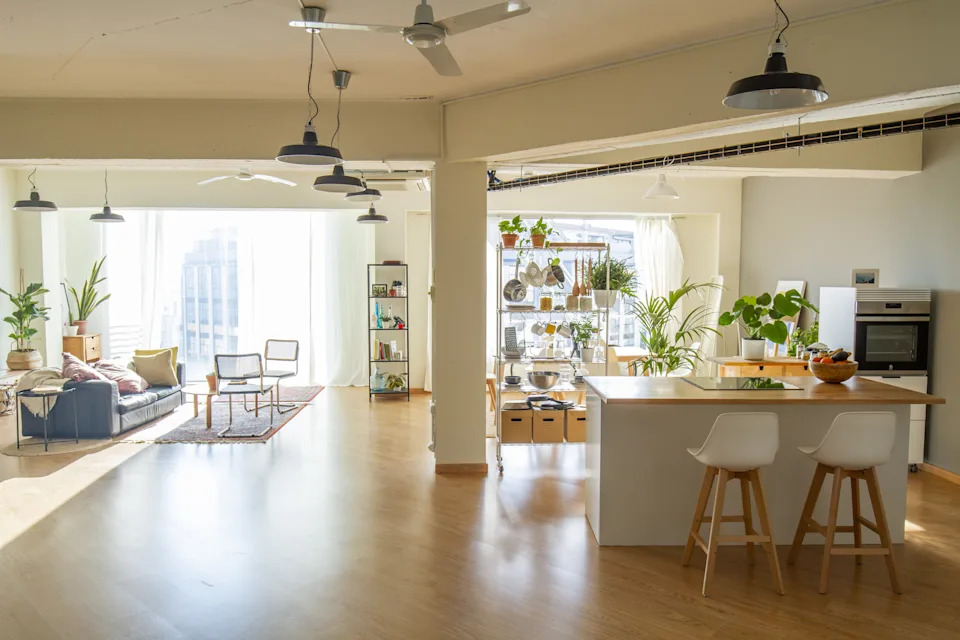
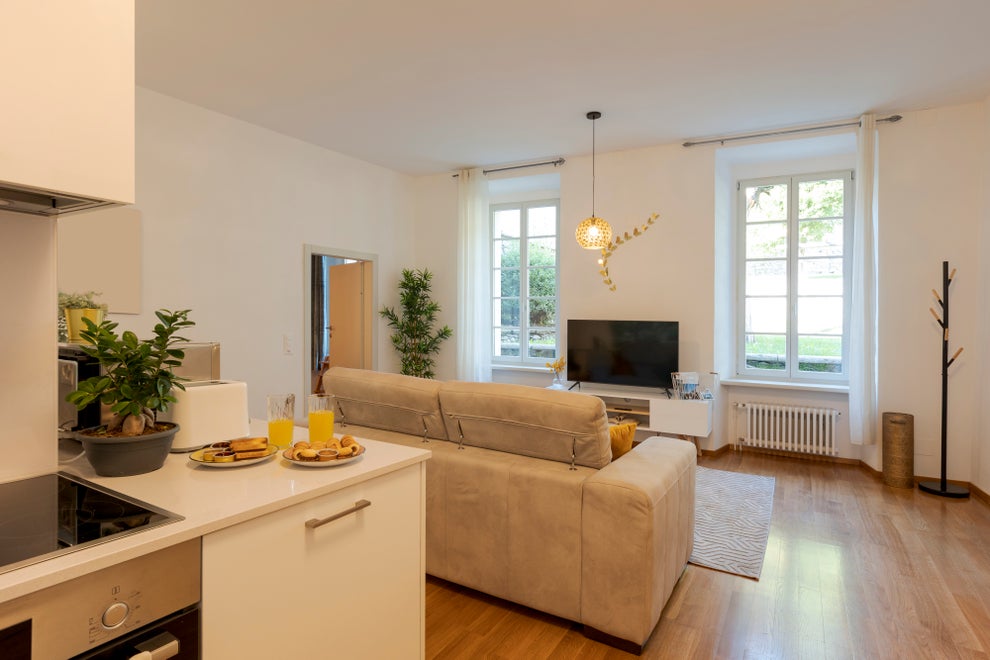
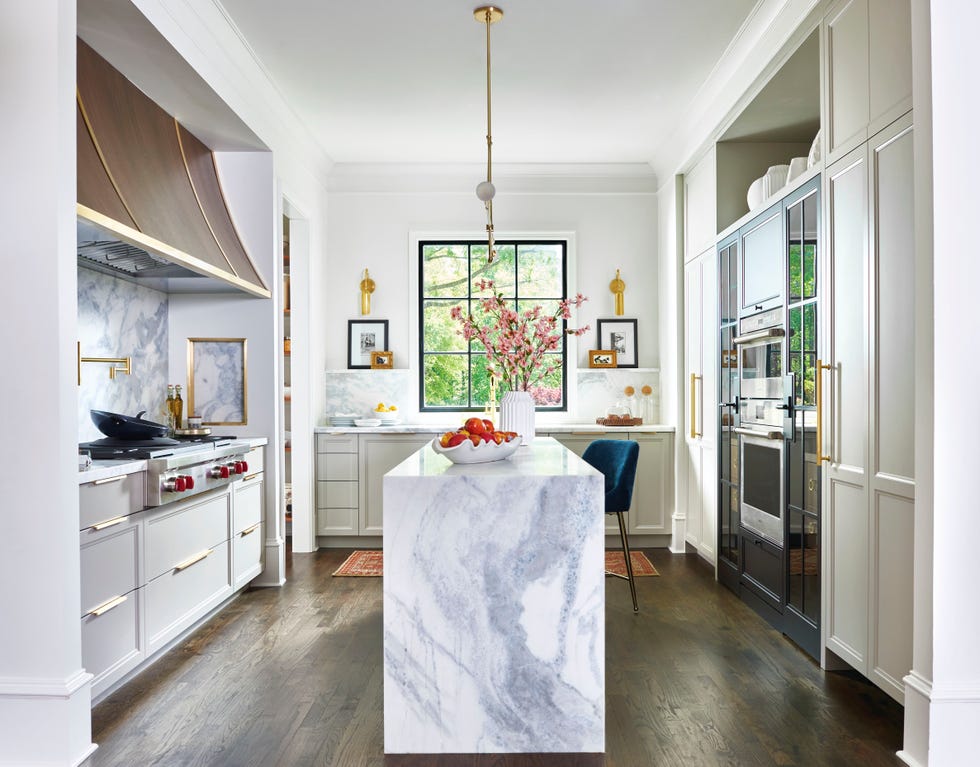
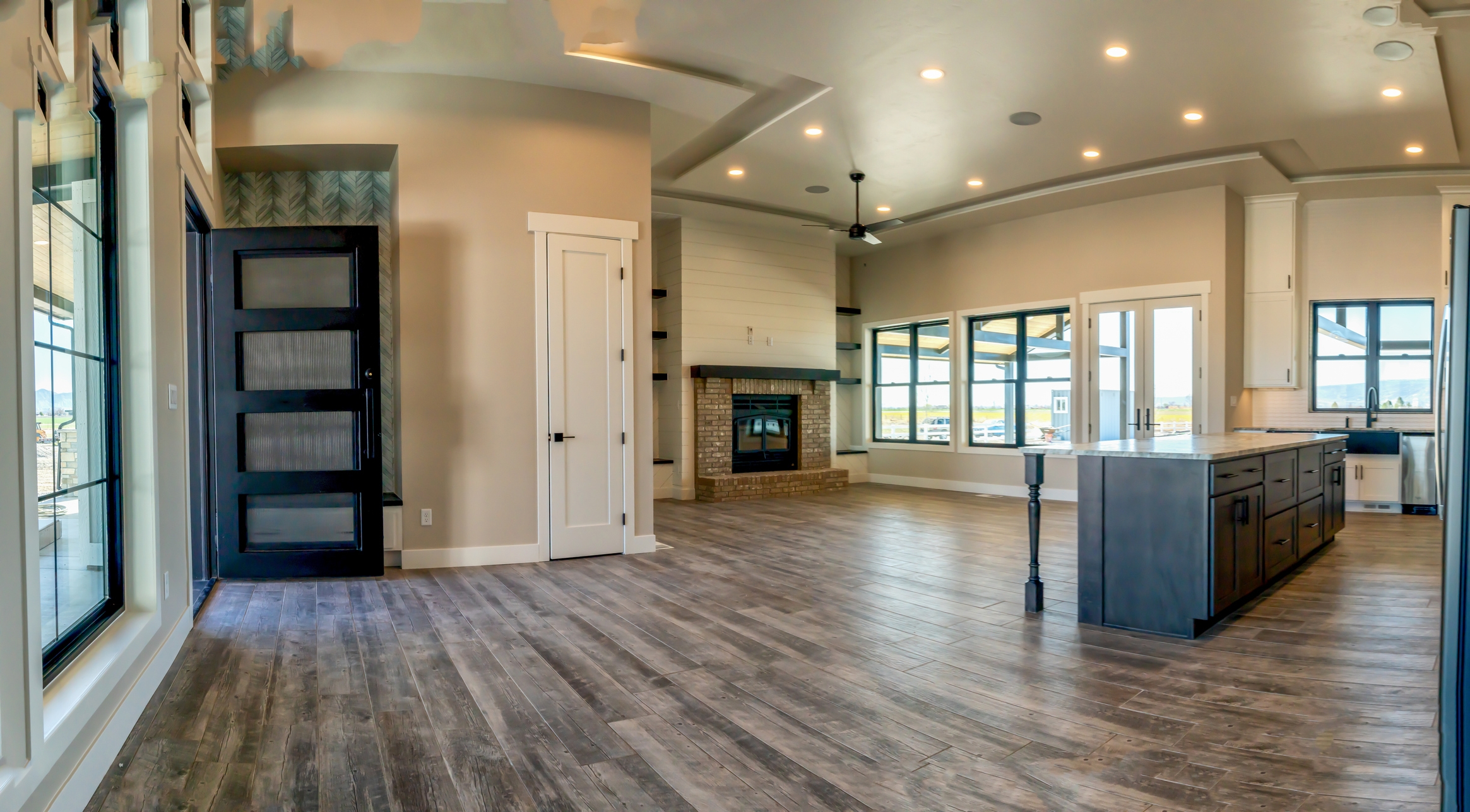
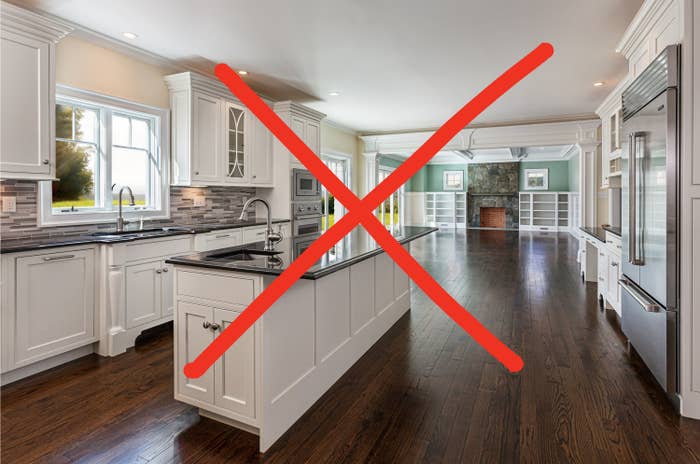
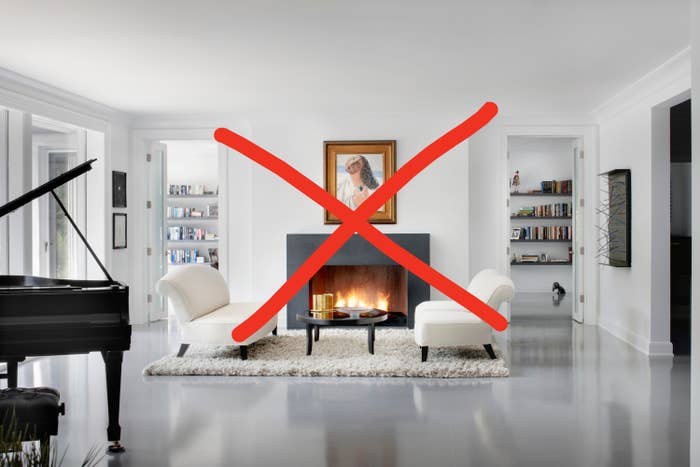
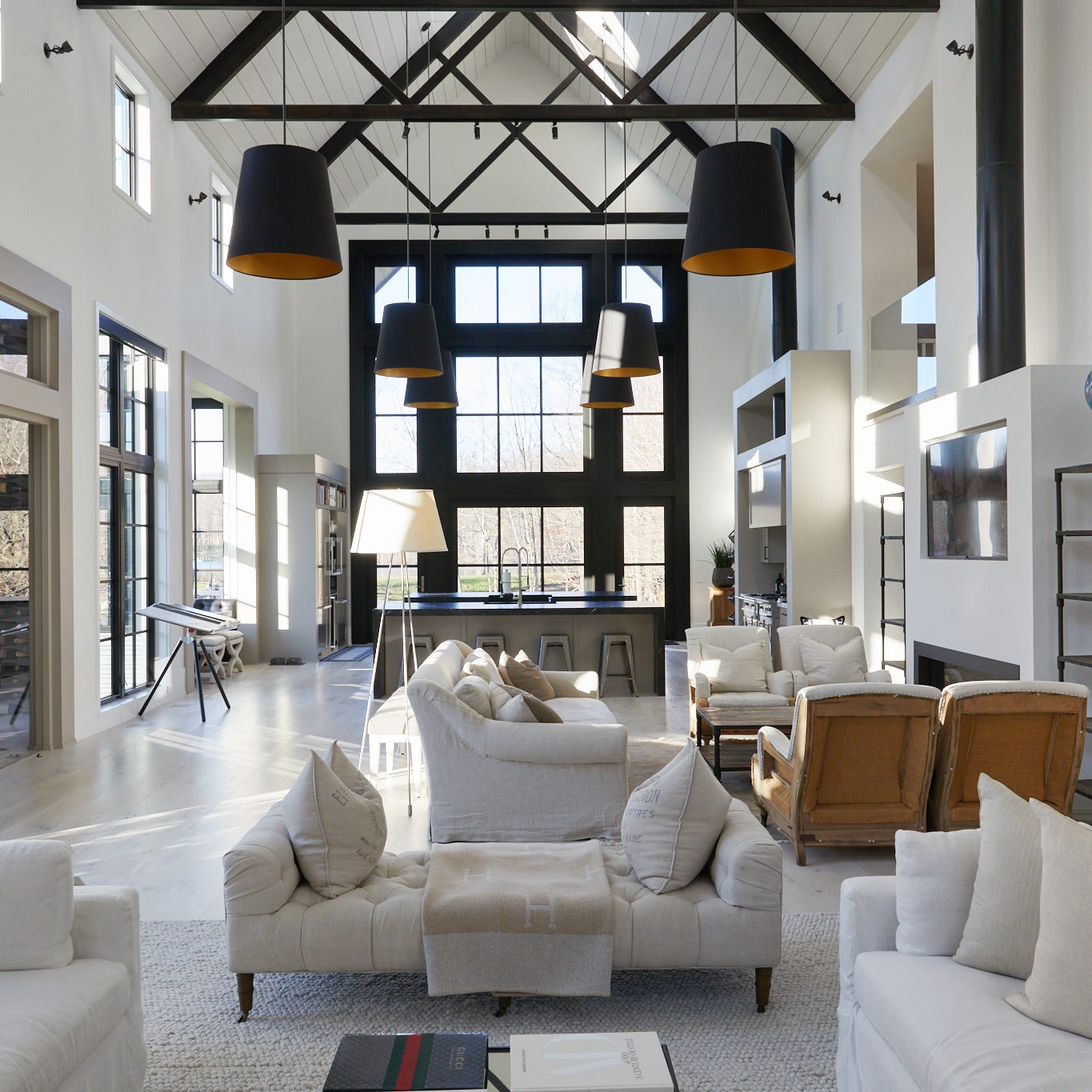
One of the most frequently mentioned trends is the return of walls and dedicated rooms, moving away from open-floor plans. Respondents argued that open layouts lead to excessive noise, allow cooking smells to permeate the entire house, and lack intimacy. They believe that separate rooms offer better sound insulation and a clearer distinction of functions, which is more practical for daily living and privacy. This rejection of open-concept living extends to the idea that renovating older homes by removing walls can detract from their original charm and functionality.
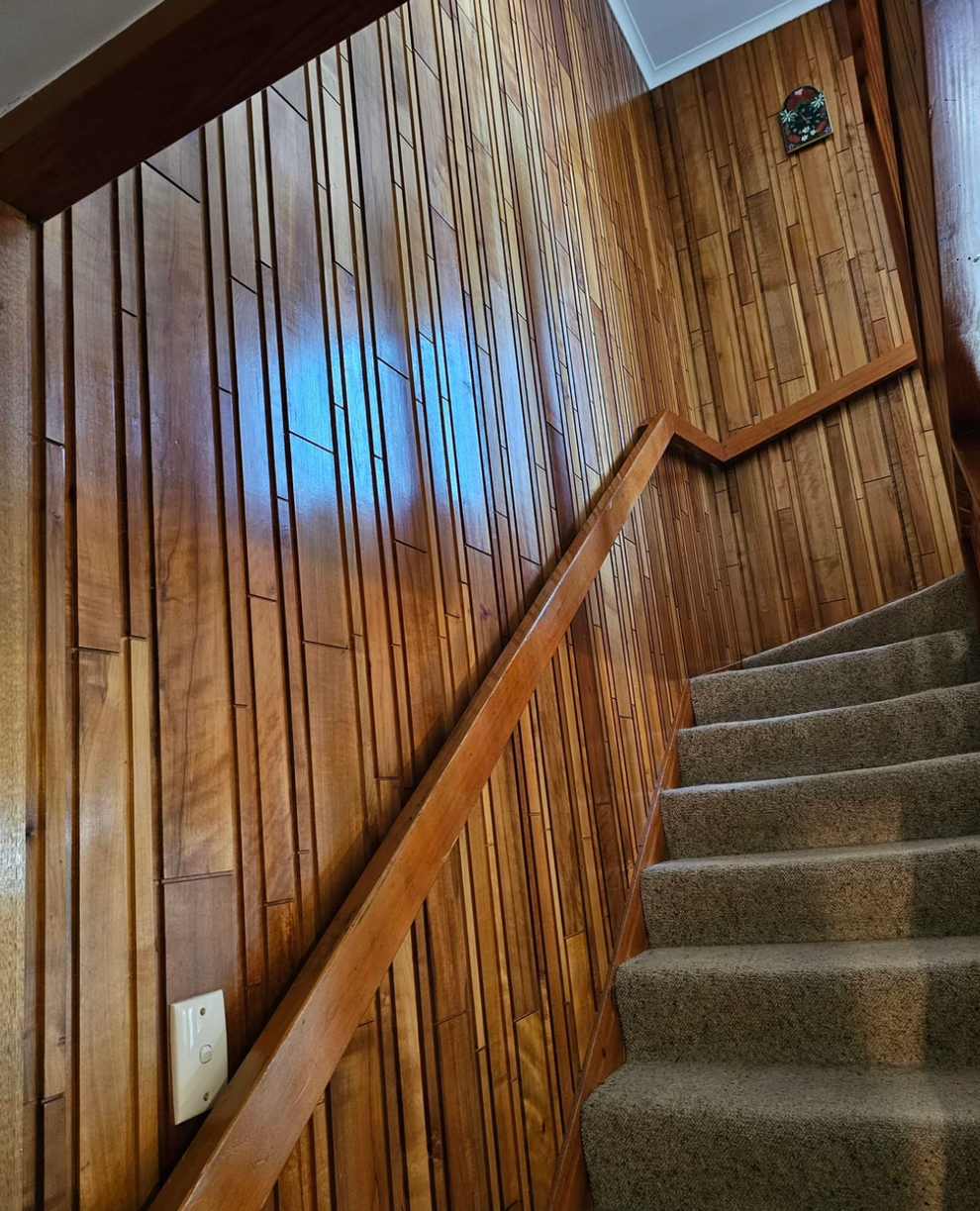
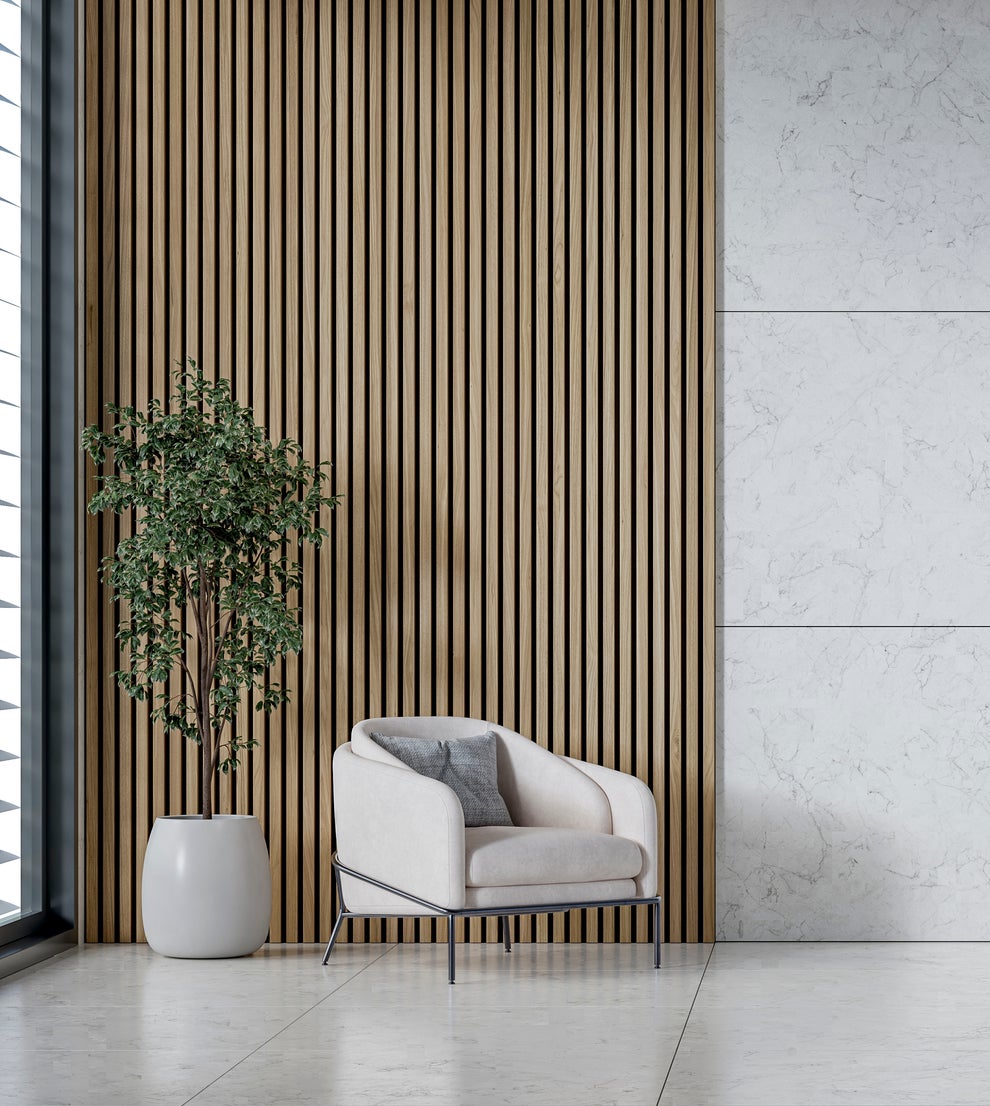
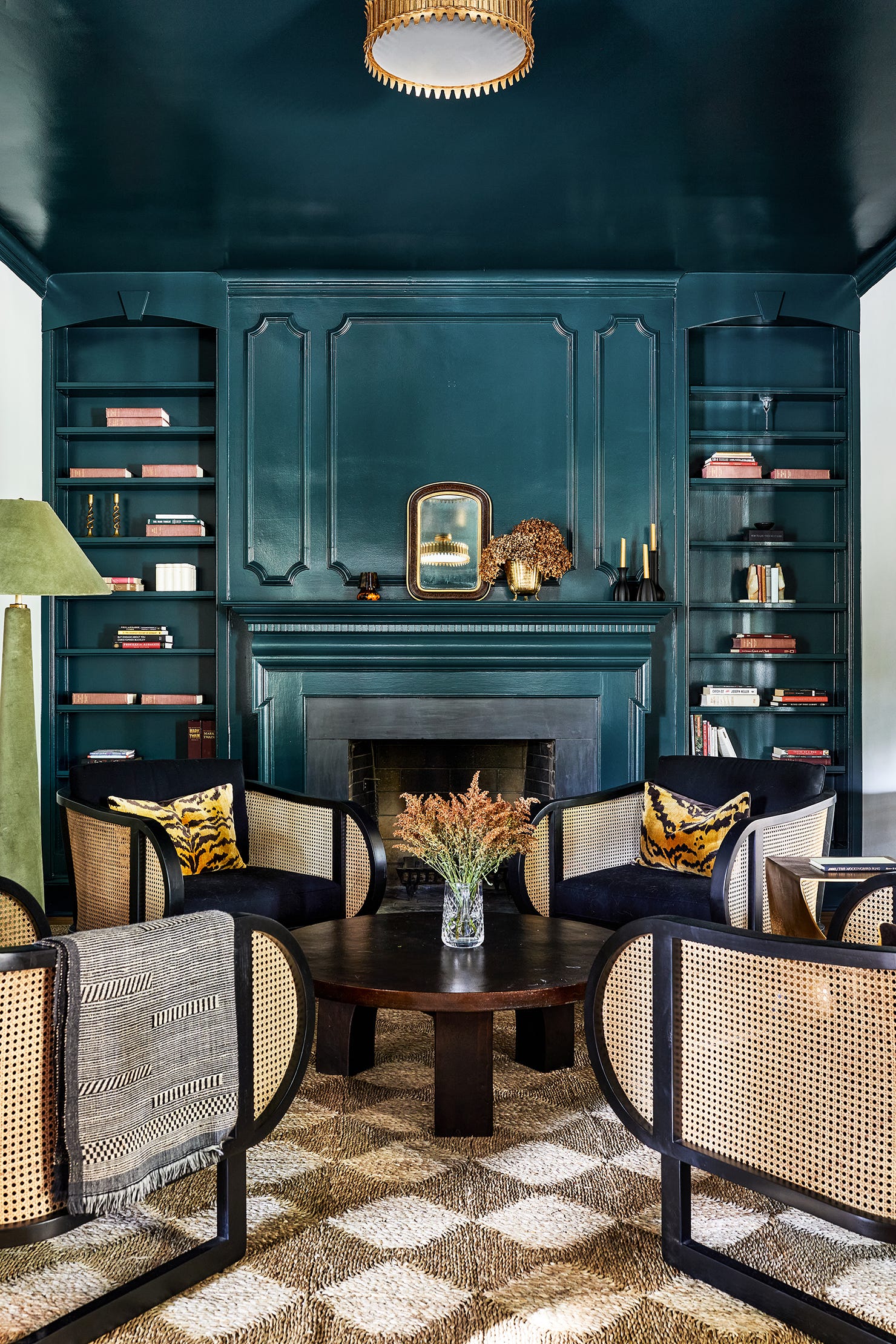
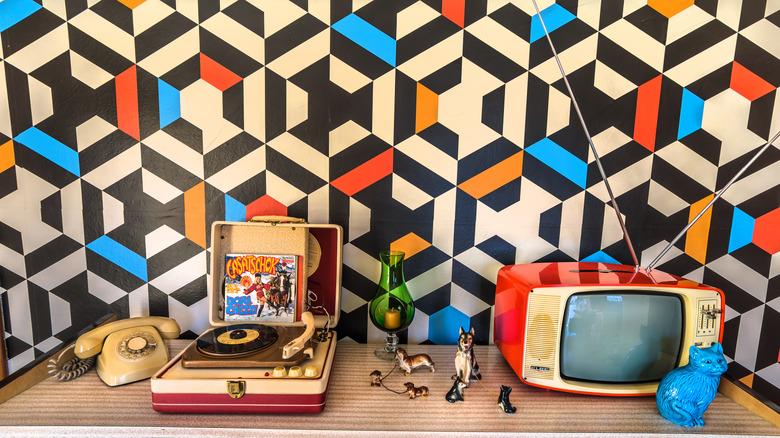
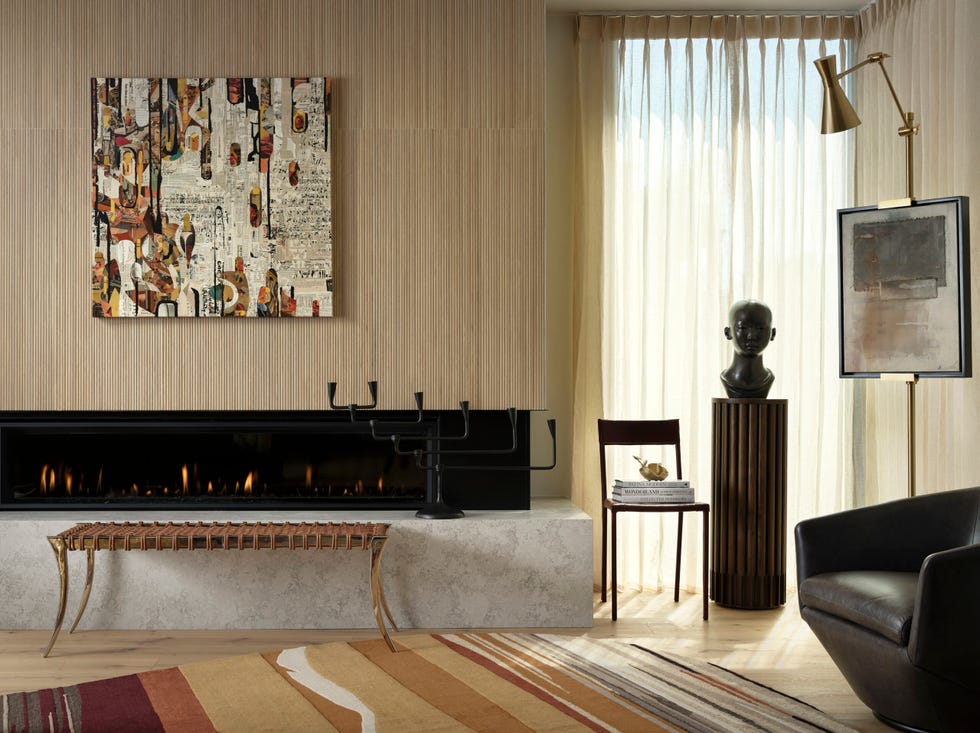
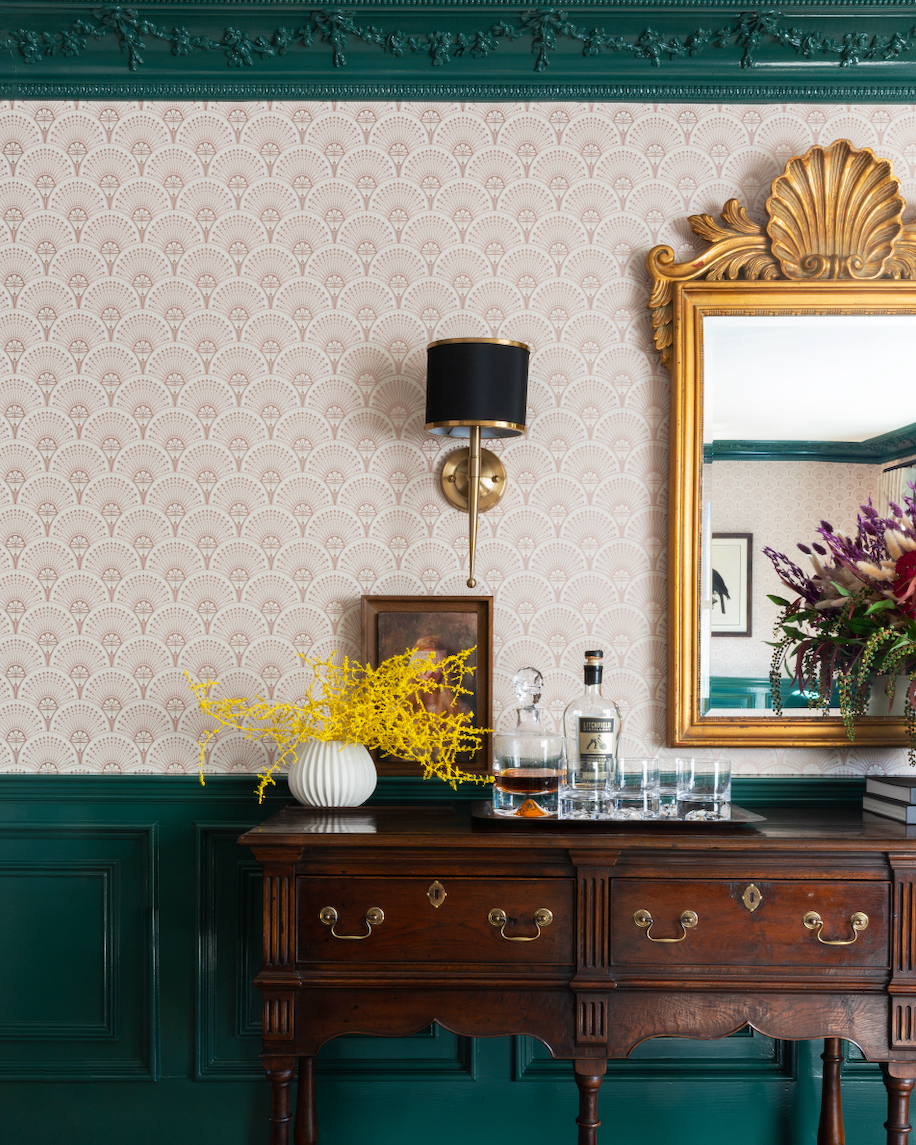
Accent walls are another trend people wish to revive. Far from being seen as a fleeting fad, accent walls are appreciated for their ability to add personality and a focal point to a room without requiring extensive renovation. Many feel that the current trend of muted, gray interiors lacks imagination and style, advocating for the reintroduction of patterns, bright colors, and diverse textures. This perspective views interior design as an art form that should reflect individuality rather than conforming to a sterile, universally appealing aesthetic.
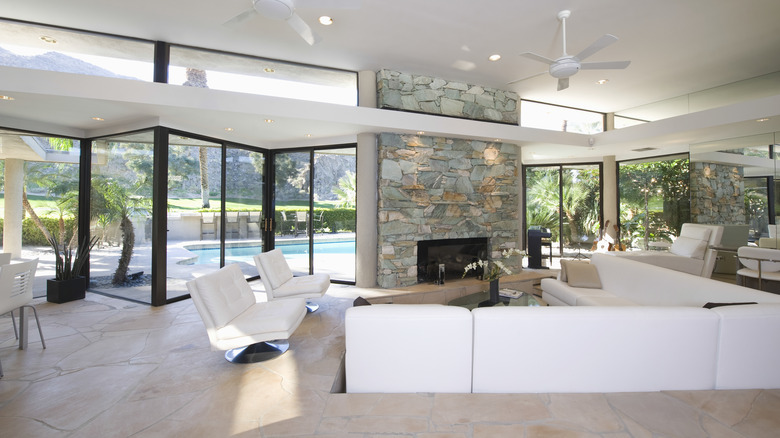
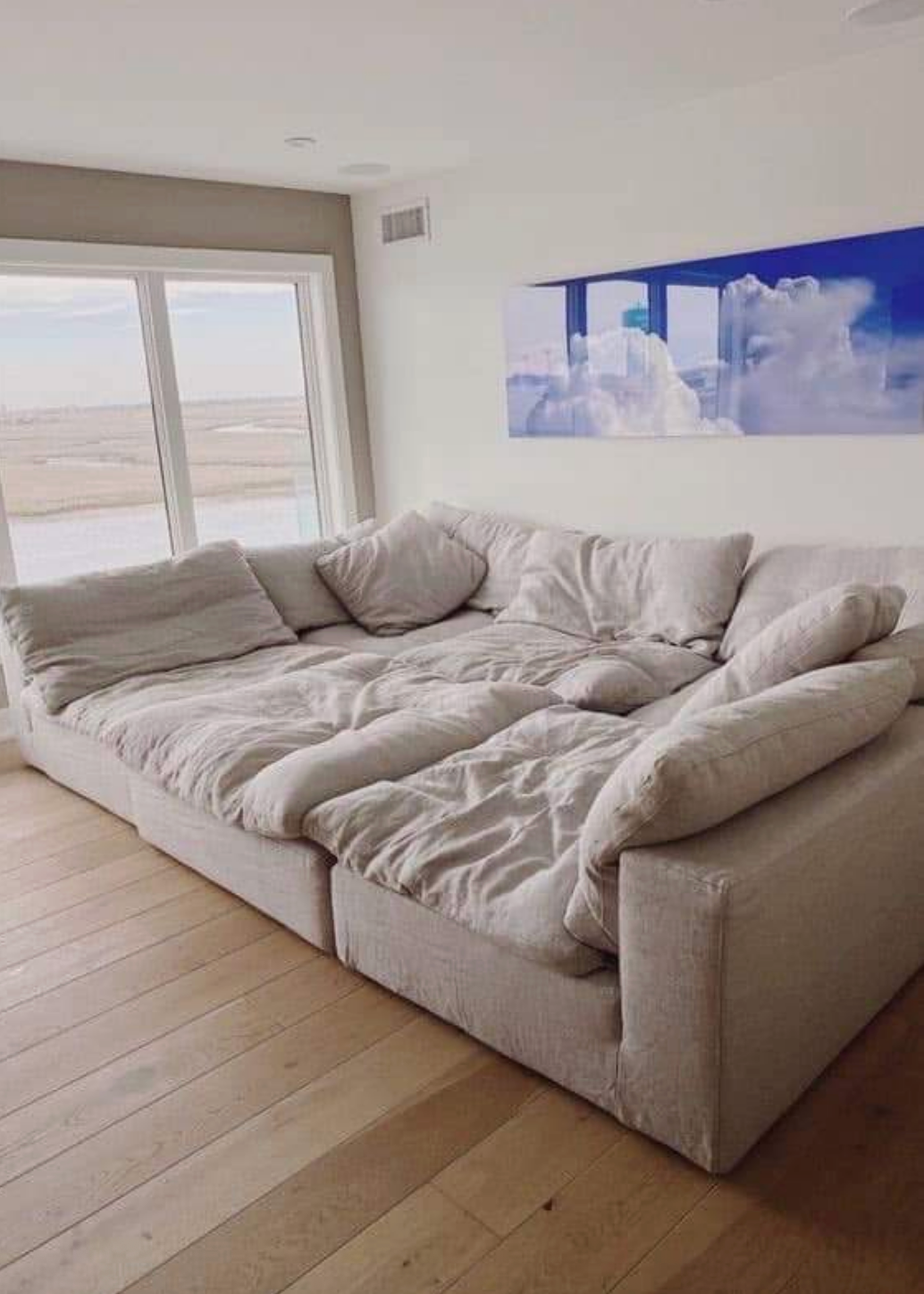
Specific architectural features like sunken living rooms are also cited as desirable. These features are praised for creating a sense of intimacy and intrigue while still maintaining an open feel, offering a unique spatial dynamic that modern homes often lack. The sentiment is that these design elements contribute to a more engaging and distinctive living environment.
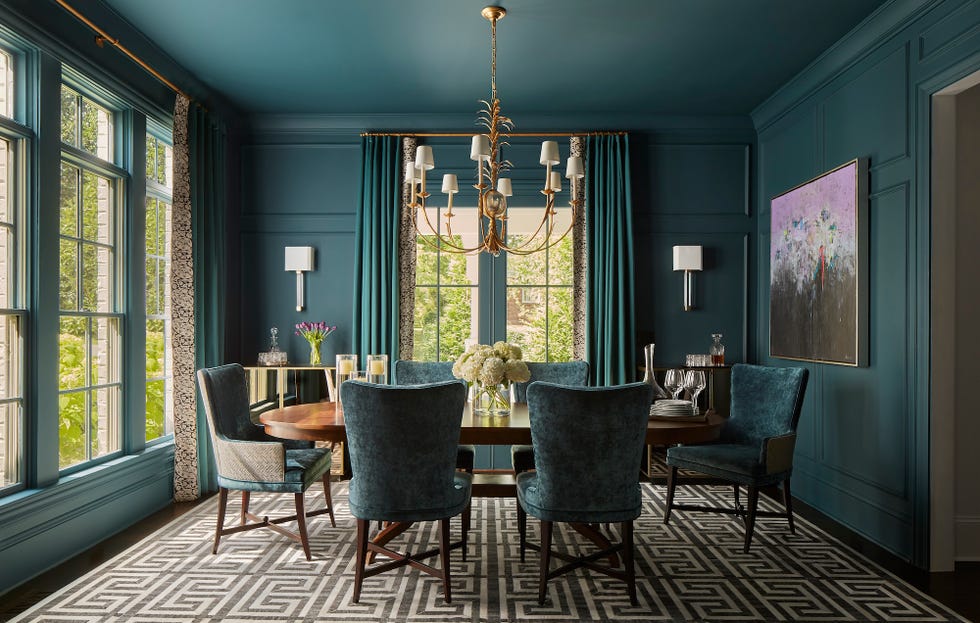
Dedicated dining rooms are another trend poised for a comeback. In an era where dining spaces are often integrated into open layouts, many expressed a preference for a separate, distinct room for meals. This allows for a more formal and focused dining experience, creating a "gravity point" in the home where family and friends can gather and linger without distractions from other household activities.
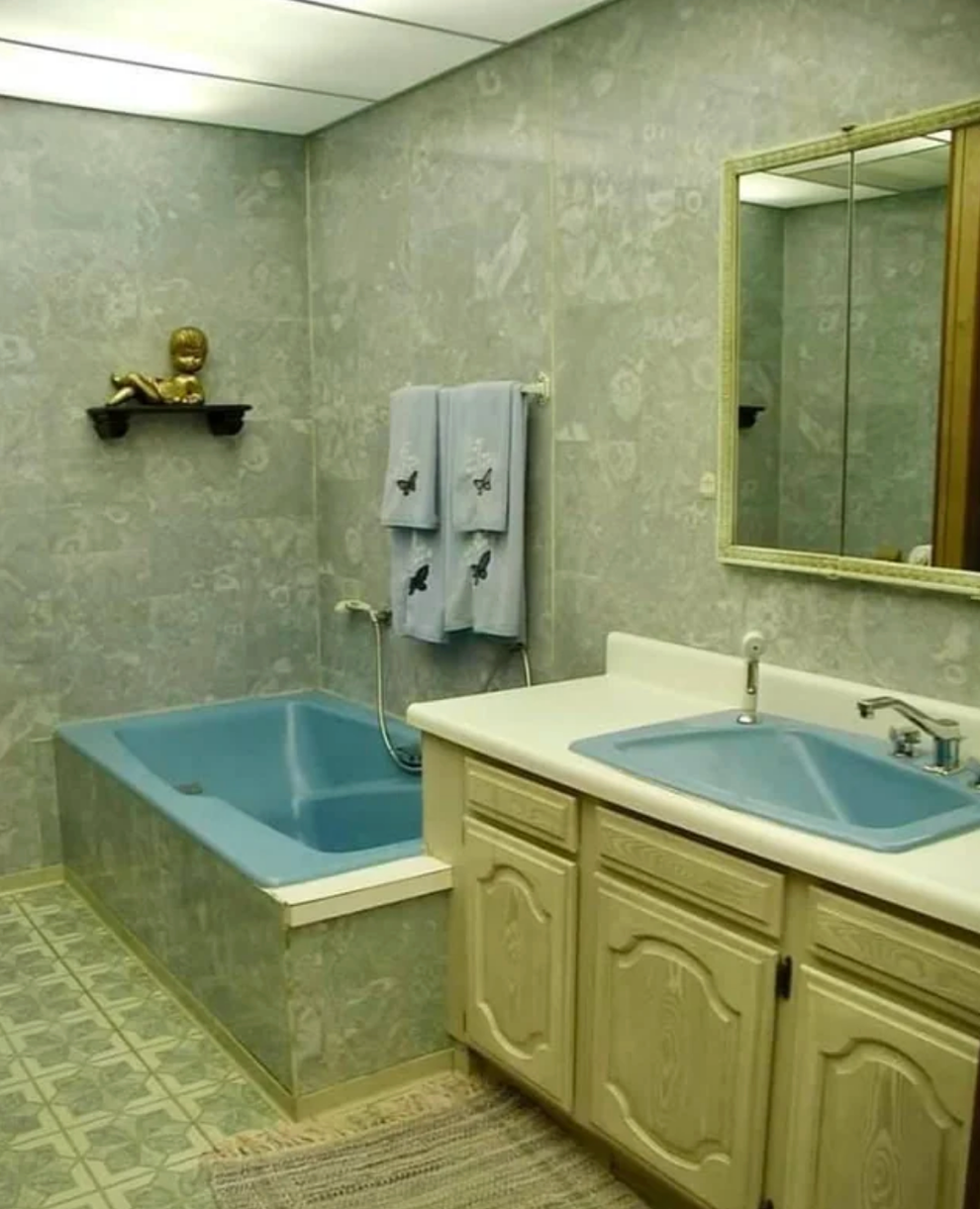
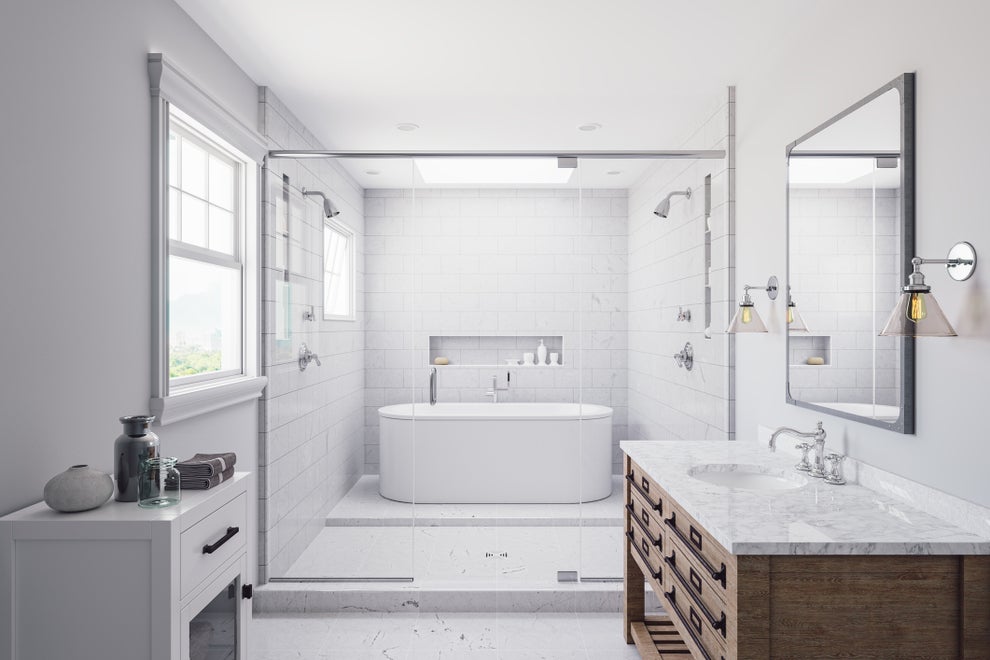
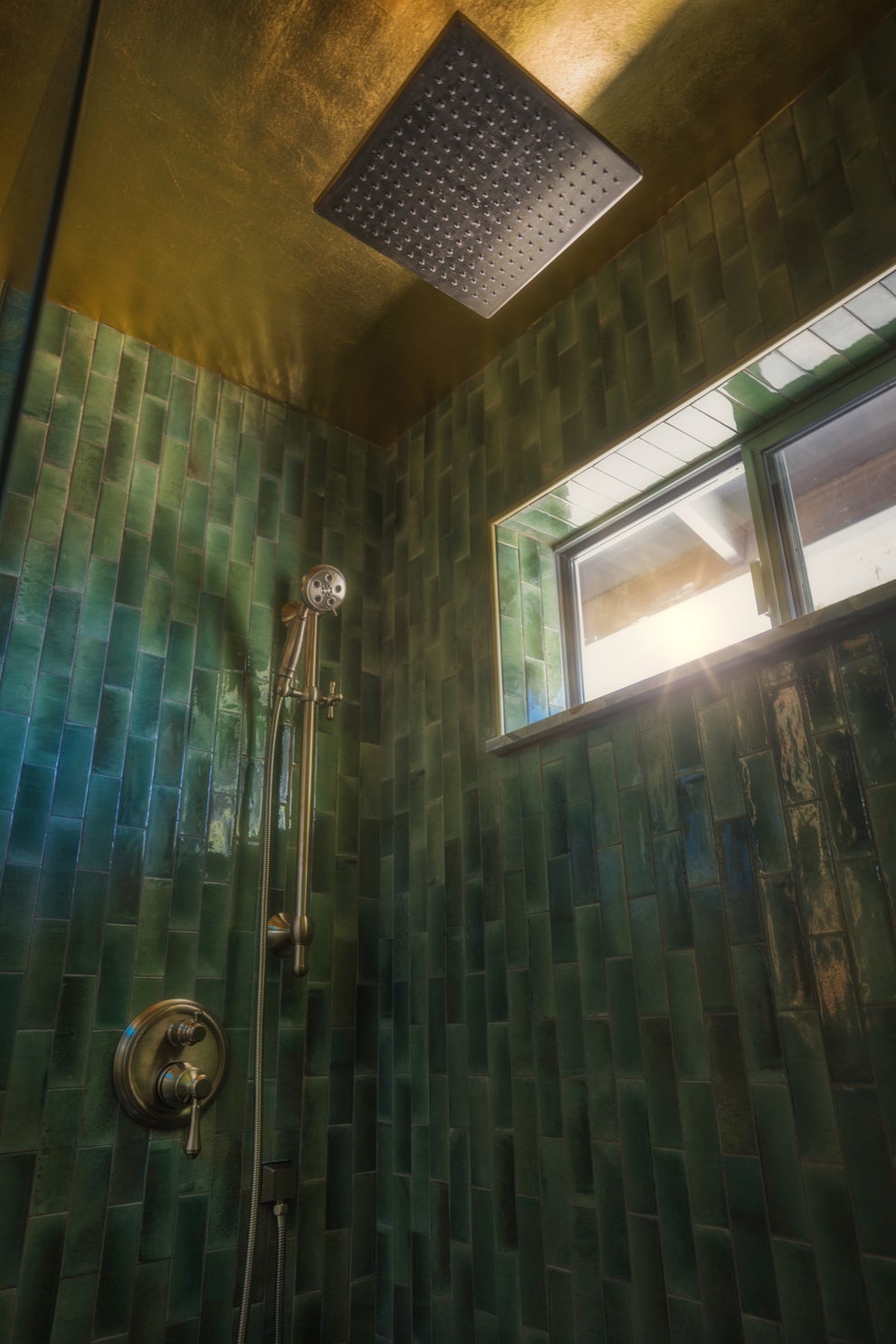
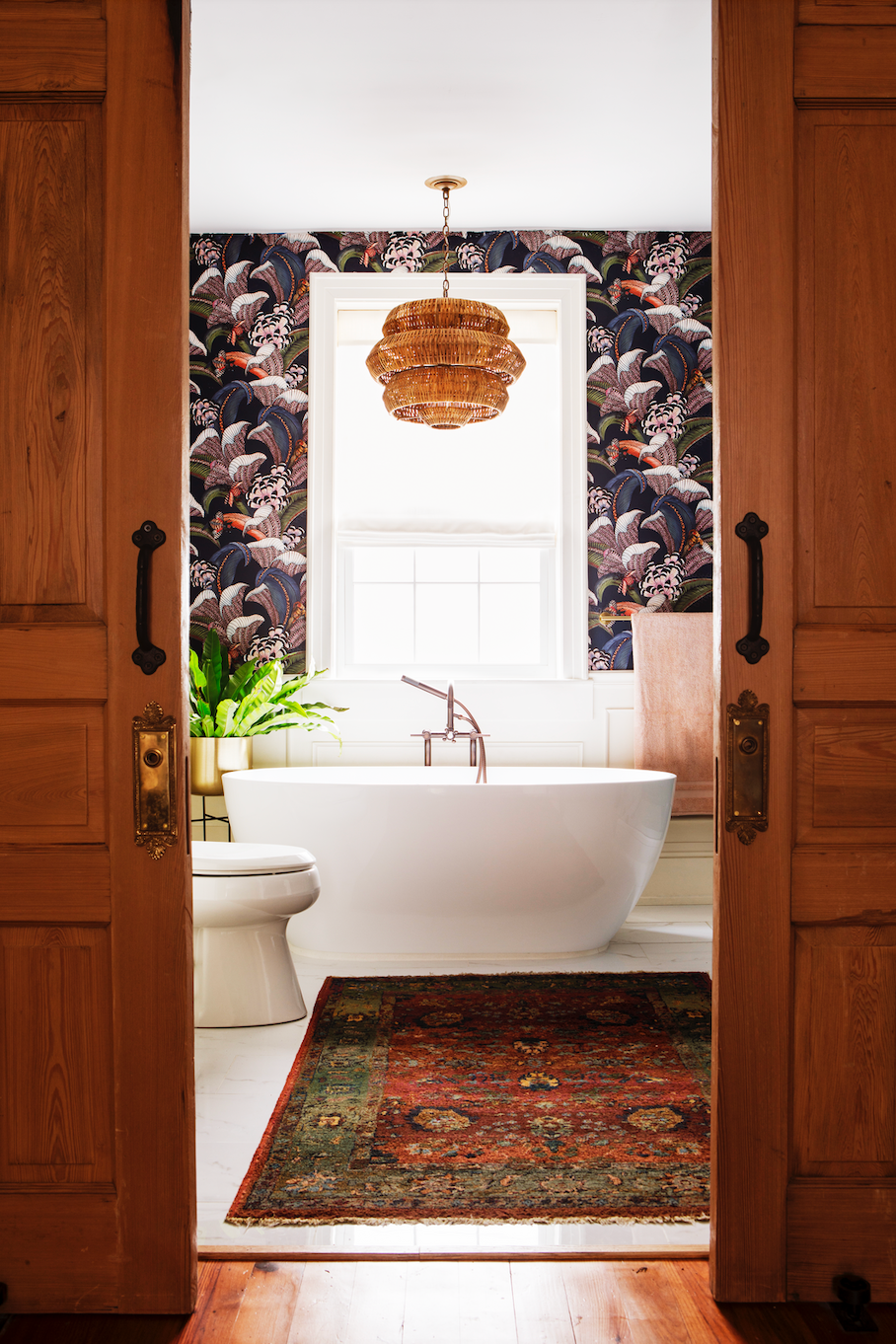
The article also touches upon a desire for more color in bathrooms, specifically colorful porcelain fixtures, as opposed to the standard white. White fixtures are criticized for being boring and quickly appearing dingy. The reintroduction of colors like harvest gold is seen as a way to add character and warmth to often overlooked spaces. Similarly, the trend of tan walls is missed by those who find current gray palettes cold and easily soiled, highlighting a preference for warmer, more traditional color schemes.
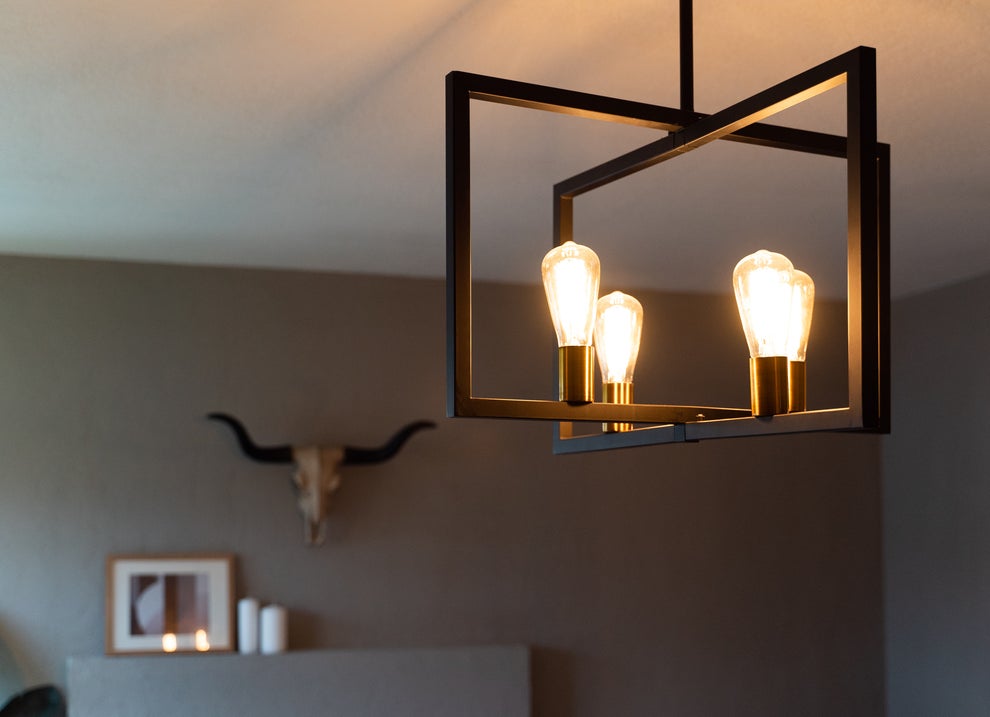
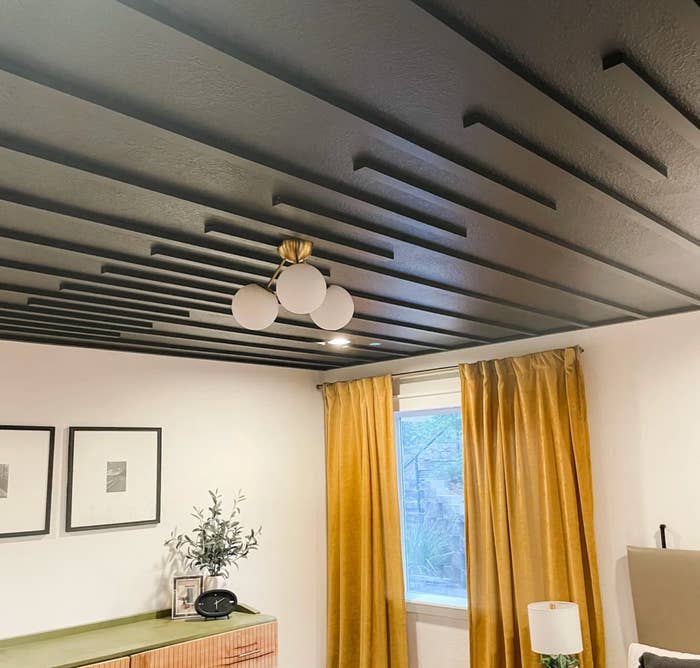
Practical considerations also drive the desire for change. Many respondents expressed a preference for more bathrooms or bedrooms over excessively large primary bedrooms. The argument is that additional functional spaces are more beneficial for accommodating guests and daily household routines than an oversized bedroom. The discussion also included a call for the return of old-school ceiling light fixtures, preferred over the current trend of relying on lamps plugged into switched outlets, for their ease of use and consistent room illumination.
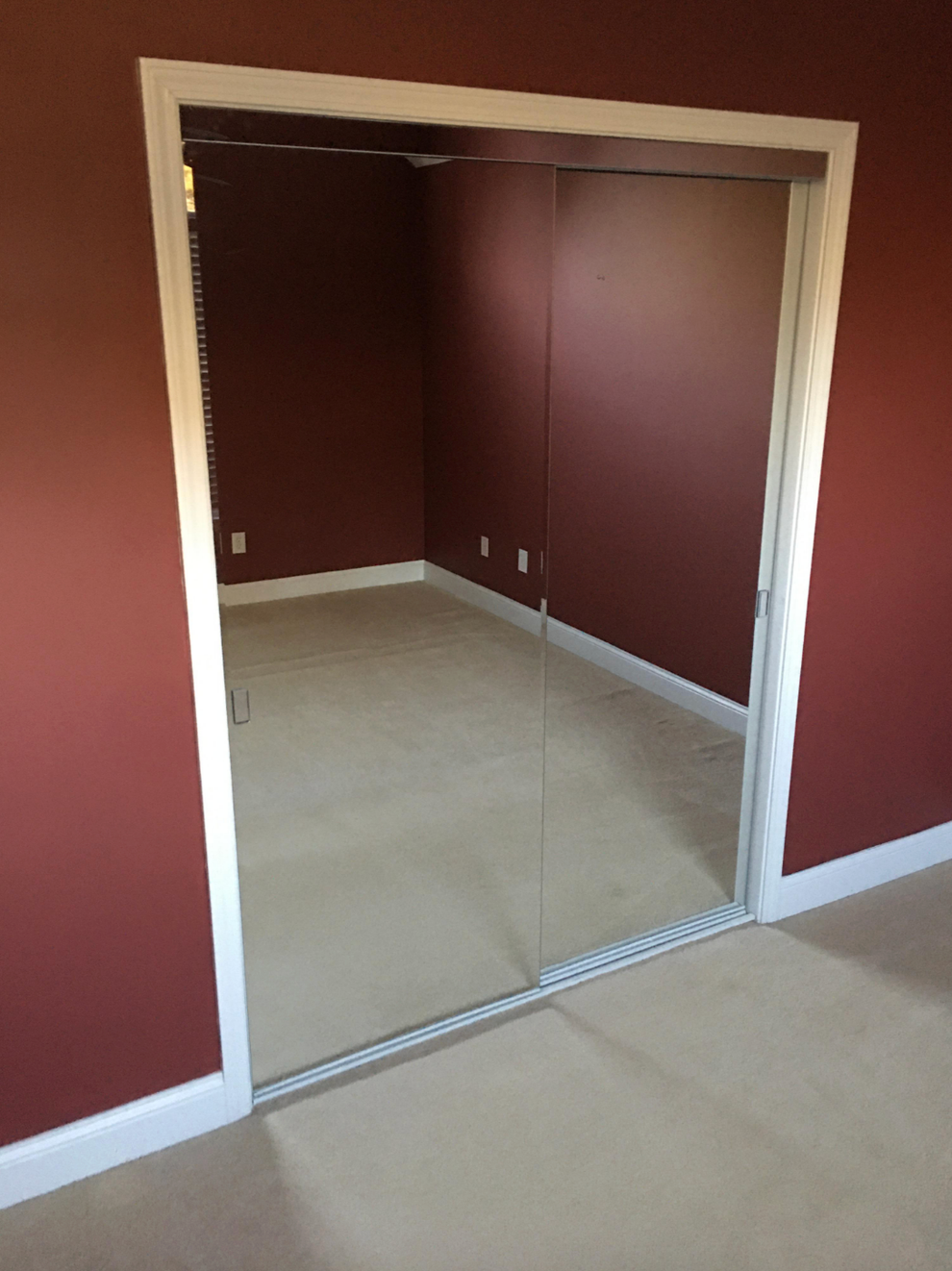
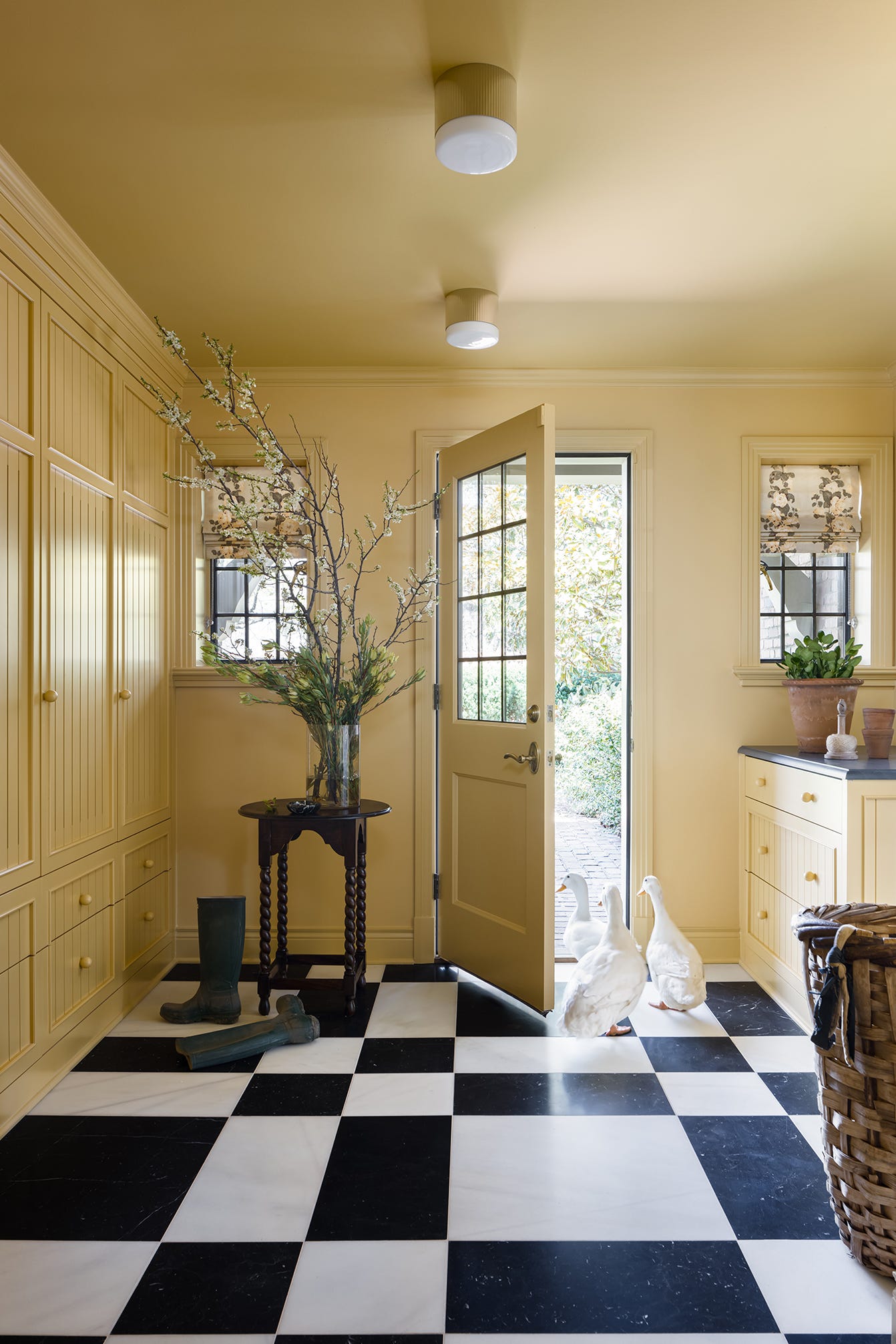
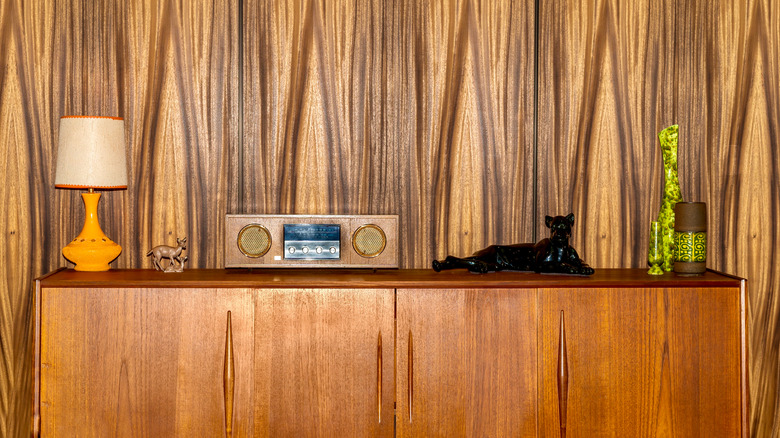
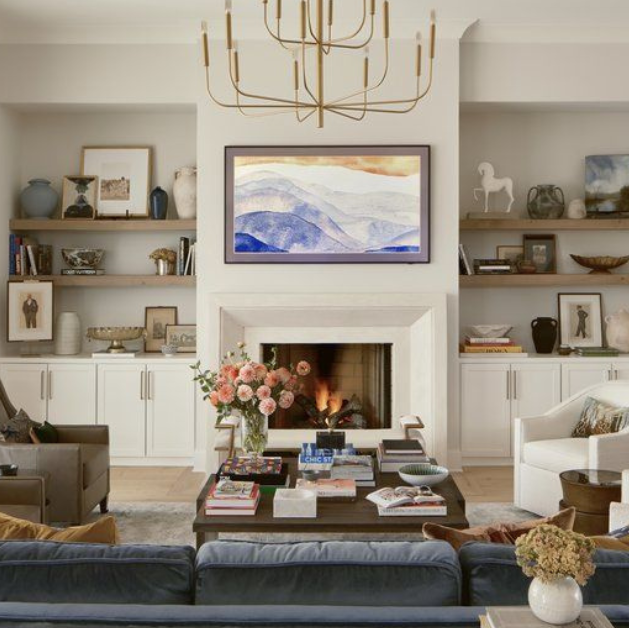
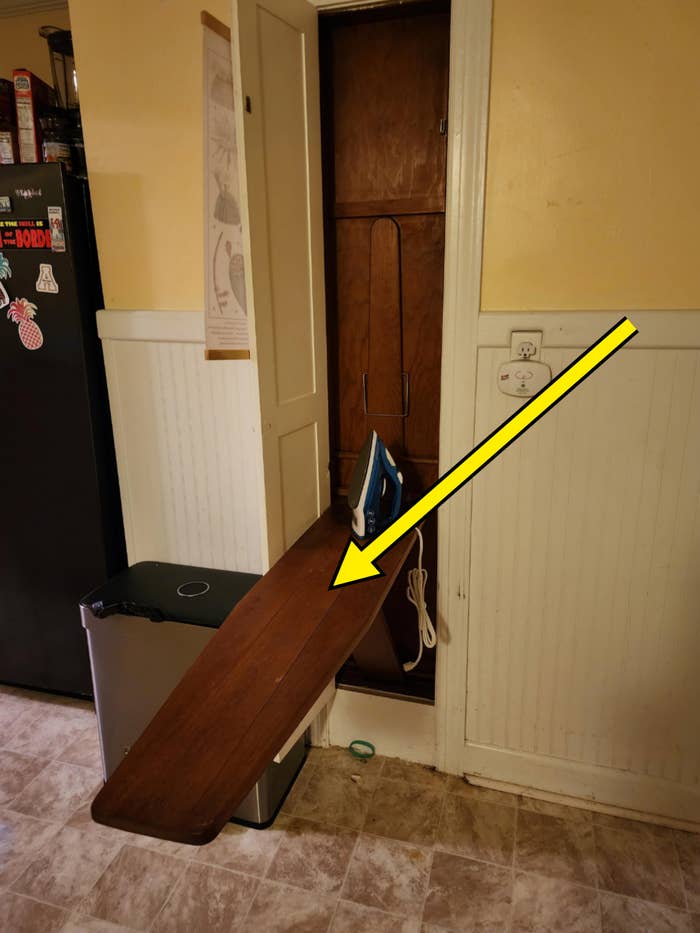
Built-in features, such as shelves, entertainment centers, and storage units, are another highly desired trend. These elements are valued for their custom fit, space-saving capabilities, and ability to add architectural interest. Examples from older homes, such as built-in toasters and radios, are remembered fondly for their convenience and unique charm.
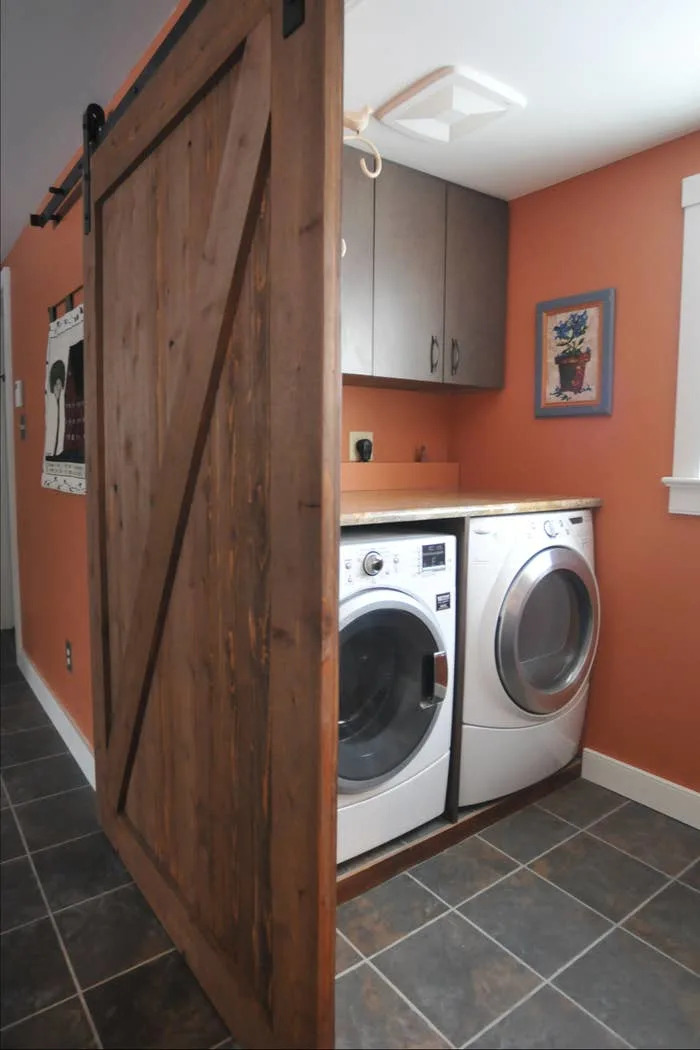
The placement of laundry facilities also sparked debate, with some arguing that dedicated, often elaborate, laundry rooms are an inefficient use of space. They suggest moving laundry back to basements or closets, freeing up valuable square footage for more essential rooms like additional bathrooms. This highlights a focus on maximizing utility and practicality within home design.
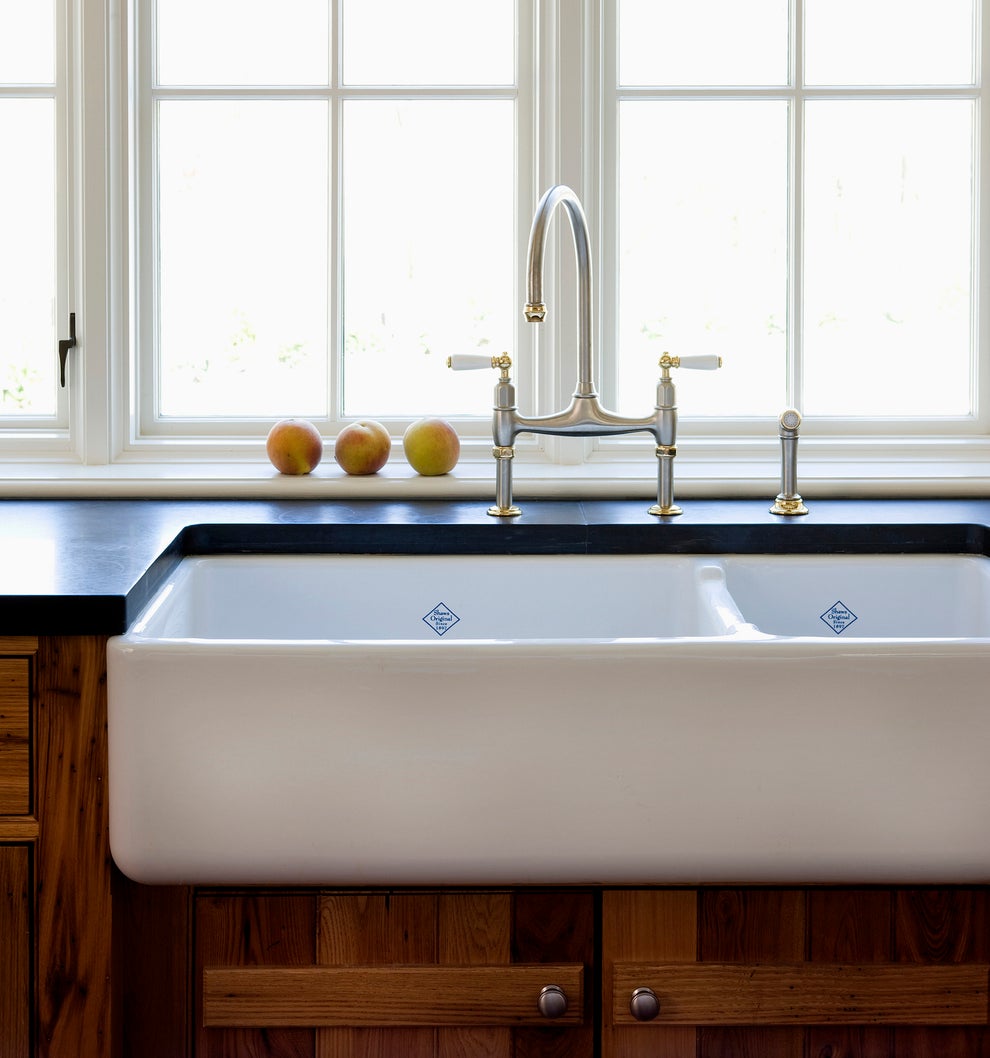
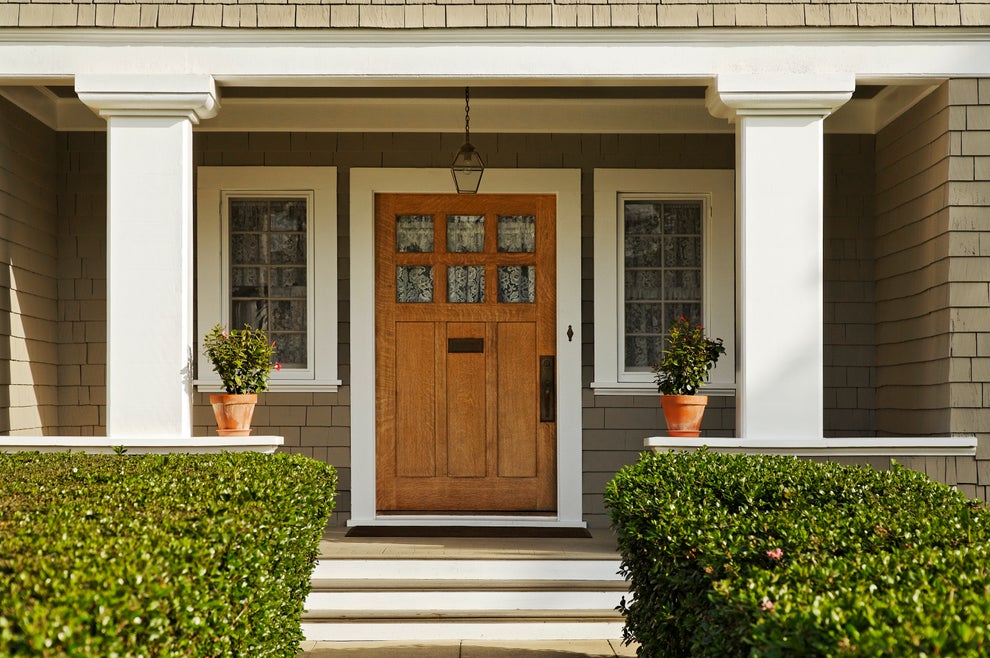
Finally, a nostalgic appreciation for the "farmhouse look" is noted for its warmth, durability, and affordability, particularly for older homes. The charm of sliding barn doors is also mentioned as a way to incorporate rustic elegance. The article concludes with a strong call for the return of actual color and patterns in home interiors, moving away from muted tones that are perceived as drab and uninspiring. The front porch also made the list, seen as a vital element for fostering community and connection among neighbors, encouraging social interaction that modern home designs often neglect. These community sentiments suggest a shift away from purely aesthetic trends towards designs that enhance livability, personalization, and social engagement.
#HomeDesignTrends #OutdatedIsNewAgain #InteriorDesign #OpenConceptDebate #AccentWalls #SunkenLivingRooms #DedicatedDiningRooms #ColorfulBathrooms #BuiltInFeatures #FrontPorches #HomeDesignTrends #OutdatedIsNewAgain #InteriorDesign #OpenConceptDebate #AccentWalls #SunkenLivingRooms #DedicatedDiningRooms #ColorfulBathrooms #BuiltInFeatures #FrontPorches
0 comment in total
 No comments yet
You may also like
People Are Revealing The "Outdated" Home Design Trends From The '80s That Need To Come Back

"Frankly, It's Tacky": People Are Revealing Common Interior Design Trends They Can't Stand
The Controversial Kitchen Trend the Design World Is Buzzing Over
People Are Sharing Why These Universally Despised Design Trends Work Quite Well In Their Homes
People Are Defending The "Unpopular" Home Design Trends That Actually Make A Lot Of Sense In Their Own Homes
"It's A Huge Fire Hazard": People Are Calling Out The Modern Home Design Trends They Secretly Hate, And It's Jarring
11 "Outdated" Home Design Trends That Definitely Need A Resurrection
Vintage Home Design Trends That Are Making Huge Comebacks

People Are Defending The "Unpopular" Home Design Trends That Actually Make A Lot Of Sense In Their Own Homes
This Throwback Trend Is Coming Back in Style—and Designers Have Mixed Opinions

Designers Reveal the Surprising Home Trend That's Taking Over Right Now

Tell Us Which Modern Home Design Trends Will Be Outdated In A Few Years
People Are Revealing The "Outdated" Home Design Trends That Are Wayyy Better Than Modern Trends
People Are Exposing The Home Decor Trends That'll "Completely Fade Out" Sooner Than You'd Think
This Controversial Home Layout Has DIVIDED the Design World

The #1 Retro Design Trend Designers Say is Making a Comeback

"Frankly, It's Tacky": People Are Revealing Common Home And Kitchen Design Trends They Can't Stand
Older Adults Are Sharing The Design Trends They Despise For Very Specific Reasons
Outdated Furniture Pieces That Are Having A Comeback
"It's Already Very Dated": 34 Popular Home Design Trends That People Feel Reaaaally Strongly About