1/12
5 surprising storage essentials minimalists avoid – and what they use instead
Minimalists approach home organization with a focus on functionality and simplicity, intentionally avoiding specific types of storage solutions that contradict their philosophy of living without excess. Unlike conventional home organization strategies that often emphasize maximizing storage space, minimalists believe that ample storage can lead to the accumulation of unnecessary items. Professional organizers confirm that minimalists strive to keep their living environments simple and functional, leading them to eschew five common storage categories.
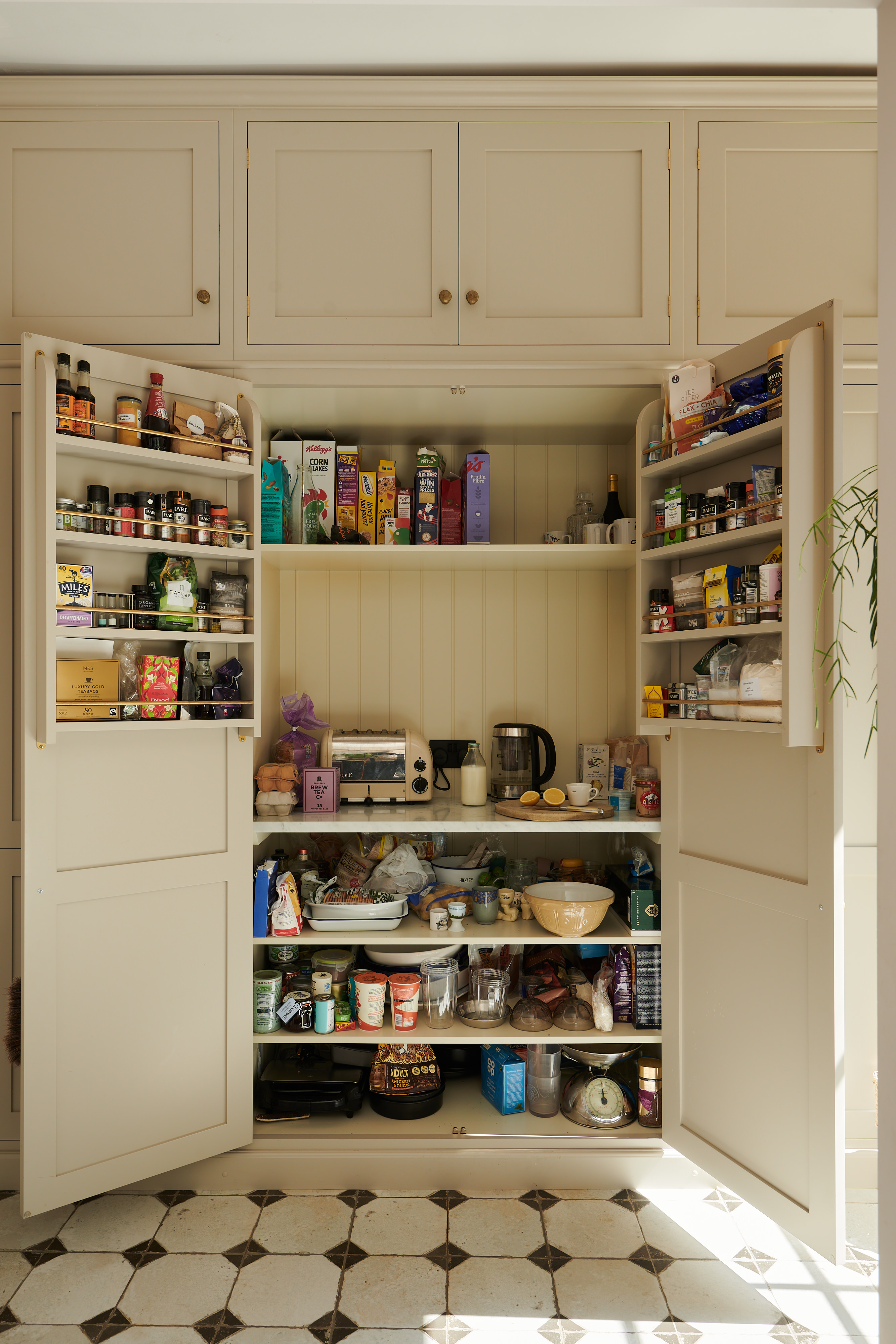
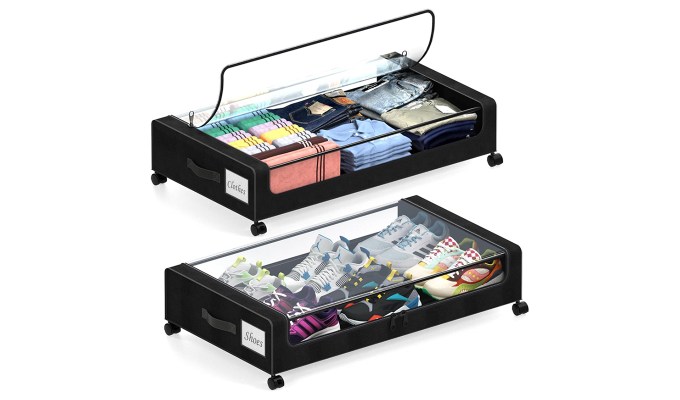
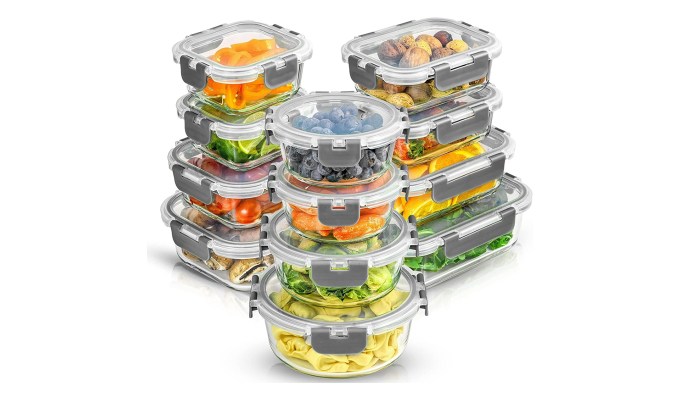
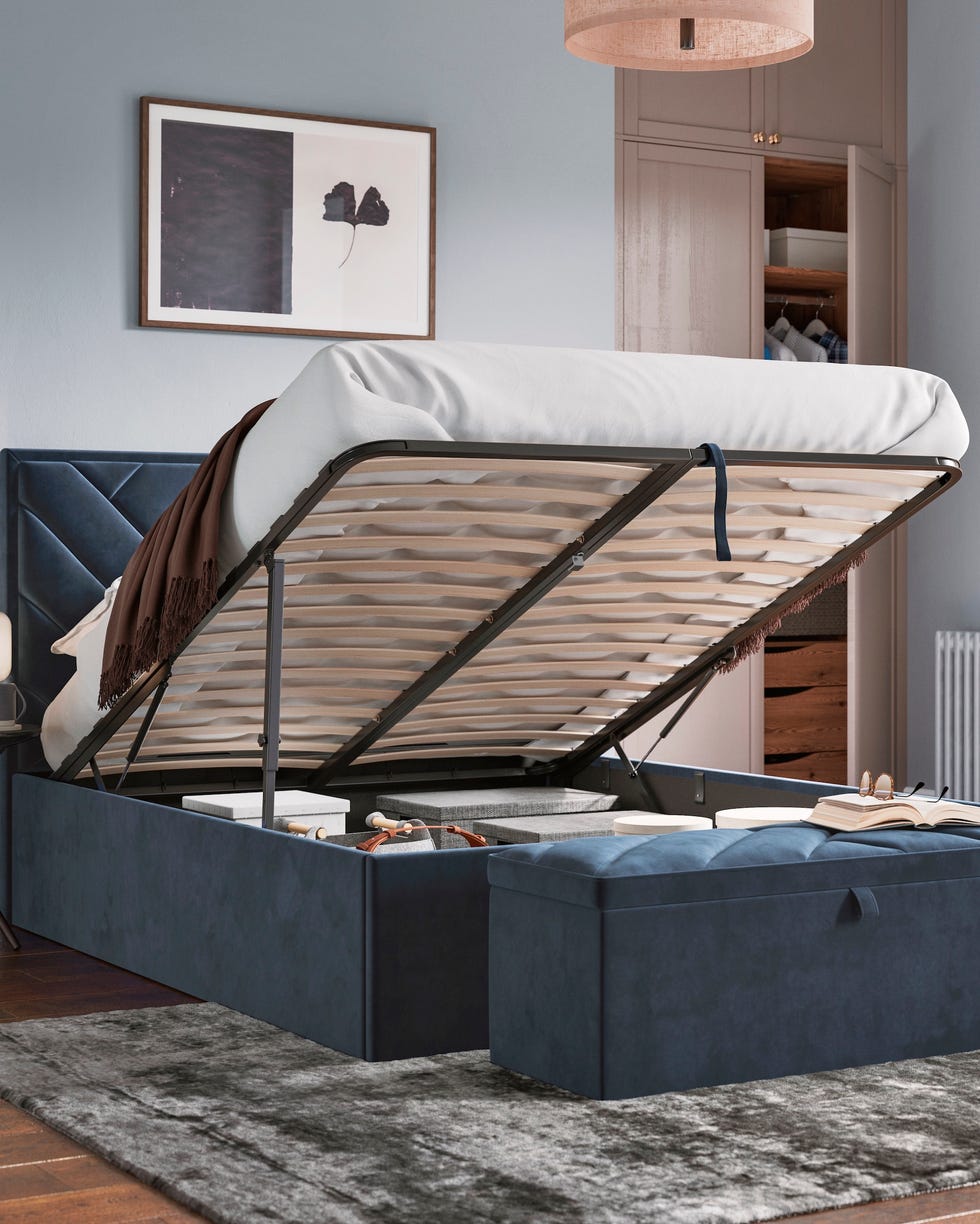
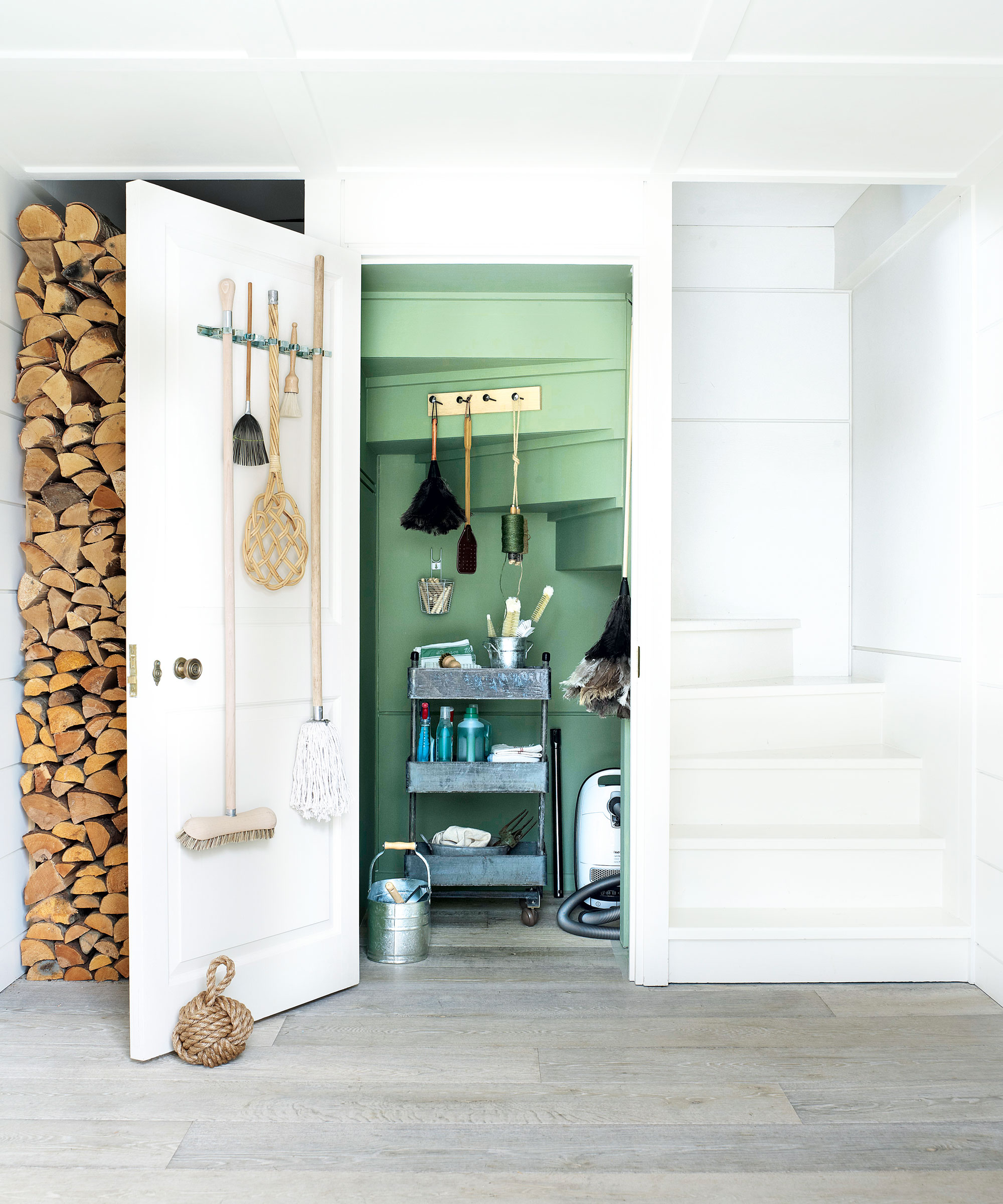
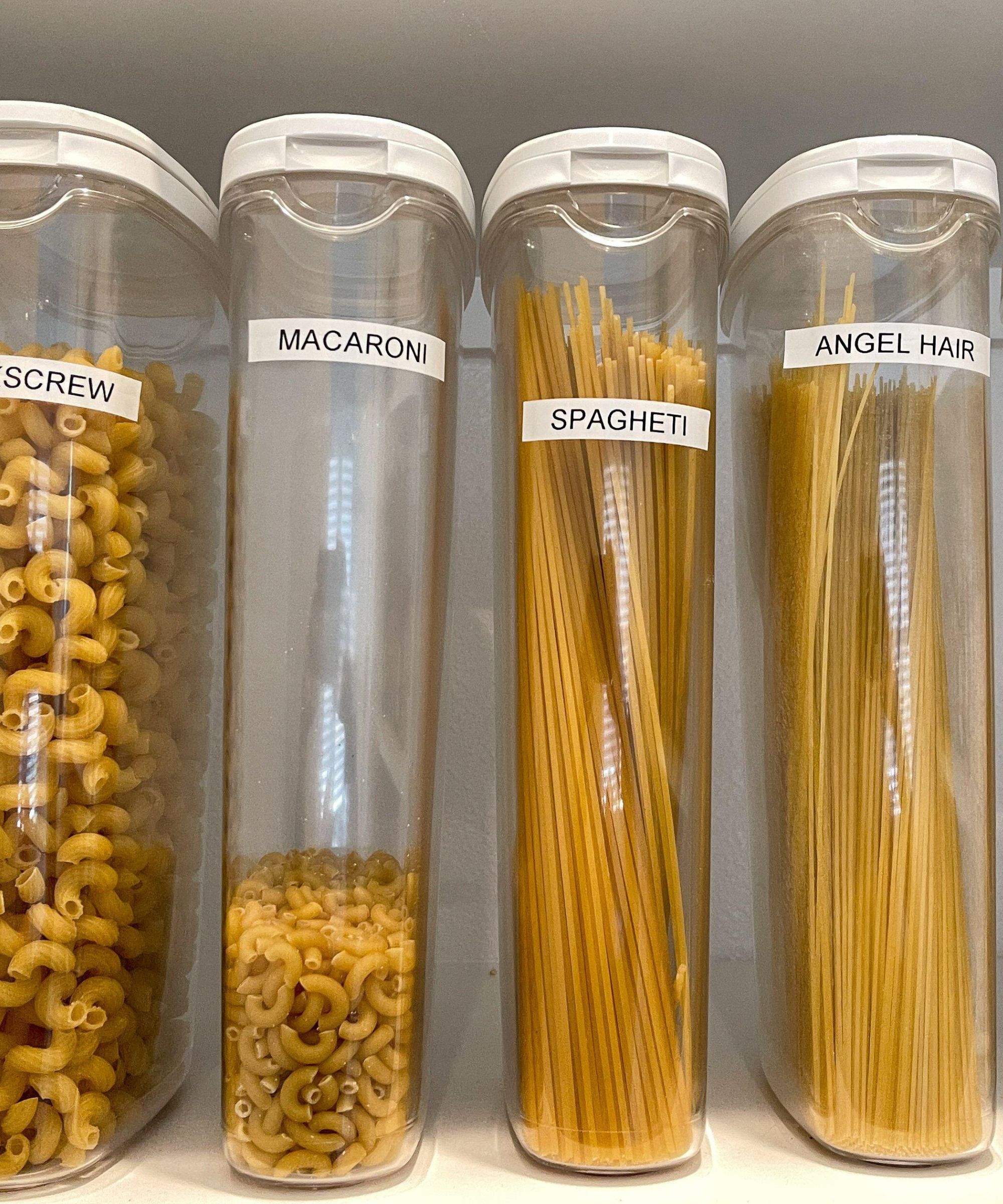
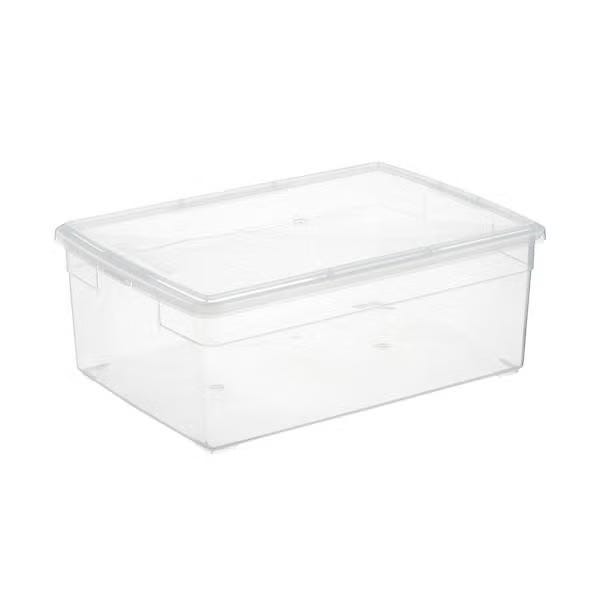
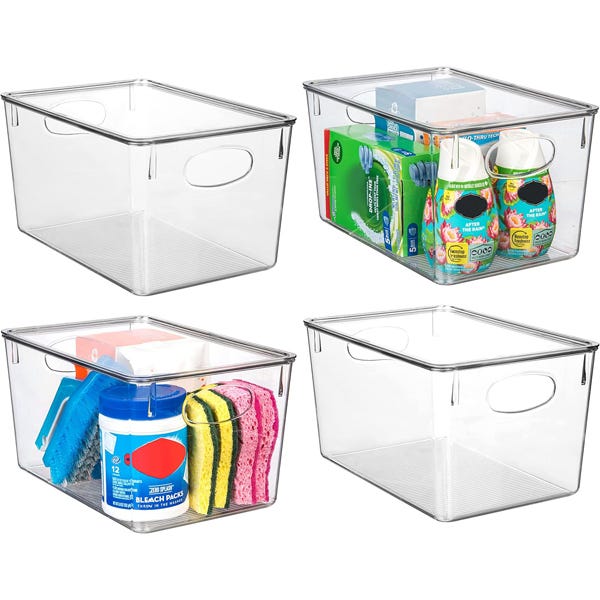
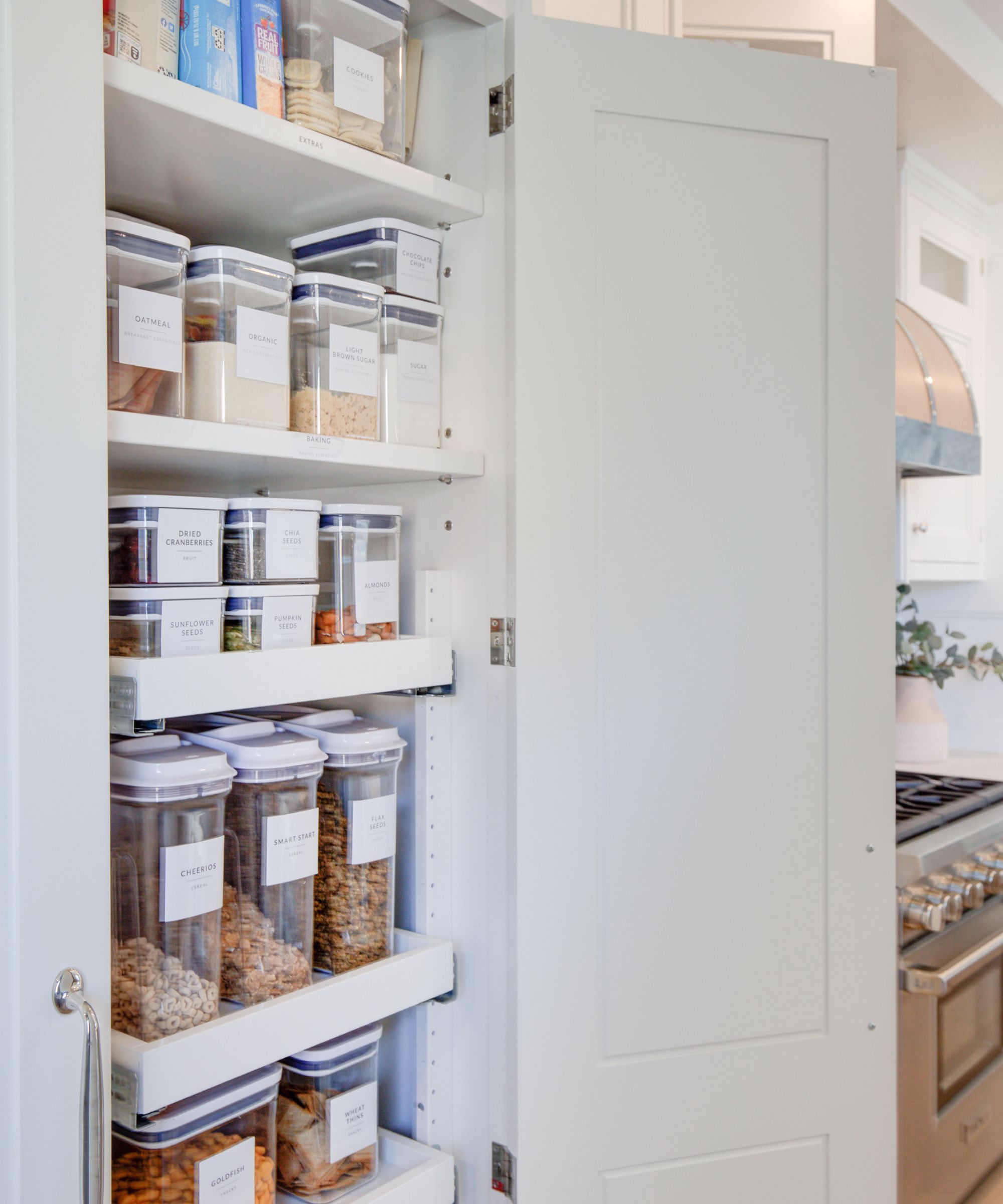
First, minimalists avoid "hidden storage" such as under-bed containers, items stored behind doors, or in attic spaces. Their reasoning is that concealing items can lead to forgetting what one owns, potentially resulting in duplicate purchases or retaining items that are not truly needed. Instead, minimalists favor clear storage bins, if any are used, to maintain visibility of their belongings, thereby promoting a constant awareness of their possessions and encouraging ruthless decluttering. This practice ensures that only essential items are kept, preventing the oversight that opaque storage can facilitate.
Second, minimalists steer clear of "transition storage" solutions. These are spaces where items are temporarily placed with the intention of being organized later, such as designated 'junk drawers' or catch-all boxes. Minimalists adhere to the 'one touch' rule, meaning each item should have a specific, permanent home to which it is returned immediately after use. This discipline eliminates the need for transitional storage, reducing cognitive overload and preventing the accumulation of clutter that often starts in these temporary holding zones. The goal is to make immediate decisions about an item's proper place, rather than deferring organization.
Third, off-site storage is not a practice embraced by minimalists. While many people use external storage units or store belongings with friends and family to manage space constraints, minimalists only retain what can comfortably fit within their living environment. This commitment reinforces the principle of owning less and living within one's means, physically and spatially, rather than expanding storage beyond the home's boundaries.
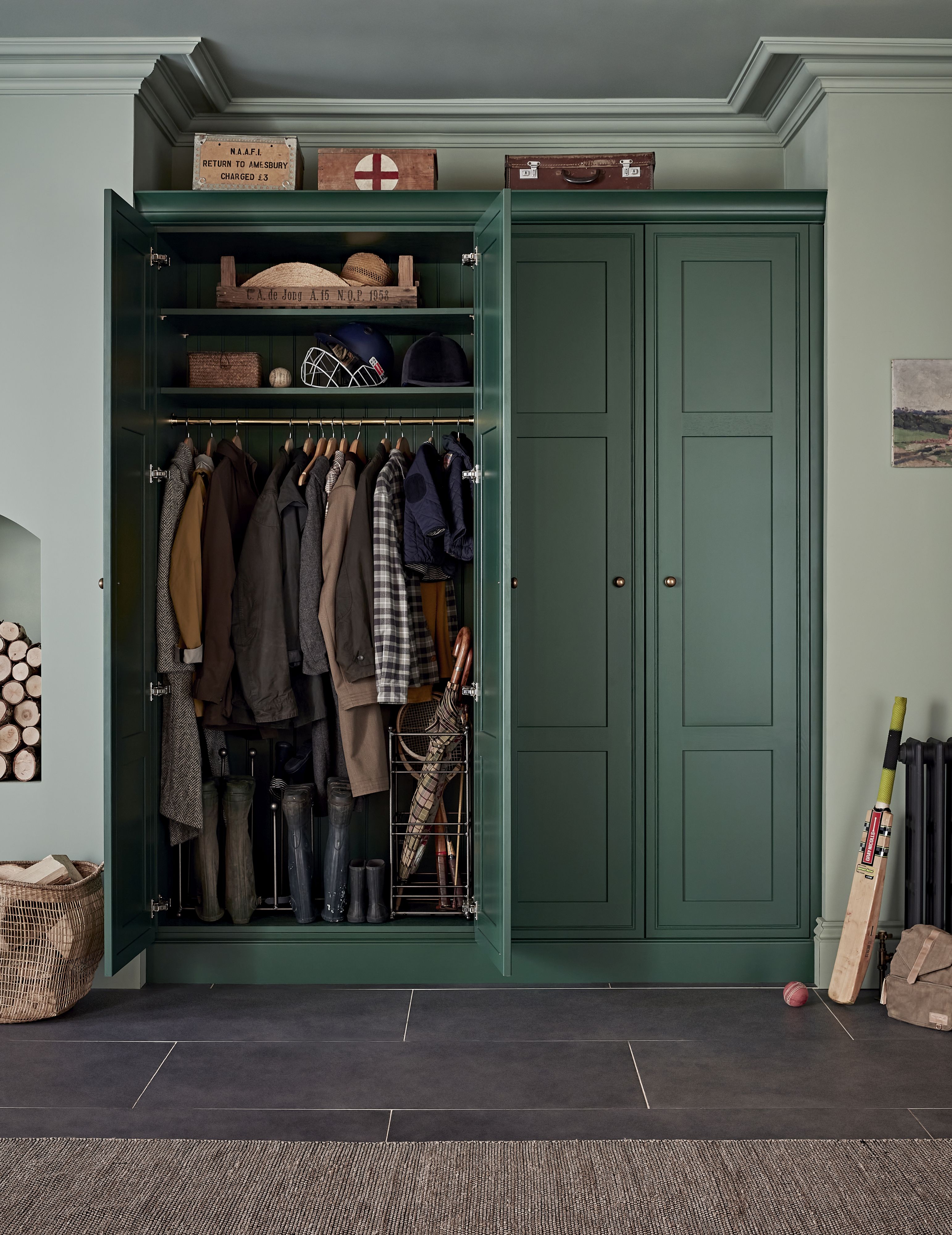
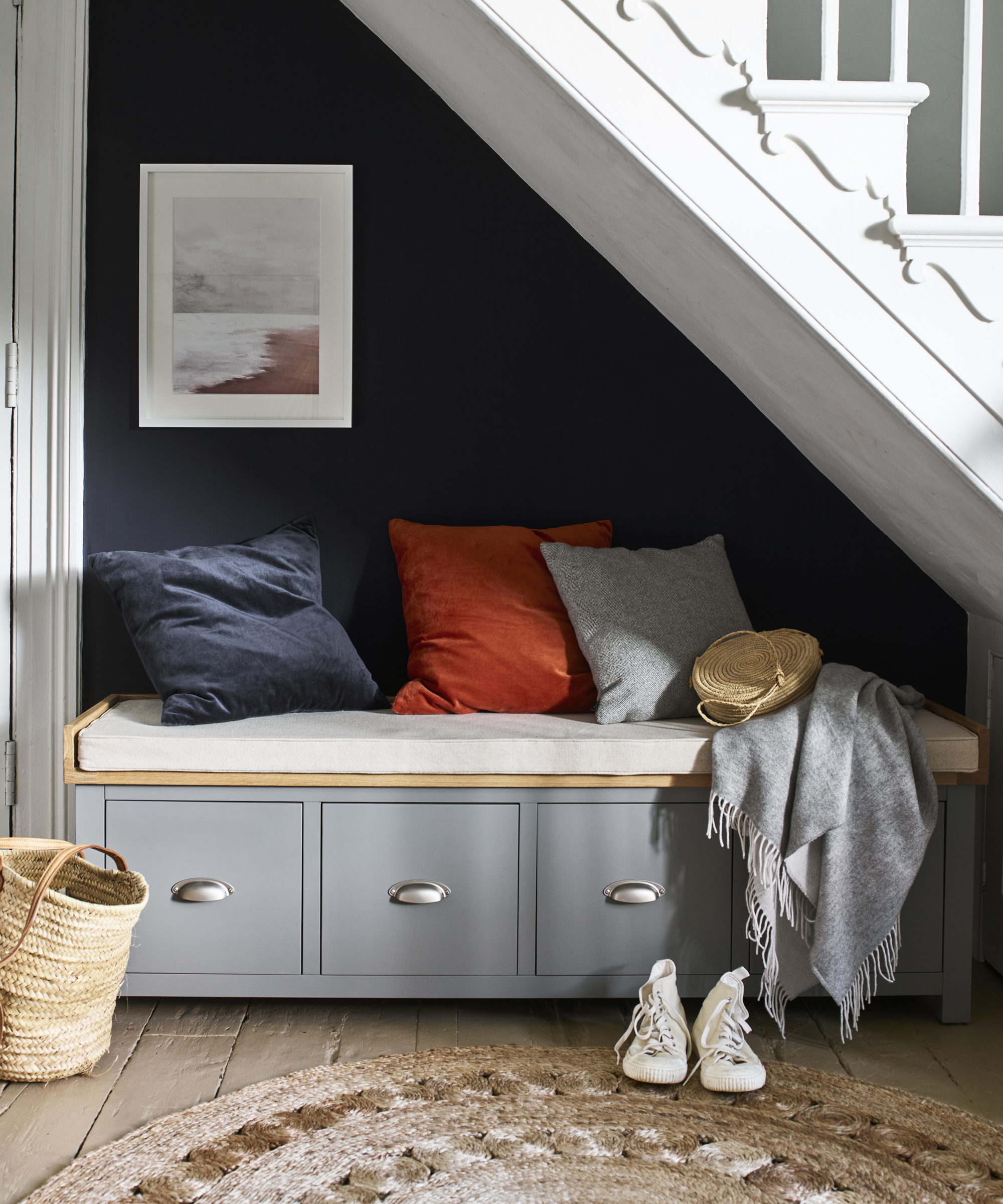
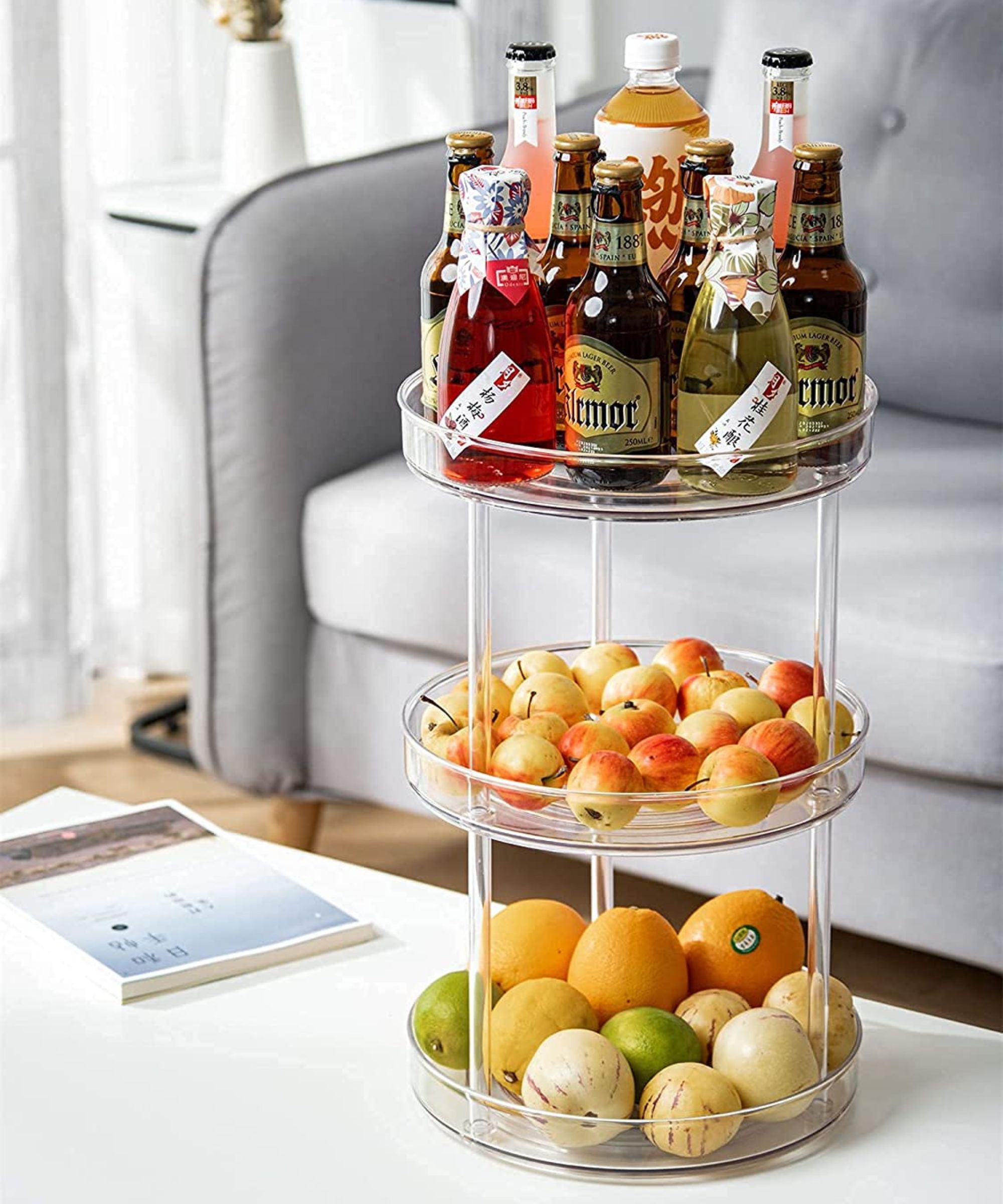
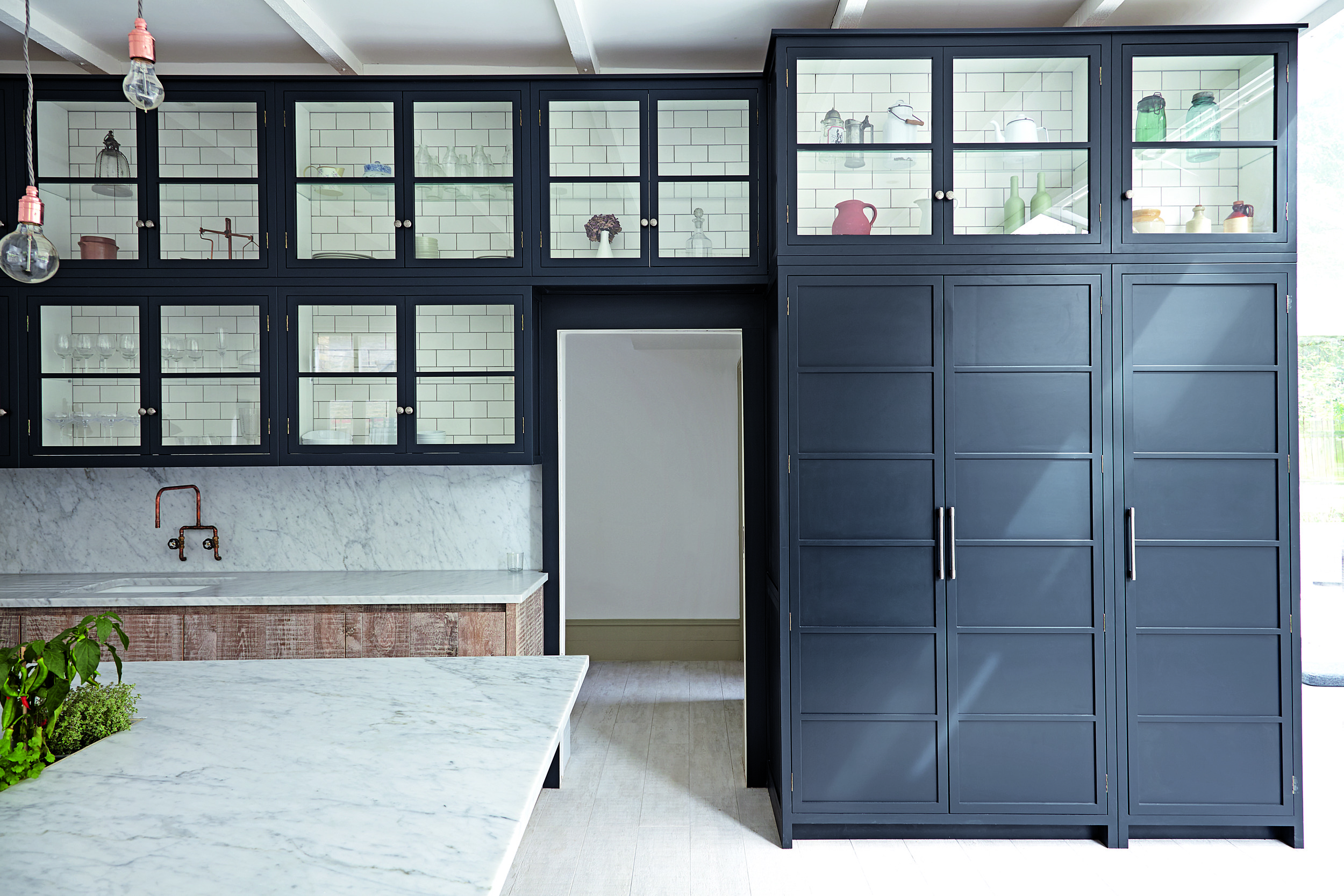
Fourth, minimalists typically avoid bulky storage solutions like oversized shelving, large cabinets, chests, or bins. These substantial pieces of furniture can consume valuable space, making a room feel smaller and less functional. Moreover, large storage units can make it more challenging to access and find items, thereby undermining efficiency. Minimalists prioritize open space and ease of access, opting for lighter, more streamlined storage methods or, ideally, fewer items that require such extensive storage.
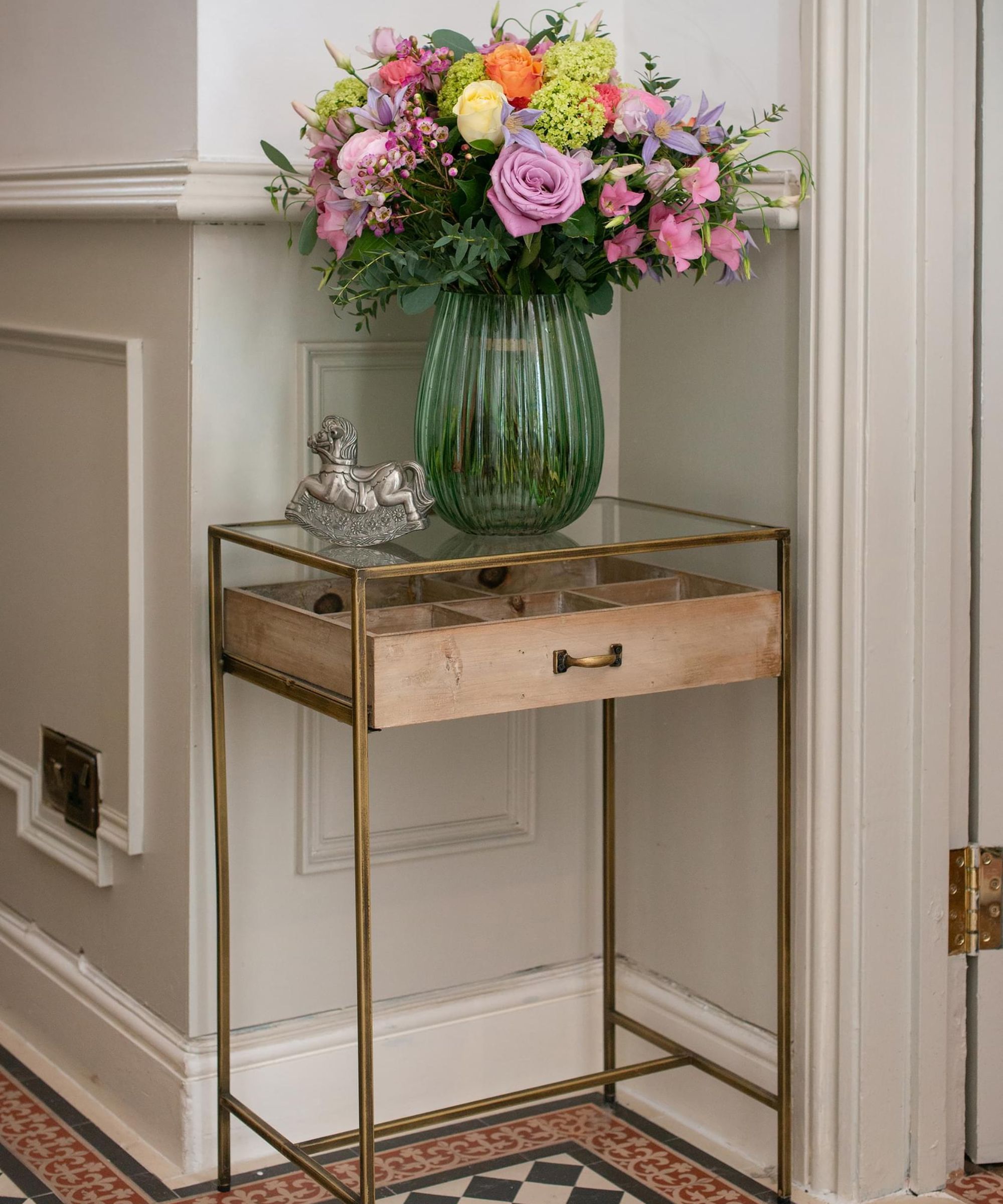
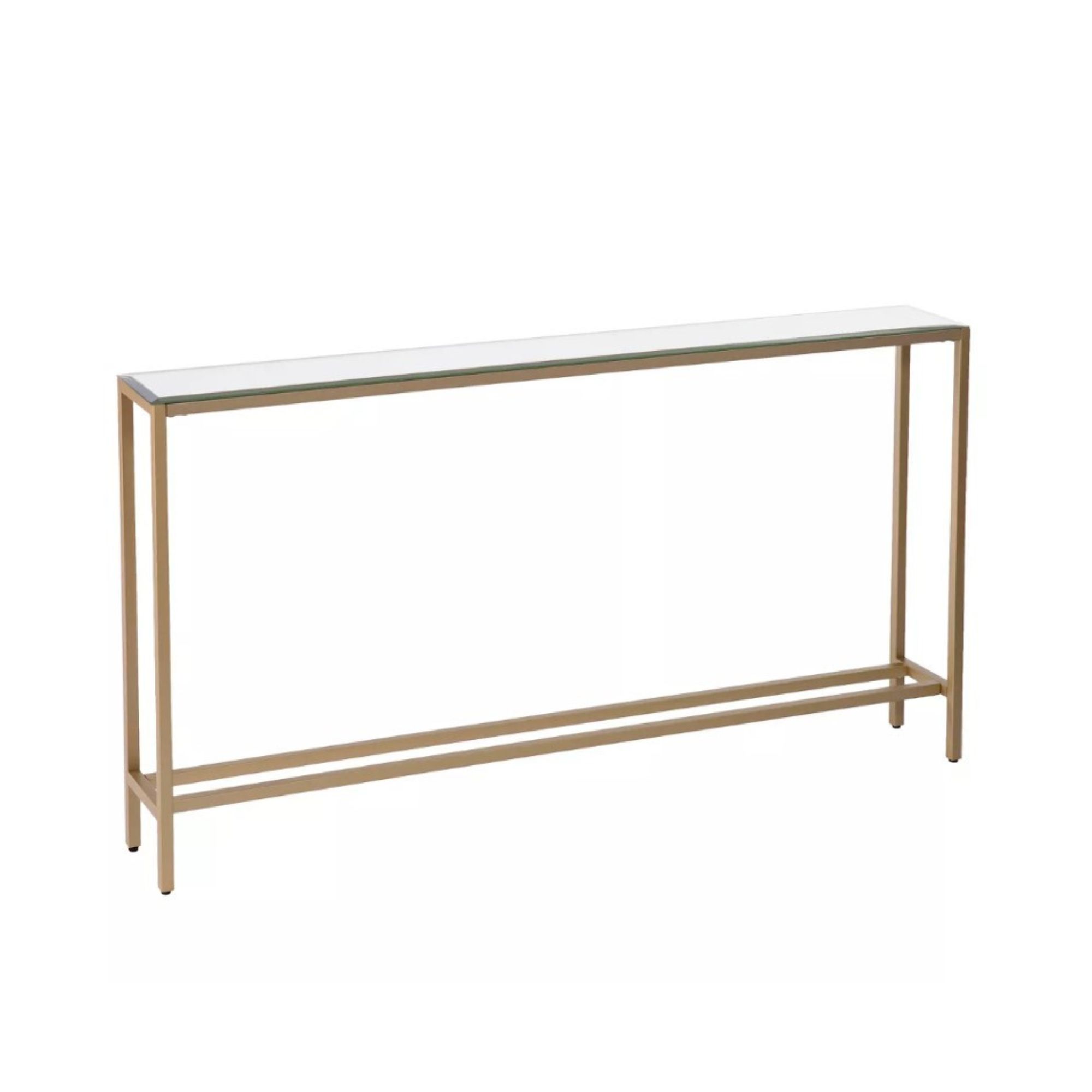
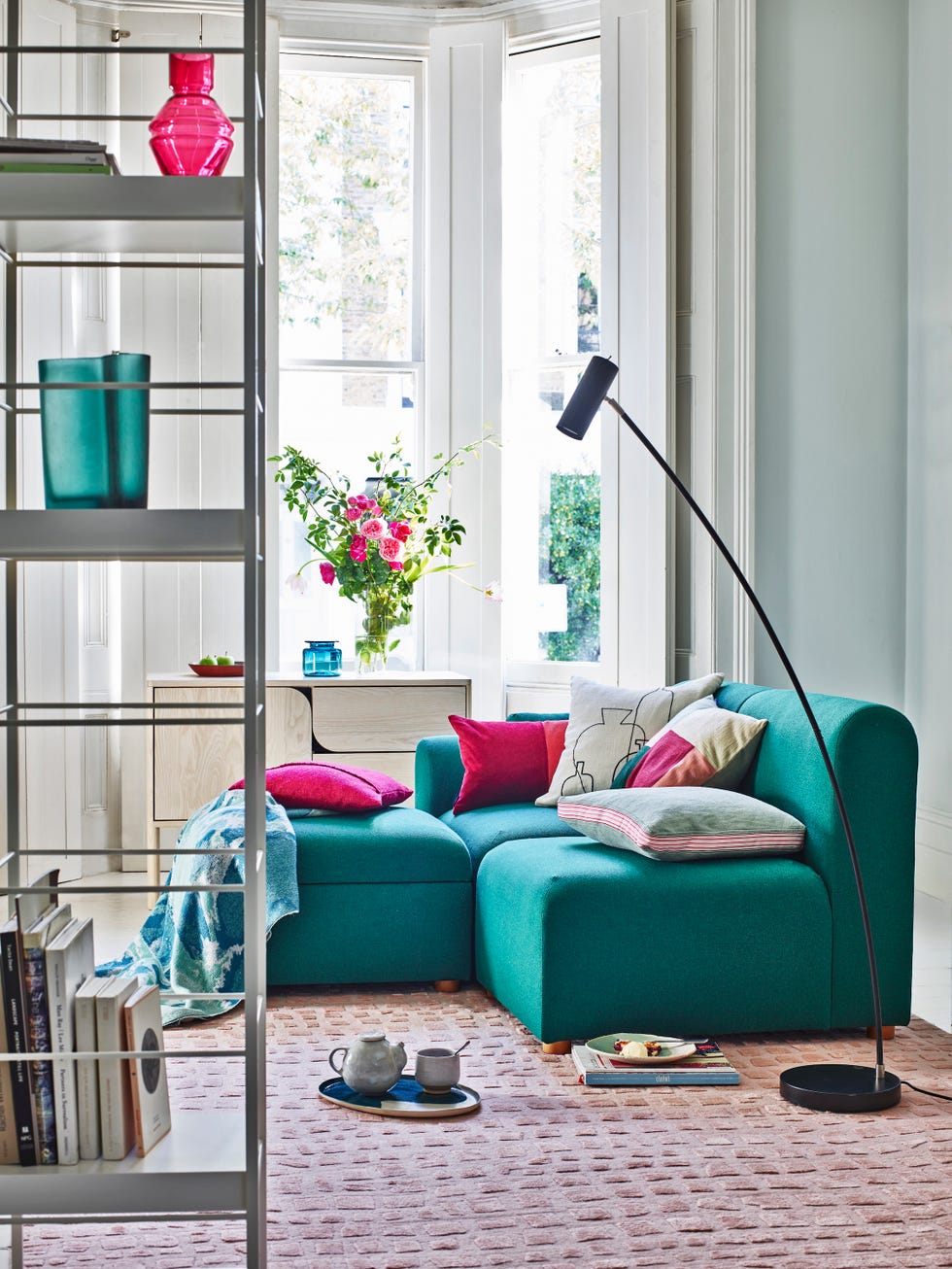
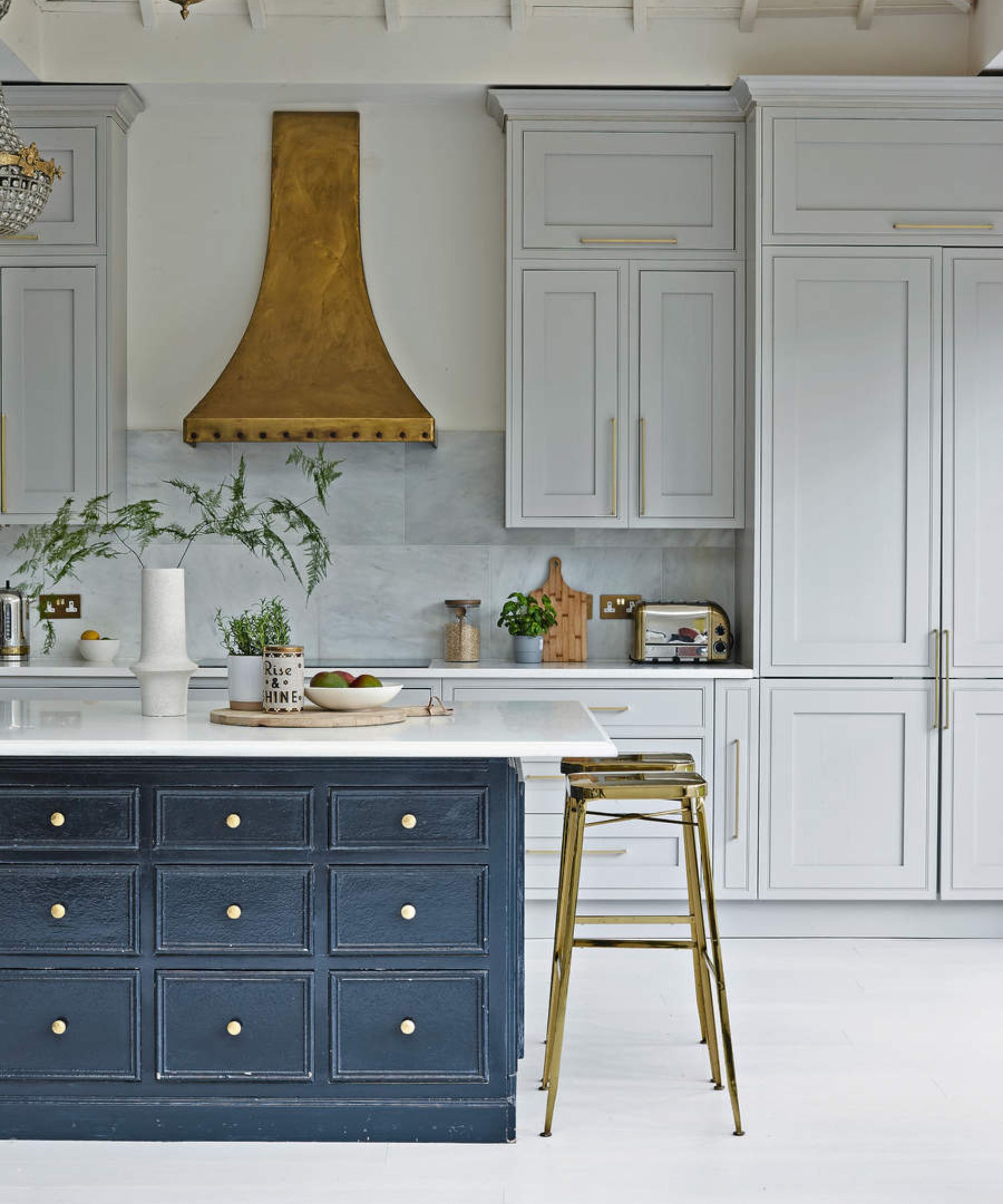
Finally, storage furniture, such as hutches, sideboards, TV stands with drawers, bookcases, or curios, is generally not found in a minimalist home. Minimalists recognize that readily available storage space often encourages filling it. Instead, they prefer to keep fewer kitchen items, mount televisions on walls, and utilize digital alternatives for books, thus reducing the need for furniture primarily designed for storage. They are comfortable with empty corners and underutilized walls, valuing spaciousness over packed storage.
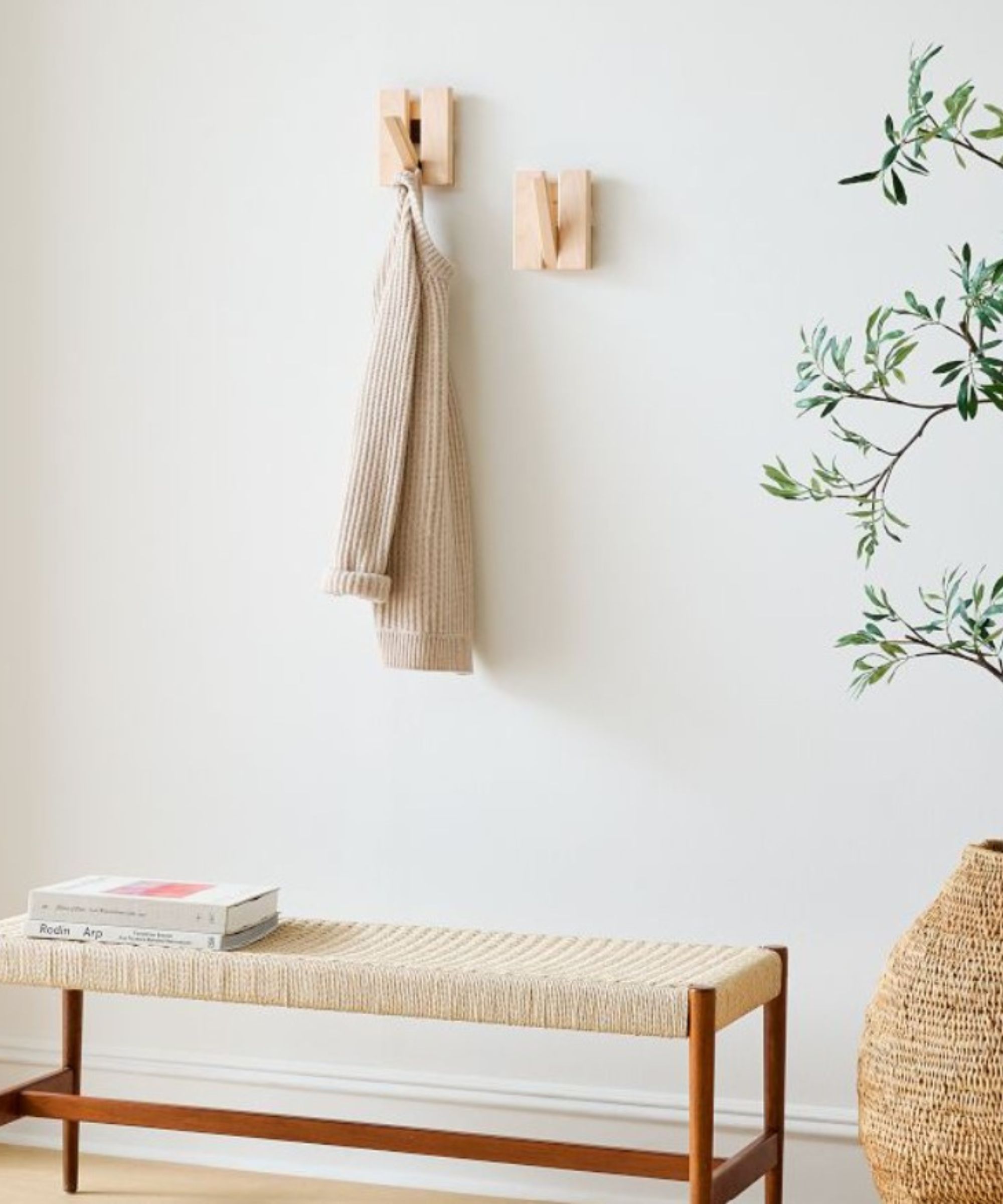
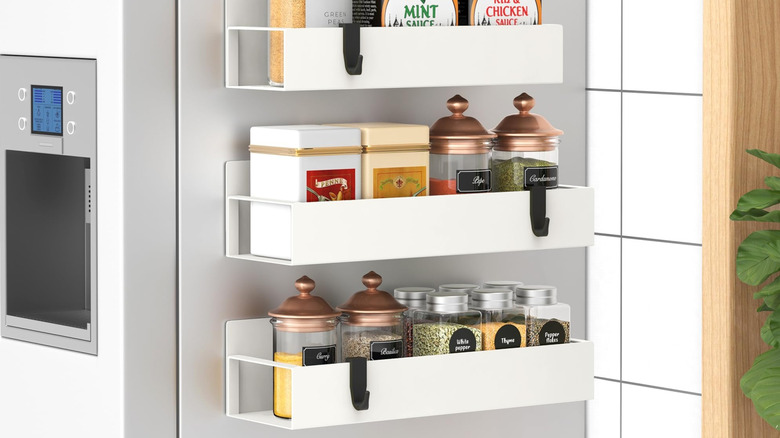
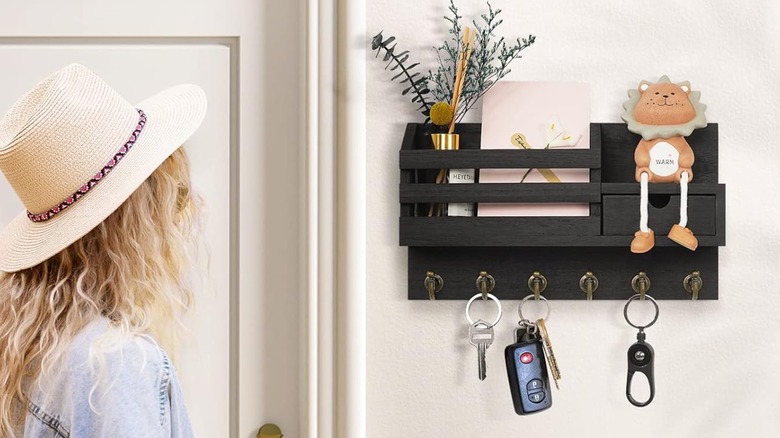
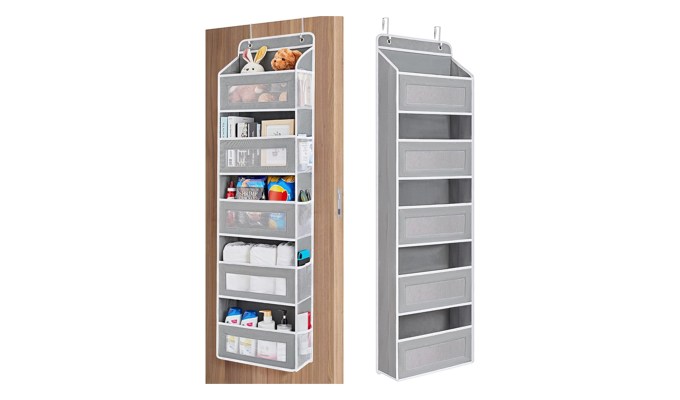
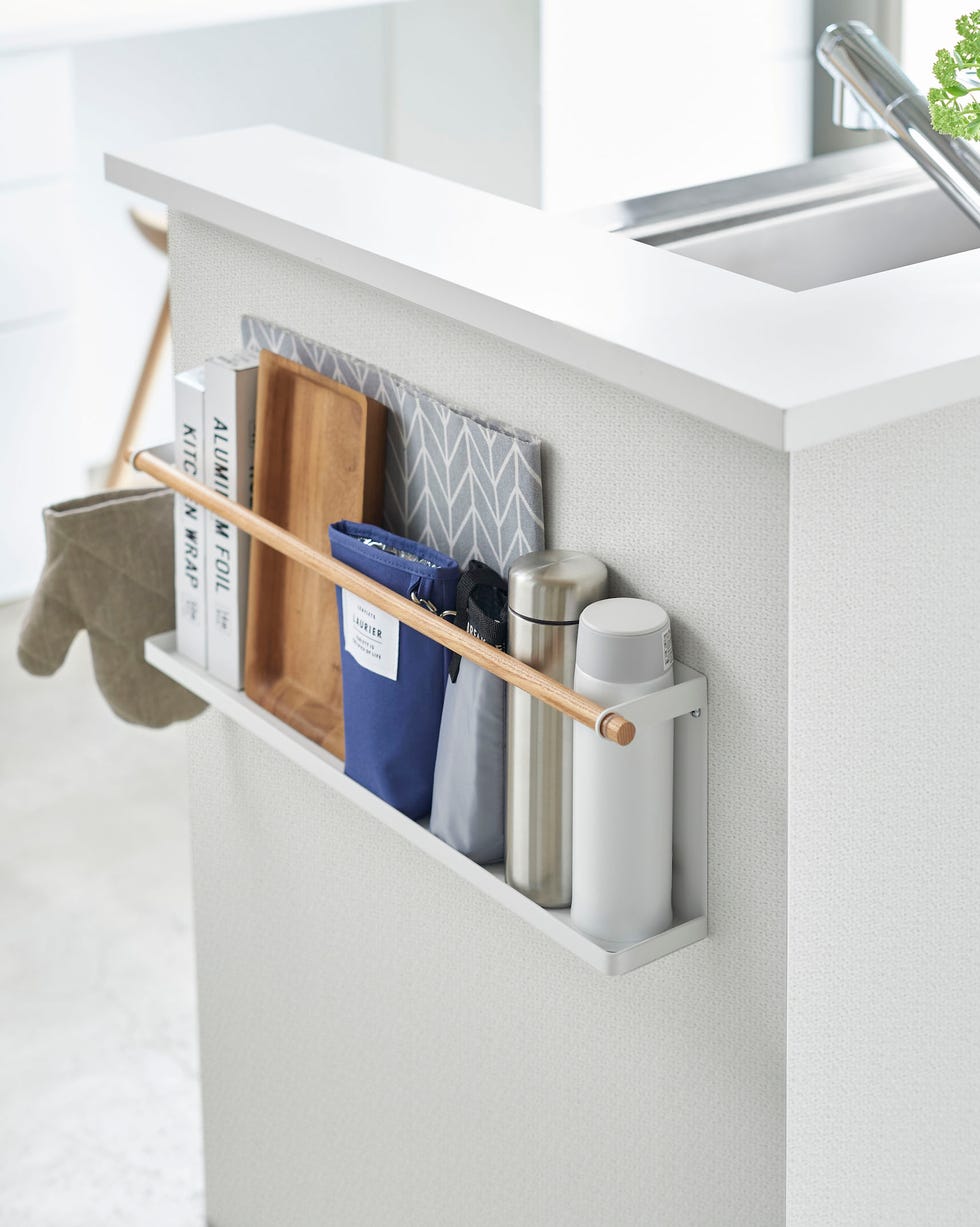
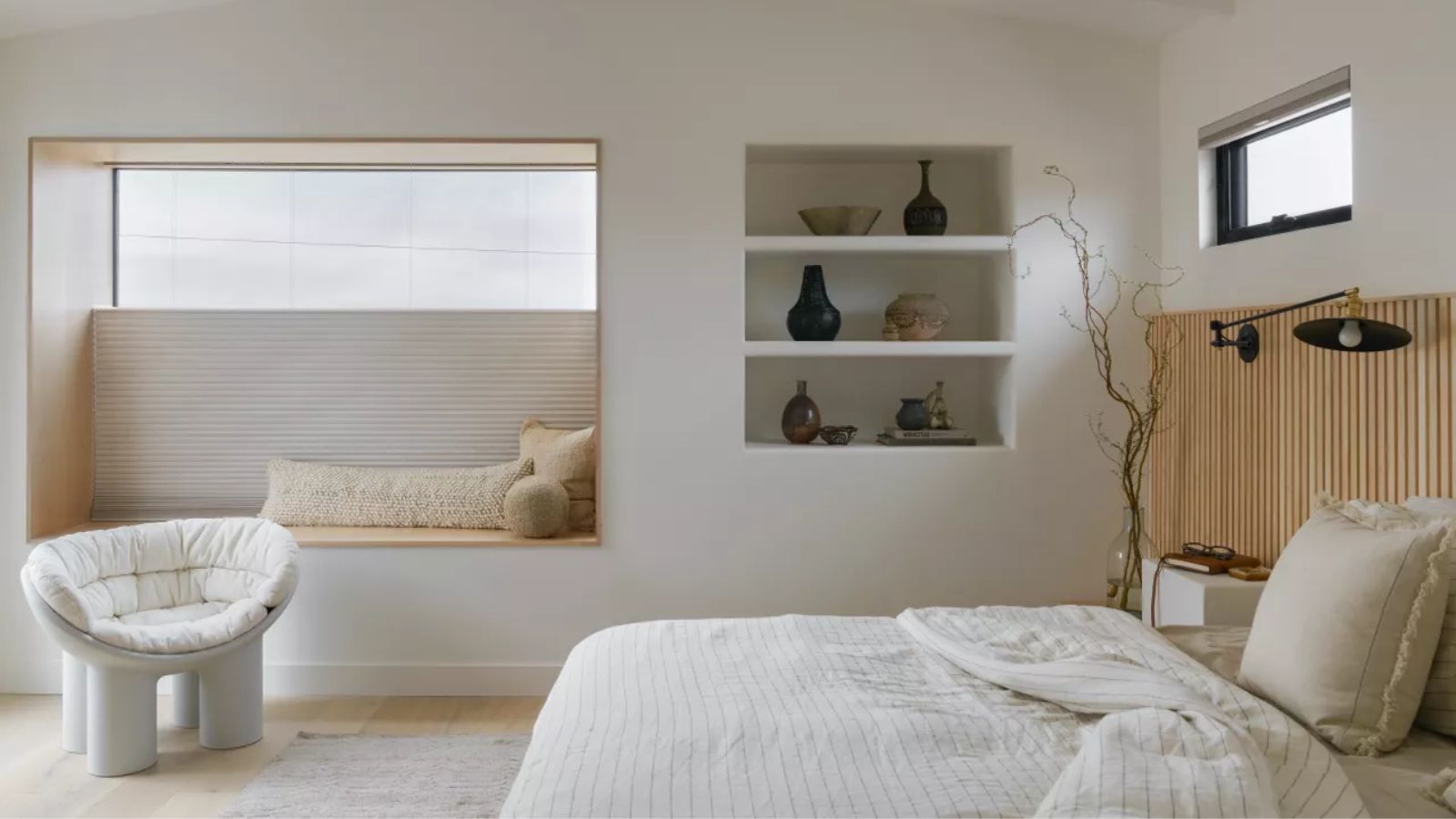
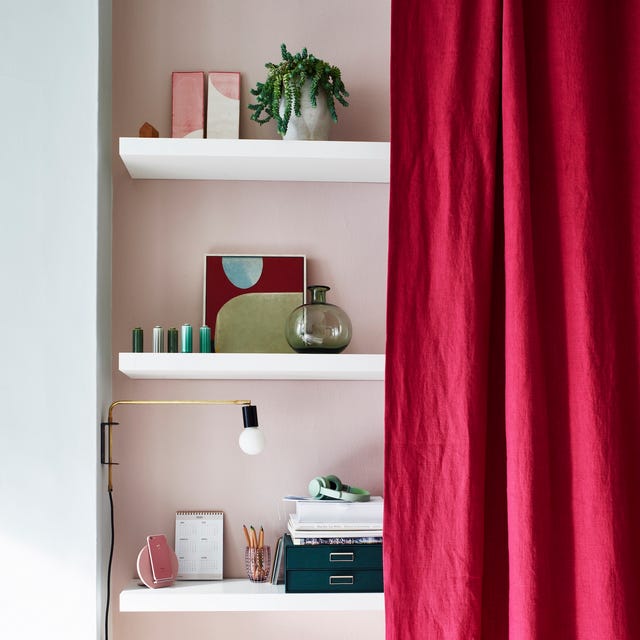
In place of these commonly used storage methods, minimalists embrace open shelving and wall-mounted solutions. These options encourage intentionality and selectivity, as items are visibly displayed, prompting a mindful assessment of what is truly essential. Wire mesh baskets are also favored for their transparency, further discouraging the hoarding of unused items. Ultimately, the core of minimalist storage lies not in clever containment, but in drastically reducing possessions through practices like the Project 333 challenge or the 'one-in, one-out' rule. This approach minimizes the need for storage itself, creating a clutter-free environment where visual peace is paramount.
#MinimalistLiving #HomeOrganization #ClutterFree #StorageSolutions #DeclutteringTips #IntentionalLiving #HomeDesign #InteriorDecor #MinimalistLiving #HomeOrganization #ClutterFree #StorageSolutions #DeclutteringTips #IntentionalLiving #HomeDesign #InteriorDecor
0 comment in total
 No comments yet
You may also like
5 things minimalists never have in a small entryway

5 things to get rid of for a minimalist entryway – according to designers and organizers
Some Actually Useful Home Storage Solutions for Small Spaces

5 Pretty Storage Solutions That Actually Create More Clutter (According to the Designers Who Regret Using Them)

5 things minimalists never have in an entryway – items to ban for clutter-free style
5 small entryway storage mistakes designers want you to stop making

5 Tiny-House Storage Ideas to Steal from the Experts

Professional organizers share 10 clever and stylish storage solutions for small spaces
5 things minimalists never have in a bathroom – and what to use instead
Five Cheap Storage Solutions That I Use to Organize My Small Apartment

5 Storage and Organization Must-Haves That Will Save You So Much Space (and Are All on Sale for Prime Day)
5 ways to maximize kitchen storage without splurging on new cabinets
7 Things Minimalists Would Never Put in Their Living Room
5 Things You Shouldn't Keep on Your Countertops if You Want an Uncluttered, Minimalist Kitchen

15 easy and affordable storage ideas for small spaces

5 storage mistakes people with clutter-free kitchens never make - they'll make you re-think your remodel plans

6 things minimalists never have in a kitchen – and what to use instead

The 11 Best Storage Ideas For Keeping Small Items Organized Without Hogging Space
10 storage products professional organizers say they can't live without
7 Things You’ll Never See on a Minimalist’s Kitchen Counter—And Why They Swear By It