1/15
10 Things You Always See in a Luxury Kitchen
The kitchen, often considered the most vital space within a home, warrants a luxurious finish, especially given the significant investment new kitchens represent. To ensure a high-end, meticulously planned result that reflects careful consideration and expenditure, experts offer insights into essential elements for luxury kitchens and pitfalls to avoid. The focus extends beyond mere cost, emphasizing timelessness, durability, and a personalized approach.
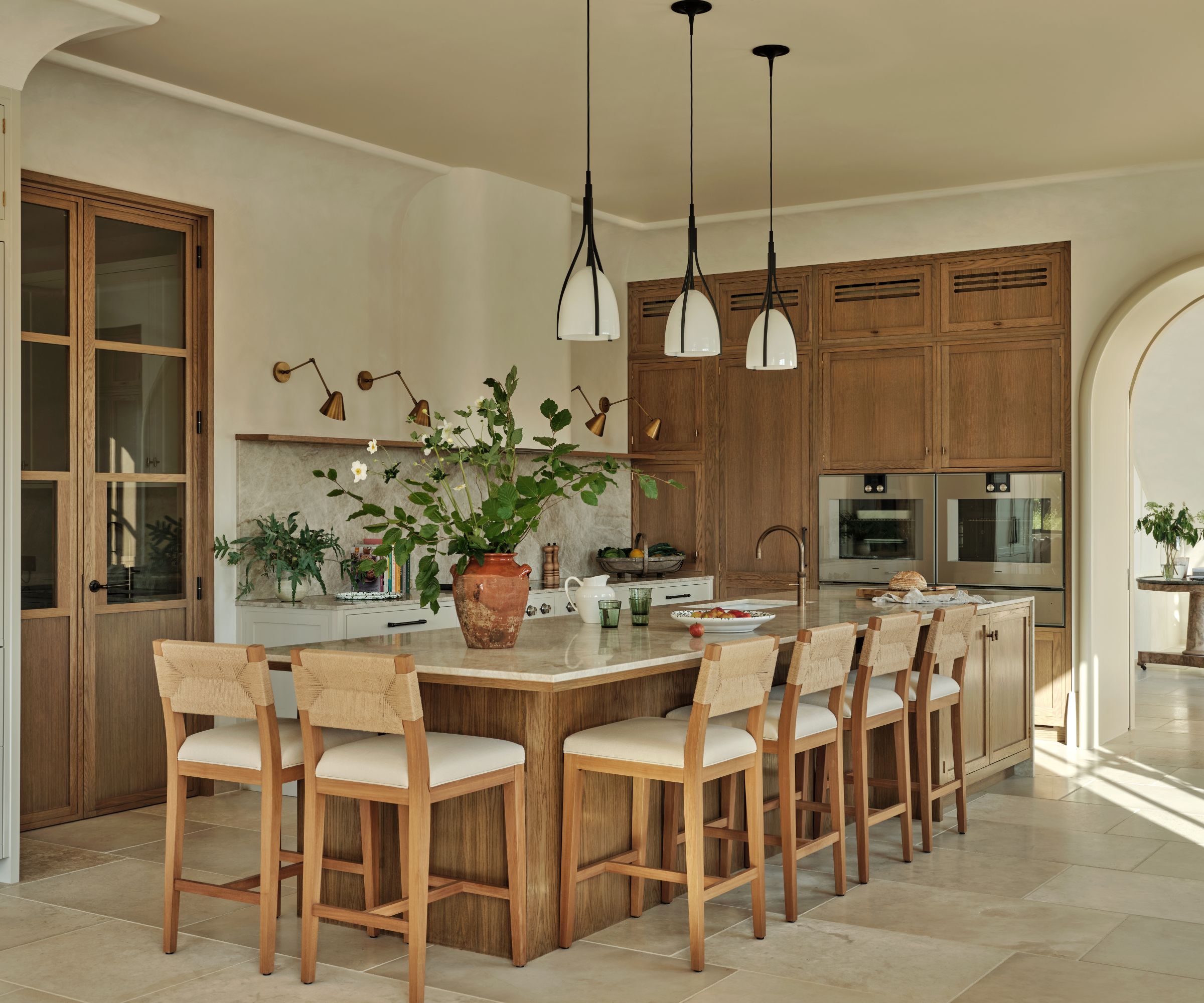
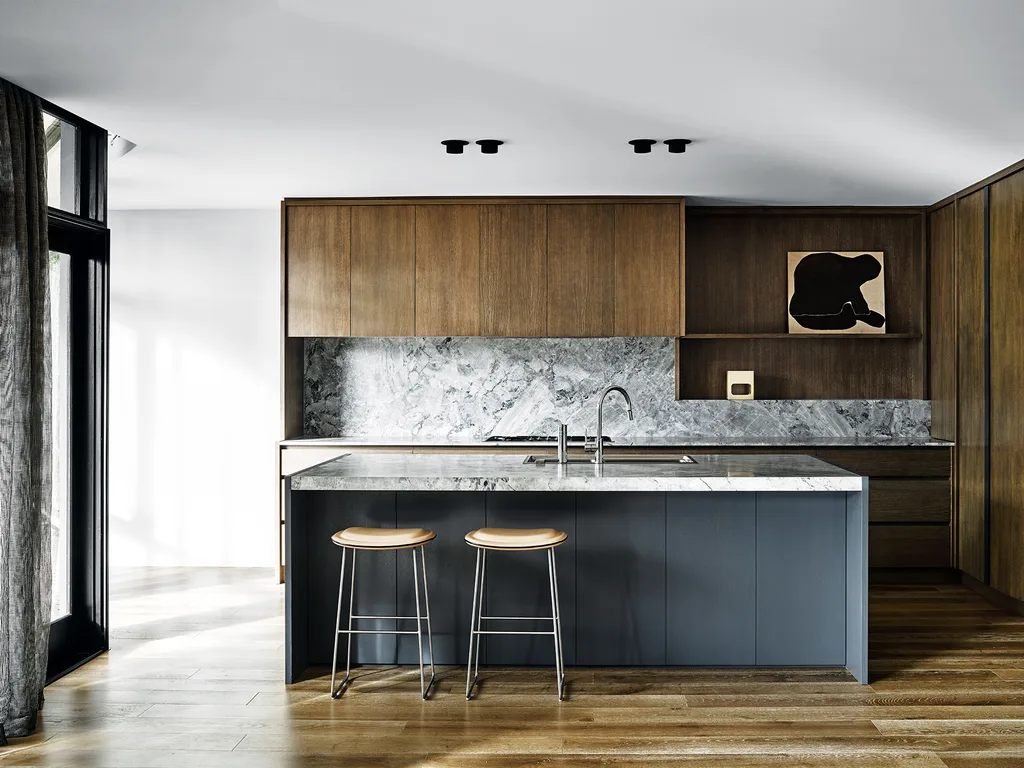
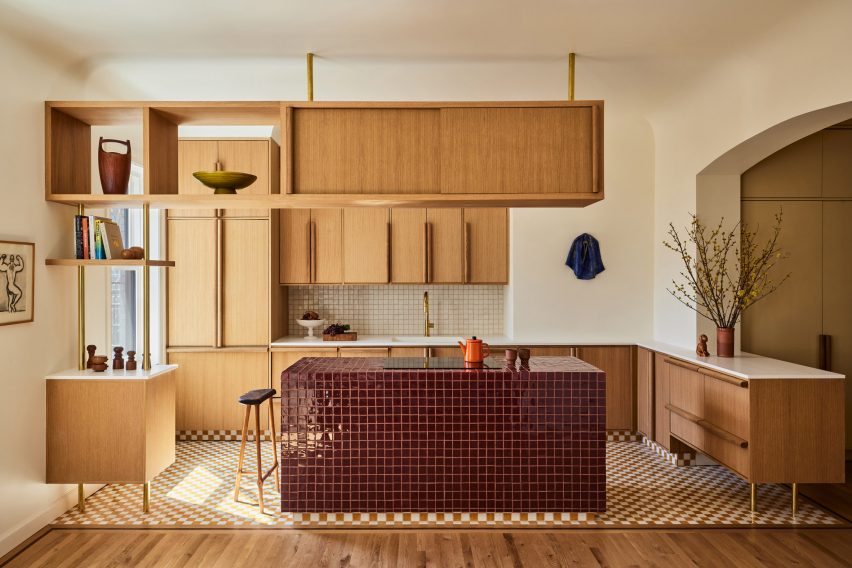
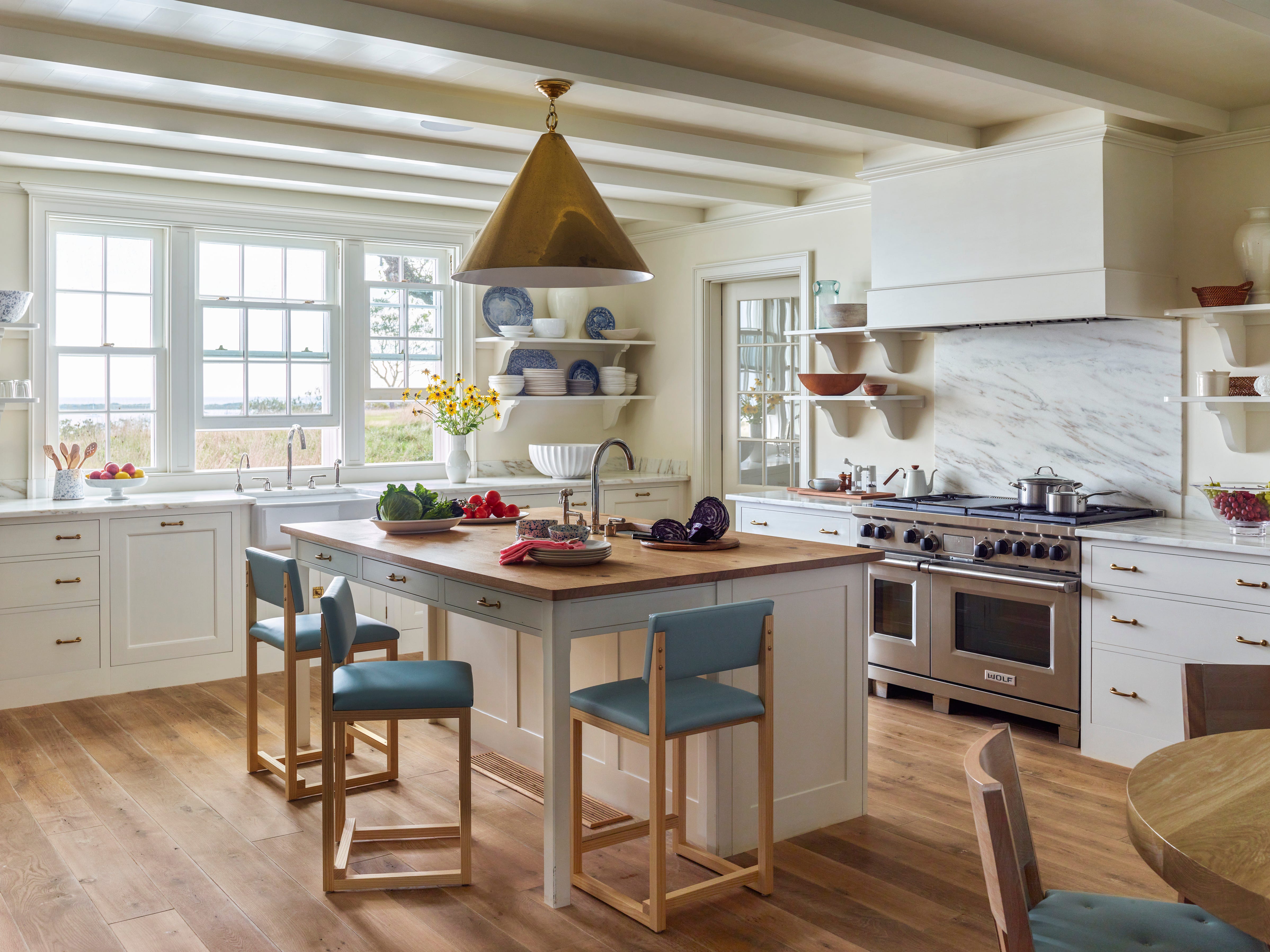
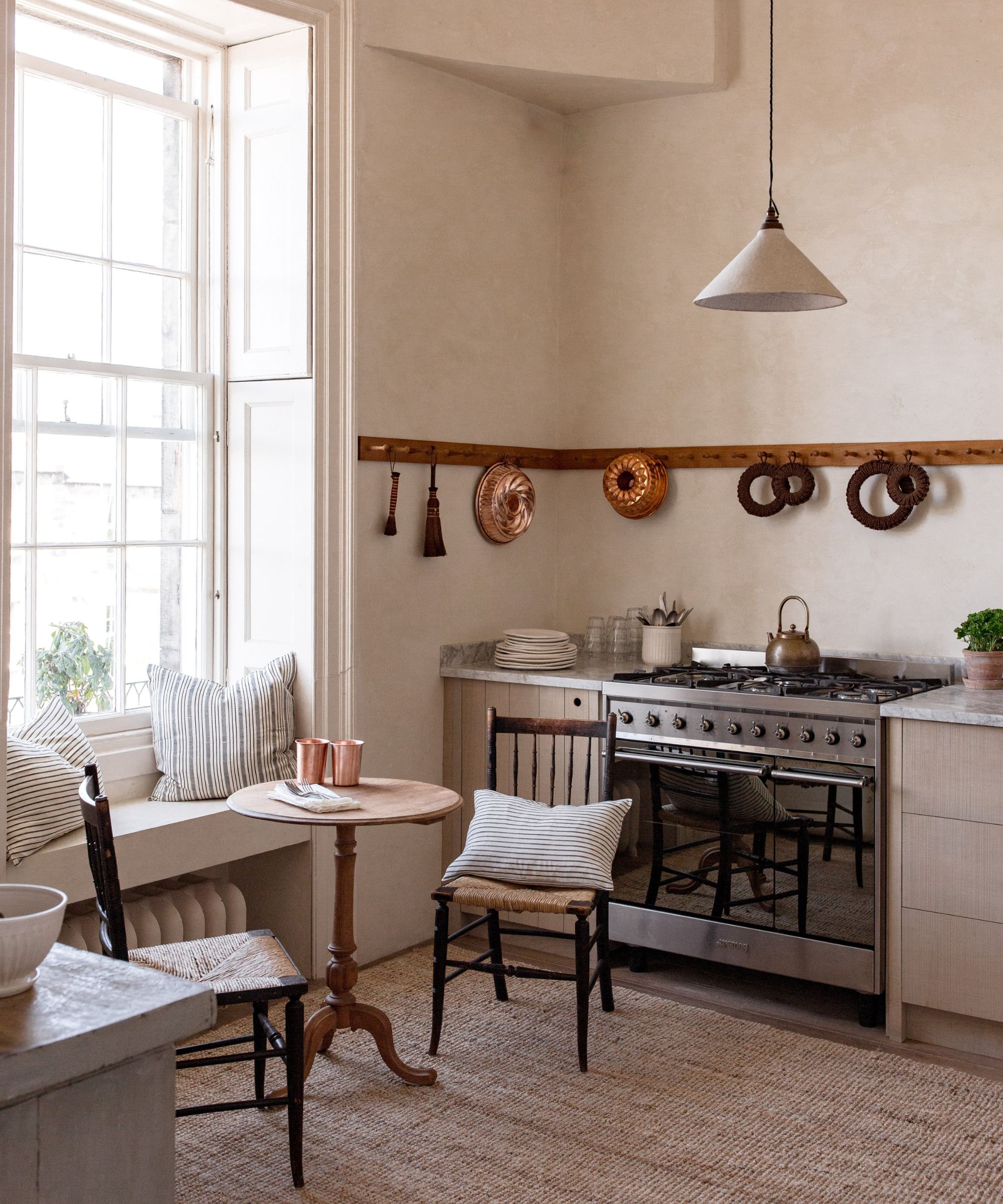
First, luxury kitchens prioritize materials built to last. Instead of chasing fleeting trends, the emphasis is on timeless, elegant designs tailored to the homeowner's evolving lifestyle. This involves using hardwearing, striking worktops, expertly crafted solid wood cabinetry designed to fit every corner, well-thought-out storage solutions, and bold artwork that tells a story. The definition of luxury here is a design that retains its appeal for two decades or more, supports the homeowner's lifestyle, and is utilitarian. Consequently, materials with short lifespans, such as laminate, vinyl, and plastic, are avoided in favor of more durable options like marble or quartz worktops, which can look new for over a decade with proper care.
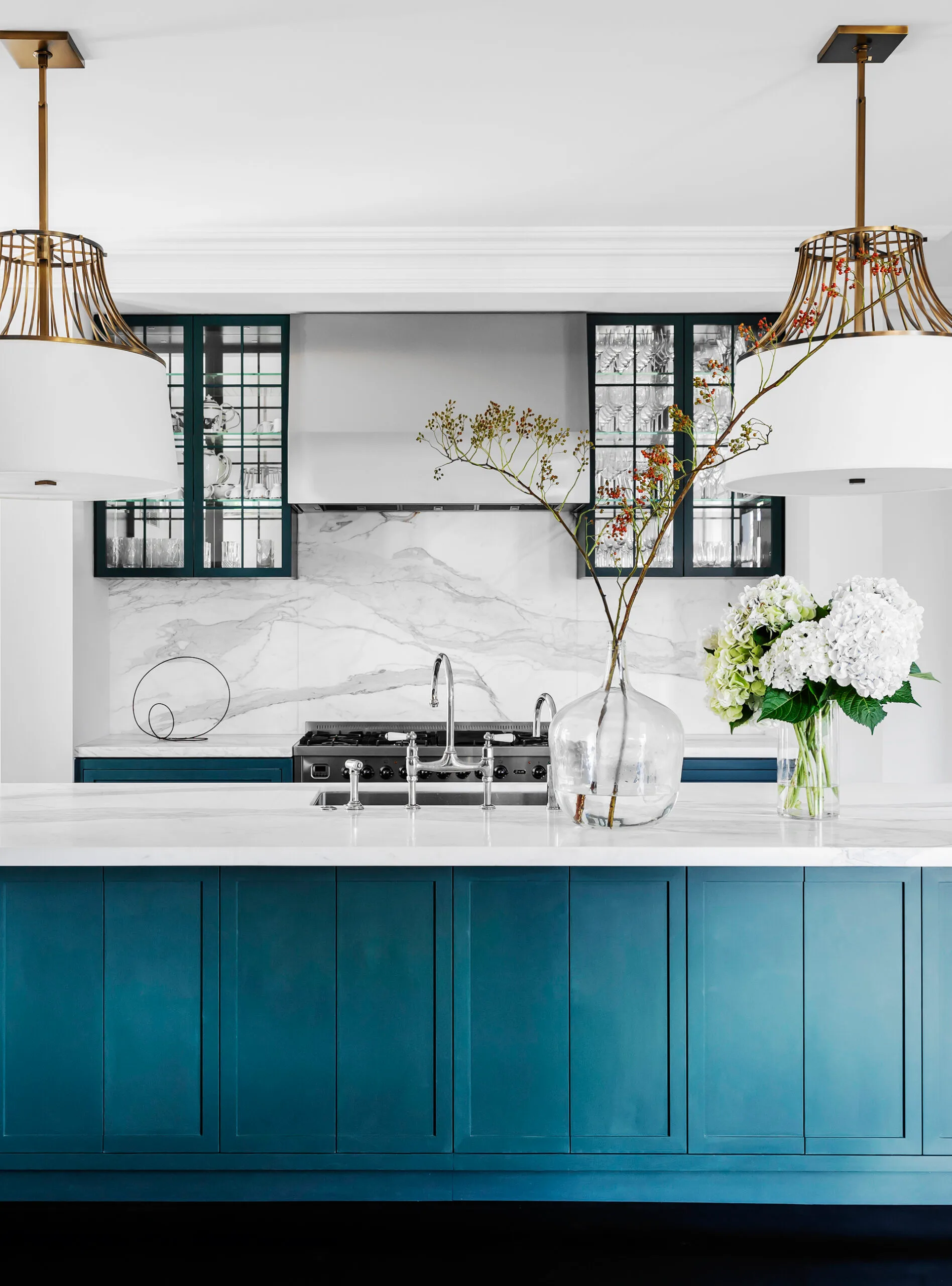
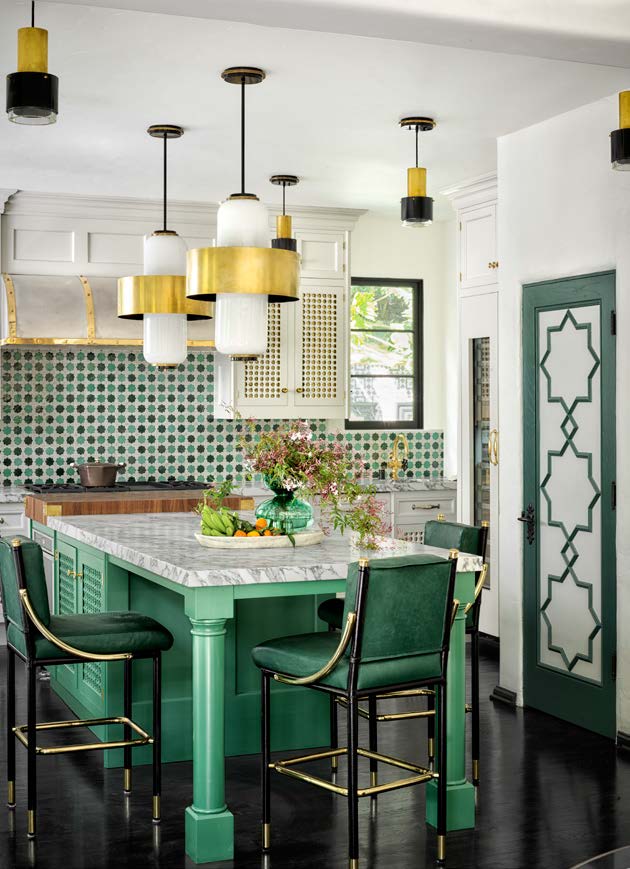
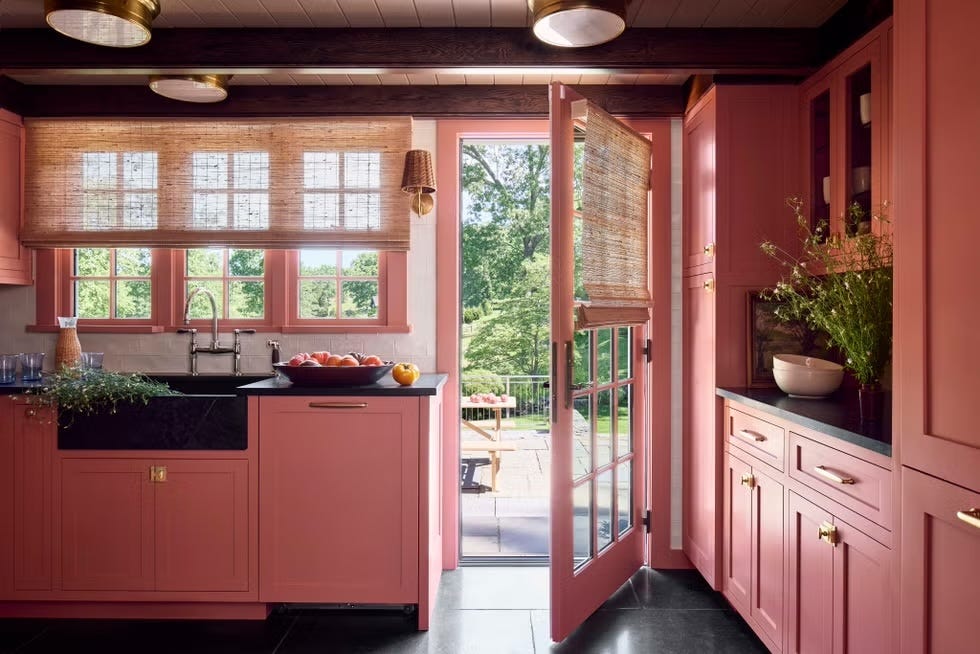
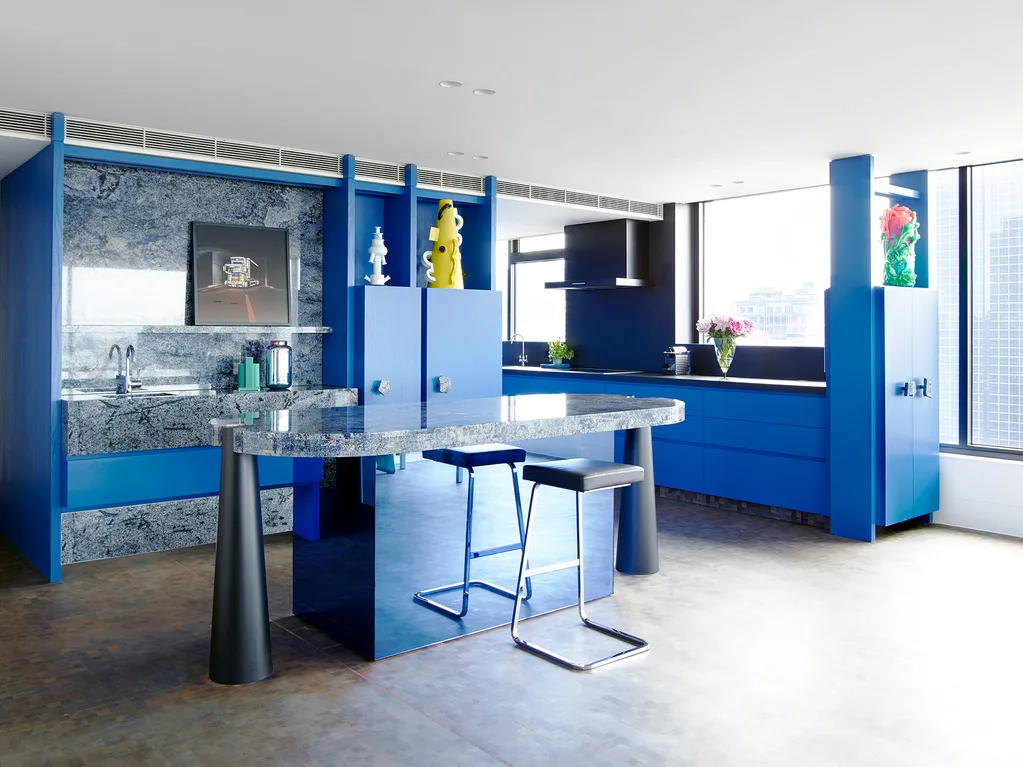
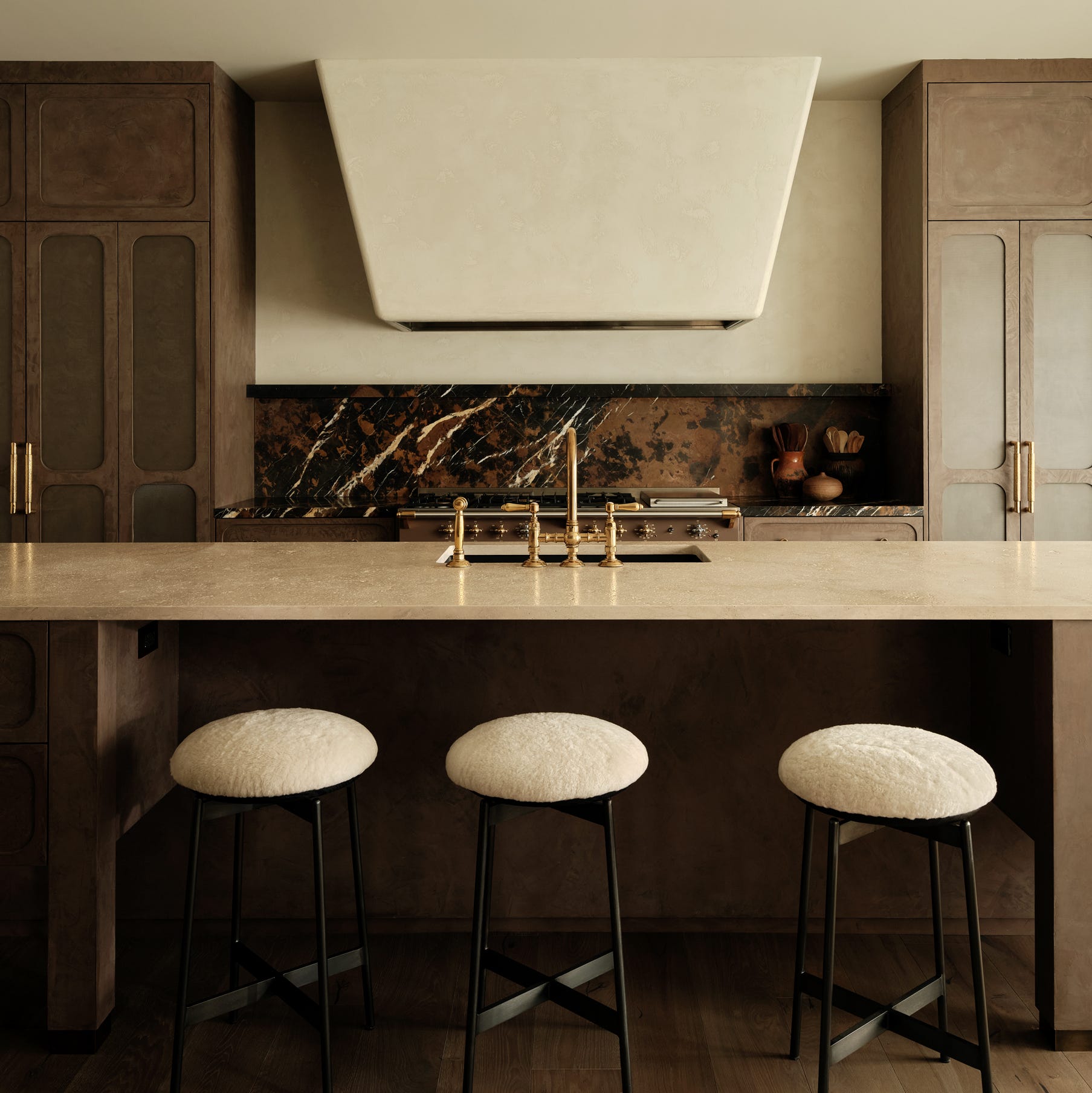
Second, subtle colorways are crucial for a luxurious feel. High-end kitchens often feature tonal spaces with colors chosen from a specific, refined palette, creating a calming and sophisticated environment. This approach ensures all textures, artwork, and finishes harmonize, avoiding clashes or overly bright features. Instead of a single bright accent wall, one is more likely to see tonal color drenching or high-quality wallpaper. Designers advise against trendy colors, opting for elegant, timeless, and subdued hues.
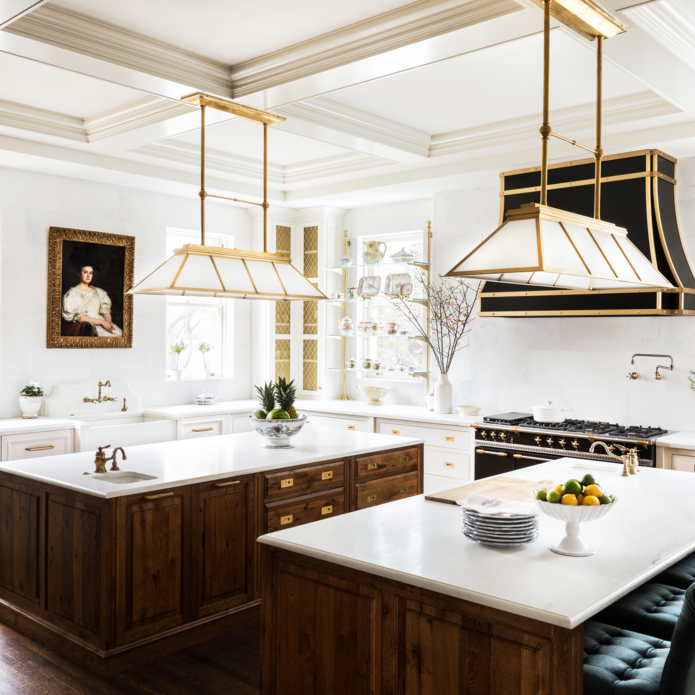
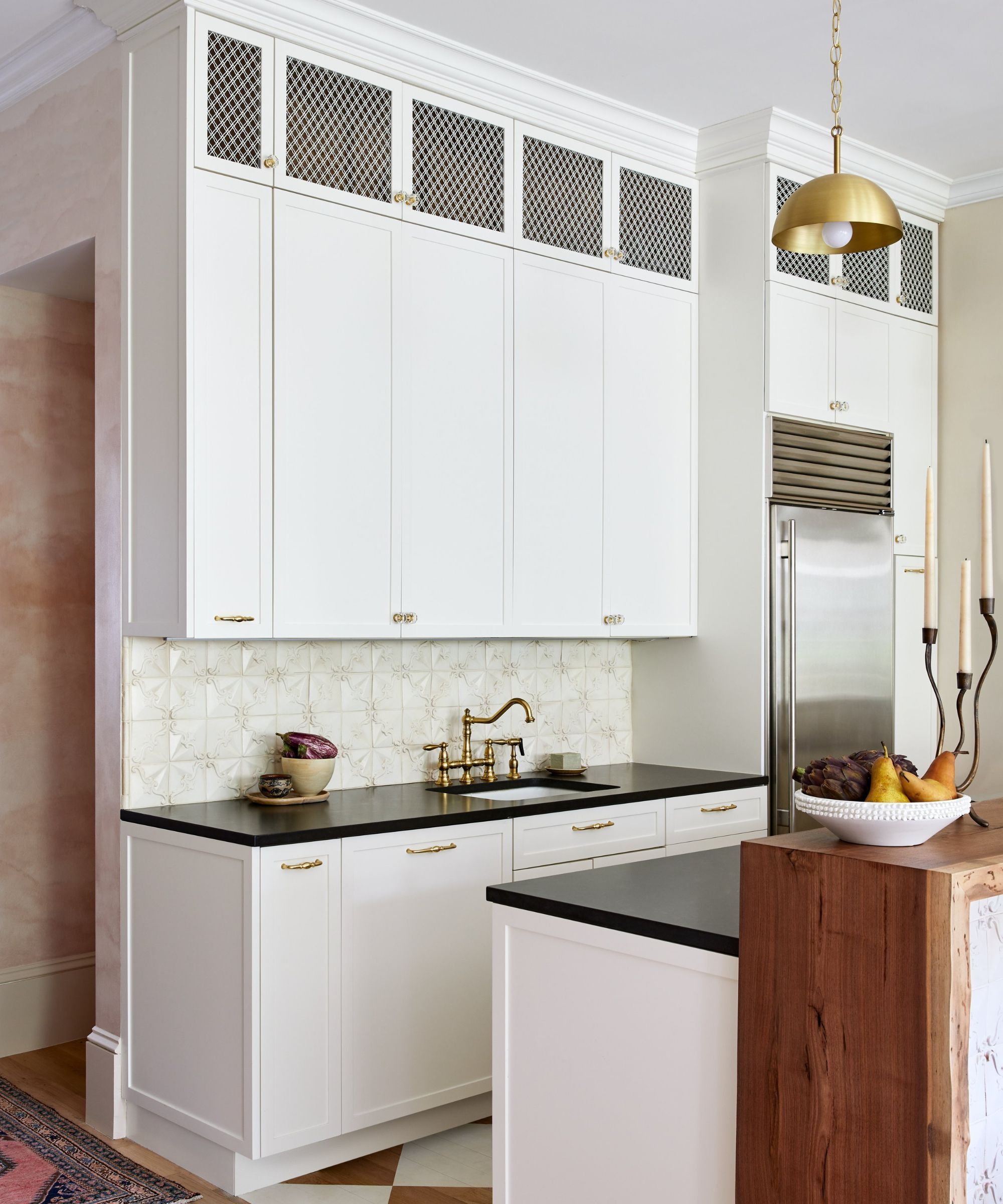
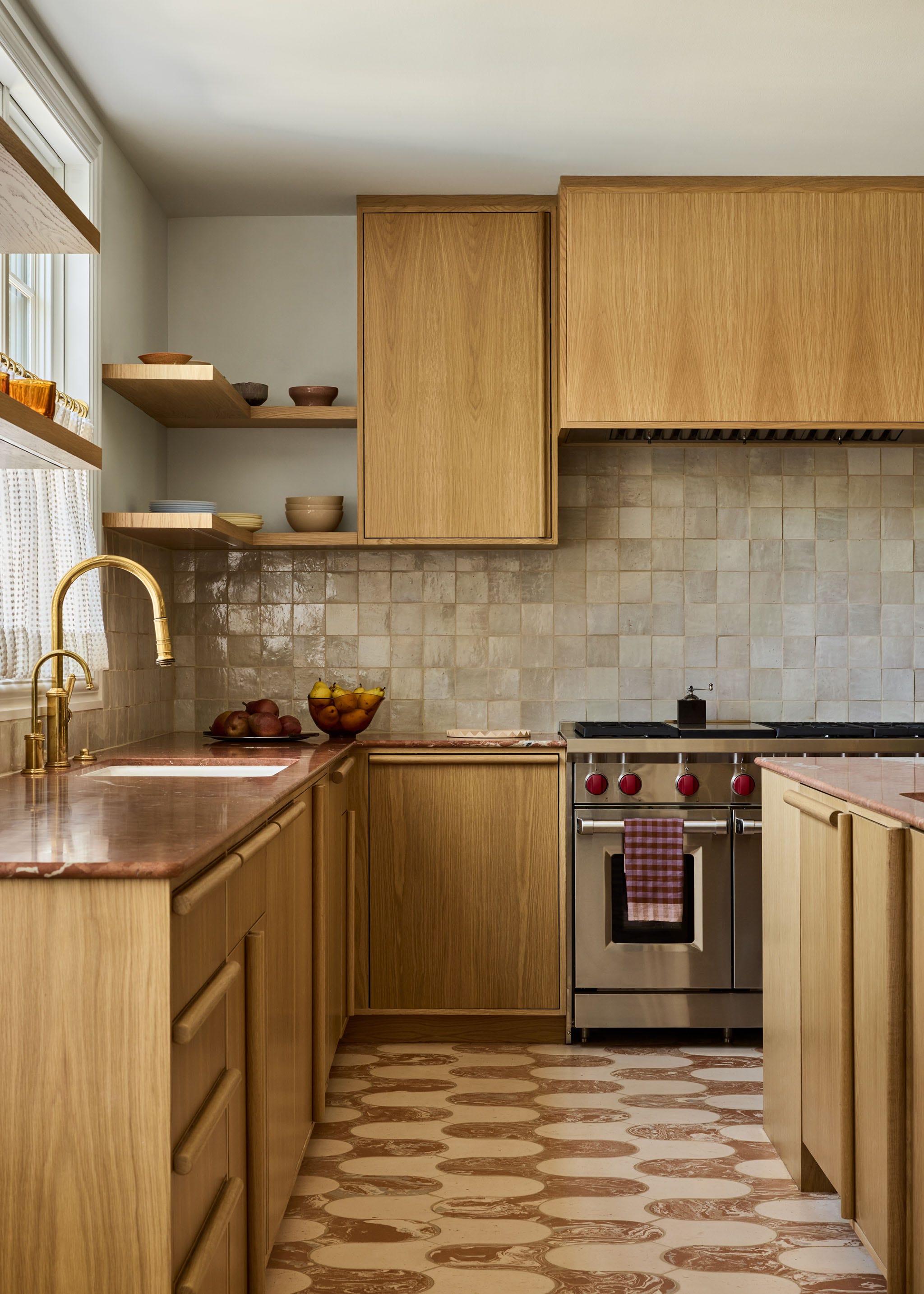
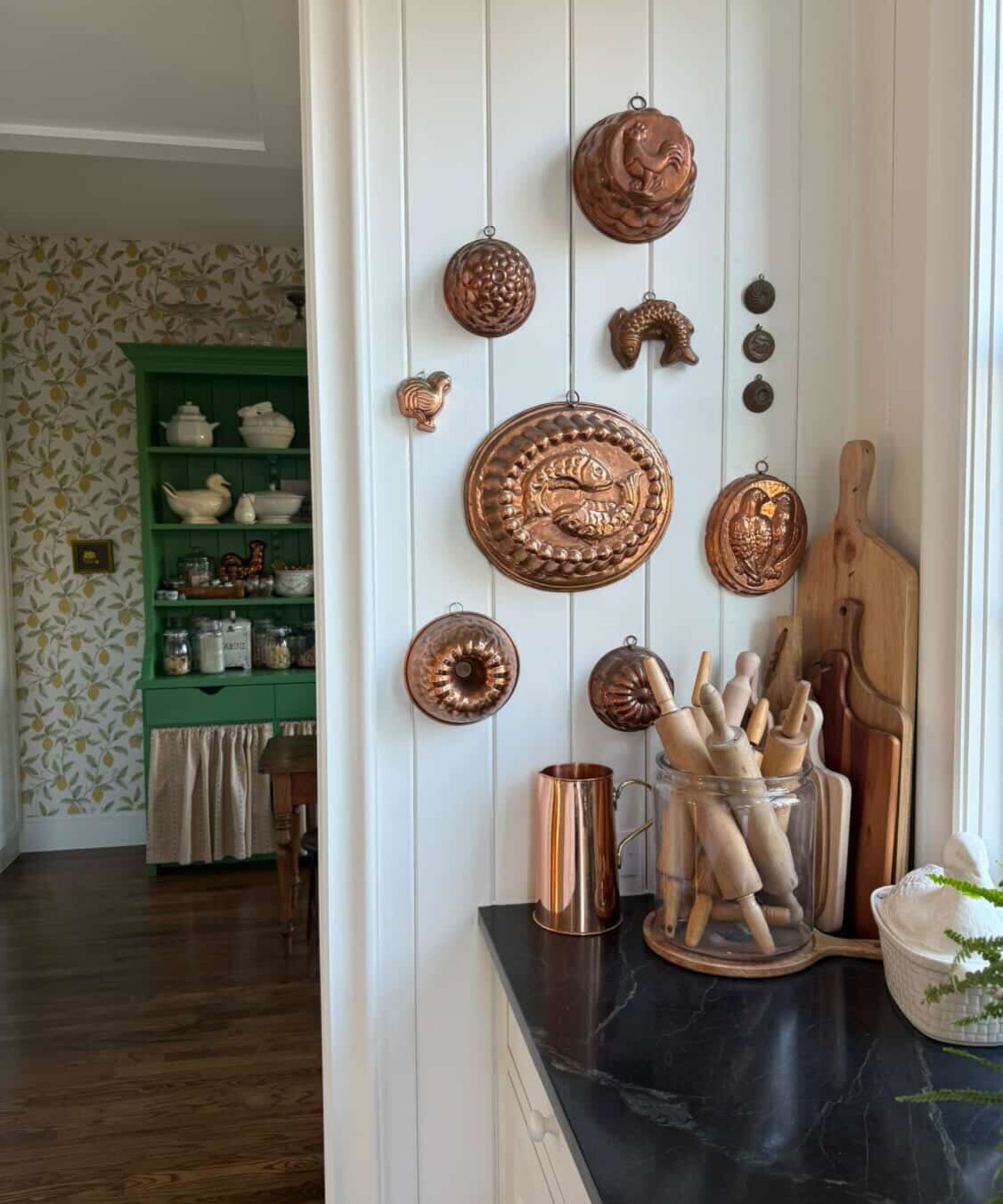
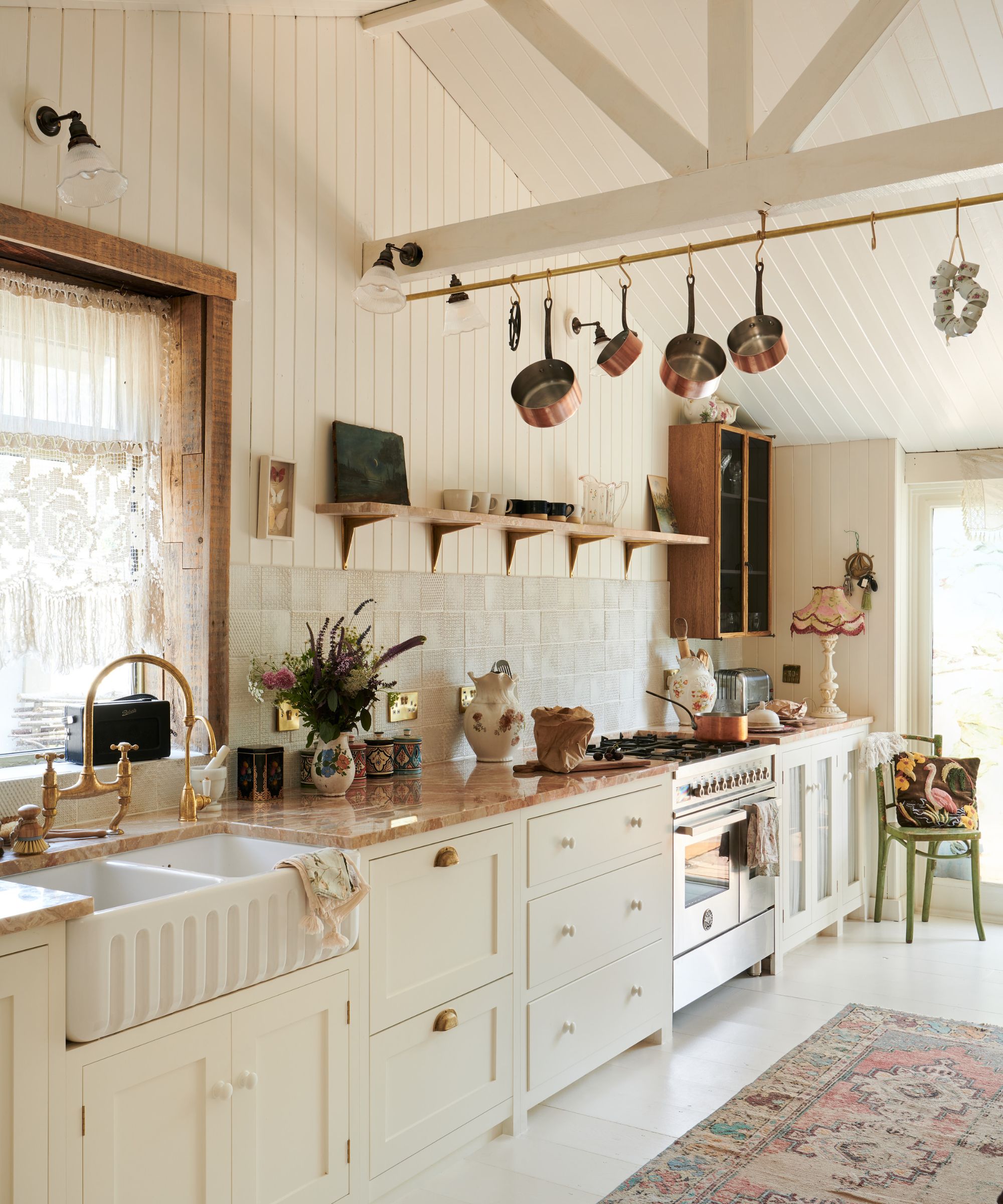
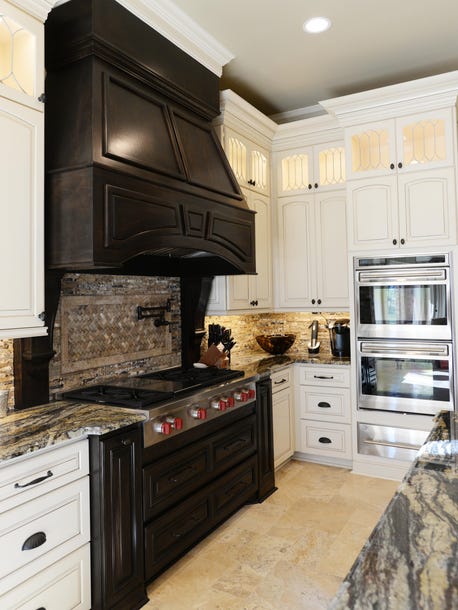
Third, thoughtful details are paramount. Small, personal touches elevate a space, moving beyond standard finishes to include bespoke elements. This can manifest in the choice of kitchen cabinet designs, door and drawer fronts, cabinet hardware, or even the way items are displayed on open shelving. Hardware can feature ribbed textures, hammered surfaces, or a sleek handleless design. Instead of generic cabinets, luxury kitchens incorporate elements like wire mesh panels, glass inserts, or a curated mix of warm whites and soft colors.
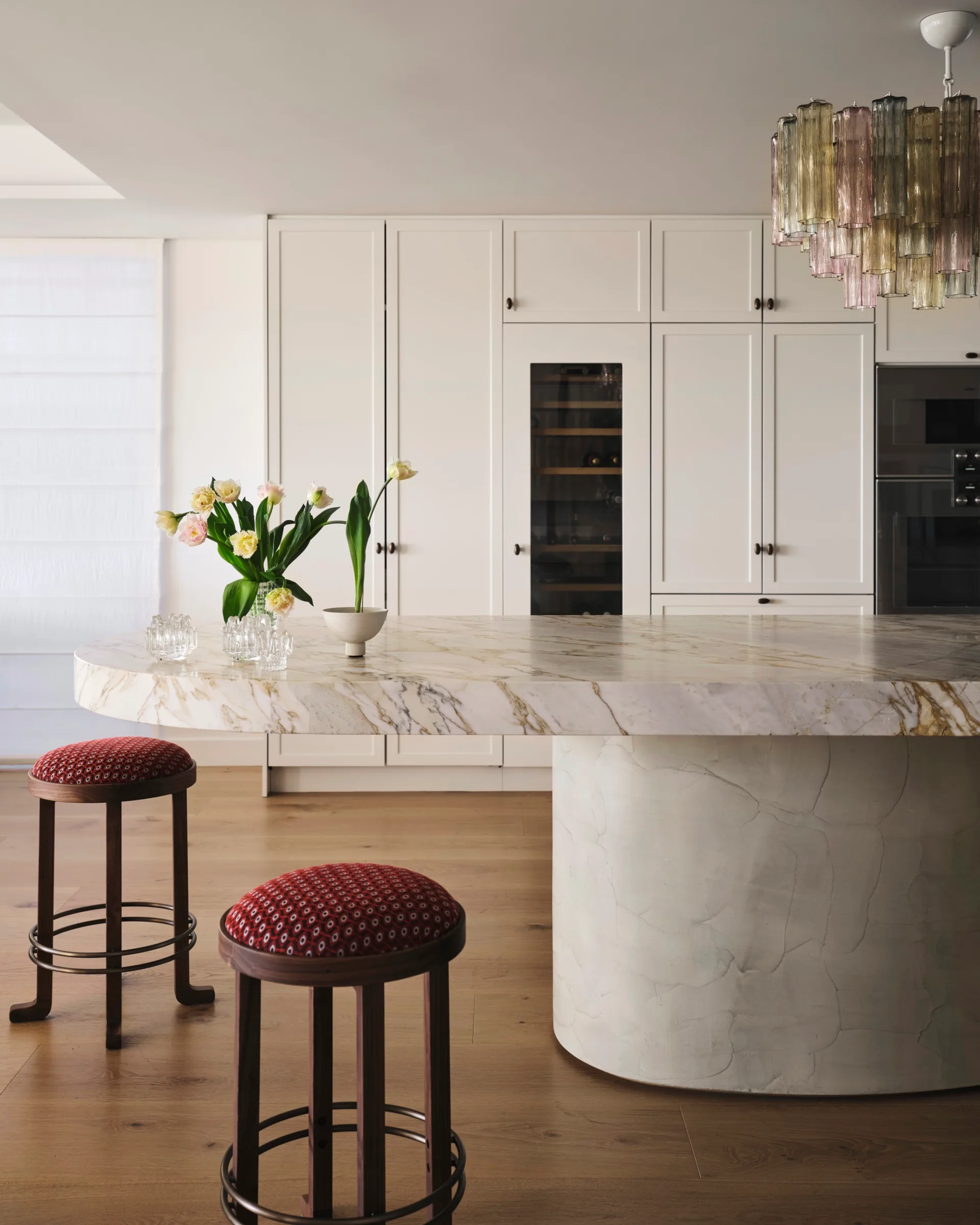
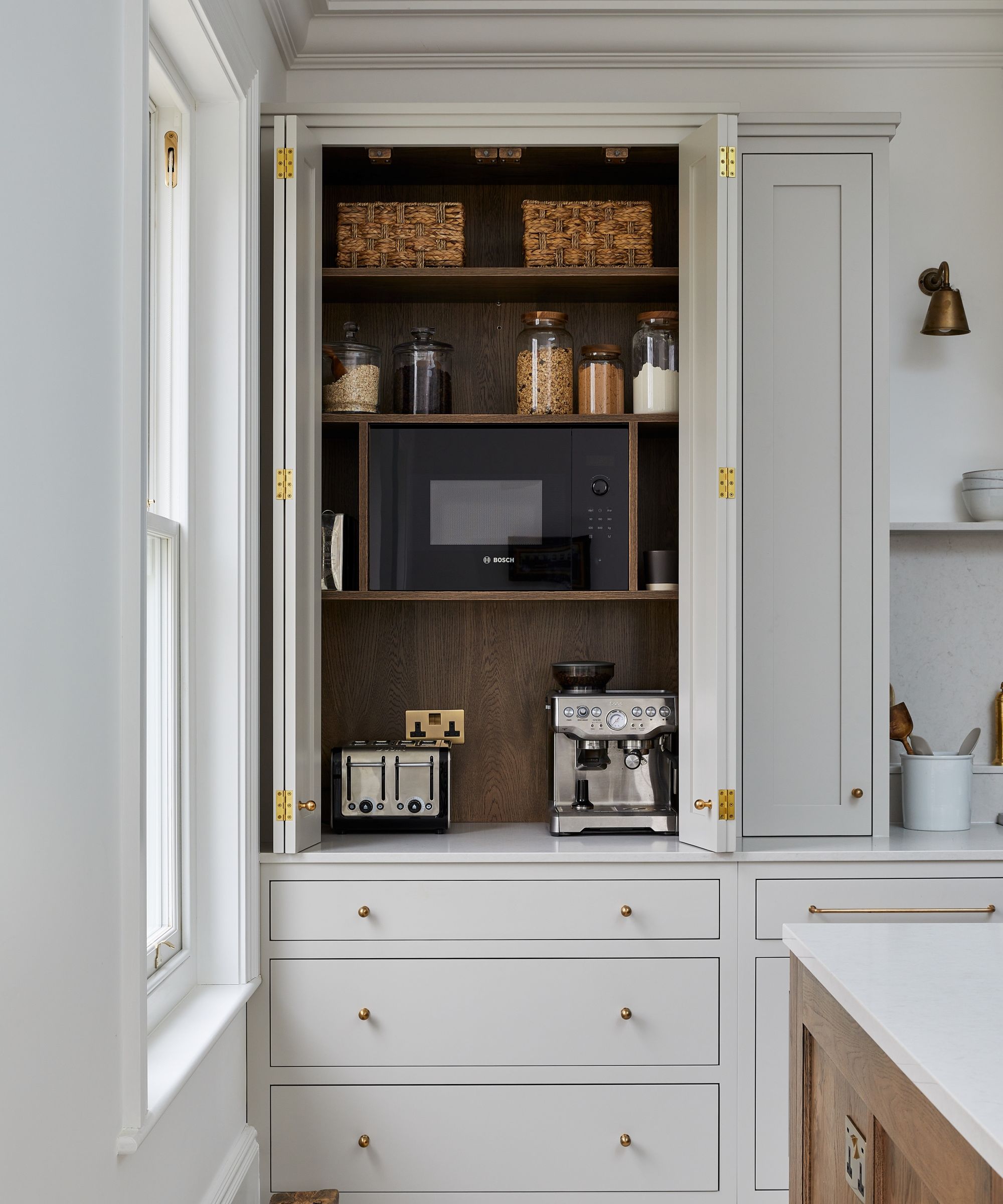
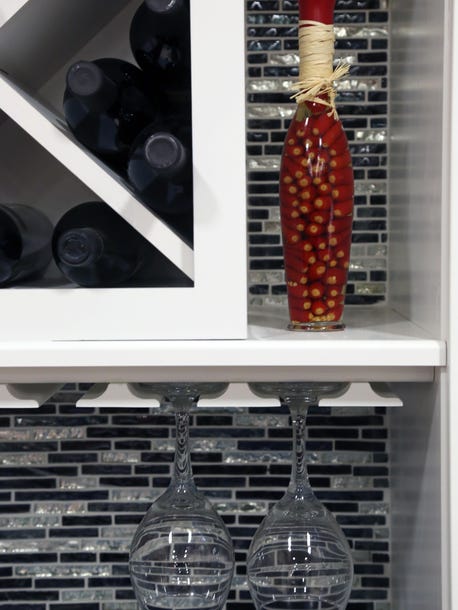
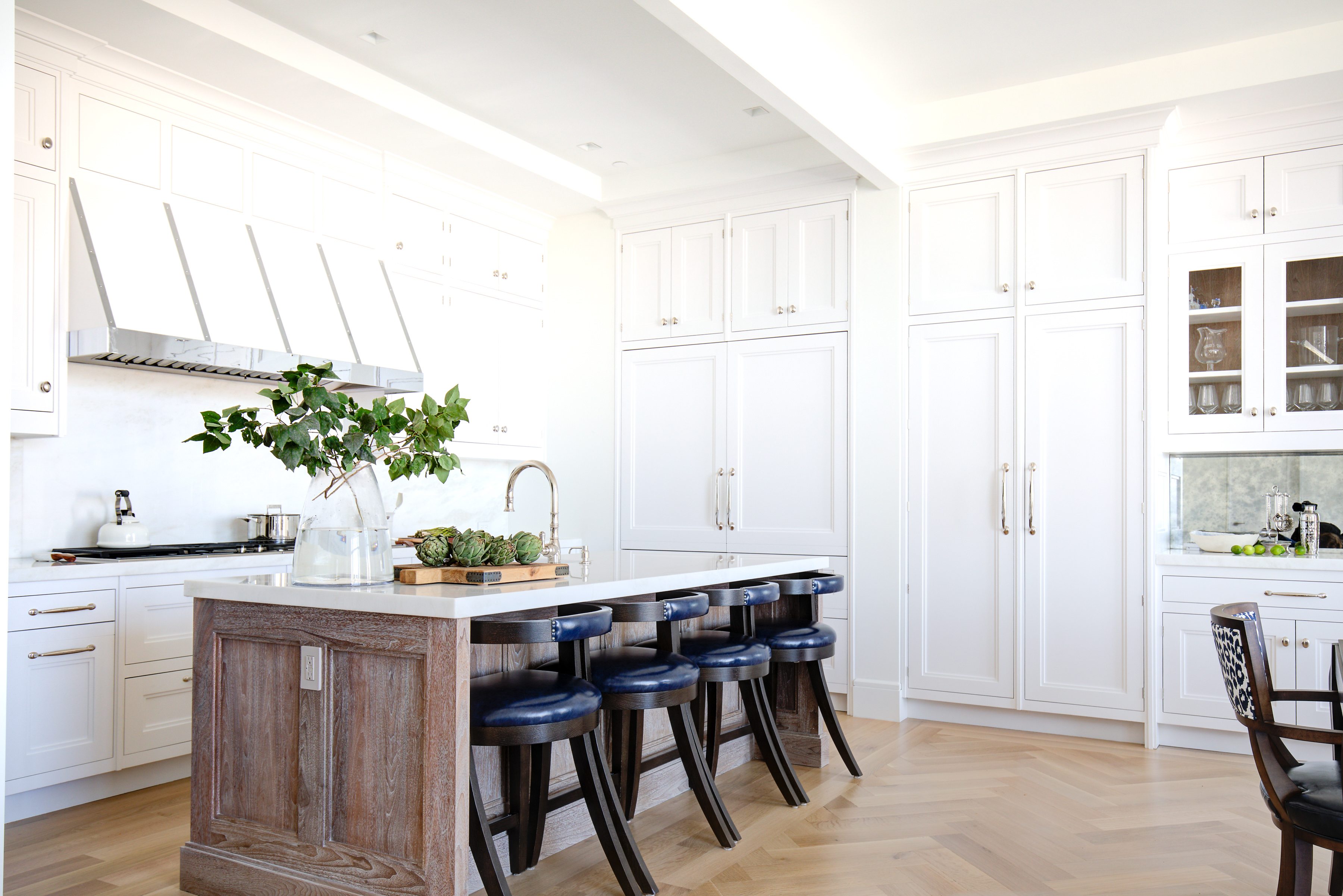
Fourth, streamlined surfaces are a hallmark of luxury. Clutter is absent from high-end spaces, with every item having a designated place. Effective kitchen storage solutions leave no room for mess. This means avoiding exposed outlets on backsplashes or rattling plastic drawer inserts. Instead, luxury demands hidden outlets, custom walnut drawer dividers, and refrigerators seamlessly integrated into millwork. Cluttered countertops are antithetical to a luxurious look, leading designers to integrate hidden appliance garages, bespoke drawer inserts, and dedicated spice walls to keep essentials accessible yet invisible.
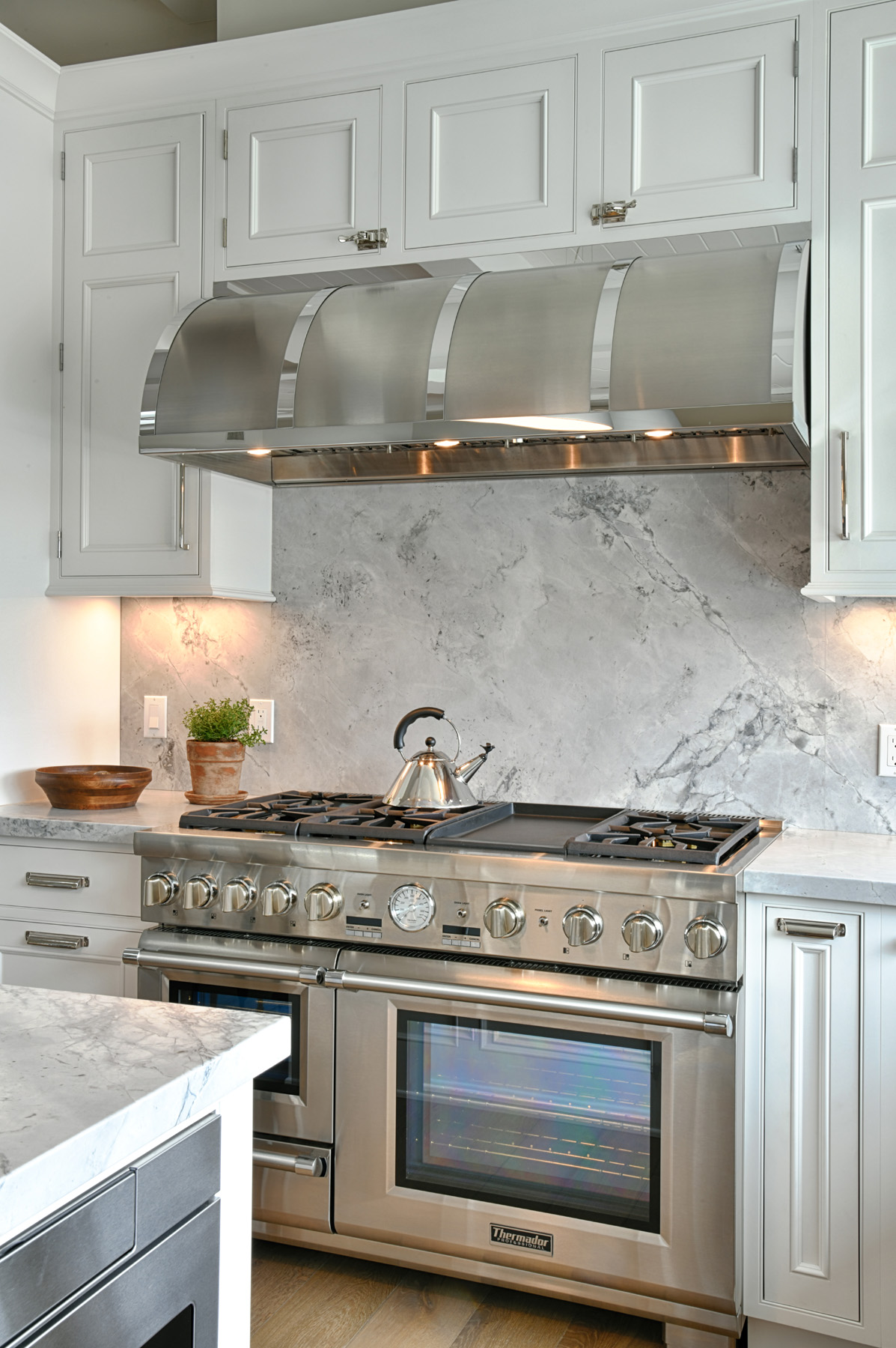
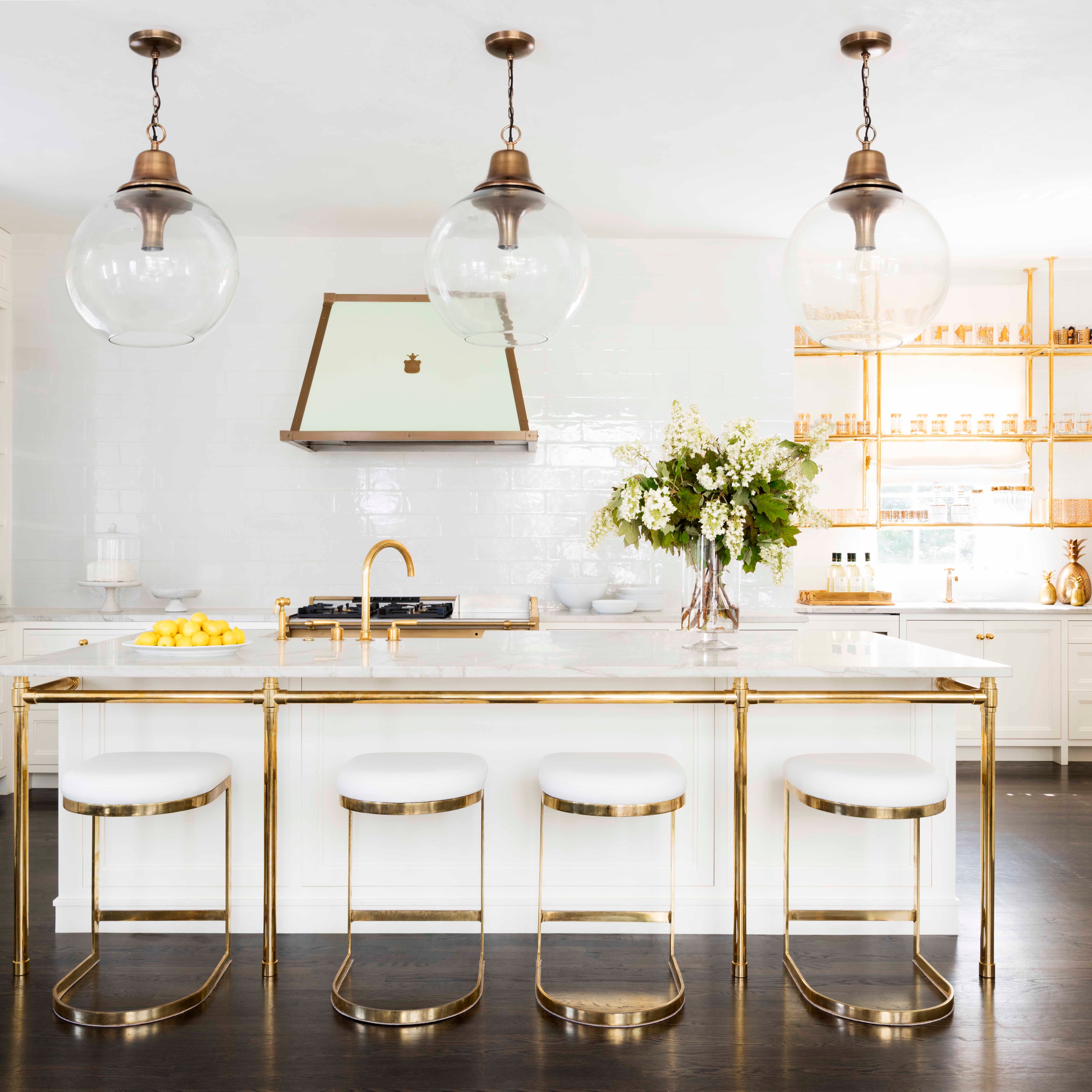
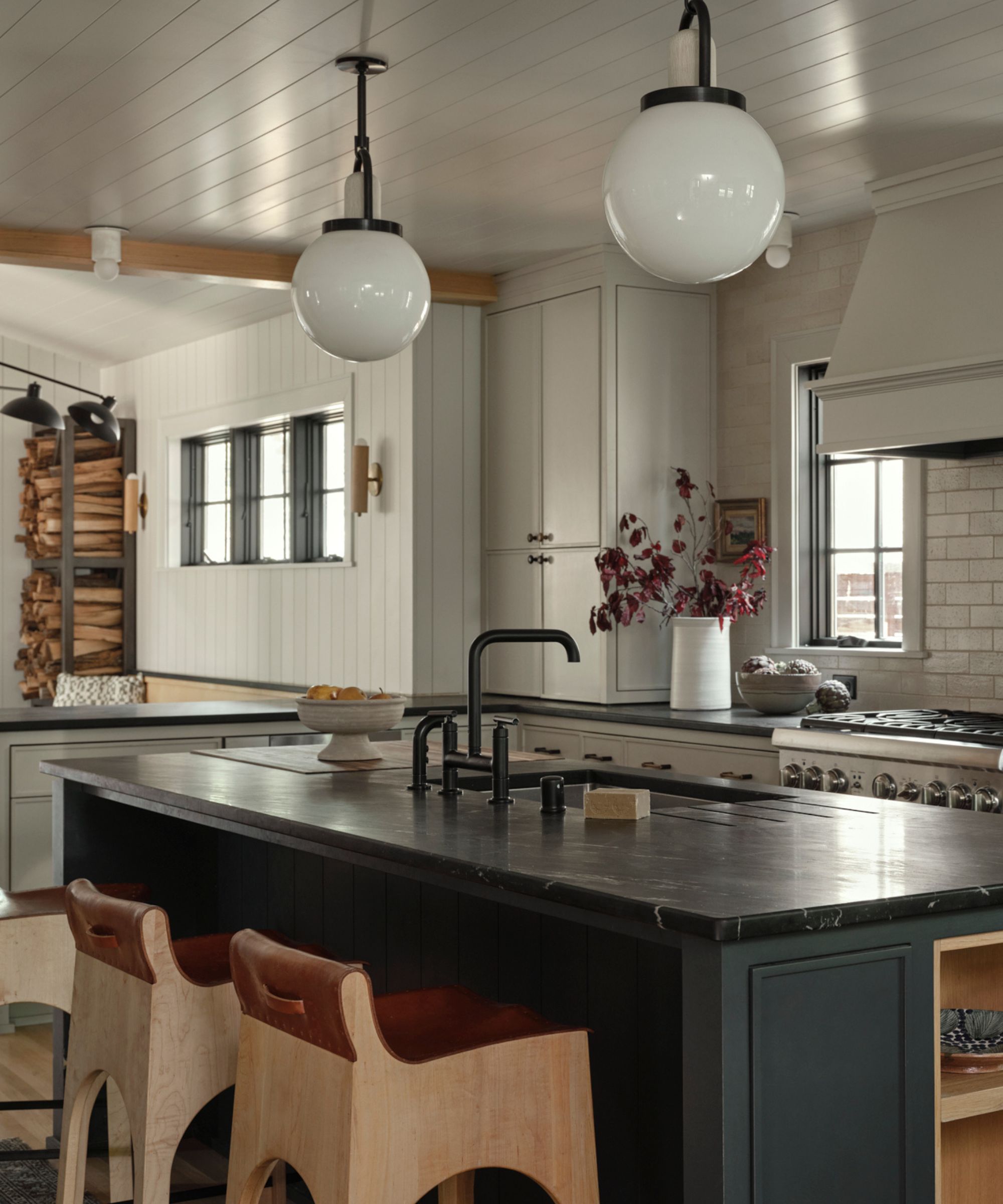
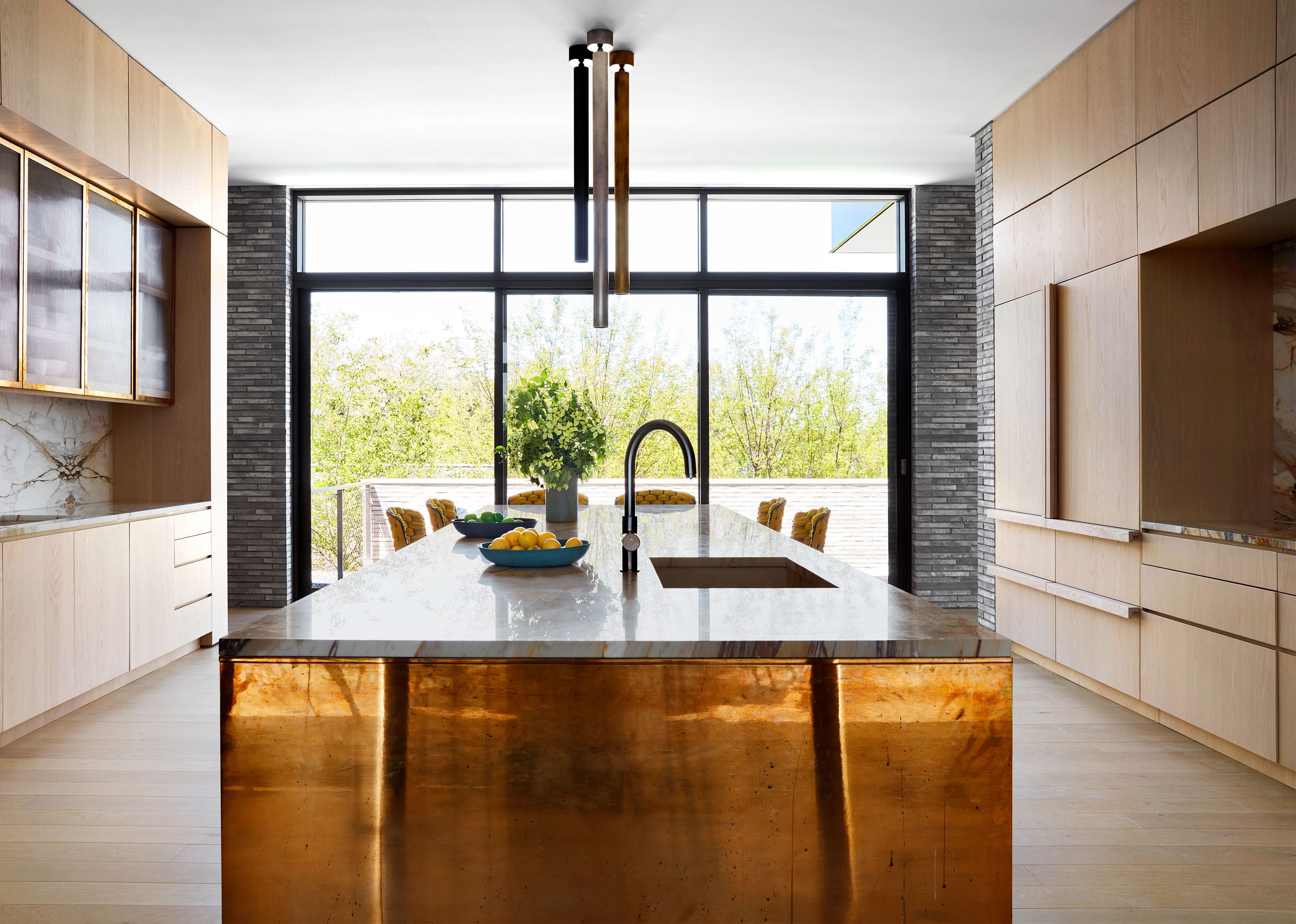
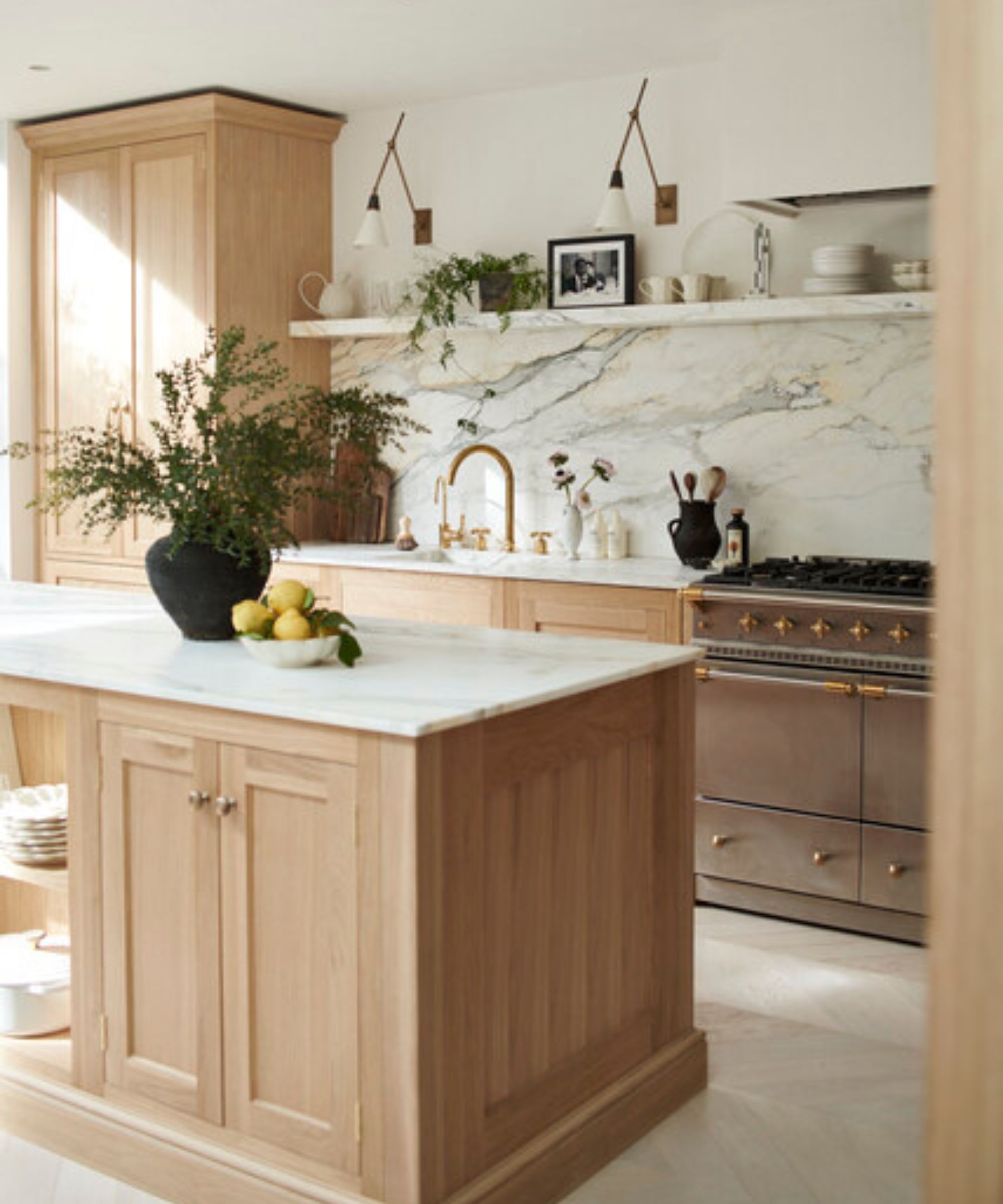
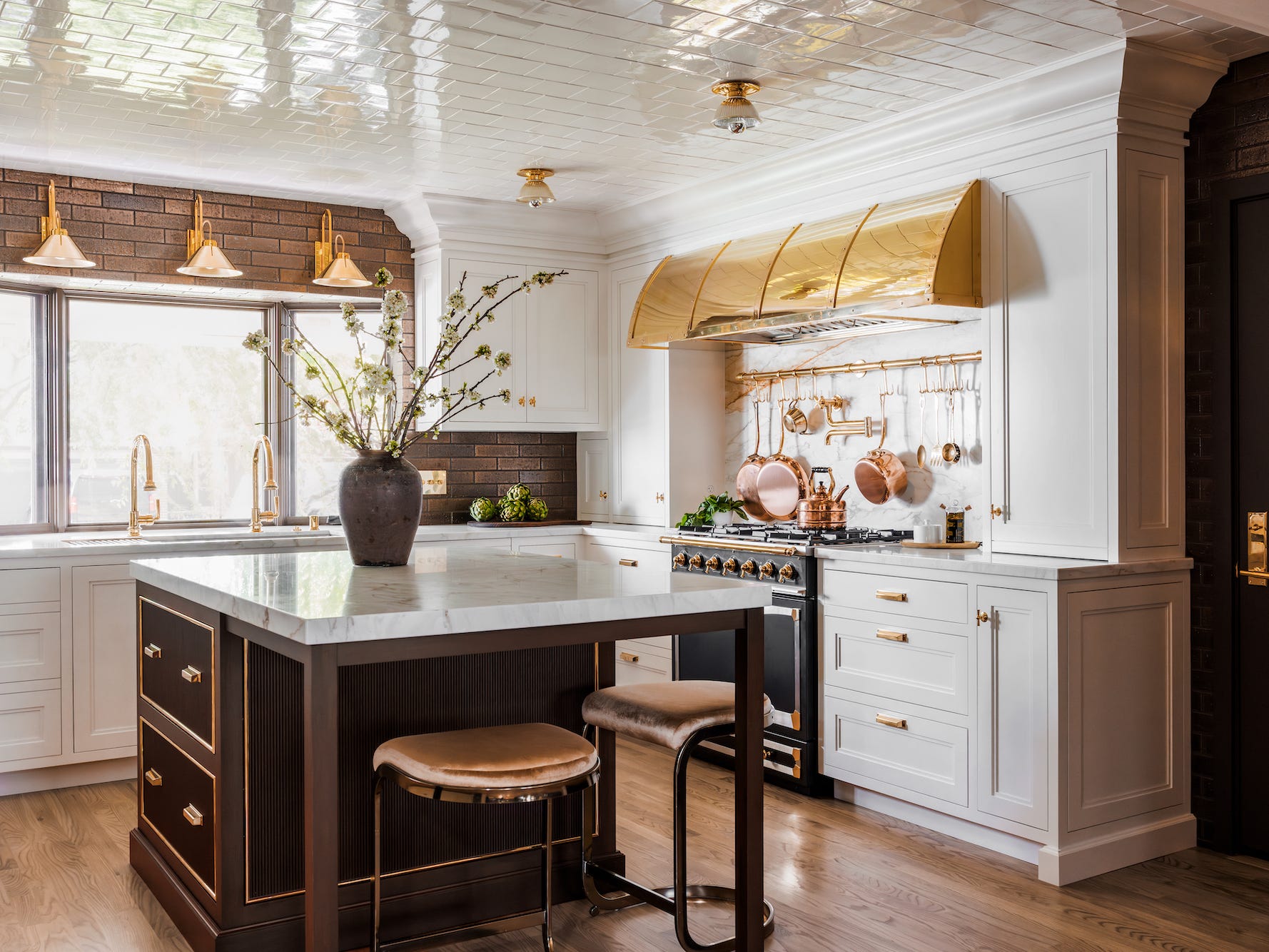
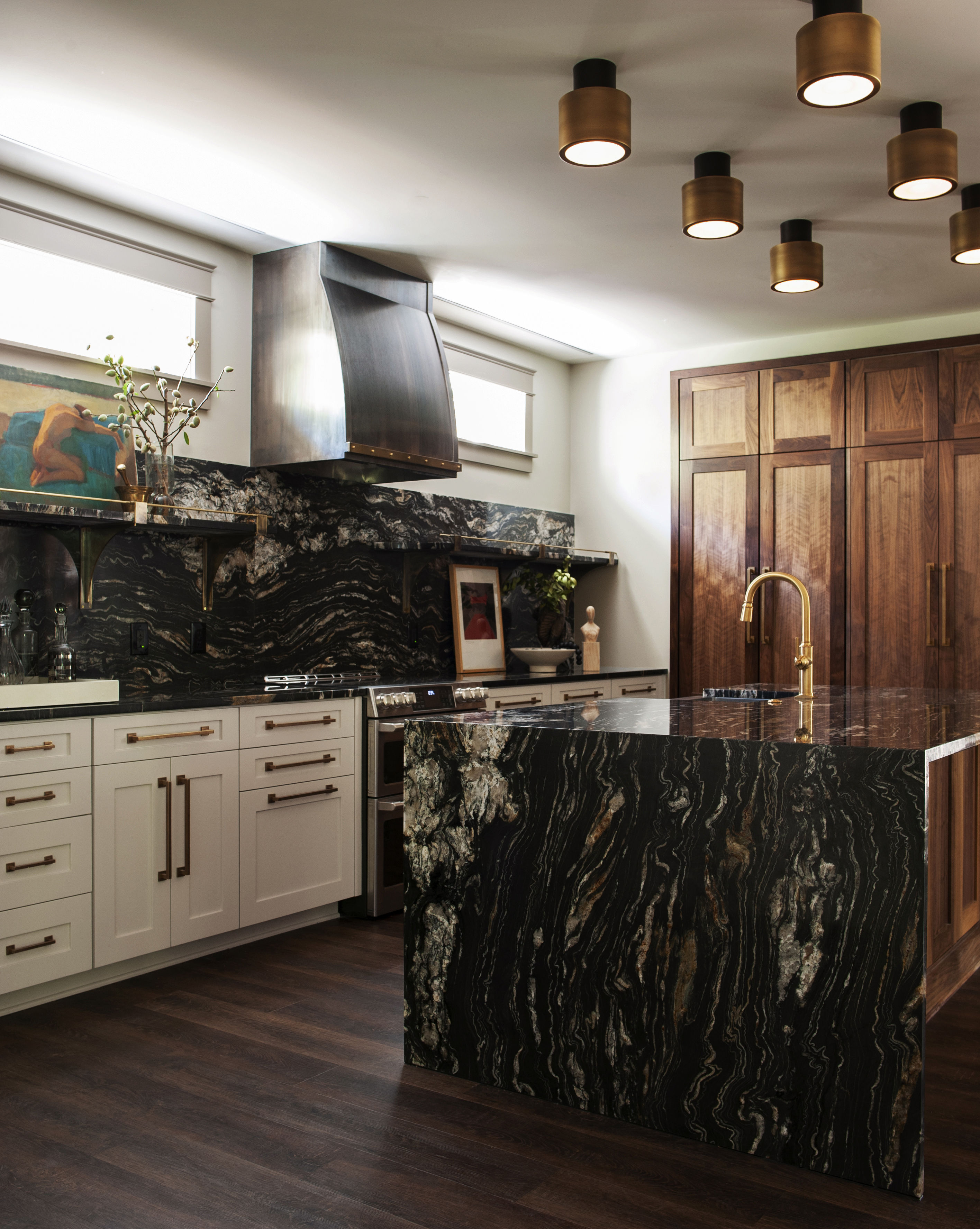
Fifth, brushed and matte finishes are preferred over glossy, shiny ones. Luxury often implies subtlety, negating the need for showy colors or finishes. Therefore, garish, glossy surfaces are shunned in favor of muted, textured options. For instance, unlacquered brass, burnished bronze, or aged nickel are preferred for hardware, as they patinate beautifully and add character over time. This extends to taps, light fittings, switches, sockets, and units.
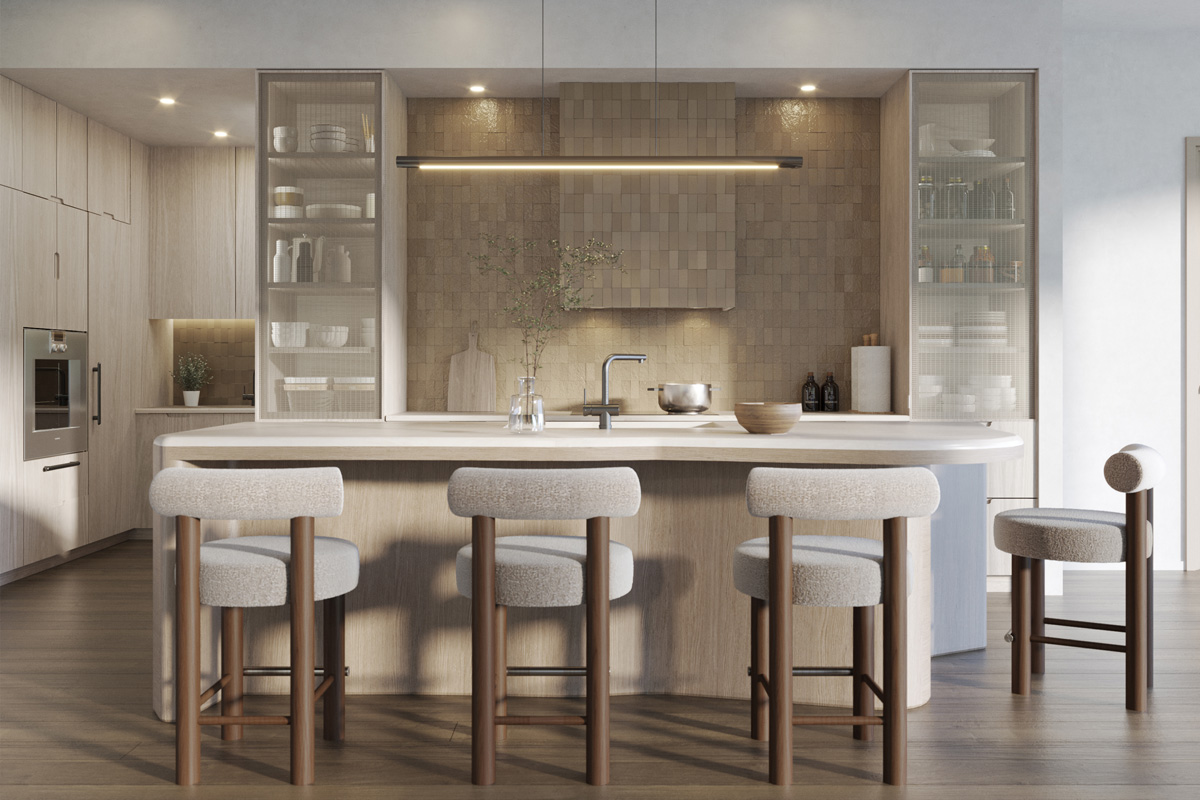
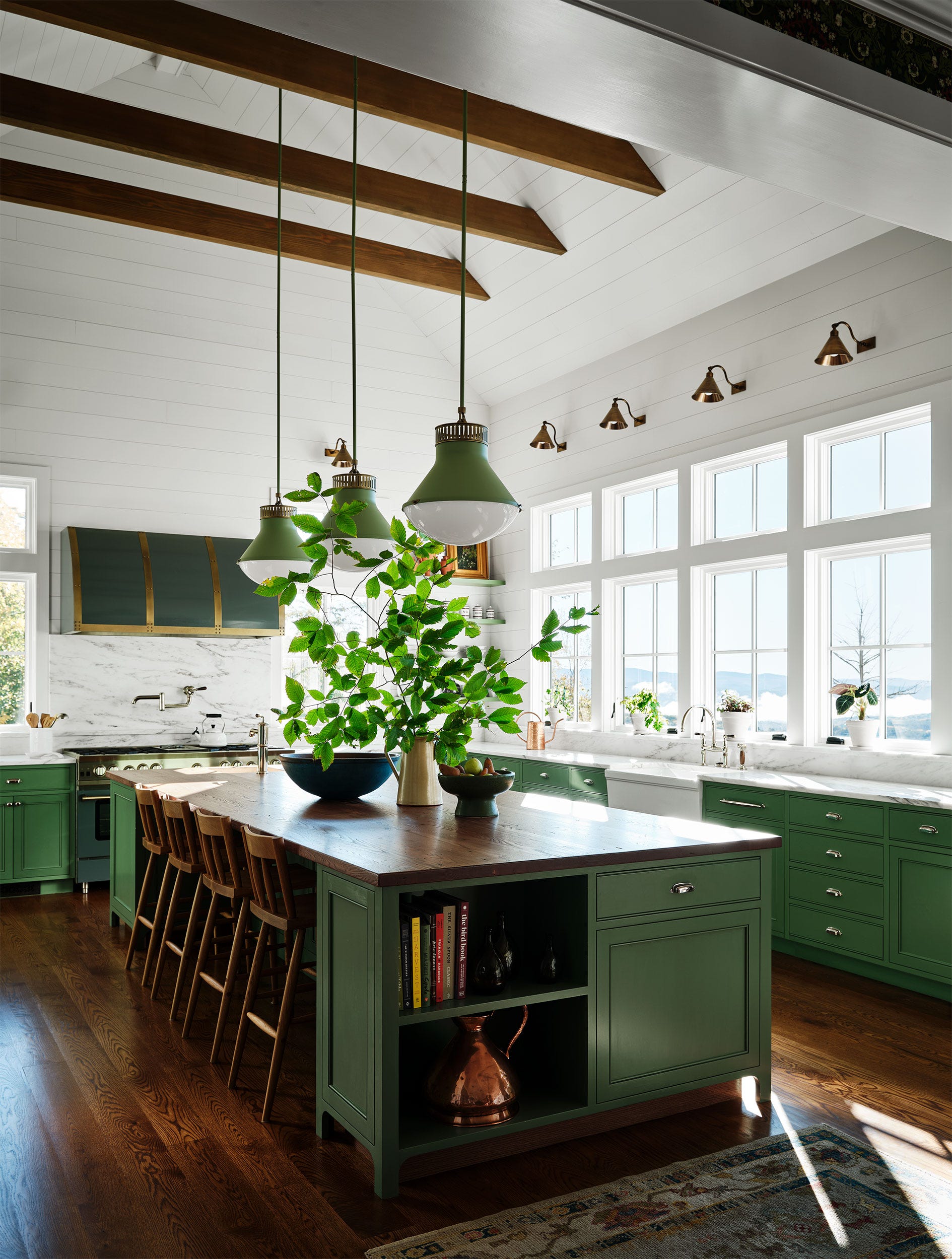
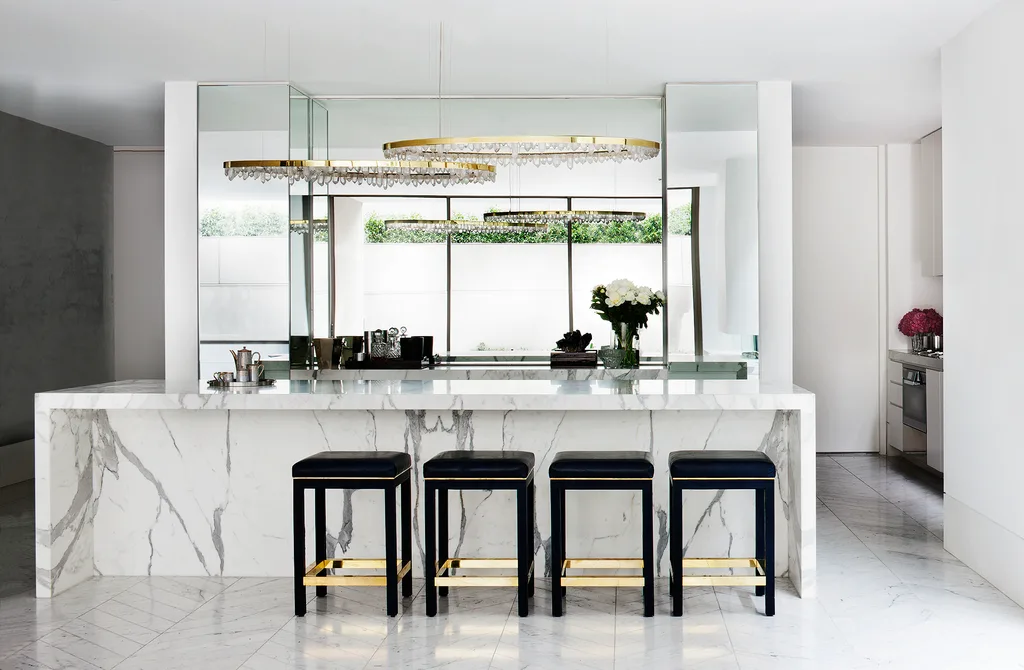
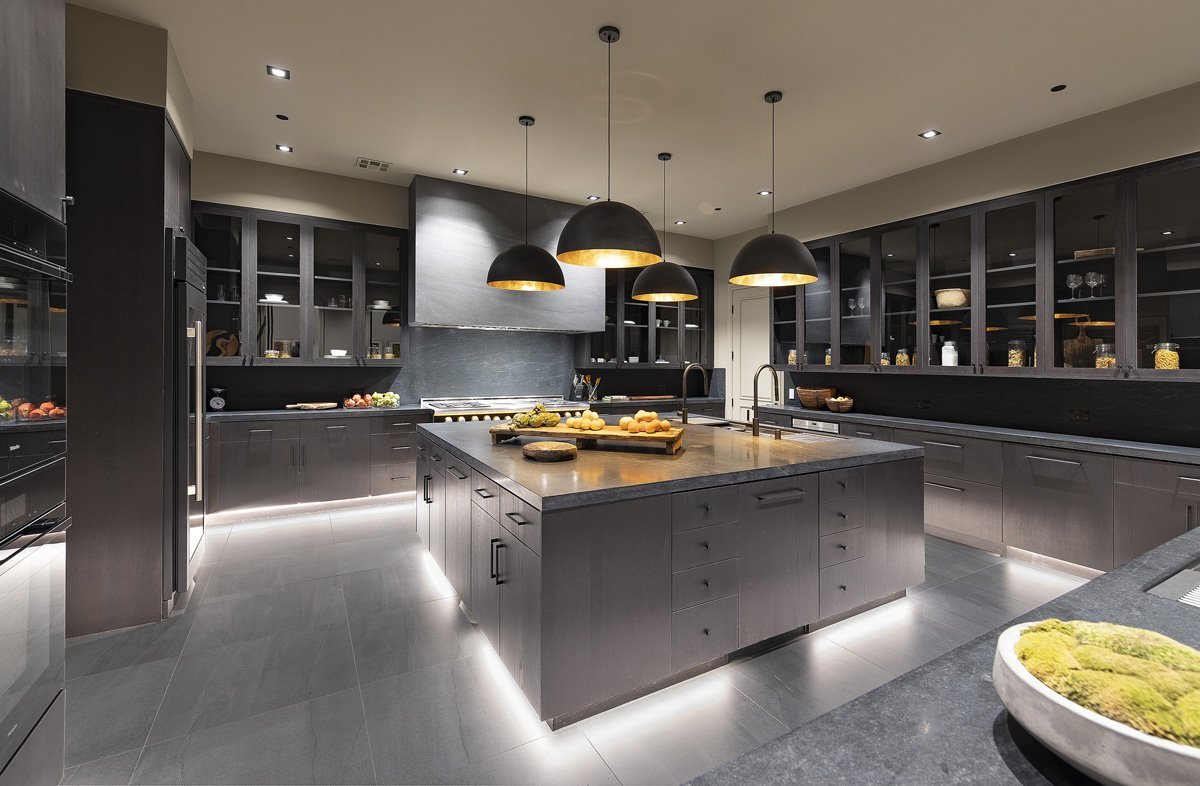
Sixth, a layered lighting scheme is essential. The right lighting significantly impacts the look and feel of a kitchen. A multifaceted approach is key, avoiding too many downlights that can flatten a space. Instead, lighting is treated as jewelry, incorporating pendants over islands, sconces above shelving, and discreet under-cabinet lighting to create a rich, intimate atmosphere. Harsh fluorescent lighting is replaced by layered illumination to introduce warmth and dimension.
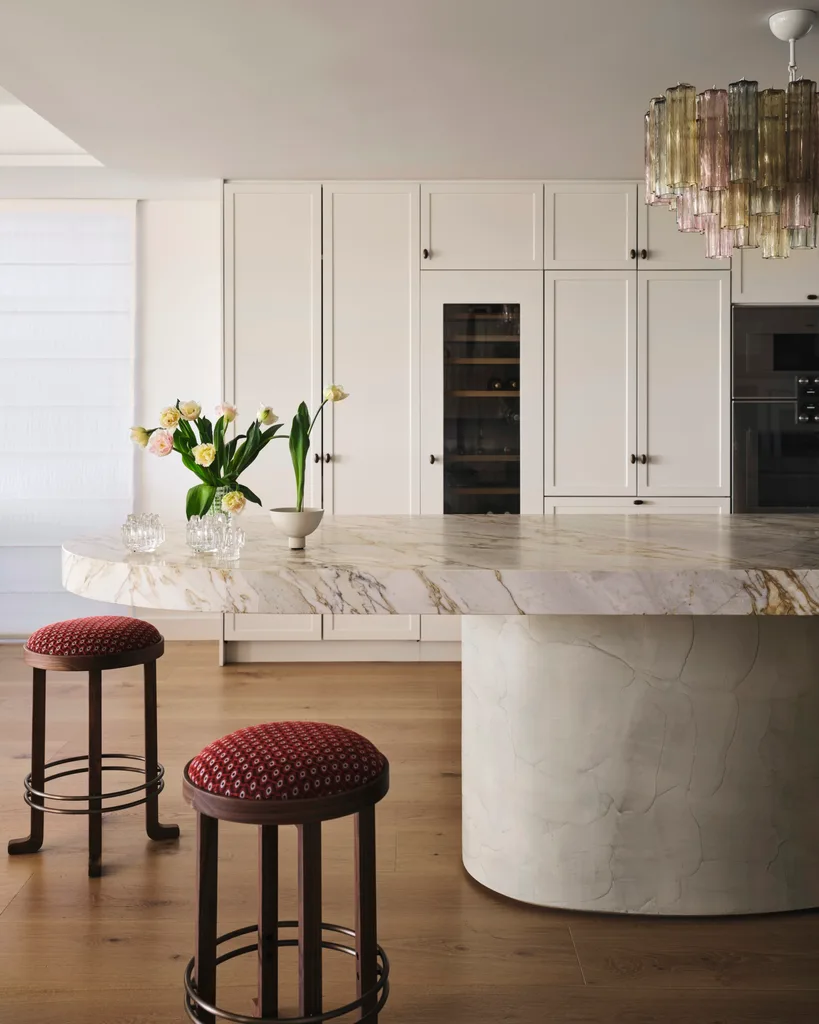
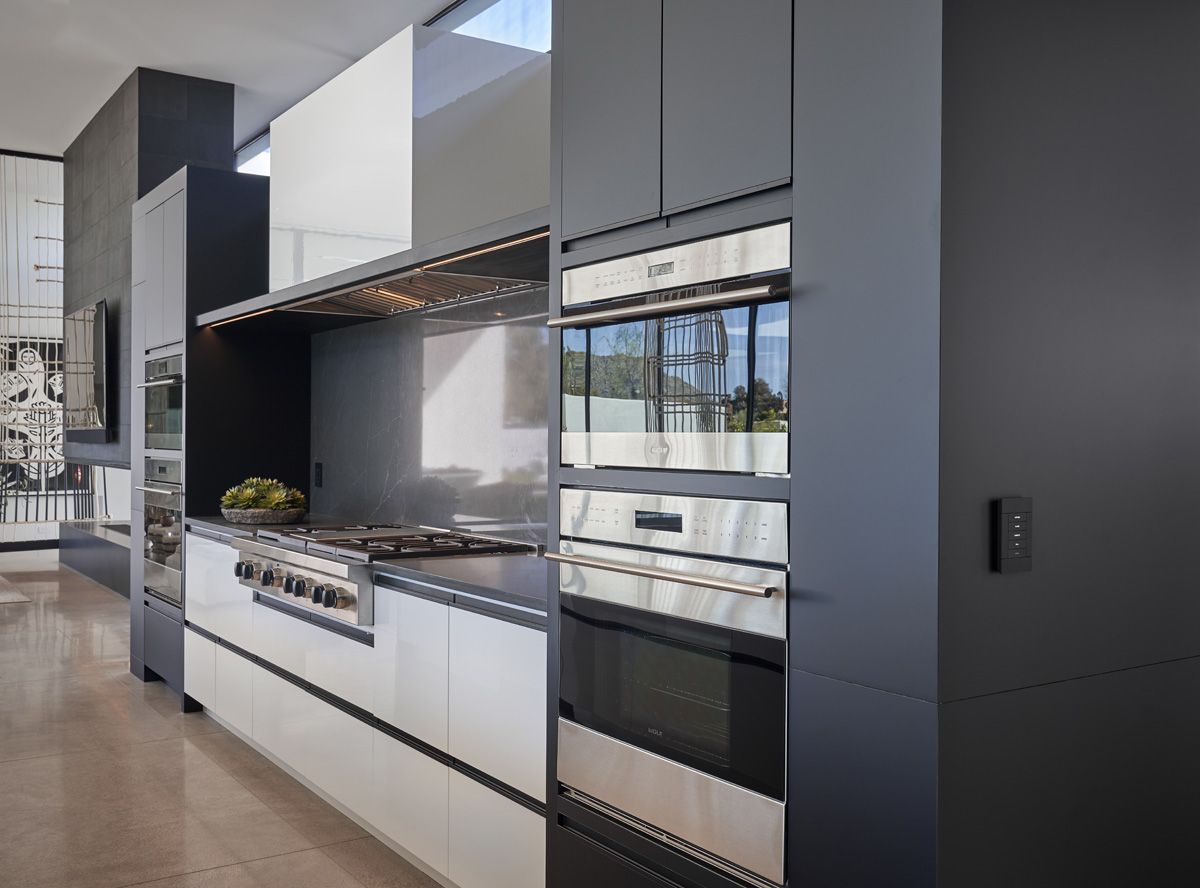
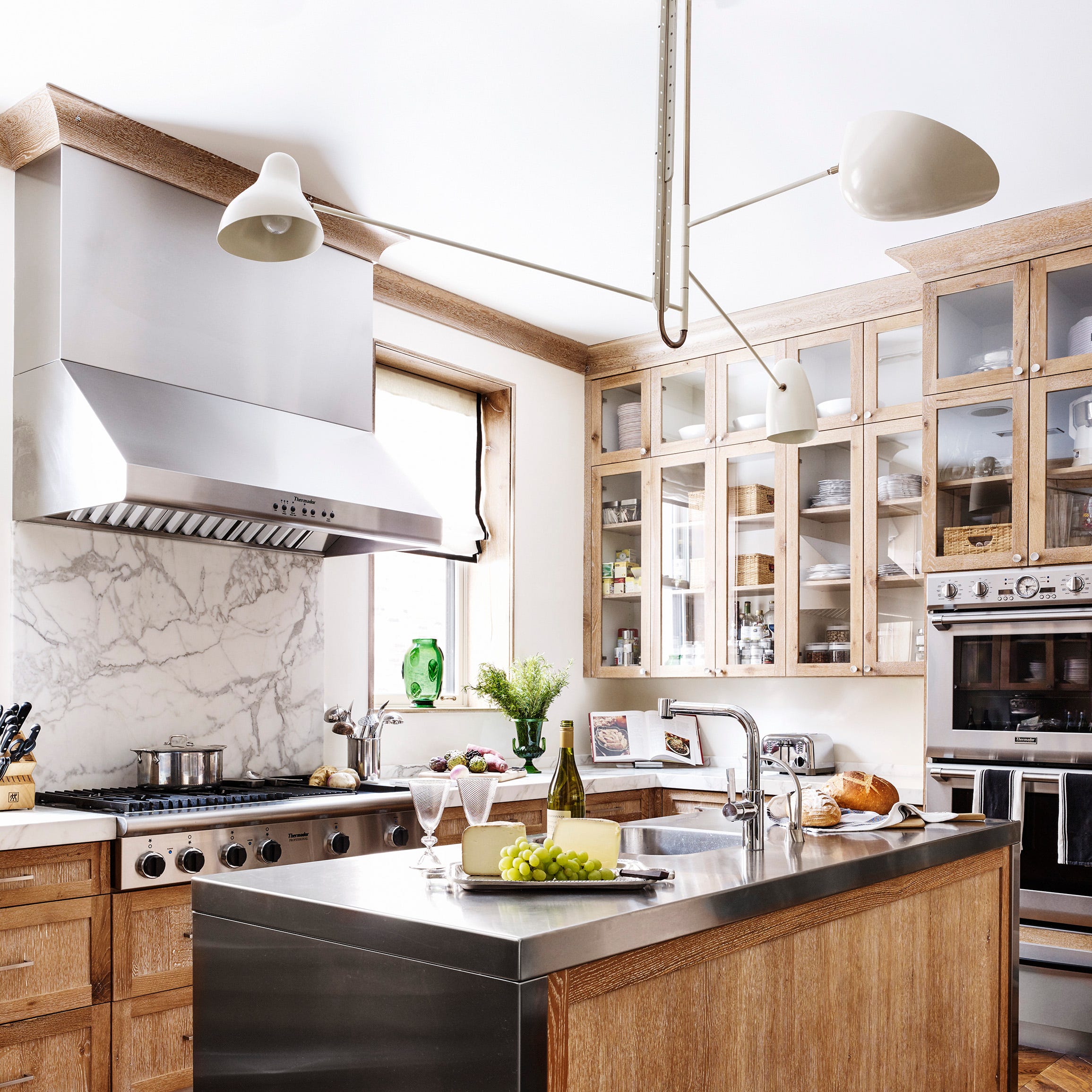
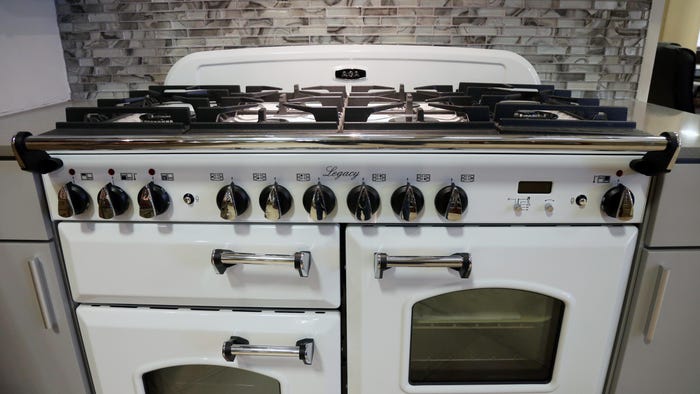
Seventh, built-in appliances and storage contribute to an effortless, luxurious appearance. Integrated appliances and storage solutions typically create a more polished look. Every item should have a designated place, ensuring the space feels calm and intentionally designed. Bulky appliances are integrated to maintain focus on timeless materials and thoughtful details, though prominent, desirable appliances can be showcased.
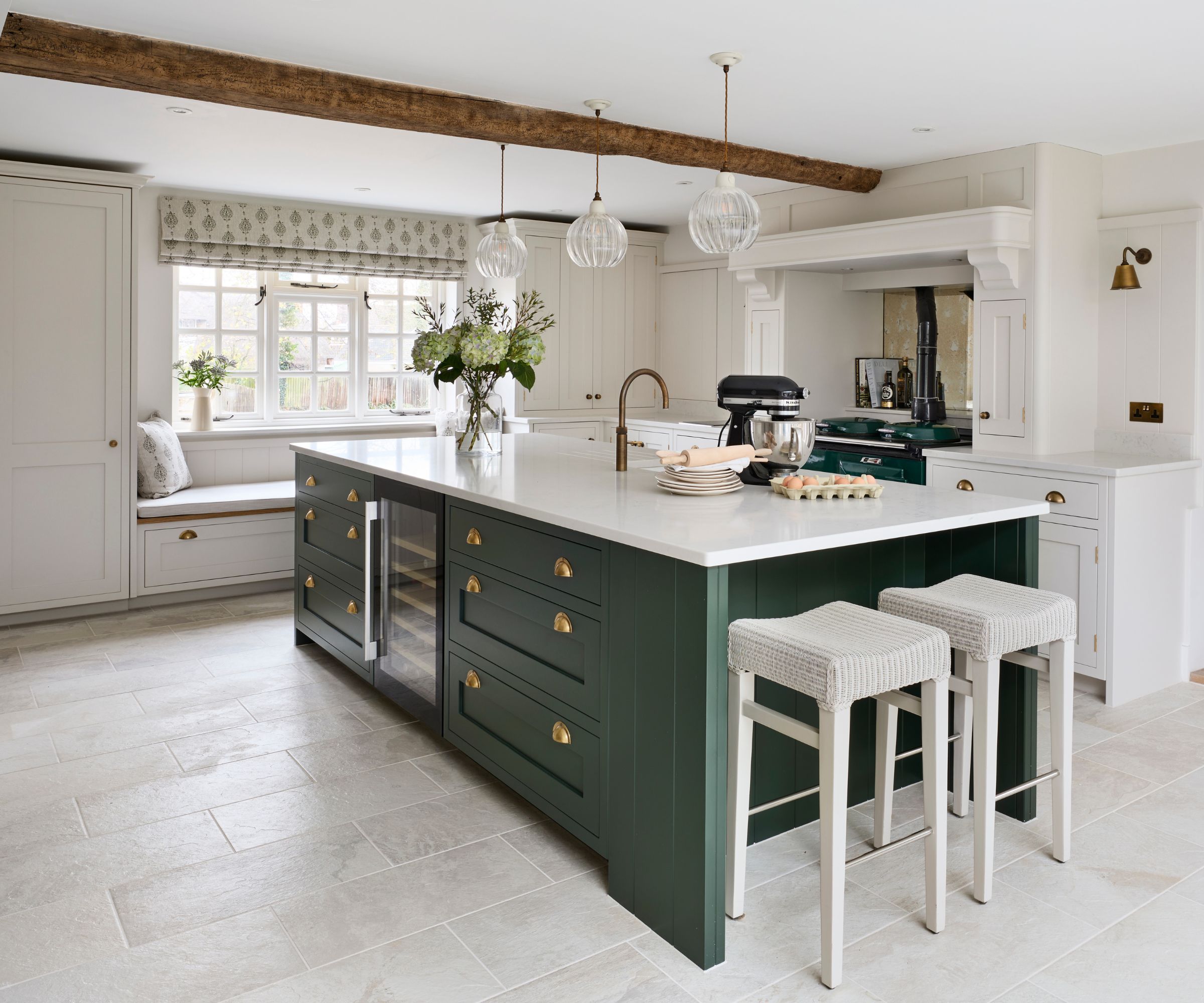
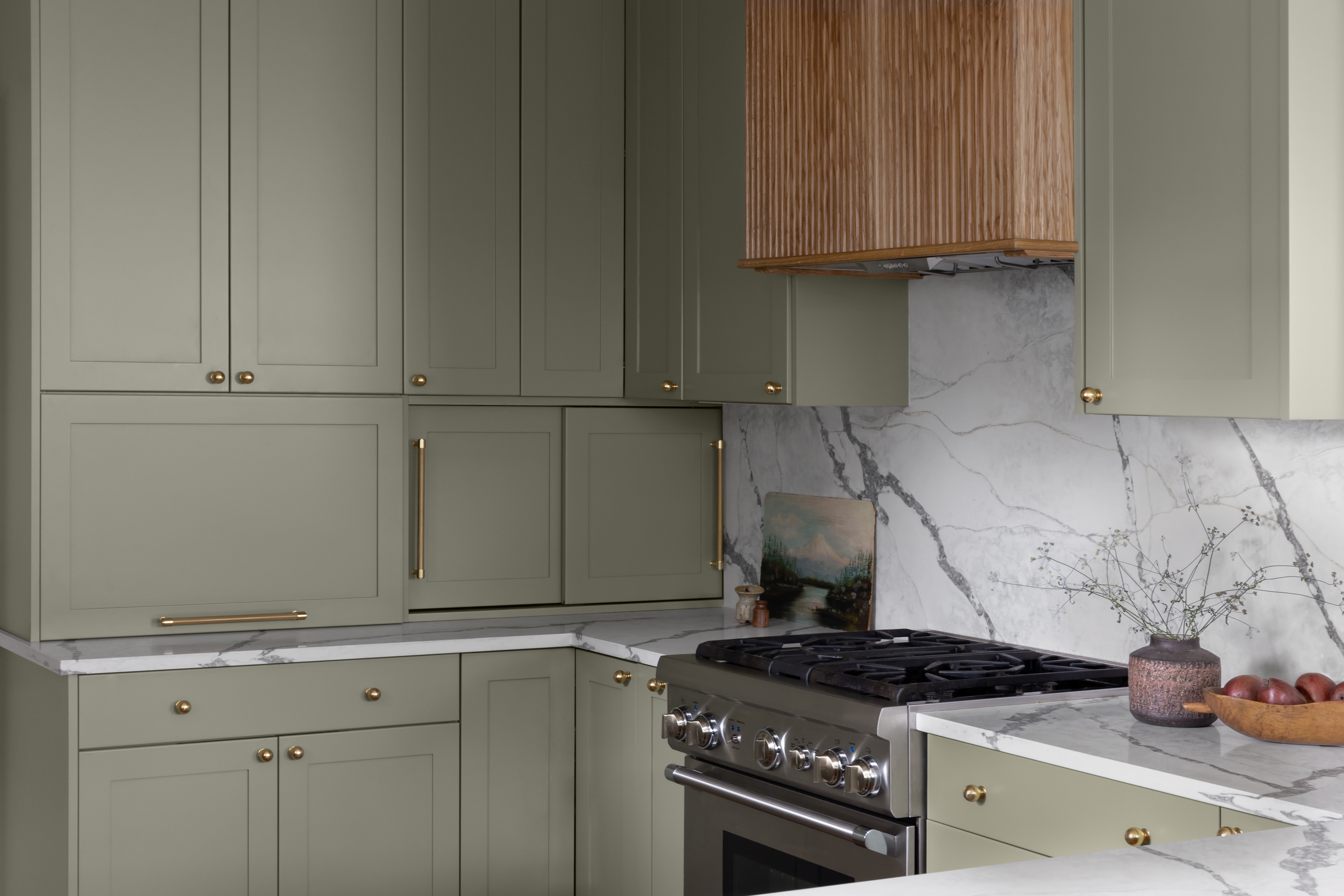
Eighth, considered cabinet hardware makes a significant difference. Even without a fully bespoke kitchen, upgrading standard cabinet hardware can dramatically enhance the high-end appearance. Oversized, generic pulls are avoided. Additionally, cohesive finishes are crucial; mismatched hardware, such as brass knobs on lower cabinets and chrome on upper ones, is considered non-luxurious.
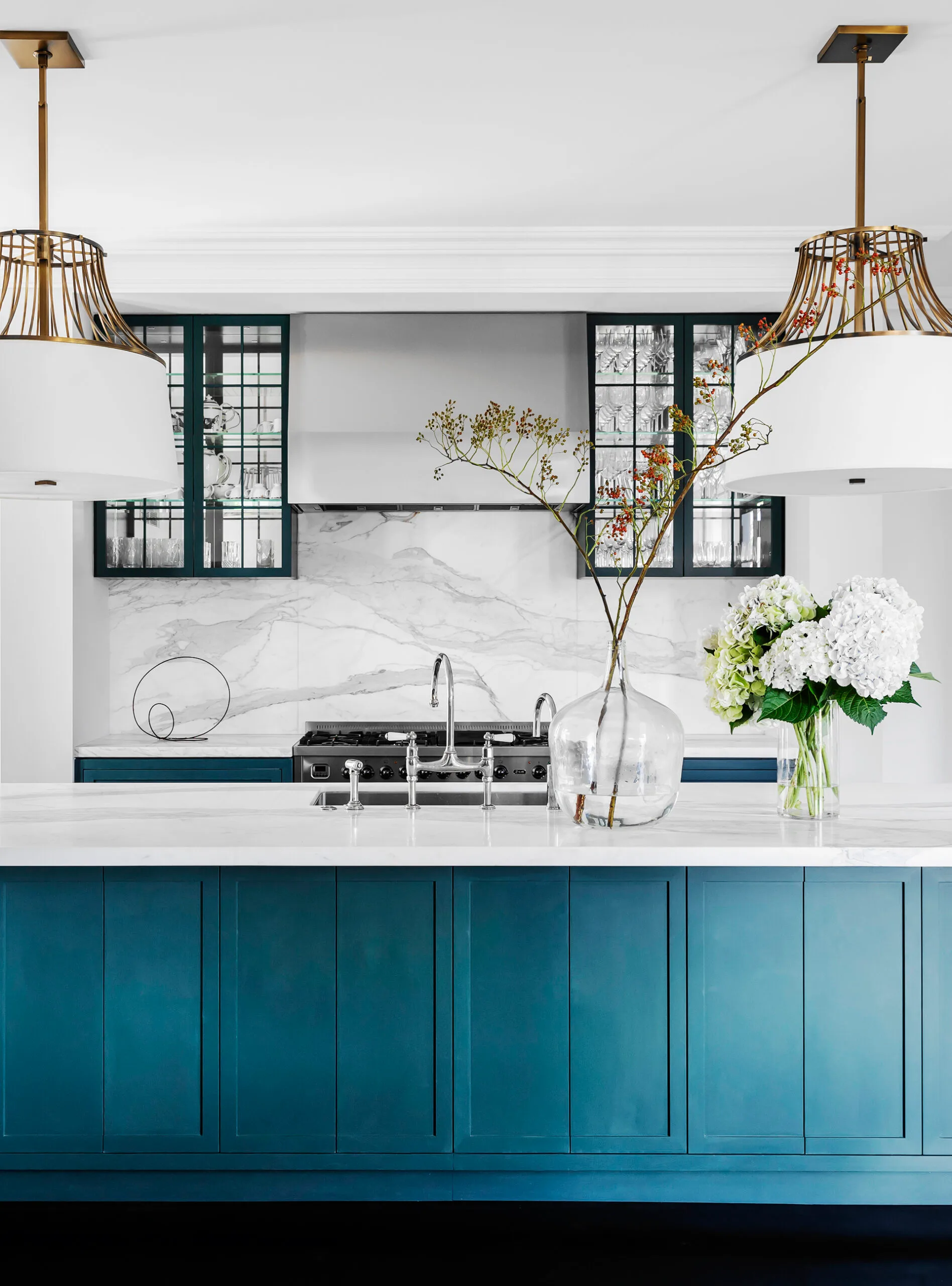
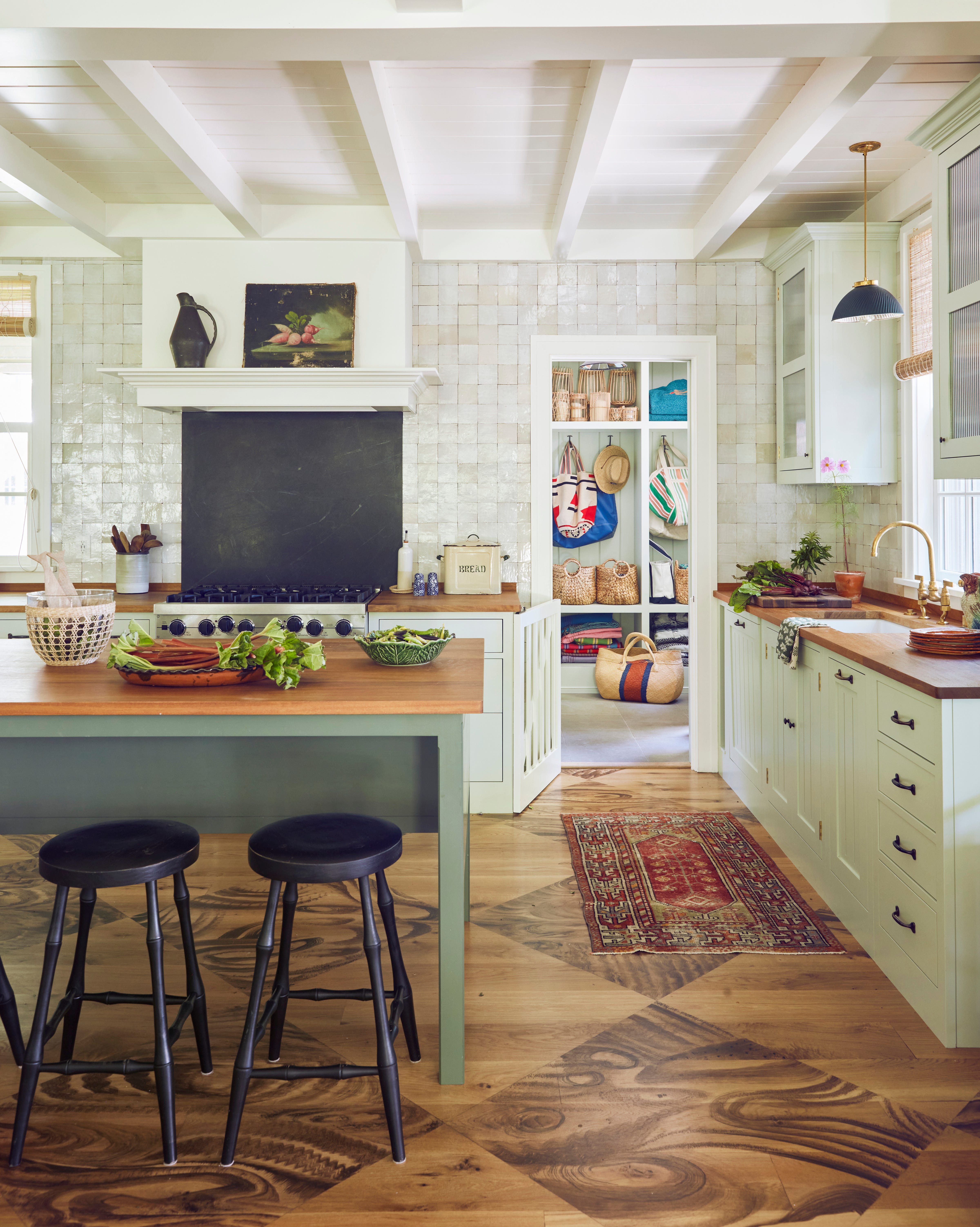
Ninth, custom-made cabinetry is a key element. Bespoke, tailored furniture is an aim for luxury kitchens, moving away from mass-produced, overly glossy cabinetry. Painted Shaker cabinets in rich, subtle tones like mossy olive or deep navy-black are recommended, giving the cabinetry a substantial, well-crafted, furniture-like feel with a matte or satin finish. For those with budget constraints, a mix-and-match approach is suggested, with custom-made prominent units and off-the-shelf options for less visible areas.
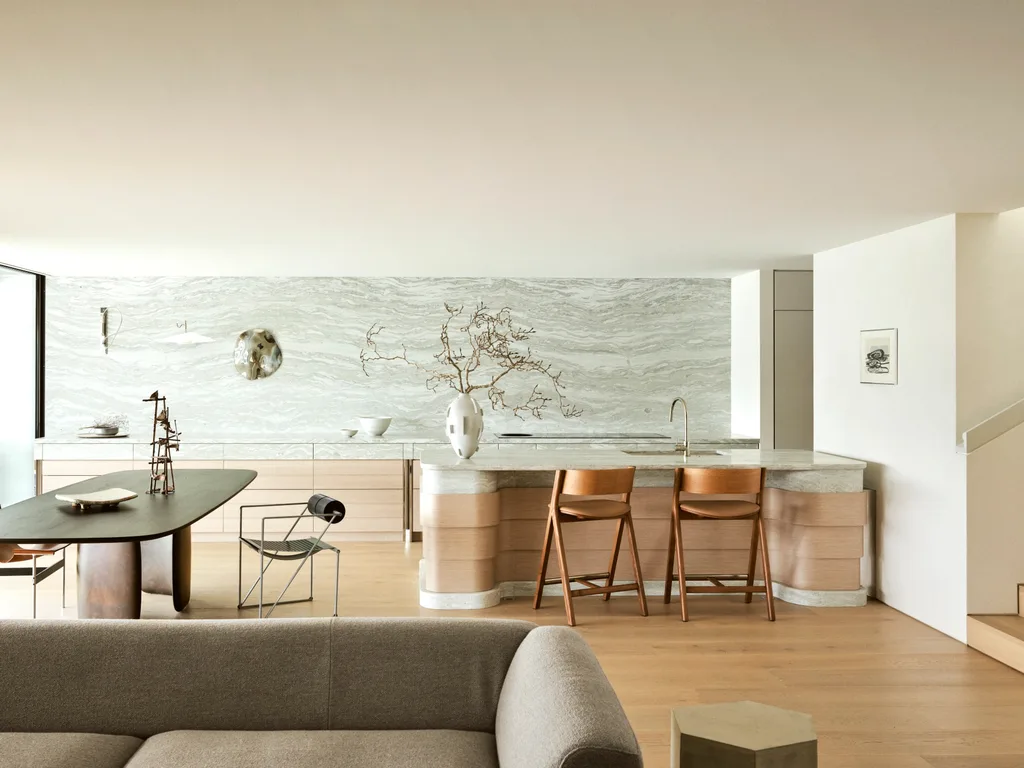
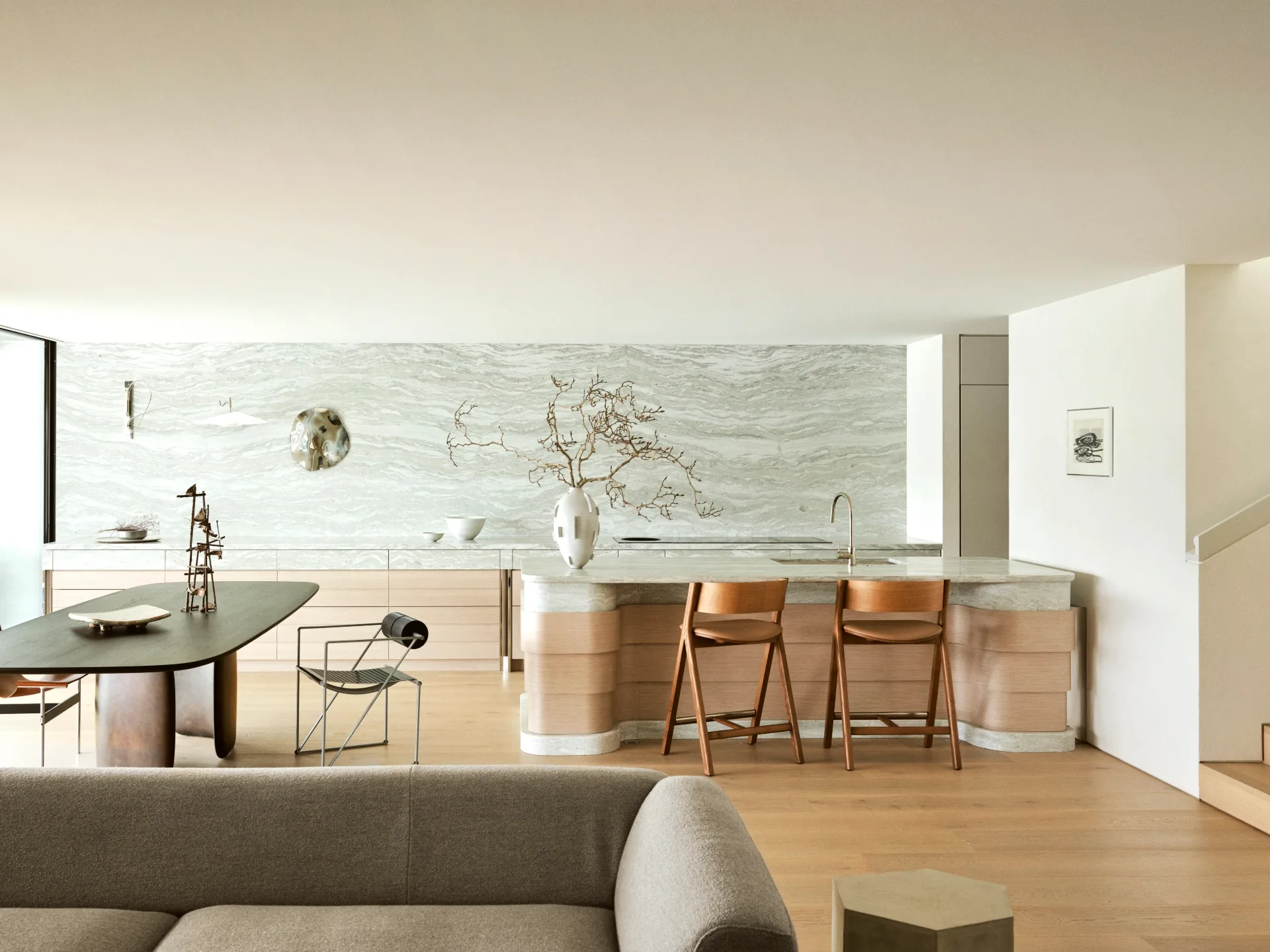
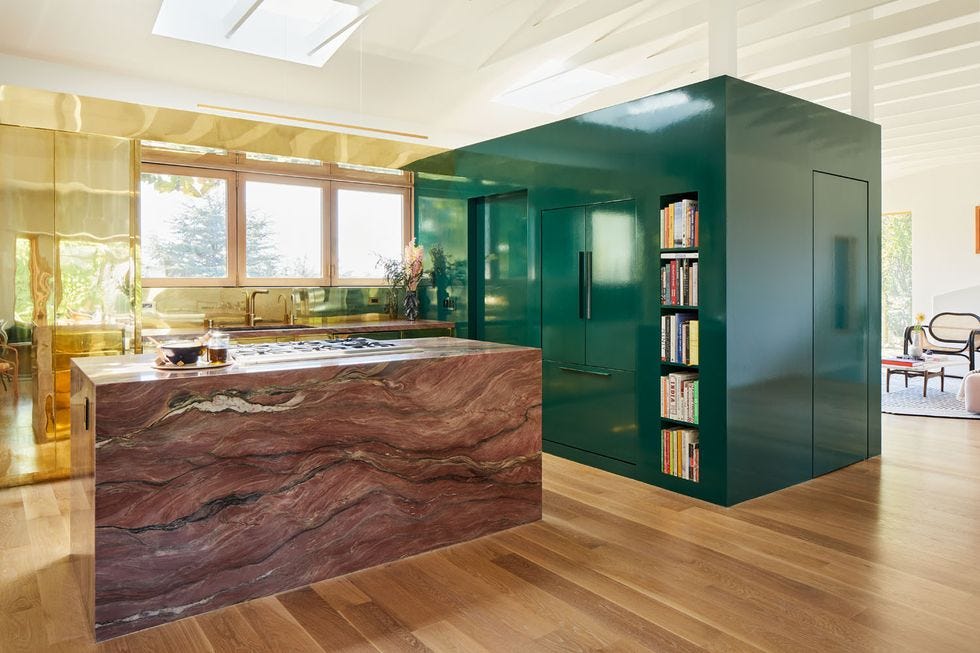
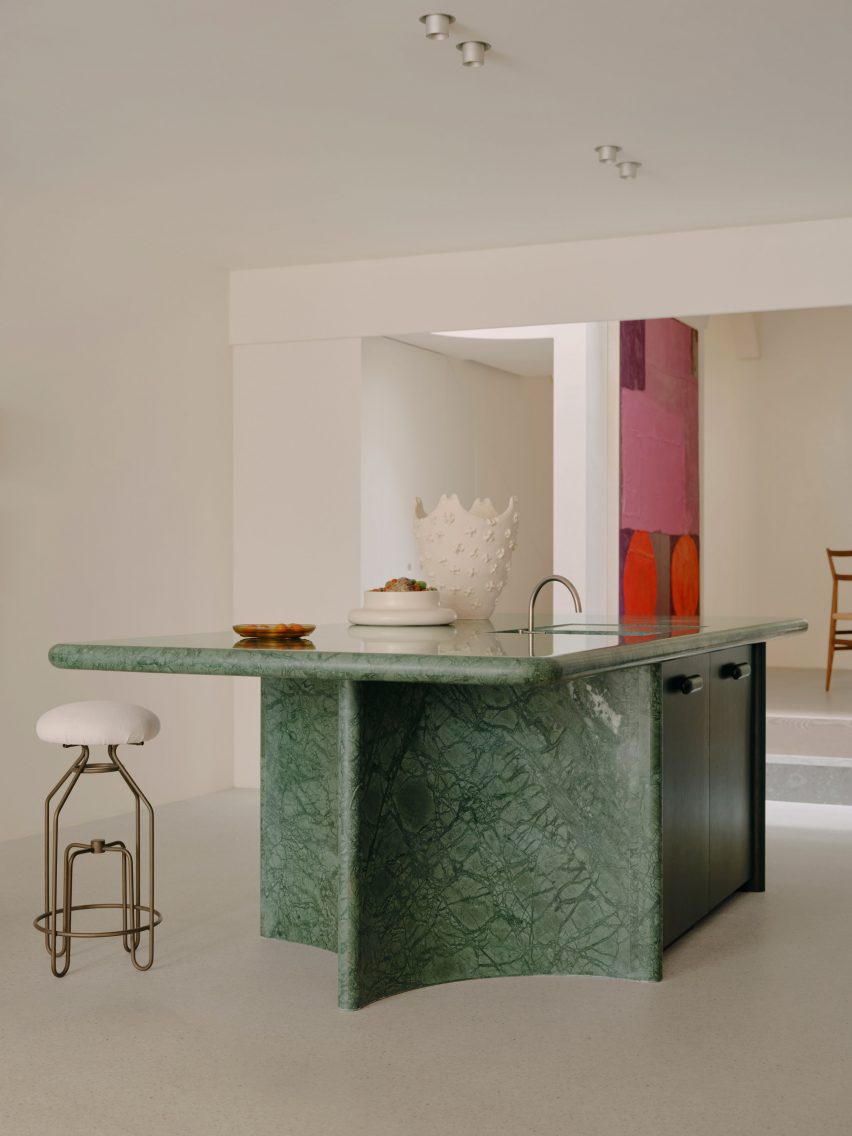
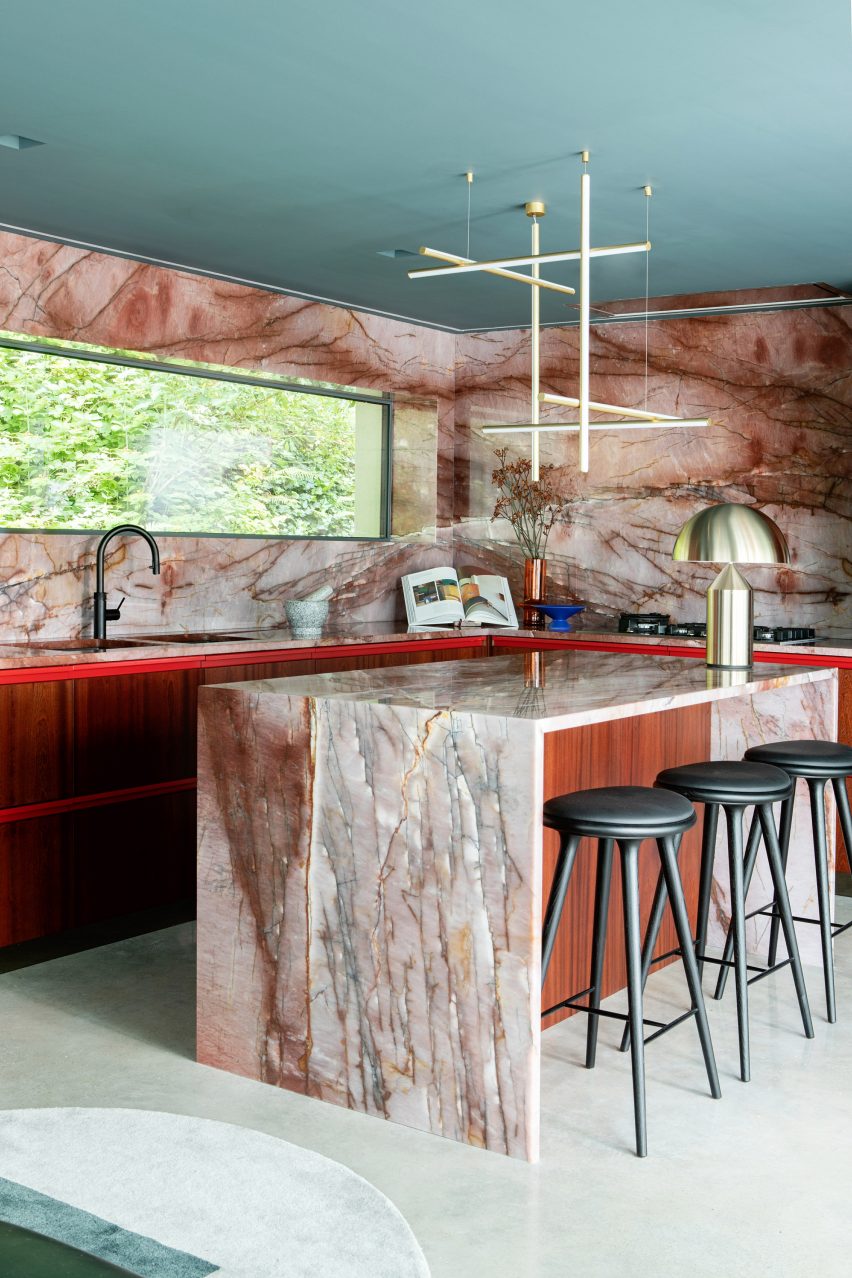
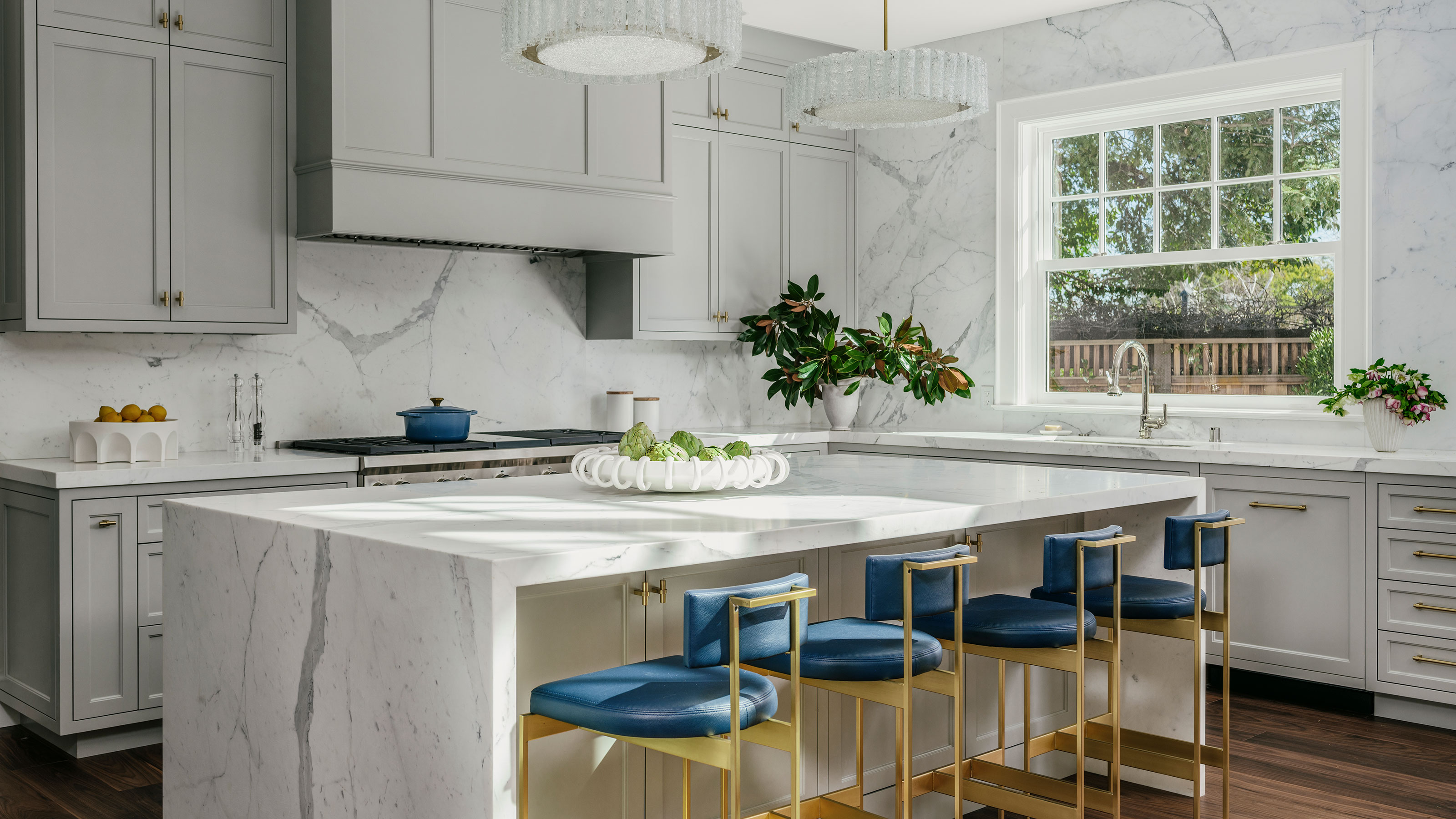
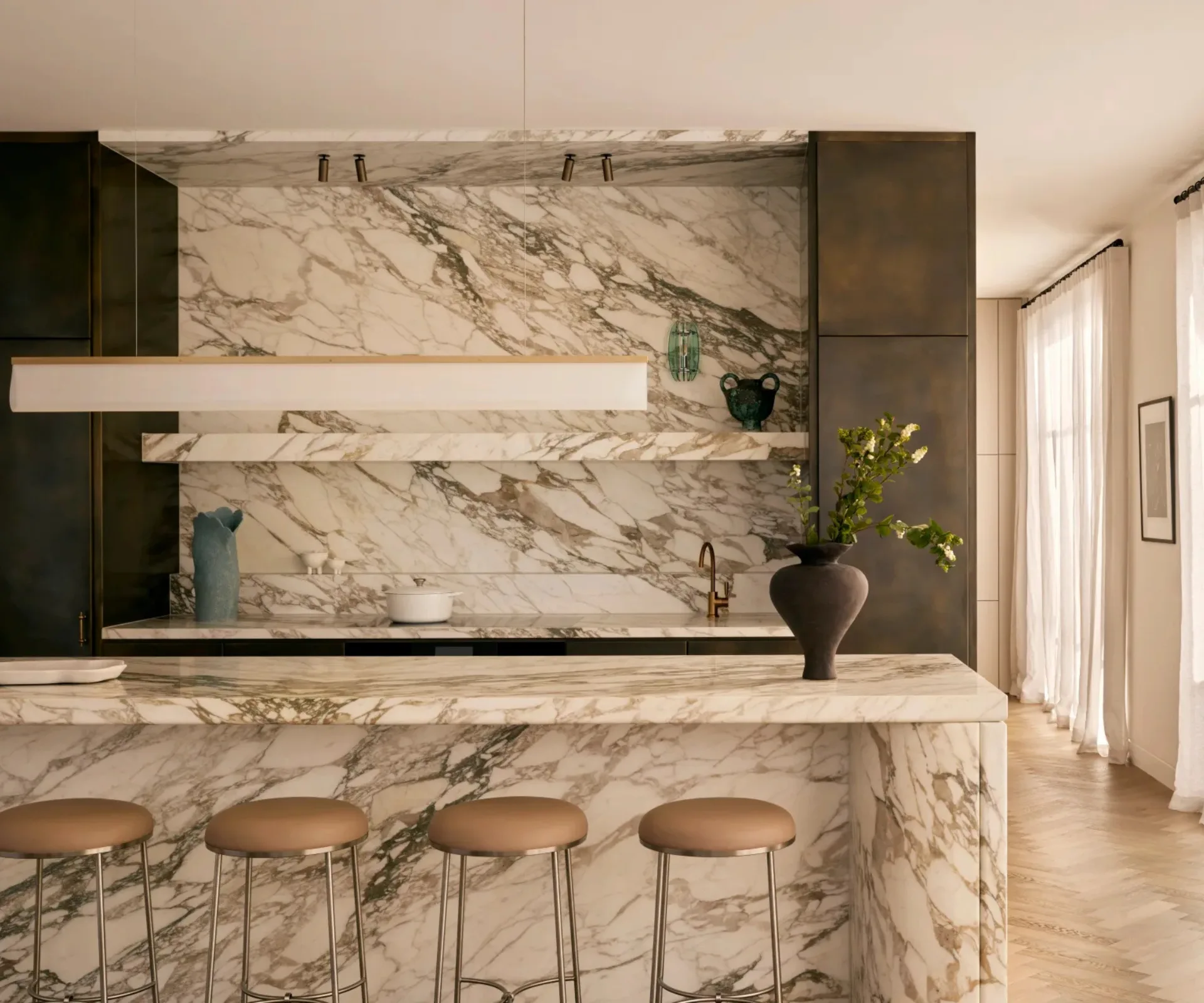
Finally, plenty of tactile, natural materials are favored. For an elegant and luxurious result, synthetic materials are avoided in favor of natural ones for flooring, work surfaces, walls, and cabinet fronts. This also incorporates biophilic design principles. Large slabs of natural stone are preferred for backsplashes, offering a sculptural and serene feel. Hardwood is recommended for floors, as it ages gracefully and adapts over decades.
#LuxuryKitchenDesign #KitchenTrends #InteriorDesign #HomeRenovation #TimelessDesign #HighEndFinishes #KitchenMaterials #StorageSolutions #LightingDesign #LuxuryKitchenDesign #KitchenTrends #InteriorDesign #HomeRenovation #TimelessDesign #HighEndFinishes #KitchenMaterials #StorageSolutions #LightingDesign
0 comment in total
 No comments yet
You may also like
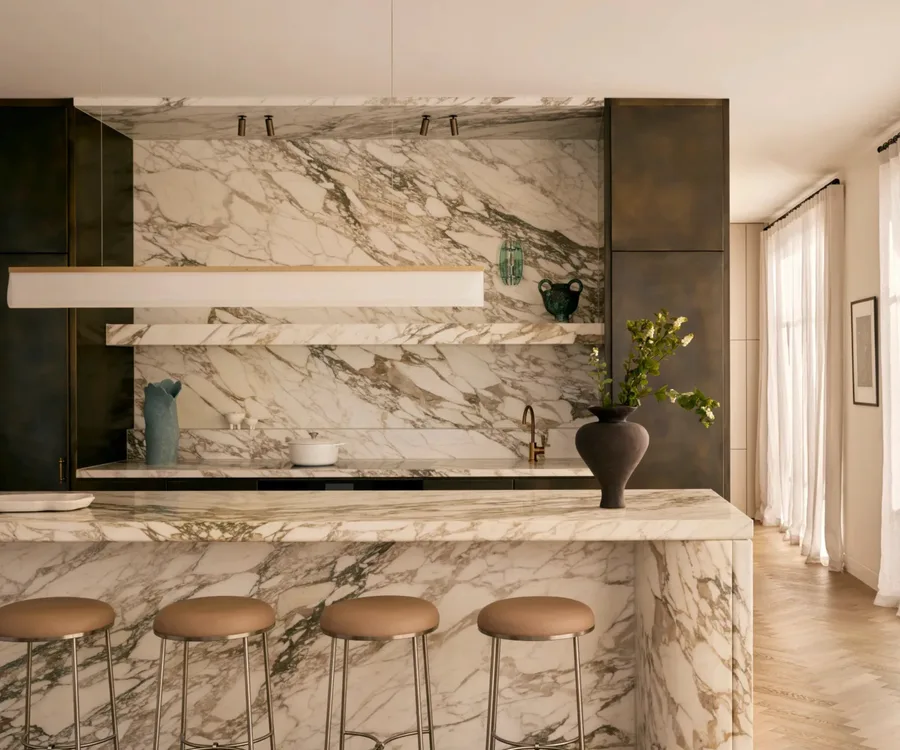
9 luxury kitchen designs to lust over

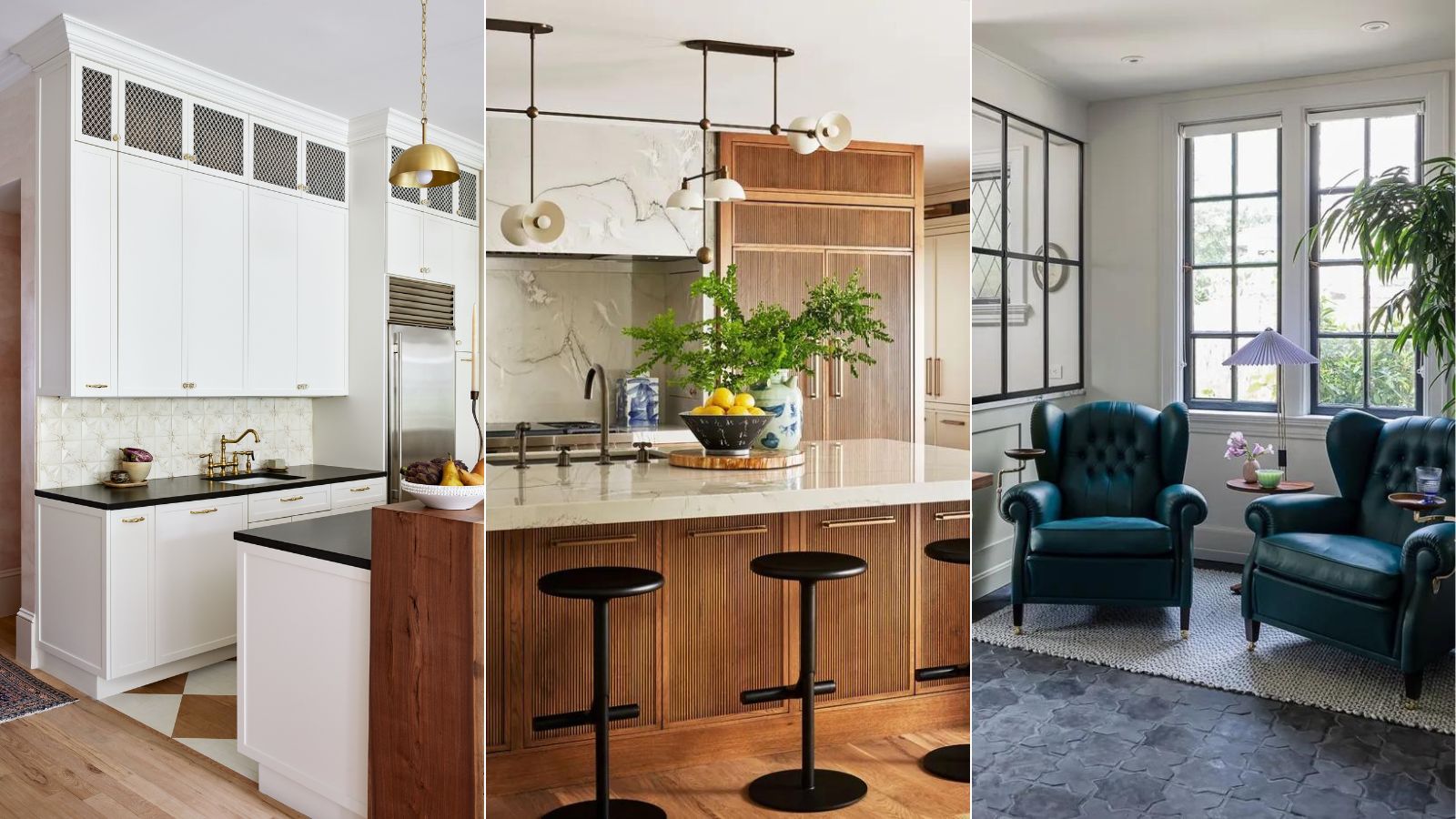
10 things every kitchen needs, according to interior designers

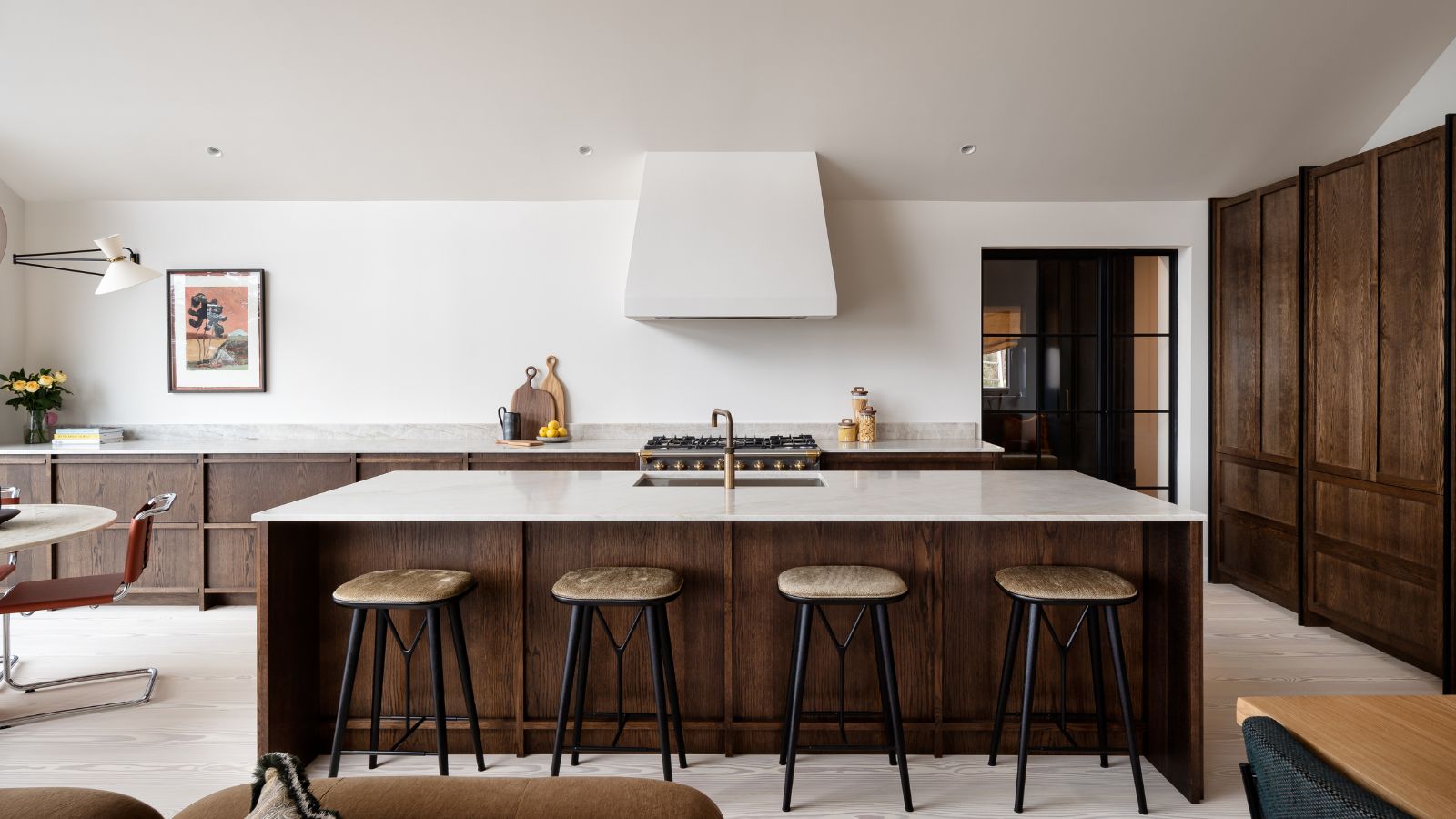
5 things you won't see in a luxury kitchen in 2025 and beyond, according to interior designers
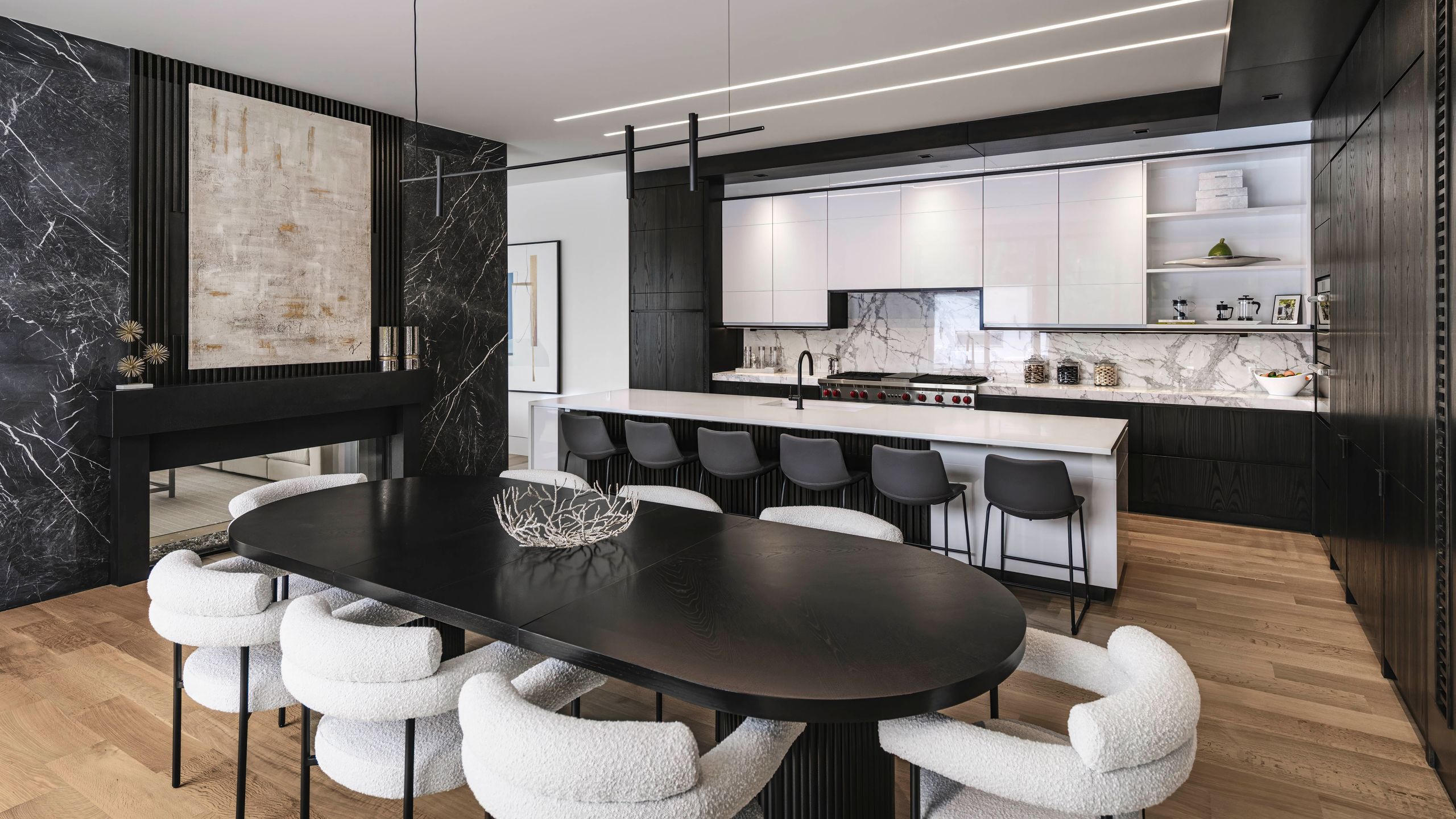
What Makes a Great Kitchen? An Expert Shares His Best Design Tips

Design Essentials for the Luxury Kitchen

6 ways to a more luxurious kitchen
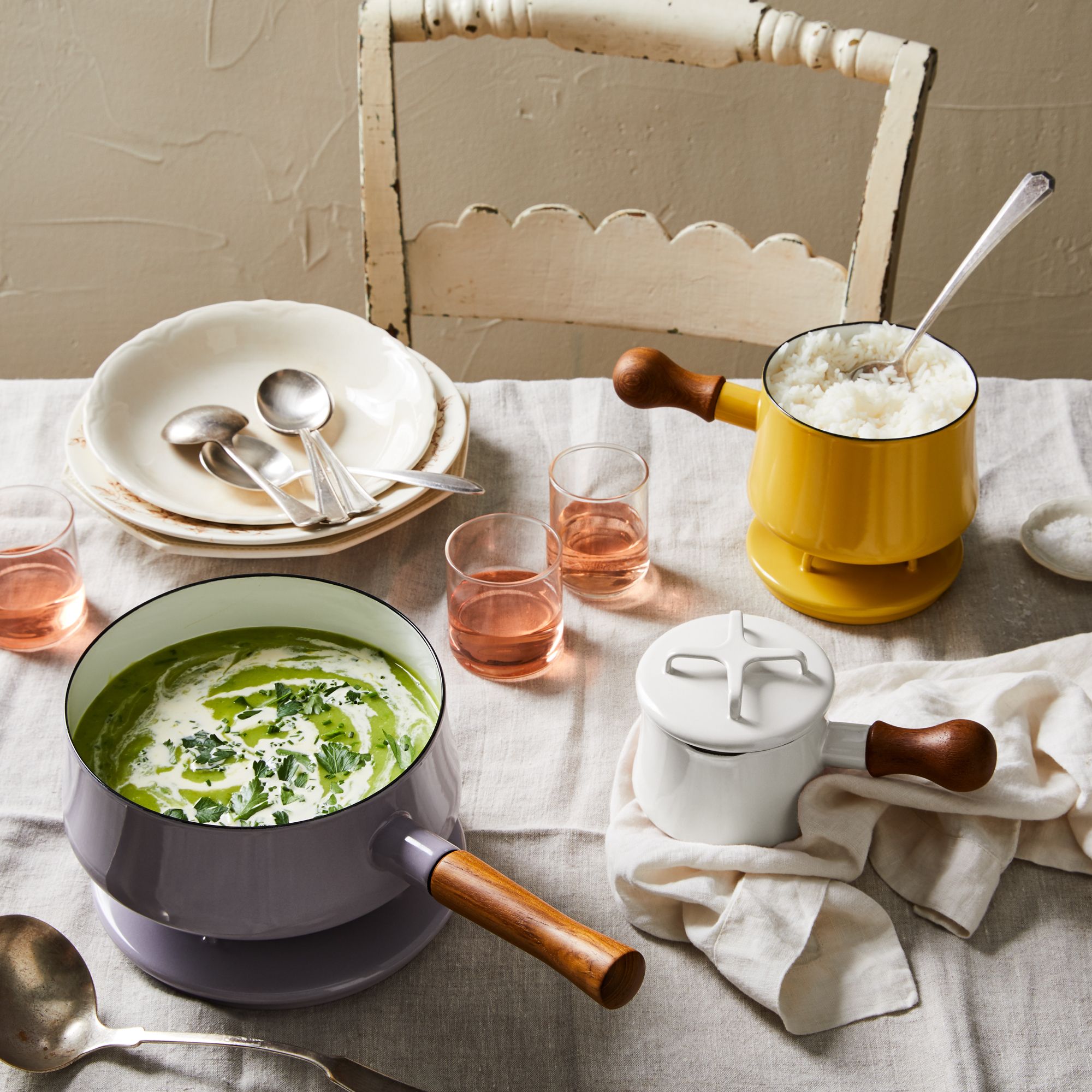
I Don’t Need a $60 Butter-Warming Pot (But I Want One Anyway)


What are your kitchen design must-haves?
8 luxury kitchen designs to lust over

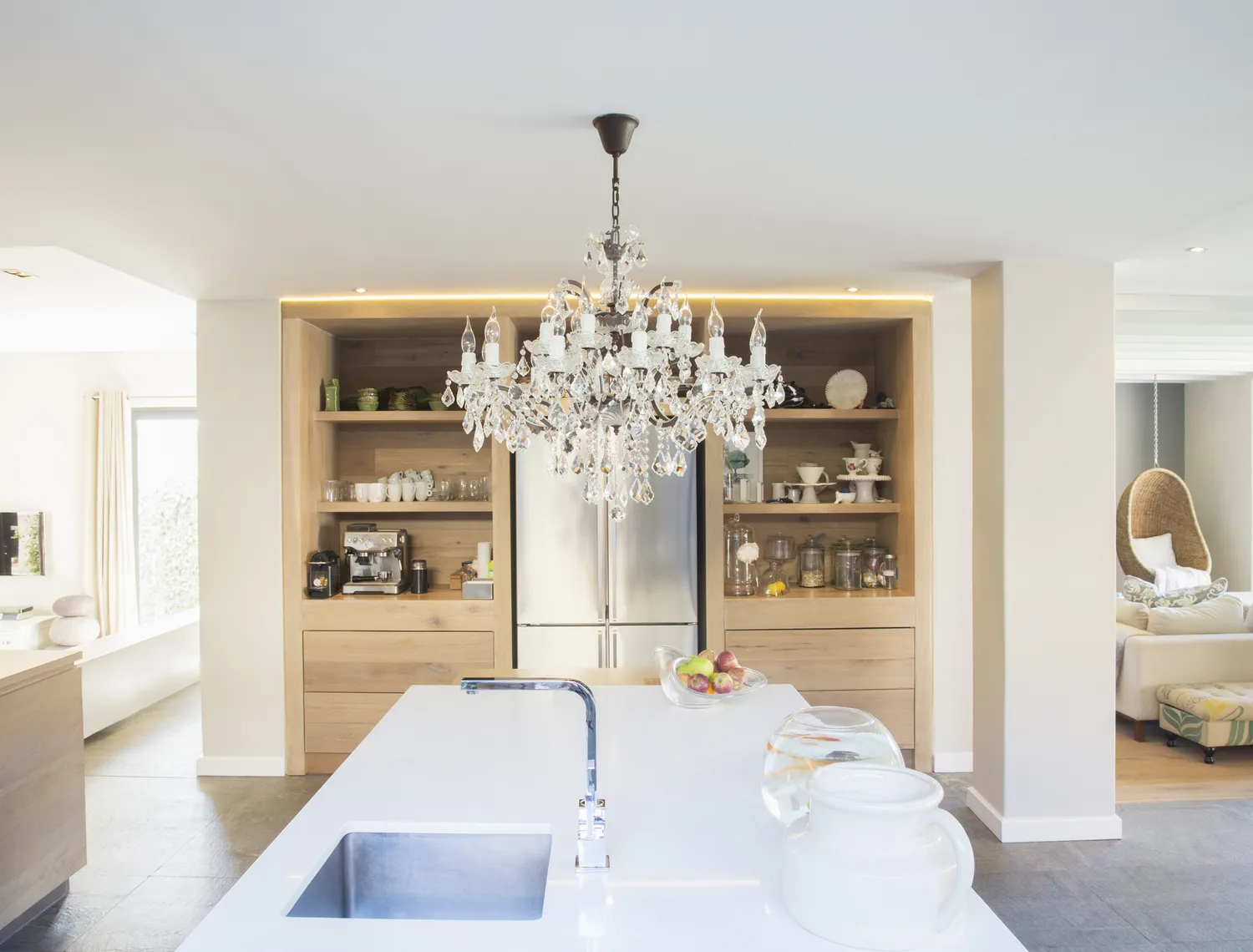
6 “High-End” Kitchen Features That Aren't Worth the Money, Designers Say

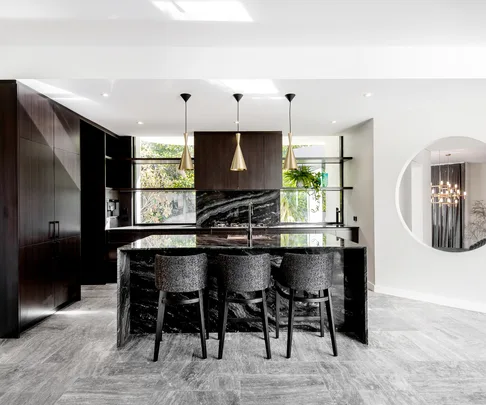
9 beautifully-crafted kitchens
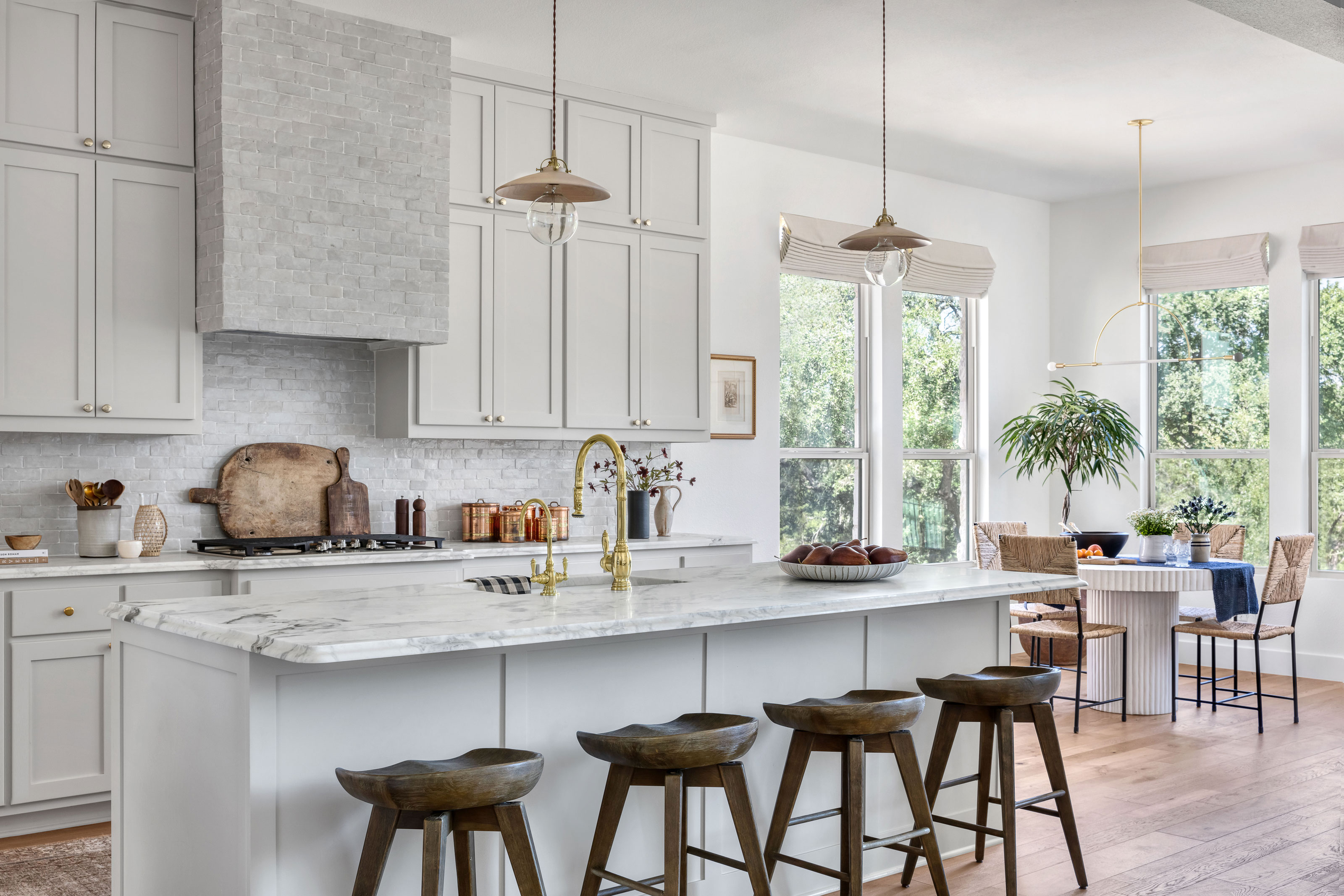
5 "Dream Kitchen" Features That People are Asking for in 2024, According to Designers

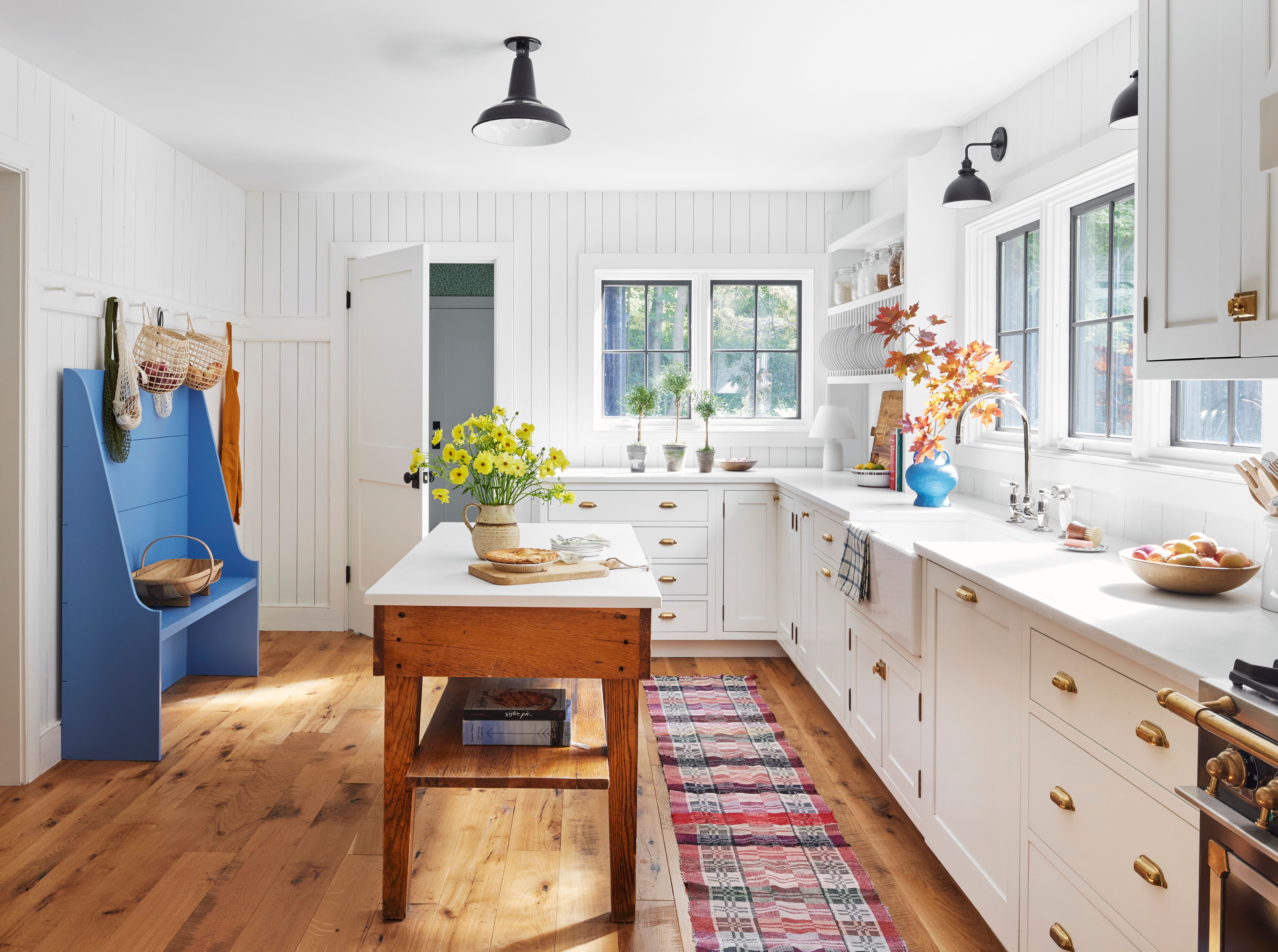
20 Countertop Ideas That Will Instantly Make Your Kitchen Feel More Luxe

These Kitchens Are So Luxurious, Even a Celebrity Chef Would be Jealous

Ten striking kitchen islands designed to stand out

All the Most Charming Kitchens I Am Seeing Right Now Have This Inexpensive Antique in Common
20 Luxury Kitchen Design Ideas to Inspire Your Next Project

23 Designer Kitchens We Can’t Stop Looking At
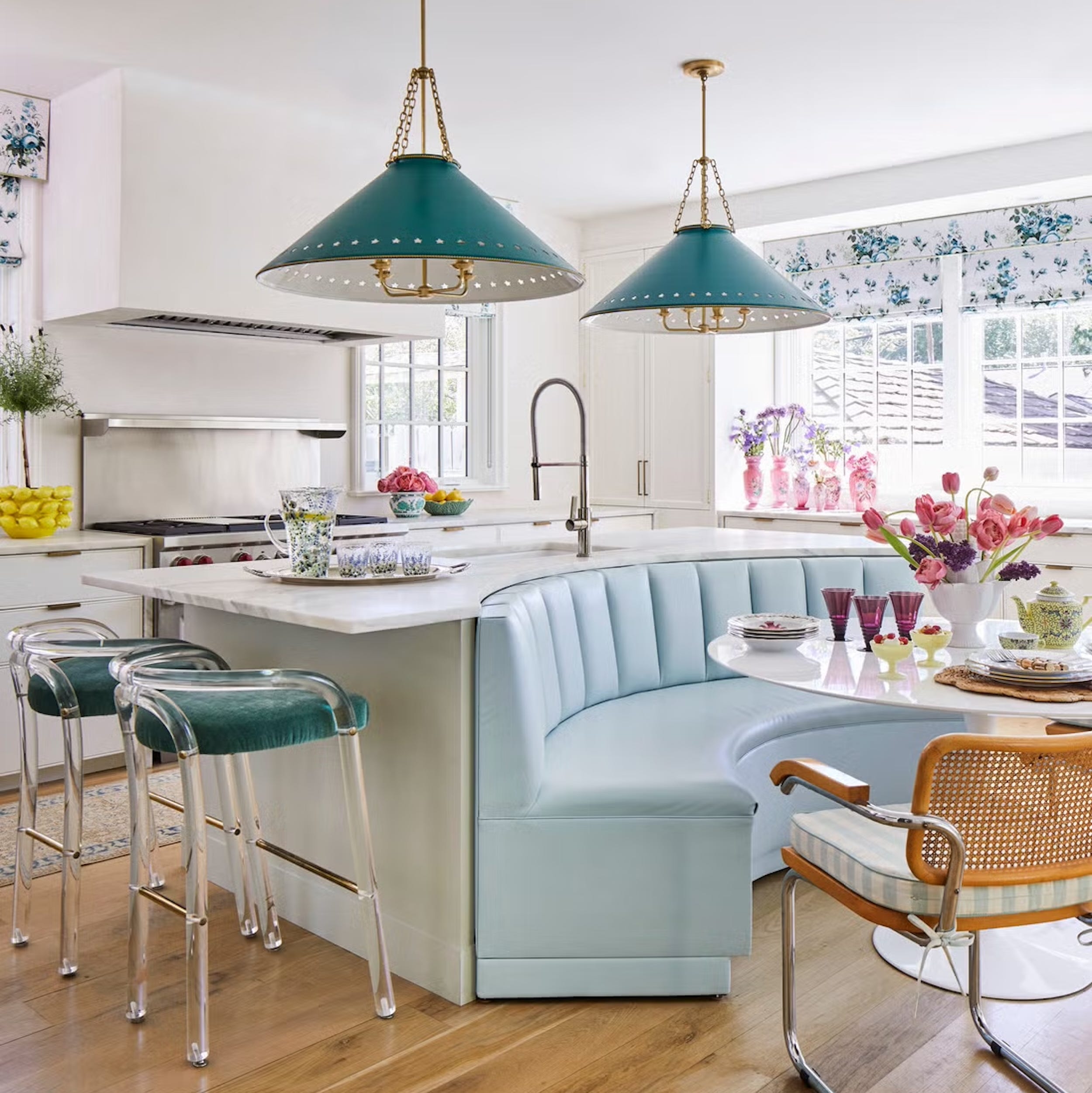
5 Ways to Make Your Kitchen Look Instantly More Expensive, According to Designers

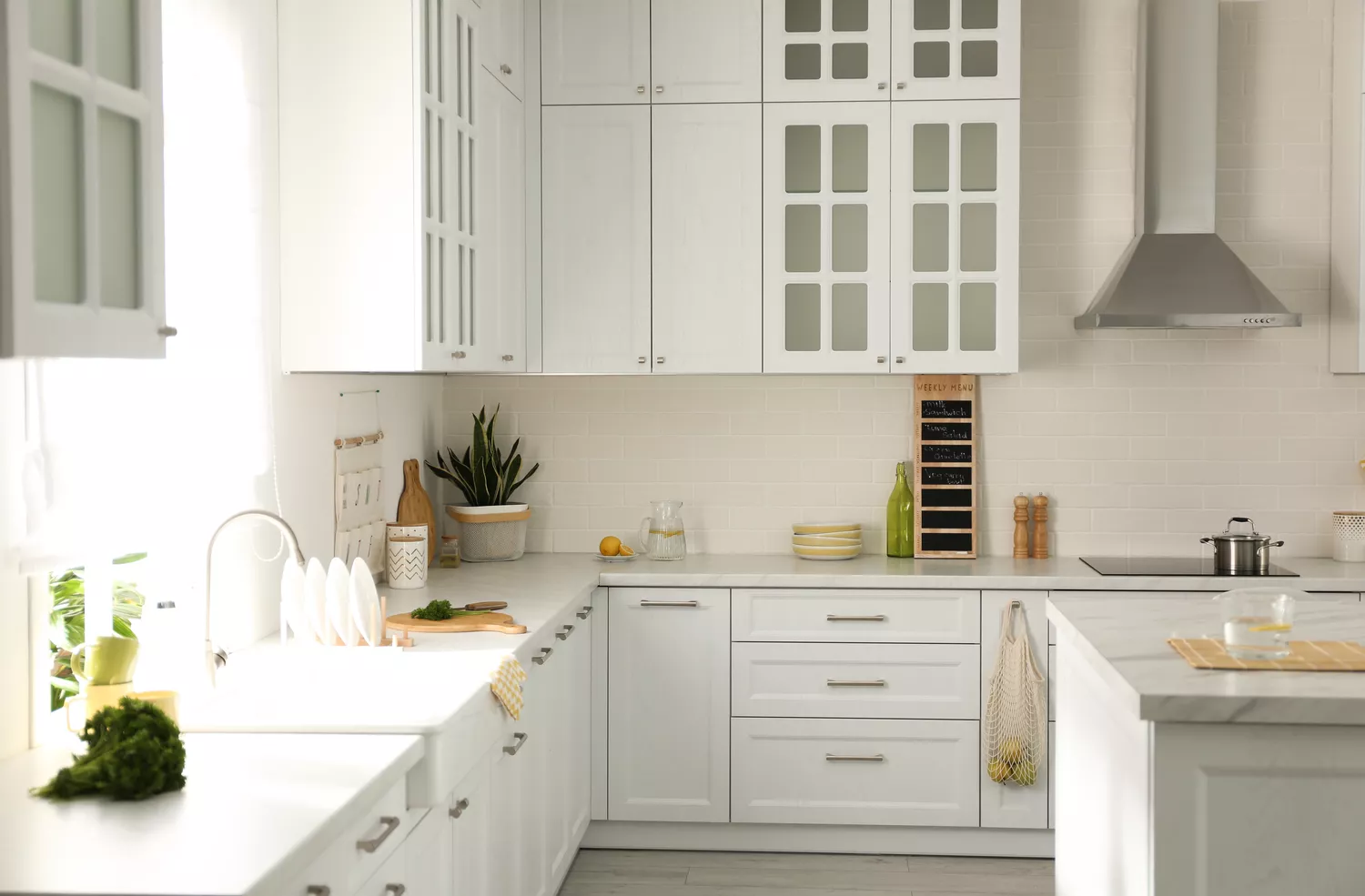
13 Timeless Kitchen Ideas You'll Never Regret