1/7
We're calling it – the "open" bathroom trend might divide the crowd, but its pros far outweigh its drawbacks
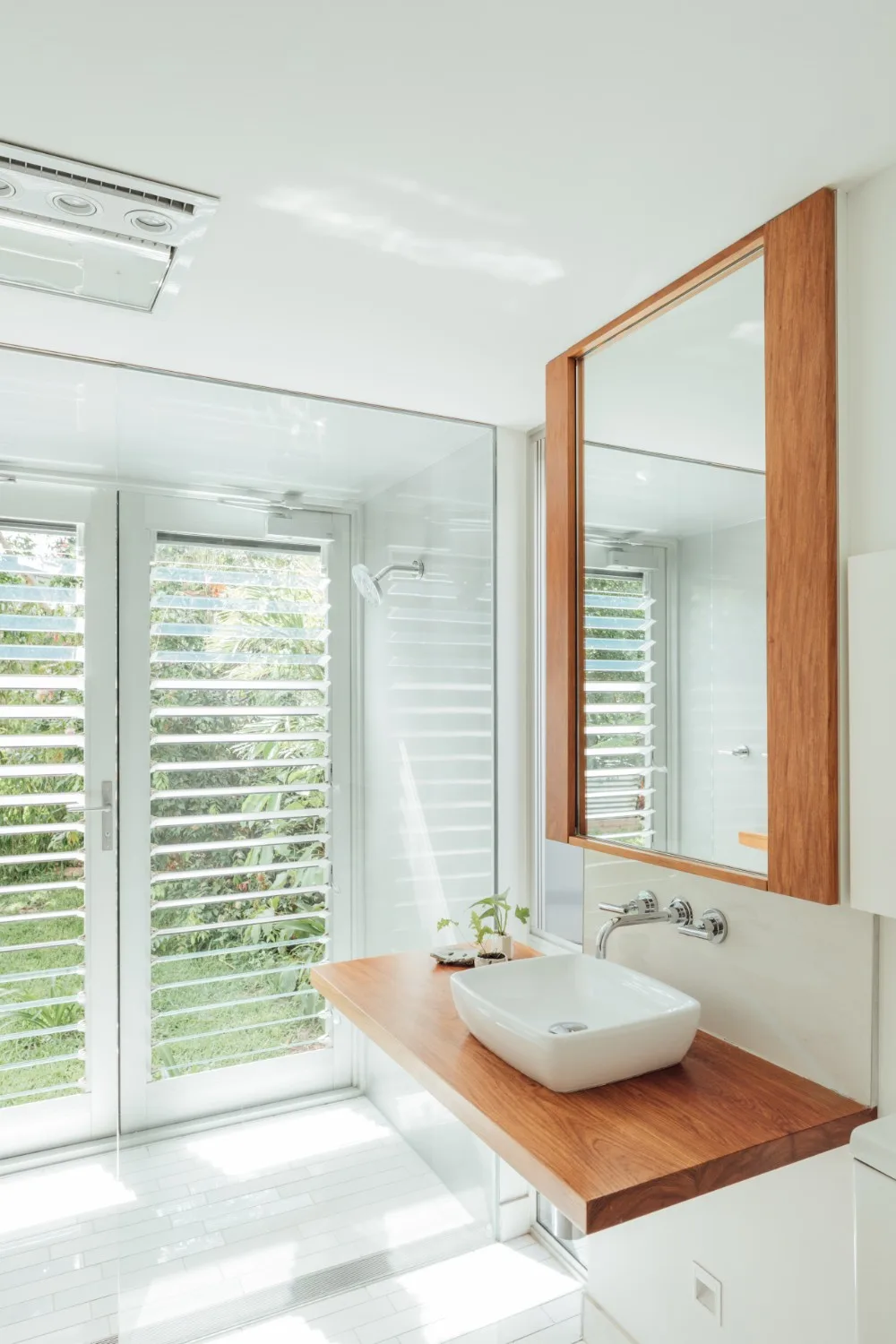
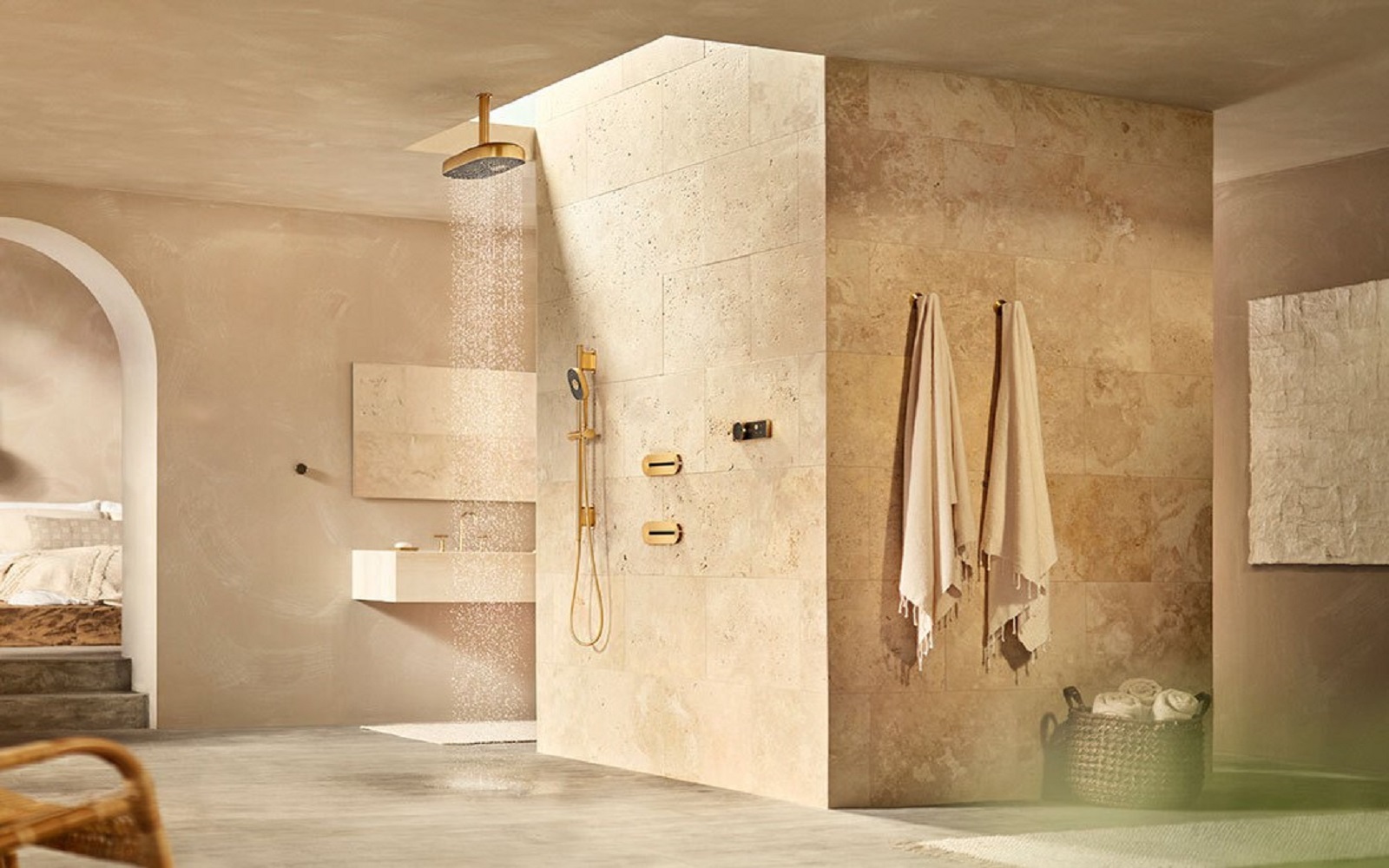
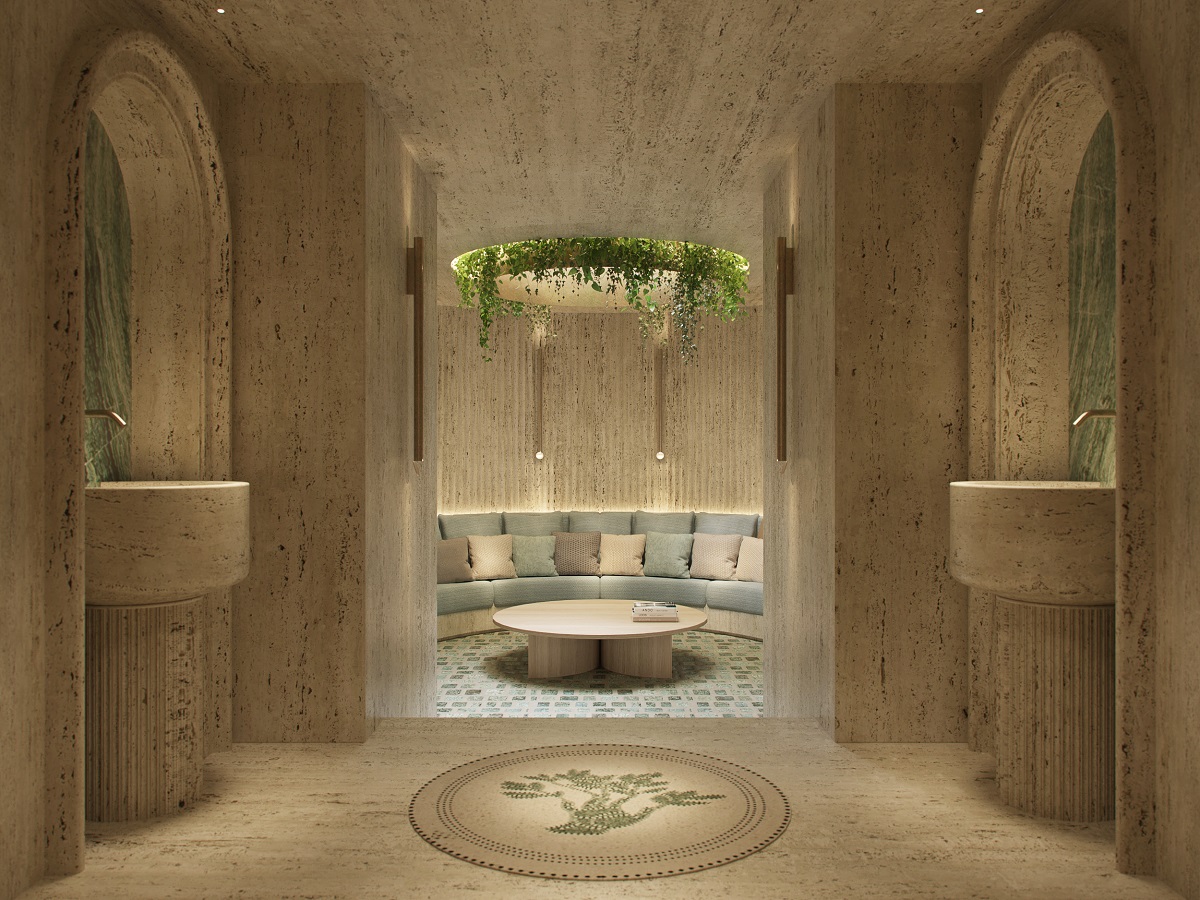
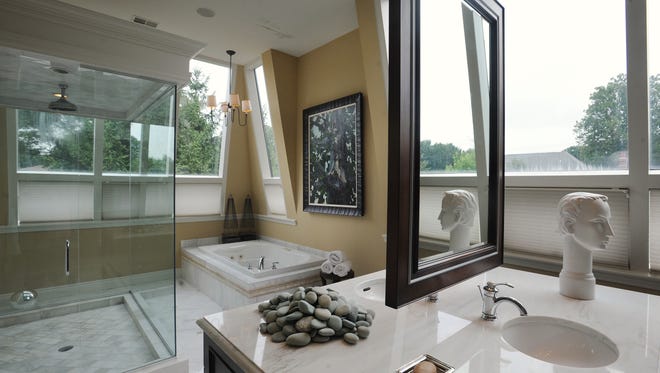
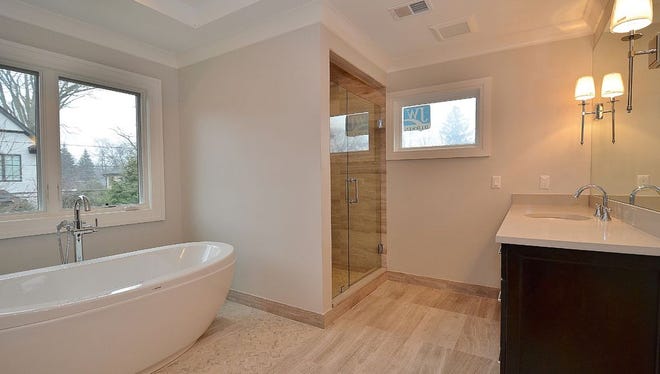
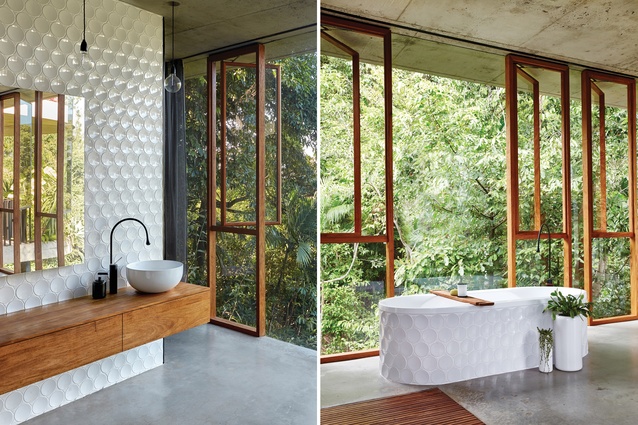
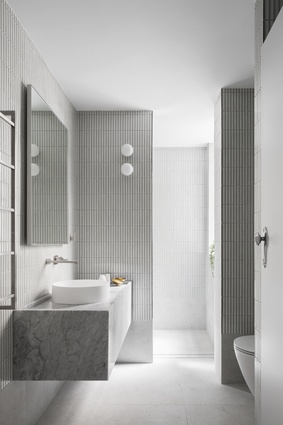
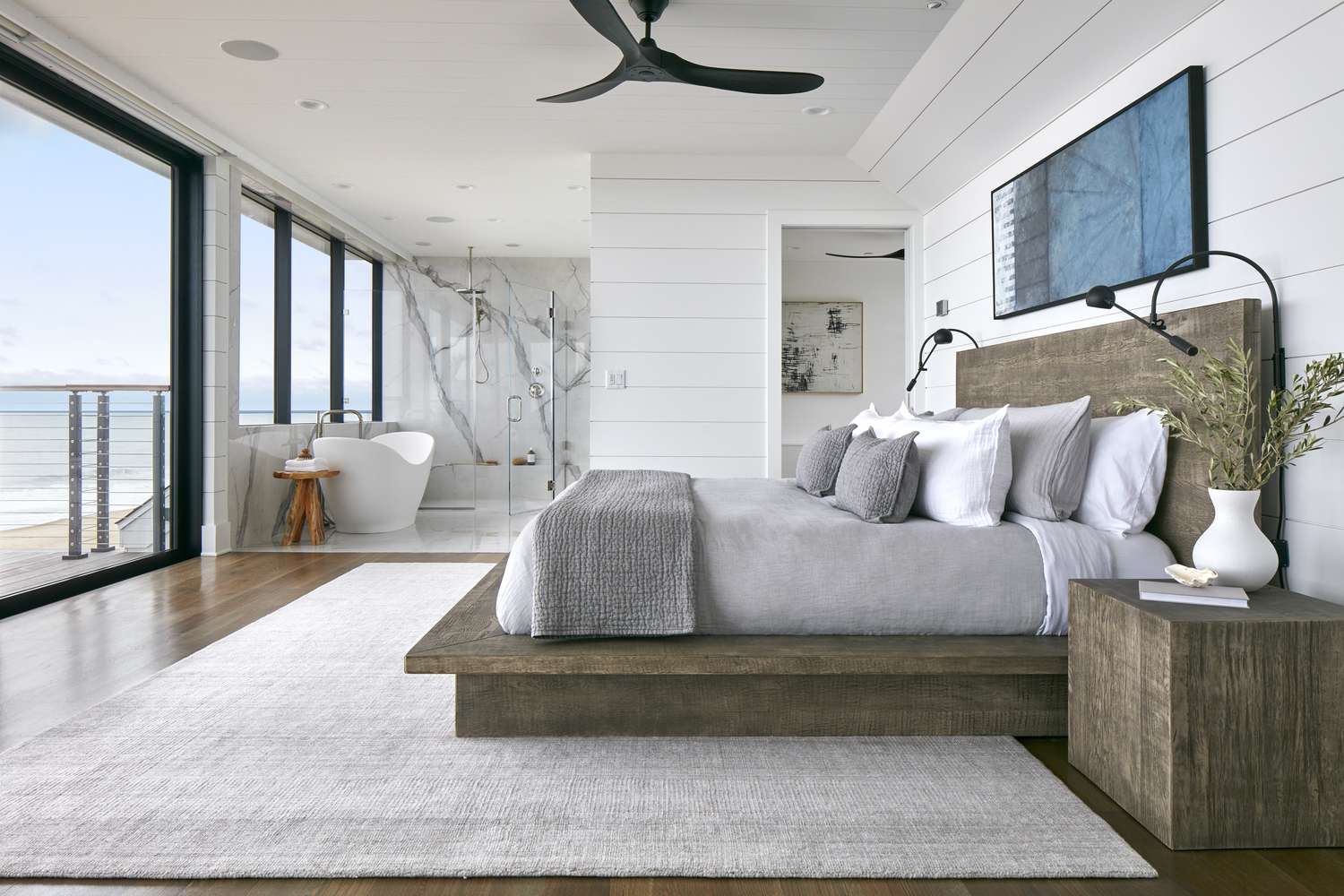
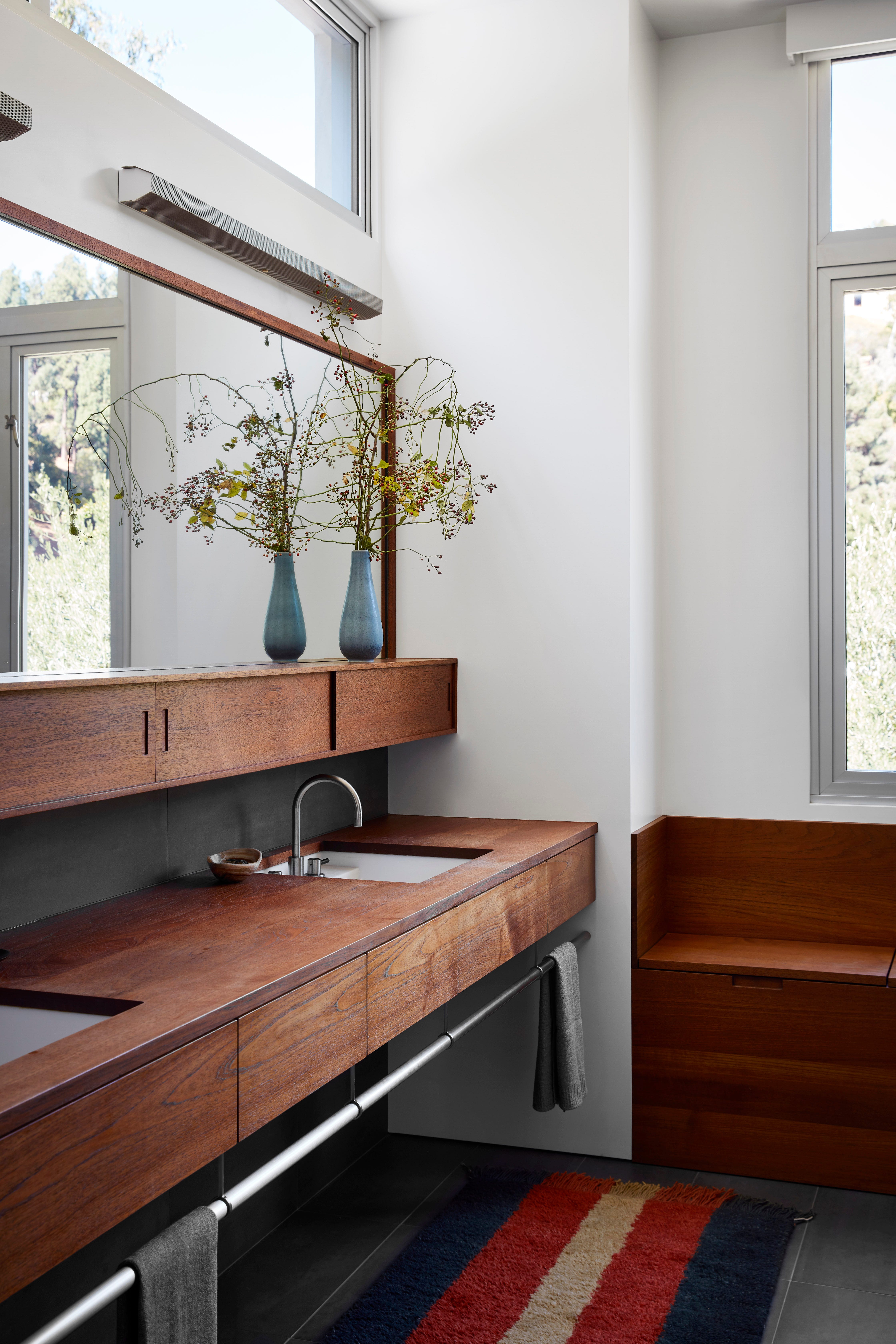
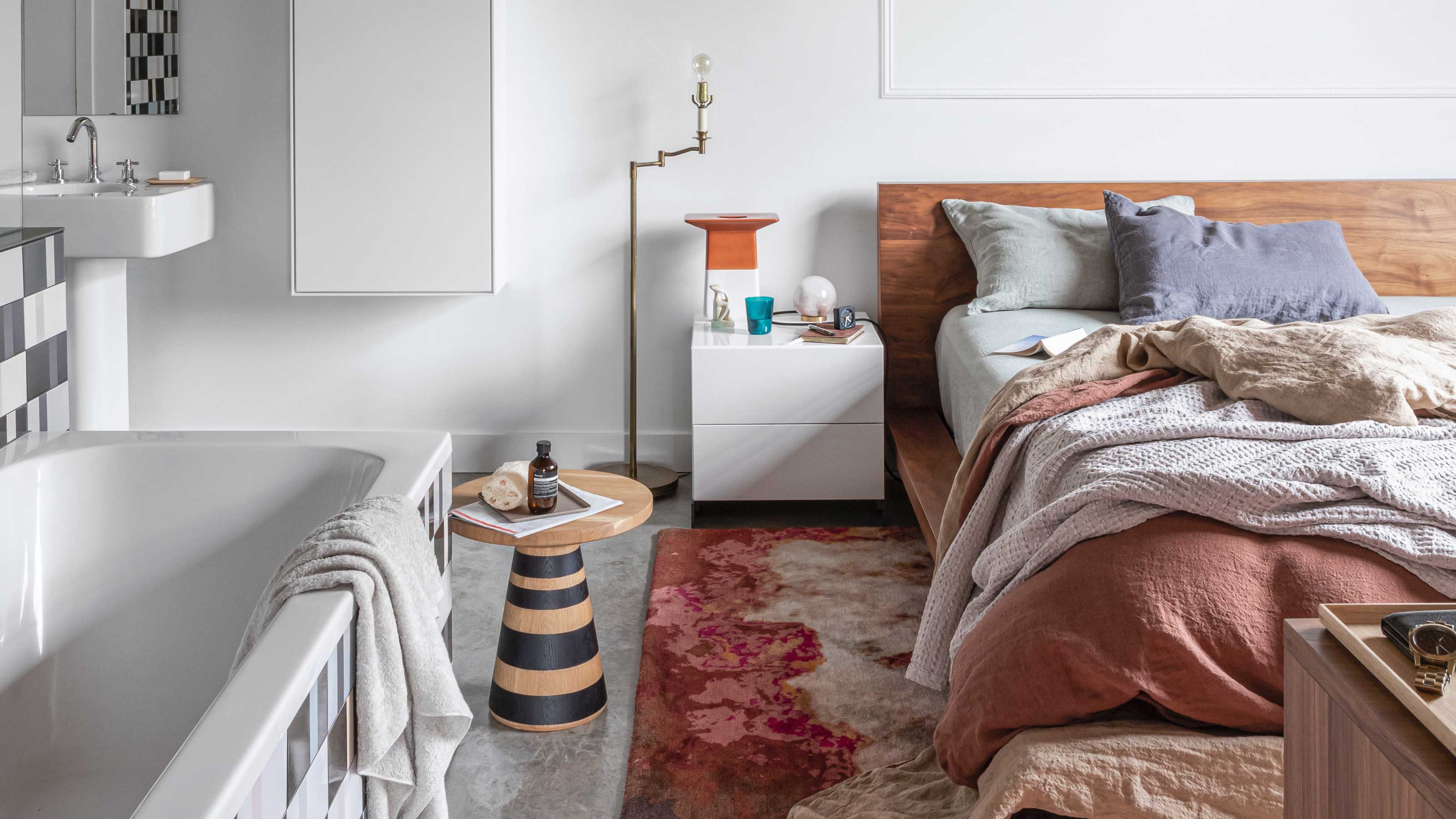
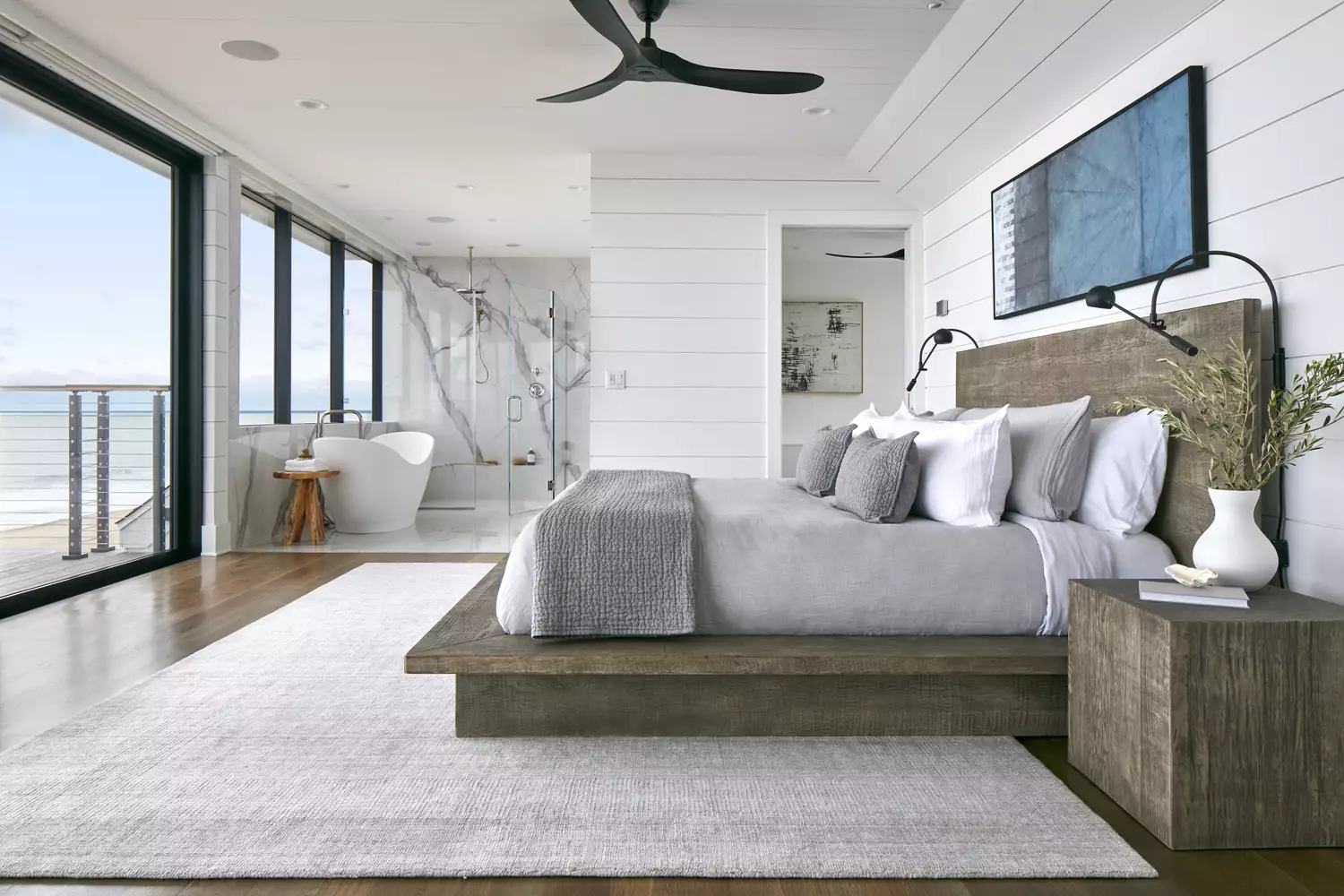
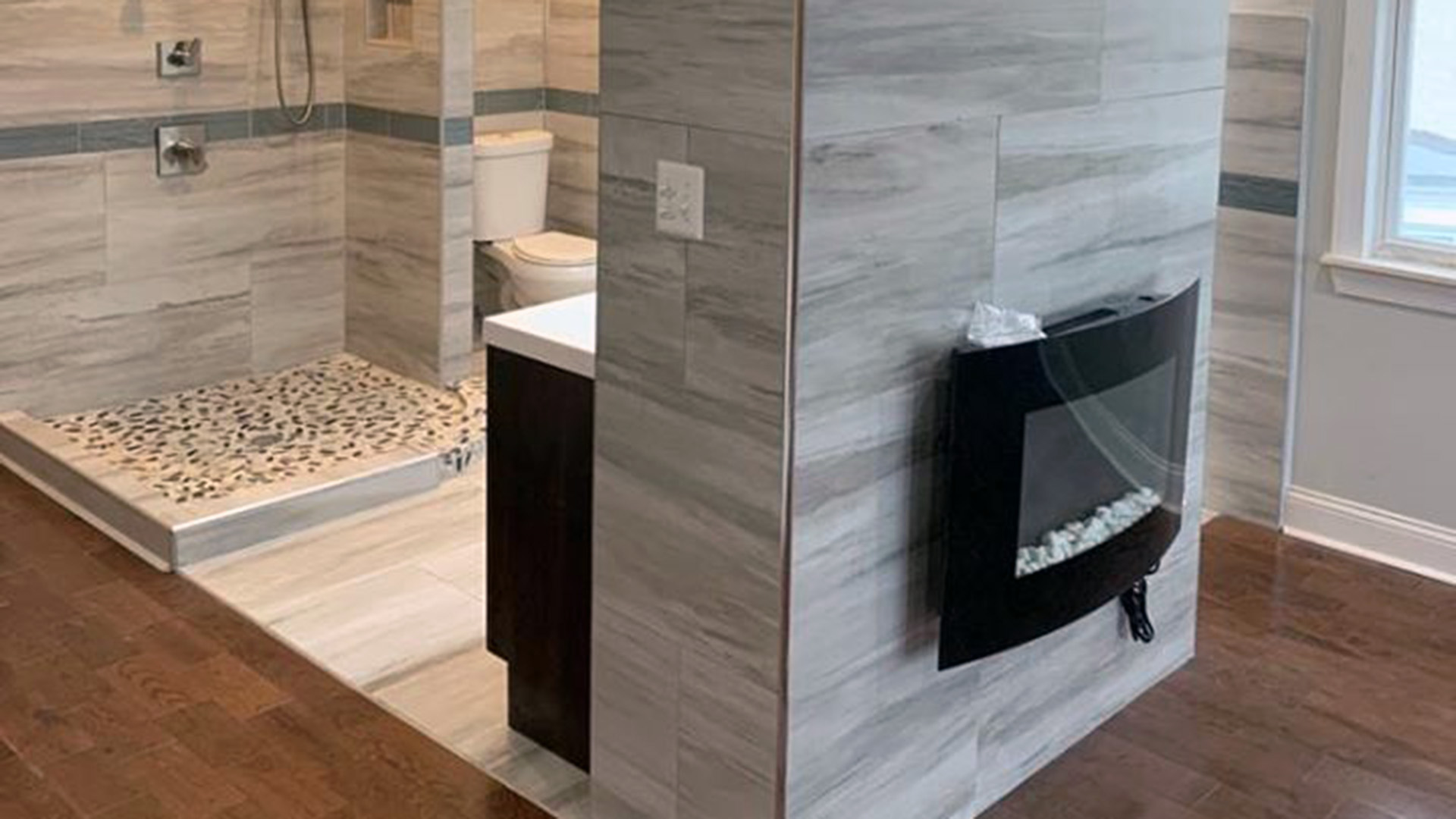
The "open" bathroom trend, where ensuites are integrated directly into bedrooms without traditional walls or doors, is gaining traction beyond hotel settings and is being adopted in modern homes. While this design concept may seem unconventional to some, its proponents highlight significant benefits such as increased natural light, improved ventilation, and a more expansive feel for the bedroom. The absence of dividing structures allows sunlight to easily penetrate the space, making it brighter and more refreshing, and maximizes available square footage, contributing to a larger perception of the room.
Interior designers like Chad Falkenberg of Falken Reynolds emphasize that open-concept bathrooms foster a spa-like atmosphere, connecting the rejuvenating rituals of bathing and sleep. The enhanced natural light creates an immediate connection to the outdoors, promoting a sense of serenity and peace, even in urban environments. Furthermore, the design can reduce the echo commonly found in enclosed bathrooms due to the sound-absorbing qualities of bedroom fabrics and furniture. This integration is particularly appealing to those seeking a seamless, aspirational lifestyle within their homes.
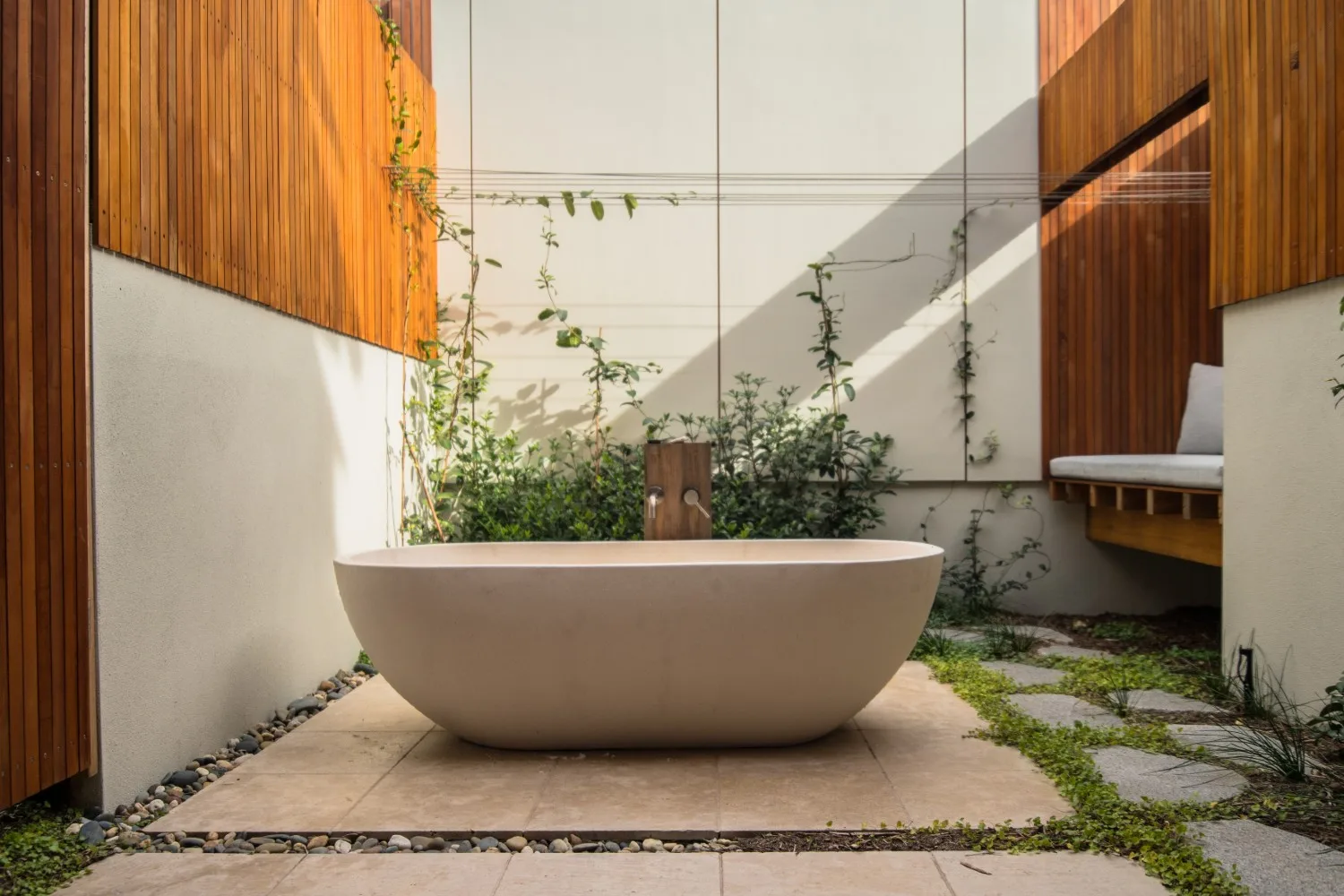
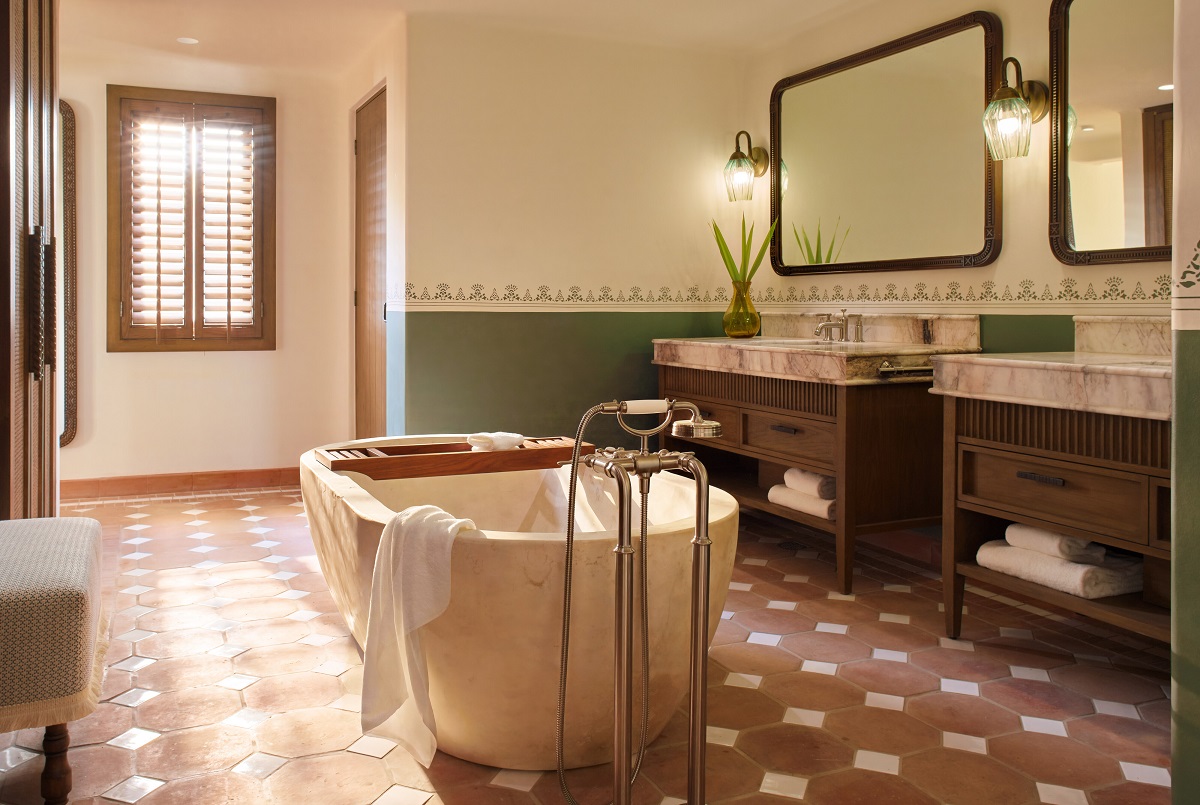
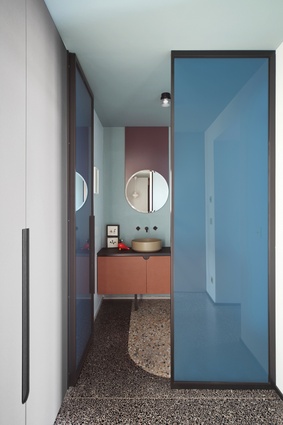
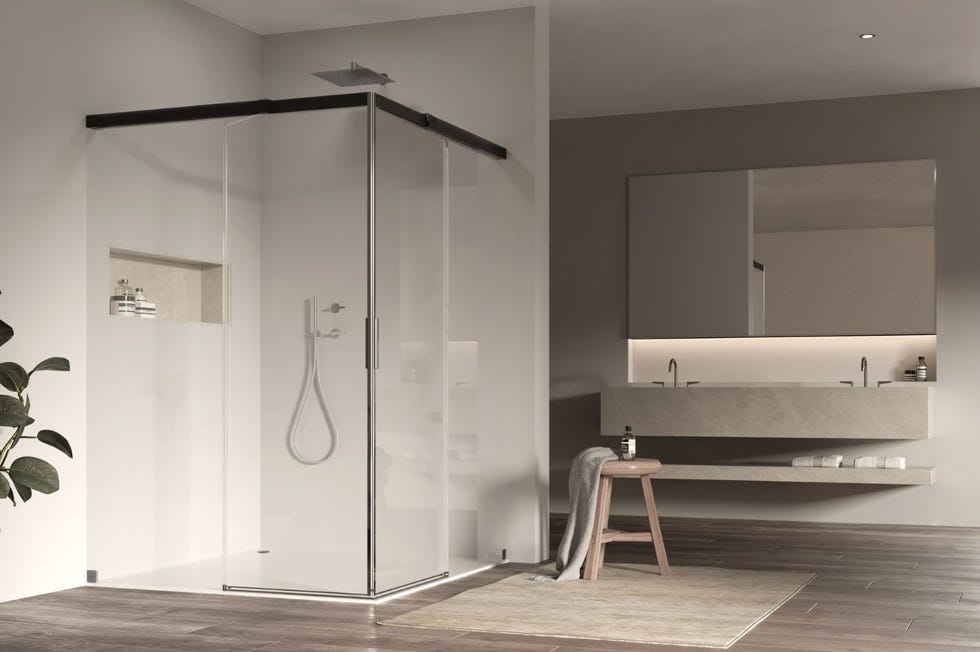
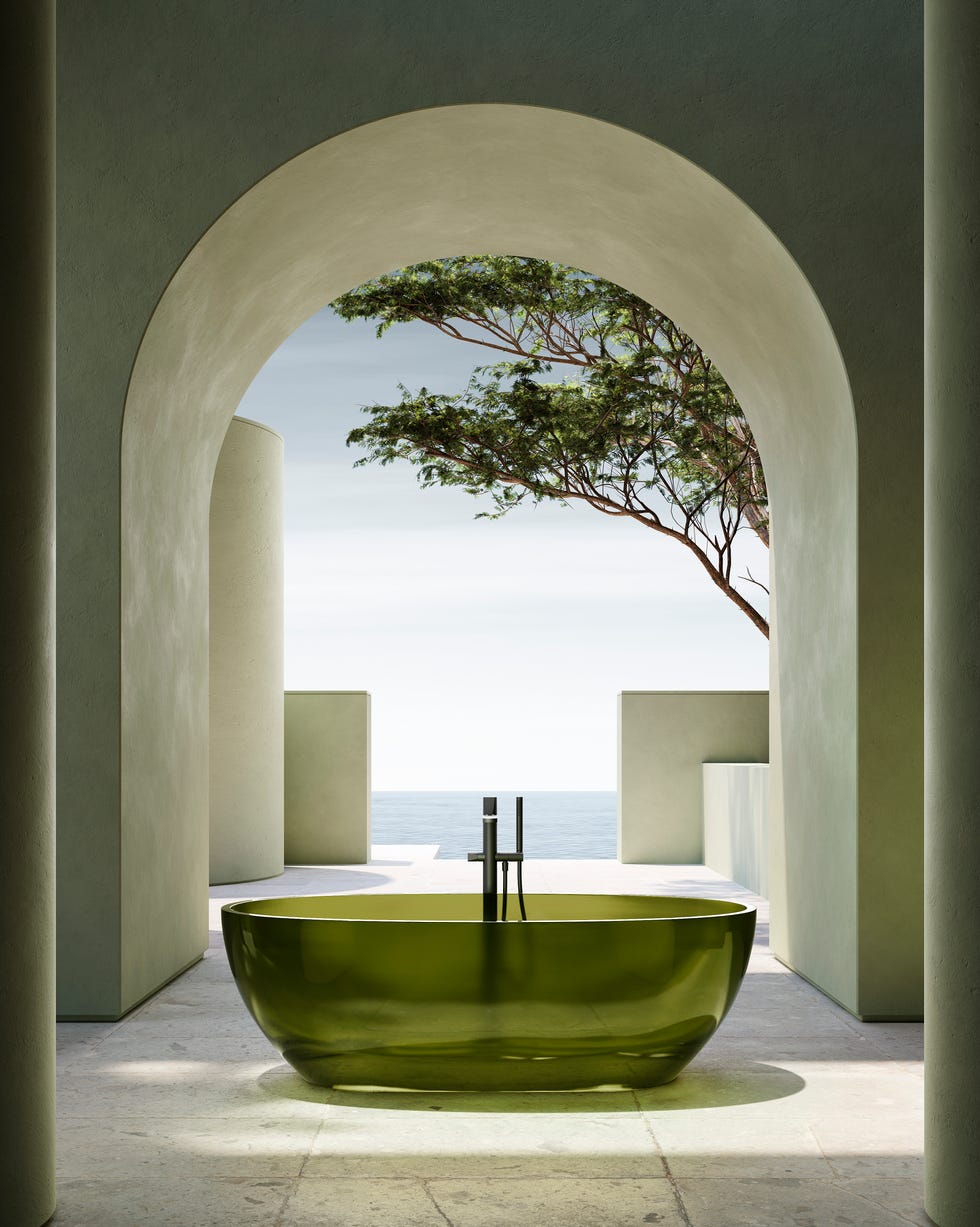
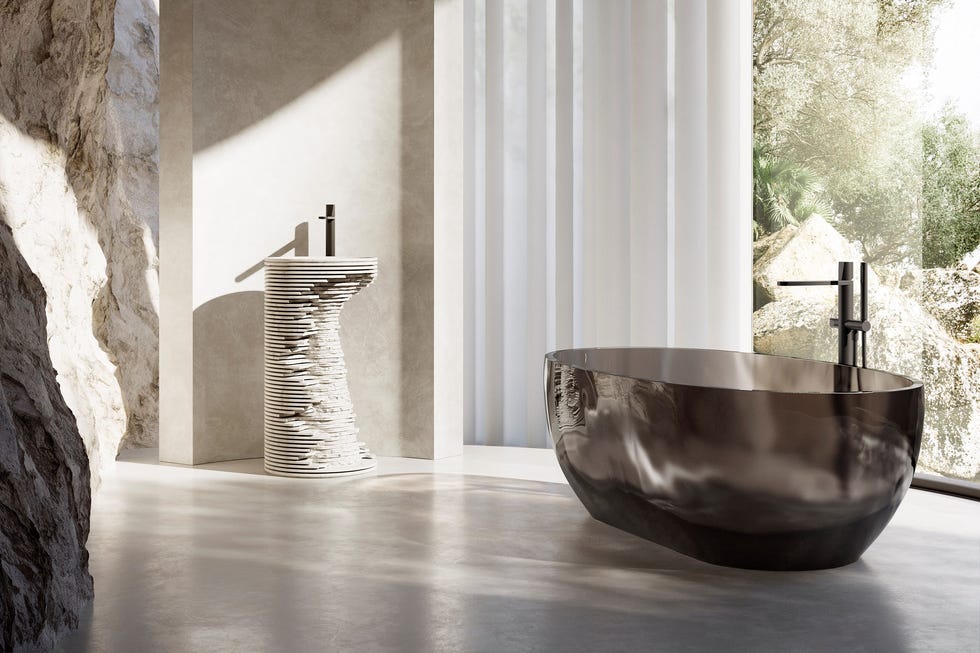
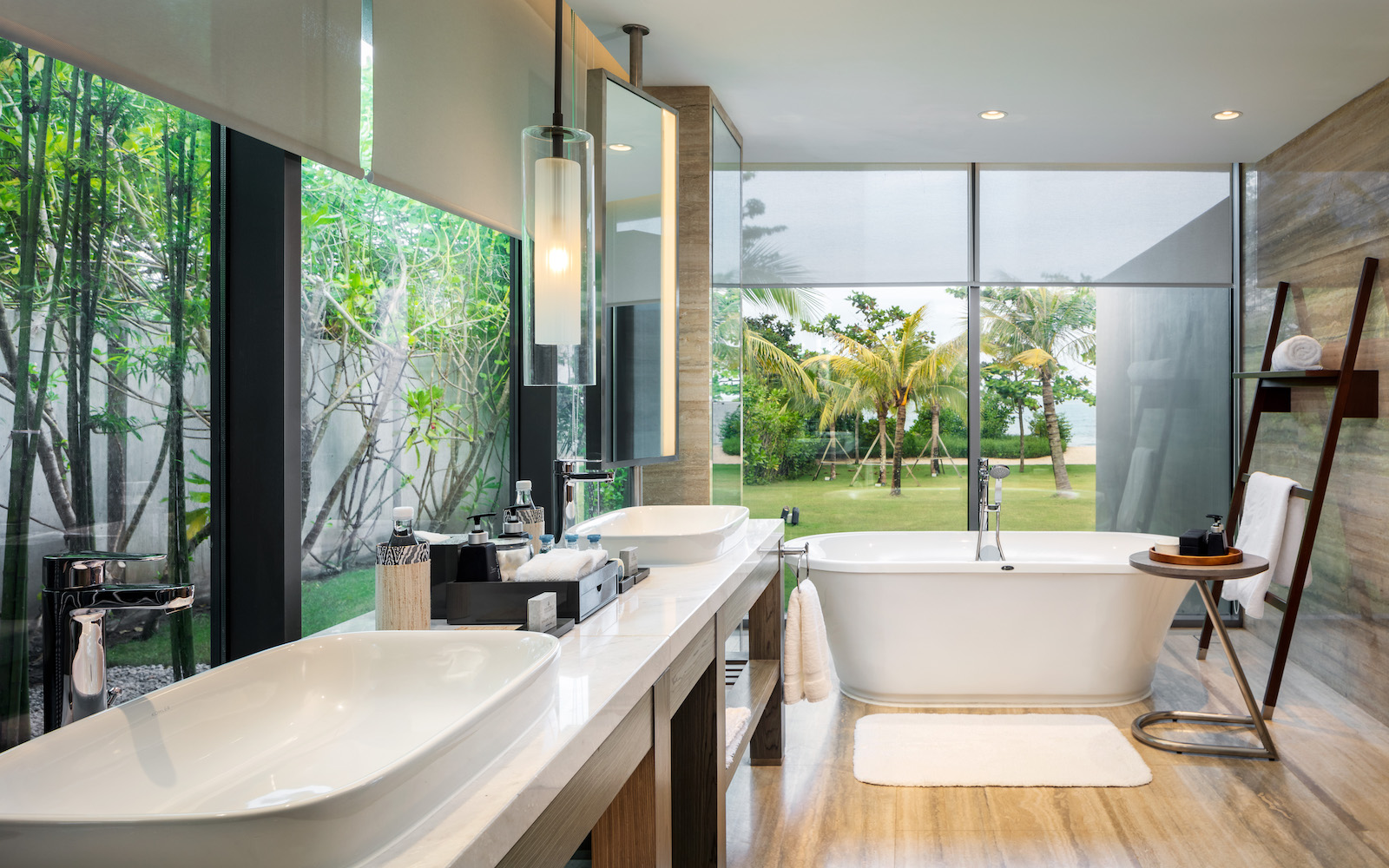
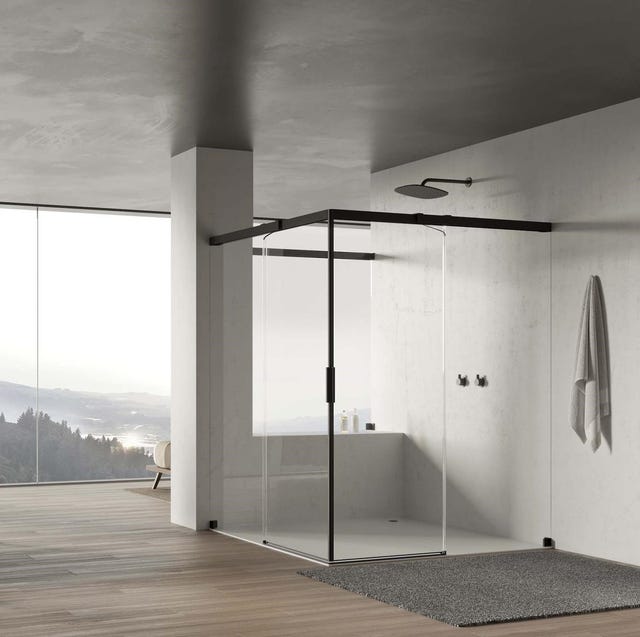
However, the open-concept bathroom also presents practical challenges, including concerns about privacy and the mixing of wet and dry spaces. Designers address these issues through thoughtful planning and strategic design elements. For instance, Greg Natale, another interior designer, stresses the importance of mastering the transition between spaces, even without physical walls. He advocates for conceiling private areas like toilets and showers behind opaque or fluted glass doors, while showcasing aesthetically pleasing elements such as freestanding bathtubs as central features.
Creating an open bathroom necessitates a more involved design process. It requires careful consideration of how to mitigate the drawbacks while ensuring the bathroom's aesthetic appeal contributes positively to the overall bedroom design. Designers often focus on delineating zones through subtle shifts in materials and creative layouts rather than rigid divisions. This approach can lead to unique and functional spaces that would not be possible in a traditional, confined bathroom setting.
Examples of successful open-concept designs demonstrate how these concerns are resolved. In a Vancouver loft, Falken Reynolds retained an open ensuite to accommodate both a shower and a bath in a small space, ensuring proper waterproofing and ergonomic installations. They also focused on aesthetic details, using clean glass detailing, mitred corners for tiles, and built-in storage to enhance the overall design. For instances where more privacy is desired, designers may incorporate frosted glass or, as seen in a Chicago apartment by Searl Lamaster Howe Architects, motorized shades that can be deployed when full privacy is required, offering the best of both worlds. The key is to design with the client's habits and the level of privacy needed for different bathroom functions in mind.
#OpenConceptBathroom #InteriorDesign #ModernBathroom #EnsuiteDesign #HomeDecorTrends #PrivacySolutions #SpaLikeBathroom #NaturalLight #SpaceMaximization #OpenConceptBathroom #InteriorDesign #ModernBathroom #EnsuiteDesign #HomeDecorTrends #PrivacySolutions #SpaLikeBathroom #NaturalLight #SpaceMaximization
0 comment in total
 No comments yet
You may also like
“Toilet with a view”: the bathroom trend quickly gaining in popularity

Is the bold powder bathroom the new status symbol?

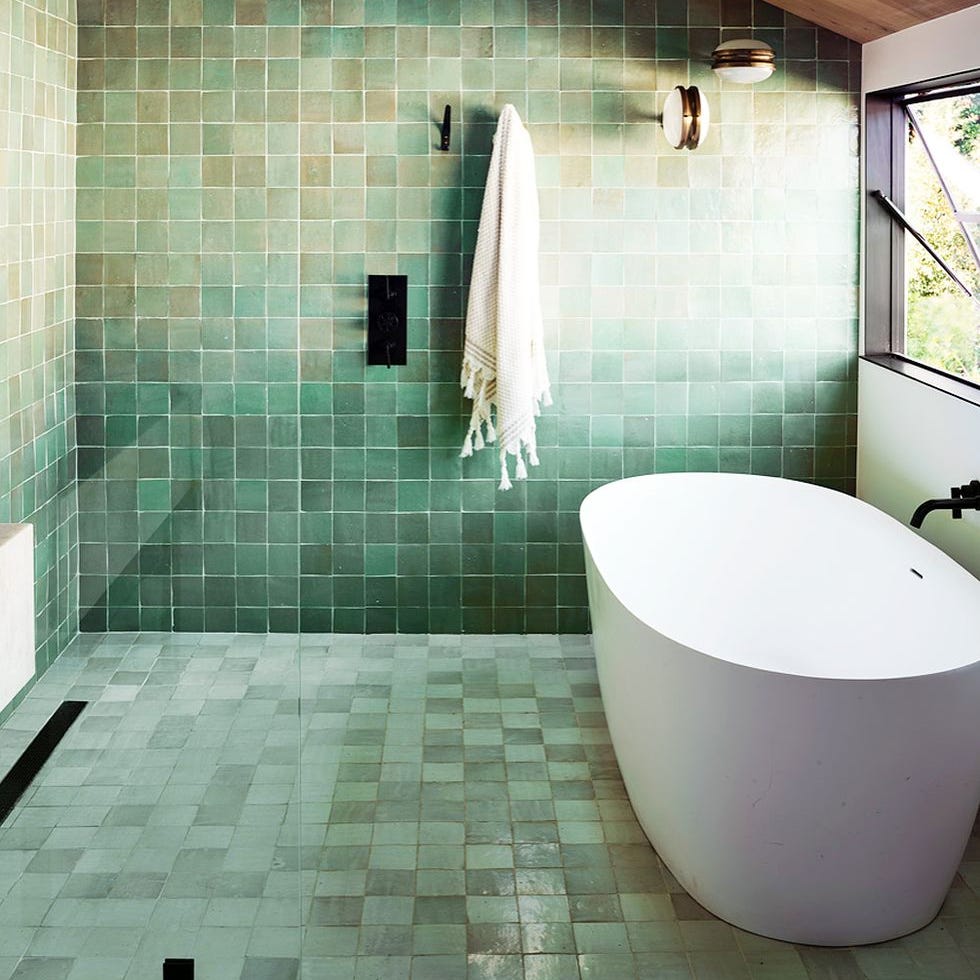
Wet Rooms Are the Next Big Bathroom Renovation Trend

Closed Floor Plans Are Making a Comeback—but Designers Say They’re Not for Everyone

Roundtable: merging spaces & the future of bathroom design
Forget Bathtubs — Designers Say This Feature is the New Focal Point You Should Invest in for a Bathroom
Considering an Open Concept Bathroom? Here's What Pros Want You to Know

Colorful bathrooms are on trend – but what do interior design experts think?
Bathroom Trends
The Bathroom Design Trend That Experts Are Seriously Conflicted On (Is It An Eyesore?)
This Once-Popular Bathroom Feature Is Falling Out of Favor (and What’s Replacing It)

The One Wall Most People Want to Rip Out: Ideas for Open and Semi-Open Floor Plans
Please Let’s Not Let Open-Concept Bathrooms Become a Thing
2019 Bathroom focus: international trends
This Once-Popular Bathroom Feature Is Falling Out of Favor (and What’s Replacing It)

This Bathroom Trend Will Literally Stand the Test of Time
This New Bathroom Trend Is Going to TRIGGER Minimalists
A Head to Head in the Bathroom Becomes a Game of Transparencies and Technologies

More and More People Are Putting 'His and Hers' Bathrooms In Their Homes
The Most Popular Finishes for Bathroom Remodels