1/5
What Are Furniture Anchors and Do You Need Them?
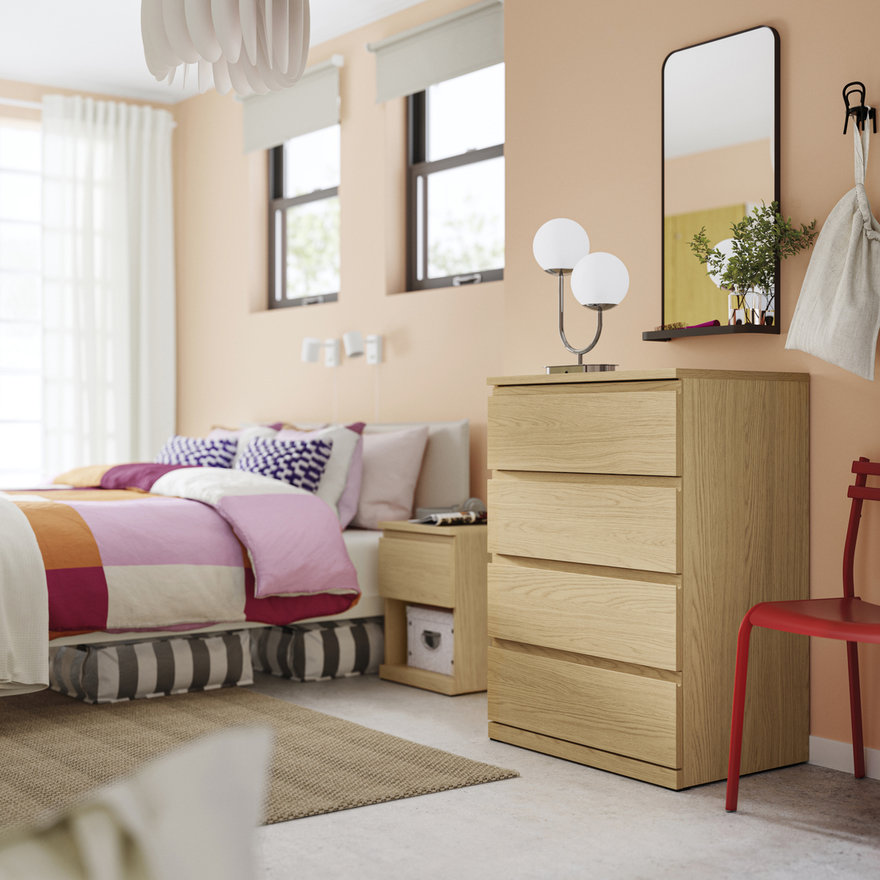
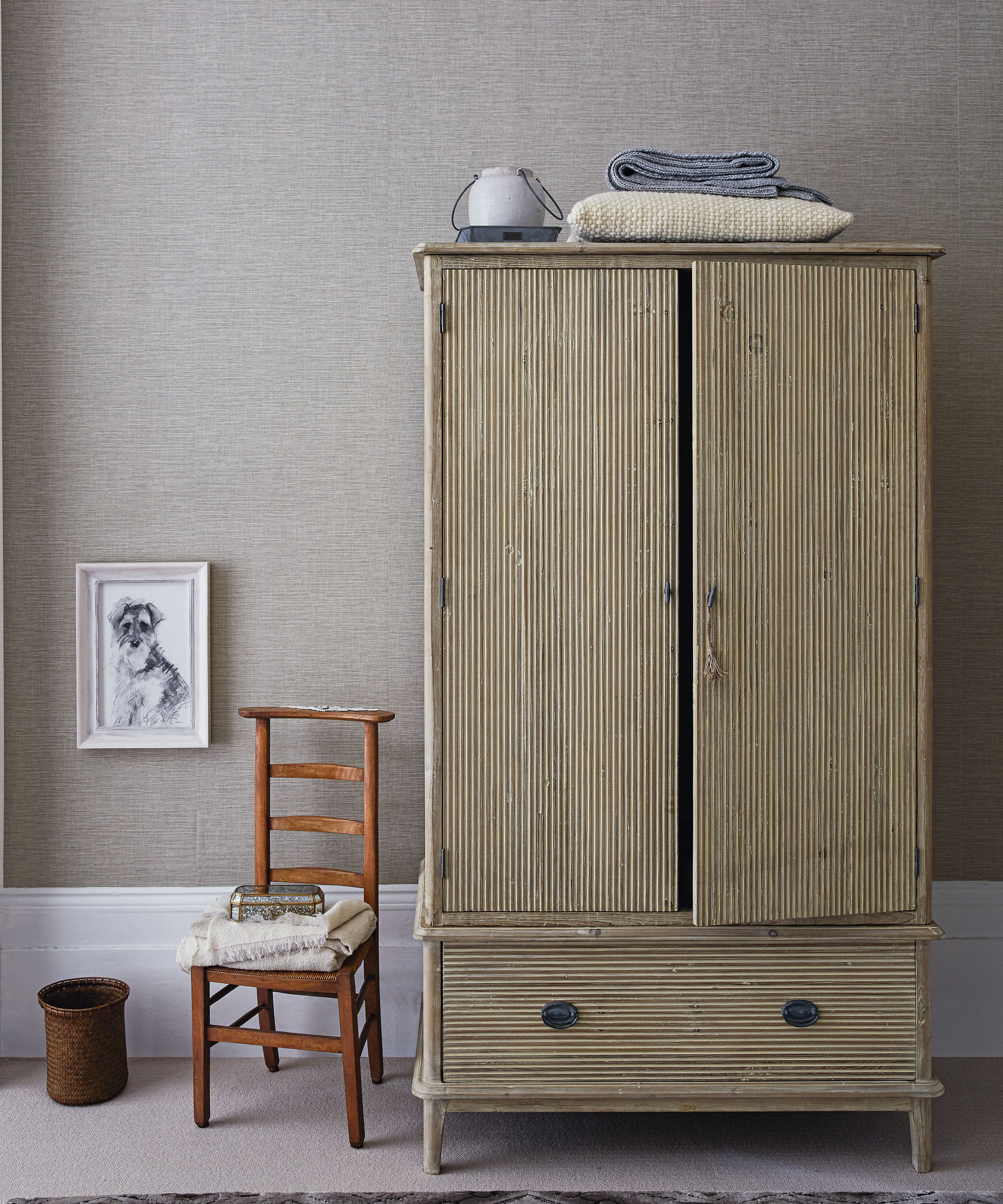
Furniture anchors are essential safety devices designed to prevent tall or heavy furniture, such as bookshelves and dressers, from tipping over. These anchors are crucial for protecting individuals from injury during natural disasters like earthquakes, as well as safeguarding children who might attempt to climb on furniture. Experts emphasize that furniture anchoring is not just an earthquake preparedness measure but also a vital child safety measure, citing that nearly 75% of over 5,000 annual furniture tip-over injuries involve children. Furthermore, a new government regulation, effective September 1, 2023, mandates safety standards for clothing storage furniture 27 inches or taller, requiring them to pass stability tests and include anchoring kits with warnings about tip-over dangers.
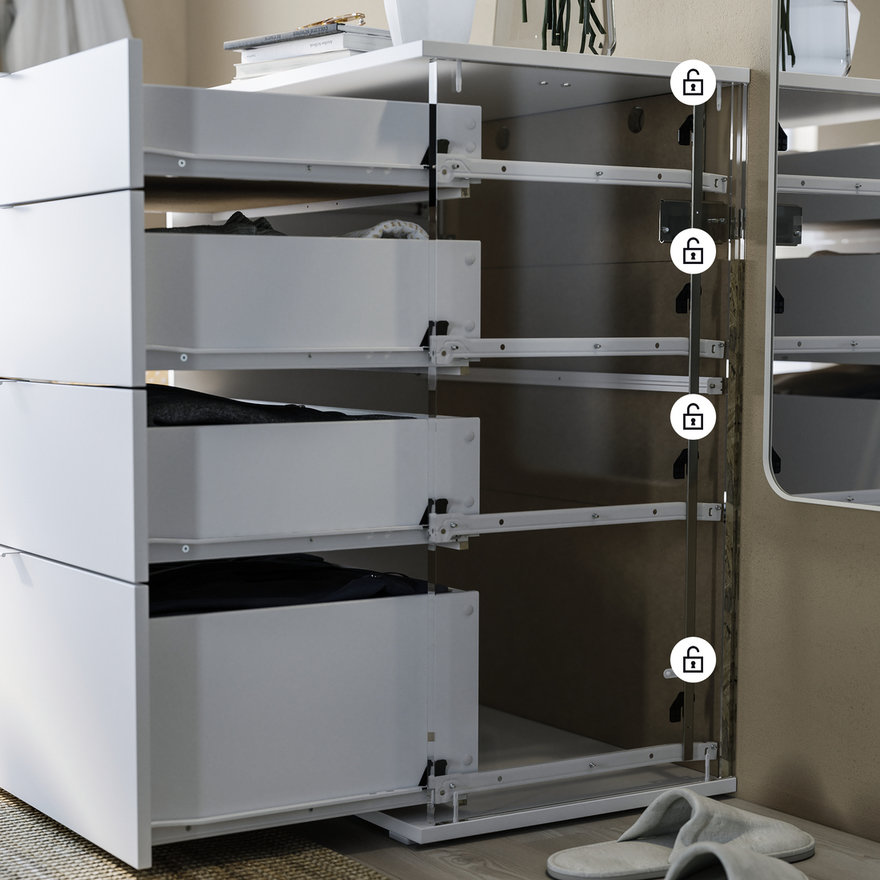
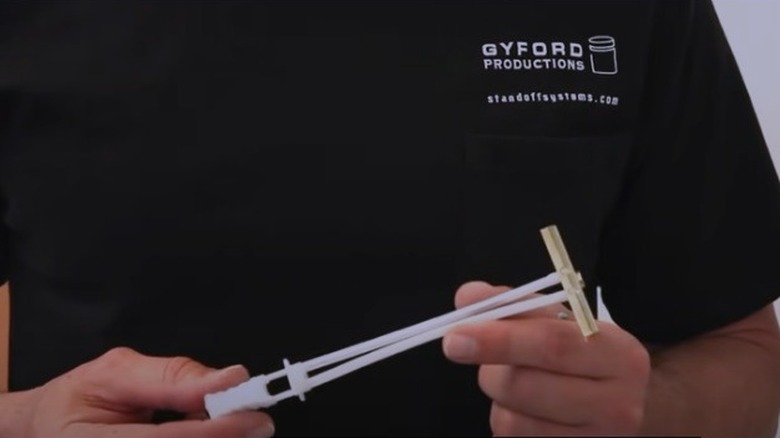
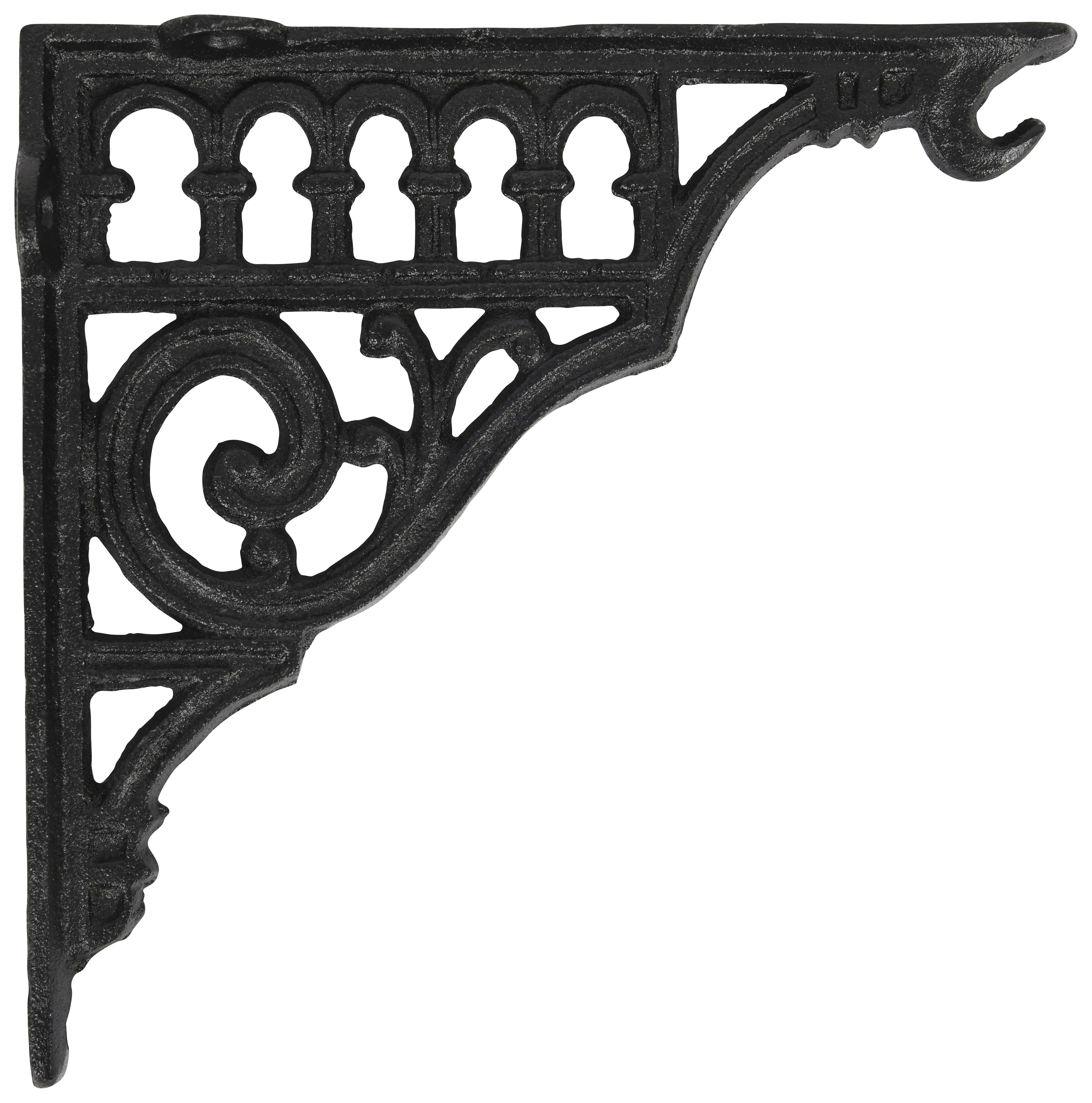
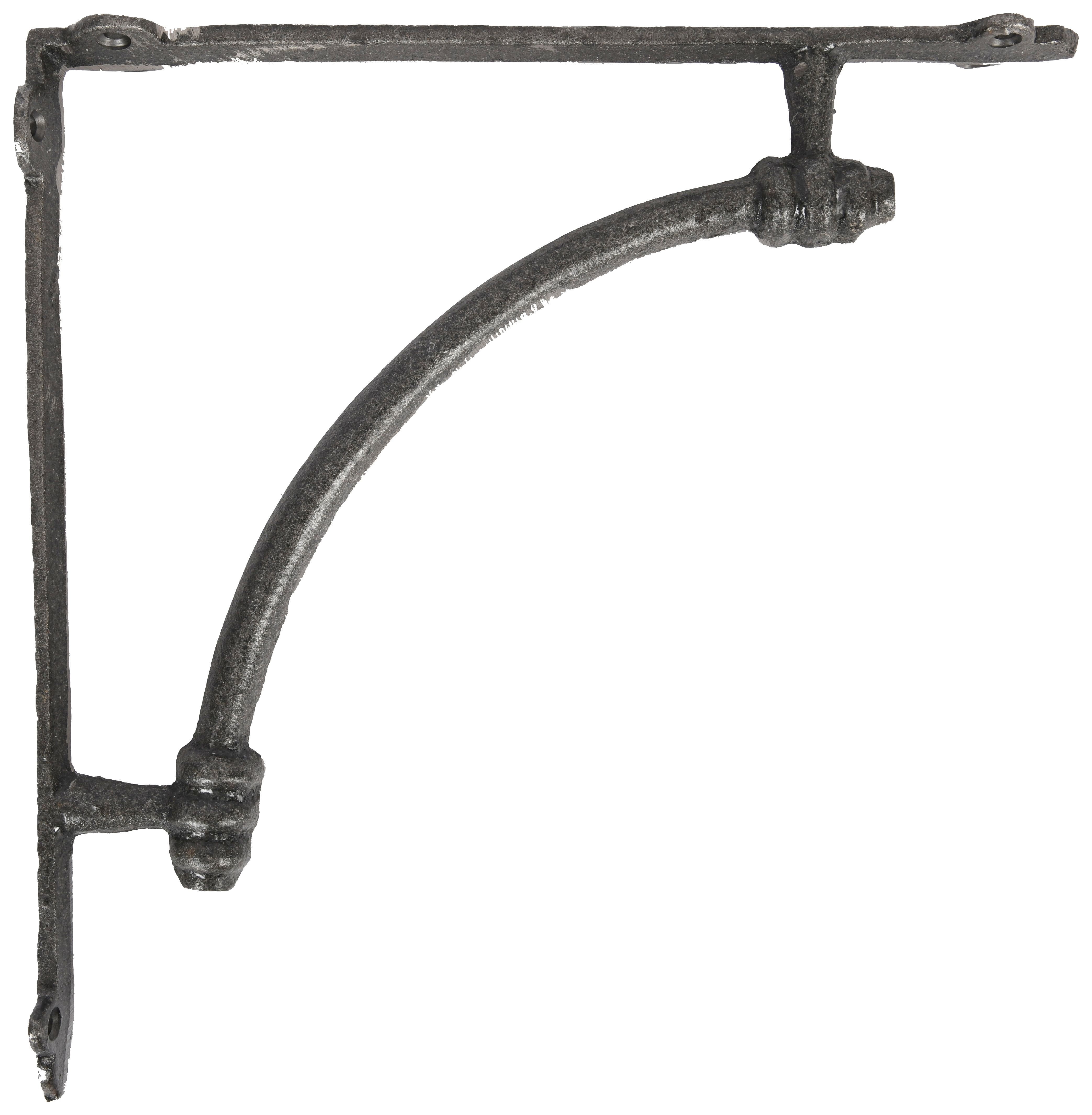
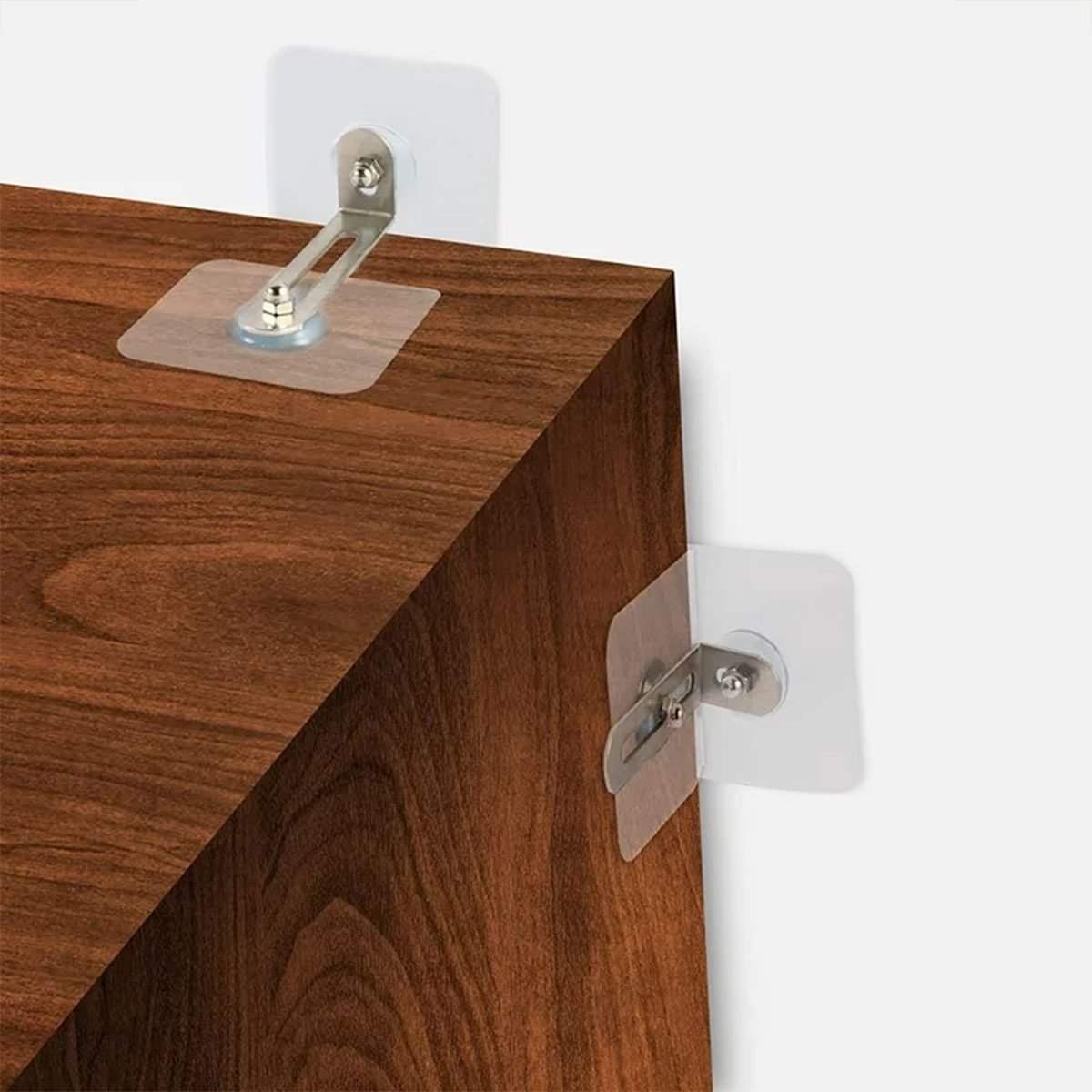
There are several types of furniture anchors available, each with specific applications and weight capacities. Furniture cables consist of two brackets connected by a strong, flexible nylon or braided steel connector. One bracket is screwed to the wall and the other to the furniture, with the connector threaded through eyeholes and fastened. These typically include a quick-release mechanism for moving furniture. No-drill anchors, featuring adhesive-backed brackets, are designed for baby-proofing lightweight furniture and do not require drilling, though they offer less holding power compared to screw-on types. Furniture straps are similar to cables but have permanently connected adjustable straps, which are screwed to both the wall and the furniture and then adjusted for length. Steel corner brackets can also be used for securing items flush against a wall, such as bookshelves, though they remain visible.
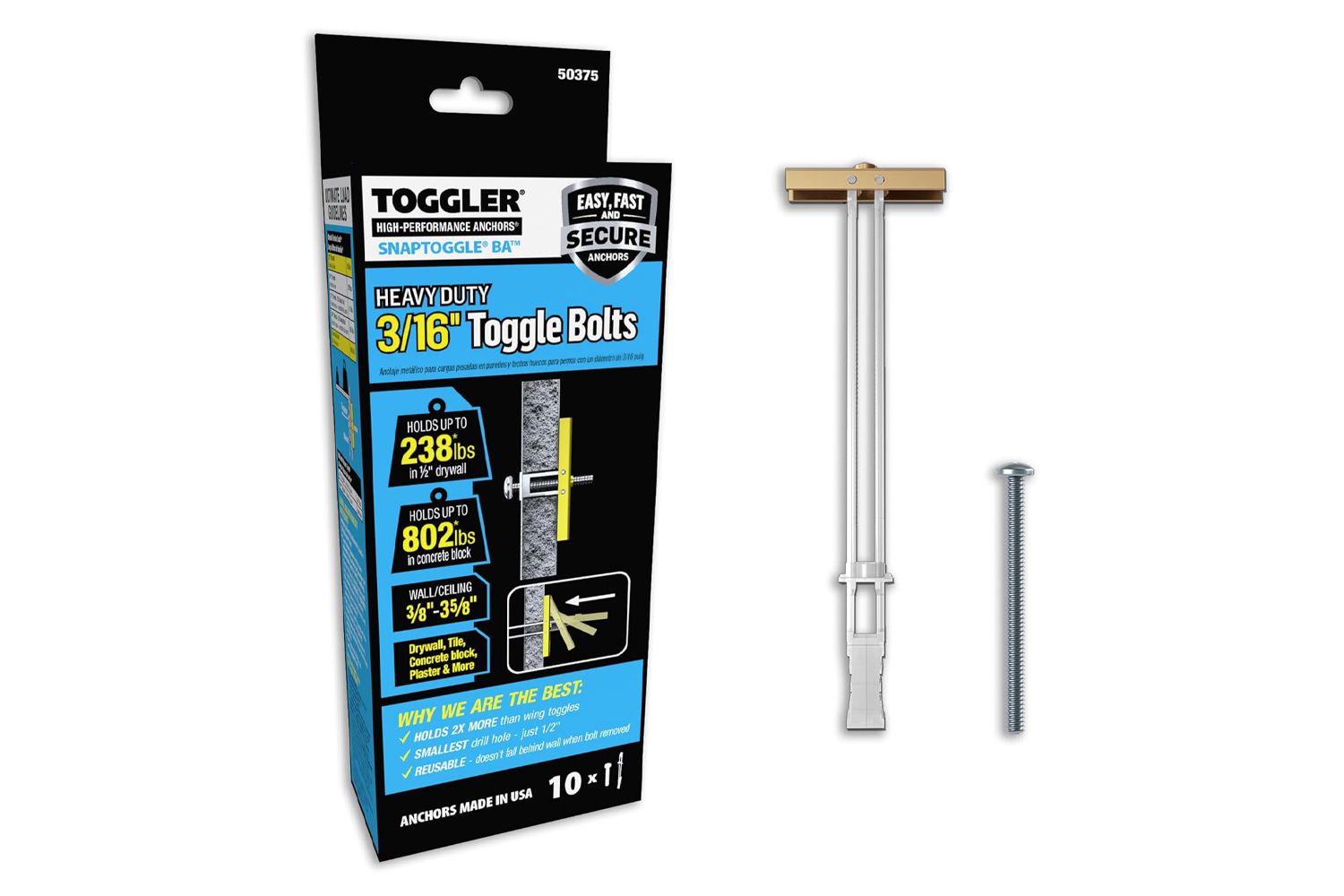
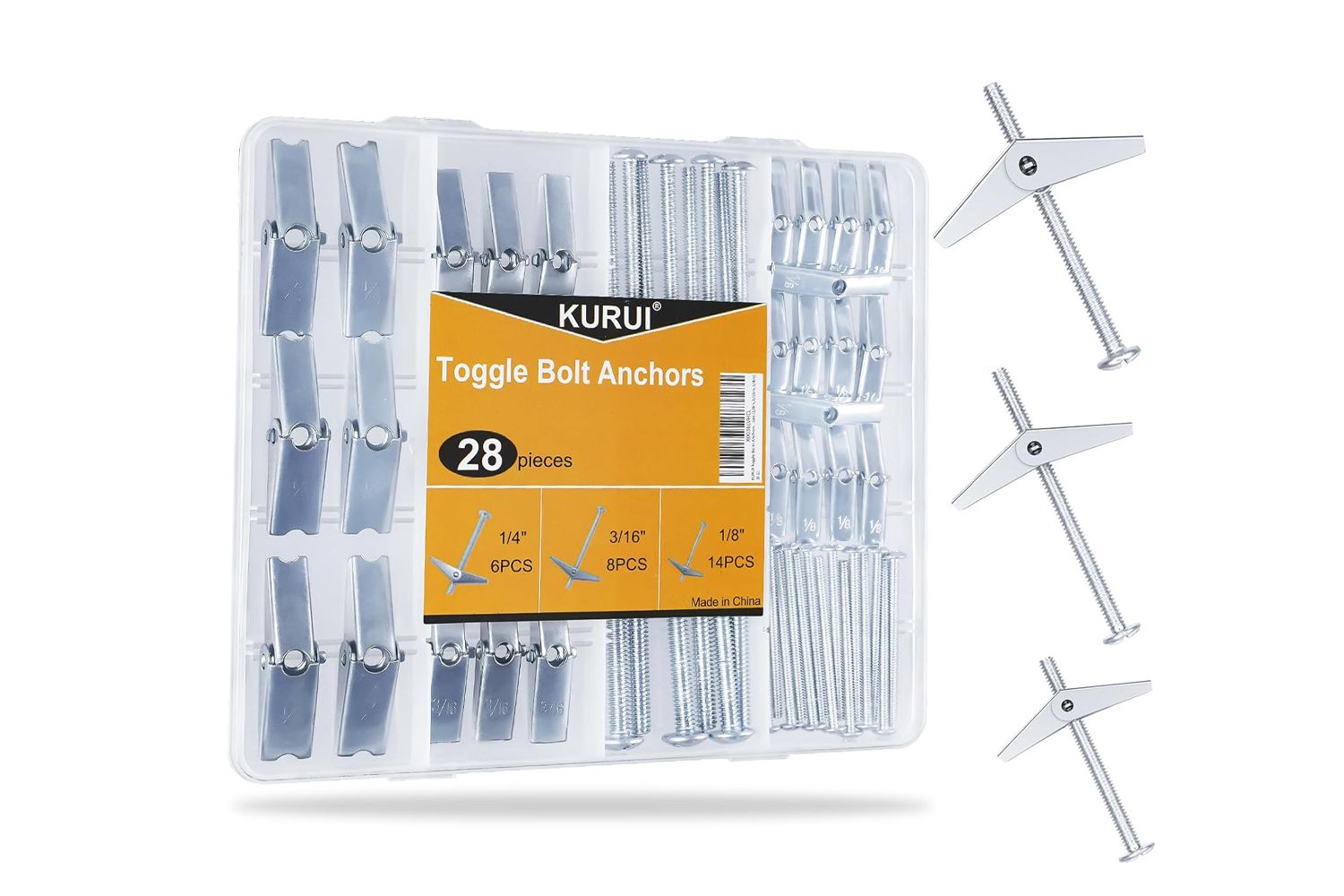
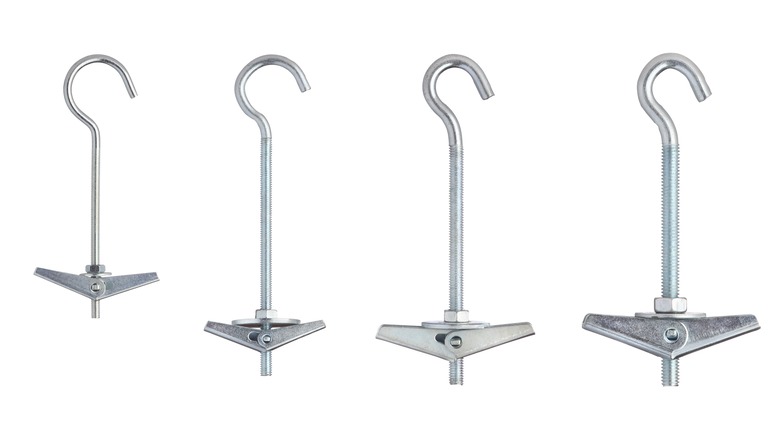
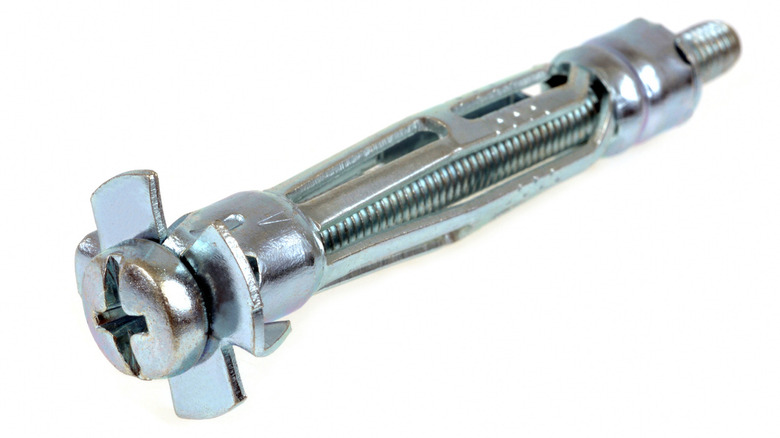
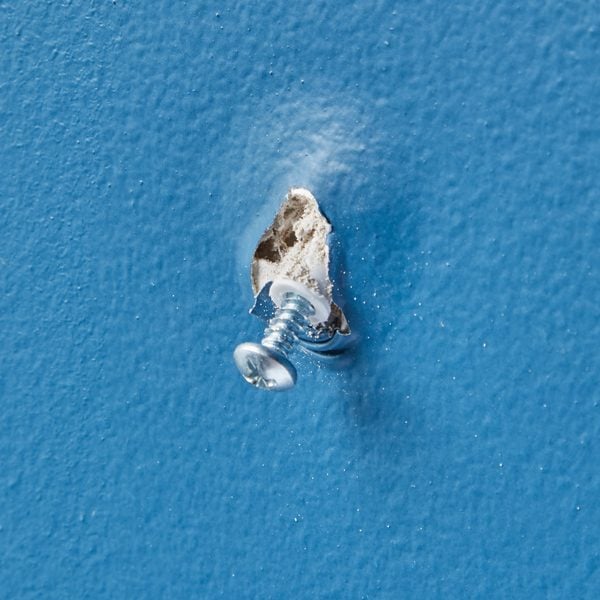
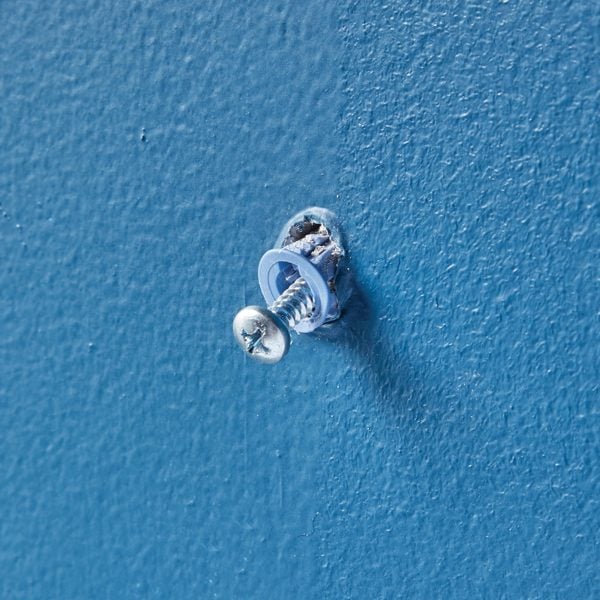
For effective earthquake protection, it is critical to attach screw-on anchors to wall studs rather than just drywall. For heavy wall hangings, threaded anchors driven into a wall stud are recommended, or toggle bolts for items mounted between studs, as these anchor securely against the back of the drywall. The choice of anchor depends on the weight of the furniture. For very heavy items like fully loaded bookshelves, heavy-duty options such as furniture cables, robust straps, or corner brackets are necessary. Manufacturers typically label anchors with their load capacity, and it is advised to select products that can support at least 400 pounds for items that might shift during an earthquake, and up to 1,000 pounds for furniture that could potentially fall over. Incorporating furniture anchoring into home safety routines is presented as a crucial step for fortifying household safety.
#FurnitureAnchors #HomeSafety #ChildSafety #EarthquakePreparedness #FurnitureStability #DIYHomeImprovement #HomeSecurity #FurnitureMounting #FurnitureAnchors #HomeSafety #ChildSafety #EarthquakePreparedness #FurnitureStability #DIYHomeImprovement #HomeSecurity #FurnitureMounting
0 comment in total
 No comments yet
You may also like
No Stud? No Problem! The 8 Best Drywall Anchors for Any Job

In Depth: Deck Fasteners

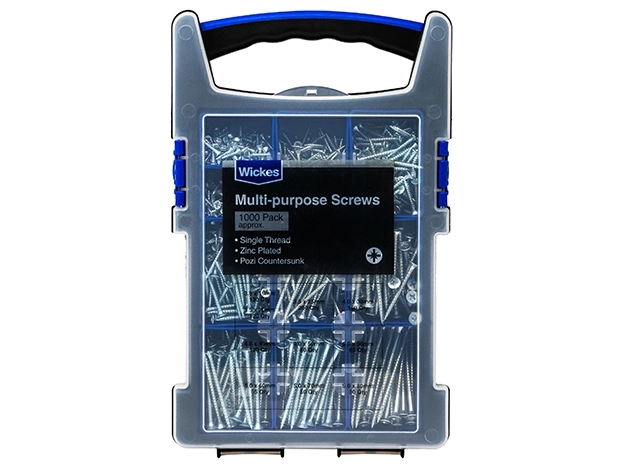
Screws

Furniture makers nail it with old-time fasteners
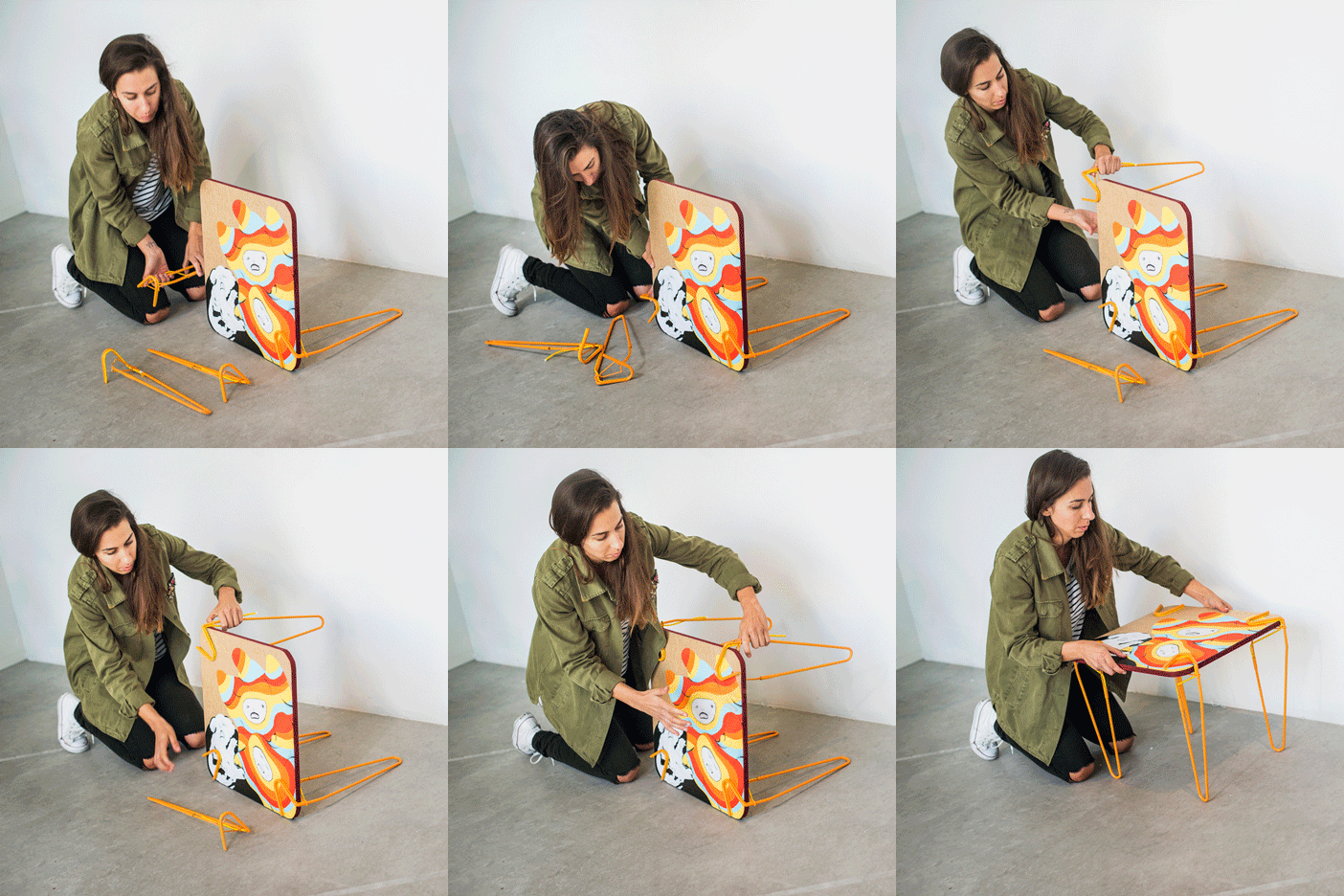
Snap clip-on supports create furniture from found objects
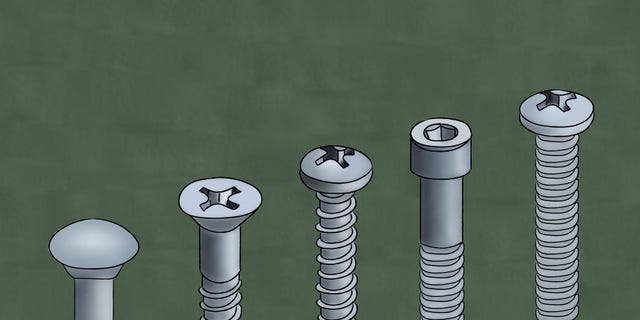
Here's How To Find The Best Screw For Your Project

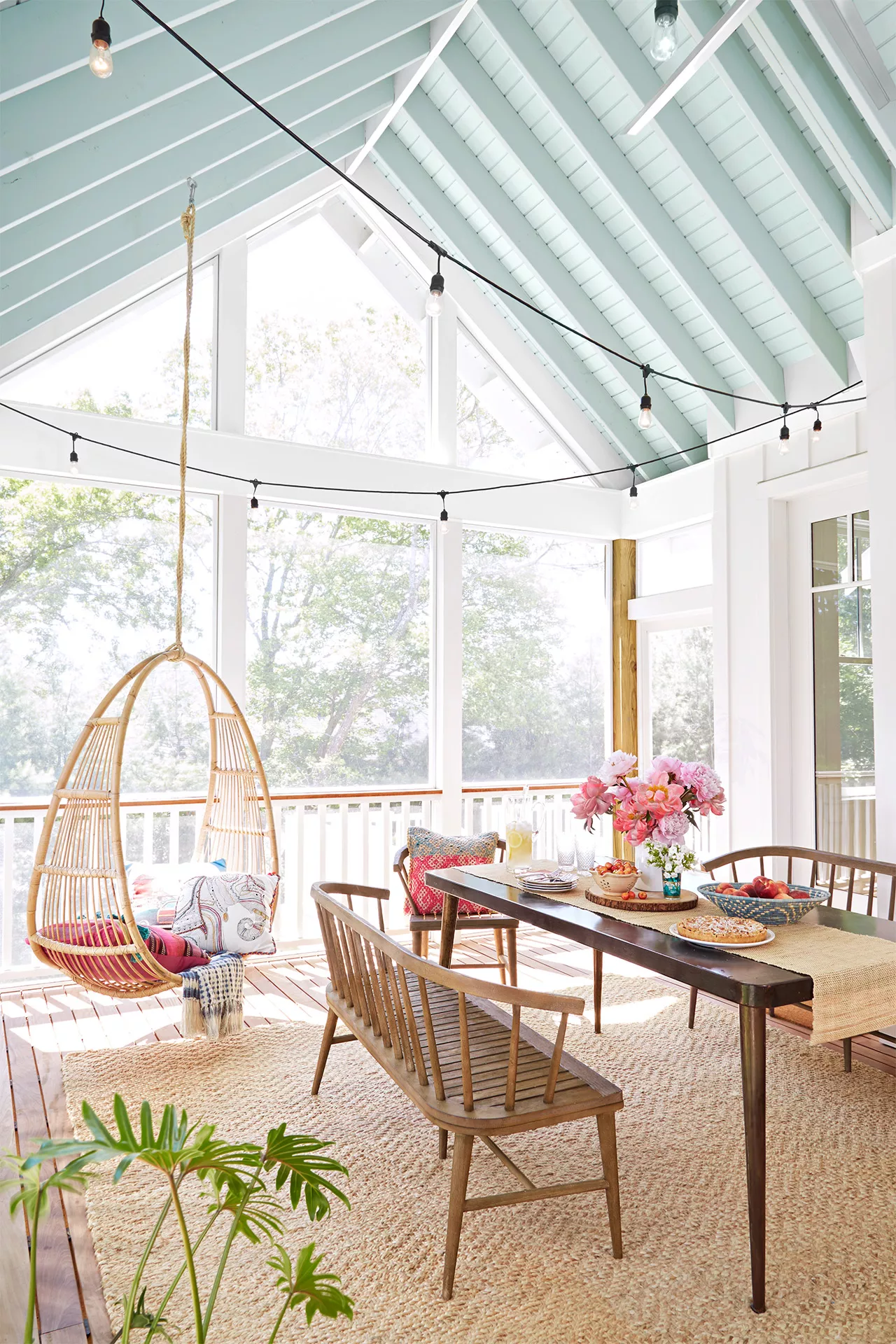
How to Install a Hanging Chair for Retro-Style Seating


5 Paint Ideas for Chair Rails That Will Take This Feature From Ordinary to Inspiring

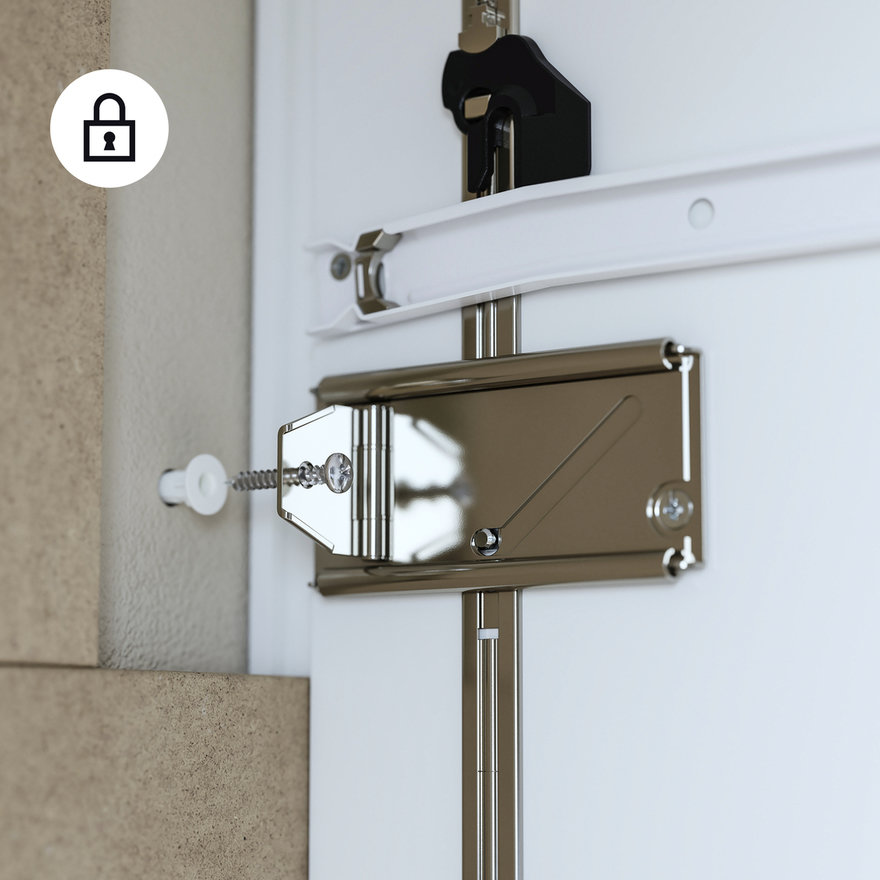
Ikea's New Anchor and Lock System for Securing Chests of Drawers to the Wall

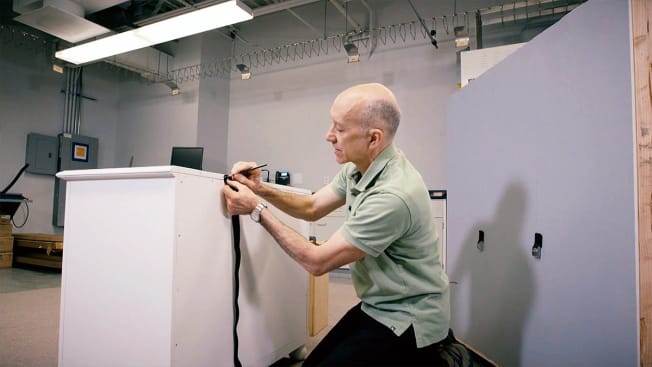
How to Anchor Furniture to Help Prevent Tip-Overs

Shelf Brackets | Floating Shelf Brackets
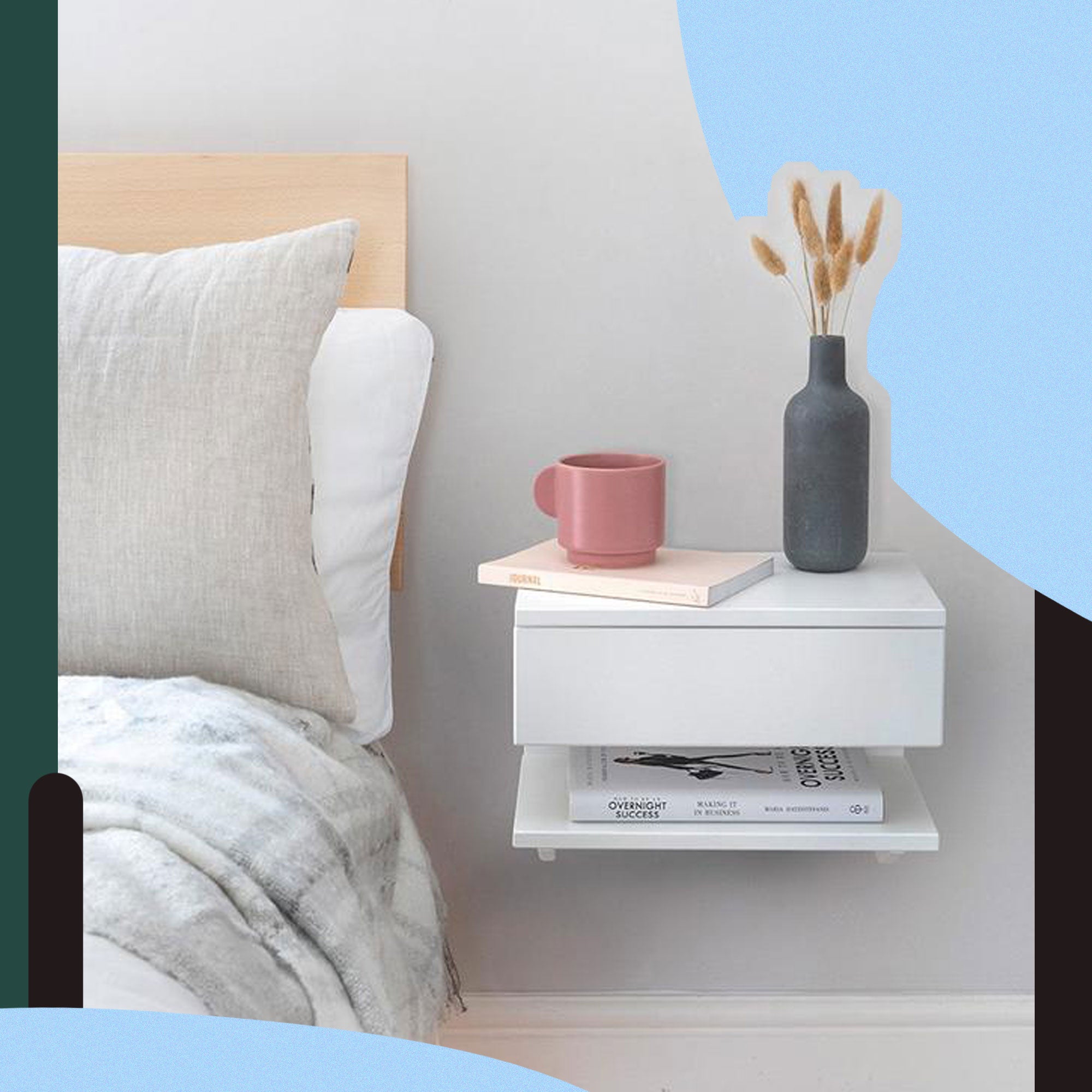
18 Floating Finds That Will Elevate Your Space (Literally)

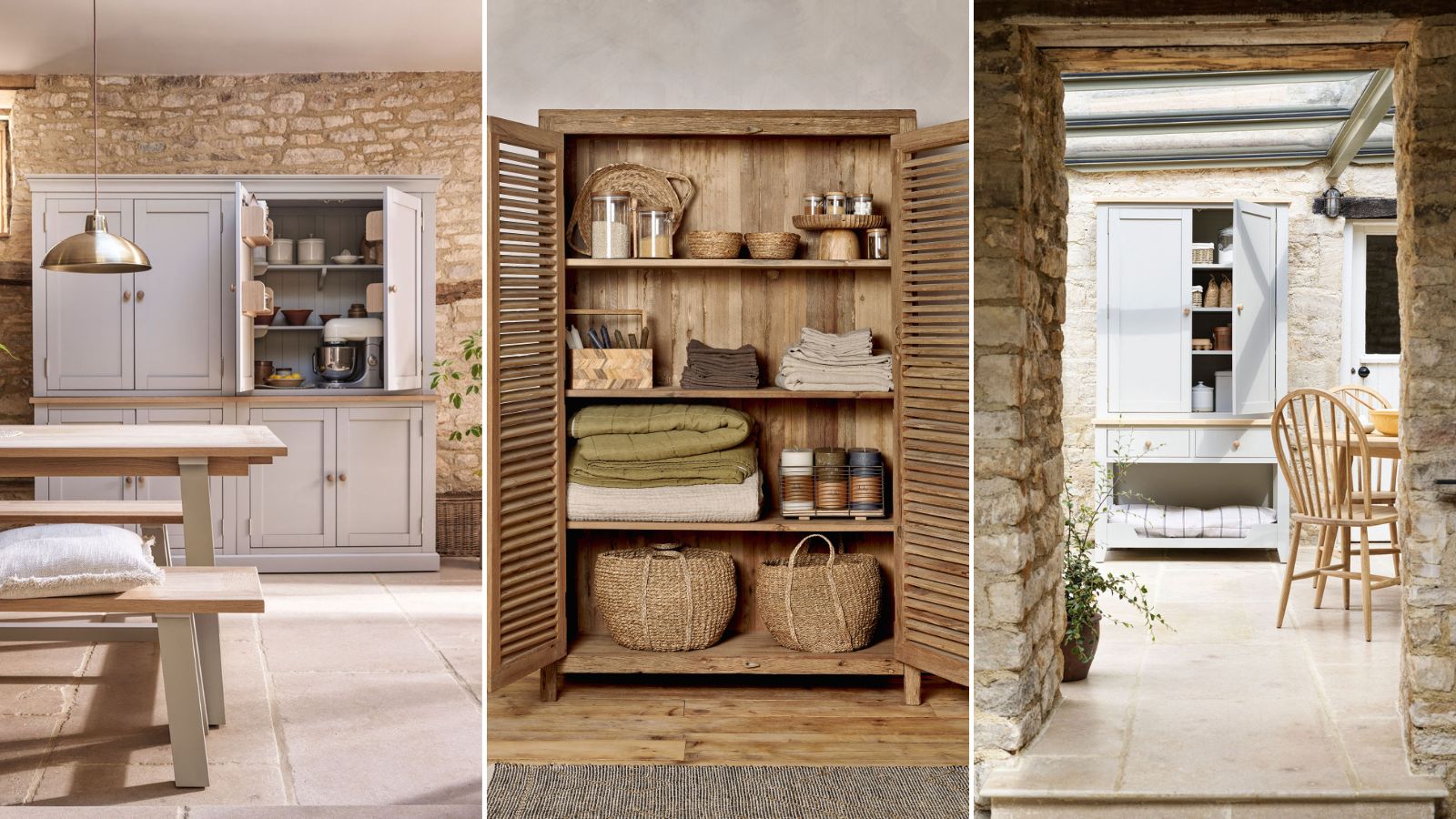
How to secure furniture to a wall – 4 steps for peace of mind

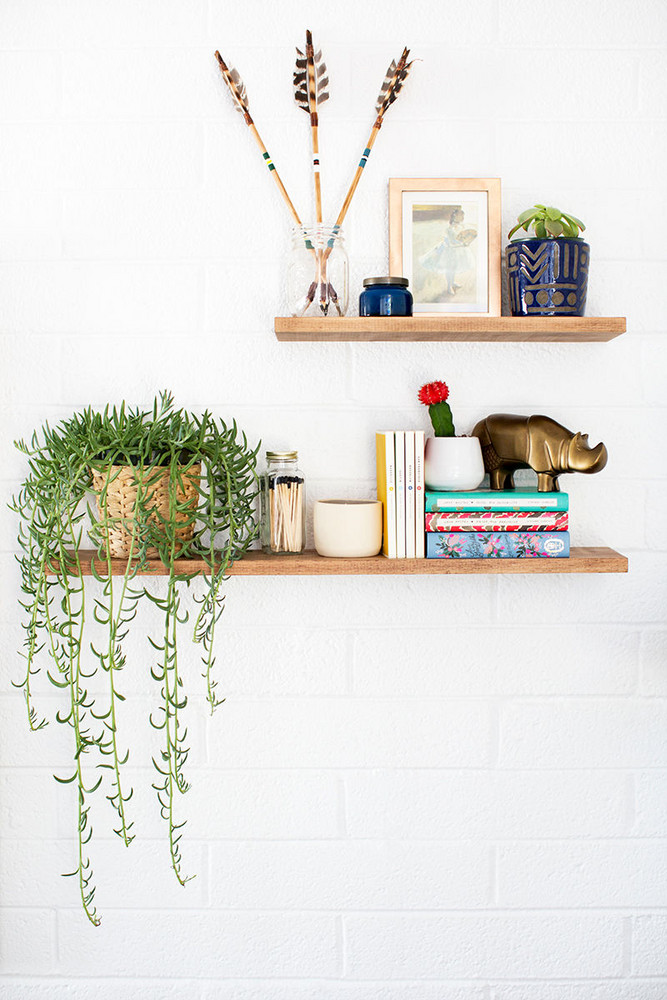
10 Reasons Why Your Home Needs Hanging Shelves


Make your furniture work for your entertaining needs

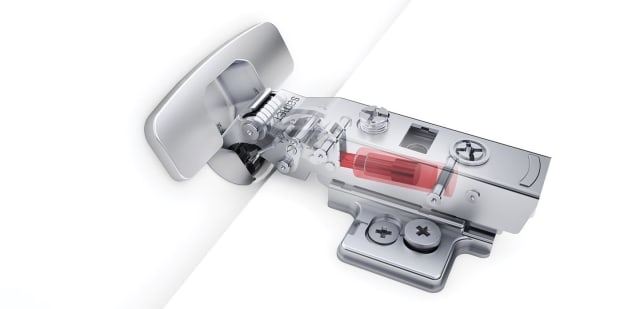
Becoming Unhinged: The Engineering Behind Furniture Hardware

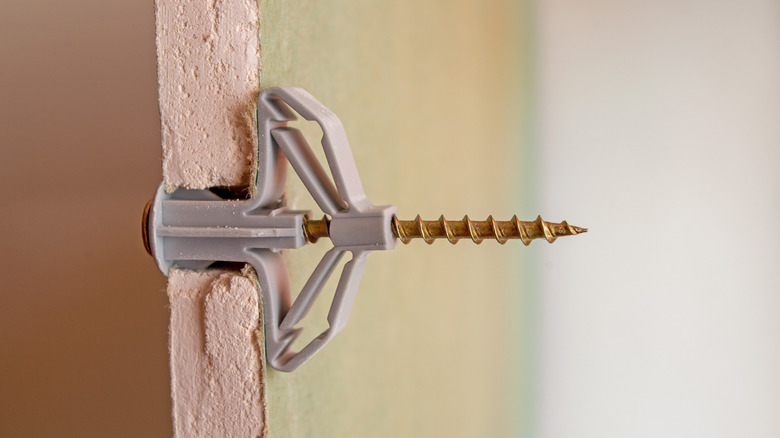
What You Should Know About The 8 Types Of Drywall Anchors
How Much Weight Can Drywall Anchors Hold In Your Home?

Our Favorite Coat Racks
7 Items You Should Never Hang With Adhesive Hooks, According to Designers