Interactive: The secret to hotel room design is part art, part science
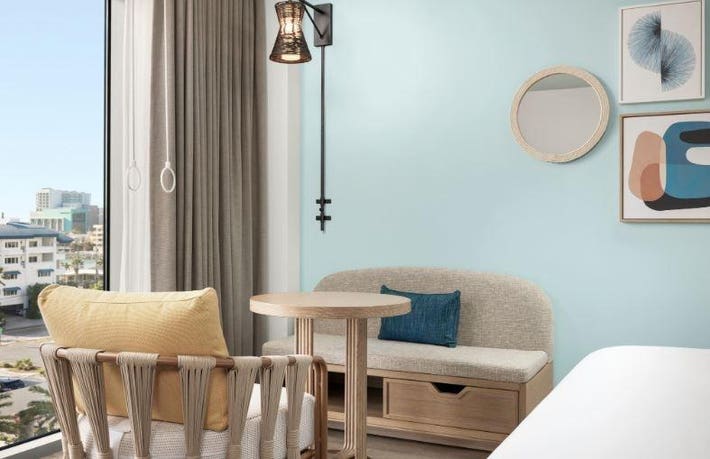
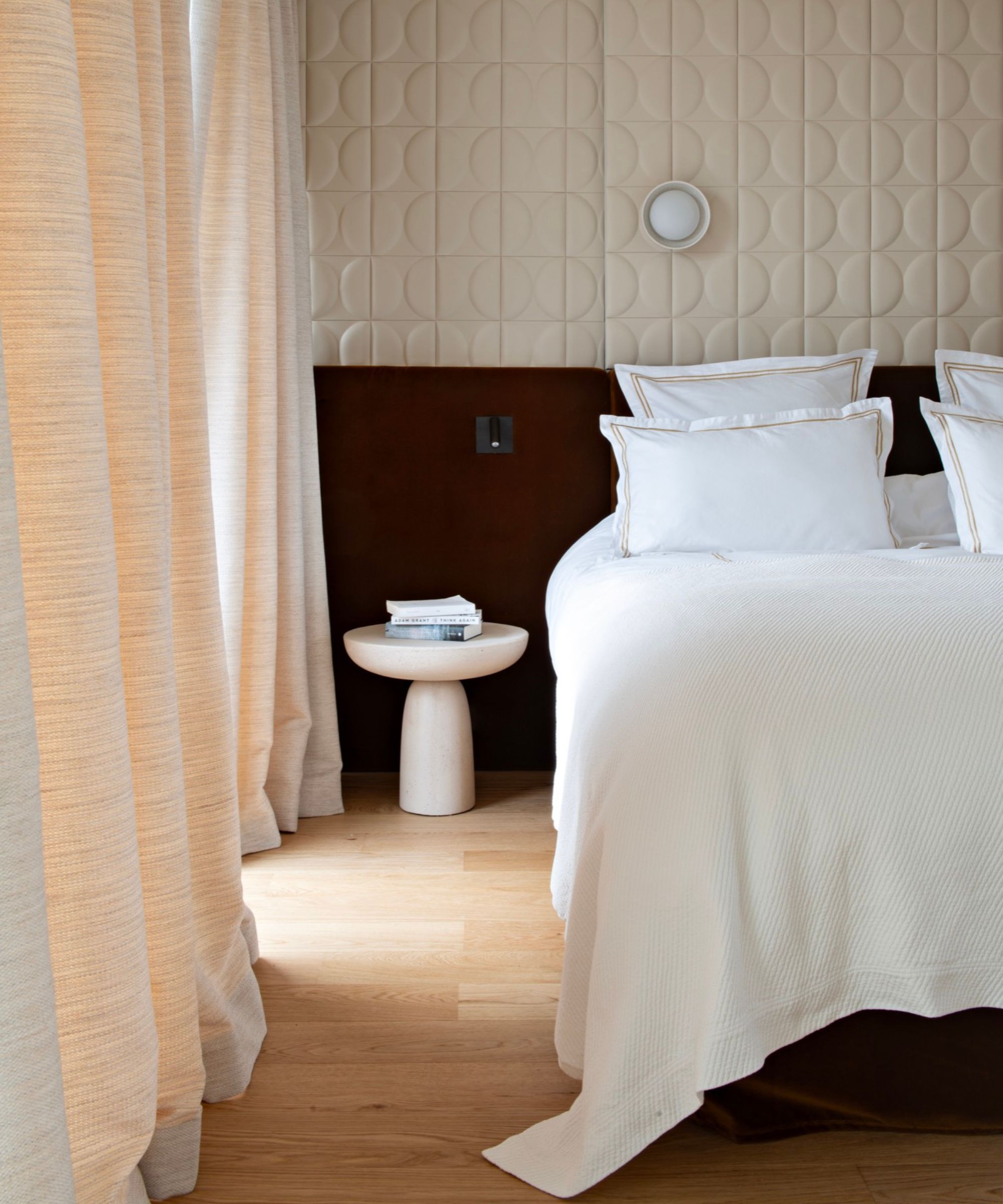
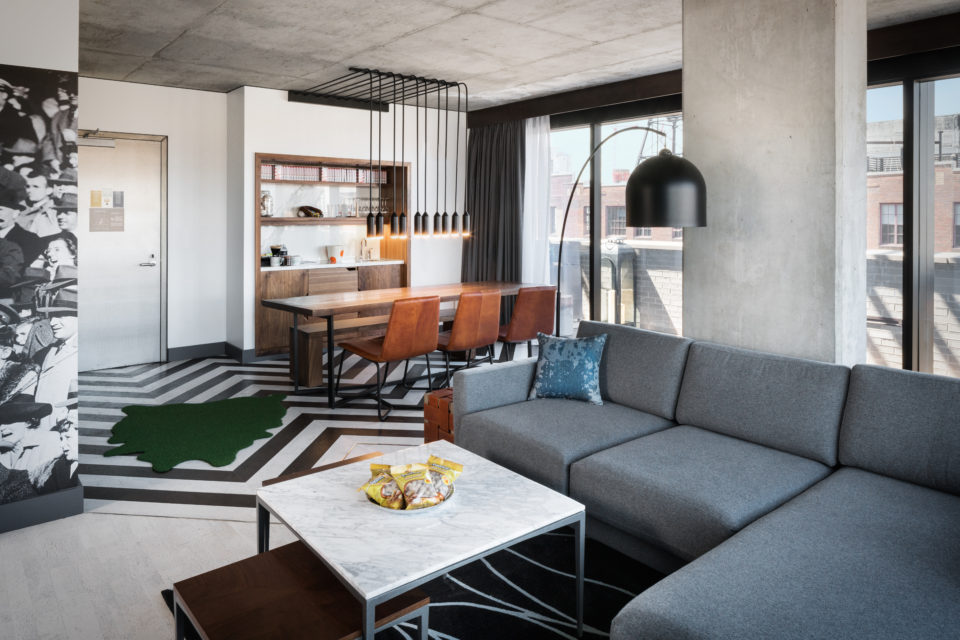
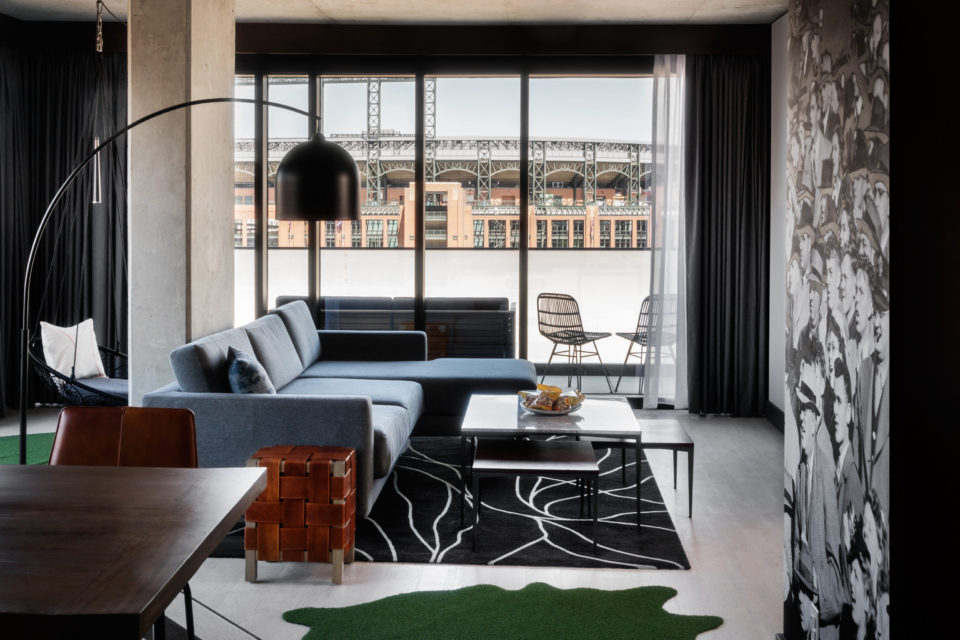
The design of a hotel room, often unnoticed when executed flawlessly and a source of discomfort when done poorly, is a sophisticated blend of art and science. This intricate process, known as experience design, aims to create a welcoming and special ambiance for guests. Achieving this balance is challenging, requiring careful consideration of various elements within the room.
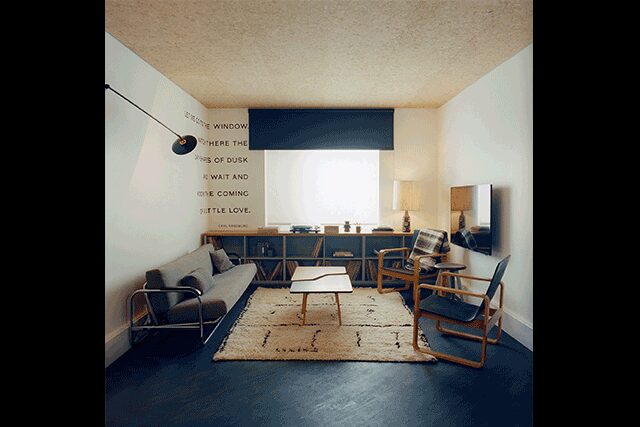
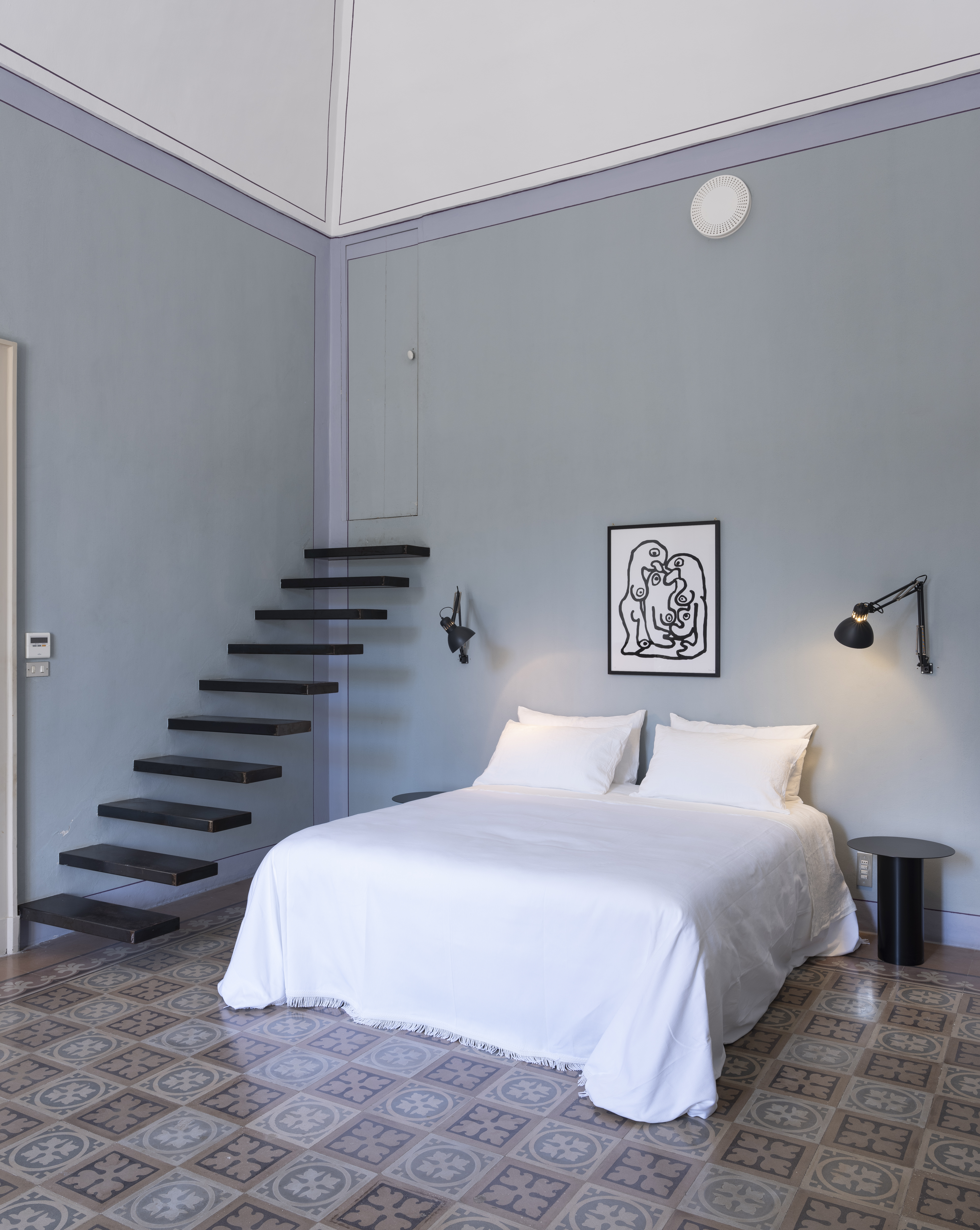
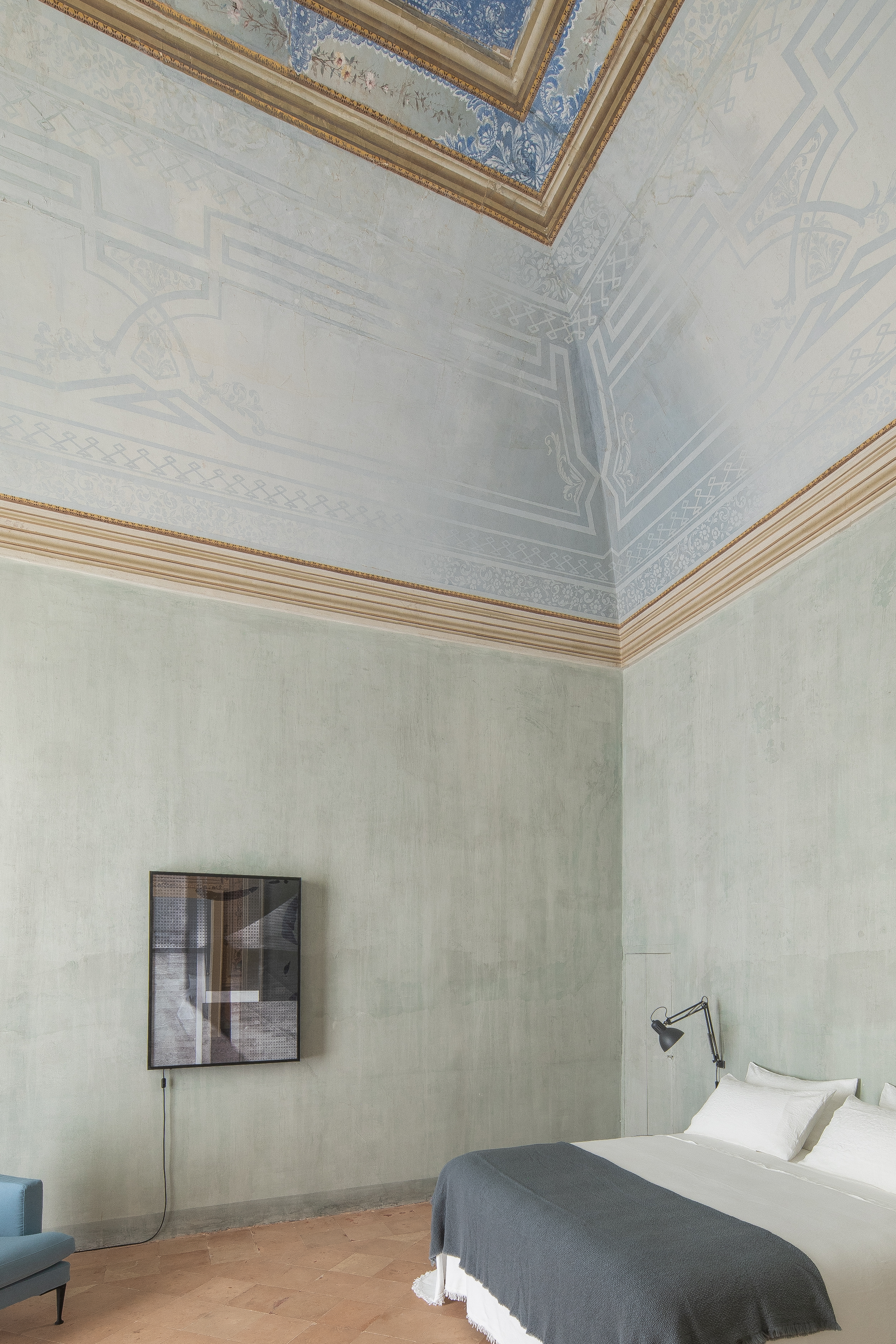
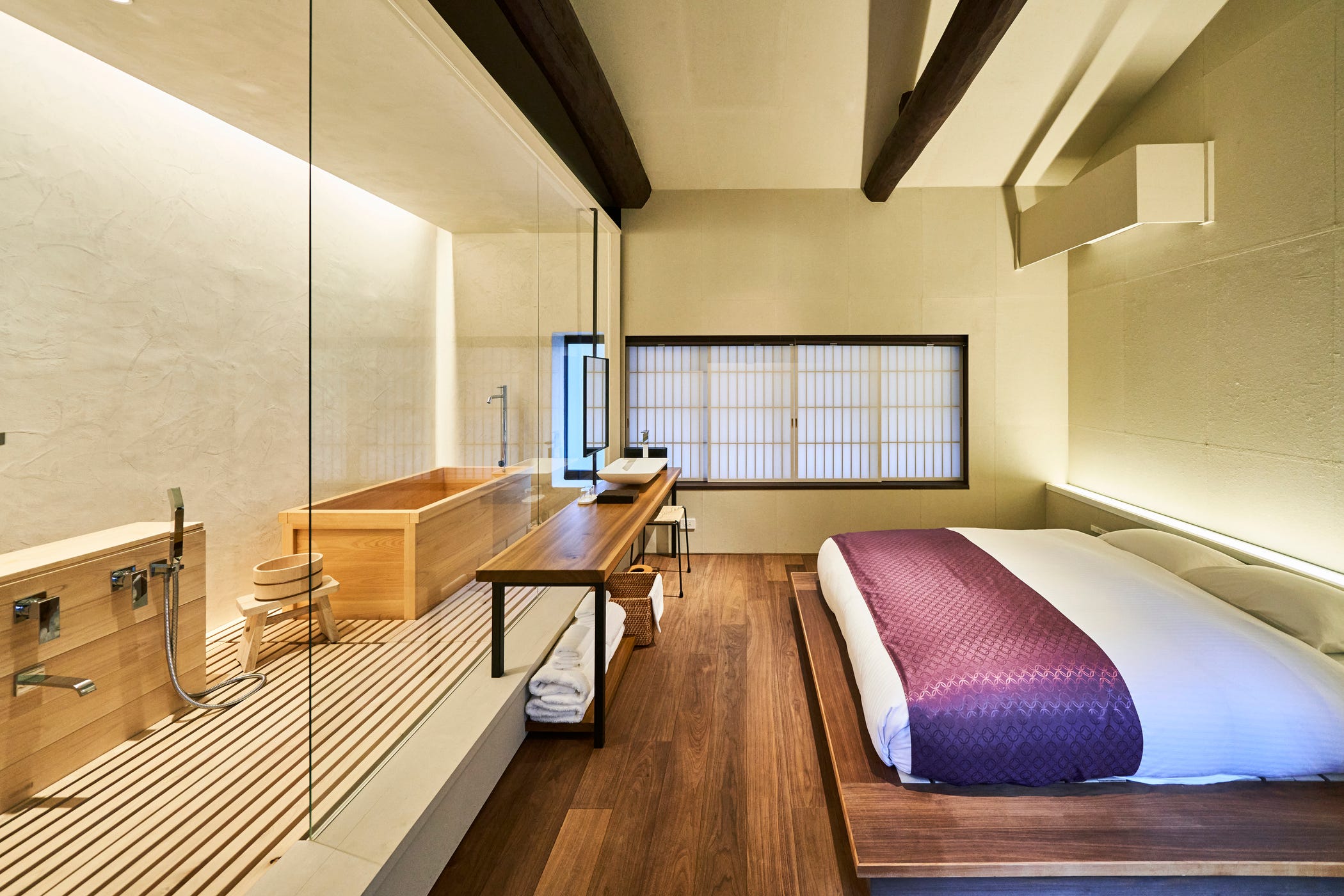
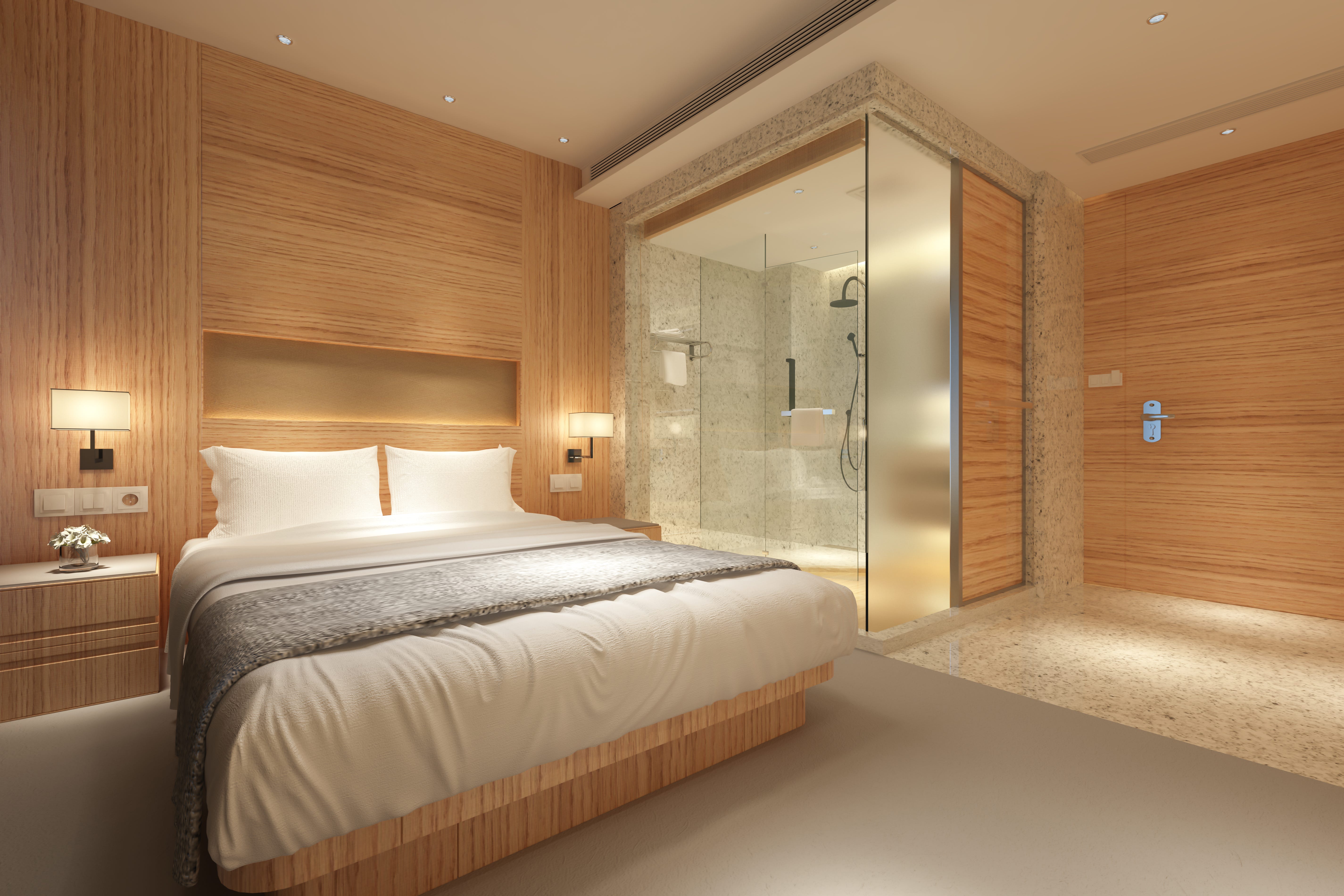
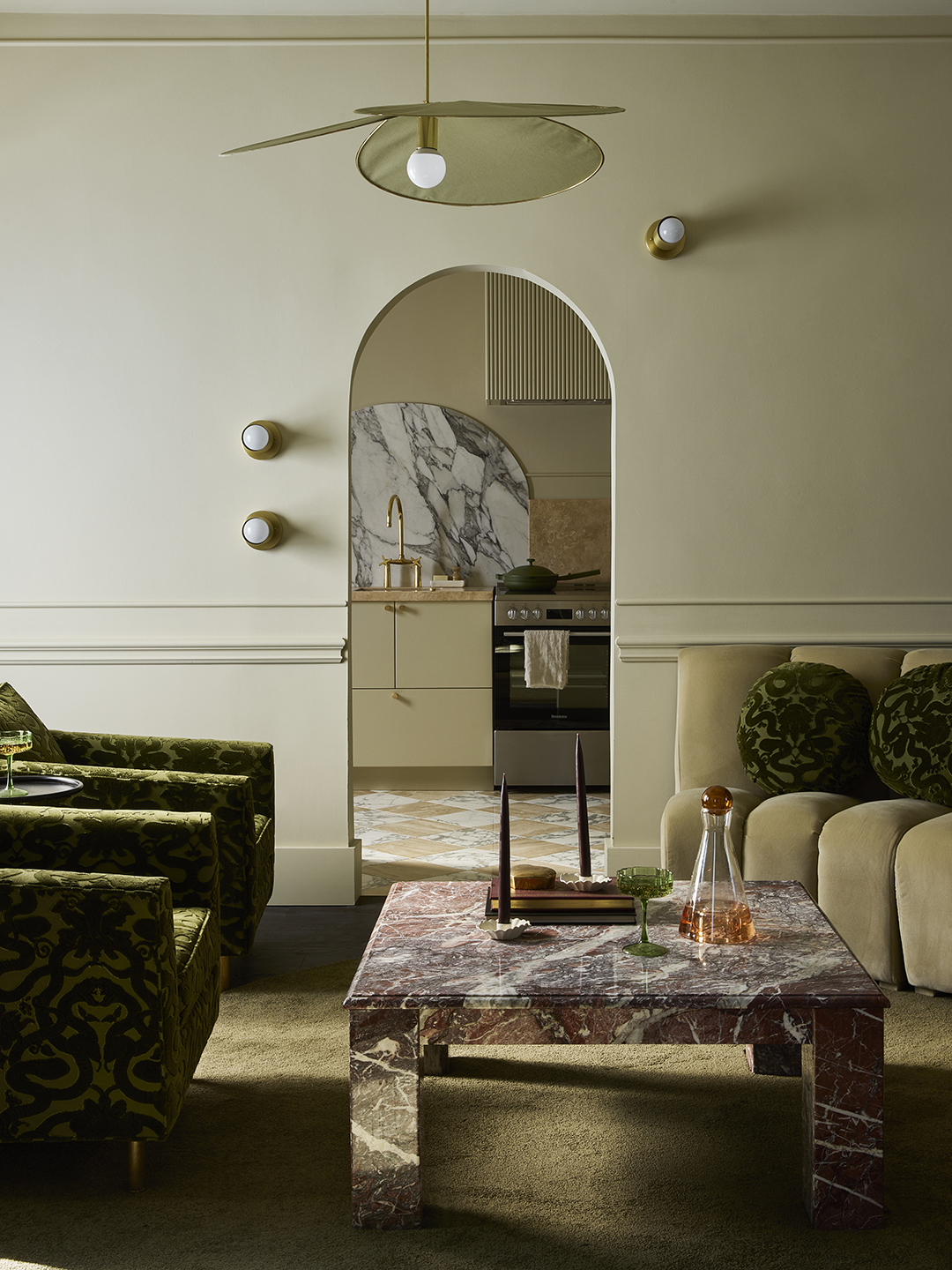
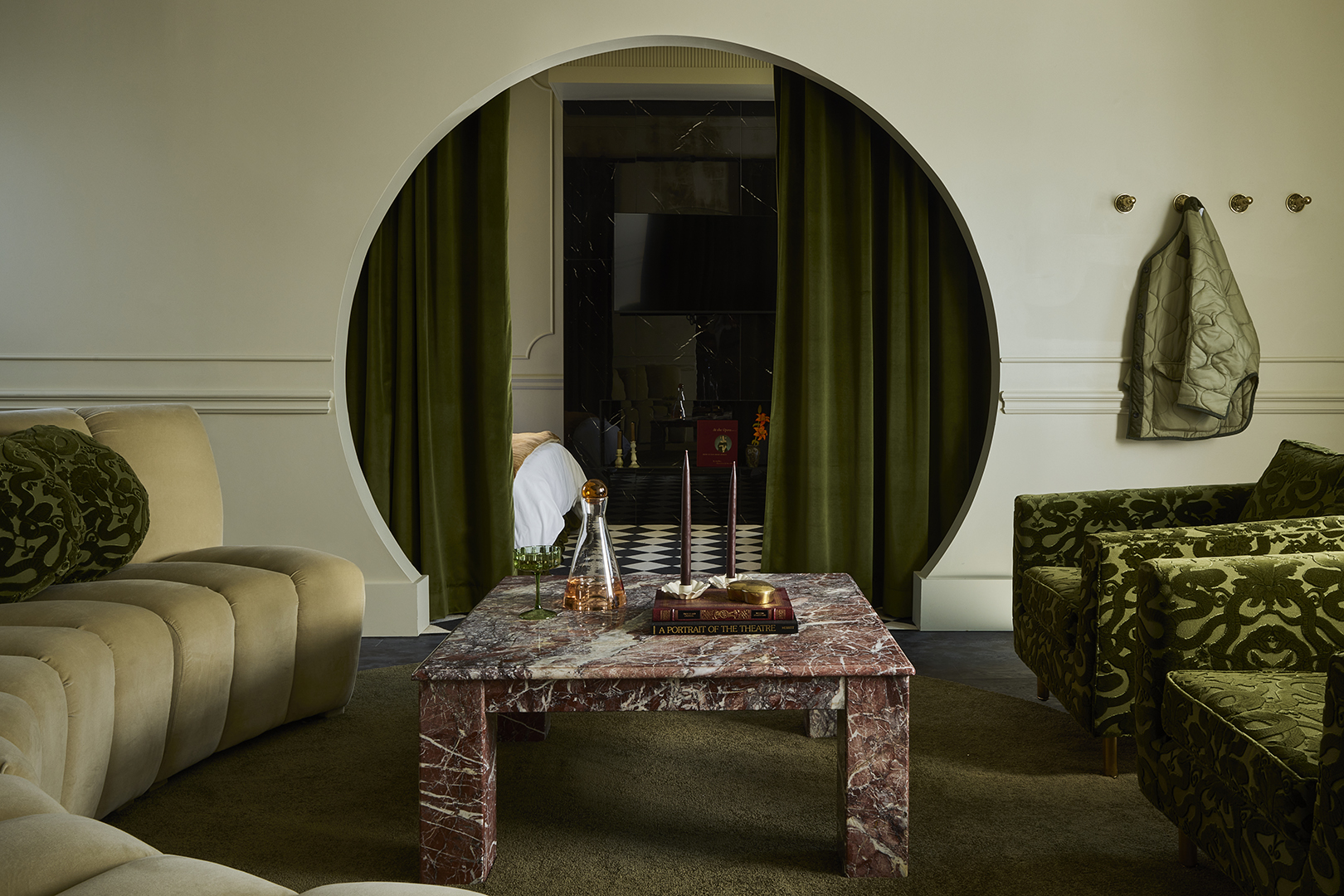
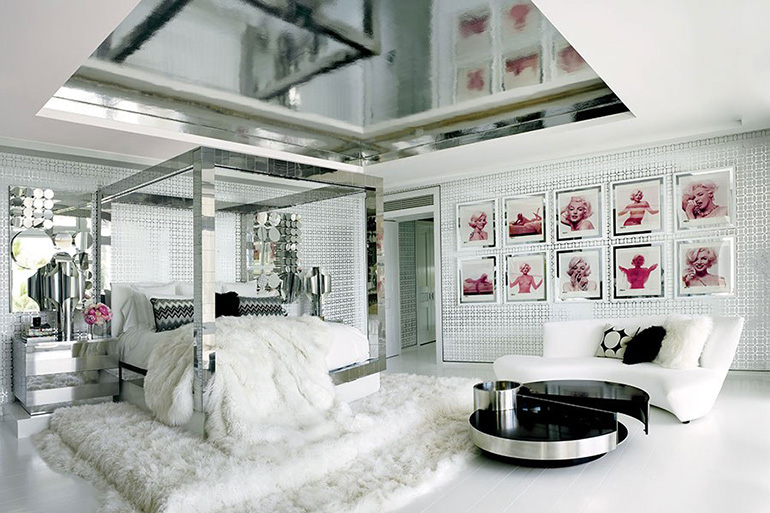
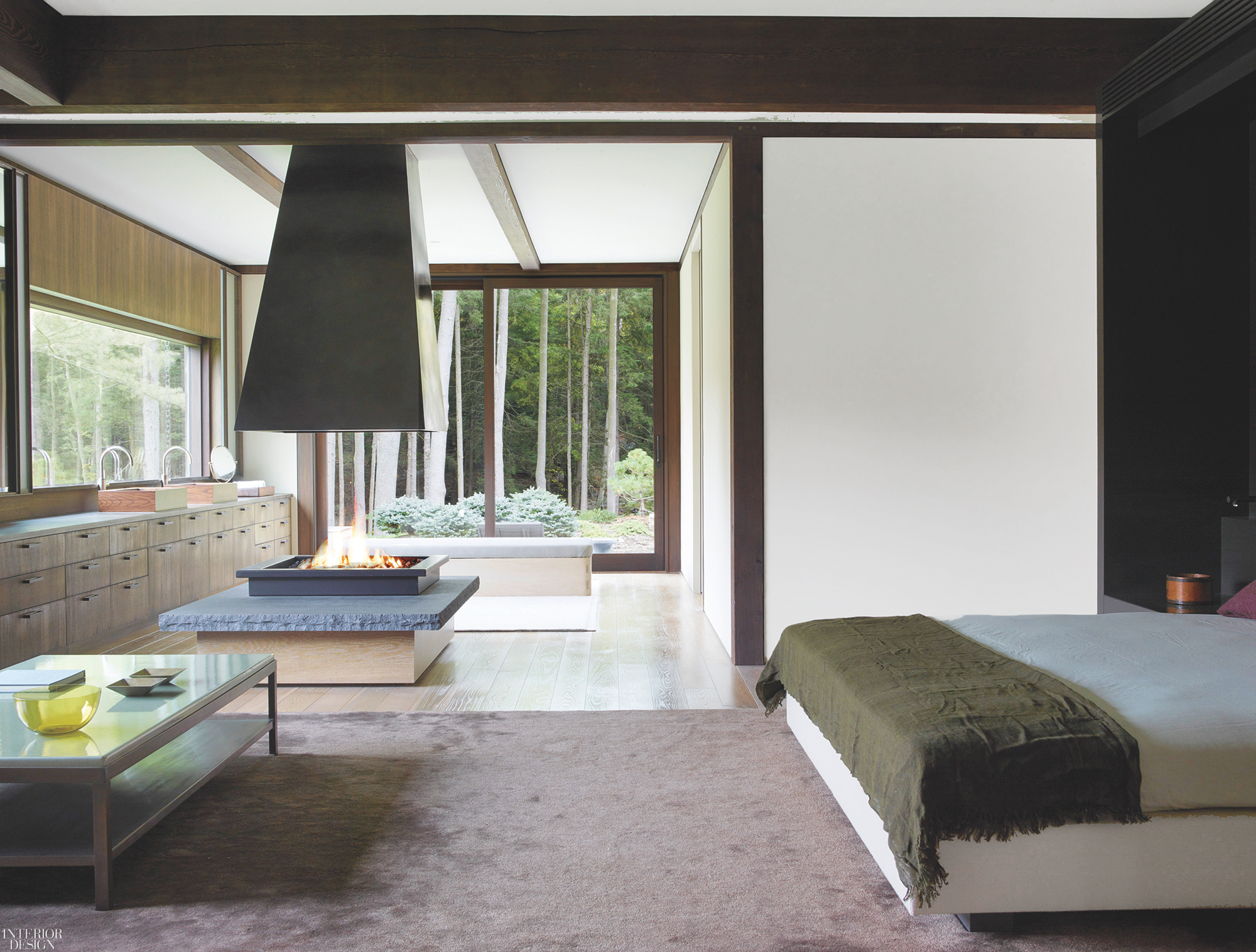
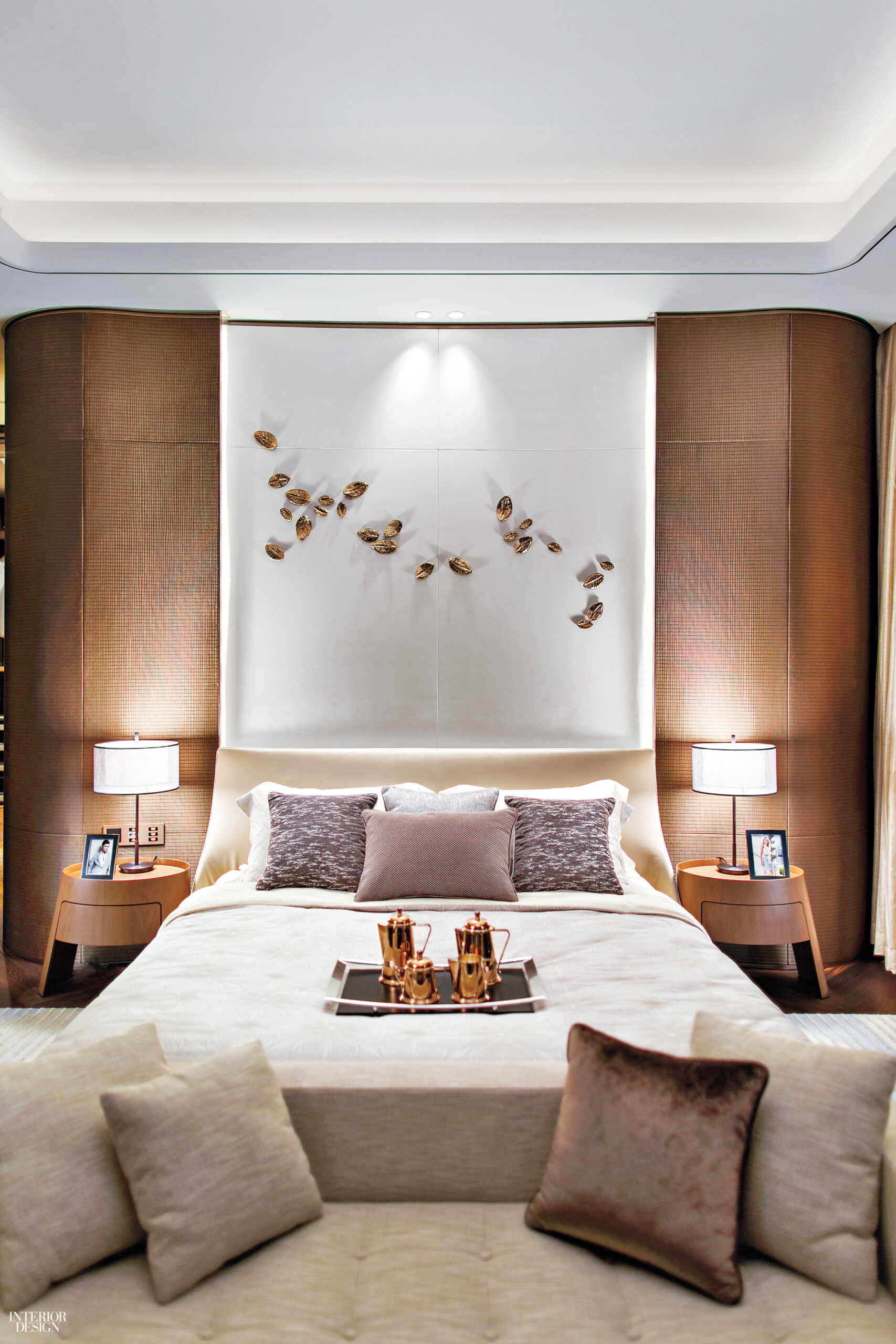
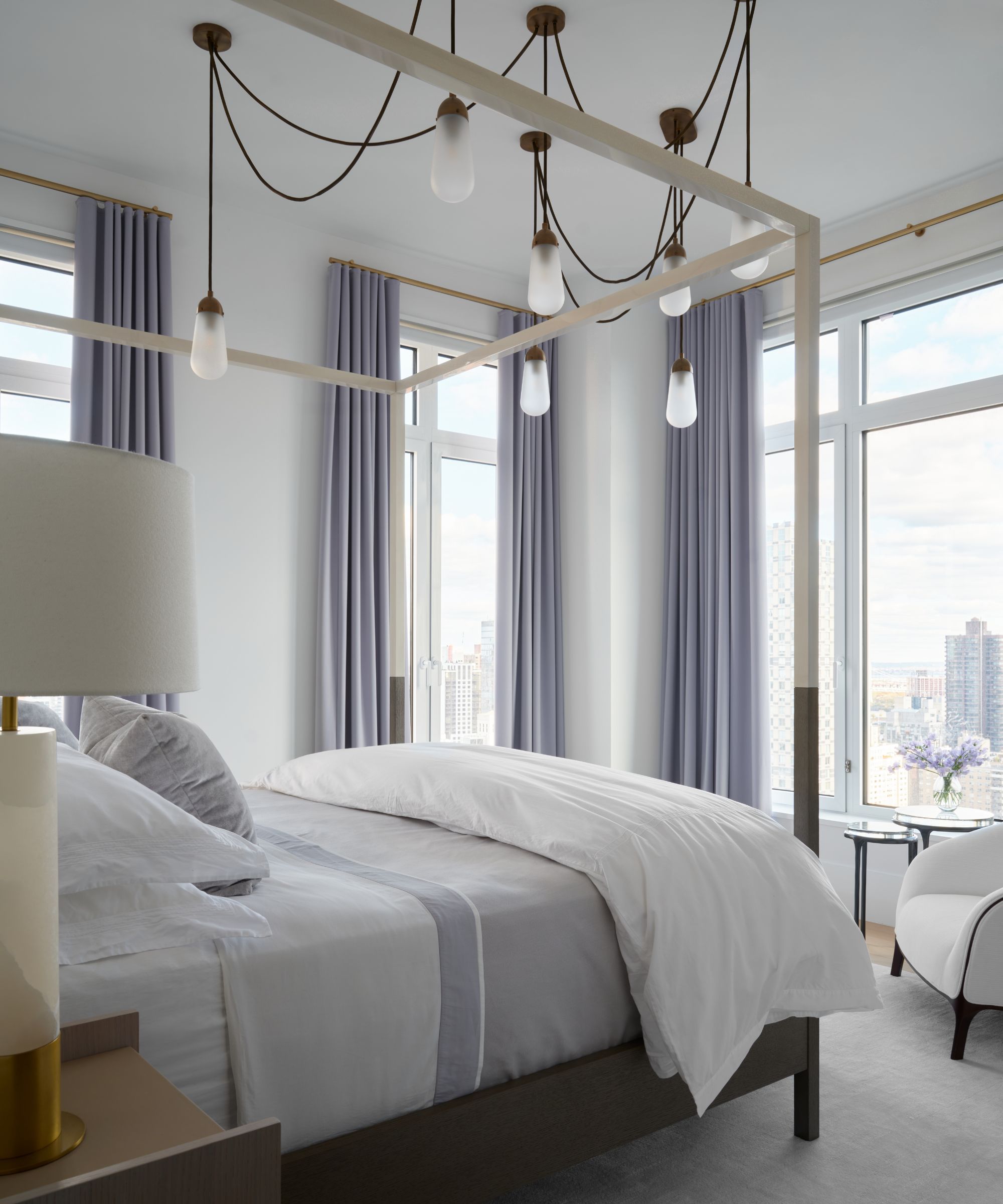
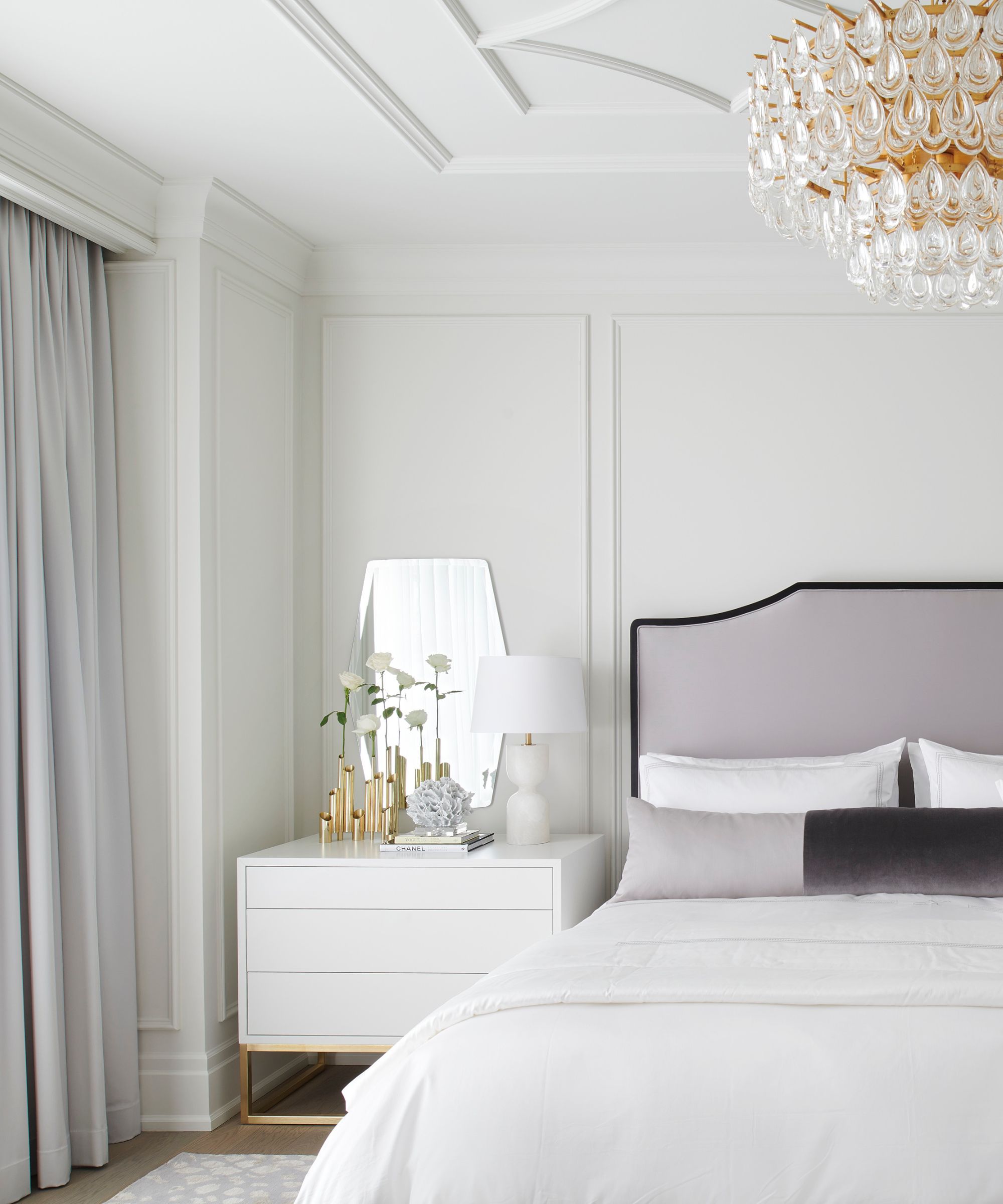
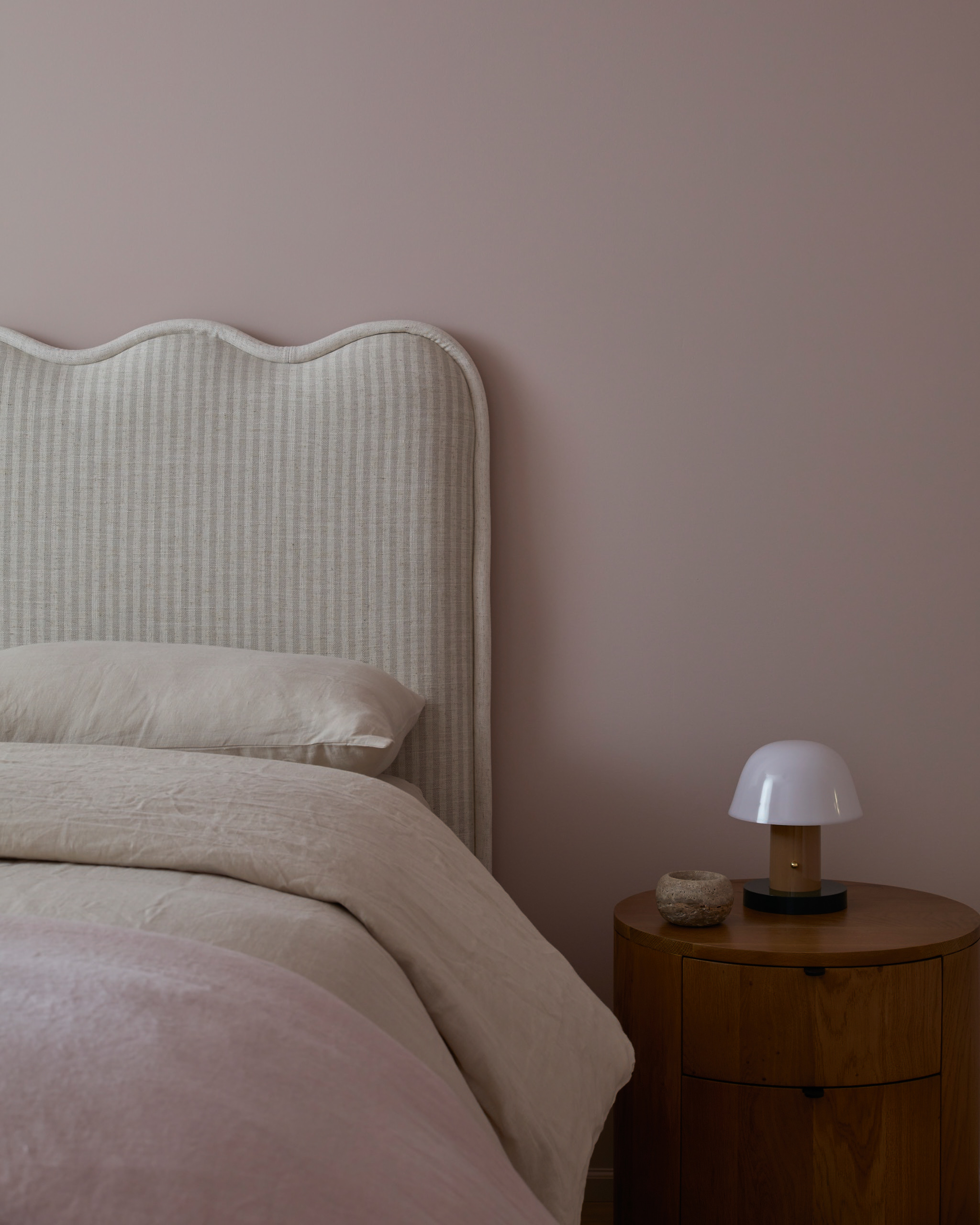
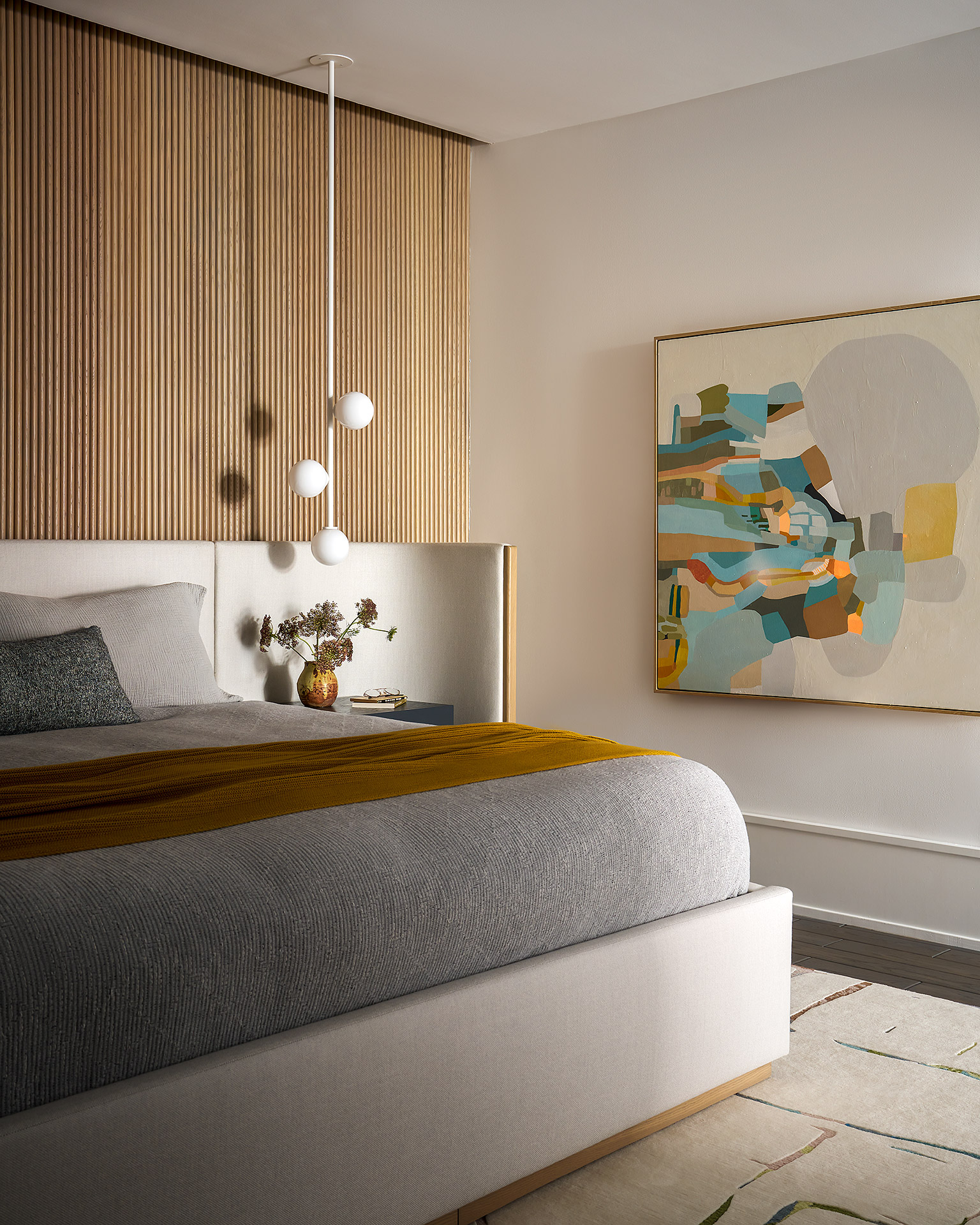
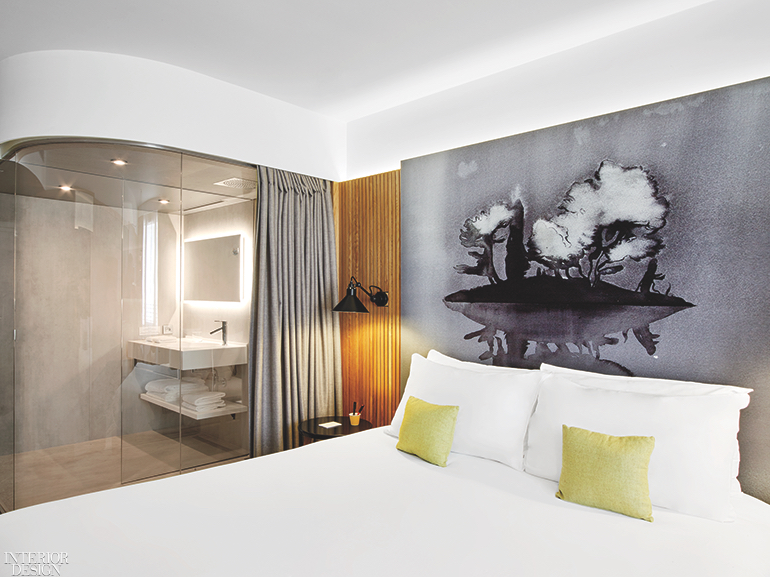
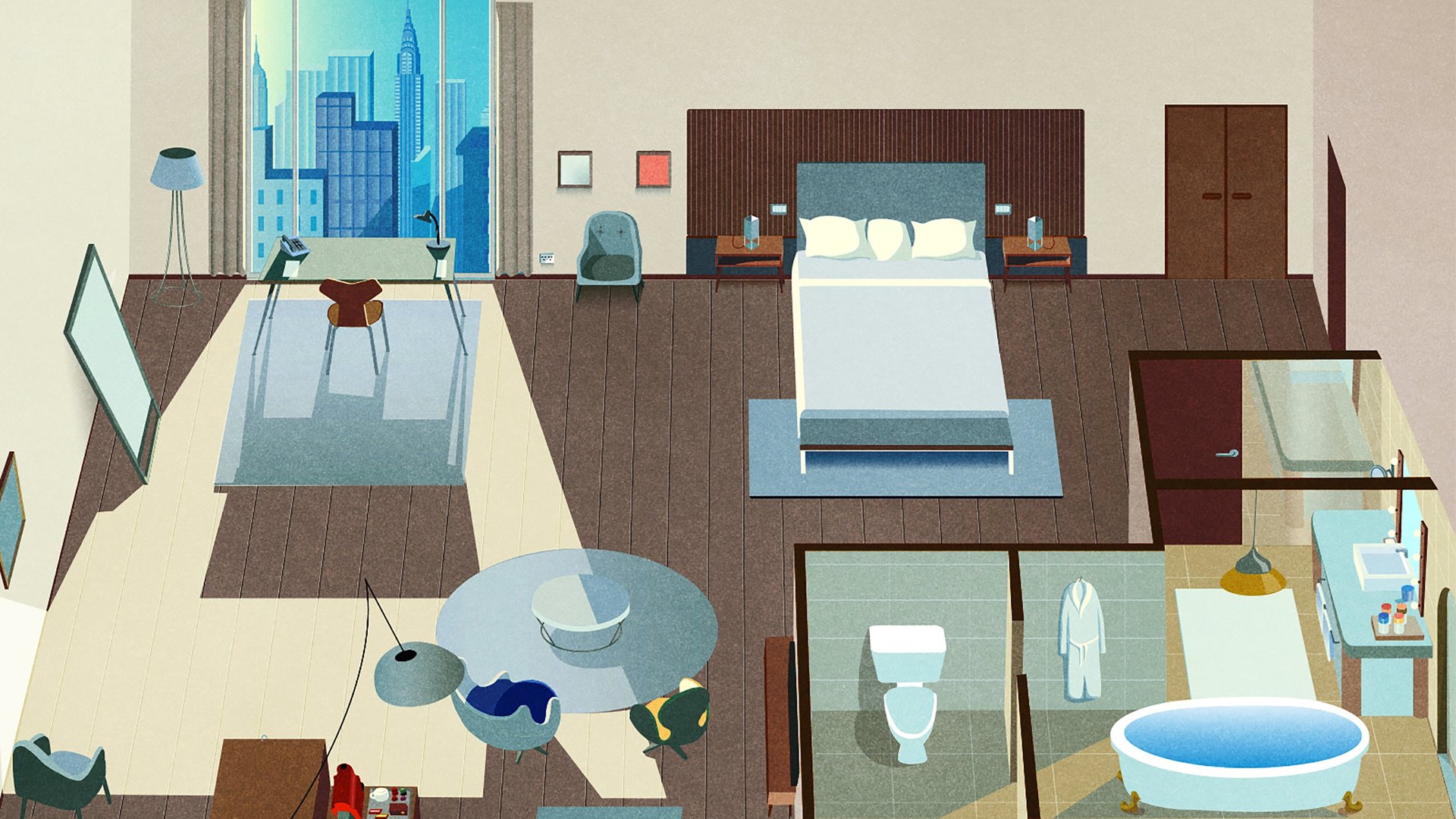
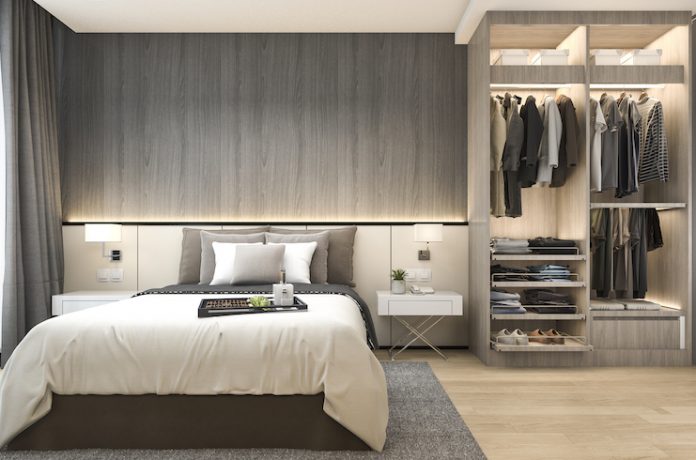
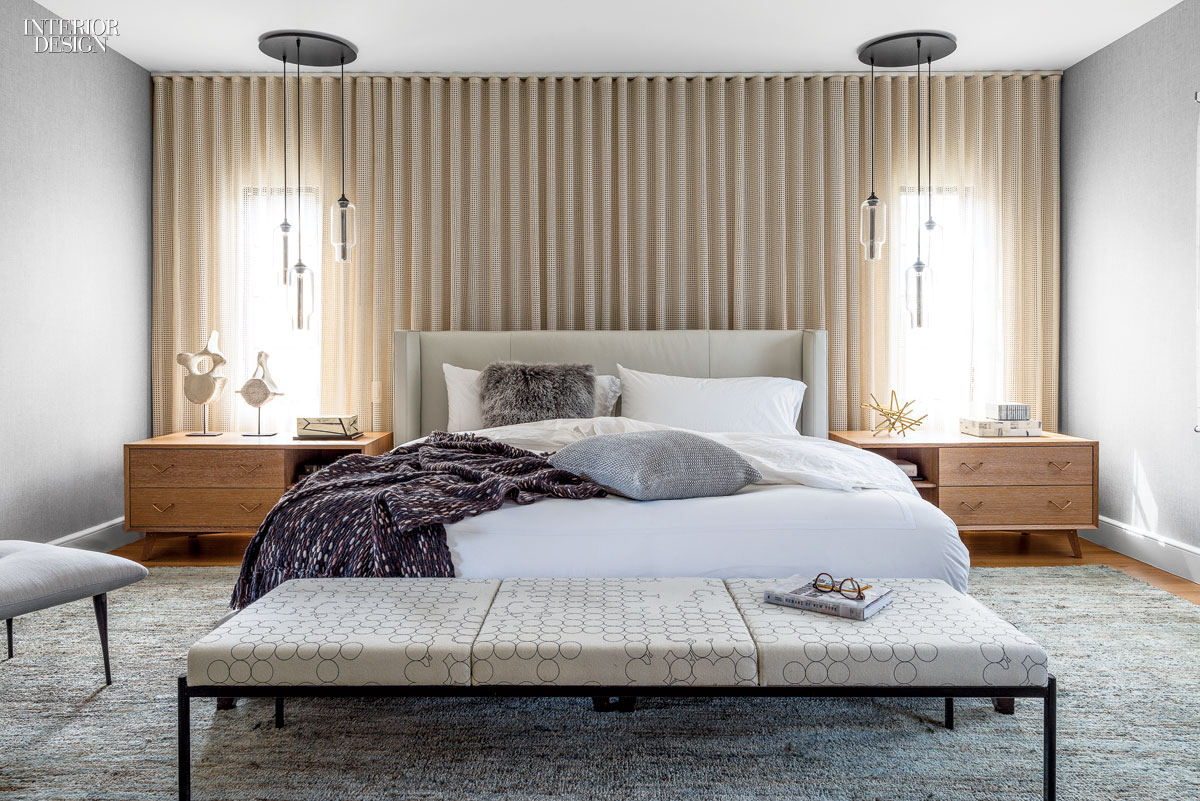
First impressions are critical, and designers prioritize creating a sense of spaciousness, even in smaller rooms. Chris McDonough, Design Principal at The Gettys Group, highlights the importance of “volume over square footage,” advocating for higher ceilings to instill a feeling of airiness. The scale of furniture is meticulously chosen to fit the space, giving it a bespoke feel. Upon entering a room, guests' eyes are naturally drawn to corners. To counteract this and make the room appear larger, designers strategically direct attention to a central focal point, typically the bed. The bed itself is more than just a place to sleep; it's an opportunity to surprise guests with features not commonly found in their homes, as explained by Jacobo San Nicolás, Radisson Hotel Group’s SVP of Projects.
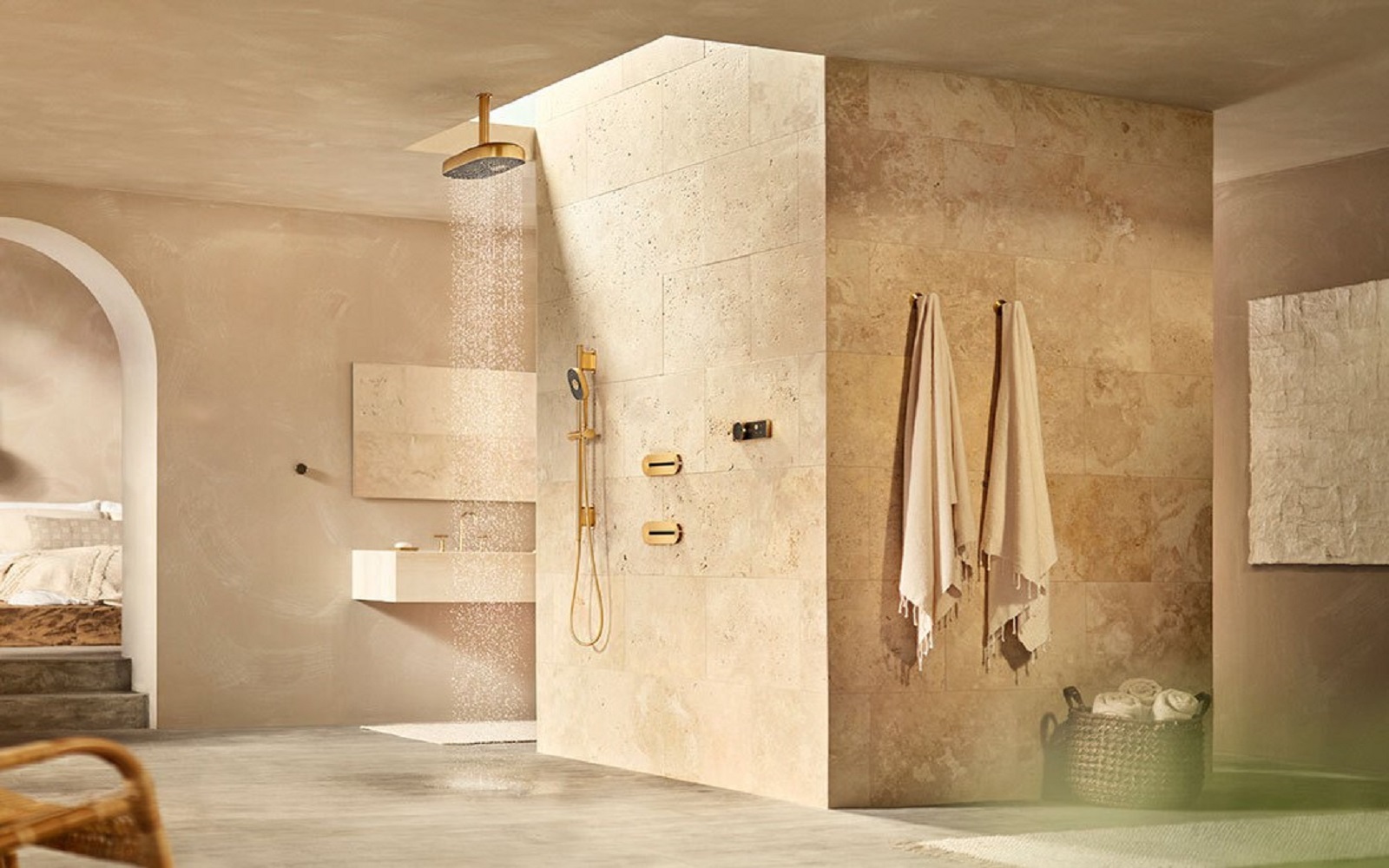
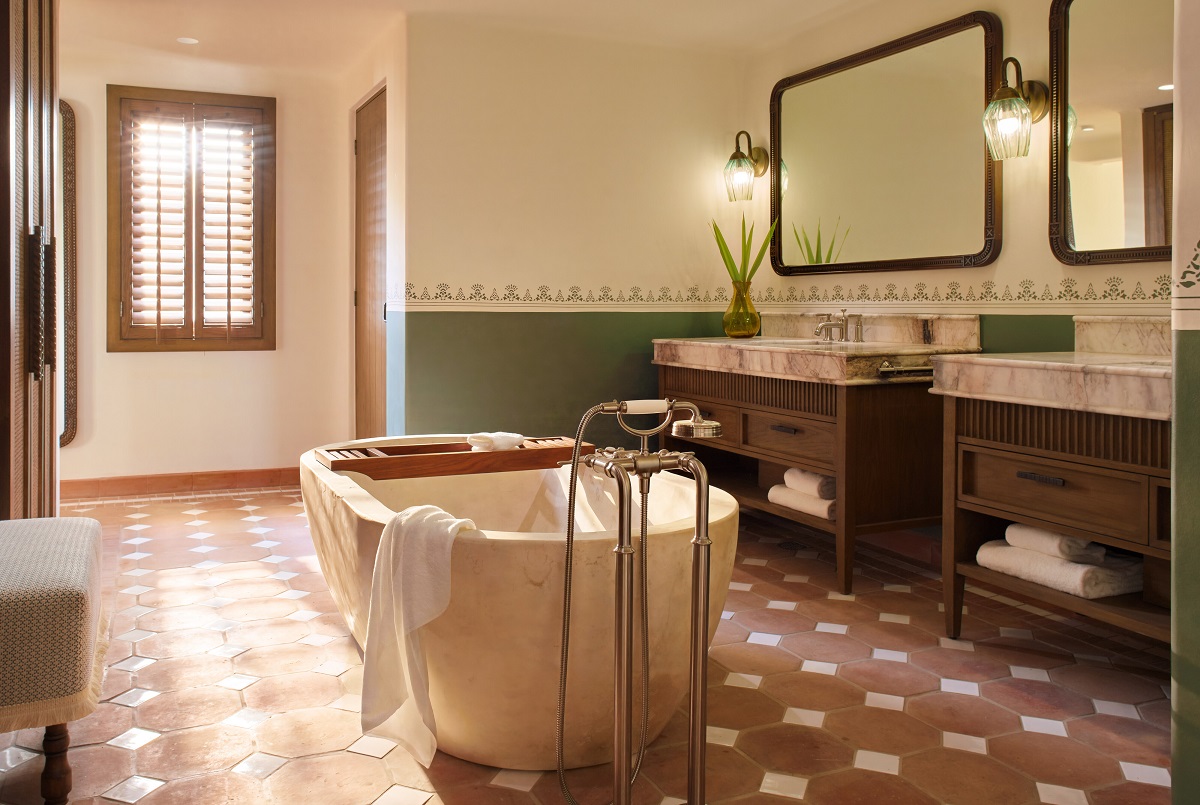
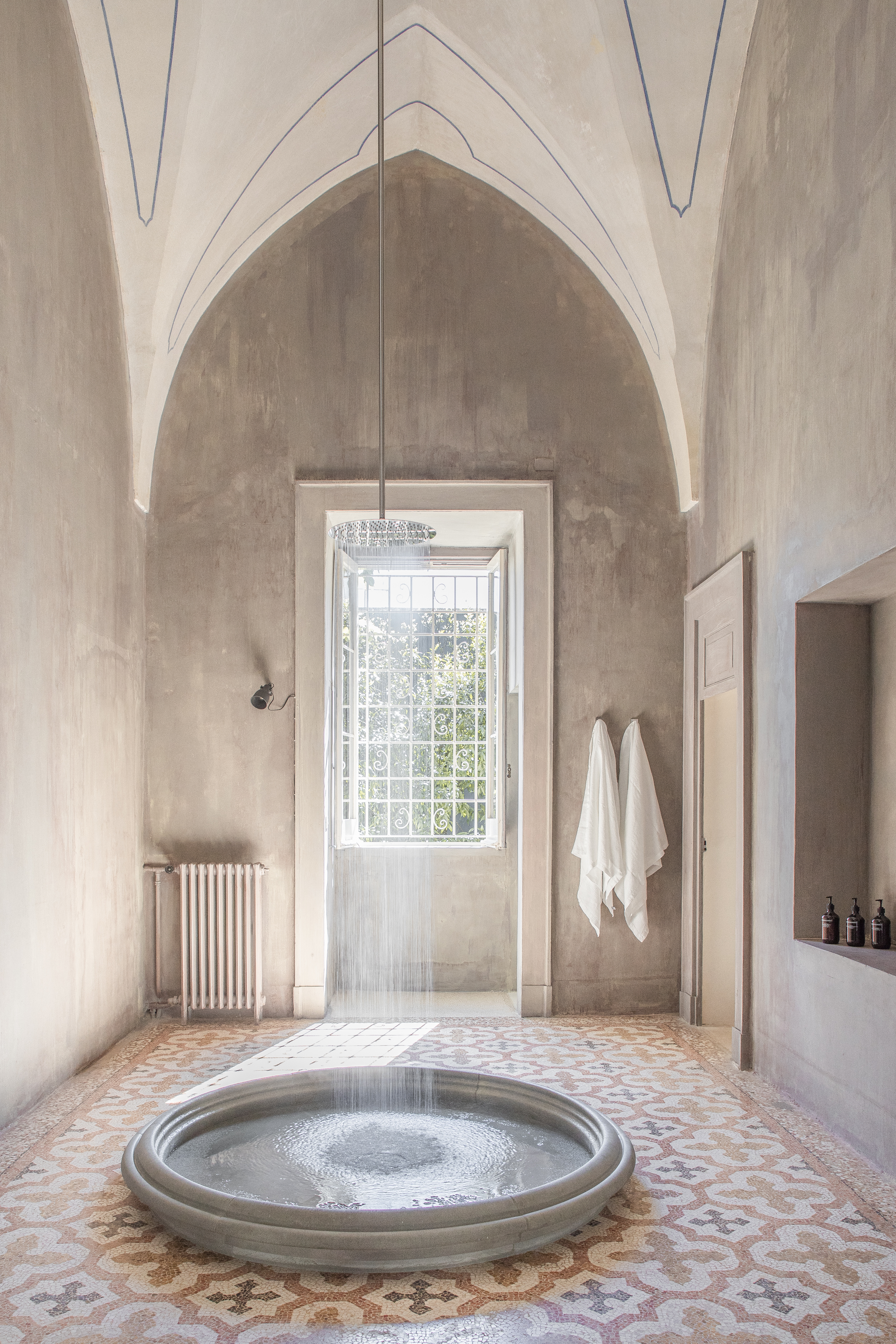
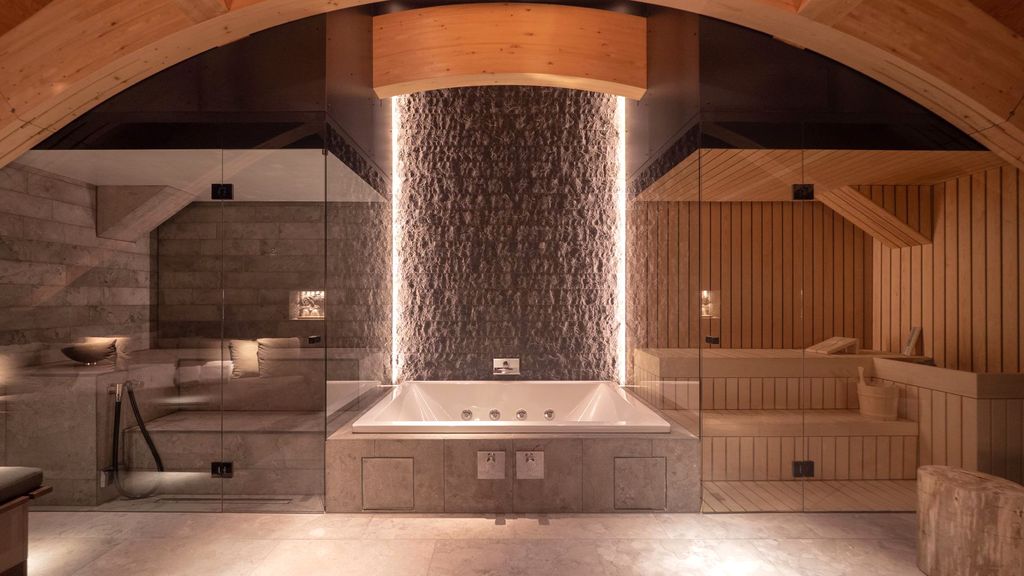
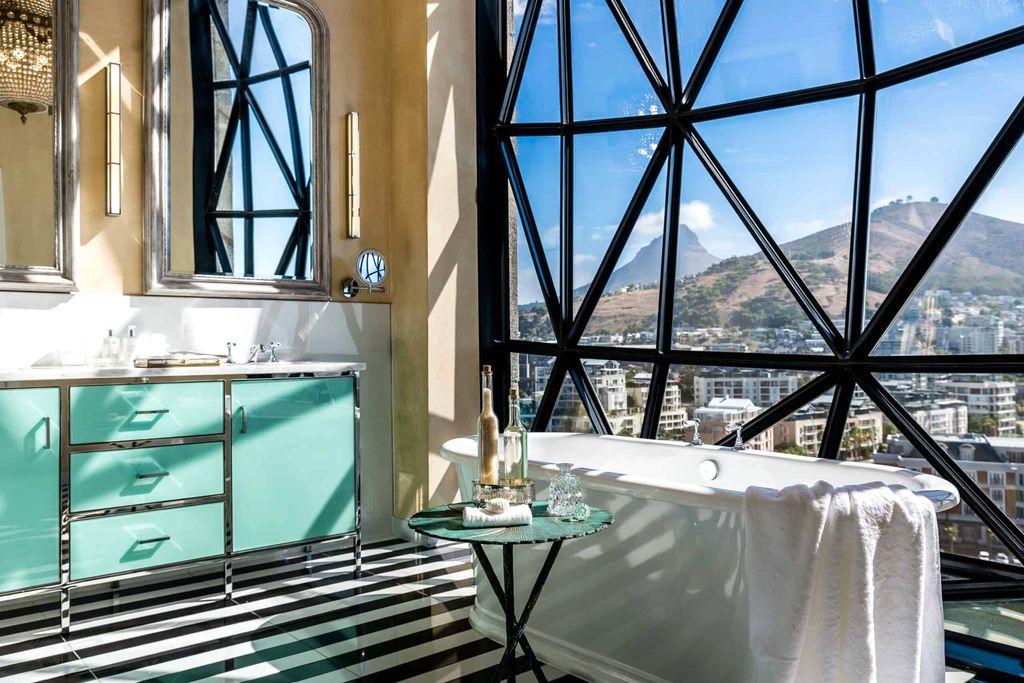
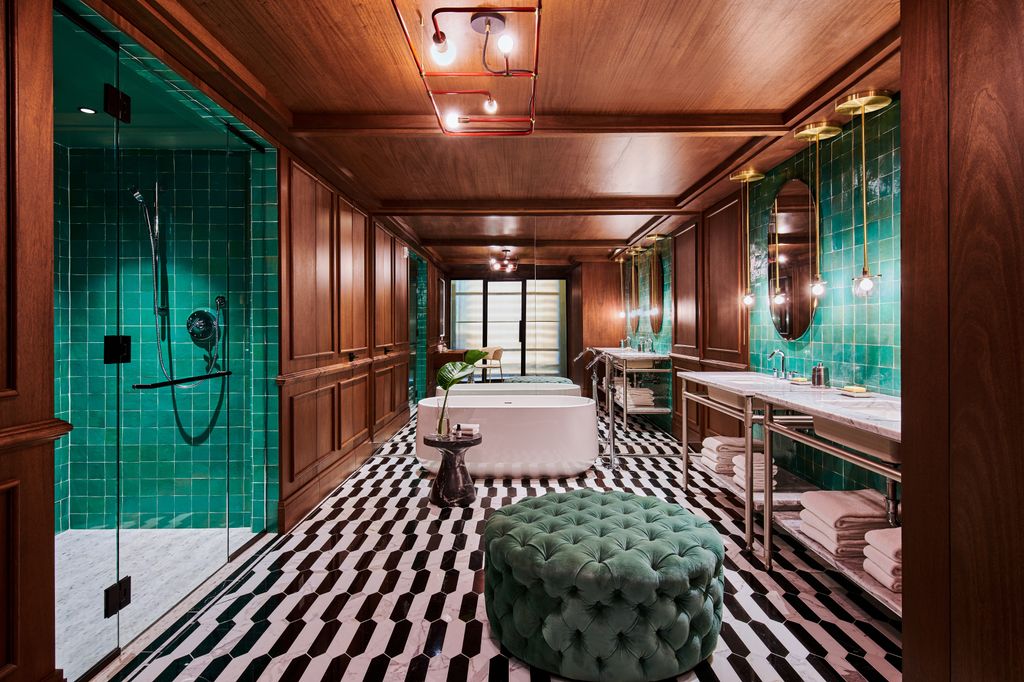
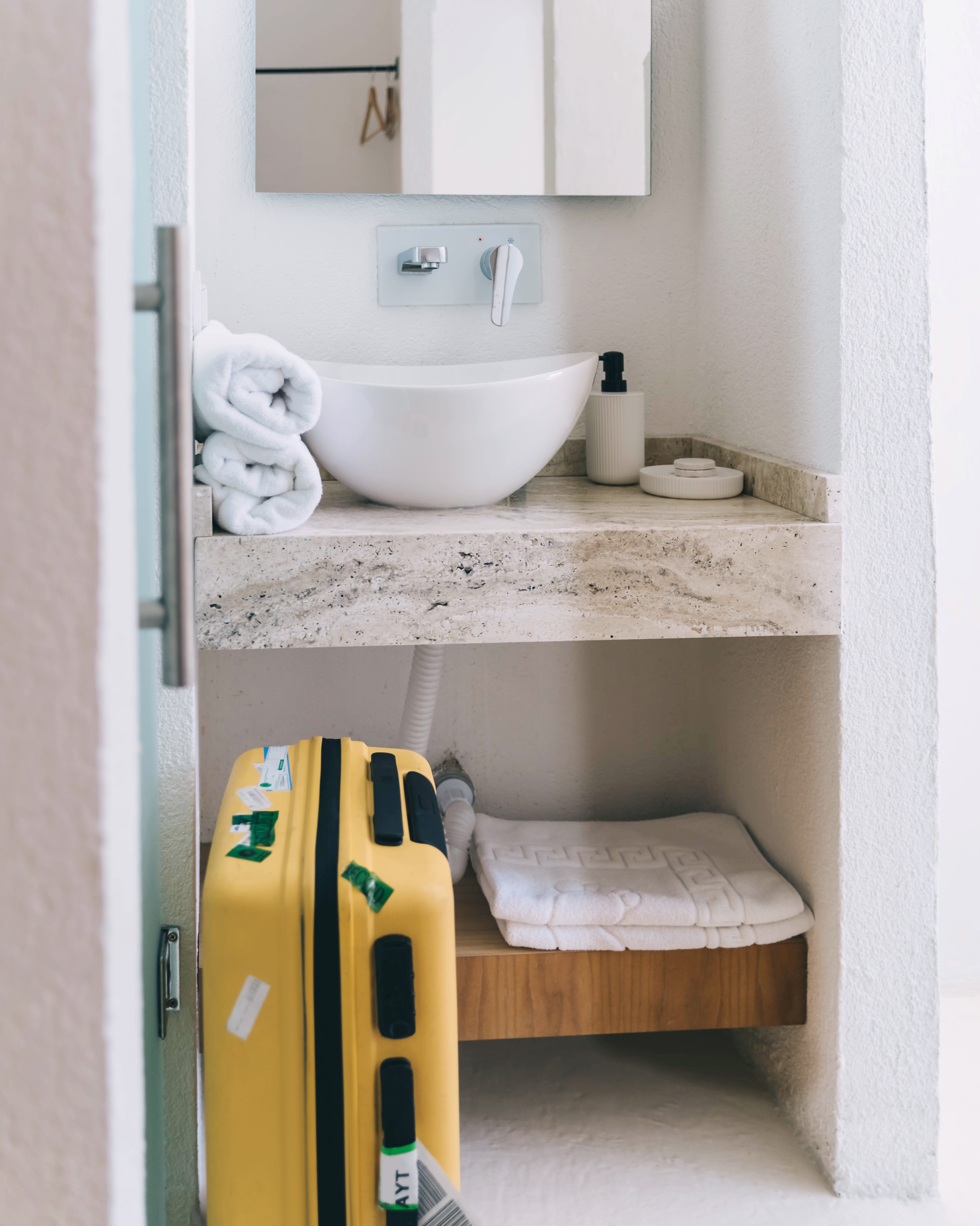
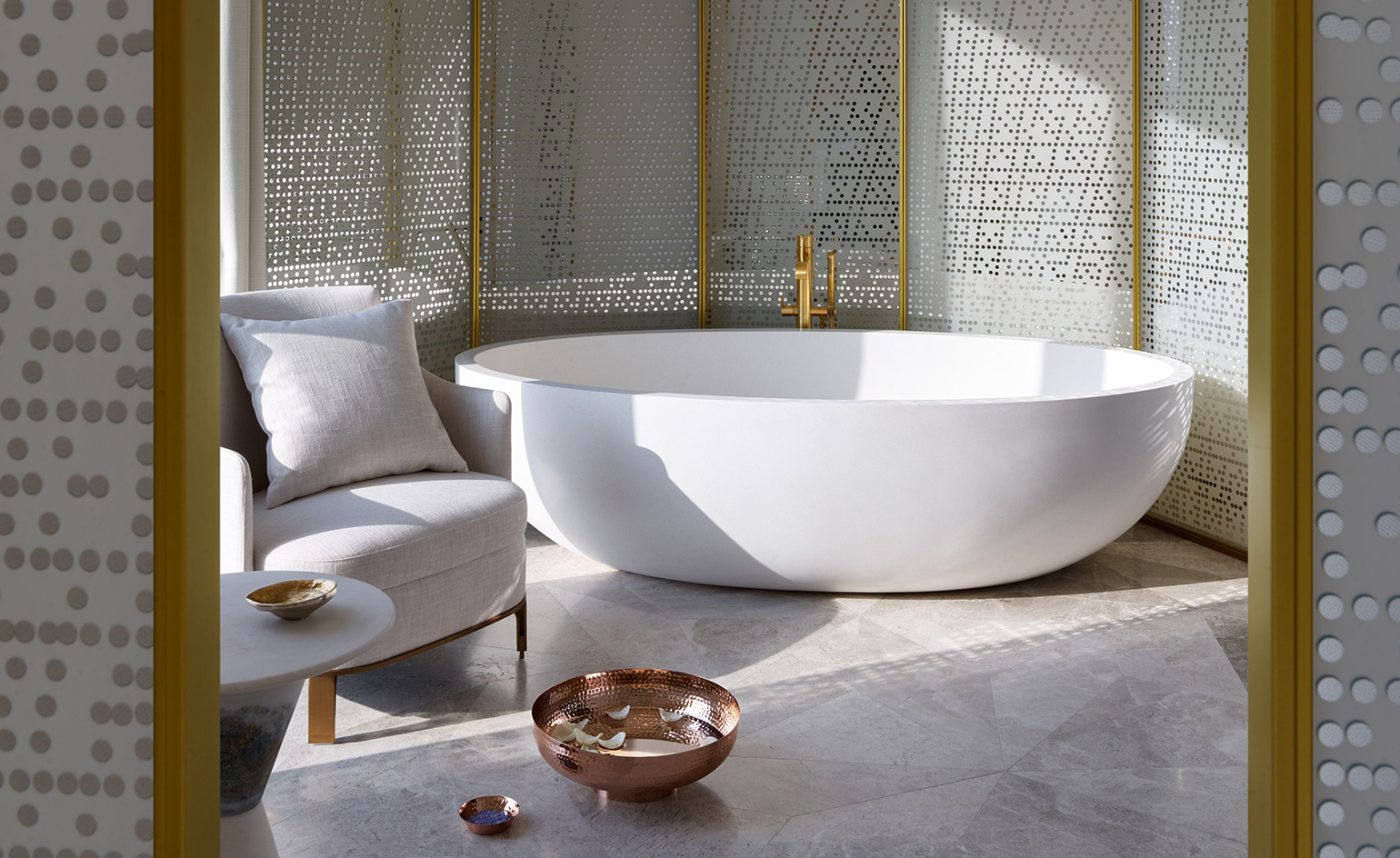
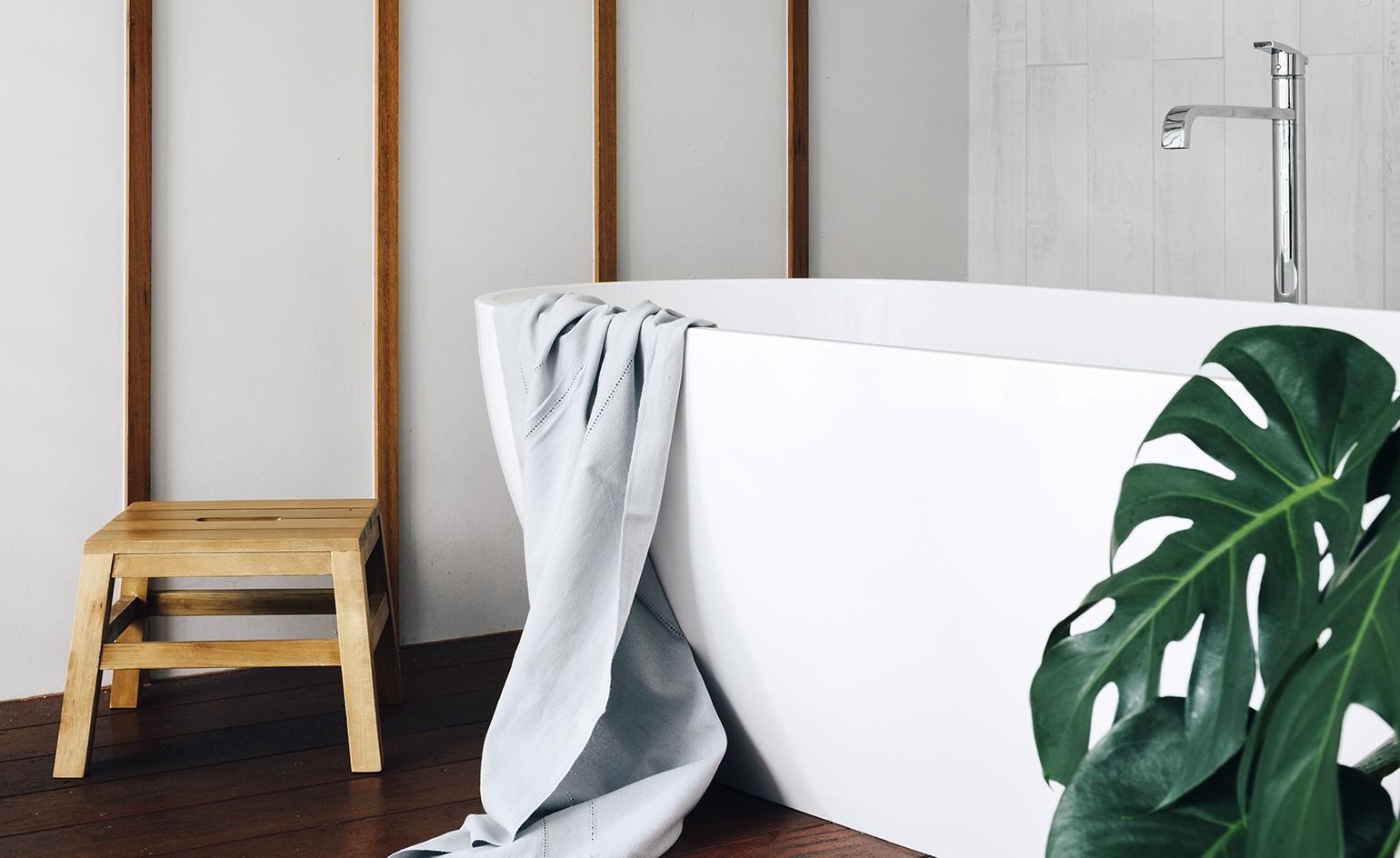
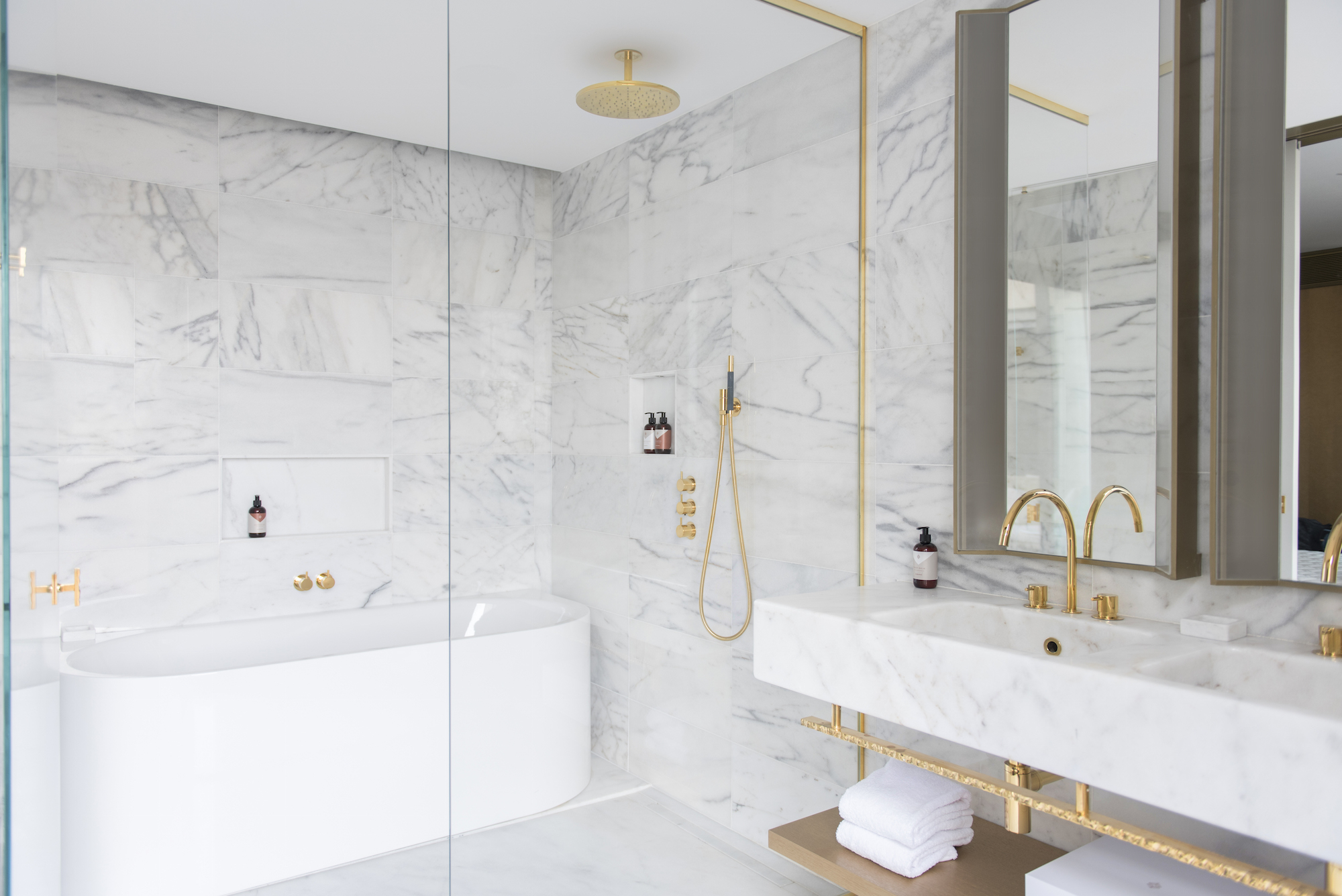
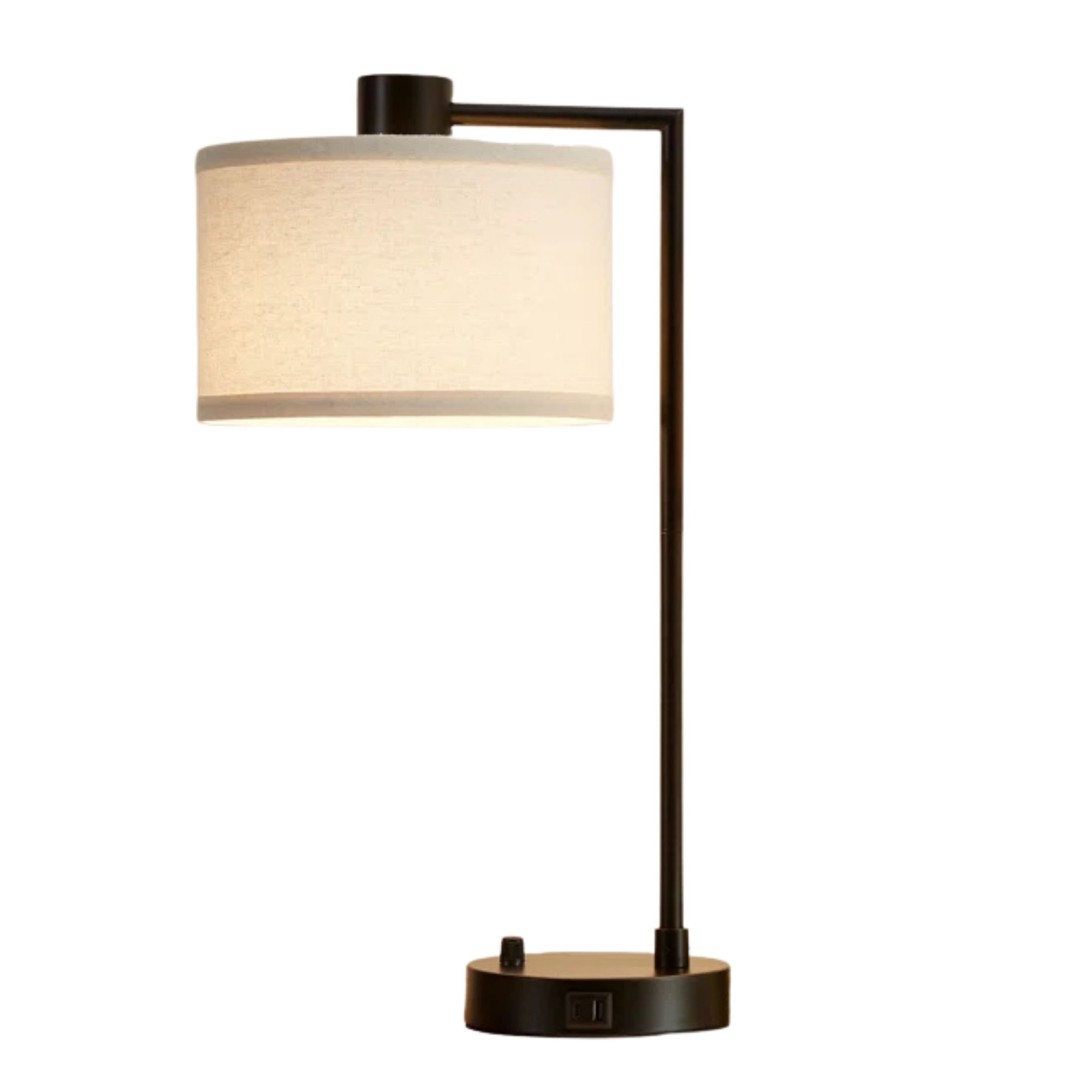
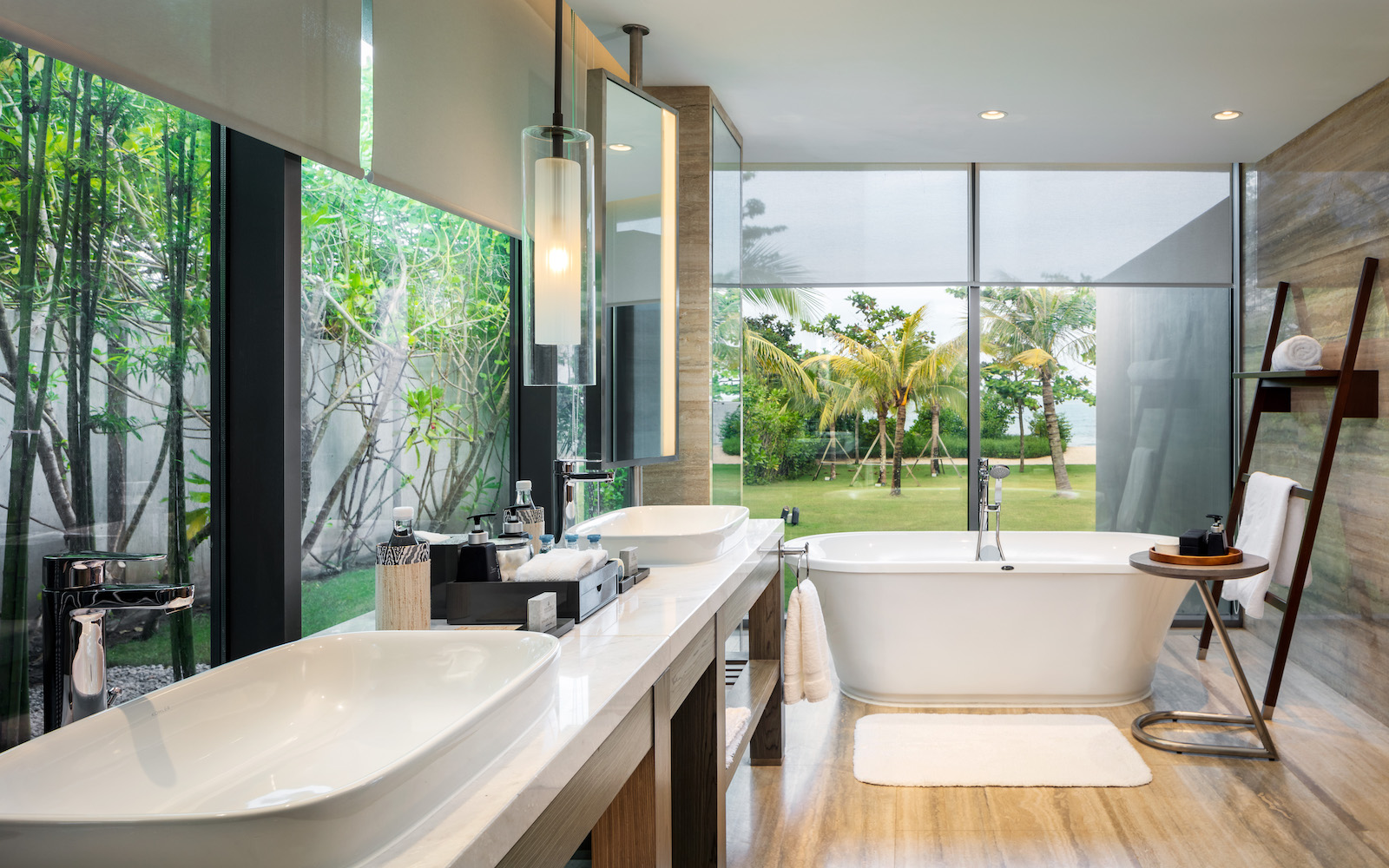
The desk in a hotel room serves multiple purposes, acting as a workspace for business travelers or a dining surface for room service. Its placement and location are carefully planned to maximize functionality and convenience. The bathroom, despite its compact size, offers a significant opportunity for hotels to impress. McDonough emphasizes its critical role in a positive guest experience, particularly highlighting the importance of lighting and the shower experience. A subpar shower, for instance, can significantly detract from a guest's satisfaction. Beyond functionality, elements like towels and pendant lights are crucial for setting the mood and improving acoustics, contributing to a sense of relaxation.
Finally, the amenities provided in a hotel room are not arbitrary additions but are thoughtfully planned to connect guests with their new environment and enhance their comfort. From plush robes to local magazines, every detail is selected with the guest in mind. In luxury accommodations, no aspect of the design is left to chance. The underlying principle is to ensure that every element contributes to a seamless and enjoyable experience, prompting guests to appreciate the intricate design choices made for their comfort during their stay.
#HotelRoomDesign #ExperienceDesign #InteriorDesign #Hospitality #FurniturePlacement #BathroomDesign #GuestExperience #SpaceOptimization #HotelRoomDesign #ExperienceDesign #InteriorDesign #Hospitality #FurniturePlacement #BathroomDesign #GuestExperience #SpaceOptimization
0 comment in total
 No comments yet
You may also like
Roundtable: merging spaces & the future of bathroom design
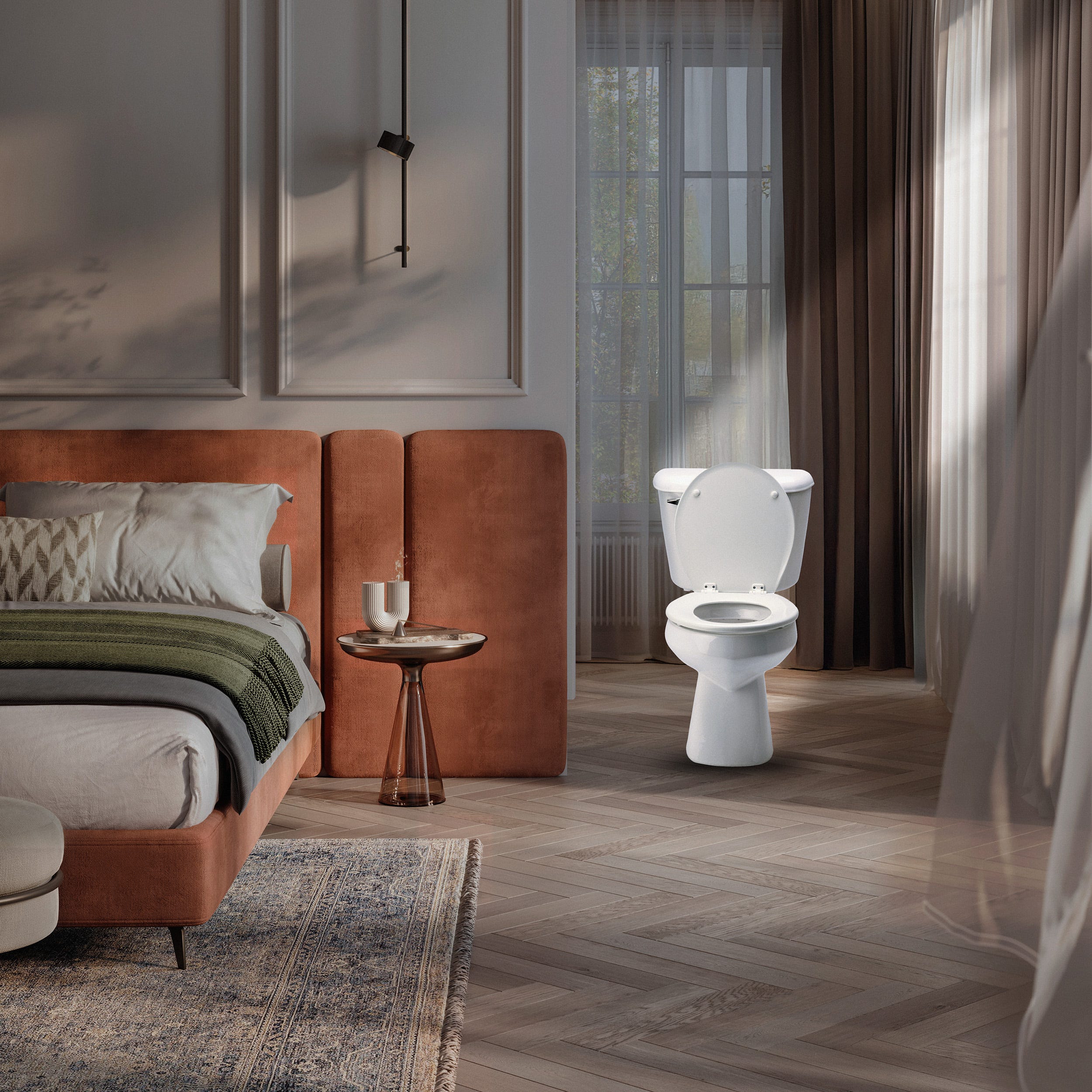
We're Experiencing a "Bathroom Privacy Crisis" in Hotels Now—Experts Explain Why
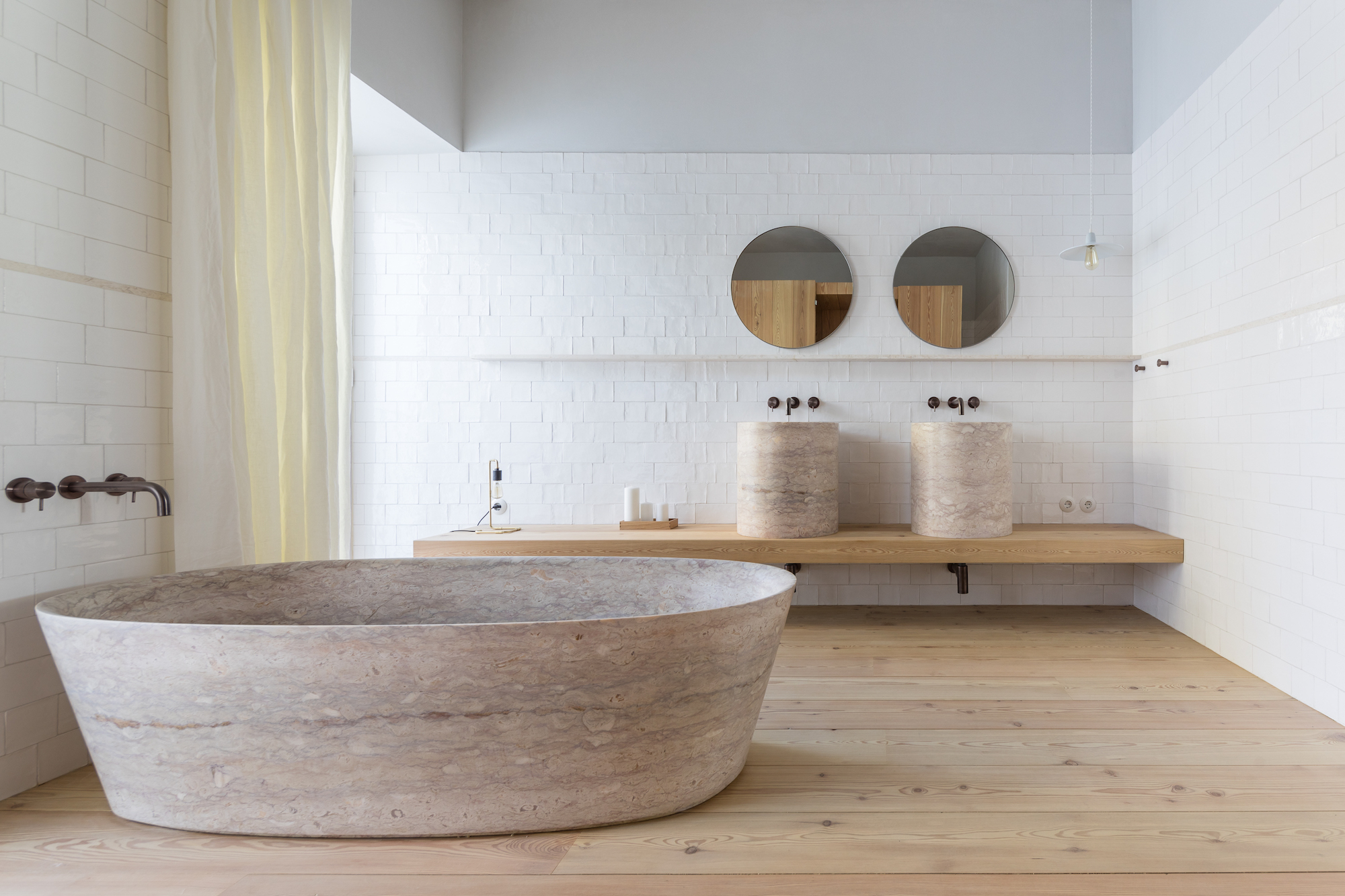
Linger for longer in these 10 design-led luxury hotel bathrooms

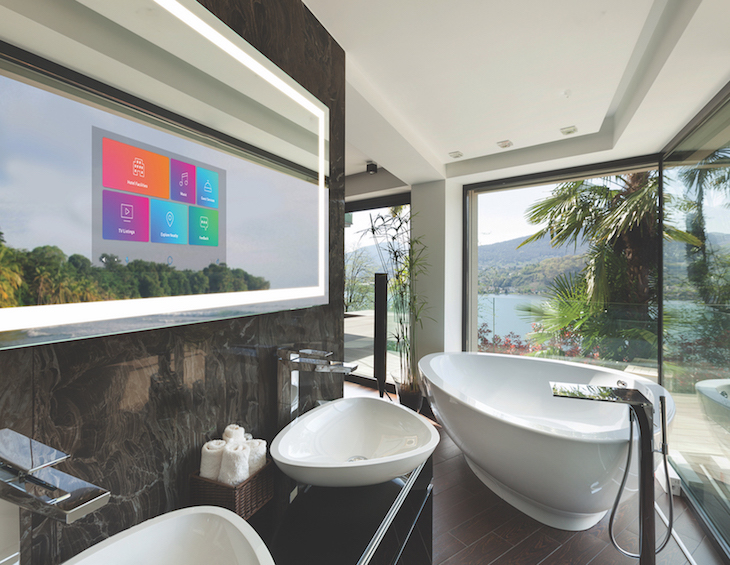
INDUSTRY INSIGHT: Finding balance in bathroom mirror lighting

Jason Holley and Paul Gulati of Universal Design Studio Rethink Design

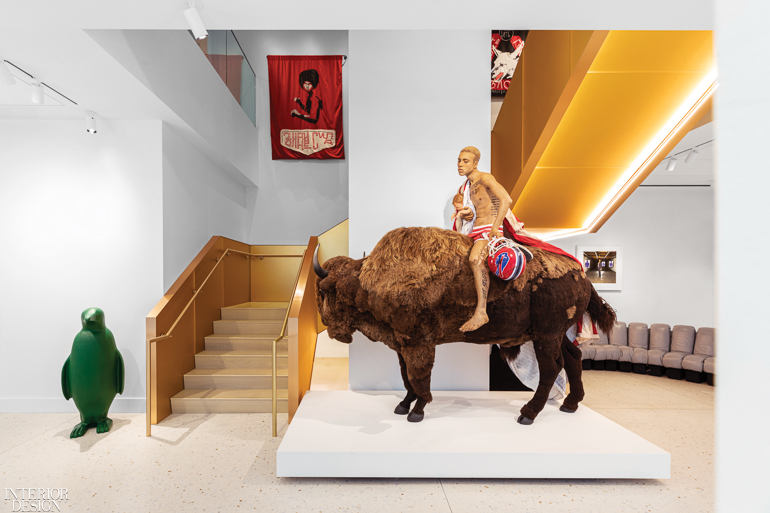
Deborah Berke Partners Creates Contemporary Art Experience at the 21c Museum Hotel Chicago

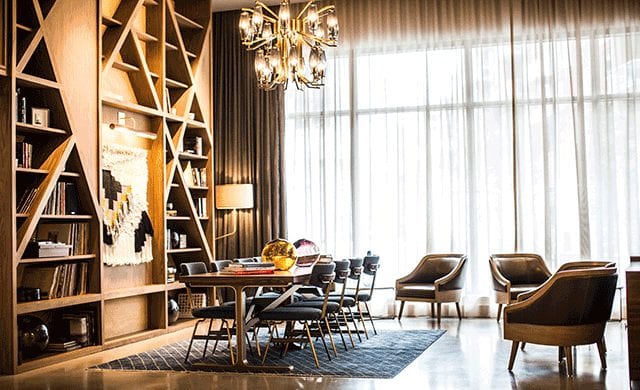
Thompson Nashville
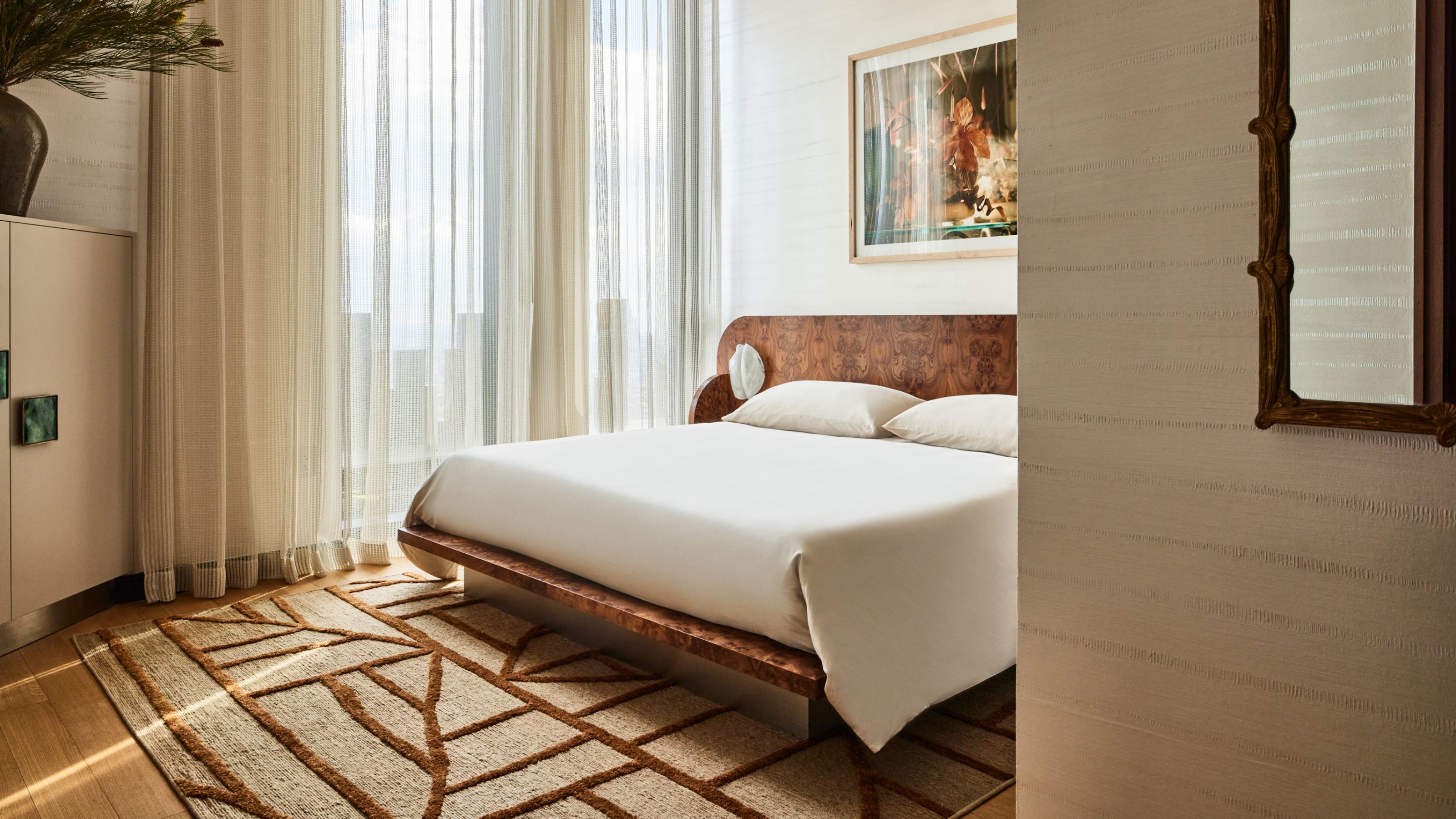
7 Guest Bedroom Design Mistakes That Will Make Them Wish They'd Booked a Hotel Instead

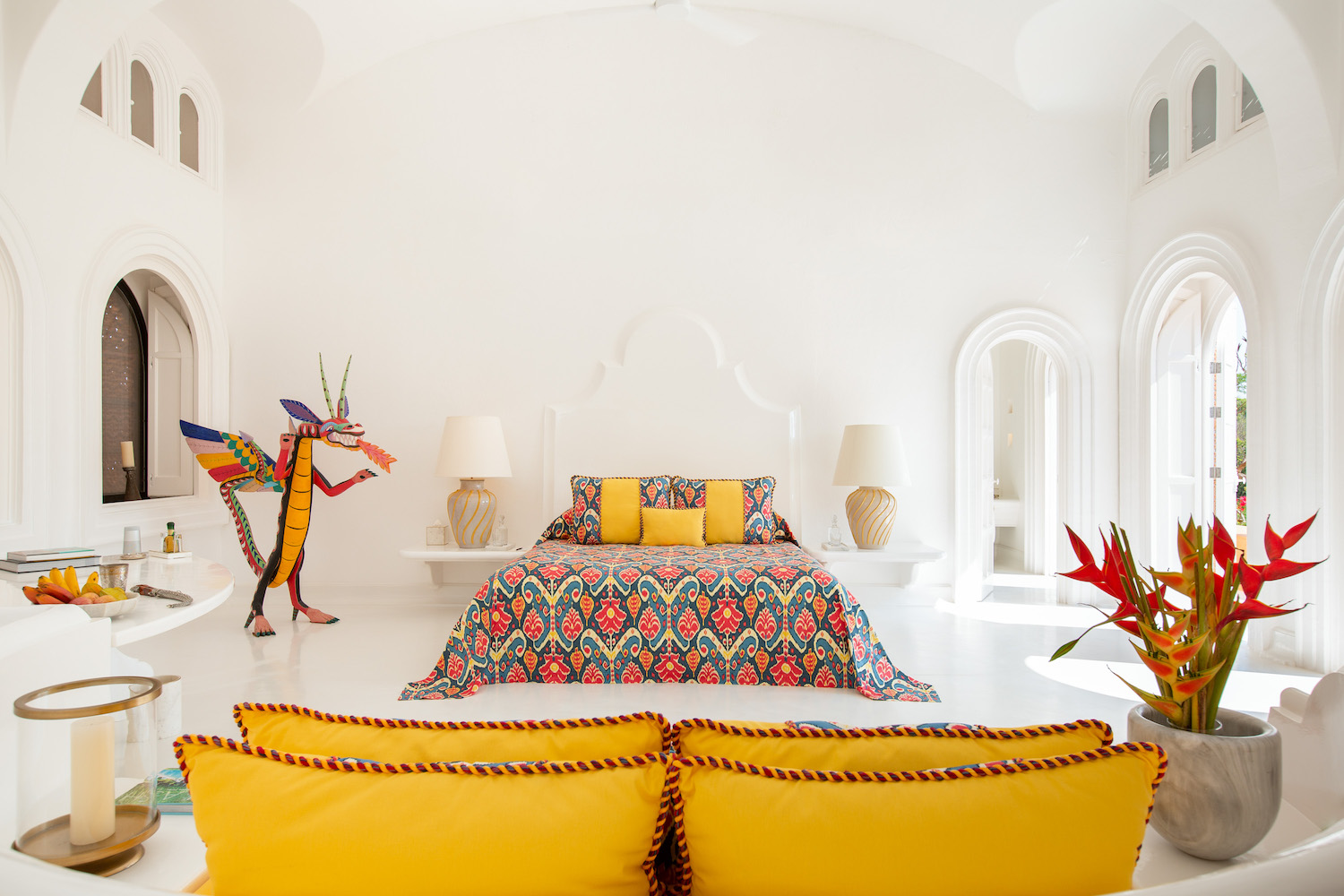
The world's most beautiful bedroom designs from the world’s best hotels
In conversation with: Tina Norden, Interior Designer of the Year 2021

Celebrated Designer Vincent Celano Tackles Eclectic Projects

Steal These Decorating Ideas From Denver’s New Maven Hotel

Thoughtful Hotel Guestroom Closets in the Revenge Travel Era

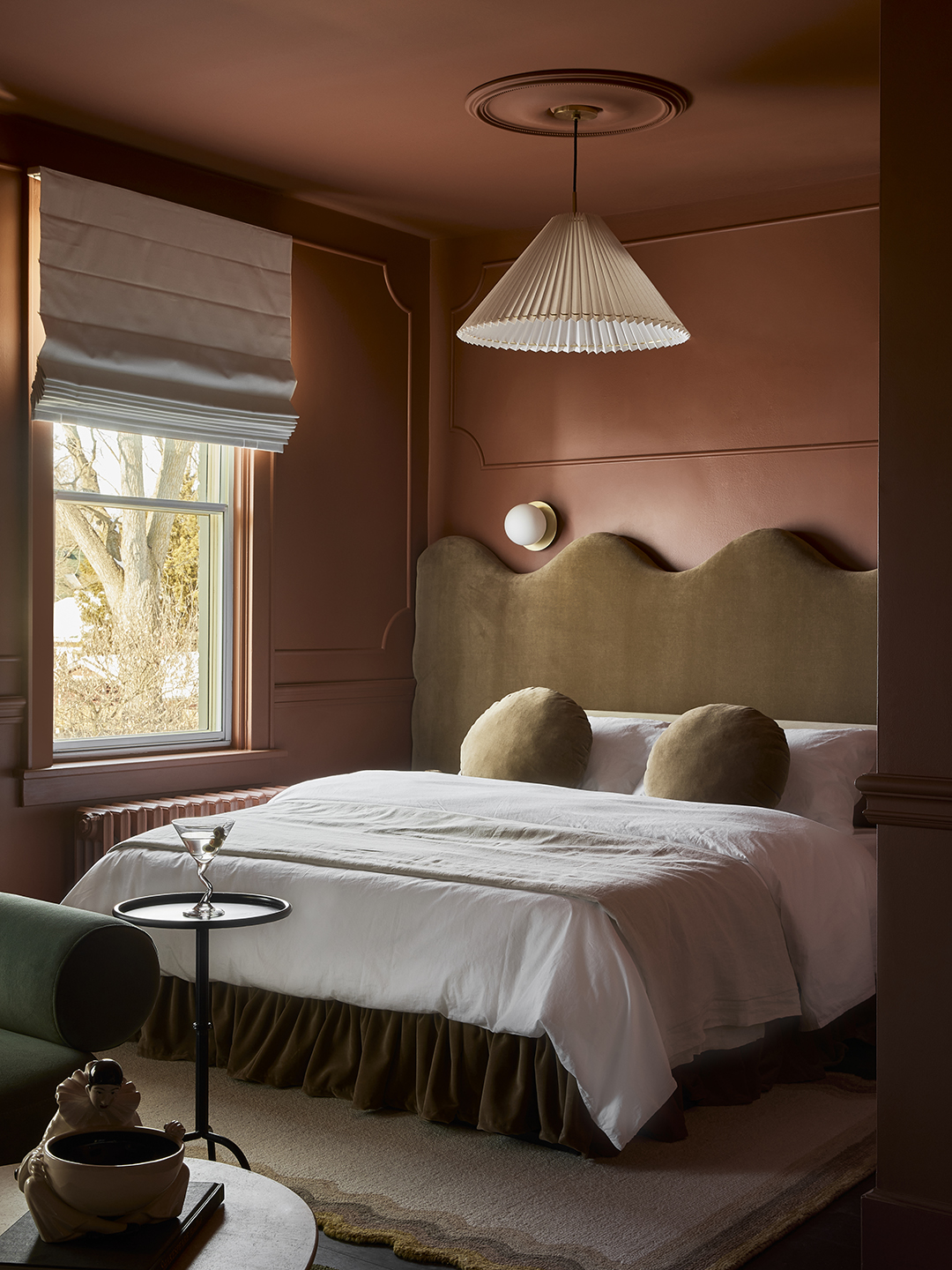
Paint Your Kitchen Dark Purple—This Moody Ontario Hotel Is Daring You to Try It

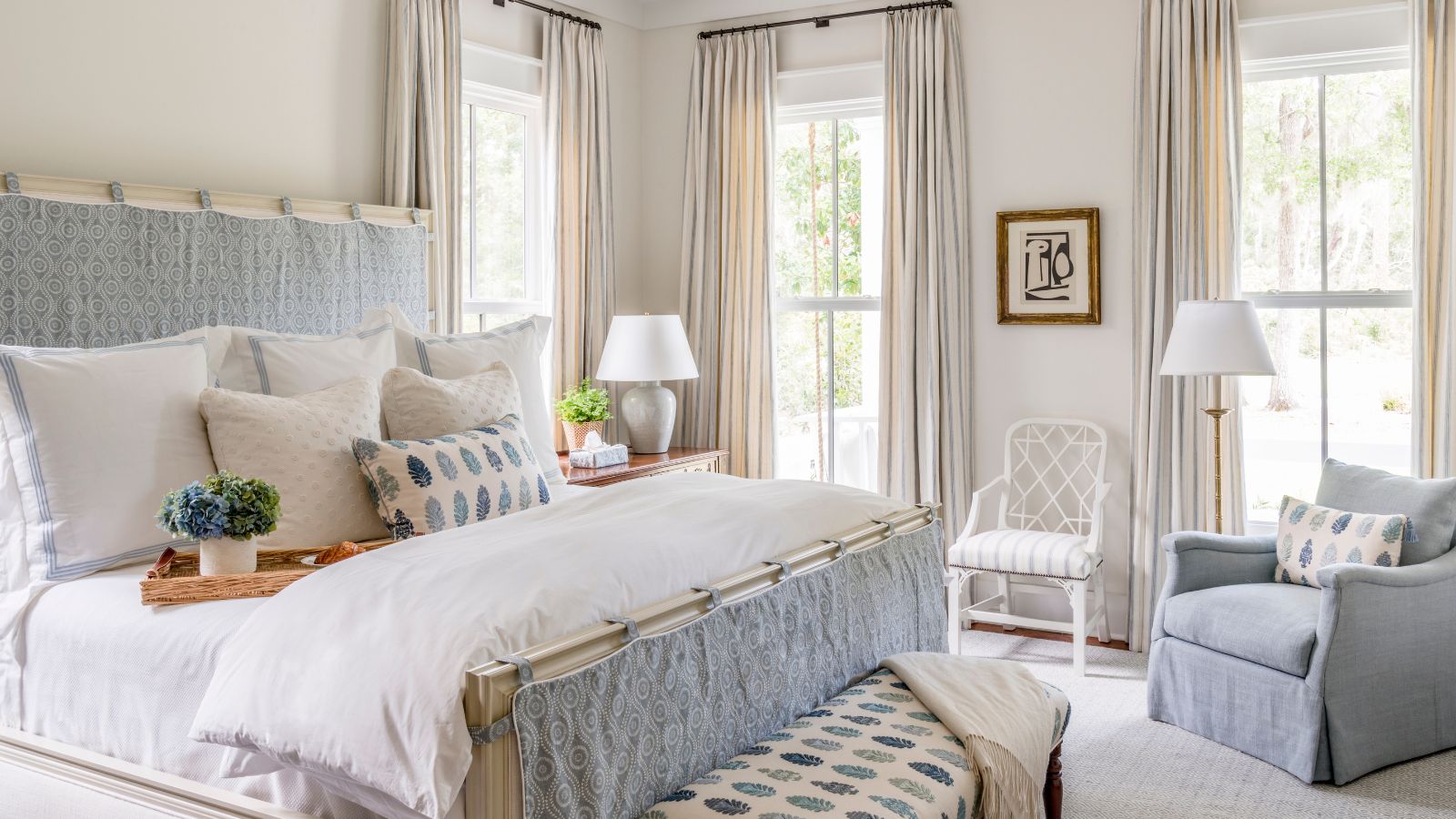
Interior designers share their secrets to designing a bedroom like a 5-star luxury hotel room at home
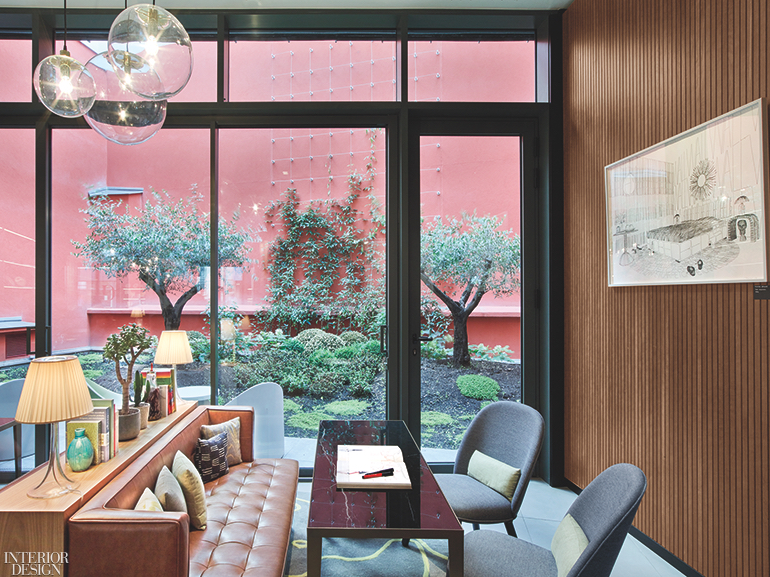
Nido Architecture Displays Artistry at the Drawing Hotel in Paris
The 17 Most Luxurious Hotel Bathrooms in the World
Get a Room! 20 Seductive Master Suites and Hotel Guestrooms
Enhancing the Stay: Hilton Hotels & Resorts Around the Globe Debut Major New Design Innovations

A Woman’s Outfit Coincidentally Matches the Decor of Her Hotel Hallway