1/10
Eero Saarinen's Tulip table has "a kind of dishonesty to it"
The article delves into the iconic Tulip table, a seminal piece of mid-century modern design by Finnish-American designer and architect Eero Saarinen. Saarinen’s primary motivation behind the creation of the Tulip collection, which included a stool and a chair, was his strong aversion to the visual clutter caused by numerous table legs in typical interiors. He famously sought to "clear up the slum of legs," a vision he realized in 1957 with the Pedestal Group, more commonly known as the Tulip collection. The table, in particular, gained significant influence and remains one of the most recognizable and successful furniture pieces of the mid-century period, as noted by Dominic Bradbury in his book "Mid-Century Modern Design: A Complete Sourcebook."
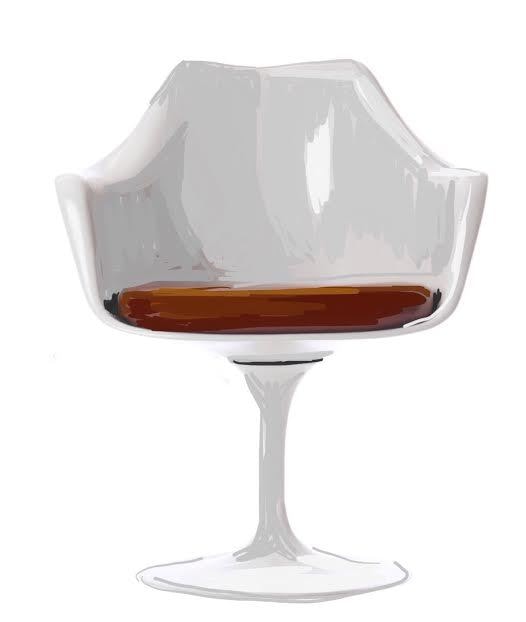
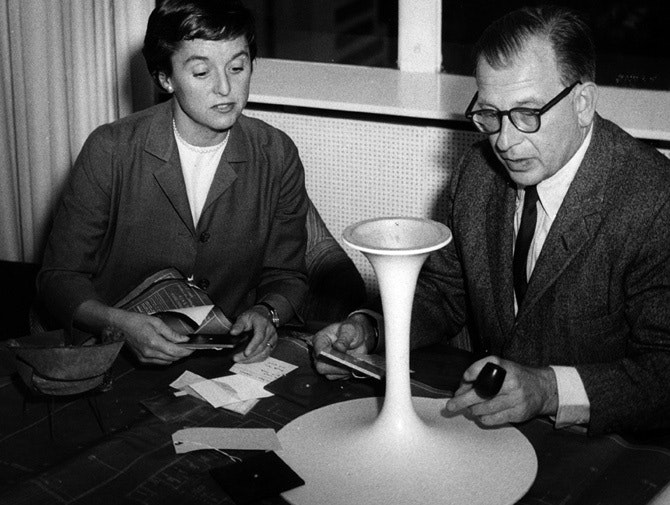
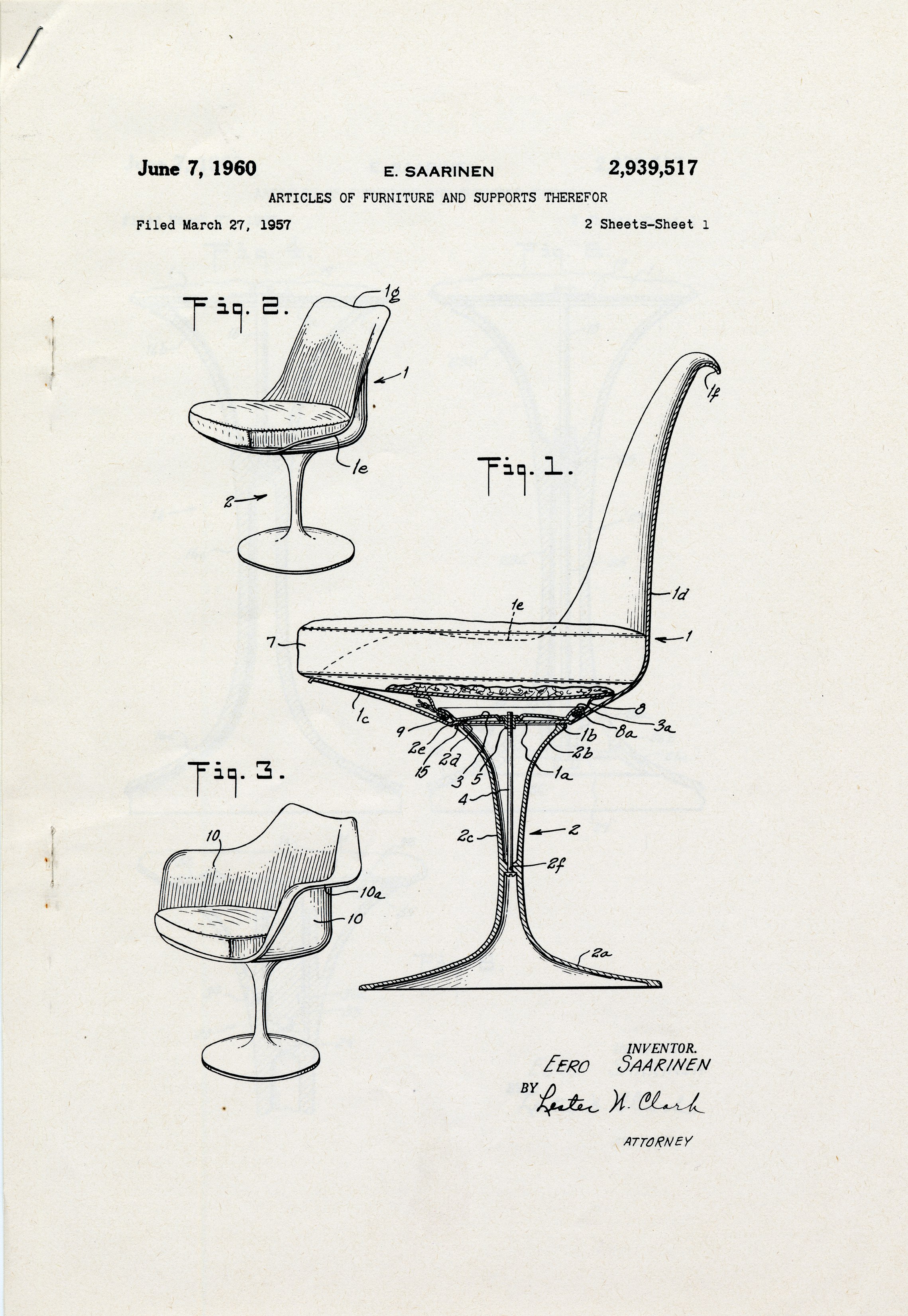
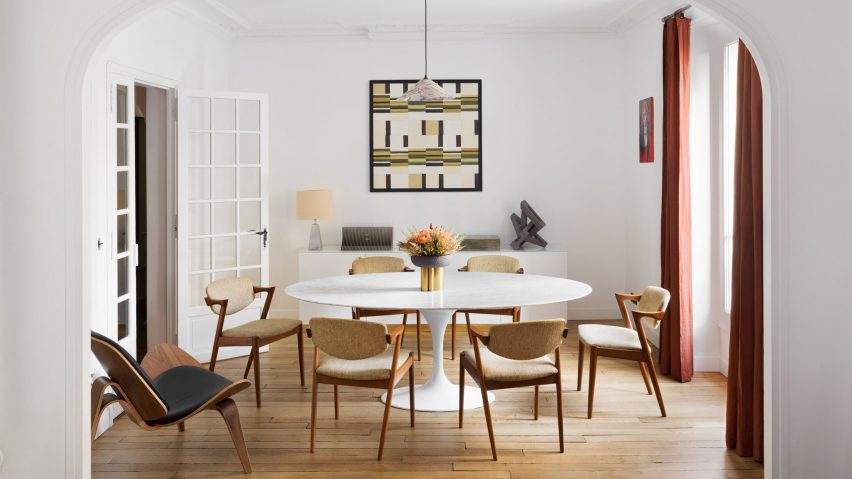
Manufactured continuously by American furniture brand Knoll since its inception, the Tulip table is characterized by its sculptural single leg, or pedestal, crafted from enamelled aluminum. This pedestal resembles a wine glass stem, flaring gracefully as it connects to the floor and the underside of the round tabletop. Saarinen’s patent filing for the table emphasized the absence of angles, which he believed created a "restful and pleasing effect" for the observer, especially when paired with complementary chairs. However, Donald Albrecht, an architecture and design curator and author of a book on Saarinen, offers a differing perspective. Albrecht, who owns a white marble-topped Tulip table, finds that the table pairs better with other furniture pieces, such as Bertoia chairs, believing that a full set of Tulip tables and chairs can be "too much curving, too much sculpture." He attributes the table’s enduring success to its unique form combined with its versatility to integrate with diverse design elements.
Saarinen’s work on the Tulip table coincided with his architectural projects, including the renowned TWA Flight Center at New York’s Idlewild Airport and the David S. Ingalls Rink at Yale University. Design historians frequently observe stylistic parallels between the sculptural curves of these architectural marvels and the fluid forms of the Tulip collection. The Tulip table was not only an aesthetic triumph but also a significant engineering challenge, embodying the era's futuristic outlook and ambitious approach to furniture design. The 1950s and '60s saw a revolution in table design, fueled by advancements in material and manufacturing technology, leading to the emergence of more single-legged tables post-Tulip.
Despite its apparent simplicity, the Tulip table required extensive prototyping due to the difficulty of balancing visual lightness with structural sturdiness using the materials available at the time. Saarinen noted in his patent filing that the pedestal contours were not easily manufacturable by conventional methods, and traditional structures would render the table unstable and top-heavy. This engineering hurdle led to a notable design compromise: the inclusion of a round piece of white-painted plywood supporting the tabletop, a detail hidden on the underside. Albrecht humorously refers to this as a "kind of dishonesty," highlighting that Saarinen prioritized the visual effect over material purity, a trait the Eameses, for instance, might have avoided. Albrecht speculates that Saarinen’s designs, particularly the Tulip, might have influenced Danish designer Verner Panton's iconic chair, which became the first single-piece plastic chair in 1967. Saarinen, who died six years before the Panton chair’s production, would likely have explored all-plastic furniture had he lived longer. The article concludes as part of Dezeen’s mid-century modern design series, examining the style's ongoing relevance, key figures, and contemporary evolution.
#EeroSaarinen #TulipTable #MidCenturyModern #FurnitureDesign #Knoll #DesignHistory #ArchitecturalInfluence #DonaldAlbrecht #Innovation #EeroSaarinen #TulipTable #MidCenturyModern #FurnitureDesign #Knoll #DesignHistory #ArchitecturalInfluence #DonaldAlbrecht #Innovation
 No comments yet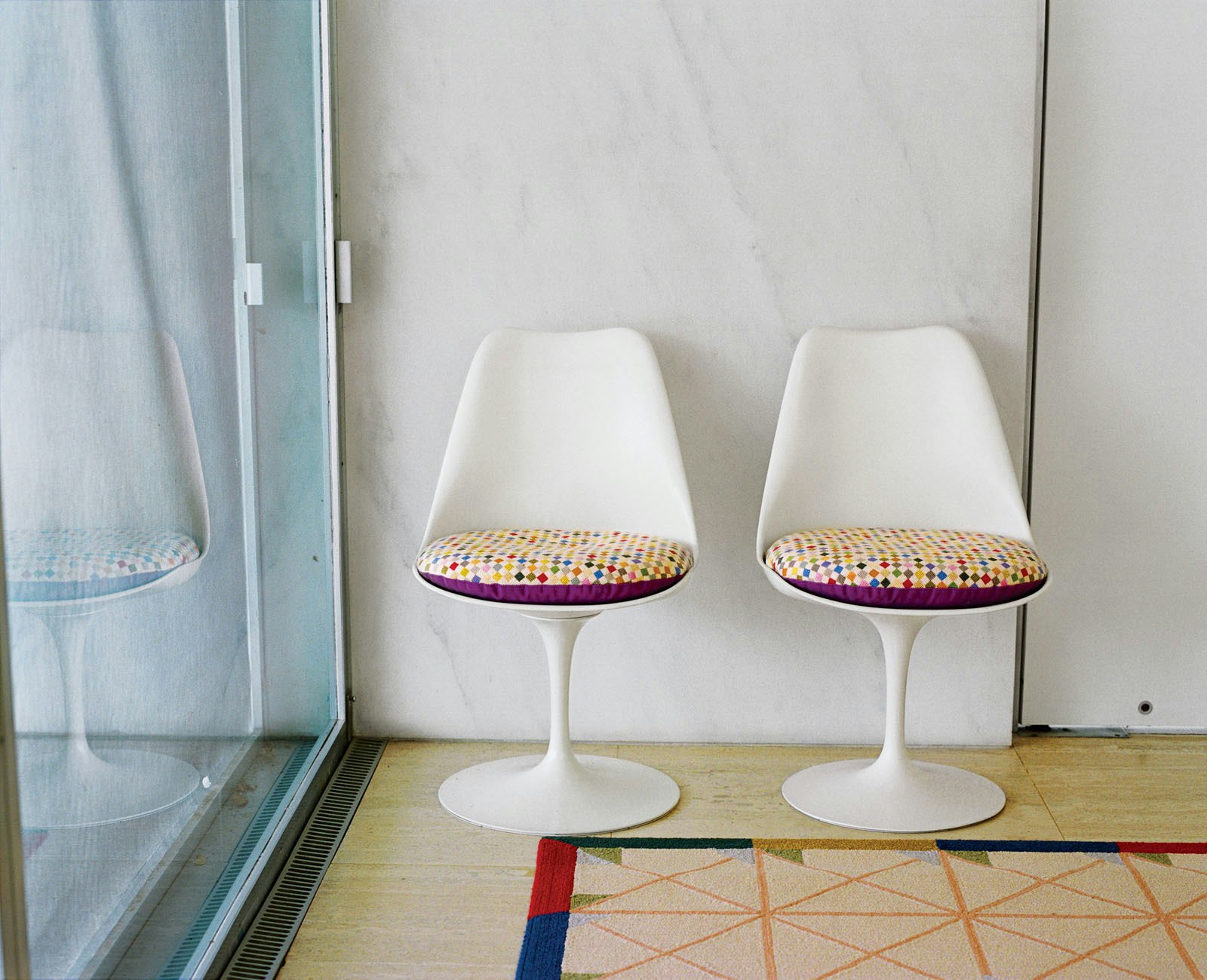
The Story of Eero Saarinen’s Famous Tulip Chair


HGTV's Erin Napier's Spin On Scandinavian Design Has Everyone's Attention