1/8
The Story of Eero Saarinen’s Famous Tulip Chair
Eero Saarinen, a Finnish-American architect and industrial designer, is renowned for his contributions to 20th-century design, particularly his iconic Tulip Chair. Born in 1910, Saarinen grew up in a design-centric environment, with his father, Eliel Saarinen, being a prominent architect and his mother, Loja Saarinen, a skilled sculptor and textile maker. This early exposure to design fostered his talent, leading him to win his first design contest at the age of 12 by illustrating a story with matchsticks for a Swedish newspaper. He further honed his artistic skills by studying sculpture in Paris and architecture at Yale.
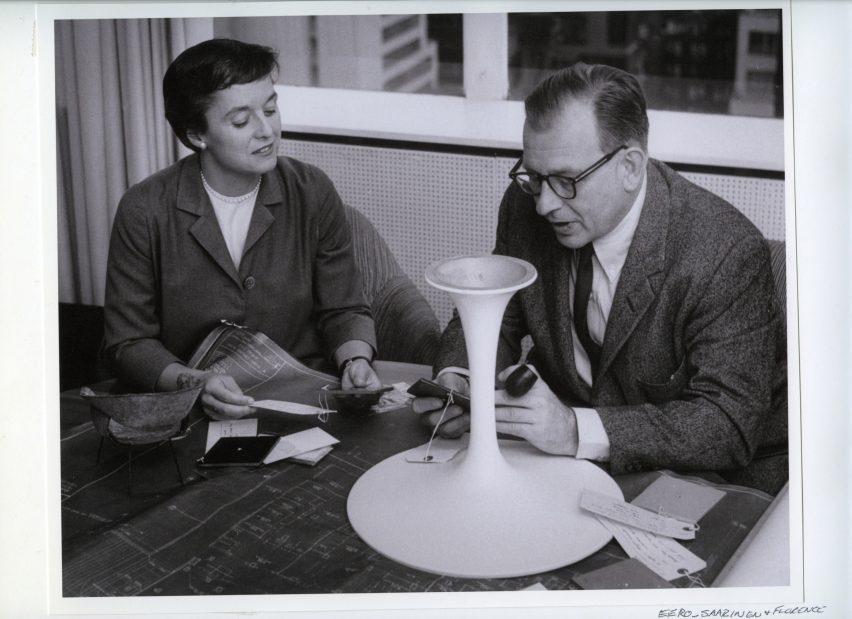
Saarinen's career was marked by significant collaborations and achievements. In the 1930s, he joined his father's firm and taught at the Cranbrook Academy of Art, where he forged lifelong friendships and professional partnerships with Florence Knoll and Charles Eames. His initial major recognition in furniture design came from a molded plywood chair created with Eames for the Organic Design in Home Furnishings competition. He also won the design competition for the St. Louis Gateway Arch, a testament to his architectural prowess.
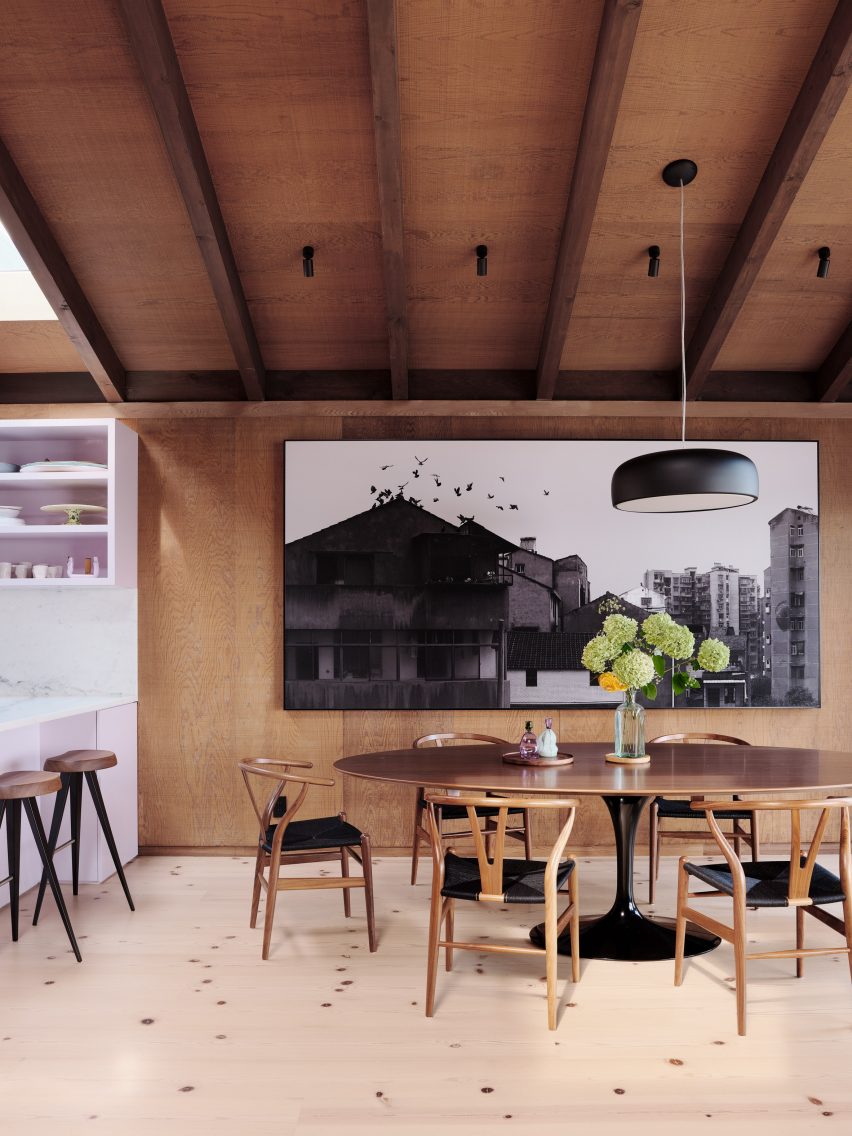
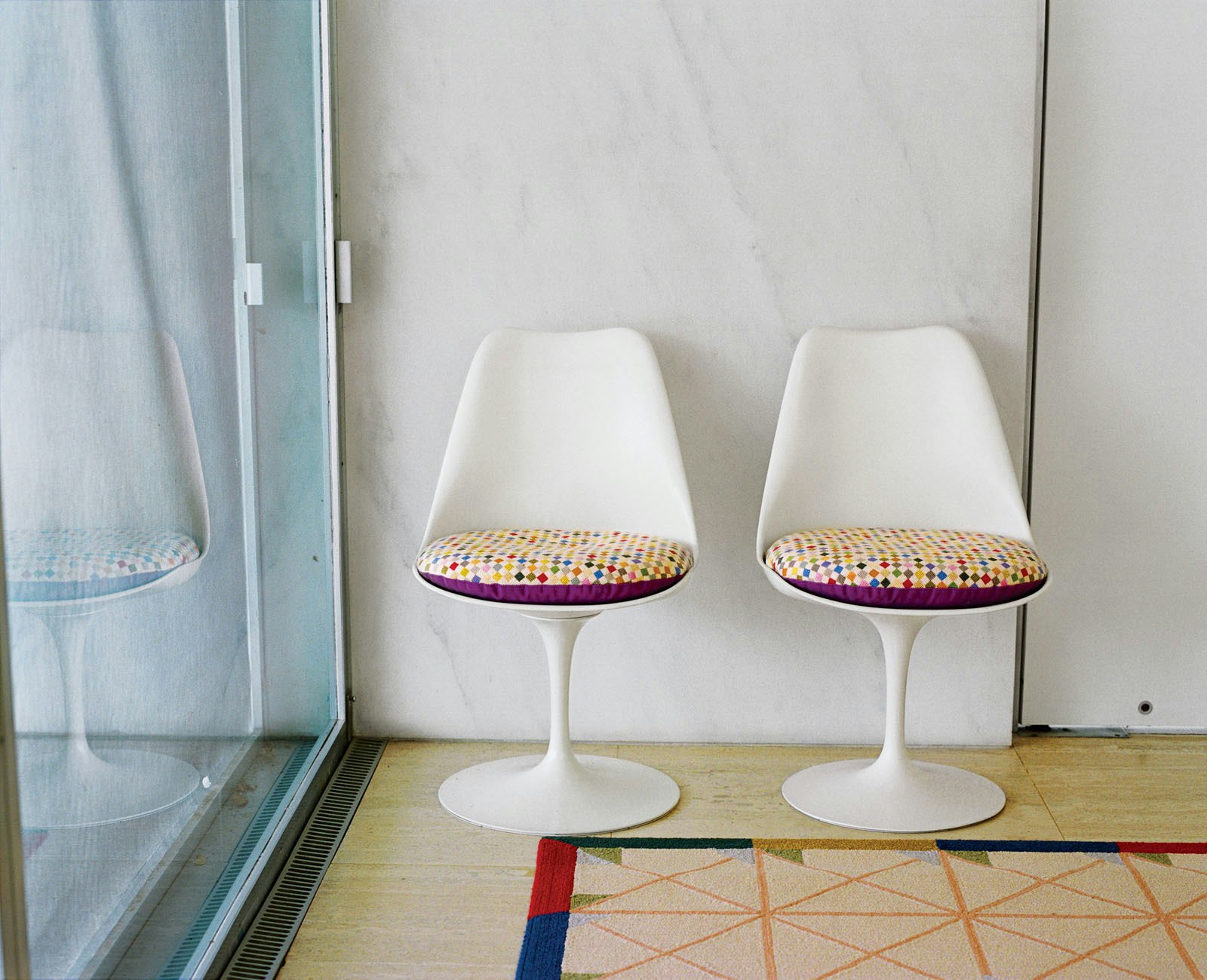
Despite his architectural successes, Saarinen's furniture designs, particularly the Pedestal Collection, remain among his most celebrated works. He conceived the Pedestal Collection in the late 1950s for Knoll, driven by a desire to eliminate the visual clutter caused by numerous furniture legs in American homes. His famous quote, "The undercarriage of chairs and tables in a typical interior makes an ugly, confusing, unrestful world," encapsulates his motivation. The collection, which includes dining chairs, armchairs, dining and coffee tables, side tables, and stools, replaces the traditional four legs with a single, central pedestal, earning it the "Tulip" moniker.
Saarinen's vision for the Tulip Chair was to create a piece that was "all one thing again," ideally molded from a single material. While technological limitations of the time prevented a completely monolithic structure, he achieved a unified aesthetic using a reinforced aluminum stem with a fused plastic finish, supporting a curved fiberglass shell. The patent for the Tulip Chair was filed in June 1960, a few years after its design completion in 1956 and subsequent manufacturing by Knoll.
The Tulip Chair was integrated into several of Saarinen’s architectural projects, including the Miller House in Columbus, Indiana, and the TWA Terminal at New York’s Idlewild Airport. Architectural historian Jayne Merkel noted the sculptural resemblance between the TWA terminal and Saarinen's pedestal chair, highlighting his early training as a sculptor. Though the Pedestal Collection was among his last creations before his death in 1961, the Tulip Chair has endured as a symbol of 1950s style and a precursor to space-age aesthetics in mid-century modernism. Its iconic design has appeared in popular culture, including numerous cameos in "Star Trek" and more recently in the "Barbie" film.
#EeroSaarinen #TulipChair #MidCenturyModern #KnollDesign #FurnitureDesign #PedestalCollection #DesignHistory #ModernistArchitecture #IndustrialDesign #EeroSaarinen #TulipChair #MidCenturyModern #KnollDesign #FurnitureDesign #PedestalCollection #DesignHistory #ModernistArchitecture #IndustrialDesign
0 comment in total
 No comments yet
You may also like
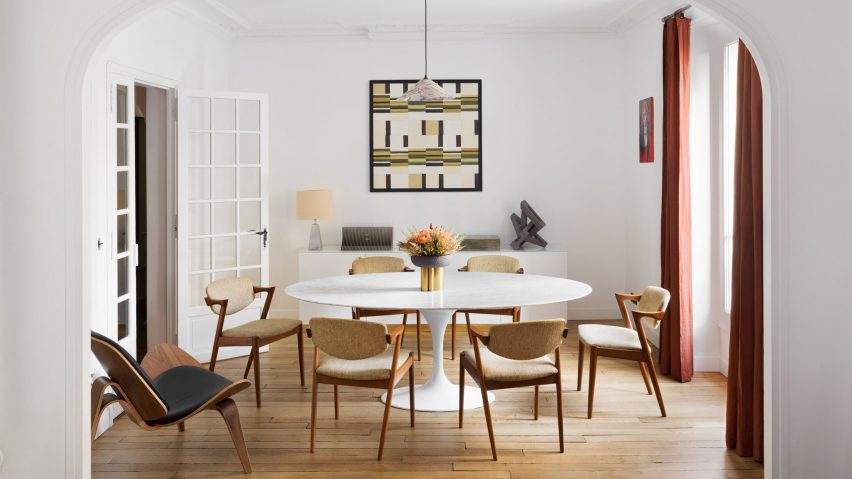
Eero Saarinen's Tulip table has "a kind of dishonesty to it"
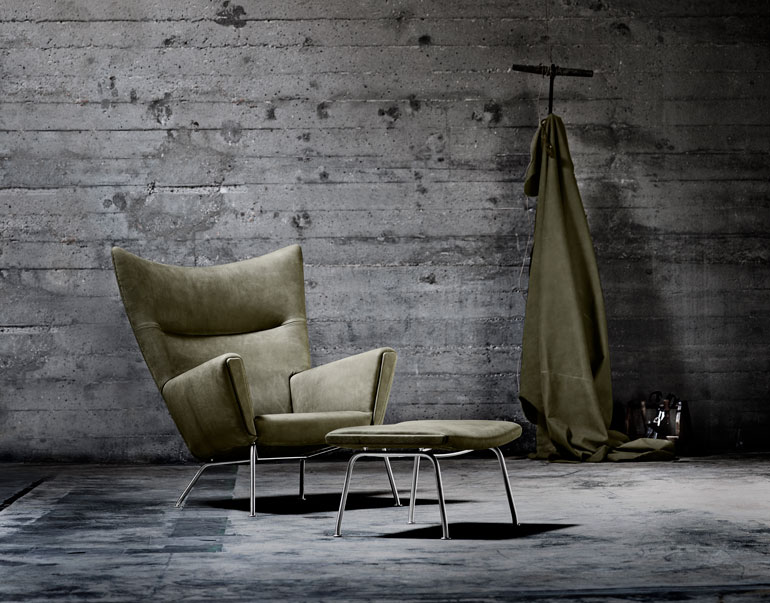
Carl Hansen & Søn Teams Up with Edelman Leather for a New Take on Old Favorites

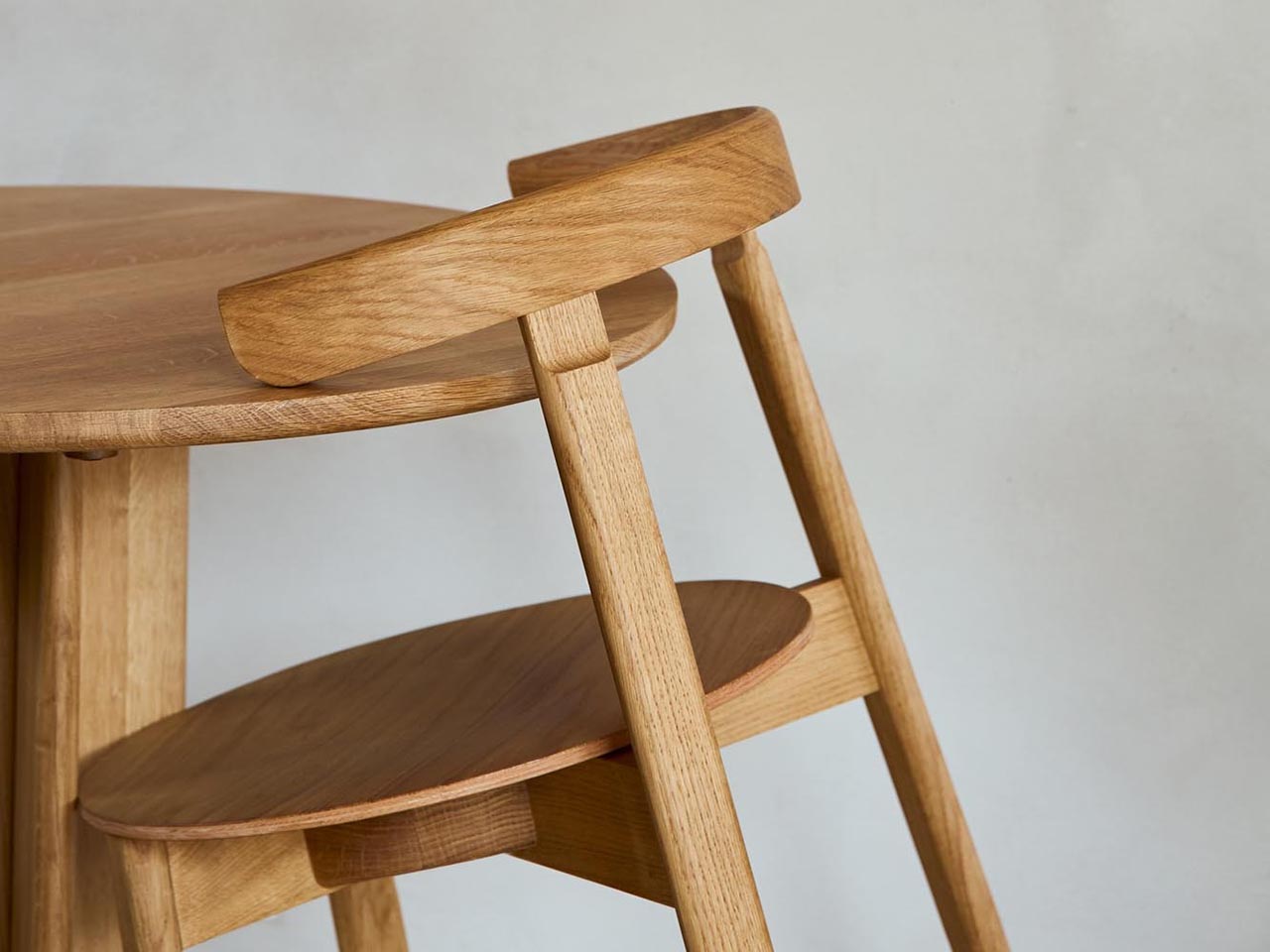
The Lunar Chair Wants To Spend Its Life With You
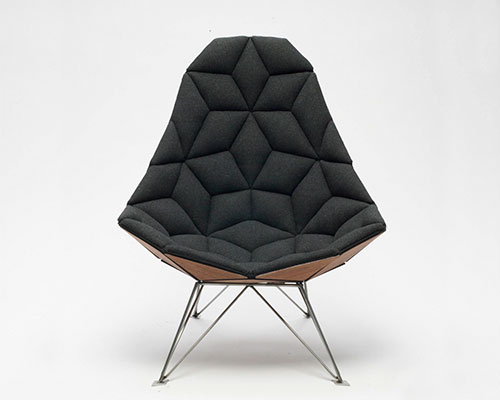
JSN design assembles diamond-shaped tiles into chair
23 of the Most Important Chair Designs of All Time

10 Iconic Mid-Century Modern Chairs That Are a 'Must-Know' for Any Design Enthusiast

The Ekstrem Chair Isn’t for Everyone, but It’s More Comfortable Than You Think
Classic club chairs for old-school refinement
23 Types of Chairs, Explained


I Tried It: Womb Chair by Eero Saarinen
The Best Accent Chairs From Anthropologie
Build and customise your own free-of-charge lounge chair


Take a seat: The stories behind design’s most beloved chairs

Interior Designers on the Most Iconic Furniture of All Time
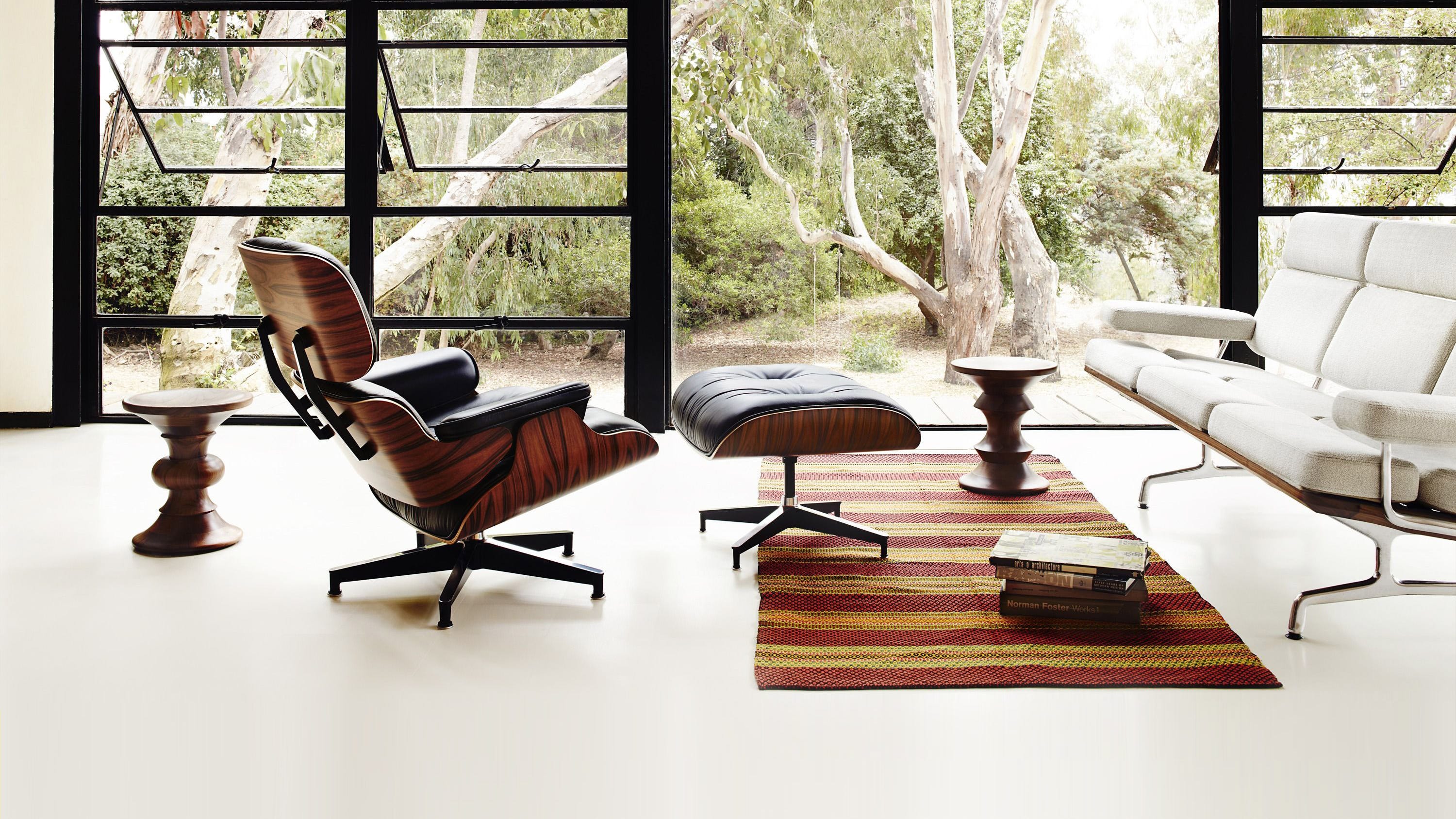
Here's Why the Eames Lounge Chair Is So Iconic
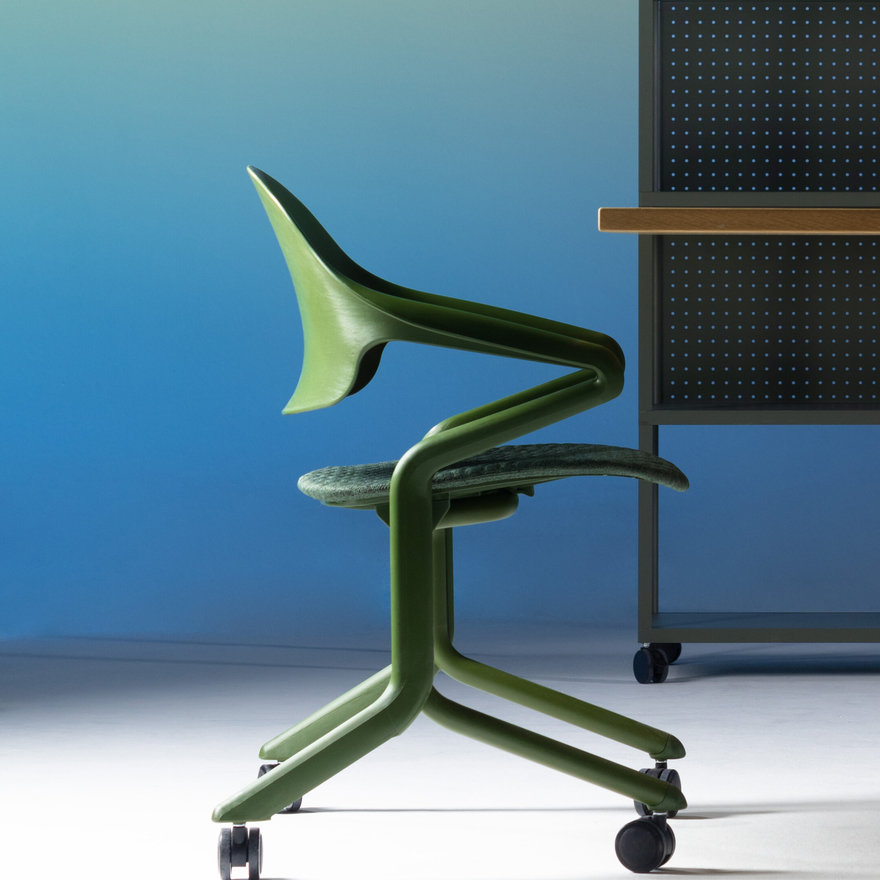
Industrial Designer Stefan Diez's Prototyping Shots of the Fuld Nesting Chair

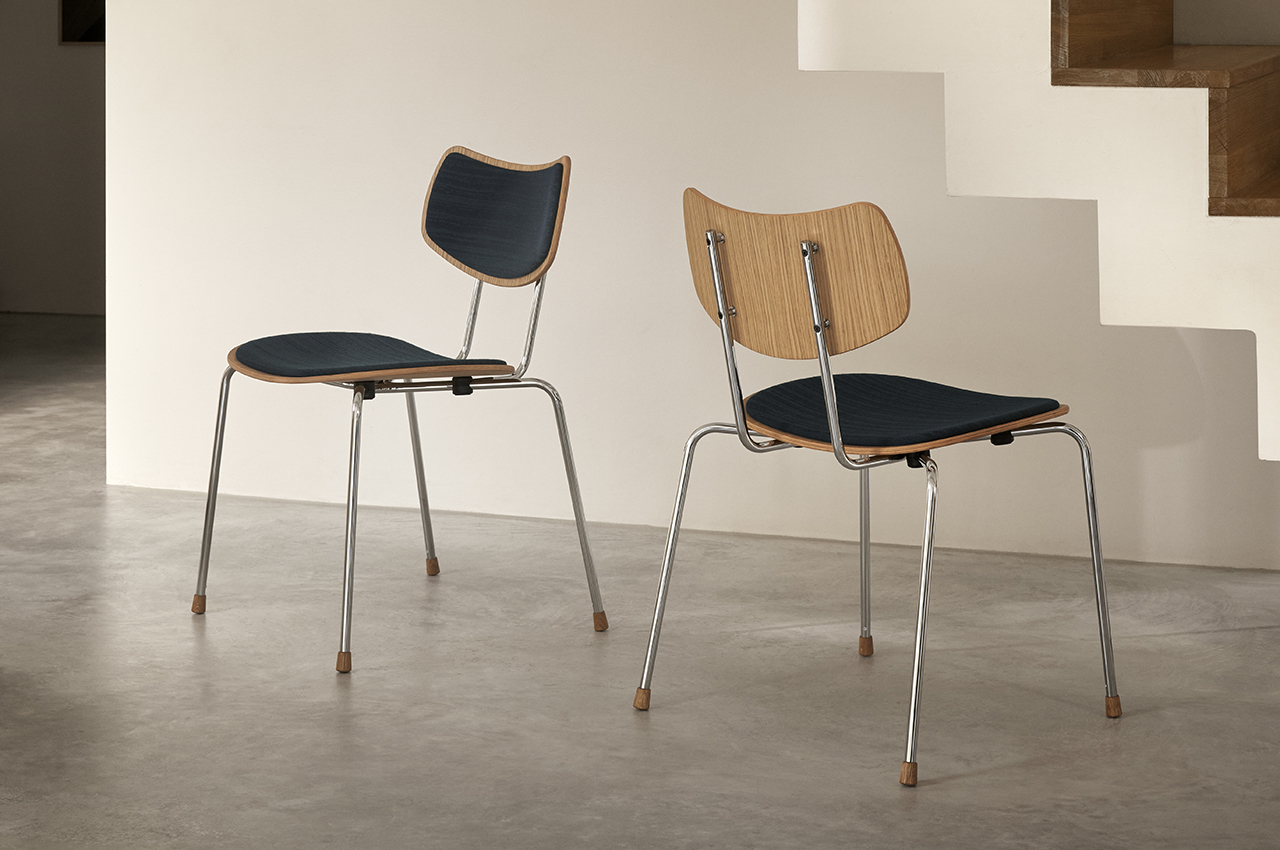
The VLA26 Vega Chair Finally Has Its Day in the Sun
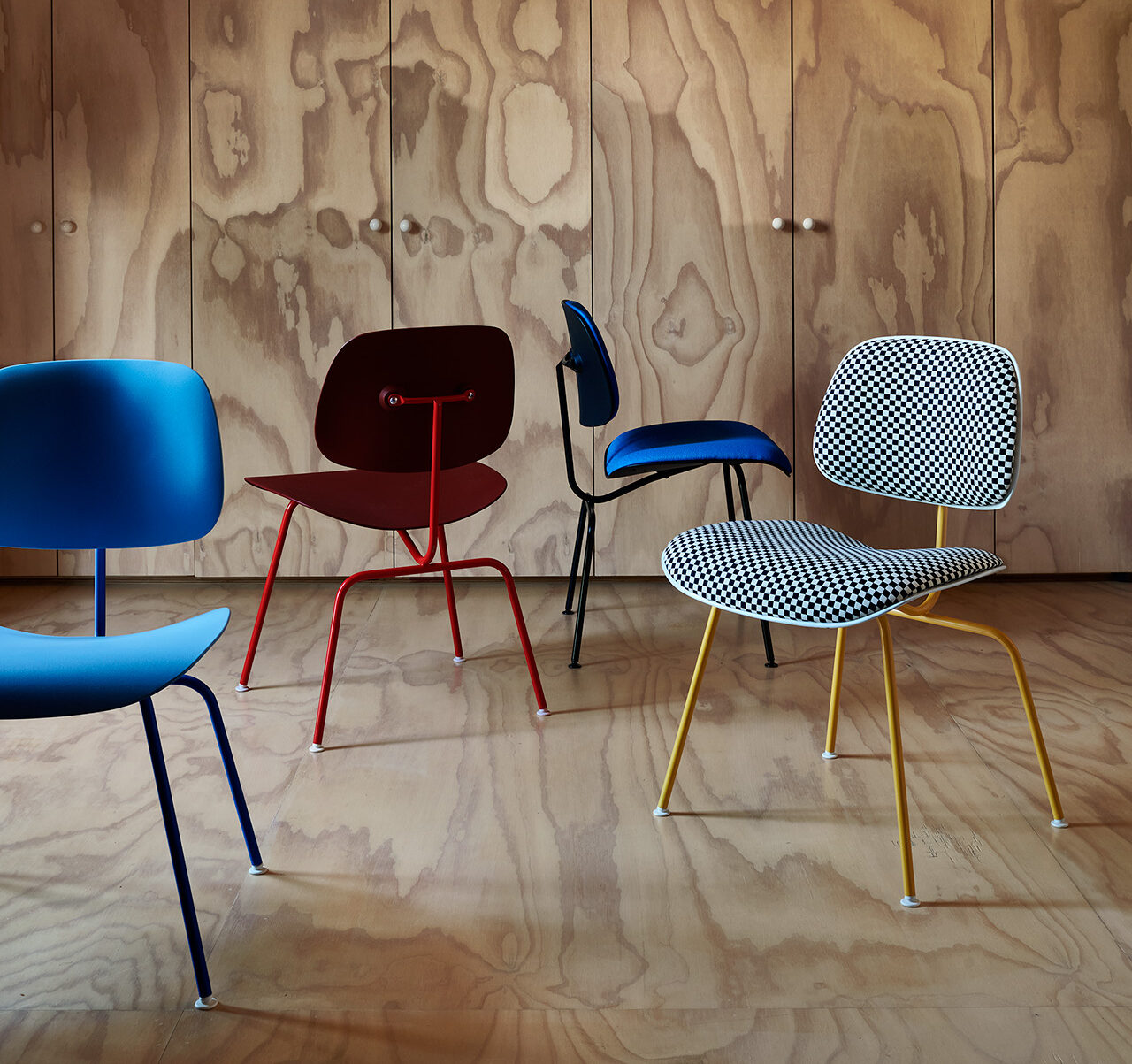
Herman Miller Gives a Classic Eames Chair a Sustainable Update
Bonsai: Seating Inspired by Japanese Culture

17 Artists Offer Their Take on an Iconic Dior Symbol