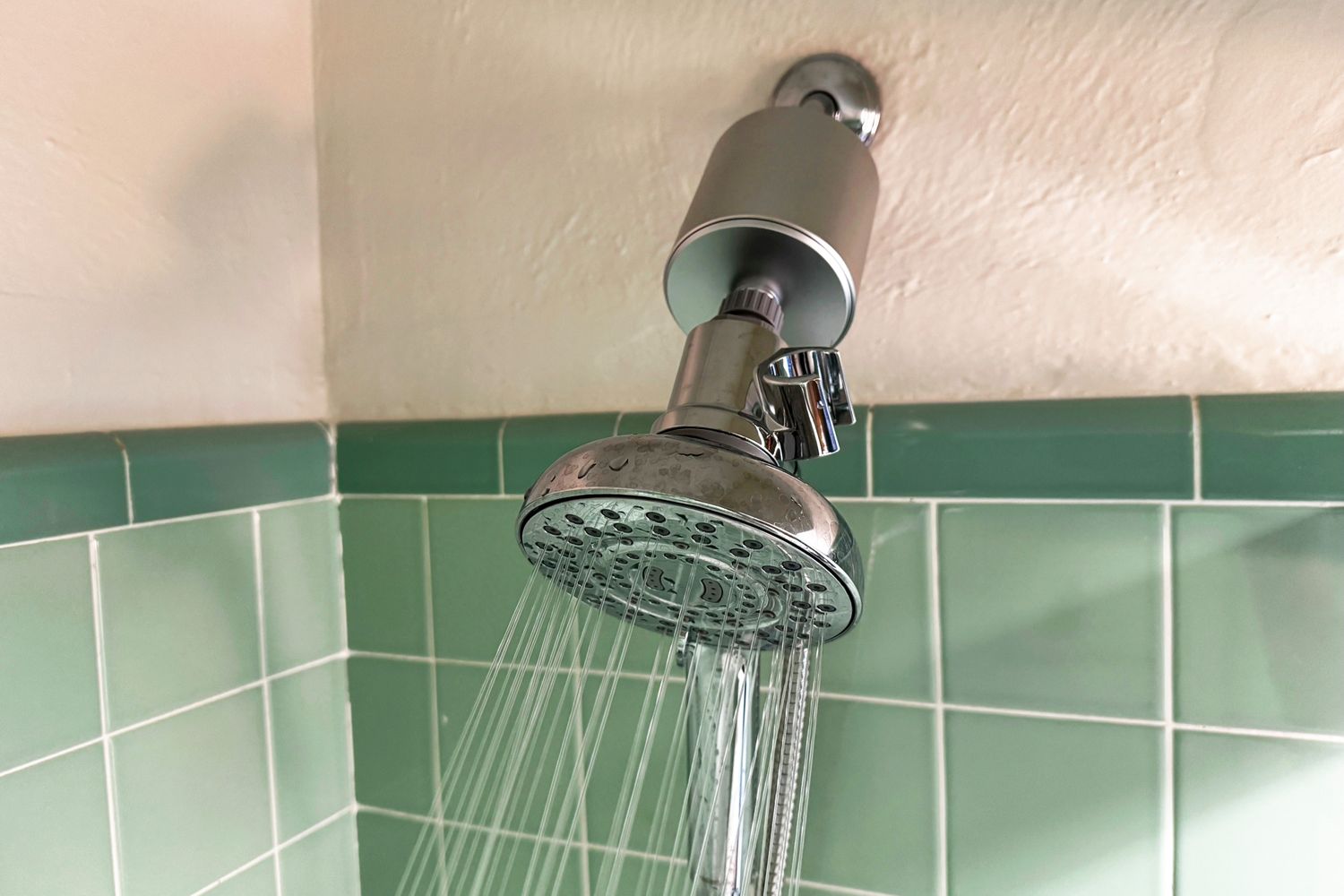
Prevent Hard Water Stains and Buildup with the Best Water Softeners We Tested
Water softeners and salt-free water conditioners are essential home appliances for addressing issues related to hard water. Hard water, characterized by high levels of calcium and magnesium, can lead to limescale buildup on plumbing fixtures, stiff laundry, and dry skin and hair. Water softeners work through an ion exchange system, where calcium and magnesium ions are replaced with sodium or potassium ions, effectively removing hardness. David A. Davies, President of Aqua General, Inc. and a certified water specialist, recommends looking for independent certifications from NSF, WQA, or IAPMO when purchasing a water softener and ensuring it is appropriately sized for household needs.
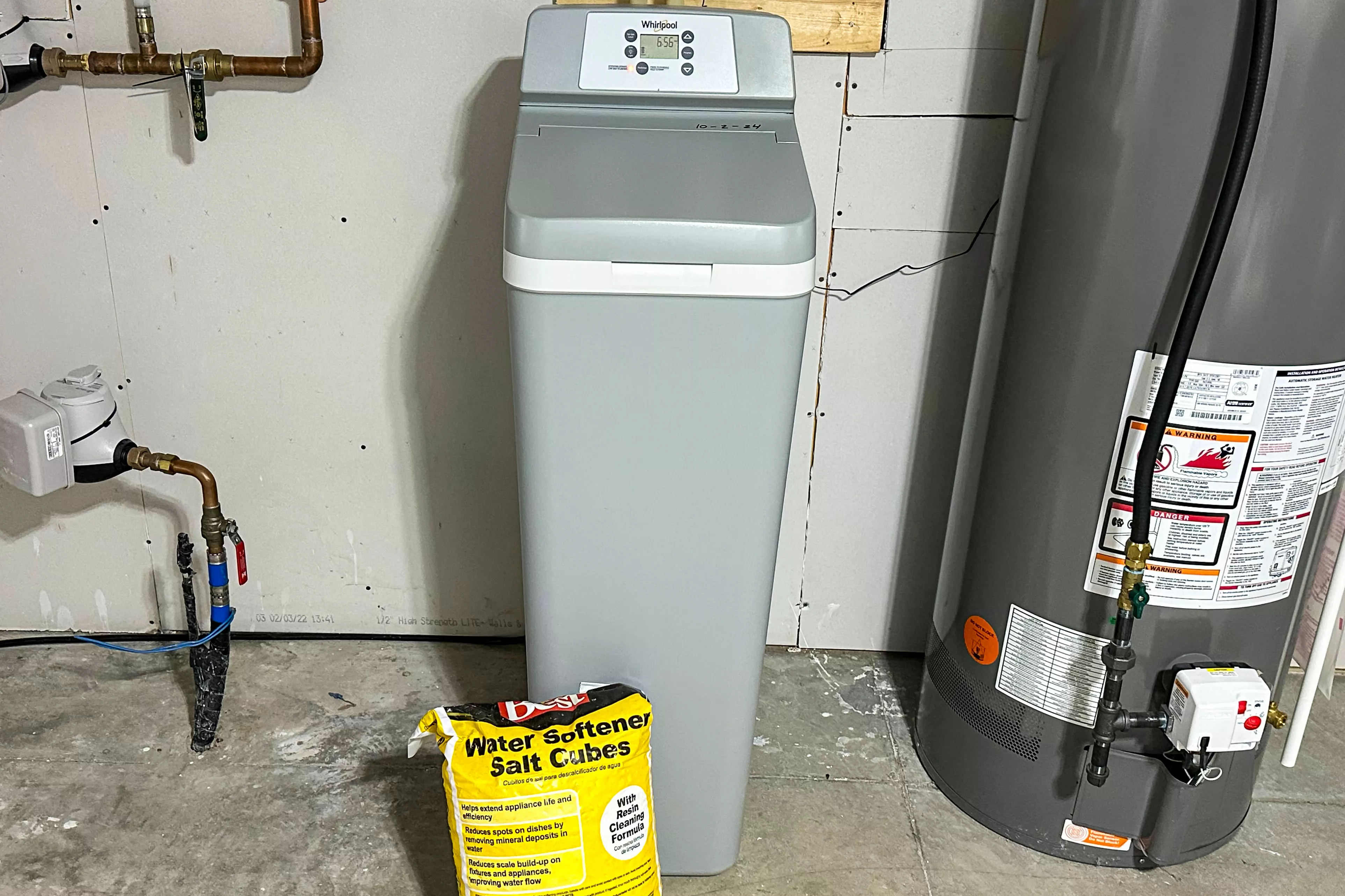
The Whirlpool WHES40E 40,000 Grain Softener emerged as the top pick for water softeners. After professional installation, which took about 30 minutes, this model reduced water hardness to zero, as confirmed by hardness tests. Users reported noticeable improvements, including softer water, increased sudsing of soaps, softer clothing without fabric softener, and improved hair and skin texture. A slight salty taste in tap water was observed initially but was resolved by filtering drinking water. The system features an easy-to-use display, automatically regenerates as needed, and requires a cleaning solution every three to four months to prevent mold and mildew. Its 40,000-grain capacity is suitable for one to five-person households and it is NSF-certified.
Salt-free water conditioners, while not true softeners, serve as scale-prevention devices. They do not remove hard minerals but alter their chemical composition, making them less likely to adhere to surfaces. This means they will not alleviate issues like dry skin or stiff laundry, as the minerals remain in the water. However, they require less maintenance, do not use electricity, and eliminate the need for regular salt purchases, potentially saving money long-term. The Aquasure Serene Whole House Salt Free Water Softening System is recommended in this category. It significantly reduced scale buildup on faucets and appliances in a household with moderate water hardness (just below 15 GPG). The system also includes a pre-filter that removes contaminants like chlorine, rust, and pesticides, resulting in clean-tasting water. Installation was straightforward with clear instructions. Filter changes are required every 9 to 12 months. This system is suitable for households with up to seven people and six bathrooms, but it is not effective for extremely hard water (30 GPG or higher).
The testing process involved installing and evaluating two water softeners and one salt-free conditioner in homes over an initial period of 1,344 hours, with long-term performance monitored at three and six months. Professional plumbers handled installations, and water hardness was measured using test strips before and after. Performance, ease of use, maintenance requirements, and overall value were assessed. Another tested model, the Aquasure Harmony Series 48,000 Grain Whole House Water Softener, was not selected as a top pick due to complicated installation instructions and shipping issues. A water softener's capacity, measured in grains, indicates how much water it can treat before regeneration, which ideally should occur every seven to ten days. Regular maintenance of salt levels for salt-based softeners and filter changes for conditioners is crucial for extending the appliance's lifespan, which can range from 10 to 15 years.
#WaterSofteners #WaterQuality #HomeAppliances #HardWaterSolutions #ScalePrevention #HomeImprovement #WaterTreatment #DIYHome #WaterSofteners #WaterQuality #HomeAppliances #HardWaterSolutions #ScalePrevention #HomeImprovement #WaterTreatment #DIYHome
0 comment in total
 No comments yet
You may also like
The Best Bathroom Cleaner for Targeting Hard Water Stains

13 Top Reviewed Products That Will Help Remove Stains

I Asked My Furniture-Maker Dad How to Remove Water Stains From Wood — These Are His 3 "Tried and Tested" Tricks

How to remove water stains from wood and keep your furniture looking great
How to Remove Water Stains from Wood with Common Household Products

Hard Water Wrecking Your Hair? Try These Editor-Approved Shower Filters
How to remove water stains from wood – 8 fixes you'll find in your pantry

13 Best Shower Cleaners for Clear Glass, Shiny Tile and More

The 6 Best Shower Filters to Banish Harsh Chemicals From Your Water

4 Ways to Remove Water Stains From Wood, According to Cleaning Experts

Keep Shower Stains at Bay With the 5 Best Shower Squeegees Tested

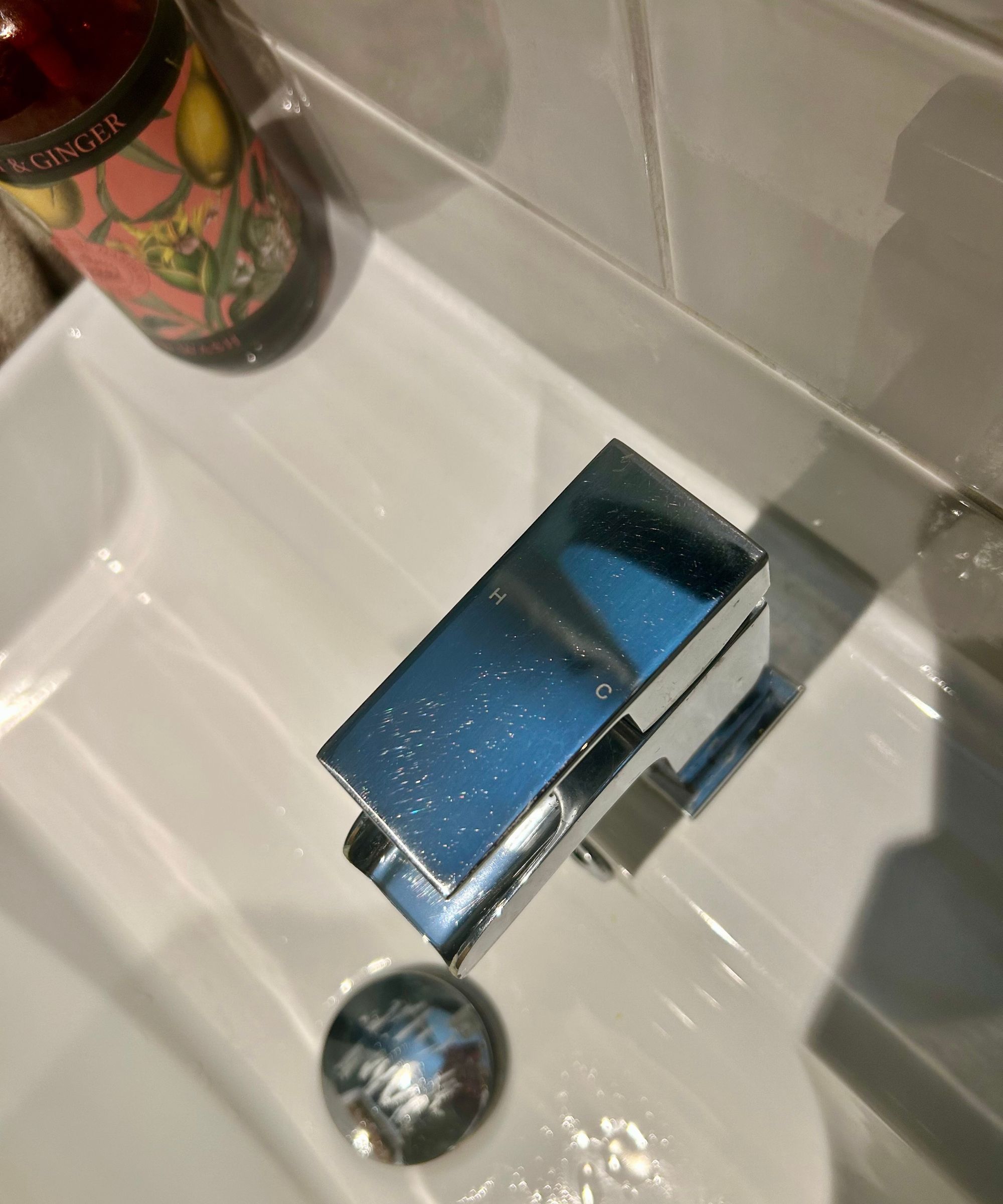
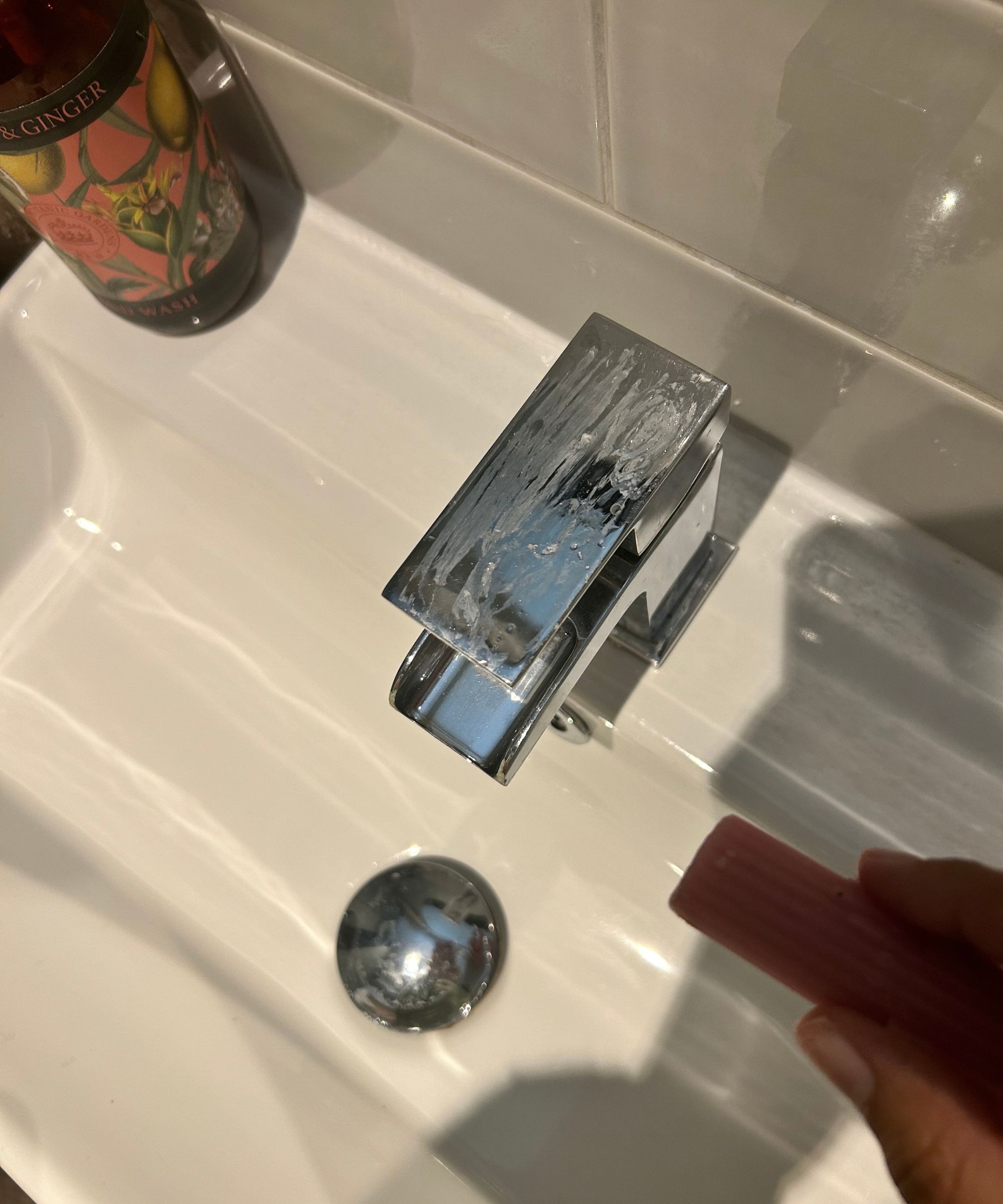
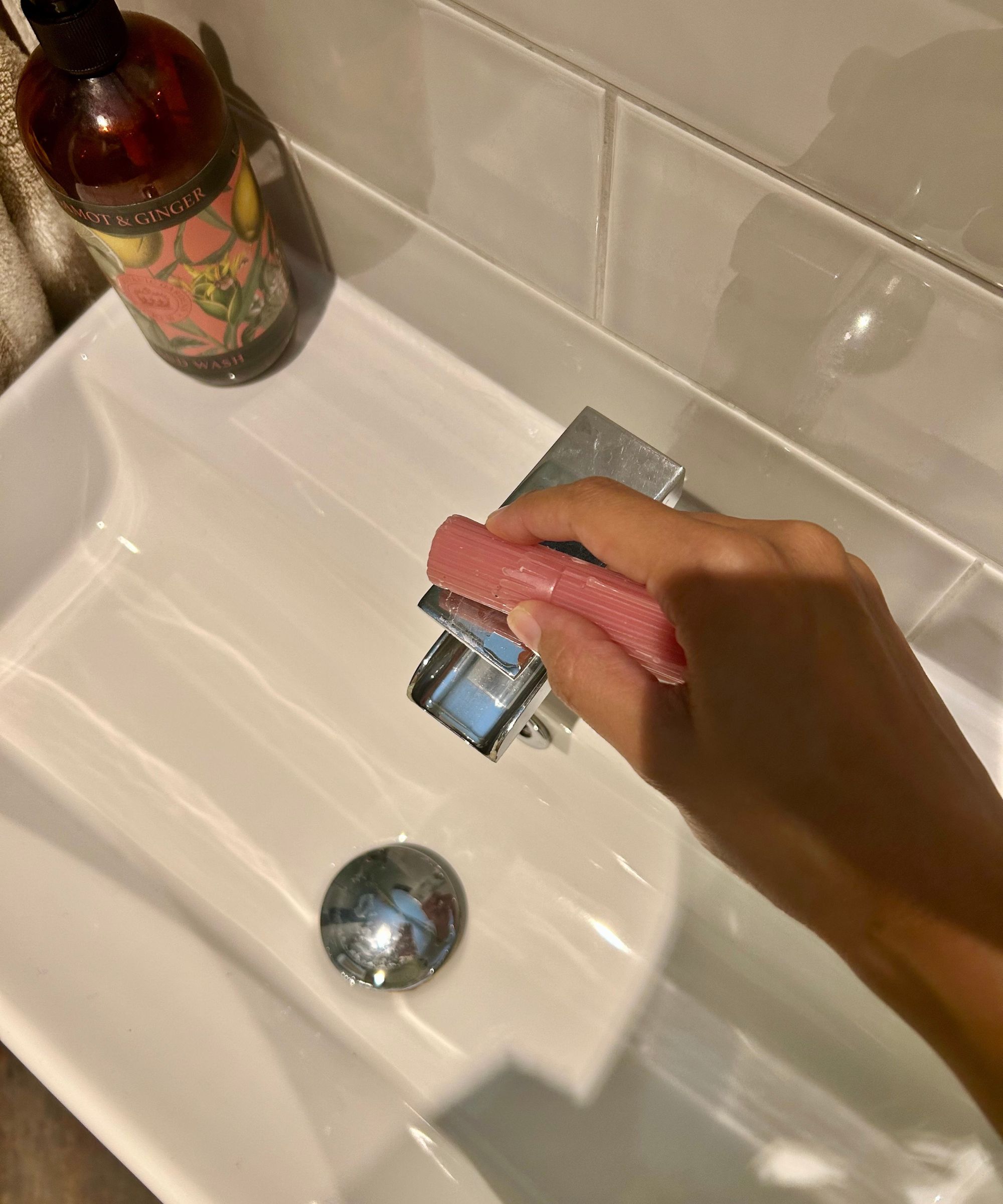
I tried buffing candle wax onto my faucets to prevent watermarks – it worked brilliantly, but here's what to avoid
How to Remove Hard Water Stains From Glass Showers—and Prevent Future Buildup Before It Forms
FYI, These Shower Filters Will Transform Your Skin and Hair
Not Enough Suds in the Shower? A Shower Filter Can Help
Chemical engineer insists a kitchen staple removes all water stains from shower doors - only a teaspoon is needed

10 best stain removers for clothes, tried and tested on heavy stains


Best kitchen sink materials for hard water areas - 5 options that will make cleaning easier
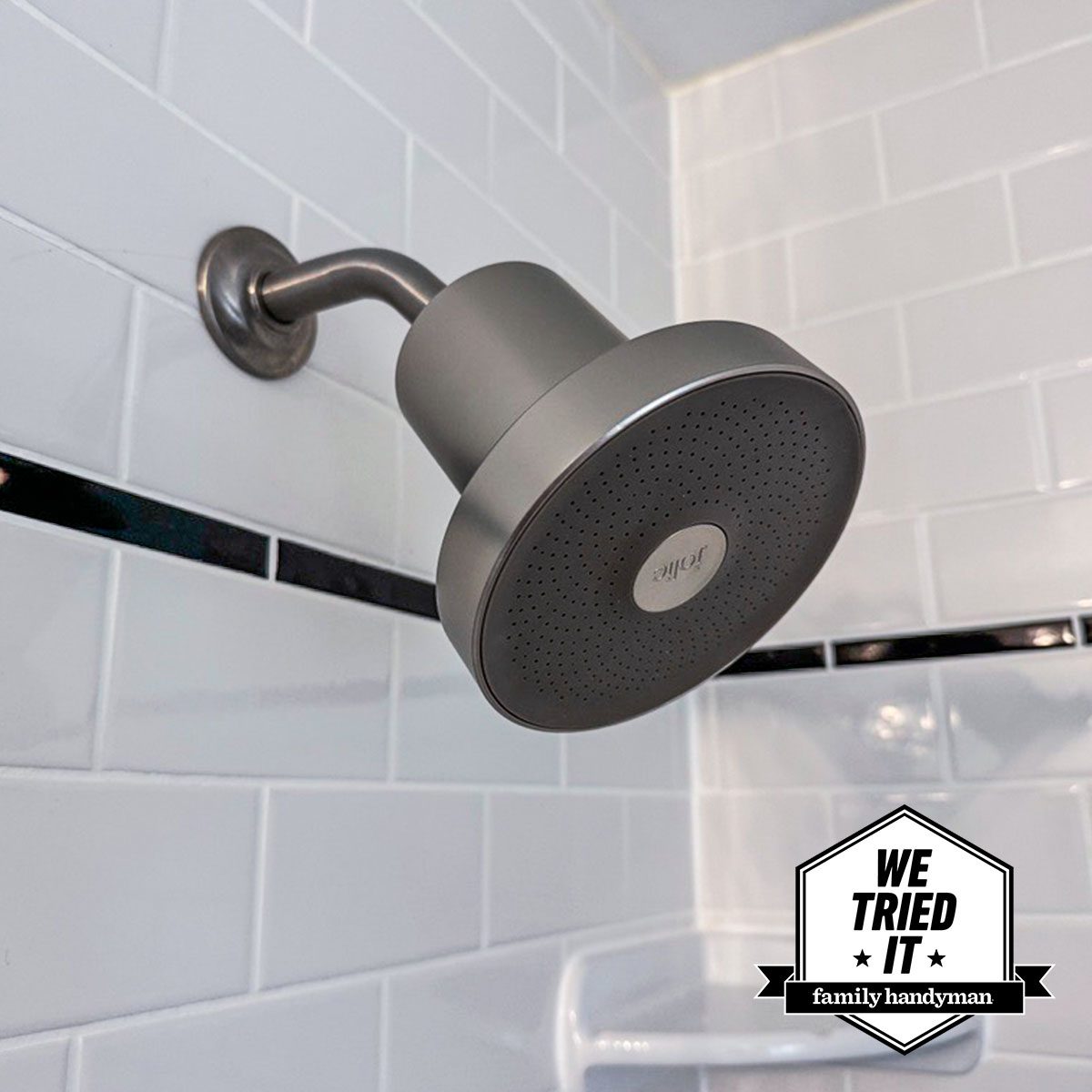
Best Shower Filters for Healthy Skin and Hair, Tested & Reviewed
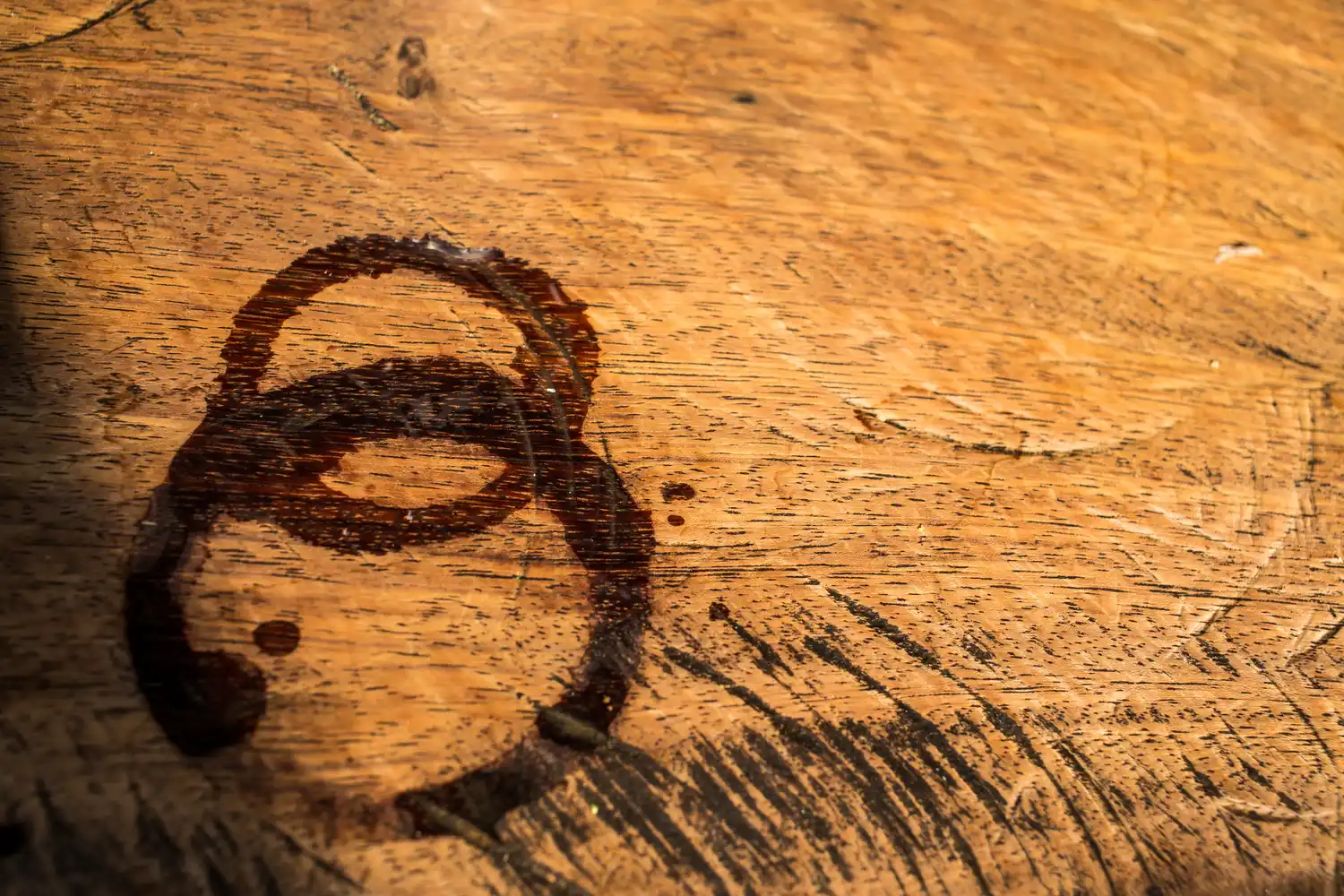
This Common Pantry Snack Works Like a Charm to Get Water Stains Off Wood