1/10
The Crown is bringing these extravagant interiors back – here's how to create them
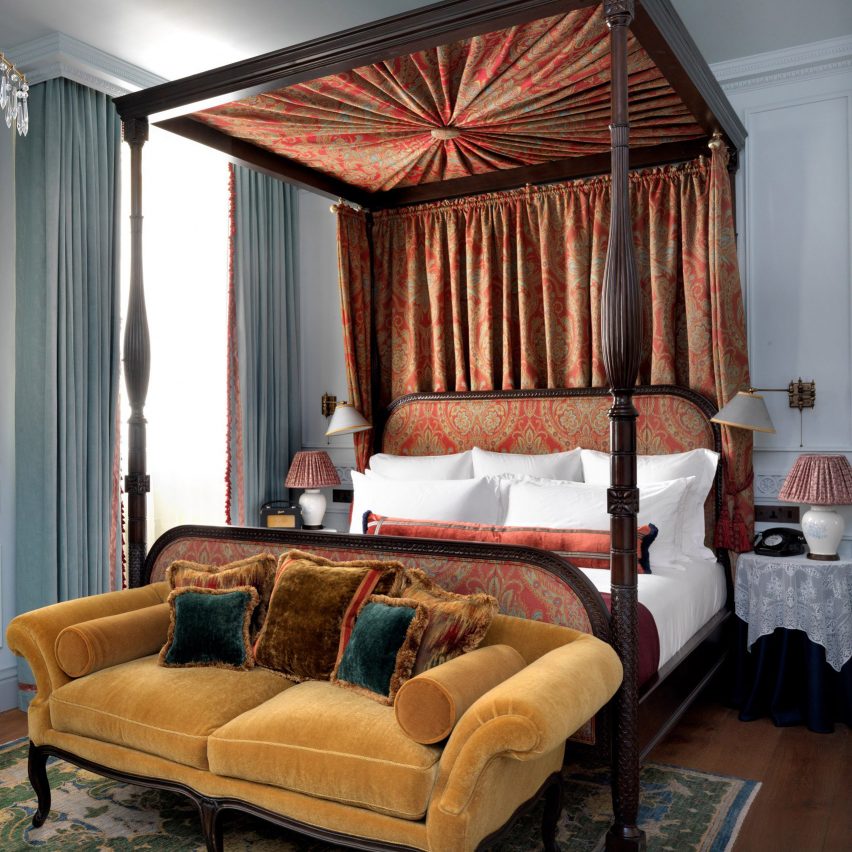
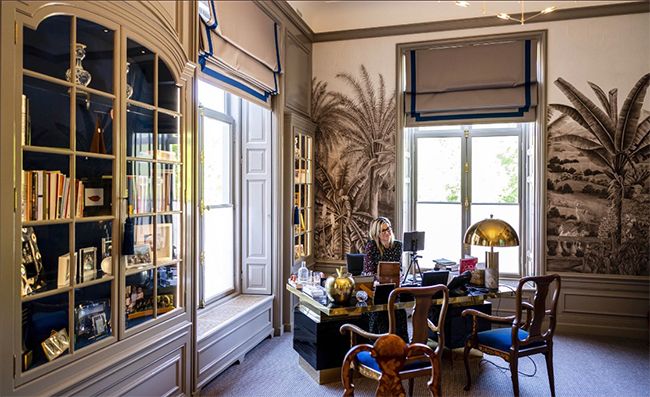
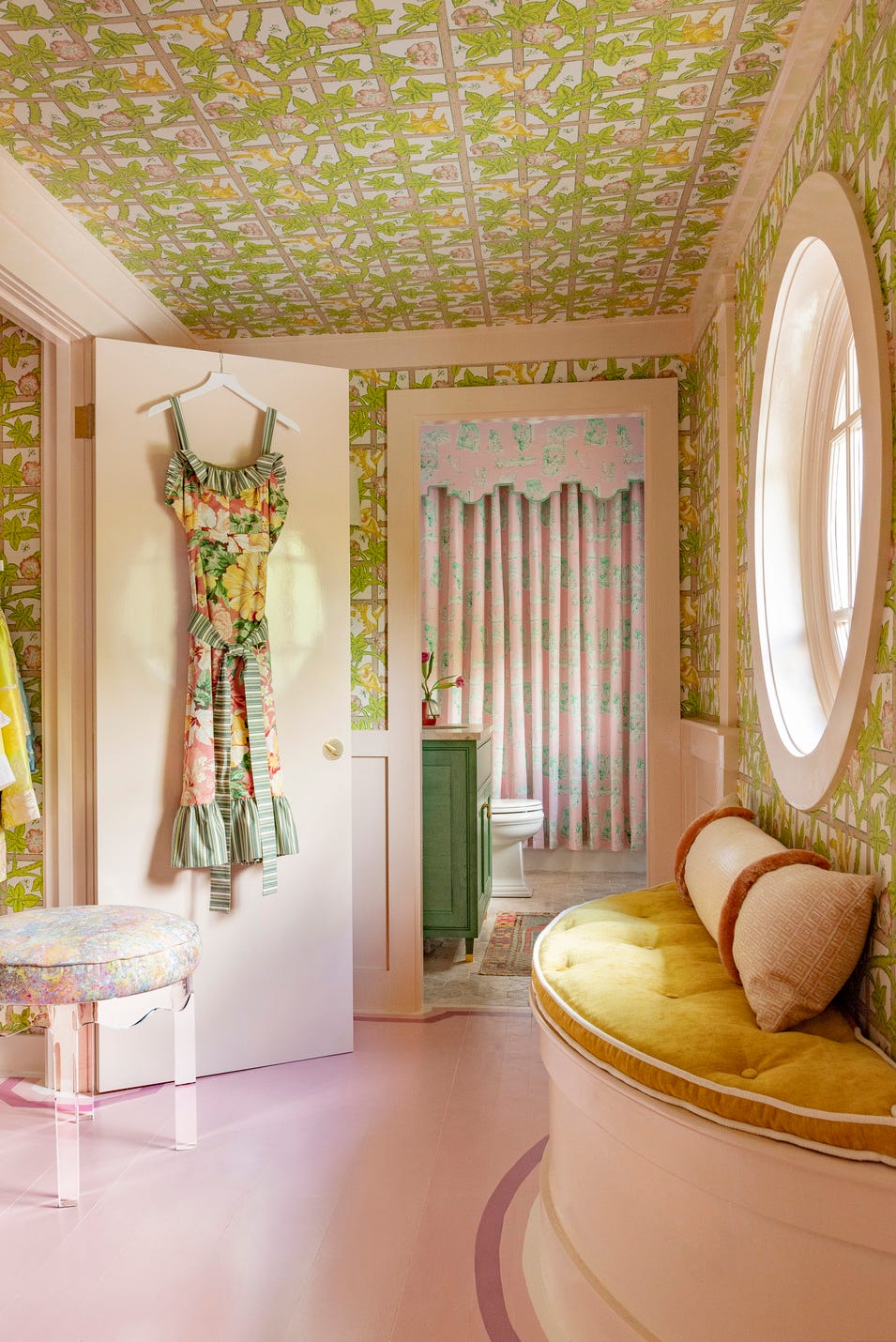
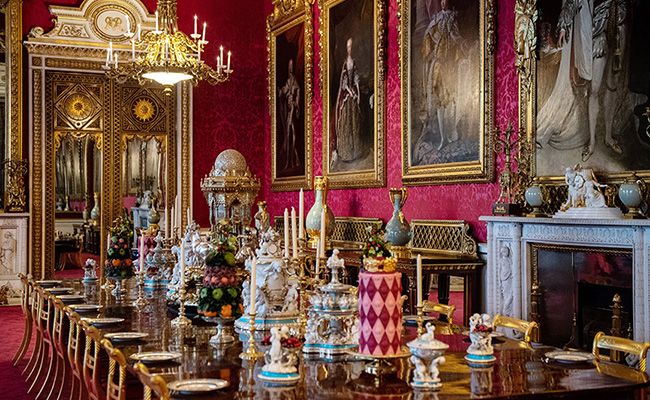
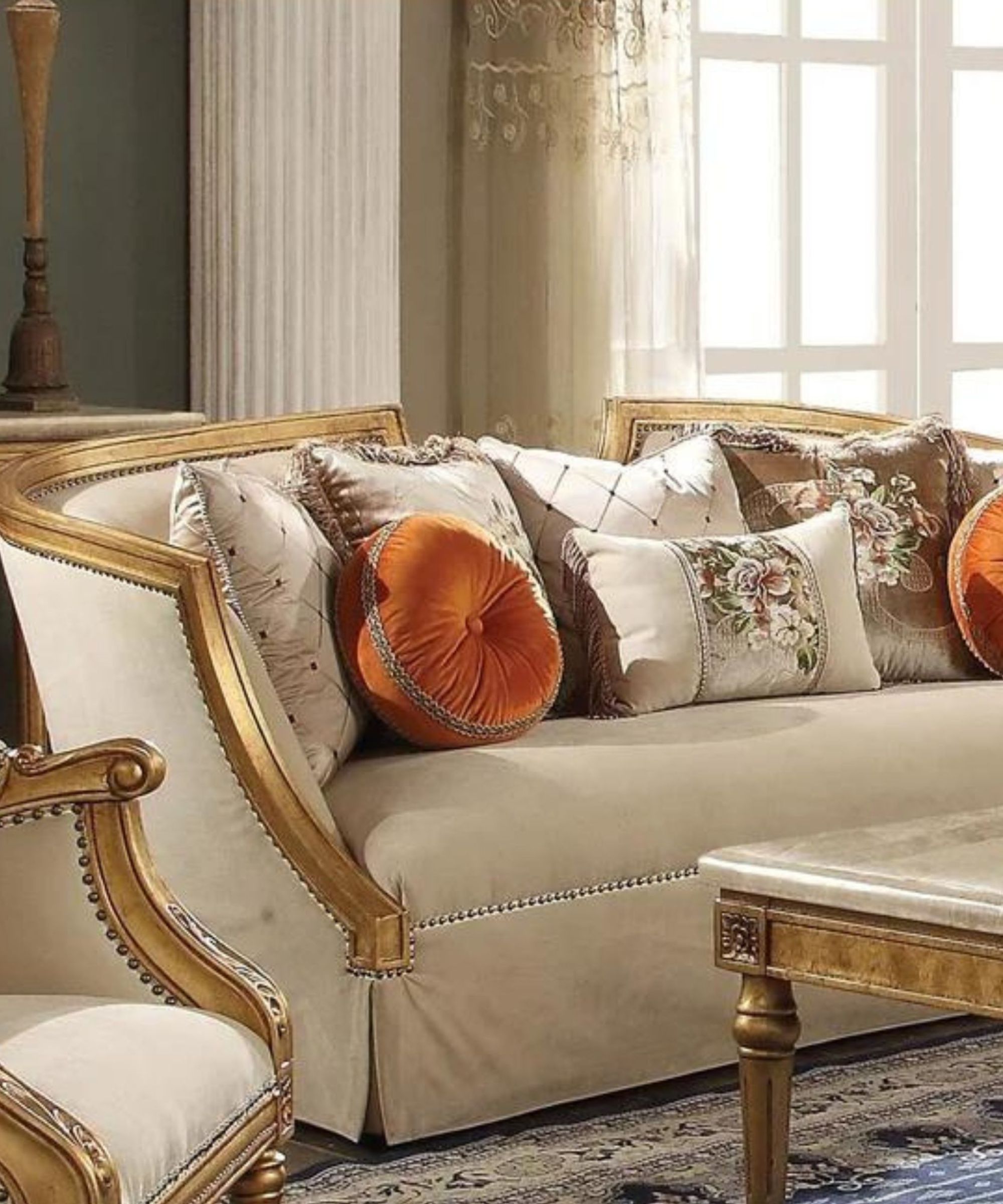
The return of 'The Crown' for its fourth season on Netflix, covering the late 1970s to the 1990s, reintroduces a series of opulent interior design trends inspired by the British royal family's lavish lifestyle. Interior designer Benji Lewis has identified seven key design elements from this era that viewers can incorporate into their homes to achieve a regal aesthetic. The first trend highlighted is the use of frills and flounces, which were prominent during this period, mirroring Princess Diana's fashion choices like layered frills, pie-crust collars, and puff sleeves. These elements translated into home styling through soft furnishings, with a preference for larger and more voluminous designs.
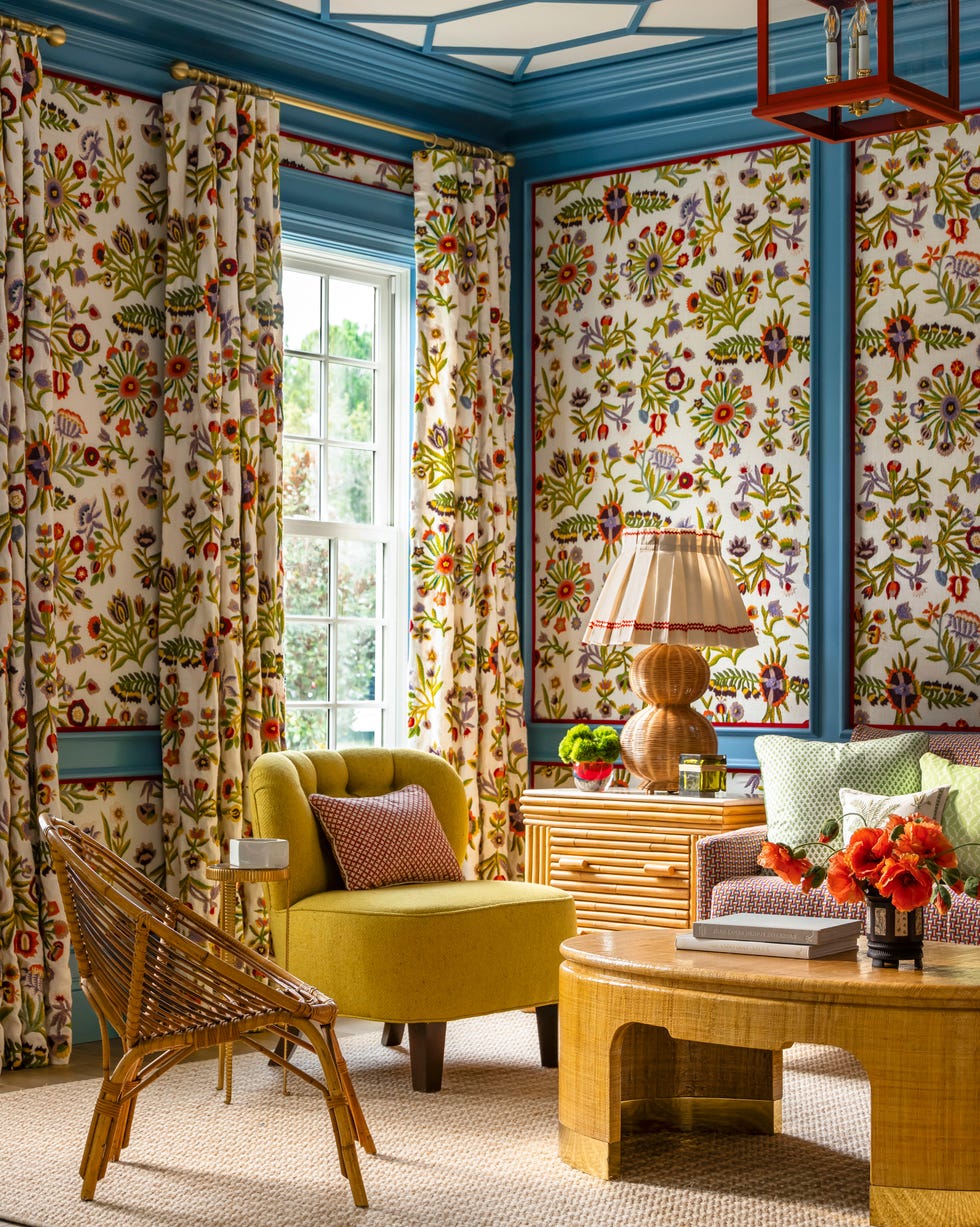
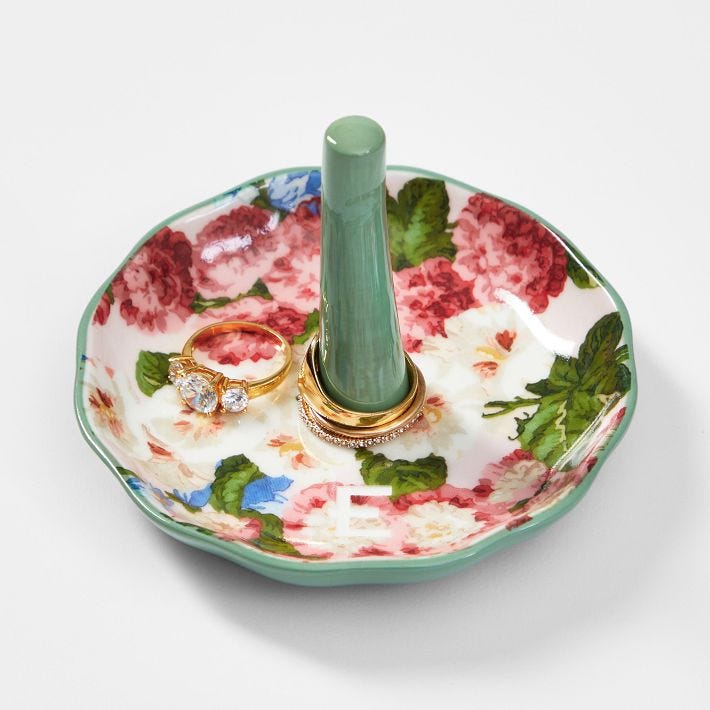
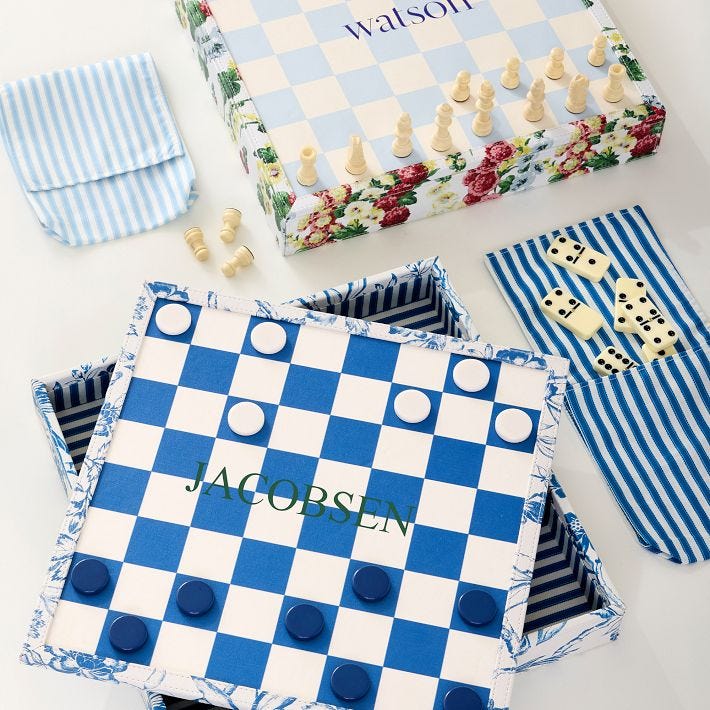
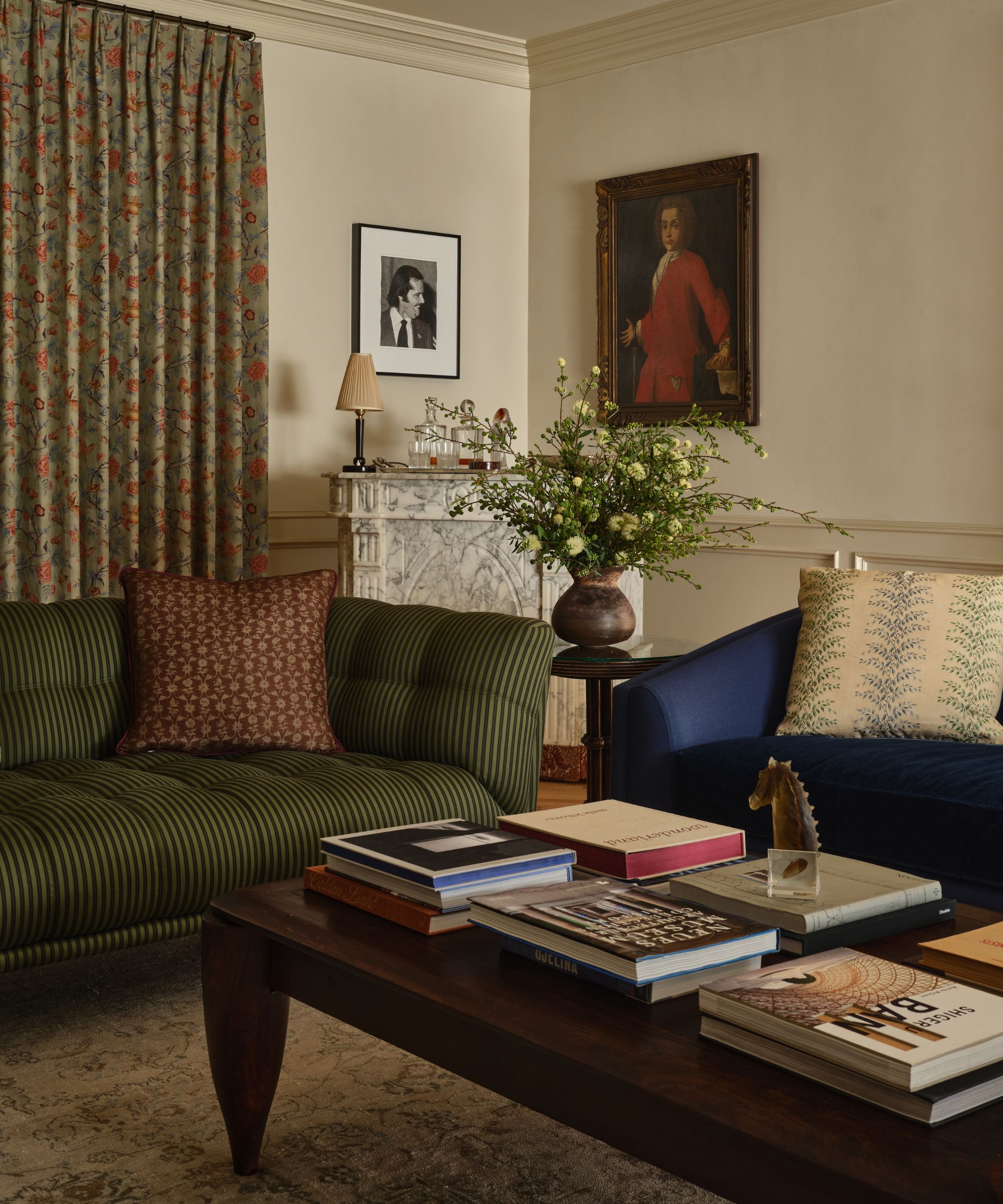
Floral prints are another significant trend from 'The Crown' era. Homes were often adorned with chintz sofas and armchairs featuring floral patterns, with Colefax and Fowler being a popular choice. For those looking to integrate this timeless design, the recommendation is to opt for classic floral prints in subdued color palettes. Large blooms are favored over small repeat patterns, and realistic designs contribute to an elegant finish, suitable for traditional country cottages or period properties. This approach ensures the longevity and enduring appeal of the style.
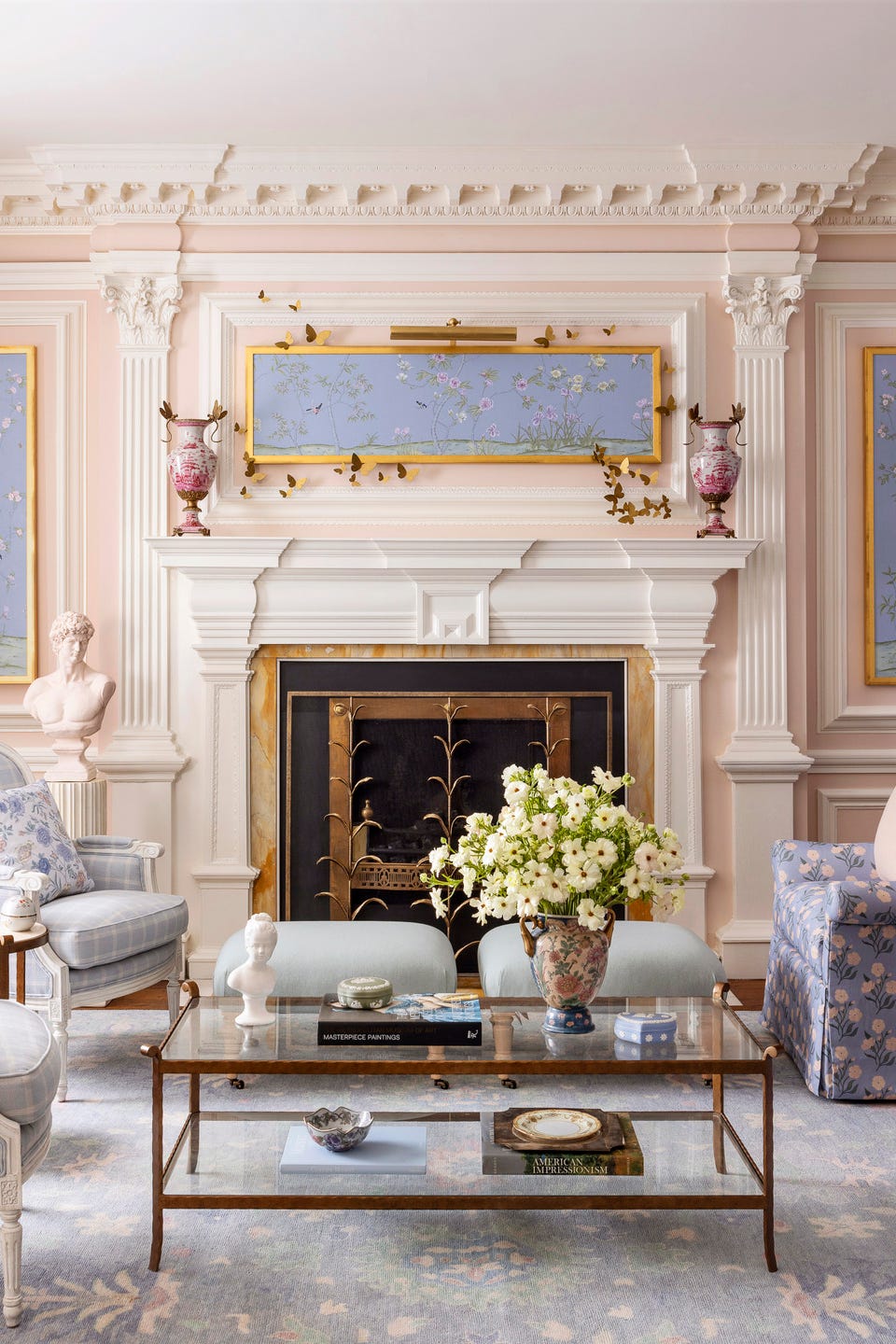
Country house style emerged as a dominant aesthetic, moving away from the shagpile carpets and geometric patterns of the 1960s. Brands like Laura Ashley and Jane Churchill became synonymous with this trend, offering chintz cotton prints that defined the sophisticated country look. Complementing this style were specific flooring choices: Brussels Weave carpets and Aubusson rugs. These were considered hallmarks of good taste, typically featuring shades of gold, tan, green, and red, and were commonly found in drawing rooms across the country. This particular trend is experiencing a resurgence, albeit often incorporated in more subtle ways.
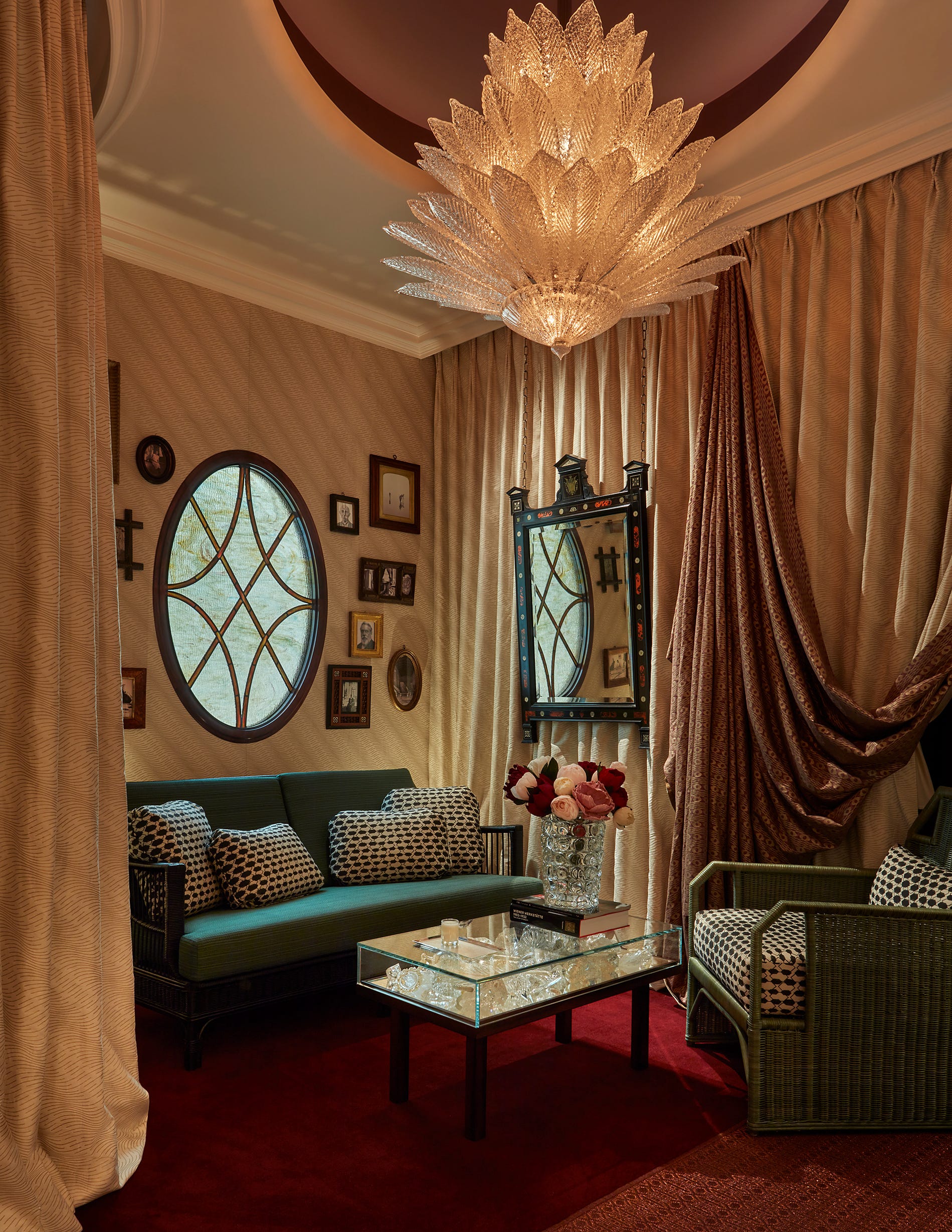
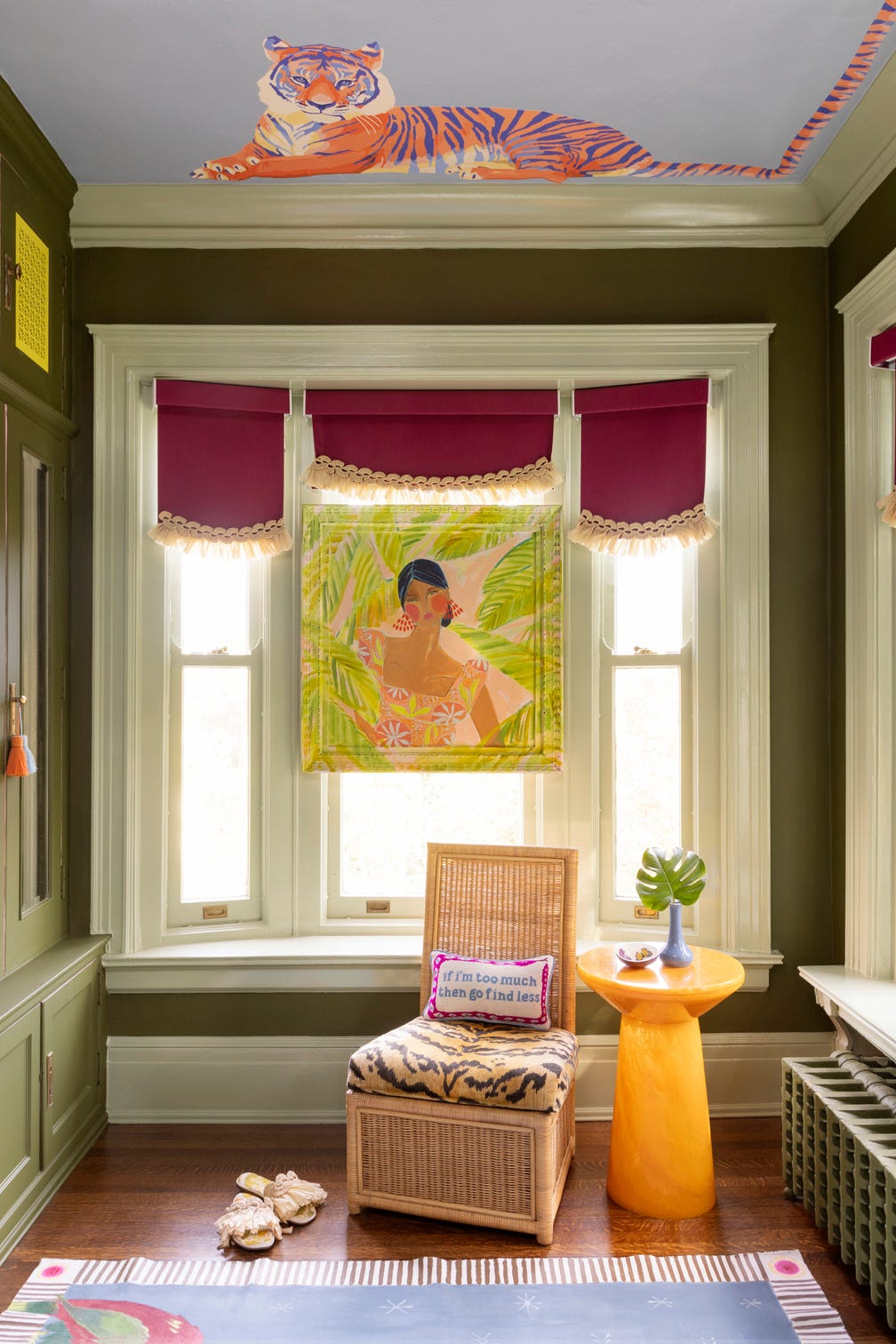
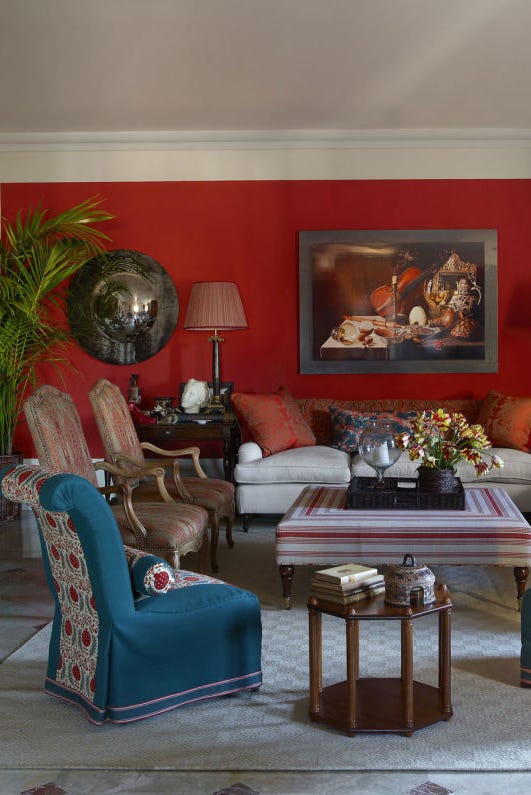
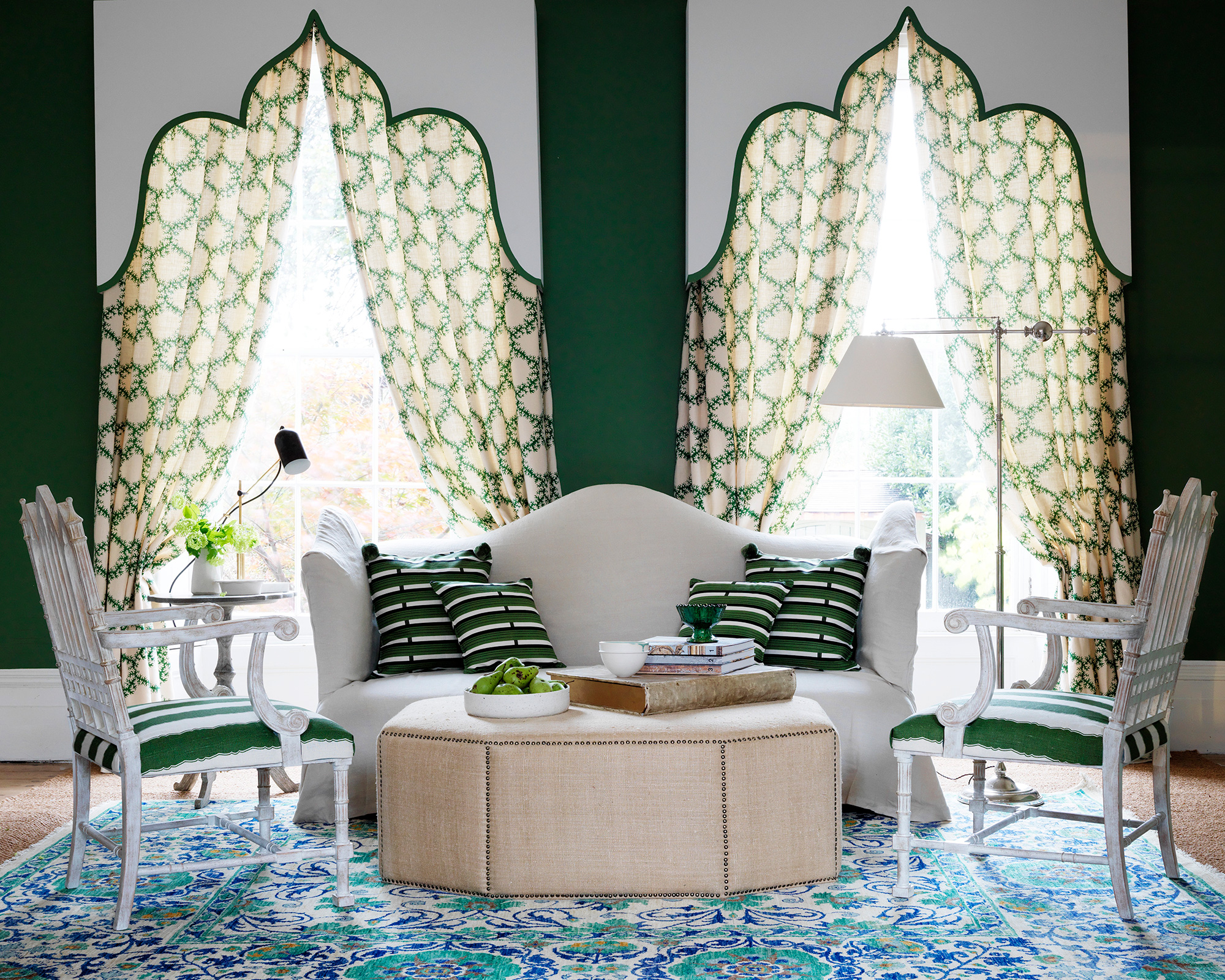
Bold colors characterized the period, with vibrant hues such as tomato red, various greens, and Tiffany blues being popular. While painting an entire room in a bold shade might seem daunting, the article suggests incorporating color through highlights. This approach allows for the introduction of energetic shades that can transform spaces without overwhelming them, making a home stand out.
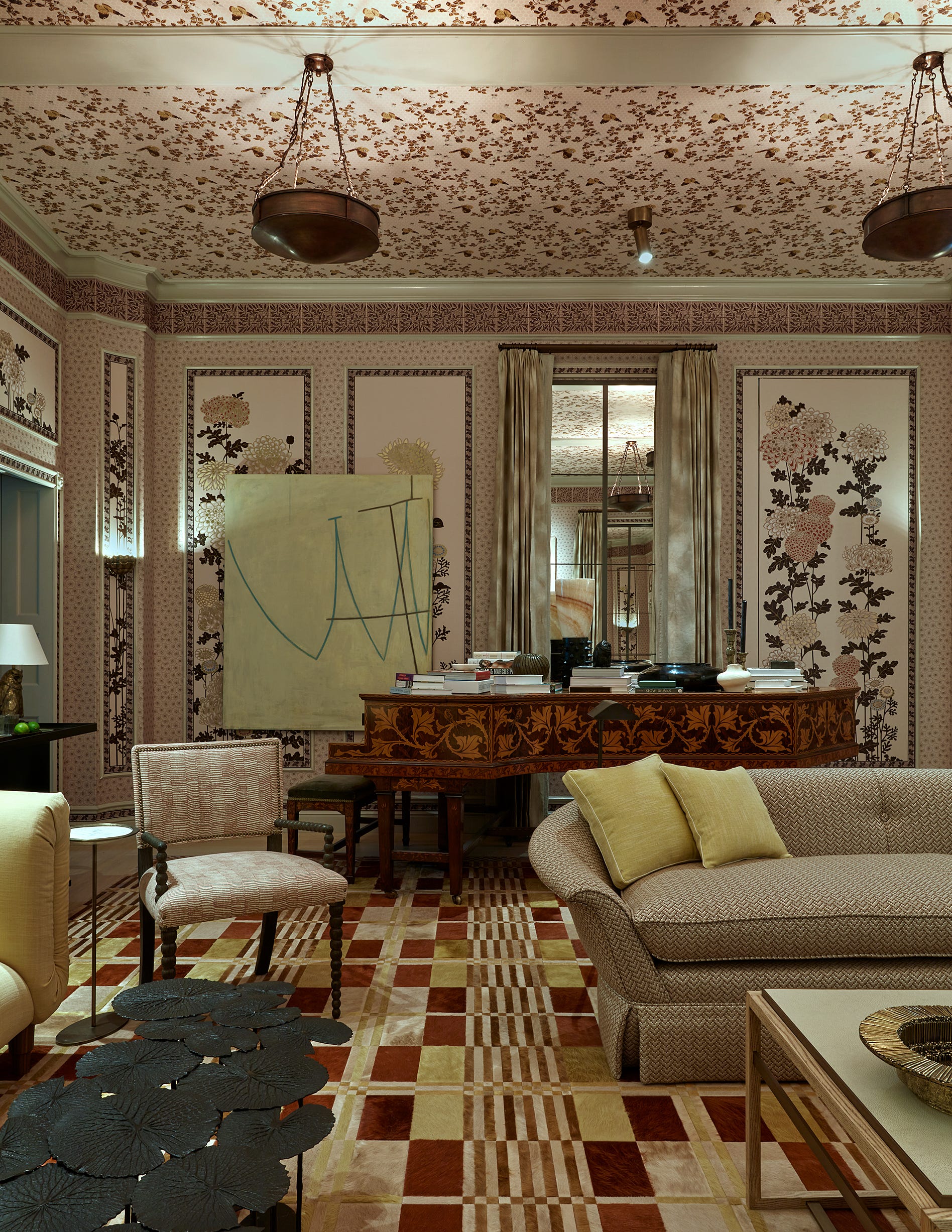
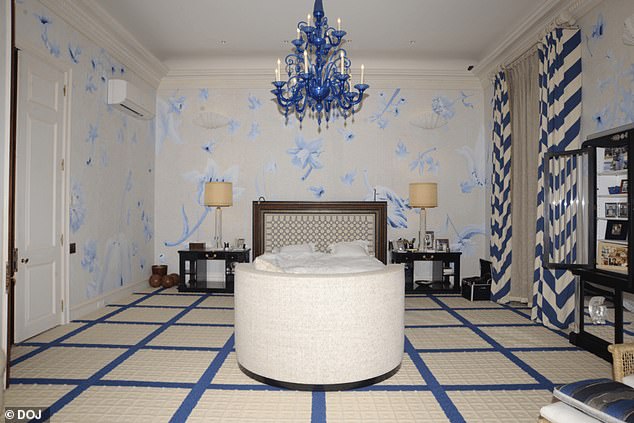
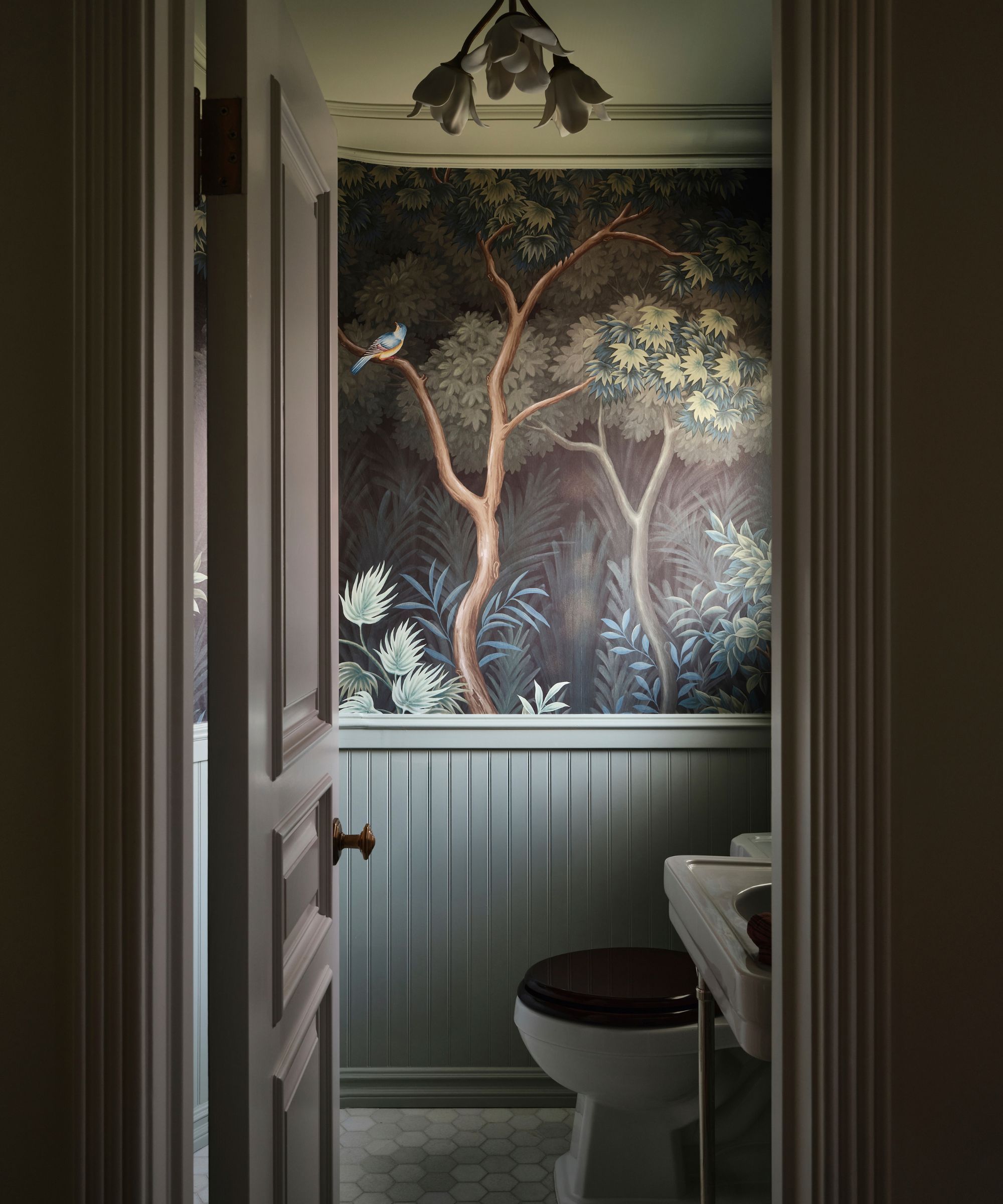
Maximalist wallpaper is another feature of the era. Patterned wallpapers were widely used, and this look remains relevant today. For a modern take, combining different scales of patterns, such as a narrow stripe with a bold floral, is advised. A classic combination involves a solid color, a geometric design (like checks or stripes), and a freer pattern (such as floral or paisley). Ensuring all patterns use complementary colors helps create a cohesive look. Alternatively, textured wallpapers offer a way to introduce solid color with added interest and depth.
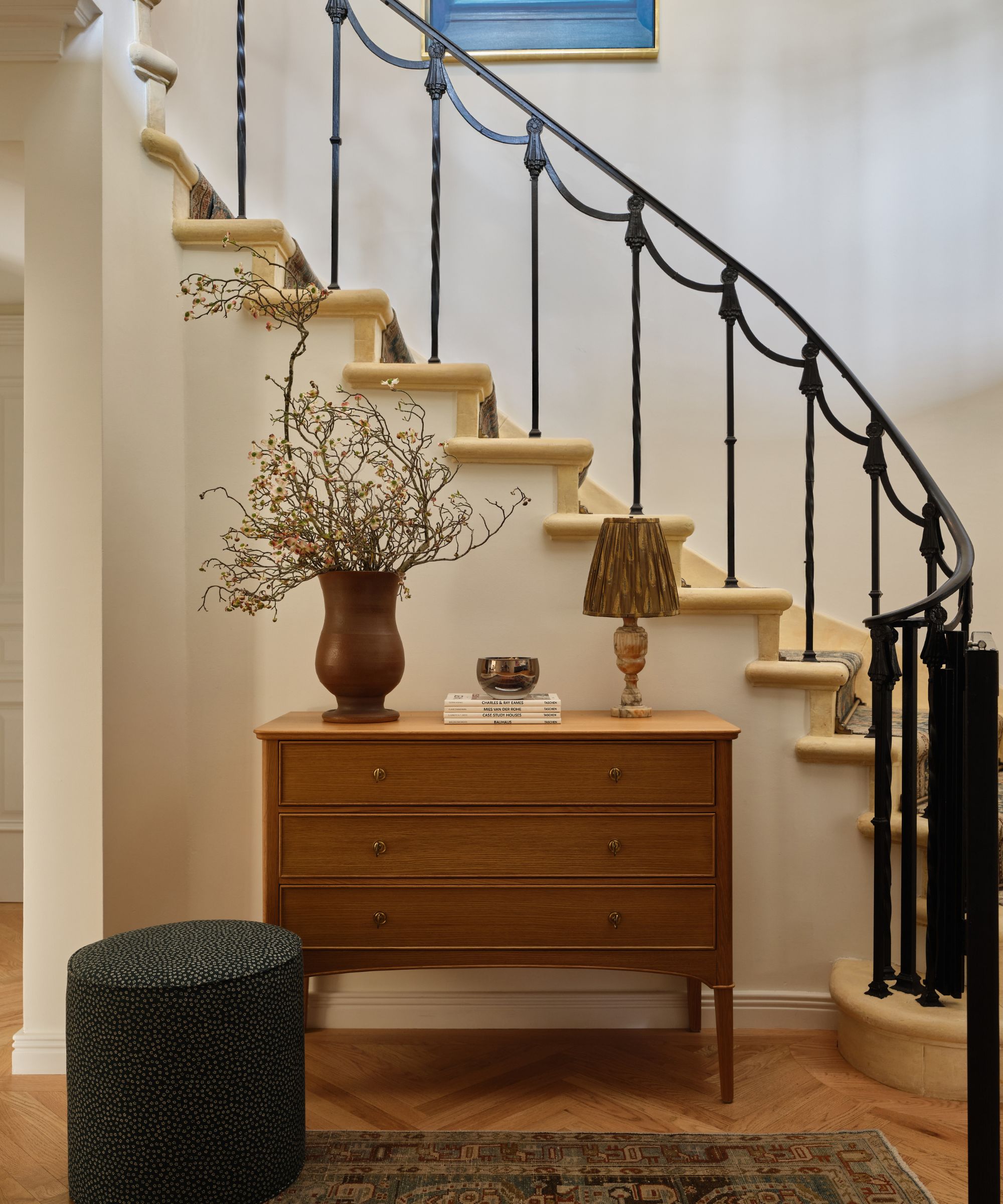
Finally, the popularity of antique emporiums grew significantly during this time, partly fueled by the success of 'Antiques Roadshow.' Items like Georgian mahogany chests of drawers or English oak dressers with mother-of-pearl details or brass swan necks were highly sought after. Incorporating such antique pieces can add character and a sense of history to a space, reflecting the period's appreciation for vintage finds. These seven trends offer a comprehensive guide to re-creating the extravagant, royal-inspired interiors seen in 'The Crown'.
#InteriorDesign #TheCrown #RoyalInteriors #FrillsAndFlounces #FloralPrints #CountryHouseStyle #BrusselsWeave #AubussonRugs #BoldColors #MaximalistWallpaper #Antiques #HomeDecorTrends #InteriorDesign #TheCrown #RoyalInteriors #FrillsAndFlounces #FloralPrints #CountryHouseStyle #BrusselsWeave #AubussonRugs #BoldColors #MaximalistWallpaper #Antiques #HomeDecorTrends
0 comment in total
 No comments yet
You may also like
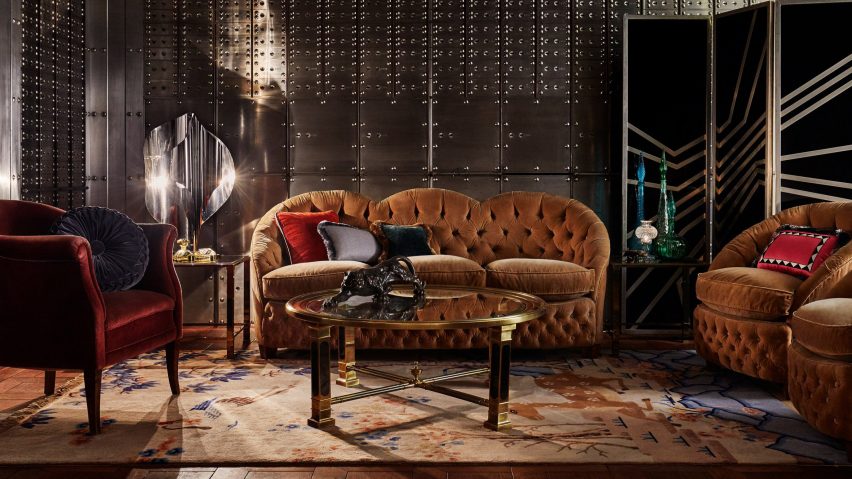
10 opulent interiors that spurn minimalism for rich colours and textures
I Can't Help But Wonder If Crown Molding Is Out of Style These Days — Here's What Designers Say

Inside the High-Tech Interiors Revival

12 Crown Molding Ideas to Spruce Up Your Home
The 12 Smartest Design Ideas We Spotted at London’s Chicest Showhouse
Prince William and Kate, the Beckhams and more stars showcase their impressive front doors

An 1800s Living Room Gets a Facelift Fit for Royalty

Castlecore is set to take over interiors
17 stunning royal home offices that will leave you speechless
Designers Reveal the TINY Detail That Instantly Adds Character to Any Home
This Royal-Approved Design Brand Just Dropped a Home Decor Collab Filled With Iconic Prints

The 2020 A-List: 125 of the Best Interior Designers in the World
20 Crown Molding Ideas That Will Add Character and Elegance to Any Room
16 Modern Crown Molding Ideas That Add SO Much Character

Why do the ultra-rich have tacky interiors?
A 1940s Colonial Revival Where Color and Pattern Mix With Old and New to Create a Truly Transitional Family Home
Is crown molding out of style? Interior designers discuss this classic feature and decide if it has a place in 2025
The 9 Top Interior Design Trends of 2025 All Have a Dramatic, Immersive Quality
8 of the best celebrity gallery walls (and even the Queen is a fan!)
Interior designers show you how to add a touch of elegant Bridgerton style to your home