1/3
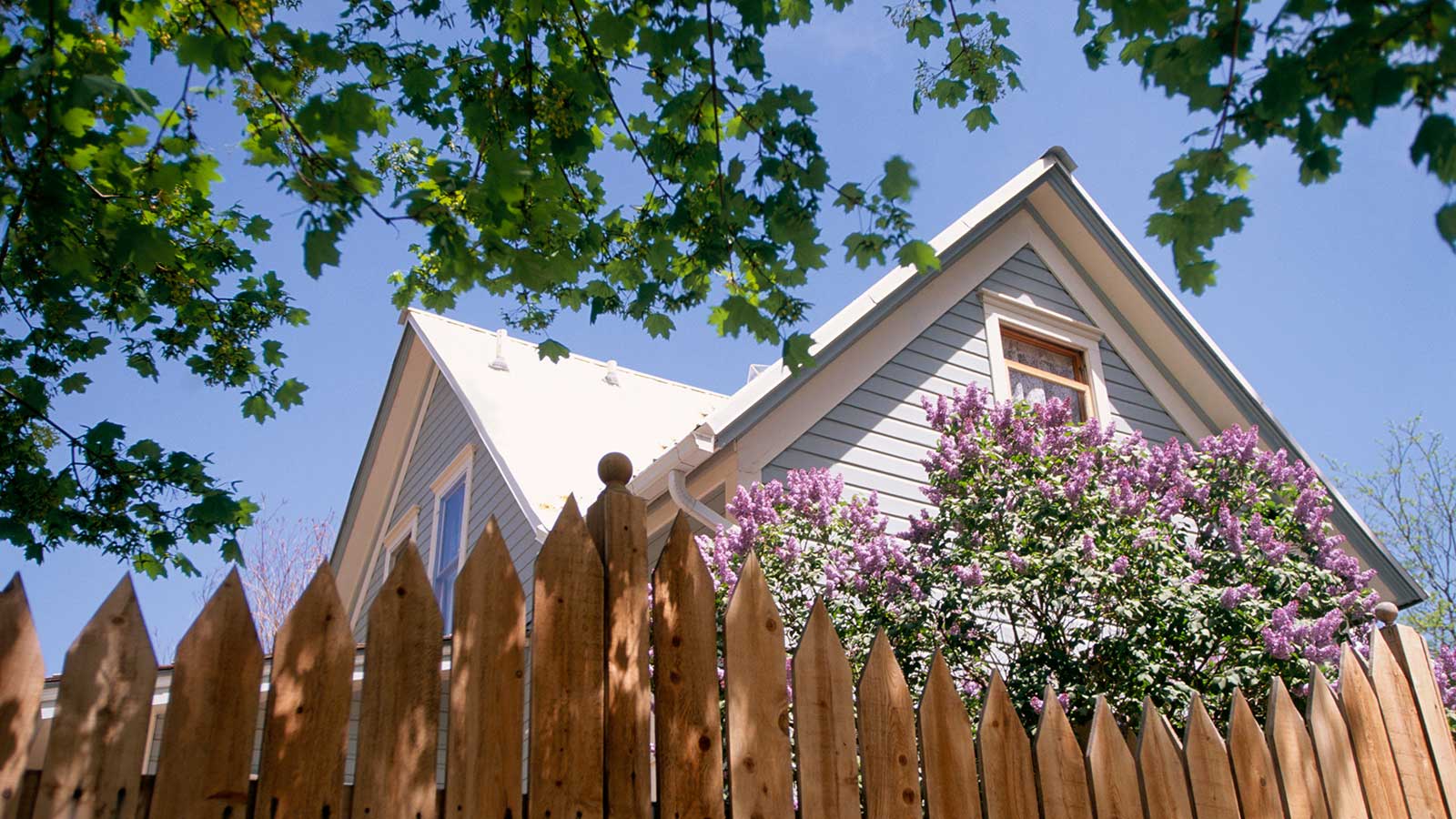
Non-combustible fence options: these are the materials to consider
The increasing frequency and severity of wildfires, particularly highlighted by recent events in California, necessitate a reevaluation of home protection strategies. New firescaping regulations are currently being developed in California, expected to be finalized by the end of 2025. These regulations will focus on Zone 0, the five-foot perimeter around a home, aiming to remove flammable items, including wooden fences and gates attached to homes. While these regulations will primarily apply to specific parts of California, the advice to consider non-combustible fences is valuable for anyone living in fire-prone areas.
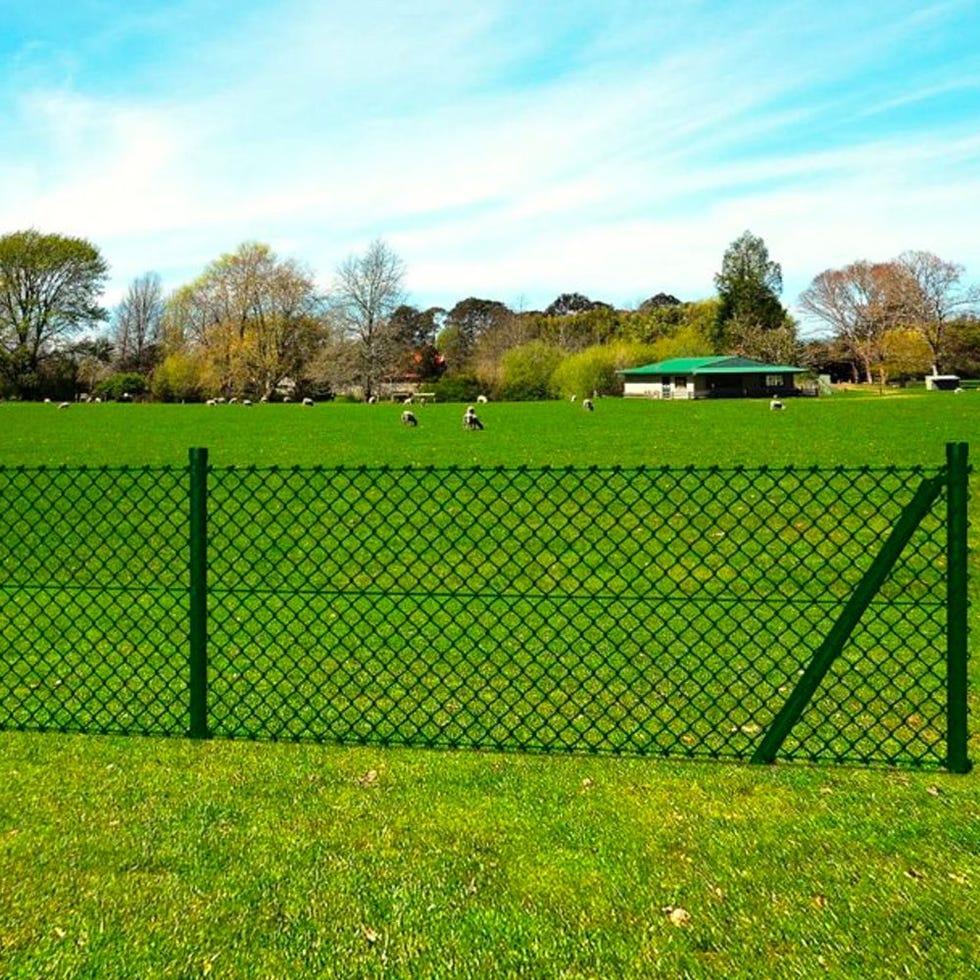
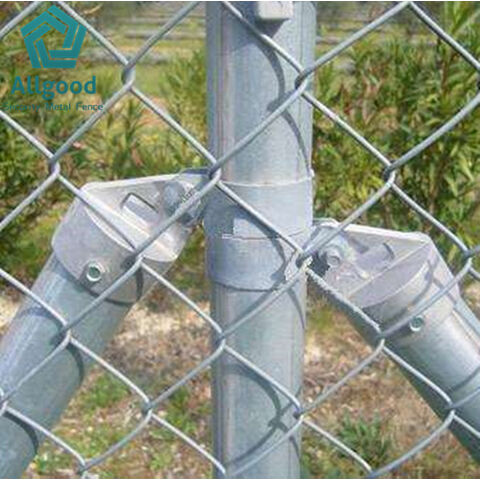
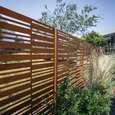
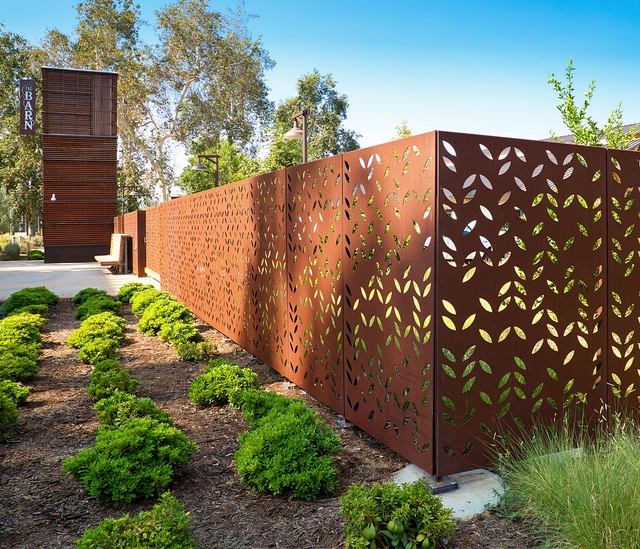
Metal fences, specifically aluminum and steel, are presented as leading non-combustible alternatives to wood. Chris Schneider of Oldcastle APG emphasizes the growing requirement for fire-resistant materials on structures' exteriors and highlights that a property's perimeter is often overlooked in fire mitigation efforts. Laura Osteen, a landscape designer at Secret Garden Landscapes, notes that aluminum fences are durable, long-lasting, and offer customization in color and panel orientation, allowing for modern horizontal planking layouts. However, a significant drawback is the higher cost compared to traditional wooden fencing, including potential shipping costs and tariffs. When designing for Zone 0, panel usage is preferred over gates due to cost, though this is not always feasible depending on yard size. A crucial point is that while metal fences are non-combustible, picket designs are not recommended as they do not create a firewall to prevent fire spread.
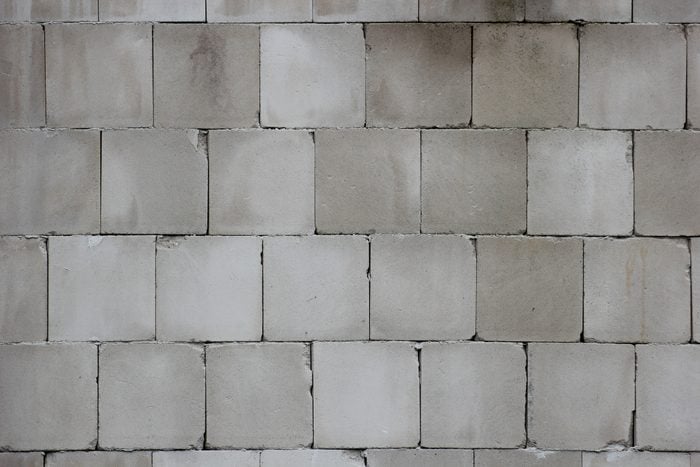
Other non-combustible options for defining property boundaries include concrete, masonry, and cinder blocks, as suggested by Ivan O’Neill, co-founder and CEO of Madronus Wildfire Defense. These materials are suitable for modern designs. Sacha McCrae, founder of Living Gardens Landscape Design, adds that fiber cement siding, such as Hardie Board, is another non-combustible material that can be used for fencing, often in conjunction with metal posts and rails. Ivan O’Neill further explains that replacing parallel fences with these non-combustible materials creates a radiant heat barrier, which is vital in preventing house-to-house conflagrations in urban areas during wildfires.
The article also addresses common questions regarding other fencing materials. Vinyl fencing, despite some marketing claims of Class A ratings, is combustible and does not meet the stringent Zone 0 requirements for insurers and the CA Board of Forestry. Anything containing plastic or wood will be excluded from these new regulations. Similarly, while plants can offer privacy, they pose a fire risk and are anticipated to be prohibited from Zone 0 in the finalized regulations. For areas outside Zone 0, using fire-resistant plants is recommended for added security.
In conclusion, the article underscores the importance of proactive material selection for fences in fire-prone regions. While awaiting the finalization of California's Zone 0 regulations, property owners are encouraged to consider non-combustible materials like metal, concrete, masonry, cinder block, or fiber cement for fences and gates. These choices are essential for building a resilient and fire-ready property, contributing significantly to home protection during wildfires.
#WildfireProtection #NonCombustibleFences #HomeSafety #Firescaping #GardenDesign #LandscapeDesign #FireResistantMaterials #CaliforniaRegulations #PropertyBoundaries #WildfireProtection #NonCombustibleFences #HomeSafety #Firescaping #GardenDesign #LandscapeDesign #FireResistantMaterials #CaliforniaRegulations #PropertyBoundaries
0 comment in total
 No comments yet
You may also like
How to Build a Fire Resistant Deck

Weather-resistant barriers: Advanced technologies for modern construction
The Best Chain Link Fence Panels for Privacy and Security

Eggs, sticky rice, and transparent wood create new kind of window

More Practical Than Plaster and Cement: This Material Is on Our Reno Radar
This is the 1 simple $8 fix to stop your fence panels rattling this summer
33 Garden Fence Ideas for All Budgets and Backyards


Cyclone Wire Fence Design,Chain Link Fence With Barbed Wire on Top
7 Concrete Alternatives

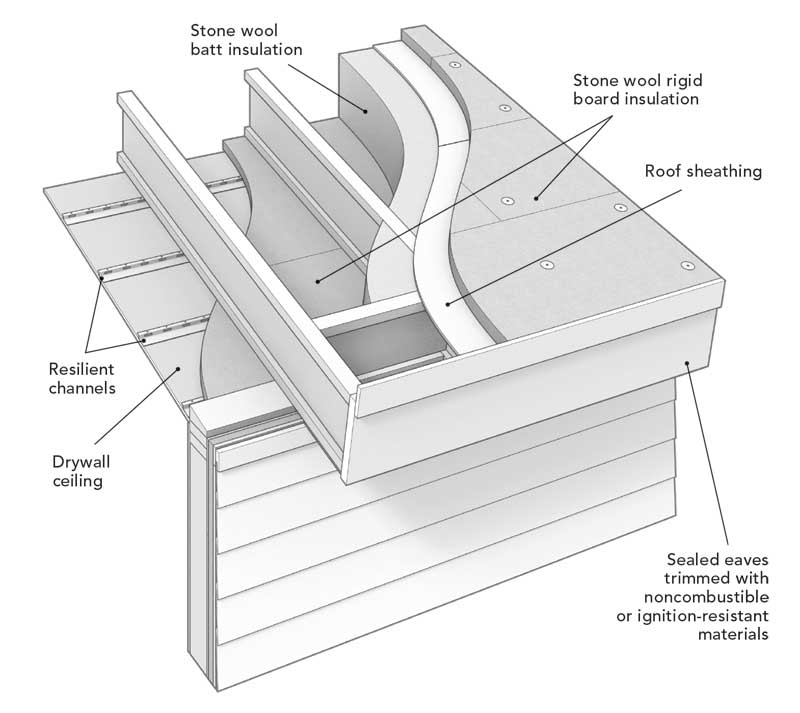
Building for better fire resilience in WUI zones
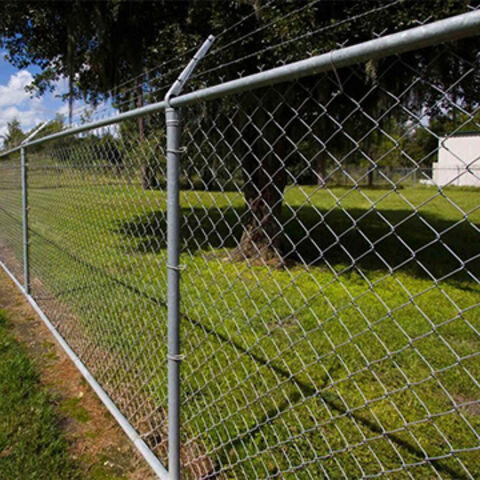
Security Galvanized Cyclone Chain Link Fences for Residential
How To Keep Outdoor Wood Beautiful Year-Round: Best Sealers for the Job
Fiber-Cement Siding: An Attractive Alternative to Wood

We Spent 20+ Hours Testing the Best Fence Stains. Our Top Choice Will Make Your Fence Look Like New

The latest and greatest innovations in sustainable building materials
What outdoor furniture lasts the longest? Every landscape designer we asked picked one of these 5 durable options

Garden Fence Panels

Facade Panel – Twine from Rieder Smart Elements GmbH & Co KG

Fence System from BŌK Modern

Building a Deck Without Treated Lumber