1/6
Leanne Ford’s 3 Tricks for Exposing Cottage-Approved Rafters
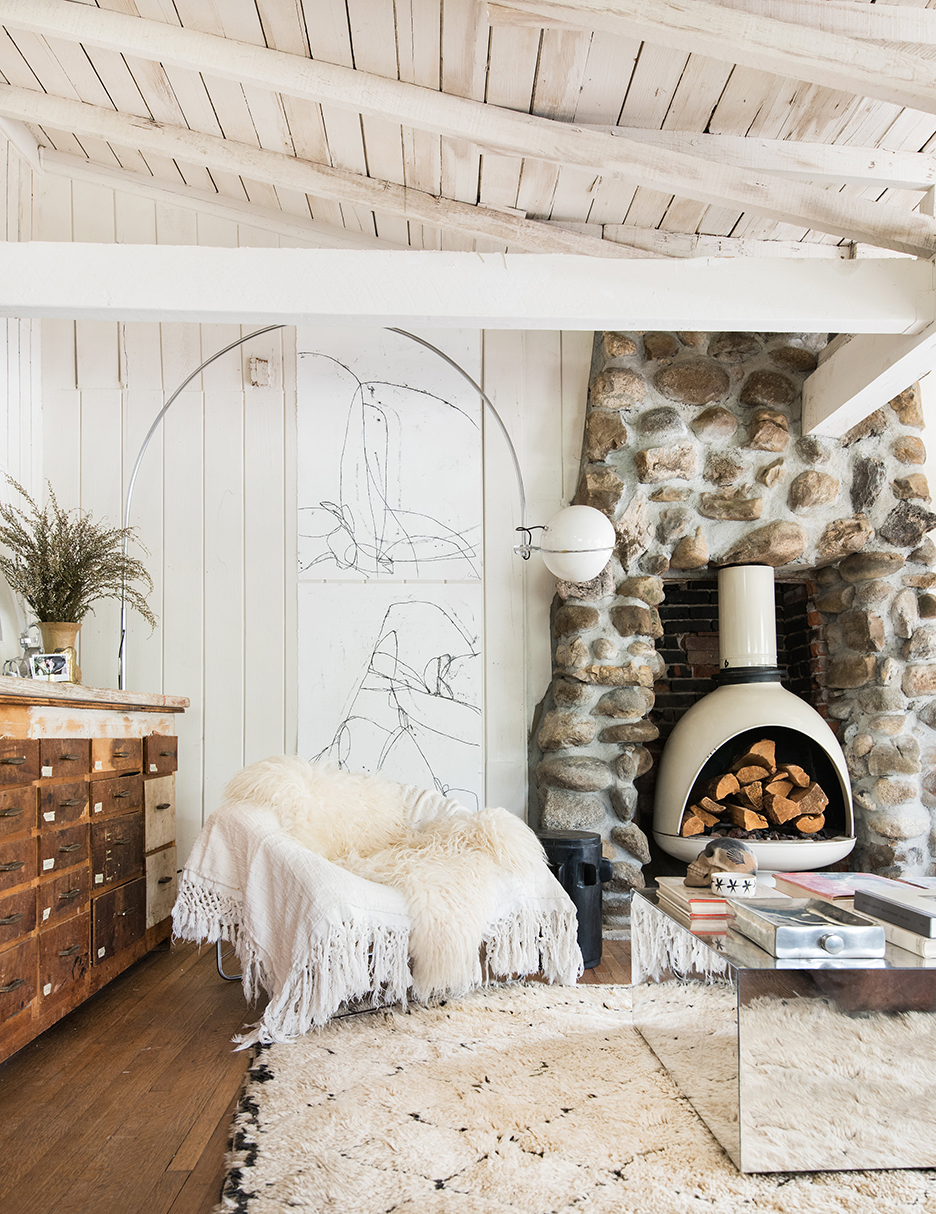
Exposed rafters can significantly enhance the warmth and character of a home, especially in older cottages where traditional drywall may not be the ideal solution. This approach adds an extra layer of texture and visual interest to ceilings, contributing to a more 'cottagey' aesthetic. However, integrating exposed rafters requires careful consideration of insulation and proper airflow, particularly in regions with varying temperatures. Homeowners must consult local building codes regarding insulation requirements and ensure adequate roof ventilation before undertaking such a renovation.
One method for achieving the exposed rafter look while maintaining insulation involves buffering the roof from the exterior. This technique is particularly effective in climates where the weather is consistently warmer, as it allows for the interior rafters to be exposed without compromising thermal performance significantly. This strategy focuses on insulating the roof structure itself rather than the internal ceiling, providing a unique design element.
Alternatively, a less invasive approach involves creating the illusion of exposed rafters using decorative elements. For new builds or homes with plain ceilings, this can be achieved by installing a standard insulated ceiling and then attaching decorative, low-grade pinewood boards to mimic the appearance of rafters. These faux joists can add considerable dimension to a room without the need for extensive demolition or structural changes. By painting these boards with a thin coat of white paint, a light and airy feel can be maintained while still benefiting from the insulation between the ceiling levels.
Finally, for spaces where full exposure of rafters is not feasible due to insulation needs, a patchwork method can be employed to convey a similar aesthetic. This involves covering insulated areas with thin boards to restore some of the textural quality lost by not fully exposing the structural elements. While labor-intensive, this technique allows homeowners to achieve a desired cottage-inspired ambiance and texture, ensuring the space remains warm and comfortable, especially during colder months. For tight attic spaces requiring comprehensive insulation, beadboard offers a versatile solution. It can be finished with Kilz primer for a matte, raw look or with a single coat of light paint to allow the wood grain to show through, offering flexibility in achieving the desired finish while prioritizing functionality and warmth.
#HomeRenovation #CottageStyle #ExposedRafters #CeilingDesign #Insulation #DIYHomeImprovement #LeanneFordDesign #HomeRenovation #CottageStyle #ExposedRafters #CeilingDesign #Insulation #DIYHomeImprovement #LeanneFordDesign
 No comments yet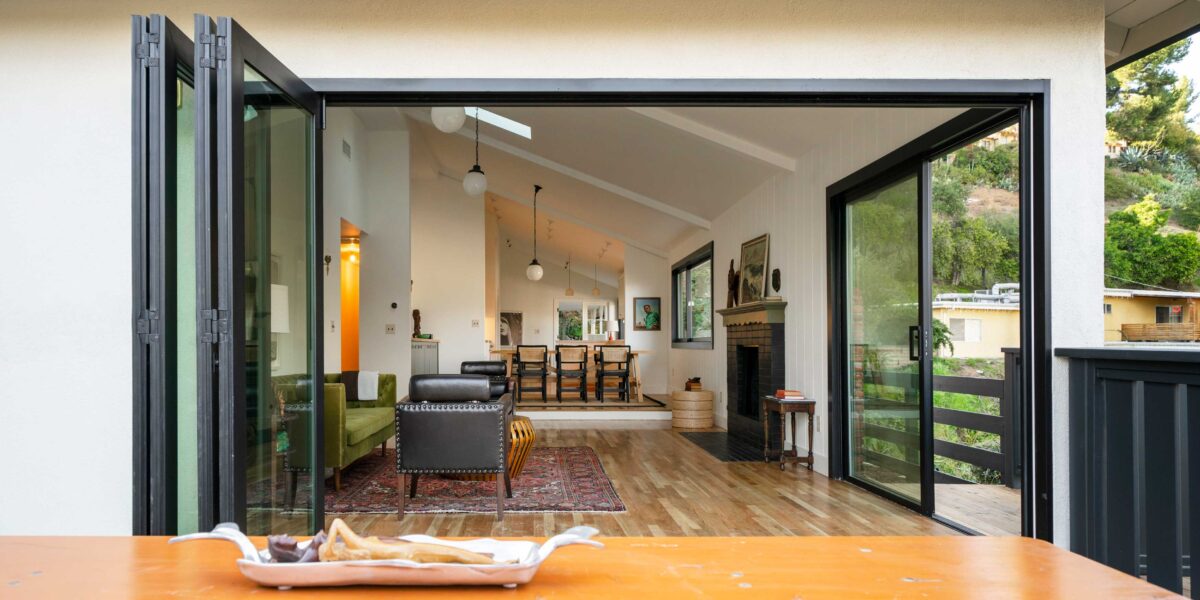
7 Essential Design Tips From Los Angeles’s Top House Flipper