1/5
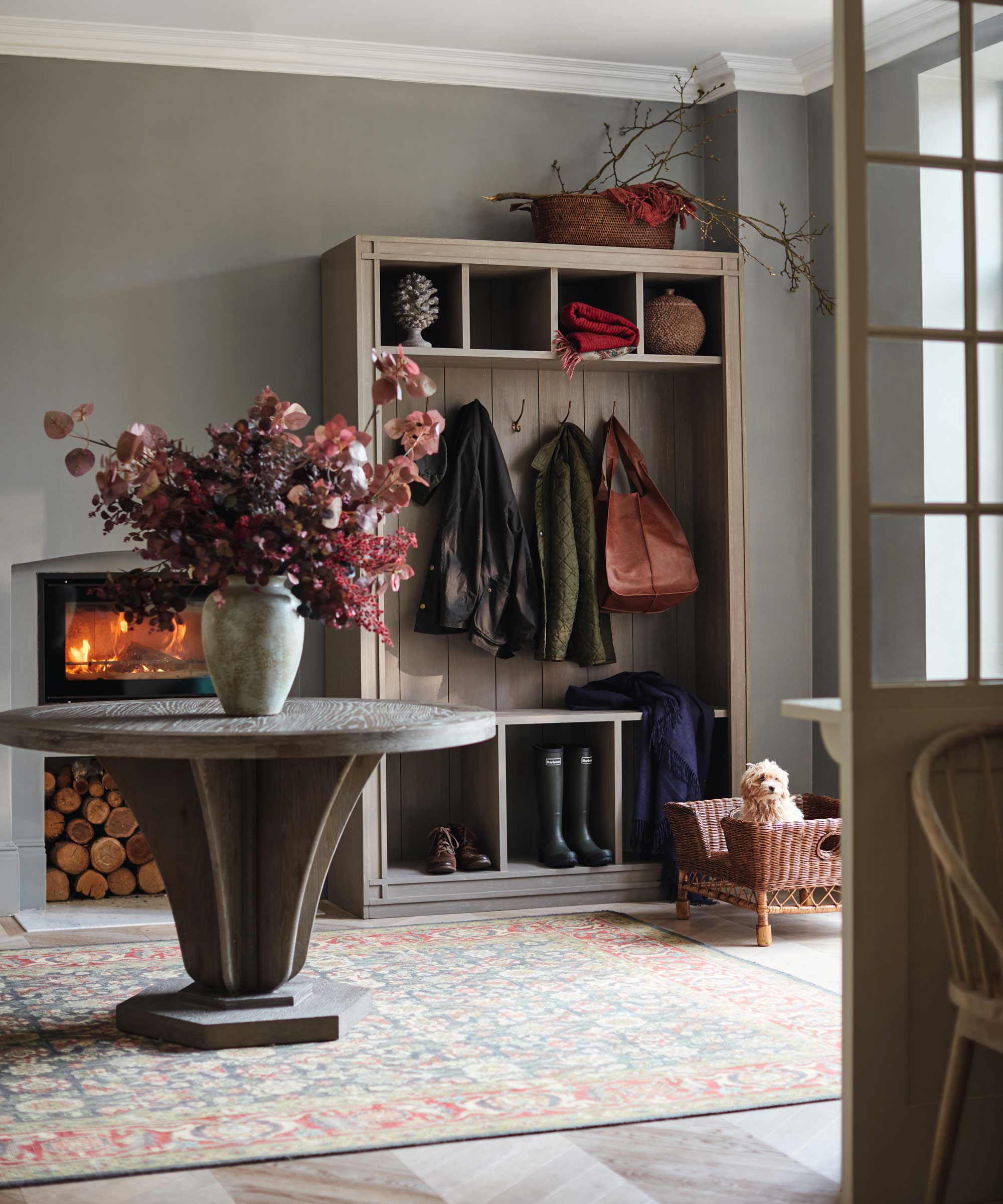
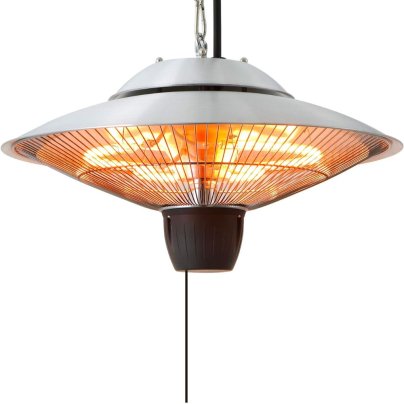
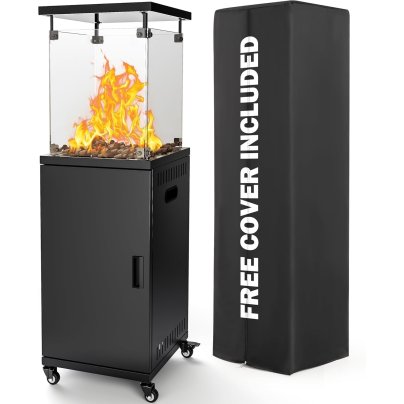
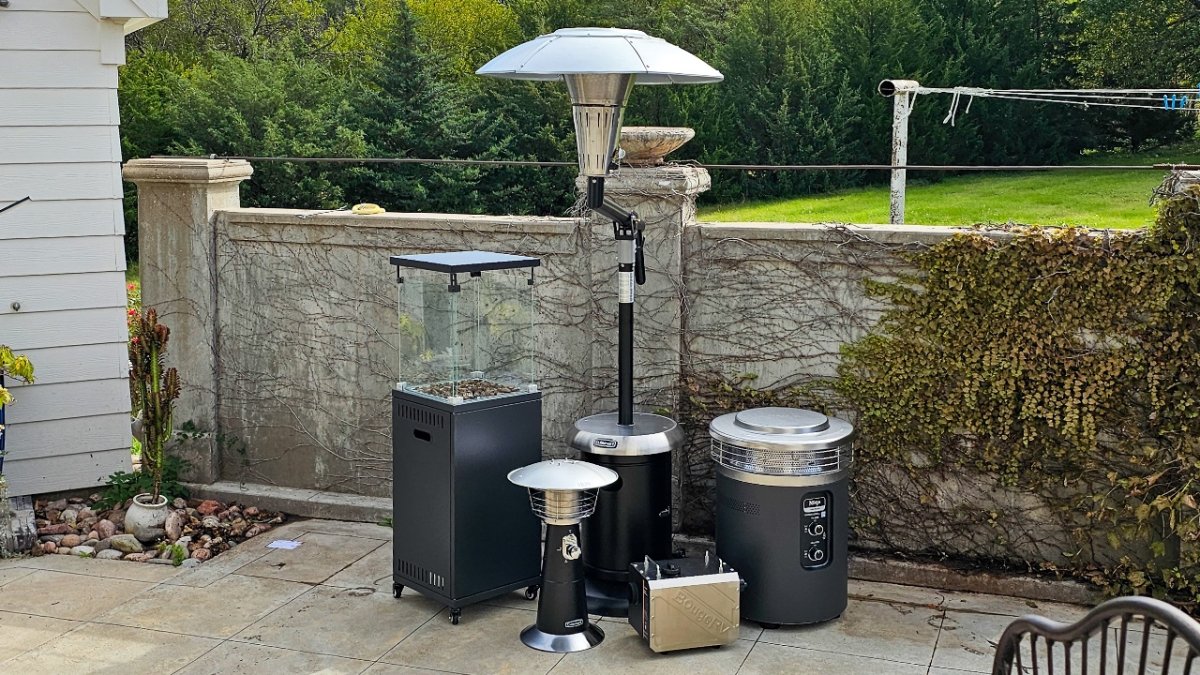
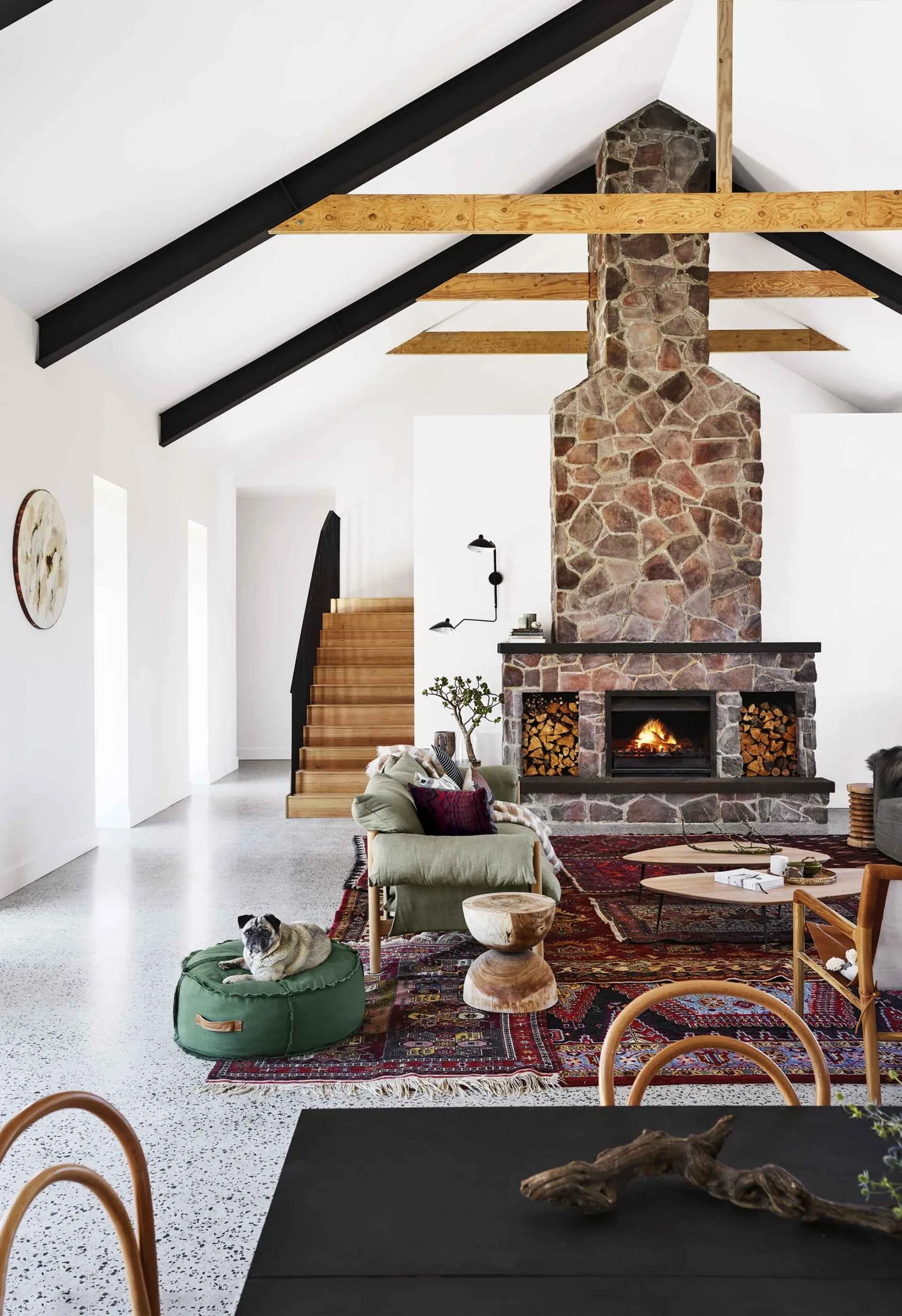
Radiant heat can be used indoors or outside
Radiant heating systems, prevalent in Europe and gaining popularity in the United States, offer an efficient alternative to conventional forced hot air. These systems effectively warm surfaces and subsequently the entire contents of a home, creating an enveloping comfort. Historical precedents for radiant heating date back to ancient Roman hypocausts, which heated bathhouses and homes from beneath. Modern systems, while more sophisticated, operate on the same principle of energy transference from warmer to colder objects.
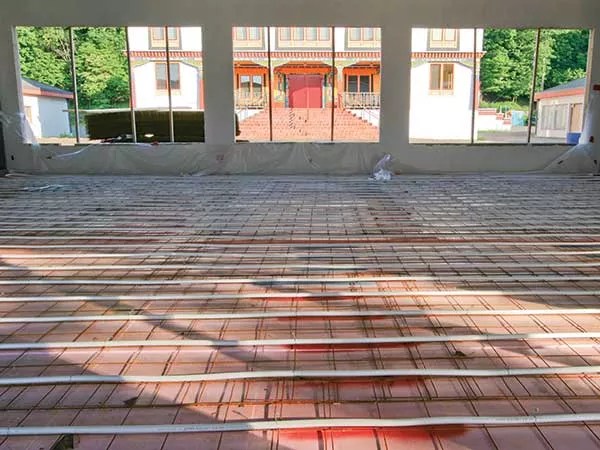
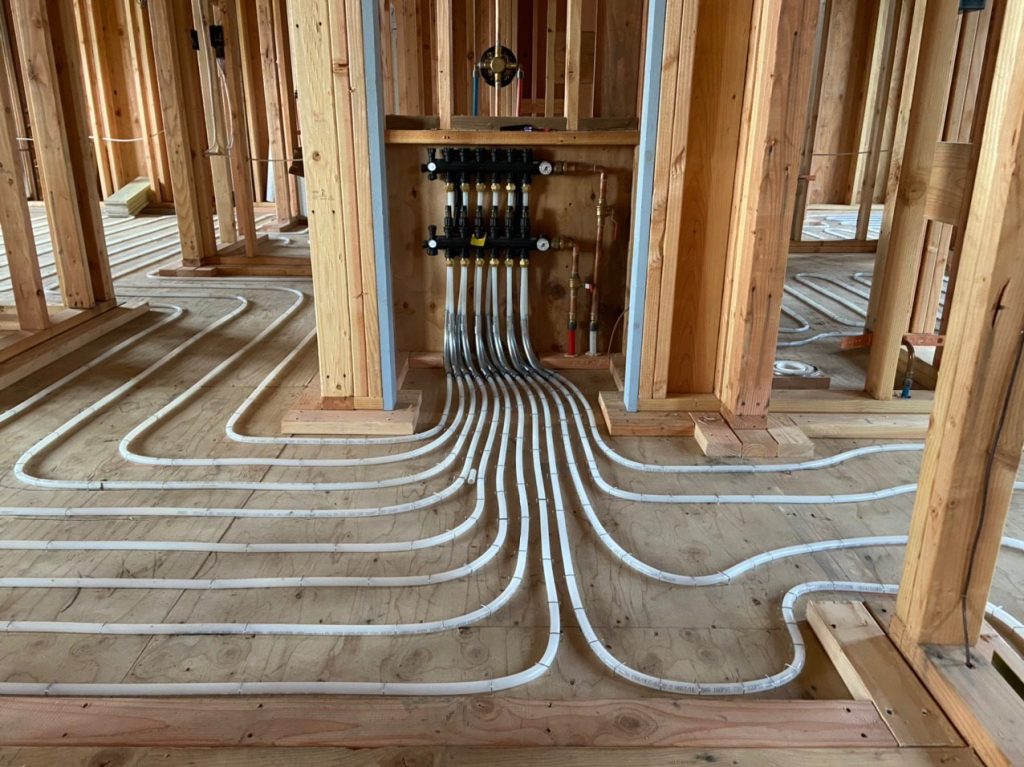
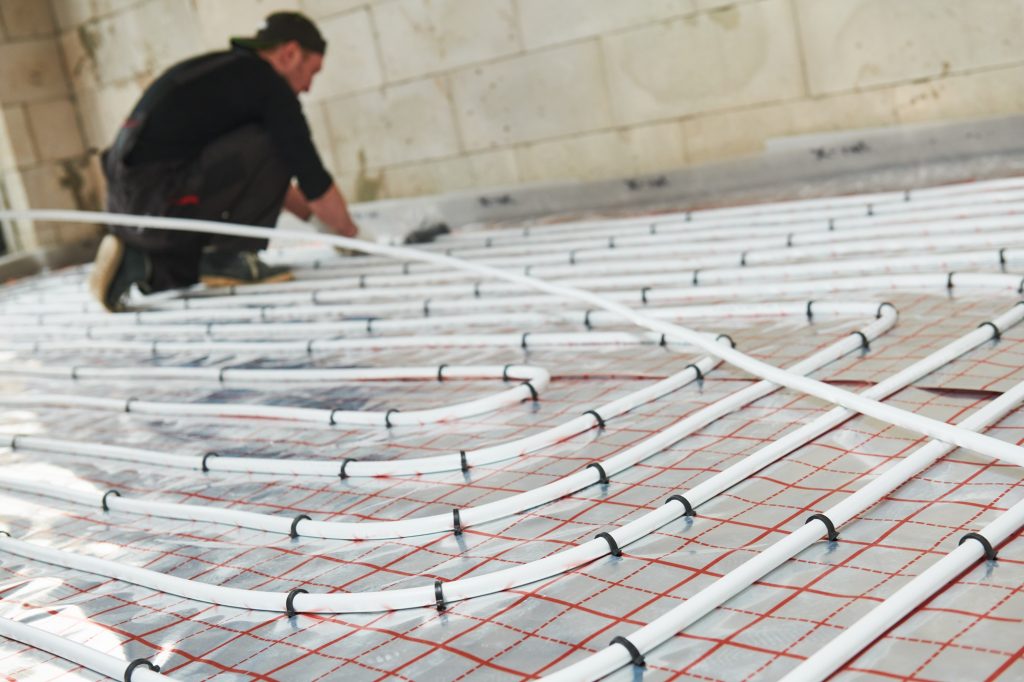
There are two primary types of radiant heating systems: hydronic and electric. Hydronic systems, favored by the Radiant Professionals Alliance (RPA), utilize cross-linked polyethylene (PEX) tubing to circulate heated water beneath floors. This tubing is durable and corrosion-resistant. A boiler heats the water, which then flows through the closed-loop system. Hydronic systems are ideally installed during new construction due to their complexity, with estimated costs ranging from $8 to $10 per square foot. These systems can lead to energy cost savings of 15% to 50% compared to forced-air systems, depending on the home's location, construction quality, and insulation levels. Proper insulation in walls and attics is crucial for maximizing the effectiveness of above-ground hydronic installations. A minor drawback is the potential redundancy if air conditioning ducts are also installed, though manufacturers are developing integrated radiant cooling systems.
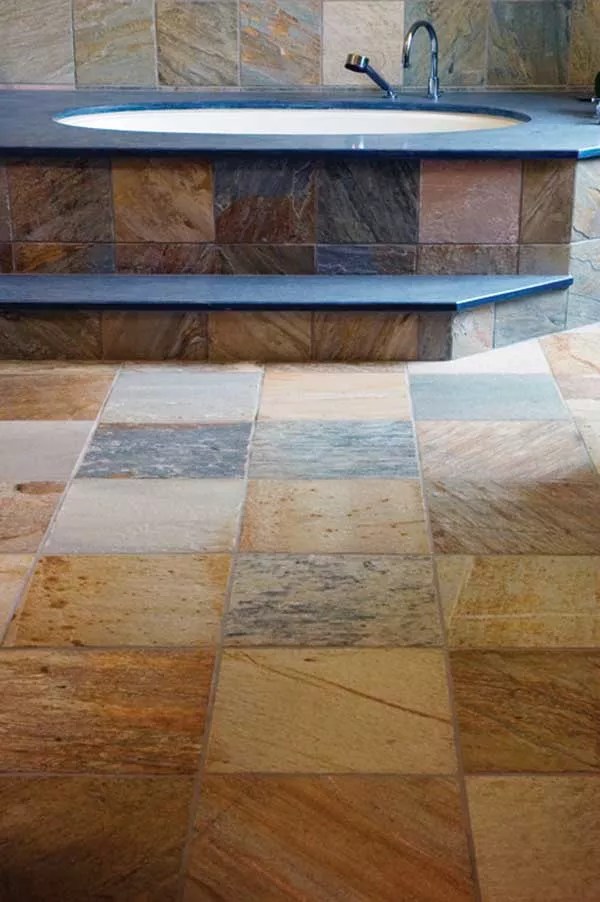
Electric radiant floor heating systems are a more suitable retrofit option for existing homes or for warming smaller areas, such as bathrooms. These systems consist of heat-resistant wire coils integrated into mats or rolls, functioning similarly to an electric blanket under the floor. They can warm a small area to a comfortable temperature in under an hour and are controlled by programmable thermostats. An innovative electric system, STEP Warmfloor by Electro Plastics Inc., uses low-voltage polymer technology with thin wires that warm plastic. This system is self-regulating, preventing overheating by limiting the maximum temperature to 85 degrees Fahrenheit. It can operate on AC current via a 24-volt transformer or DC current from solar or wind power sources. Installation costs for STEP Warmfloor are estimated between $11 and $15 per square foot and require an electrician for connection to the power source.
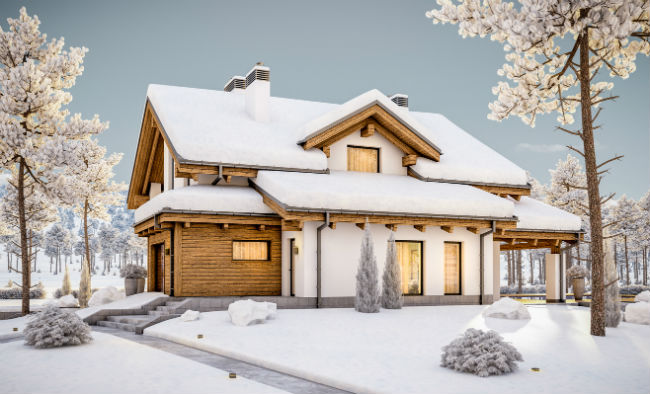
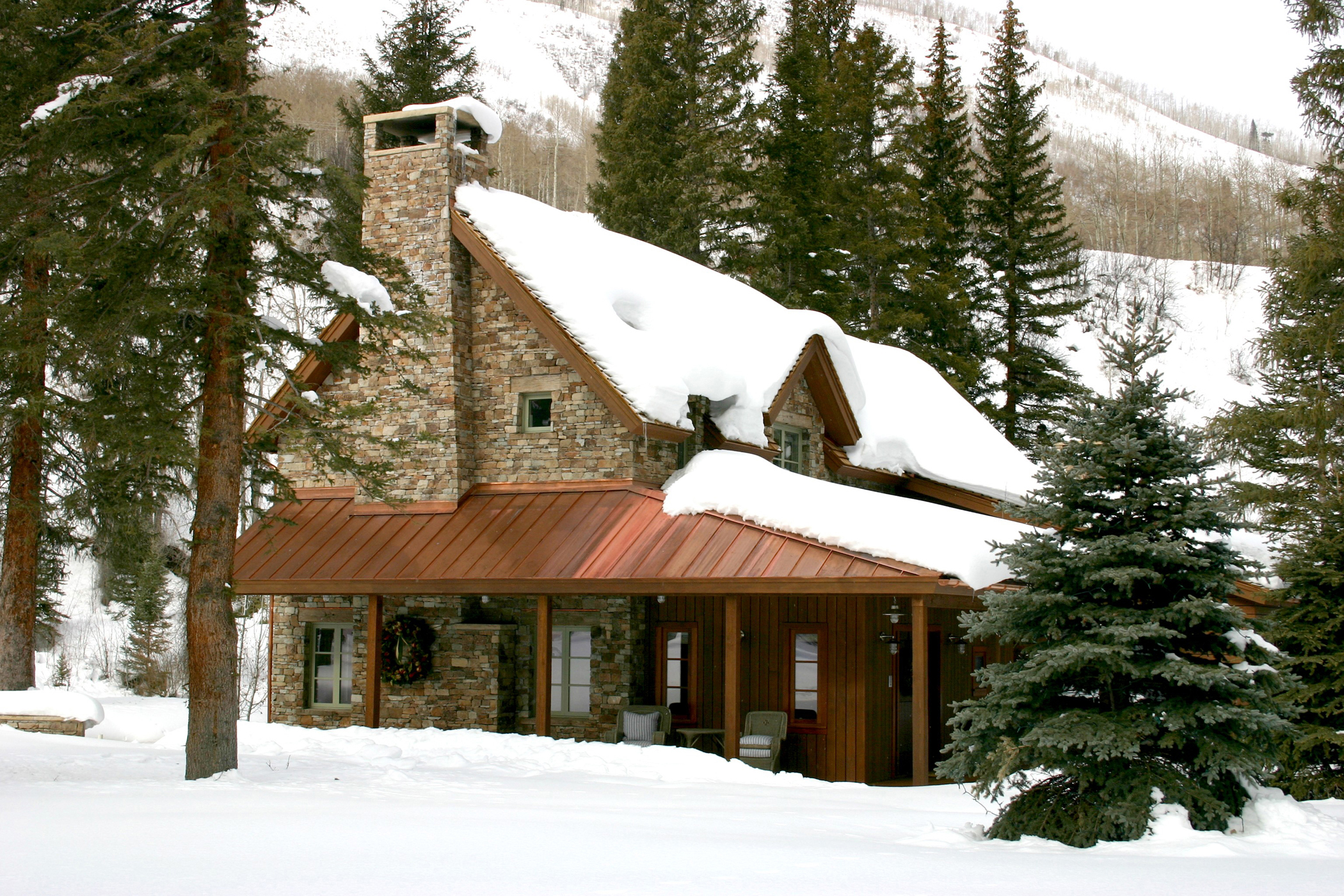
Beyond interior applications, radiant heating systems are also employed outdoors as "snowmelt" systems for sidewalks and driveways. These systems heat surfaces to 38 degrees Fahrenheit, causing snow and ice to evaporate. This method efficiently clears pathways without the need for manual shoveling or damaging decorative concrete, stone, or brick. Outdoor snowmelt systems can be either electrical or hydronic, with antifreeze added to the circulating water in hydronic versions. The STEP Warmfloor product can also be installed under rooftops to prevent the formation of ice dams near overhangs and gutters.
Consumers are increasingly recognizing the benefits of radiant heating, driven by long-term energy savings and the superior comfort they provide. The even distribution of heat, unlike the sometimes patchy warmth of forced-air systems, creates a consistent and encompassing warmth that users often describe as a "blanket of comfort."
#RadiantHeating #HomeComfort #EnergyEfficiency #HydronicHeating #ElectricHeating #SnowmeltSystems #HomeImprovement #SustainableLiving #InteriorDesign #RadiantHeating #HomeComfort #EnergyEfficiency #HydronicHeating #ElectricHeating #SnowmeltSystems #HomeImprovement #SustainableLiving #InteriorDesign
0 comment in total
 No comments yet
You may also like
The Best Patio Heaters to Help You Enjoy Your Time Outdoors This Winter

The 12 Very Best Outdoor Heaters
How to keep your mudroom warm – 5 expert-recommended tips

Planning a Backyard Hangout? These 9 Tested Patio Heaters Deliver Real Warmth

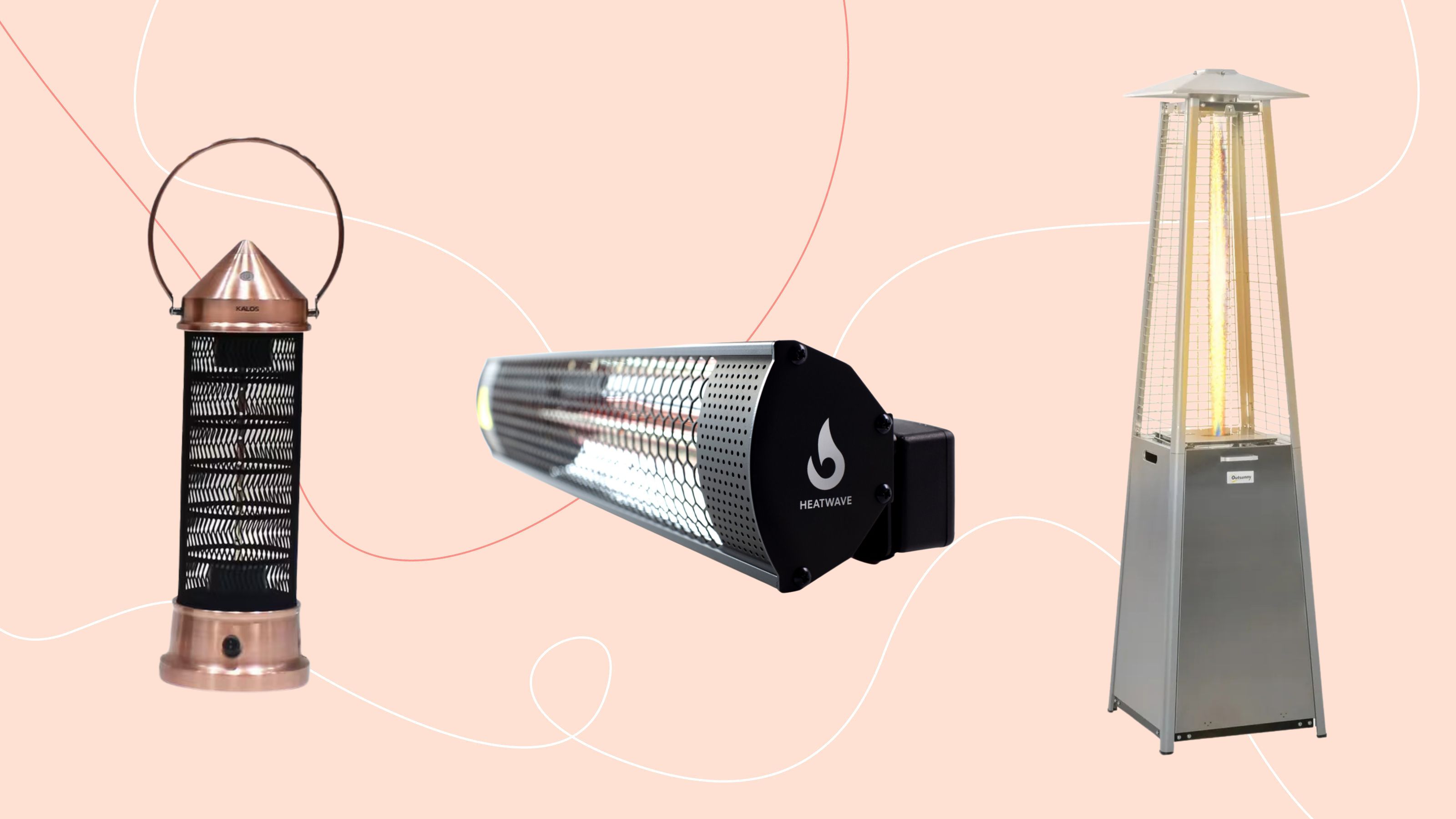
The best patio heater for every space and budget – tried-and-tested favourites that will warm up chilly summer nights
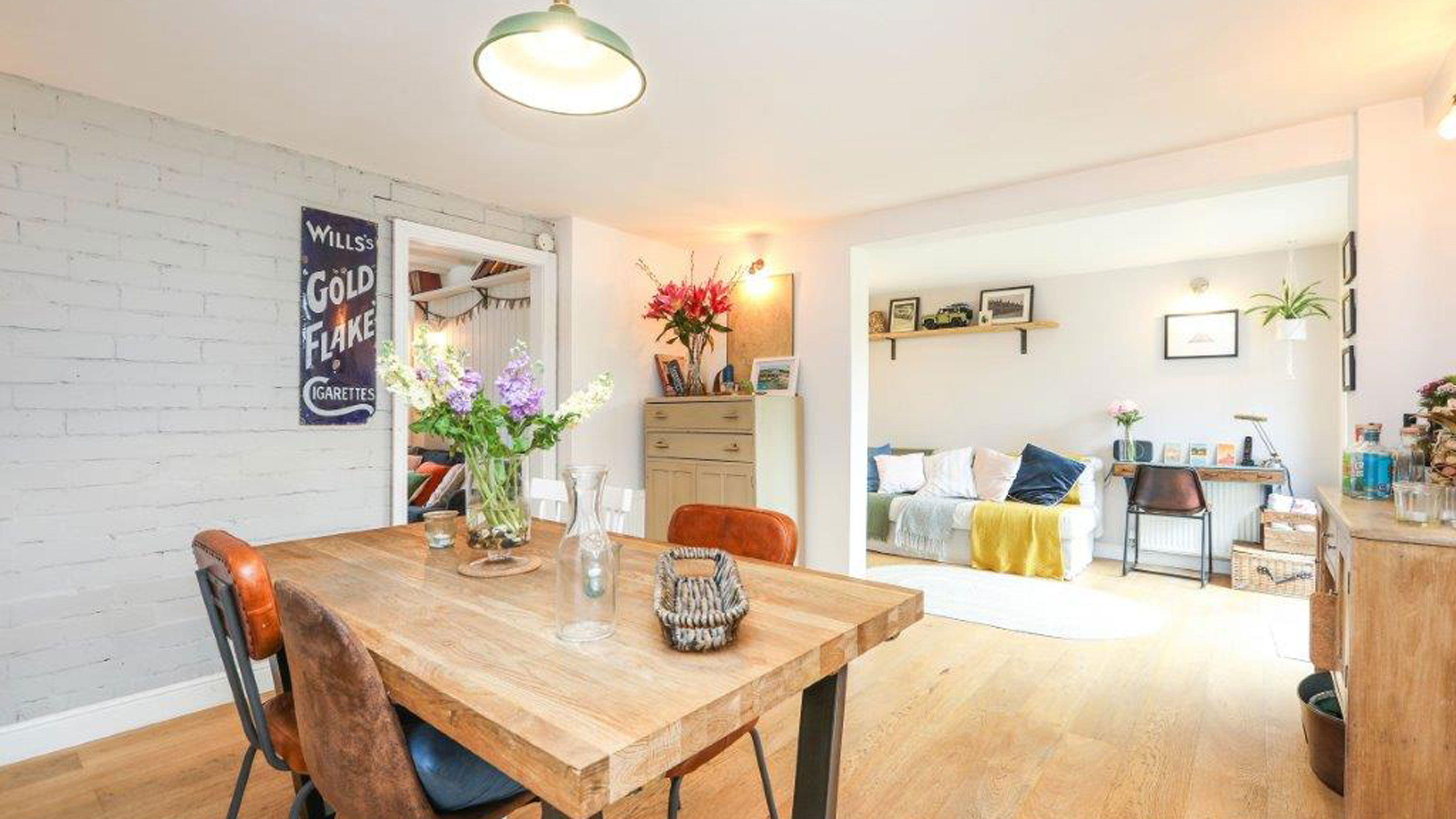
I used to struggle to keep my open plan layout warm in winter — but these 4 methods now keep it cosy all day long
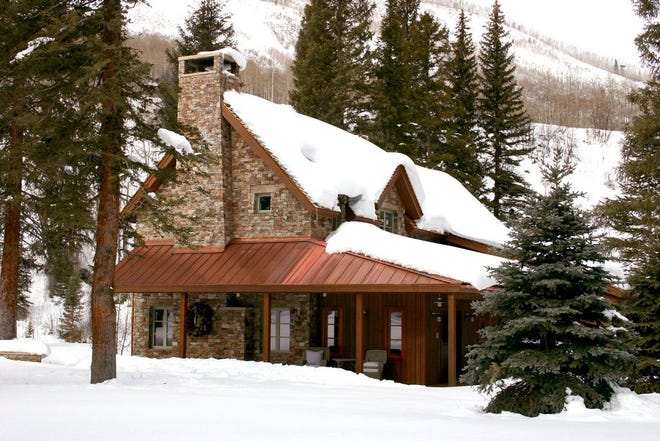
Radiant heating can add a blanket of comfort, as well as long-term savings for the home
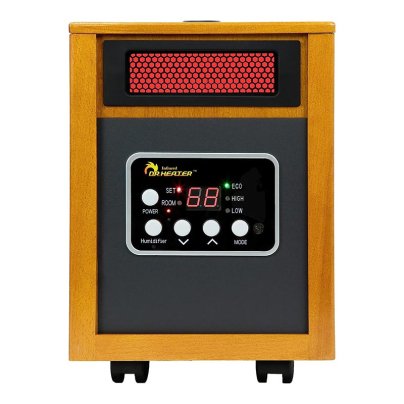
Testing the 10 Best Infrared Heaters for Comfort at Home

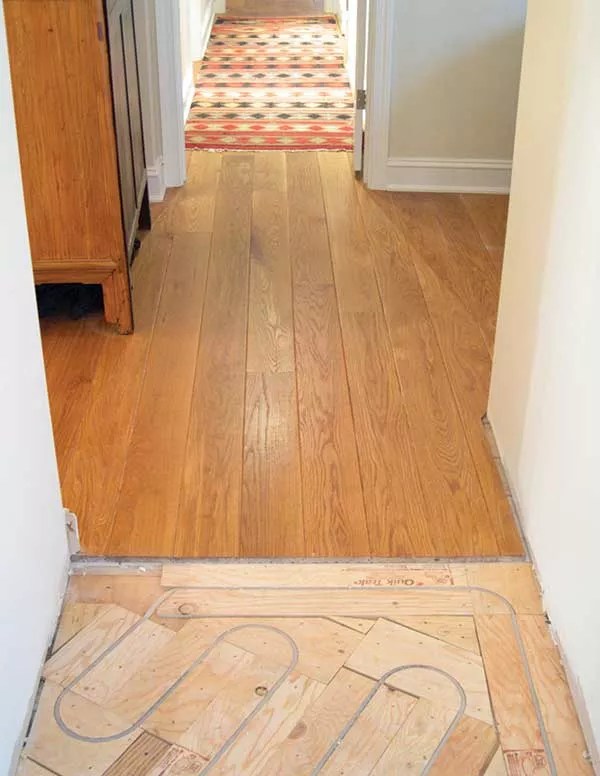
Radiant Heating
The best patio heaters keep you toasty, even in the dead of winter — these are our top picks
The Best Patio Heaters for Cozy Outdoor Living
Chill Out and Keep Warm With One of These Stylish Outdoor Fireplaces
All About Outdoor Radiant Heating Systems
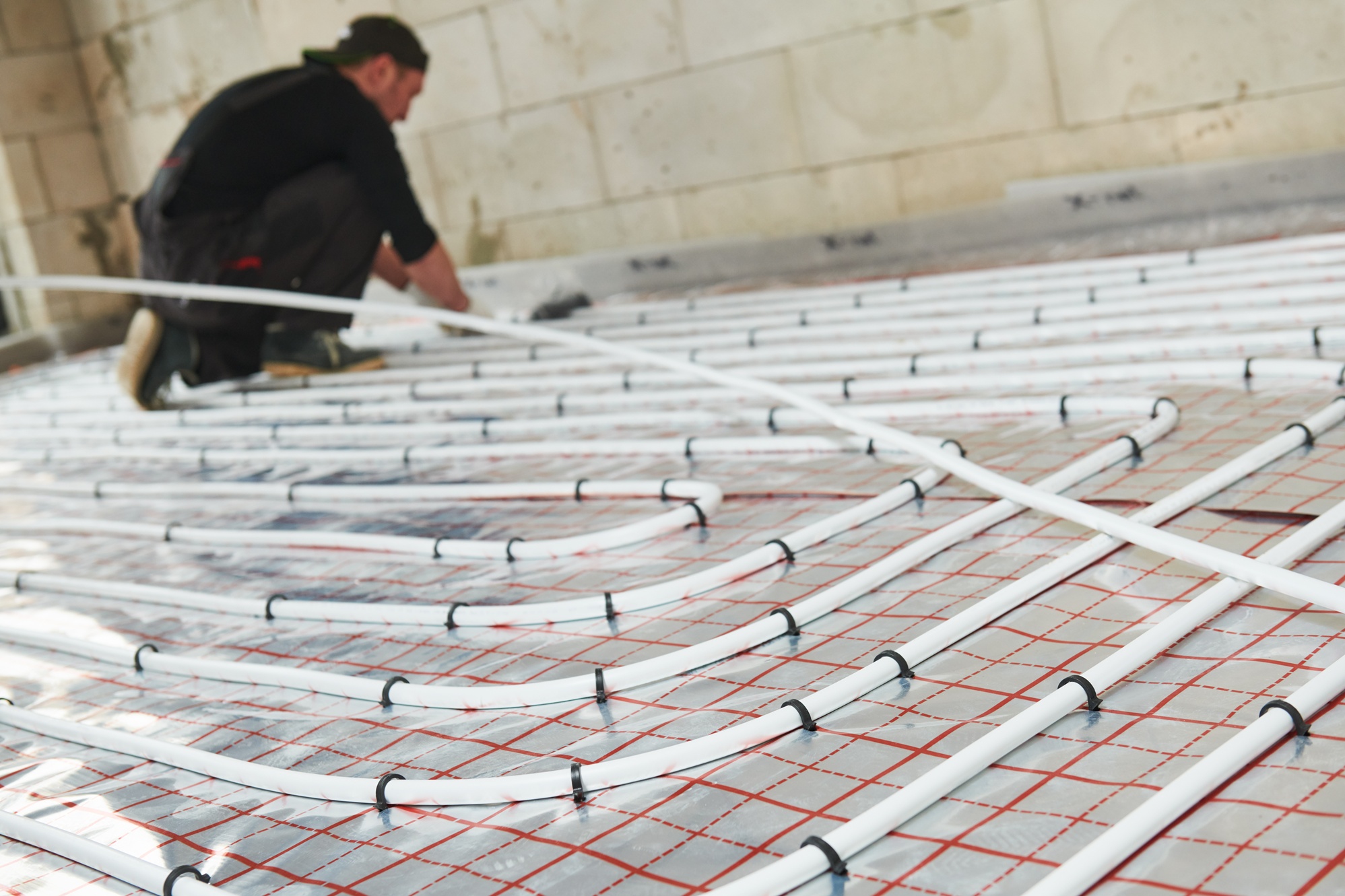
How Radiant Heat Can Transform Your Home for the Better With Barron Heating, AC, Electrical & Plumbing

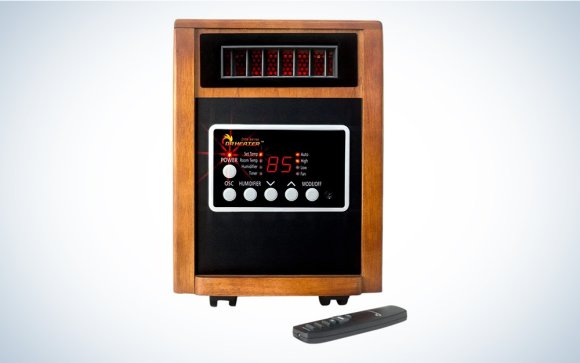
The best infrared heaters
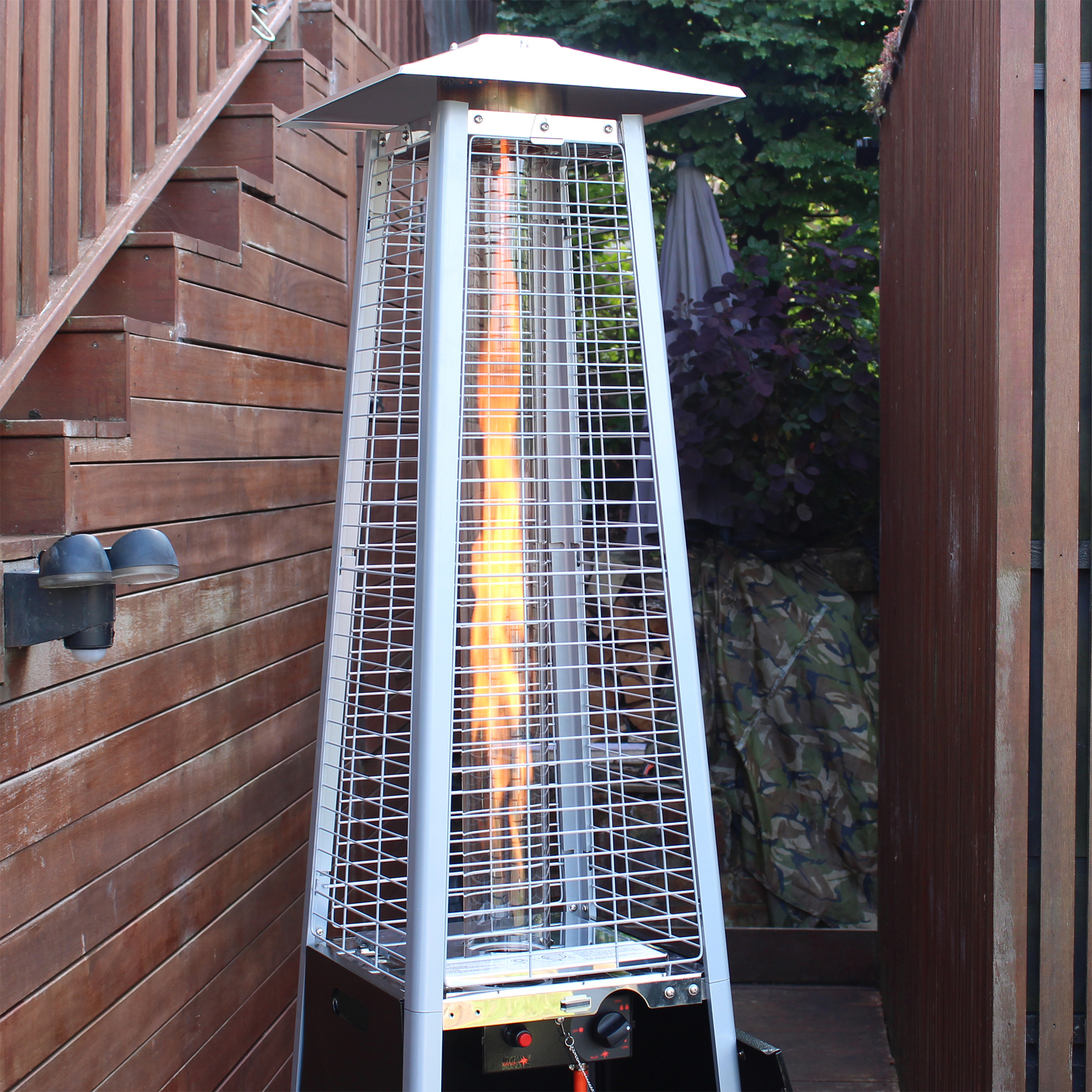
Outsunny 11.2kw Pyramid Gas Patio Heater review – no need for an electrical socket with this versatile gas heater
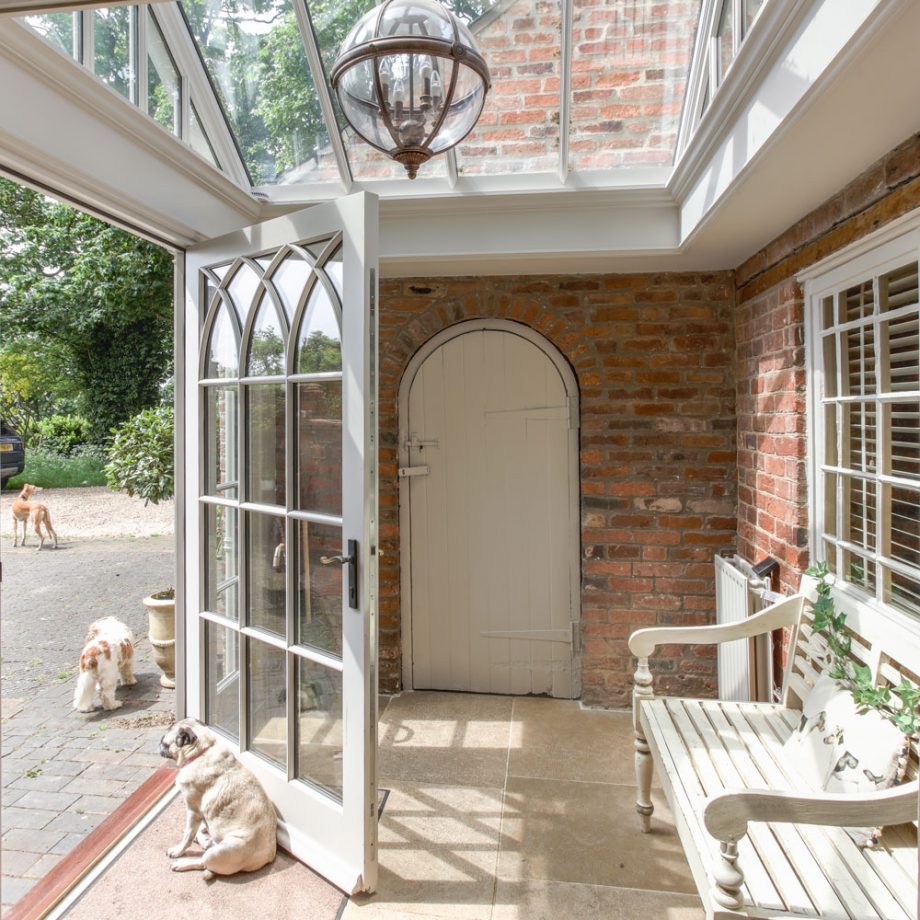
How to make a conservatory warmer - ways to heat and insulate for all-year round use
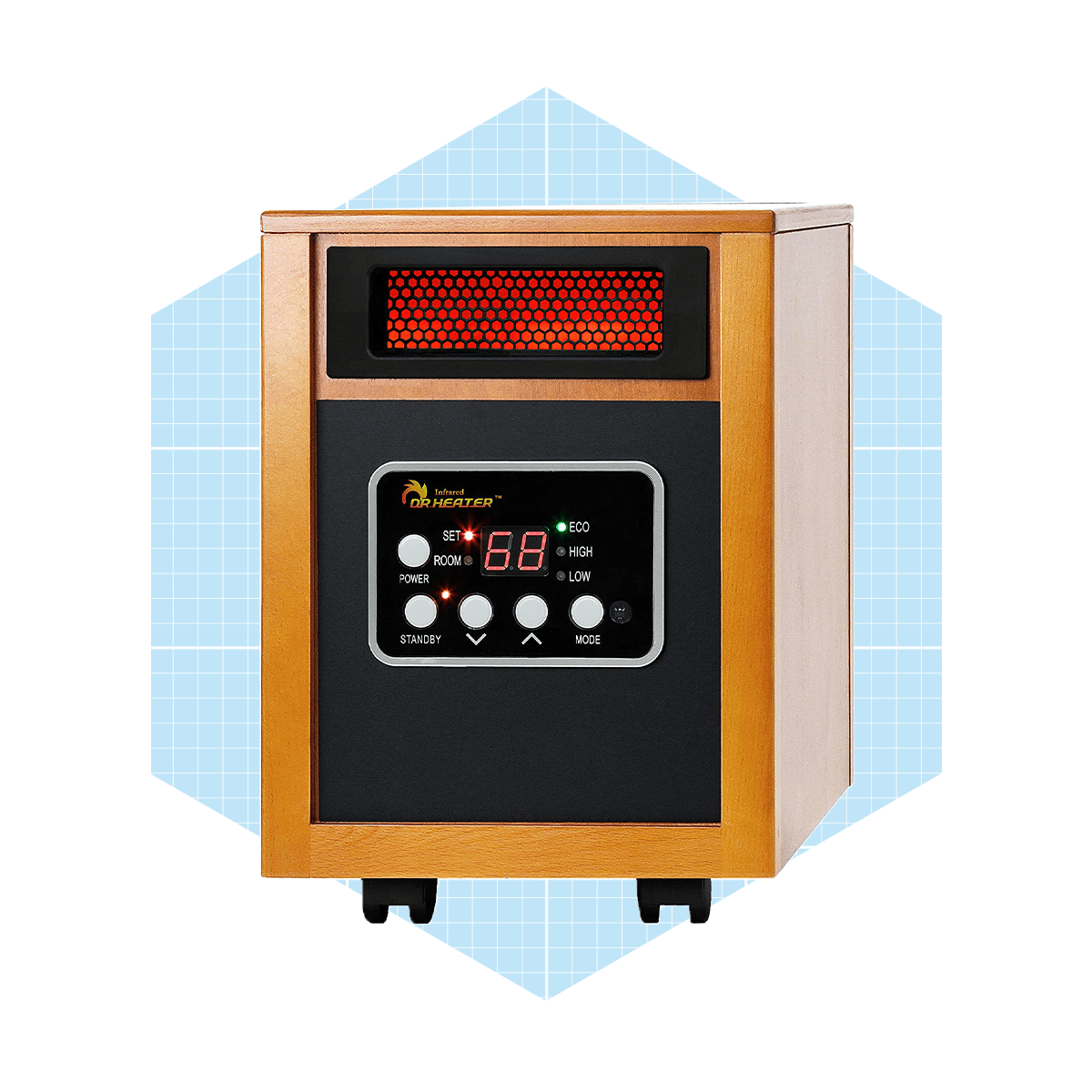
Best Infrared Space Heaters in 2025 That Are Portable And Energy Efficient

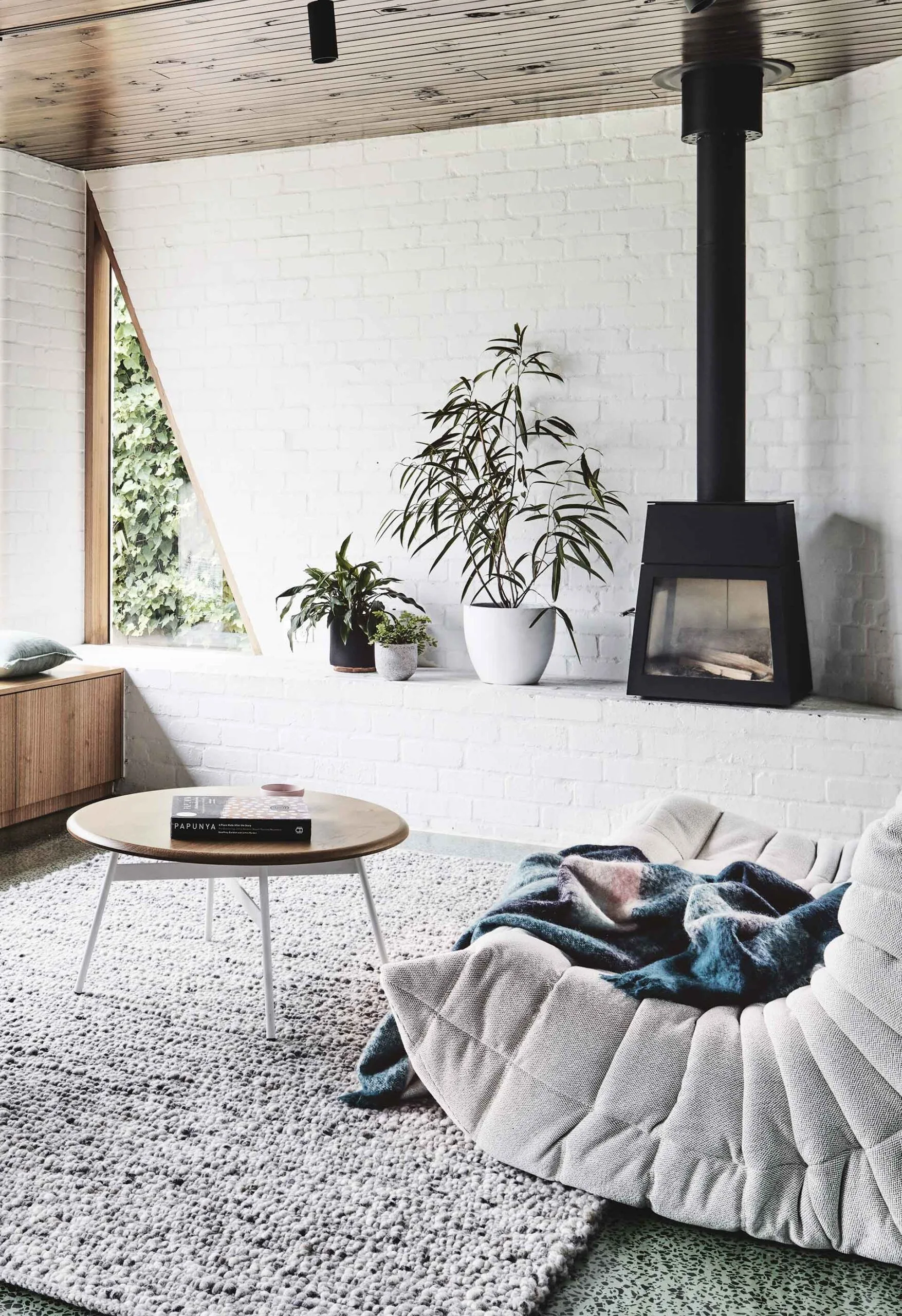
6 of the best heater ideas to warm up your home this winter

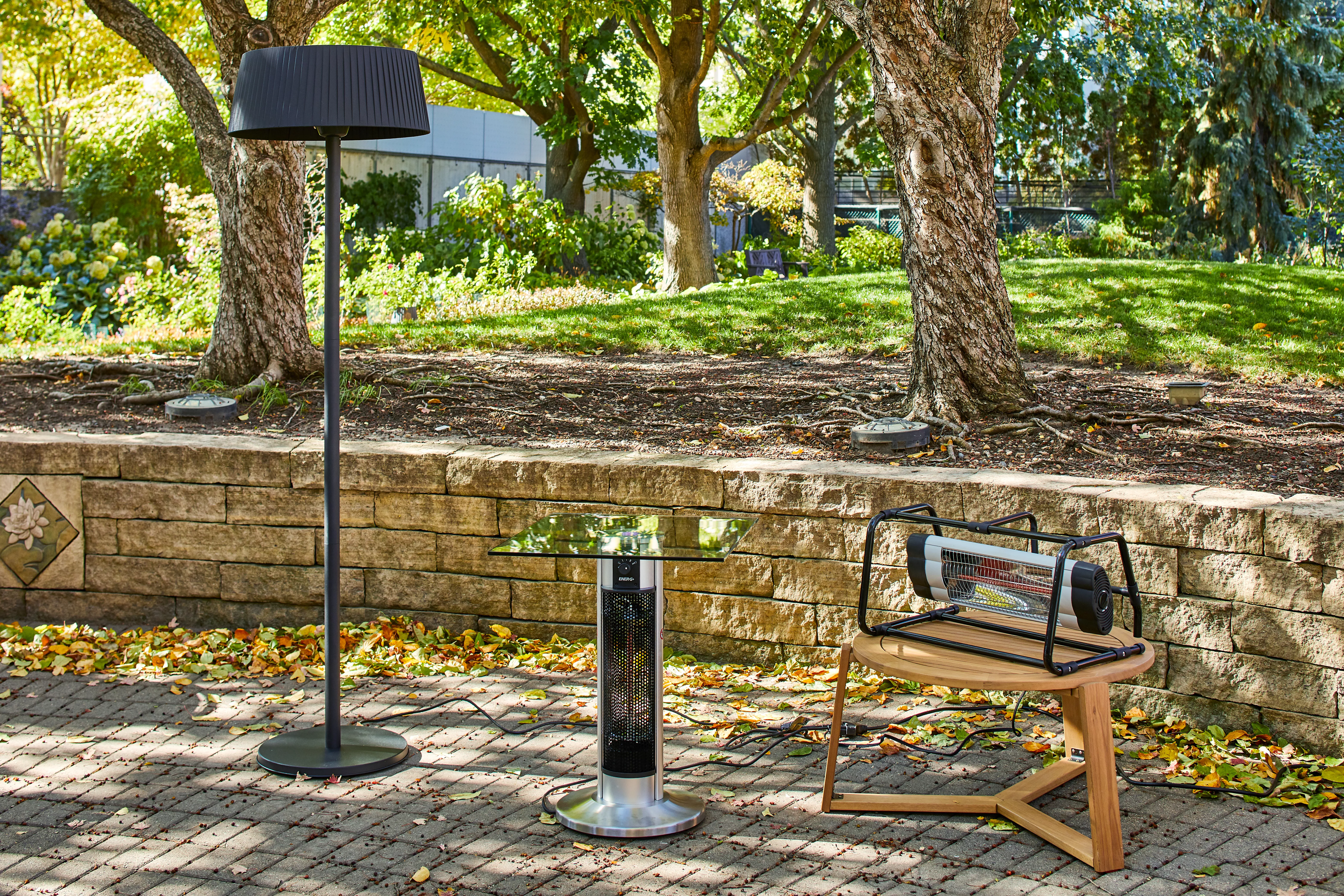
Yes, You Can Effectively Heat Your Outdoor Space Gas-Free—Here's How