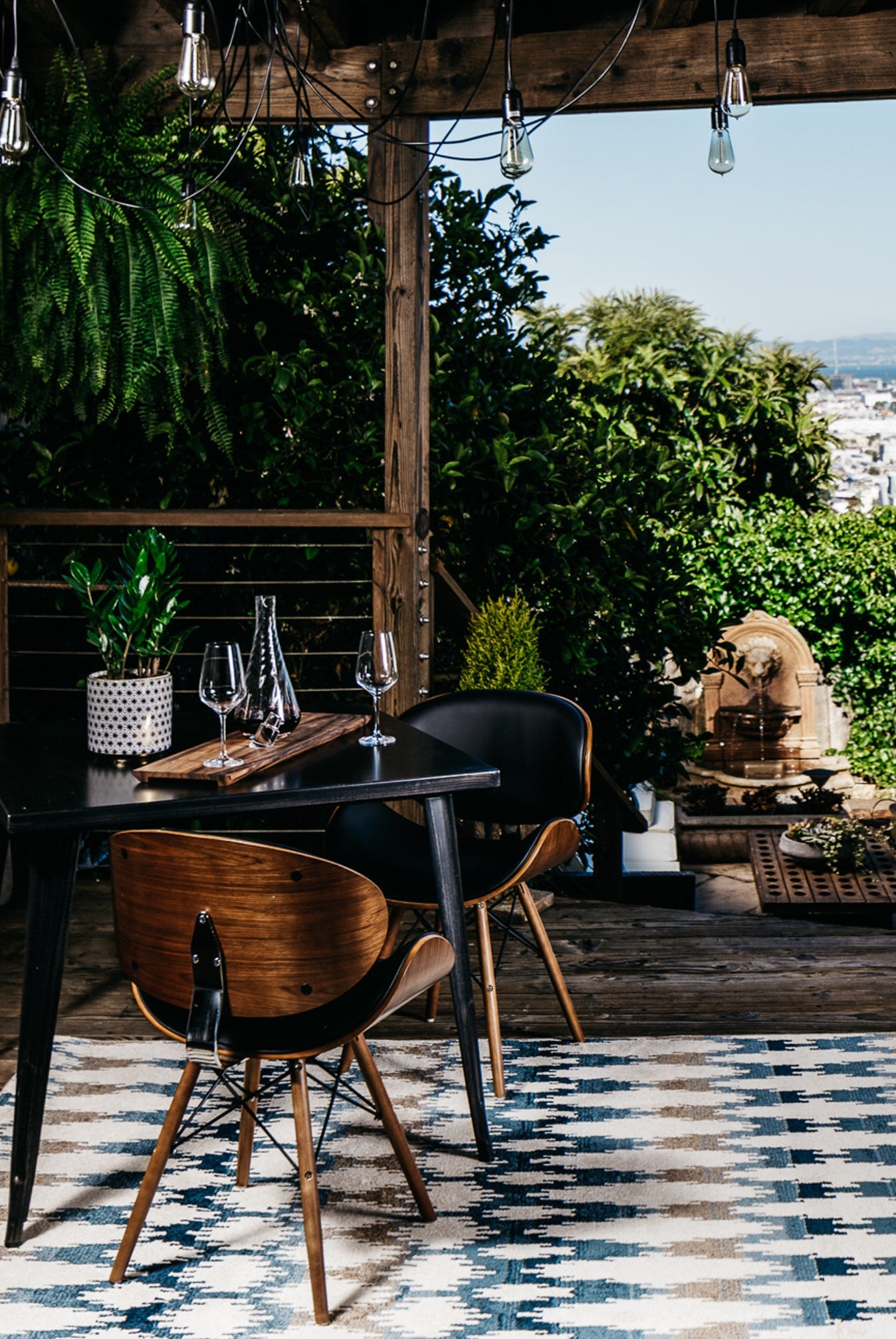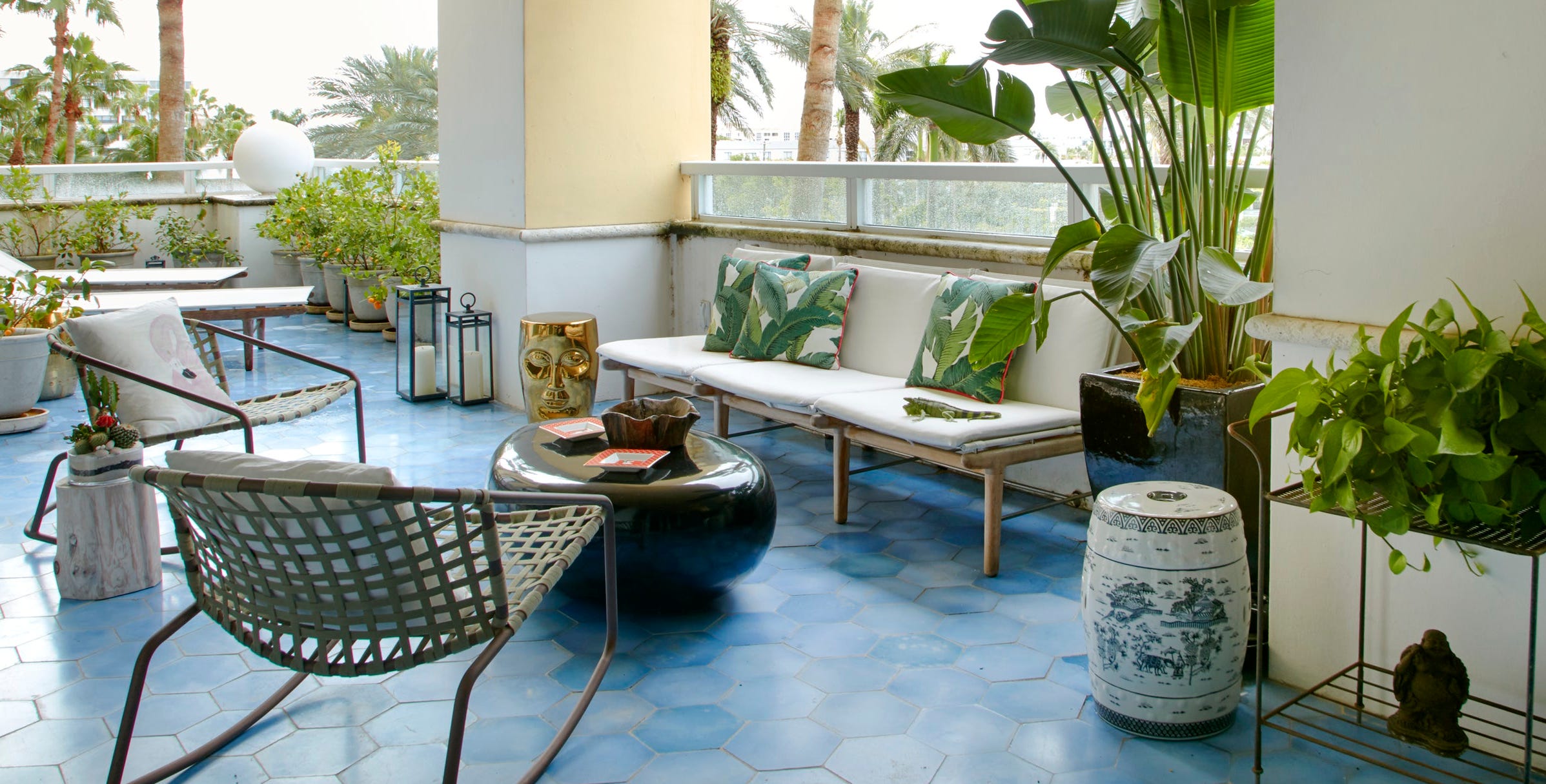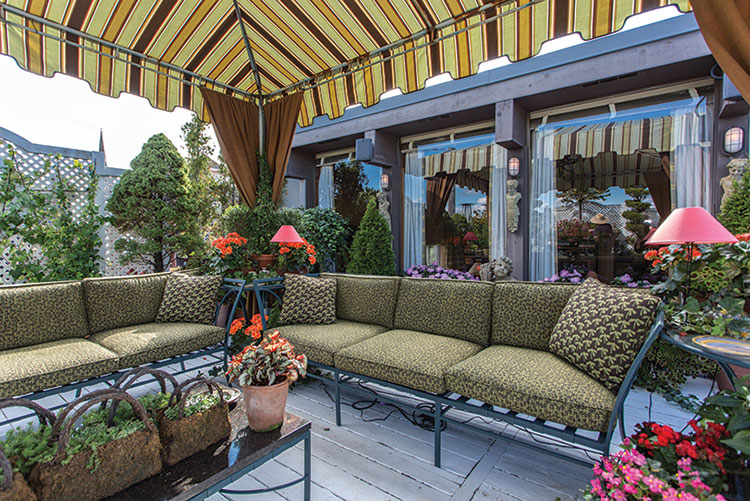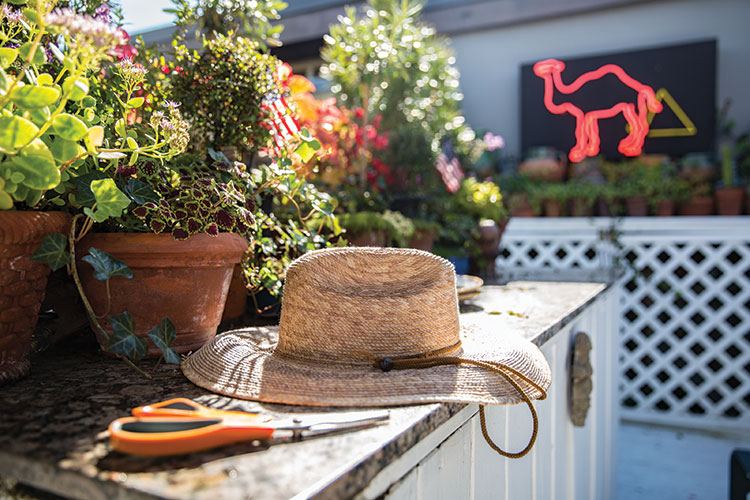
Make the most of your rooftop garden with these design tips
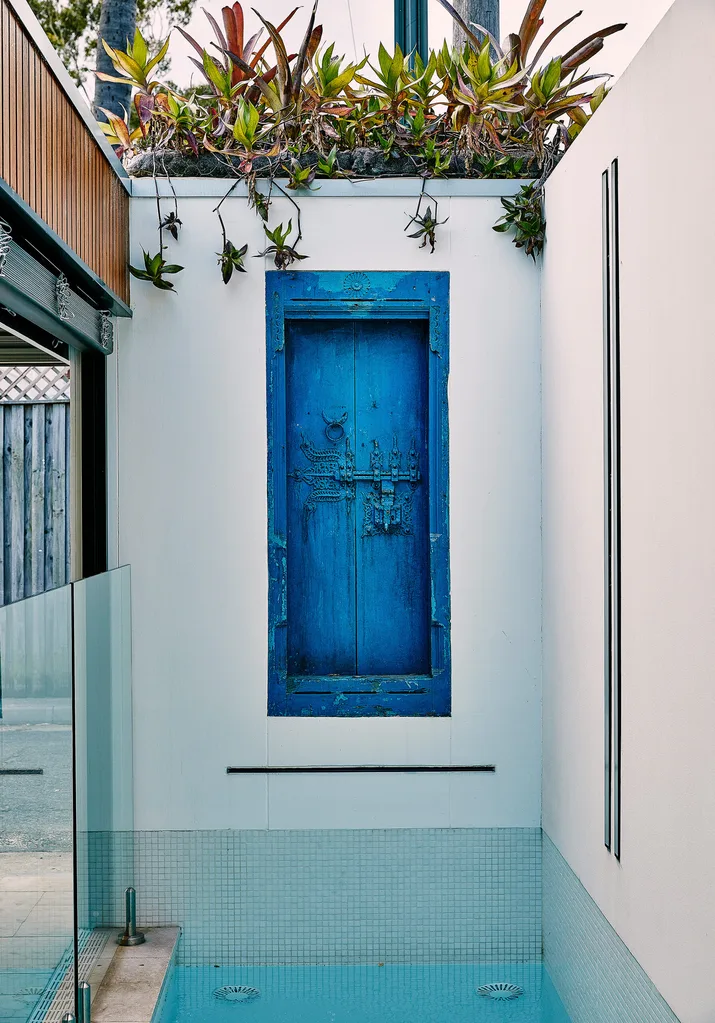
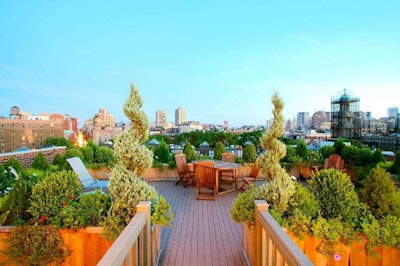
In urban environments, landscapers face unique challenges and opportunities when designing rooftop gardens for city dwellers seeking green spaces. These gardens, often small with distinct views, require careful consideration of sun exposure, wind patterns, and structural weight limits. Amber Freda, owner of Amber Freda Home & Garden Design, emphasizes that outdoor spaces significantly enhance city living by providing areas for relaxation. Each rooftop garden is unique, but several common elements must be addressed in every design.
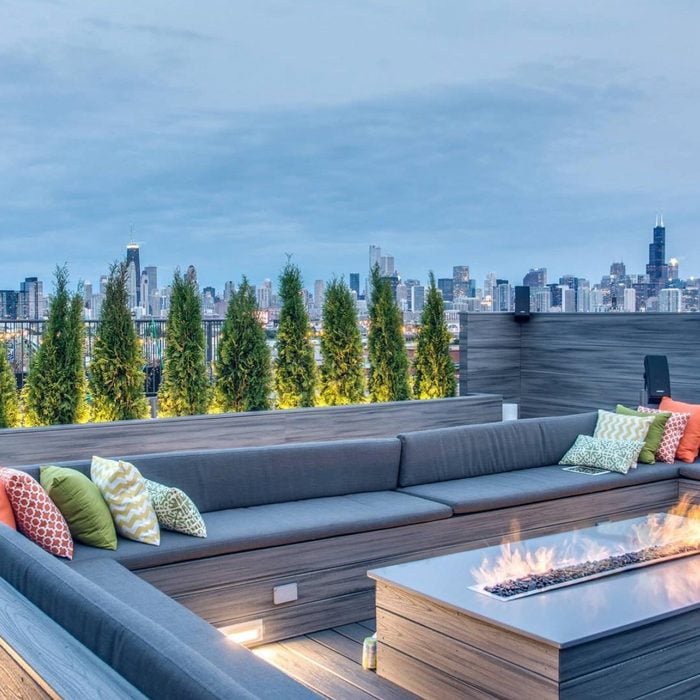
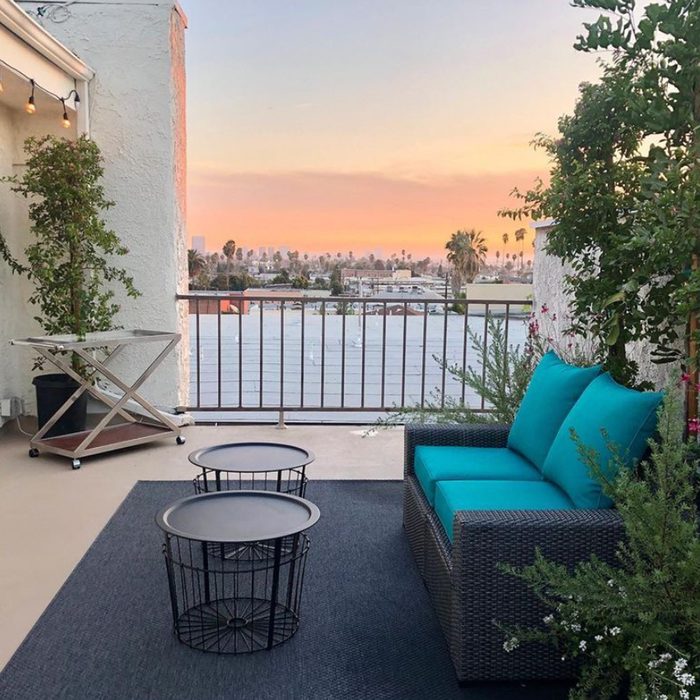
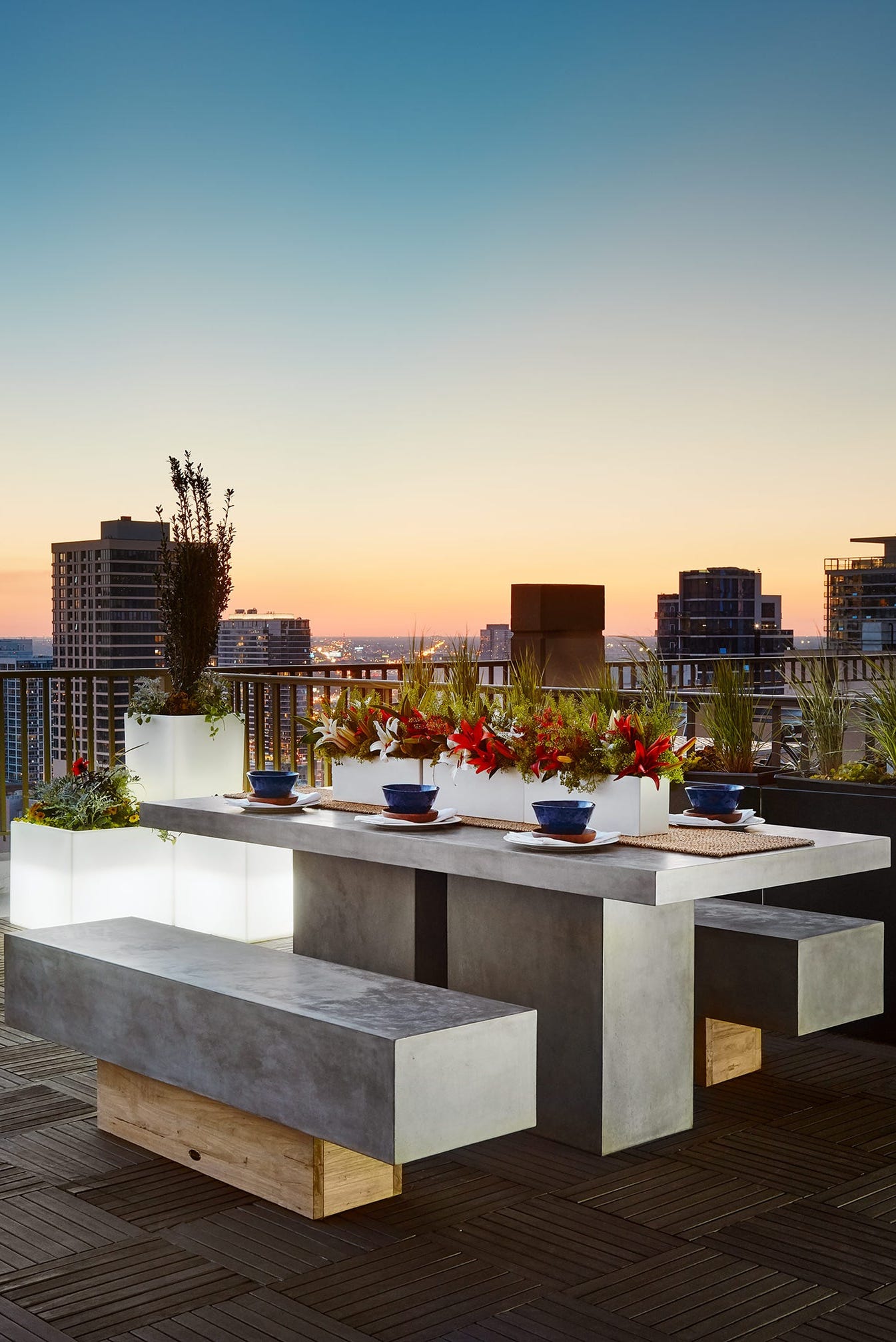
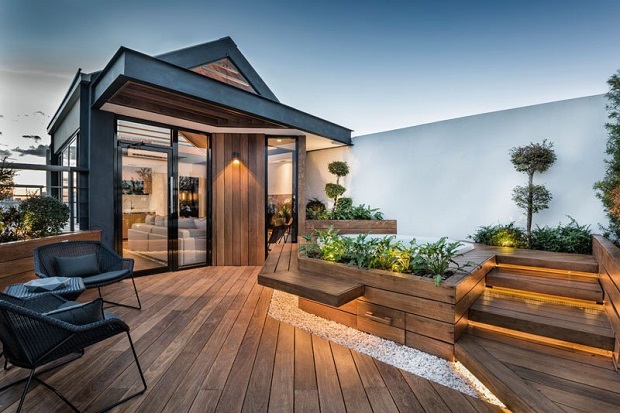
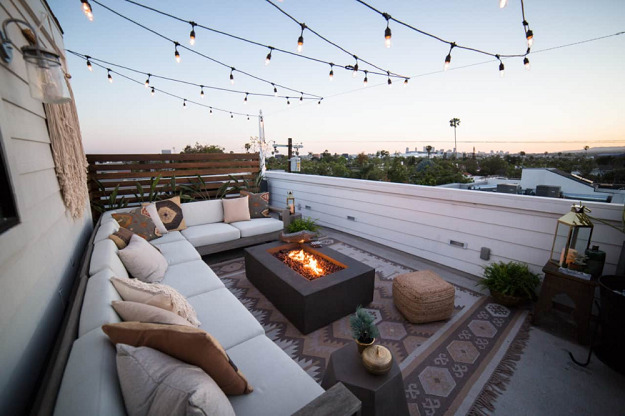
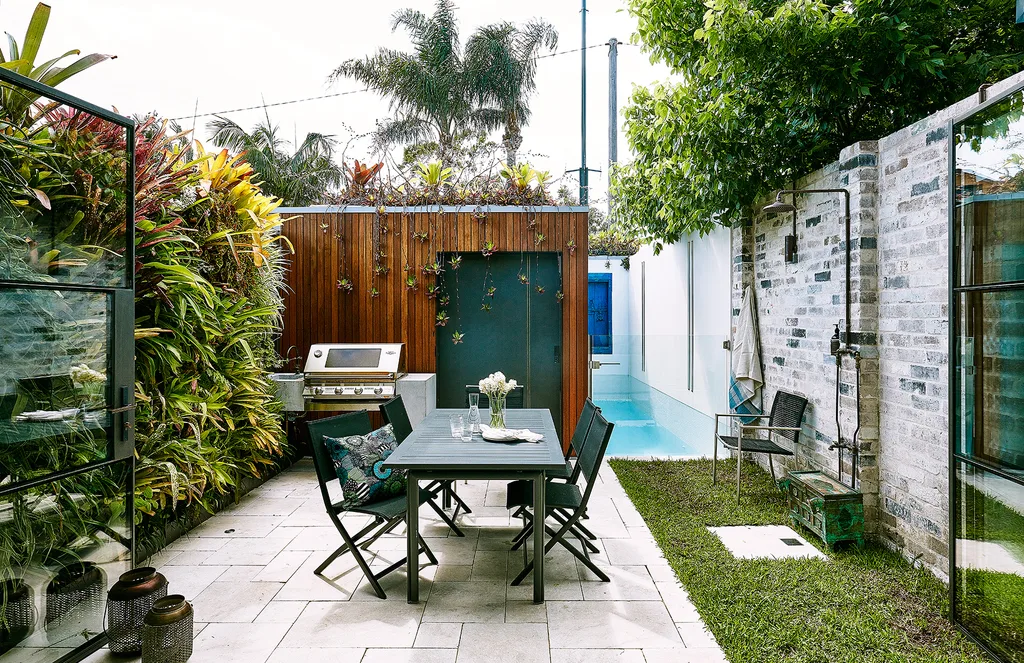
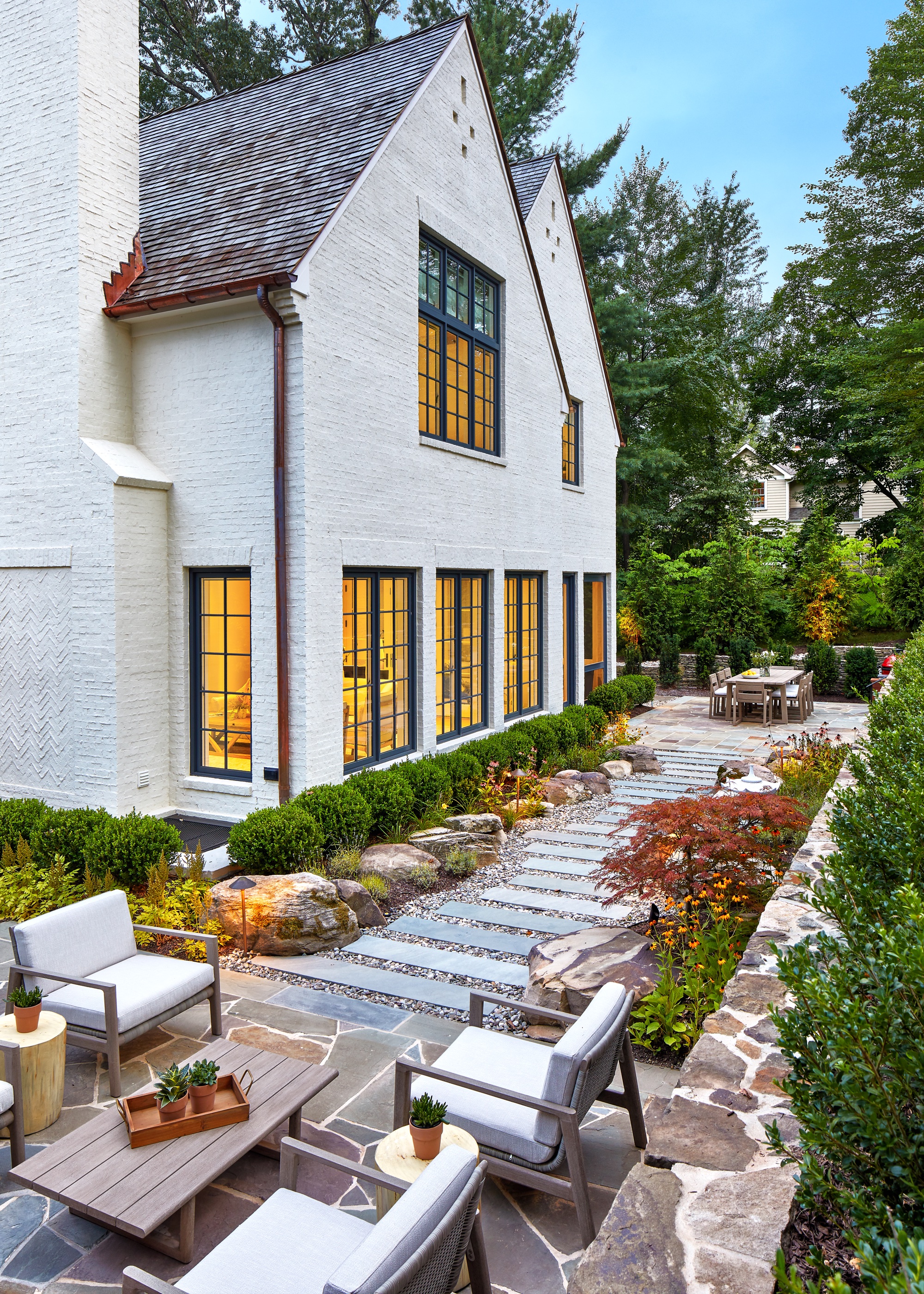
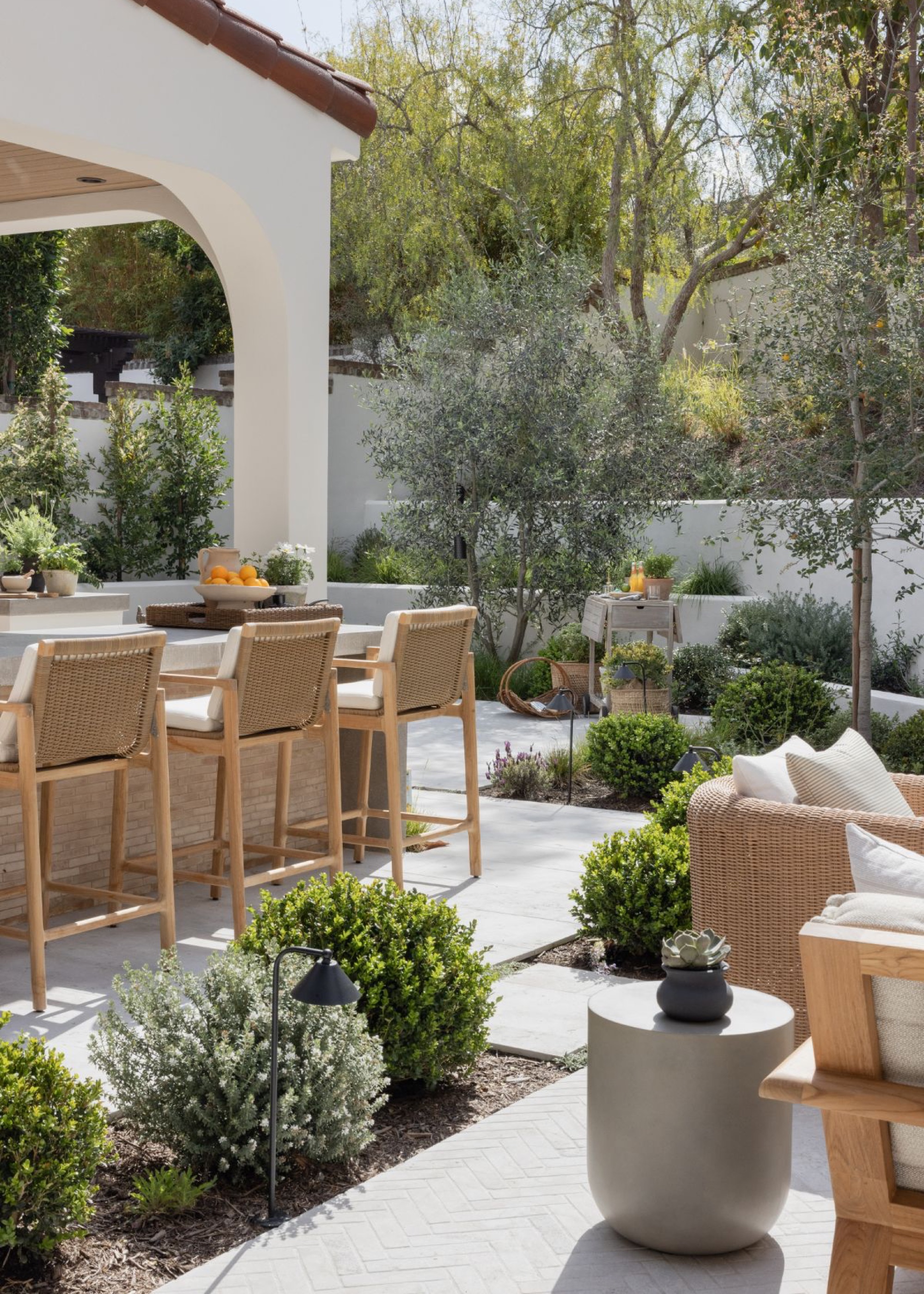
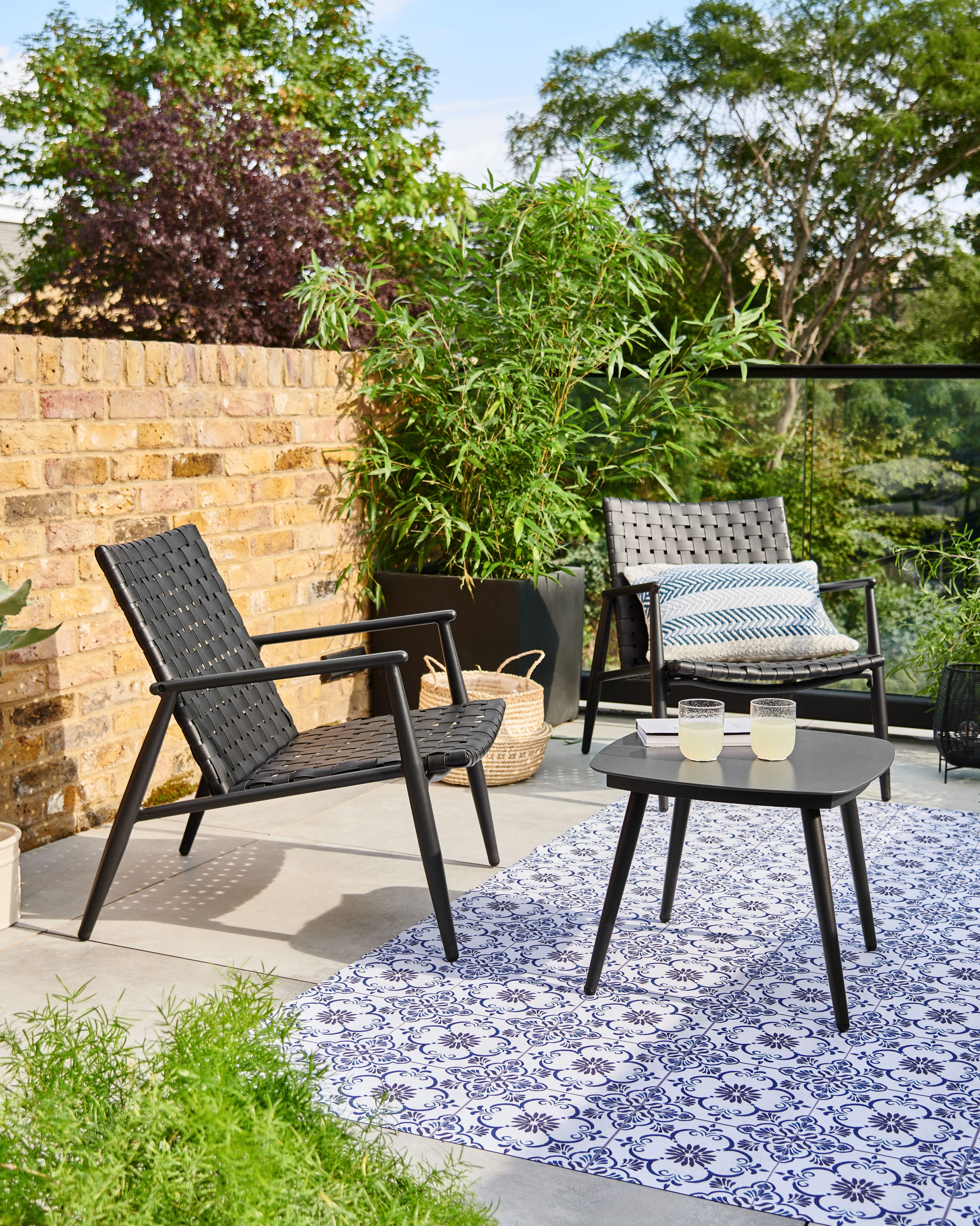
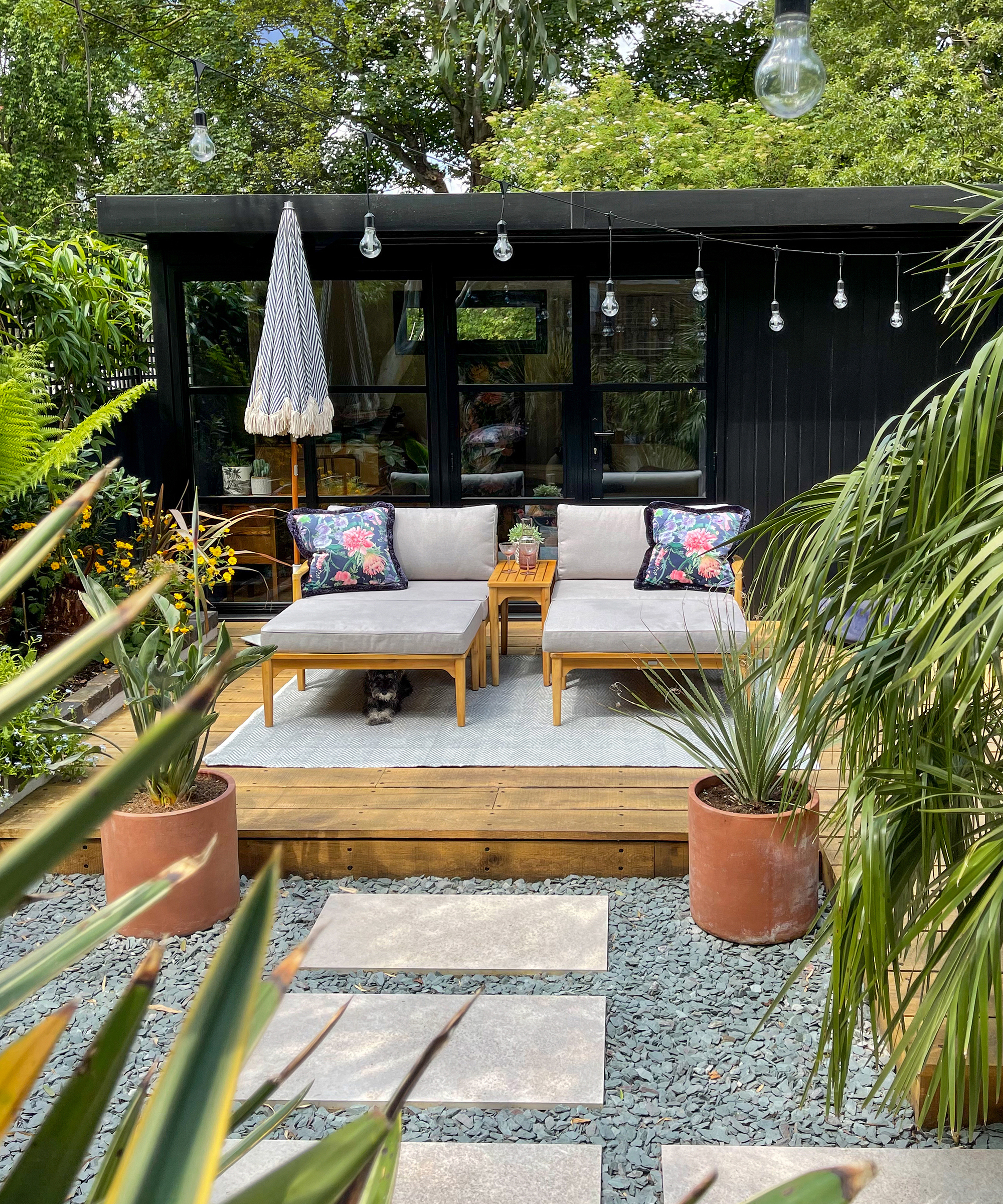
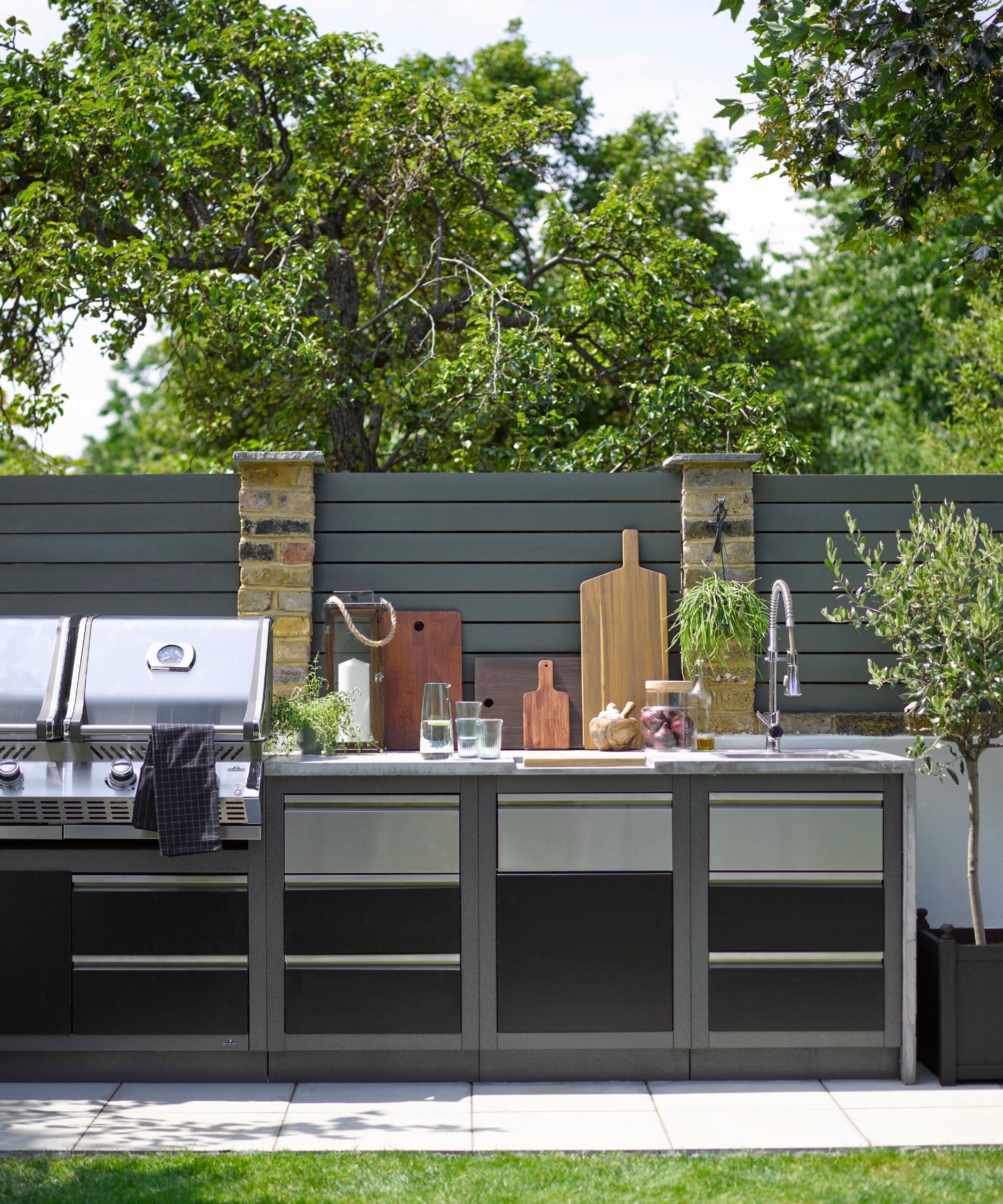
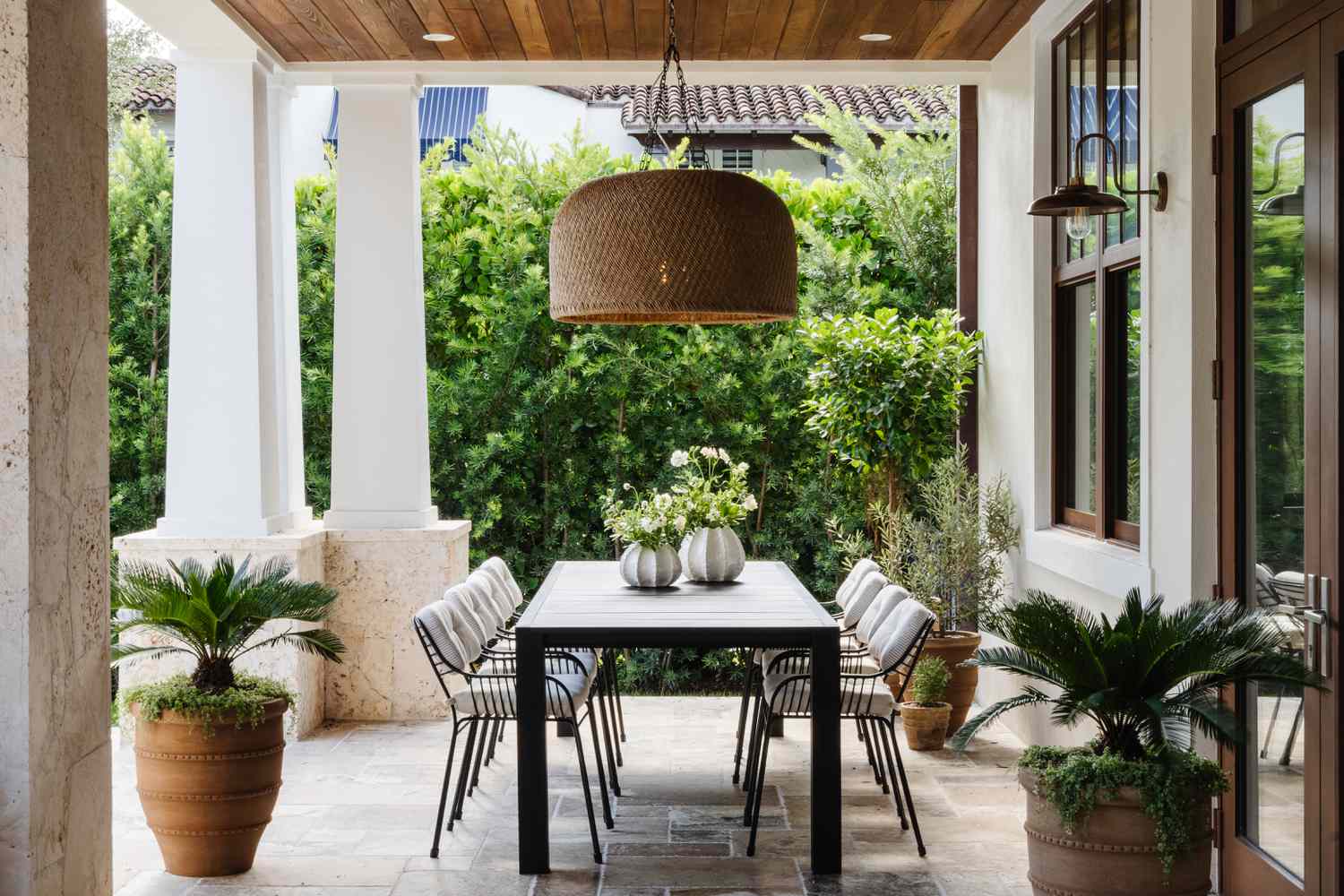
First, determining the function of the space is crucial. The design will vary significantly based on whether the client desires outstanding vistas, requiring minimal obstructions like privacy fencing or shrubbery, or if the space is intended for large gatherings versus intimate get-togethers. Chris Turner, principal at Elevate By Design, highlights the importance of identifying the overall goal to best suit the space's function. Designers often conceptualize these spaces as outdoor rooms, incorporating distinct areas for dining, cozy seating, or specialized features like play spaces, outdoor kitchens, or Jacuzzis. Christopher Myers, owner and lead designer of Just Terraces, advocates for multi-functional elements, drawing inspiration from yacht design where every piece serves at least two purposes. This approach often includes custom-built benches with storage and adjustable tables.
Second, managing weight loads is a critical factor. Lavish designs with luxury elements must be tempered by the building's structural capacity. While features like hot tubs are possible, their placement requires meticulous planning. Myers routinely employs engineers and reviews structural drawings to understand weight-bearing capabilities. The age of the building and the type of space—balcony, setback, or full rooftop—influence the permissible weight. For instance, older brownstones have less capacity than newer constructions, prompting solutions like false floors to distribute weight more evenly.
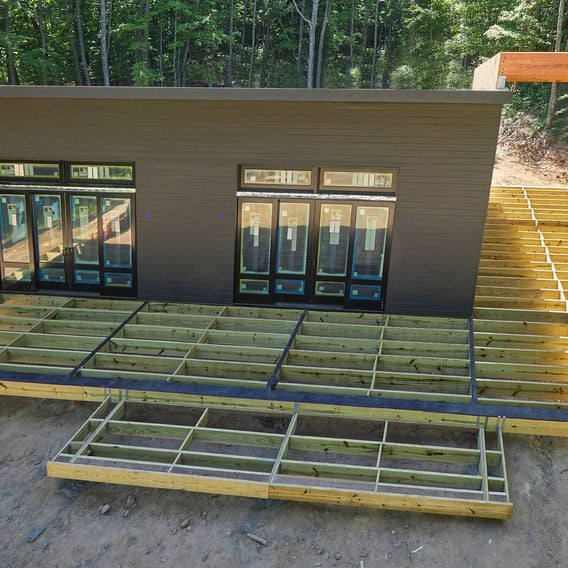
Third, the logistics of installation present significant hurdles. Transporting materials to rooftop gardens often necessitates cranes or elevators, making custom, modular pieces more practical. Myers, with his background in set design, creates components that can be assembled on-site and, importantly, disassembled. This modular approach is vital because rooftop gardens frequently need to be removed for building maintenance, facade repairs, or leak investigations, protecting the client's investment. Additionally, adherence to building covenants and bylaws is essential. For example, local regulations in New York City dictate permissible grilling methods, with each building having its own specific rules.
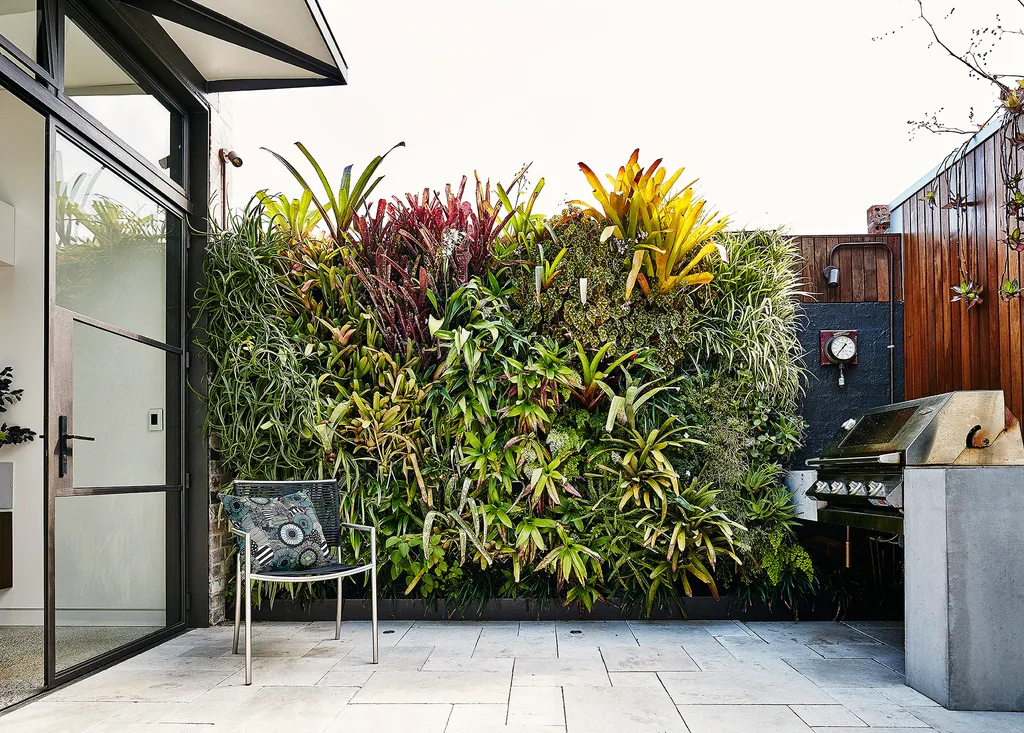
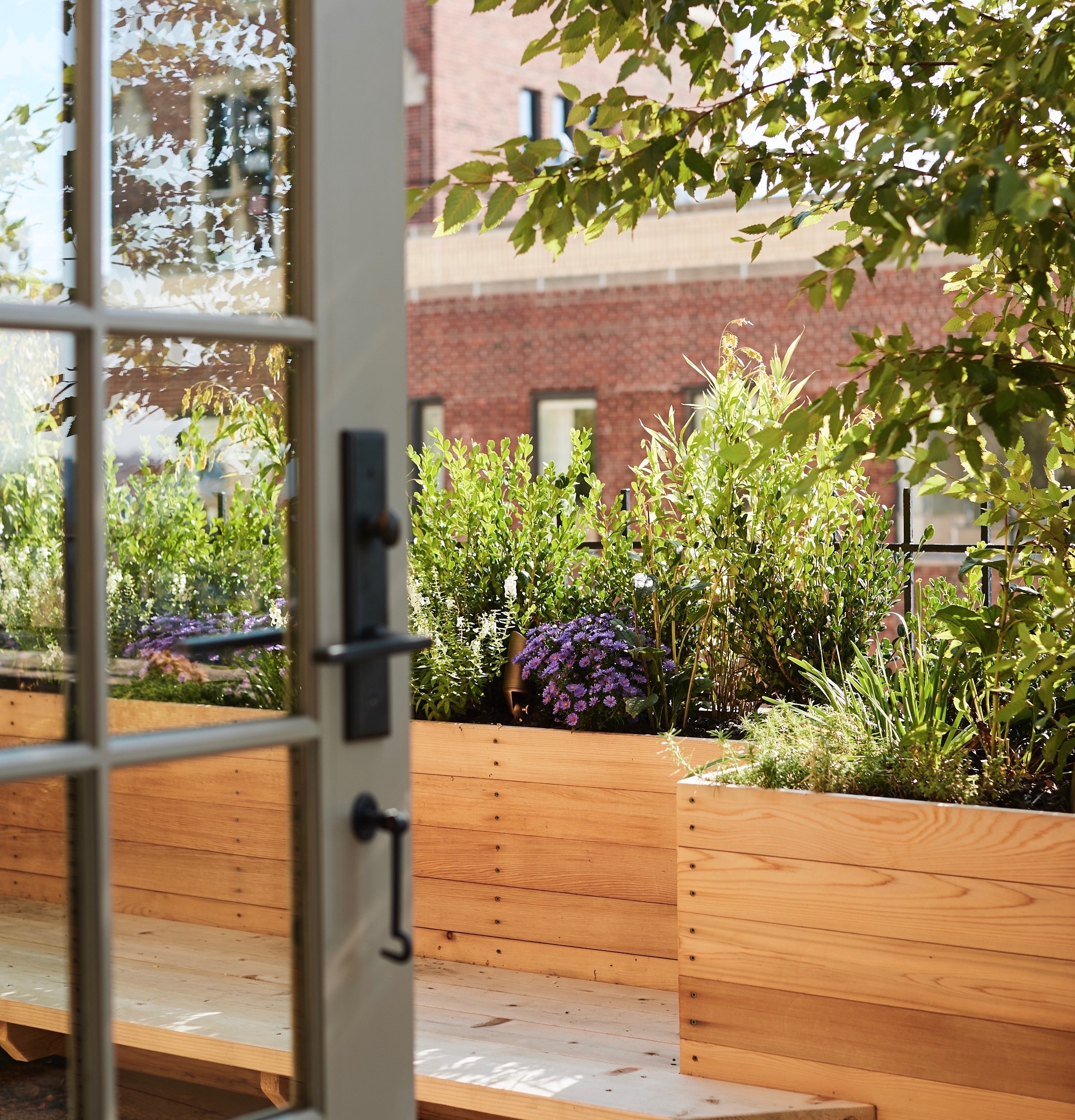
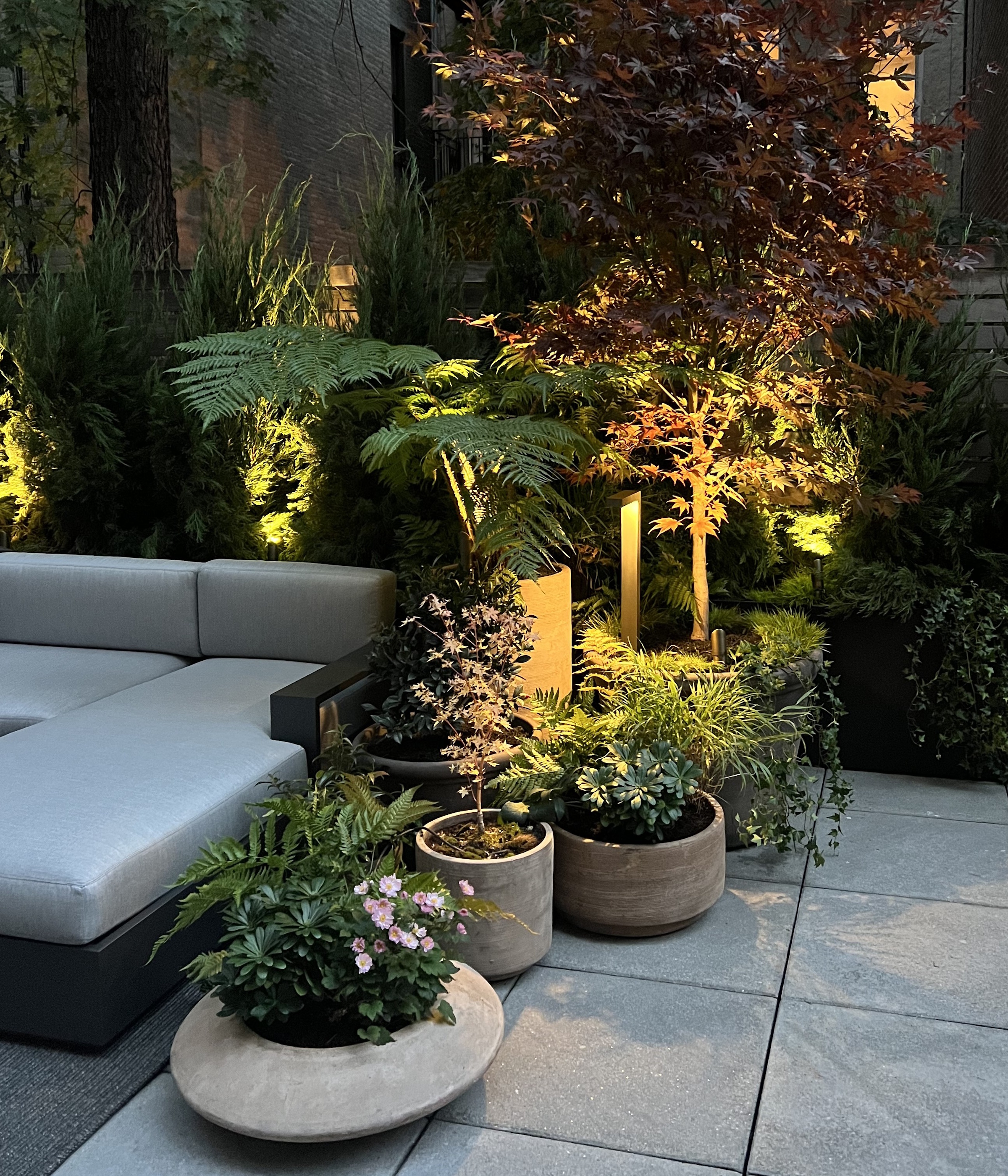
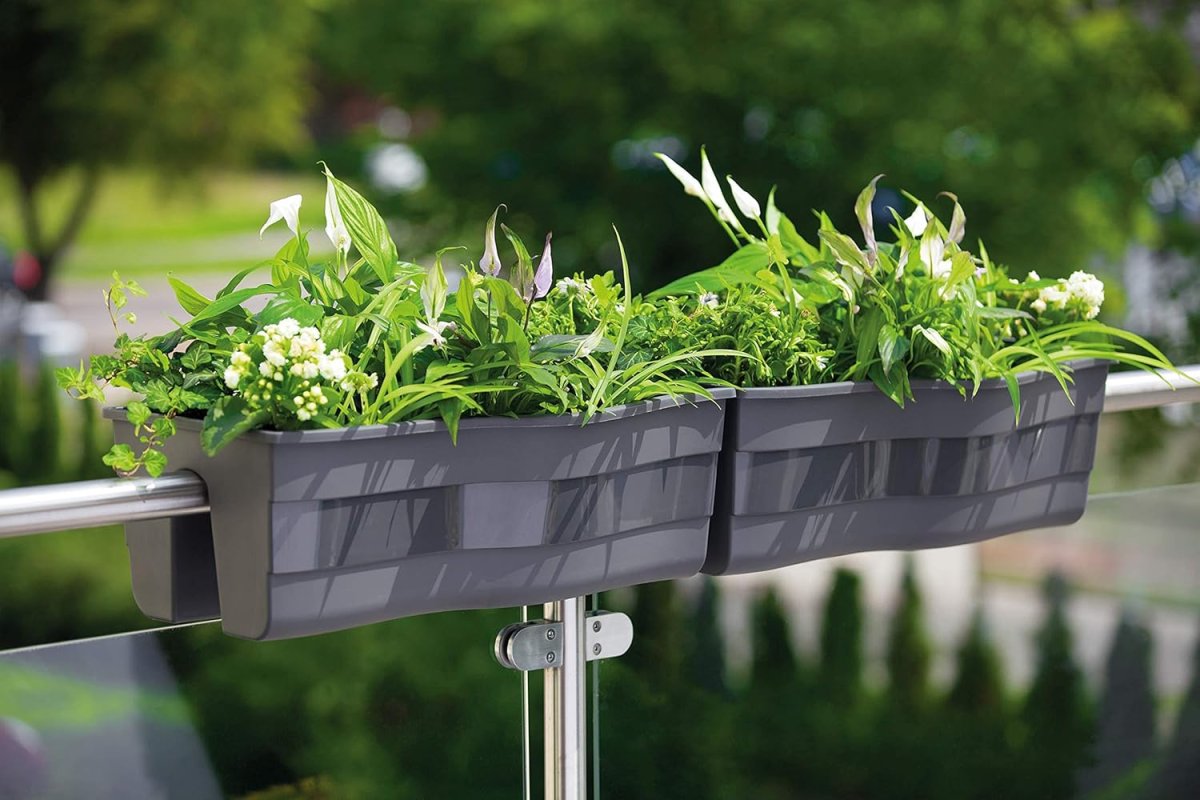
Finally, plant selection requires a robust approach. Rooftop plants, primarily grown in containers, are more exposed to harsh elements than ground-level vegetation. Hardy, drought-tolerant species are preferred, and plants should not outgrow their containers. Freda compares rooftop gardening to mountain gardening, favoring bottom-heavy or weeping trees over lollipop-shaped ones to resist strong winds. Large-leaf plants are generally avoided due to wind damage and potential winter-burn. Recommended plants include juniper, kwanzan cherry trees, black pines, white pines, Japanese maples, Teddy Bear Southern magnolias, ornamental grasses, ever-blooming roses, trumpet vines, honeysuckle, hostas, creeping jenny, and boxwoods. An automated drip irrigation system is considered crucial for plant survival.
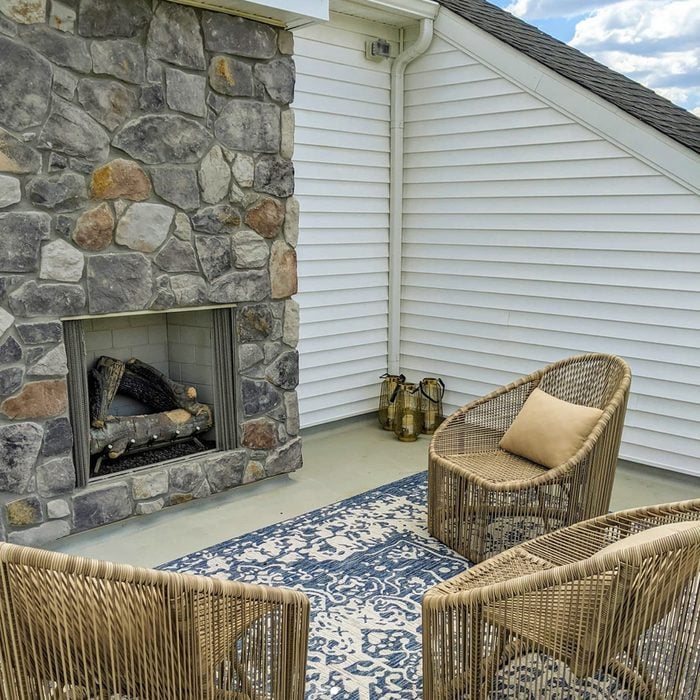
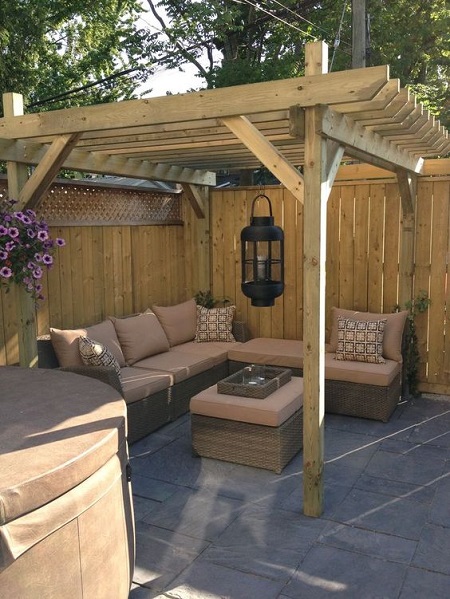
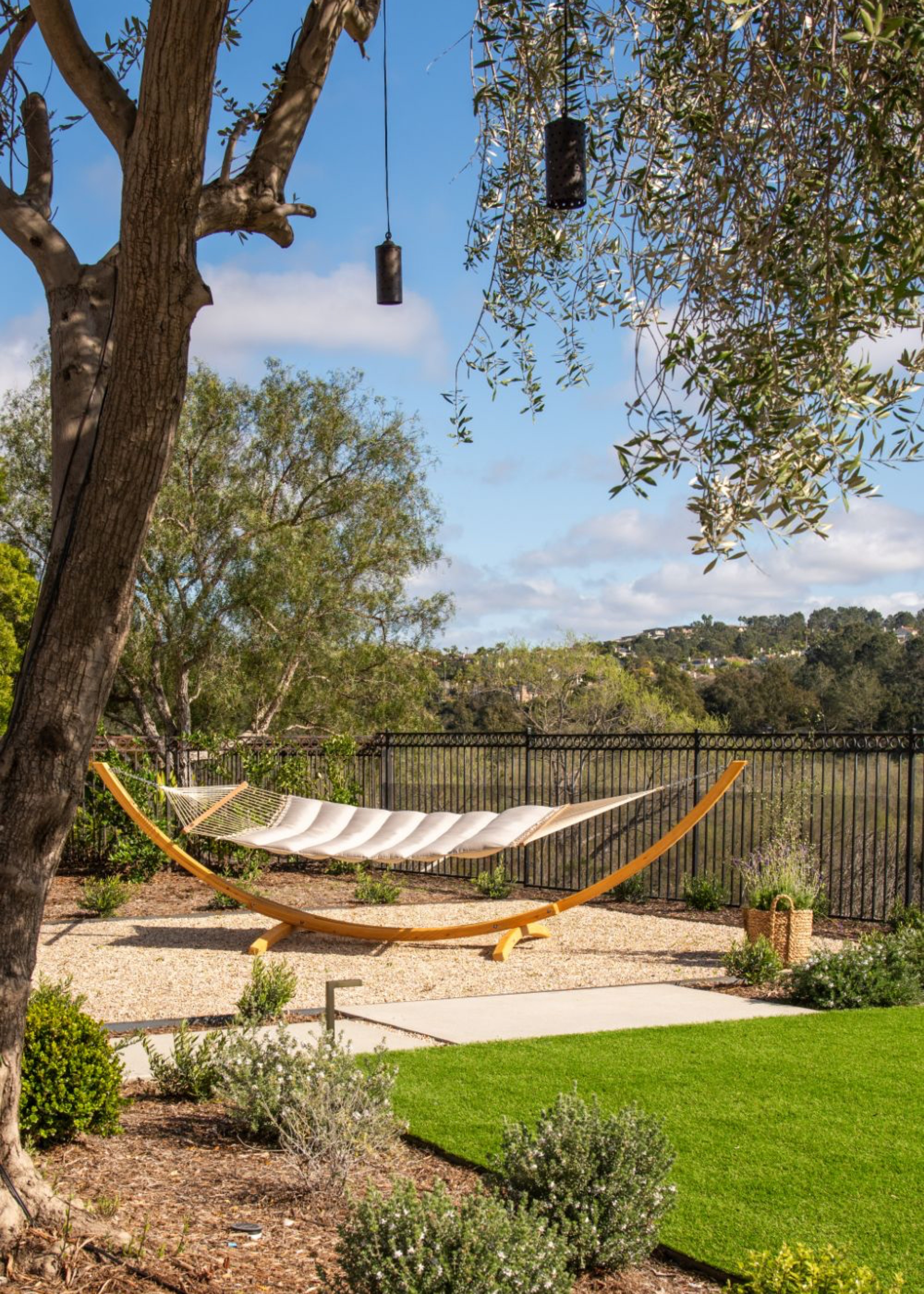
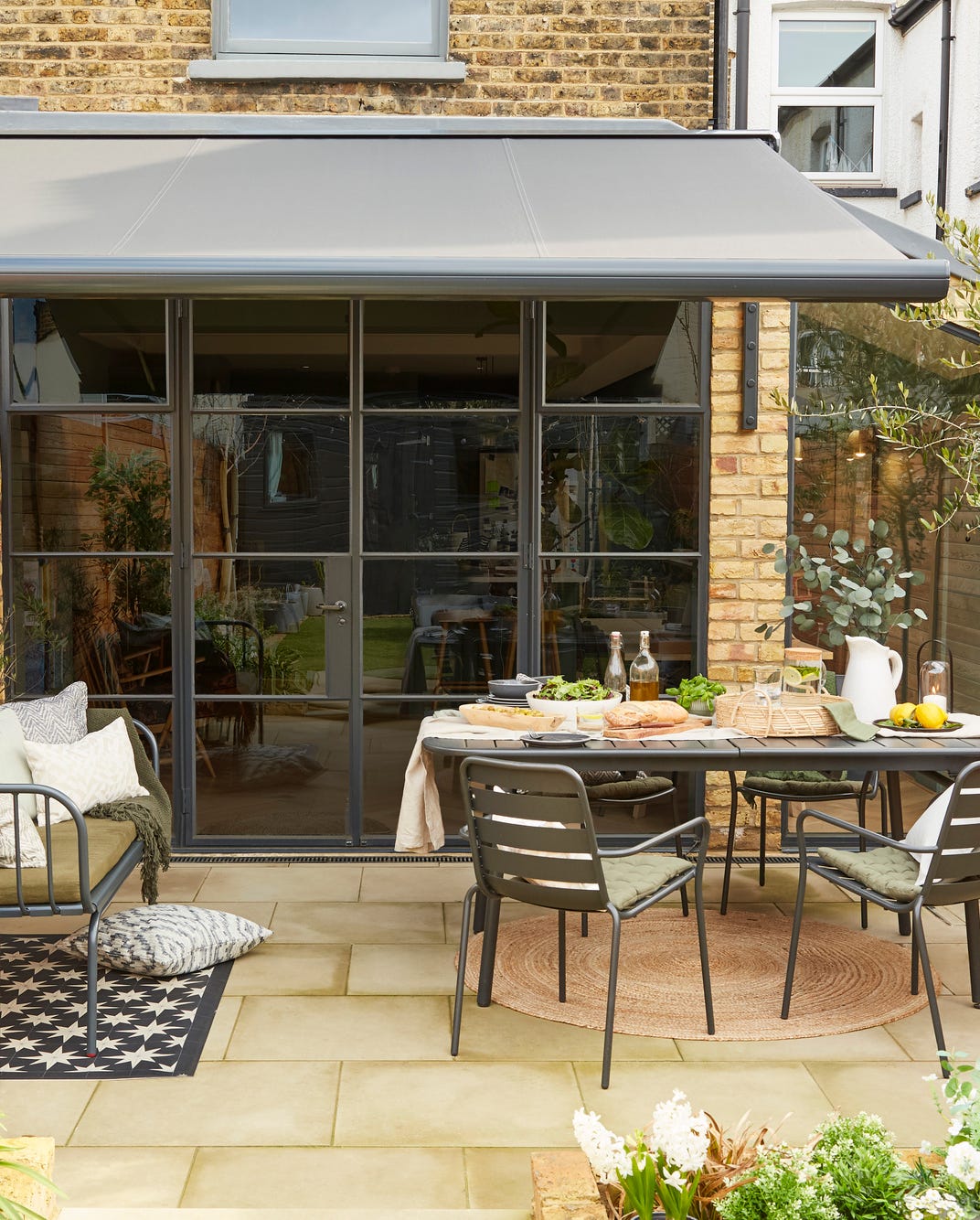
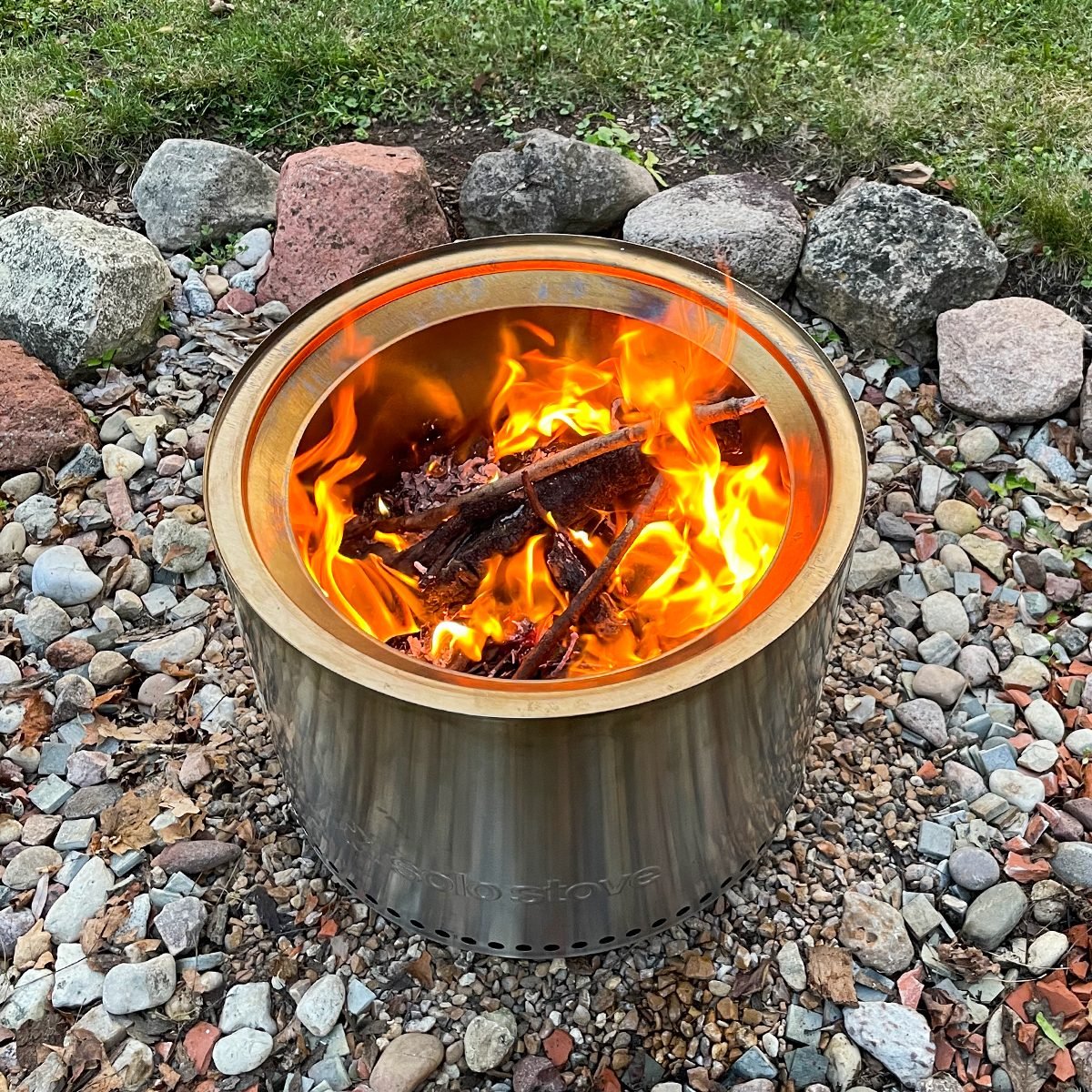
Designers also integrate signature elements to enhance the aesthetic and functionality of rooftop gardens. Shade is a primary concern, often achieved with umbrellas, pergolas, awnings, or shade sails. Freda enjoys incorporating dramatic pendant lighting within pergolas. Myers frequently designs custom copper hot tubs and water features, while Turner notes the popularity of fire features in Colorado, especially for extending outdoor enjoyment during cooler evenings. Ultimately, creating a rooftop garden is a balancing act of usability, elegance, beauty, and practicality, a challenge embraced by designers.
#RooftopGarden #UrbanLandscaping #GardenDesign #OutdoorLiving #CityGardens #LandscapeArchitecture #ContainerGardening #SustainableDesign #ArchitecturalChallenges #RooftopGarden #UrbanLandscaping #GardenDesign #OutdoorLiving #CityGardens #LandscapeArchitecture #ContainerGardening #SustainableDesign #ArchitecturalChallenges
0 comment in total
 No comments yet
You may also like
8 Inspiring Rooftop Deck Ideas For Your Outdoor Space

Three Vancouver Legends: Glen Patterson, Cornelia Oberlander & The Coal Harbour Rooftop Garden
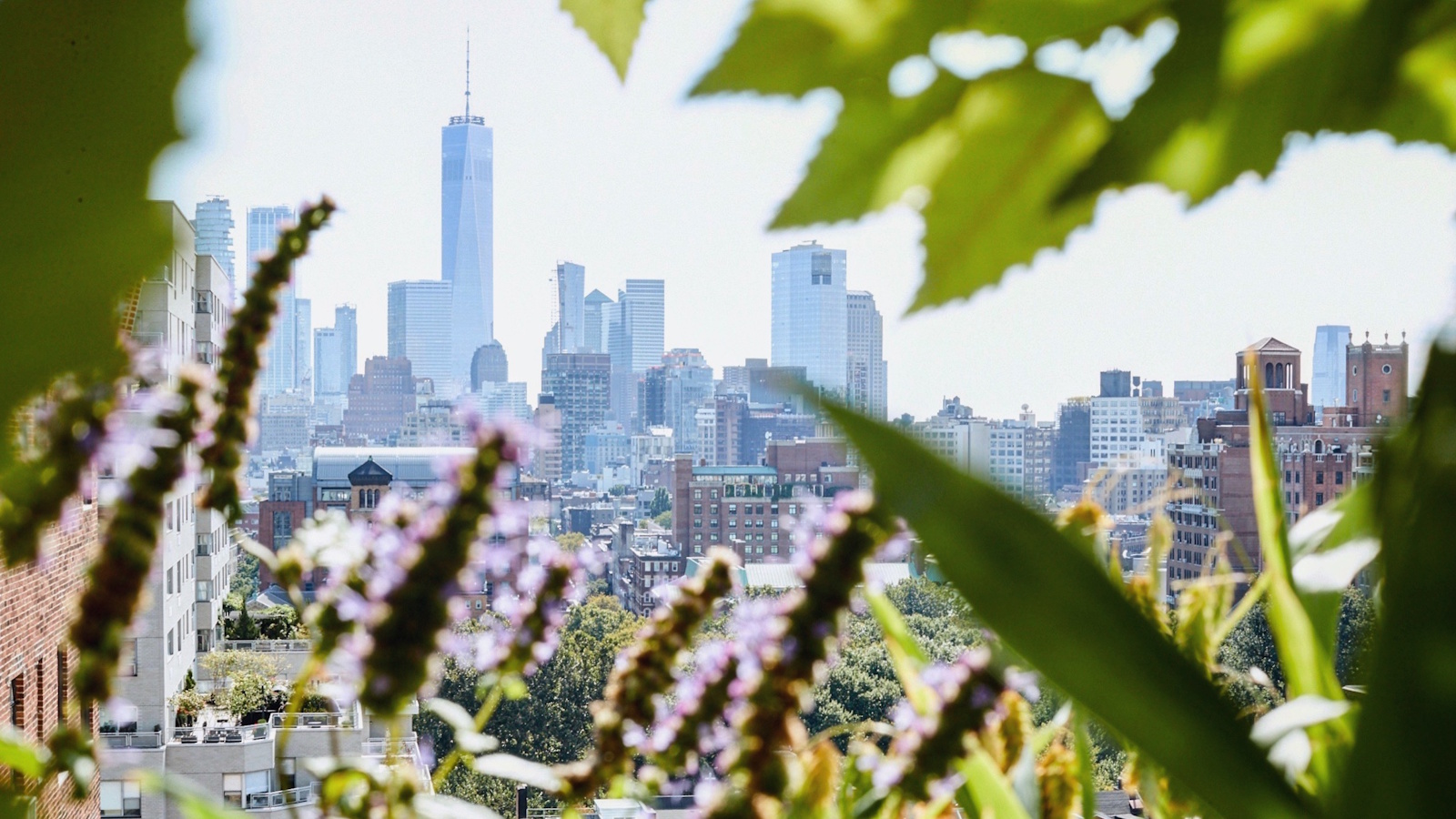
Sanctuaries in the city – NYC garden designer reveals how to transform urban rooftop gardens into green oases

13 Elegant Garden Arch Ideas That Will Elevate Your Outdoor Space

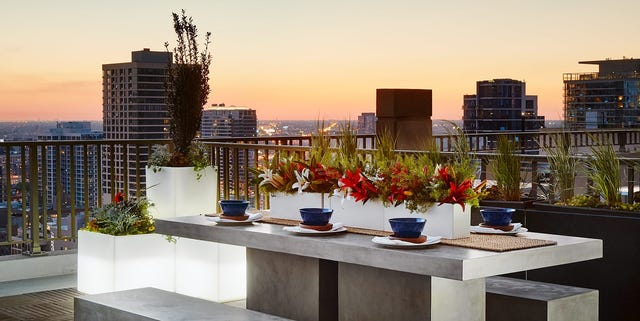
The 20+ Luxury Terraces and Rooftops of Your Summer Party Dreams
Sloped backyard ideas – 15 expert design tips for a terraced garden
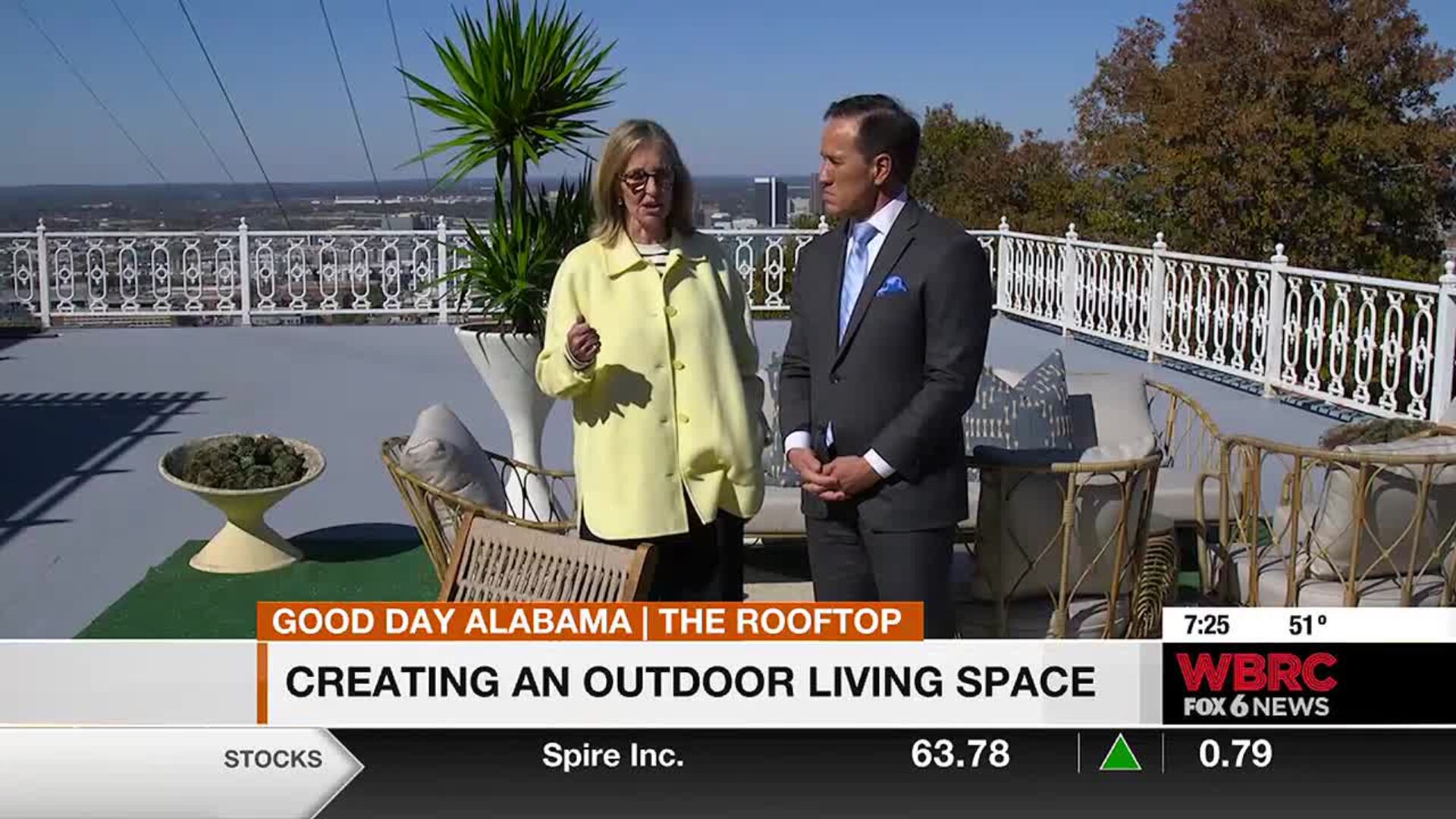
The Rooftop: Creating an outdoor living space with So So Spiffy

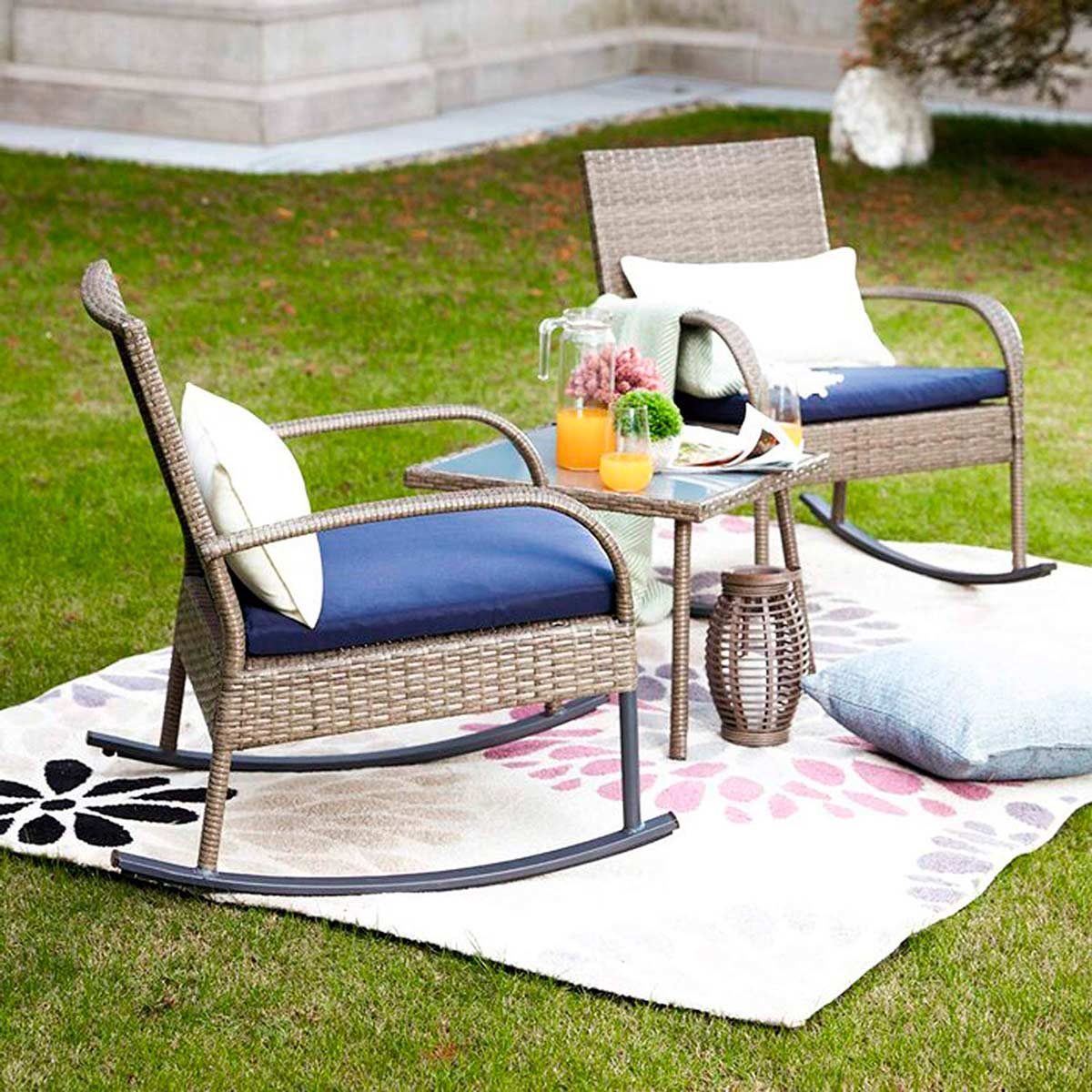
Deck and Patio Designs, Ideas and Projects

Urban Oasis: Rooftop Gardening in Pittsburgh

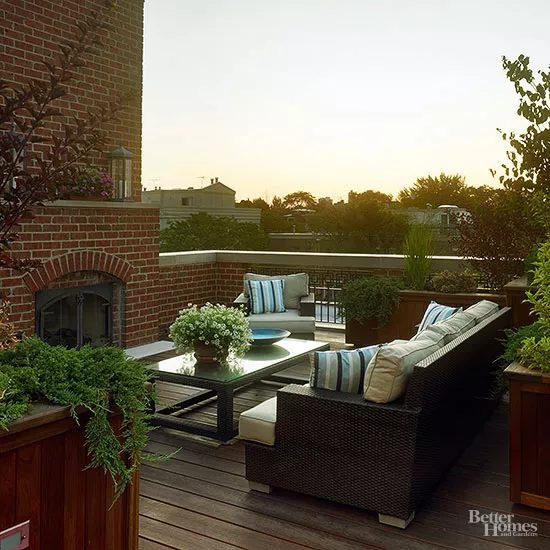
17 Creative Rooftop Deck Ideas for Big and Small Spaces

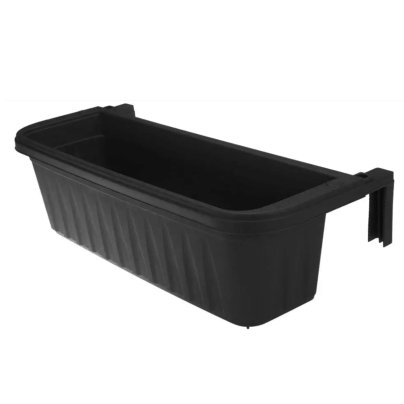
This Simple Upgrade Will Turn Your Deck or Balcony into a Garden Oasis

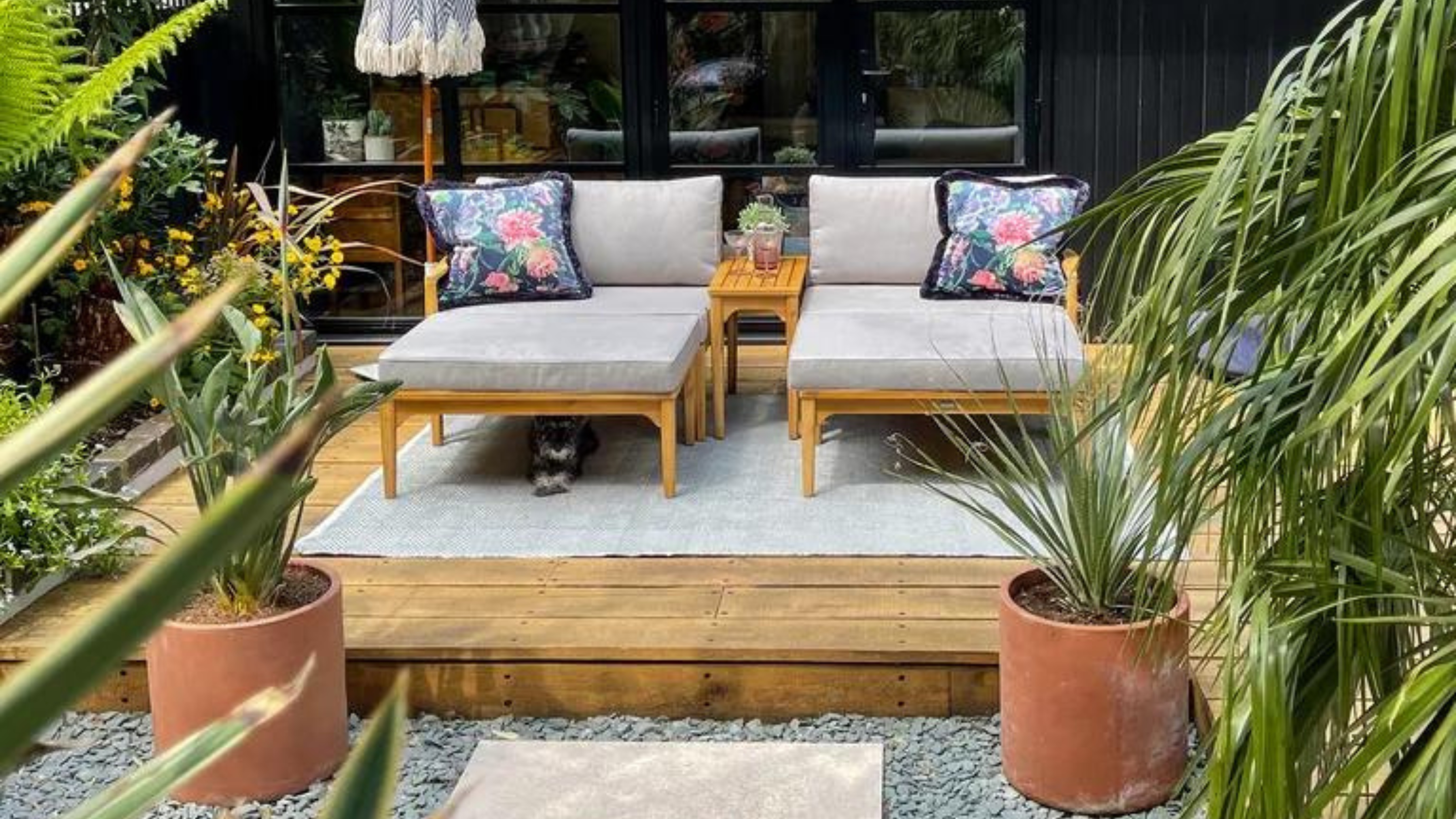
10 easy DIY landscaping ideas to elevate your backyard

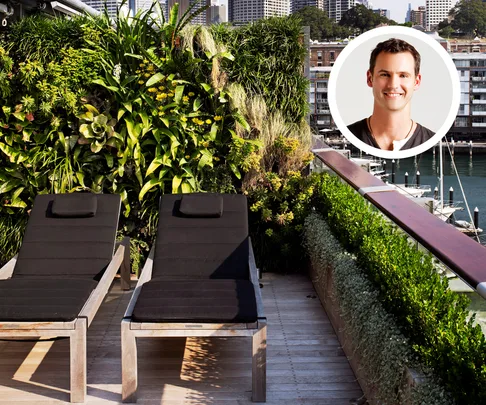
Create An Environmentally Friendly Rooftop Garden

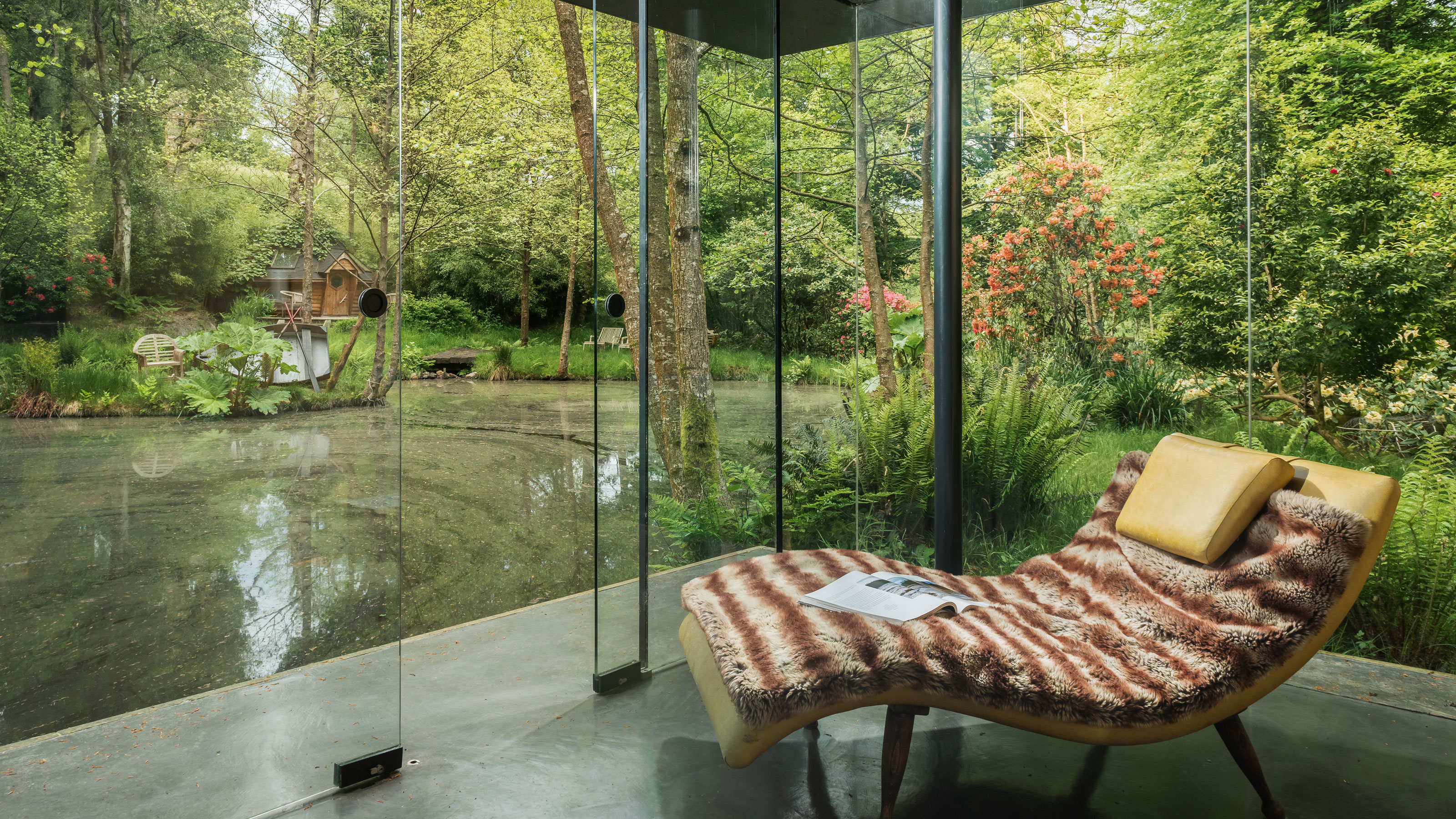
12 Garden Room Ideas That Will Elevate Your Outdoor Space and Bring You Extra Room to Unwind

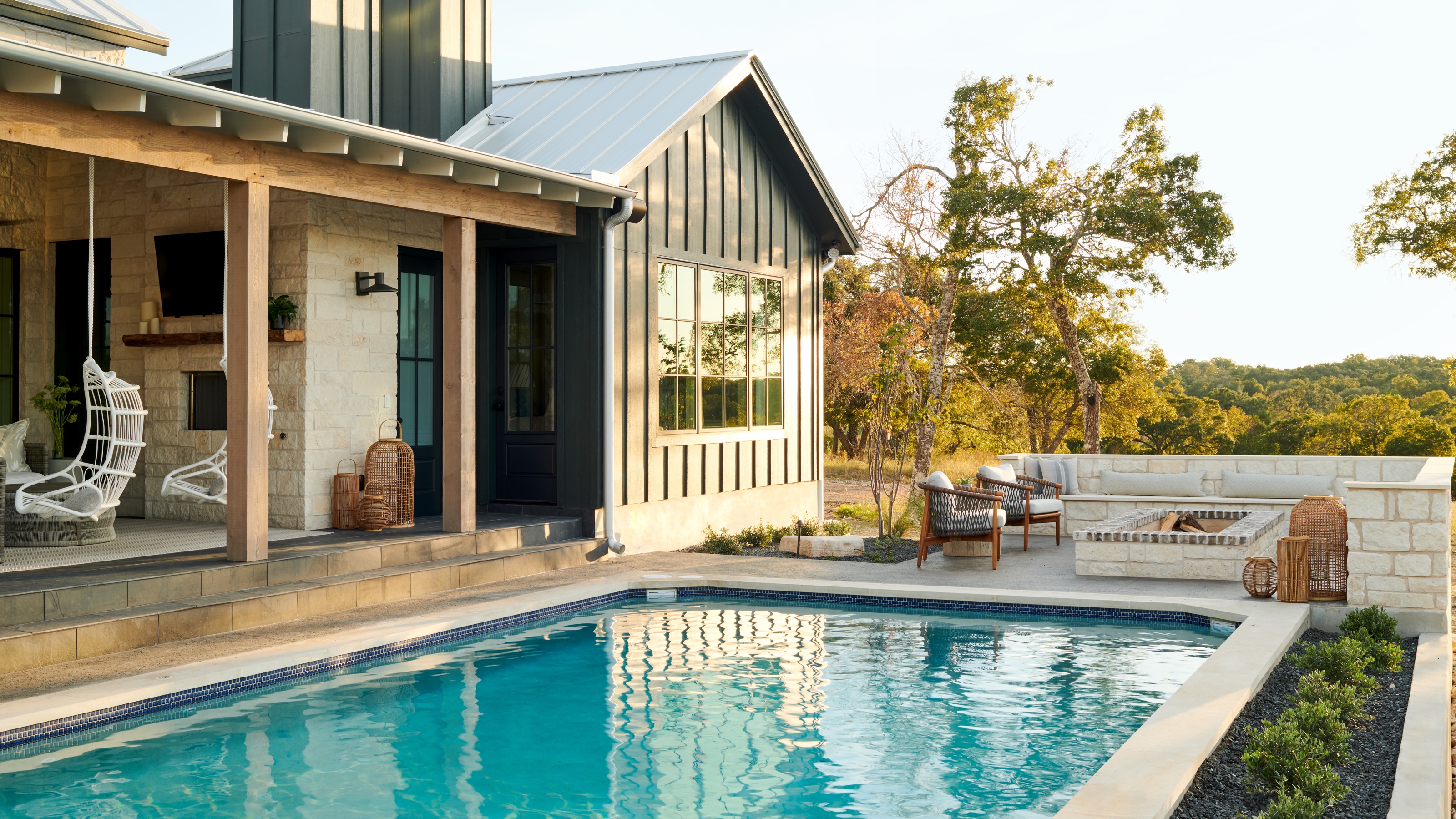
9 Garden Divider Ideas That Help to Create the Sense of 'Rooms' Within Your Landscaping
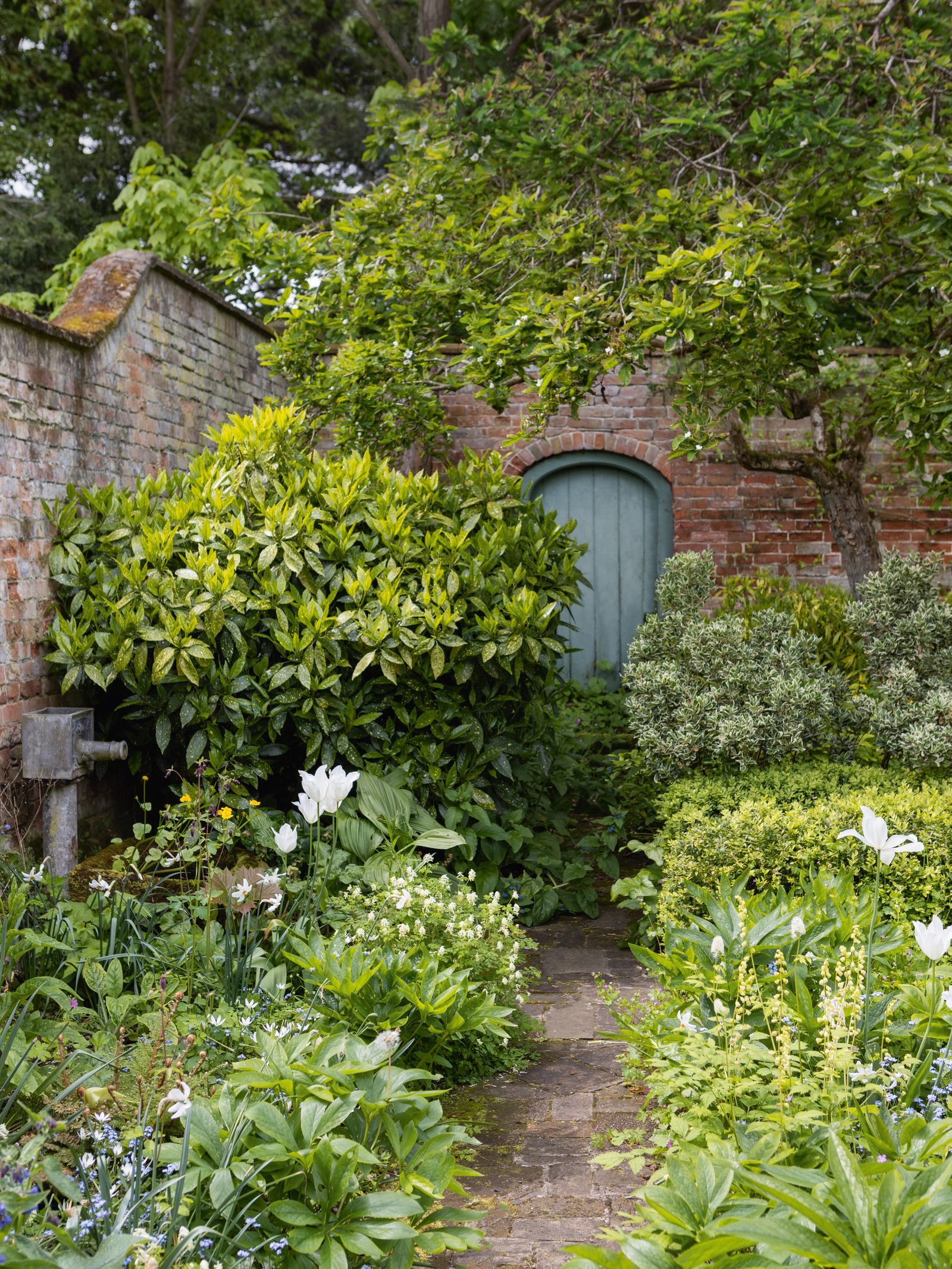
19 simple garden ideas for every style, size and budget
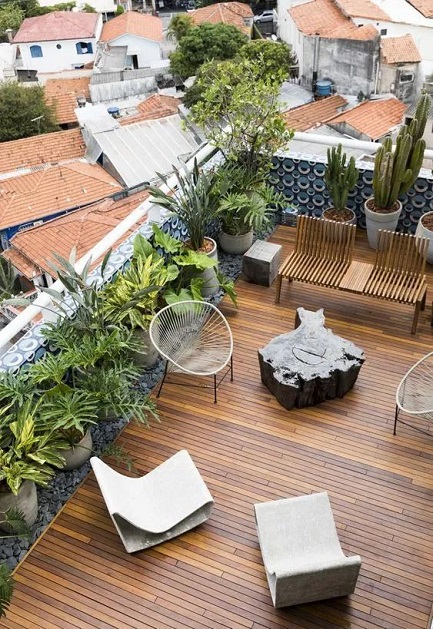
20 Beautiful Rooftop Design Ideas For Home 2024
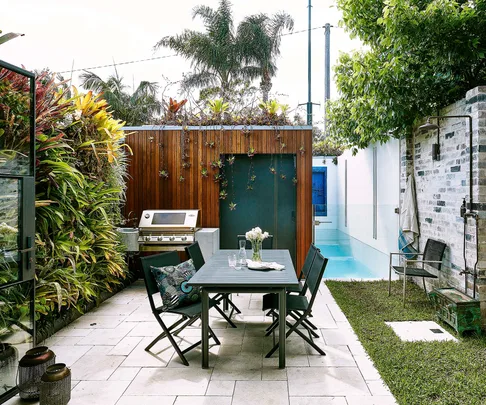
Efficient worker: courtyard landscape design
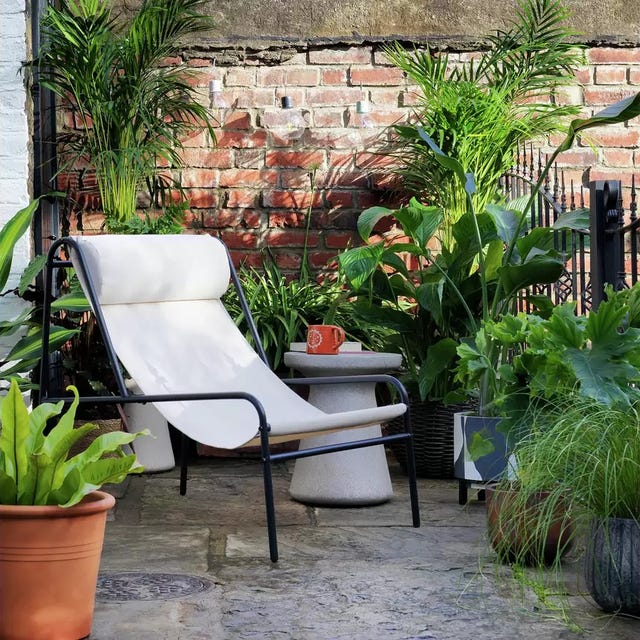
19 ways to give your patio a makeover

13 Patio Décor Ideas That Will Instantly Elevate Your Outdoor Space