1/4
Hydronic radiant wall heating, still the greatest trade secret in the U.S.
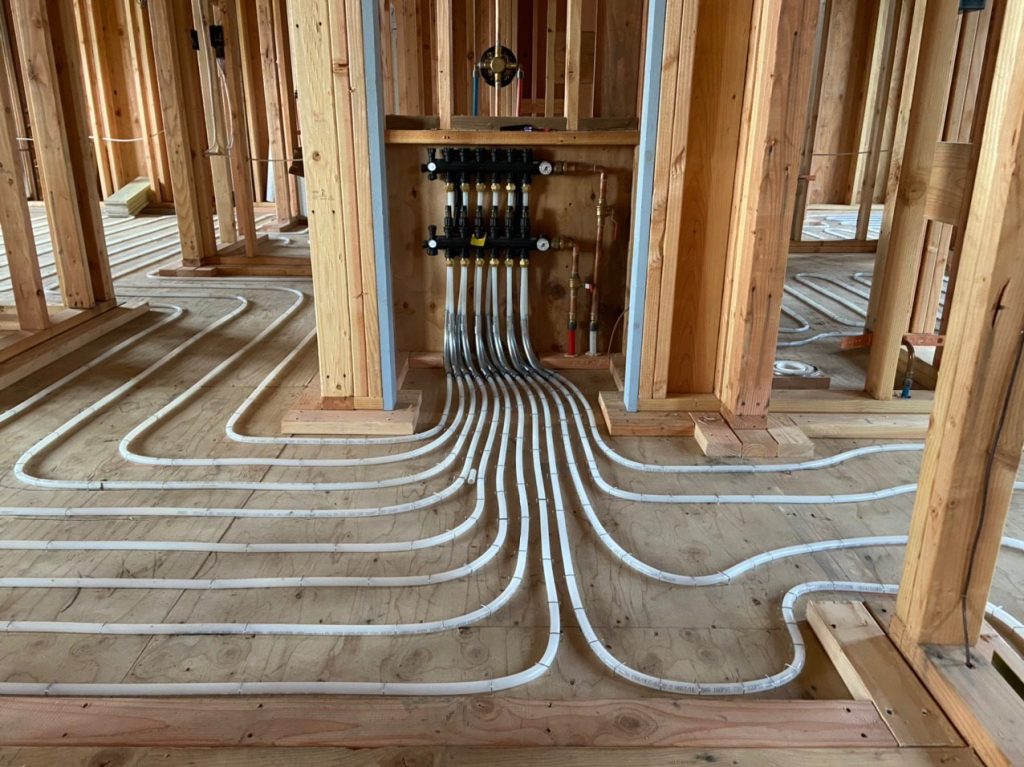
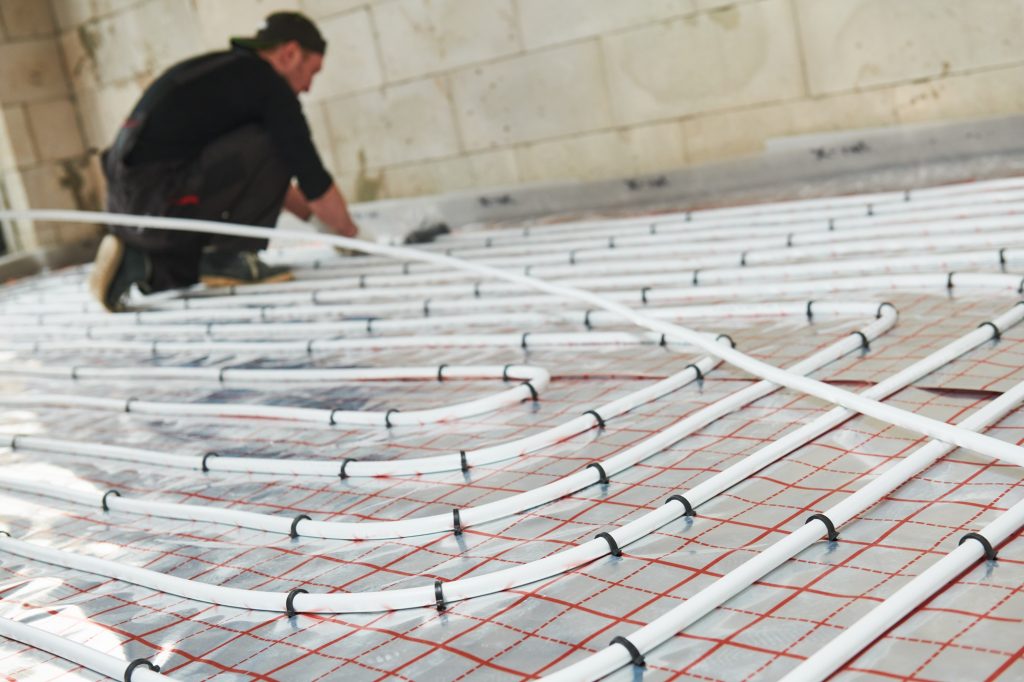
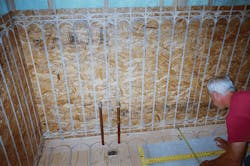
The article highlights the growing popularity of hydronic radiant wall and ceiling heating systems in Europe, a trend observed over the past decade, particularly during trade shows like the Mostra Convego Fiero in Milan, Italy. These systems are available in various forms, including dry panels for ceilings in commercial applications and tubing mounting options for cement and stucco walls. The enduring appeal of radiant wall heating in Europe is attributed to the comfort provided by traditional massive tile stoves, which have been a part of homes for centuries in Alpine regions and beyond. This familiarity has fostered a widespread acceptance of modern hydronic radiant technology as a daily life component for Europeans over the last 50 years.
From an economic standpoint, radiant wall systems offer significant advantages over floor systems, requiring only about one-third of the material due to their ability to operate at higher supply water temperatures, typically between 80°F and 150°F, without compromising comfort. Unlike radiant floor systems, which are limited by a maximum surface temperature of 85°F, radiant walls can tolerate occasional surface temperatures of 90°F–110°F because they are not walked upon. This flexibility allows them to serve as an effective auxiliary heating surface, complementing radiant floors in bathrooms or high heat loss areas, and integrating well with new or existing HVAC systems as a cost-effective radiant solution.
To ensure affordability for projects with lower budgets, the article outlines six fundamental installation rules for radiant wall heating systems. First, the wall panel area should be designed around 50 Btuh/sq.ft. based on the room's heat loss. Second, low-cost manifolds without circuit shut-offs or balancing valves should be used, with system balancing achieved through equal circuit lengths (±20-ft.) and reverse return piping. Third, manifolds can be tied into existing supply and return lines of old copper fin tube sections or radiators for retrofits, or old piping can be replaced with PEX tubing to reduce costs. Fourth, the systems should be installed in frequently used living areas, such as living rooms, kitchens, bathrooms, finished basements, and bonus rooms. Fifth, a simple control strategy is recommended, using a basic digital thermostat to cycle the circulator or a dedicated heat source, avoiding complex mixing valves or outdoor reset controls. Finally, existing heat sources like heating boilers or domestic hot water (DHW) tanks can be utilized, or small electric boilers/dedicated water heaters can be employed, potentially with side-arm or internal heat exchangers for DHW tanks where direct connections are not permitted.
When installing wall panels, it's advised to utilize outside walls first, ensuring they are insulated to code (R-19). If additional heating surface is needed, interior walls can be used. Panels should primarily cover the bottom half of walls (up to 4-ft. from the floor) and areas under windows. For a typical room, covering the bottom half of two walls is often sufficient. For instance, a 20-ft. x 20-ft. room with two walls covered 4-ft. high results in 160 sq.ft. of panels, providing an 8,000 Btuh output at 150°F water temperature, equivalent to 20 Btuh/sq.ft. of the floor area. The article emphasizes that radiant walls have no heat output restrictions unlike floors with carpets or wood, meaning the rated output is delivered to the room. The objects in the room become radiation heat sinks, and adjacent floor areas act as heat storage radiators, tempering floor surface temperatures.
Addressing common client concerns, the article clarifies that pictures or flat-screen TVs can be hung on radiant walls without puncturing tubing. Tubing can be located using thermo-sensitive foil tape, infrared thermometers, or thermal imaging devices. Simple photographs of the exposed tubing with a measuring stick also aid in location. Punctures can be easily repaired with PEX tubing couplings. Since tubing panels are typically installed only 4-ft. from the floor, concerns about hanging items in the upper half of the wall are minimized. Caution is advised when installing sheetrock or cement board, with marking tubing runs and U-bends, and cutting panels into 2-ft. x 8-ft. strips to maintain tubing visibility. Keeping tubing runs 6-in. off the floor prevents accidents during baseboard nailing. The installation process is described as largely common sense, similar to radiant floor installations, ultimately providing a comfortable and cost-effective heating solution that customers appreciate.
#HydronicHeating #RadiantWallHeating #EnergyEfficiency #HomeComfort #HVACSystems #InstallationTips #EuropeanTrends #CostEffectiveHeating #HomeRenovation #HydronicHeating #RadiantWallHeating #EnergyEfficiency #HomeComfort #HVACSystems #InstallationTips #EuropeanTrends #CostEffectiveHeating #HomeRenovation
 No comments yet
The Best Day of the Year — Heat Pump Water Heater Day — Is October 23
What Did Your Heat Pump Water Heater Installation Cost? We Want to Know
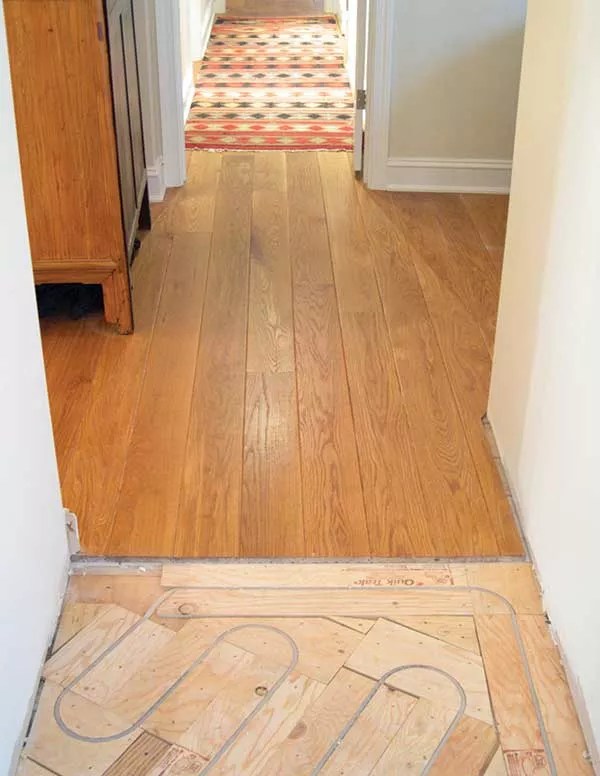
Radiant Heating
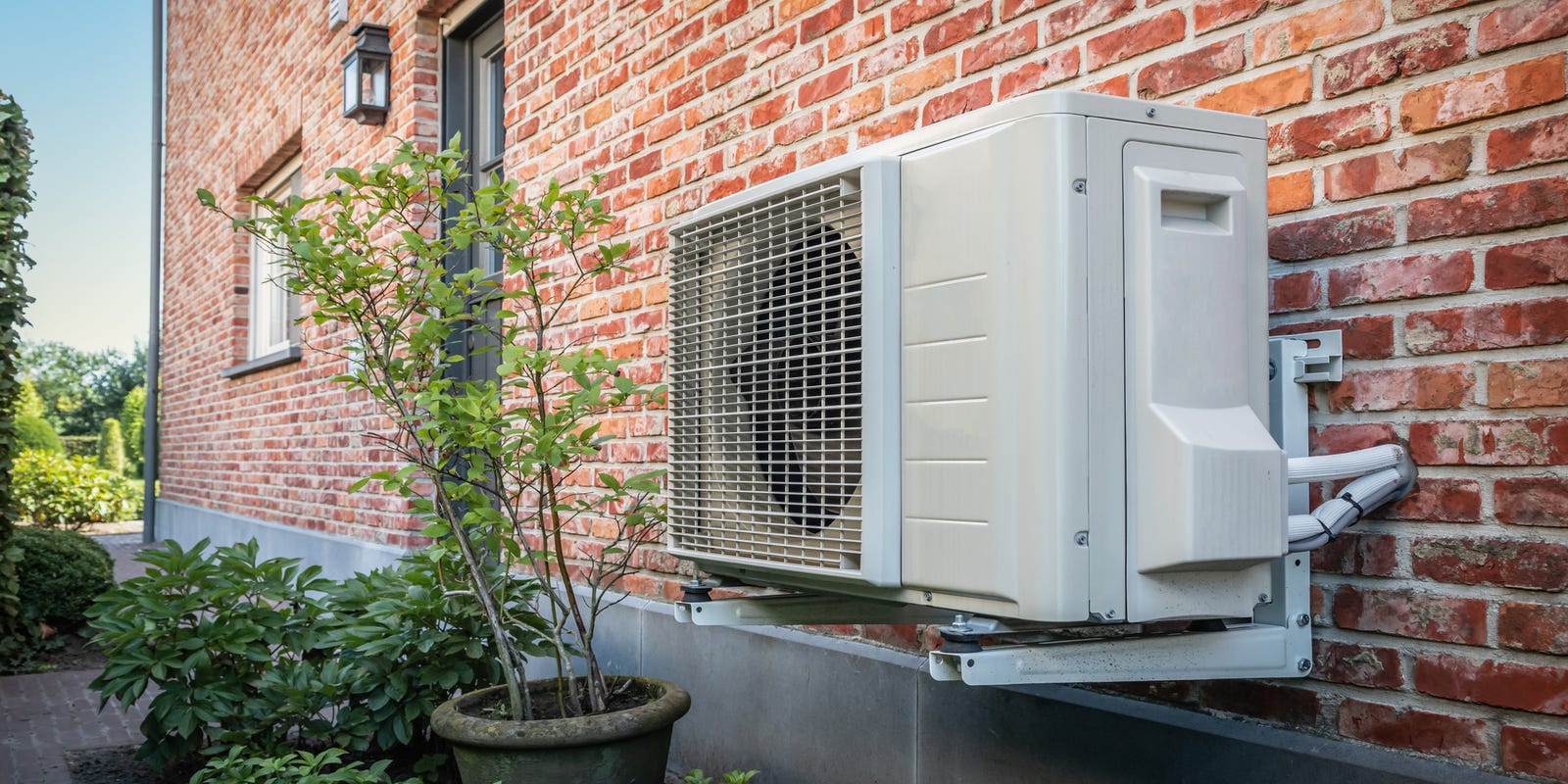
I'm an HVAC contractor. Heat pump tax credits cut energy costs, add safety. | Letters
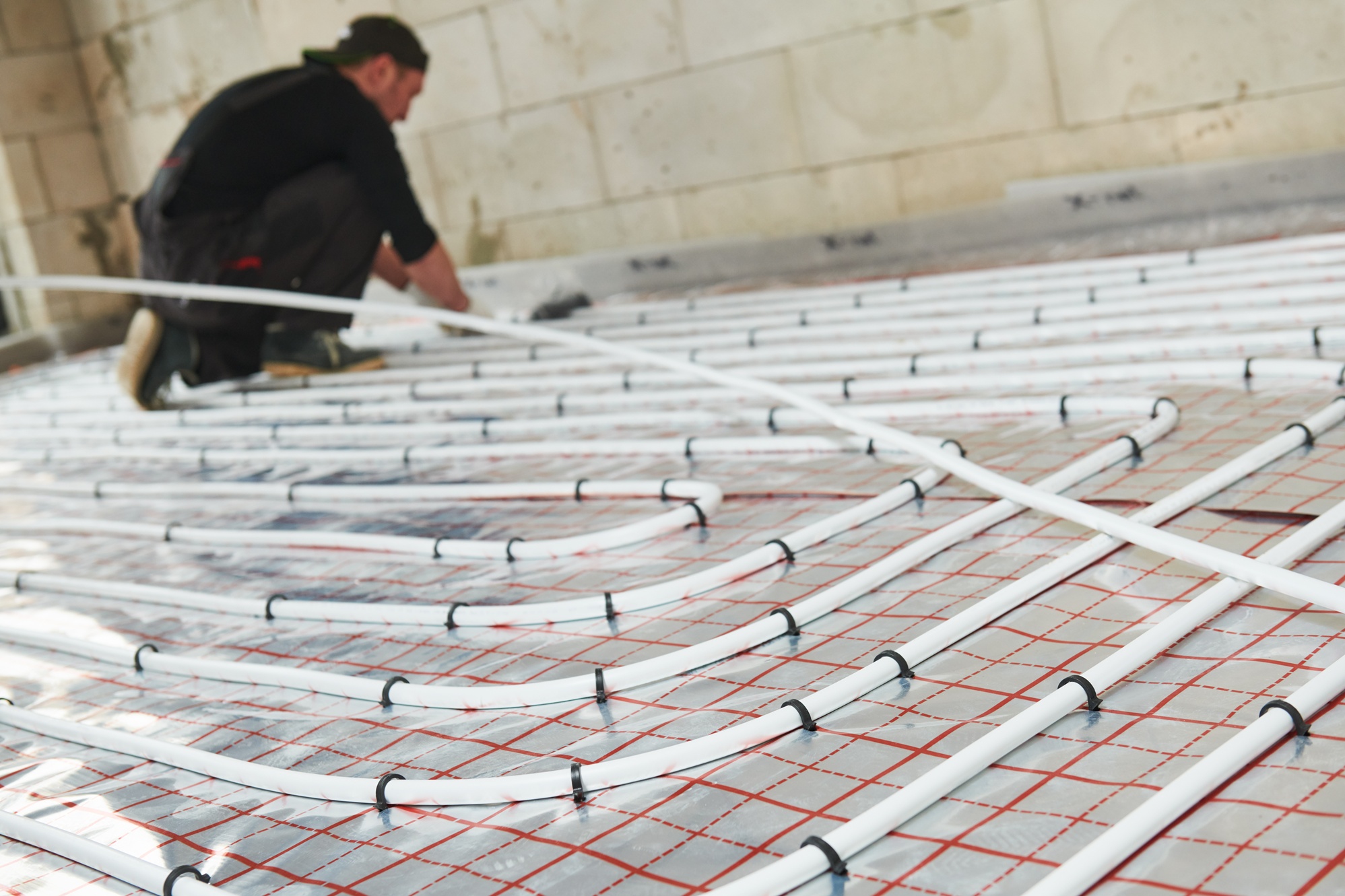
How Radiant Heat Can Transform Your Home for the Better With Barron Heating, AC, Electrical & Plumbing

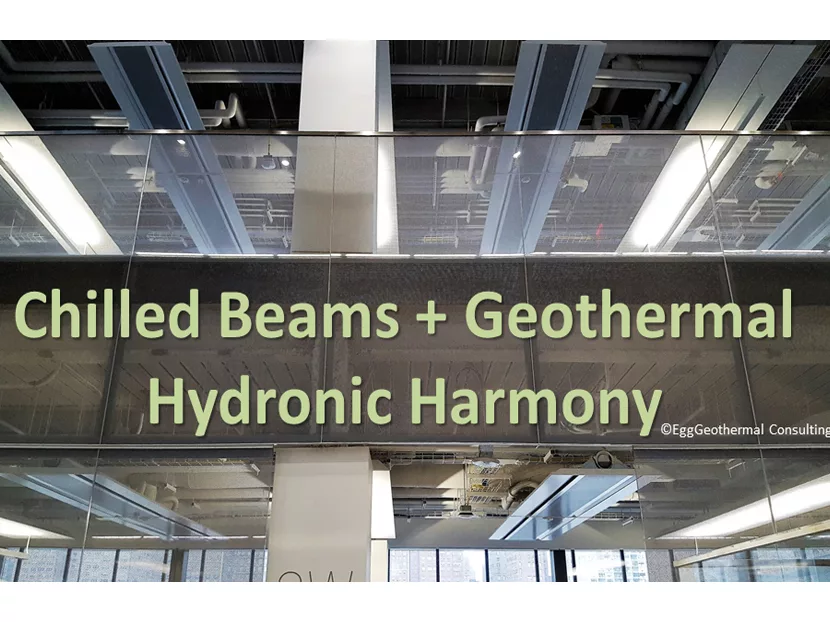
Radiant Floors and Ceilings Make Geothermal Even Better
I used to struggle to keep my open plan layout warm in winter — but these 4 methods now keep it cosy all day long