1/4
Does the Dark Academia Trend Have Staying Power? What to Know About This Design Style
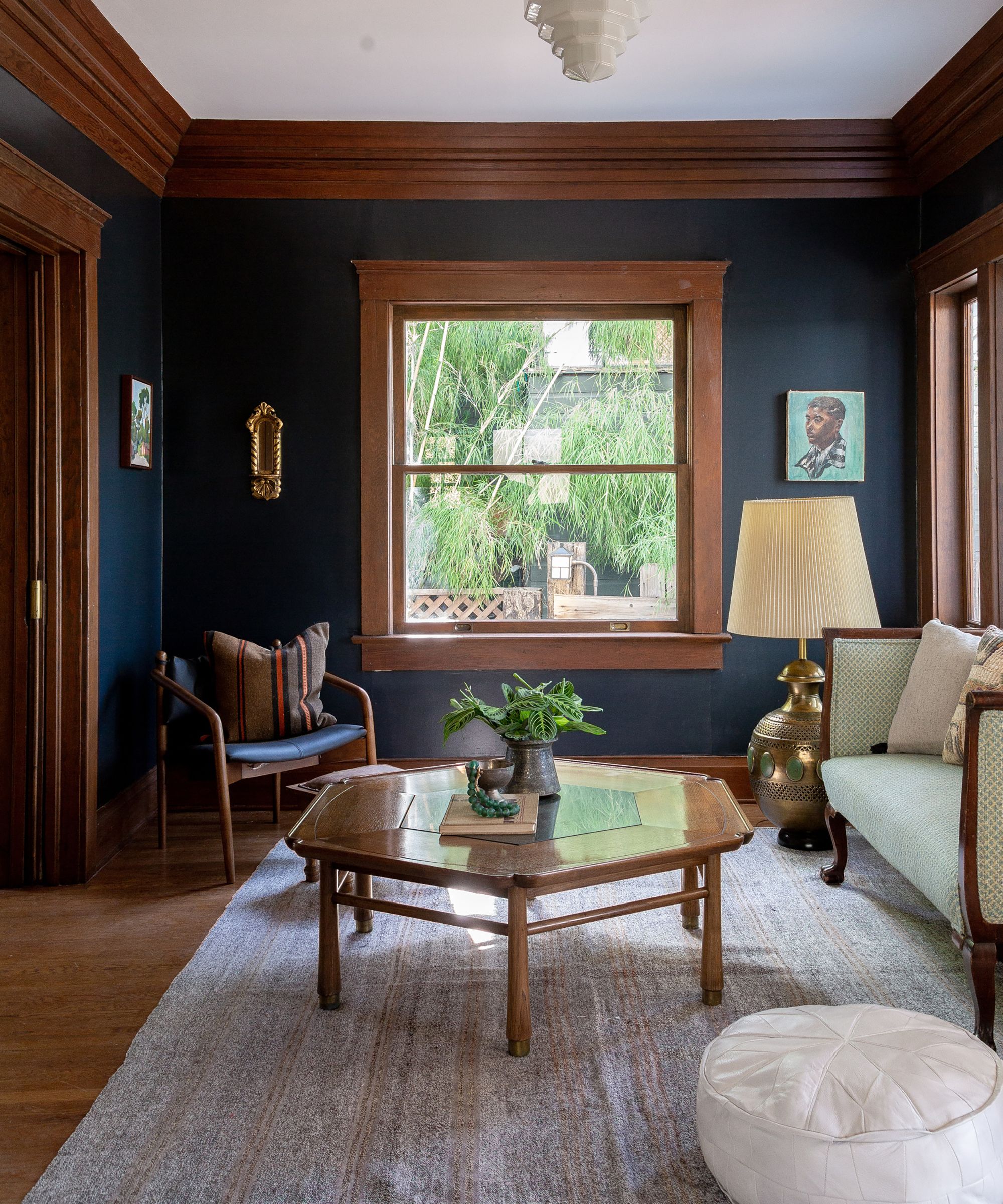
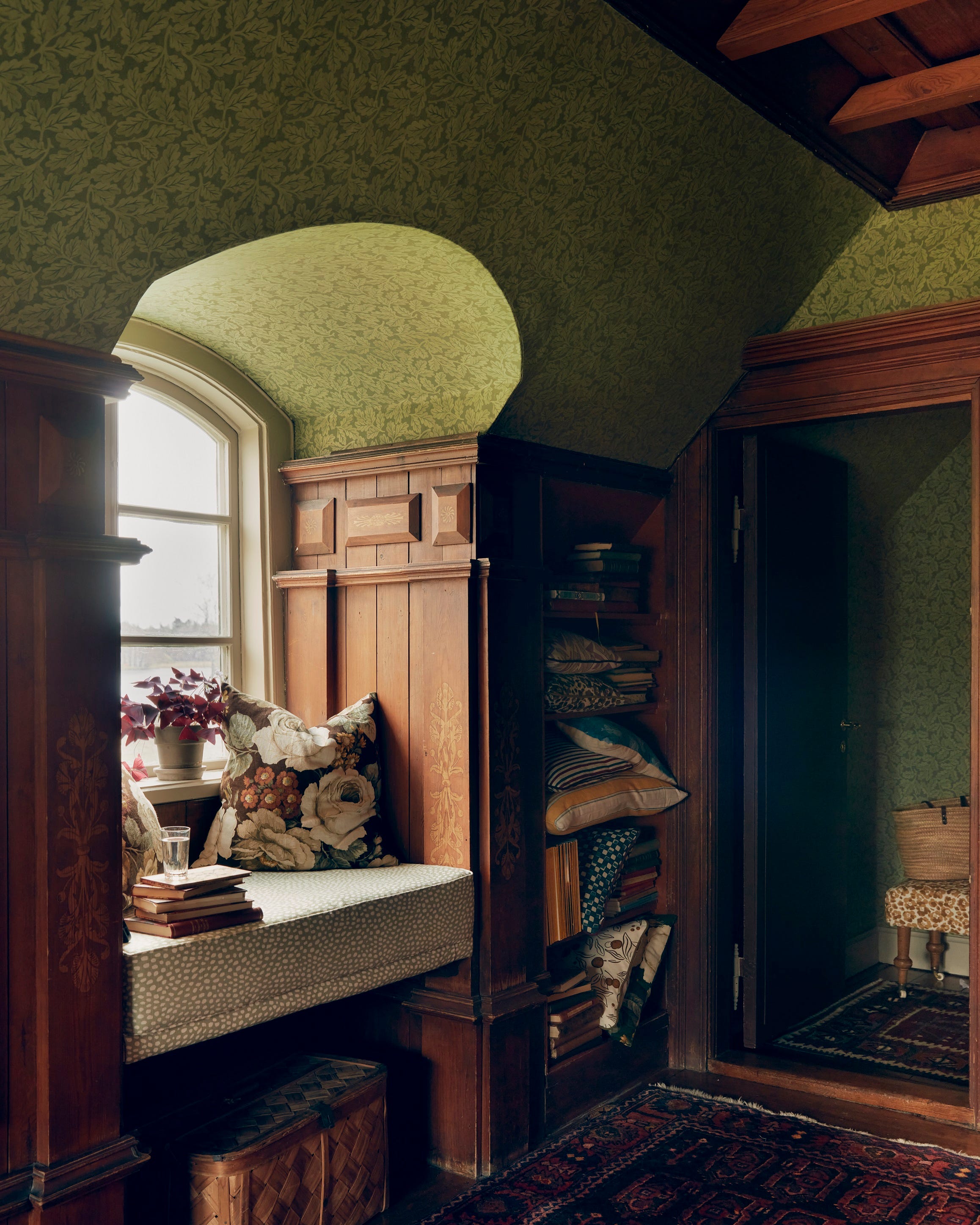
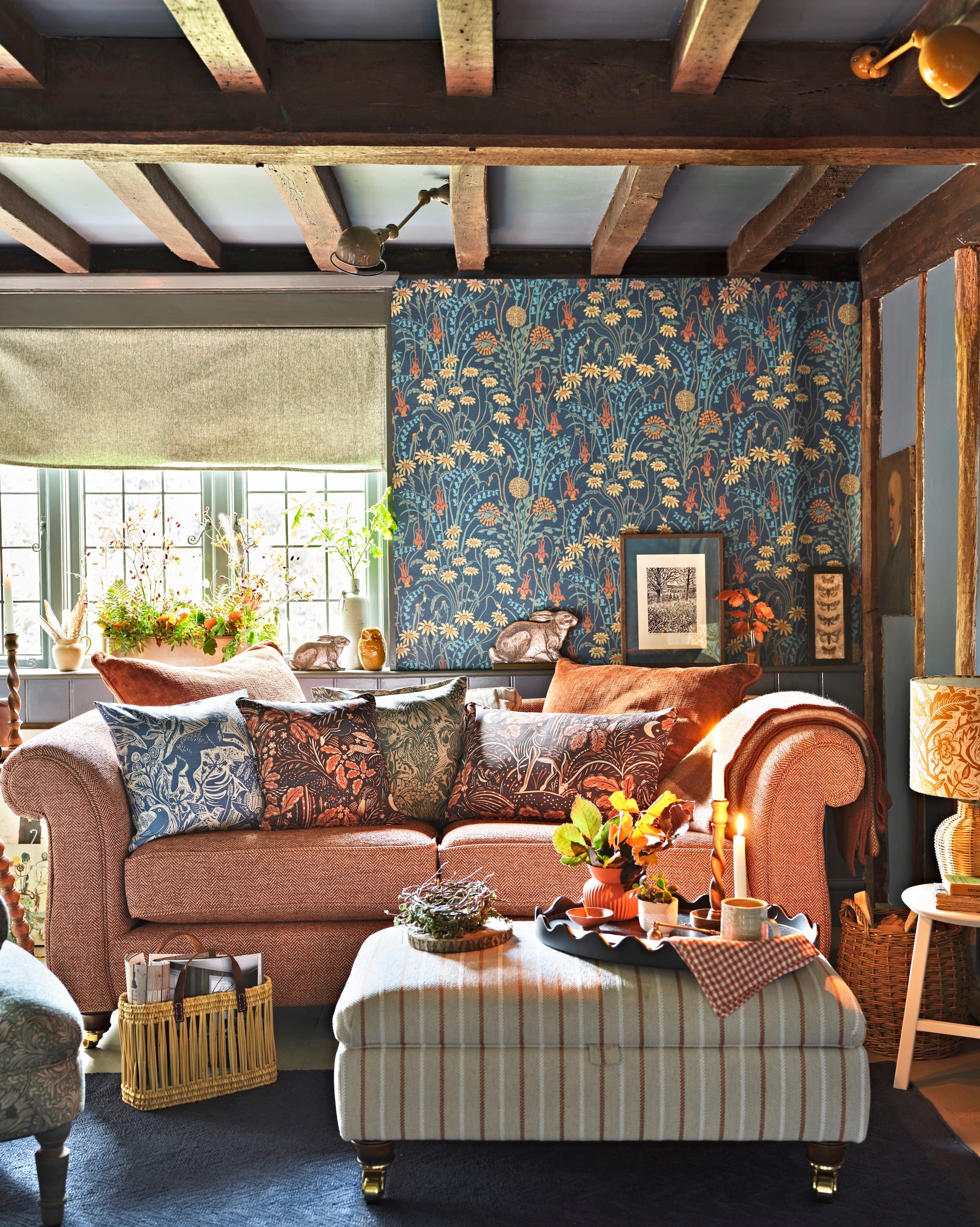
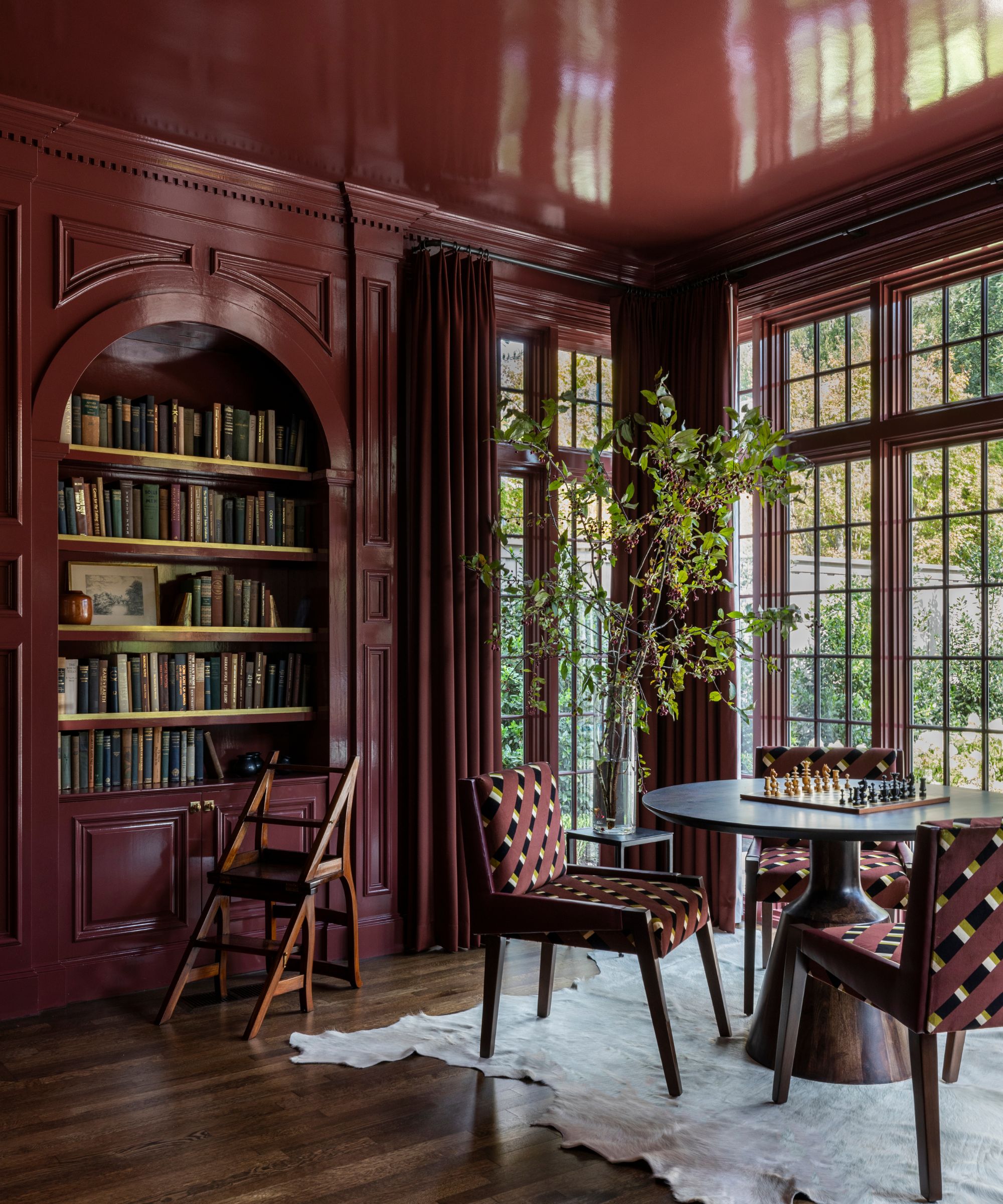
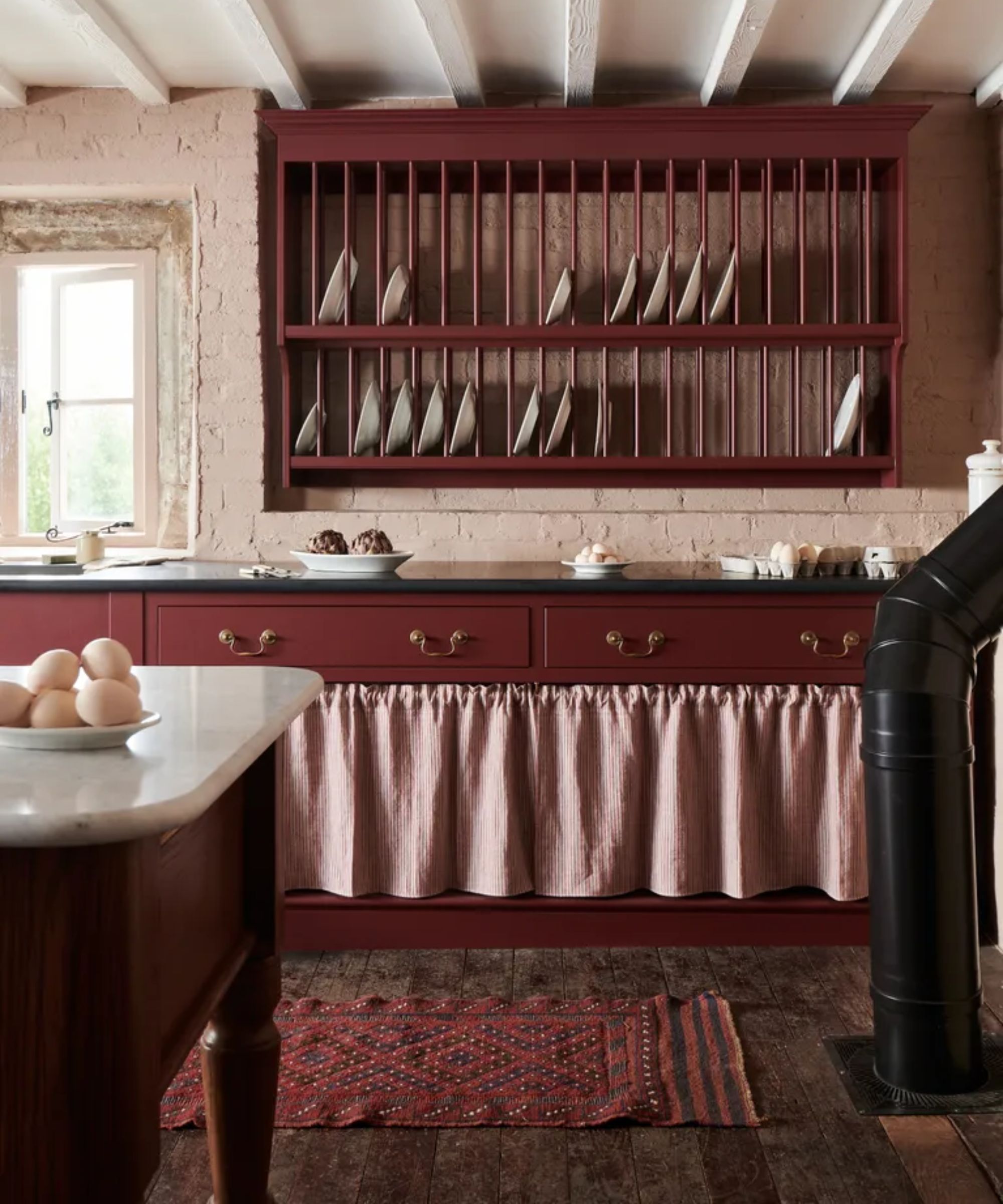
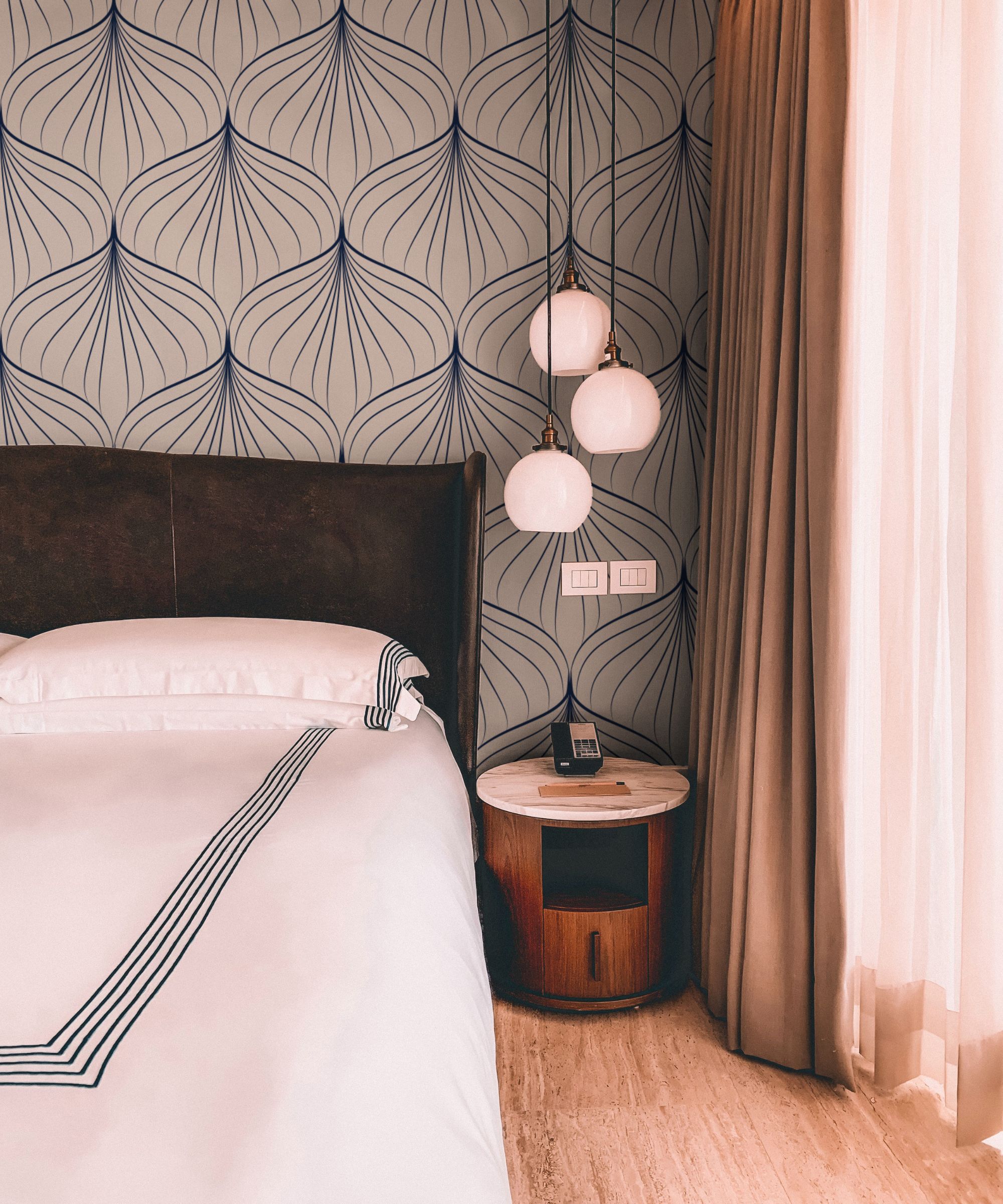
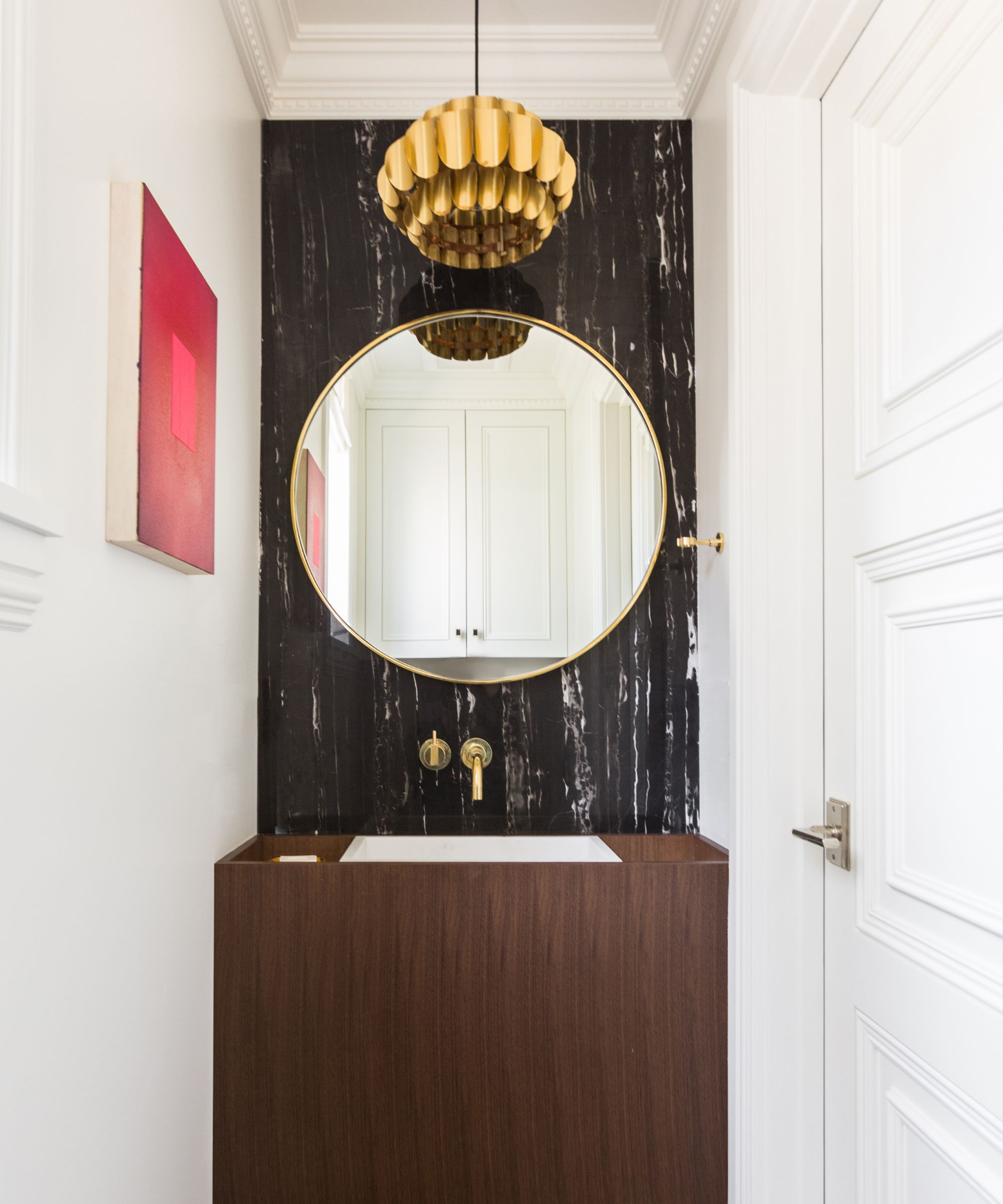
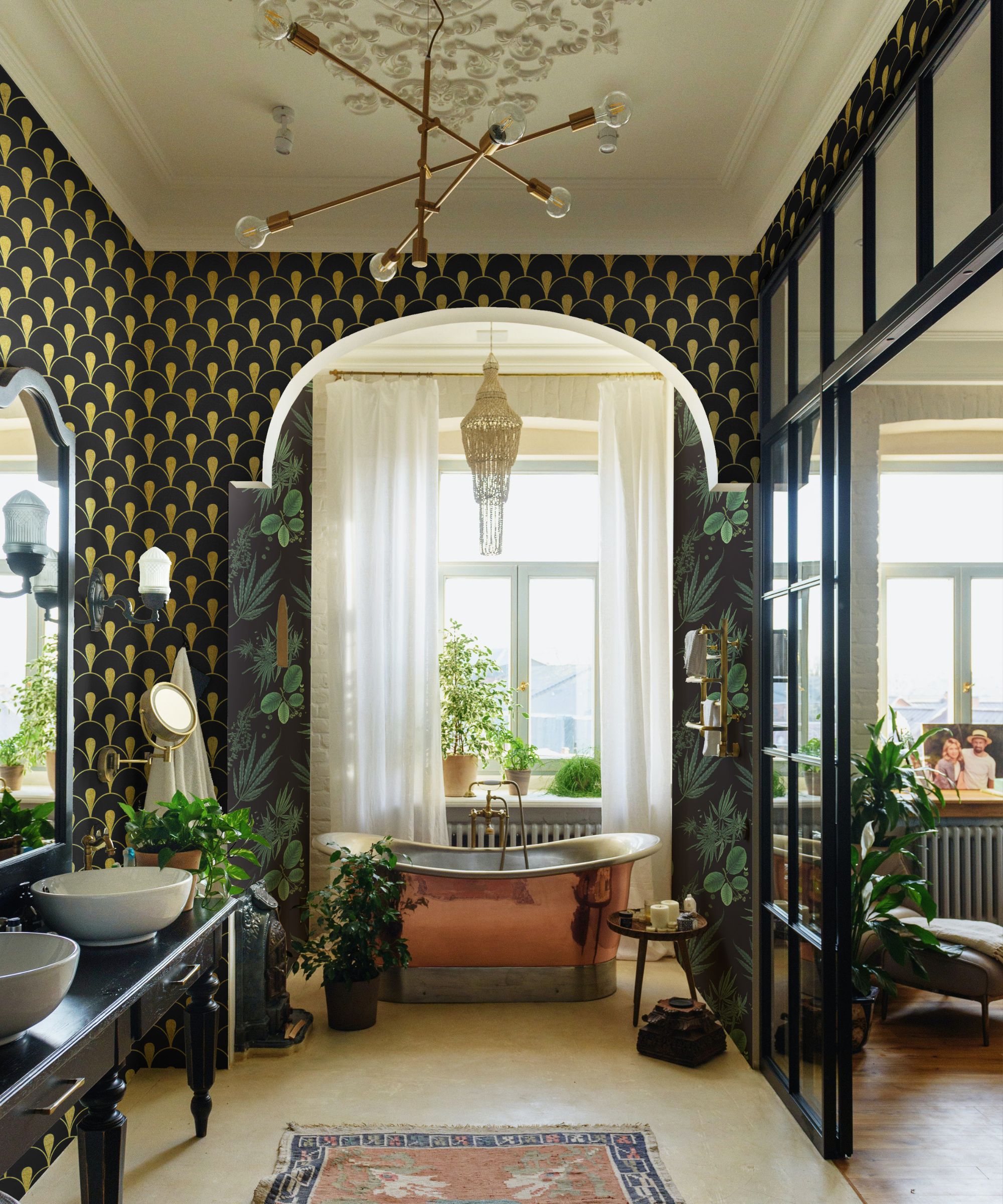
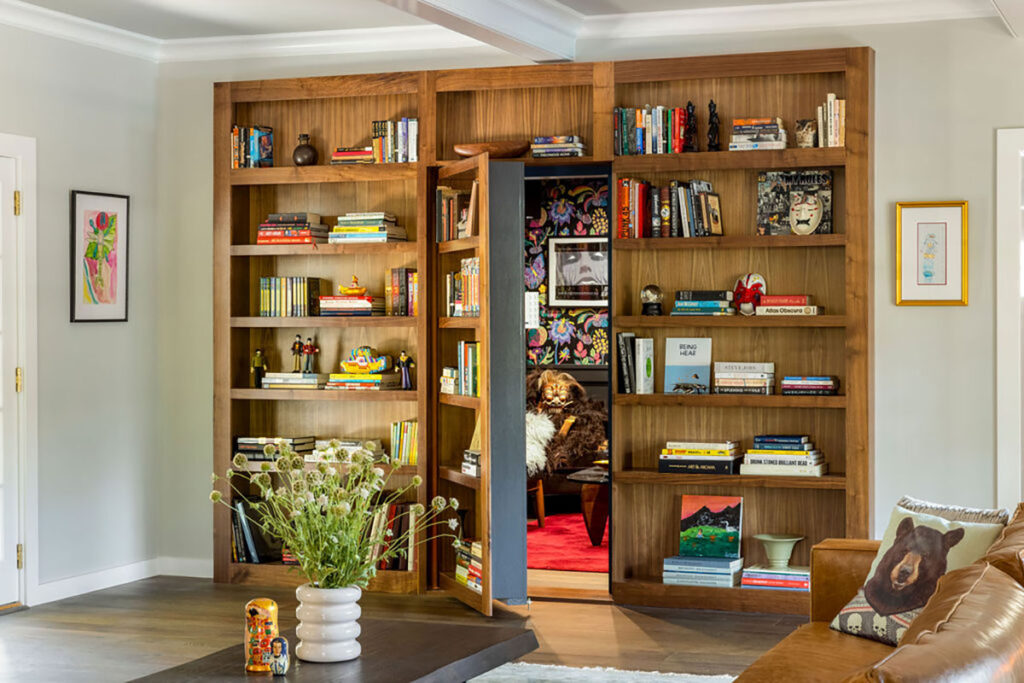
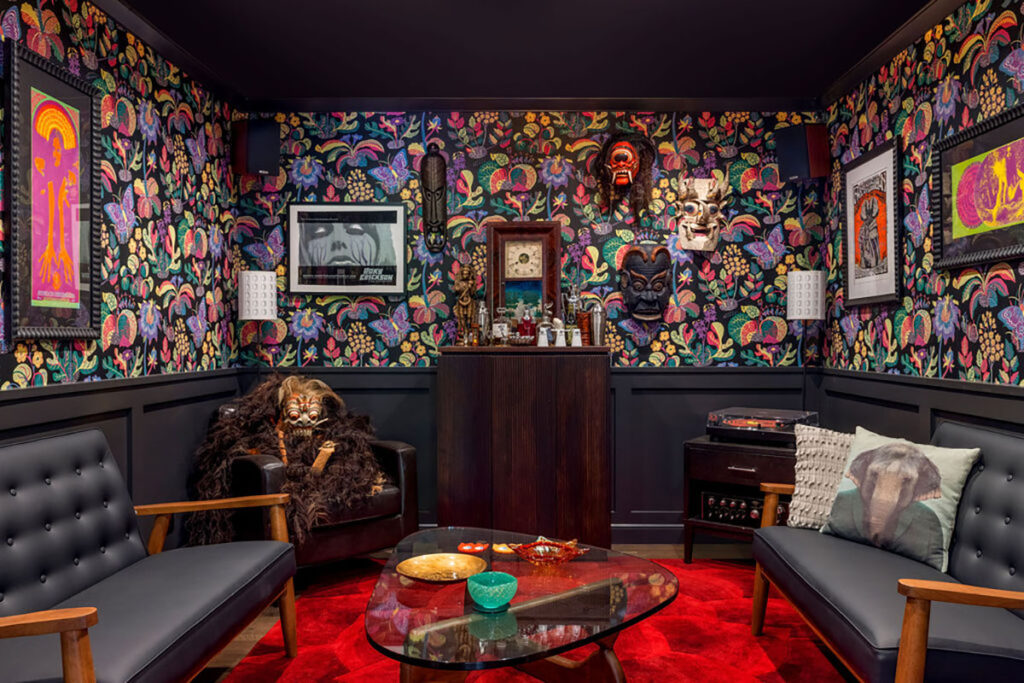
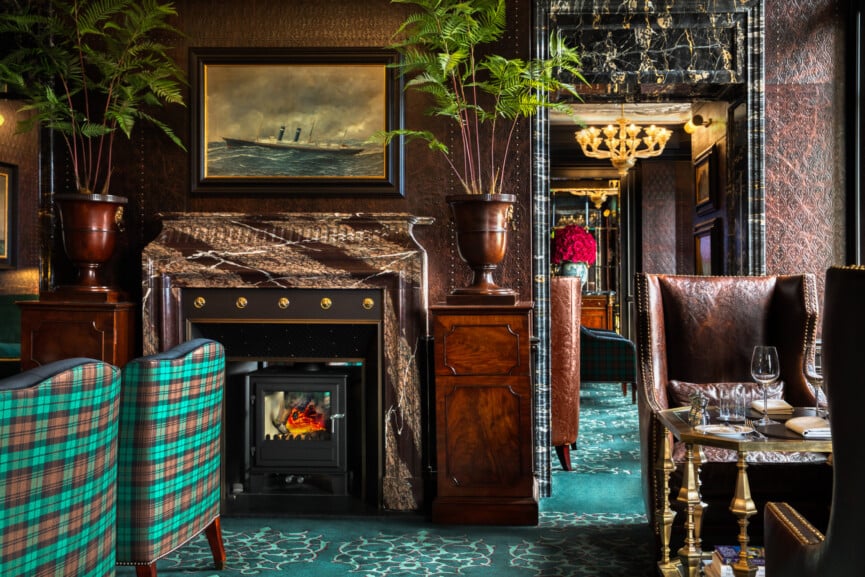
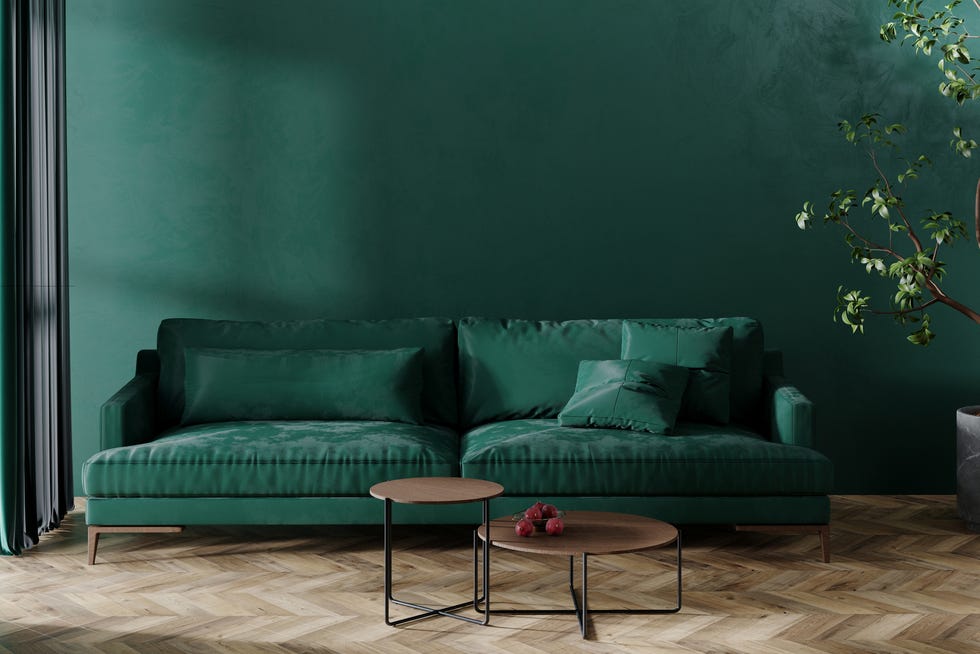
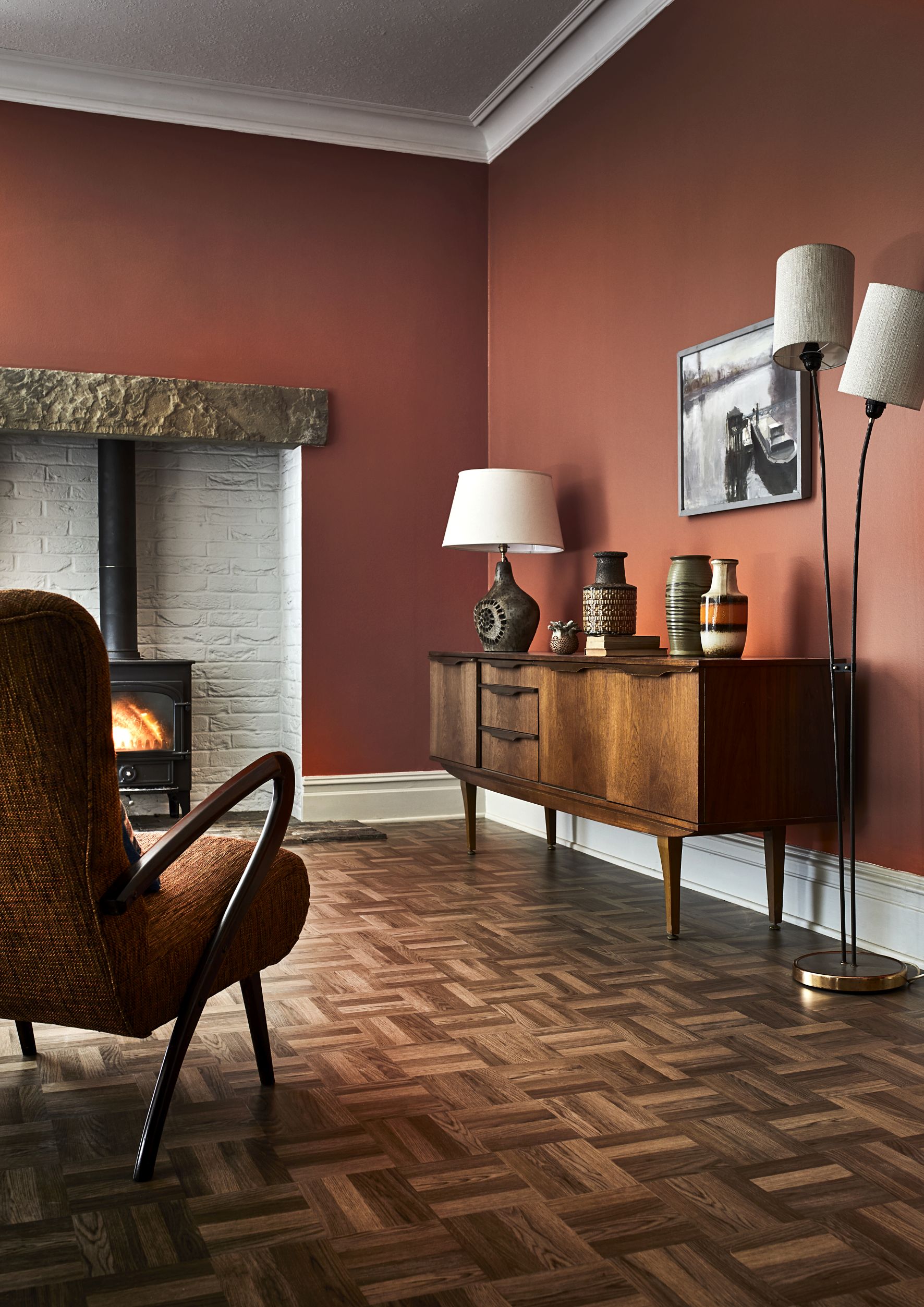
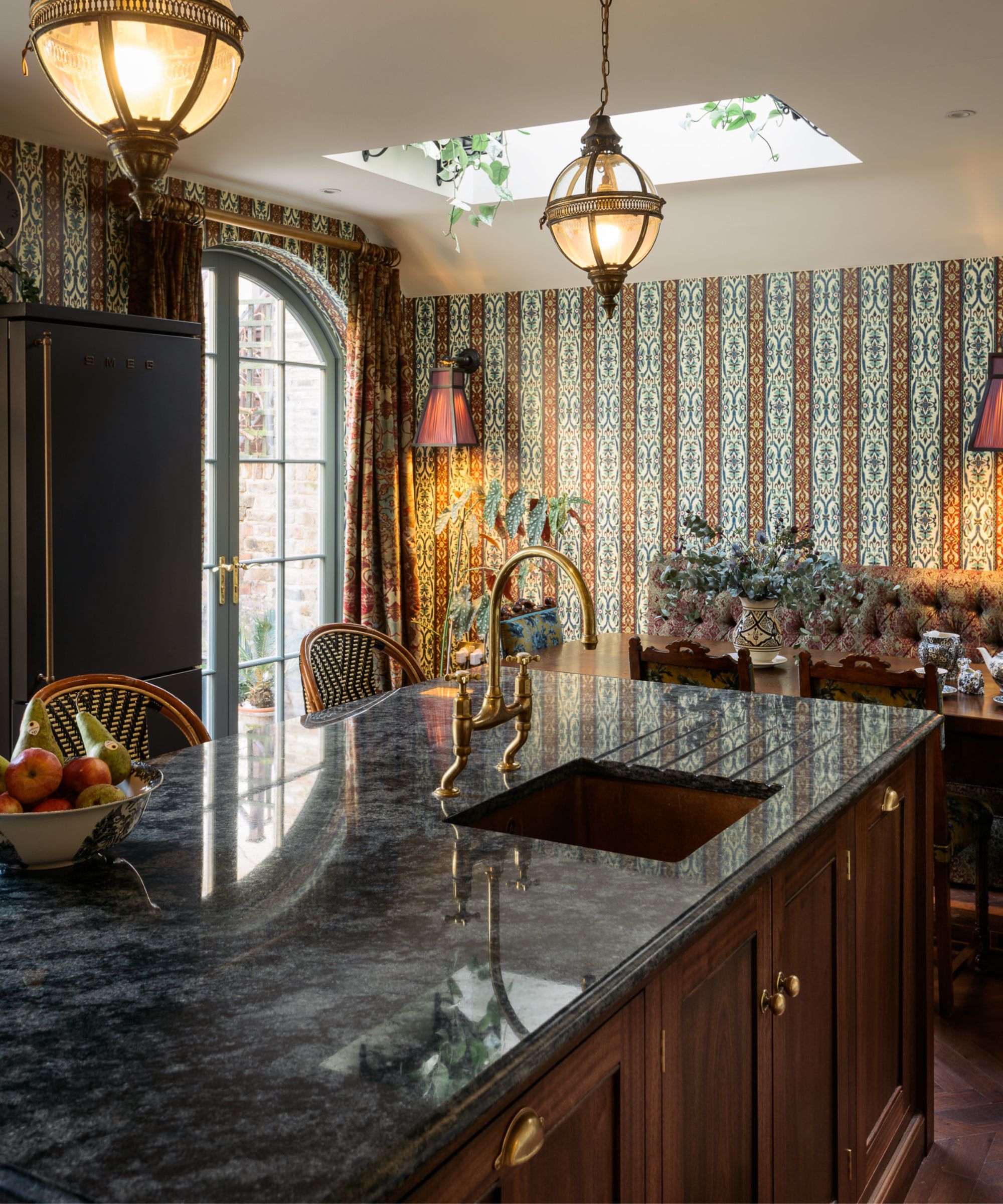
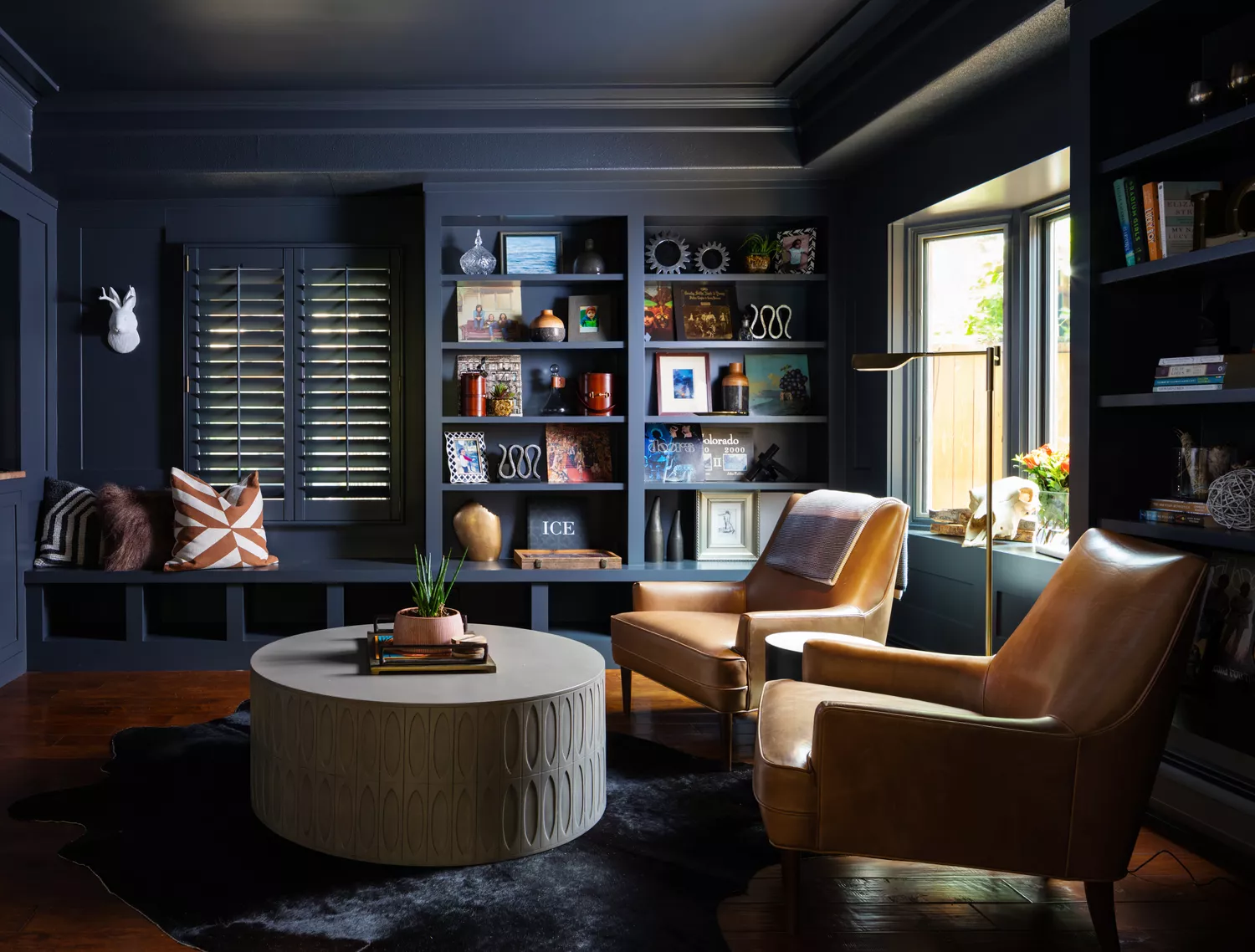
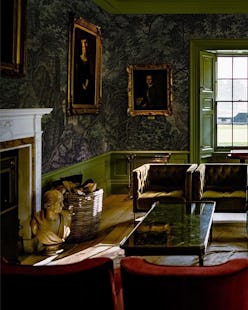
Dark academia is an interior design style characterized by a dark, shadowy color scheme and vintage-like decor, often described as rich, deep maximalism. This aesthetic frequently incorporates moody fabrics such as distressed leathers and dark velvets, alongside antique finds that evoke an academic atmosphere. Books and dimly lit reading areas are prominent features, emphasizing a scholarly focus. According to interior designer Peter Spalding, dark academia is a refined evolution for those previously drawn to industrial interiors, likened to 'steampunk gone to finishing school.' It features warm hues, antique millwork, leather upholstery, and secondhand art.
While the style has gained traction on platforms like TikTok, its staying power is debated among designers. Barrett Oswald suggests that due to its specific nature, dark academia might be best applied to single, smaller spaces like specialty rooms to avoid overwhelming an entire home, noting that curating such pieces can be both time-consuming and costly. Conversely, designers like Raquel Skrobarczyk and Laura Williams believe dark academia is a lasting trend, especially given the increase in remote work. They highlight the style's ability to create a unique and comfortable home office environment, with antiques adding personal significance and deep color palettes offering a sophisticated and calming ambiance conducive to productivity.
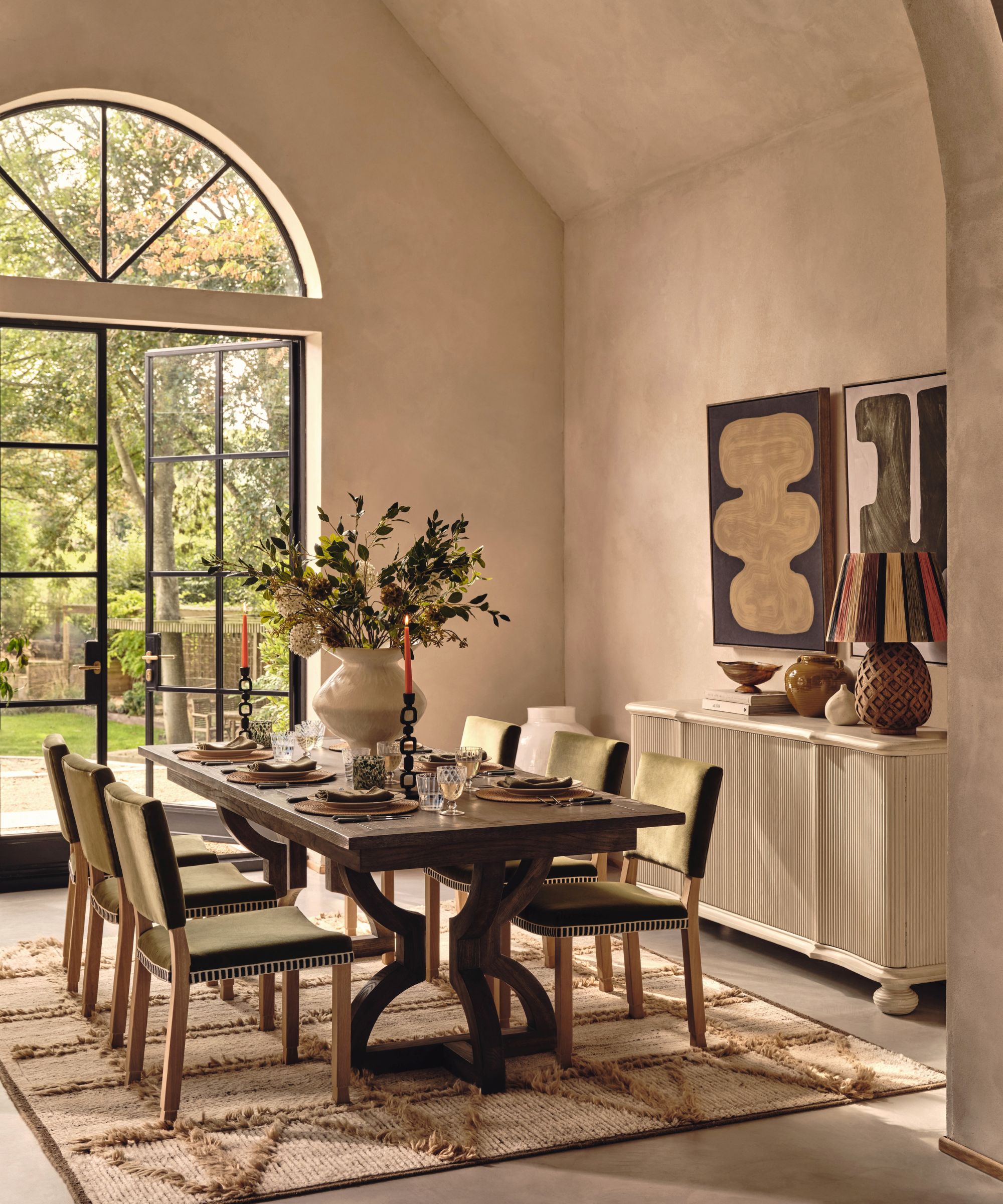

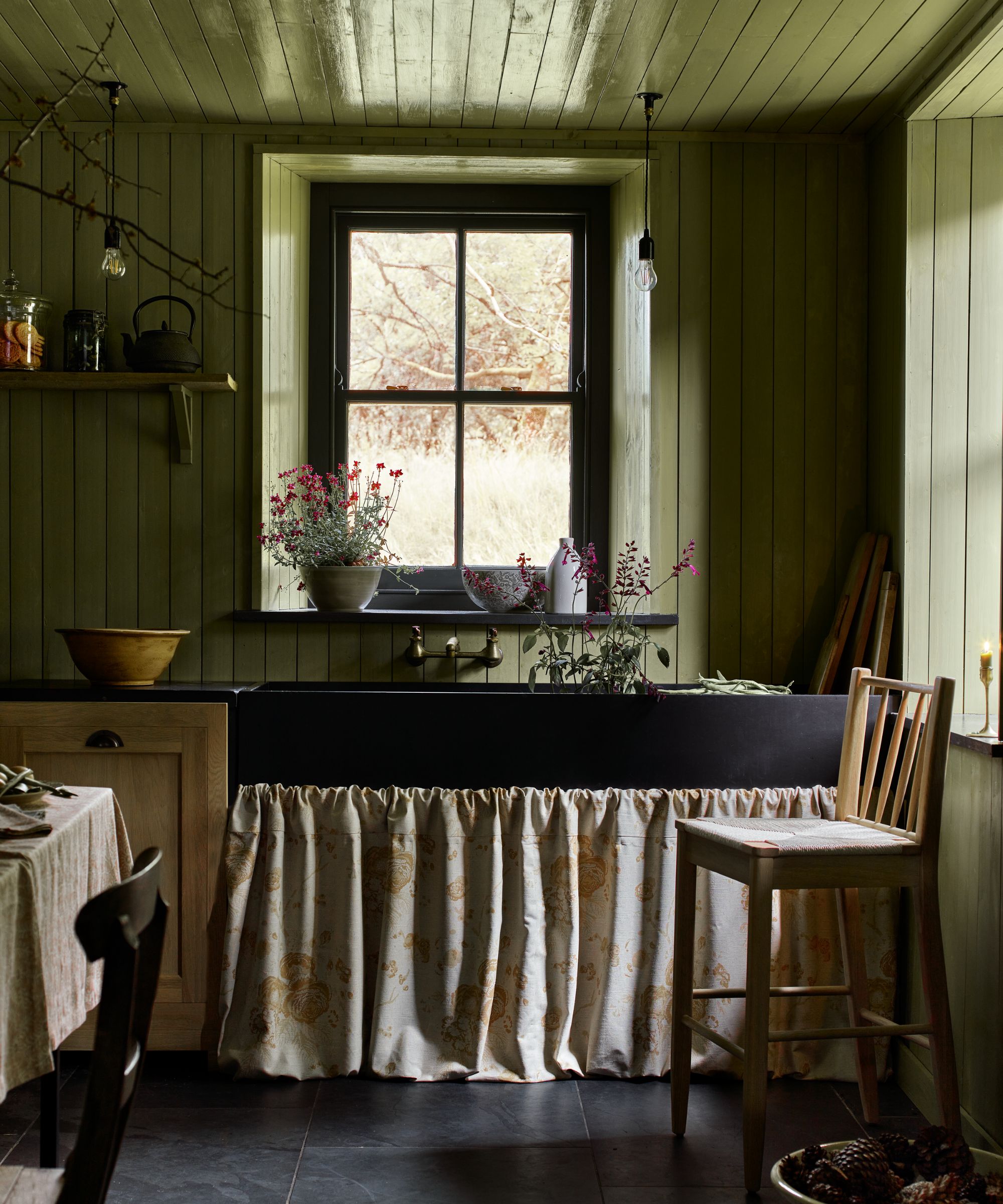
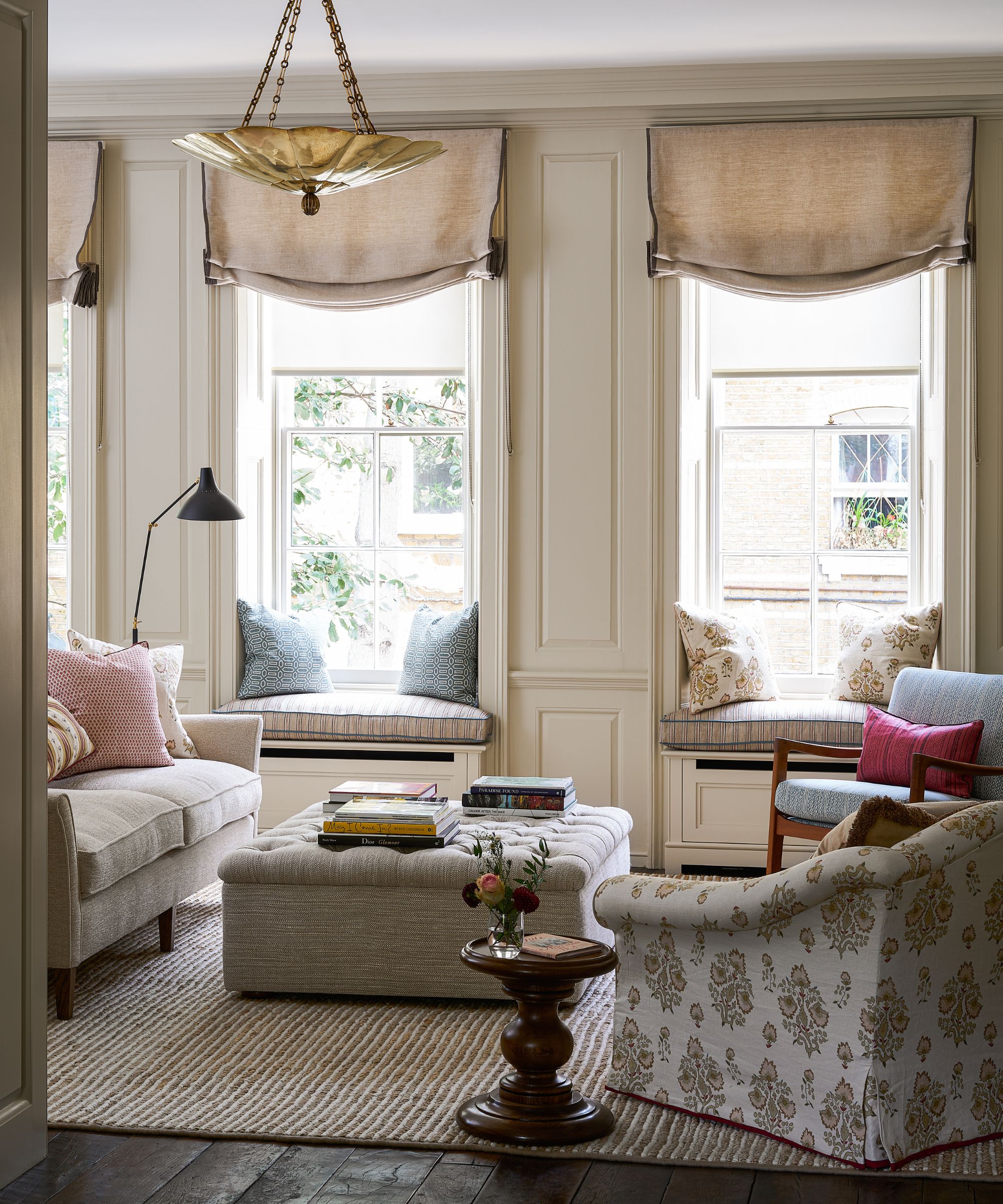
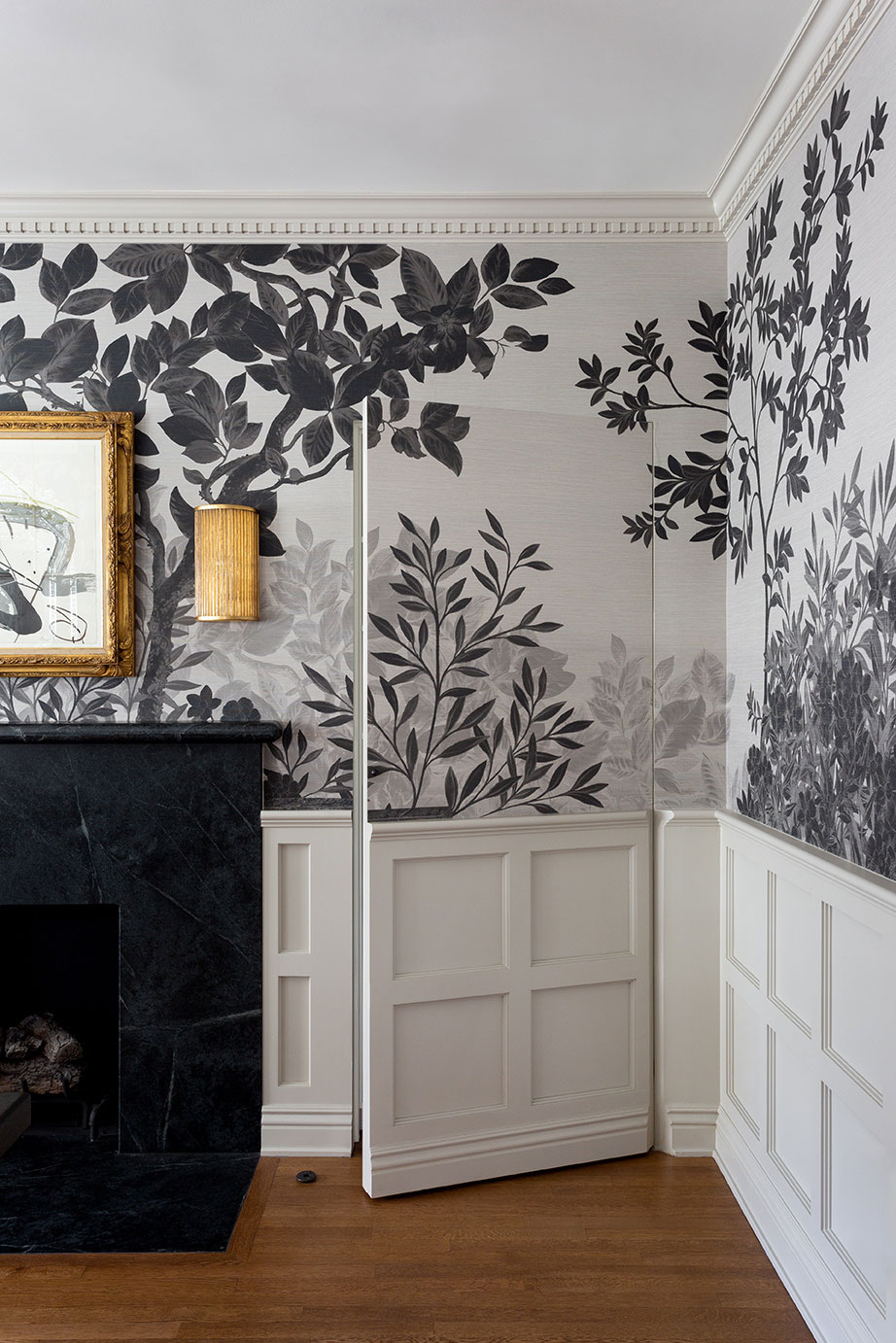
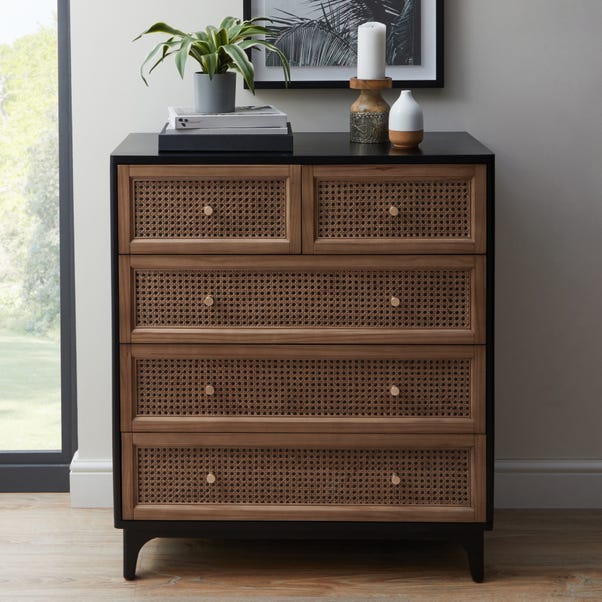
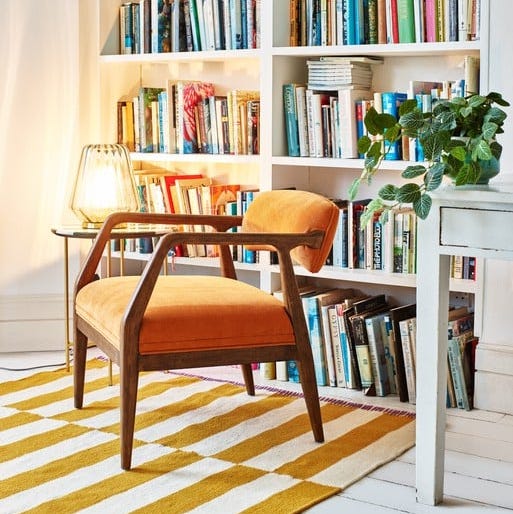
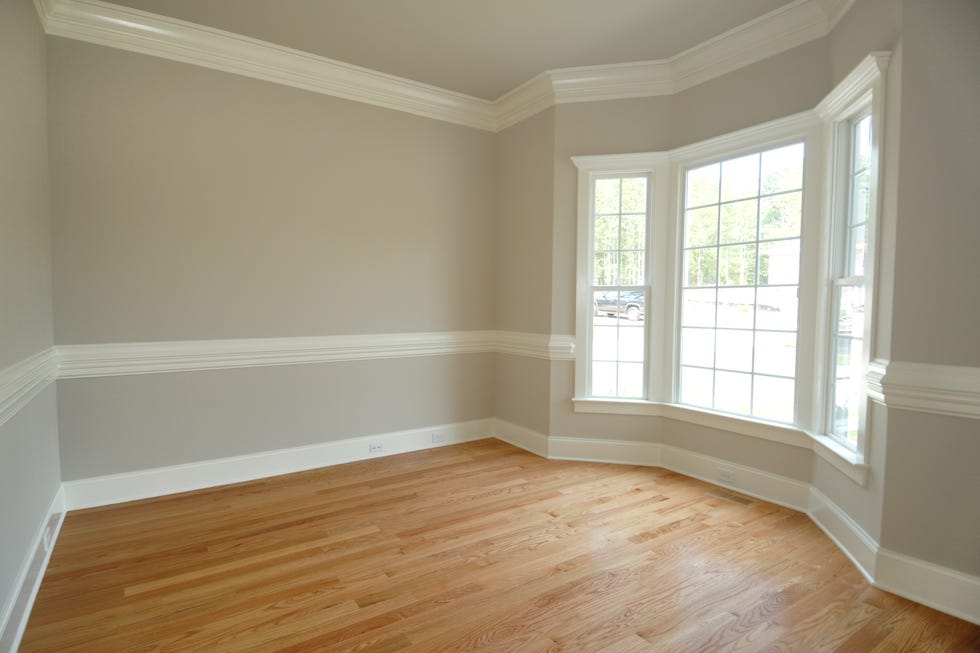
To achieve the dark academia look, a home's existing architectural elements, such as intricate moldings, tall casement windows, or Victorian/cottage features, can greatly contribute. The color palette typically leans towards darker shades, though Spalding advises selecting versatile colors like blacks with brown undertones, blue-greens, and creamy whites. When furnishing, it is recommended to compile a wish list of desired antique pieces and explore auction sites. Antique case goods serve as excellent foundational elements for living rooms, studies, libraries, or offices. These older items can then be complemented with contemporary upholstery in materials such as linen, velvet, and soft leather. Sculptural busts and columns are also suggested to complete the aesthetic.
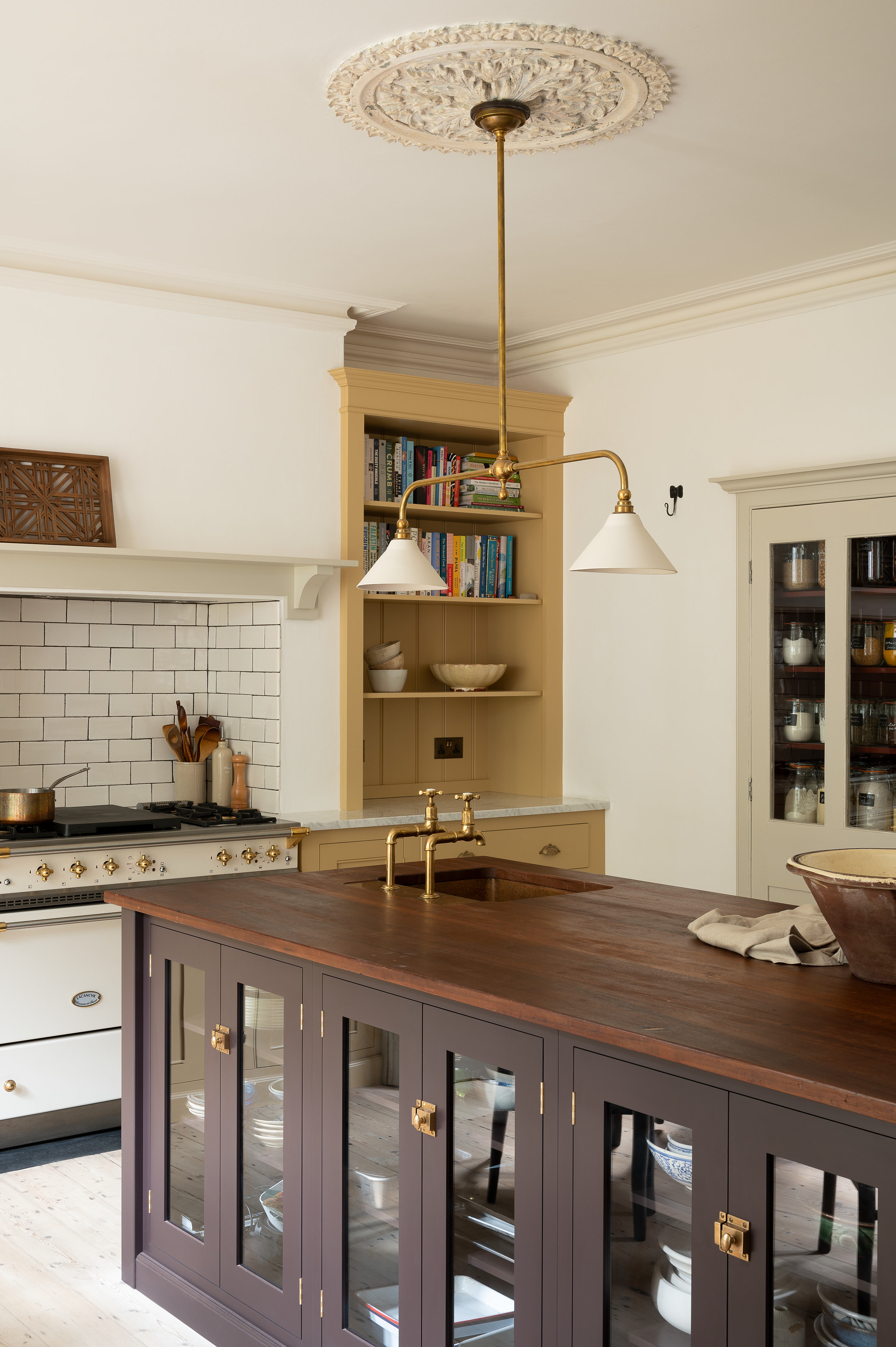
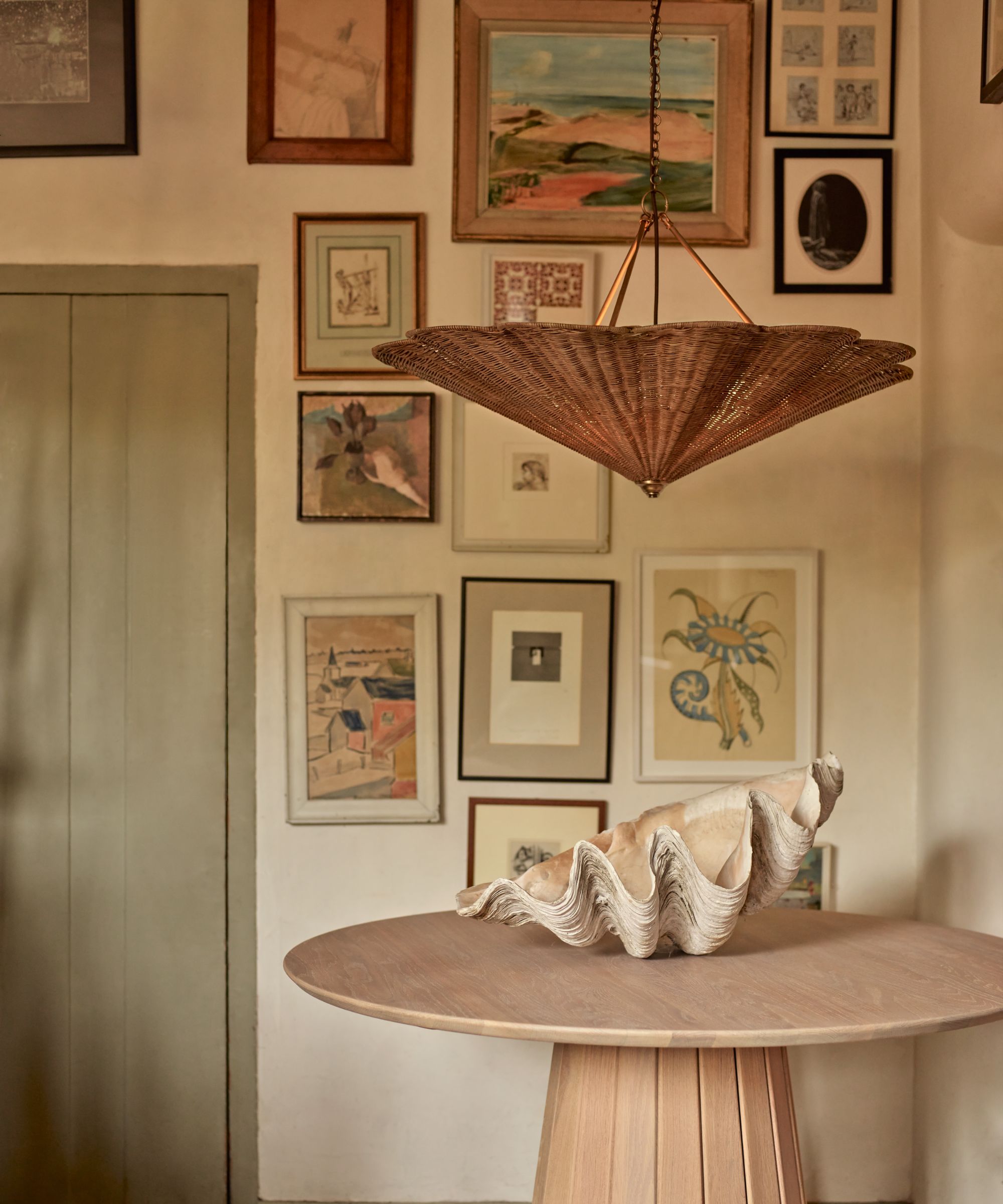
Skrobarczyk further emphasizes the importance of incorporating numerous antiques and vintage finds, along with rich, saturated accent colors. Cozy throws, candles, and various mood lighting options are also essential for creating an inviting atmosphere. Williams points to the use of moody tones, rich wood, vintage furniture and artwork, aged brass, and ornate details. Oswald recommends starting with wall color selection, finding the right dark hue as a foundation for choosing other elements like fabrics and wood tones. In essence, decorating in the dark academia style involves establishing a dark color palette, sourcing unique vintage items, and integrating diverse lighting solutions to cultivate a warm and inviting environment, whether for an entire home or a specific area.
#DarkAcademia #InteriorDesign #HomeDecor #VintageStyle #AcademicAesthetic #MoodyInteriors #AntiqueDecor #HomeOfficeDesign #DarkAcademia #InteriorDesign #HomeDecor #VintageStyle #AcademicAesthetic #MoodyInteriors #AntiqueDecor #HomeOfficeDesign
0 comment in total
 No comments yet
You may also like
Are darker woods back on trend? Designers say this once-dated finish is in fact perfect for creating character

11 fall interior design trends that will help you to create elegant, warm looks for your home this autumn
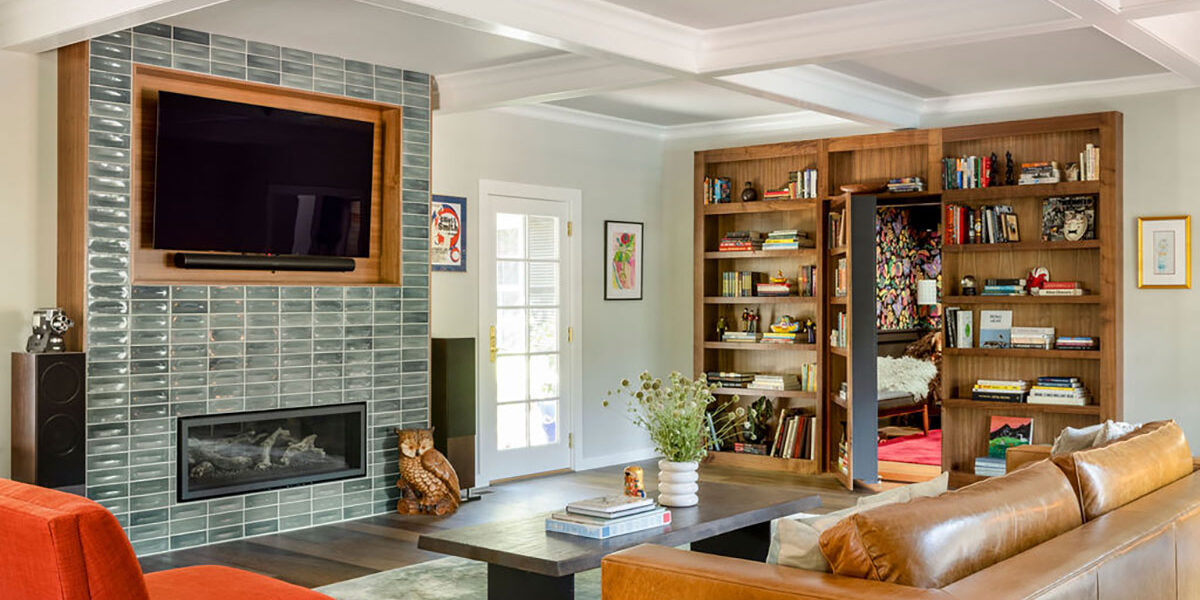
The Design Industry’s Coolest Trend Is Hiding in Plain Sight
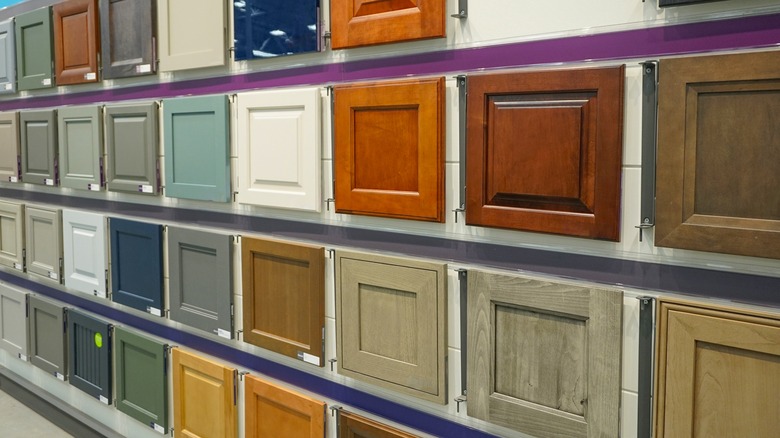
The Once Trendy Cabinet Style That's Making A Comeback For A Timeless Look
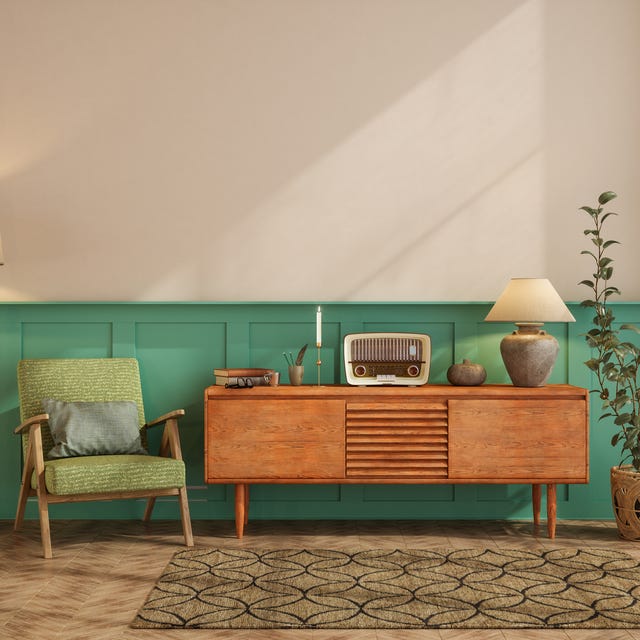
8 "Tacky" Home Trends That Are Tragically Dead to Designers in 2026

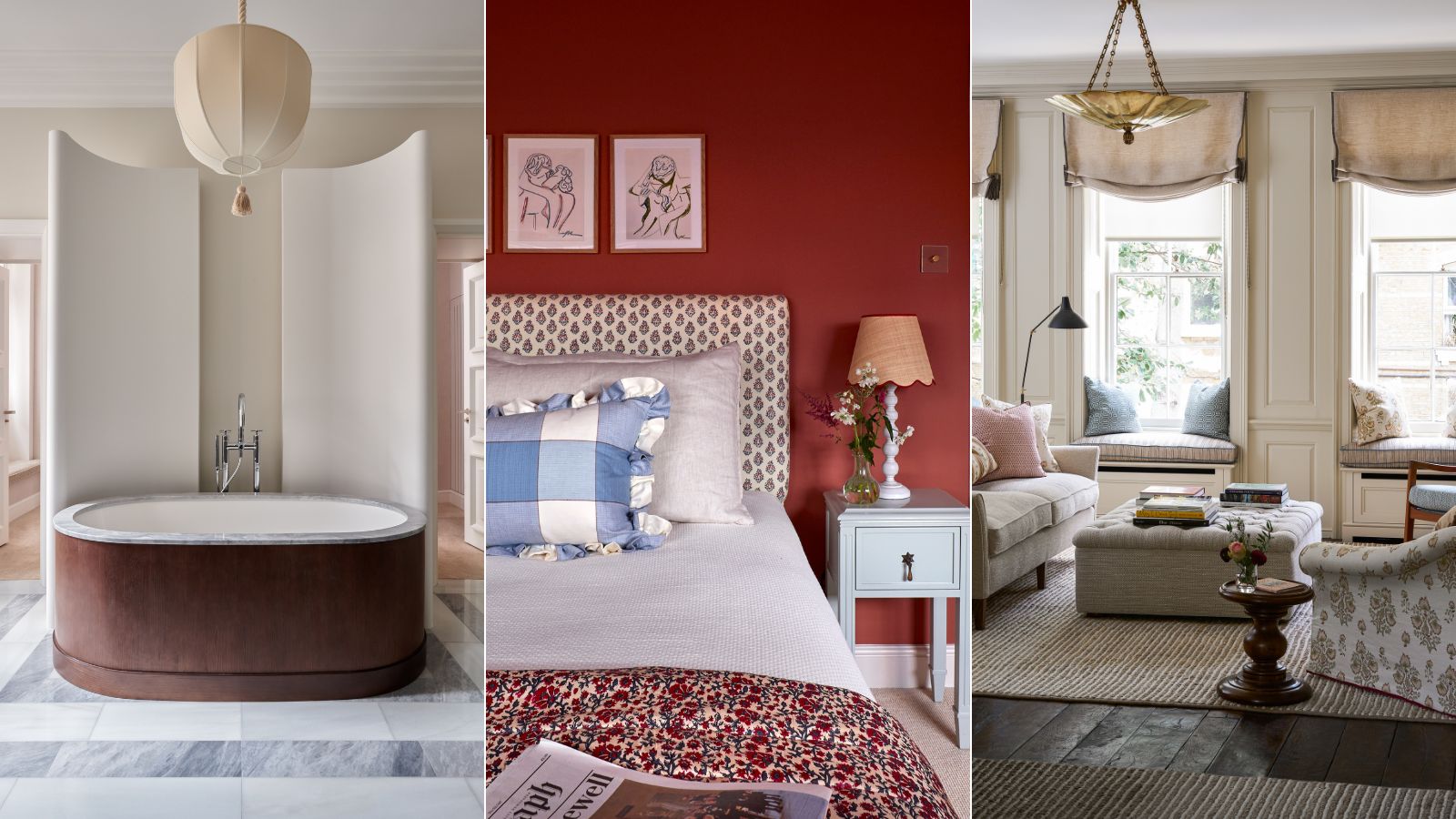
Does this hated feature still have a place in our homes? Designers on what they really think of the 'big light' debate
Academia-Inspired Design Tips That Will Make Your Space So Cozy

9 Popular Home Trends Interior Designers Say Won't Age Well

Is modern rustic decor still on trend? We asked designers if this much-loved look is here to stay
Fall's Biggest Home Decor Trend Is Anti-Barbiecore
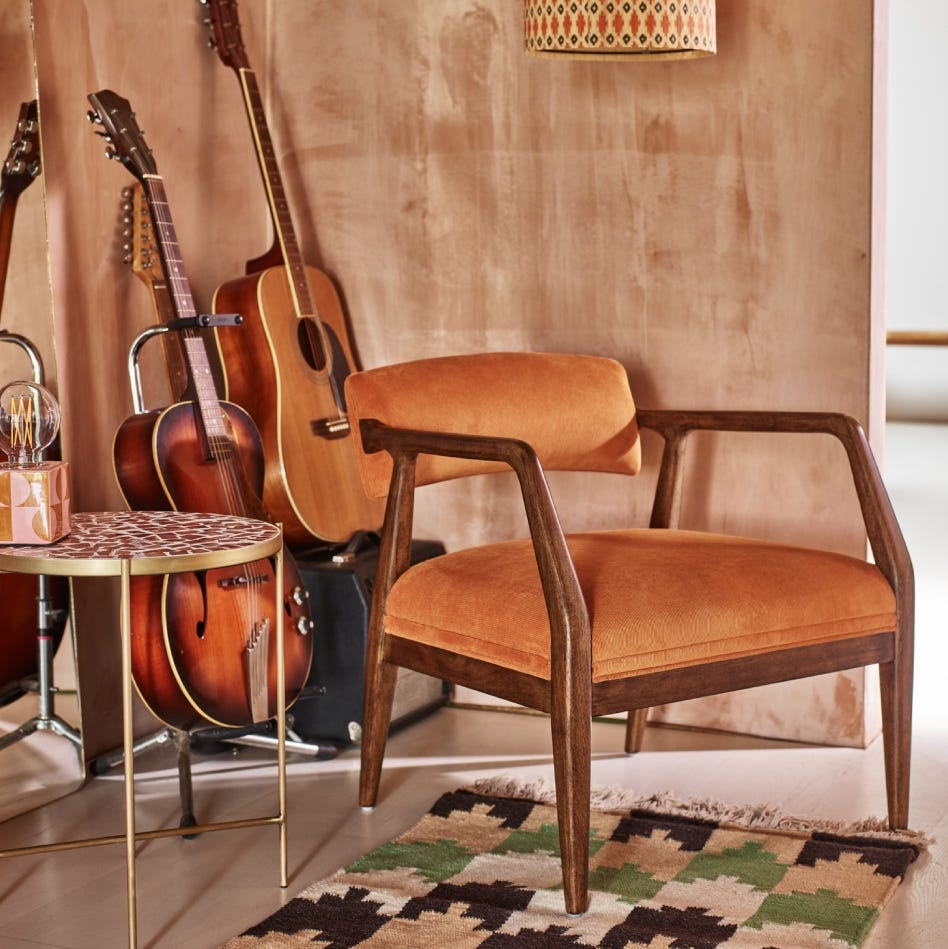
Raw, light woods out? Darker, traditional woods in?
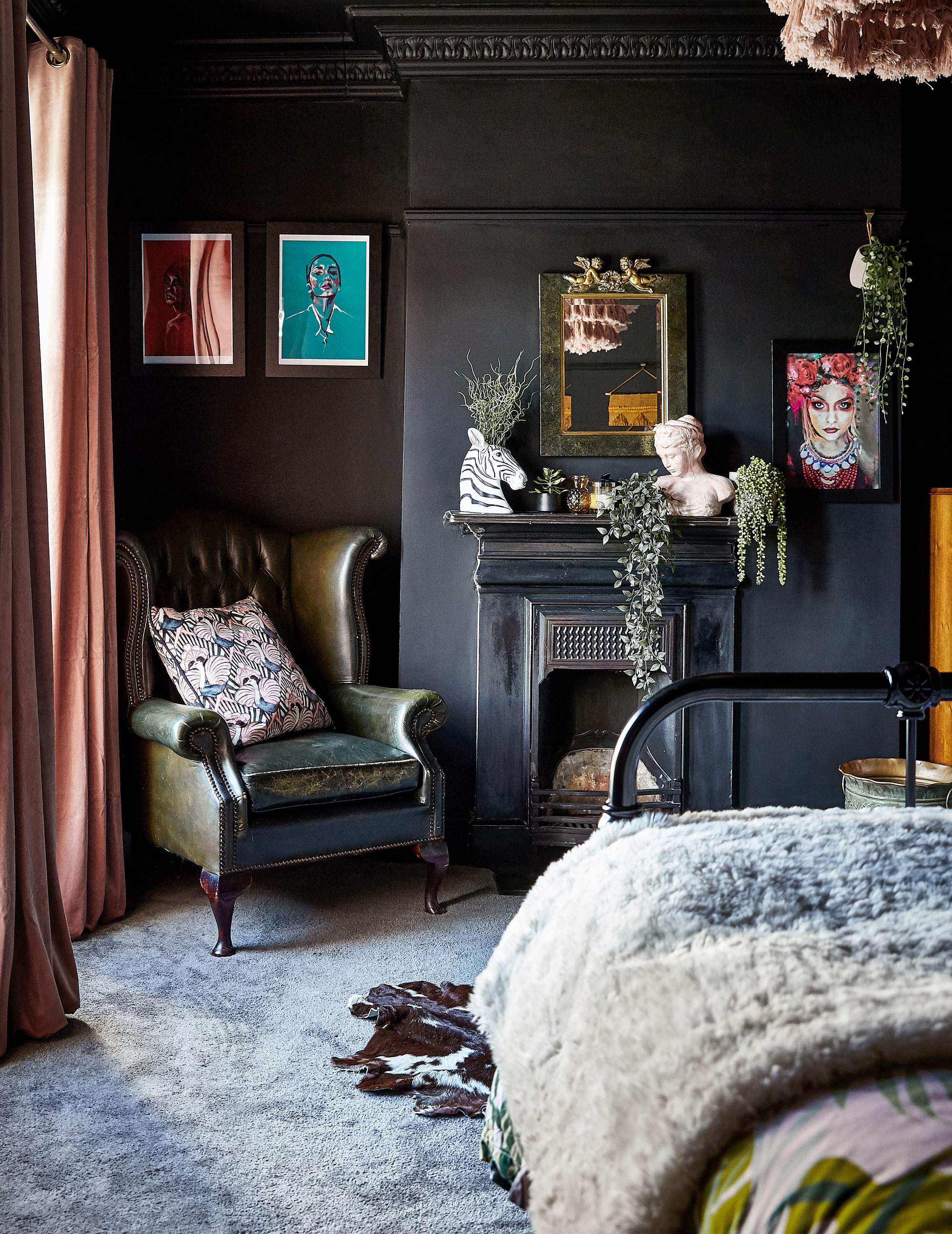
16 dark interior design ideas to embrace this winter

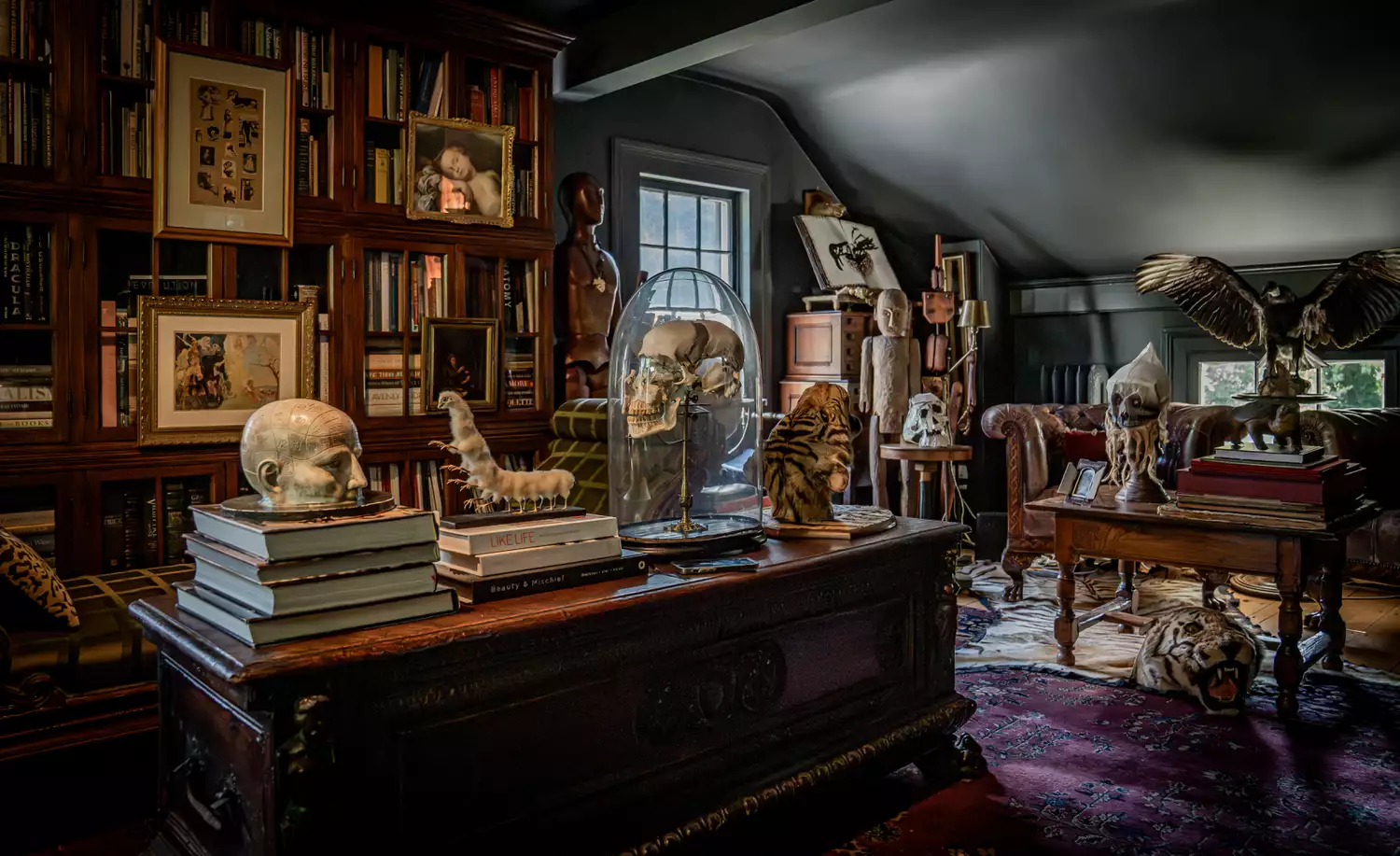
13 Dark Academia Design Ideas for a Moody, Literary Interior
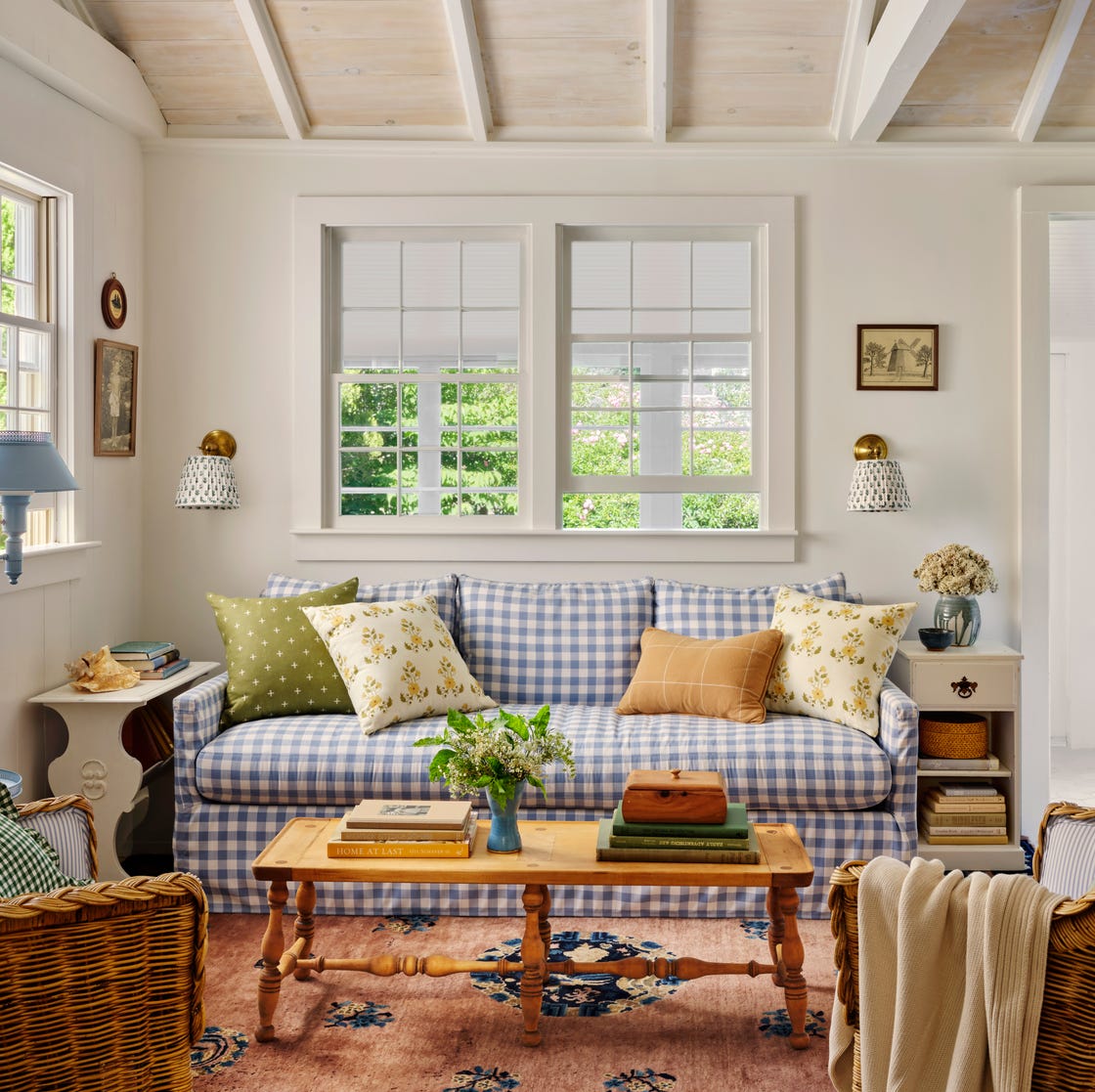
The Preppy Design Trend Is Here to Stay—How to Pull it Off
8 Tacky Home Trends That Designers Say Are TRAGICALLY Dead

Are black kitchen countertops back in style? Interior designers share their thoughts on this once-dated look
Embrace the dark wood comeback: 12 ways to use the decor trend in your home
Is Art Deco back on trend? Experts share how they make the iconic design style fresh for 2024
Are accent walls still on trend? Designers decide on what this love-hate style will look like in 2024
Traditional Design Is Here to Stay—Here's Everything You Need to Know About the Style