1/6
Did Instagram Kill Round Tables at Dinner Parties?
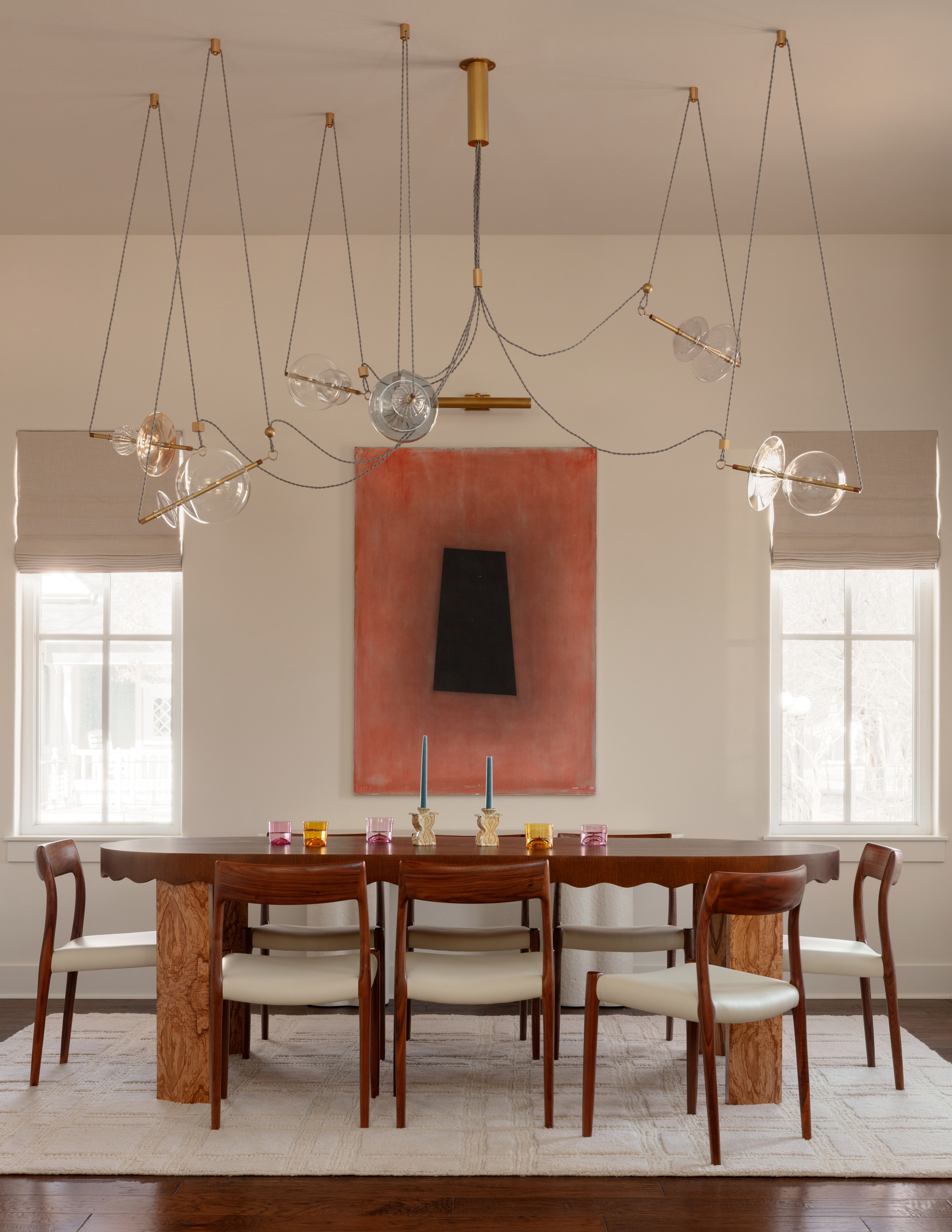
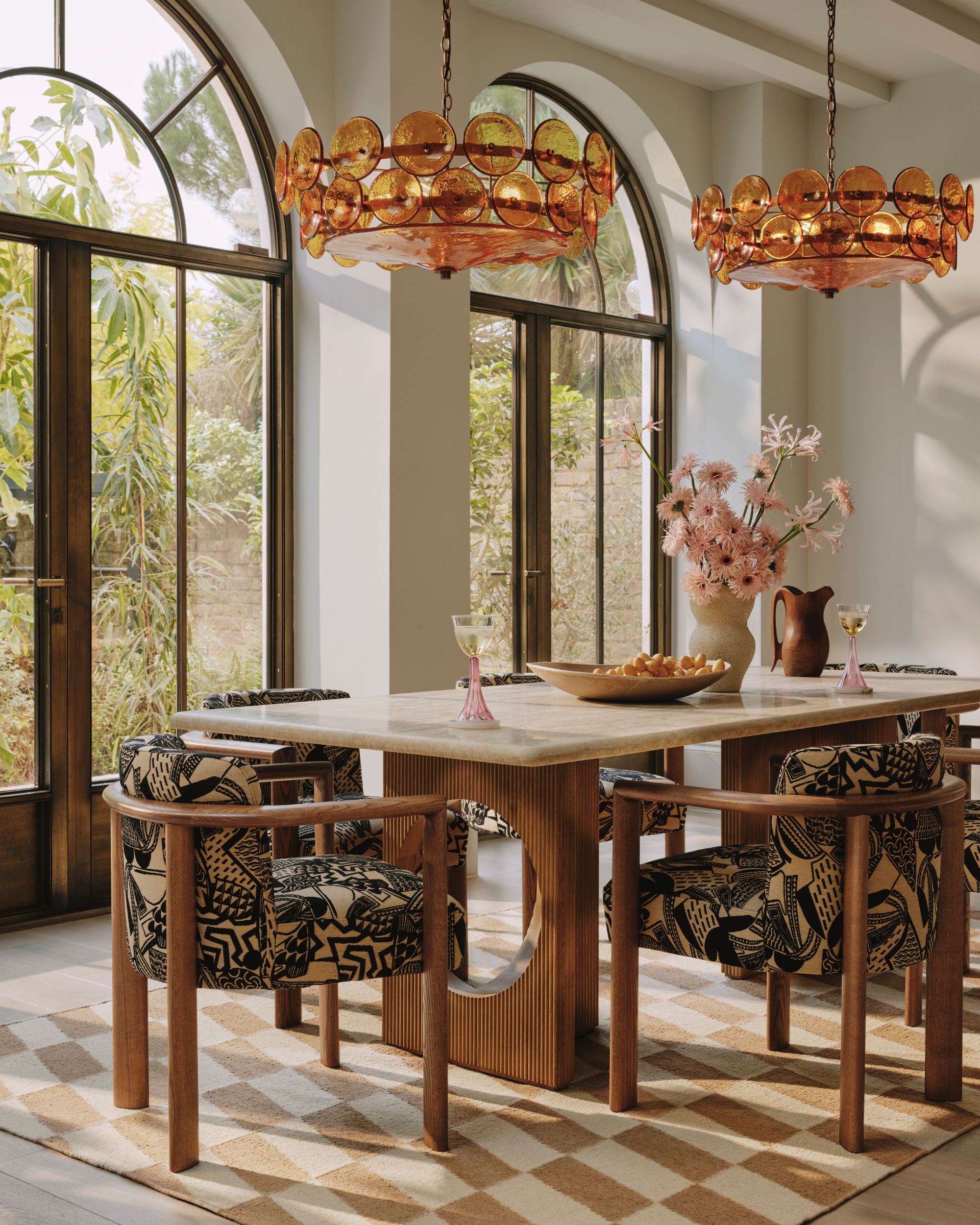
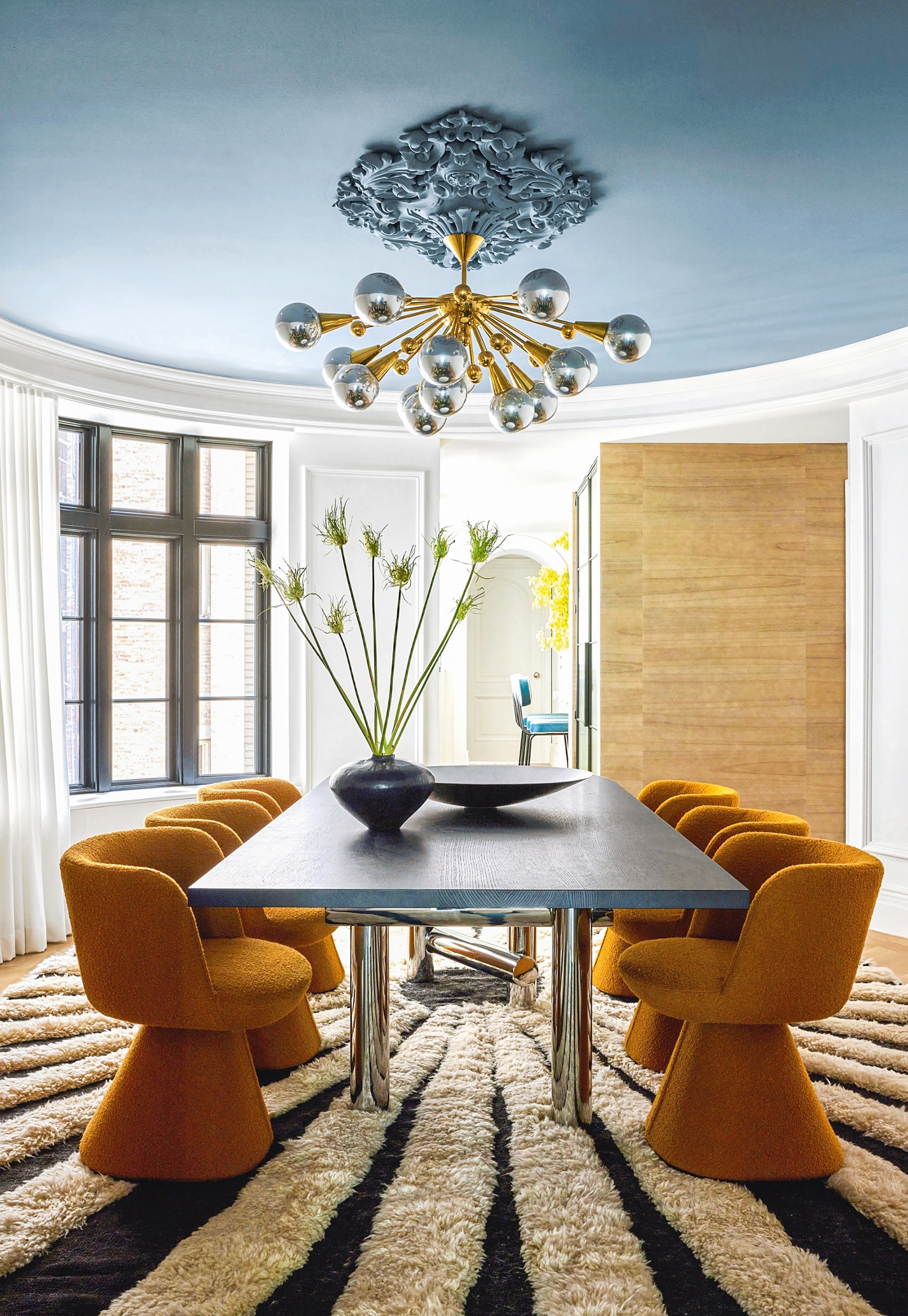
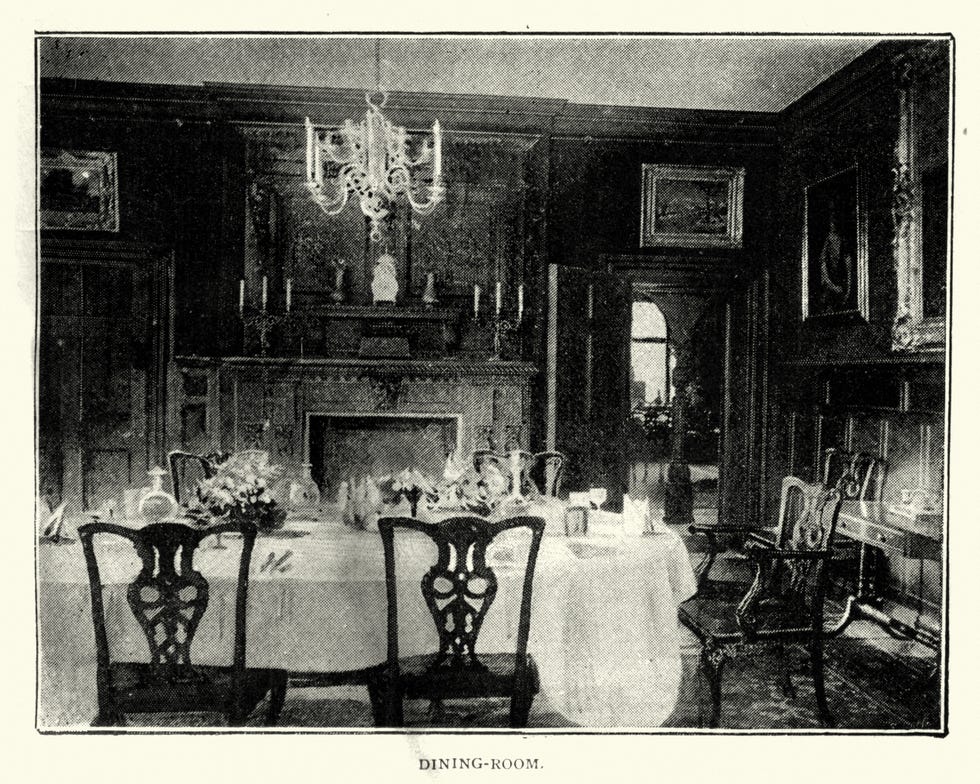
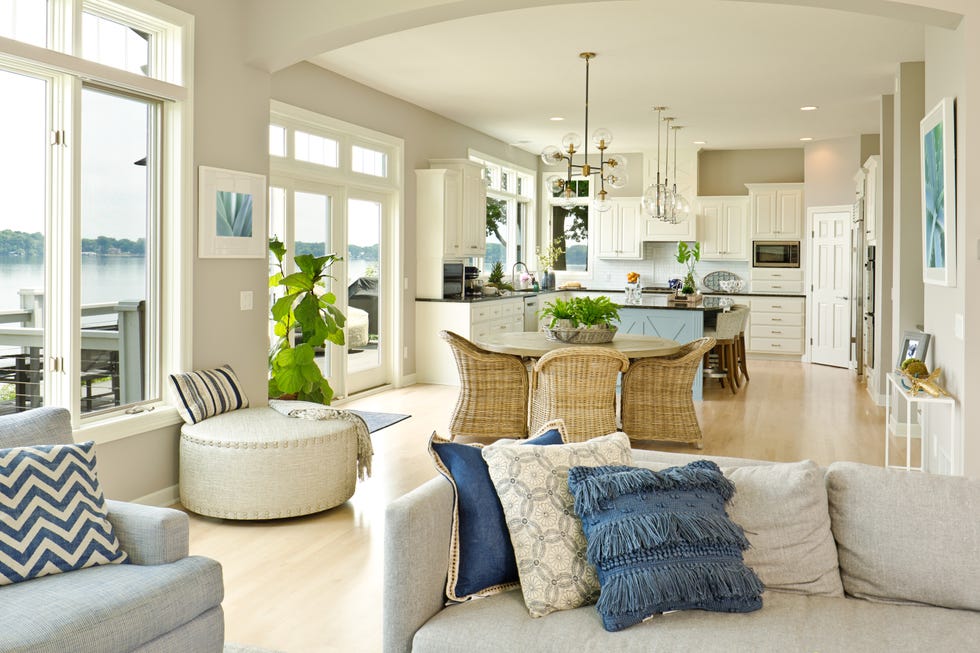
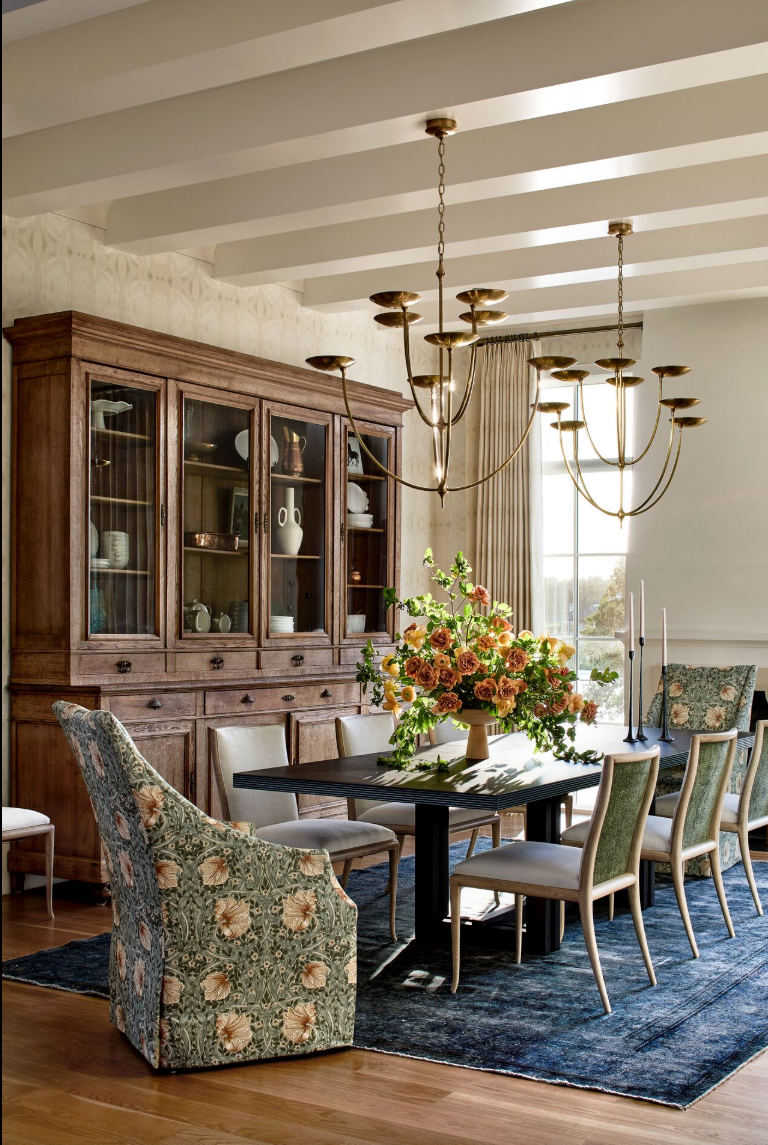
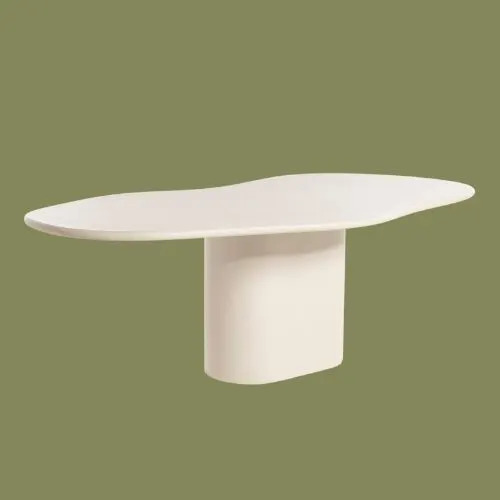
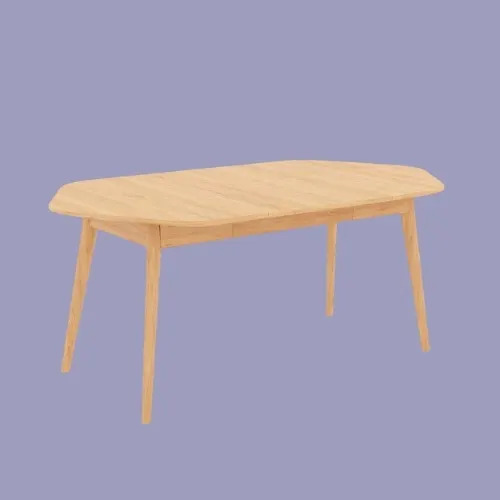
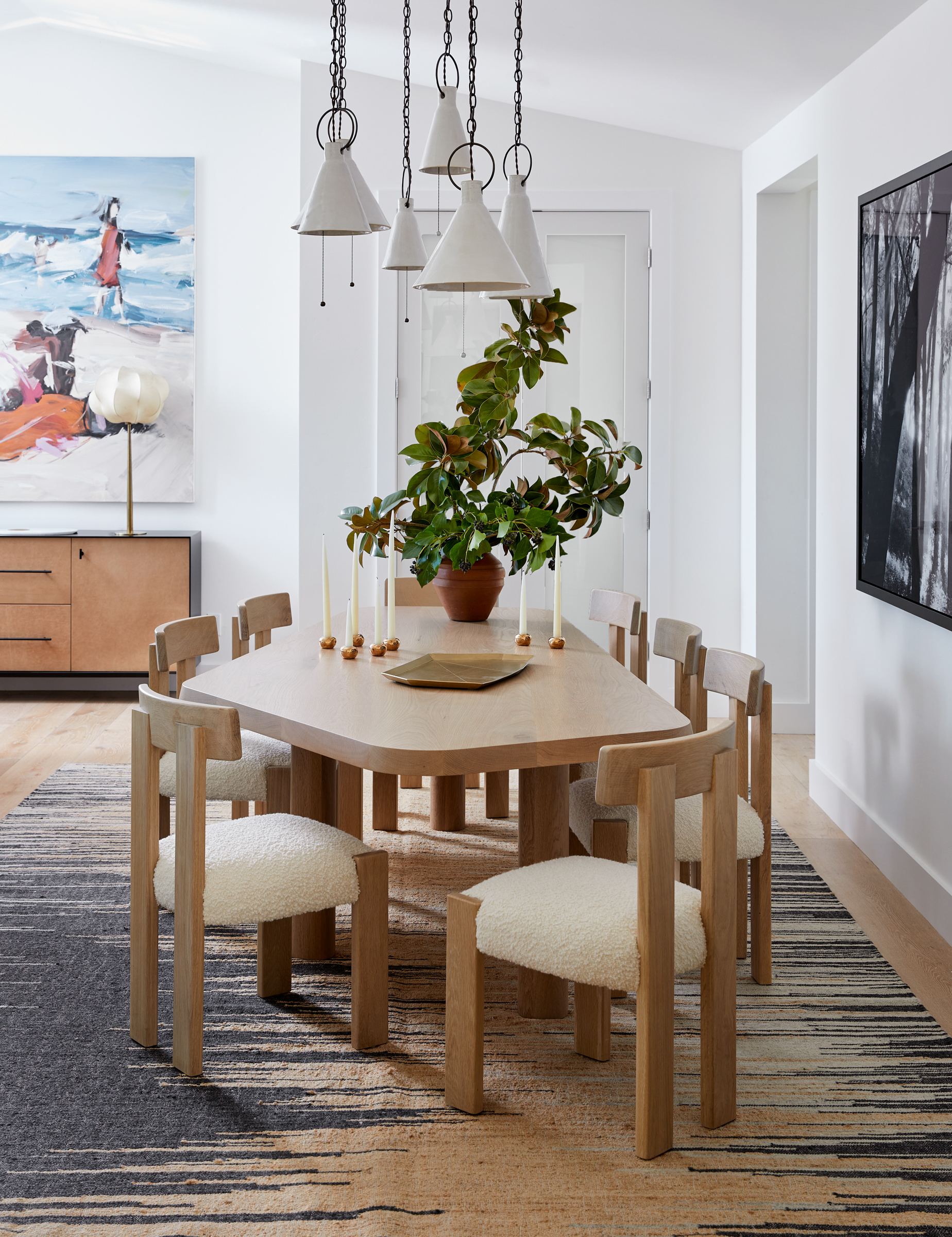
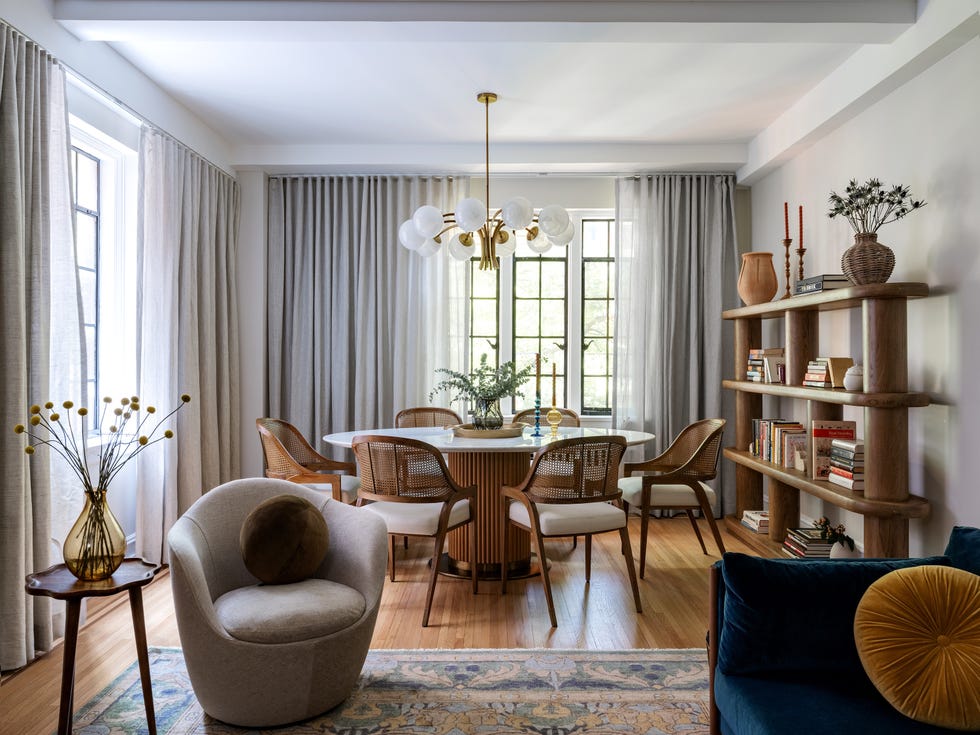
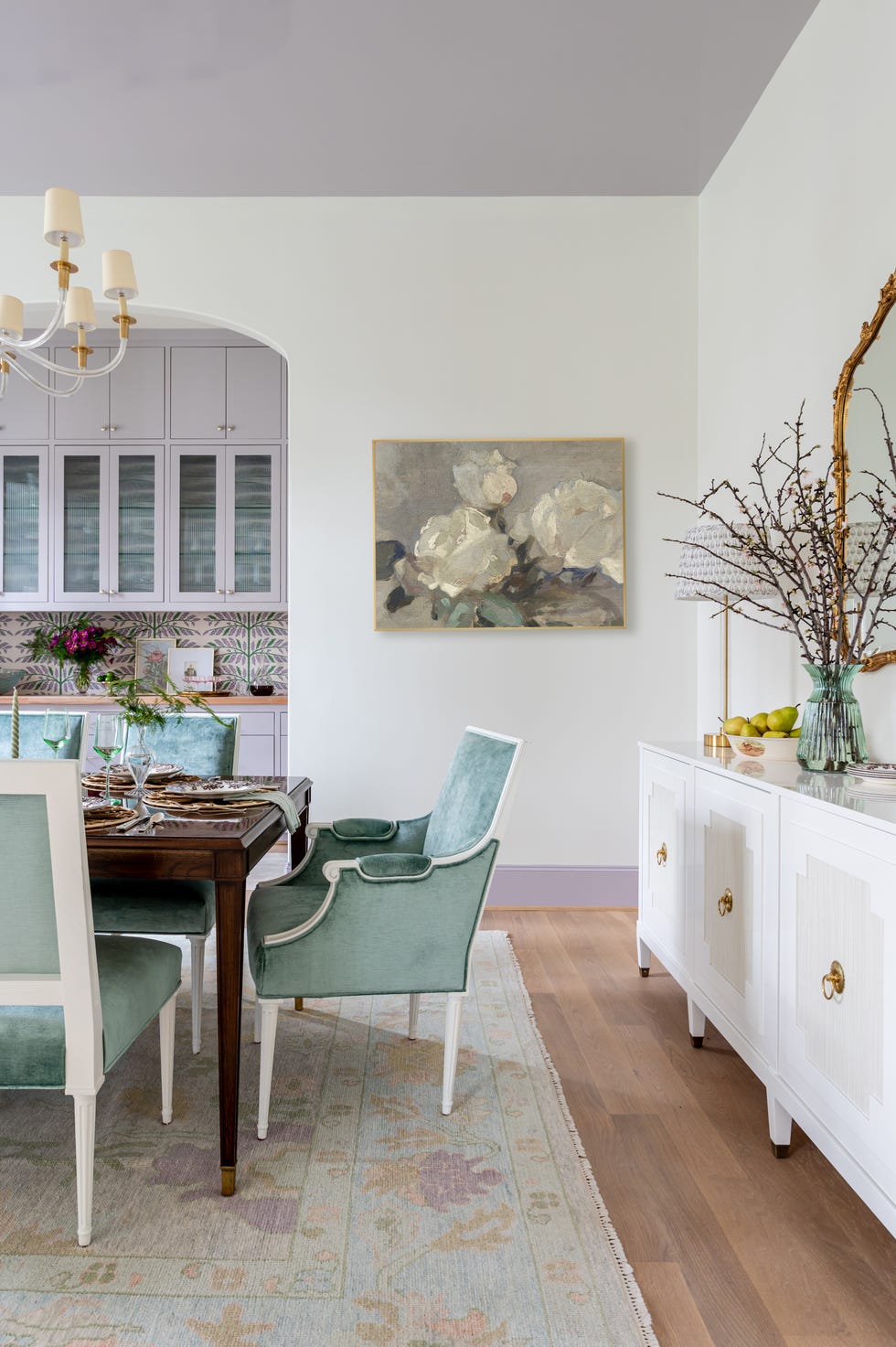
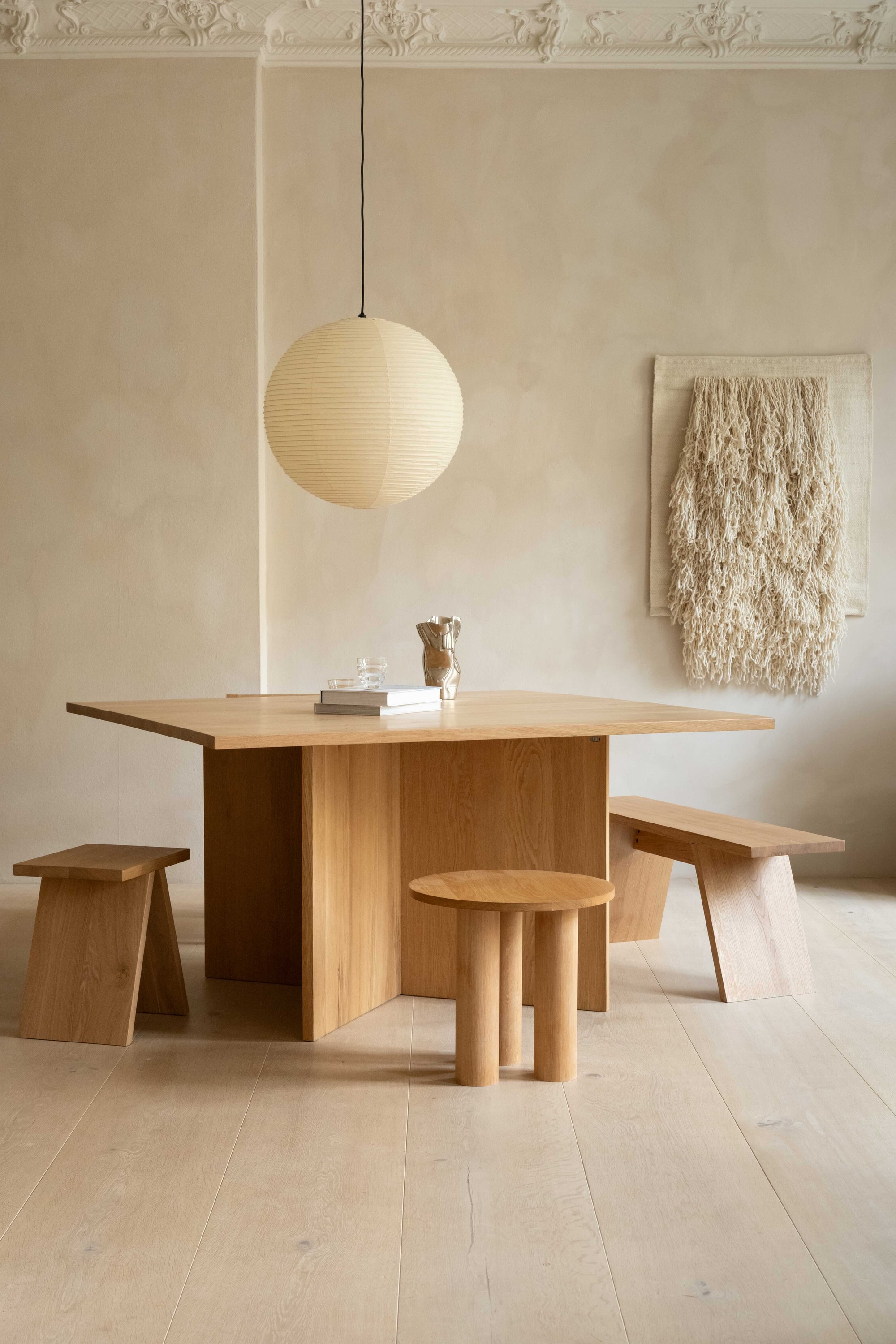
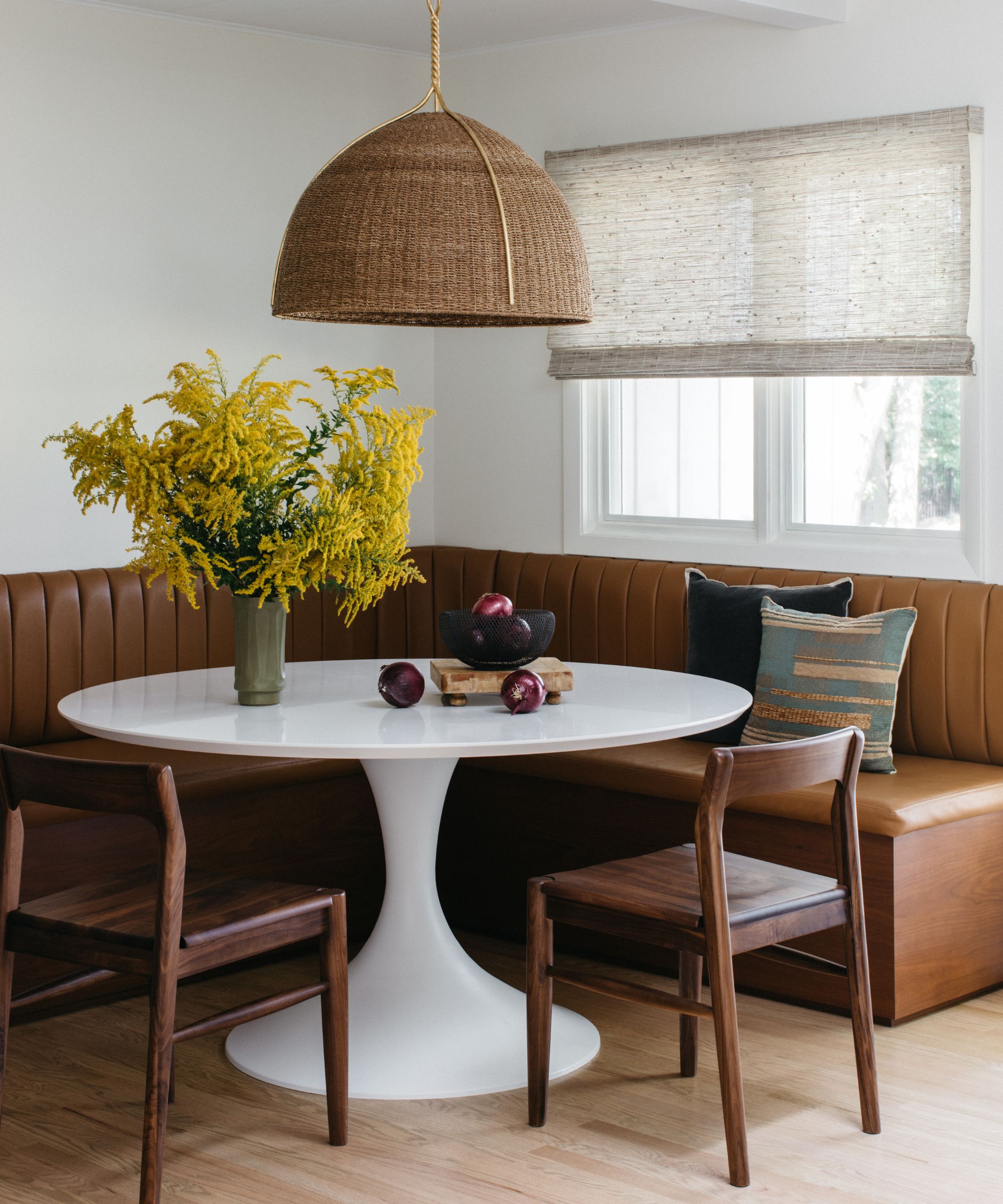
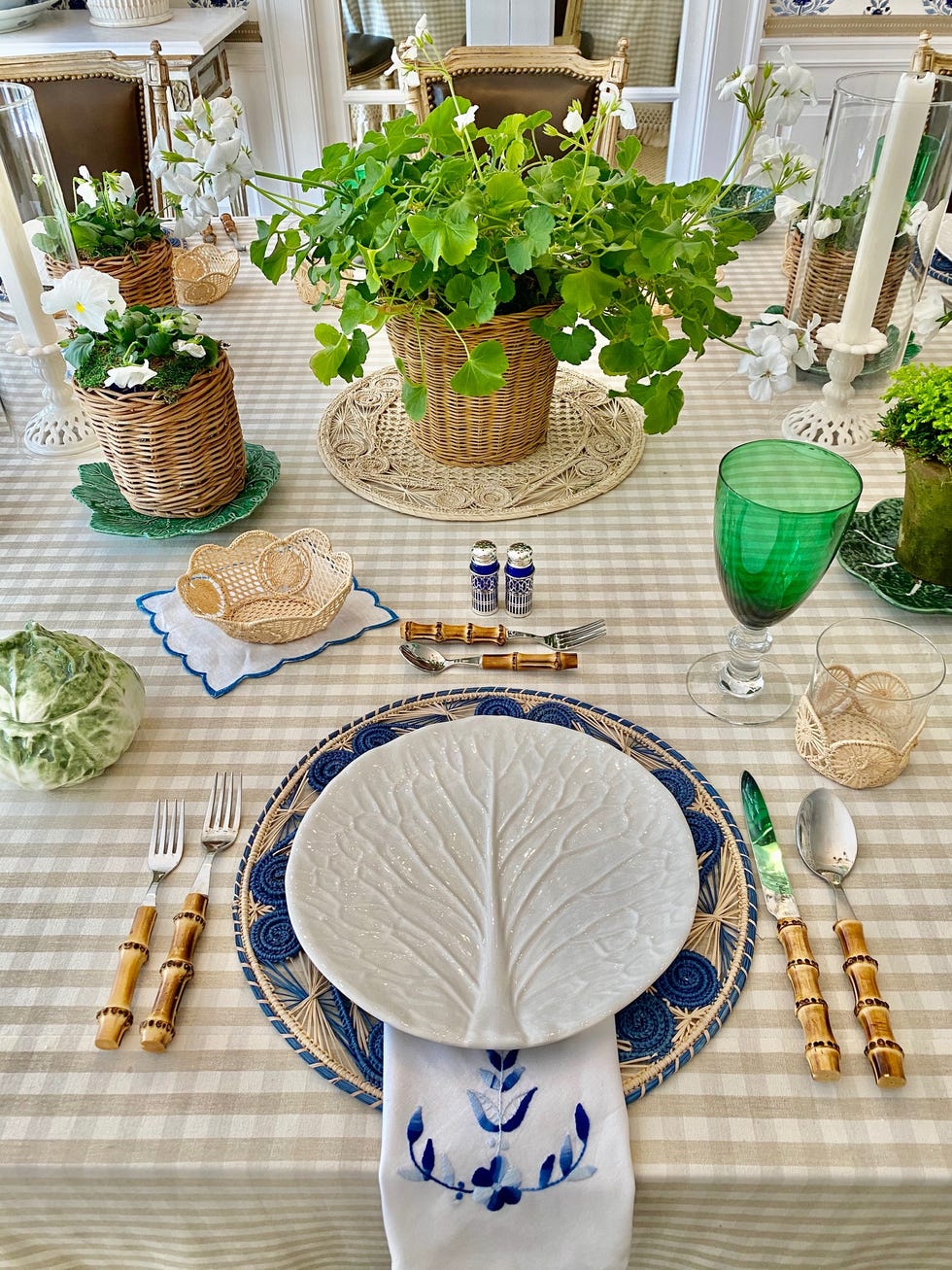
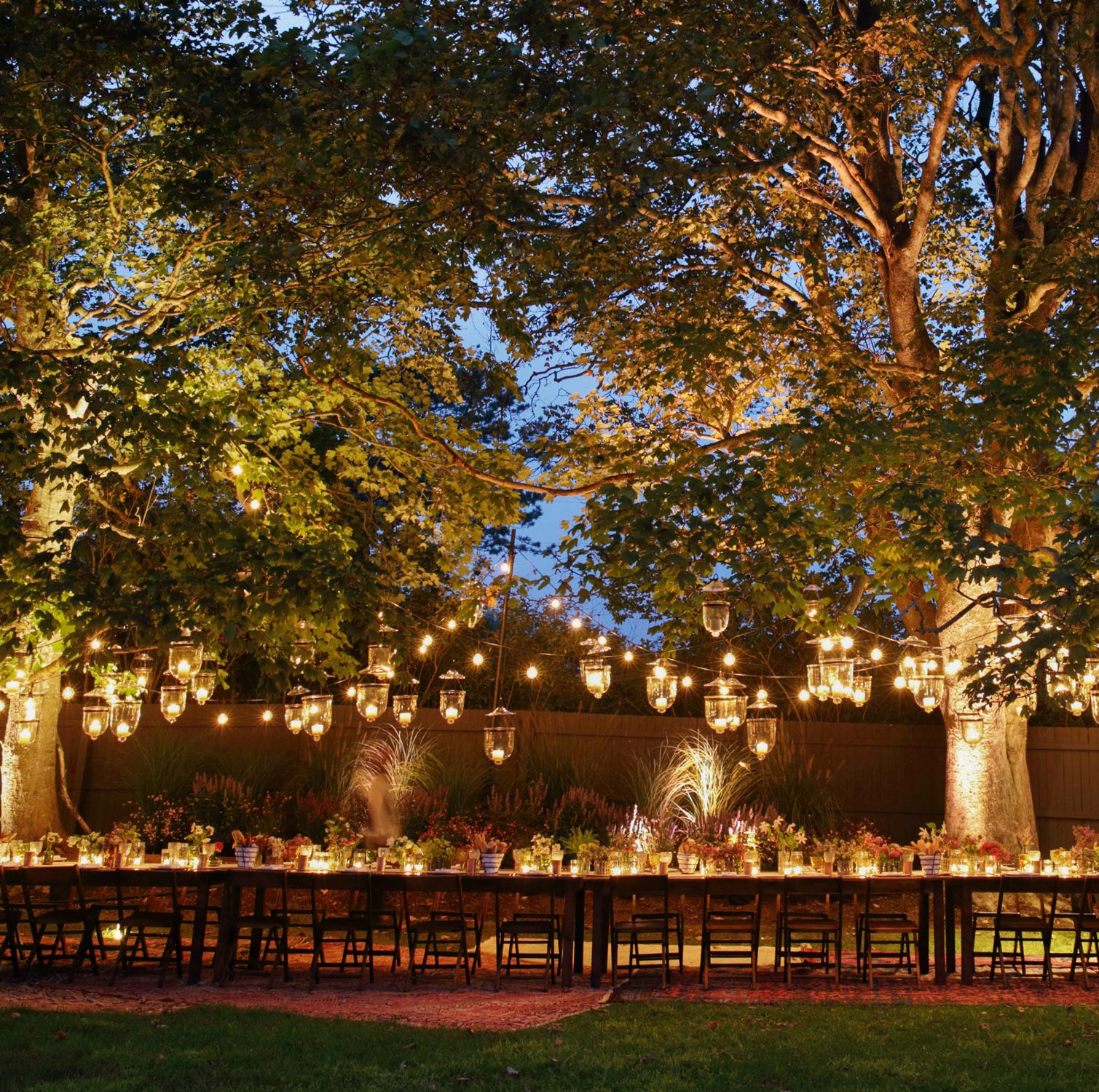
The article explores the ongoing debate in interior design and event planning regarding the optimal shape for dining tables, specifically focusing on whether the popularity of long, rectangular tables on platforms like Instagram has diminished the relevance of the traditional round dining table. For years, the round table was considered the quintessential choice for dinner parties due to its inherent qualities of fostering intimacy and facilitating conversation, as no guest is ever truly at the 'end' of the table. However, social media feeds are now dominated by images of elaborately decorated, elongated tables, often adorned with extensive floral arrangements and candles, suggesting a shift in aesthetic preference and entertaining styles.
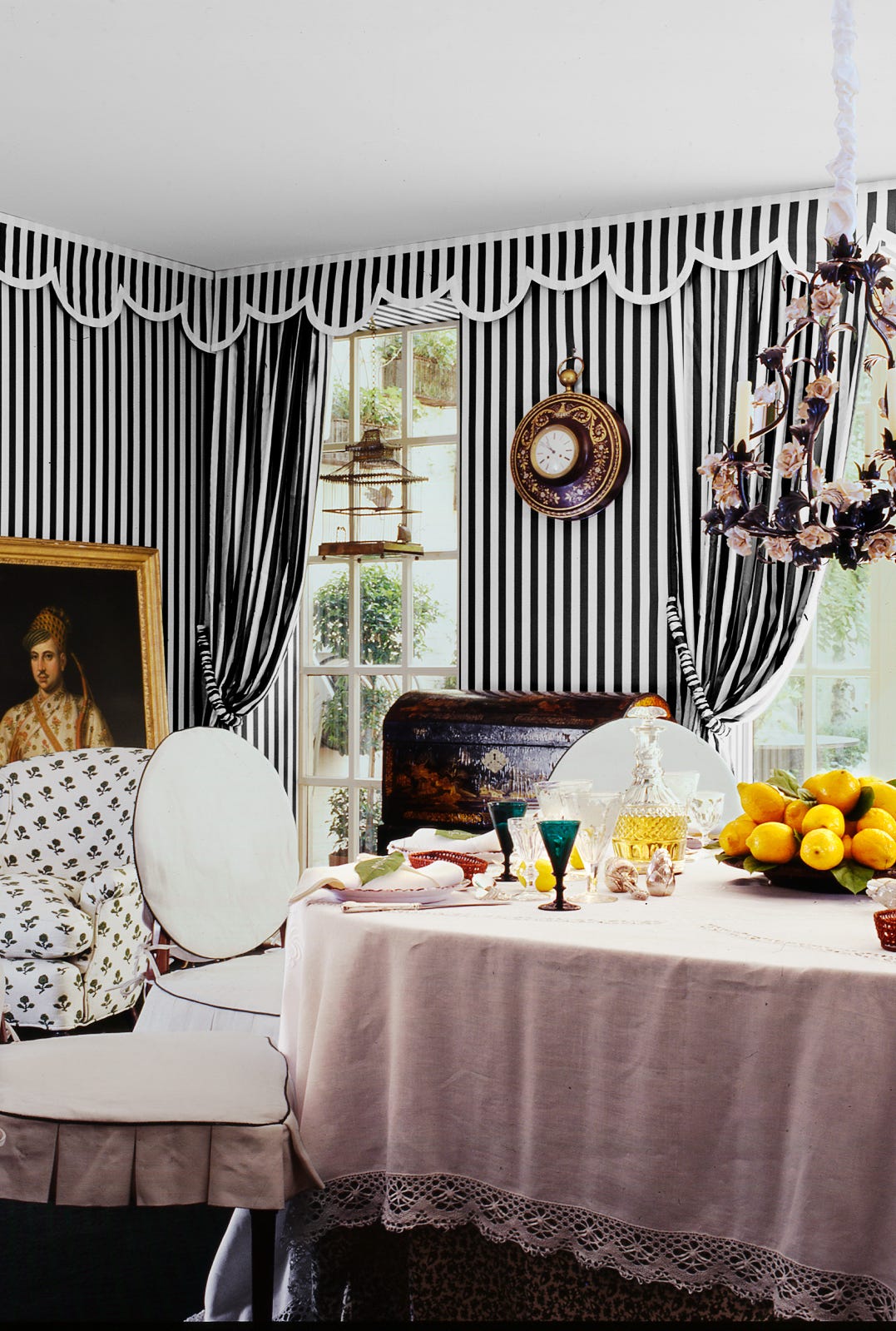
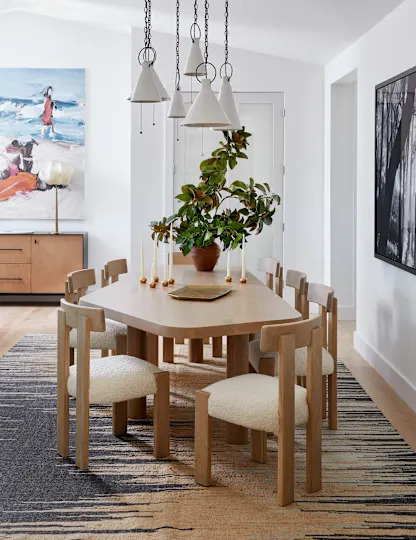
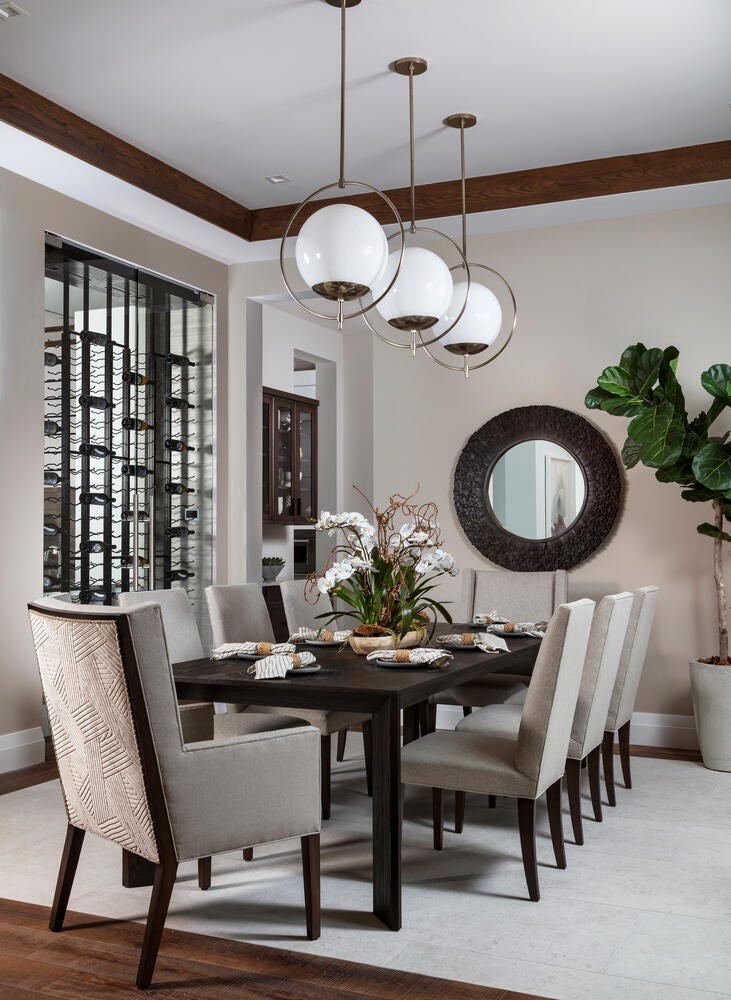
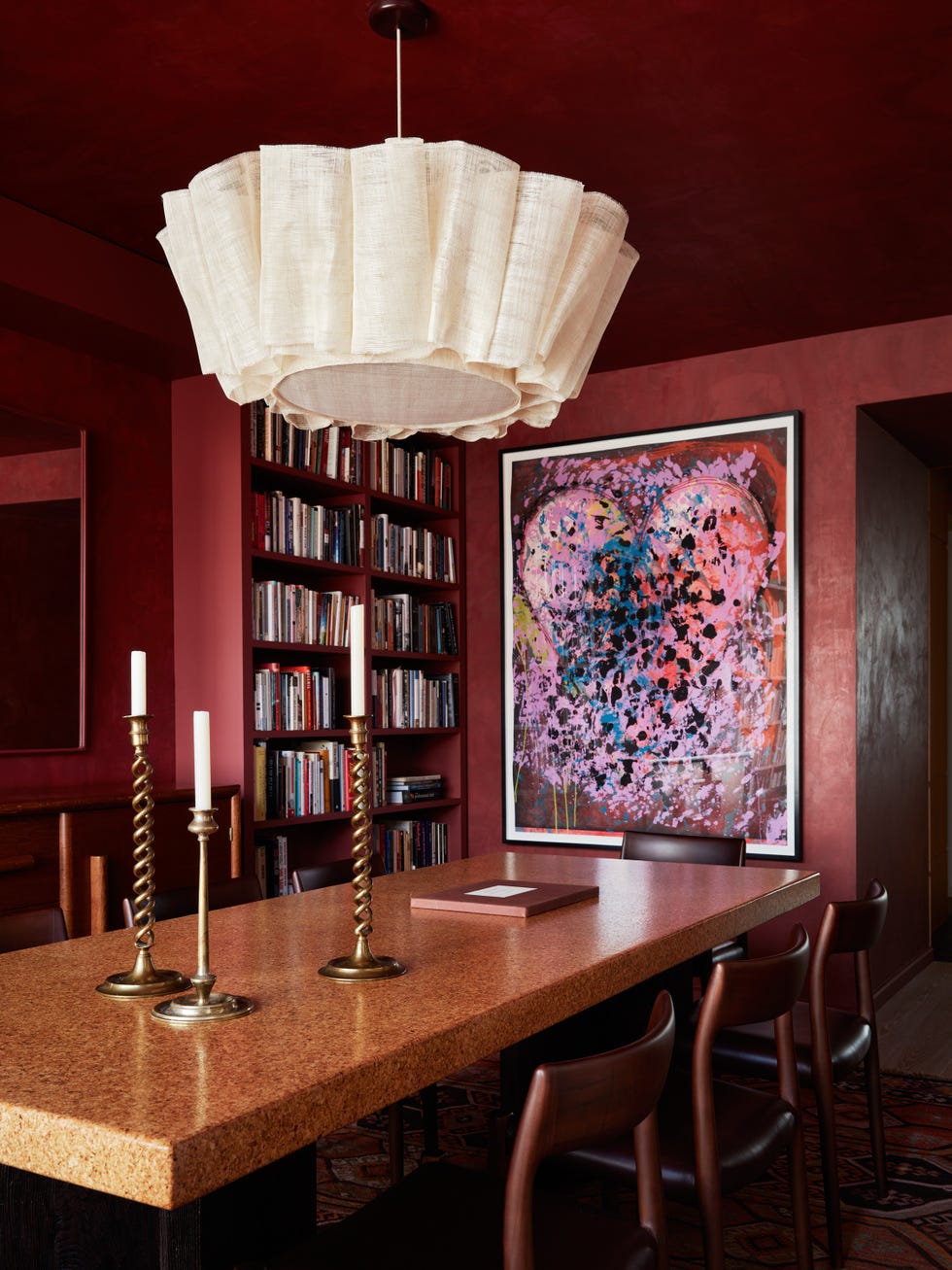
Several prominent designers and event planners offer their perspectives on the matter, revealing a divided opinion. "Team Rectangle" advocates, such as interior designer Charlotte Moss and celebrity party planner David Monn, favor rectangular tables, especially for gatherings of 10 to 14 guests. Moss finds them ideal for her preferred party size, while Monn believes they enhance connection by allowing guests to interact with people on their left, right, and across from them. Event planner Bryan Rafanelli also supports rectangular tables, highlighting their decorative versatility and dramatic visual impact. He notes that rectangular tables offer more creative possibilities for themes and decor compared to round tables, which he associates more with formal events like weddings and galas.
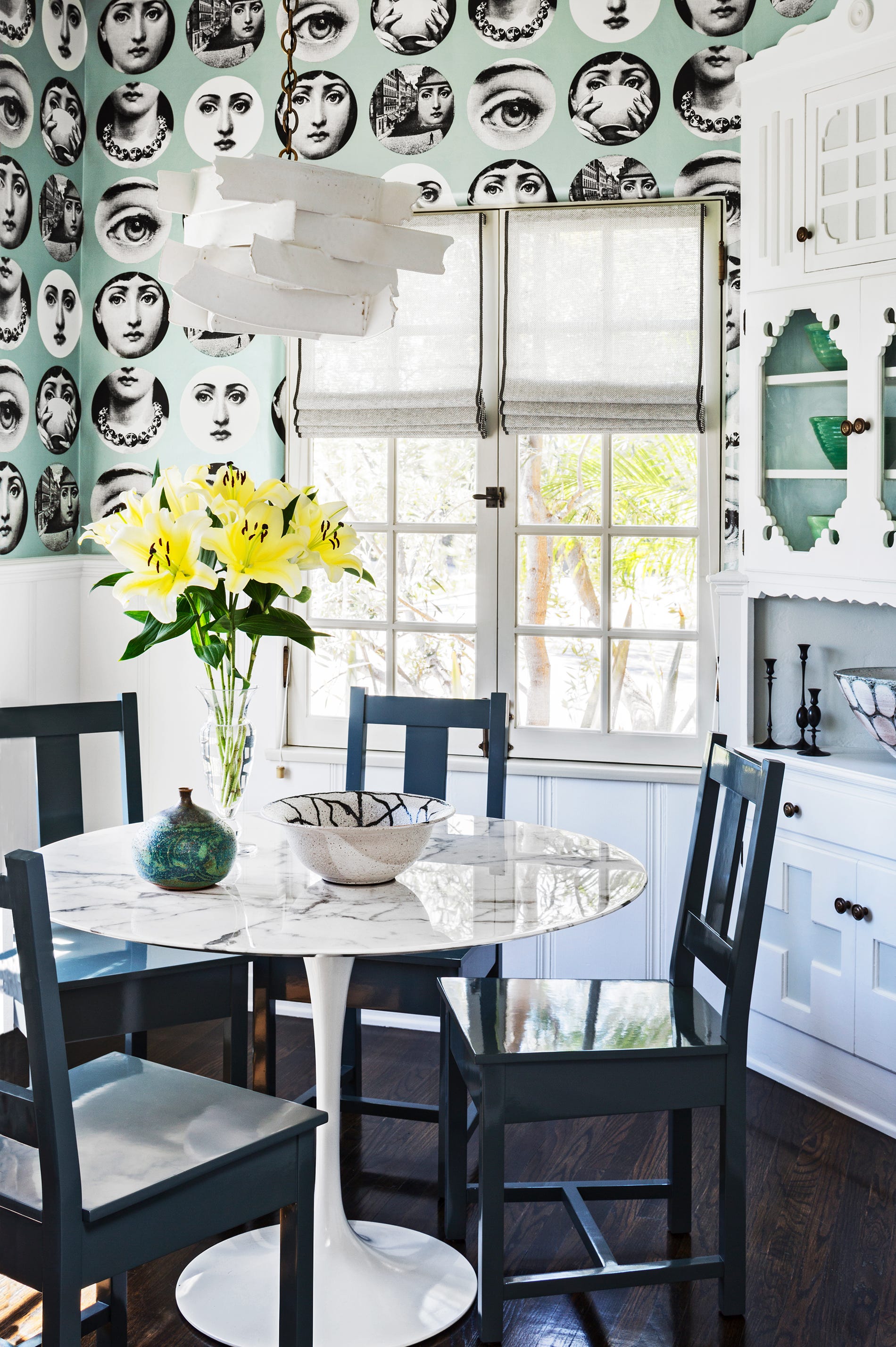
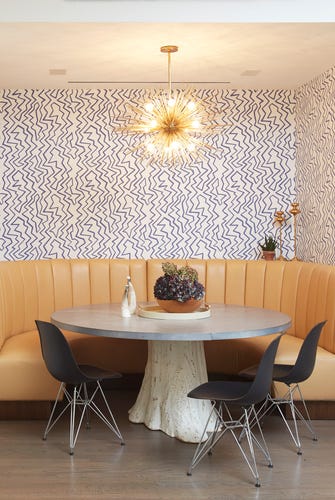
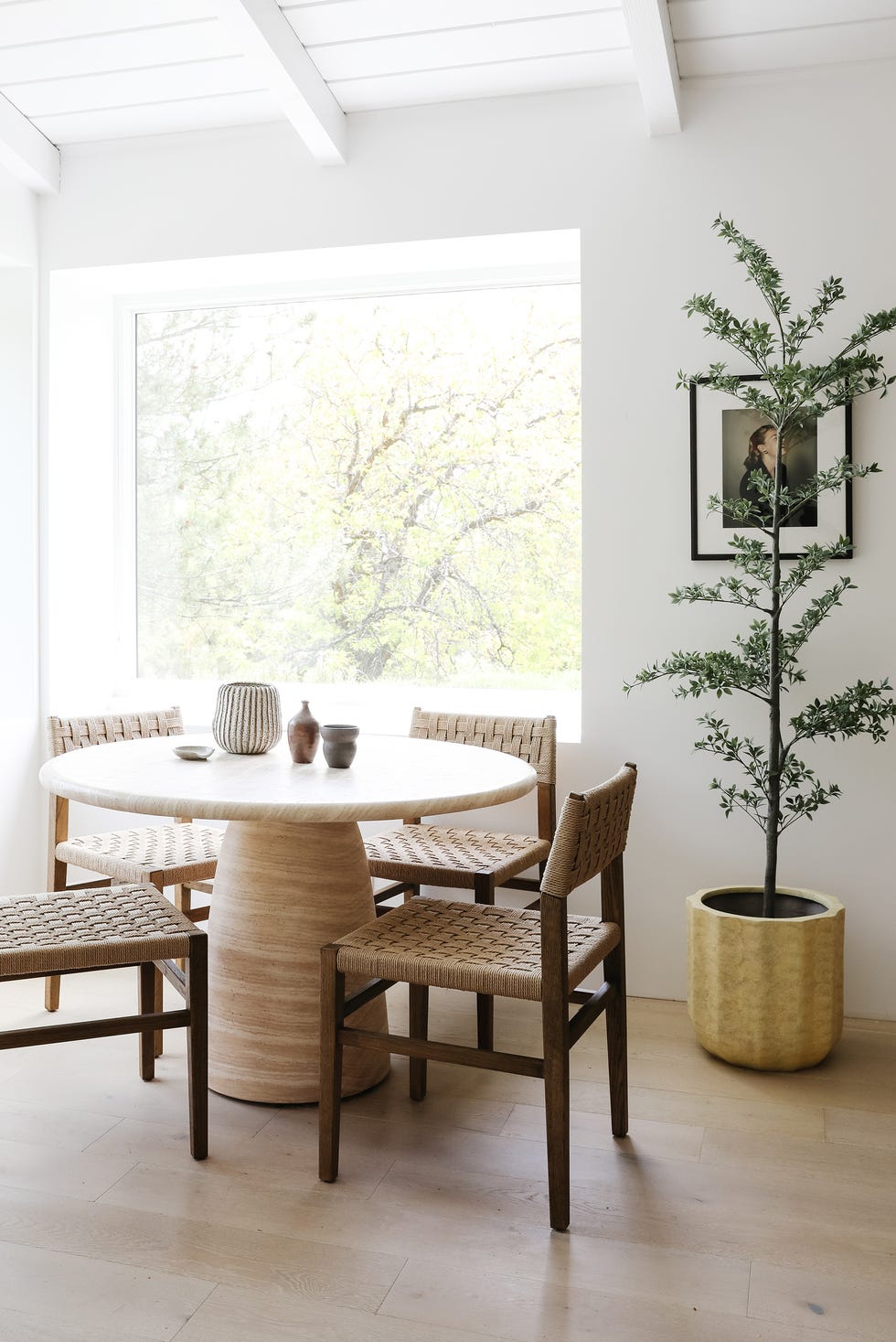
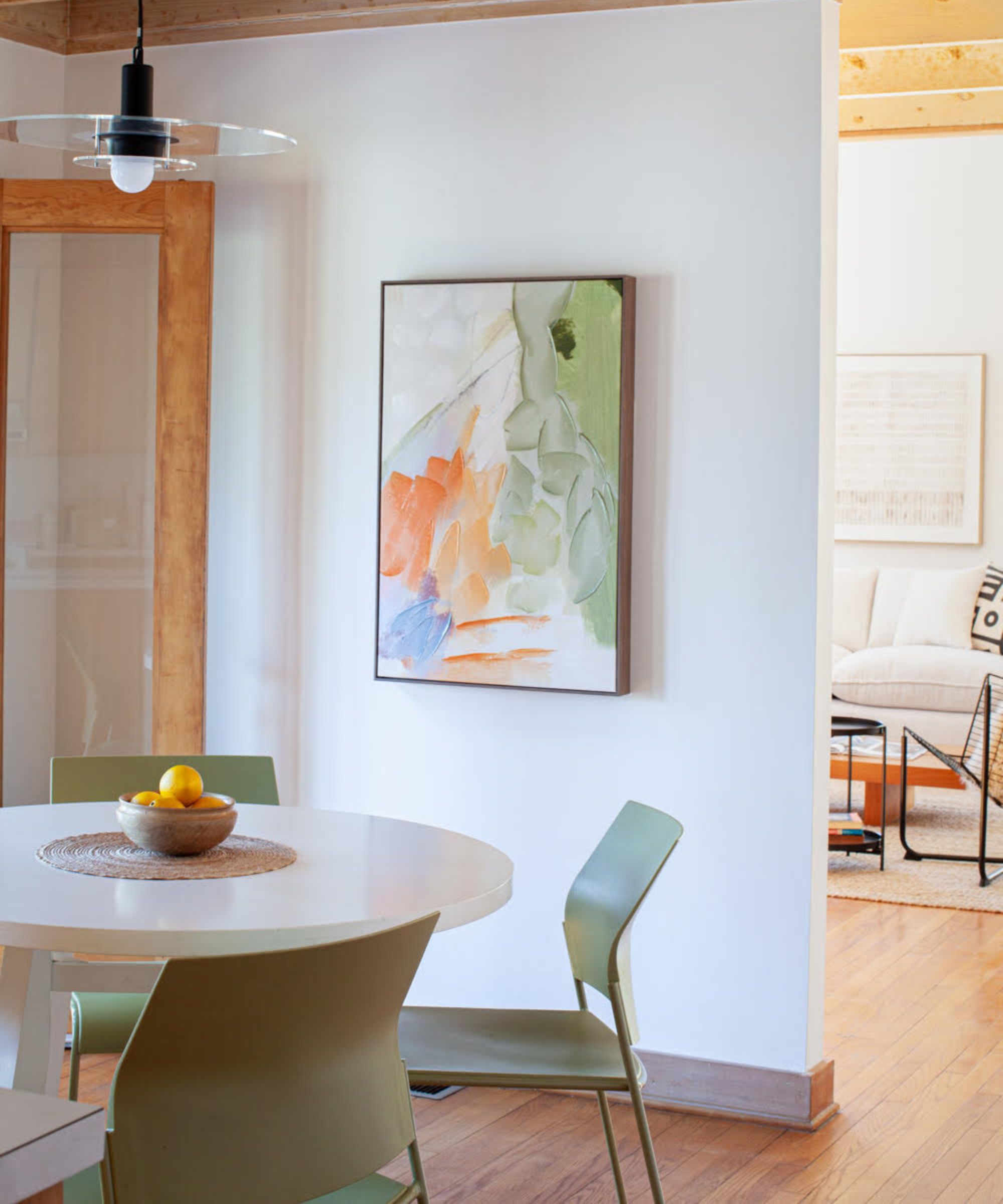
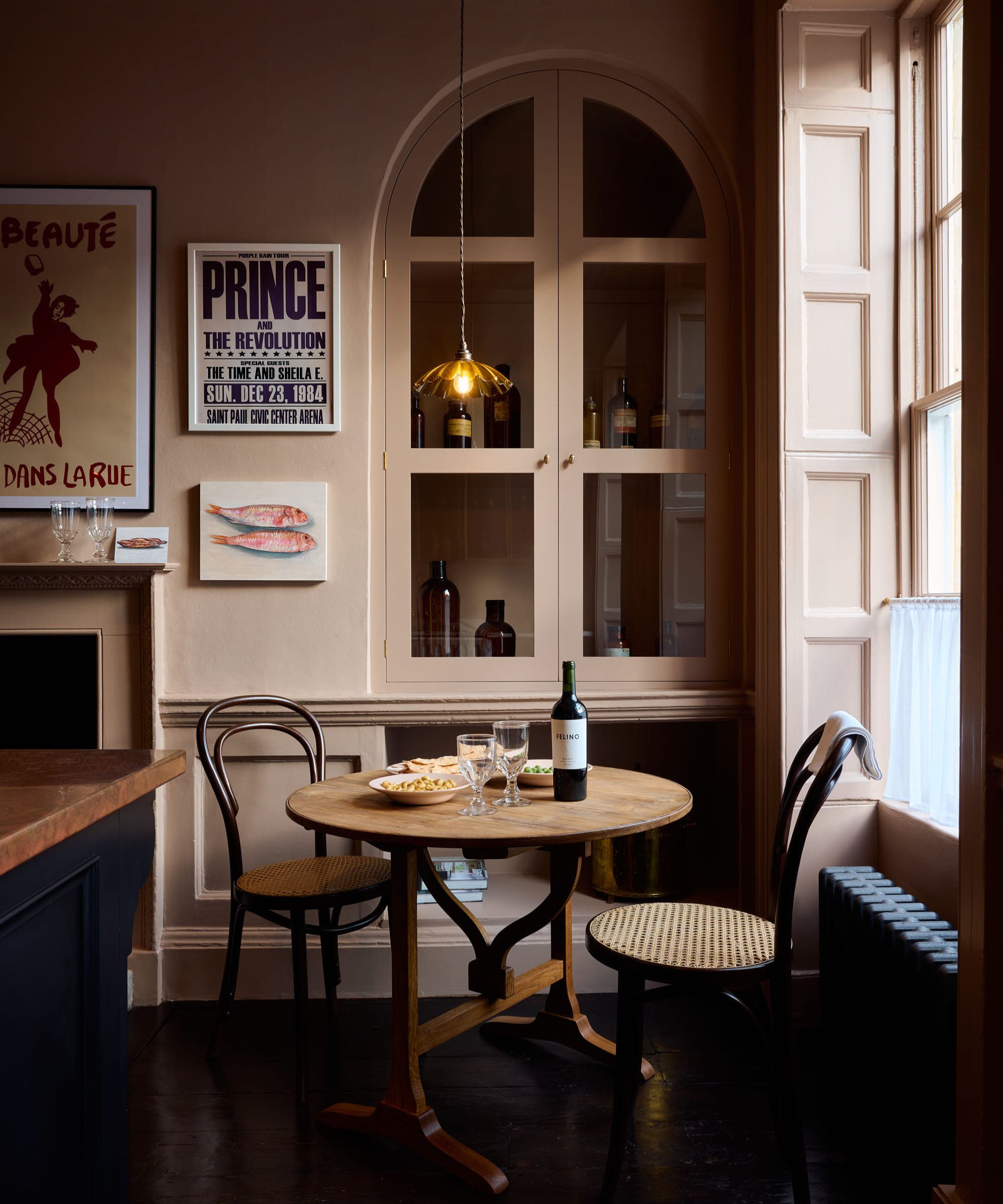
Conversely, "Team Round" proponents argue for the enduring appeal and functional superiority of circular tables. Designer Carolyne Roehm champions the round dining table, particularly for its ability to promote inclusive conversation, where all guests can easily participate without needing to shout across a long expanse. She also emphasizes the 'democratic' nature of a round table, ensuring no one feels marginalized at an 'end' position. Interior designer David Netto echoes this sentiment, recalling a preference for intimacy over grand, elaborate setups. Production designer Bronson van Wyck suggests round tables are better suited for more casual occasions, as they allow hosts to bypass hierarchical seating arrangements and encourage a single, unified conversation among guests. However, van Wyck adds a caveat: for very large rooms, a long rectangular table or a mix of shapes might be necessary to avoid a stiff neck from trying to converse across a vast round table.
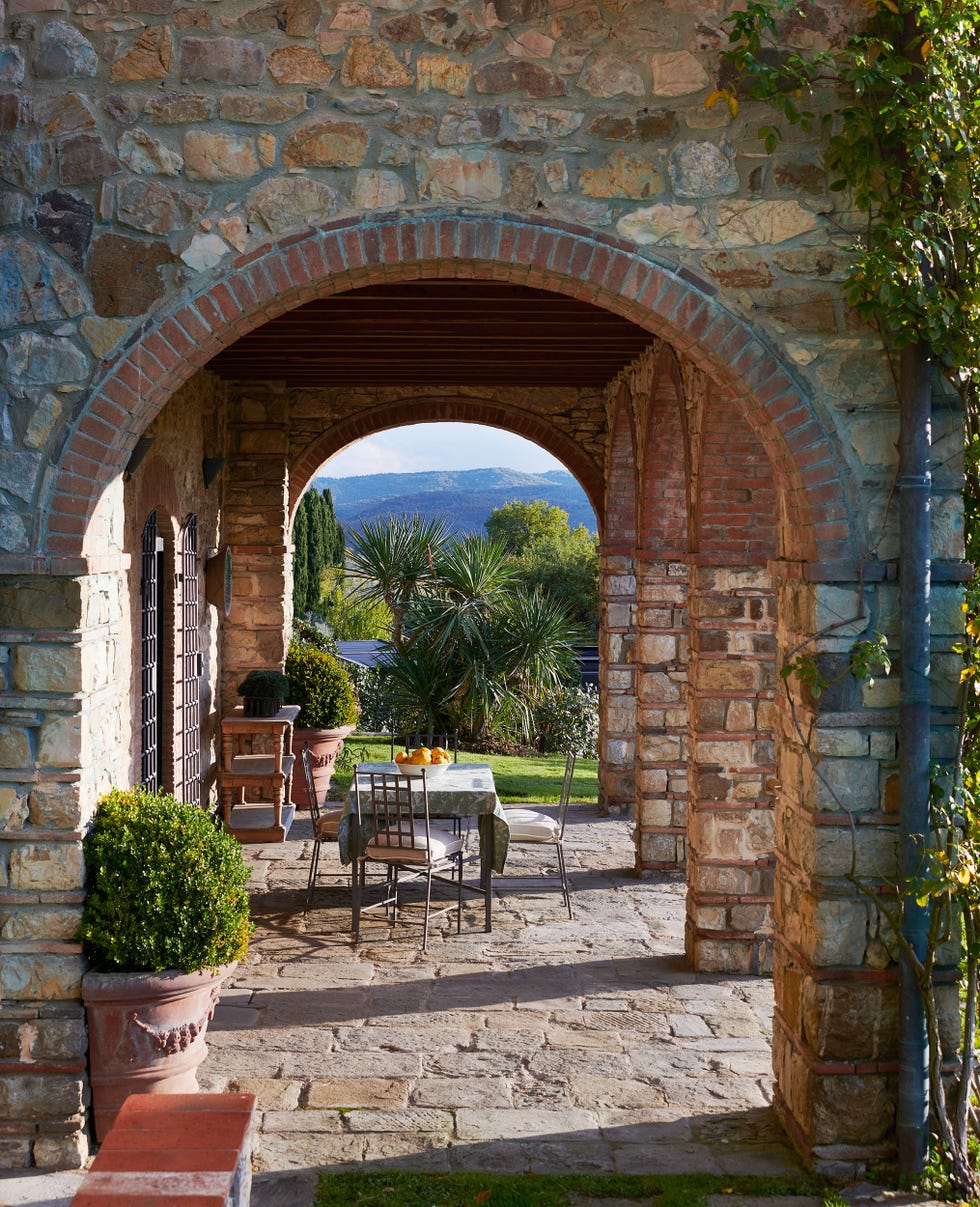
Ultimately, some experts lean towards a more flexible approach, suggesting that the choice of table shape should be dictated by the specific room, the desired ambiance, and the overall scene being created. Jung Lee of Fete NYC, for instance, advocates for using a combination of different table shapes, including squares, to craft dynamic and engaging environments. Interior designer Sasha Bikoff takes an even more unconventional stance, proposing alternatives like floor seating with carpets, poufs, and large trays to encourage a more eccentric and lively party atmosphere, moving away from traditional table-bound interactions altogether. This diverse range of opinions underscores that while Instagram might highlight certain trends, the 'death' of any particular dining table shape is far from definitive, with practical considerations and personal preferences continuing to play a significant role in entertaining choices.
#DiningTableTrends #HomeDecor #EventPlanning #InteriorDesign #EntertainingStyle #SocialMediaInfluence #TableSetting #DesignDebate #DiningTableTrends #HomeDecor #EventPlanning #InteriorDesign #EntertainingStyle #SocialMediaInfluence #TableSetting #DesignDebate
0 comment in total
 No comments yet
You may also like
Are Formal Dining Rooms Out of Style? Designer's Discuss

The Dining Room Design Trend That Elevates Every Dinner Party

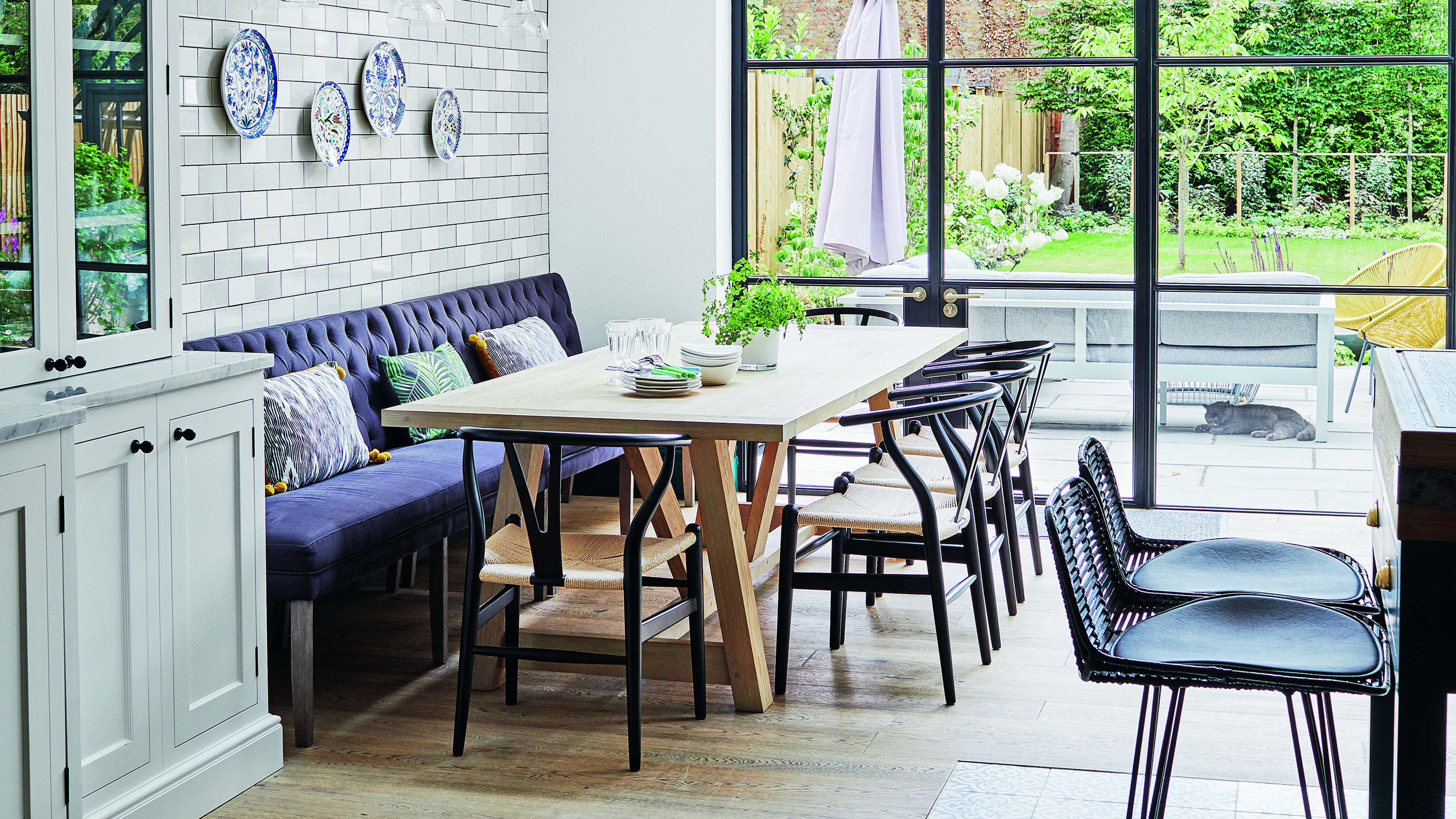
Is banquette seating replacing the kitchen island? Here's why this café-inspired look is trending in 2025
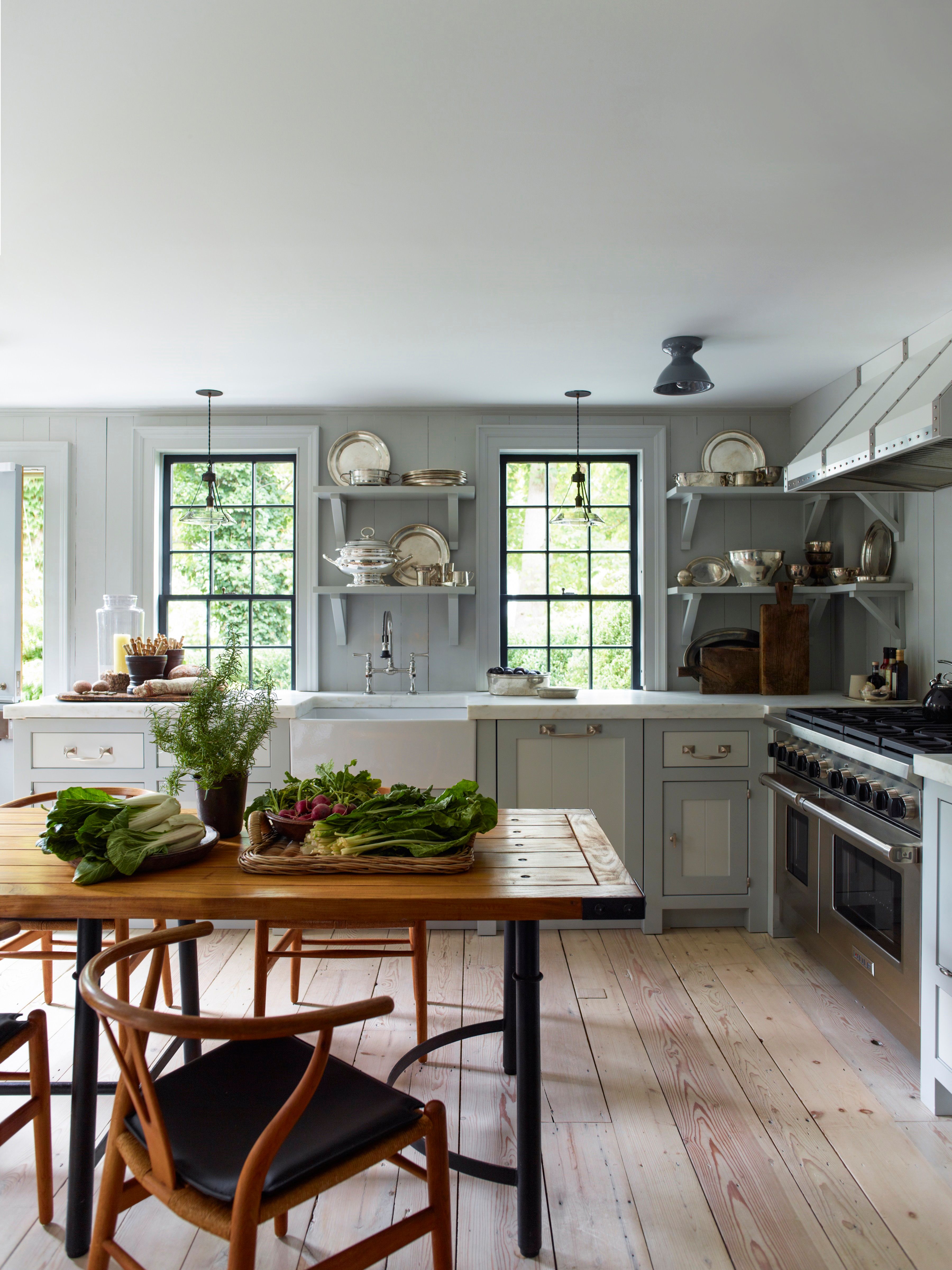
Move over, islands: Kitchen tables are making a comeback

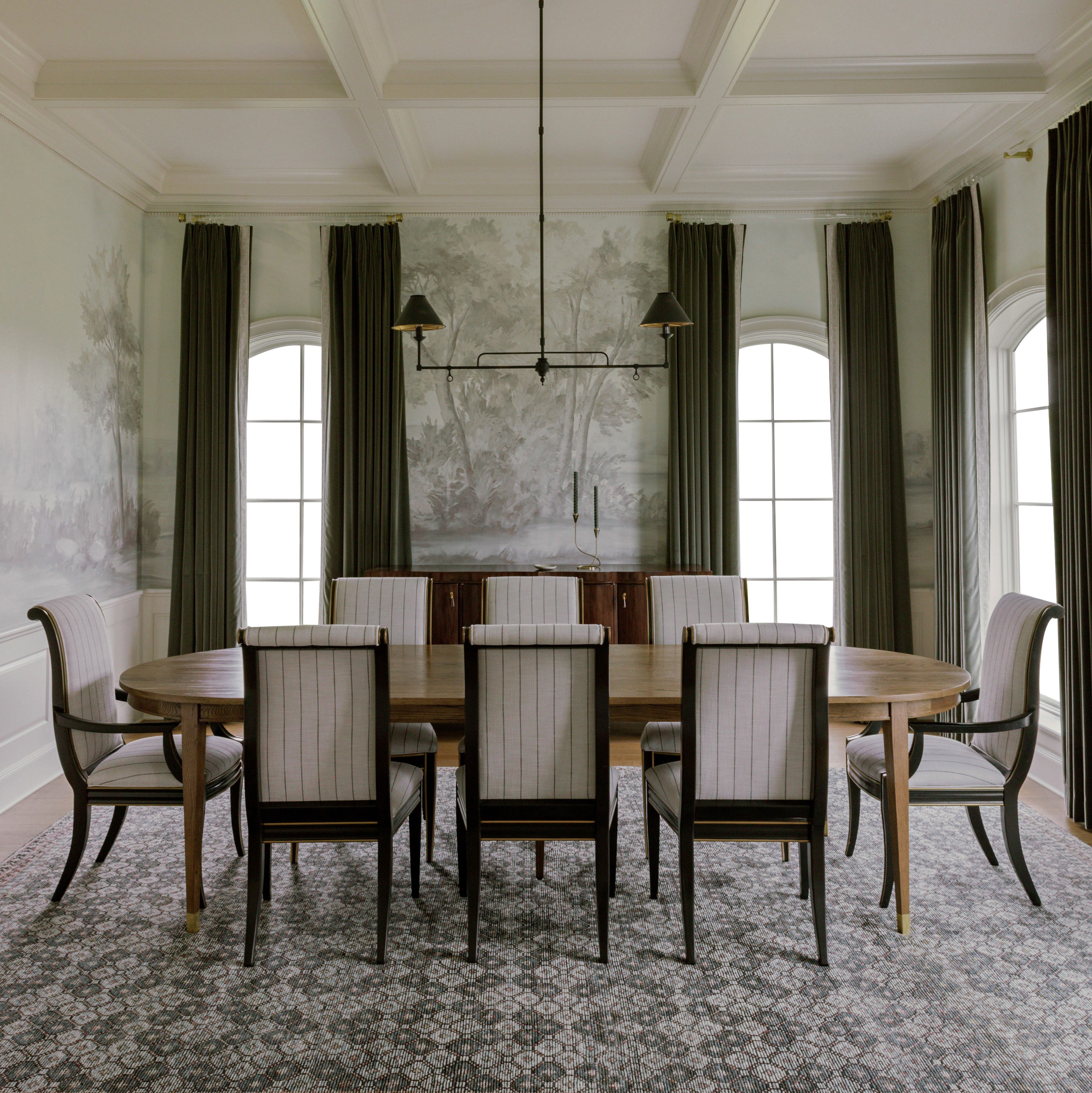
Are Formal Dining Rooms Coming Back? The Rise, Fall, and Resurgence of This Controversial Space
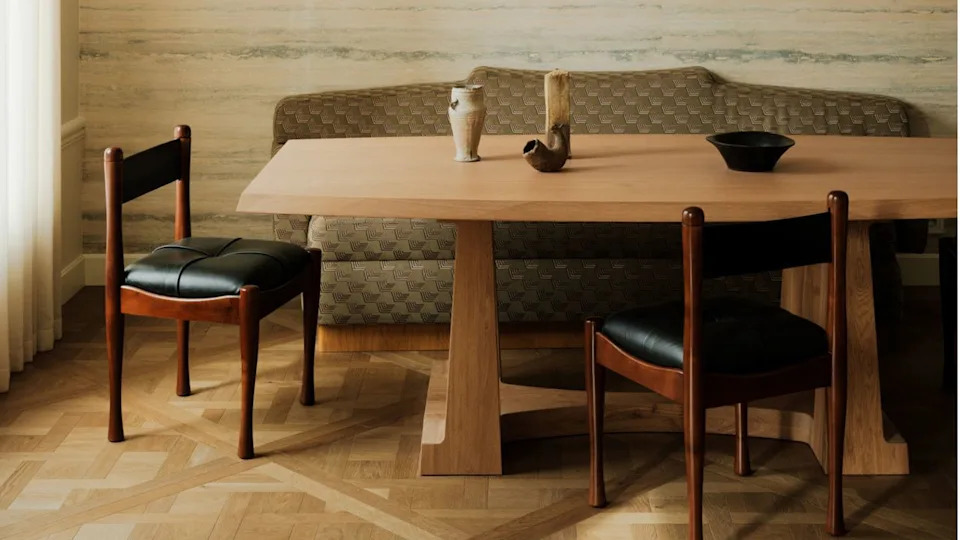
The Dining Table Trends for 2026 Have Been Set
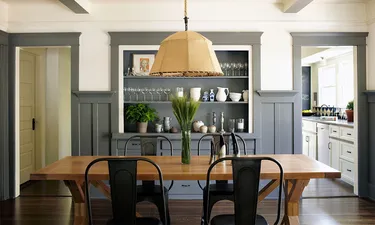
The Disappearing Dining Room: Out of Date or Overdue for a Comeback?
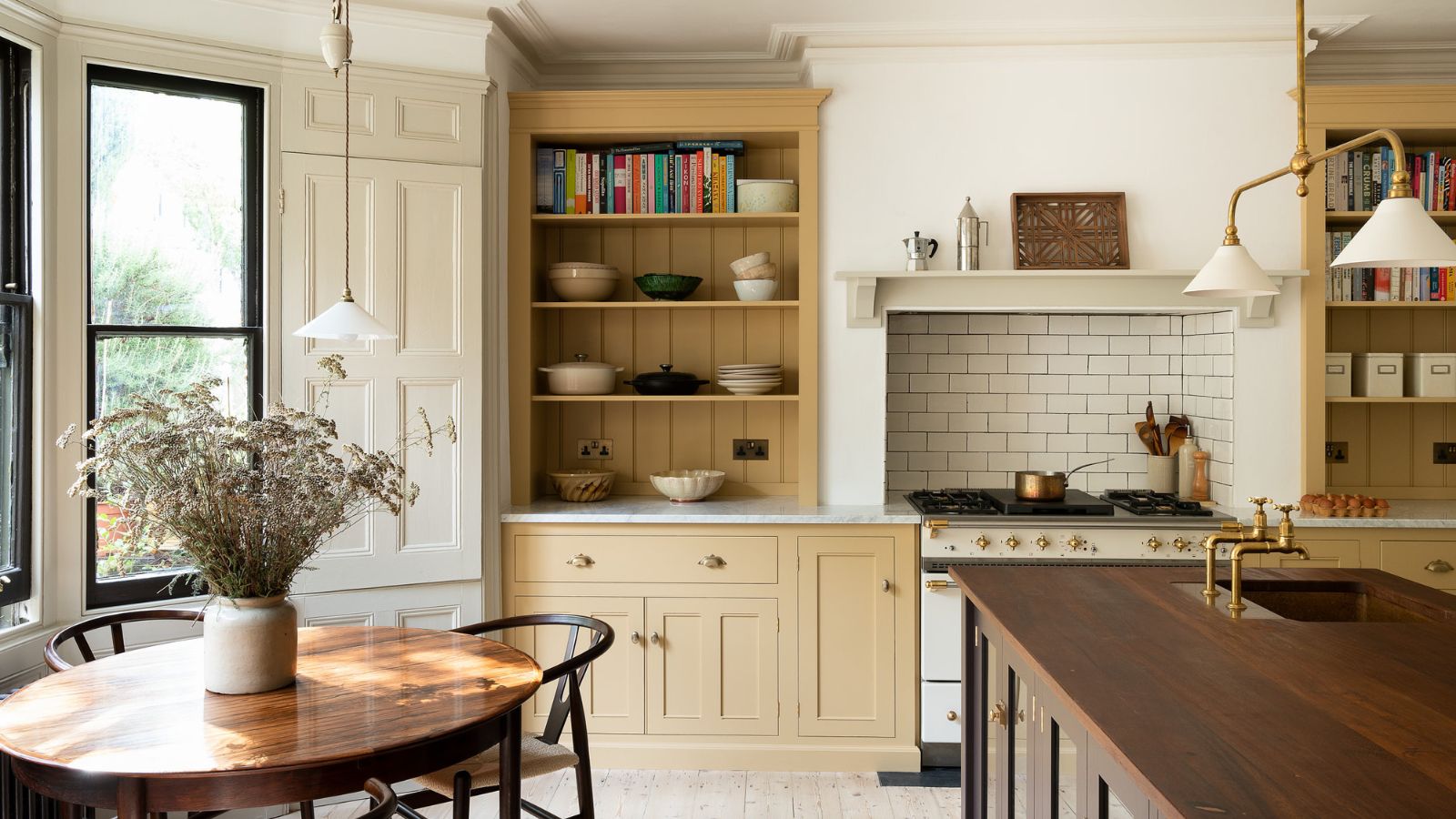
'Eat-in areas' are making a much-welcomed comeback – and designers say these compact dining spaces are perfect for even the smallest kitchens

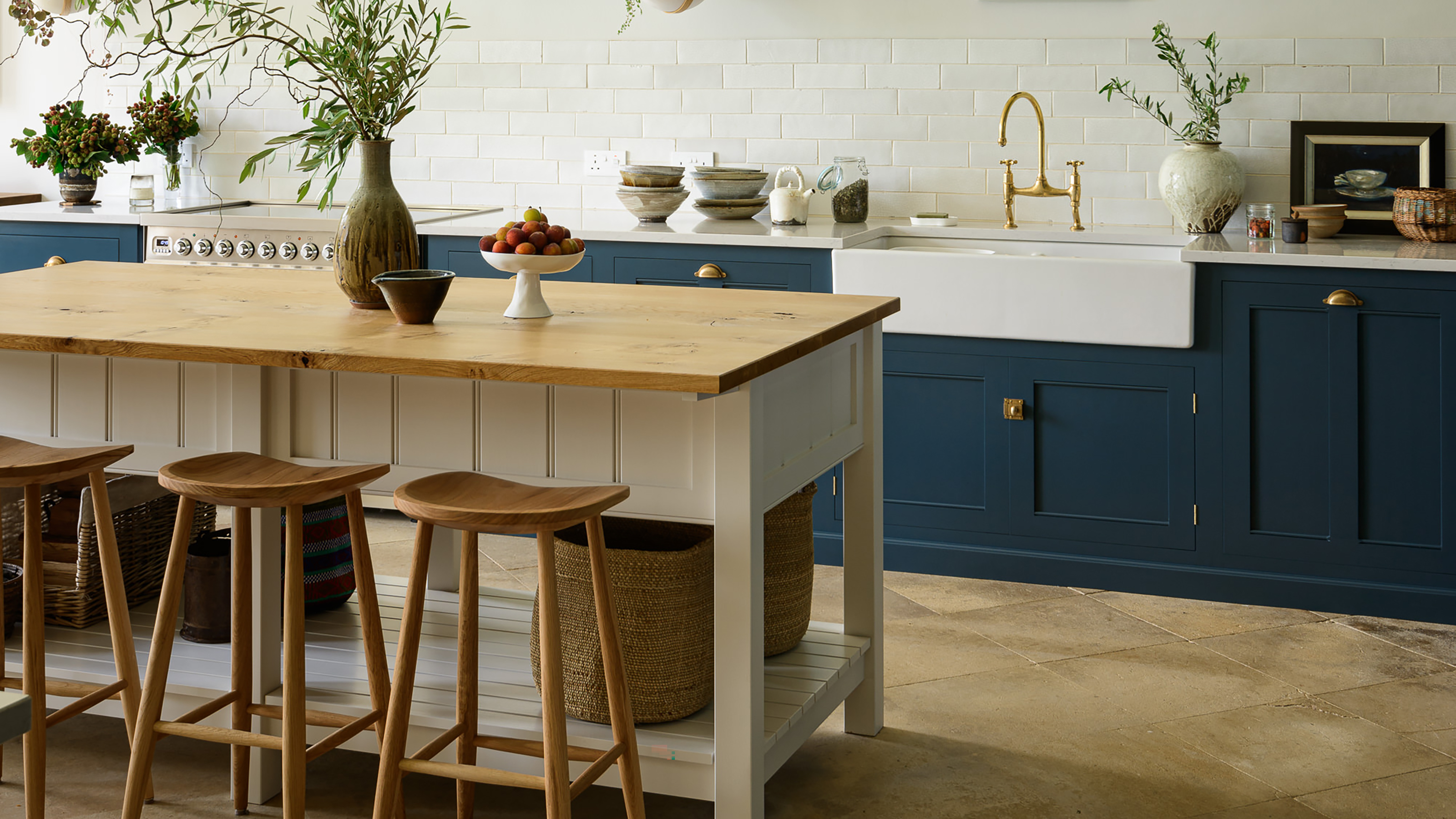
Are kitchen islands out? Kitchen experts agree that the prep table might be it's trendy replacement
Why Dining Rooms Are Disappearing From American Homes

Is the Formal Dining Room Over? Designers Share Their Honest Take

Why Is Everyone Obsessed With Food-Themed Aesthetics Right Now?
Are Traditional Dining Rooms a Thing of the Past? Here's What Designers Say

The Dining Table Trends for 2026 Have Been Set

Forget Chairs — This Dining Room Seating Trend Takes Your Space From Casual to Comfortable, Convivial, and Curated
Here’s How One of Our Fave Instagram Follows Sets Her Table at Home
This Dining Room Seating Trend Transforms Your Setup
Found: The Best Modern Dinnerware Sets to Style Your Spring Table

Café Core Is Taking Over Social Media — Here's What Designers Think of the Trend

Are Formal Dining Rooms Out of Style? Why Pro Designers Say They Might Make a Comeback