Ask the Experts: The Stone (and Tile) Age
The article explores the evolving landscape of hard surfaces, specifically tile and stone, for homeowners, highlighting the increasing range of choices available due to technological advancements. Experts in the field discuss current trends, new technologies, and practical advice for incorporating these materials into home design.
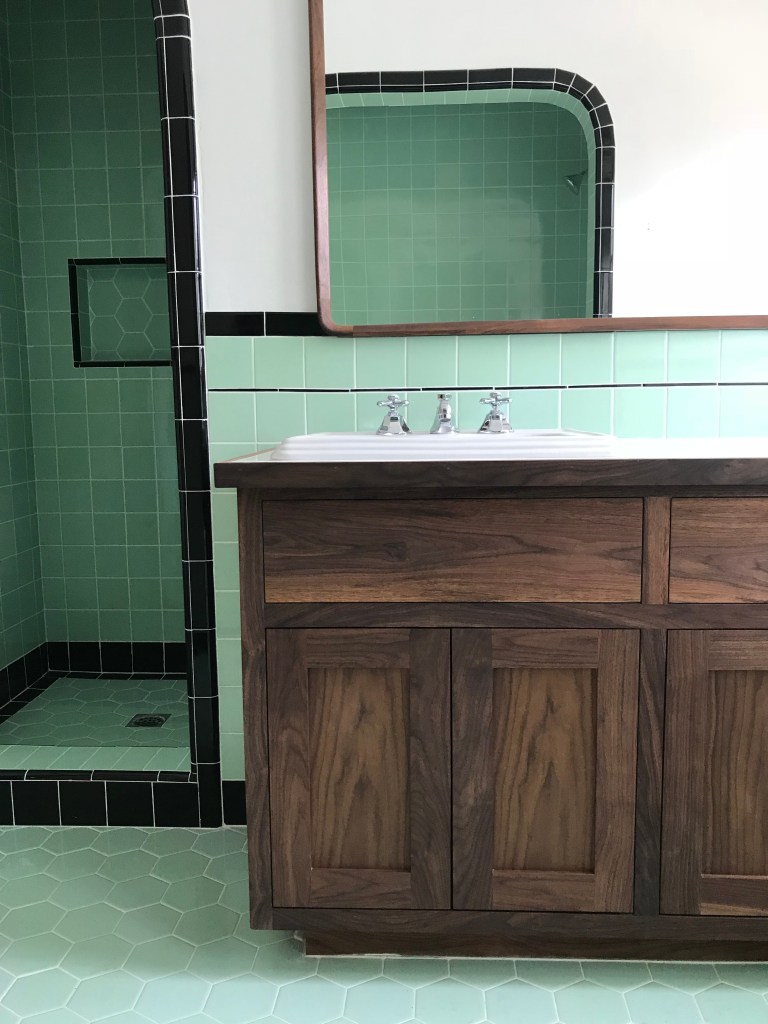
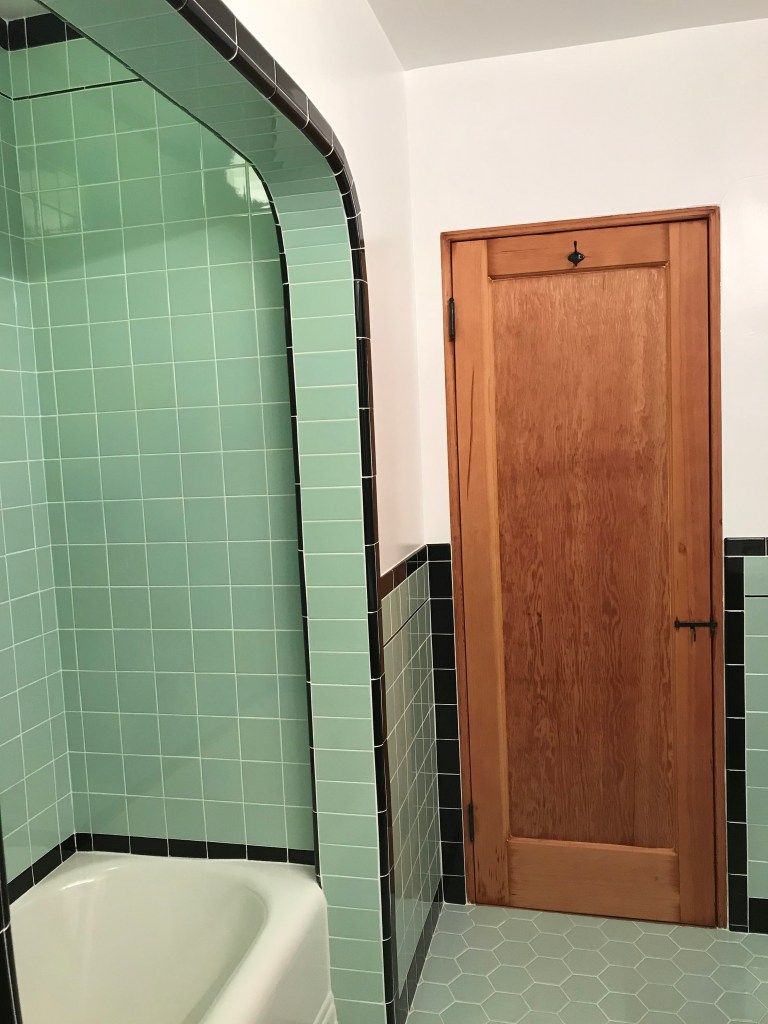
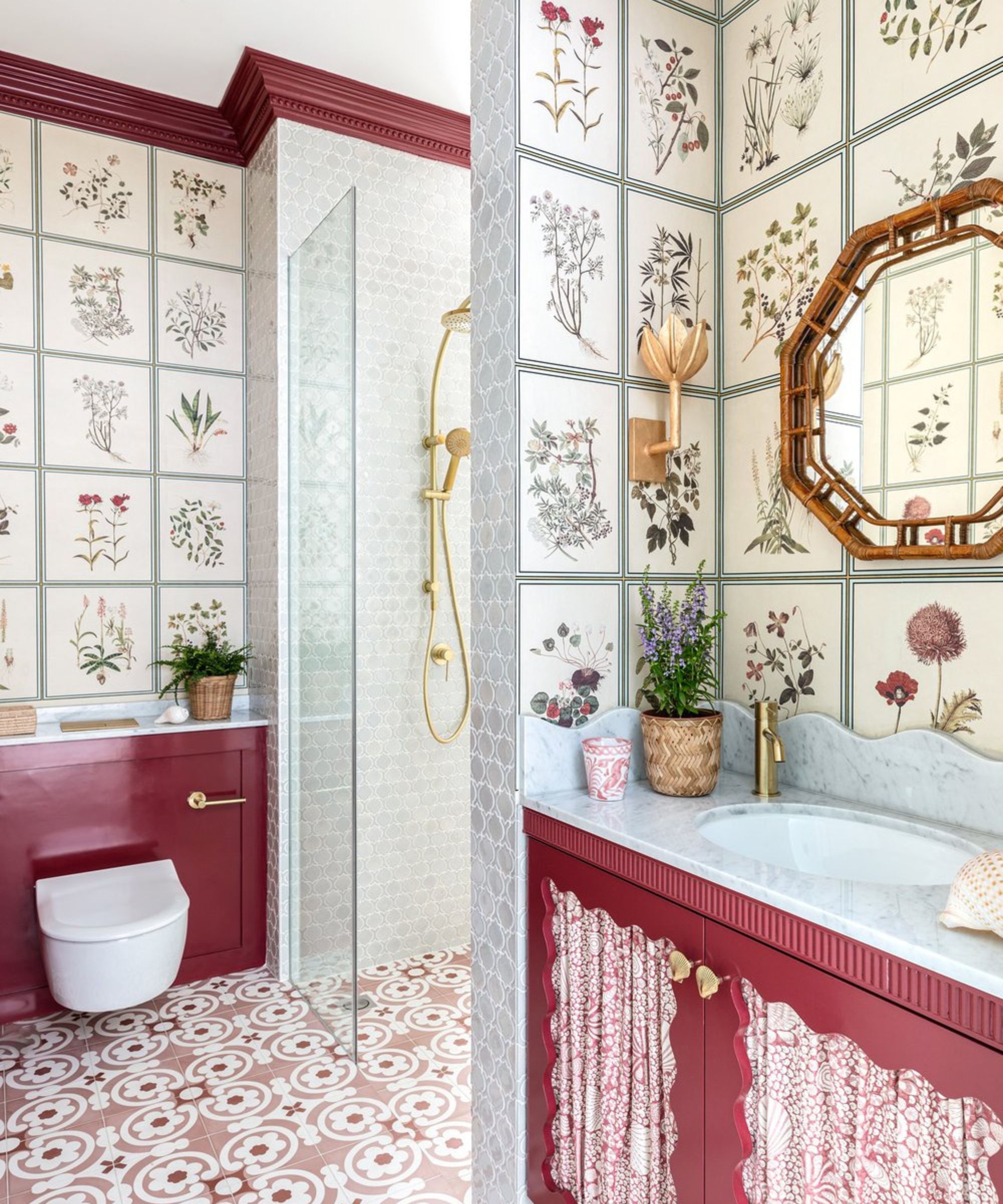
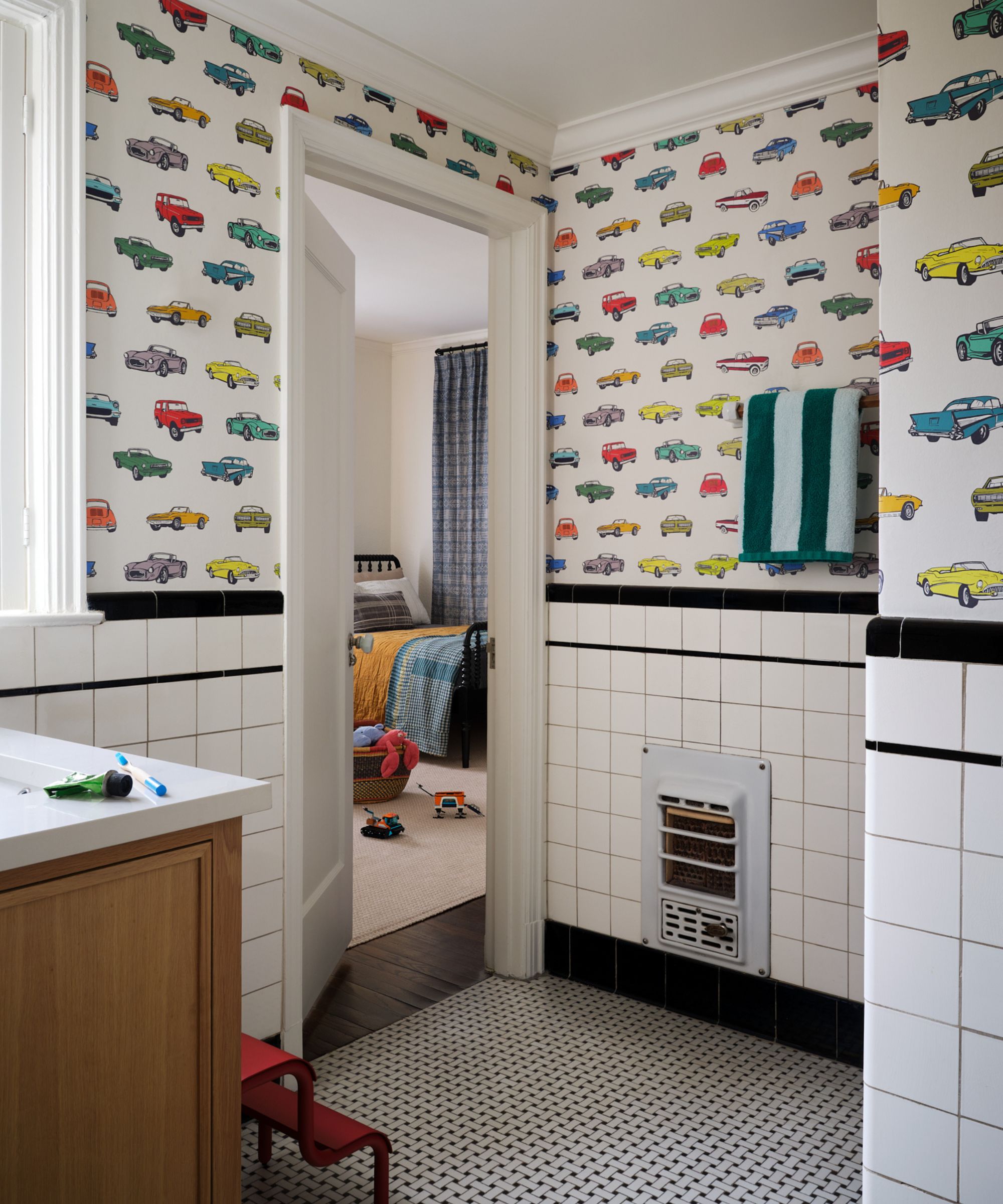
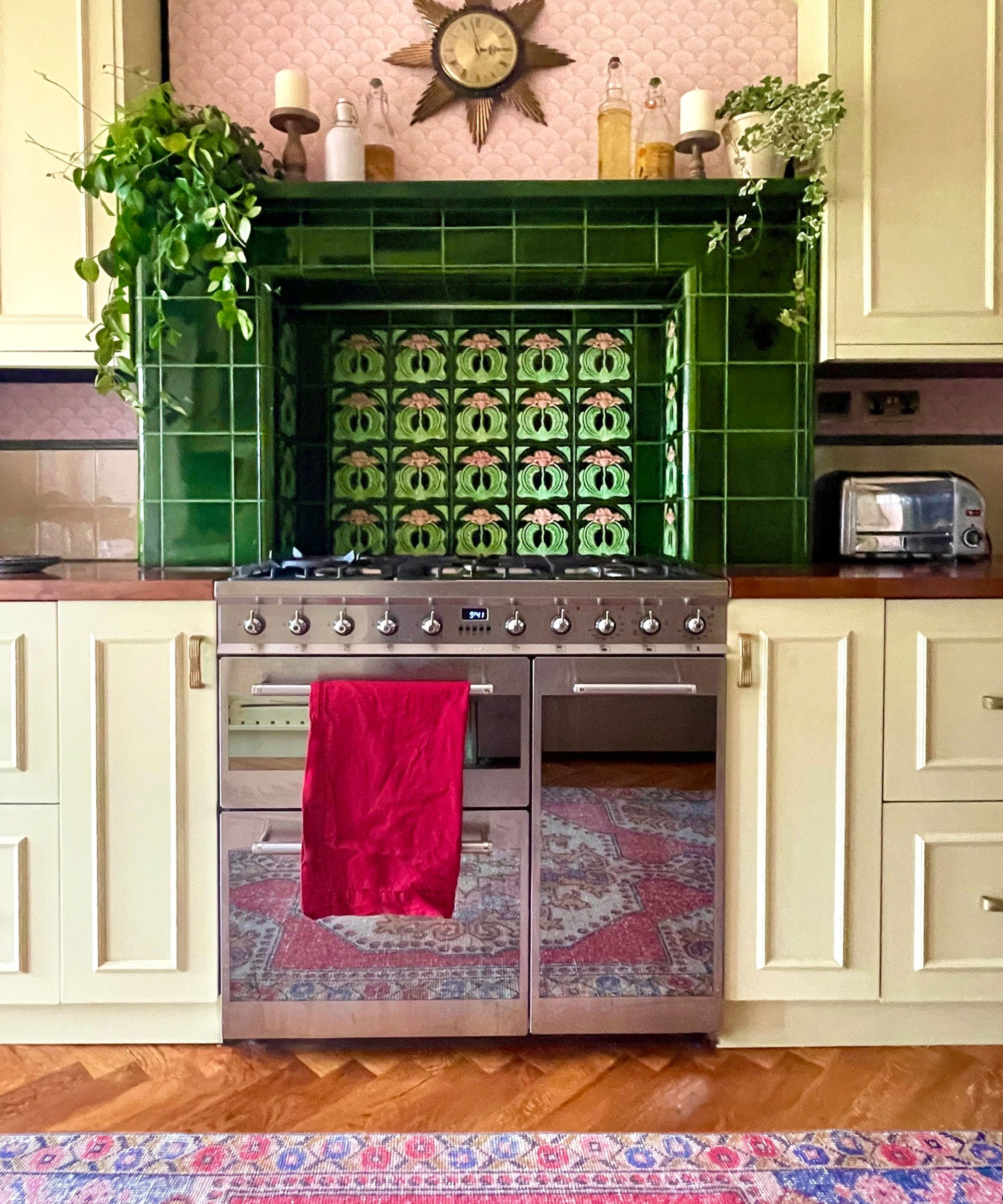
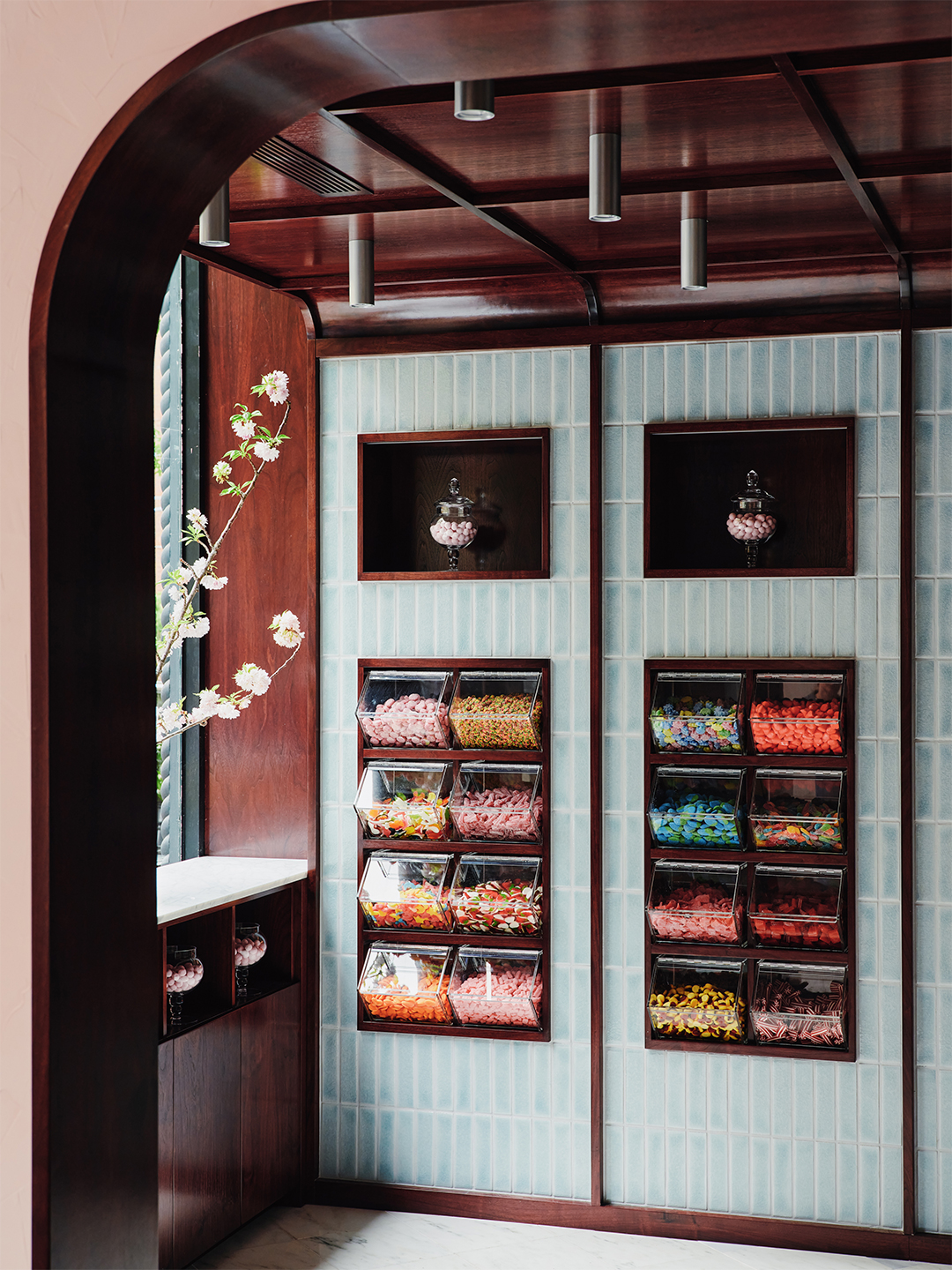
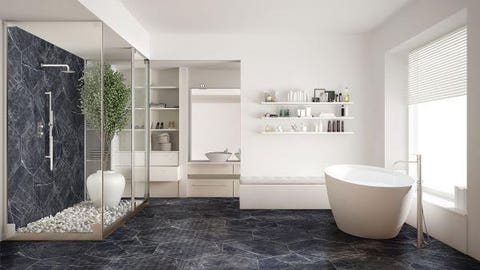
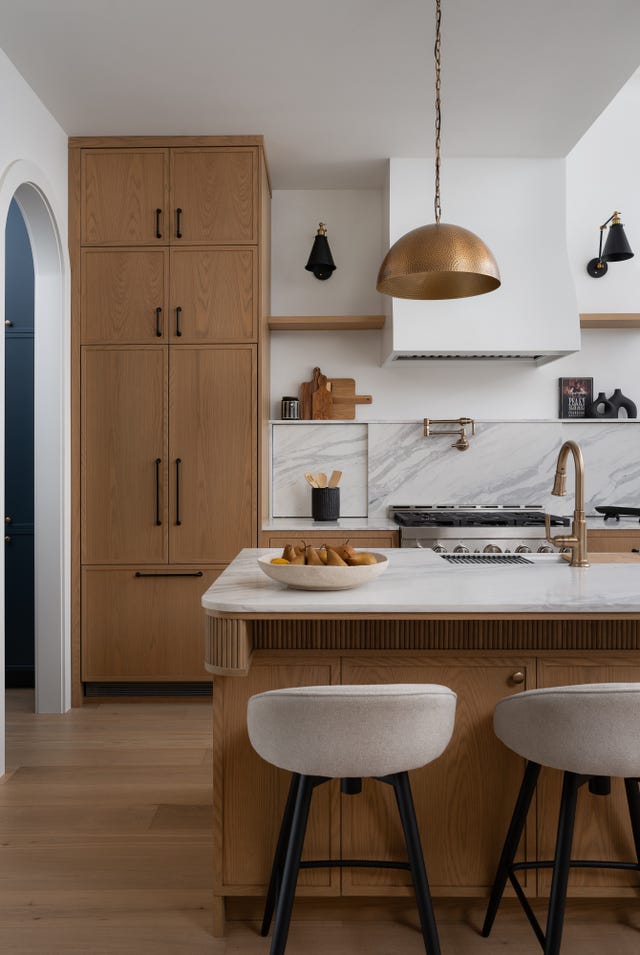
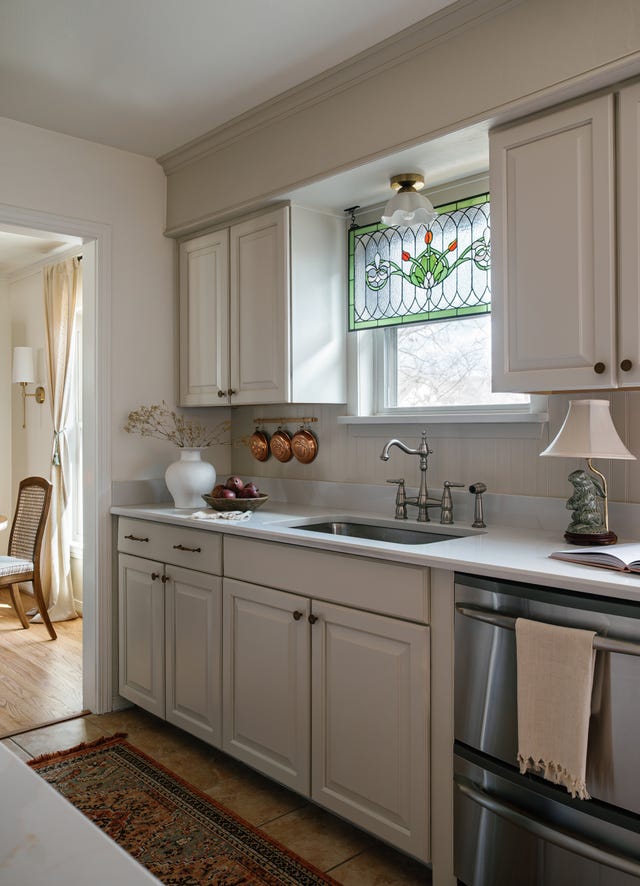
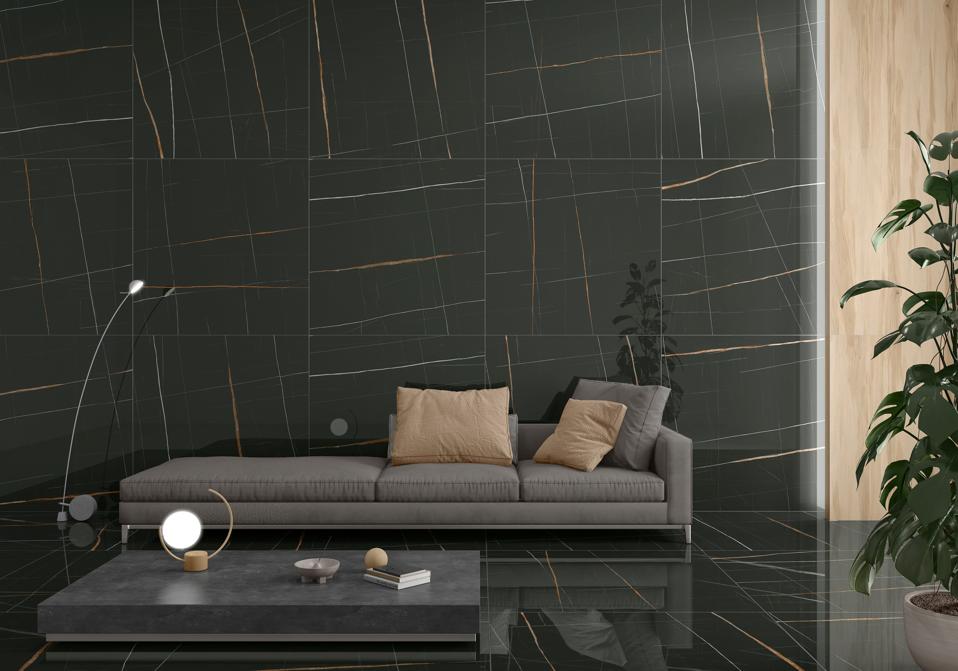
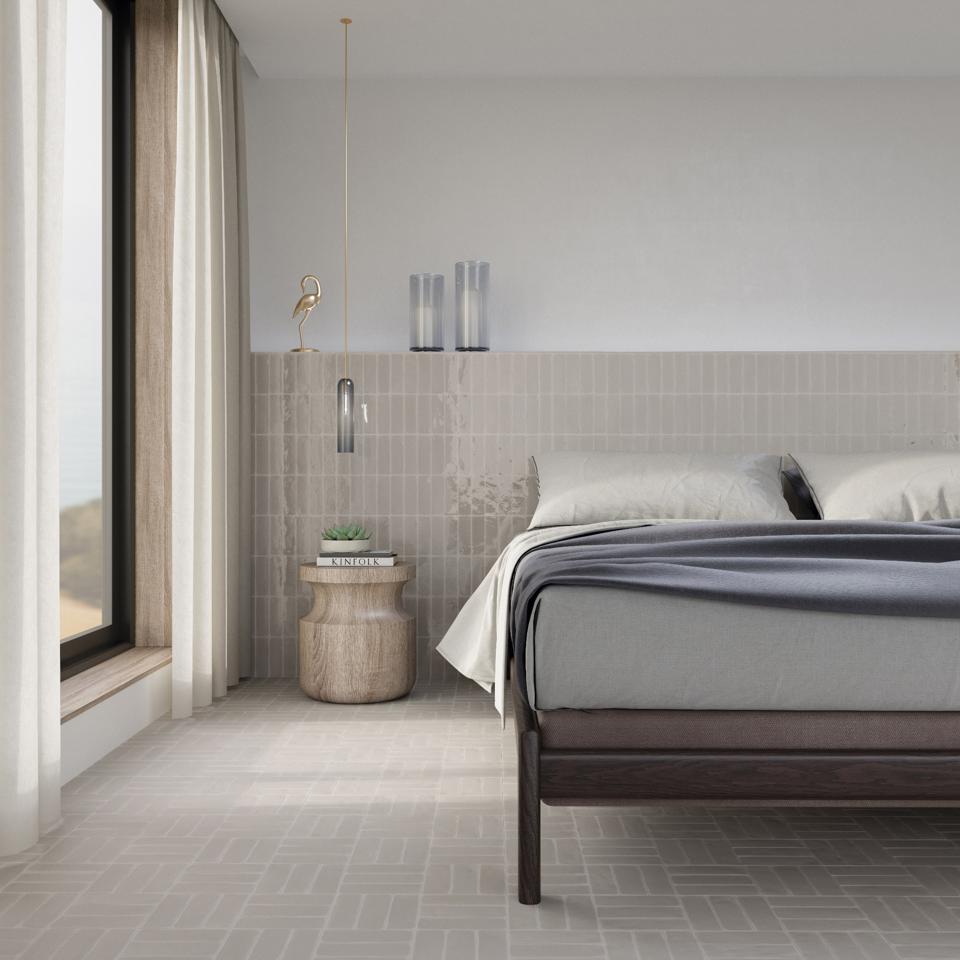
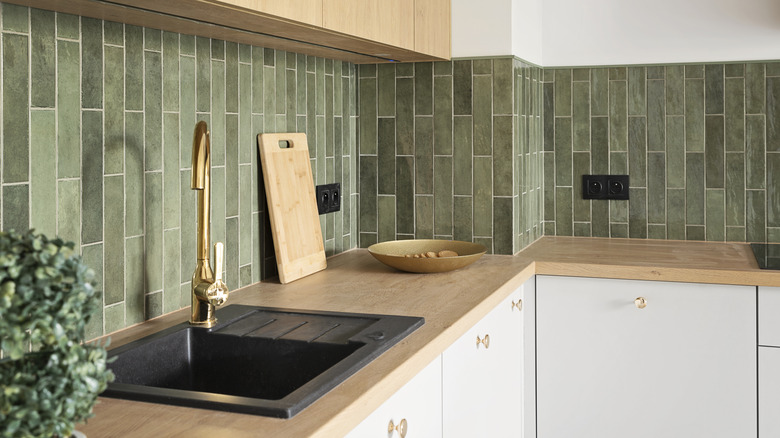
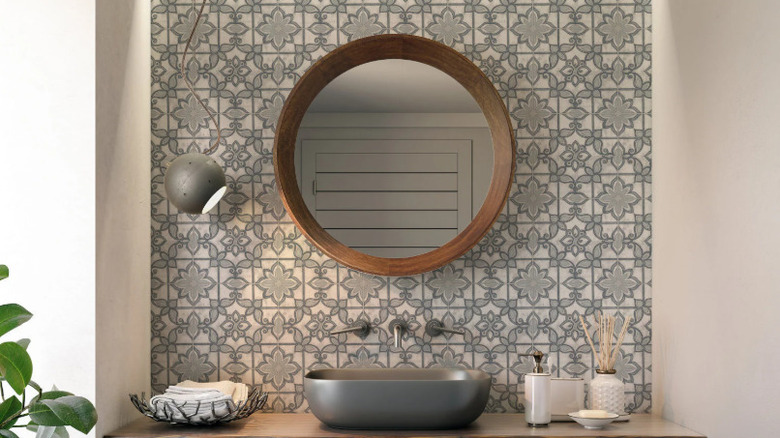
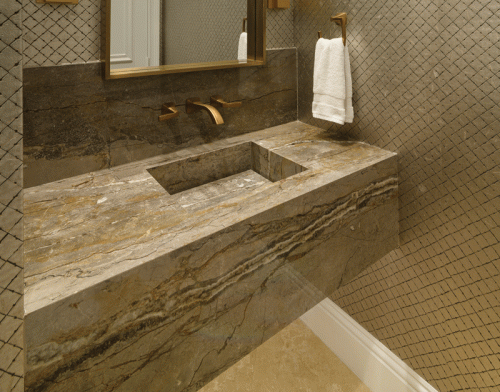
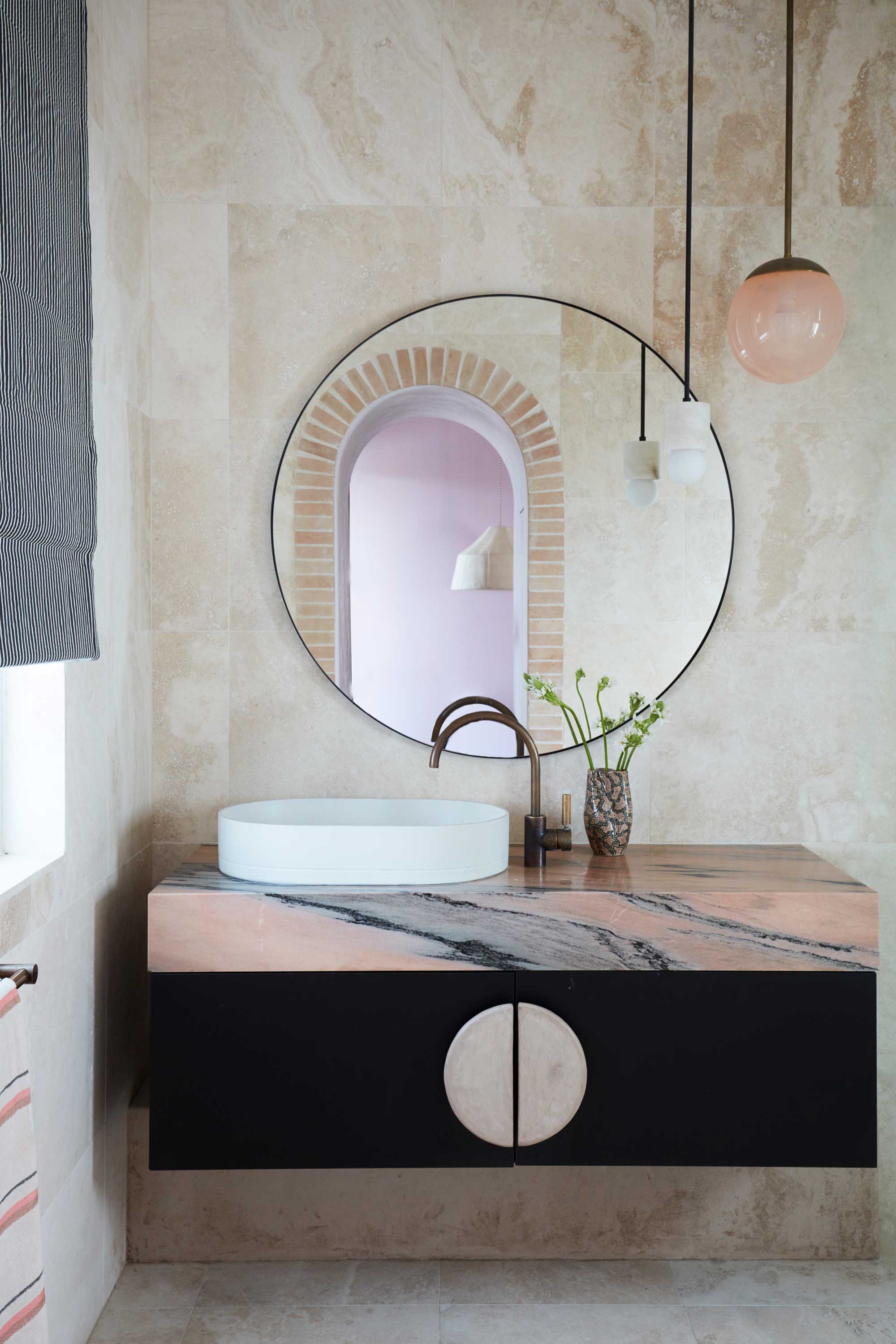
One significant trend noted by Lindsay Swenson, chief executive merchant at Floor & Decor Design Gallery, is the growing willingness of homeowners to incorporate bolder colors and patterns into their tile choices. While white and light gray remain popular for their clean aesthetic, there's a noticeable shift towards more expressive designs, including "busy" marble and stone tiles with bold movements. Swenson suggests the kitchen backsplash as an ideal area for experimenting with bold choices, as it requires less material and is easier to update. The article also touches upon the use of contrasting grout colors to add depth and visual texture, transforming otherwise sterile installations.
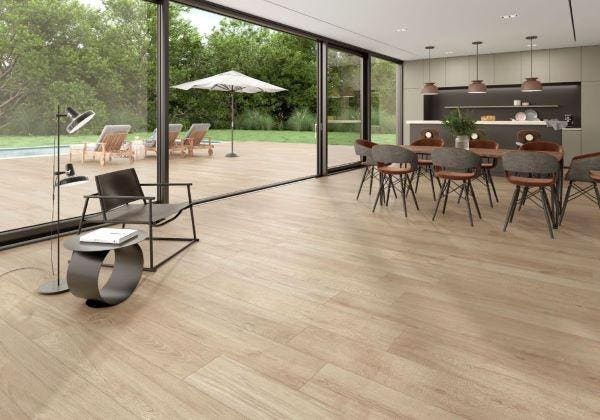
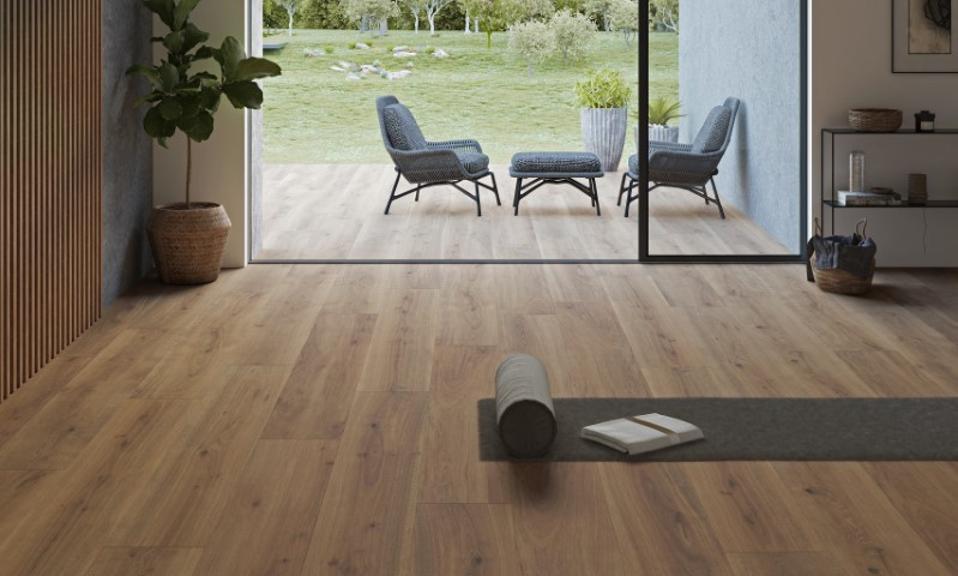
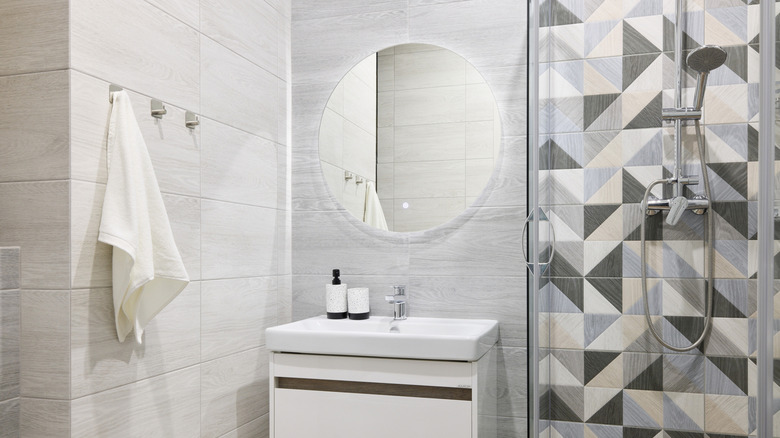
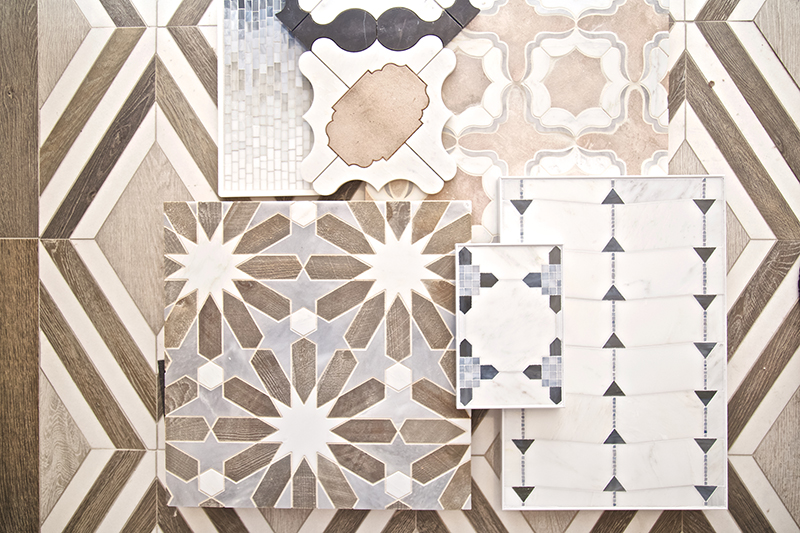
Advancements in porcelain tile printing technology are another key development, allowing for realistic reproductions of natural stone and wood textures at a lower cost and with less maintenance. Peggy Stafford, owner of Stafford Tile, observes a trend in wood-look porcelain tile combined with stone in mosaics, offering a glamorous yet cost-effective solution for various applications. Stafford also points to the revolutionary ability to blend different materials like glass, metal, and wood within a single mosaic, thanks to improved adhesive and backing technologies that overcome historical challenges related to thickness discrepancies. The rapid response of the tile and stone industry to color trends, such as the Pantone Color of the Year, is attributed to manufacturing innovations like laser cutting and photographic reproduction.
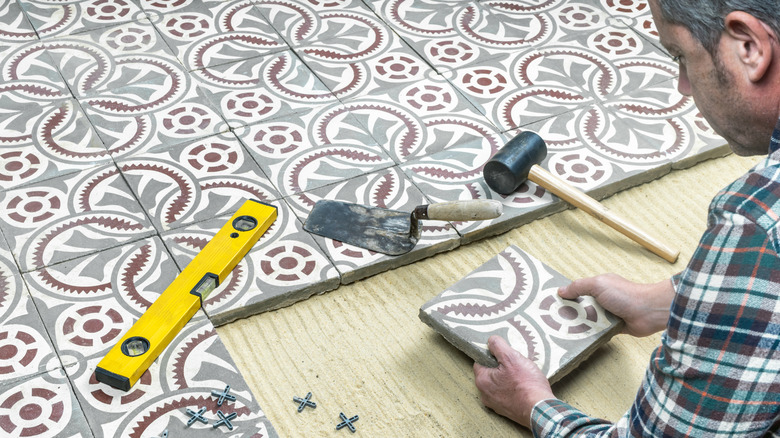
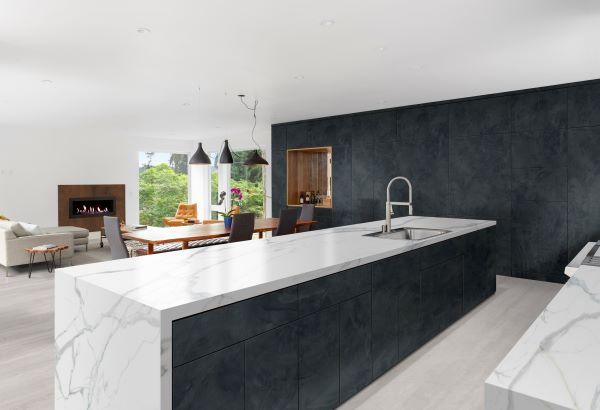
Kristen Mason Klamer, Principal at Mason Ros architecture firm, discusses evolving approaches to grout, traditionally an afterthought. Her firm now incorporates metal extrusions, such as brass Schluter, into grout joints for a lavish look, making the grout almost invisible and creating the illusion of gold-capped tiles. Klamer also advises caution with dark grout for handmade or non-rectified tiles, as large, dark lines can detract from the tile's inherent beauty. Jennifer DaRos, also a Principal at Mason Ros, highlights NeoLith Countertops, a high-density ceramic material known as "sintered stone." This product's durability, stain resistance, and ultra-thin profile make it suitable for modern, knife-edge countertops and even as lightweight overlays for cabinetry.
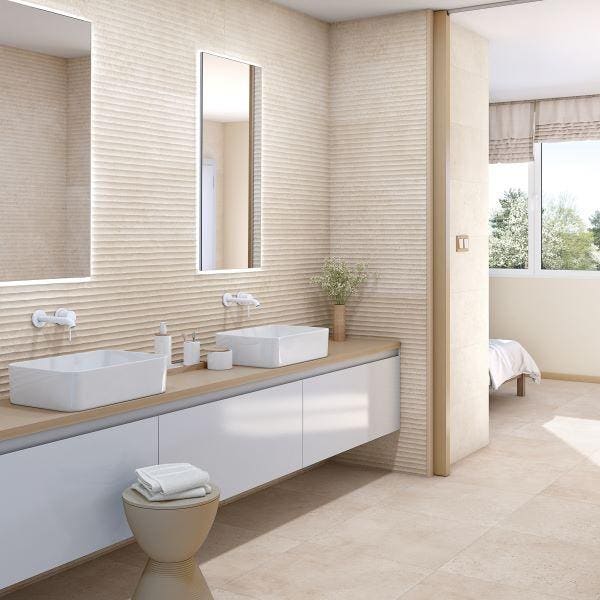
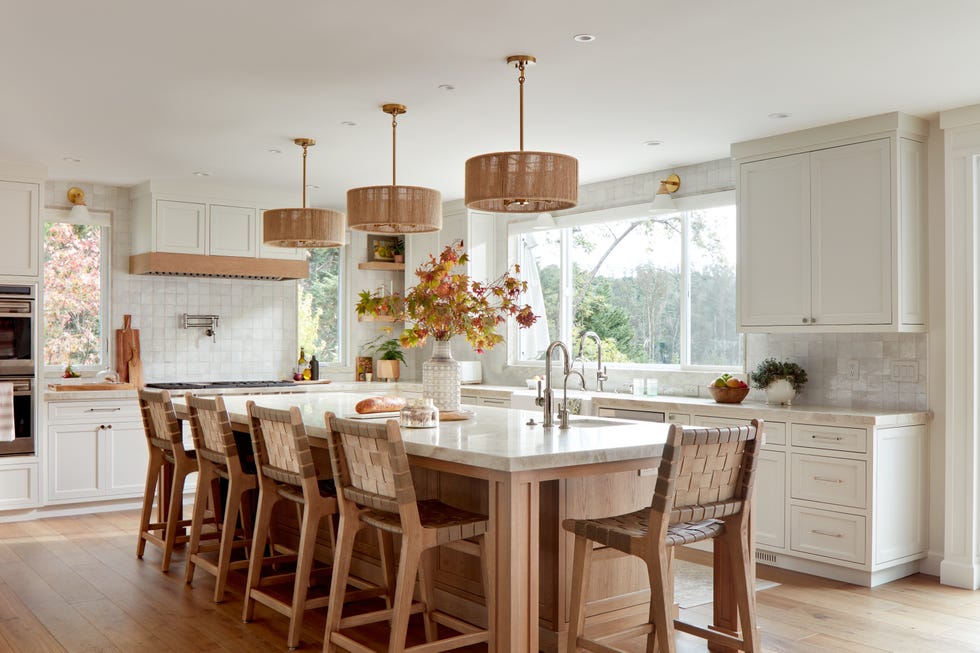
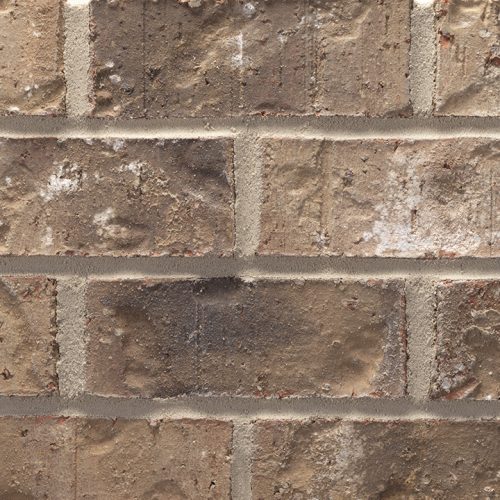
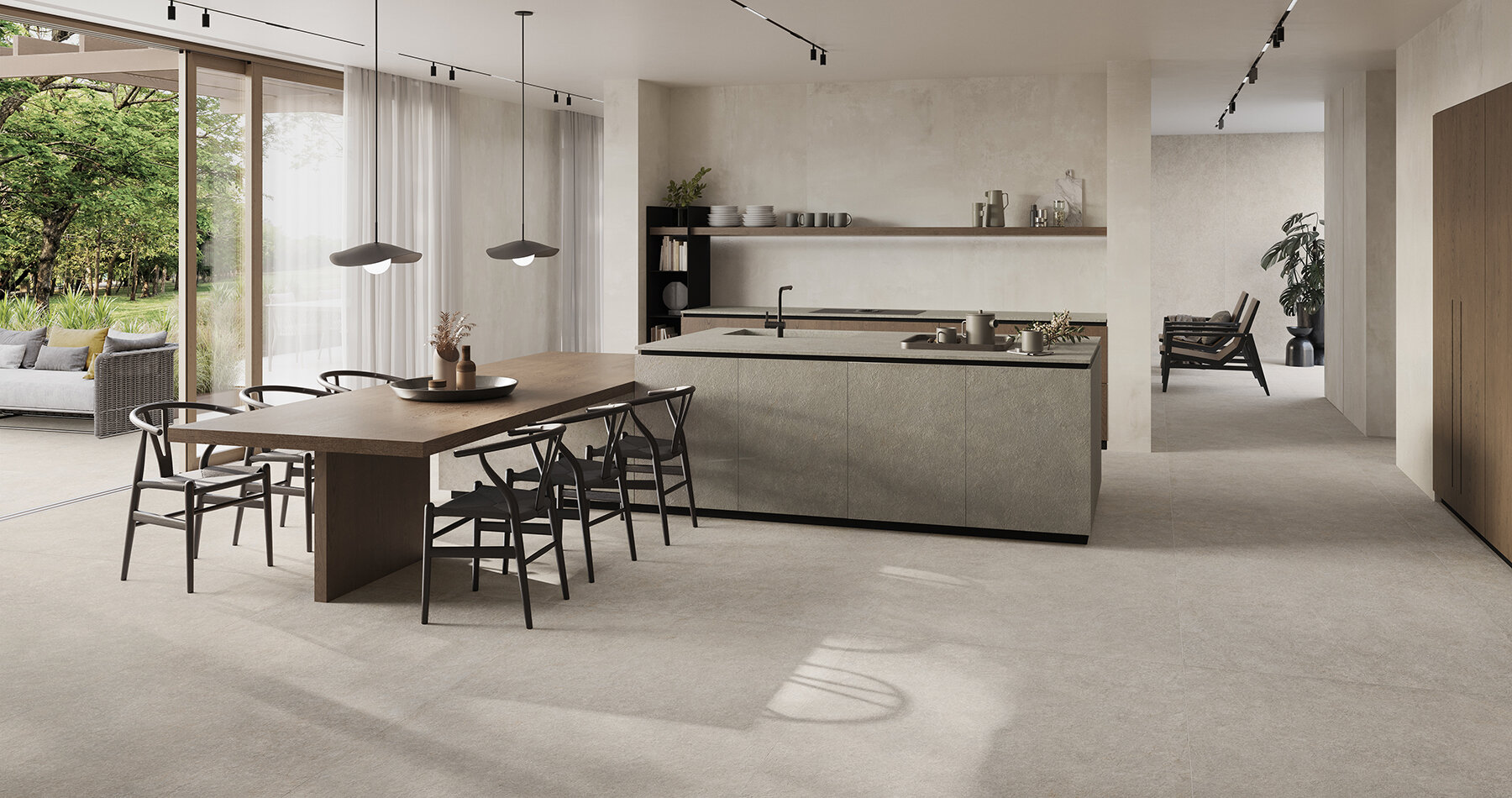
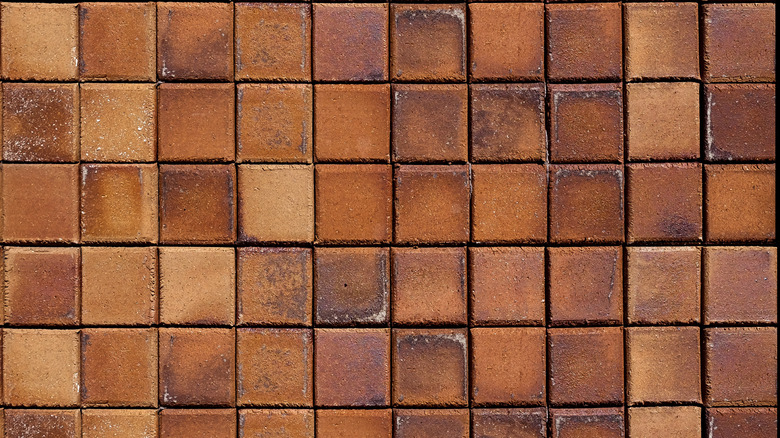
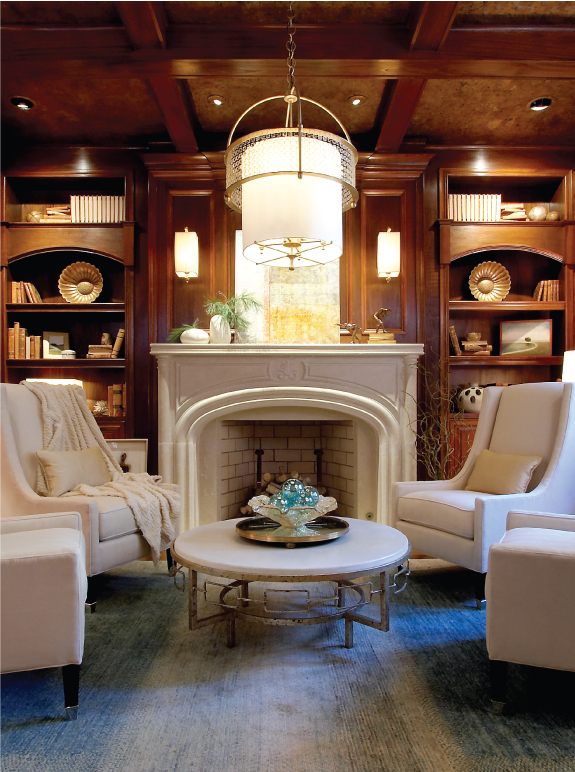
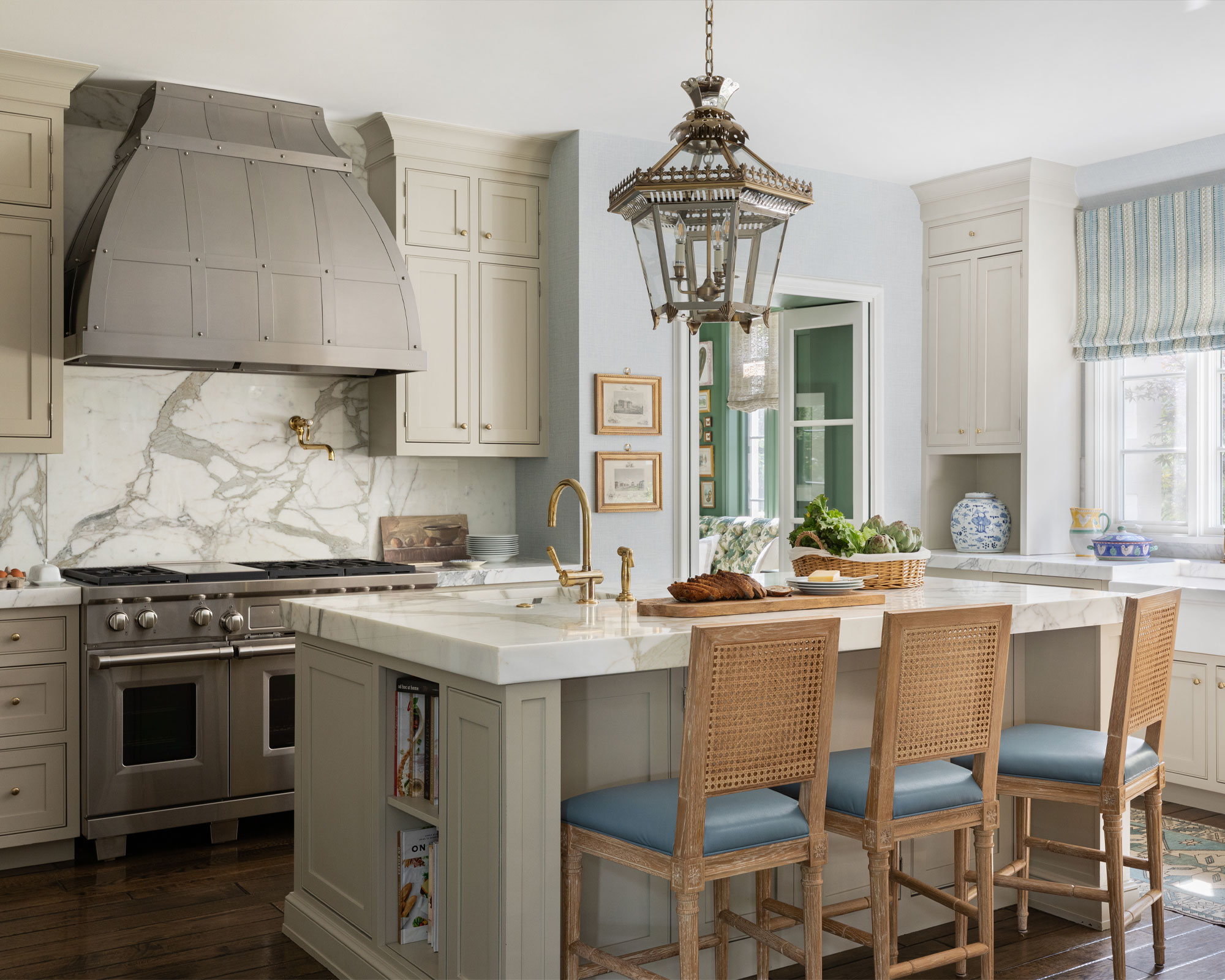
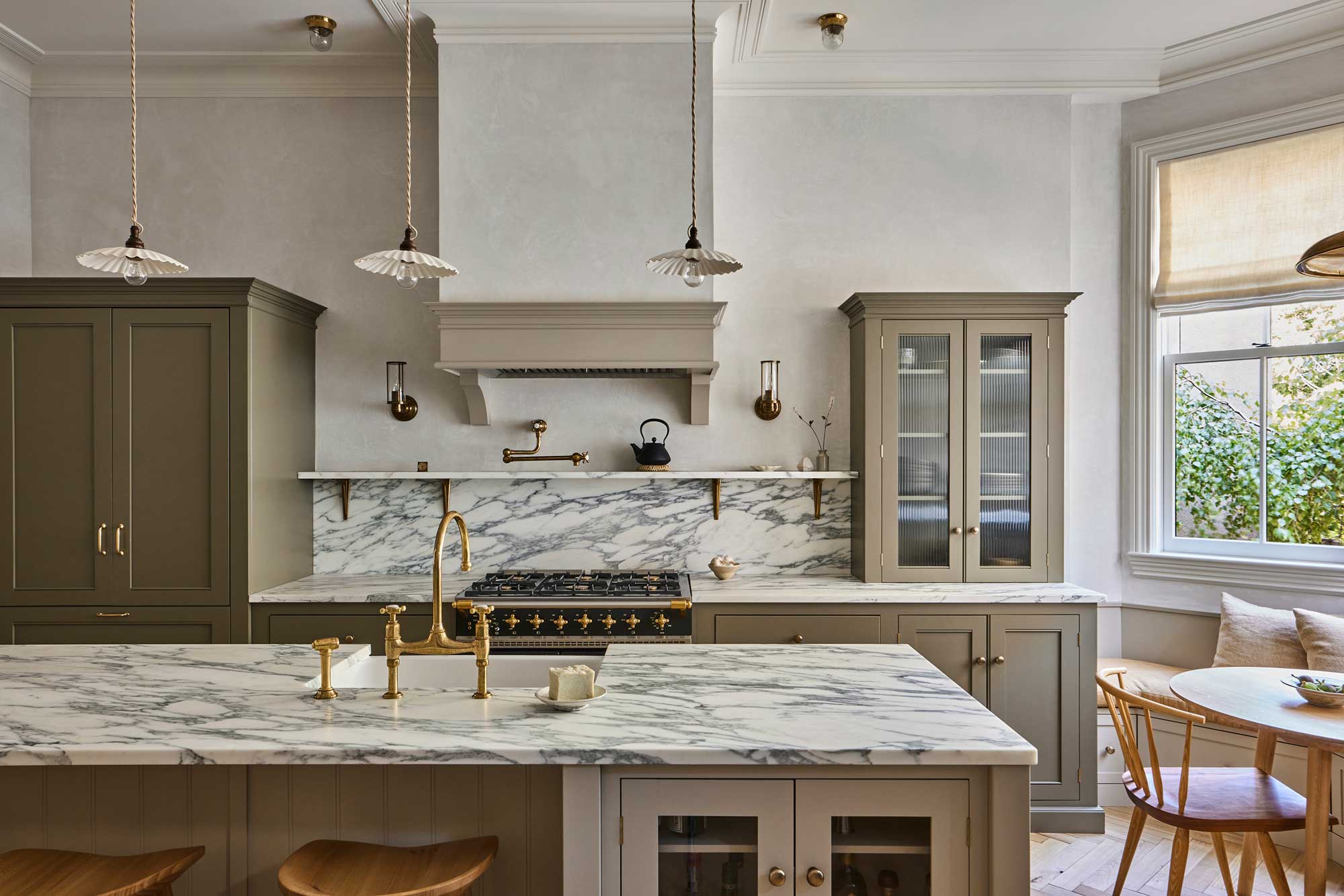

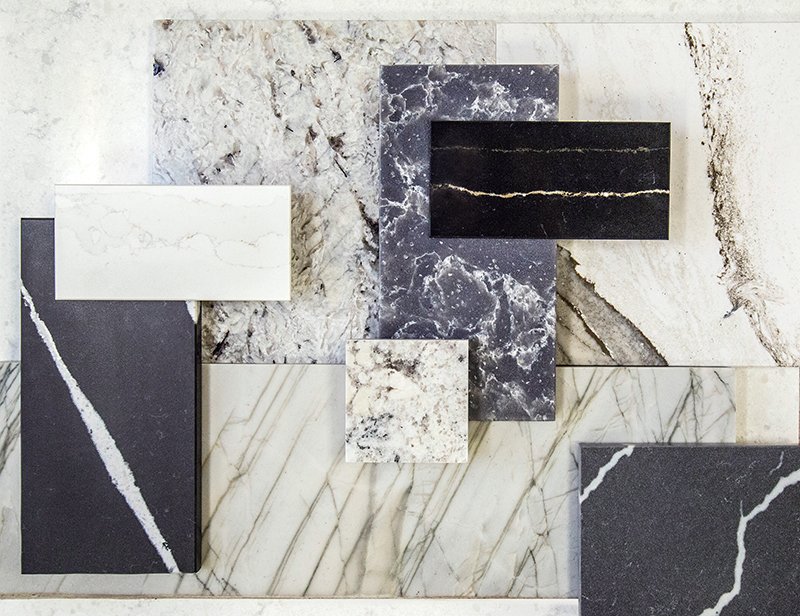
The article further details the use of lightweight composite stone panels, which allow for seamless, full floor-to-ceiling stone installations without grout lines. Translucent composite panels, made from thin natural stone slabs affixed to glass or polycarbonate, enable glowing stone effects for both ambient and impact lighting. Natural stone remains popular, with a shift away from mottled granite towards large slabs of granite, marble, and quartz featuring subtle veining, particularly quartz and quartzite, known for their durability. Keven Hicks, managing partner at Tuscan Stone, notes the return of earth tones like creams, browns, and golds, and the ability to quarry larger stone blocks for expansive surfaces. Allison Marzahl, Assistant Manager at Select Stone, confirms the trend towards earth tones and new finishes like leathered and honed stones, as well as dual-finished materials. Kristine Flynn, owner of Flynn Designs, emphasizes the rise of quartzite for those desiring the look of white marble with enhanced durability. She also highlights the role of digital technology like Slabsmith, which allows clients to visualize slab layouts before cutting, minimizing buyer's remorse.
The overarching recommendation from all experts is the importance of education and seeking professional advice to avoid disappointment with installations. Homeowners are encouraged to ask questions and understand the properties of various materials, such as stone porousness and grout joint requirements, given the rapid evolution of the industry.
#TileTrends #StoneTrends #HomeDesign #InteriorDesign #MaterialInnovation #GroutTechniques #CountertopMaterials #HomeRenovation #NewOrleansHomes #TileTrends #StoneTrends #HomeDesign #InteriorDesign #MaterialInnovation #GroutTechniques #CountertopMaterials #HomeRenovation #NewOrleansHomes
0 comment in total
 No comments yet
You may also like
The Enduring Artistry of Vintage Tiles

This Stone Is About to Be More Popular Than Marble, According to Designers

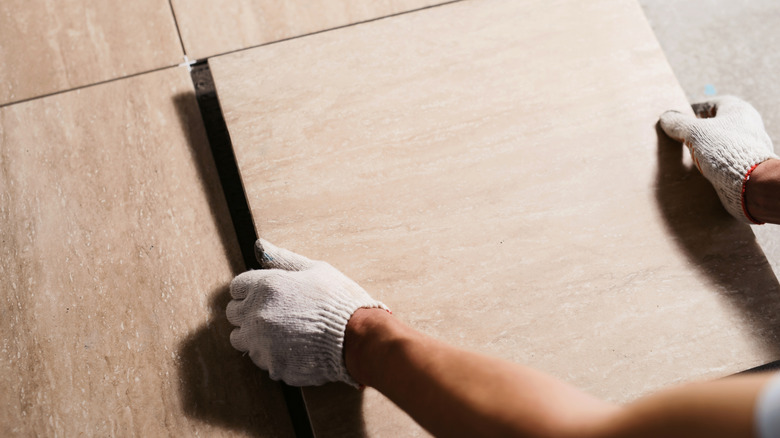
10 Tile Trends You'll Be Seeing More Of In 2026

Acme Brick, Tile and Stone – Little Rock
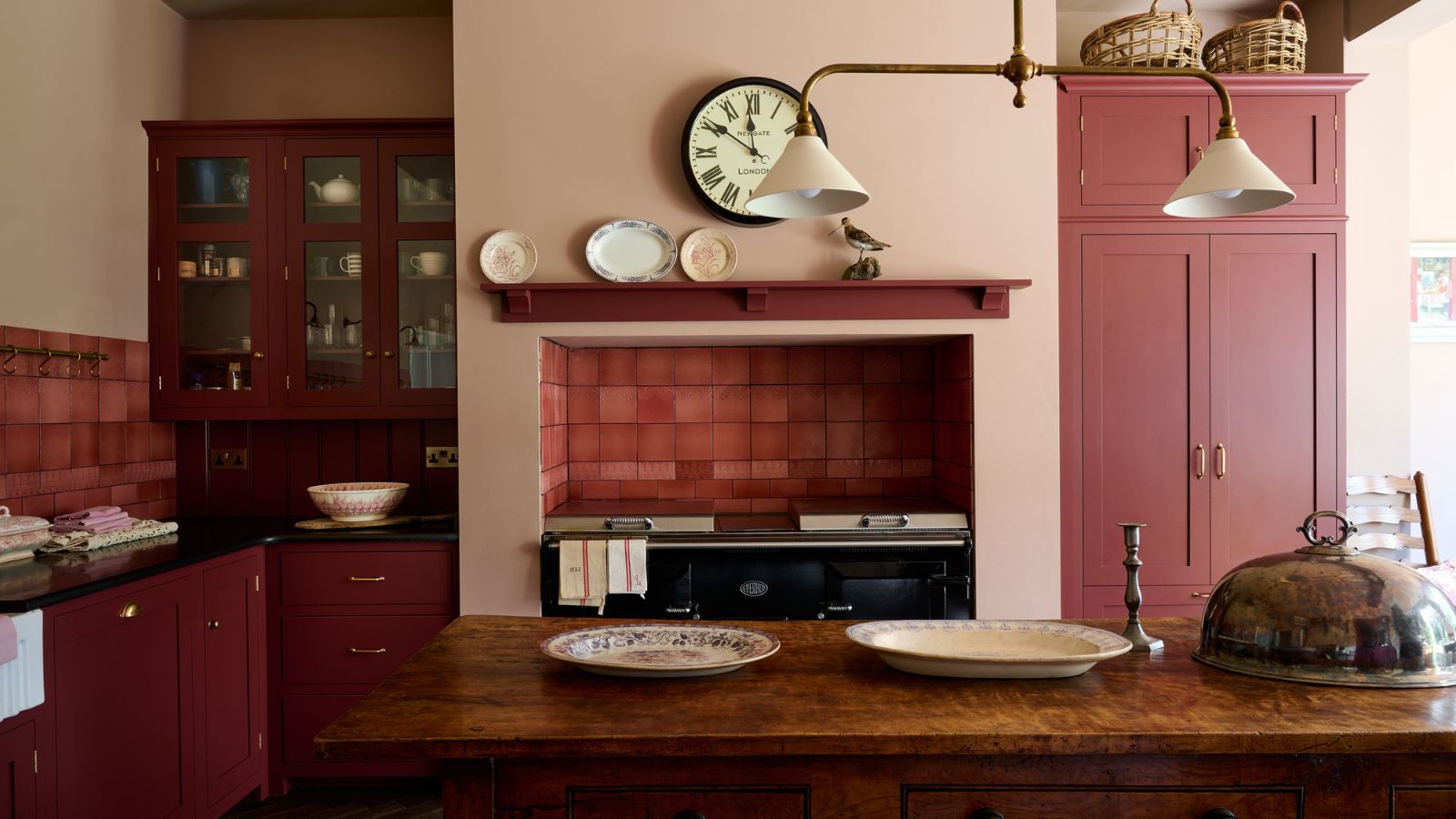
How to decorate with vintage tiles

Acme Brick, Tile and Stone – Tulsa
Into the palette: Exploring trends in natural stone
Acme Brick, Tile and Stone – Abilene
Crackled Tile, a Striped Stone Island—Our Latest Kitchen Inspiration Is This Viral Candy Shop

atlas concorde harmonizes in & outdoors with sedimentary stone-inspired tiles

Acme Brick, Tile and Stone – Northwest Arkansas
Is marble still on trend? Interior designers have their say
Stone Secrets: 2025 Trends and the Marble vs Quartzite Truth

2023 Tile Trends Feature Wellness, Sustainability And Resilience


Birmingham
Forget Carrara – these incredible types of marble are what the world's best designers are using instead

7 Top Tile Trends And Styles For 2021
Tile Trends That Will Be Dominating In 2025
Cast Stone
Ask the Experts: Hard Surfaces 101