1/12
This Product Keeps Your Cabinets Protected and Your Kitchen Quiet
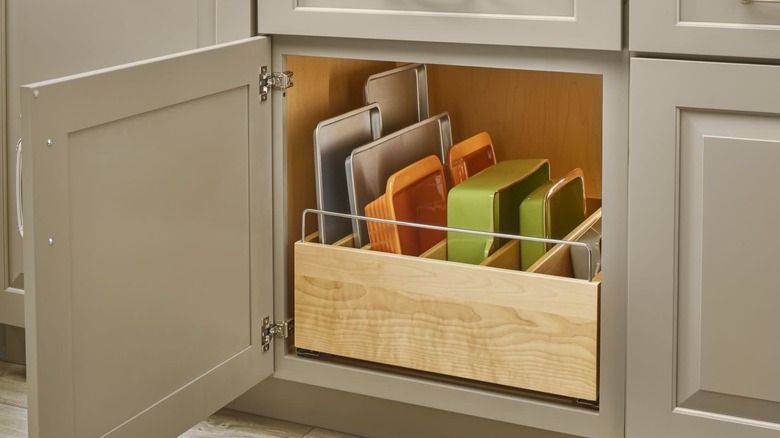
Soft-close hinges are an affordable and effective solution to prevent the noisy slamming of cabinet doors and protect kitchen cabinetry from damage. These specialized hinges incorporate a mechanism that gently slows down cabinet doors just before they make contact with the frame, ensuring a quiet and controlled closure. Unlike standard concealed hinges, soft-close hinges prevent dents, scuffs, and cracks that can result from repeated impact.
When selecting soft-close hinges, it is crucial to consider the type of cabinet. There are two primary types: face frame and frameless. Face frame cabinets feature a facing that runs around the rim, while frameless cabinets have sides that extend directly to the front. Hinges are typically not interchangeable between these two cabinet styles. Additionally, hinges come in full overlay, partial overlay, and inset designs, each requiring compatibility with the cabinet door's specific style. Full overlay hinges cover the entire face frame when closed, partial overlay hinges cover only a portion of the frame (with overlay sizes ranging from ½ inch to 1½ inches), and inset hinges fit inside the cabinet frame, leaving it fully exposed.
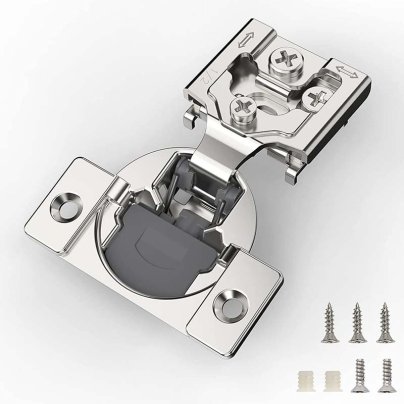
Installation of soft-close hinges typically involves fitting them into a standard 35-millimeter diameter, 11-millimeter deep cup drilled into the back of the cabinet door. This standardized cup size facilitates upgrading existing hidden hinges to soft-close models. For older cabinets with standard hinges that lack this cup design, a hinge jig is necessary to accurately drill the required hole. Soft-close hinges are also equipped with three convenient screw adjusters that allow for fine-tuning the door's orientation after installation, compensating for minor drilling errors. These adjusters enable movement of approximately 2 millimeters up or down, left or right, and closer to or farther from the cabinet frame.
Generally, one soft-close hinge is sufficient for most cabinet doors, though heavier doors may necessitate two for optimal dampening. Adjustments to soft-close hinges are made using a Phillips head screwdriver, with separate screws controlling horizontal movement (left to right), vertical movement (up and down), and the distance from the cabinet frame.
Key differences exist between soft-closing and self-closing hinges. A soft-closing hinge smoothly decelerates the cabinet door a few inches before closure, while a self-closing hinge uses a mechanism to snap the door shut from a similar distance. Soft-closing hinges are ideal for maintaining a quiet environment and protecting cabinetry, whereas self-closing hinges can be beneficial in busy households or for those who prioritize immediate door closure. The market offers a variety of soft-close hinge options, including those designed for full overlay or partial overlay, and suitable for both face frame and frameless cabinets, often constructed from durable materials like nickel-plated stainless steel or cast iron. Many options provide multiple adjustment points and come in various package quantities to suit different project needs.
#SoftCloseHinges #CabinetHardware #KitchenCabinets #HomeImprovement #DIYProjects #CabinetInstallation #KitchenDesign #HomeMaintenance #ApplianceReviews #SoftCloseHinges #CabinetHardware #KitchenCabinets #HomeImprovement #DIYProjects #CabinetInstallation #KitchenDesign #HomeMaintenance #ApplianceReviews
0 comment in total
 No comments yet
You may also like
How to soundproof your kitchen and stop noisy appliances disturbing your peace
How do I make my kitchen quieter? The tricks designers use to stop noise ruining an open-plan home


Six acoustic products that control noise levels in busy interiors
This One Kitchen Cabinet Mistake Is Creating More Mess in Your Kitchen — Here's How to Fix It

If Your Home Is Super Noisy, You’ll Appreciate These 24 Noise-Dampening Products
The Best Shelf Liners For Protecting Your Cabinets And Drawers

How to Anchor Furniture to Help Prevent Tip-Overs
9 expert tips for soundproofing a room – how to sort acoustics while losing nothing of the aesthetics
The 12 Best Shelf Liners of 2023 to Protect Every Surface in Your Home


How to Organize Your Kitchen Cabinets | Wirecutter
This Simple Kitchen Upgrade Helps Keep Germs From Spreading
14 Kitchen Cabinet Organizers That Will Make Storage A Breeze

The art of making a room soundproof: woman turns pictures and canvases into sound-absorbing decor
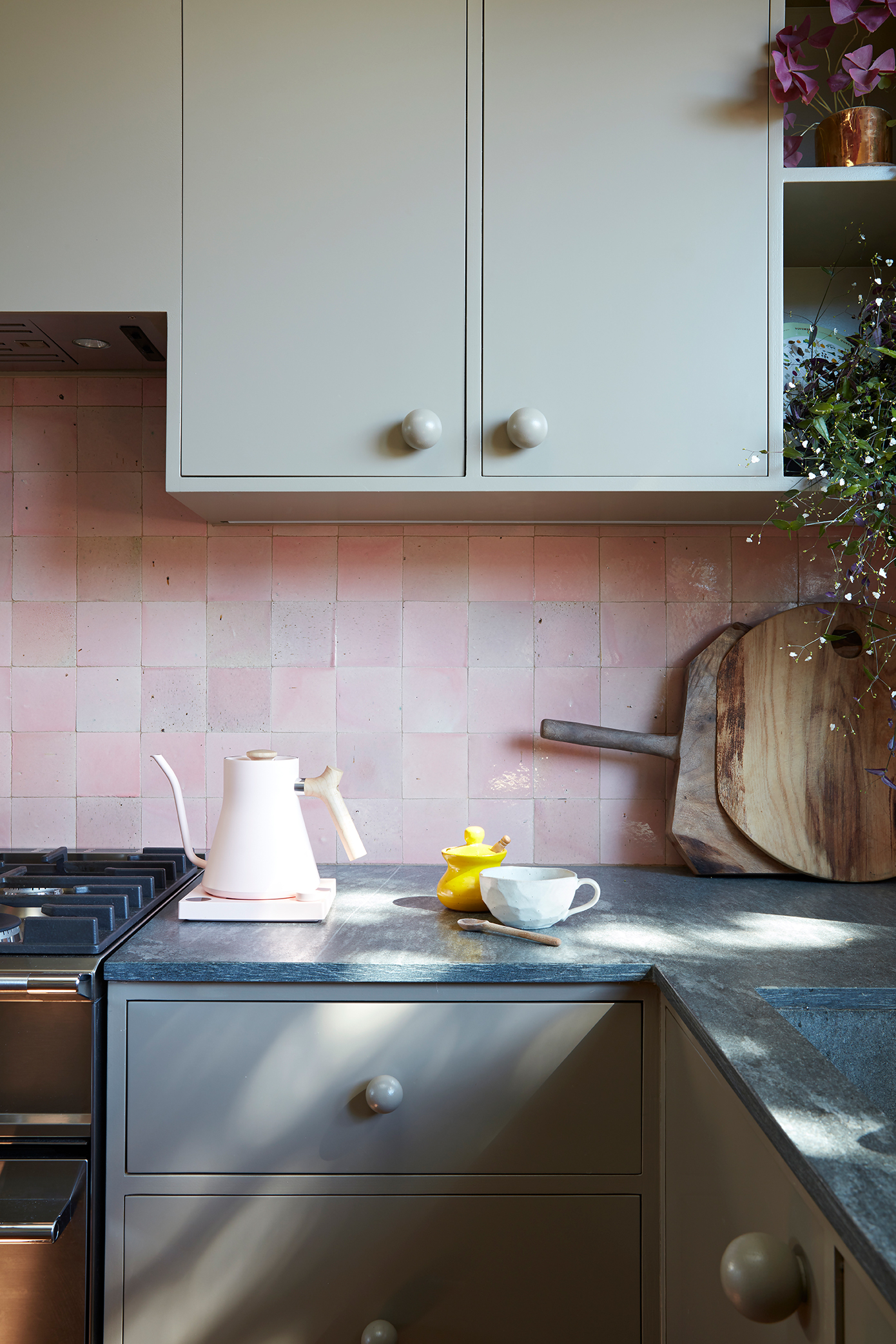
The Best Hardware for Every Kind of Kitchen Cabinet, Period
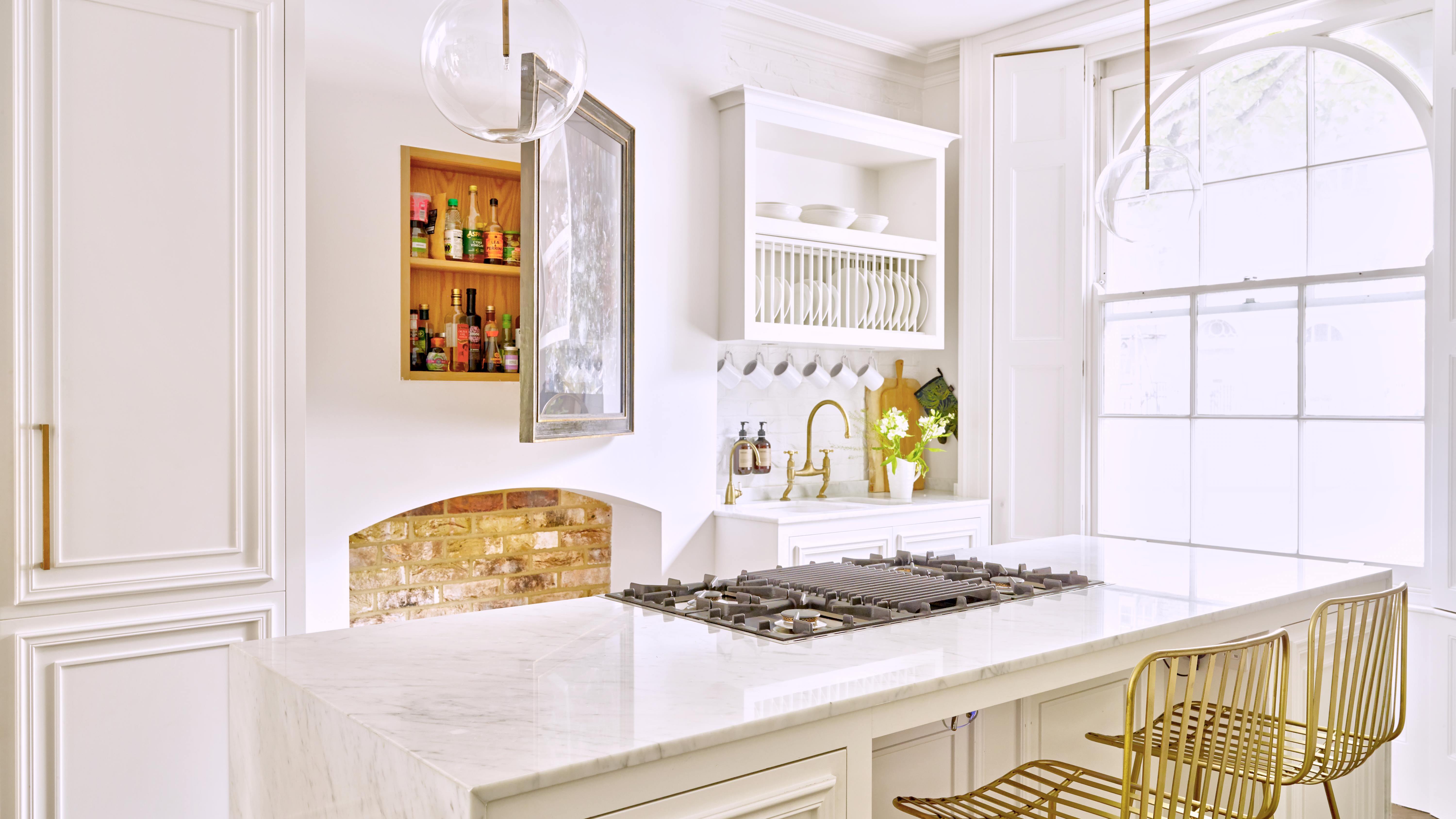
How to contain kitchen clutter

These Acoustic Wall Panels Make Any Room a Quiet Place to Work or Relax

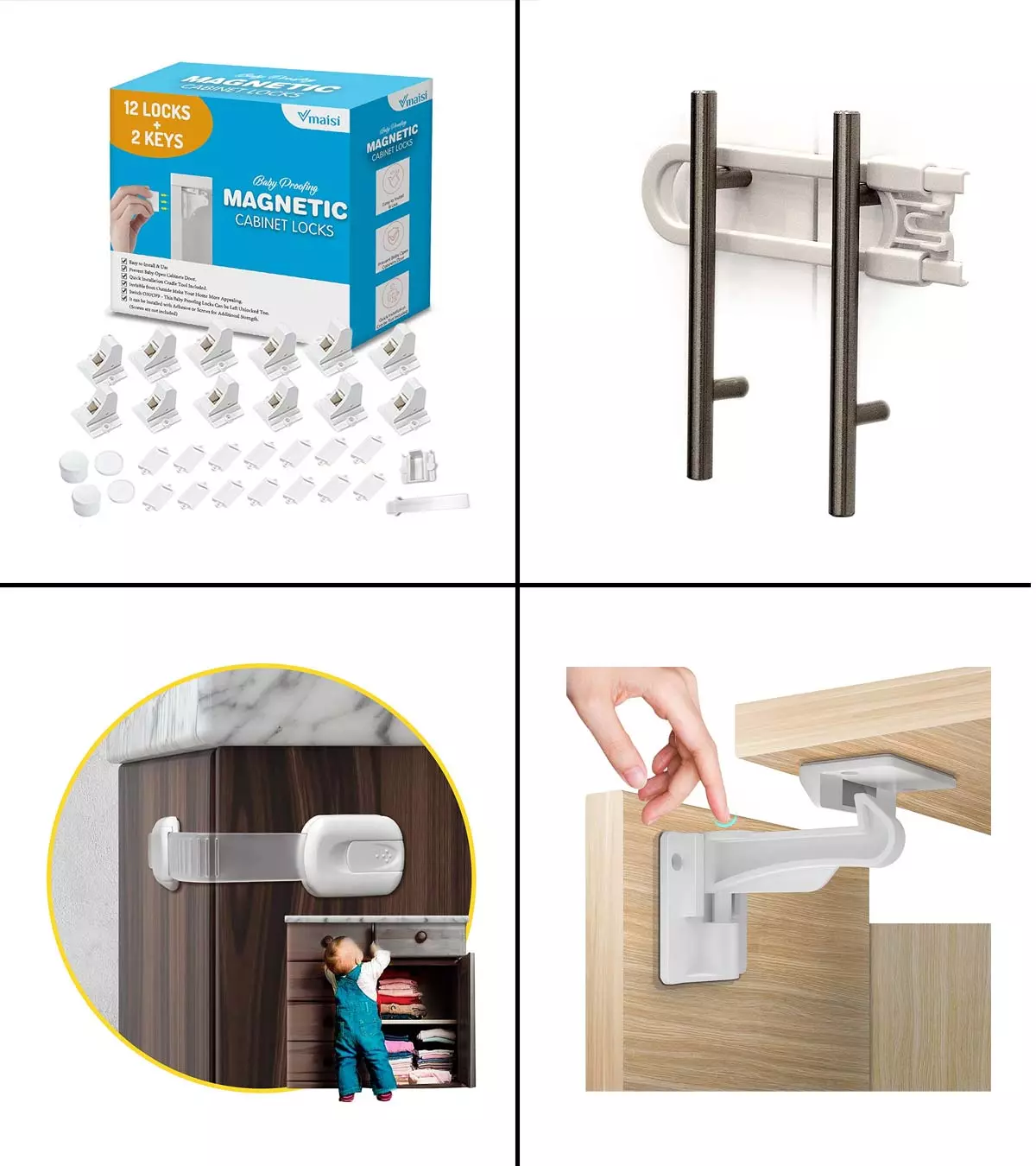
Baby Cabinet Locks: 11 Best Options For Child Proofing In 2025
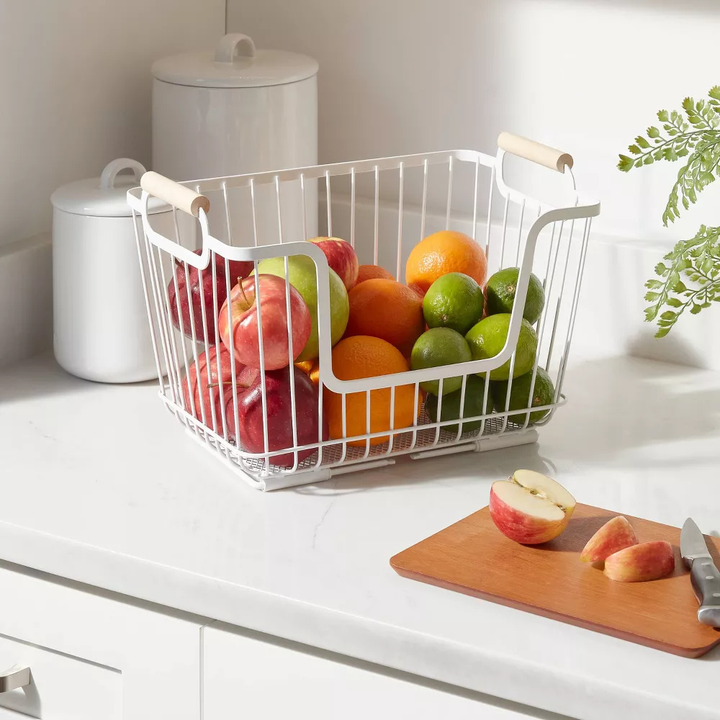
Banish Chaos From Your Kitchen With These Useful Target Storage Products
This bacteria-busting kitchen storage solution instantly tidied up my small sink area – it's chic and clever

Battling Noise Complaints With Crown Molding