The Pros and Cons of Stainless Steel Appliances in the Kitchen
When considering new kitchen appliances, one of the most prominent decisions homeowners face is whether to opt for stainless steel. This popular finish offers a blend of aesthetic appeal and functional characteristics that can significantly impact a kitchen's look and the owner's daily routine. Understanding the advantages and disadvantages of stainless steel appliances is crucial before making a purchasing decision, especially given the investment involved.
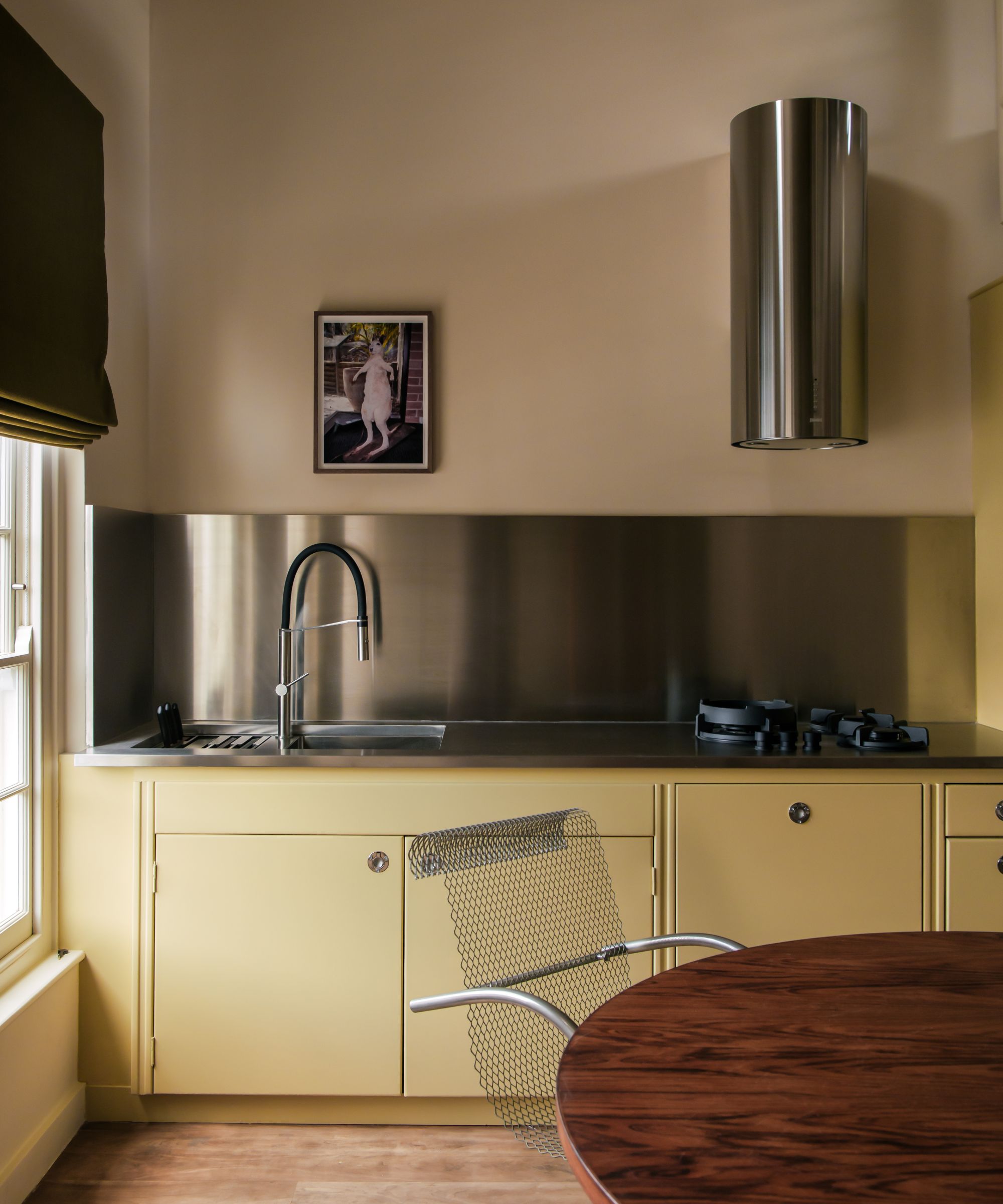
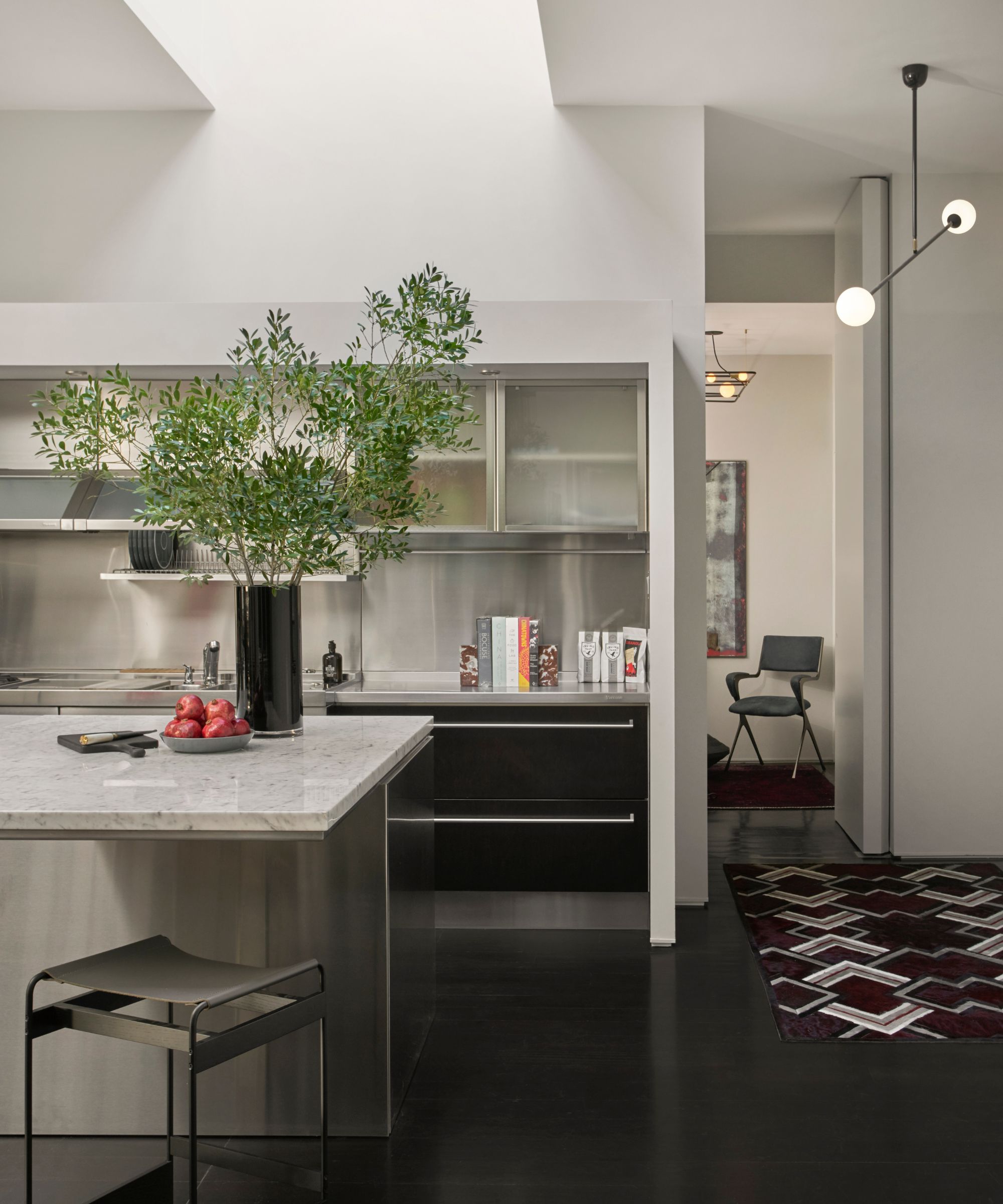
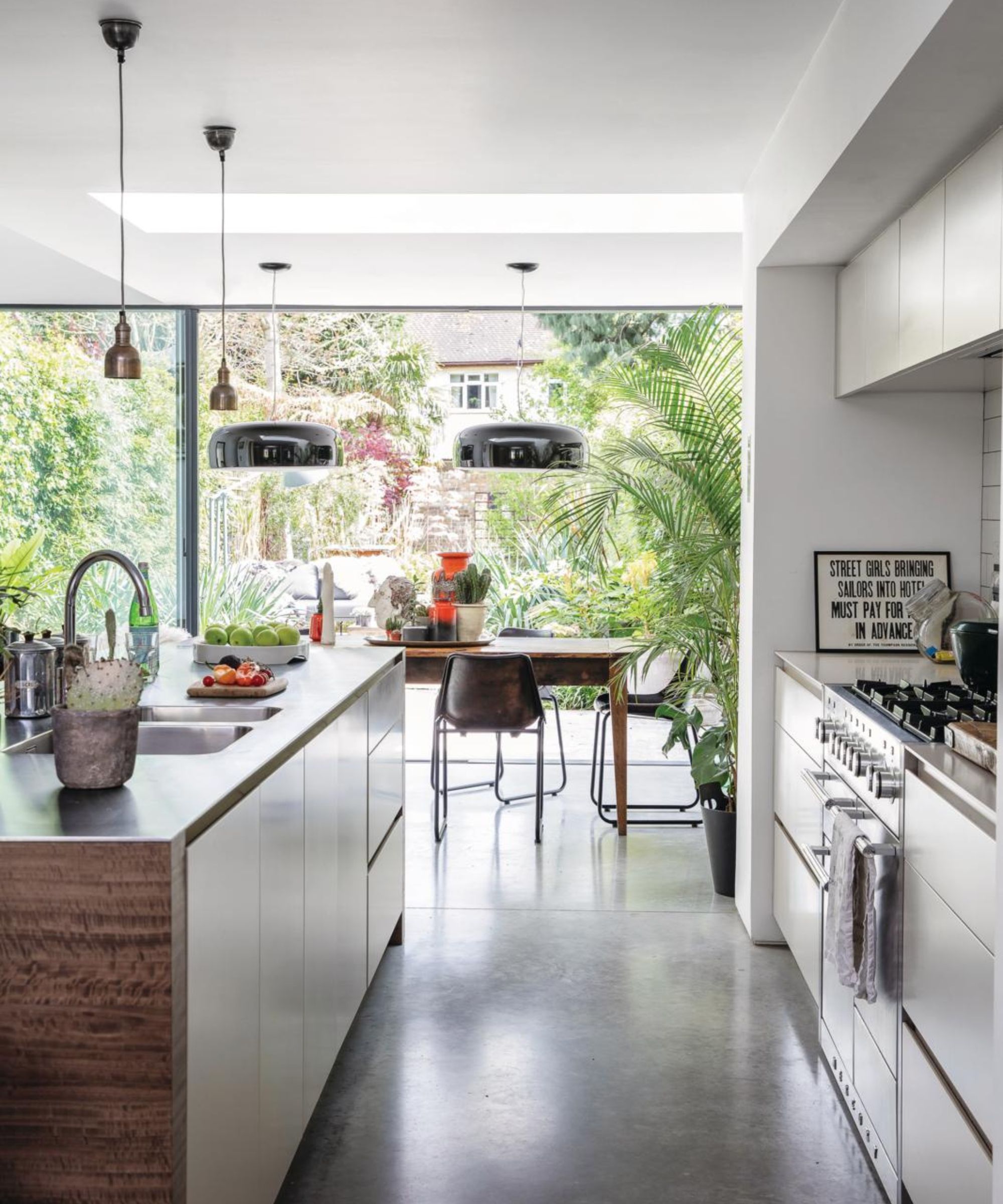
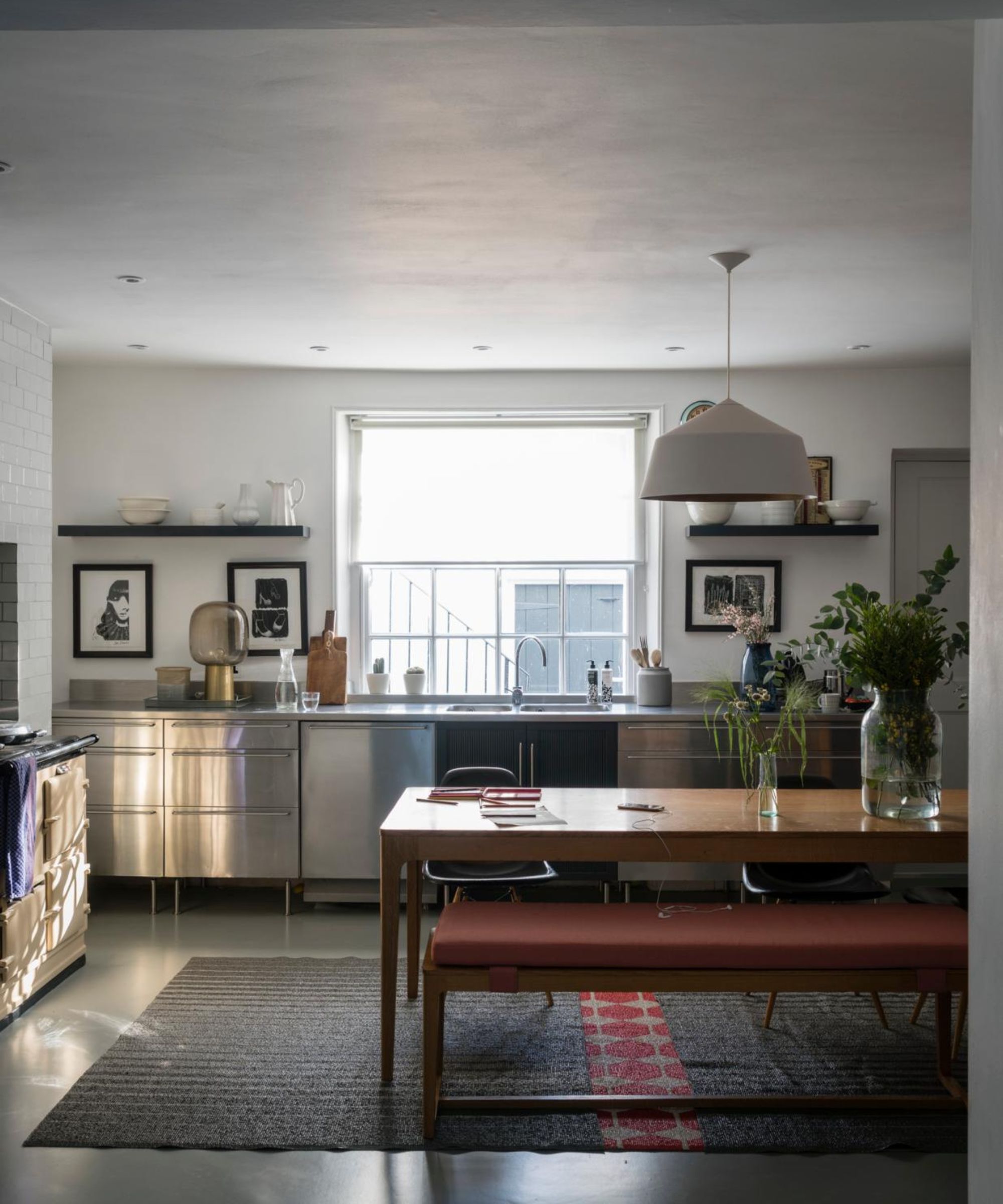
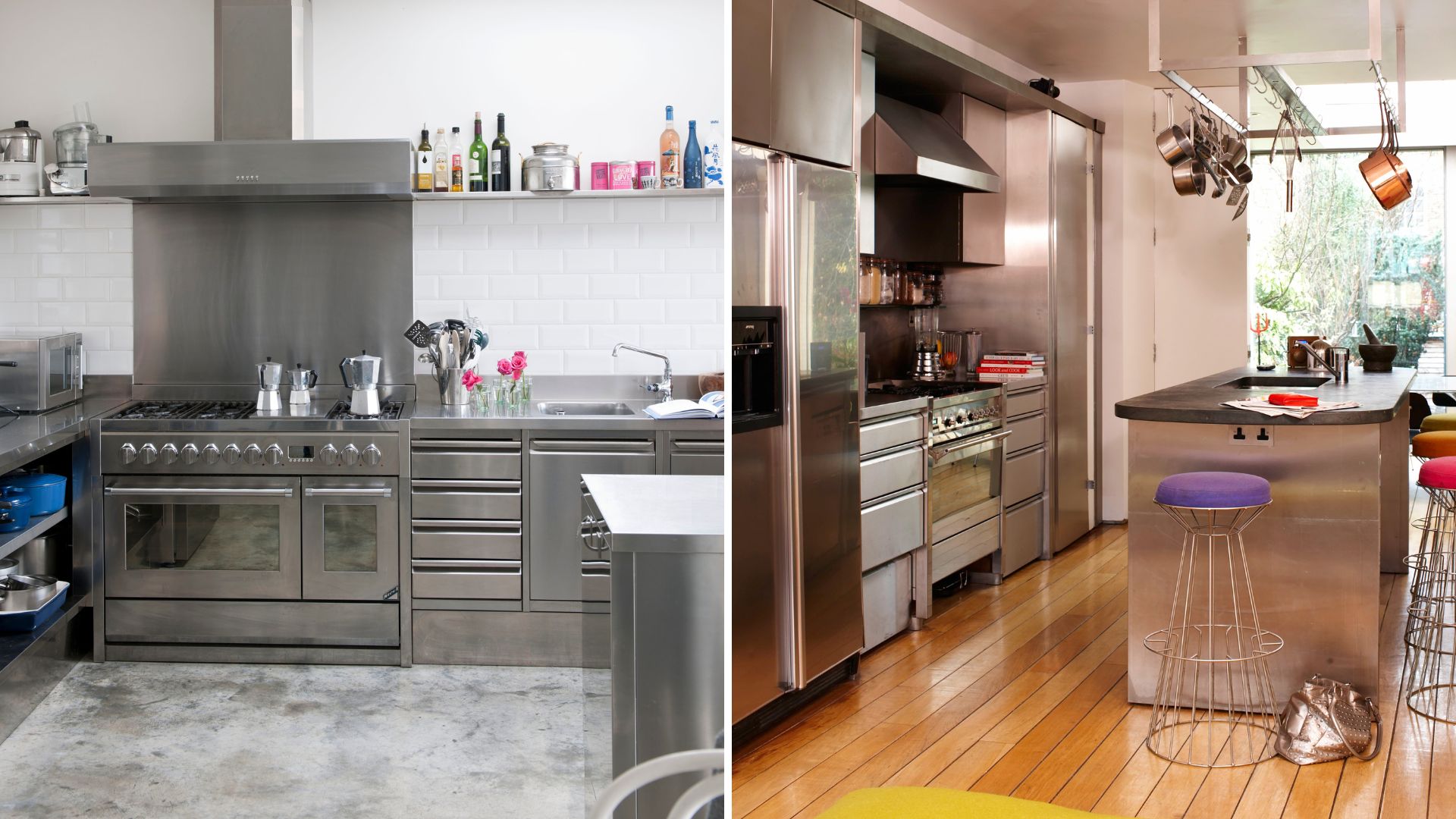
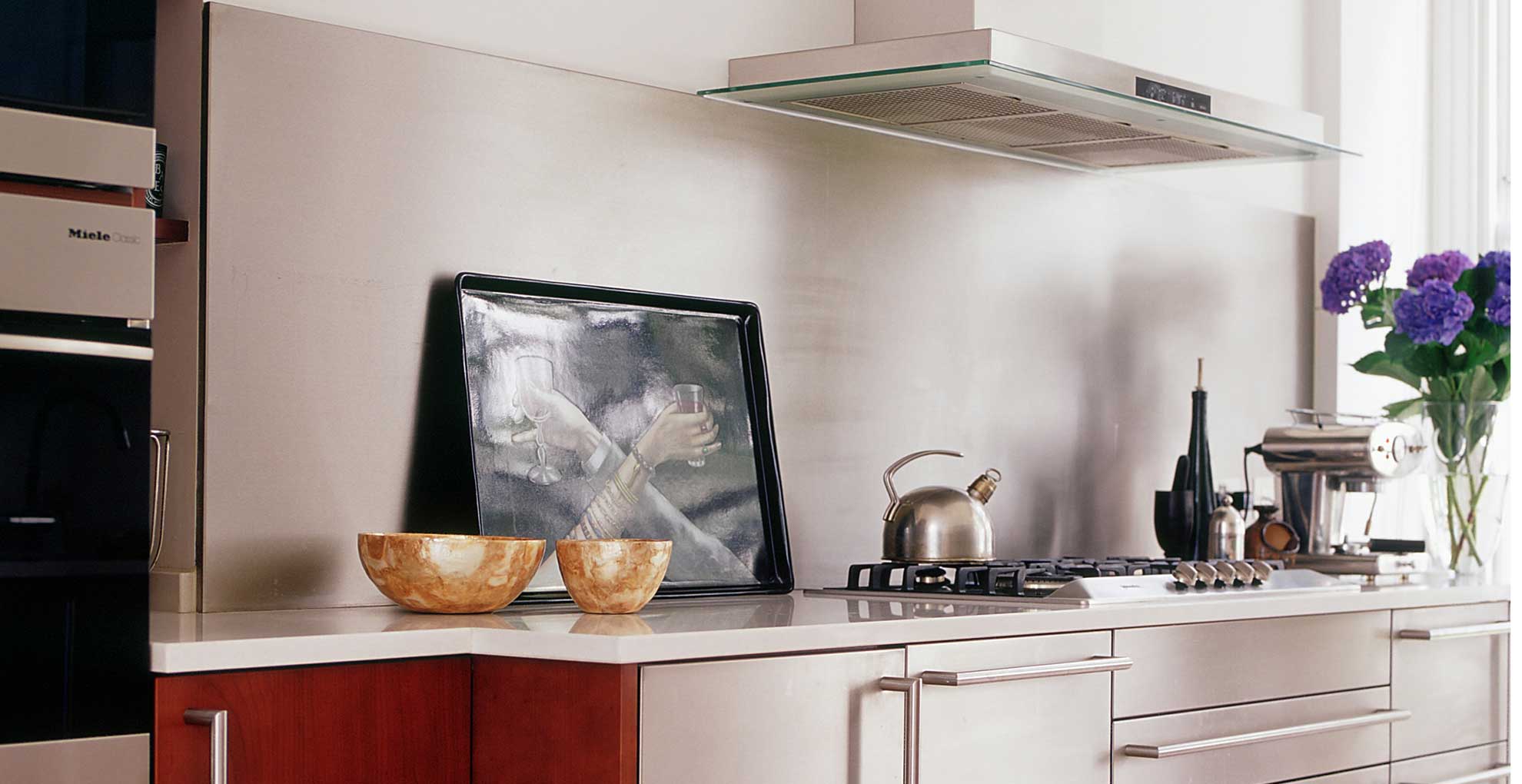
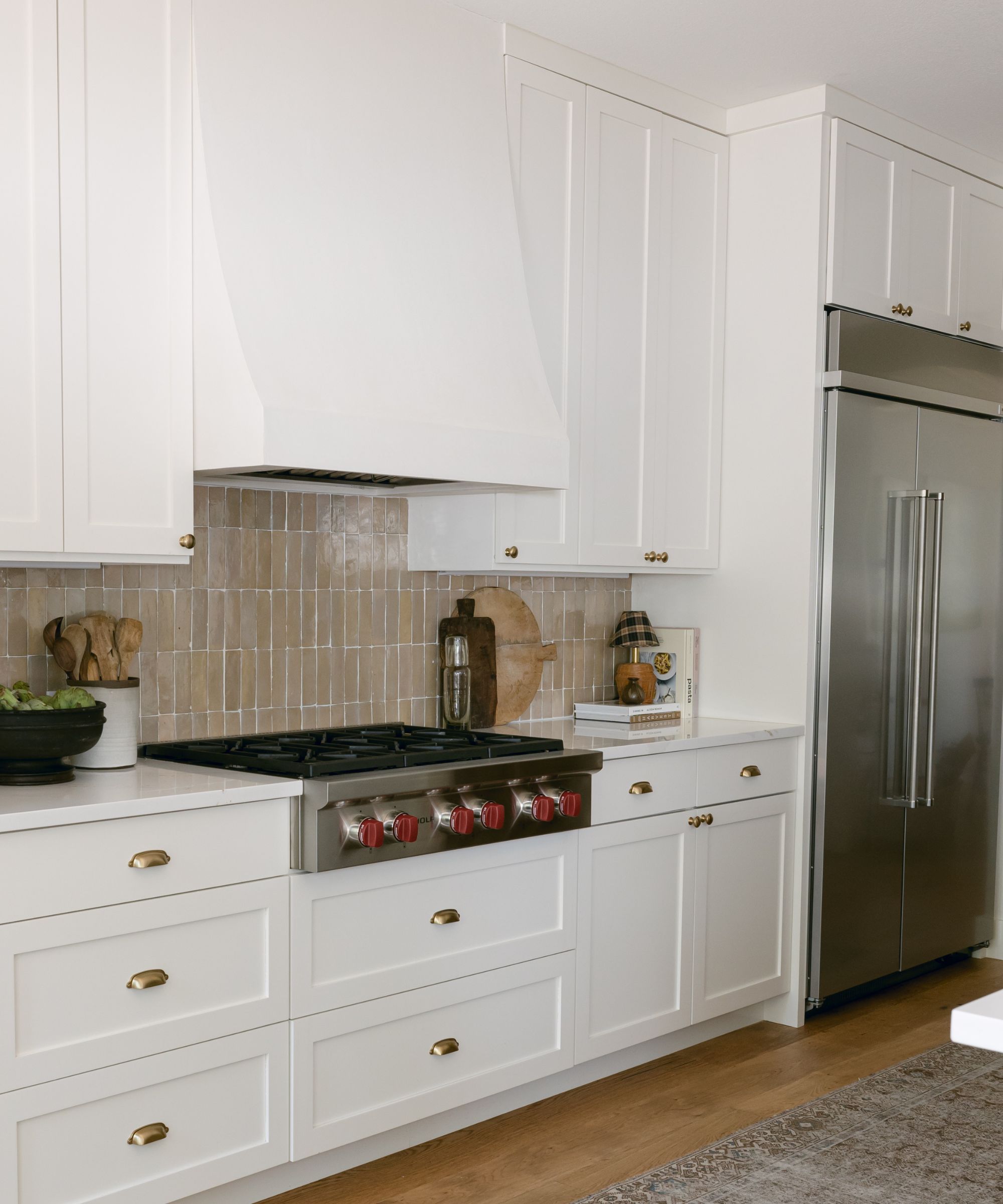
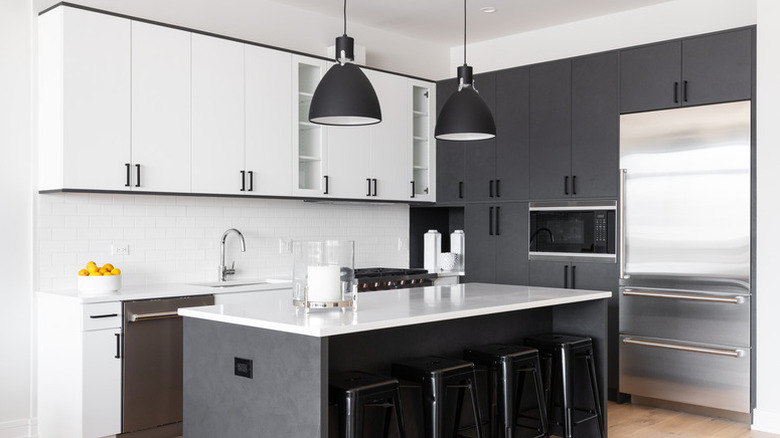
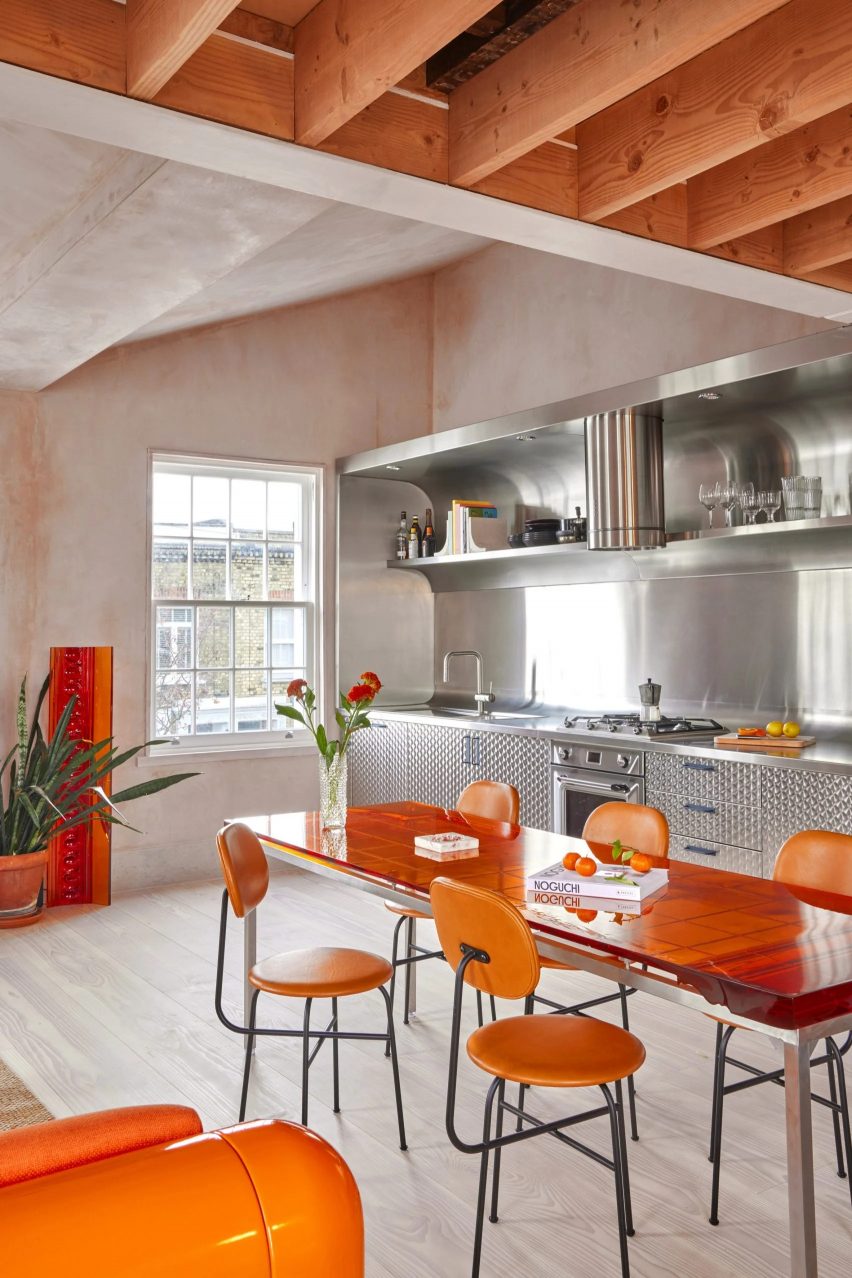
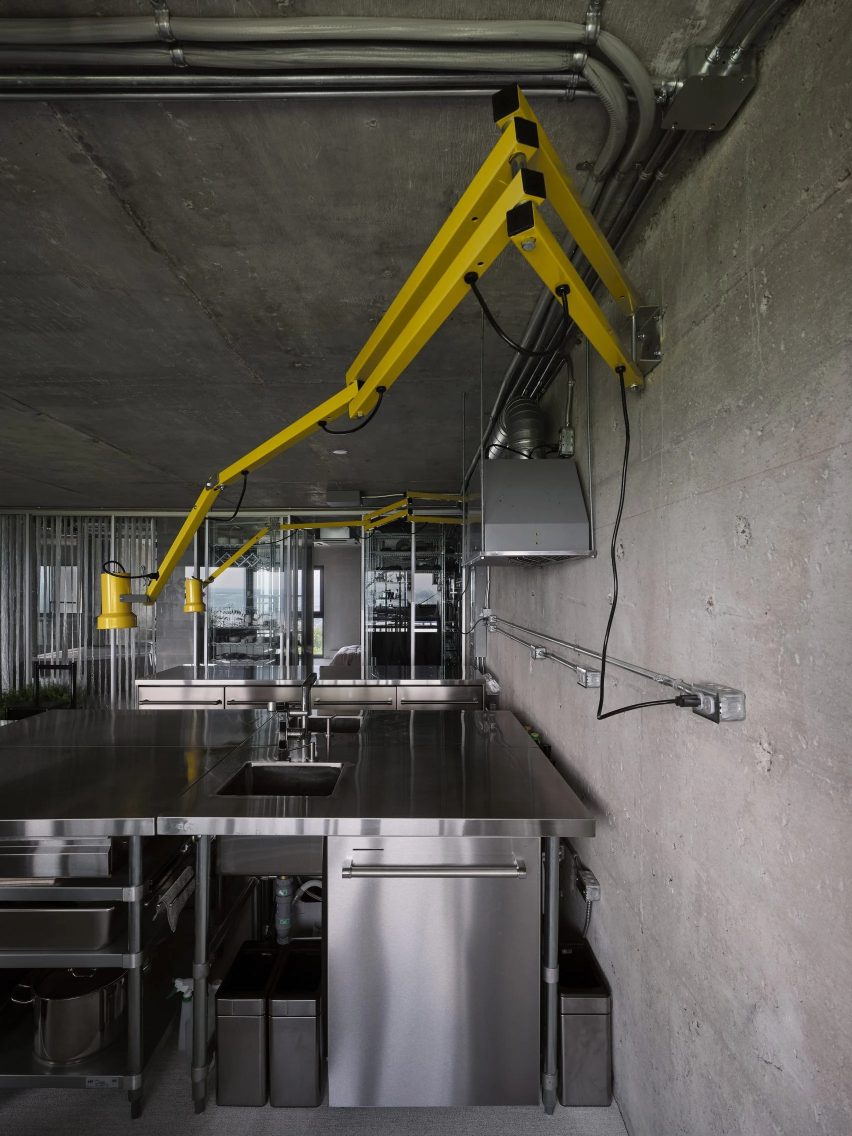
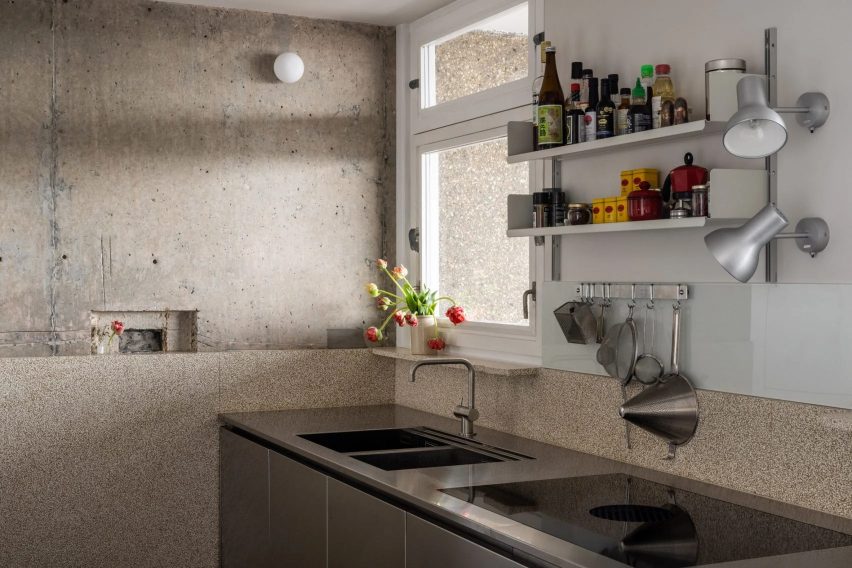
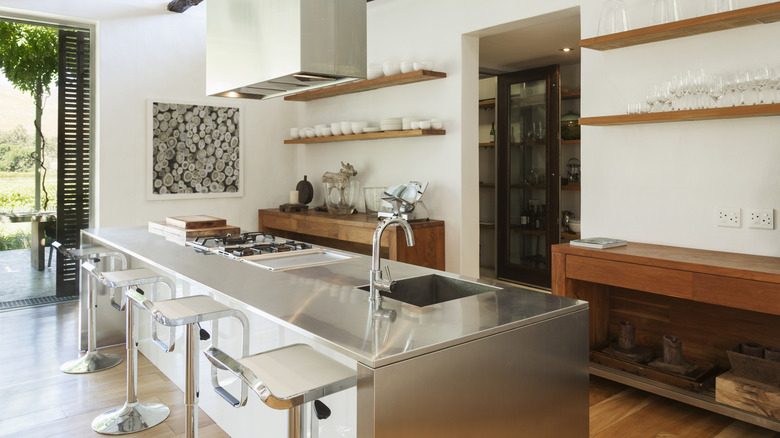
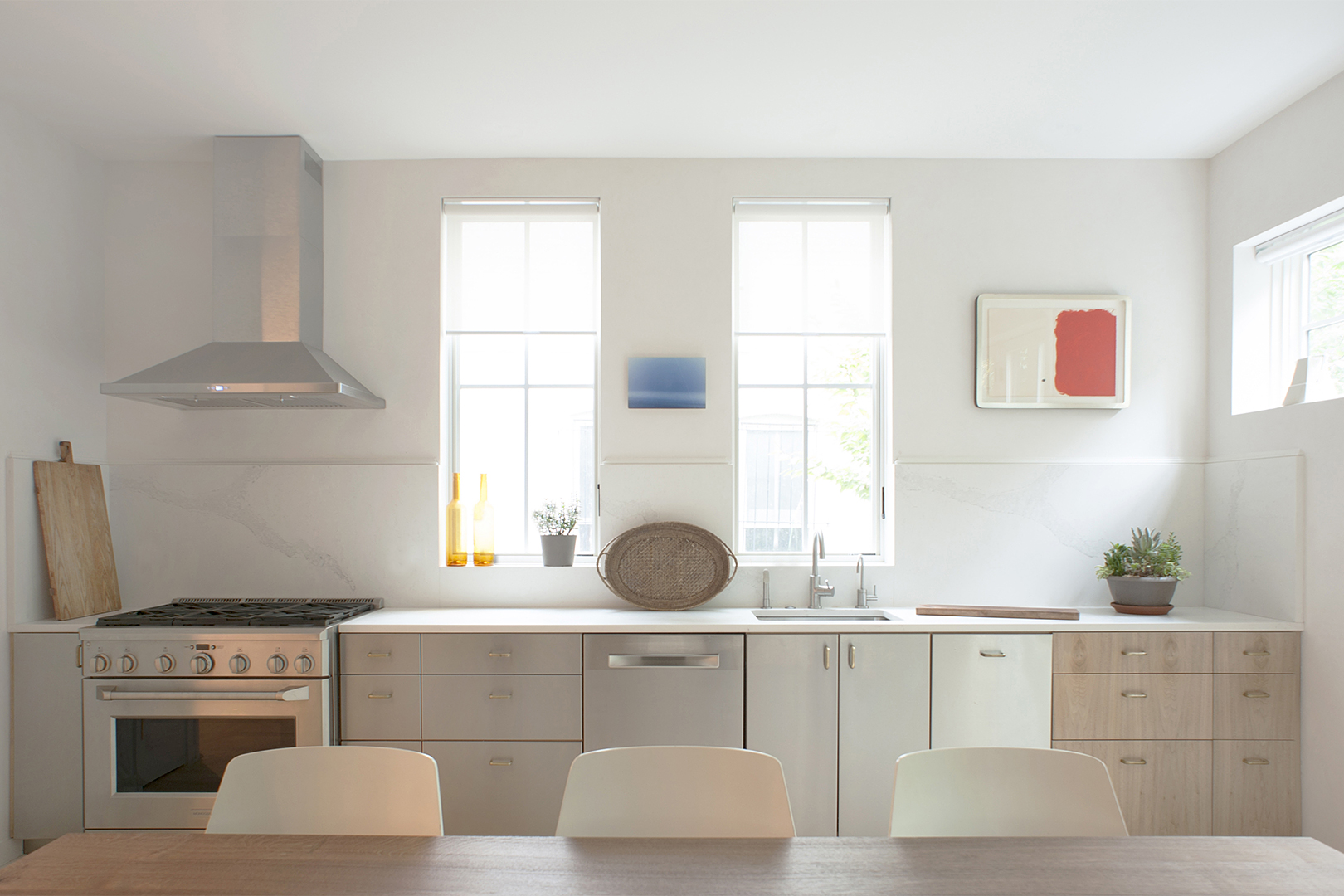
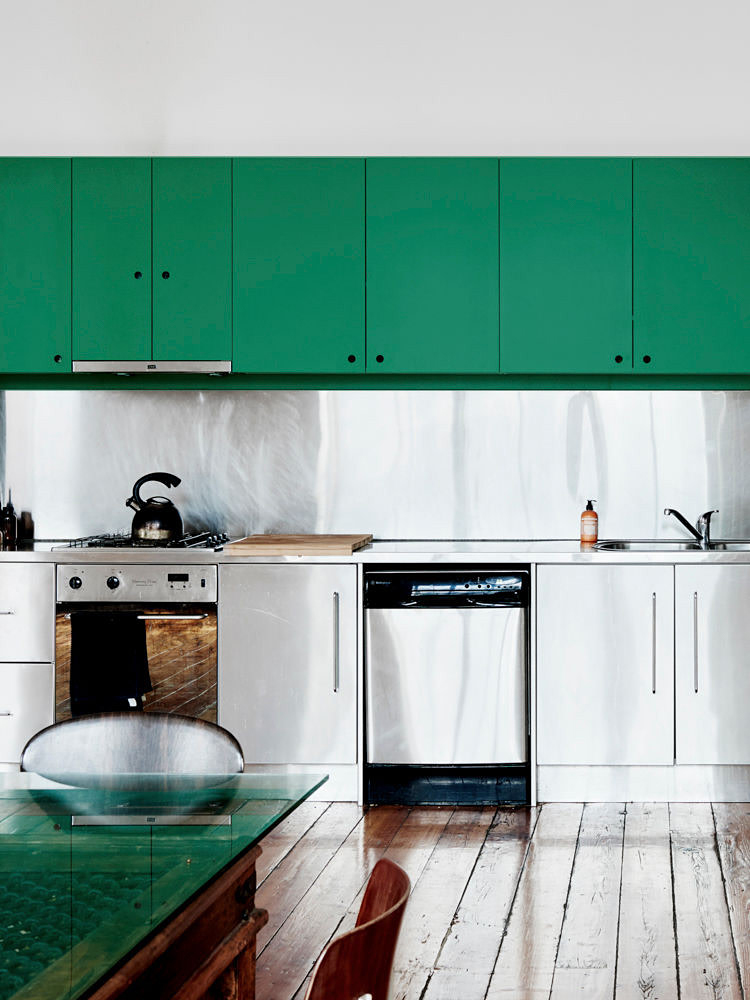
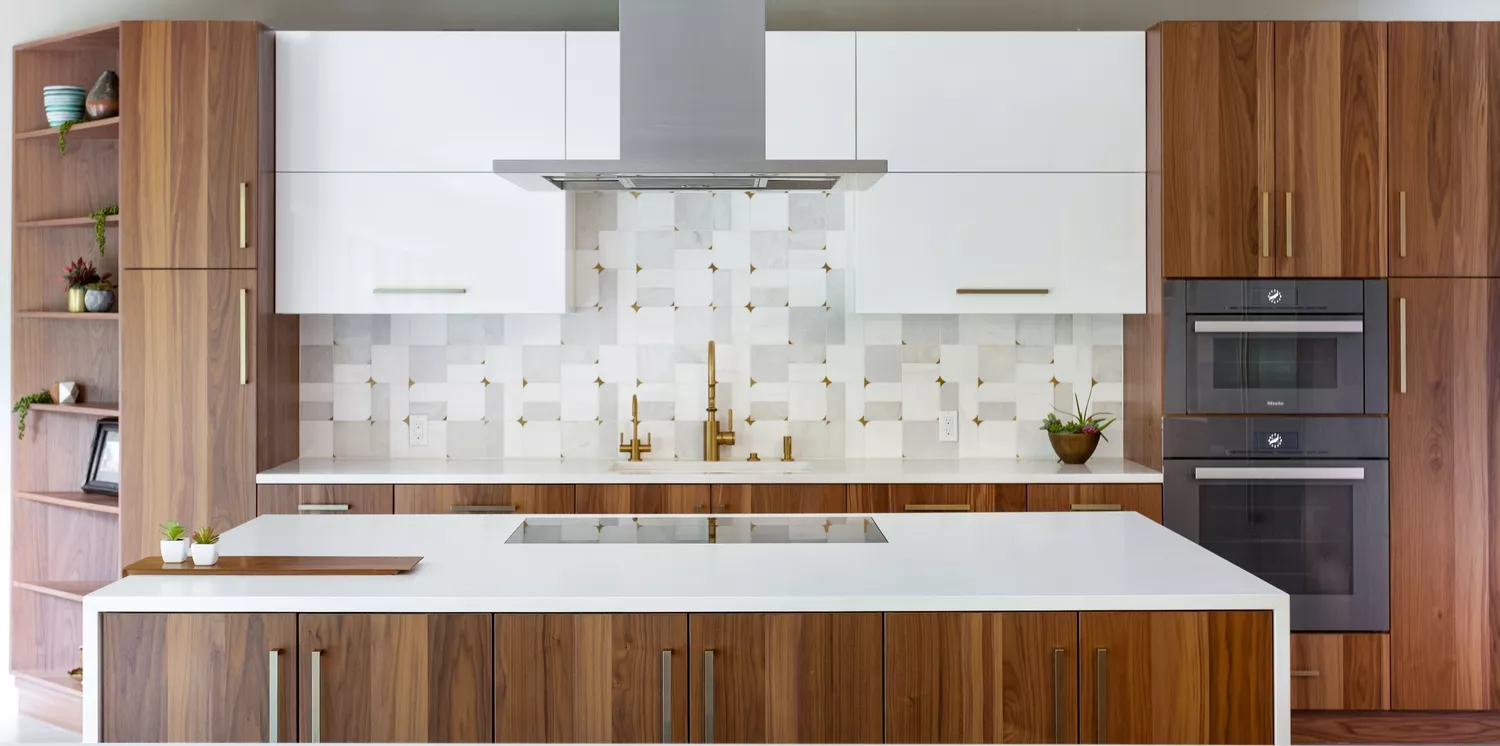
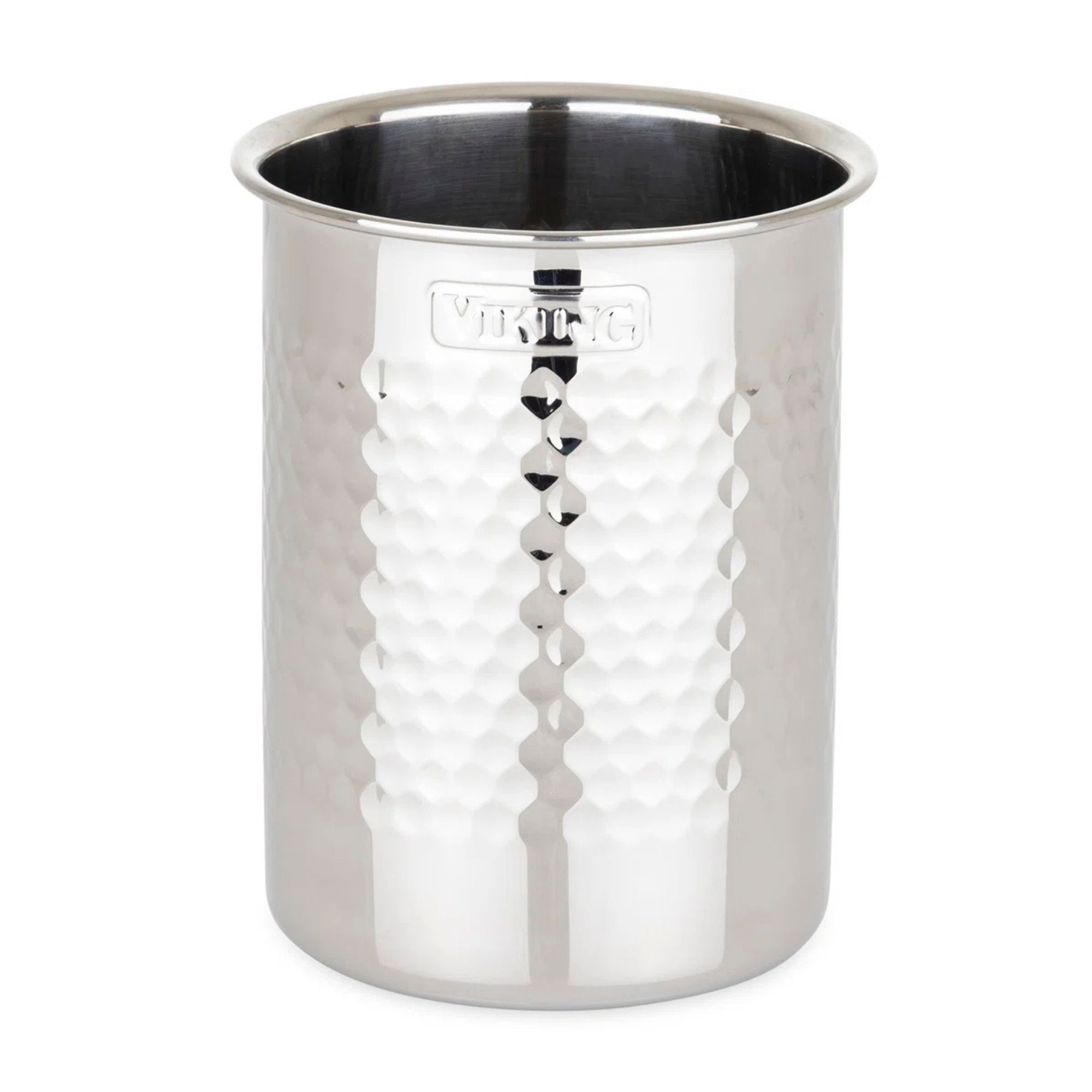
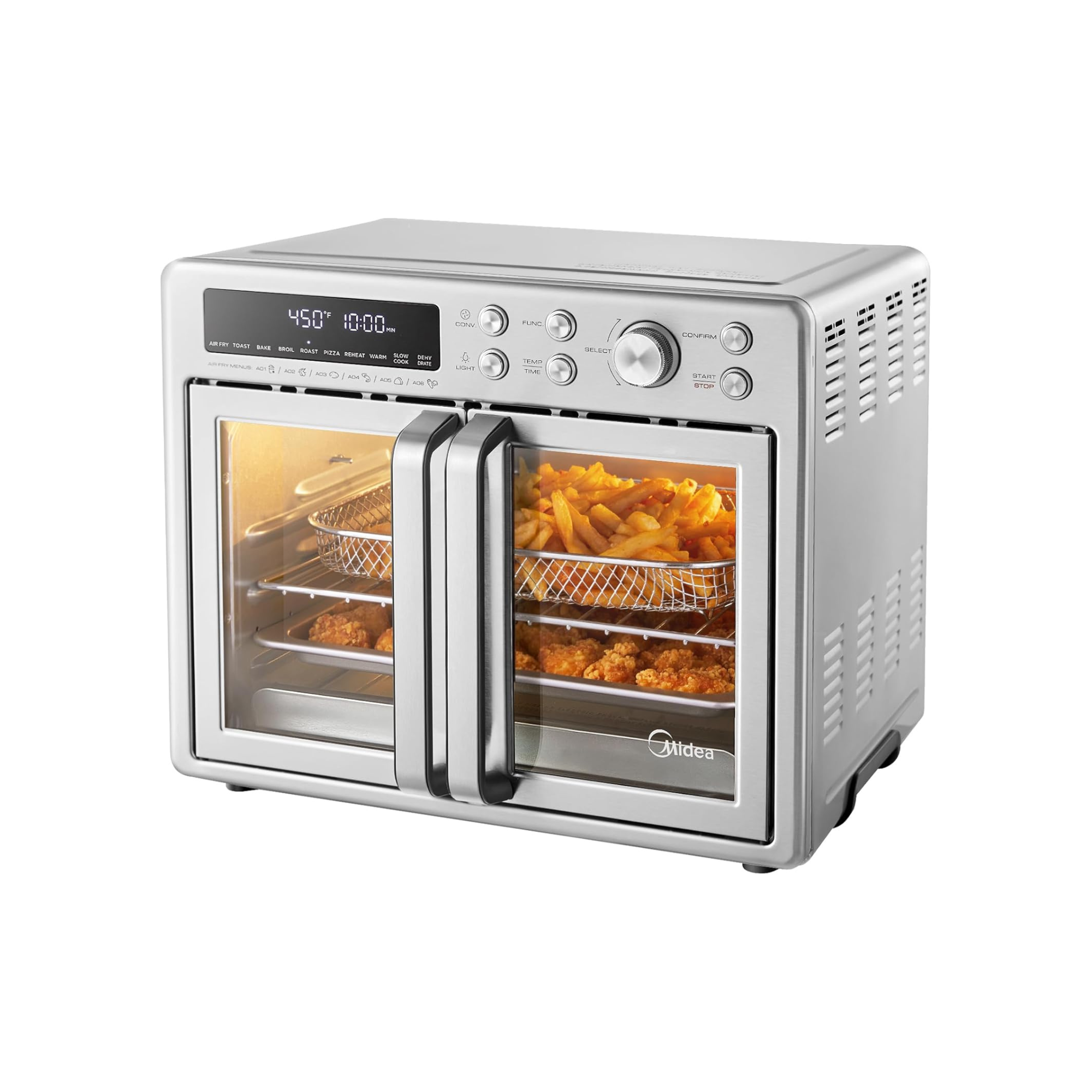
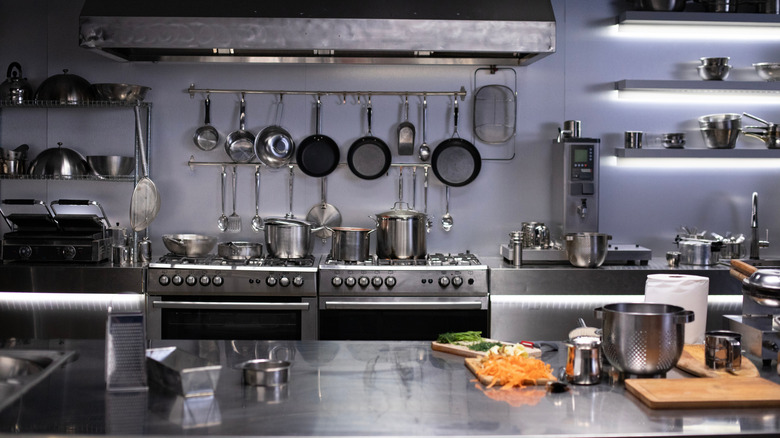
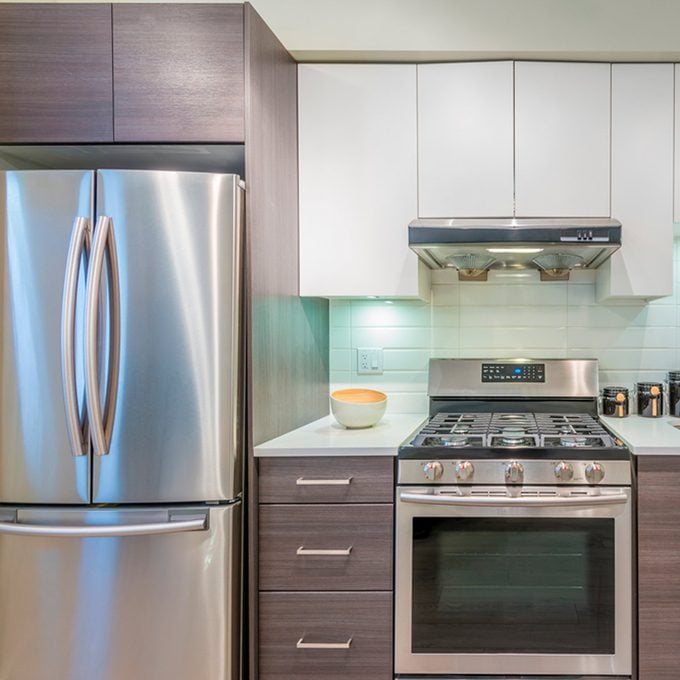
From an aesthetic standpoint, stainless steel is a top choice for those aiming for a modern, sleek, and trendy kitchen. Its neutral, metallic sheen effortlessly complements various kitchen styles and color schemes, making it a versatile option for contemporary designs. The visual appeal of stainless steel can elevate the overall ambiance of a kitchen, providing a sophisticated and polished look that many designers favor. This consistent popularity underscores its enduring appeal in home aesthetics.
Beyond its appearance, stainless steel is renowned for its durability. Its elemental composition makes it highly resistant to common issues like rust, fire, and heat. This inherent robustness means that stainless steel appliances are built to last, with a greater capacity to withstand daily wear and tear compared to other finishes. For homeowners prioritizing longevity and resilience in their appliances, stainless steel presents a compelling argument, promising sustained performance and appearance over an extended period. Proper maintenance, such as regular cleaning and addressing scratches, can further enhance its lifespan.
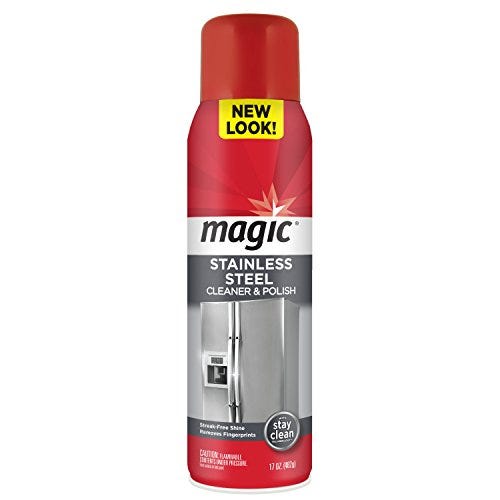
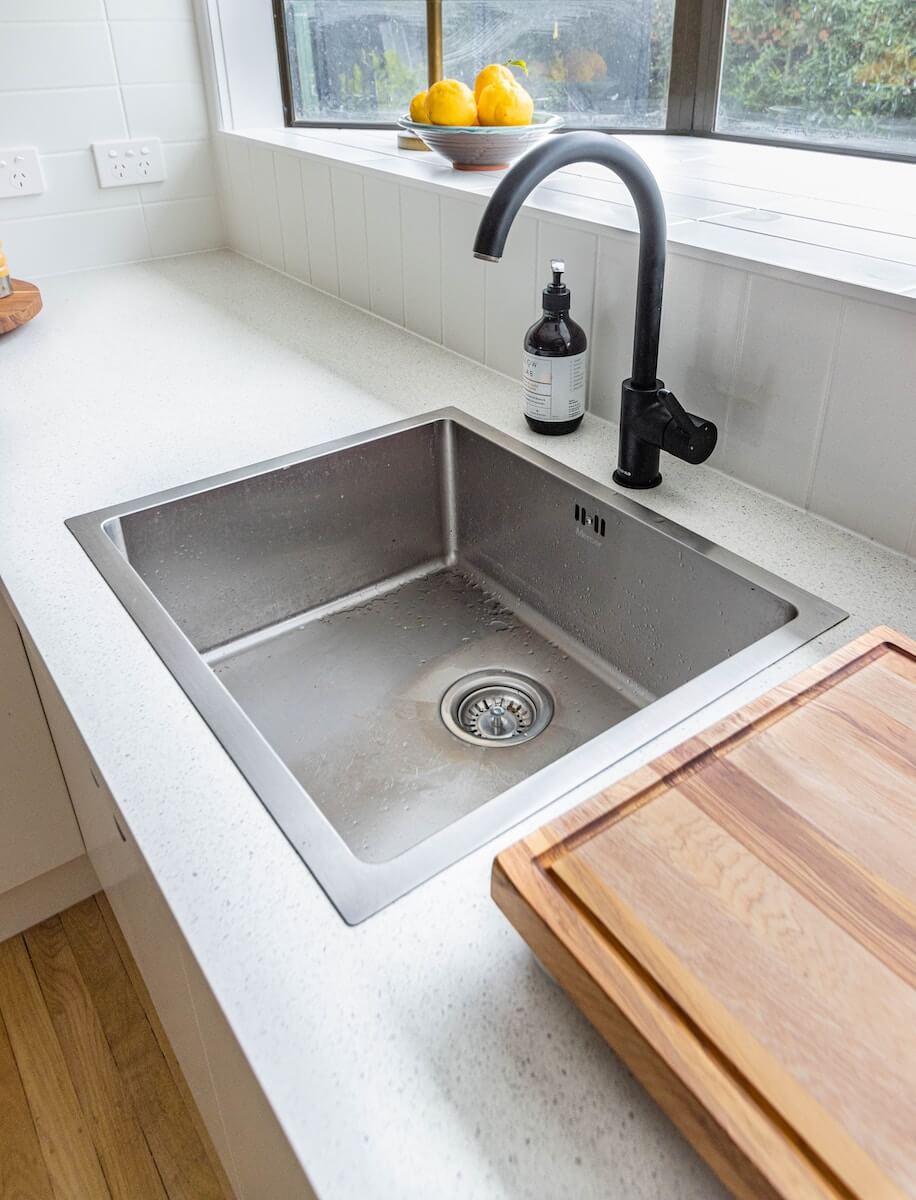
However, the benefits of stainless steel come with certain trade-offs. A significant drawback is its tendency to show smudges and fingerprints prominently. This characteristic can be particularly challenging for households with children or those who frequently use their kitchen, as keeping the appliances pristine may require frequent cleaning. While various cleaning methods and products can help mitigate this issue, it remains a persistent concern for many users. The constant need for wiping and polishing can be a considerable time commitment.
Another important consideration is the cost. Stainless steel appliances are typically more expensive than their white or black counterparts. This higher price point can be a deciding factor for budget-conscious consumers, necessitating a careful evaluation of the aesthetic and durability benefits against the financial outlay. The investment in stainless steel often reflects its perceived quality and modern appeal, but it's a cost that homeowners must be prepared to incur.
Finally, some stainless steel appliances lack magnetic properties, which can be an inconvenience for those accustomed to using their refrigerator as a display board for notes, photos, or children's artwork. This non-magnetic surface means alternative solutions for displaying items on the fridge may be necessary. While not a deal-breaker for everyone, it's a practical detail that can affect daily kitchen functionality and personal habits. Considering these pros and cons will help homeowners make an informed choice that aligns with their lifestyle, budget, and aesthetic preferences.
#StainlessSteelAppliances #KitchenDesign #HomeAppliances #ApplianceDurability #KitchenAesthetics #HomeRenovation #CleaningTips #StainlessSteelAppliances #KitchenDesign #HomeAppliances #ApplianceDurability #KitchenAesthetics #HomeRenovation #CleaningTips
0 comment in total
 No comments yet
You may also like
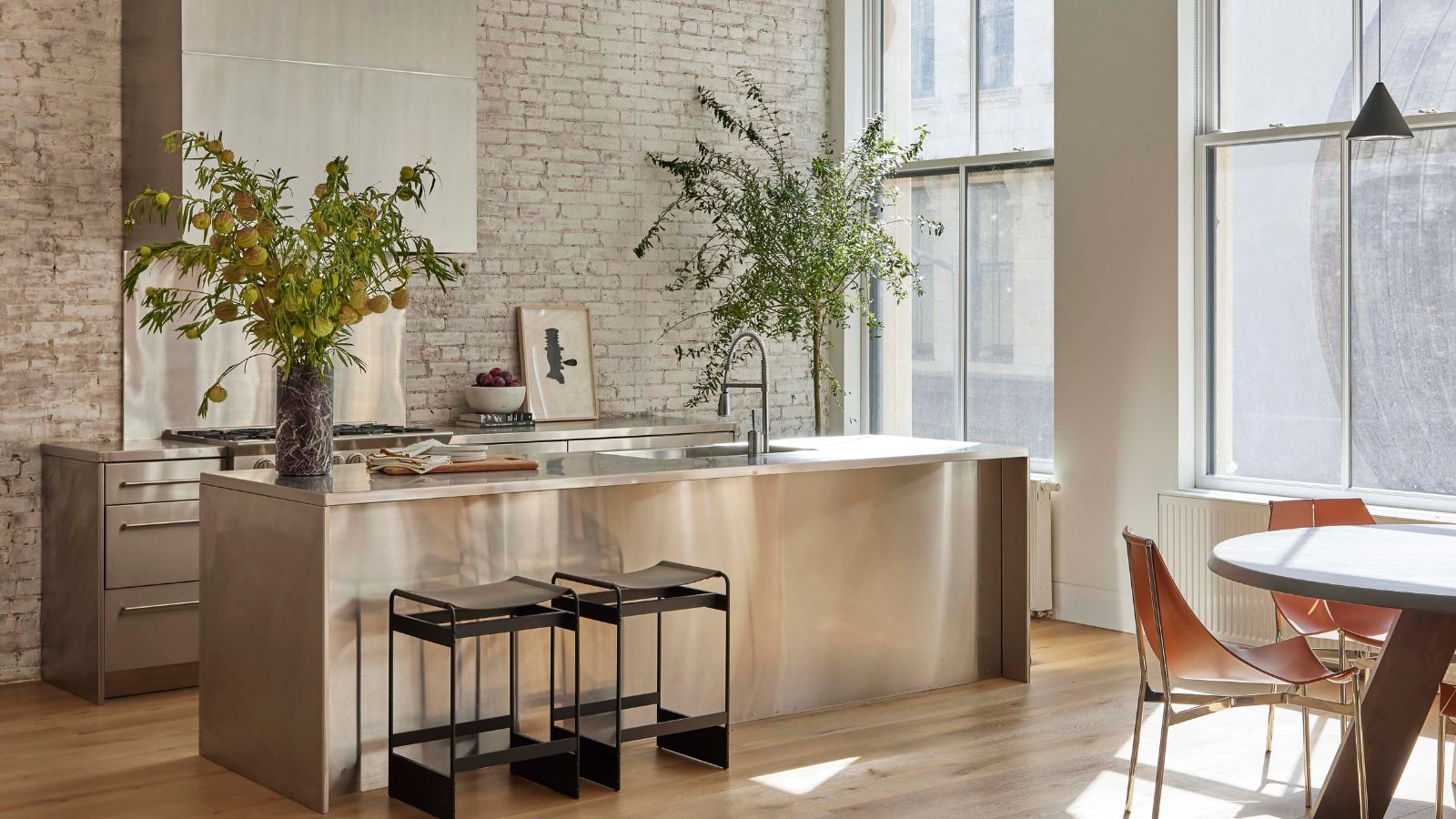
Are stainless steel countertops a good idea?

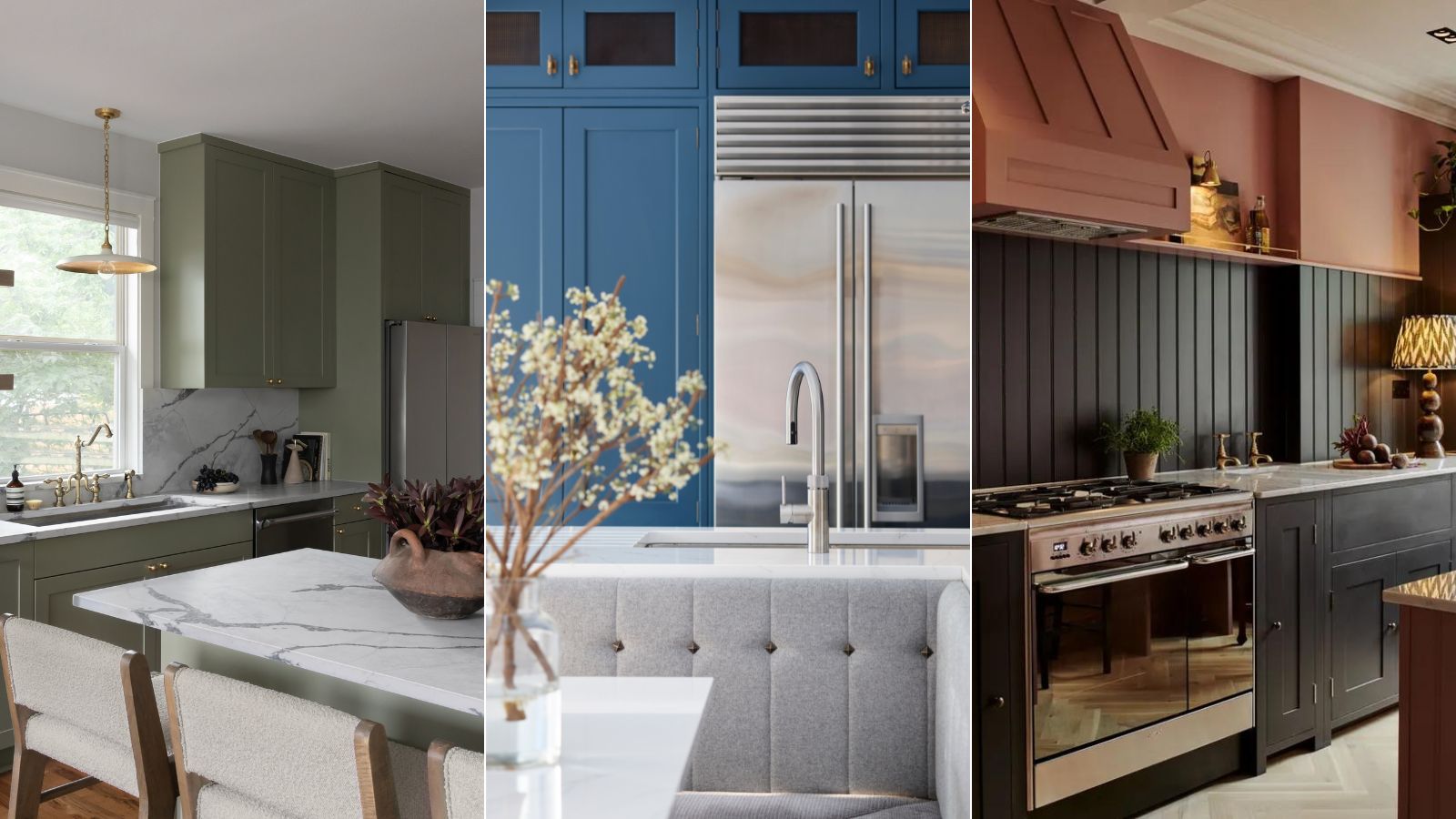
What colors work best with stainless steel kitchen appliances? Interior designers weigh in
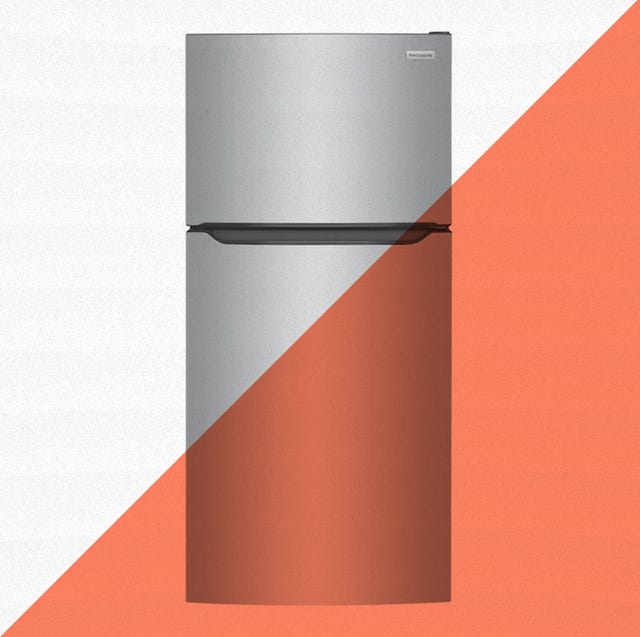
Upgrade Your Kitchen’s Style With the Best Stainless-Steel Refrigerators
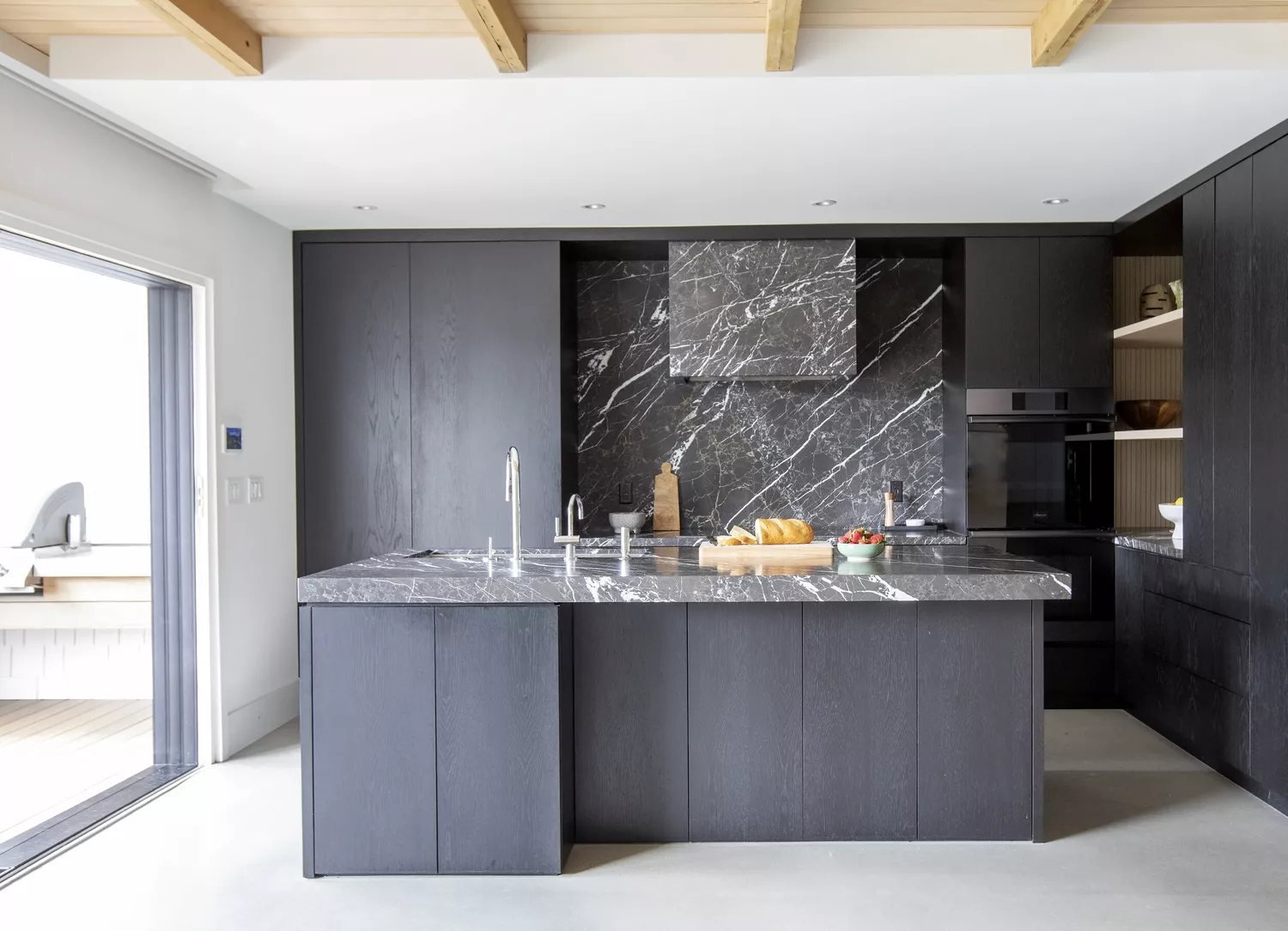
16 Kitchen Cabinet Colors That Look Really Good With Black Stainless Steel Appliances

This unexpected kitchen design is everywhere right now

The Best Stainless Steel Cleaners to Revive Your Dull Appliances

The Industrial-Chic Kitchen Countertop Trend That'll Be Everywhere In 2026

Best Kitchen Sinks: Top 5 Models Most Recommended By Design Experts

The best colors for kitchen appliances, according to interiors experts
The Kitchen Appliance Color Mistake That Makes Interior Designers Cringe

12 Best Silverware Brands, Ranked


Diane Keaton’s 1990s Kitchen Combines Stainless Steel Islands, Chef-Inspired Cabinets, and Industrial Design to Inspire Modern Interior Trends
Hot Home Trend: Stainless Steel Kitchens
Eight characterful kitchens with sleek metal details
6 Metal Kitchen Cabinets That Prove Industrial Is More Versatile Than You Think

Midea Flexify French Door Air Fryer Oven review – my family loves this stainless steel, non-toxic air fryer
Design expert reveals why we'll be seeing more stainless steel kitchens in 2024


Stainless Steel in Interior Design: Transforming Spaces with Industrial Elegance


The Best Flatware of 2026 | Reviews by Wirecutter


Why Ree Drummond Went With Stainless Steel For Her Kitchen Island