1/5
How plaid went from fashion faux pas to material of the moment
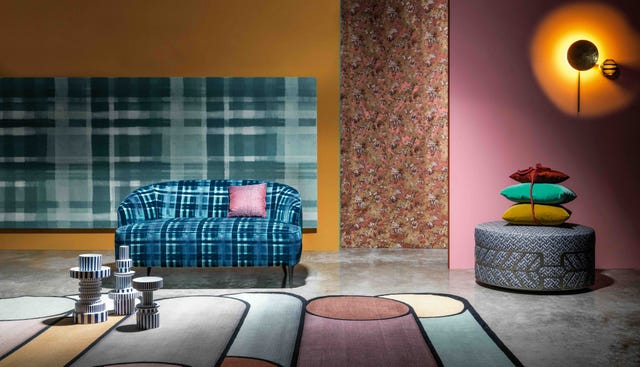
The perception and application of plaid have undergone a significant transformation, evolving from a controversial fashion statement to a versatile and widely accepted material in interior design. In 1992, Marc Jacobs' plaid-heavy collection for Perry Ellis faced harsh criticism from fashion critics, with Bernadine Morris of *The New York Times* describing the outfits as haphazardly assembled, and Suzy Menkes famously distributing 'Grunge Is Ghastly' badges. Jacobs was subsequently fired, yet plaid nonetheless became a defining icon of the 1990s.
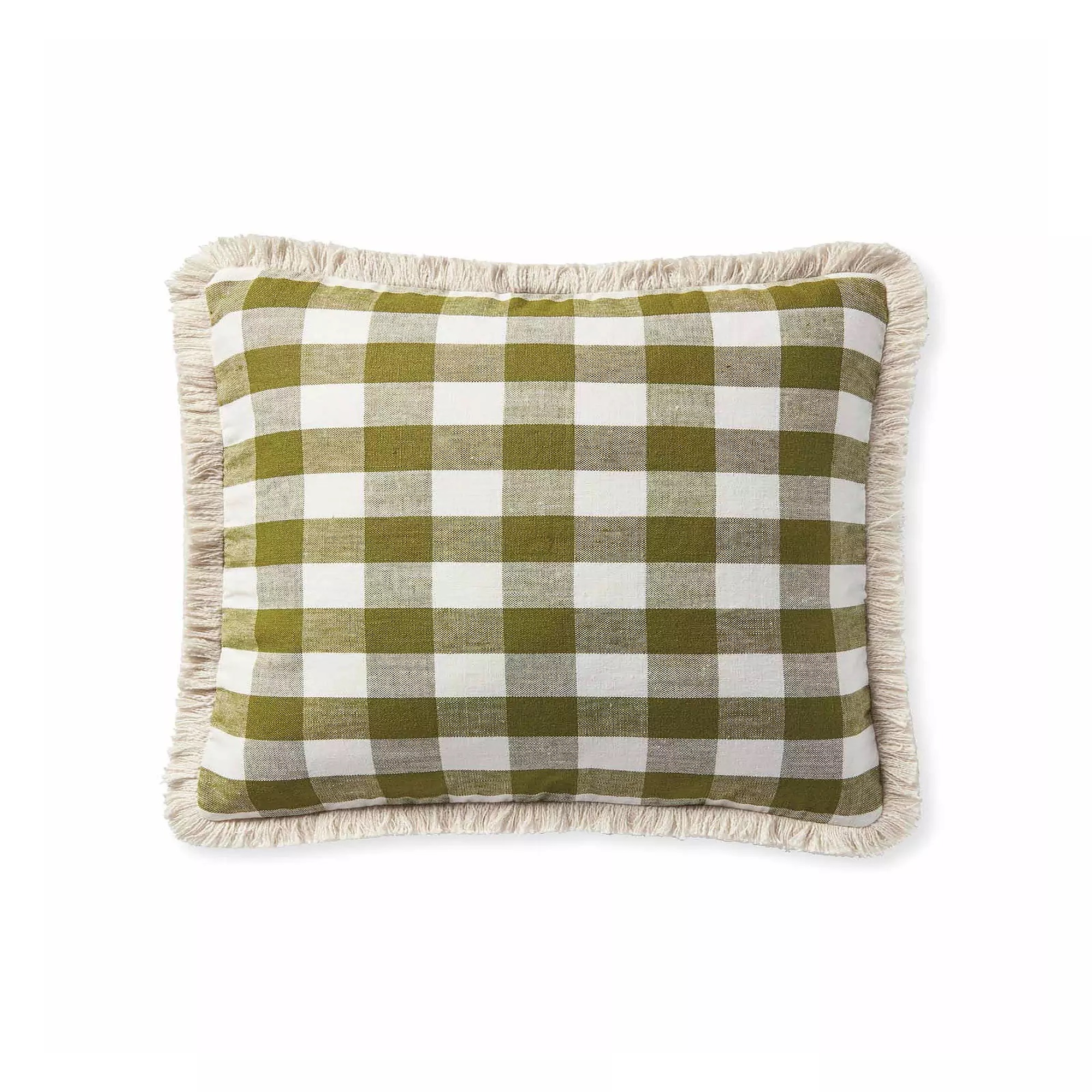
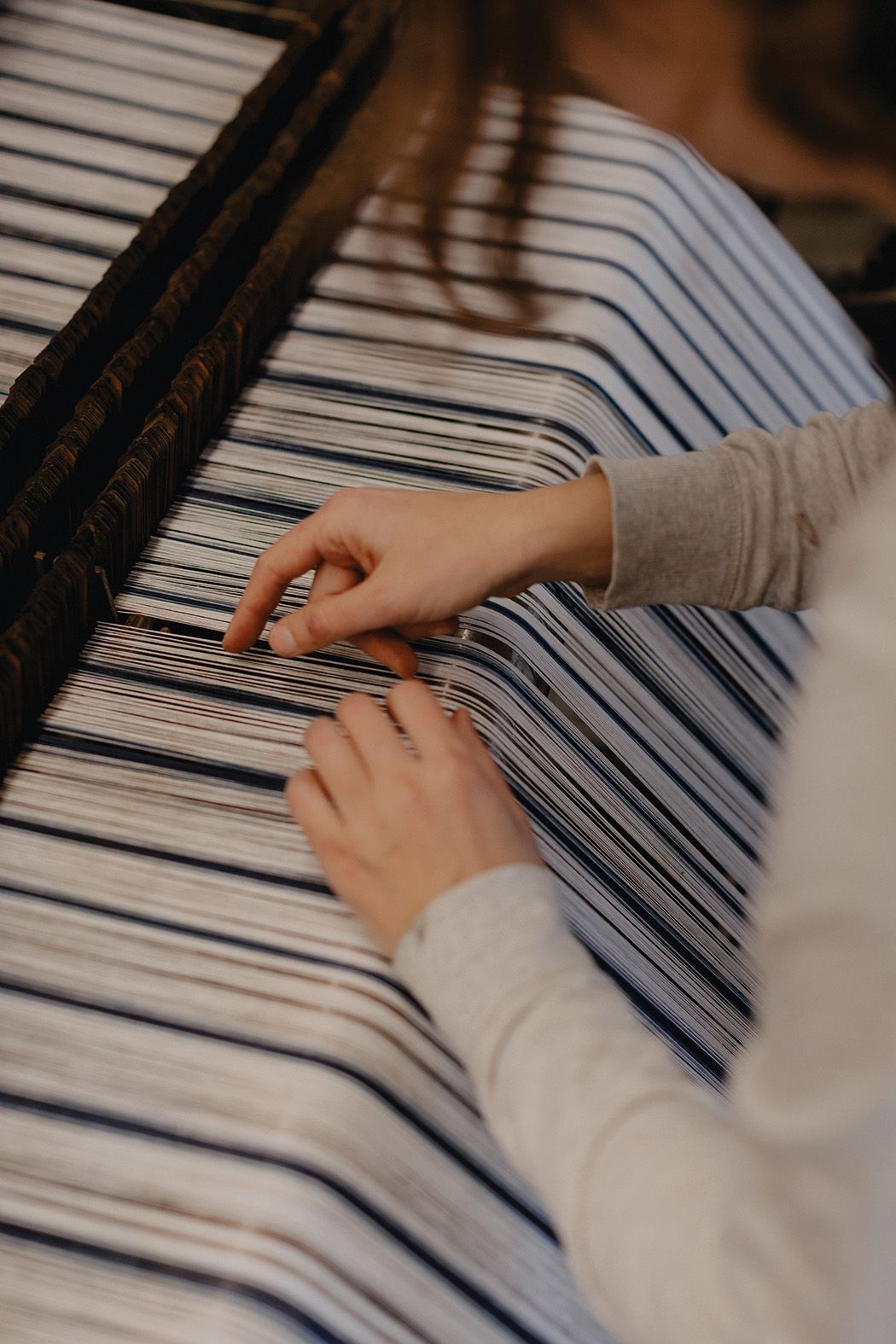
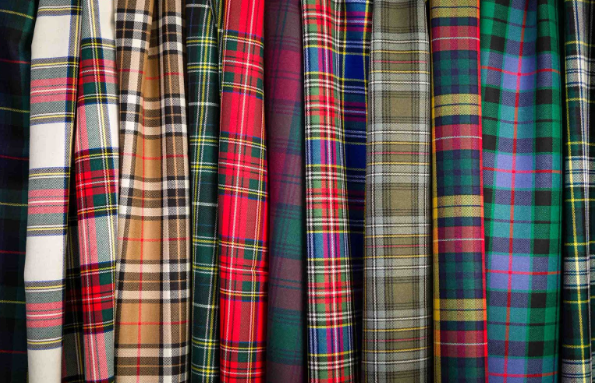
Defining plaid itself can be complex, as it often overlaps with similar textiles like tartan, gingham, and checks. The term originates from the Gaelic word 'plaide,' which originally referred to a woven blanket or wrap, not a specific pattern. However, the technique of criss-crossing different colored yarns in the warp and weft is a fundamental weaving design found across various cultures. Over time, the word 'plaid' shifted from describing a type of blanket to encompassing the pattern itself. Today, 'plaid' generally refers to the entire family of fabrics characterized by this criss-crossing structure, including checks and ginghams, while 'tartans' are a specific type of plaid associated with particular clans or communities.
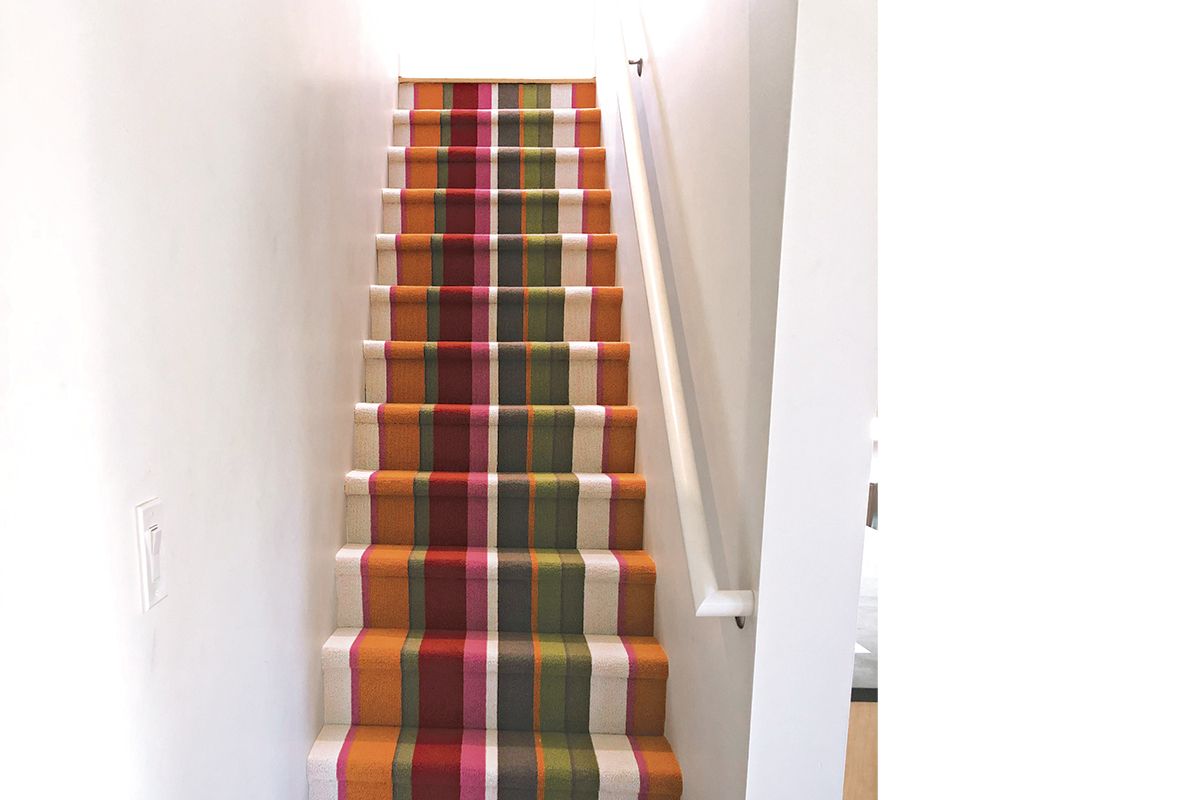
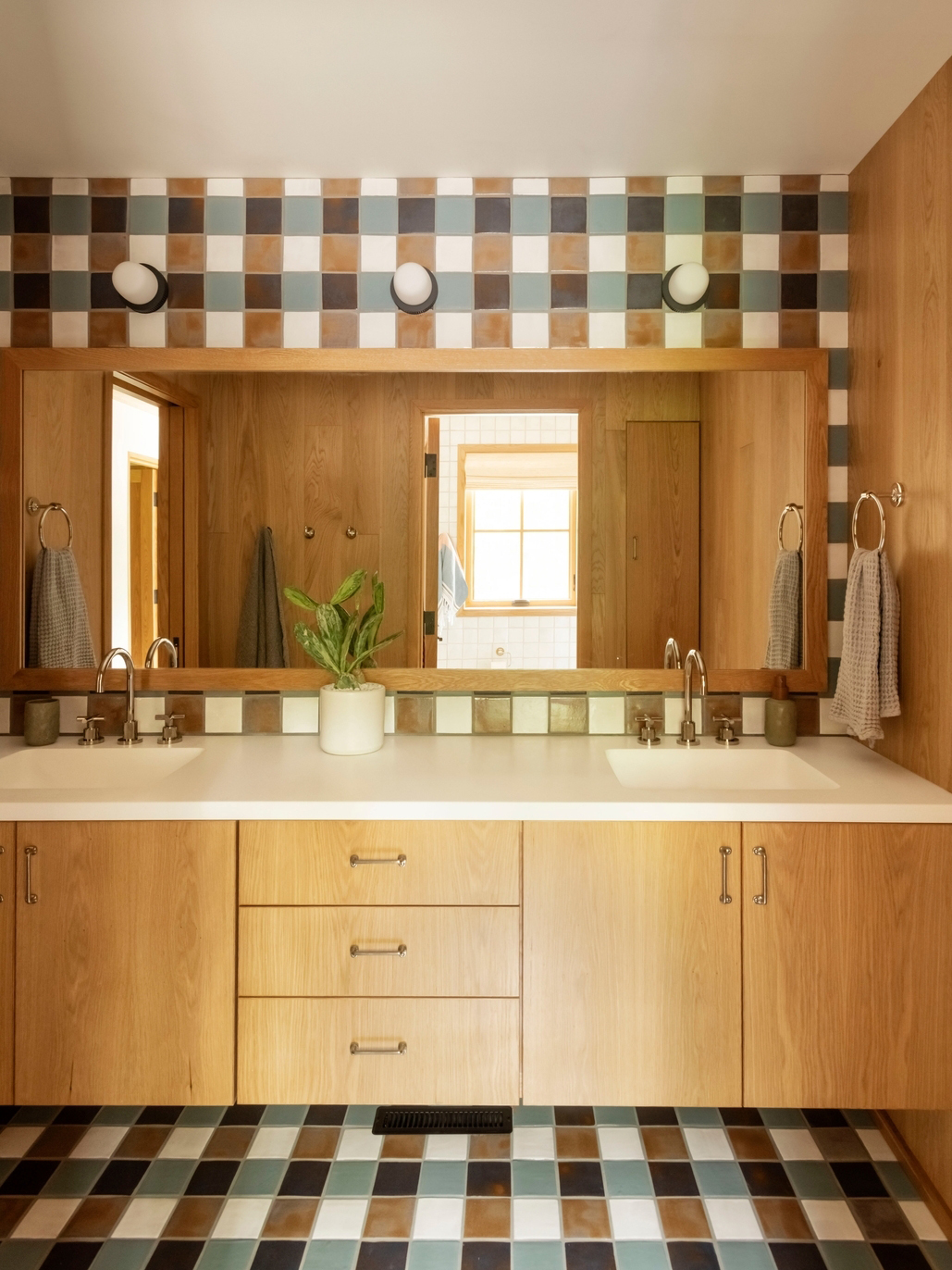
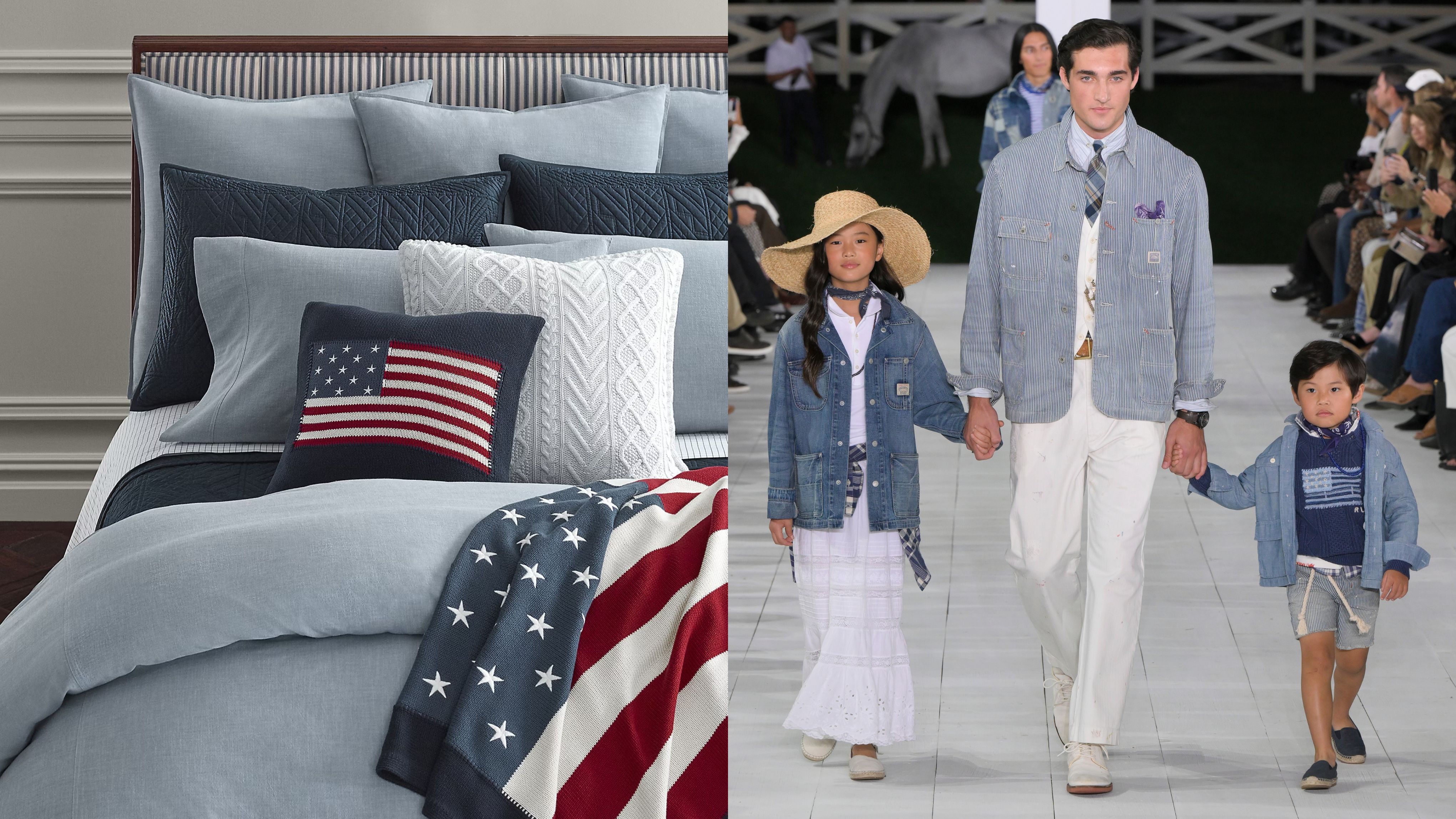
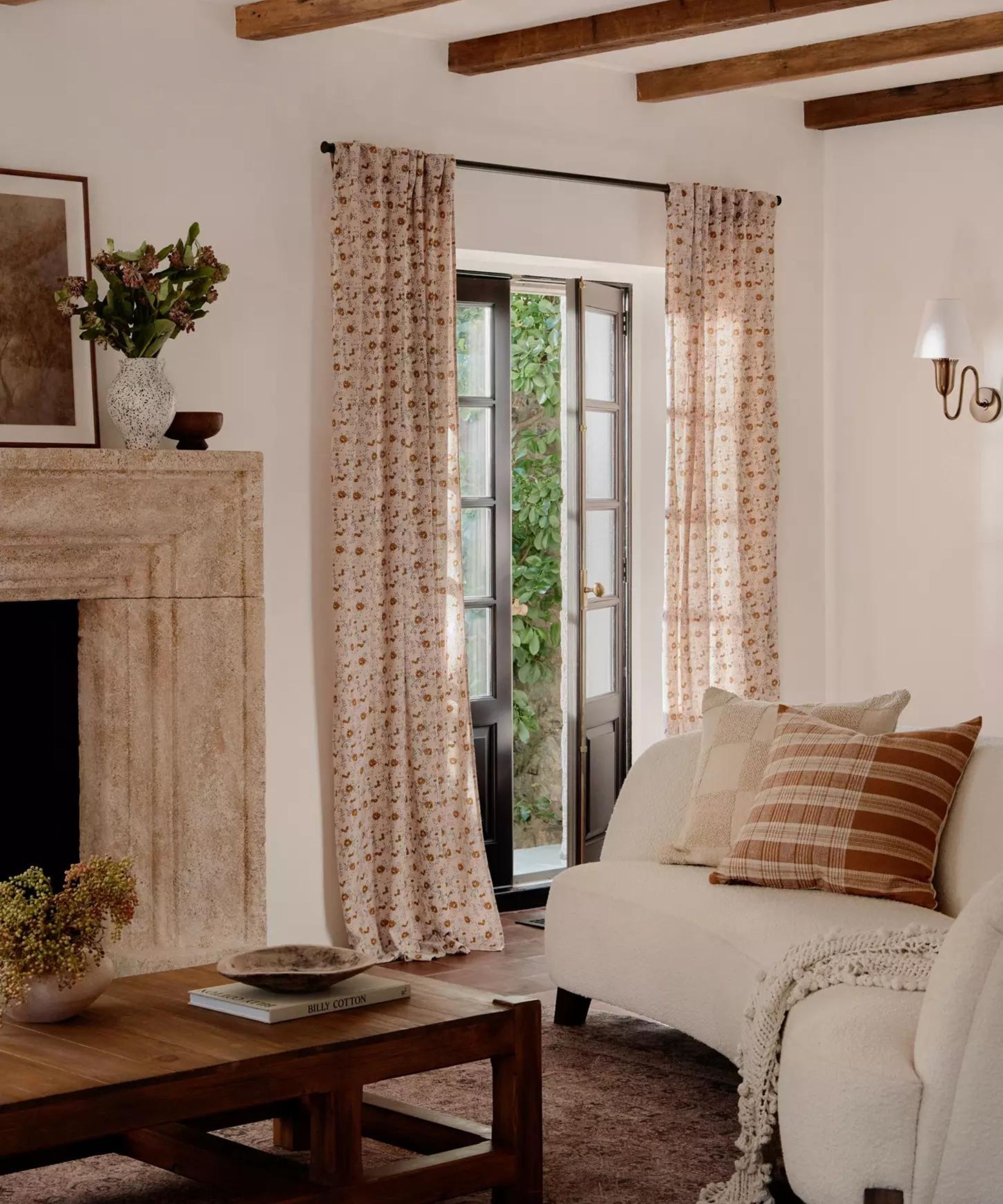
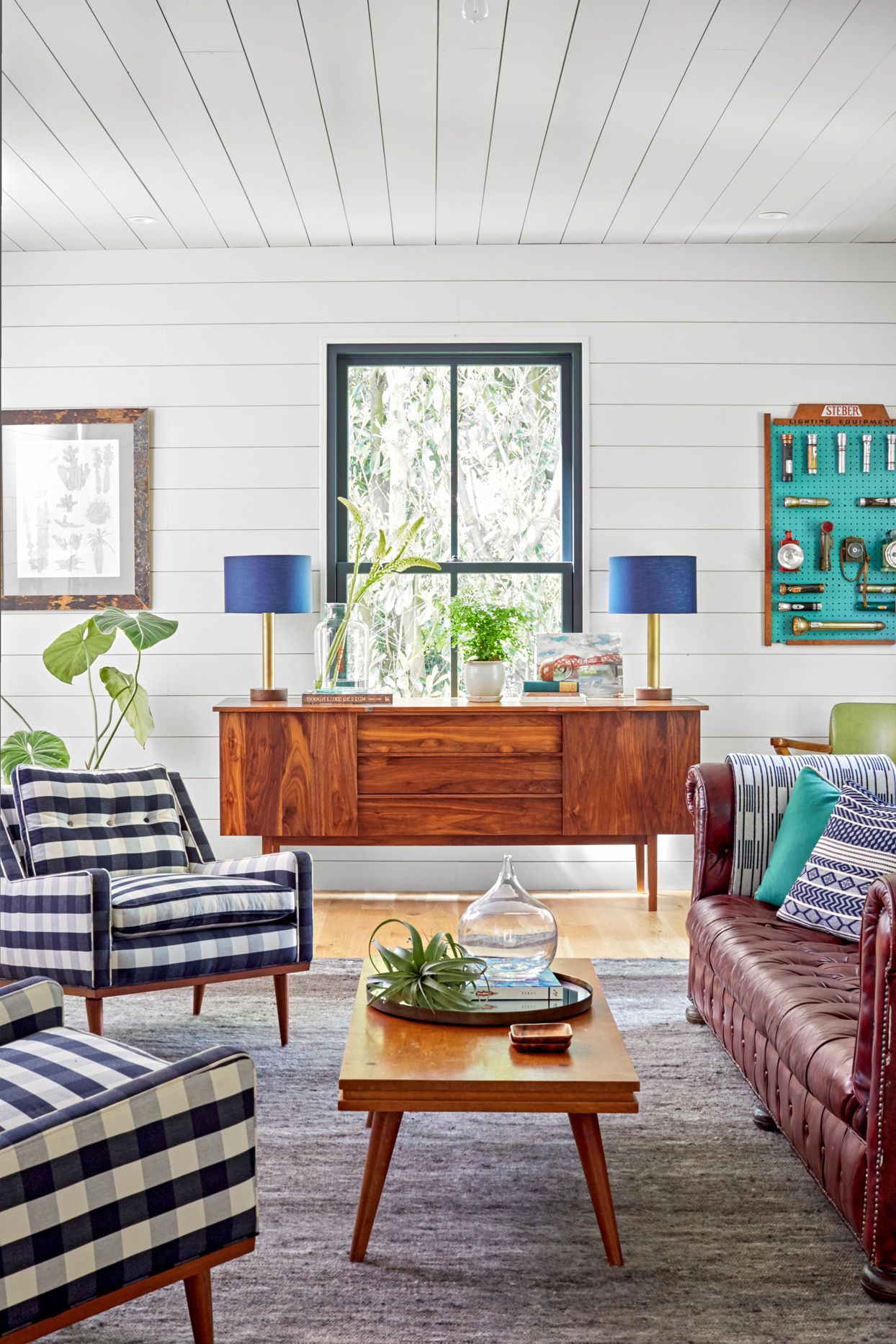
In contemporary interiors, plaid demonstrates remarkable versatility. Its near-limitless array of styles and colors allows it to integrate seamlessly into diverse design schemes. Plaid can serve as a subtle complement to more intricate or organic patterns, or it can take center stage as a bold design element. Ralph Lauren, a consistent advocate for plaid, has repeatedly incorporated it into his collections. Examples include the 'Westcliff Tattersall,' a graphic and contemporary large grid, and the 'McLain' and 'Denis' designs, which feature earthier, more traditional colorways and structures that evoke a country-retreat aesthetic.
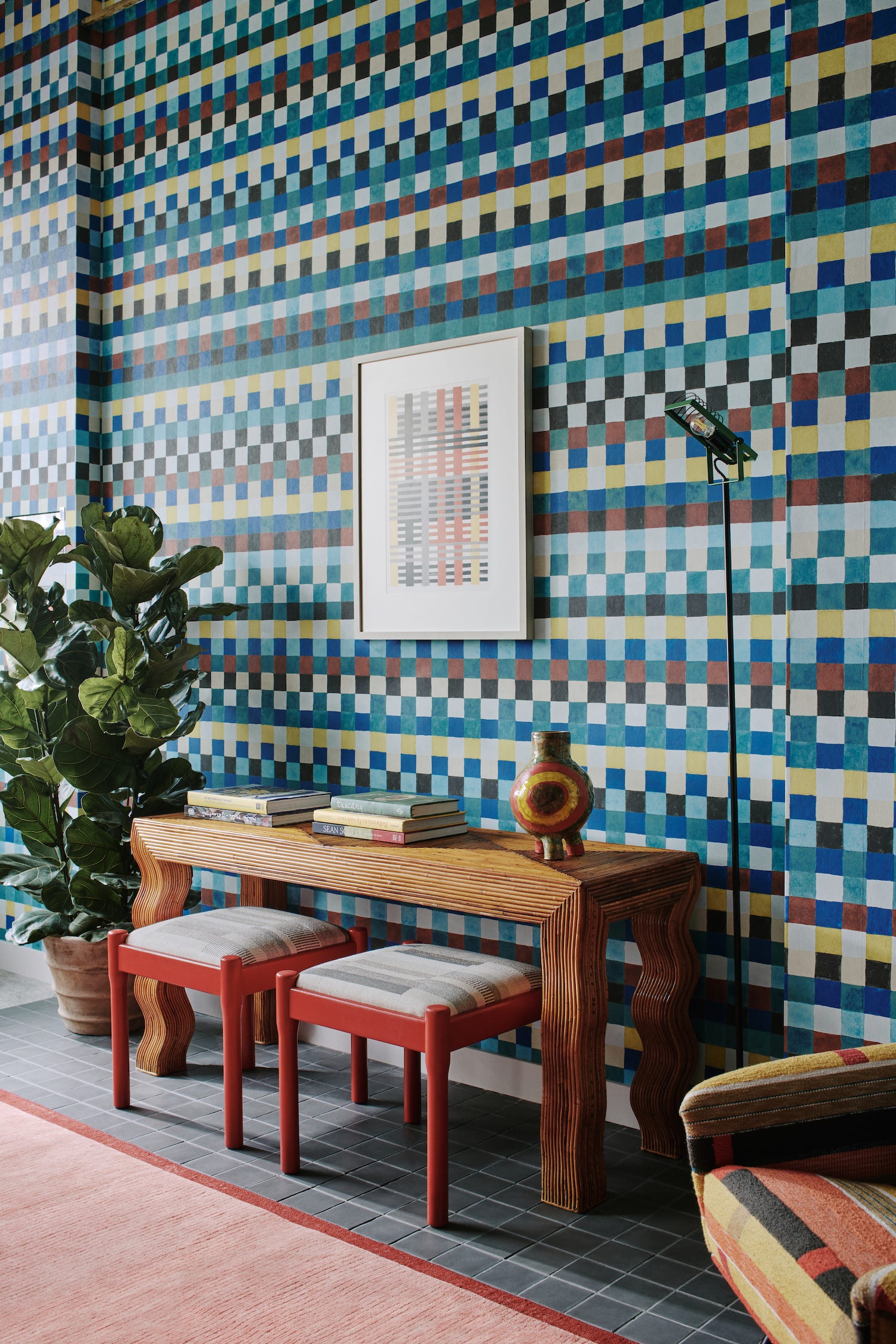
Similarly, Ian Mankin's 'Paint Pot' collection showcases plaid in both vibrant and muted tones, including a cheerful claret and rust combination, and simpler yet striking jumbo ginghams like 'Avon Check' available in nine different hues. For those seeking a nod to early-1990s grunge, Thibaut's 'Huntley' plaid wallpaper offers a small-scale design reminiscent of the shades famously worn by Kate Moss and Naomi Campbell in Jacobs' controversial collection. These statement prints suggest a bold, punk-rock attitude, contrasting with the more subdued applications. The evolution of plaid highlights its enduring appeal and adaptability, allowing it to transition from a symbol of anti-establishment fashion to a sophisticated and adaptable element in home decoration.
#Plaid #InteriorDesign #FashionHistory #TextileTrends #HomeDecor #MaterialVersatility #GrungeFashion #RalphLauren #IanMankin #Plaid #InteriorDesign #FashionHistory #TextileTrends #HomeDecor #MaterialVersatility #GrungeFashion #RalphLauren #IanMankin
0 comment in total
 No comments yet
You may also like
The floral fabric that was banned

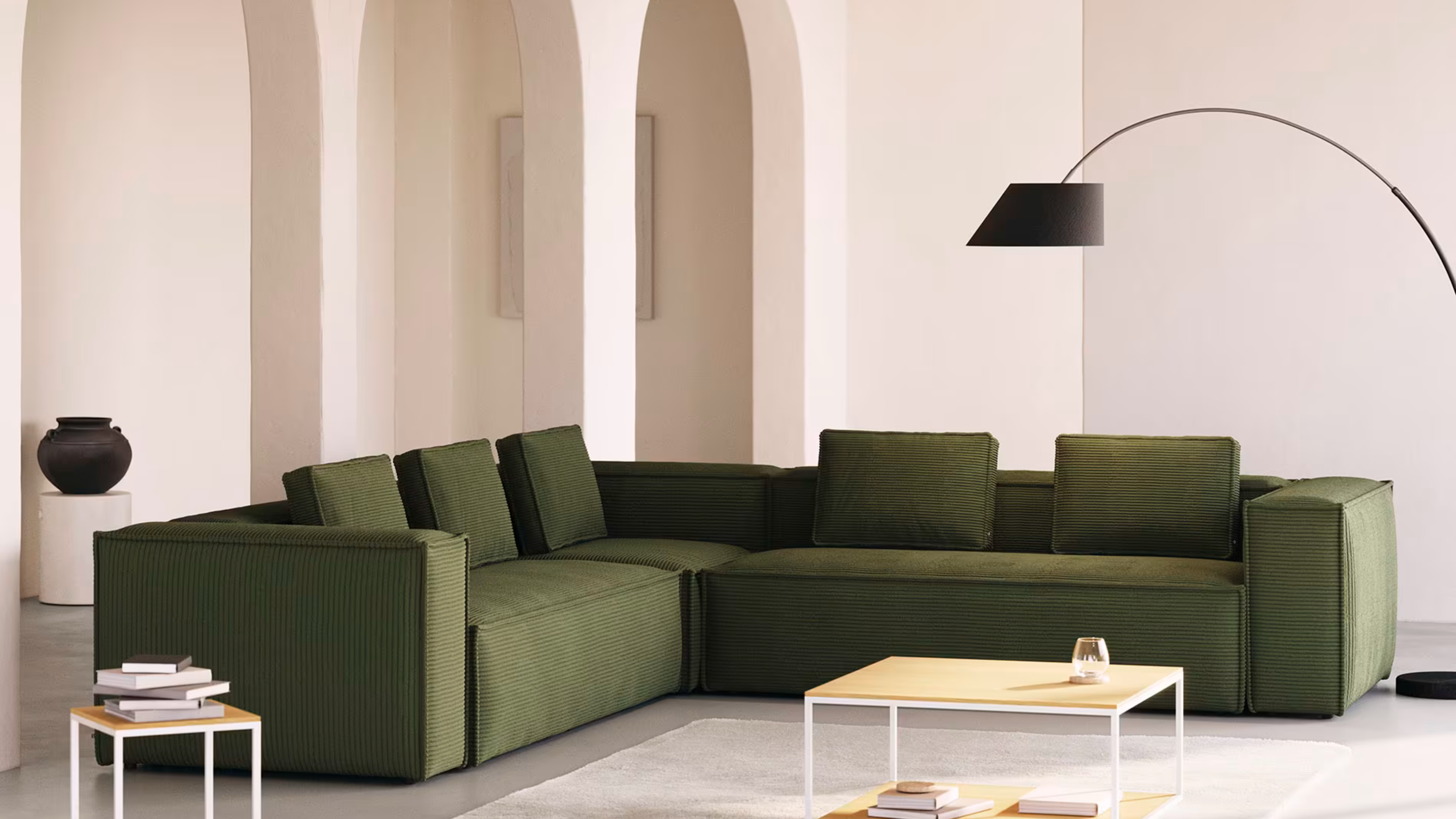
Bouclé vs Corduroy — What's the Difference and How To Pick

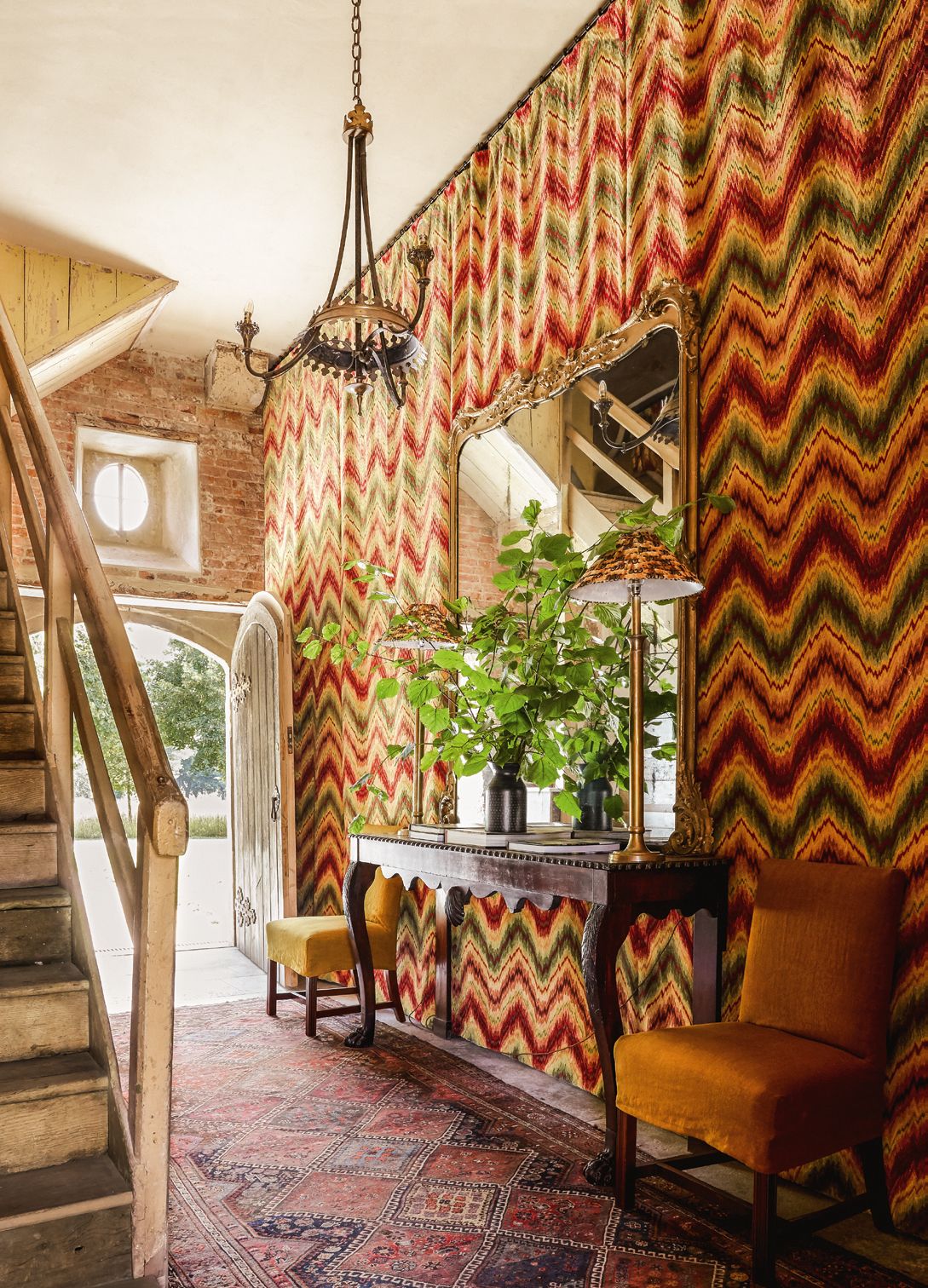
Flamestitch fabric is back in vogue, here's how to use it
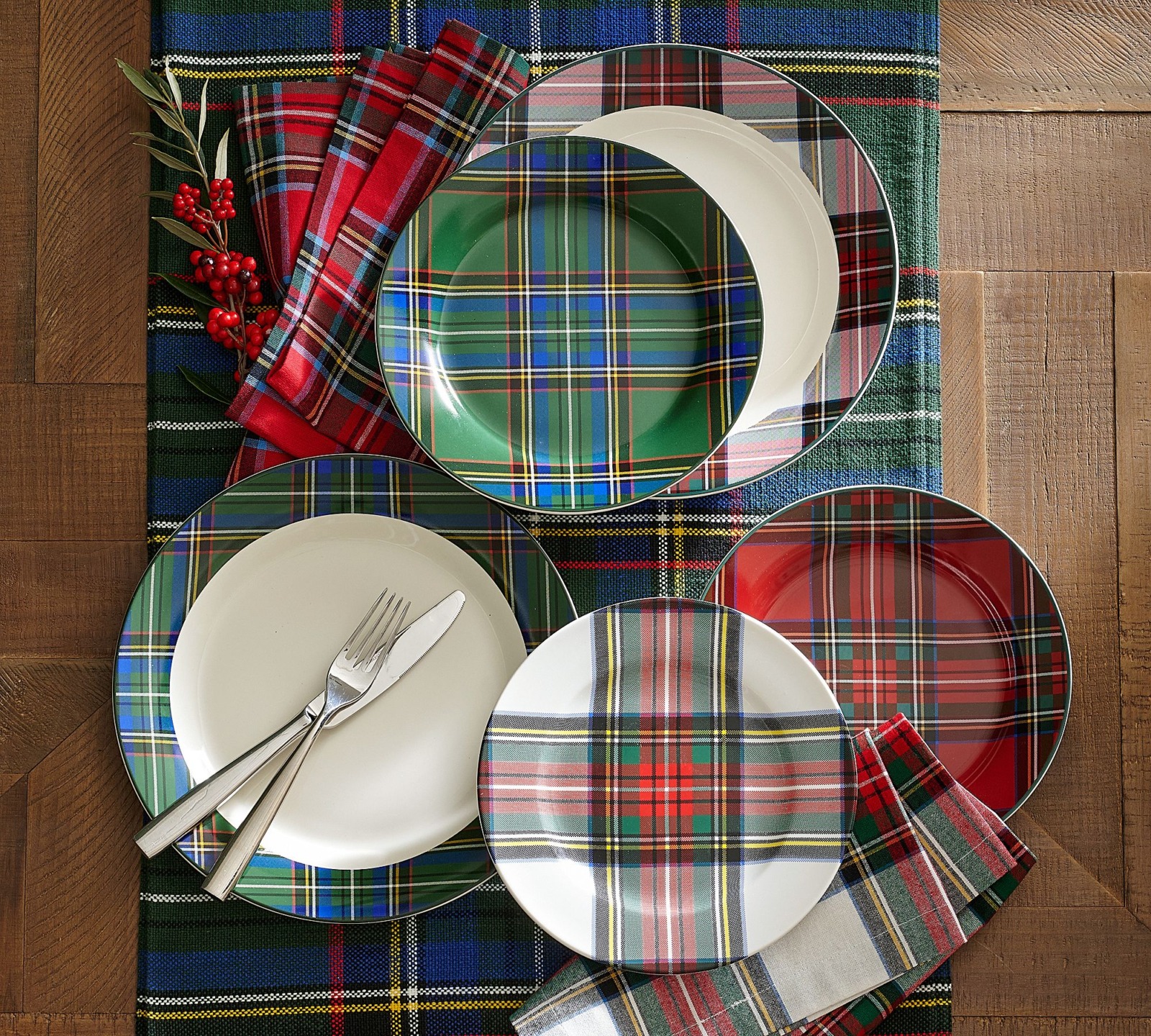
Deck the Halls: 7 Must-Have Tartan Pieces for the Home

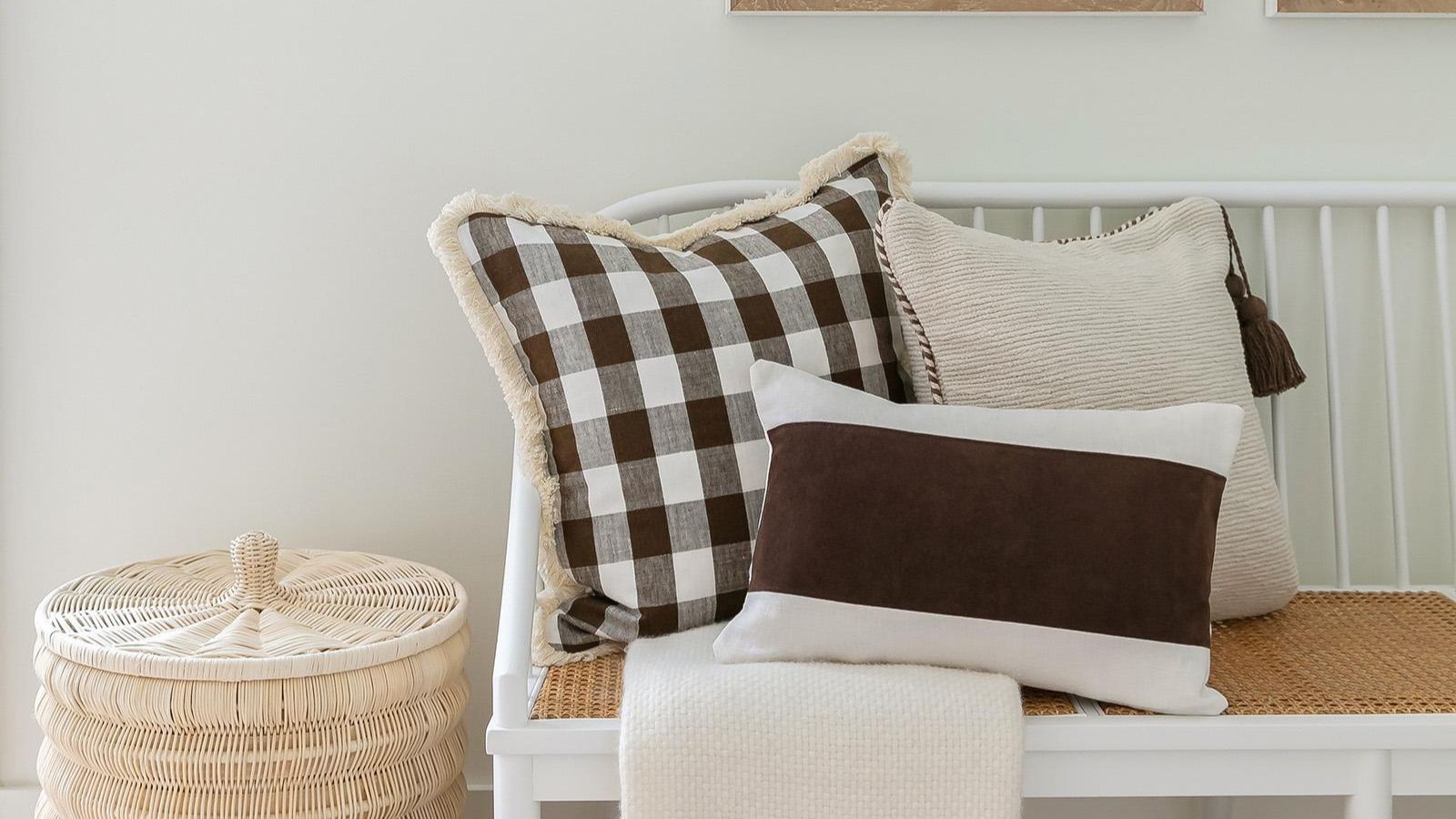
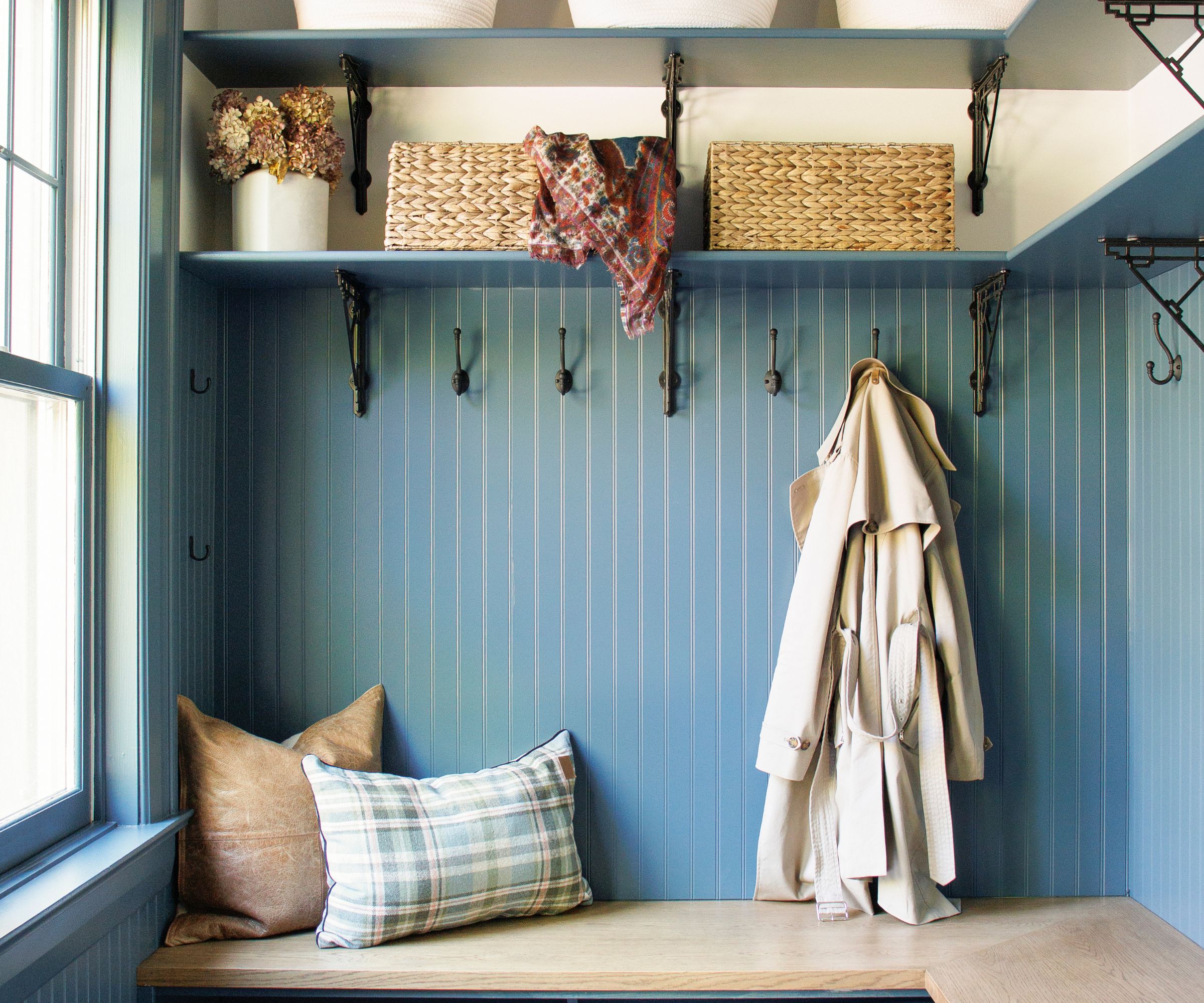
Plaid and gingham are the new florals for spring – these are some easy ways to bring these prints into your home

These 3 Retro Fabric Techniques Are Making A Killer Comeback

Moire Is a Luxe Fabric Pattern with a Posh History (and It's Back in Style)
Jacquard Fabric: Here’s Your 101 Explainer

When Hollywood Needs a Historically Accurate Outfit That Looks Just Right, It Turns to Rabbit Goody
11 Timeless Ways to Decorate with Timeless Buffalo Check Plaid

What is replacing bouclé? I'm obsessed with it - but even more obsessed with the design trend that's coming next
32 Spectacular Fabrics and Trims Coming to Market This Year
5 Plaid Fabric Trends That Will Elevate Your Look for Any Occasion

2025 Is the Year of Splashy Bathroom Floors

9 Inspiring Fabric and Wallcovering Trends You Should Know Now

This Timeless Trend Is Making a Comeback, and It’s Ridiculously Easy to Style

Comfy carpet, once dismissed as out-of-date, is back in vogue

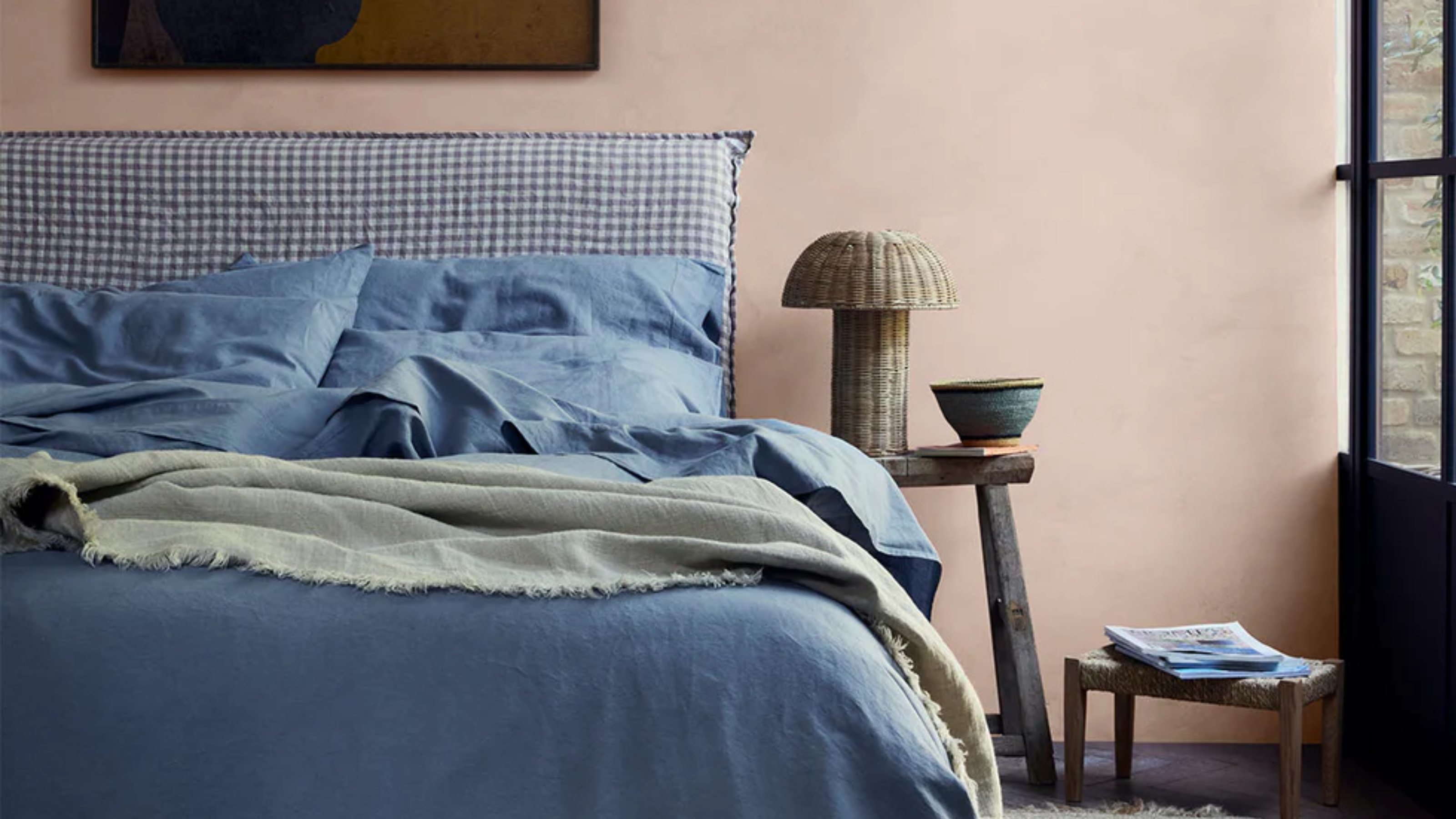
Step Away From Boring Bedding Choices — This Unexpected Fashion Inspiration Is the Trend I Don't Think Anyone Saw Coming

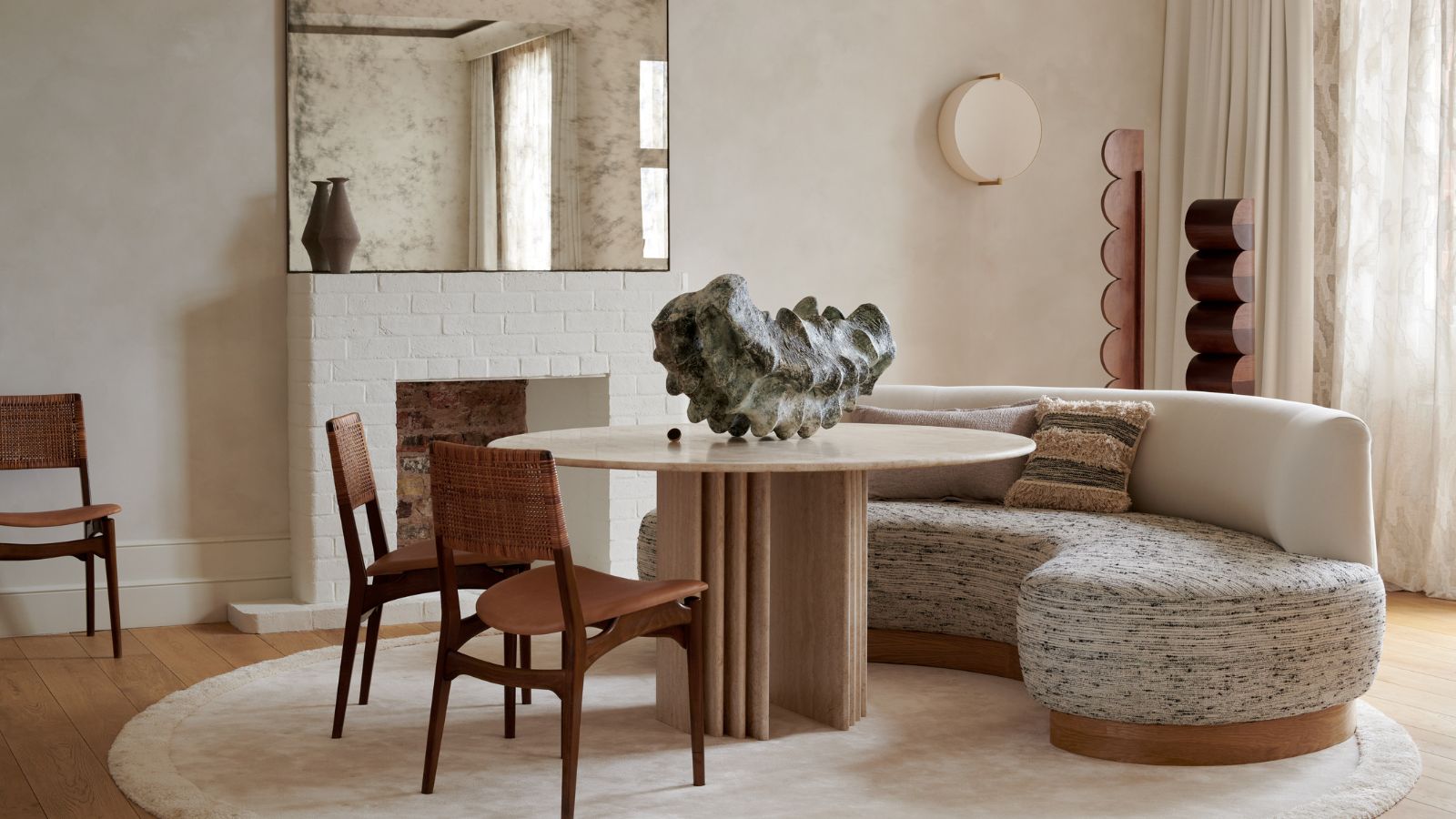
What's replacing bouclé? We asked designers if this much-loved fabric is going out of style
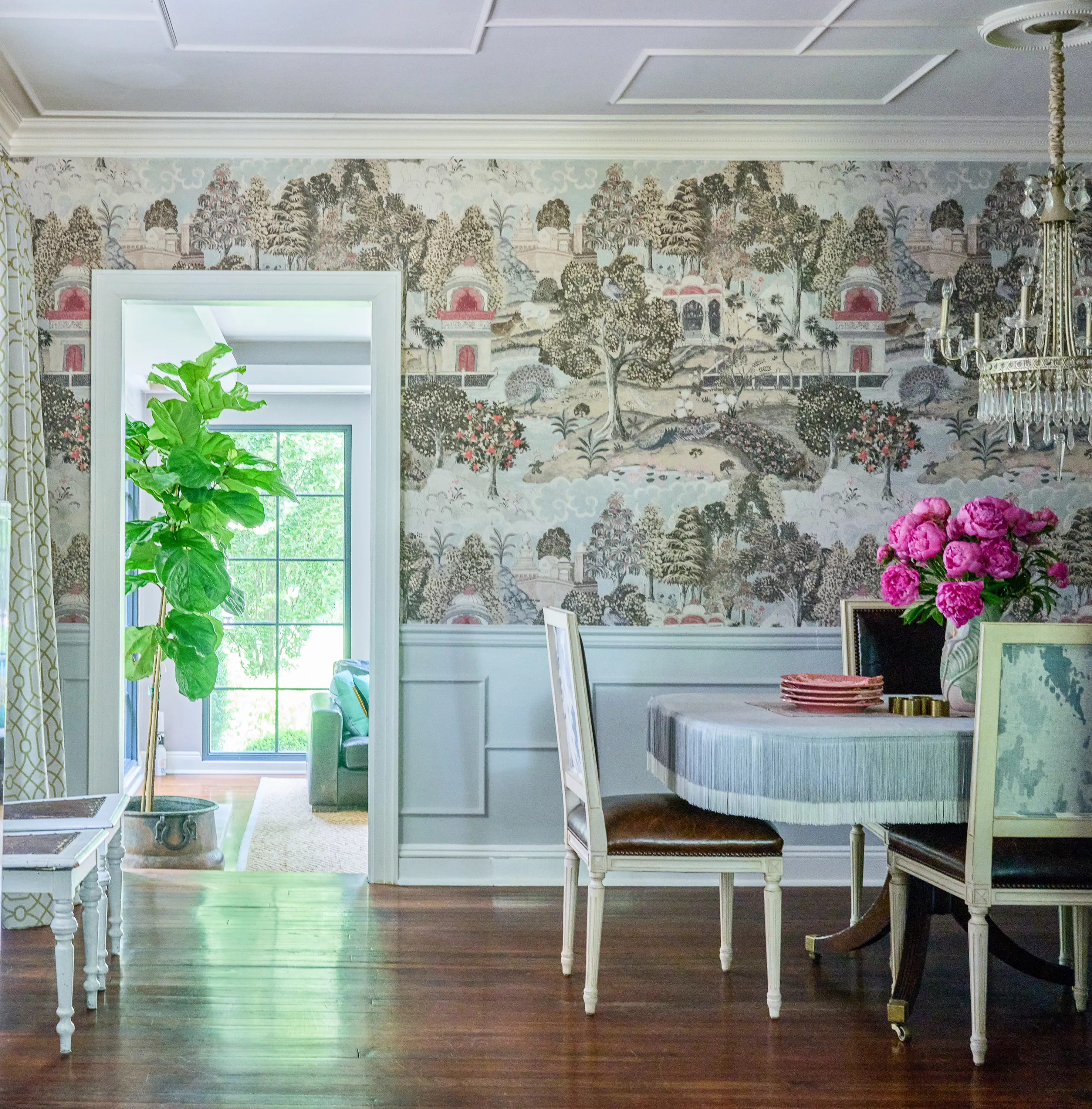
Fringe Is Back and Better Than Ever—Here's How Designers Are Embracing the Trend