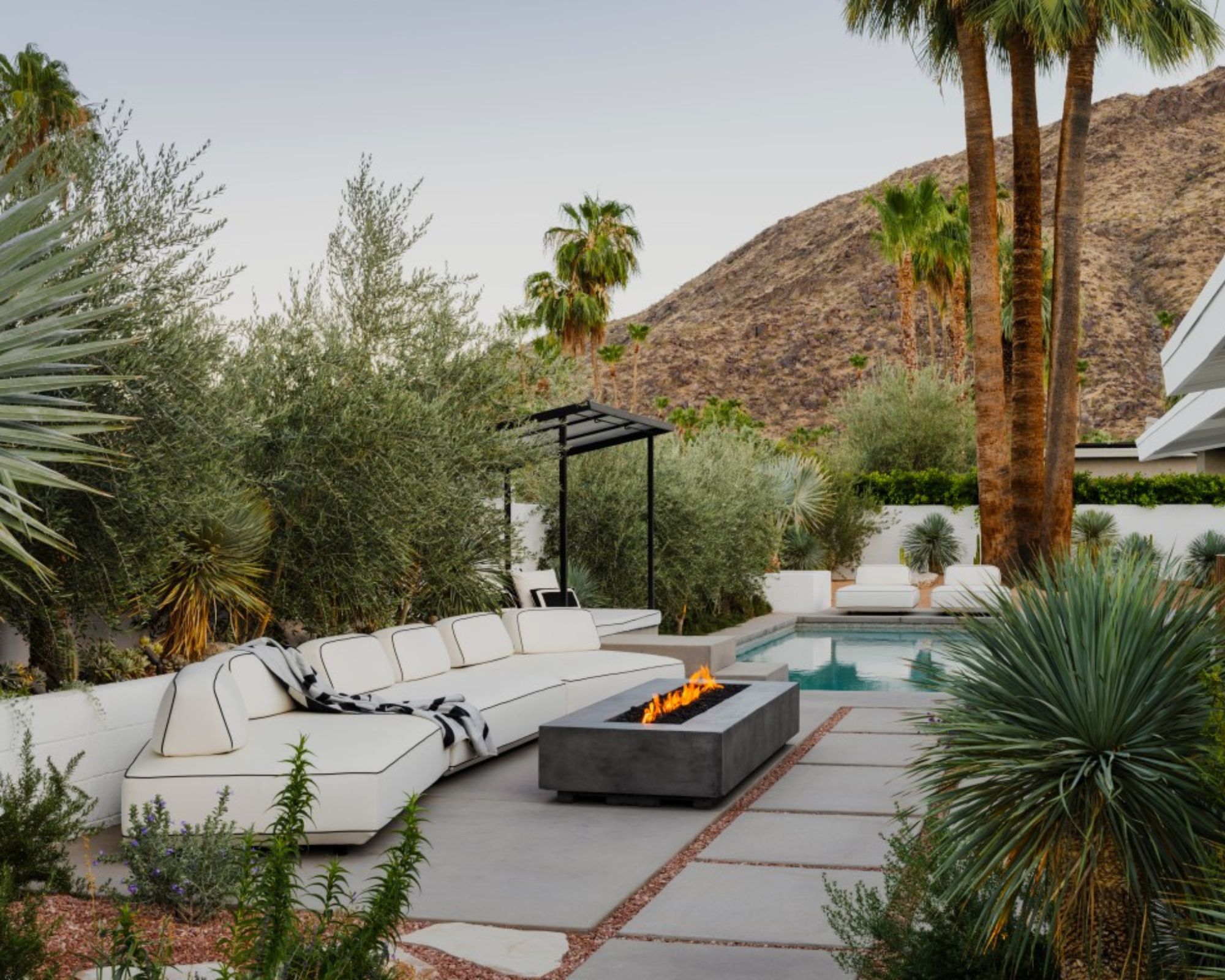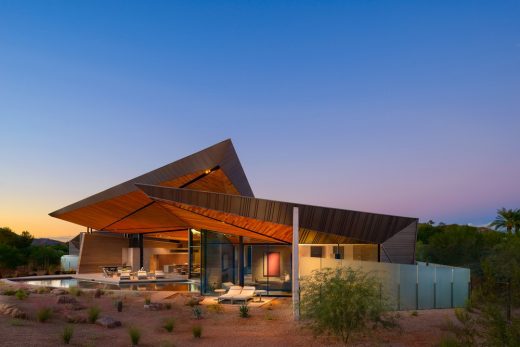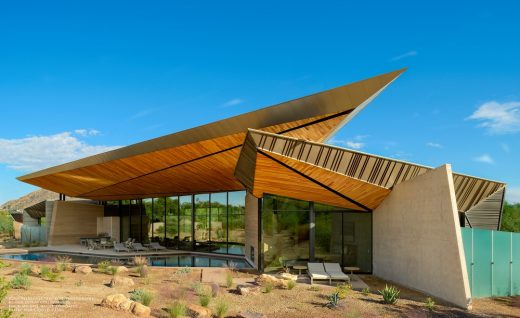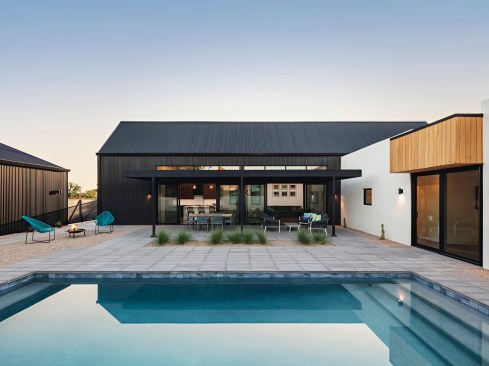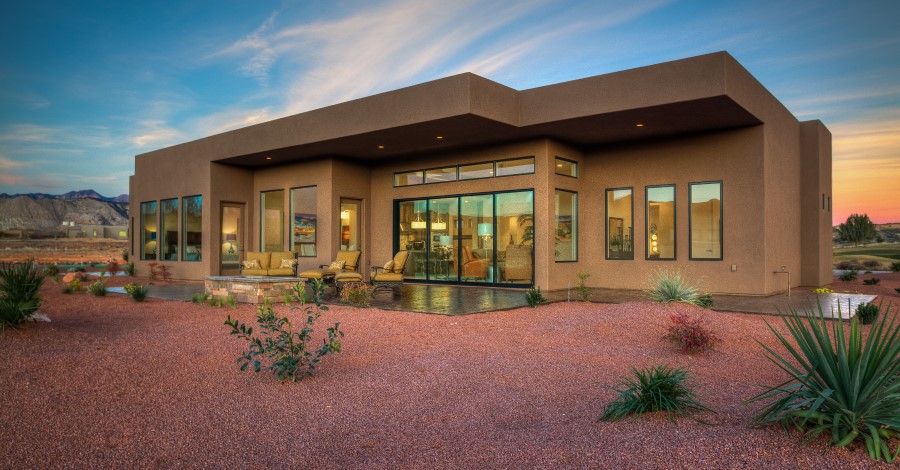
Designing for a Desert Environment
The arid desert landscapes prevalent in regions like California, Nevada, Arizona, and New Mexico offer an attractive living environment for permanent residents, retirees, and seasonal visitors. However, this climate presents significant building challenges that necessitate the use of high-performance materials and finishes. Specifically, aluminum fenestration, including windows and doors, requires finishes designed to withstand extreme conditions, ensuring both aesthetic appeal and functional durability. These finishes typically adhere to industry standards such as AAMA 611 for anodized architectural aluminum and AAMA 2605 for superior performing organic coatings, both published by the Fenestration and Glazing Industry Alliance (FGIA).
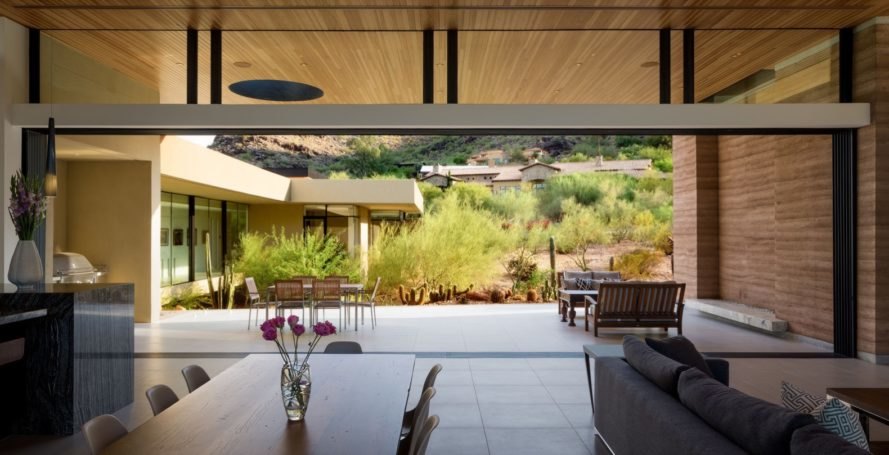
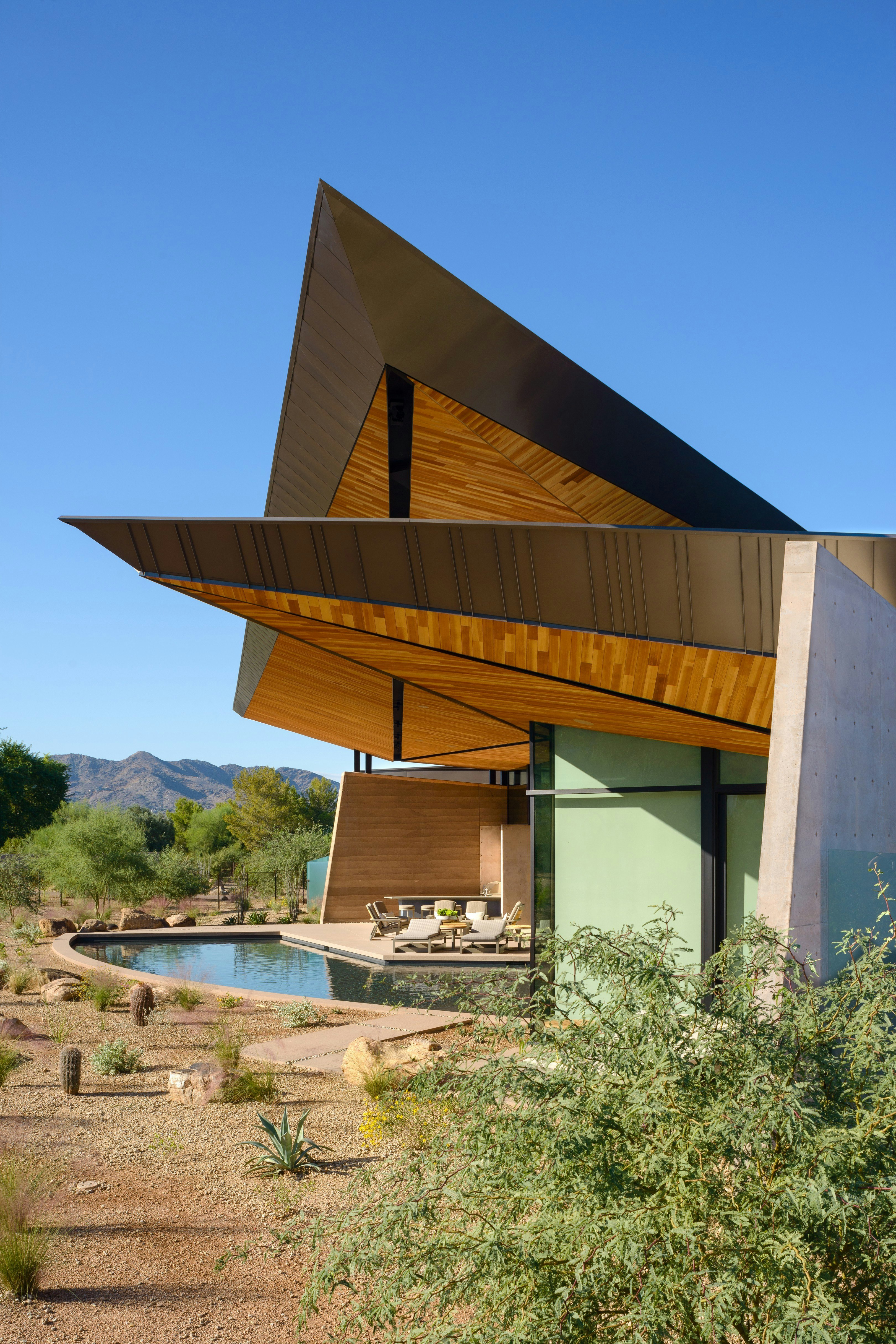
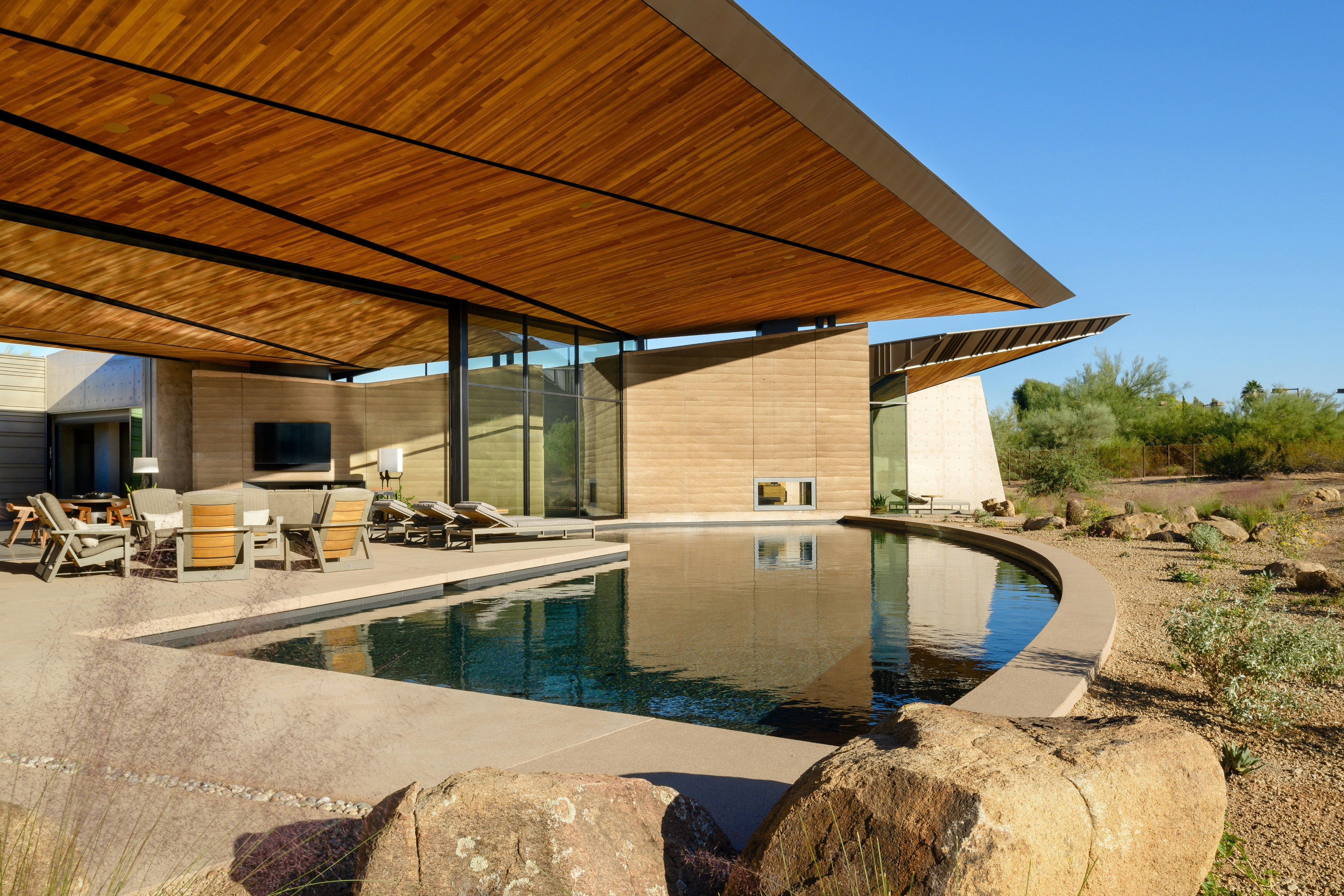
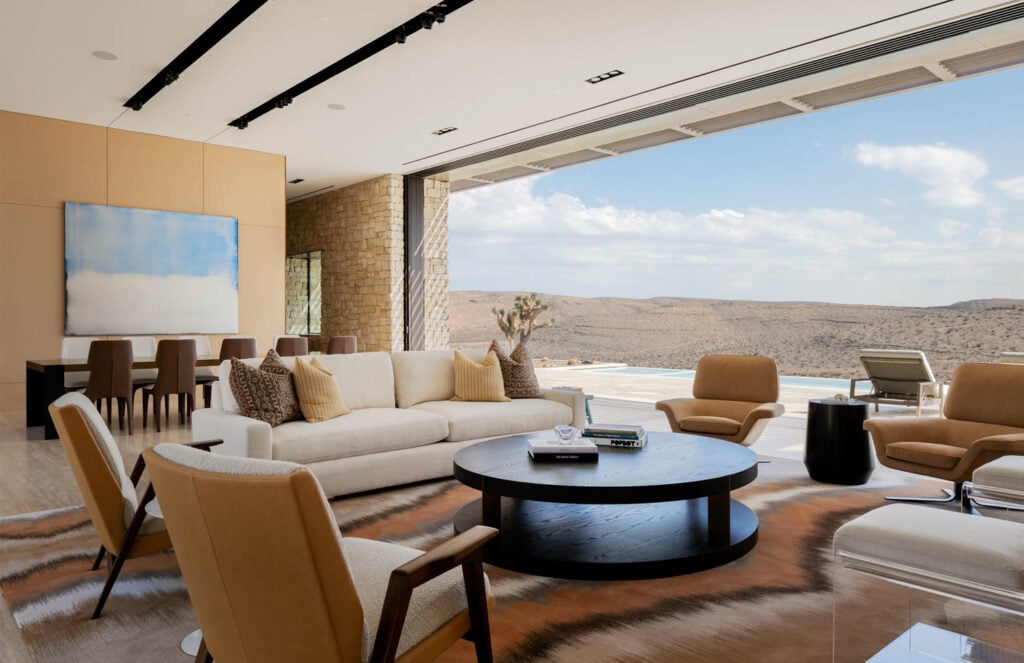
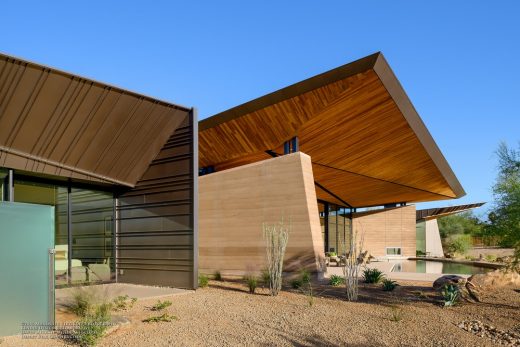
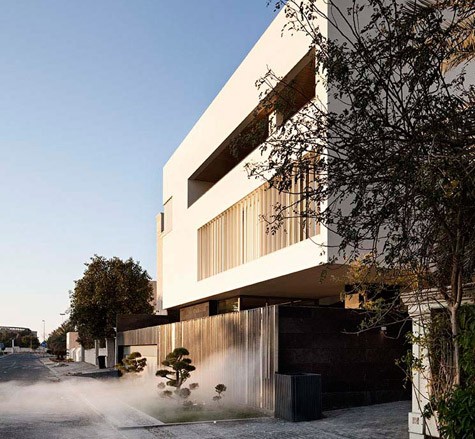
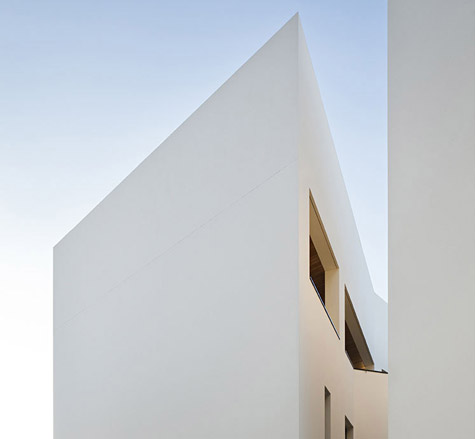
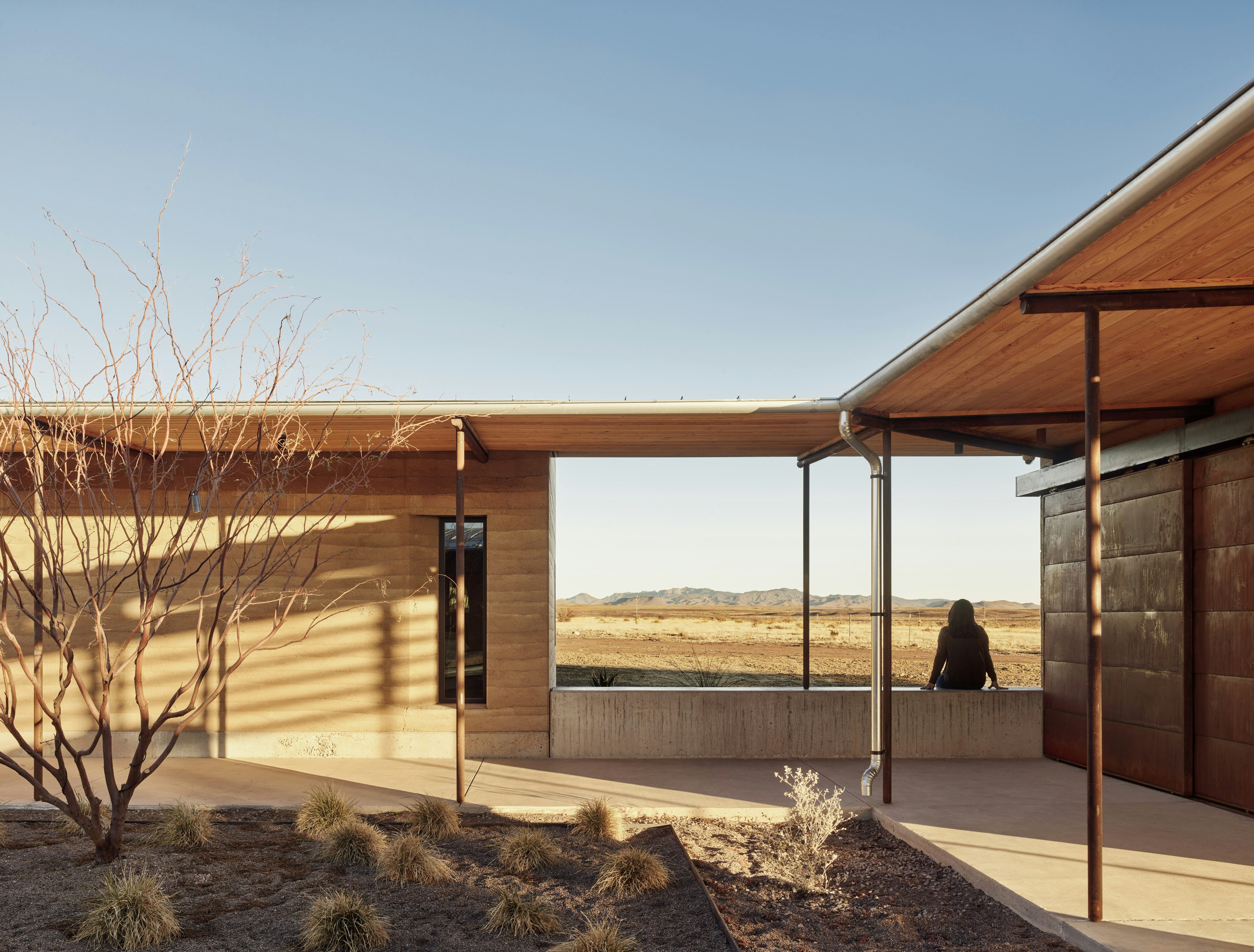
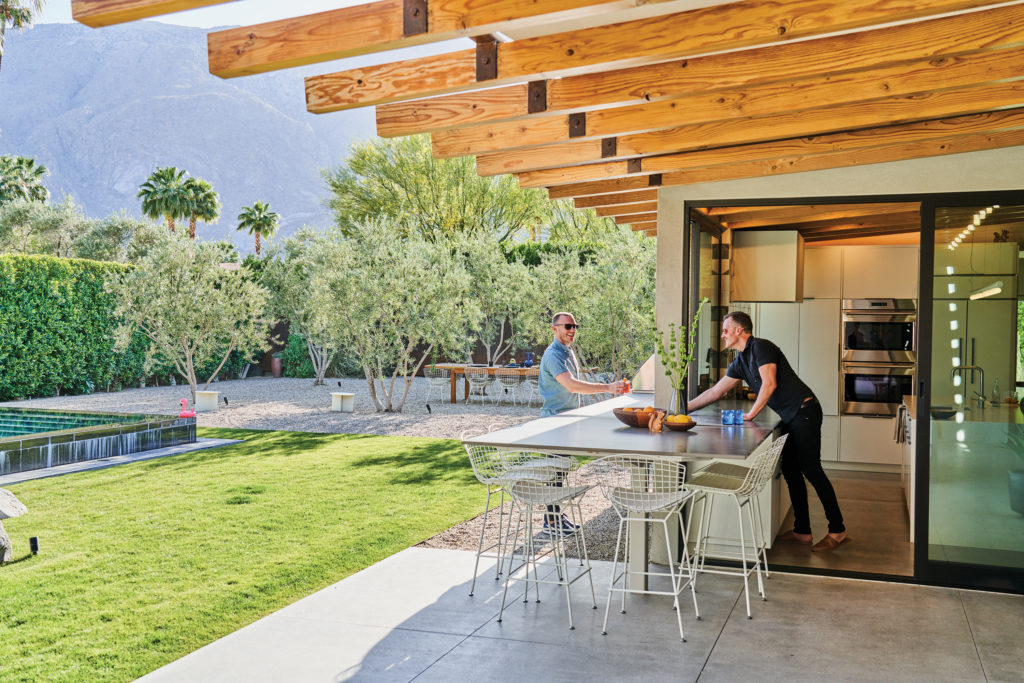
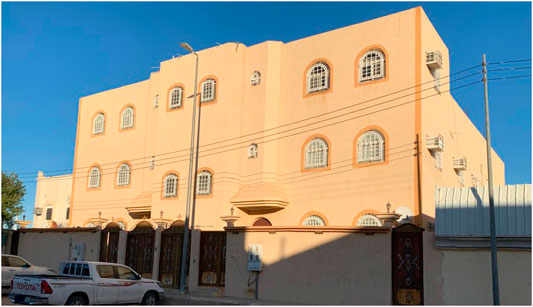
For exterior aluminum building products exposed to continuous outdoor elements, Class I anodic coatings and 70% PVDF resin-based architectural paint coatings are most commonly employed. Homes in desert environments often incorporate architectural features like large roof overhangs and window awnings or shadowboxes to mitigate solar heat gain. The use of white or light-colored surfaces is common, as they reflect light, and specialized coatings can further enhance their solar reflective properties. Aluminum-framed windows and doors with high thermal performance are crucial for maintaining energy efficiency and interior comfort. Operable windows and expansive entrance systems facilitate natural ventilation and blur the lines between indoor and outdoor living spaces.
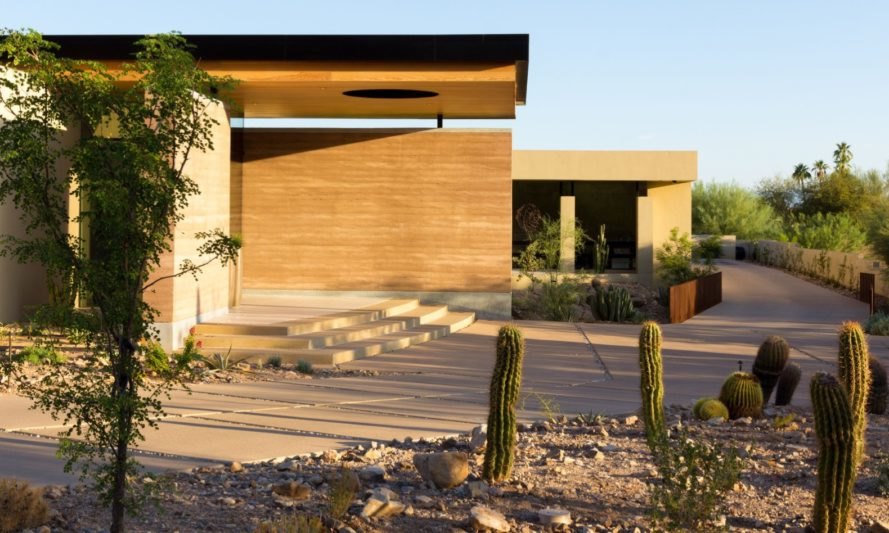
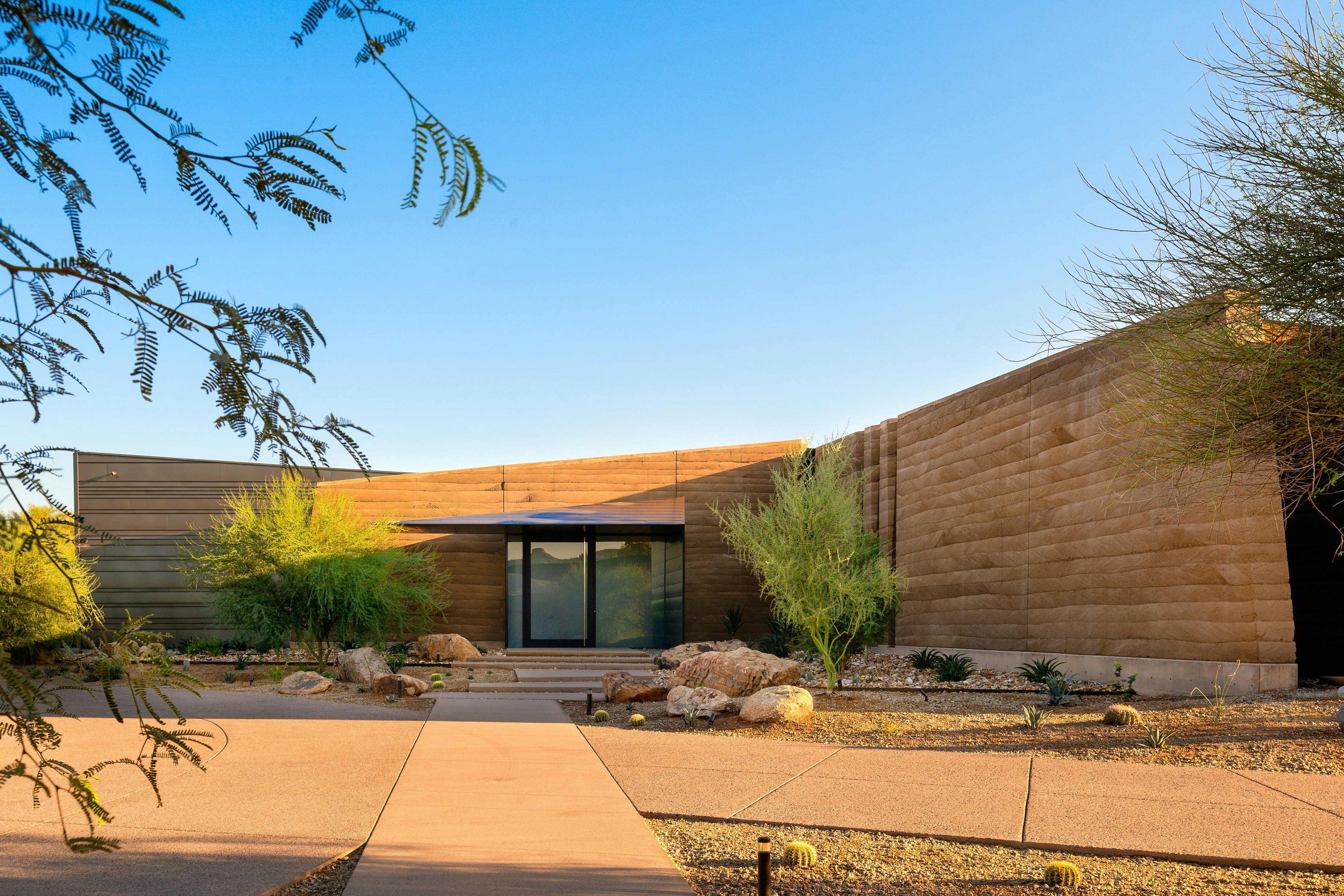
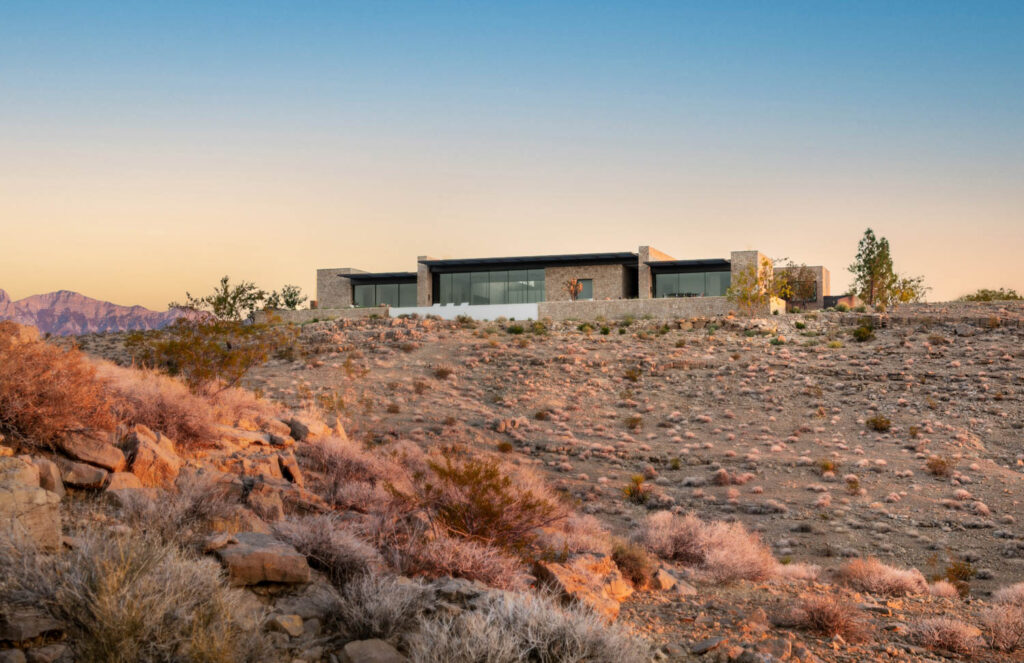
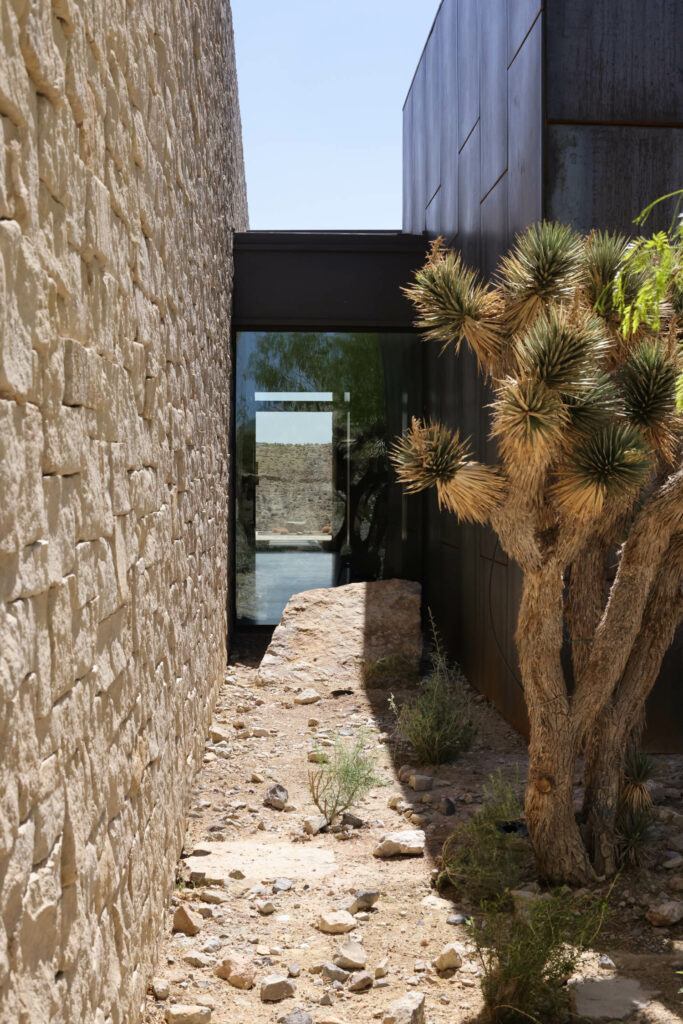
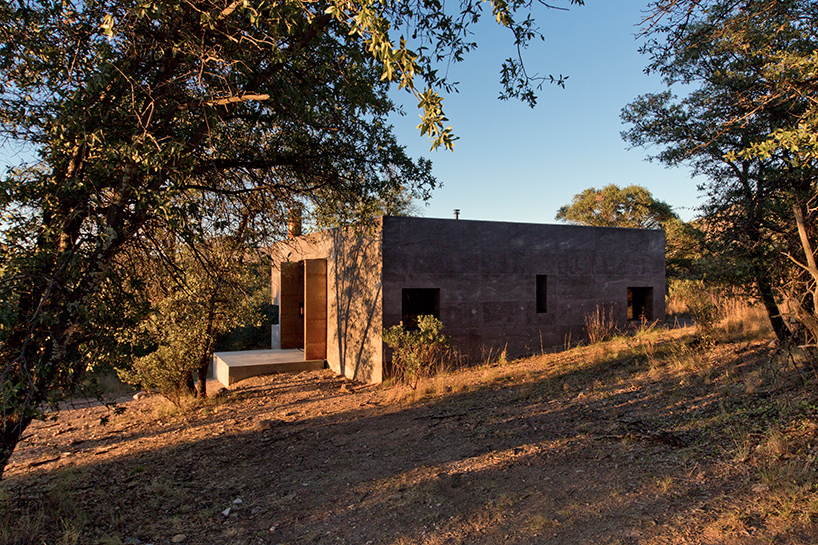
Traditional building materials such as adobe and stone are frequently utilized in desert home construction due to their natural insulating properties and their ability to integrate seamlessly with the surrounding landscape. To complement these biophilic materials and regional color palettes, window and door frames are often finished in natural tones such as tans, grays, beiges, and various earth tones. Durable anodized finishes are available in a spectrum of bronze tones that are well-suited to desert aesthetics. Furthermore, textured painted coatings can emulate the look and tactile feel of adobe or stone, creating a continuous visual transition between walls and fenestration.
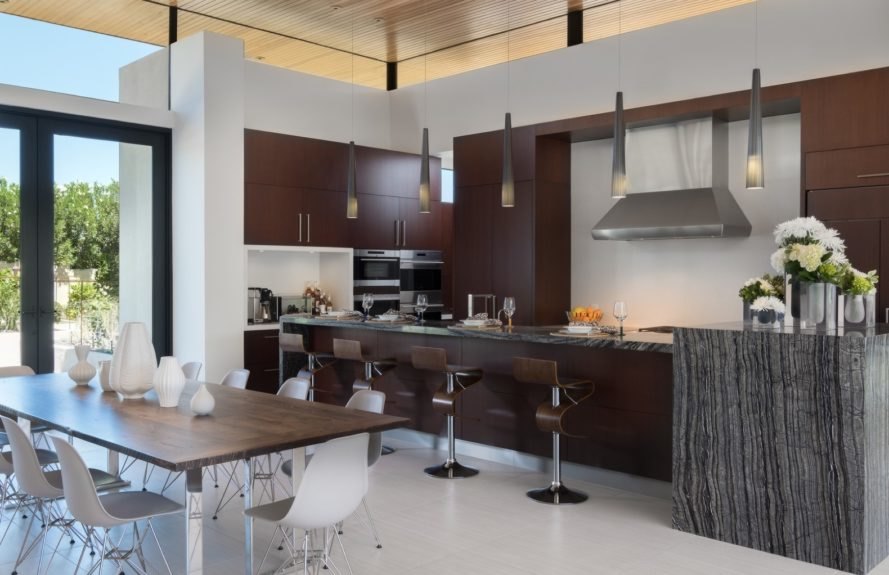
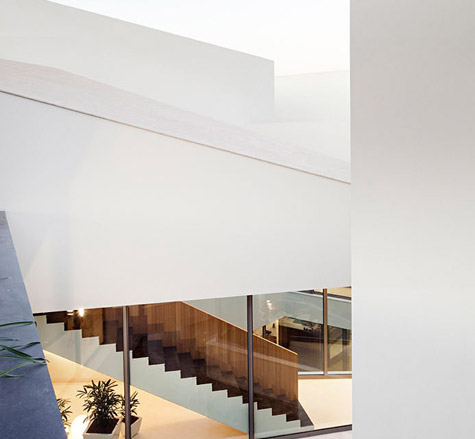
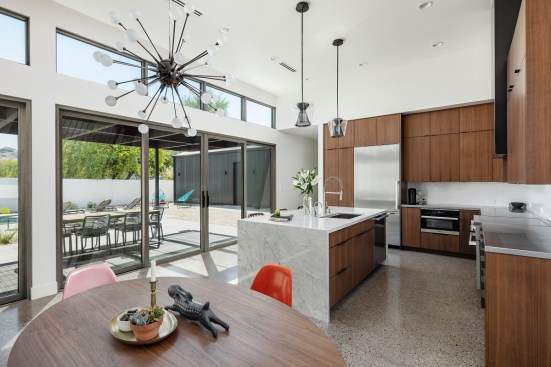
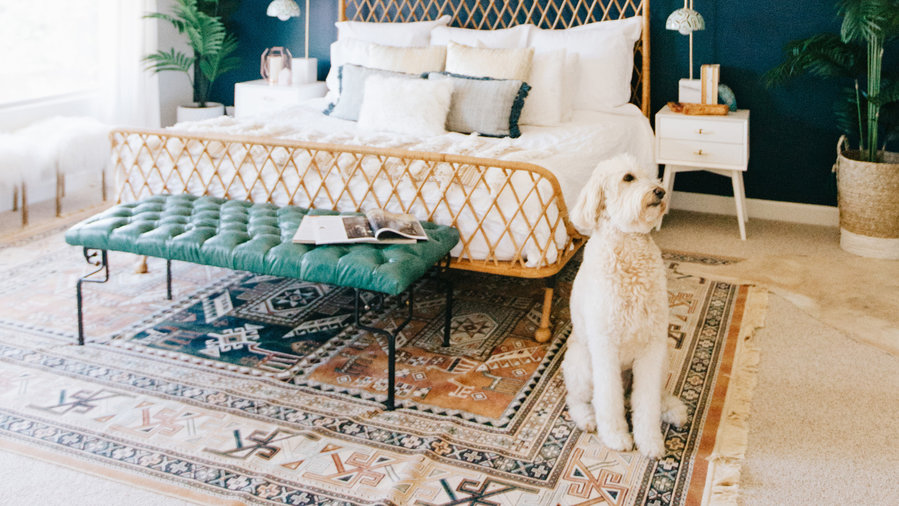
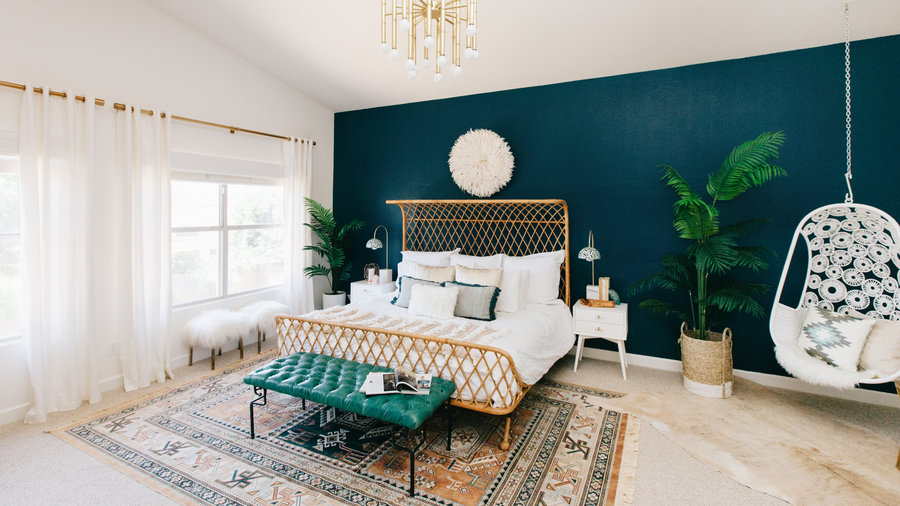
While the exteriors of desert homes typically feature traditional earthen colors, interior designs often embrace bright, modern aesthetics, frequently incorporating white. Accent colors in these interiors commonly reflect Southwestern themes, including turquoise blue, succulent blossom orange, cactus gray-greens, aged leather browns, and rustic wood tones. When selecting finishing partners, it is beneficial to choose those who can provide comprehensive solutions to window and door manufacturers and fabricators. This often includes the capability to apply different colors to the exterior and interior aluminum framing, especially when paired with polyamide insulating strips. These strips act as thermal barriers, improving thermal performance and energy efficiency while preserving the structural integrity and long-term durability of the fenestration unit. This dual-color finishing option is available for various window and door configurations, including rectangular, curved, and geometrically shaped frames.
To ensure the highest performance finish and secure a full warranty, it is essential to form the metal framing prior to painting or anodizing. Using the assigned paint code from either the coatings system manufacturer or the finishing applicator is also critical. Finally, specifying AAMA 611 for anodized finishes and AAMA 2605 for architectural paint coatings ensures adherence to industry-recognized performance standards. These considerations are vital for creating durable, aesthetically pleasing, and energy-efficient homes in challenging desert environments.
#DesertEnvironment #HomeDesign #Fenestration #AluminumFinishes #ThermalPerformance #EnergyEfficiency #ArchitecturalCoatings #AAMAStandards #SustainableBuilding #DesertEnvironment #HomeDesign #Fenestration #AluminumFinishes #ThermalPerformance #EnergyEfficiency #ArchitecturalCoatings #AAMAStandards #SustainableBuilding
0 comment in total
 No comments yet
You may also like
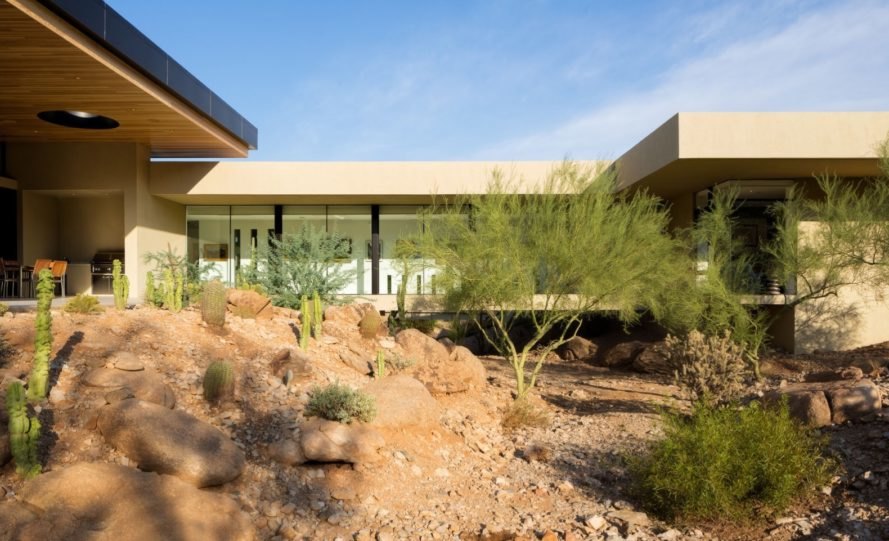
Rammed earth walls tie modern home to the desert landscape
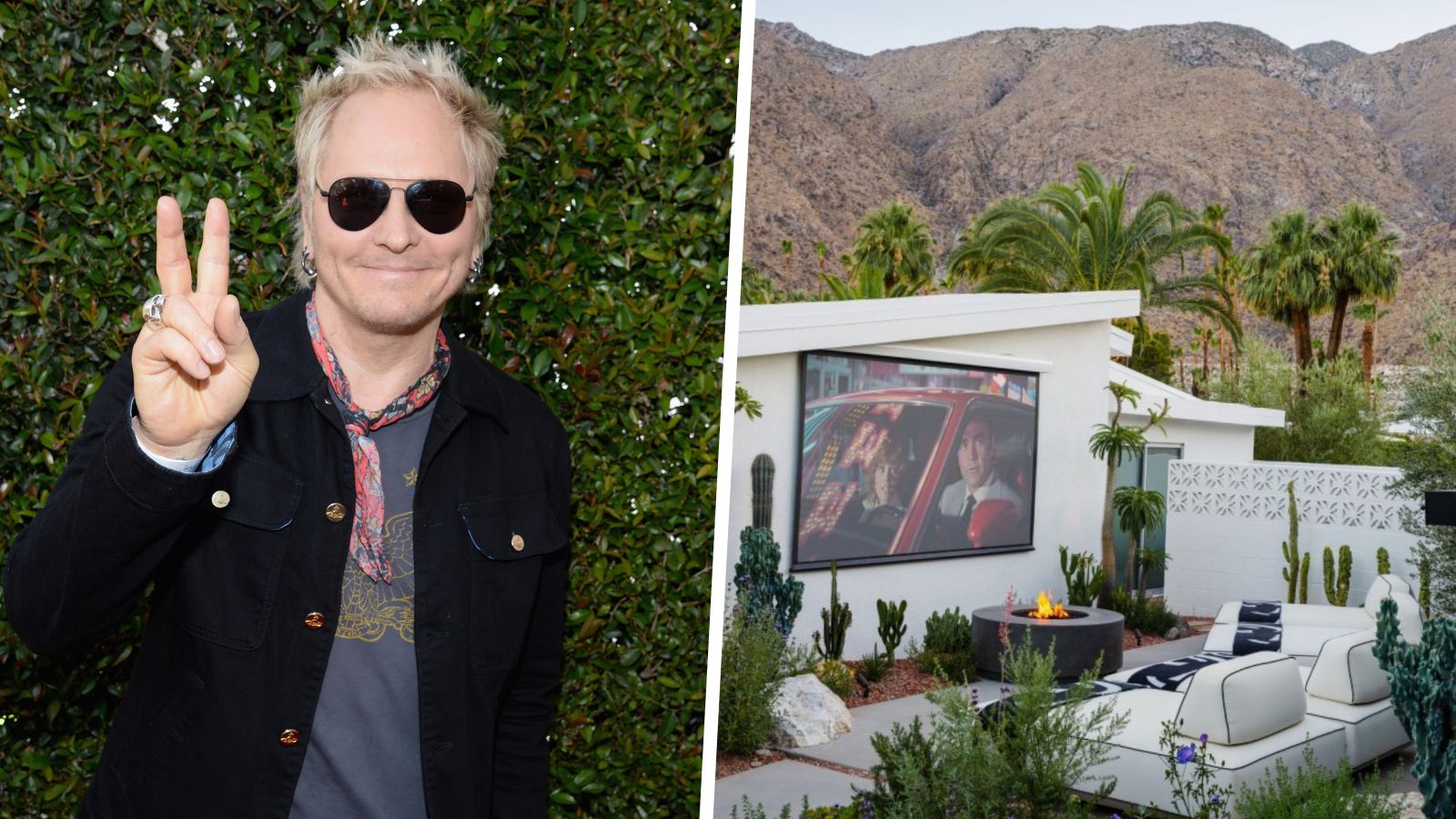
Guns N' Roses drummer Matt Sorum's yard is a masterclass in elegant patio design – and it doubles as a movie theatre

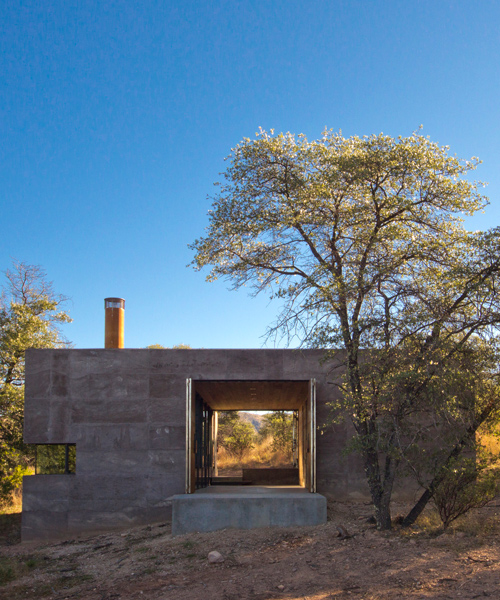
DUST custom builds an off-grid arizona dwelling from volcanic rock
Plant of the week: Texas ranger (desert-adapted plant)

Landscape Architects Design to Please the Senses in Palm Springs
Dancing Light House in Paradise Valley, Arizona
rammed earth walls build this tropical retreat with waterfalls in india
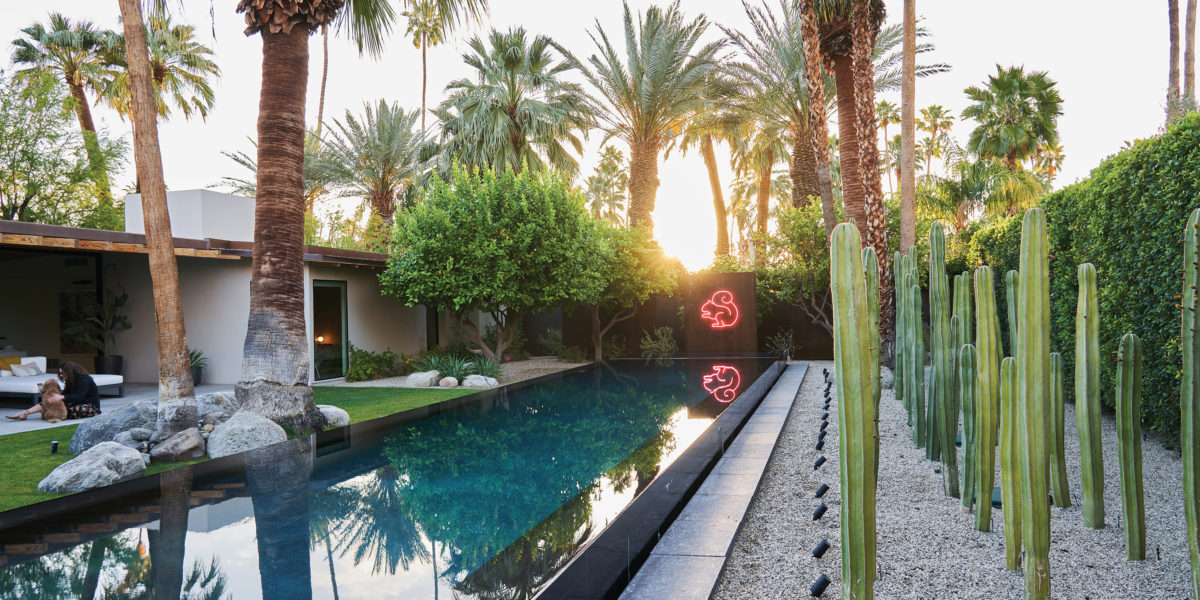
Whimsical Garden Ideas from the Ultimate Palm Springs Backyard
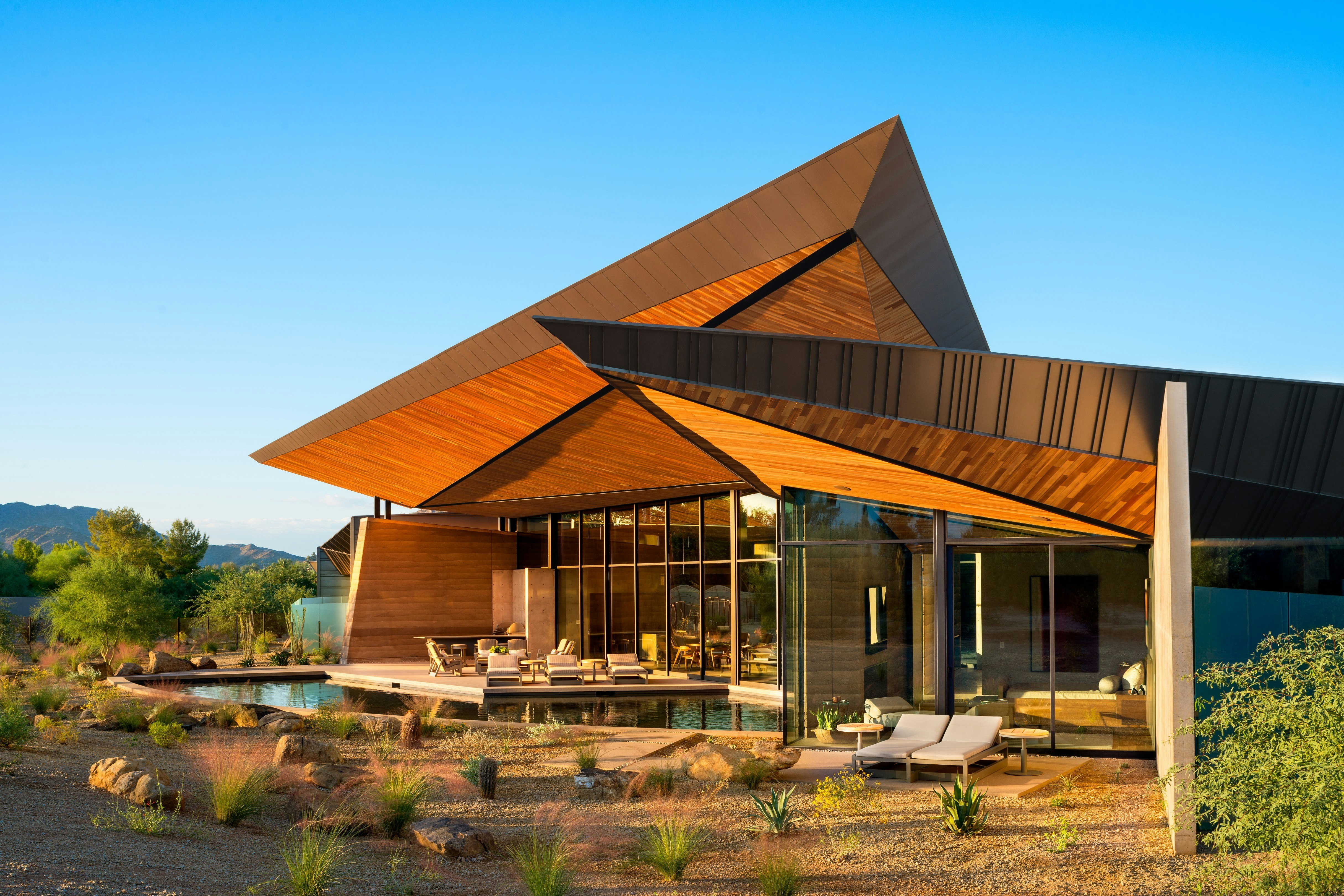
A Dramatic Floating Roof Crowns This Rammed Earth Home in Arizona

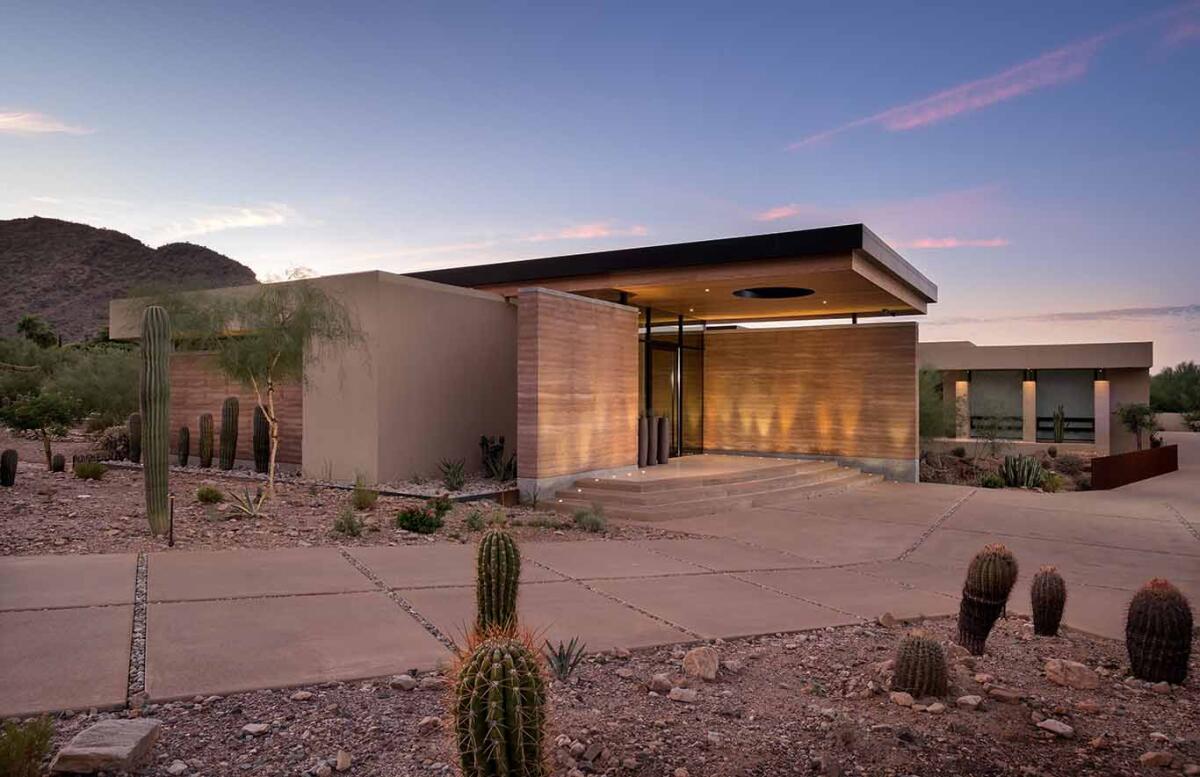
Why Desert Colors and Natural Materials Feel So Right Now

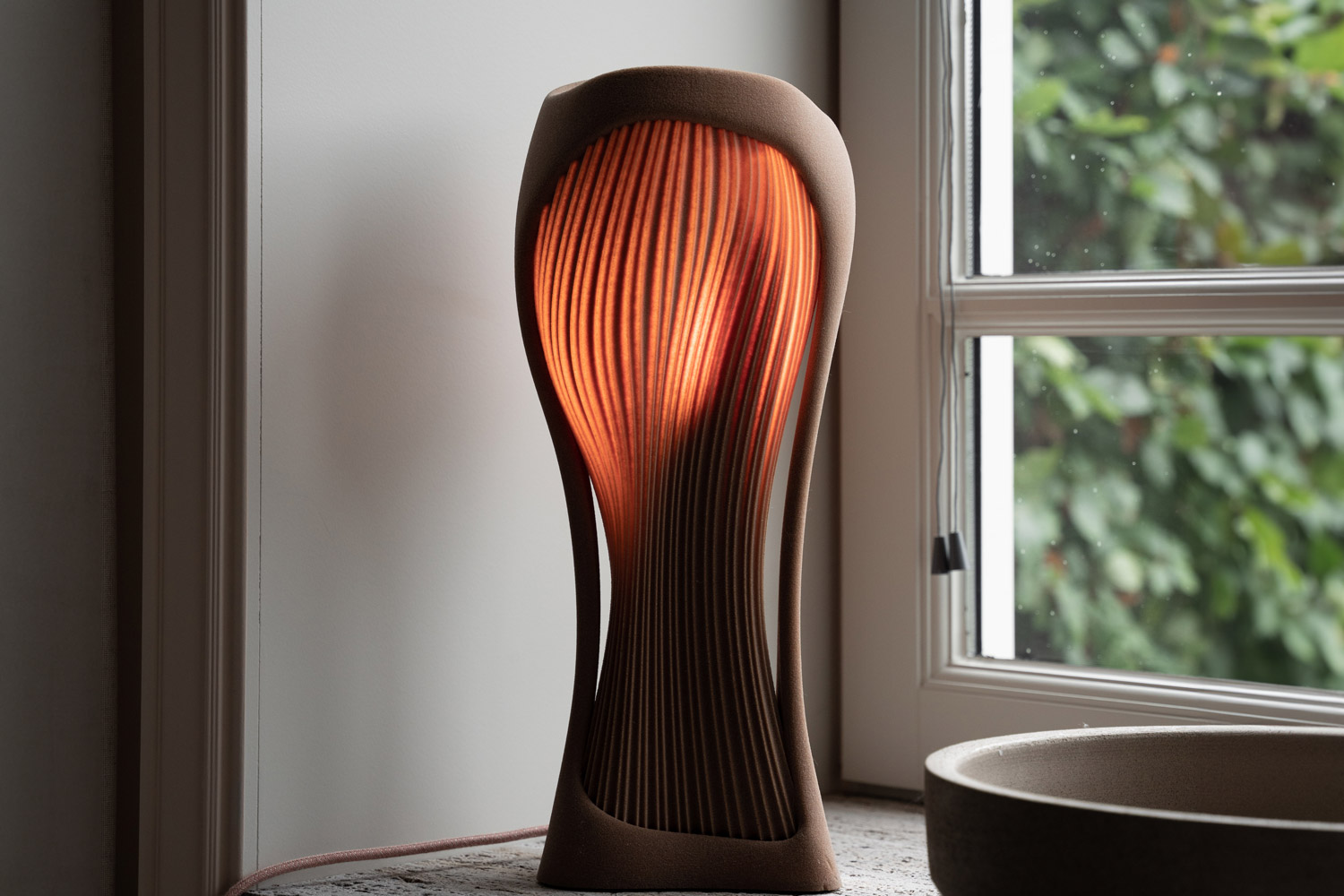
3D-printed lighting: Dune Collection inspired by the desert landscapes

Passive Design Strategies for Energy Efficient Buildings in the Arabian Desert
24 Stunning Desert Landscaping Ideas Perfect for the Heat

Rammed Earth Walls Tie This Eco-Friendly Home to the Desert
Monolithic Rammed Earth Walls Keep This Marfa Ranch House Insulated in the Desert Climate
How to Design a Desert Glam Bedroom
Daniel Joseph Chenin Crafts a Cinematic Desert Dwelling

Interactive floor plan: Secret House, Kuwait
Modern, Courtyard Home in Phoenix Takes Cues from the Saguaro Cactus
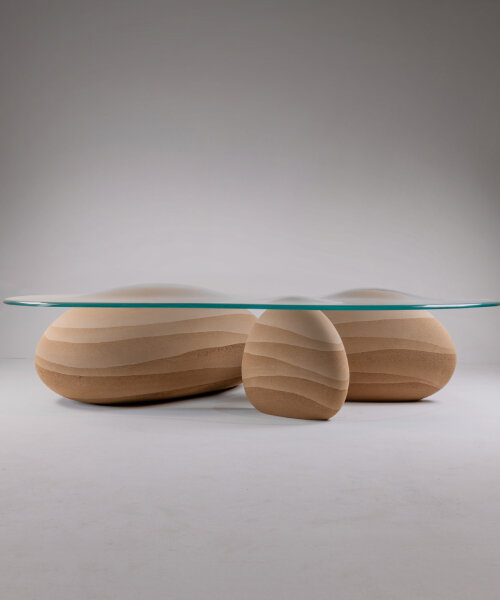
karim+elias' sculptural desert drop table evokes the image of droplets in the sand