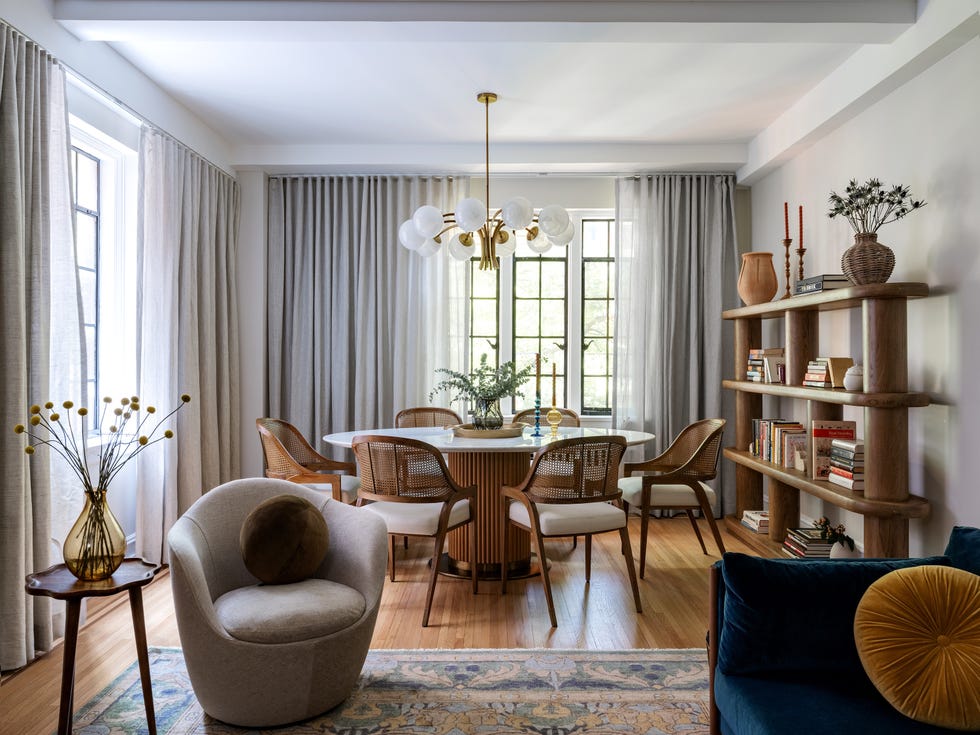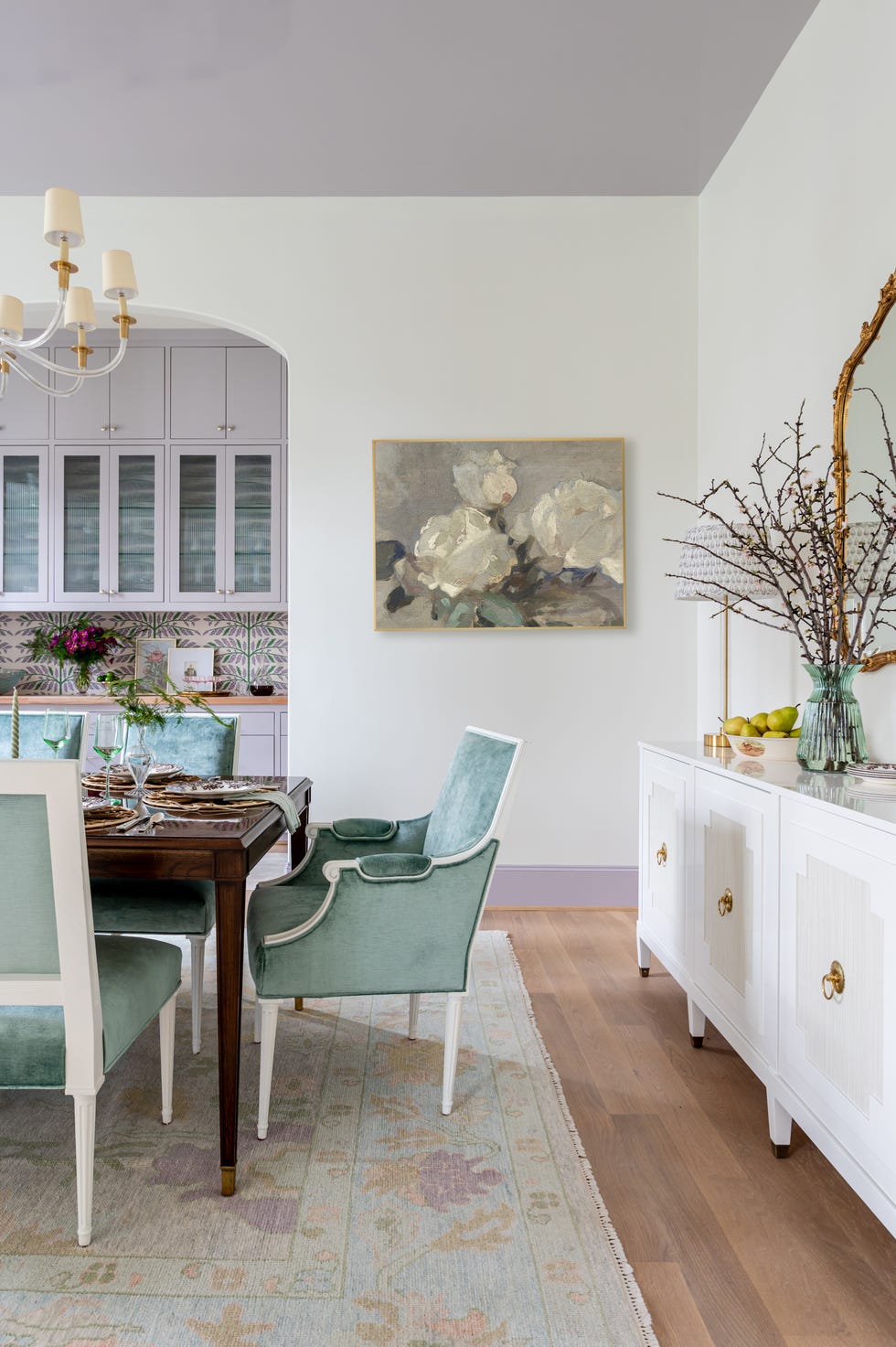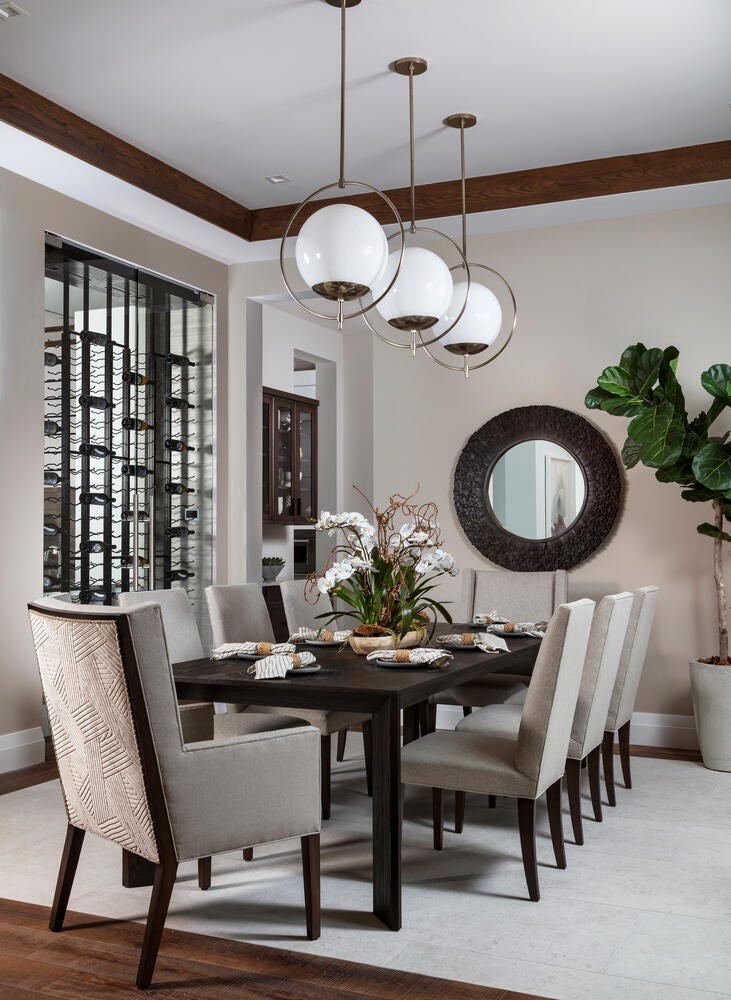
The Disappearing Dining Room: Out of Date or Overdue for a Comeback?
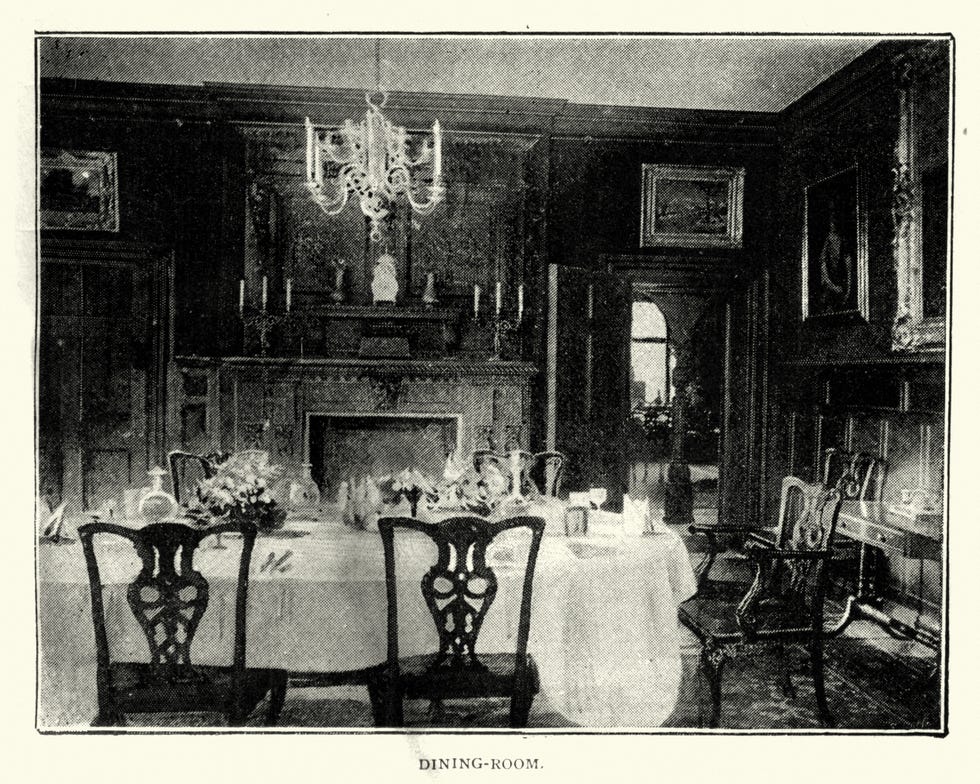
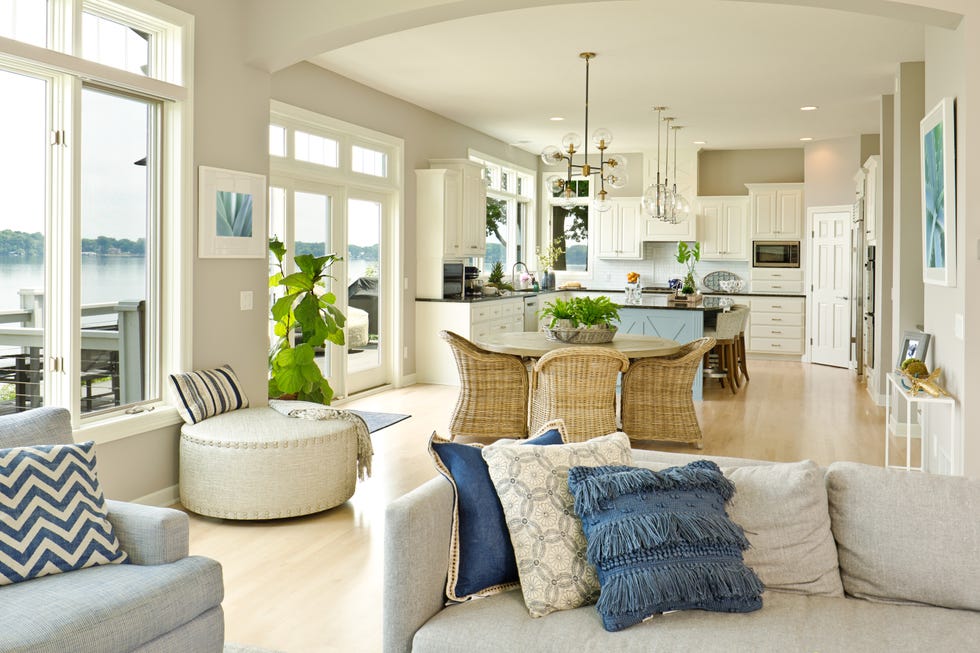
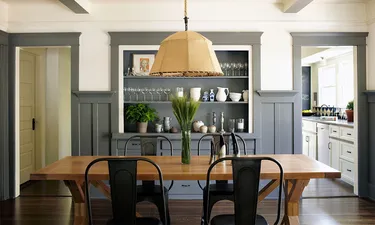
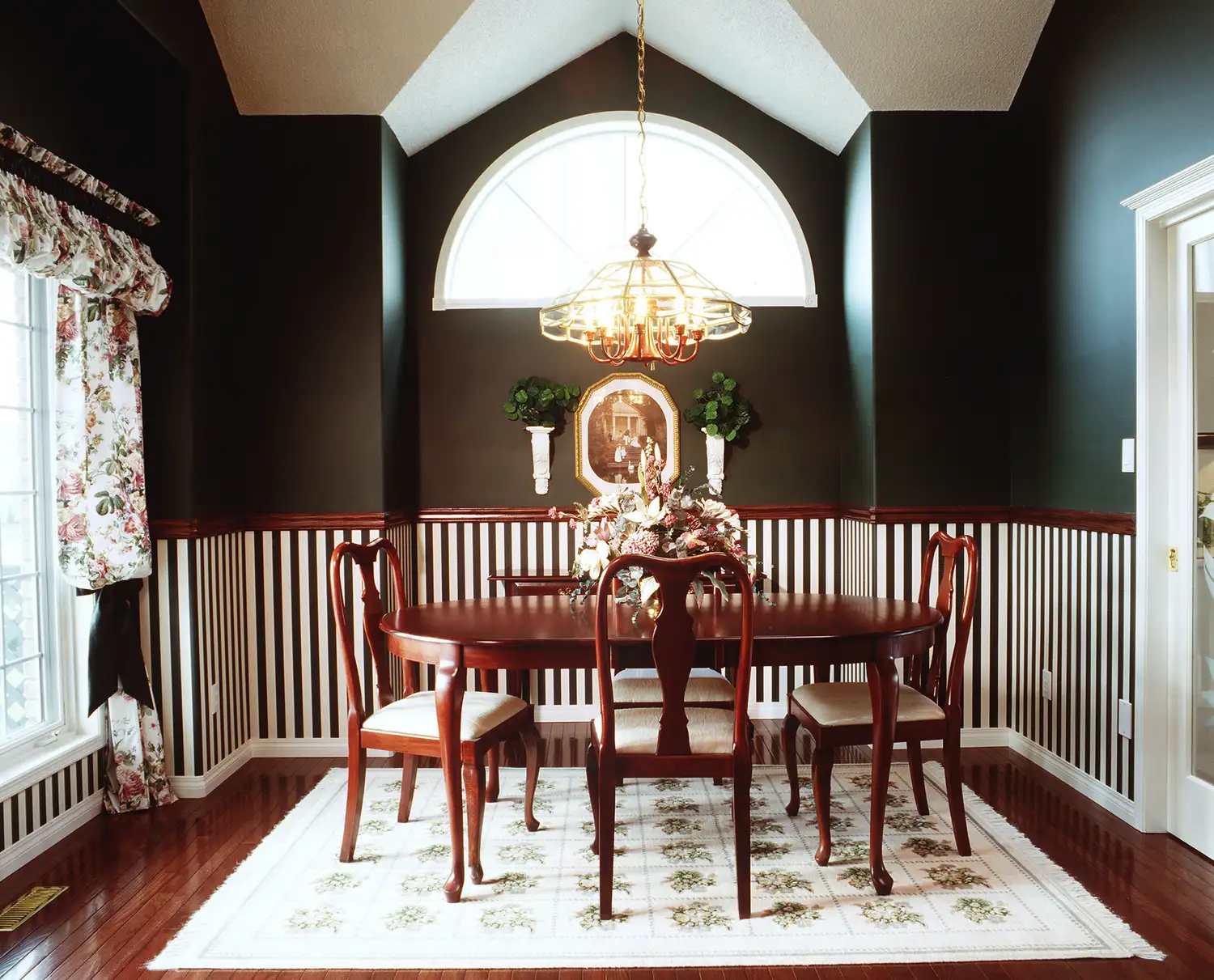
The dining room, once a fundamental feature of American homes, has seen a significant decline in prominence, largely due to evolving lifestyles and architectural preferences. The rise of open-floor plans, which prioritize flexibility and seamless transitions between living areas and kitchens, has led many homeowners to convert their separate dining rooms into more functional spaces like offices or playrooms, especially following the COVID-19 pandemic. Data from Realtor.com® analysts indicates that only 25% of current U.S. property listings explicitly mention a dining room, suggesting a de-emphasis on this space in real estate marketing, even if the rooms technically exist.
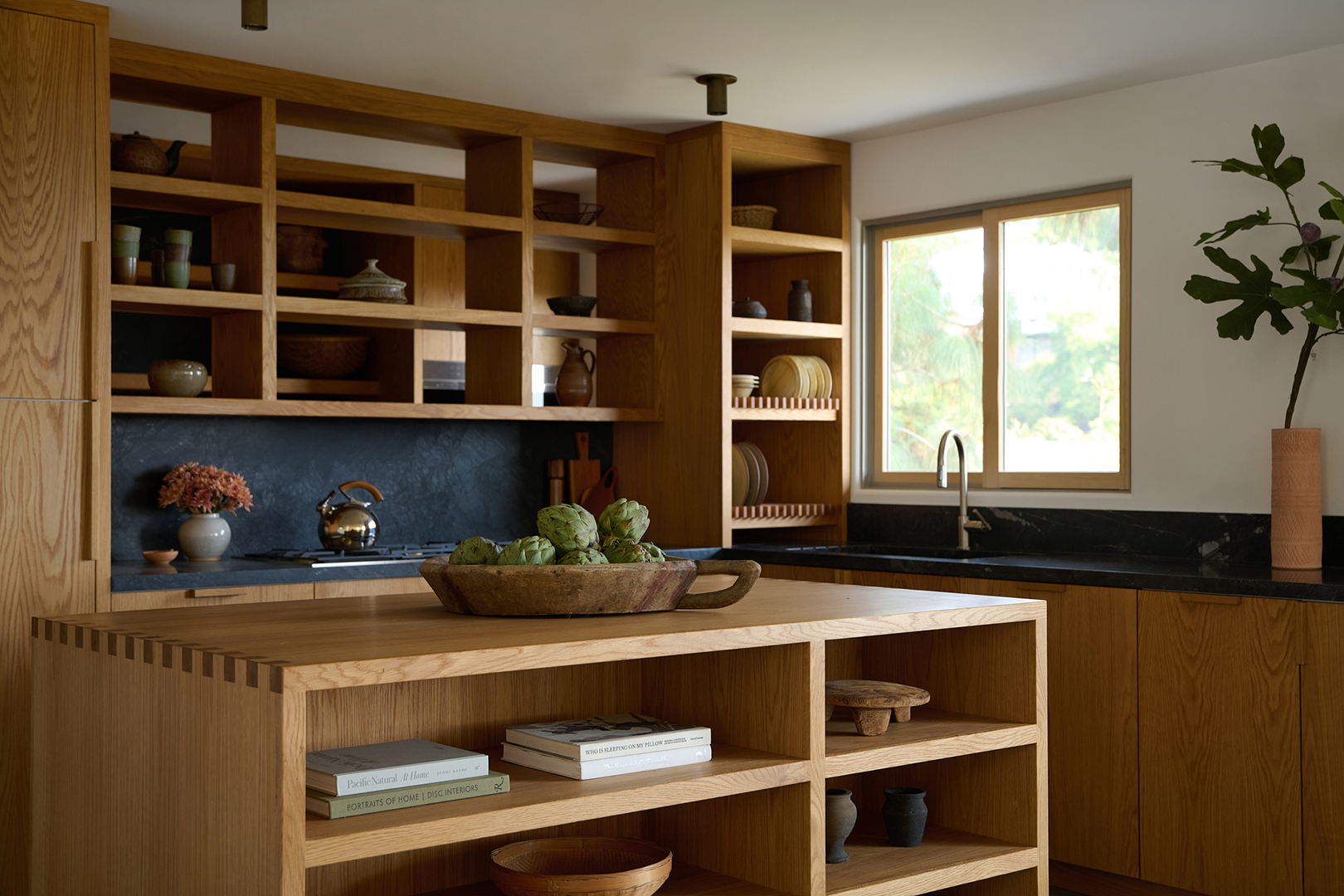
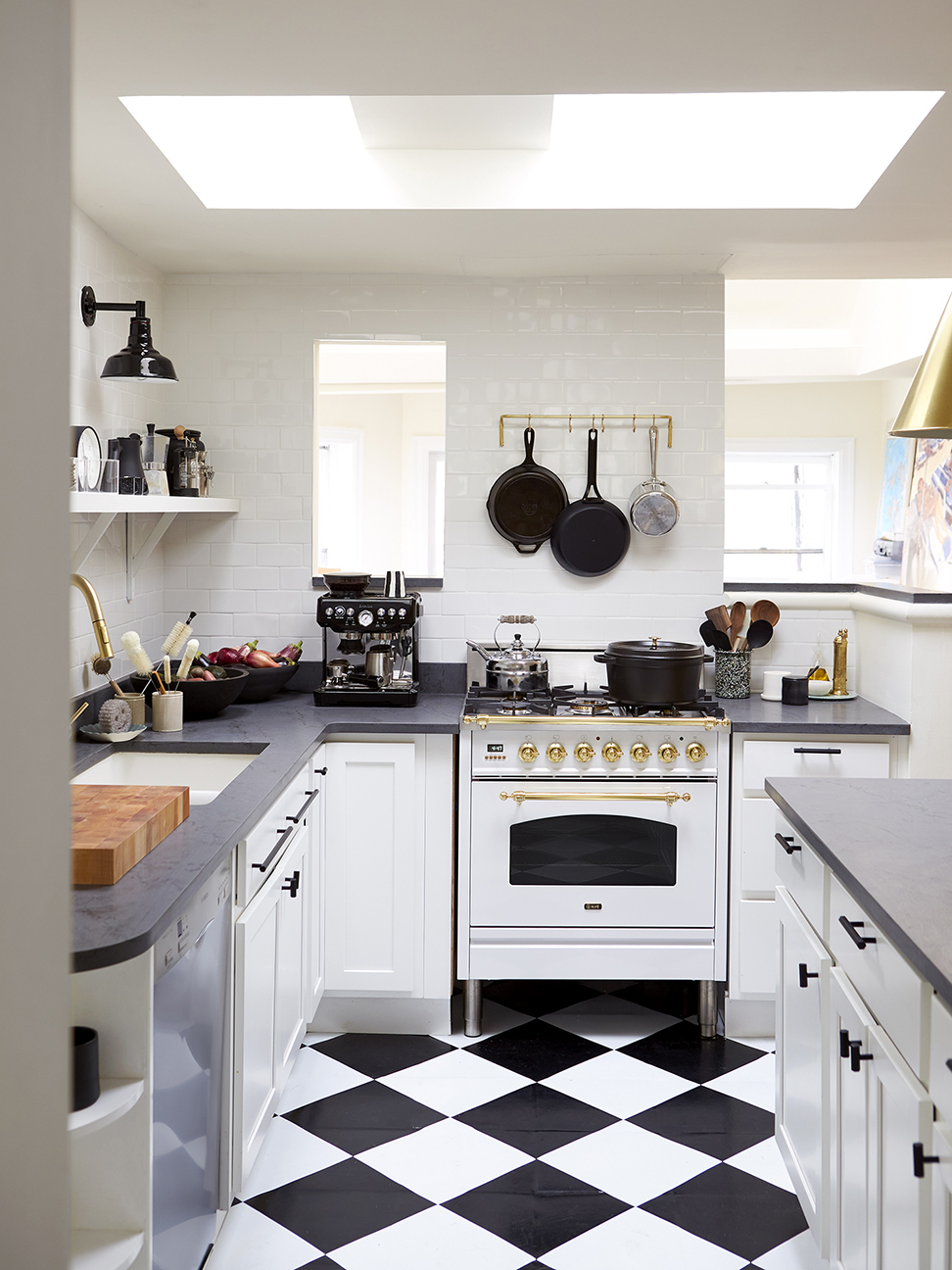
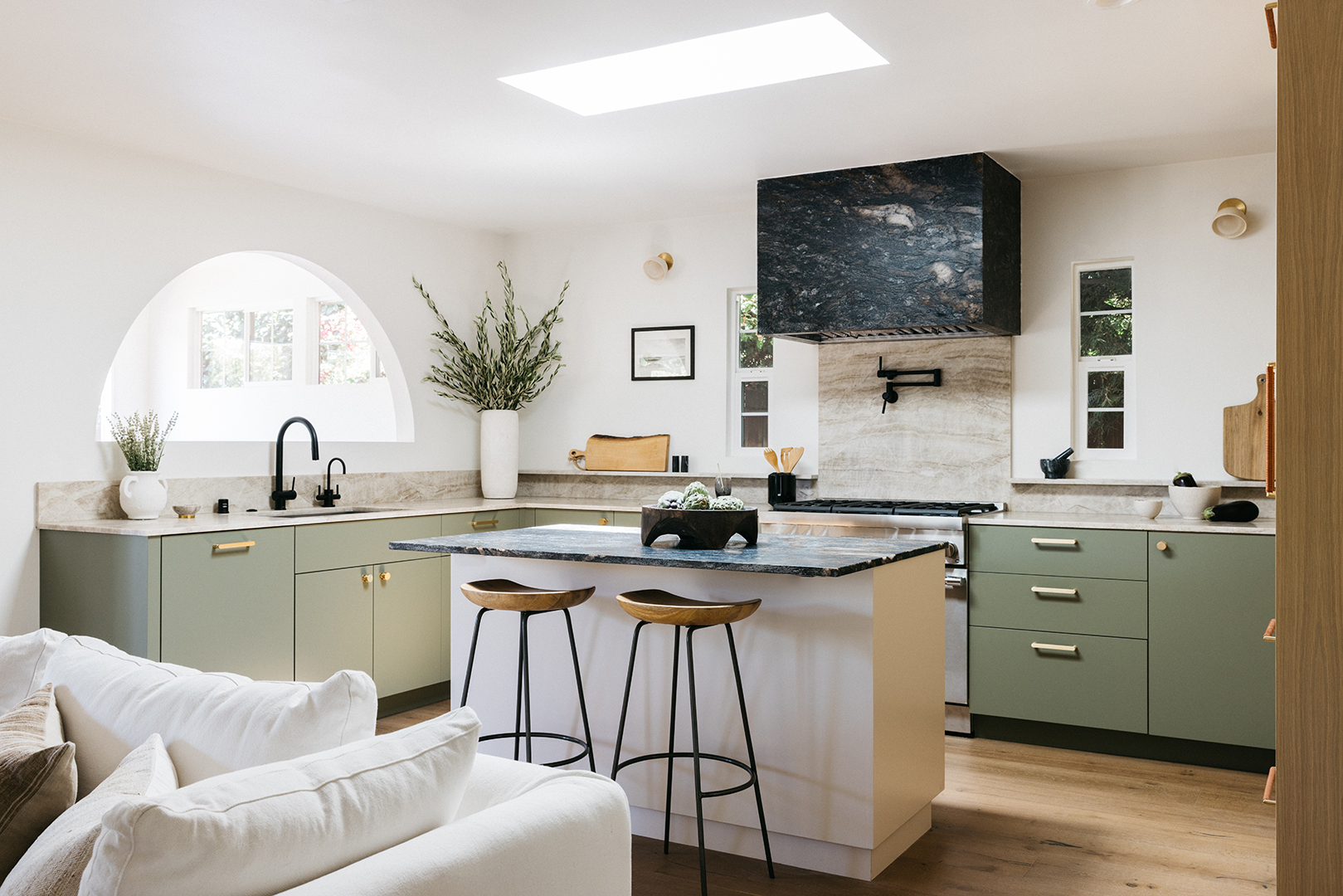
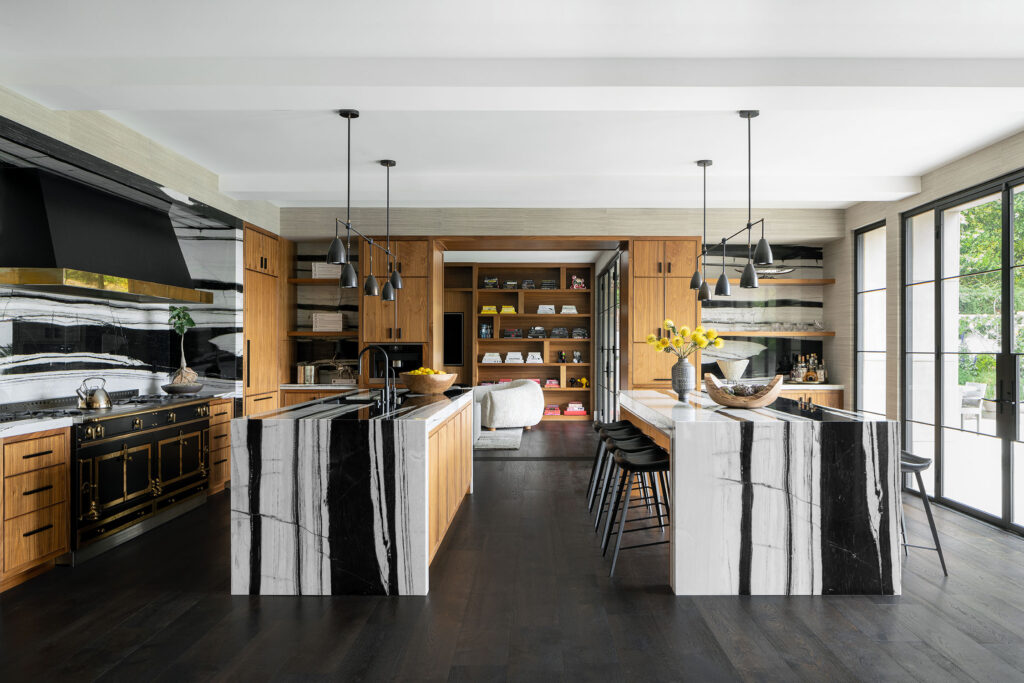
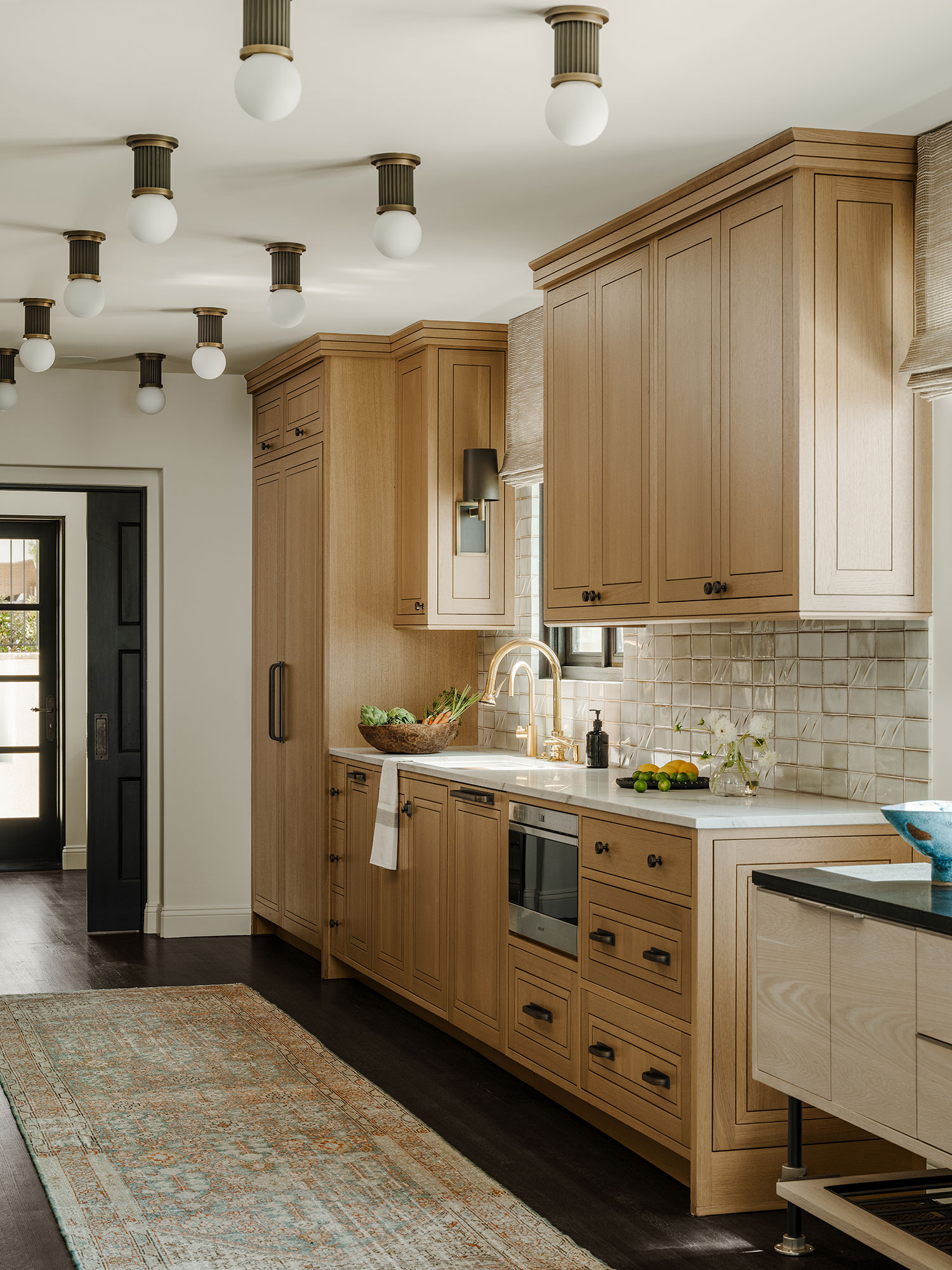
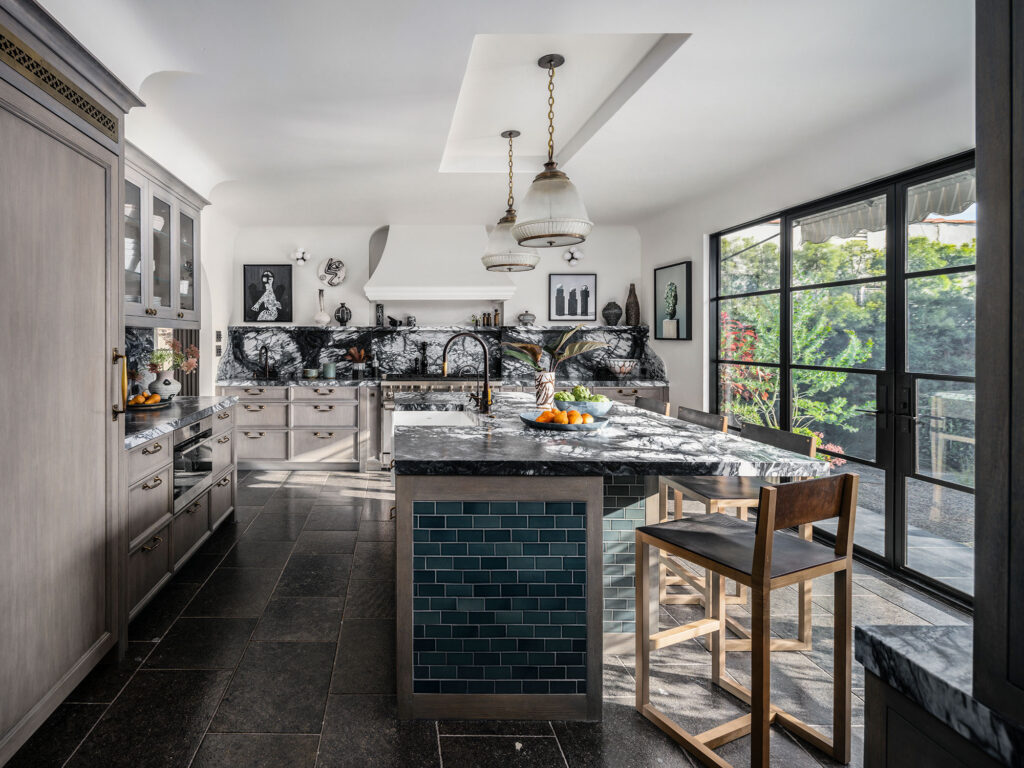
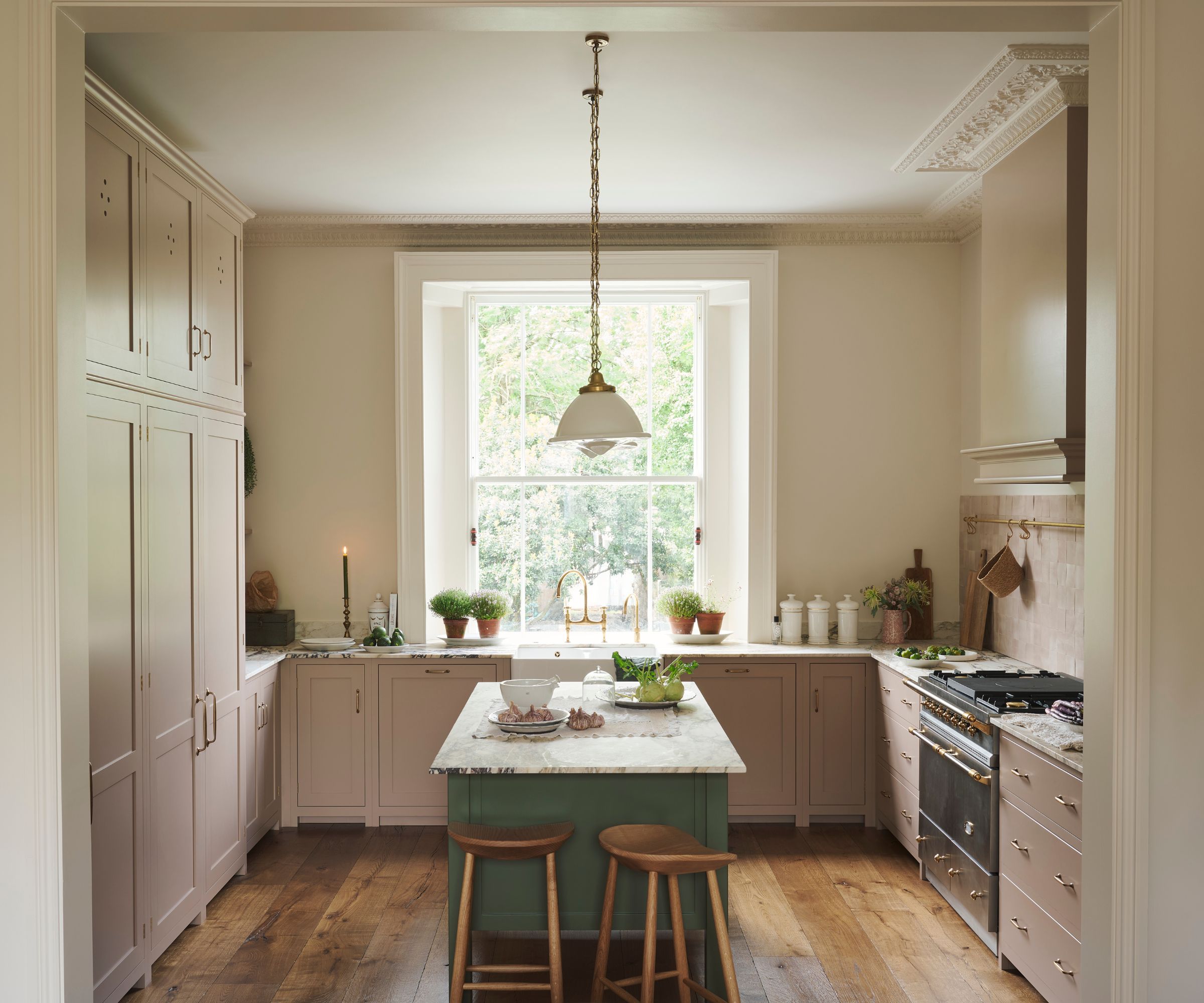
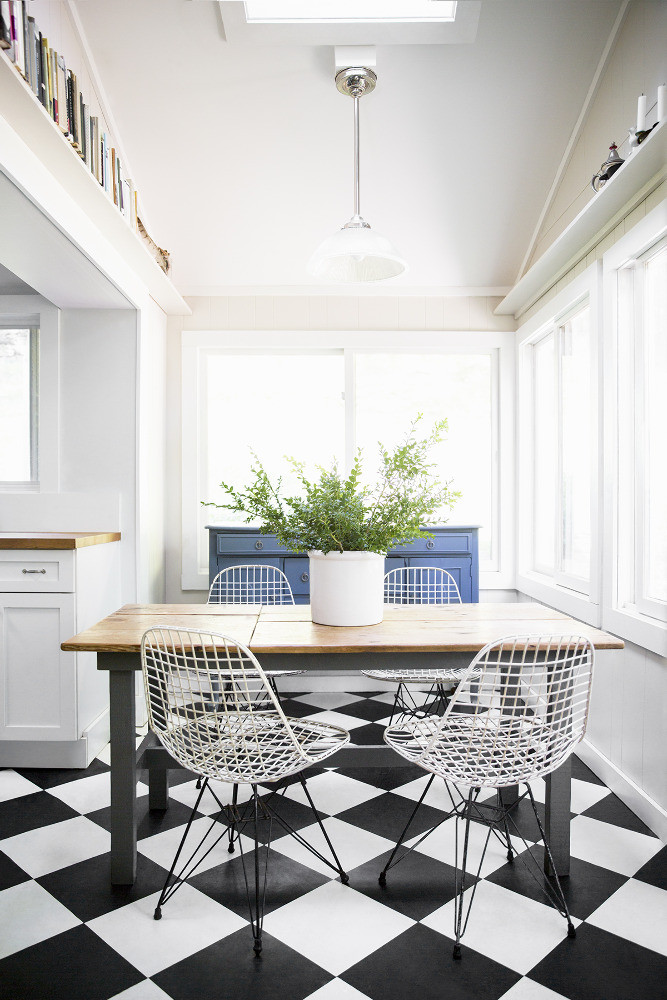
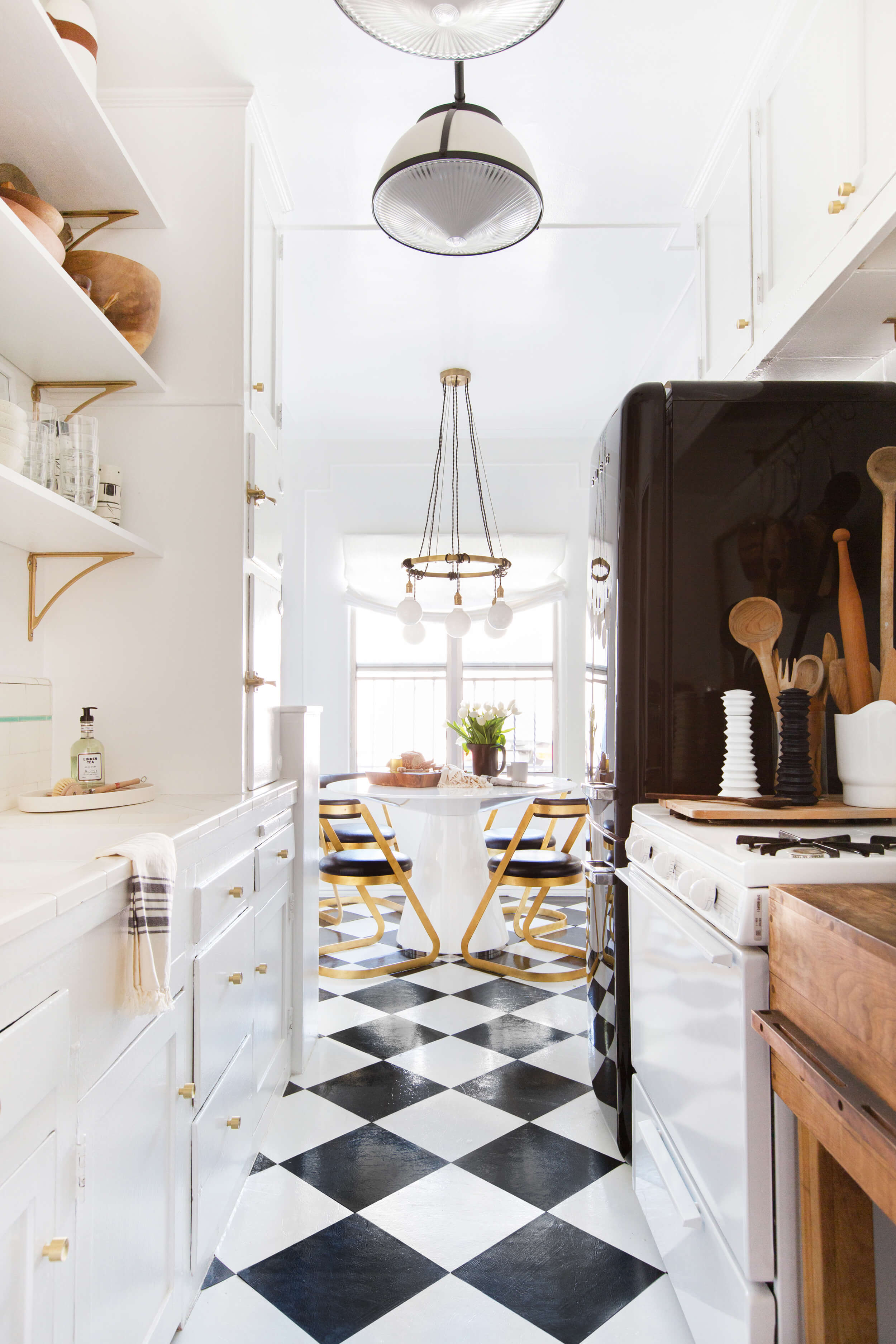
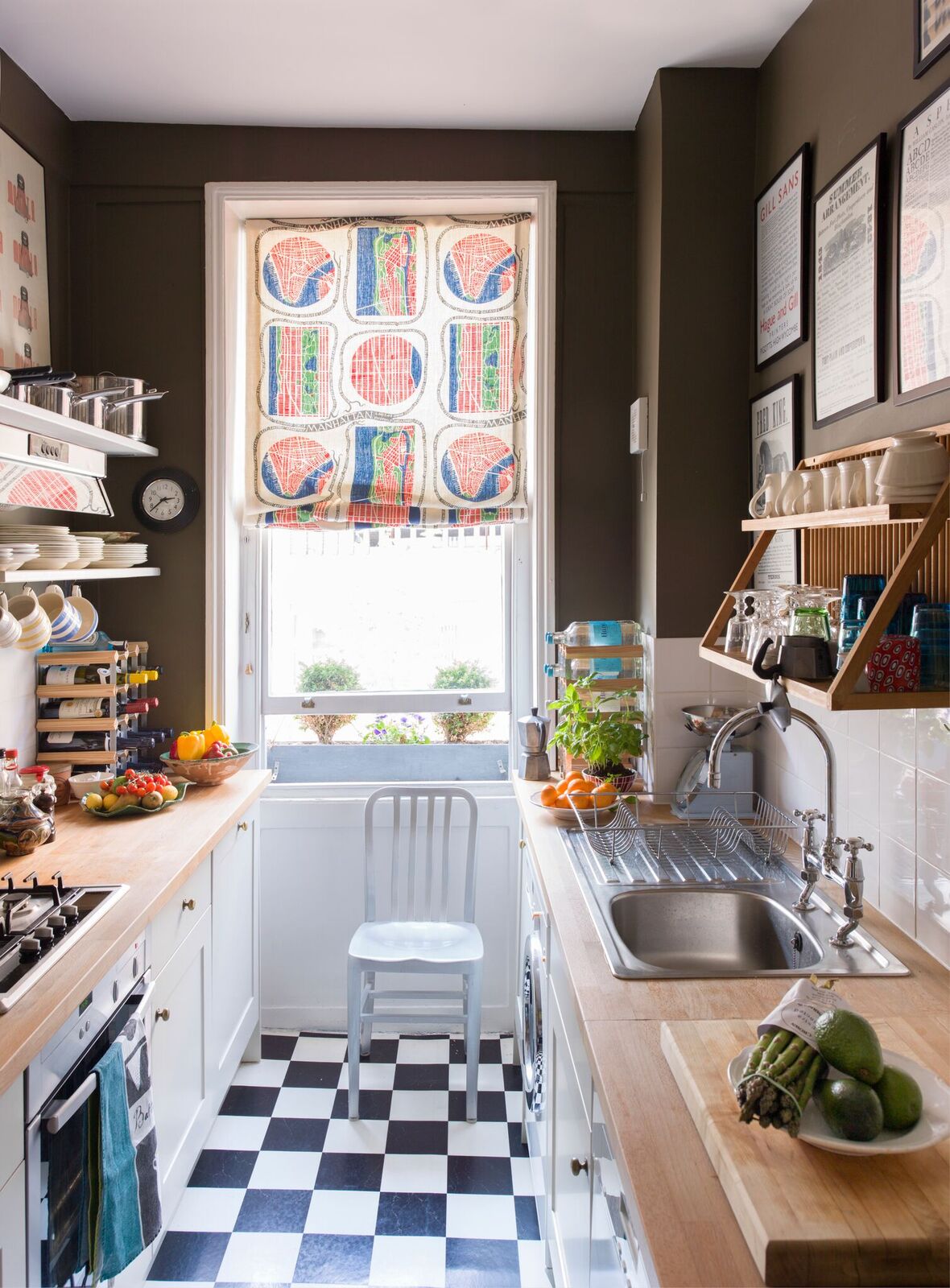
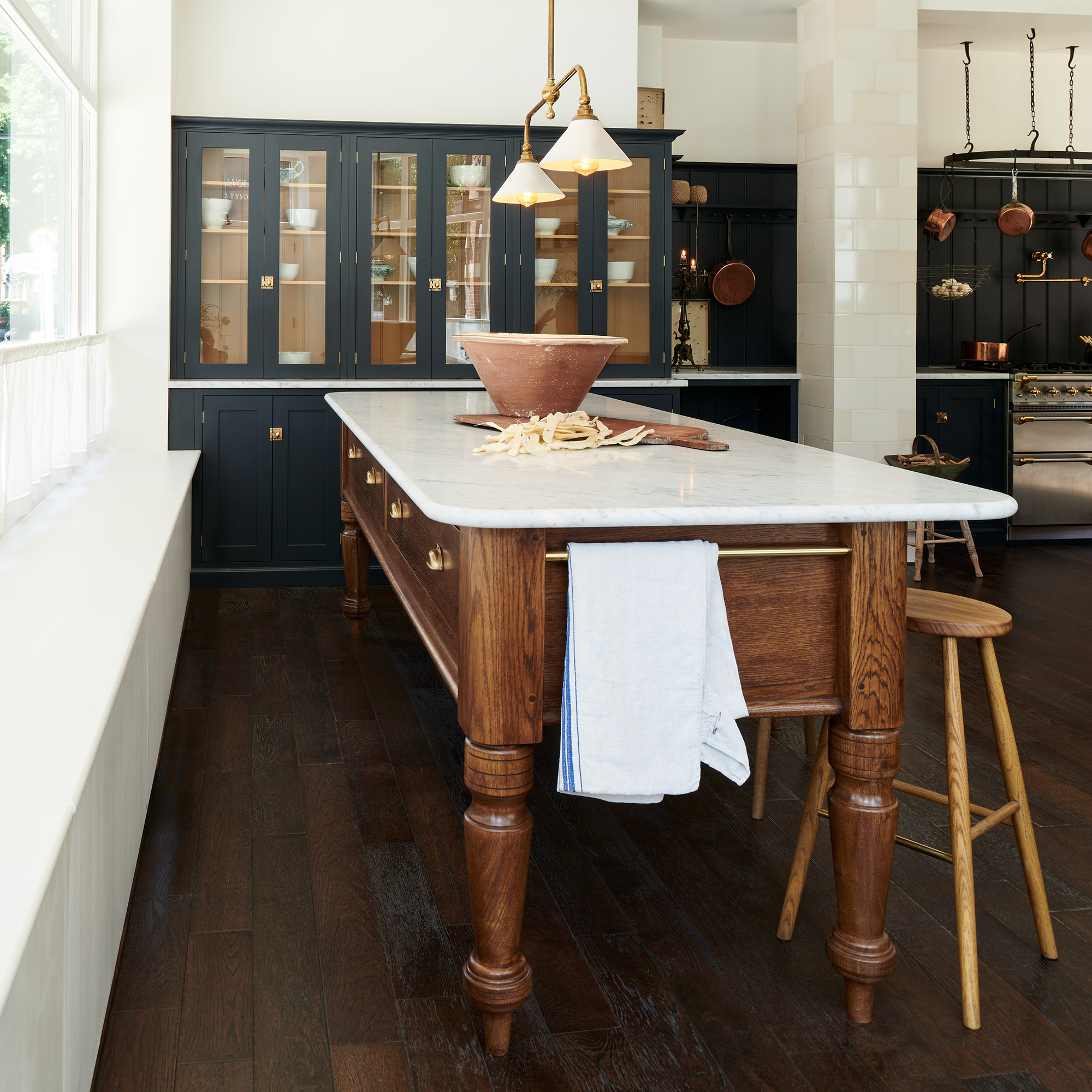
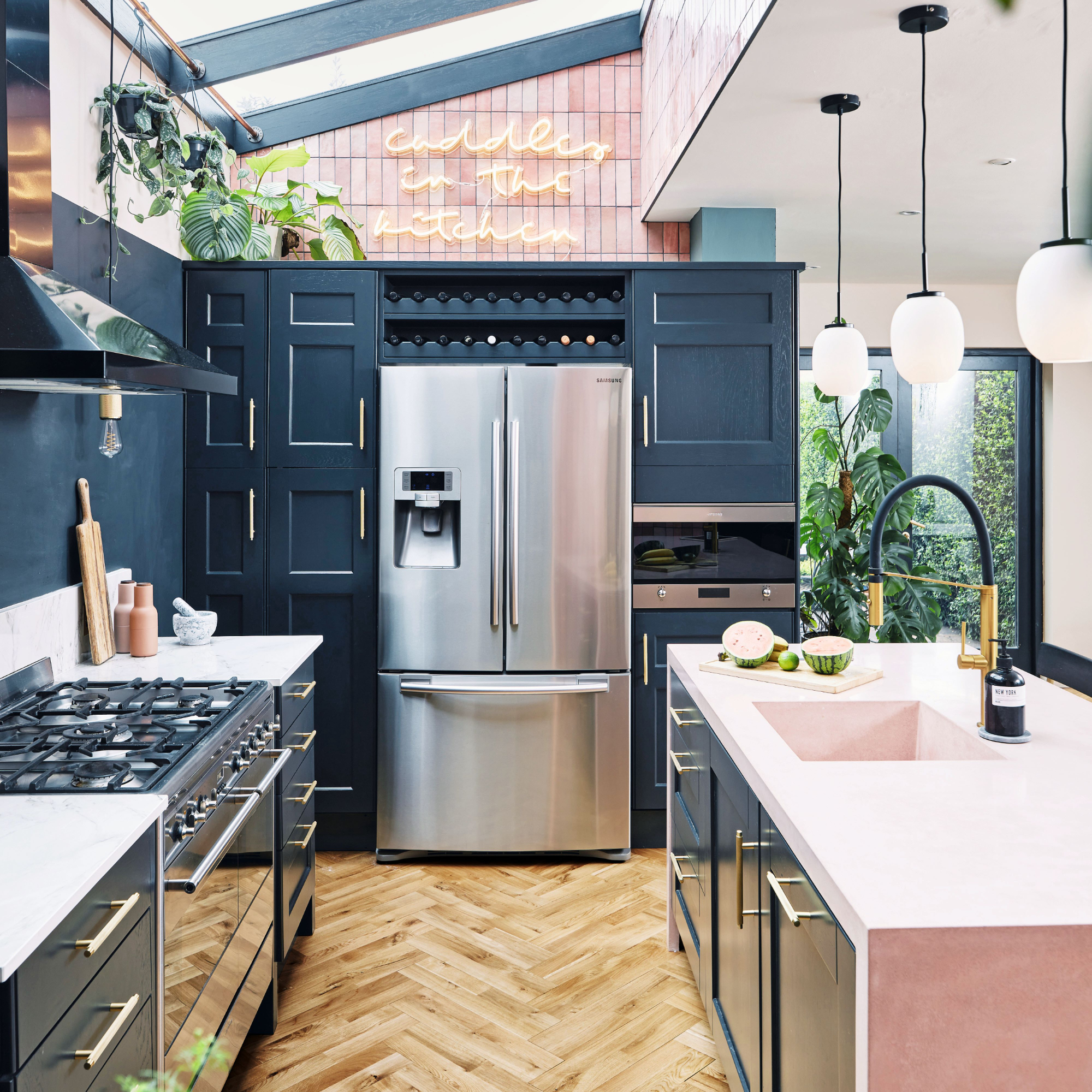
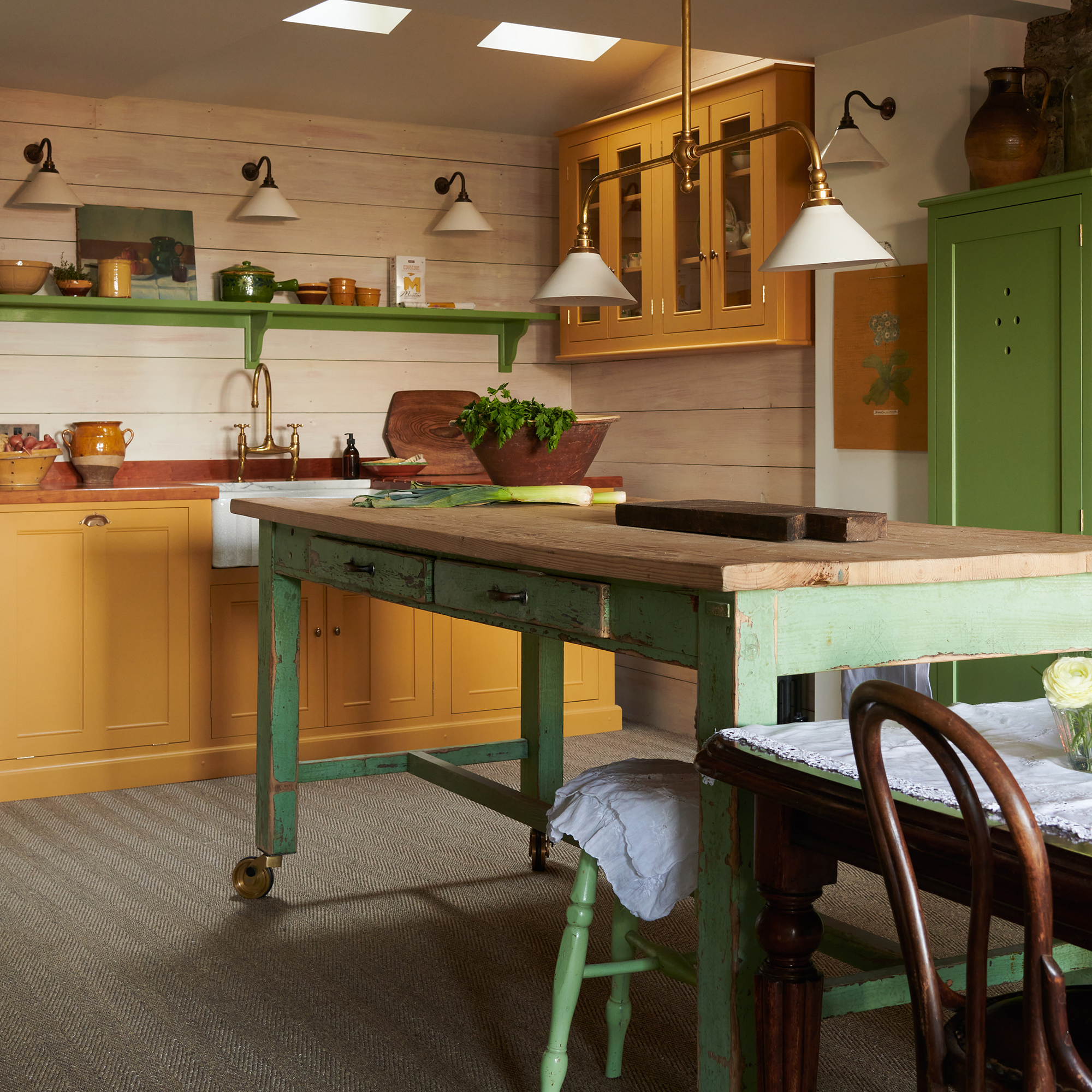
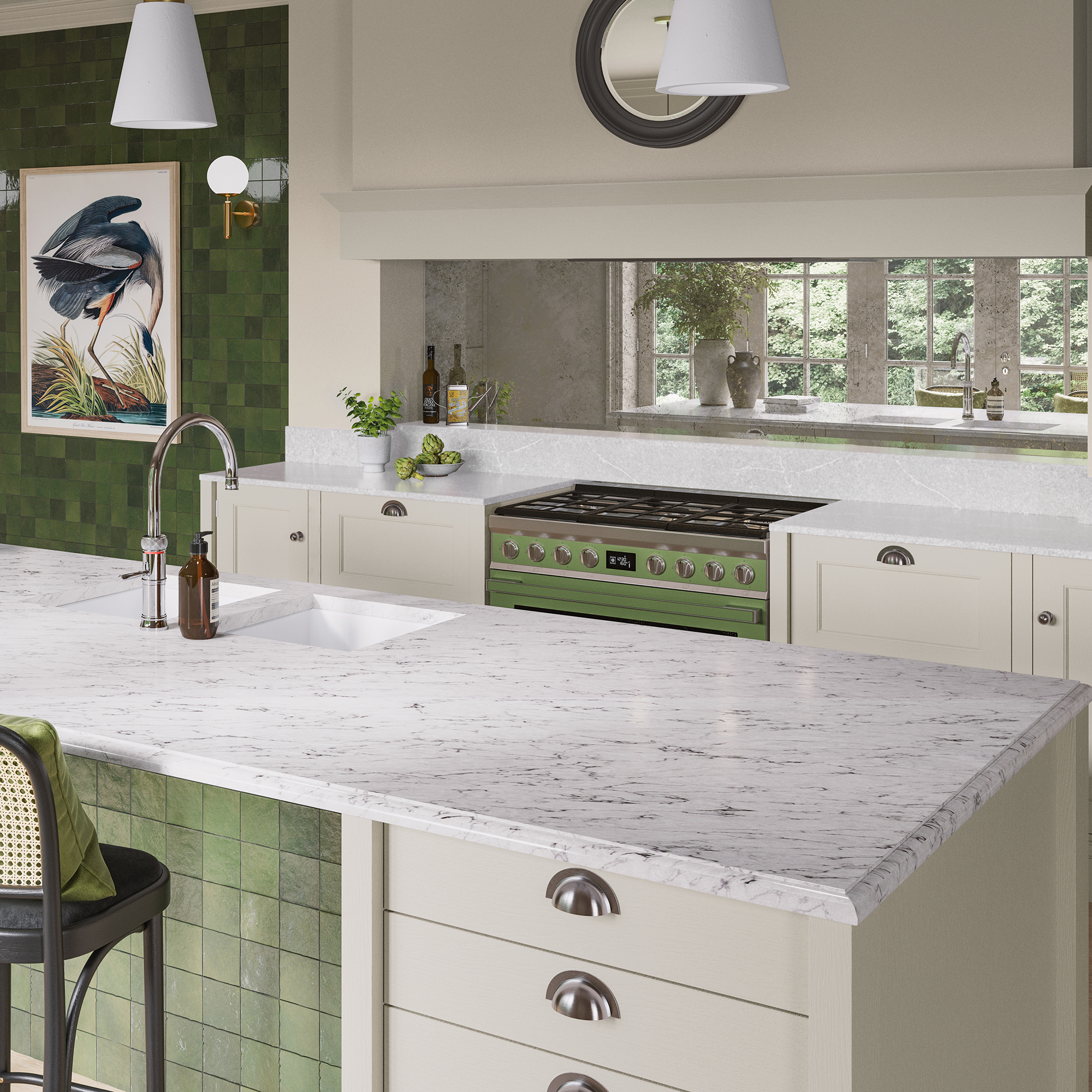
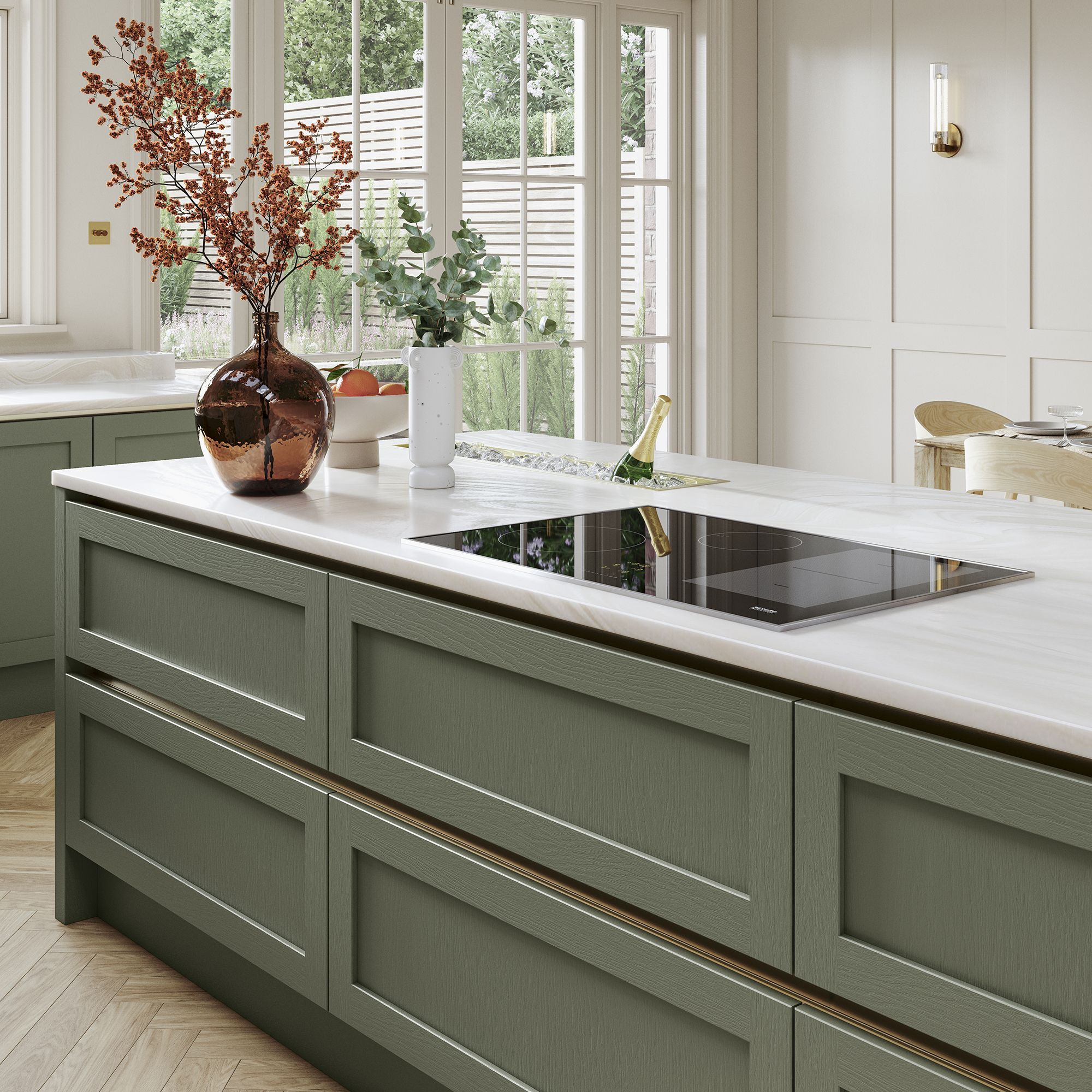
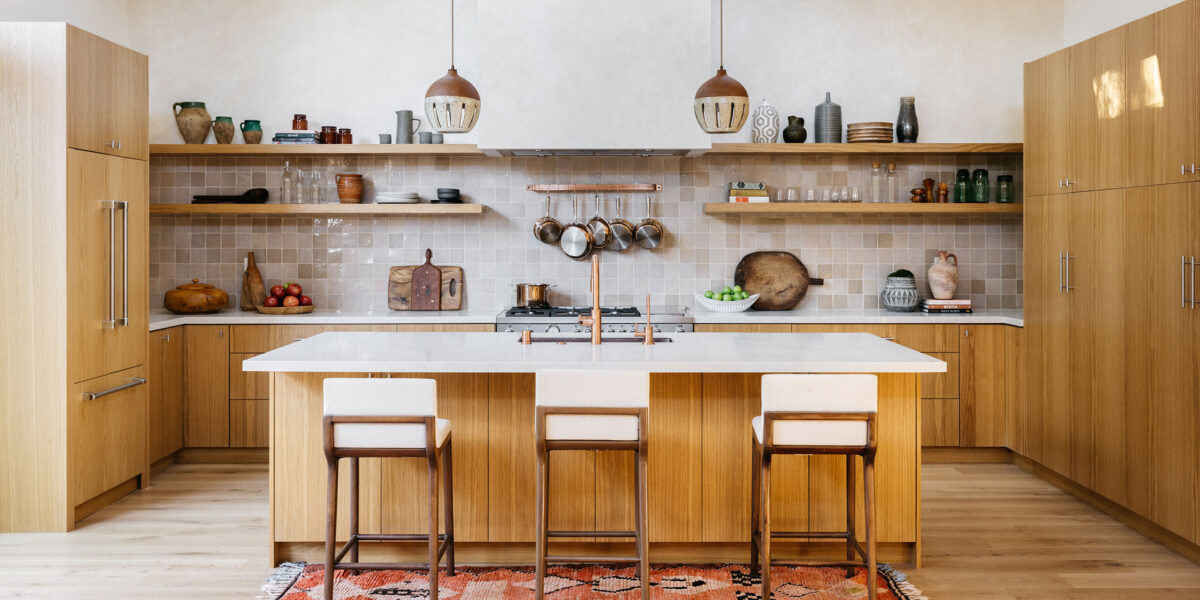
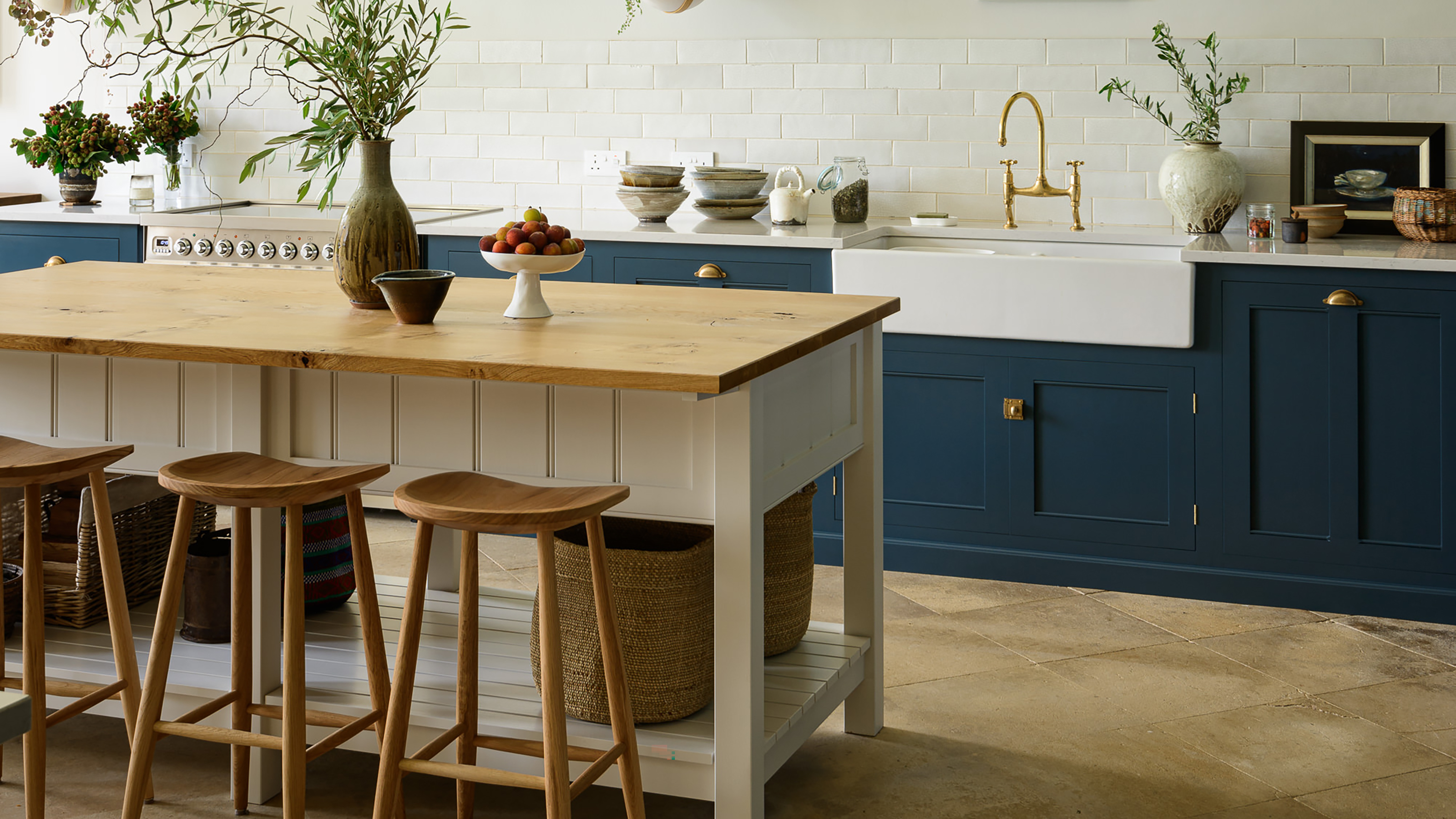
Several factors contribute to this trend. The shift towards more informal home usage has made dine-in kitchens, with their comfortable and casual atmosphere, the new 'heart of the home.' Interior design experts note that large kitchen islands have become a focal point for gathering, with open shelving transforming kitchenware into decorative elements. Additionally, the increasing number of single-person households means less demand for formal dining spaces, as these occupants often prefer to utilize their limited square footage differently. Design professionals observe that buyers are now prioritizing amenities like mudrooms, elaborate laundry rooms, outdoor spaces, and 'wow' kitchens over traditional dining rooms.
Economic pressures, including rising home prices and high mortgage rates, compel buyers to optimize every square foot of their homes. This often means sacrificing dedicated dining rooms for more versatile layouts. The generational preferences of Millennials and Gen Z also play a role, as these groups tend to favor minimalism and sustainability, viewing underutilized dining rooms as wasteful. The influence of co-living models, which emphasize shared common areas, further shapes their perception of necessary home features.
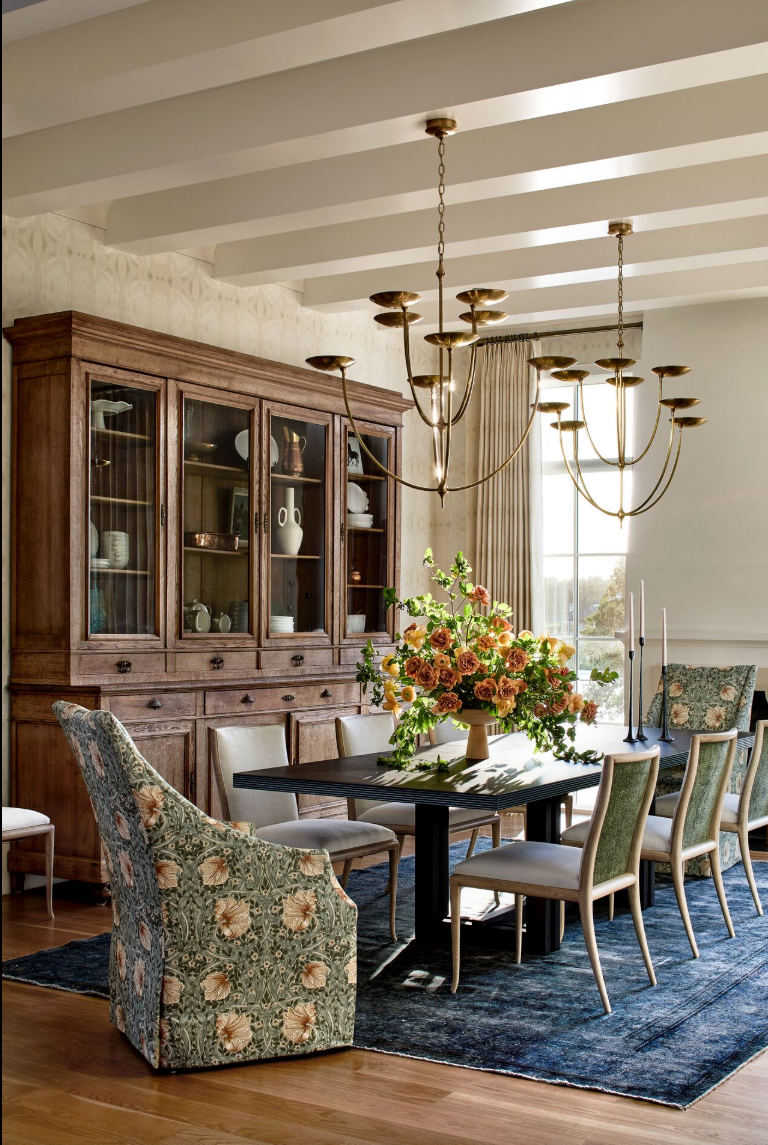
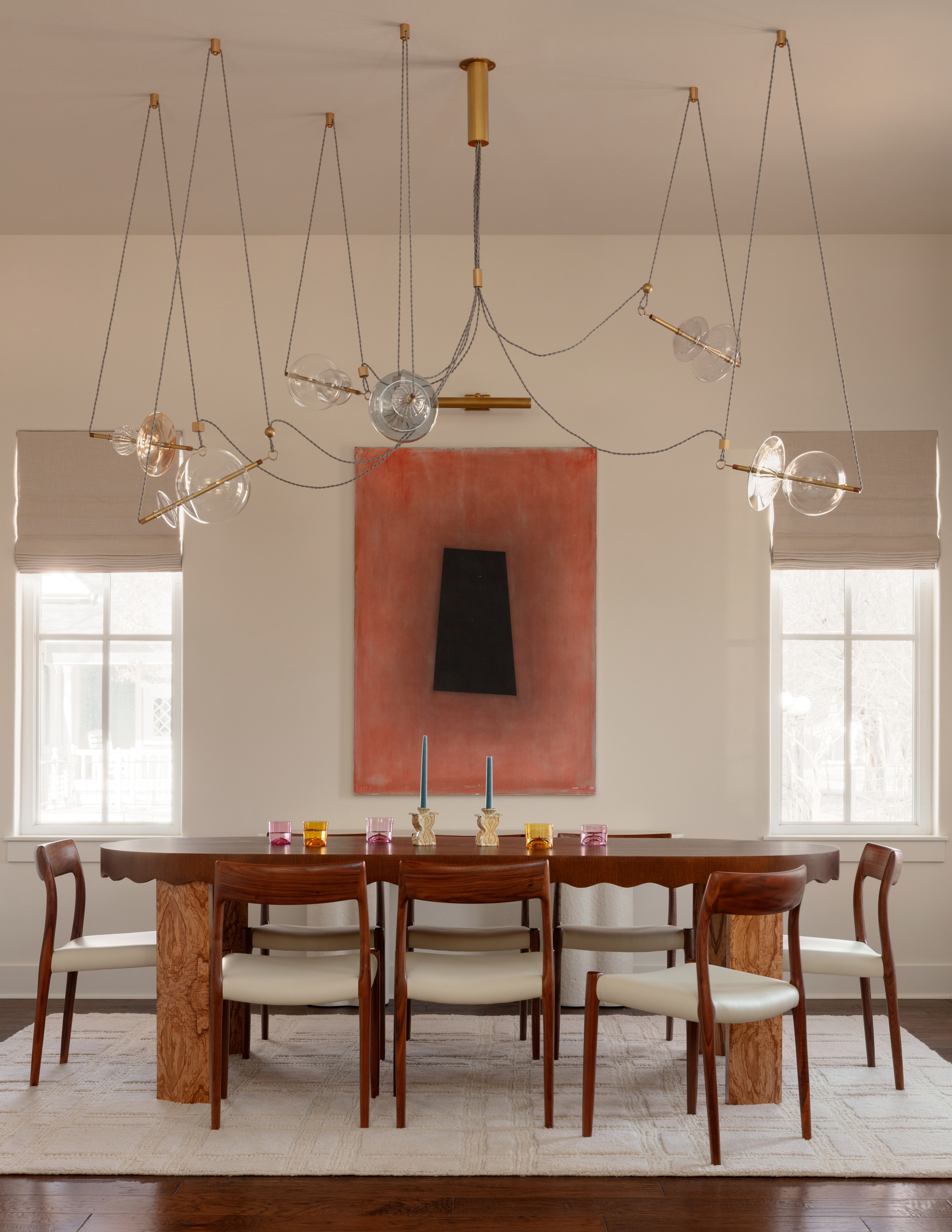
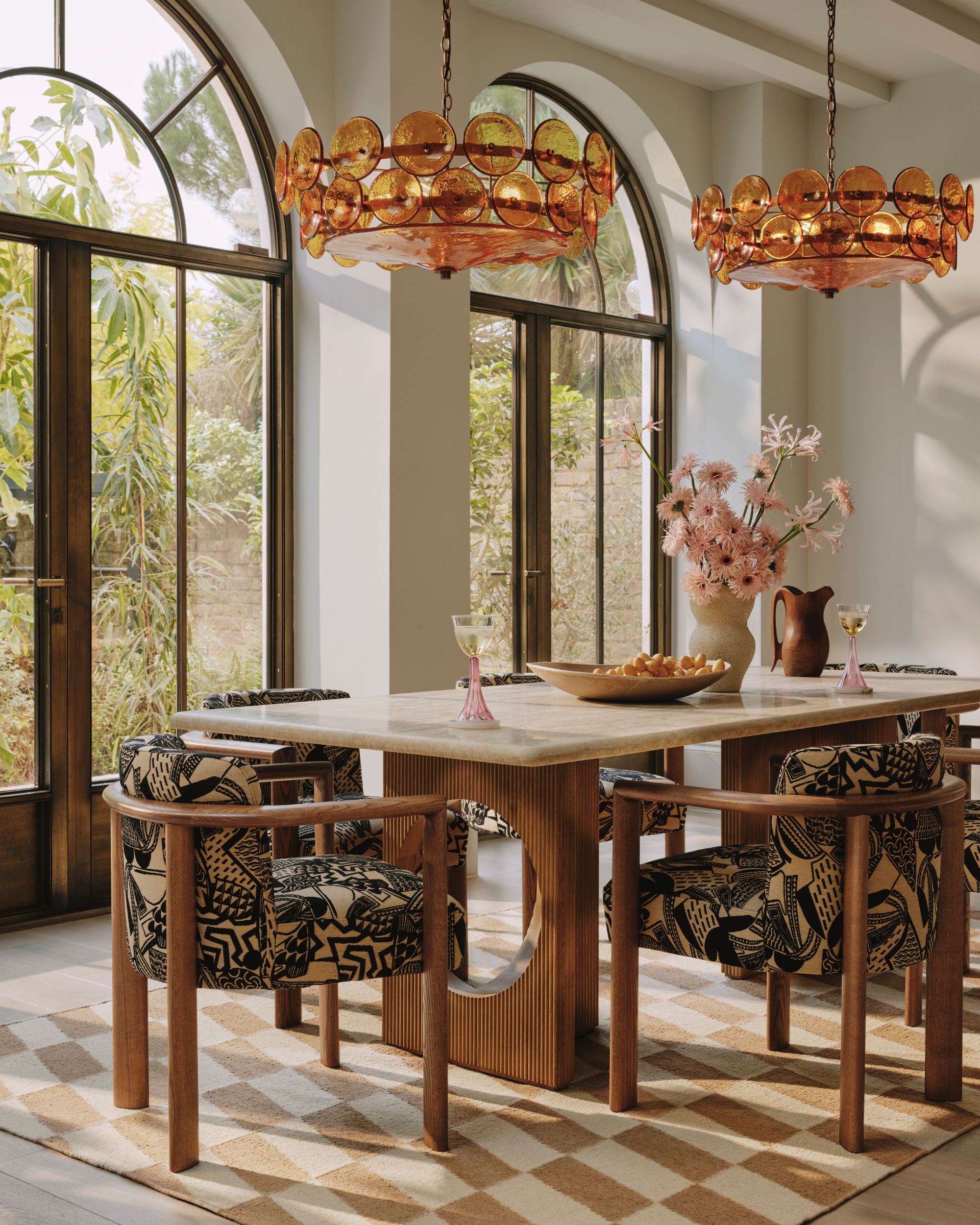
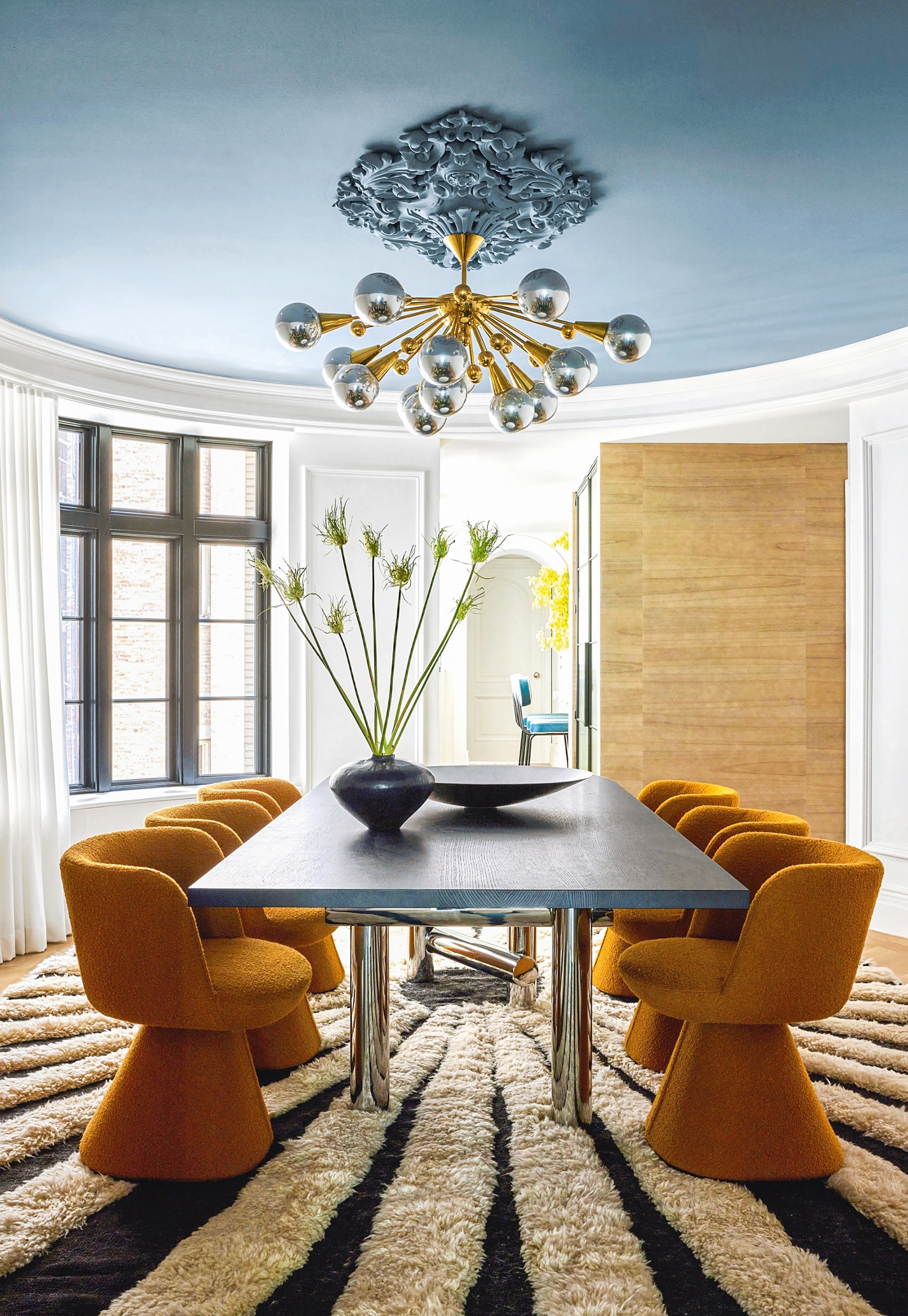
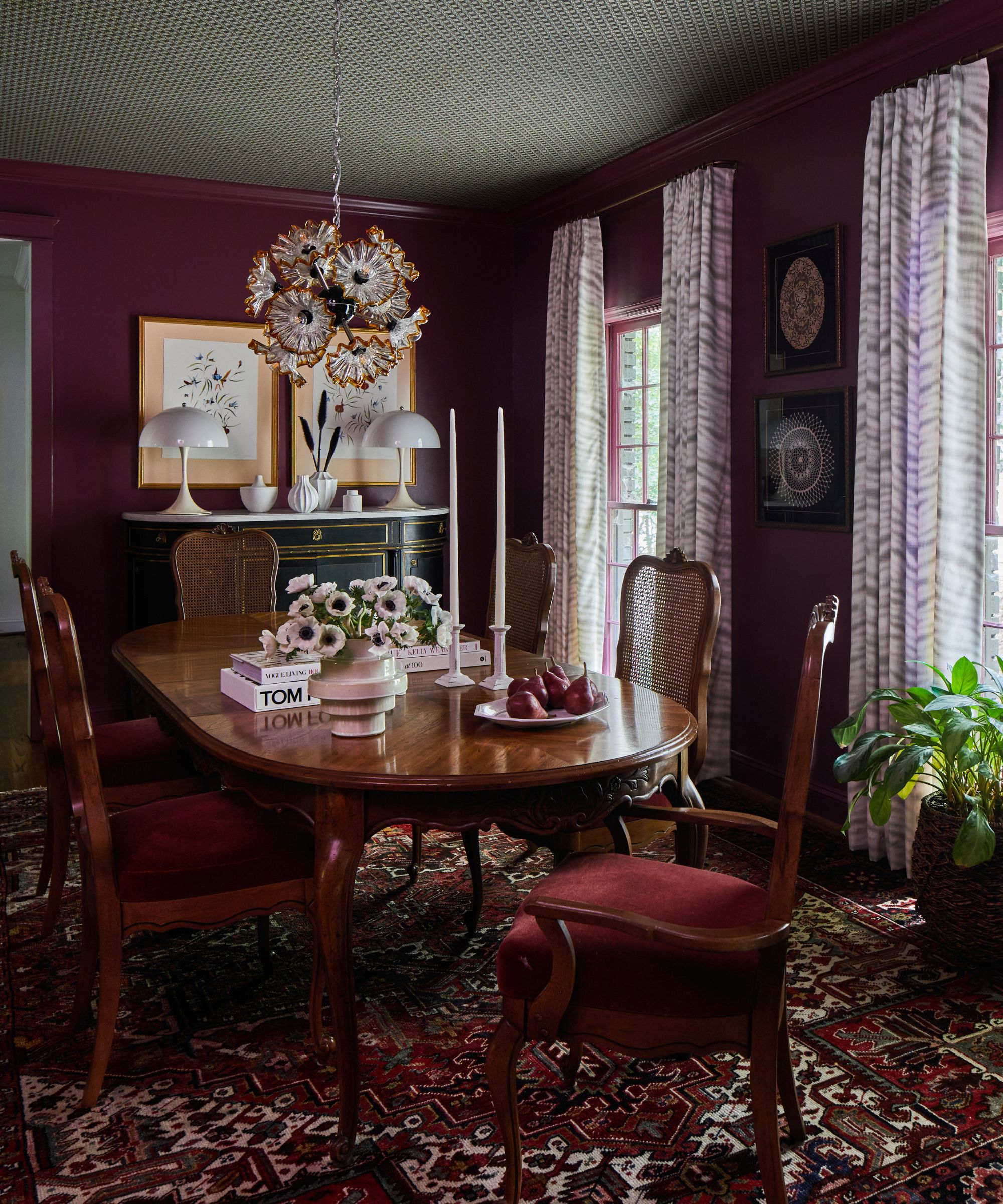
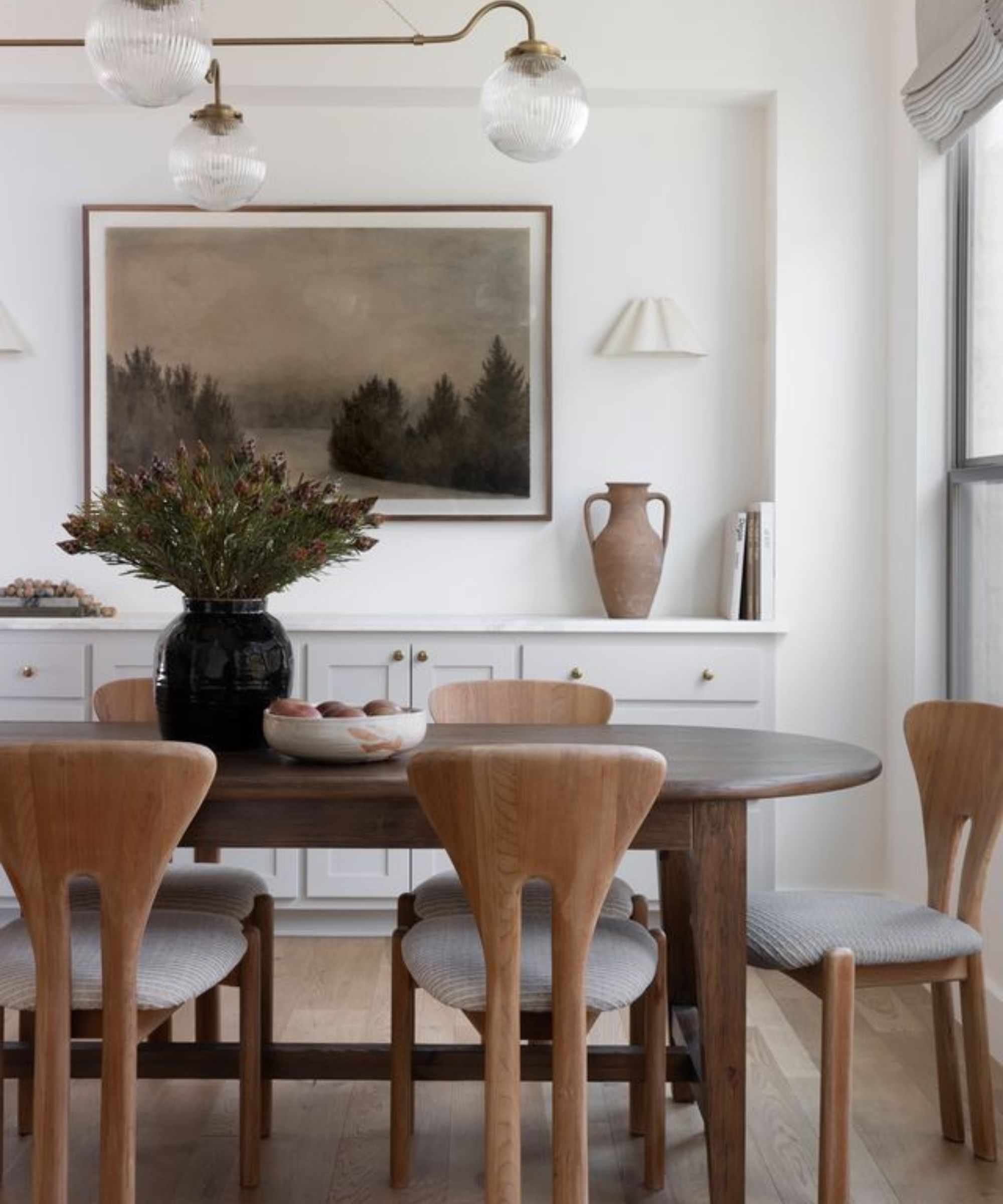
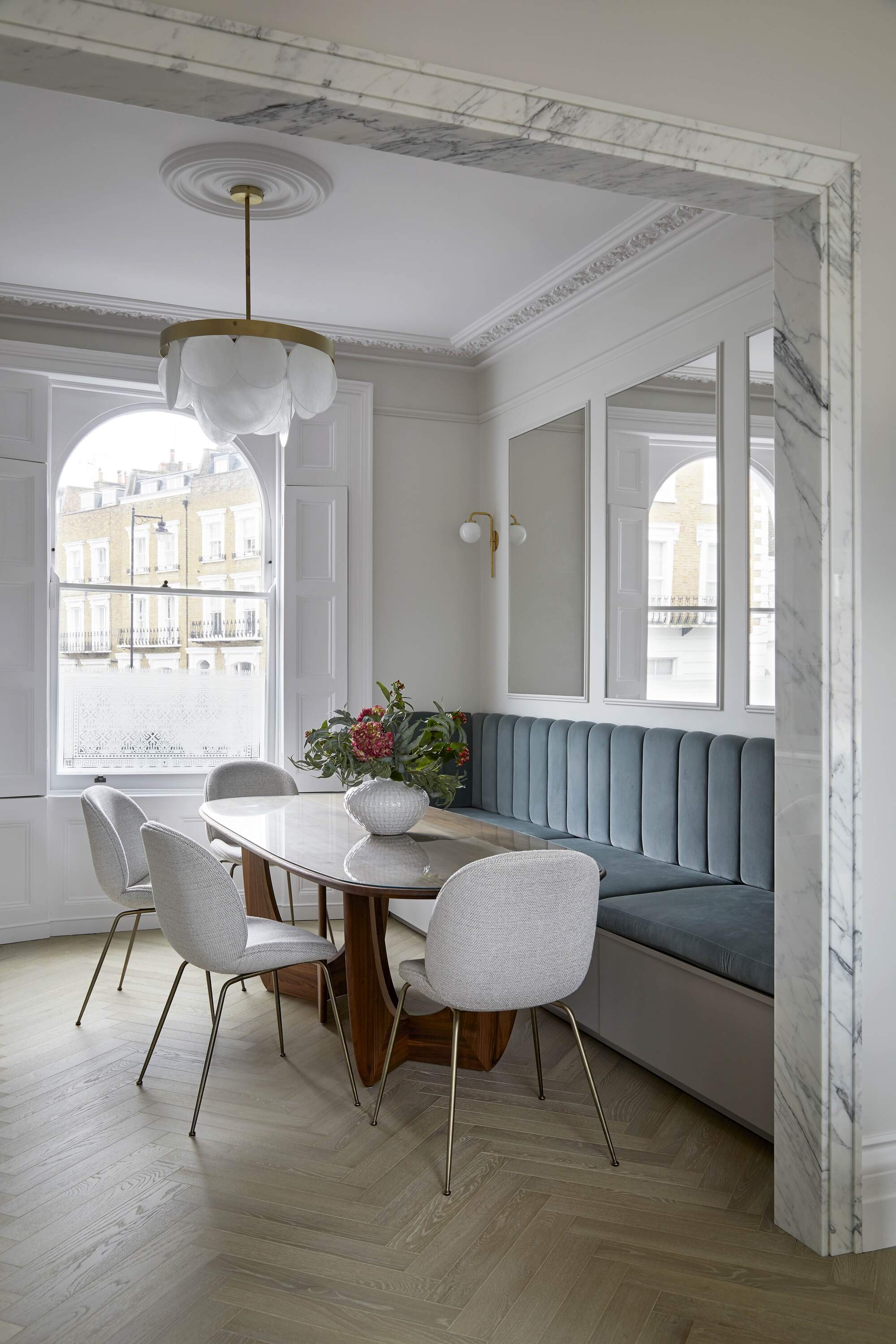
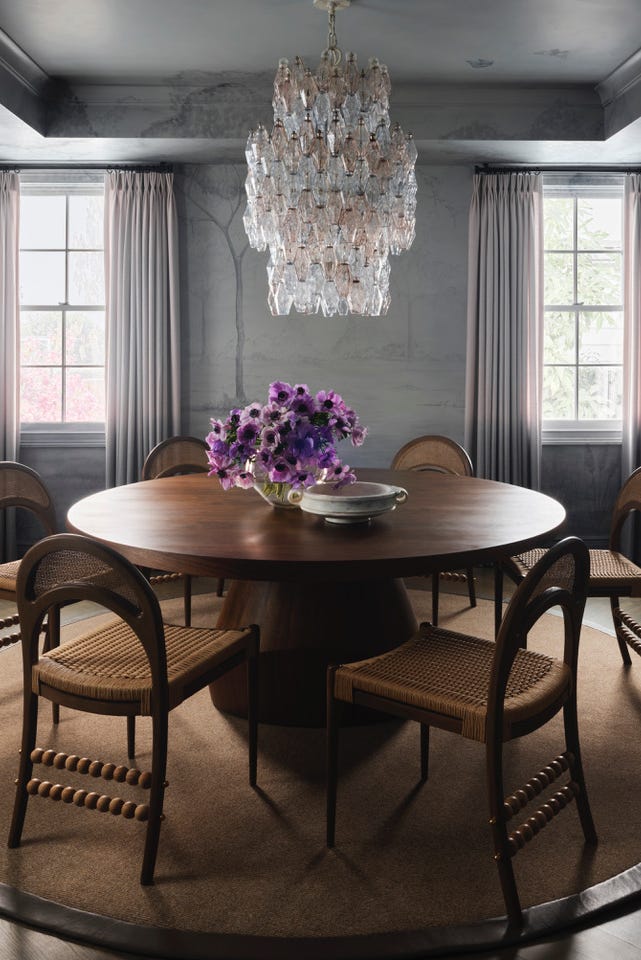
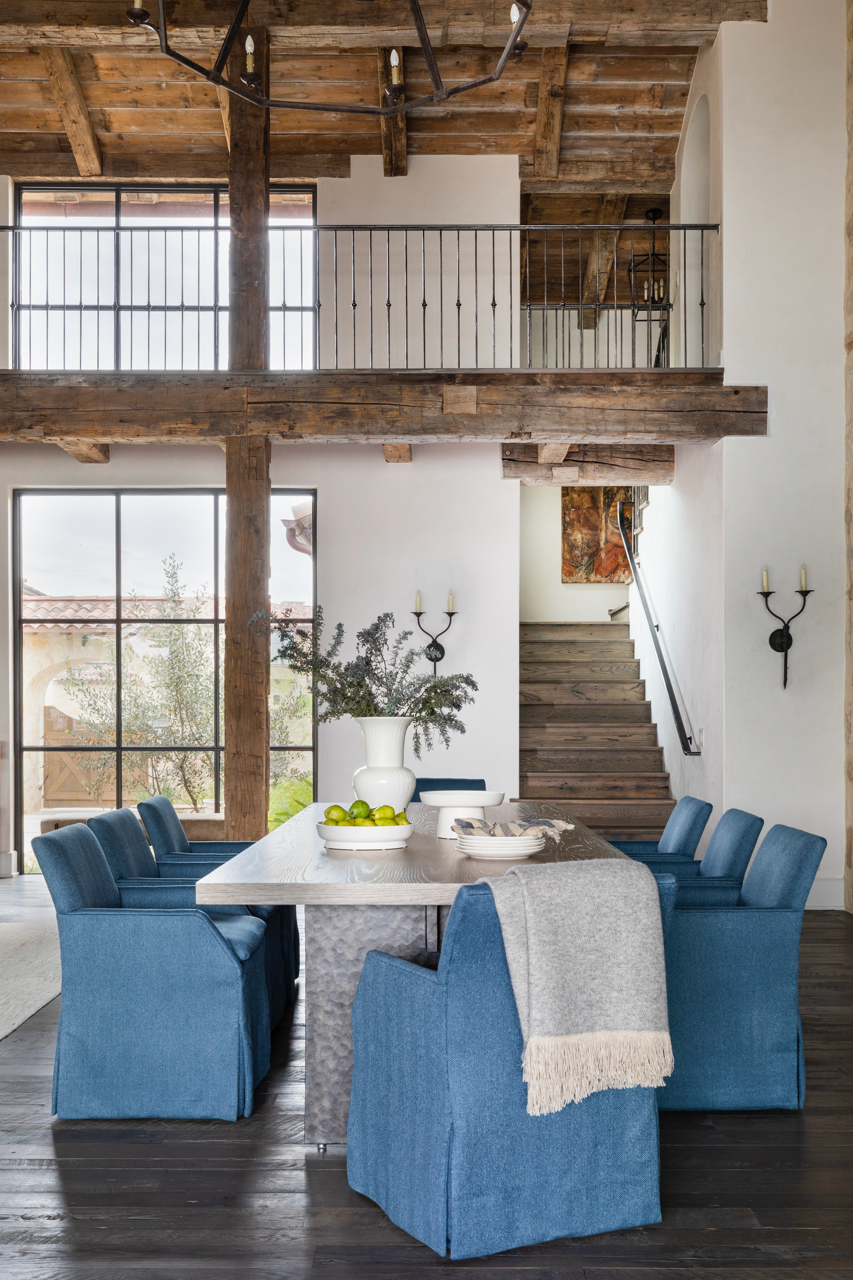
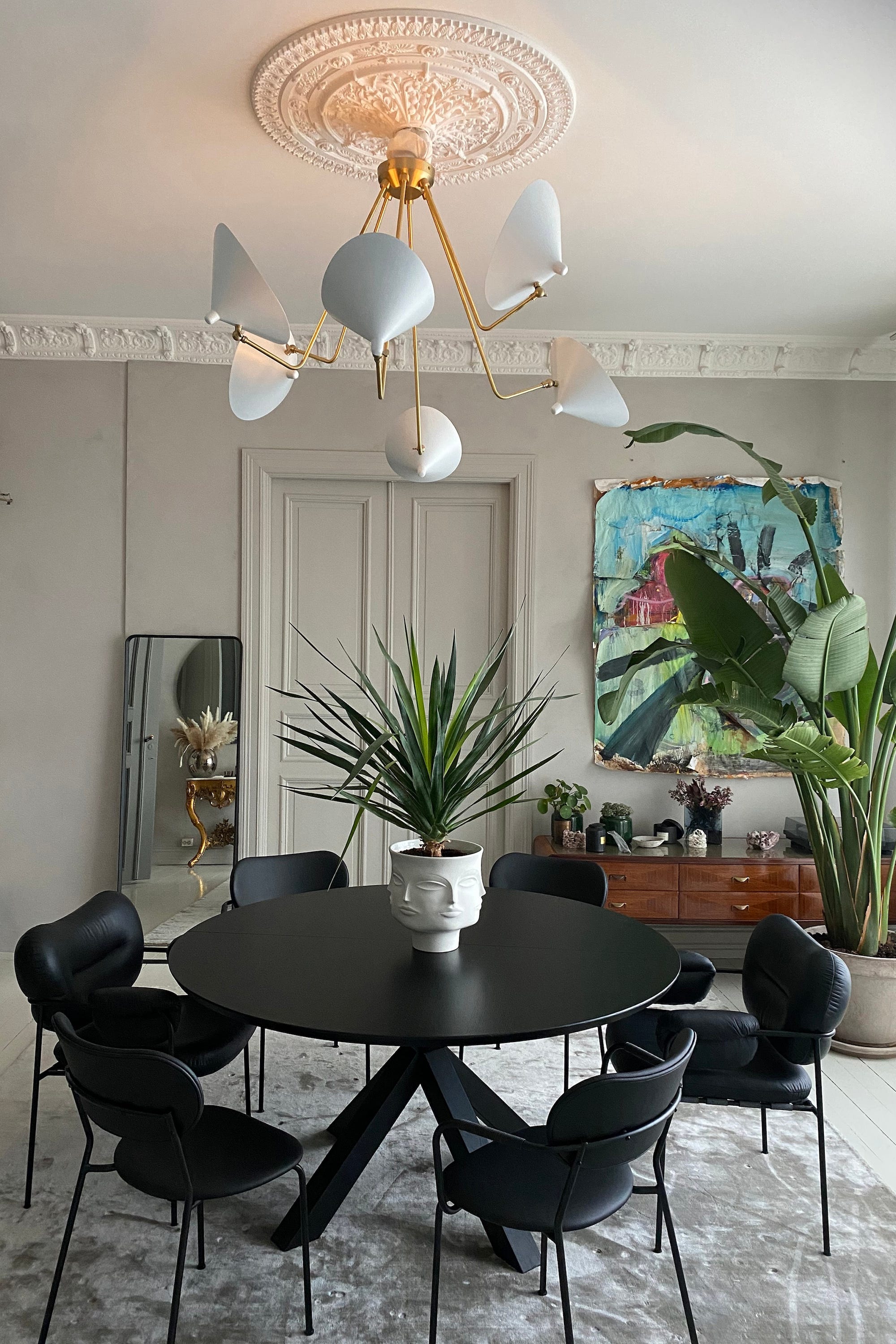
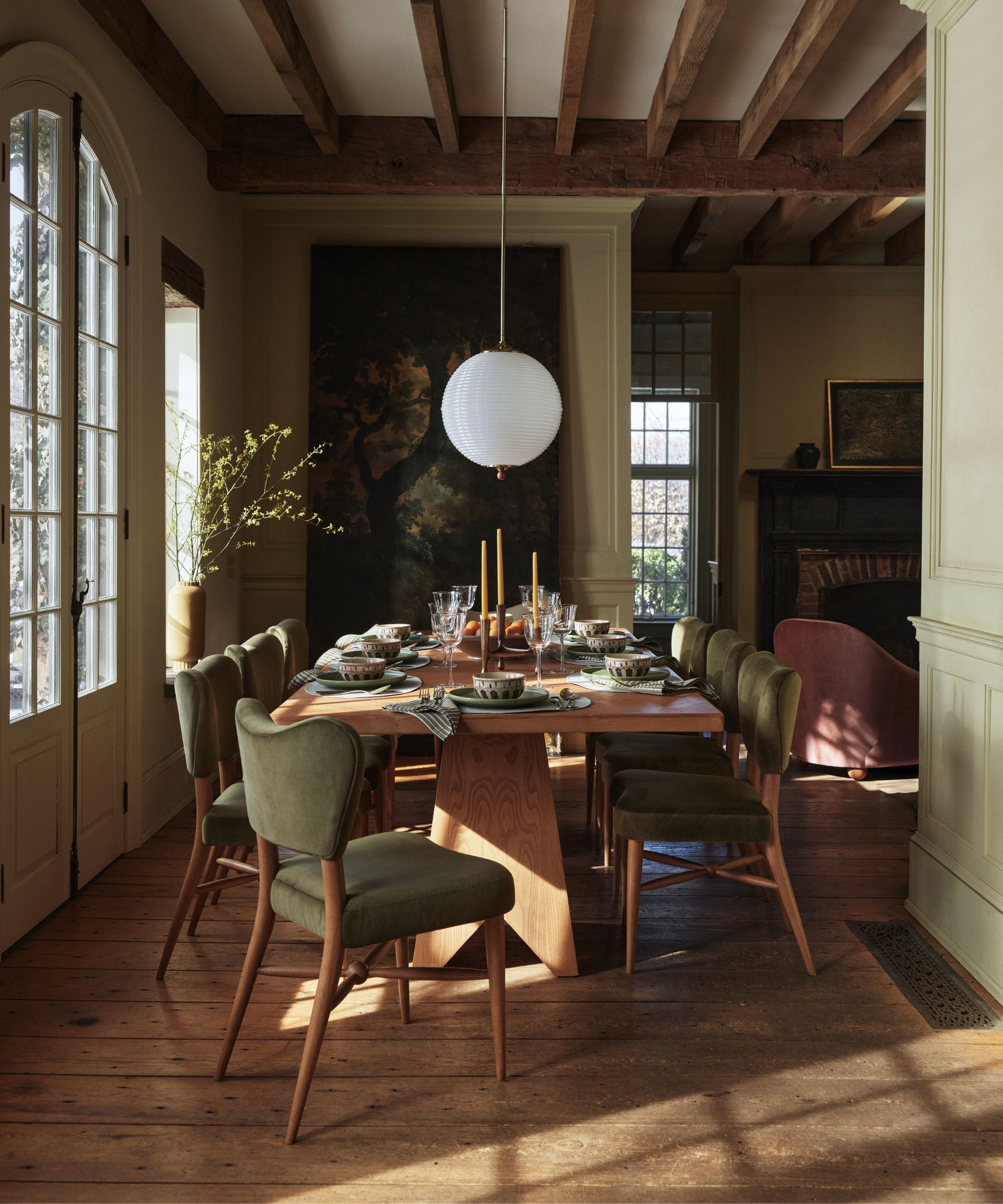
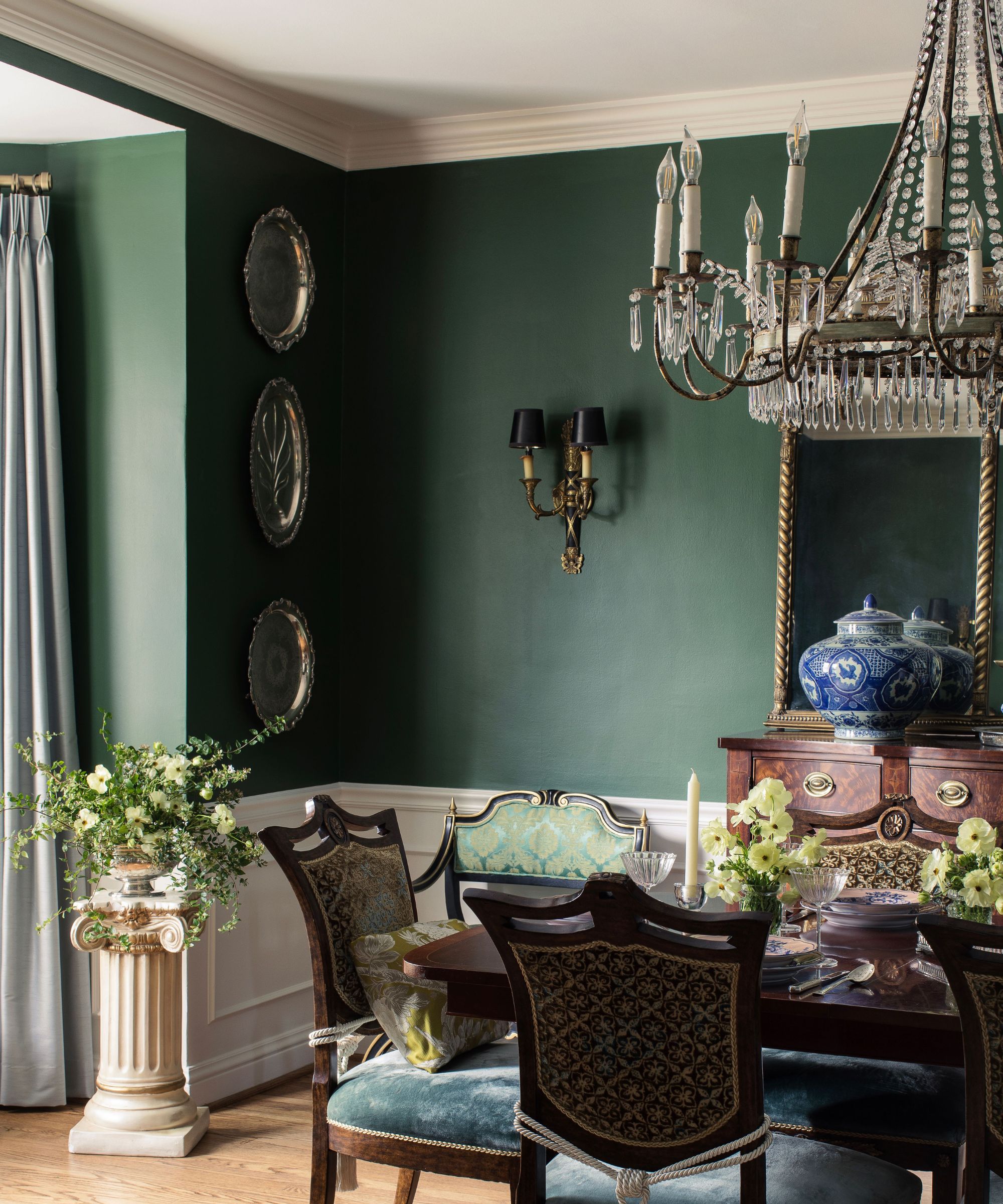
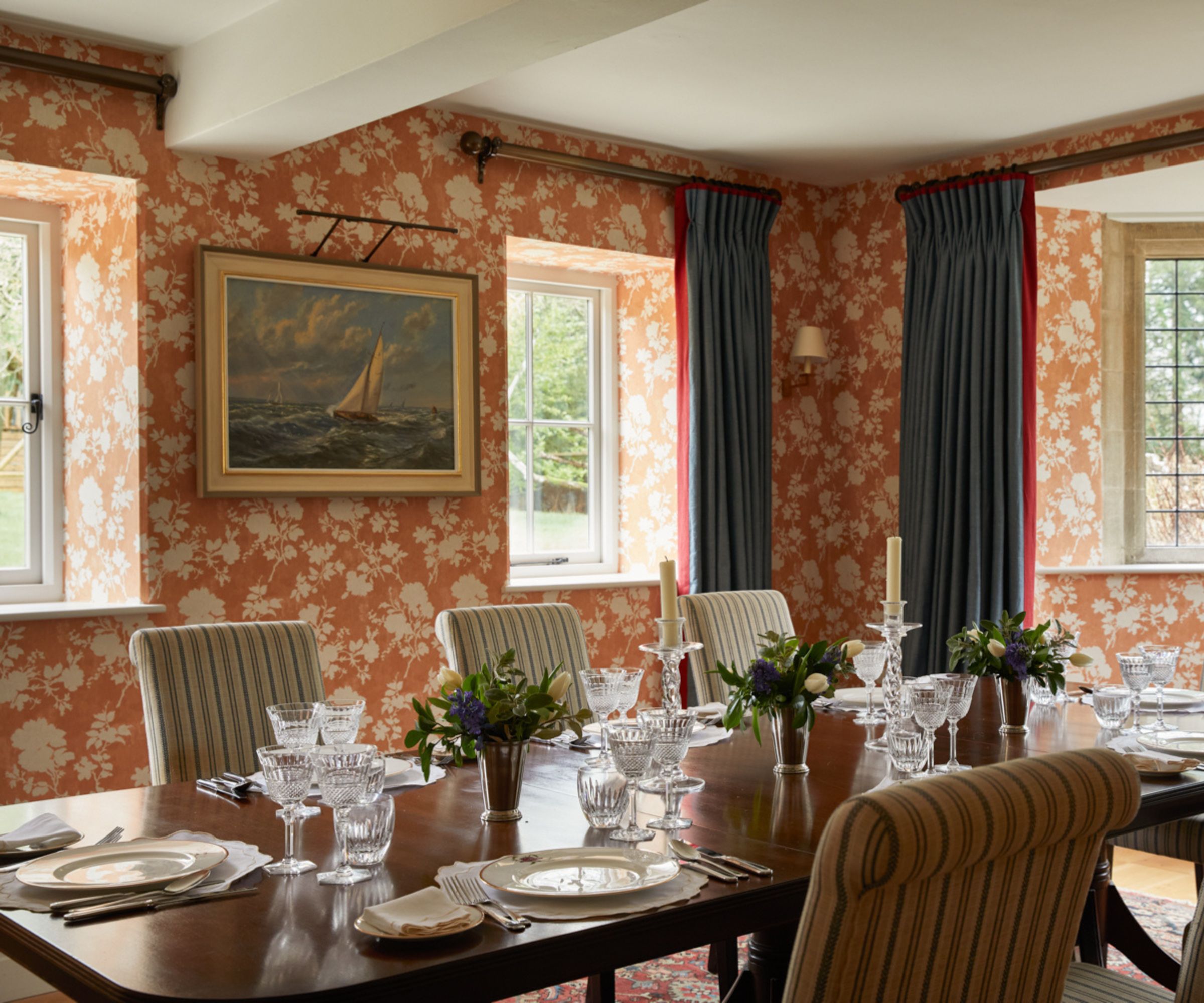
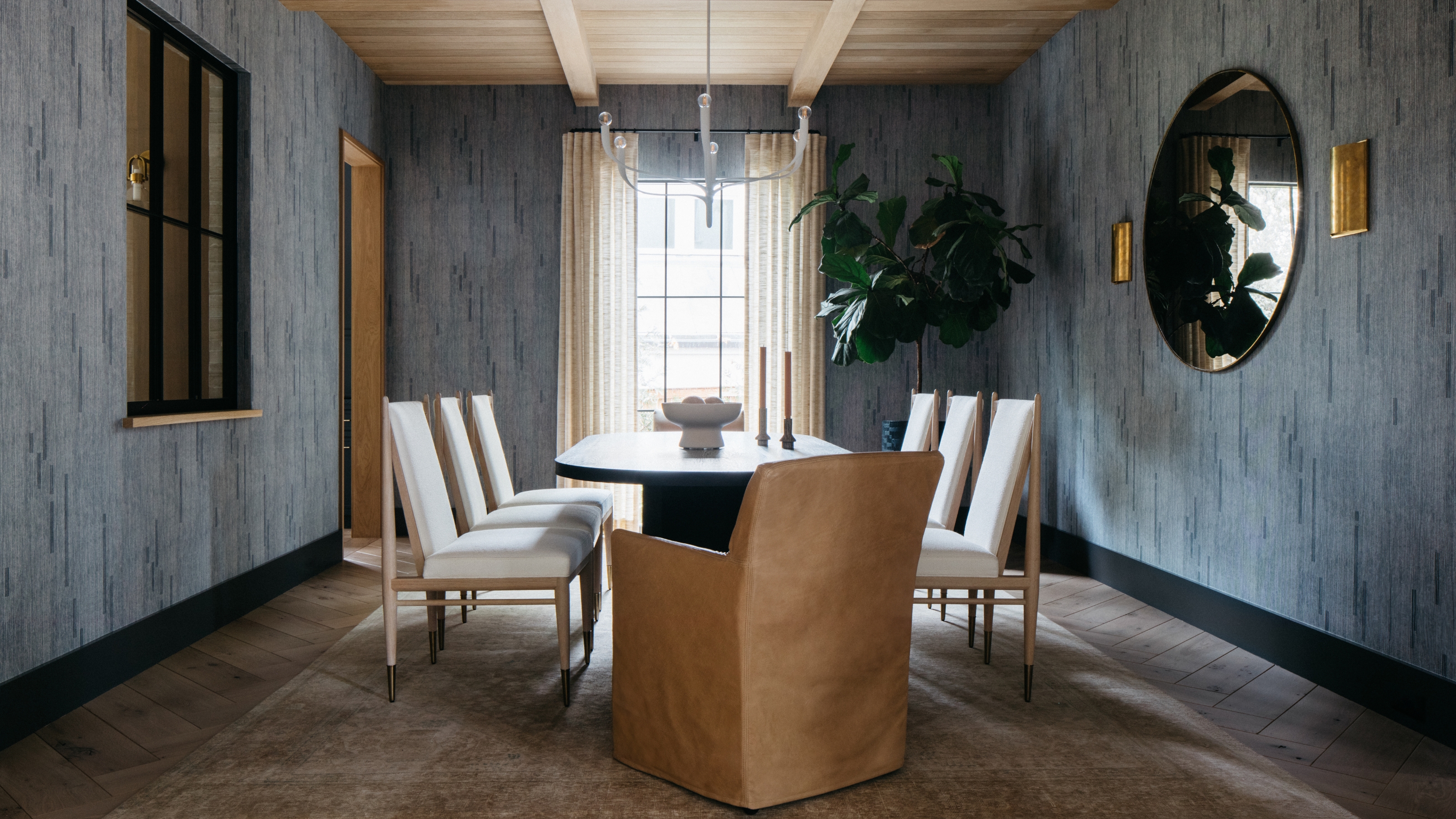
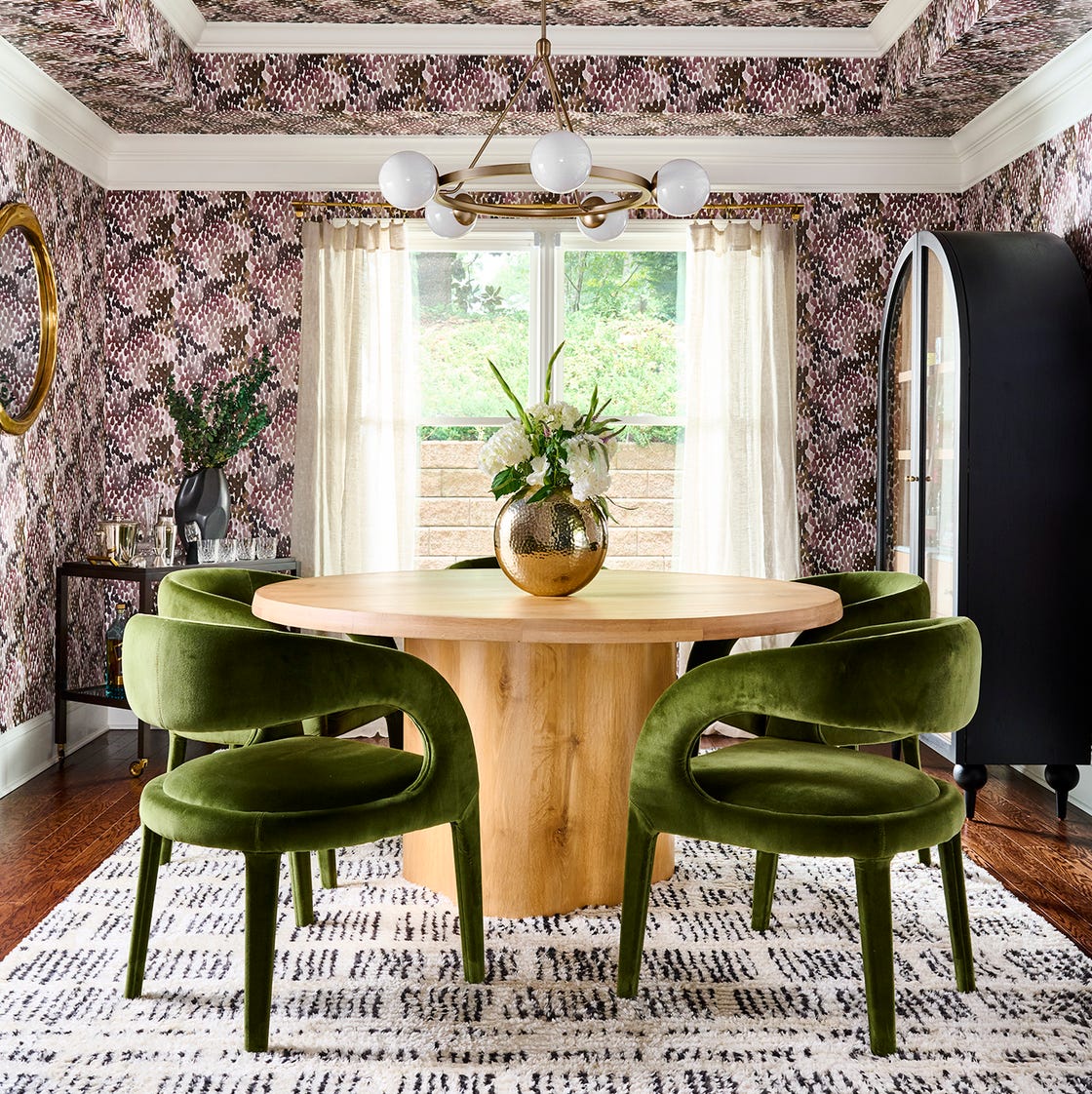
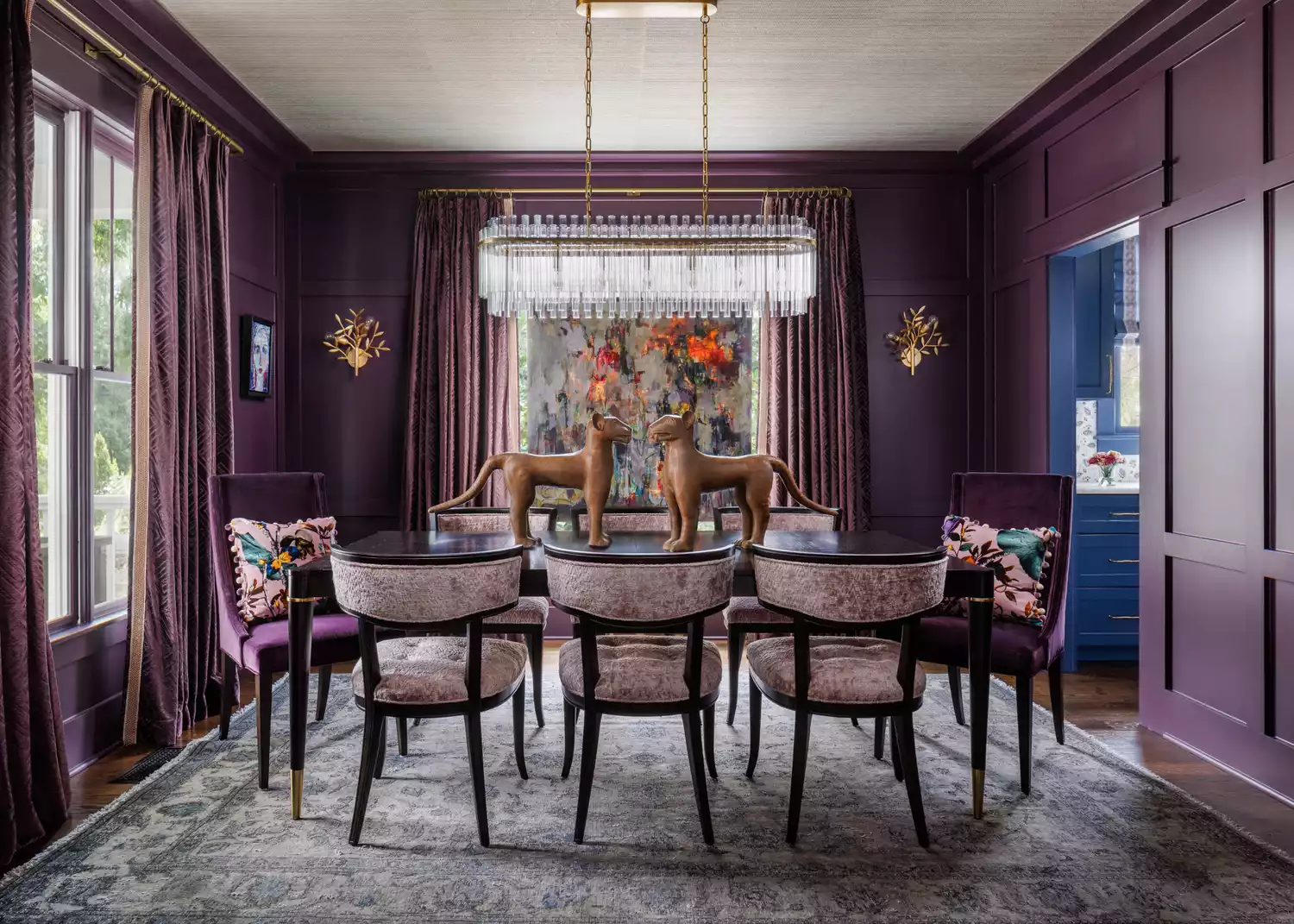
Despite its current decline, some experts anticipate a resurgence of the dining room. Trends in real estate and interior design often cyclical, and there is a growing sentiment that formal dining spaces could soon regain popularity. Rising living expenses are leading more people to entertain at home, fostering a desire for dedicated spaces that can create restaurant-like experiences. New construction homes are already featuring updated formal dining areas, often equipped with built-in bars and designed as canvases for personal style with bold wallpapers, statement ceilings, and grand chandeliers.
Furthermore, the increase in multigenerational households, driven by affordability and a desire for family togetherness, highlights the continued importance of dining rooms. For these larger families, a dedicated dining space is essential for shared meals and celebrations, reinforcing its value beyond mere functionality. Therefore, while currently in decline, the dining room may indeed be overdue for a comeback, evolving into a multifaceted space for both personal expression and communal gathering.
#HomeDesignTrends #OpenFloorPlan #DiningRoom #InteriorDesign #RealEstateTrends #HomeAffordability #MultigenerationalLiving #KitchenDesign #ModernLiving #HomeDesignTrends #OpenFloorPlan #DiningRoom #InteriorDesign #RealEstateTrends #HomeAffordability #MultigenerationalLiving #KitchenDesign #ModernLiving
0 comment in total
 No comments yet
You may also like
Are Formal Dining Rooms Coming Back? The Rise, Fall, and Resurgence of This Controversial Space

Is the Formal Dining Room Over? Designers Share Their Honest Take

Outdated Furniture Pieces That Are Having A Comeback


Why Dining Rooms Are Disappearing From American Homes

Are Formal Dining Rooms Out of Style? Designer's Discuss

This Outdated Kitchen Design Style Is Coming Back (and That’s a Good Thing)
This Dining Room Feature Always Looks Outdated, Designers Say

Top 12 Dining Room Trends Designers Are Expecting to Take Over in 2025

This Forgotten Kitchen Feature Is Popping Up More and More

Are Formal Dining Rooms Out of Style? Why Pro Designers Say They Might Make a Comeback

Are kitchen islands out? Kitchen experts agree that the prep table might be it's trendy replacement
Top 12 dining room trends for 2025, according to design experts
Are Traditional Dining Rooms a Thing of the Past? Here's What Designers Say

This Traditional Kitchen Detail is Making an Unexpected Comeback This Year

This Dining Room Seating Trend Transforms Your Setup

Interior Designers Have Spoken: These are the Dining Room Trends to Know About for 2026
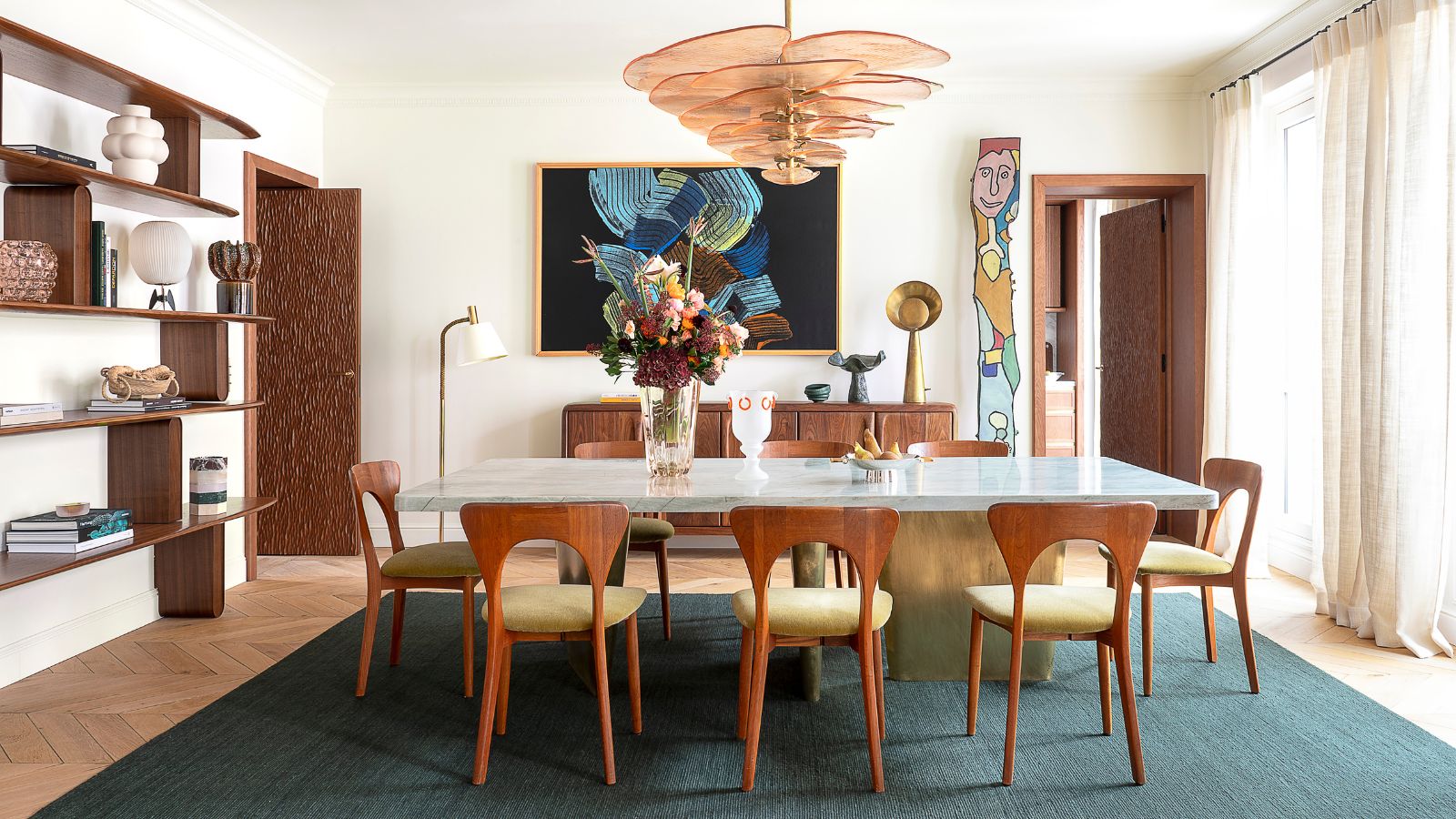
Designers Say These 5 Dining Room Clichés Are Going Out of Style
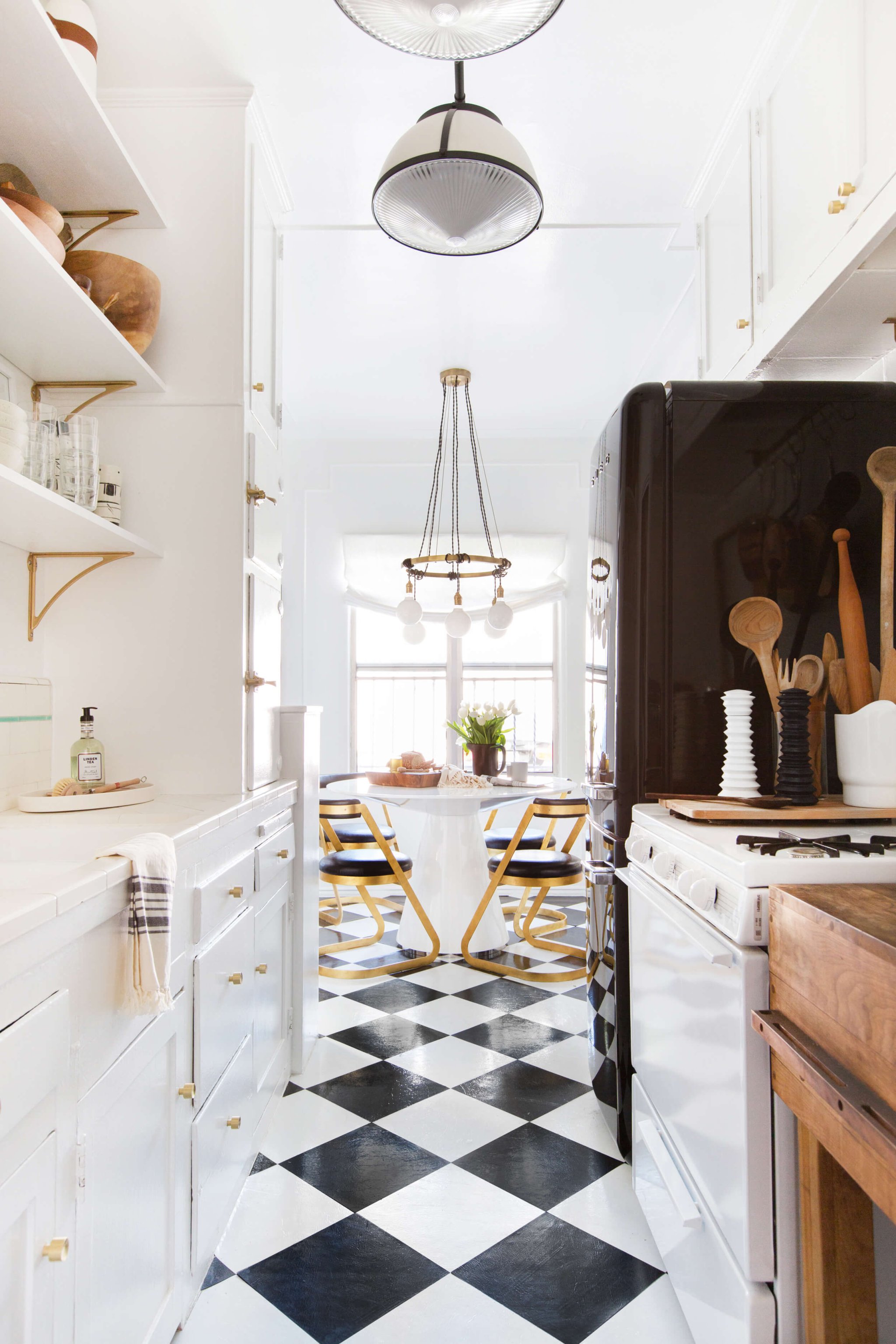
This “Dated” Kitchen Trend Is Back (and We’re Into It)
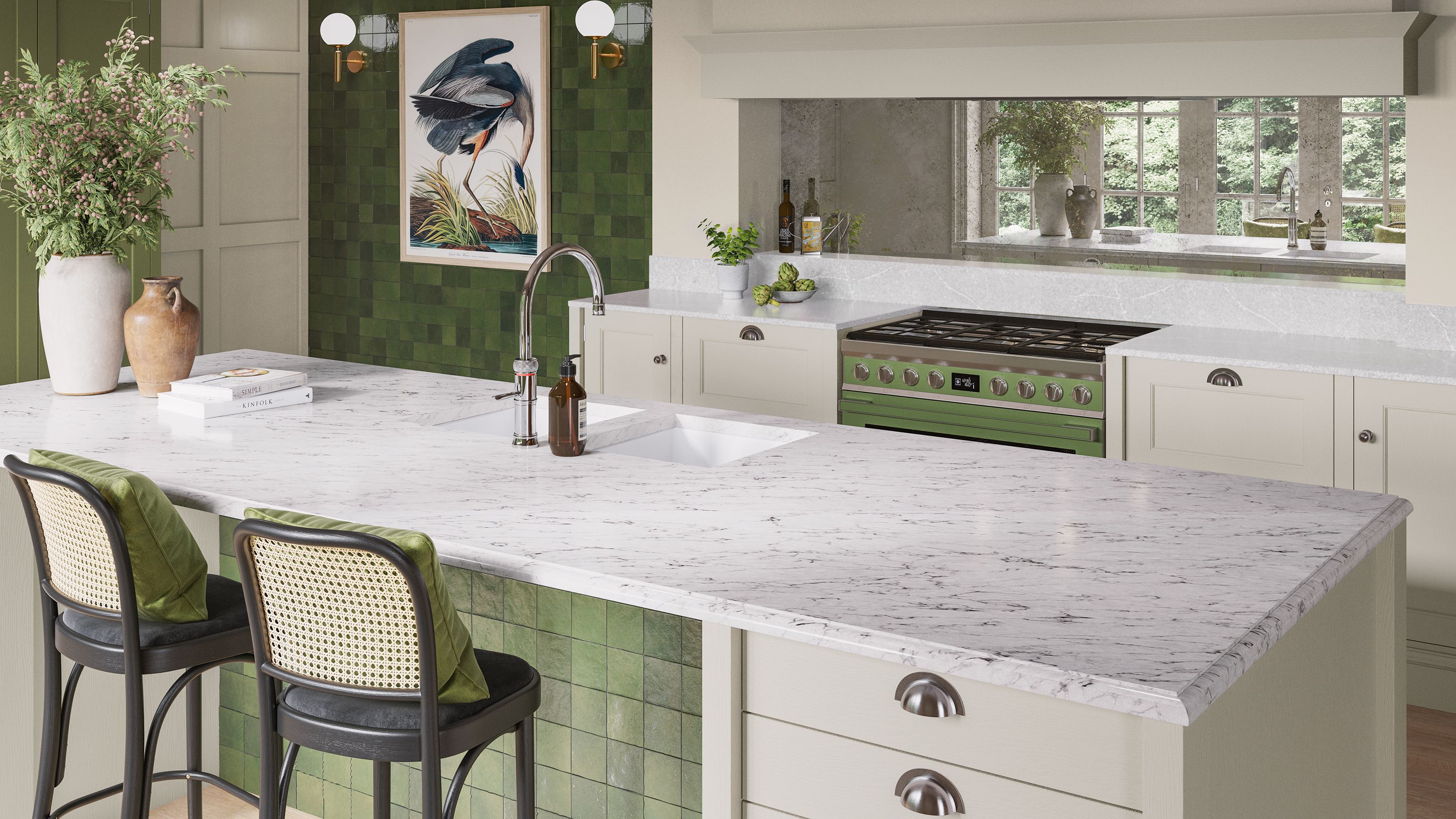
This nostalgic kitchen trend is back and here to stay, according to experts
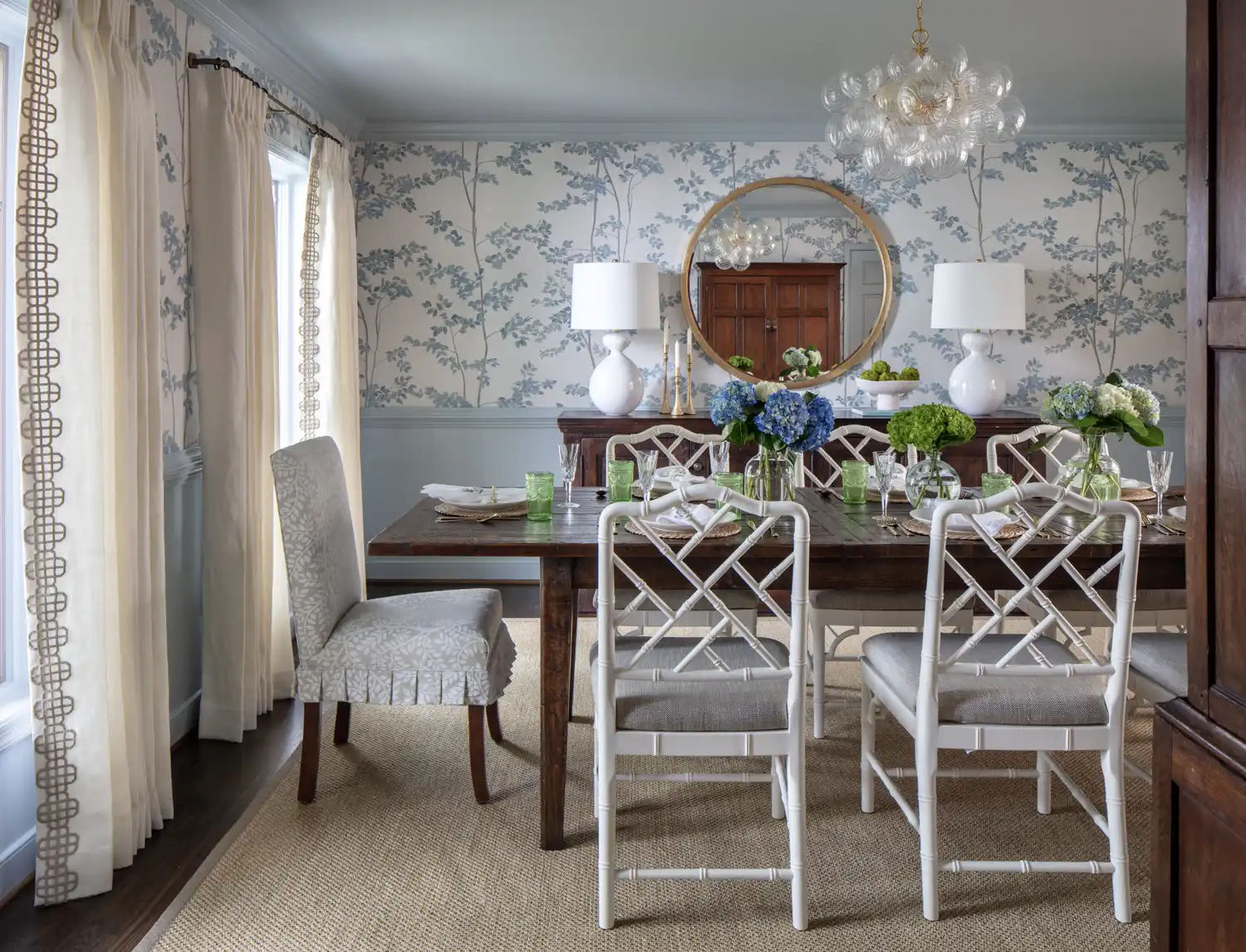
10 Dining Room Pieces Designers Say Are Outdated