1/33
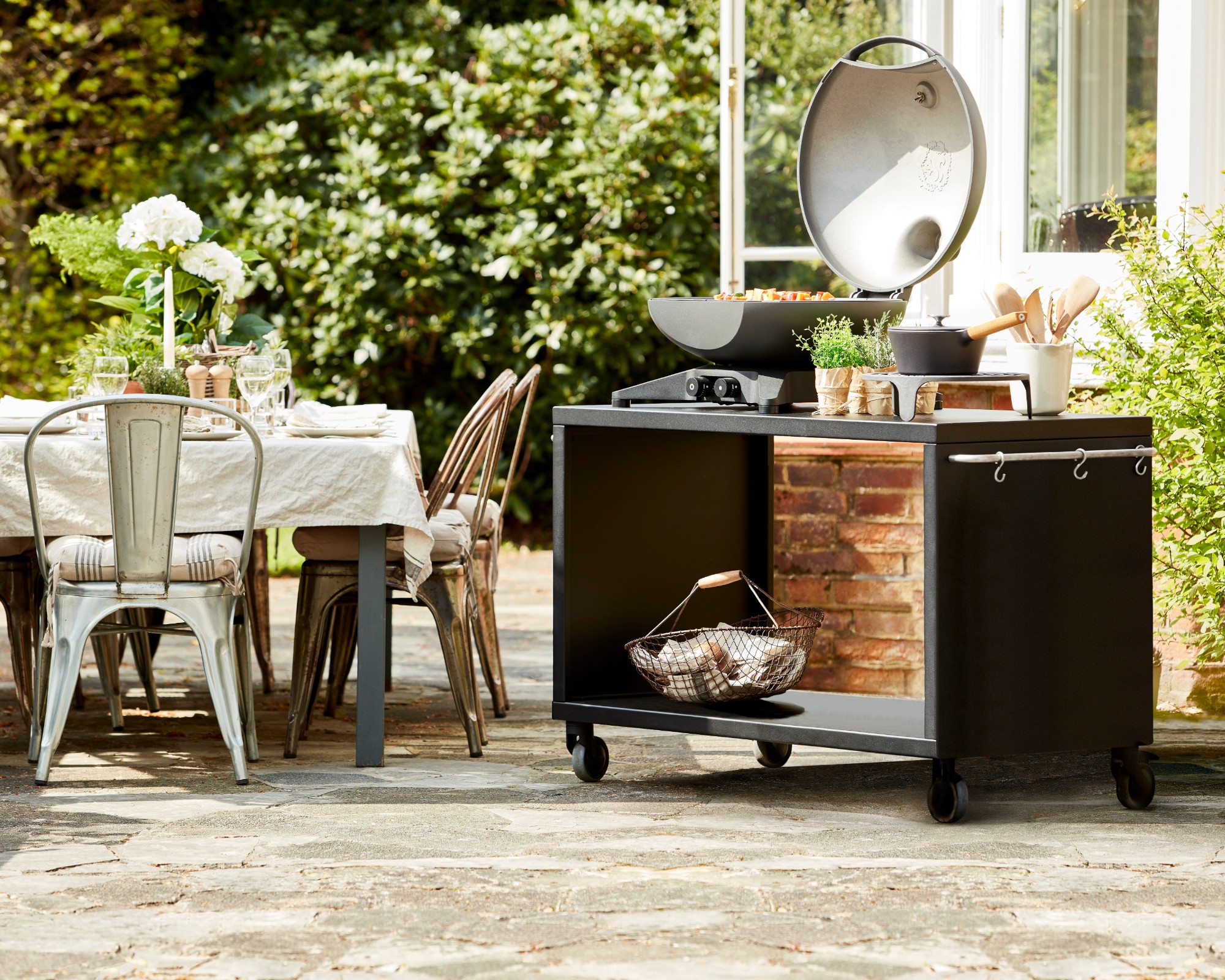
27 outdoor kitchen ideas – DIY, modular and small space designs for all backyards
Outdoor kitchens are a burgeoning trend in home design, driven by a desire for enhanced alfresco living and entertaining spaces. This guide explores various aspects of creating an outdoor kitchen, from initial planning to selecting materials and incorporating diverse functionalities, catering to different space limitations and budgets.
The initial step in designing an outdoor kitchen involves identifying its primary purpose and envisioned usage. This determines the scale and features of the setup, ranging from simple grilling stations to luxurious, fully-equipped kitchens. Experts suggest considering the main cooking source, such as a grill, smoker, or pizza oven, and whether additional amenities like a second grill or a smoker are desired. Tools like design software can aid in planning spacing and layout effectively.
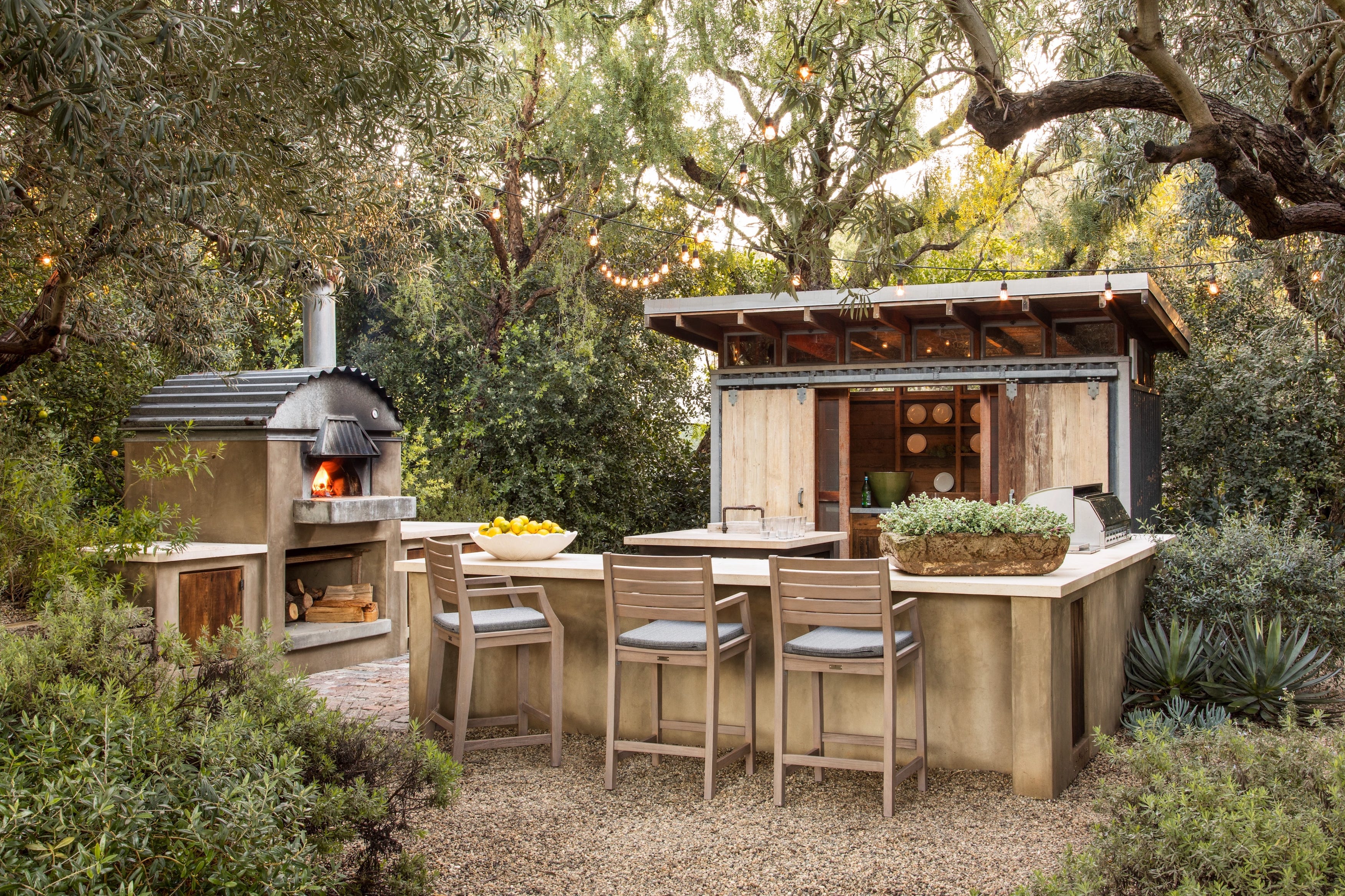
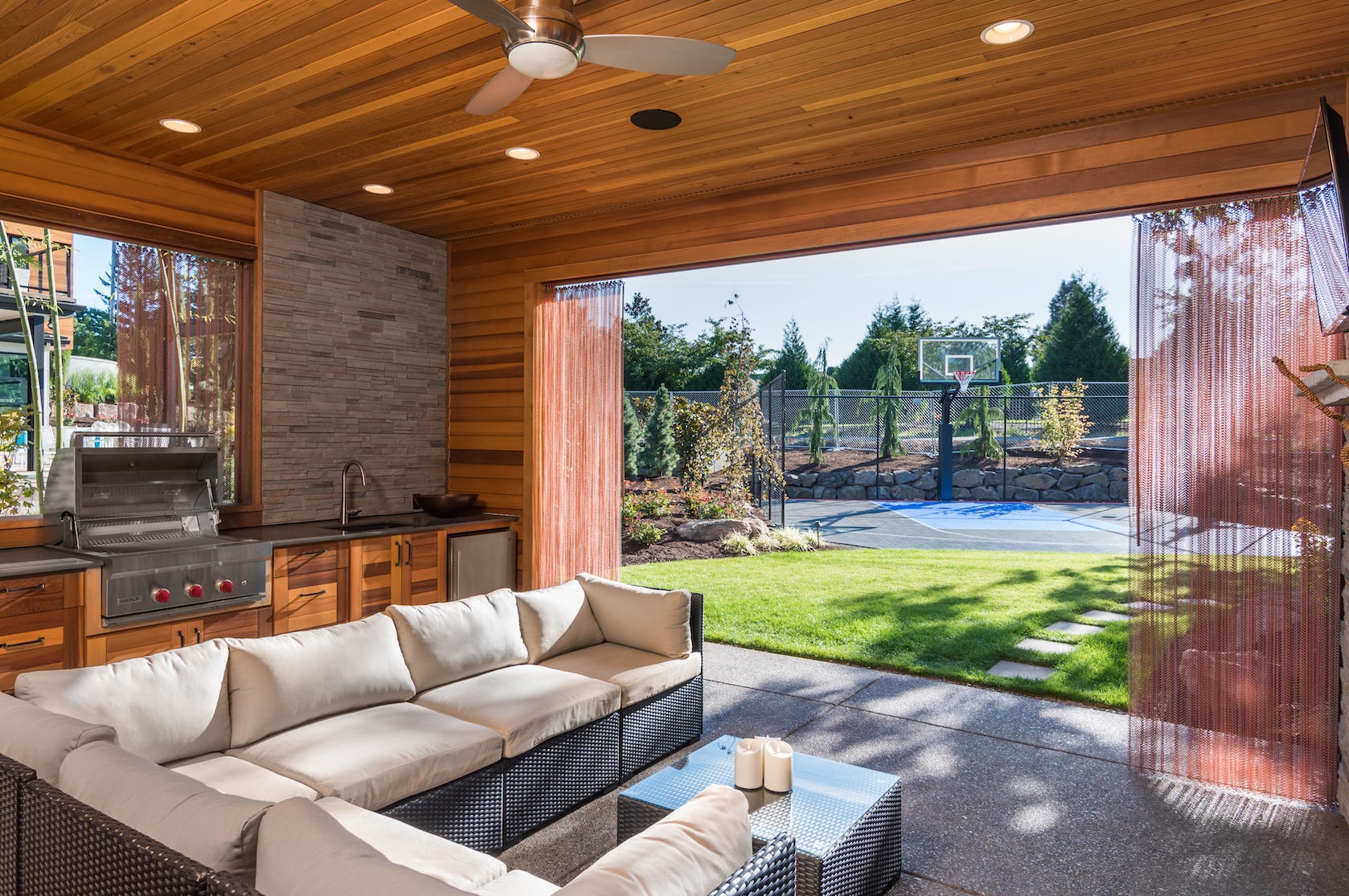
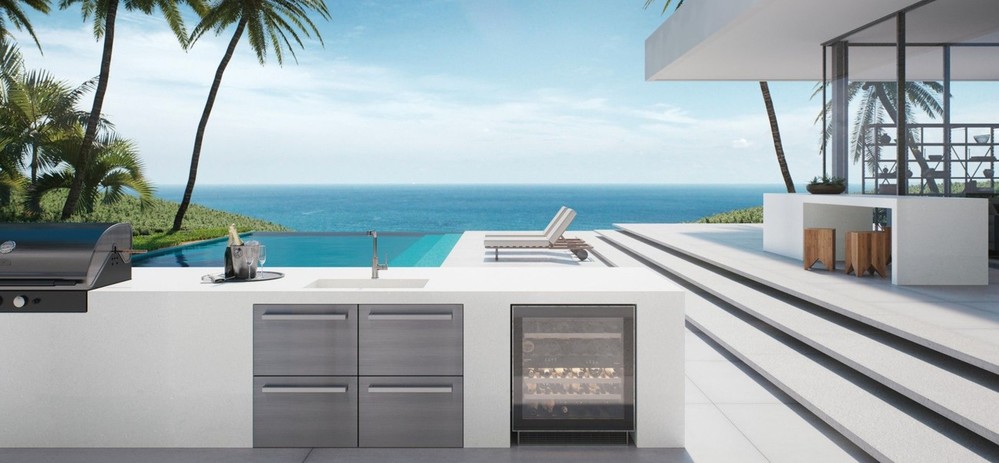
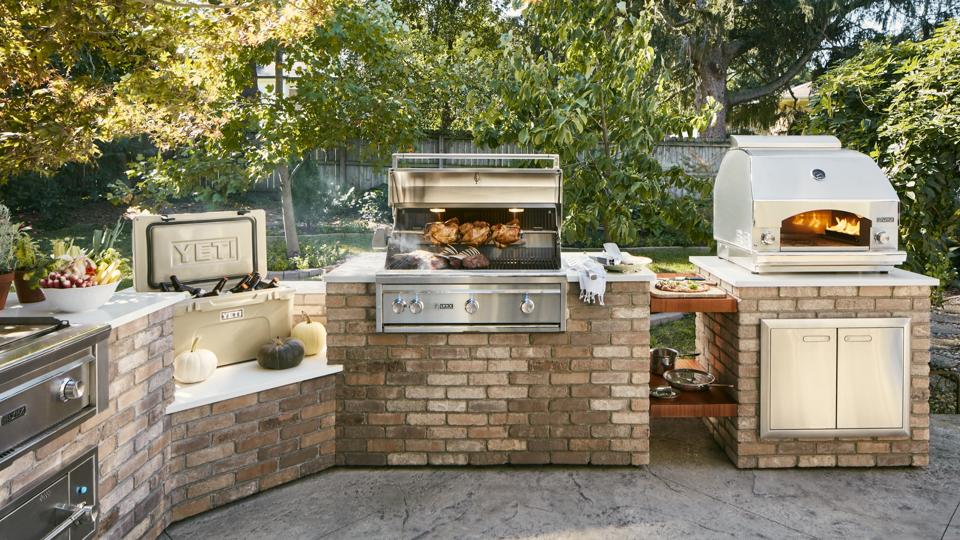
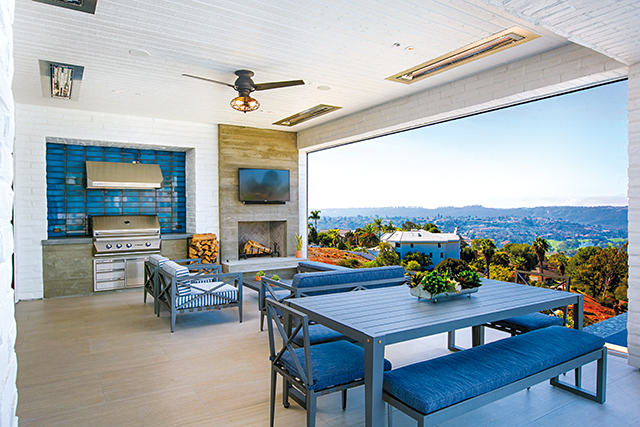
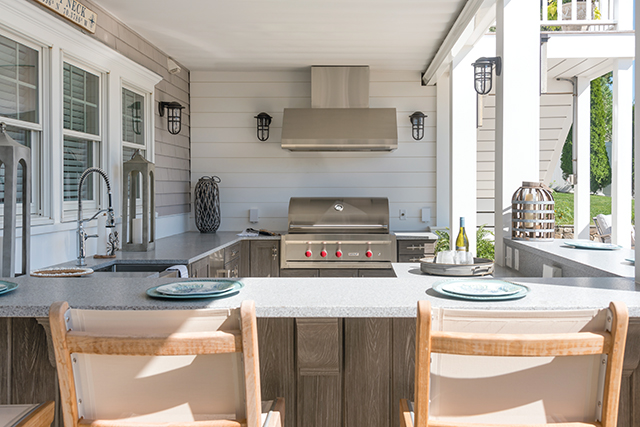
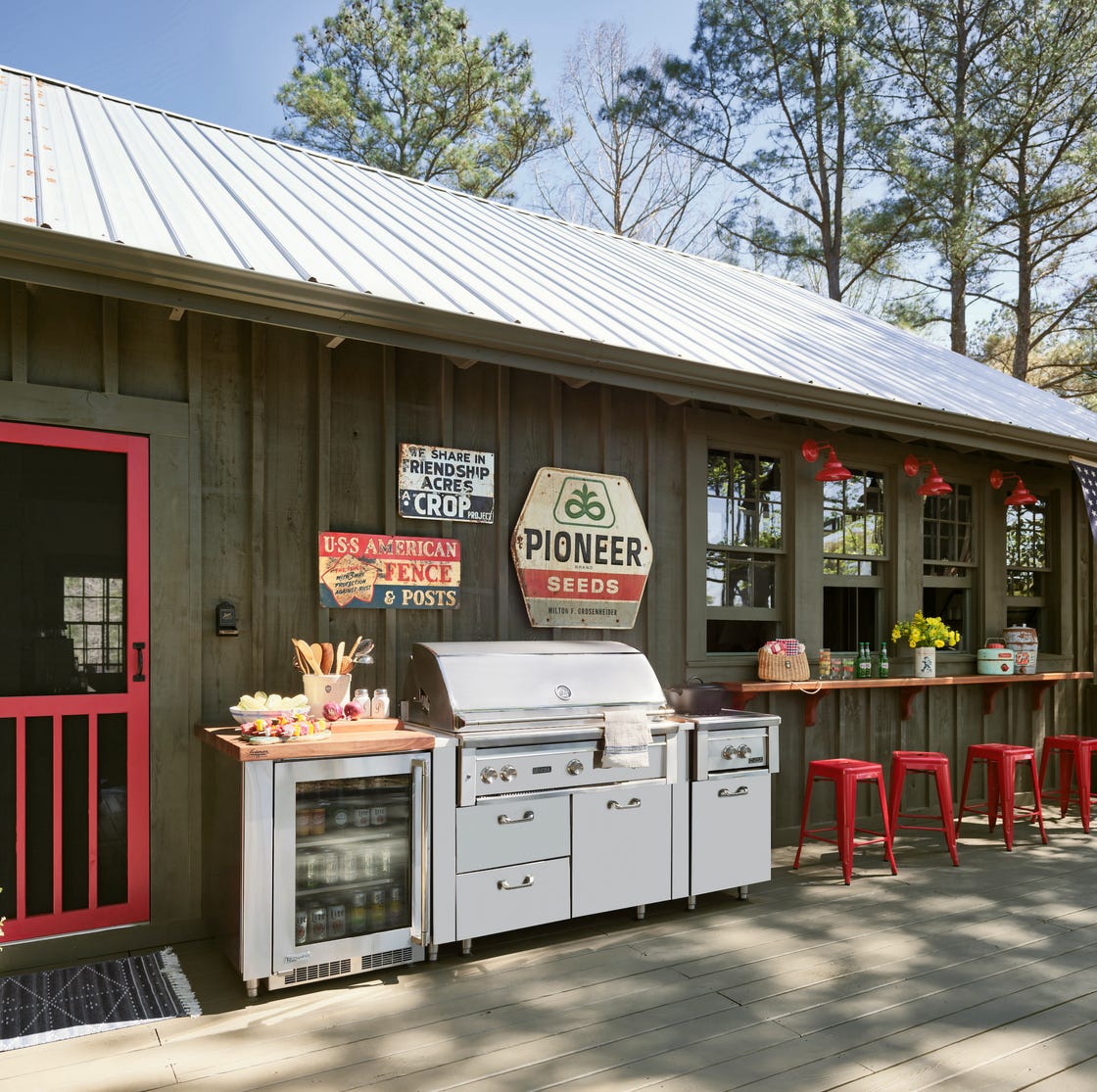
For those seeking a comprehensive outdoor cooking experience, luxury setups are becoming increasingly popular. These installations often include advanced features beyond a standard built-in barbecue, such as pizza ovens, outdoor refrigeration, dedicated storage, and integrated bar seating for entertaining. The aim is to replicate indoor kitchen functionality in an outdoor environment, with options for refreshment centers, trash disposal, and power outlets.
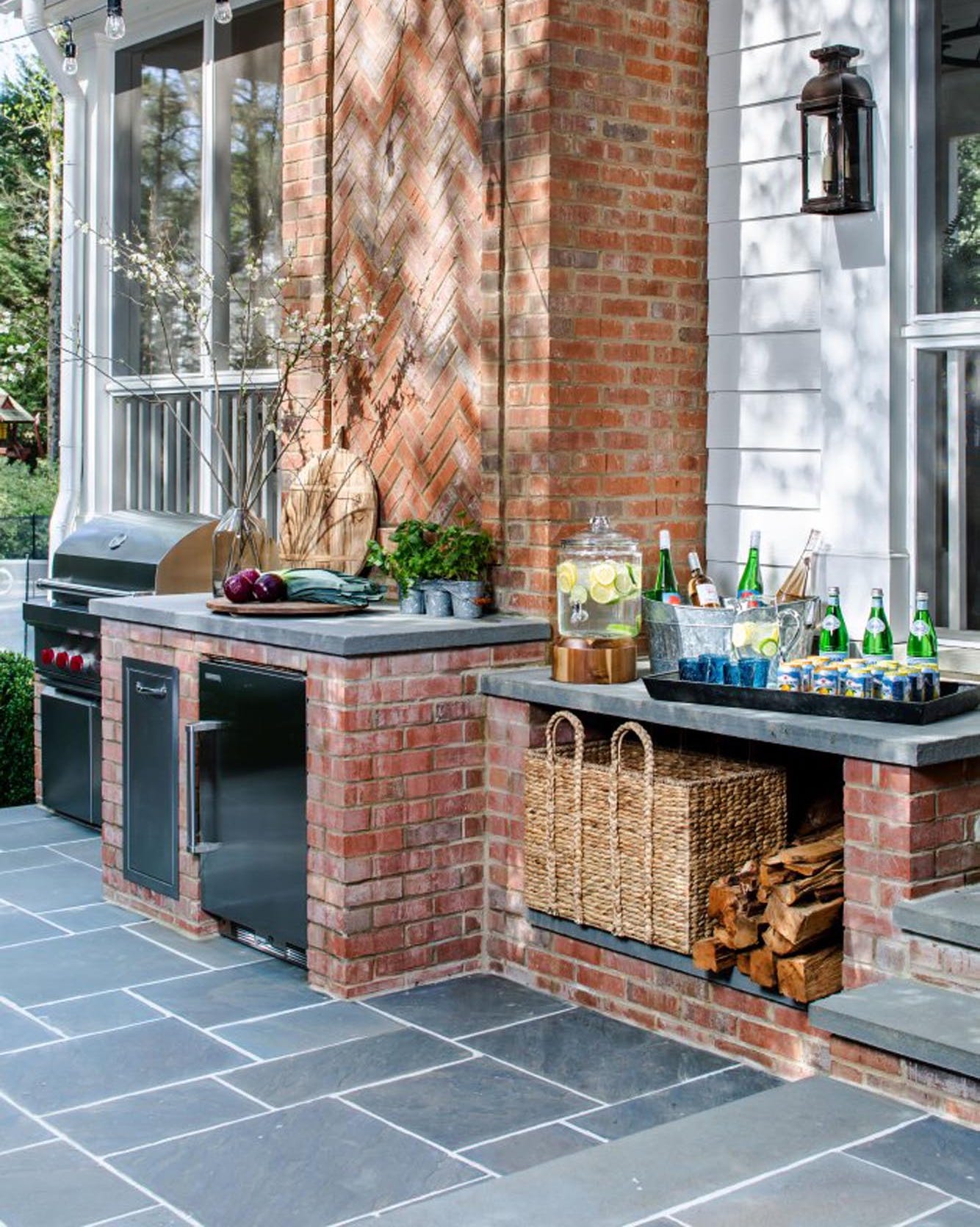
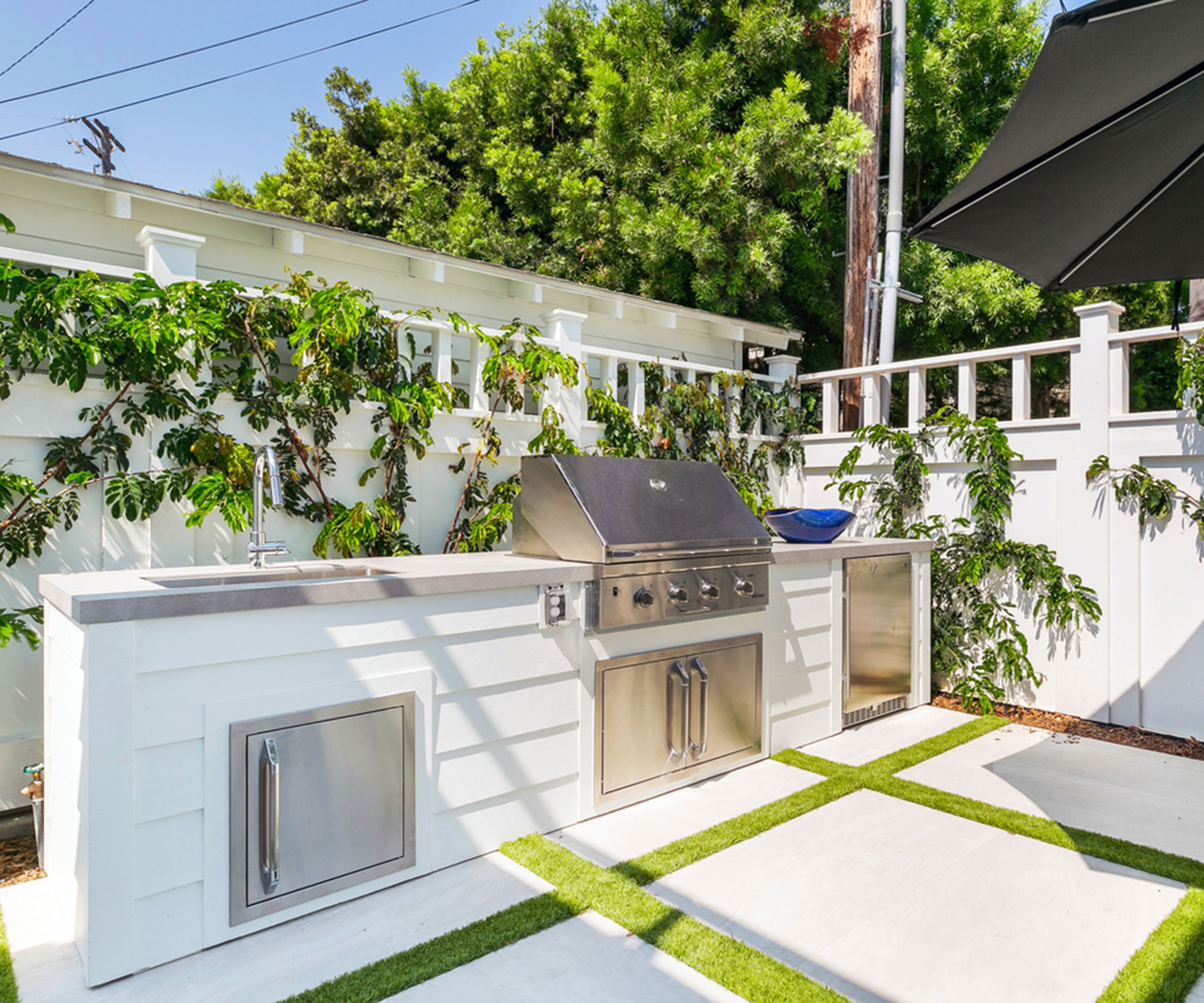
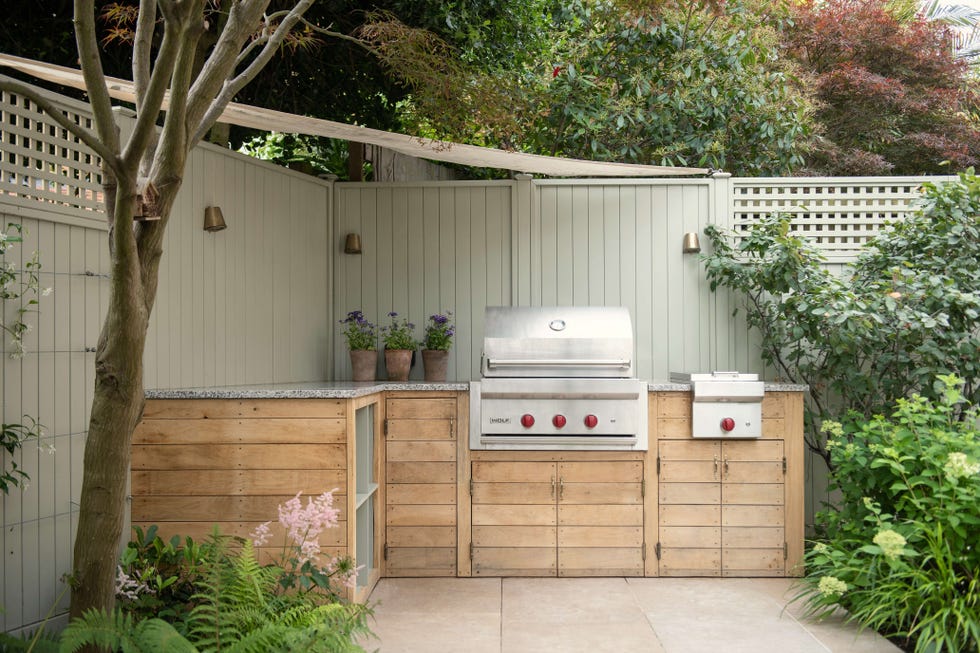
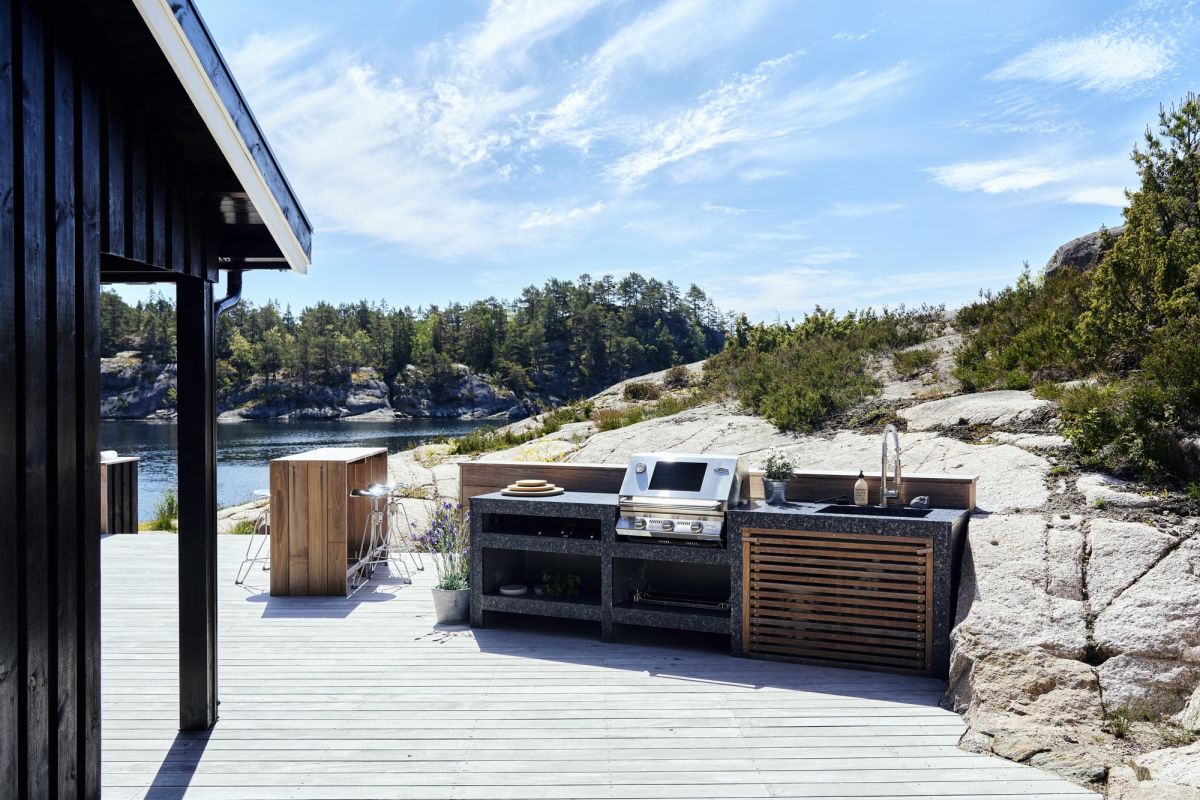
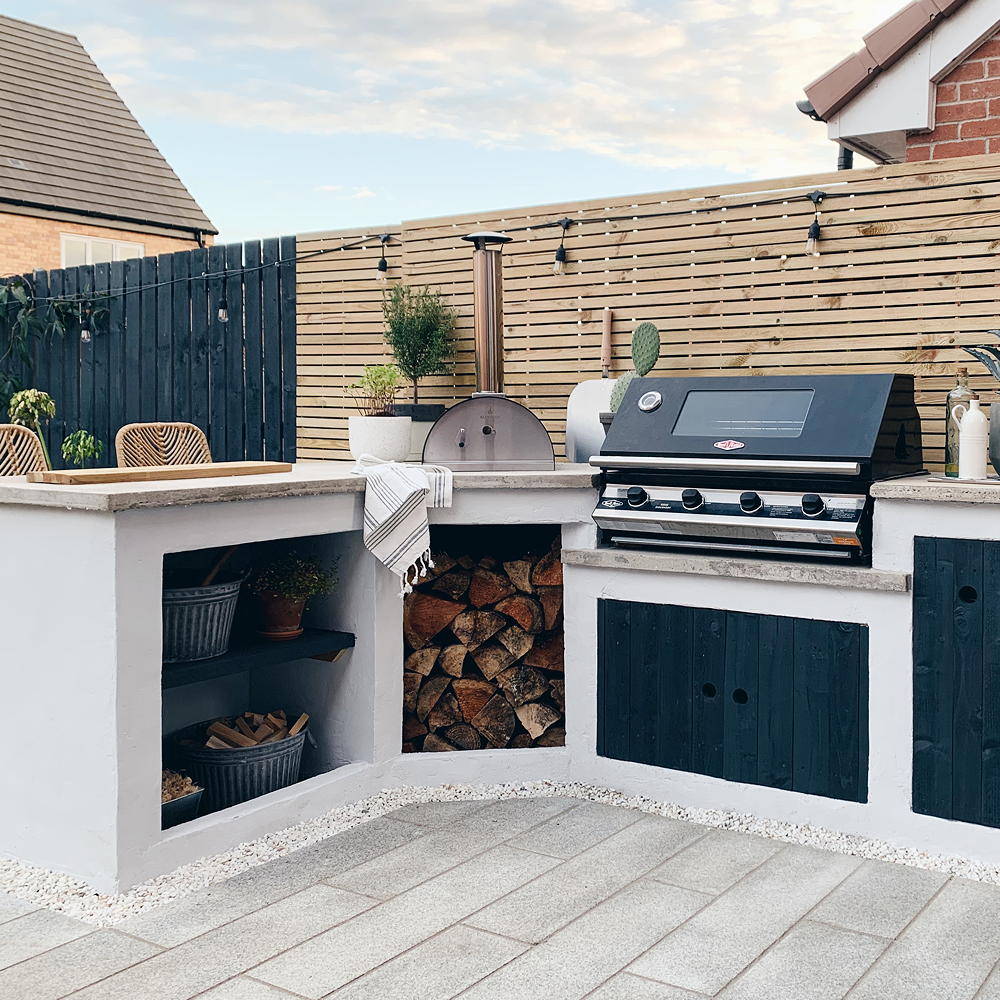
Even small backyards can accommodate an outdoor kitchen by optimizing space through thoughtful layout. L-shaped configurations or strategically placed separate islands can maximize functionality in limited areas. Prioritizing essential features like sufficient storage or counter space, or a refrigerator, is crucial for small-space designs. Furthermore, the placement of the kitchen should be considered in relation to the overall yard layout, preferably at the periphery to maintain openness and easy circulation, while remaining conveniently close to the indoor kitchen to minimize travel for supplies.
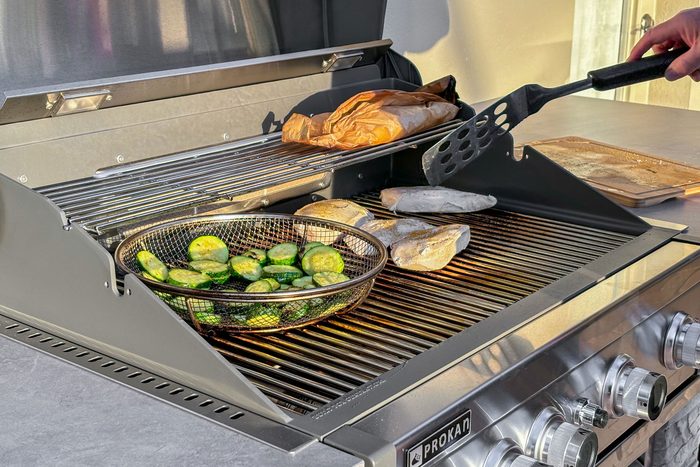
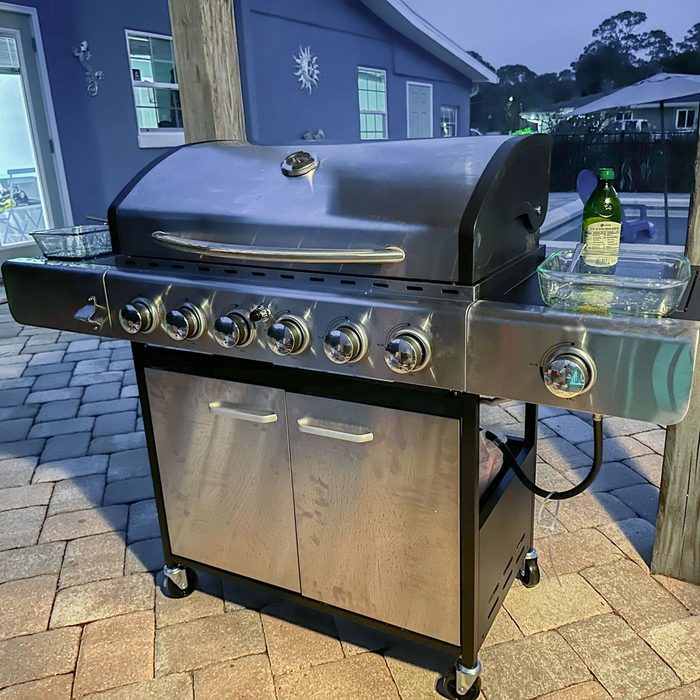
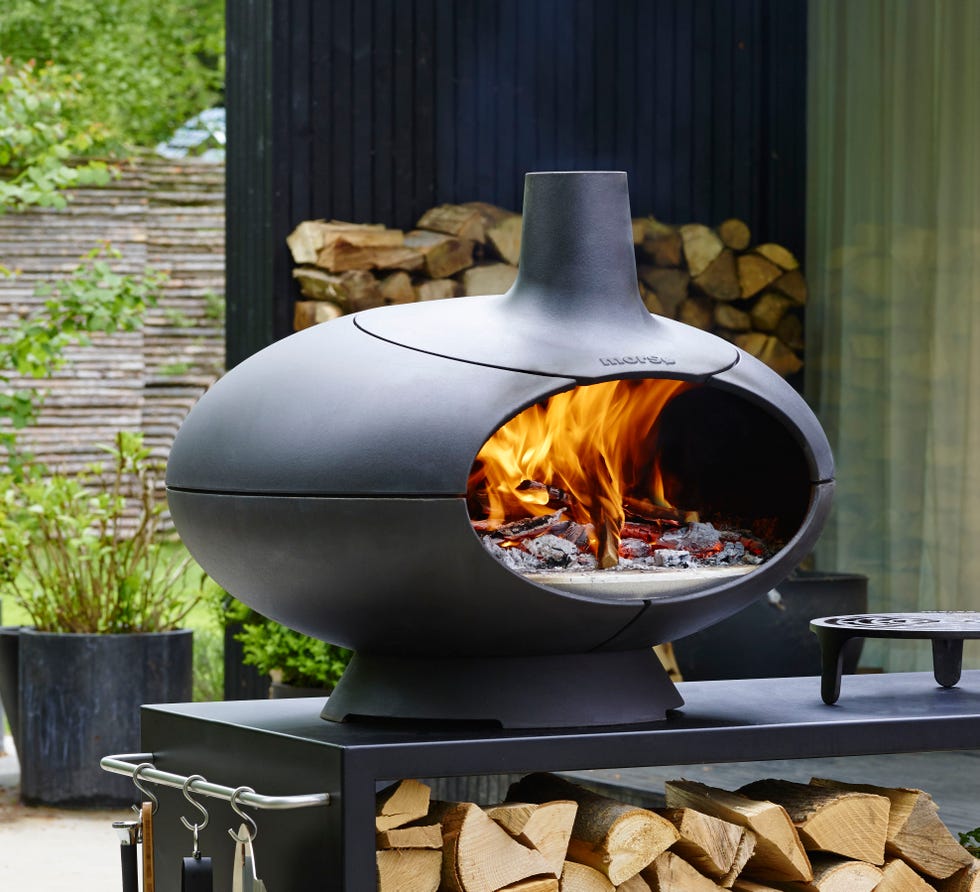
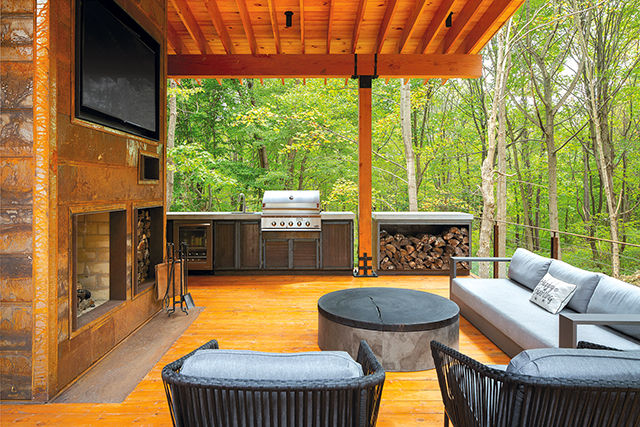
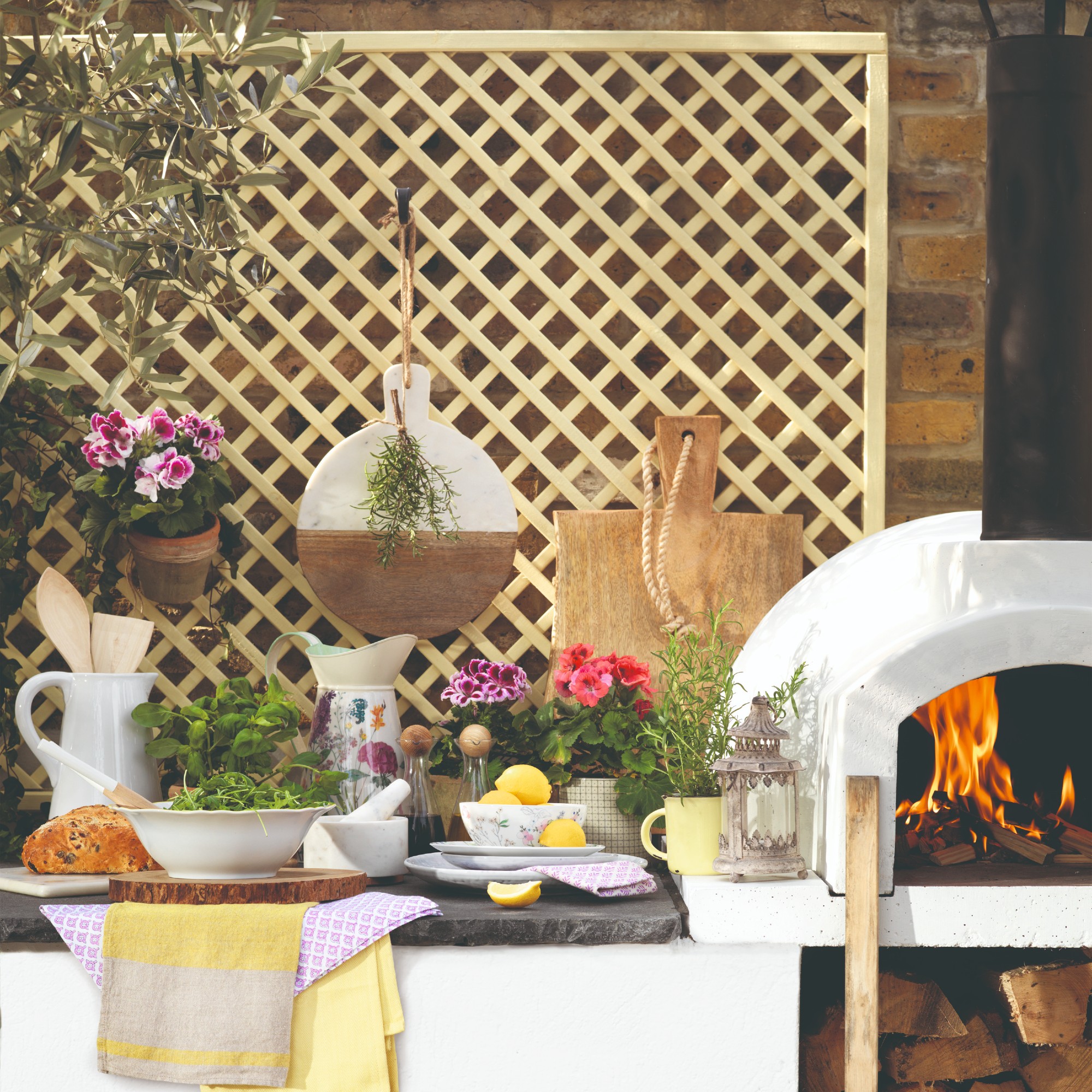
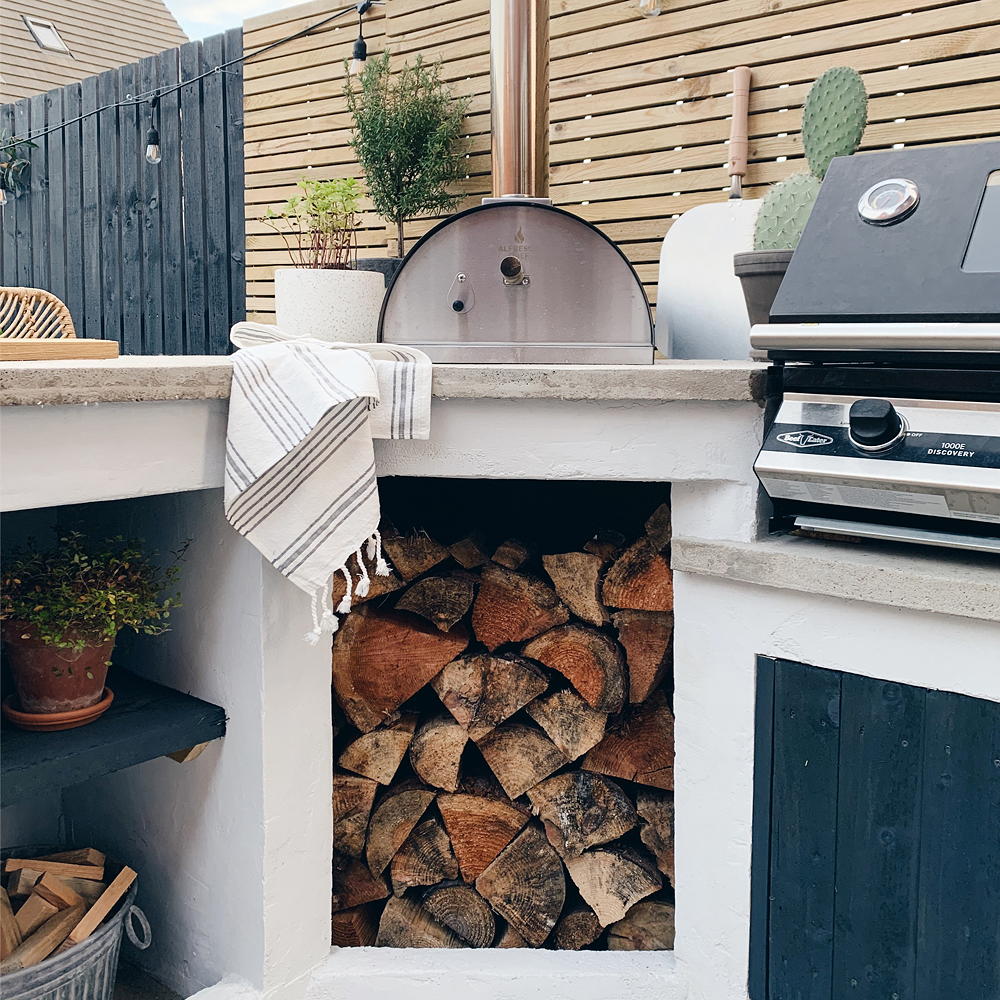
The choice of cooking appliances is central to the outdoor kitchen's utility. Options include gas or charcoal barbecues, smokers, and pizza ovens, which are currently very popular. Advanced outdoor ovens can facilitate various cooking methods, from roasting to baking. Dual-fuel setups or drop-in pellet grills cater to diverse cooking preferences, allowing for both grilling and smoking. Specific models like the Morsø Forno Outdoor Oven and the Nuke Puma Santa Maria-style grill offer versatile wood-fired cooking experiences.
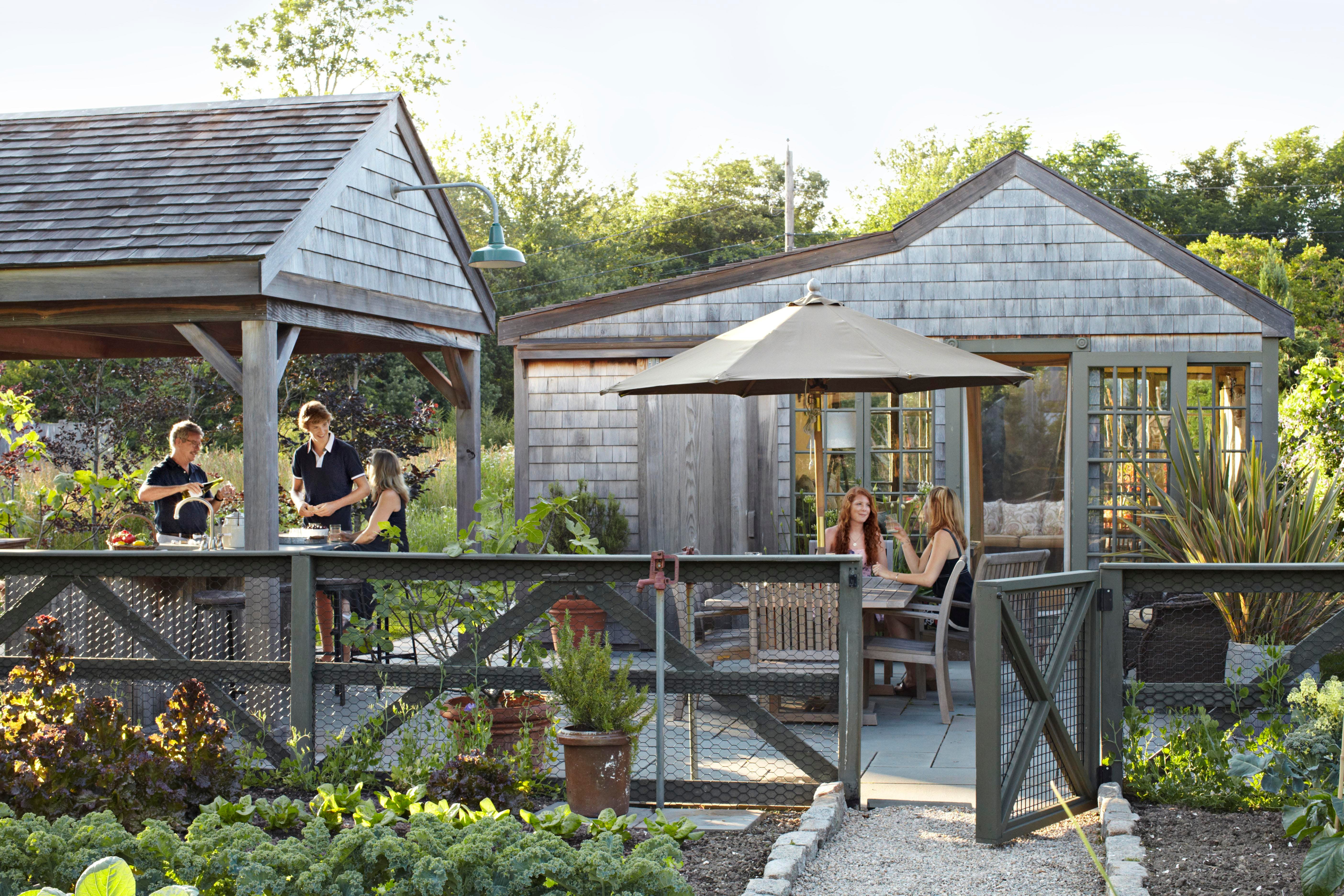
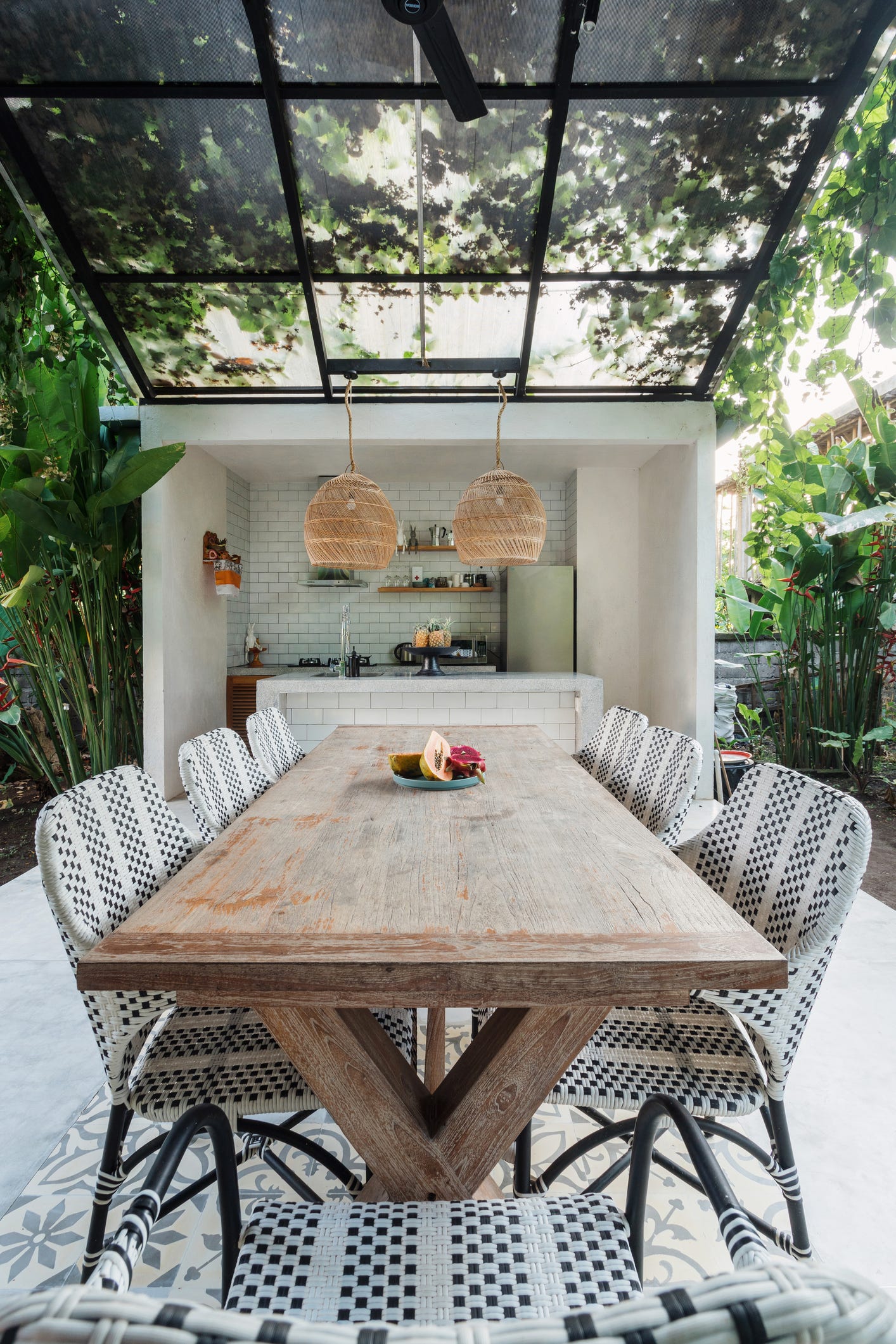
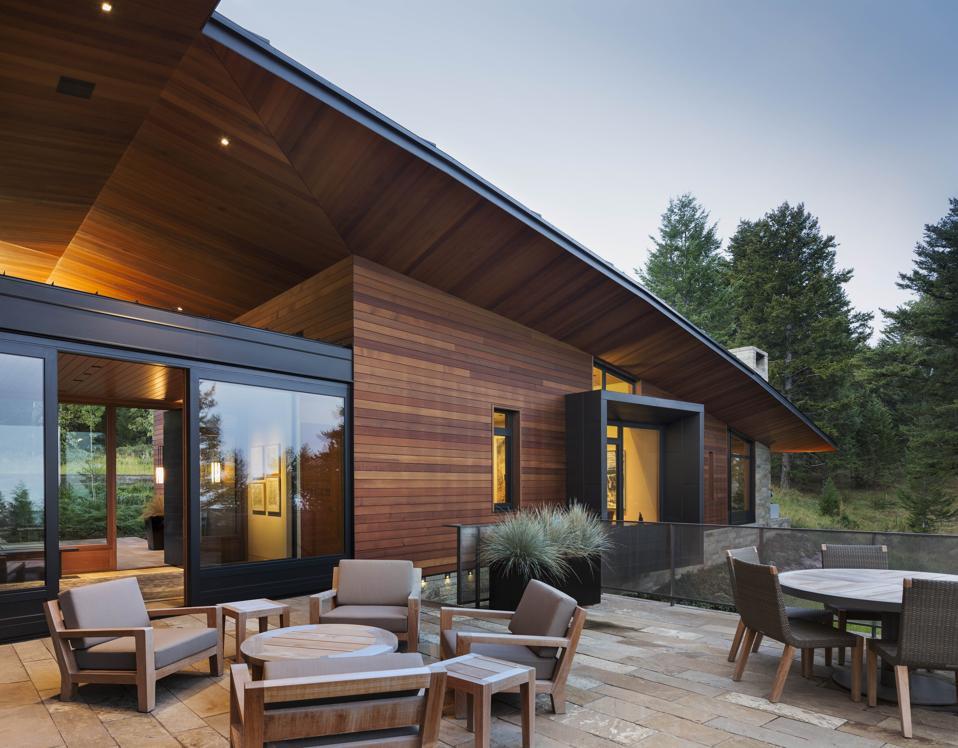
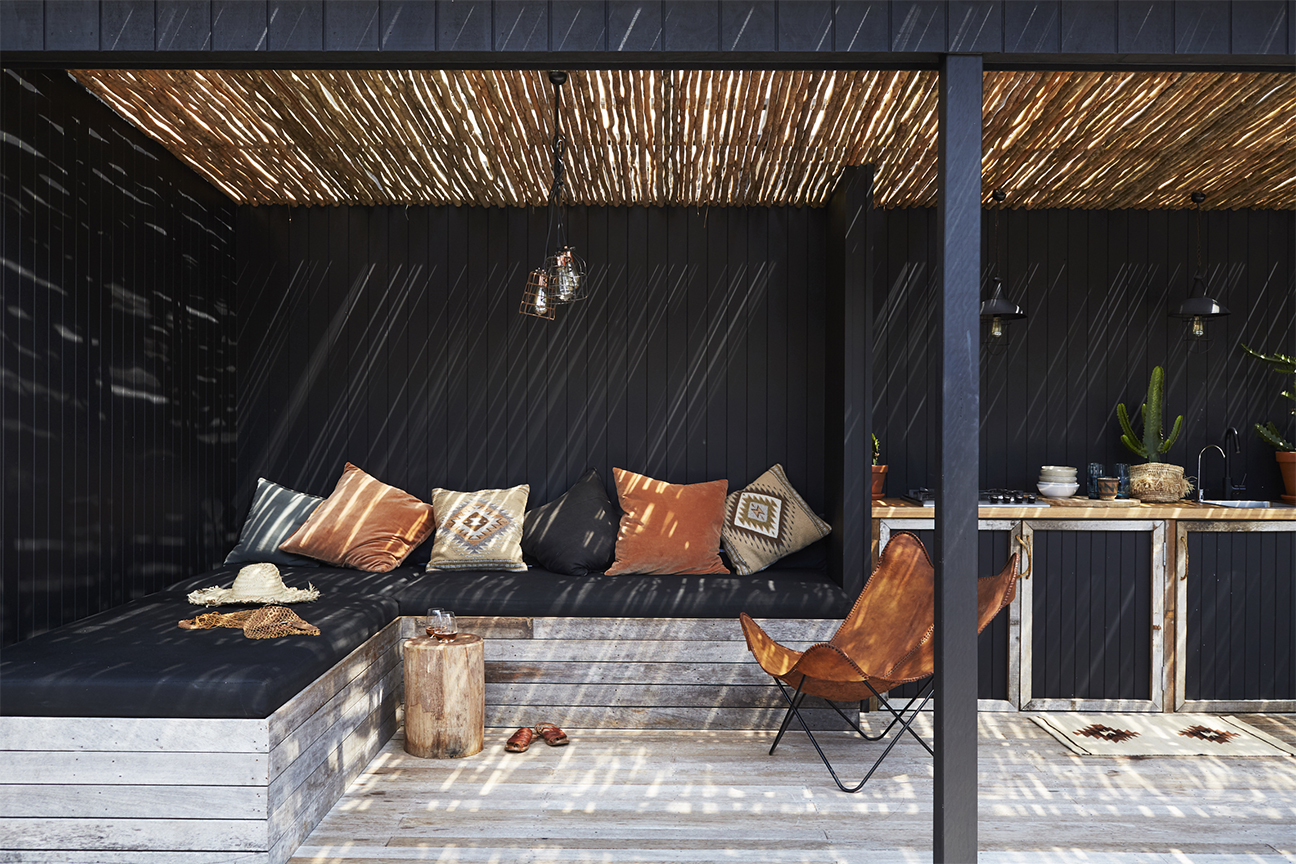
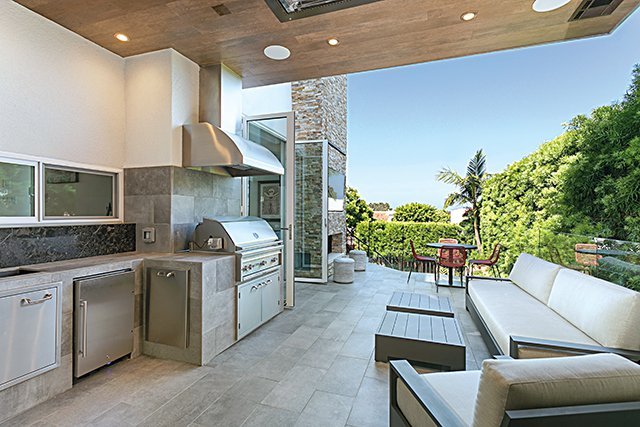
Location is paramount for an effective outdoor kitchen. Proximity to the indoor kitchen is recommended for convenience, preventing frequent trips for forgotten items. Secluded spots with natural shelter, away from direct sunlight and strong winds, are ideal. Awnings or gazebos can provide additional protection from the elements, enhancing comfort and usability. Integrating lighting and heating features can extend the use of the space into cooler evenings.
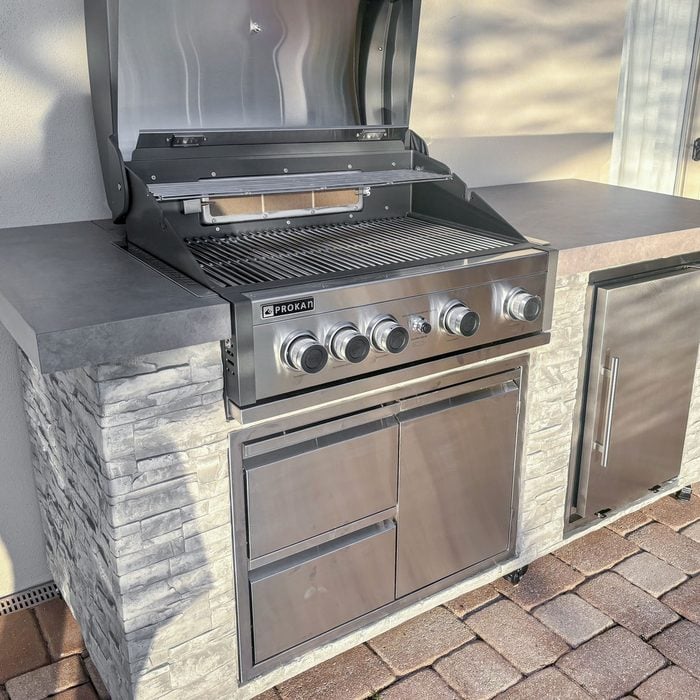
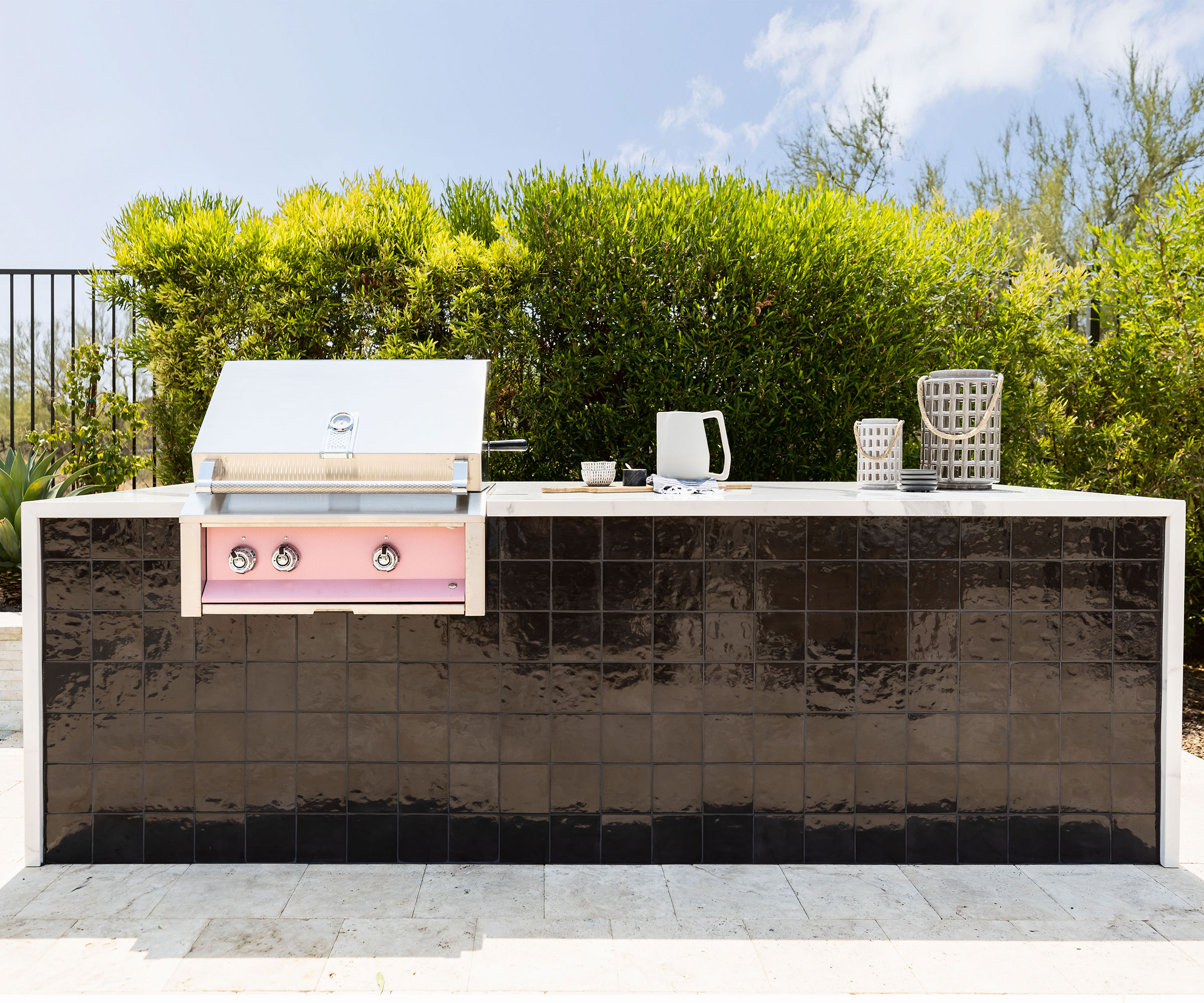
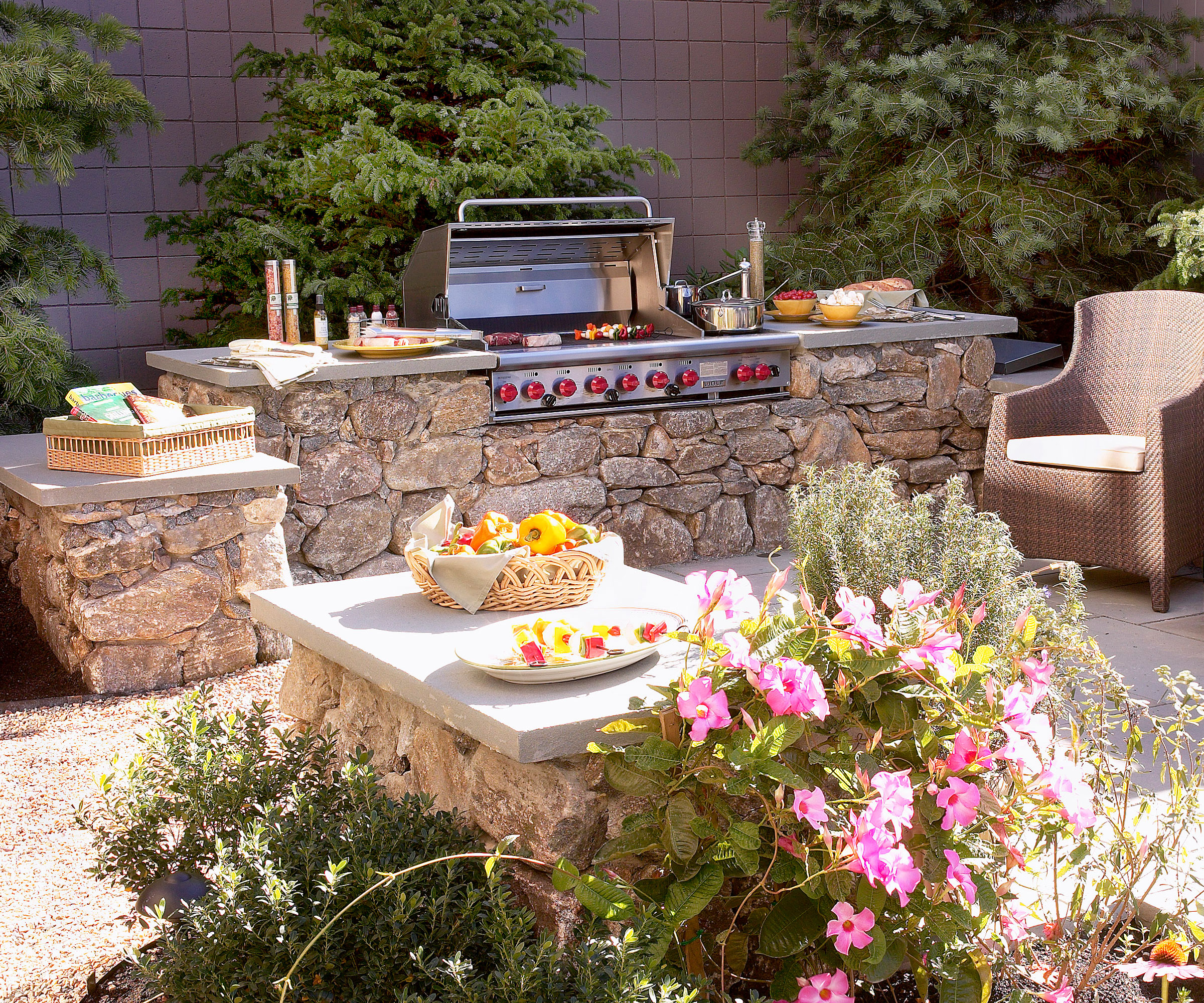
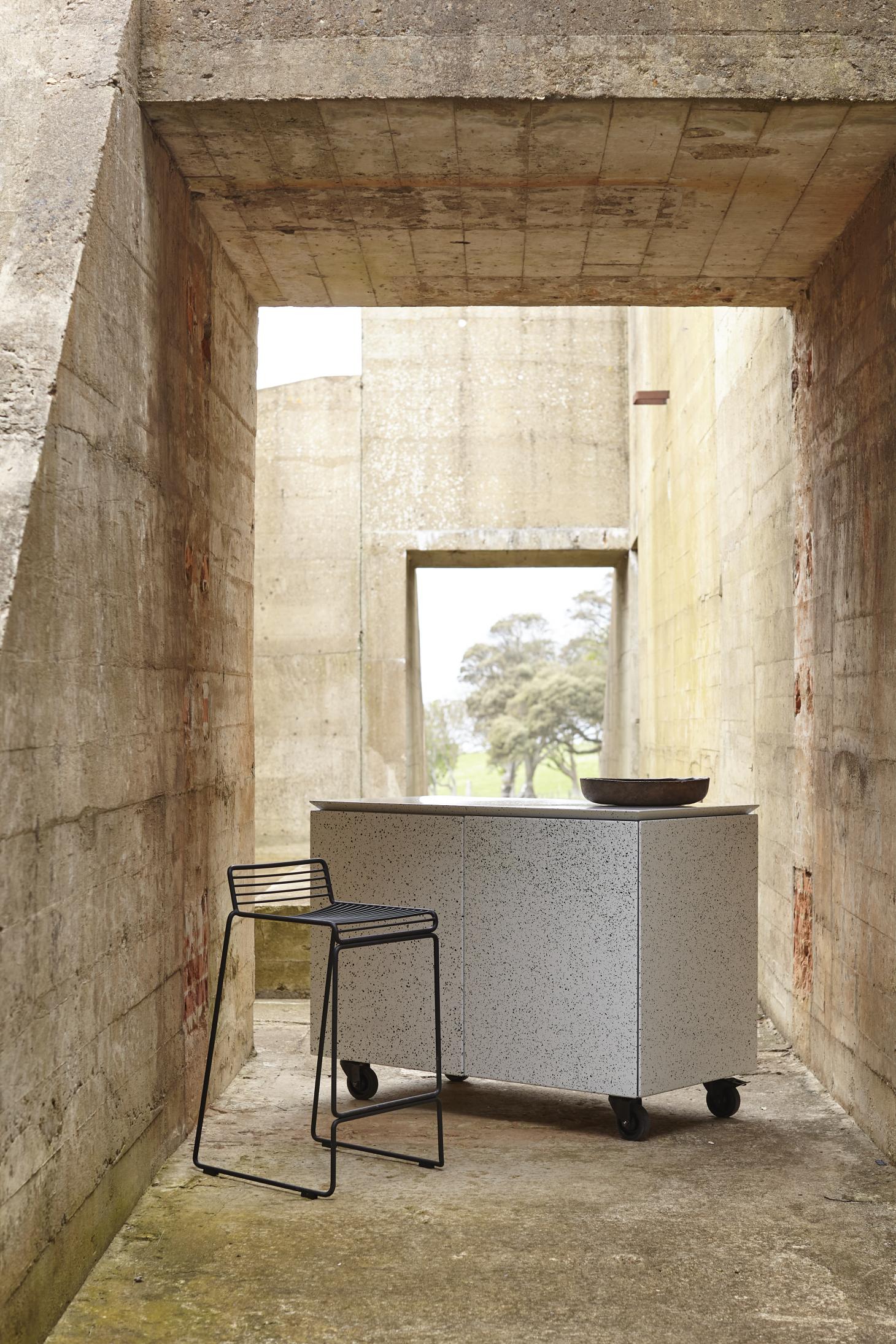
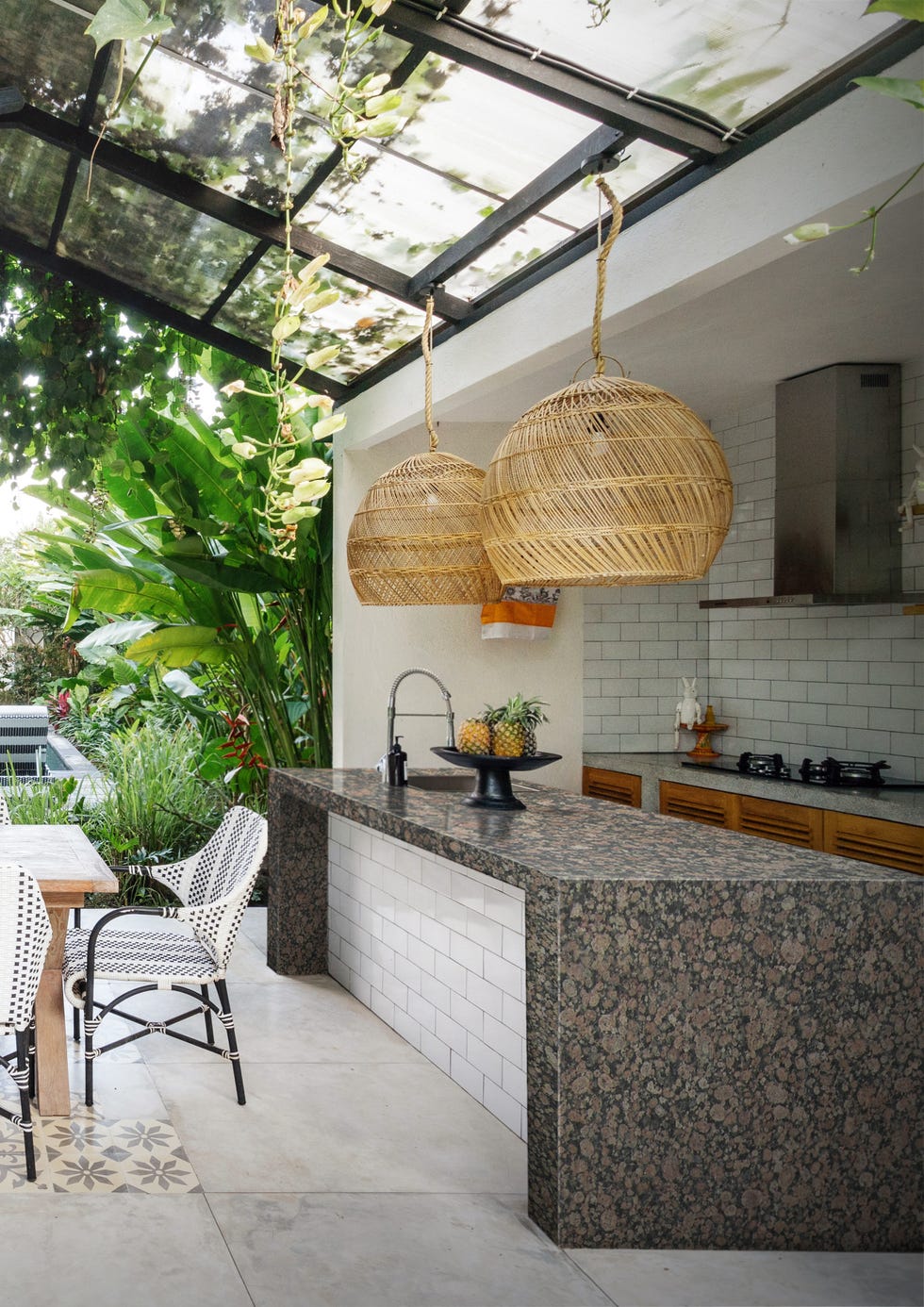
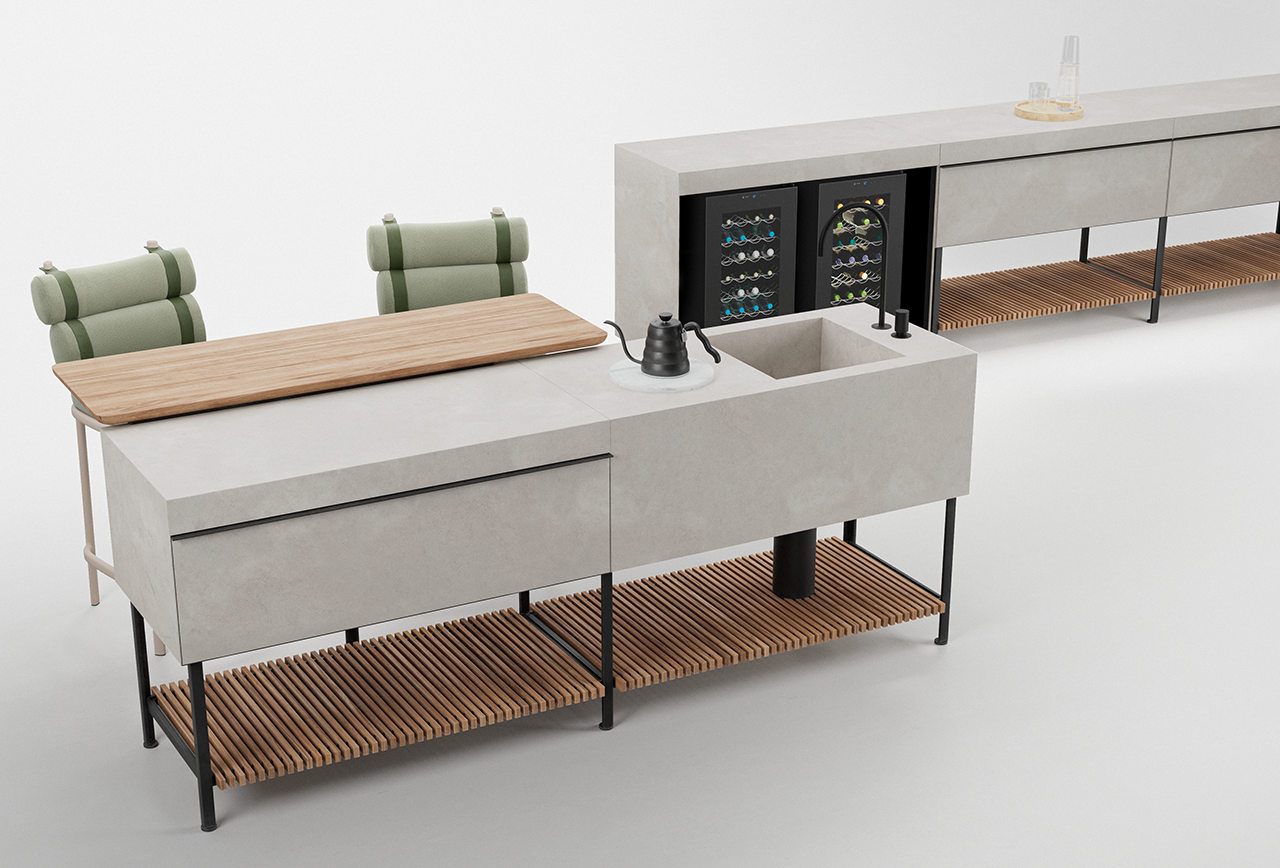
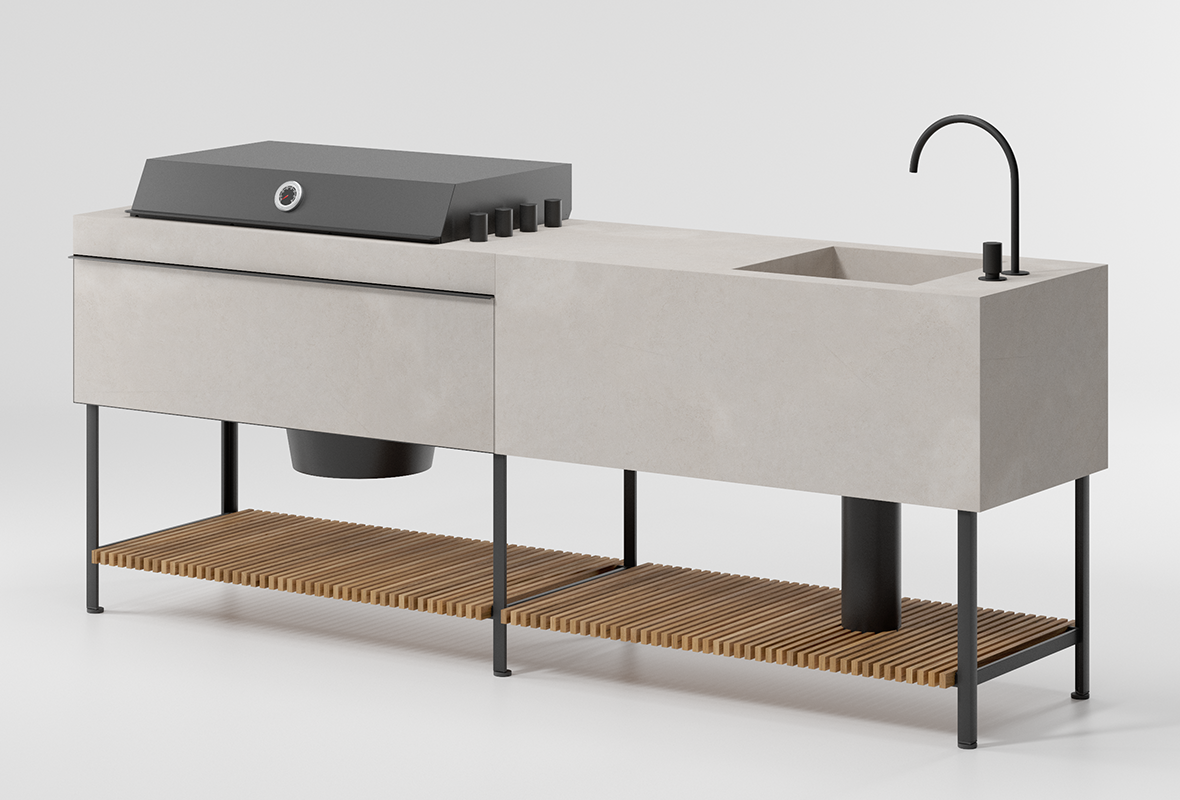
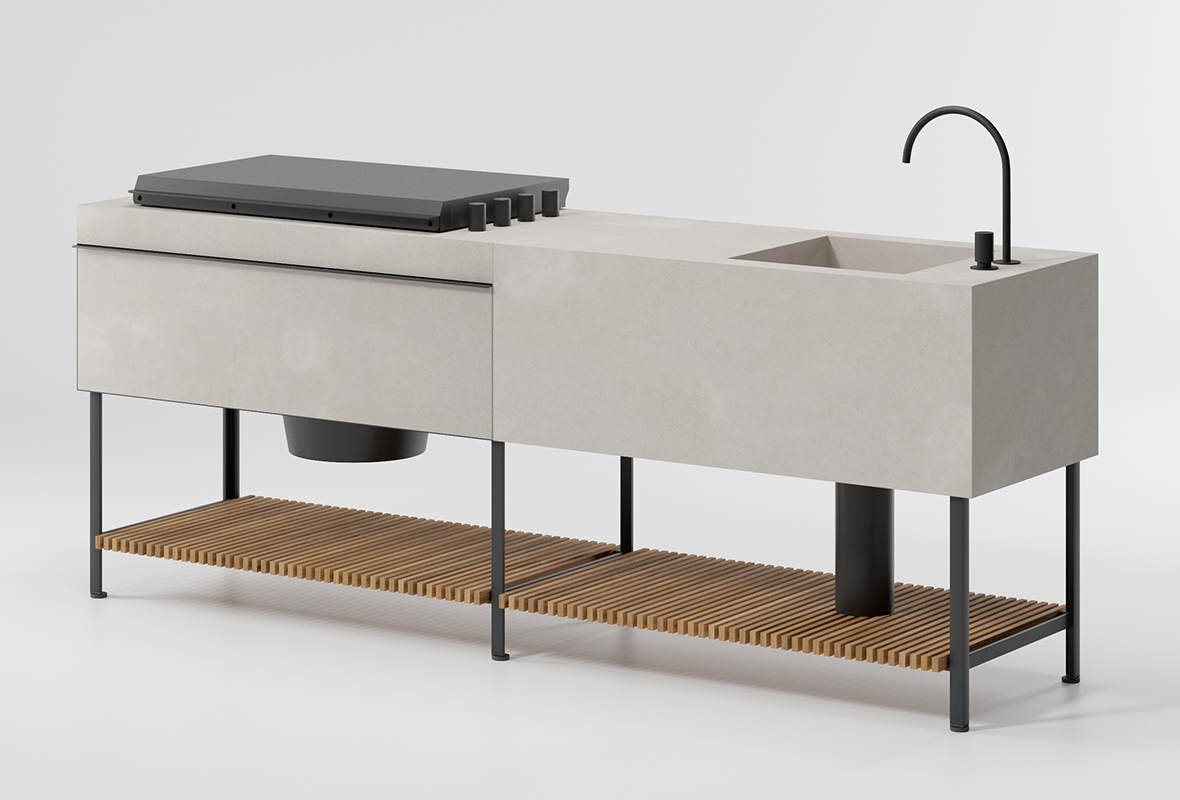
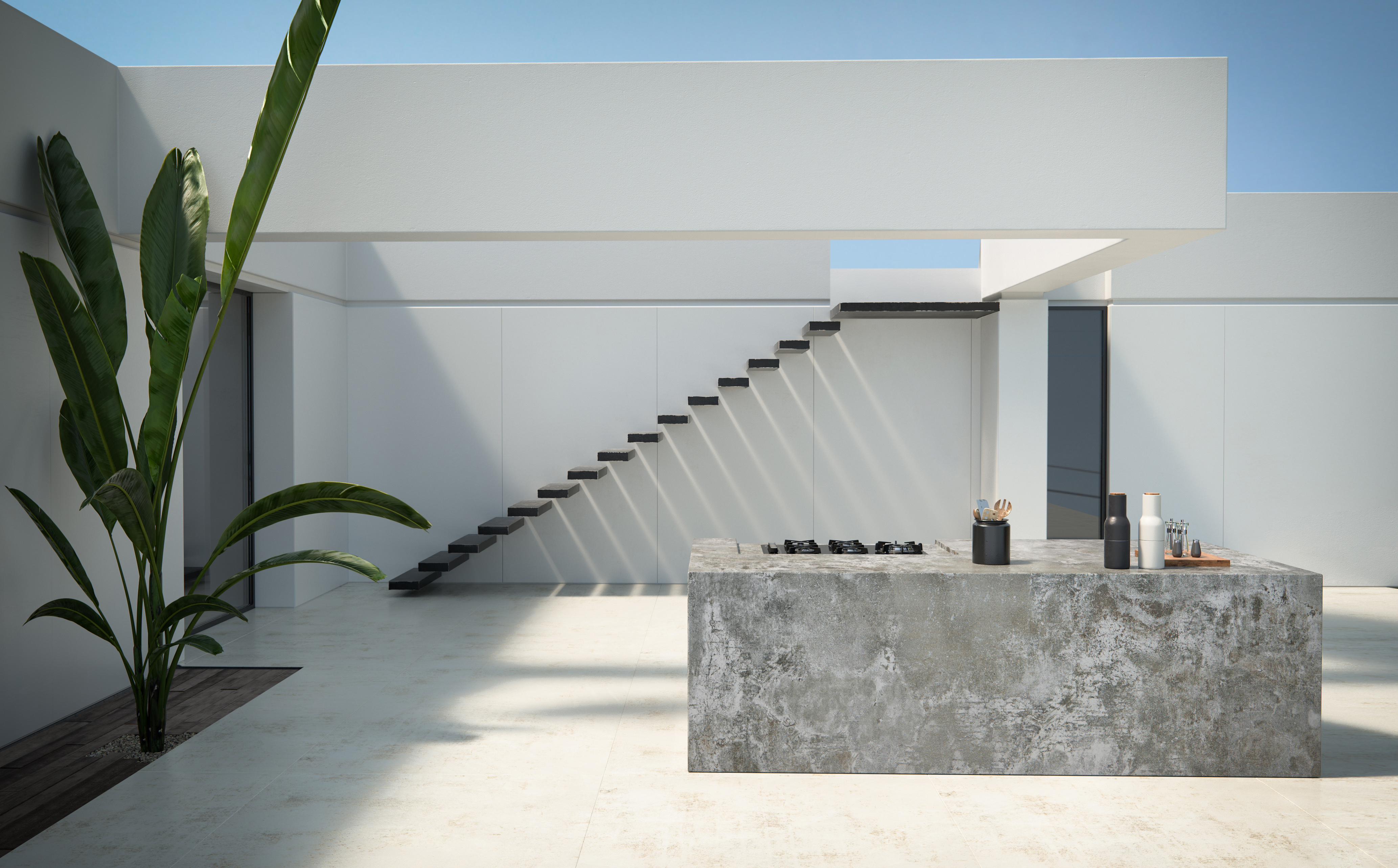
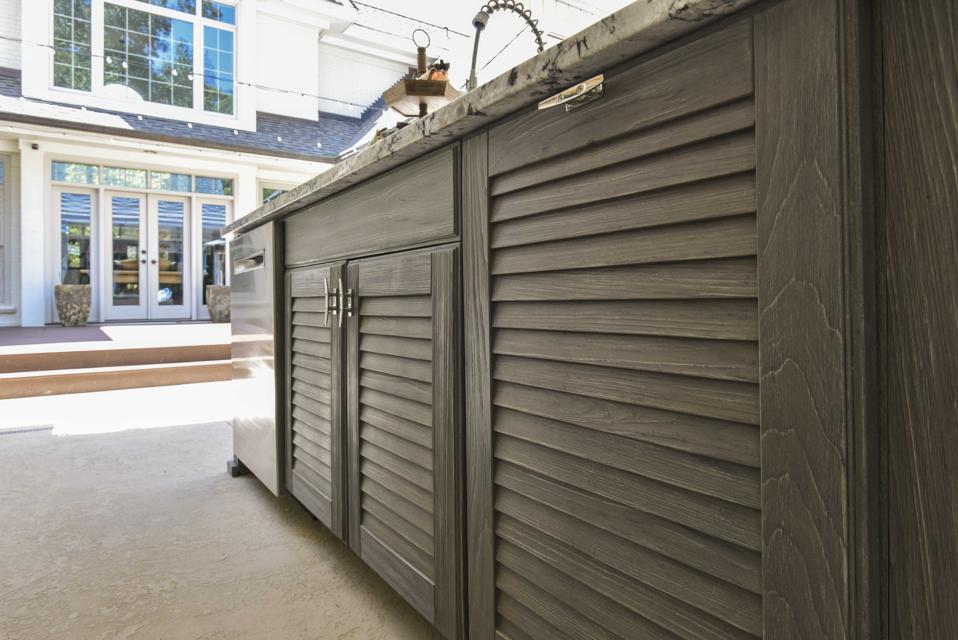
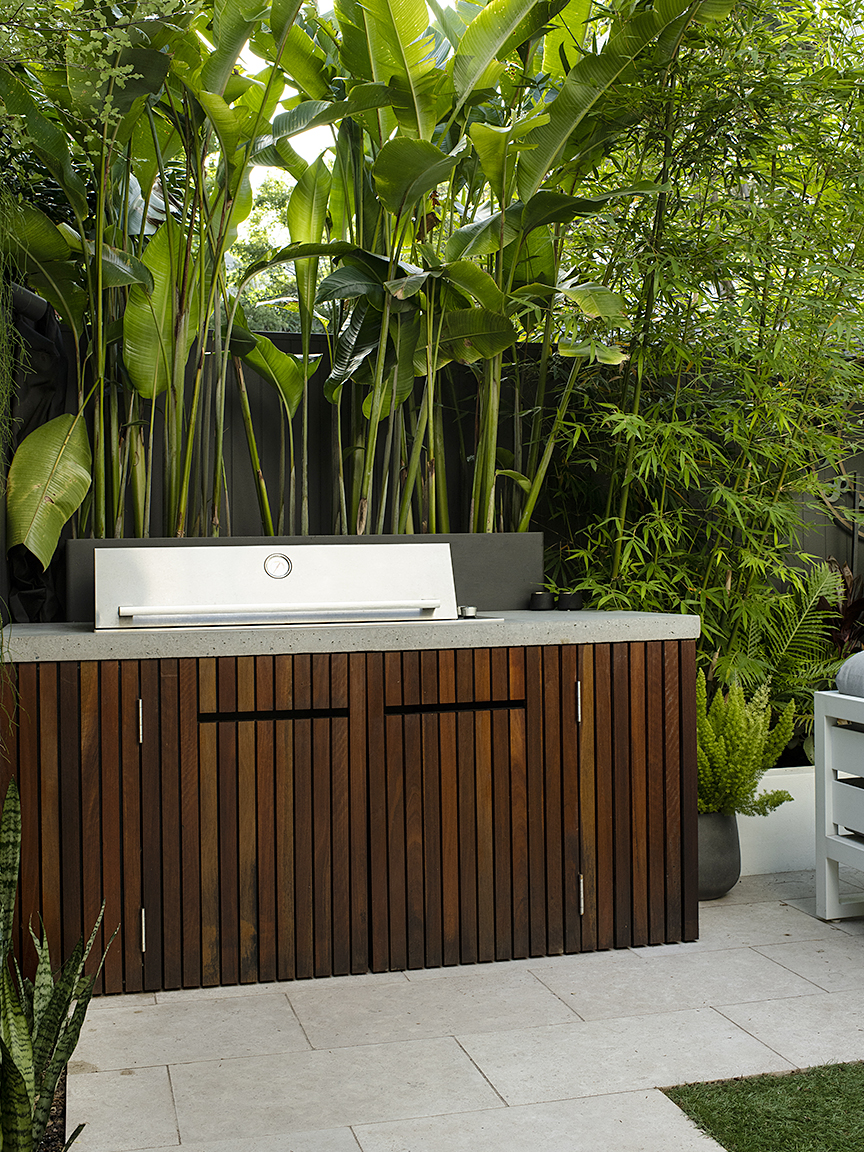
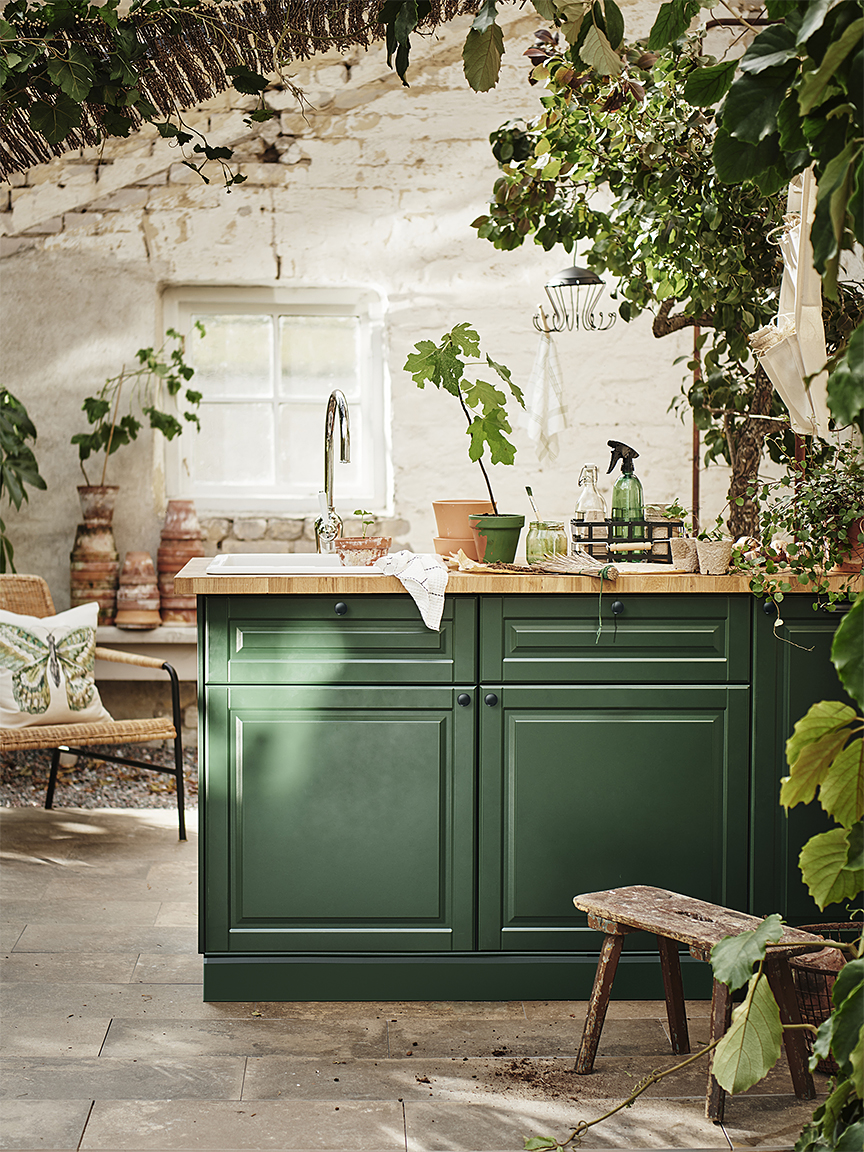
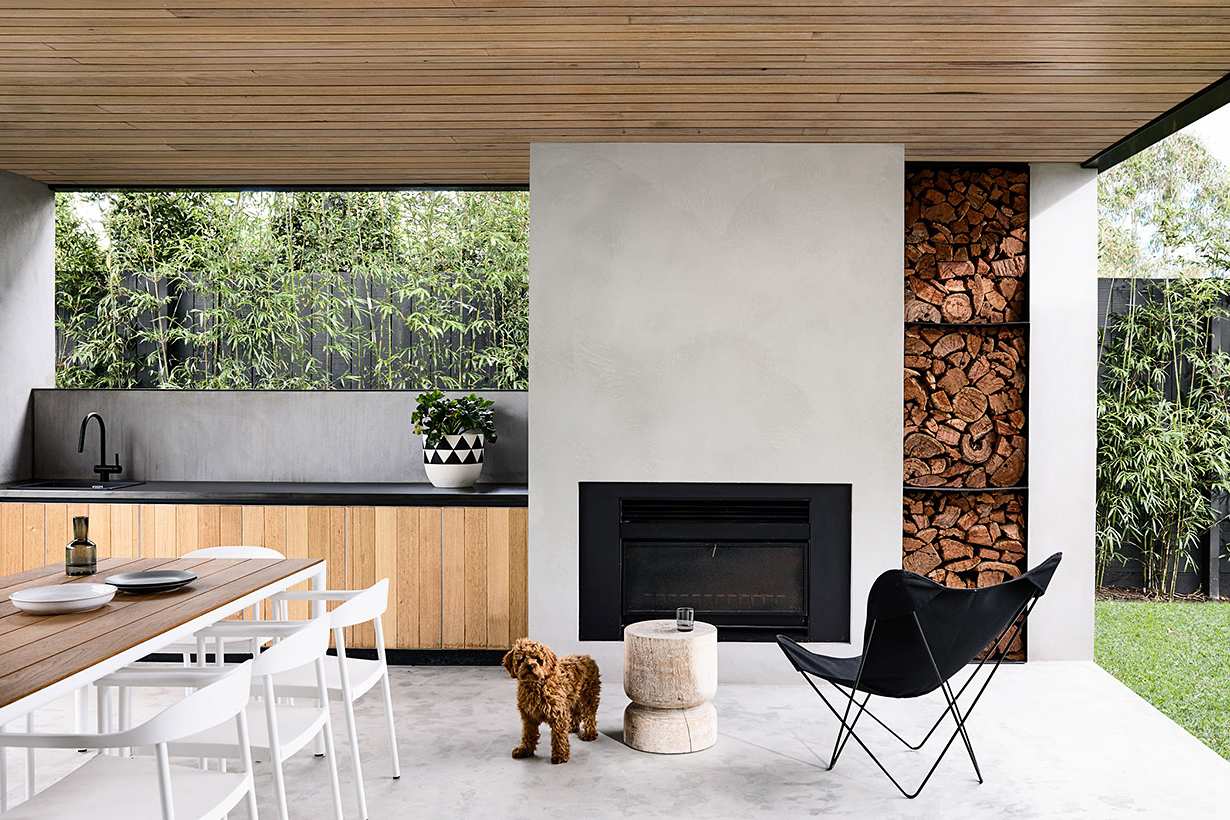
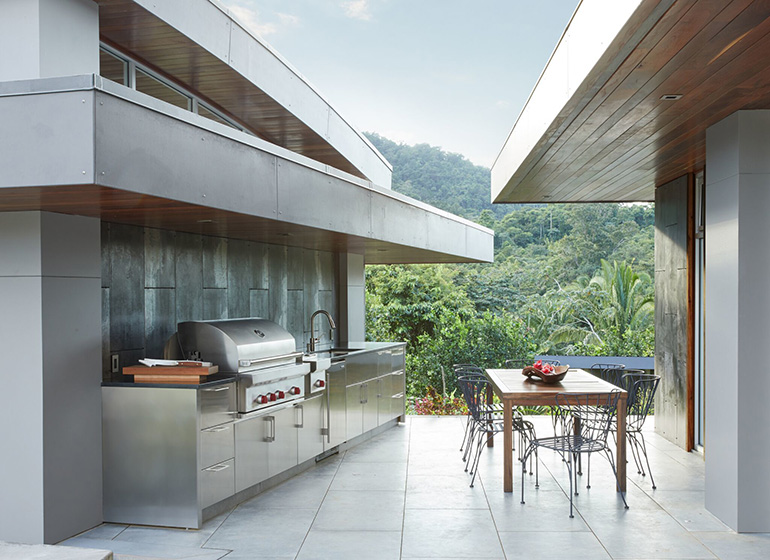
Material selection is crucial for both aesthetics and durability. Outdoor kitchens often feature textured facades like stone or stucco, but modern concrete finishes or sleek modular cabinets also provide contemporary options. Materials should be chosen to complement existing landscape elements, ensuring the kitchen appears as an integral part of the design rather than an add-on. Weatherproof materials such as concrete or stainless steel for countertops and fixtures are essential to withstand various weather conditions, preventing rust and wear.
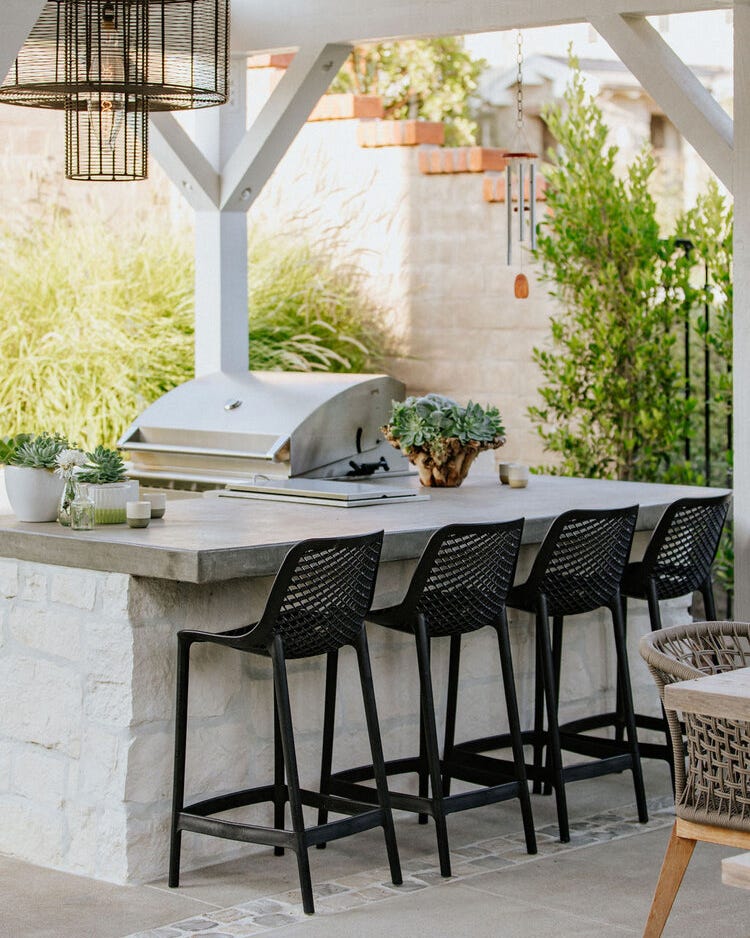
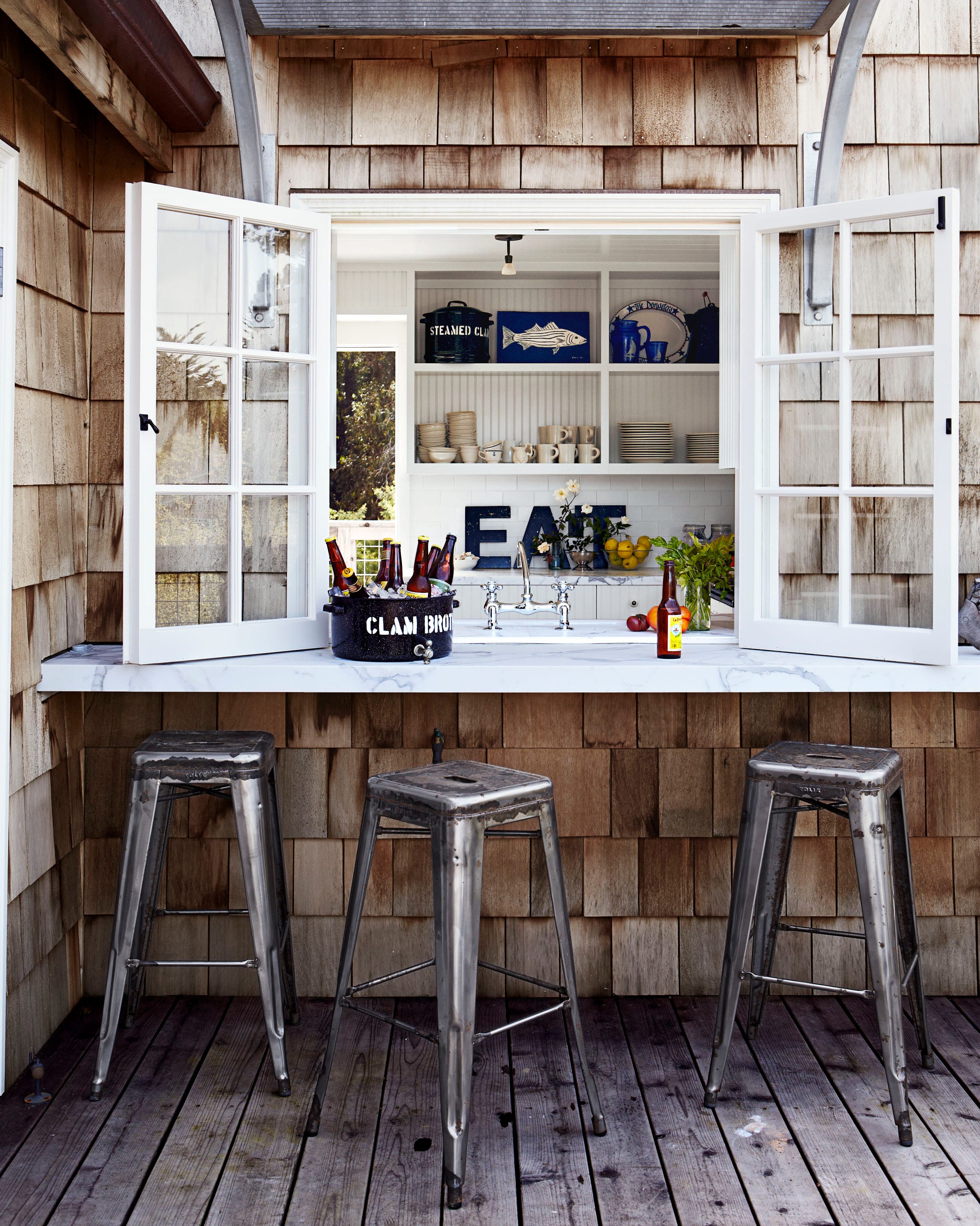
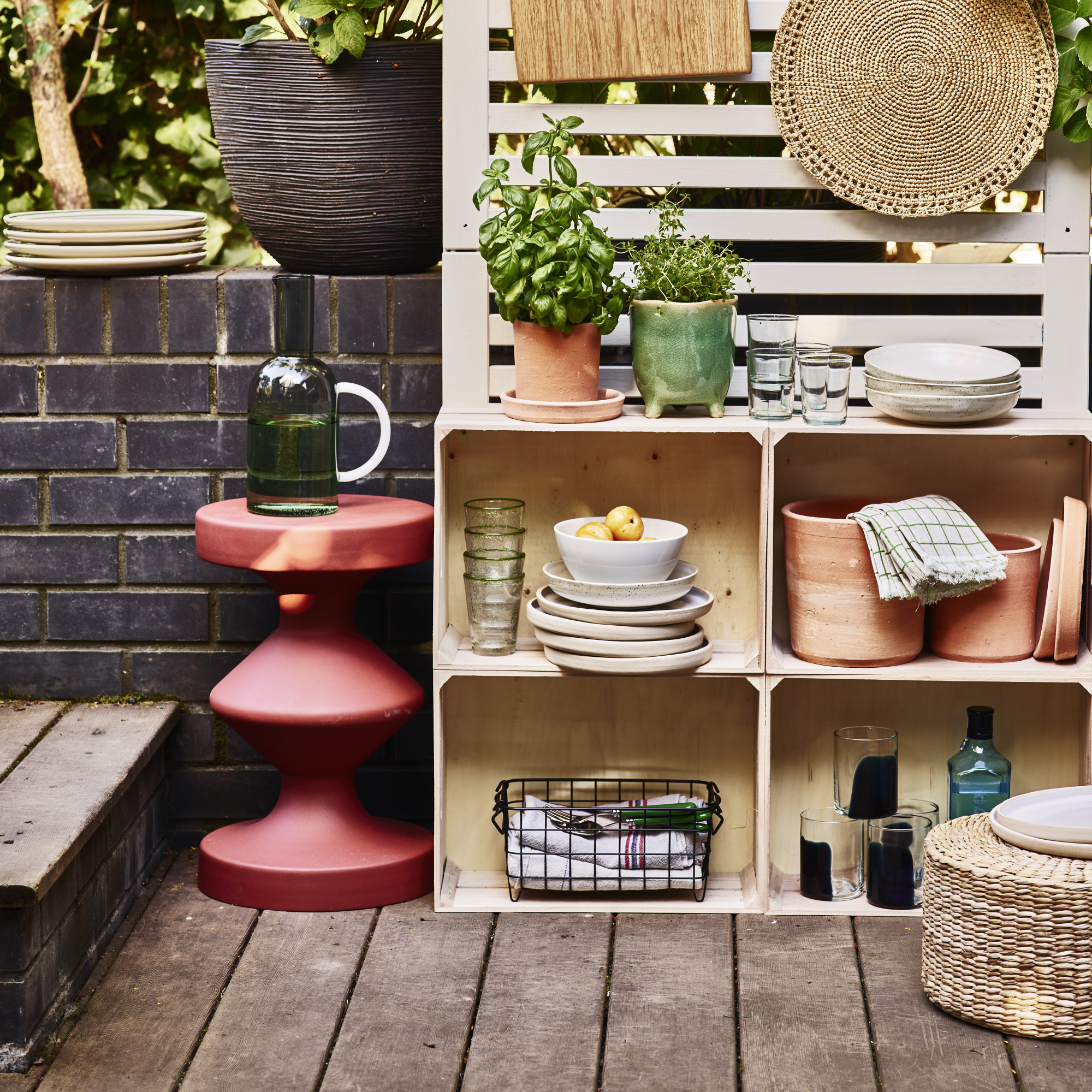
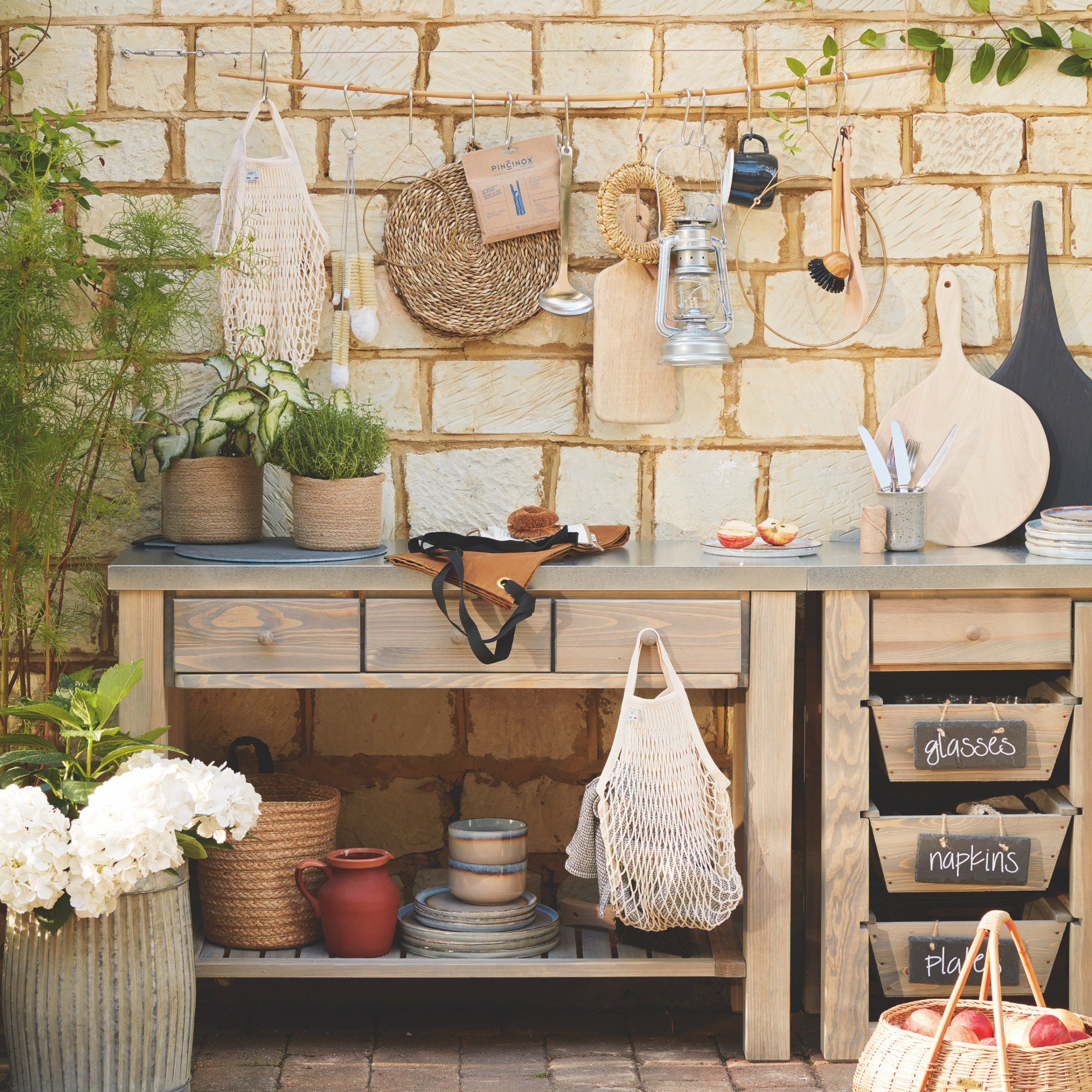
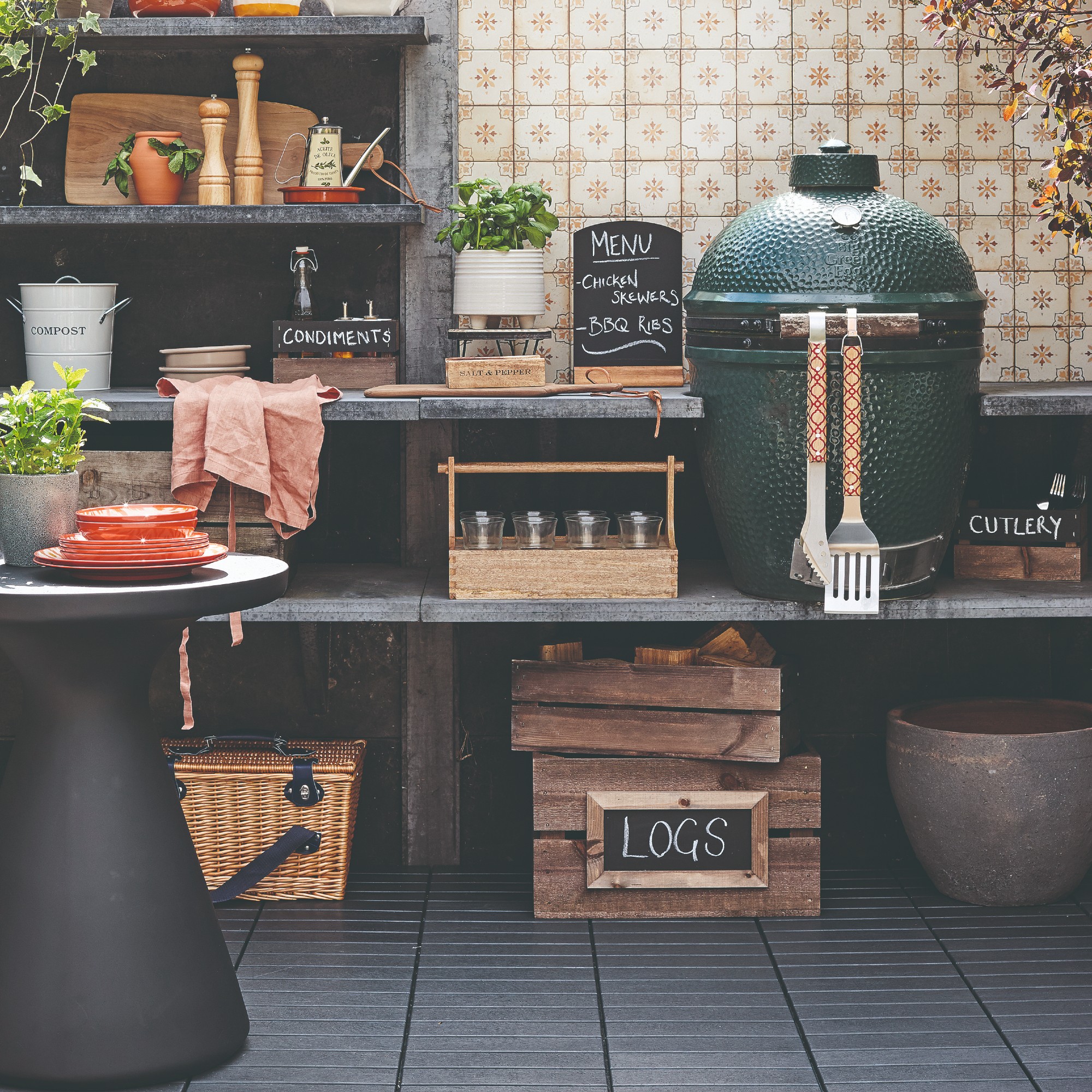
Adding a bar island can elevate the social aspect of an outdoor kitchen, providing extra seating and counter space for entertaining. This promotes interaction between the cook and guests. Sustainable practices can be incorporated through dedicated pull-out bins for composting, which reduces waste and offers environmental benefits. Simple shelving and dedicated storage for tableware, including weather-protected options, help keep the space organized.
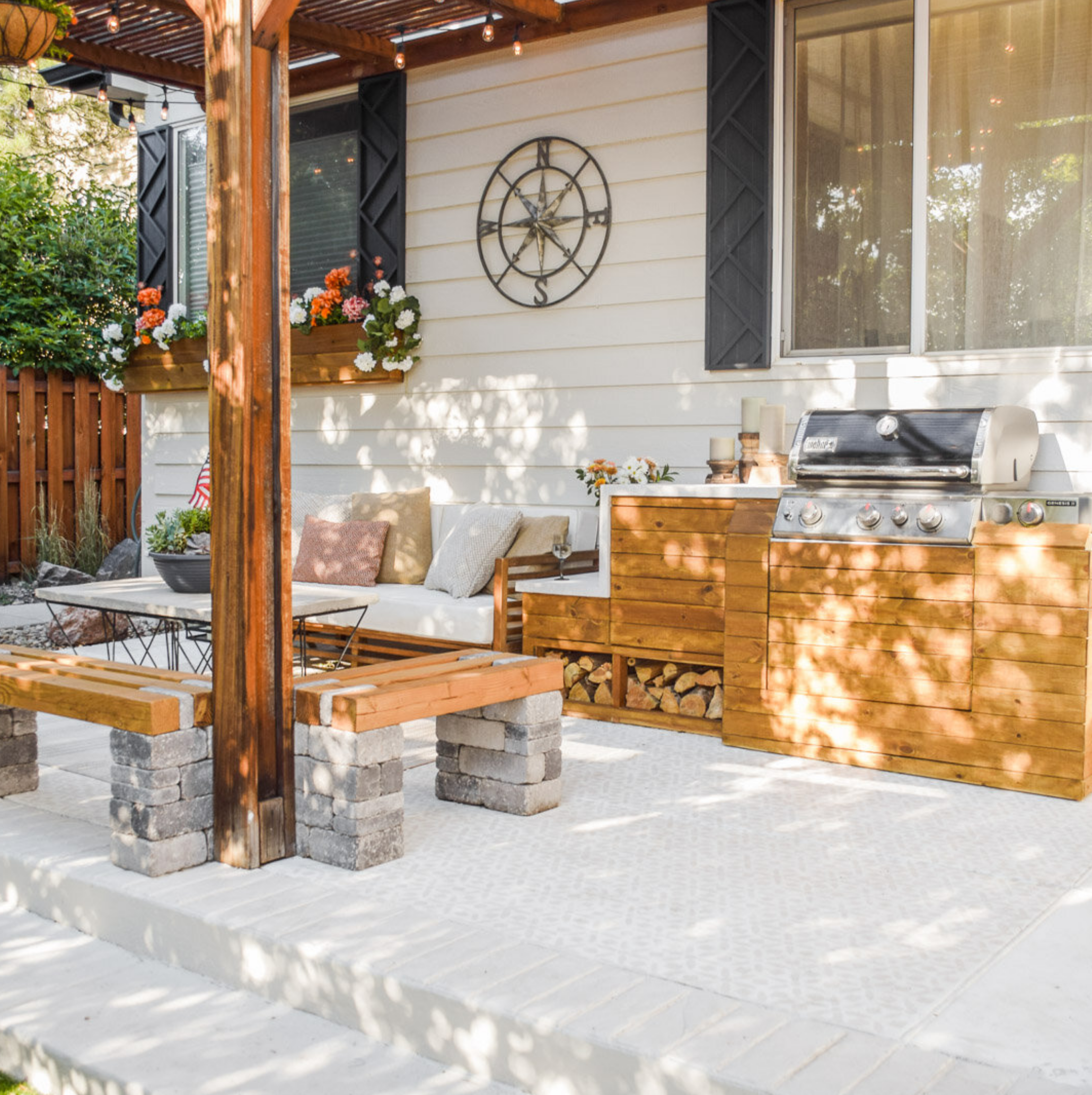
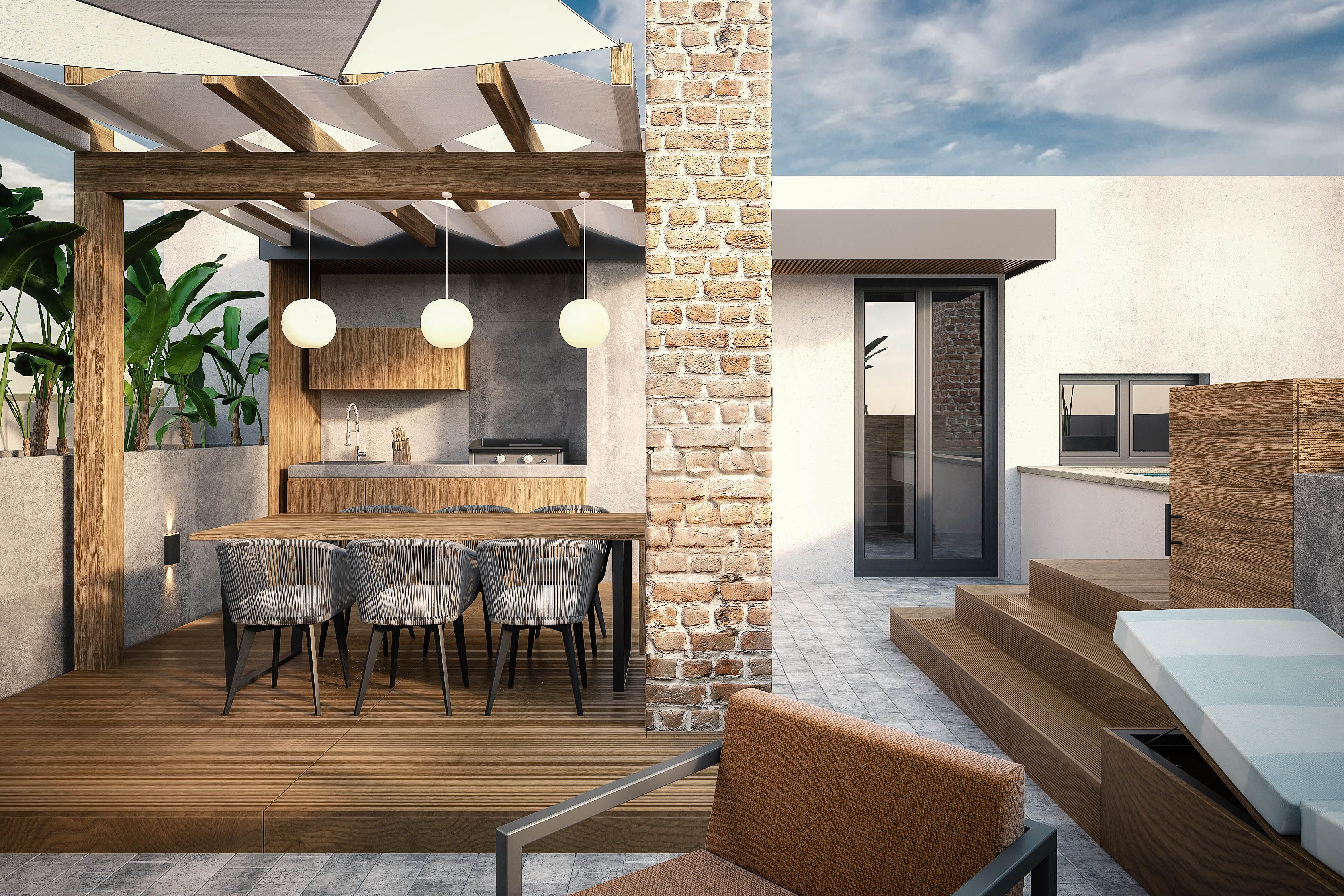
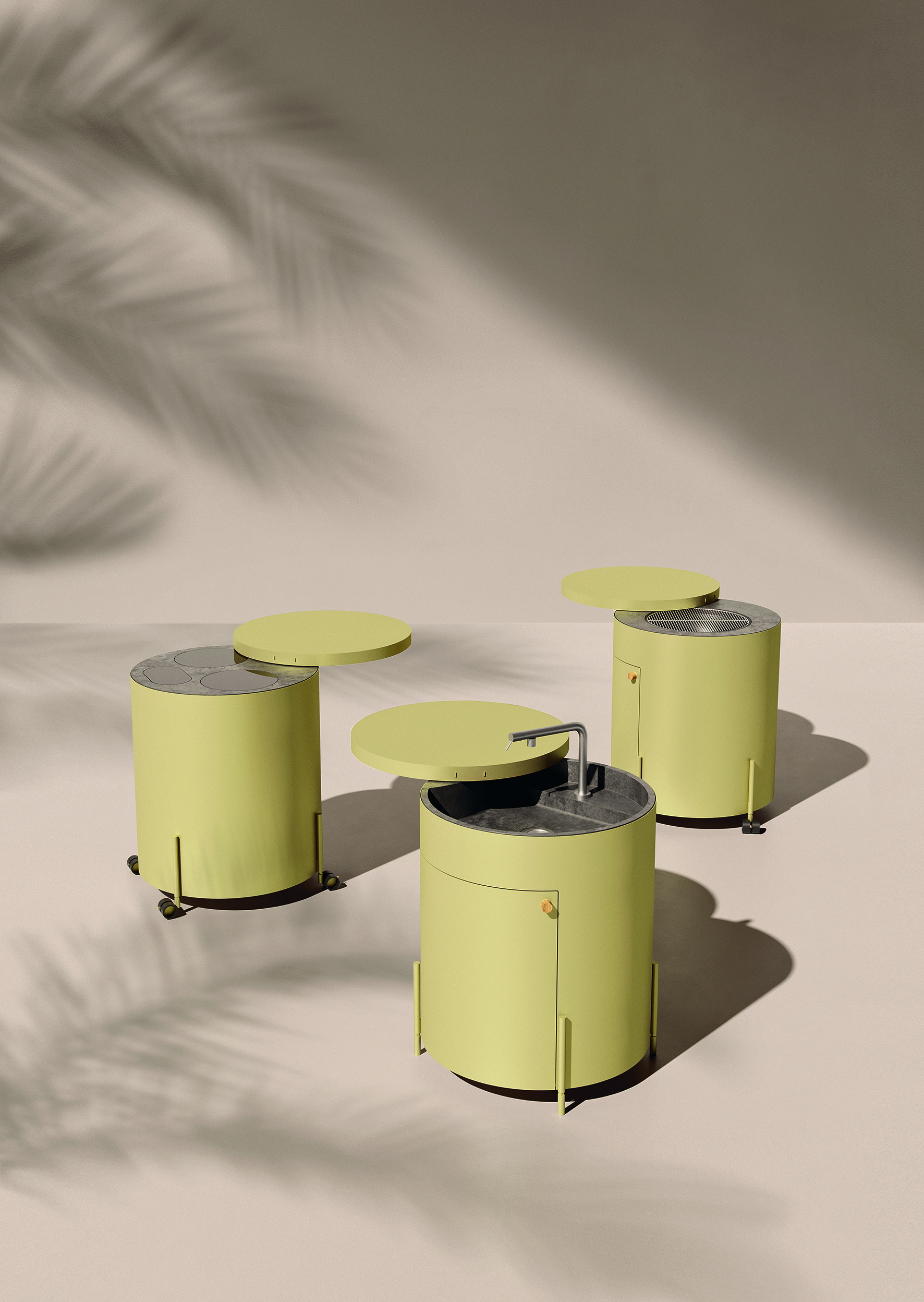
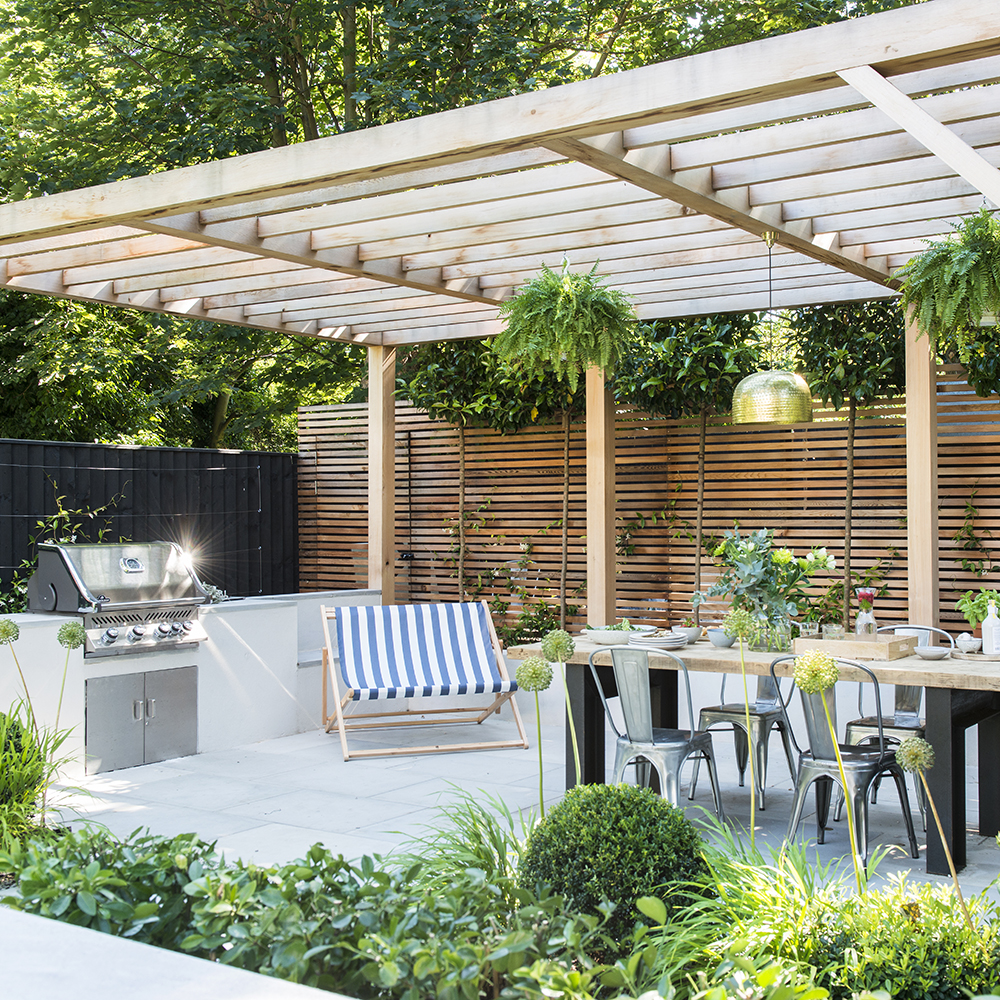
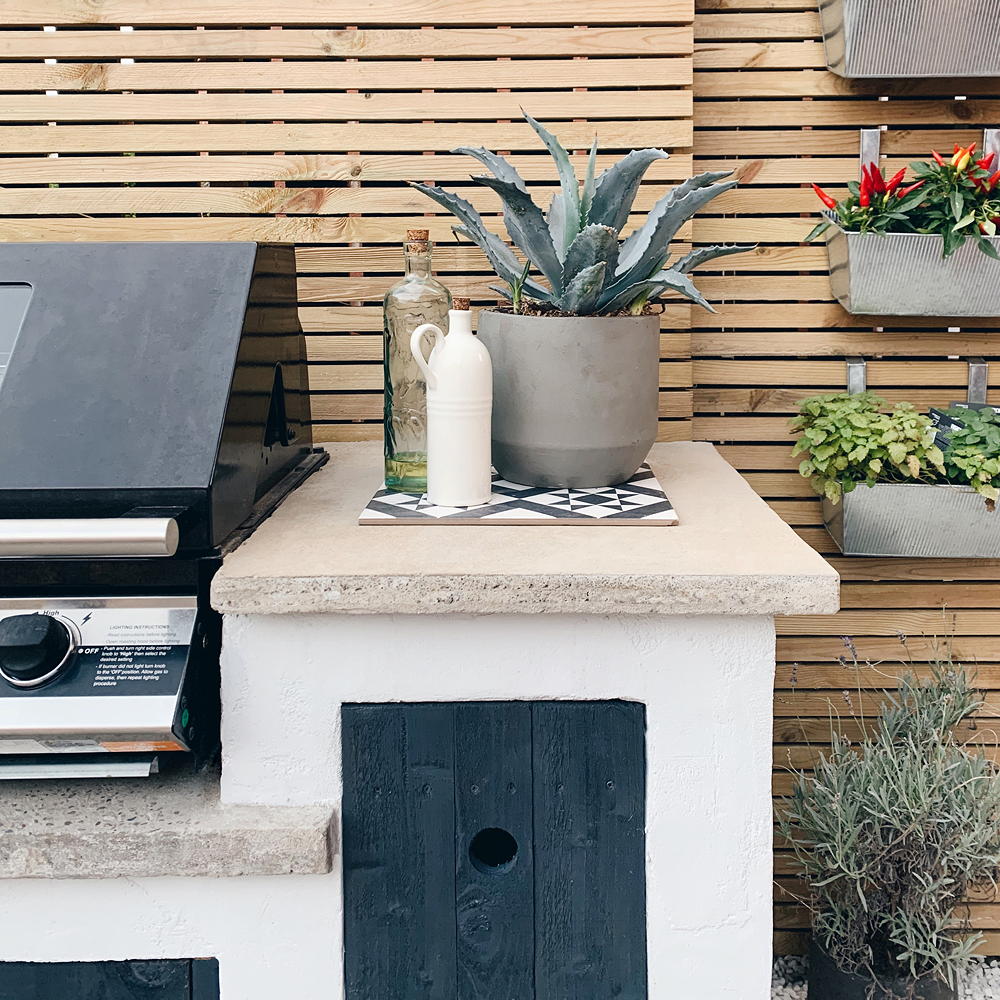
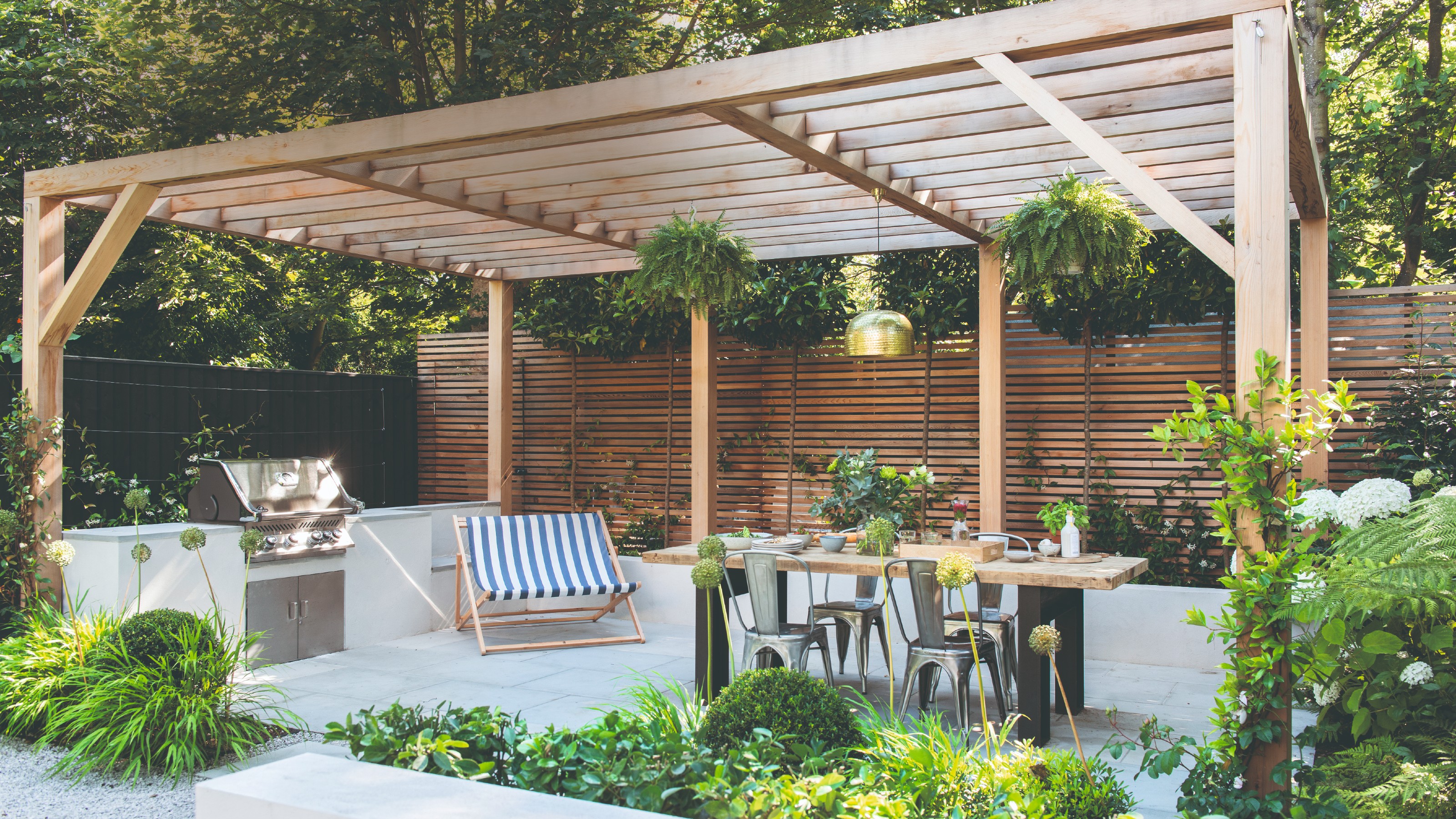
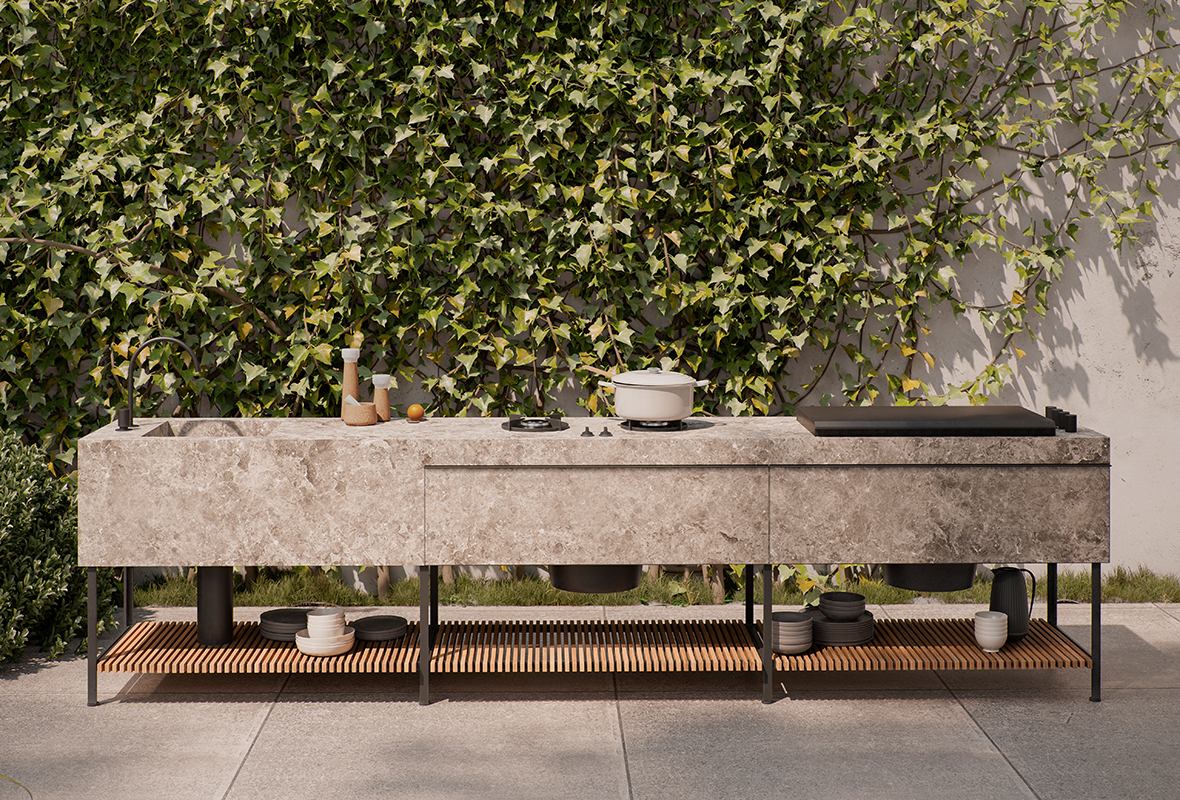
Design versatility is achievable through modular outdoor kitchens, allowing for customization to specific needs and spatial dimensions. DIY projects using materials like wooden pergolas, slatted fence panels, and weather-resistant paints can create cost-effective and aesthetically pleasing outdoor kitchens. Integrating living walls or herb gardens as backdrops enhances the connection with nature and provides fresh ingredients. Cohesive design elements, such as matching materials and hues with surrounding patio areas, create a refined aesthetic.
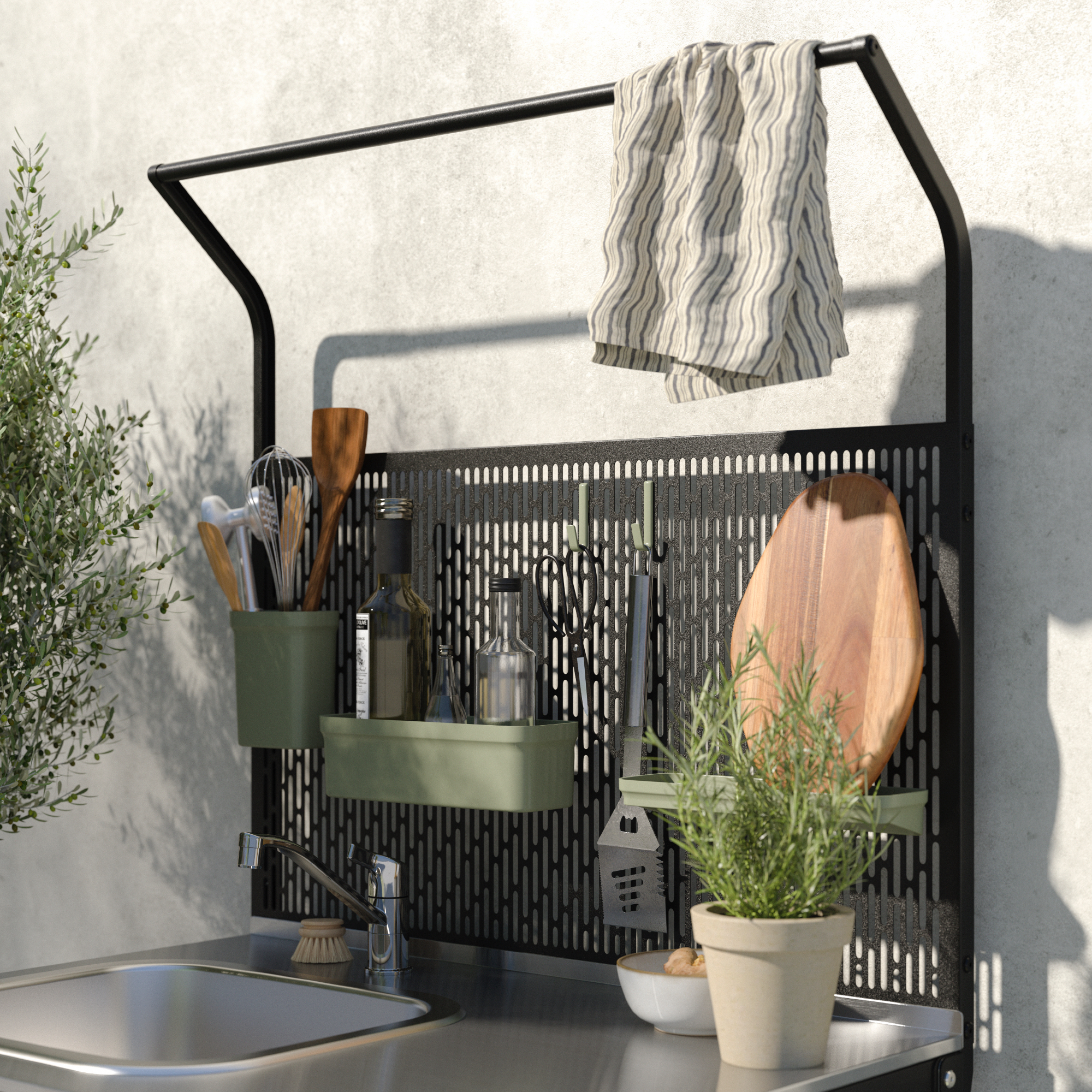
Practical additions like a small space solution with storage cupboards and a worktop can transform an existing barbecue into a full outdoor kitchen. DIY backsplashes with painted patterns can mimic tiled effects without significant expense. Linear layouts efficiently accommodate various features, while outdoor pizza ovens can be central to a casual setup. Fire pits can also serve as stylish, warming, and functional barbecue alternatives.
Designing an outdoor kitchen requires considering a level, smooth, and non-slip base. The inclusion of walls and roofs can define the space, offer shelter, and provide storage. Cooking equipment options range from barbecues and outdoor ovens to smokers and kamado grills, with additional burners for boiling or teppanyaki. Necessary components can include weather-appropriate cabinetry, worktop space, outdoor refrigerators, sinks with running water, heating, and adequate lighting for evening use.
Layouts such as linear or L-shaped configurations should be considered early in the planning. Factors like electricity and water access, and their impact on placement and budget, must be addressed. The relationship between the dining area and cooking space should minimize travel for food. Planning for planting areas, especially for herbs and vegetables, can also be incorporated. Permits or planning permissions are generally not required for outdoor kitchens, but local regulations regarding boundaries, height, and electrical/plumbing work must be observed. Professional installation for services is necessary. Outdoor kitchens can be purchased as DIY units, complete sets from specialist manufacturers, or custom-designed by garden designers or landscape architects, with costs varying significantly based on complexity.
#OutdoorKitchen #HomeDesign #BackyardLiving #AlfrescoDining #KitchenDesign #GardenDesign #OutdoorEntertaining #HomeImprovement #OutdoorCooking #OutdoorKitchen #HomeDesign #BackyardLiving #AlfrescoDining #KitchenDesign #GardenDesign #OutdoorEntertaining #HomeImprovement #OutdoorCooking
0 comment in total
 No comments yet
You may also like
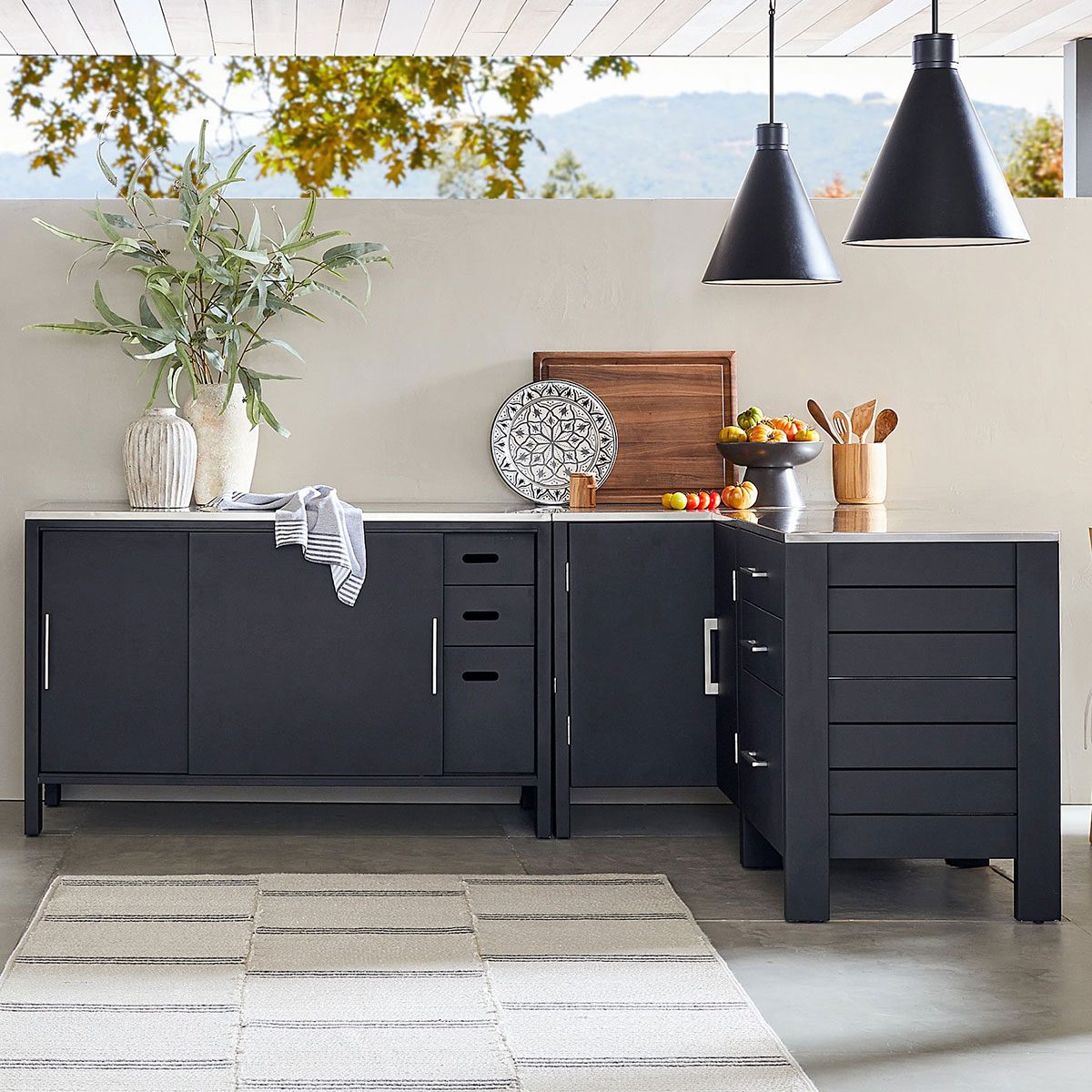
The 7 Best Outdoor Kitchen Kits for Backyard Cooking

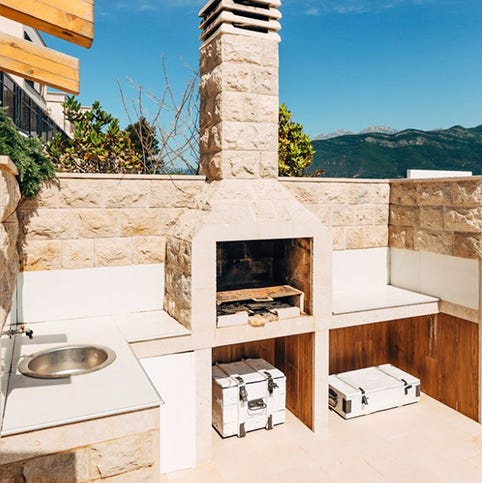
Upgrade Your Backyard and Enjoy the Warm Weather With These Outdoor Kitchen Ideas

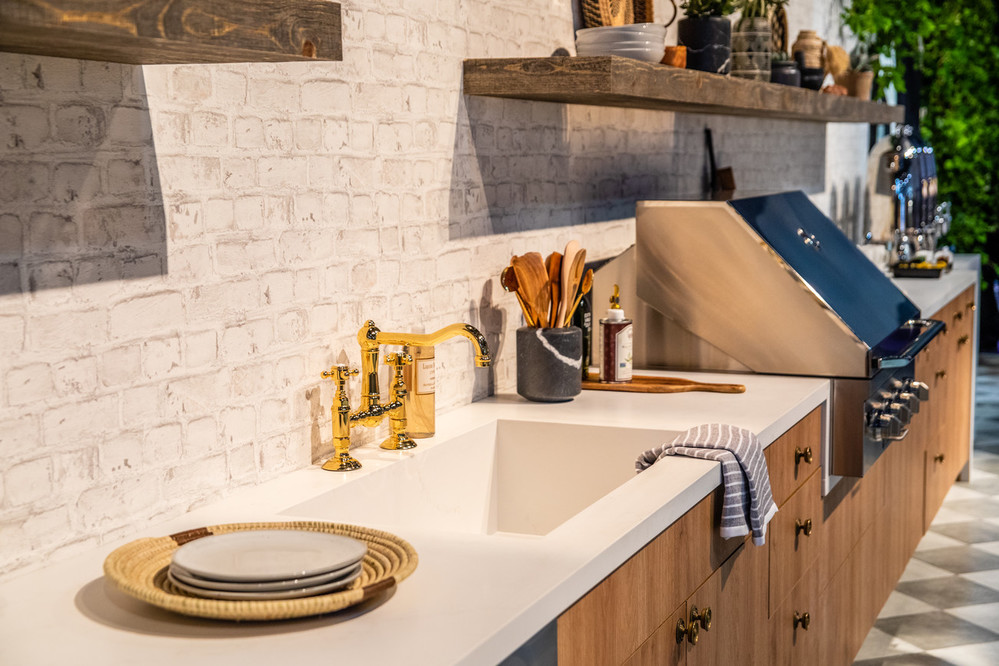
Outdoor Kitchen Countertop Ideas - The Materials, Designs and Expert Advice You Need

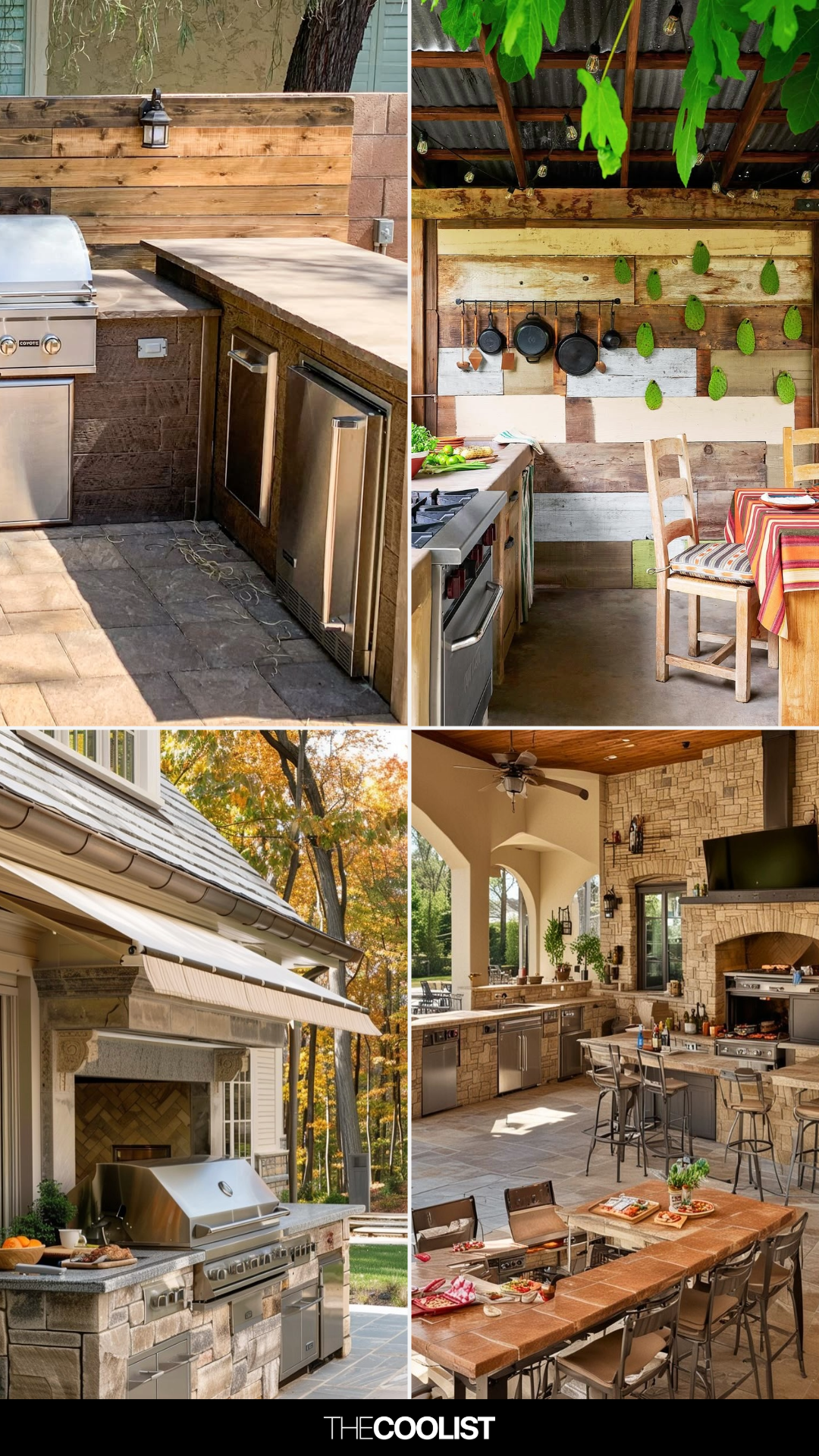
24 Unforgettable Rustic Outdoor Kitchen Ideas That Guests Will Talk About All Year
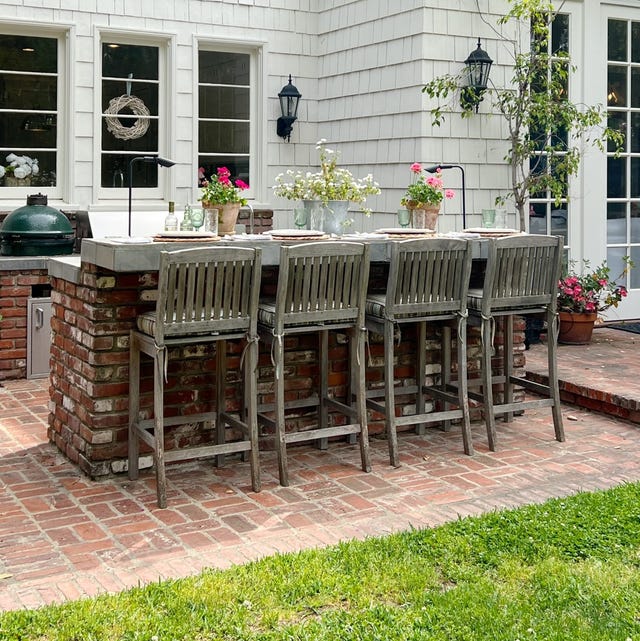
Check Out These Outdoor Kitchen Ideas for Any Budget

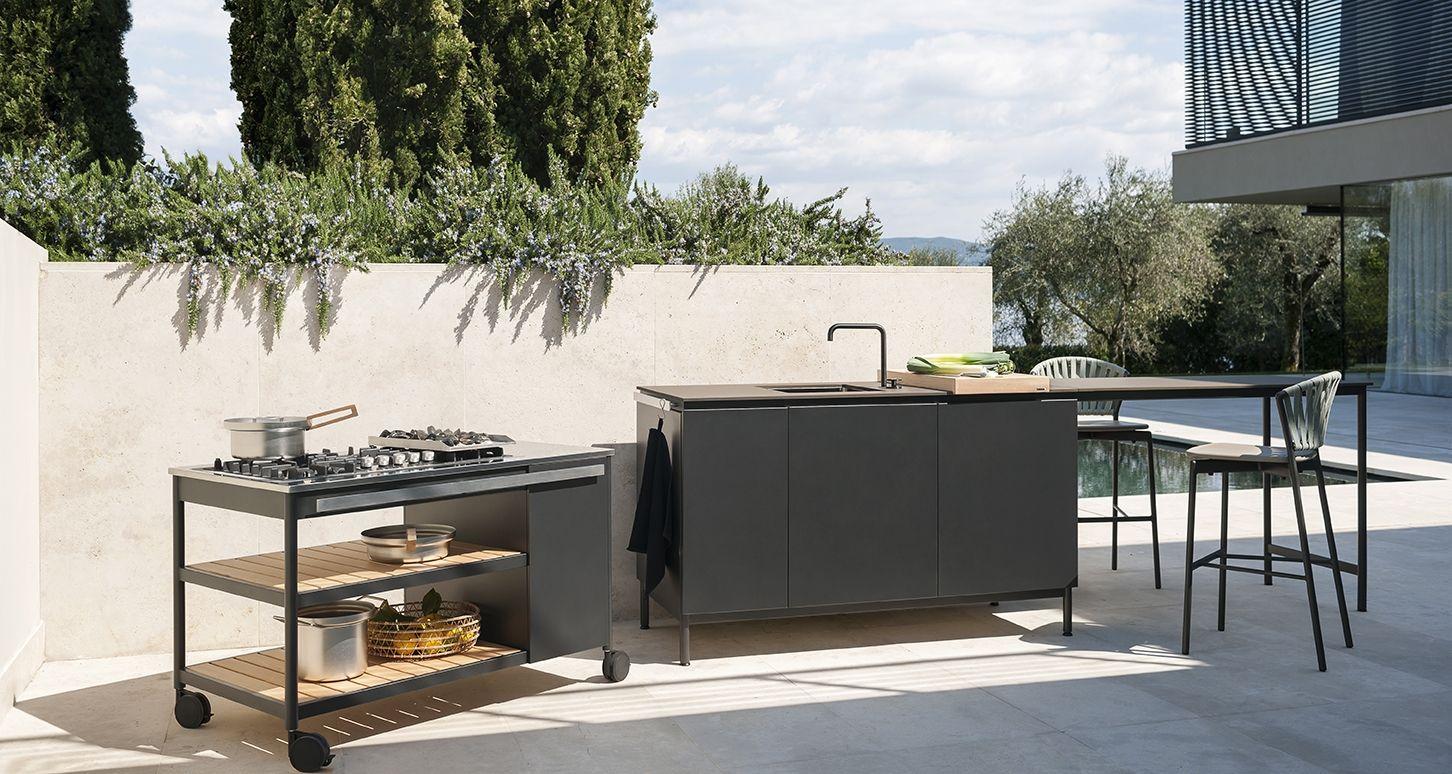
Outdoor kitchen ideas to elevate your summertime dining

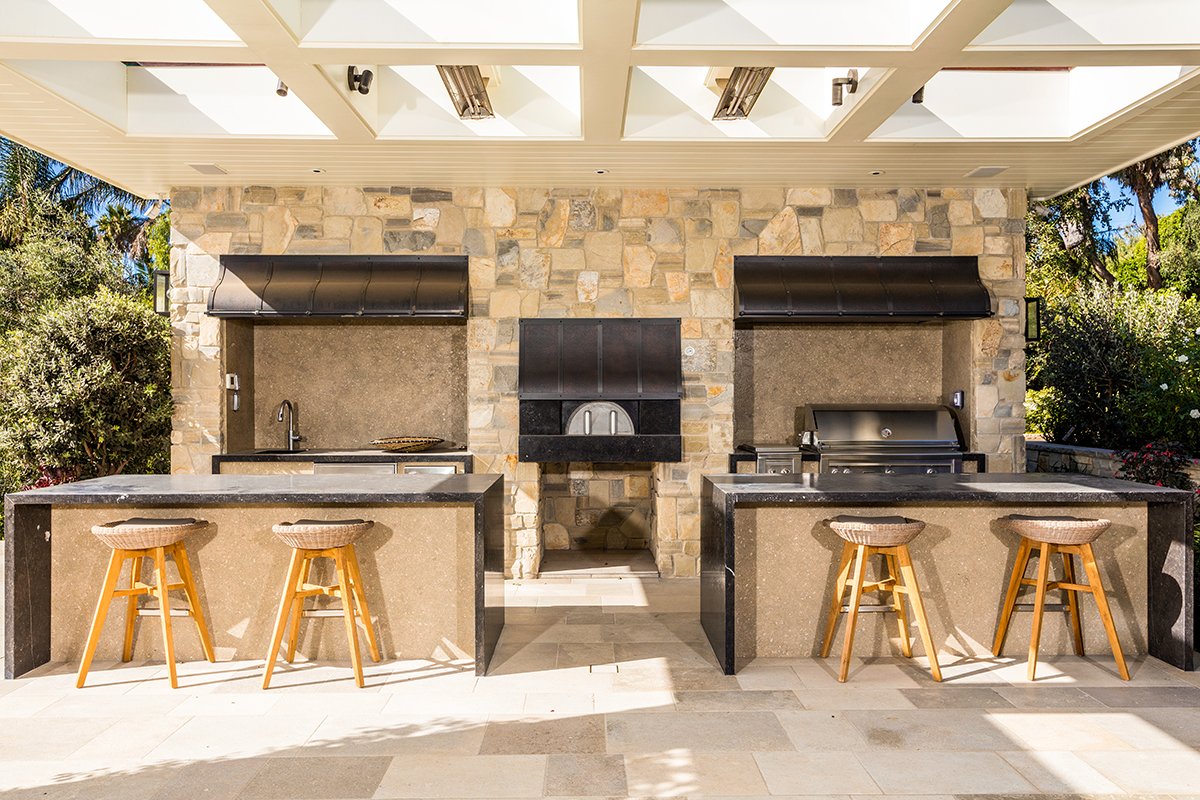
Outside Entertainment

11 covered outdoor kitchen ideas for sheltered cooking and dining
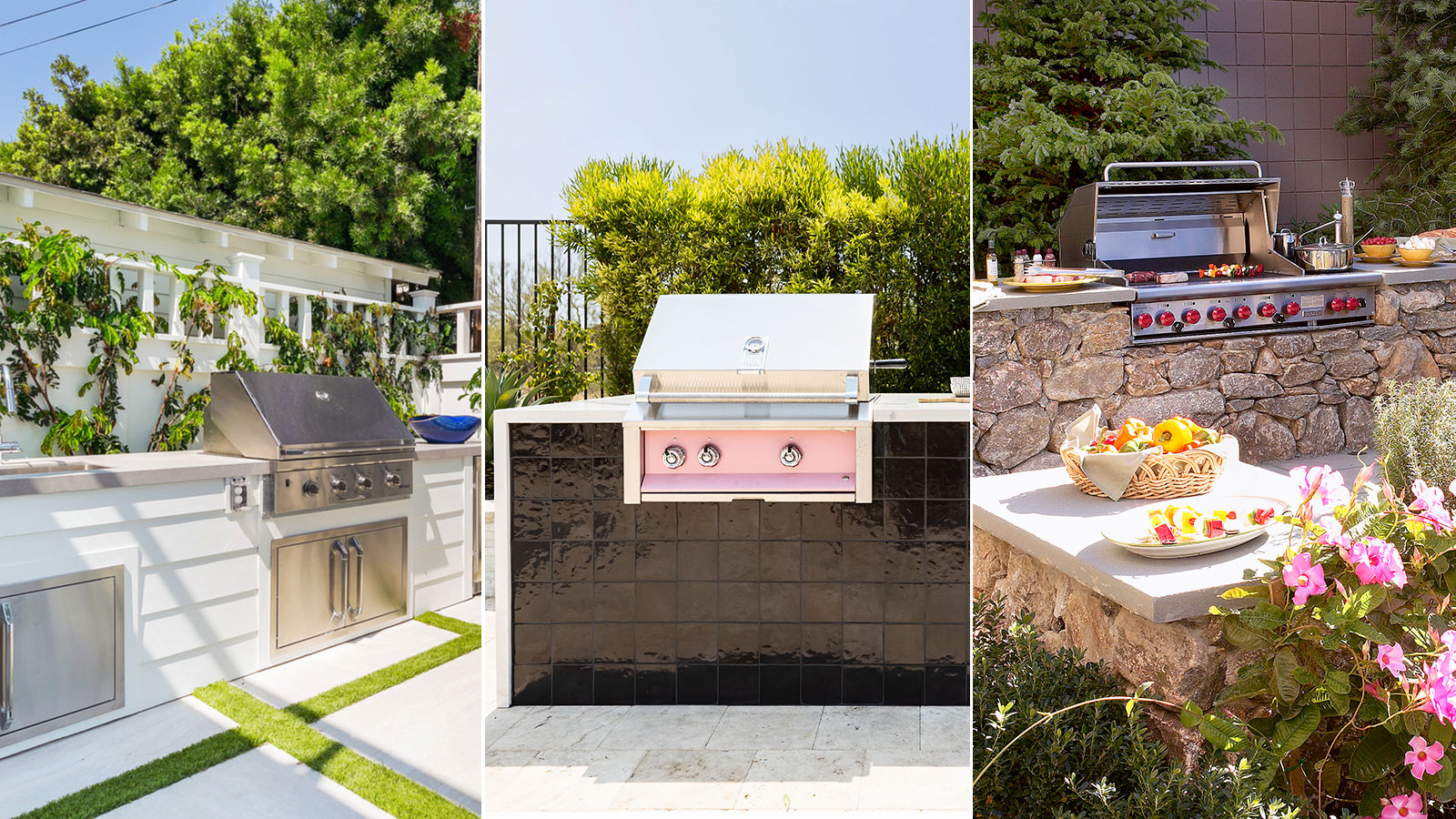
Small outdoor kitchen ideas – 10 stylish ways to cook alfresco in a less-than-large backyard

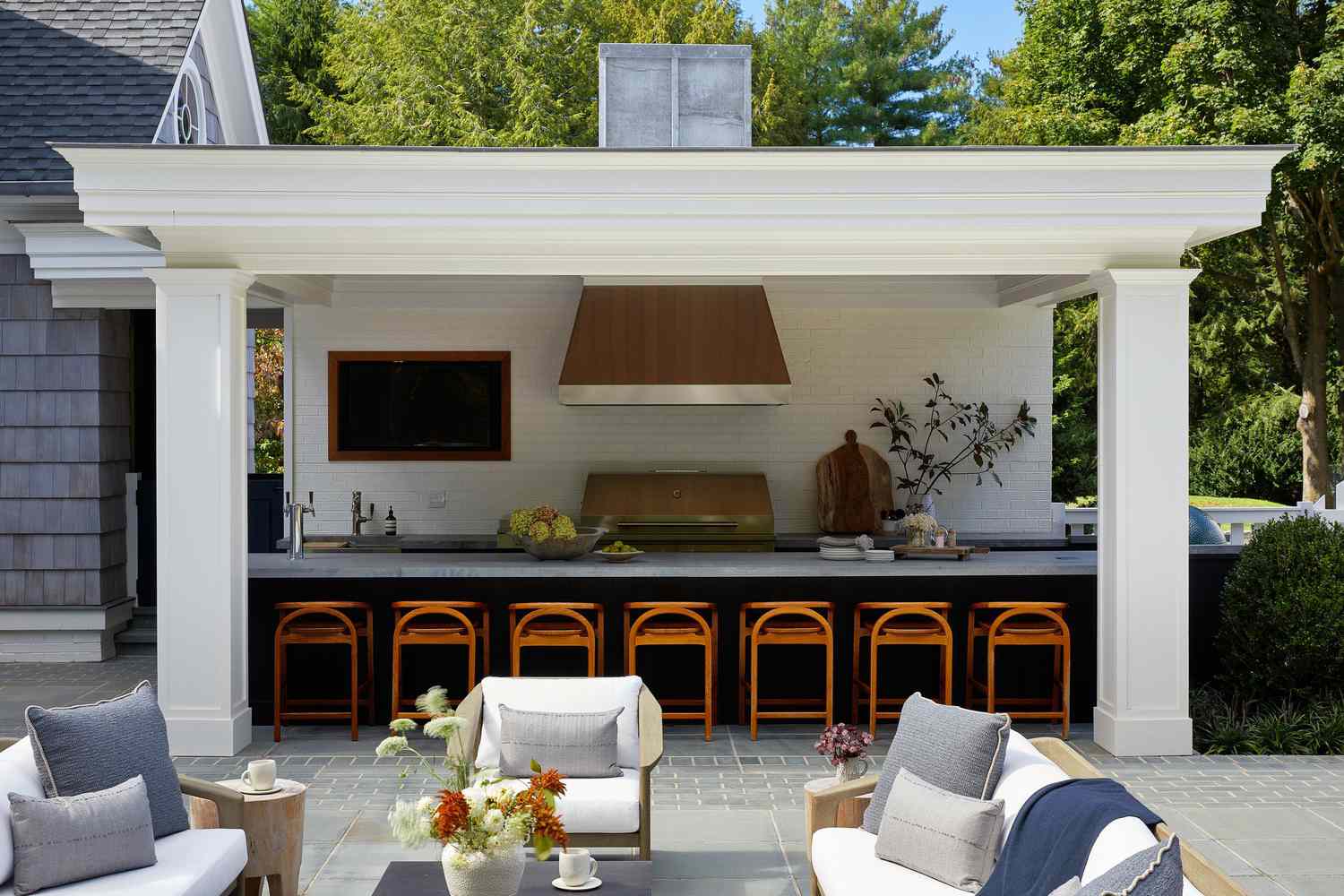
15 Covered Outdoor Kitchen Ideas for Every Season and Style
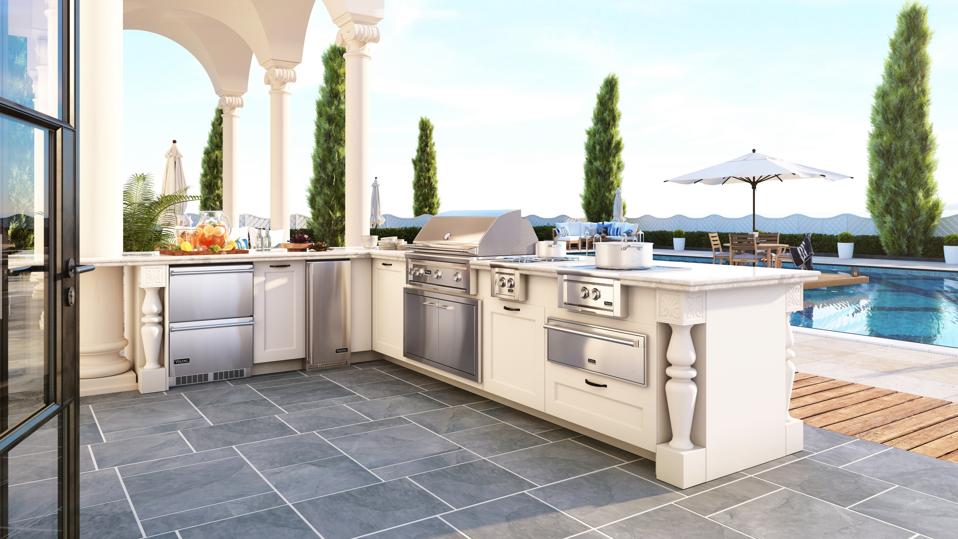
Experts Share New Outdoor Kitchen Ideas And Trends

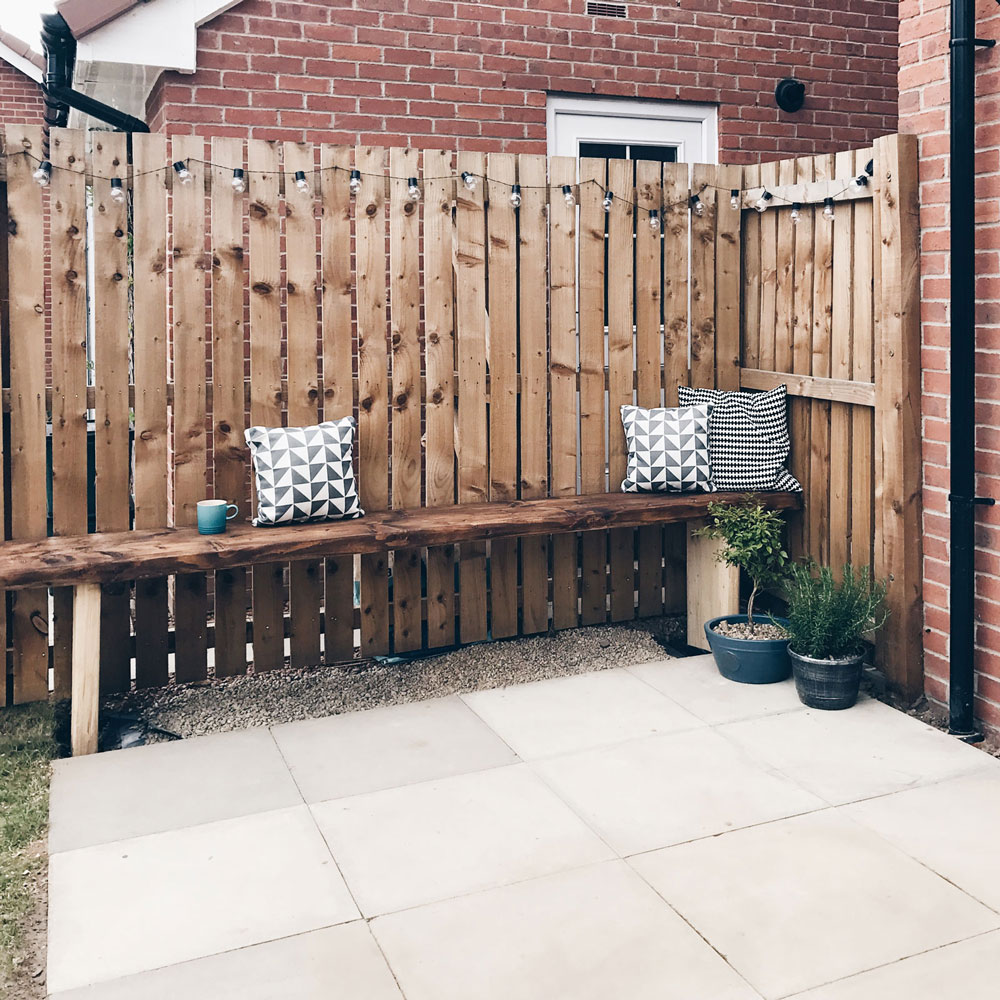
See how a DIY-er created this stylish outdoor kitchen full of clever storage solutions
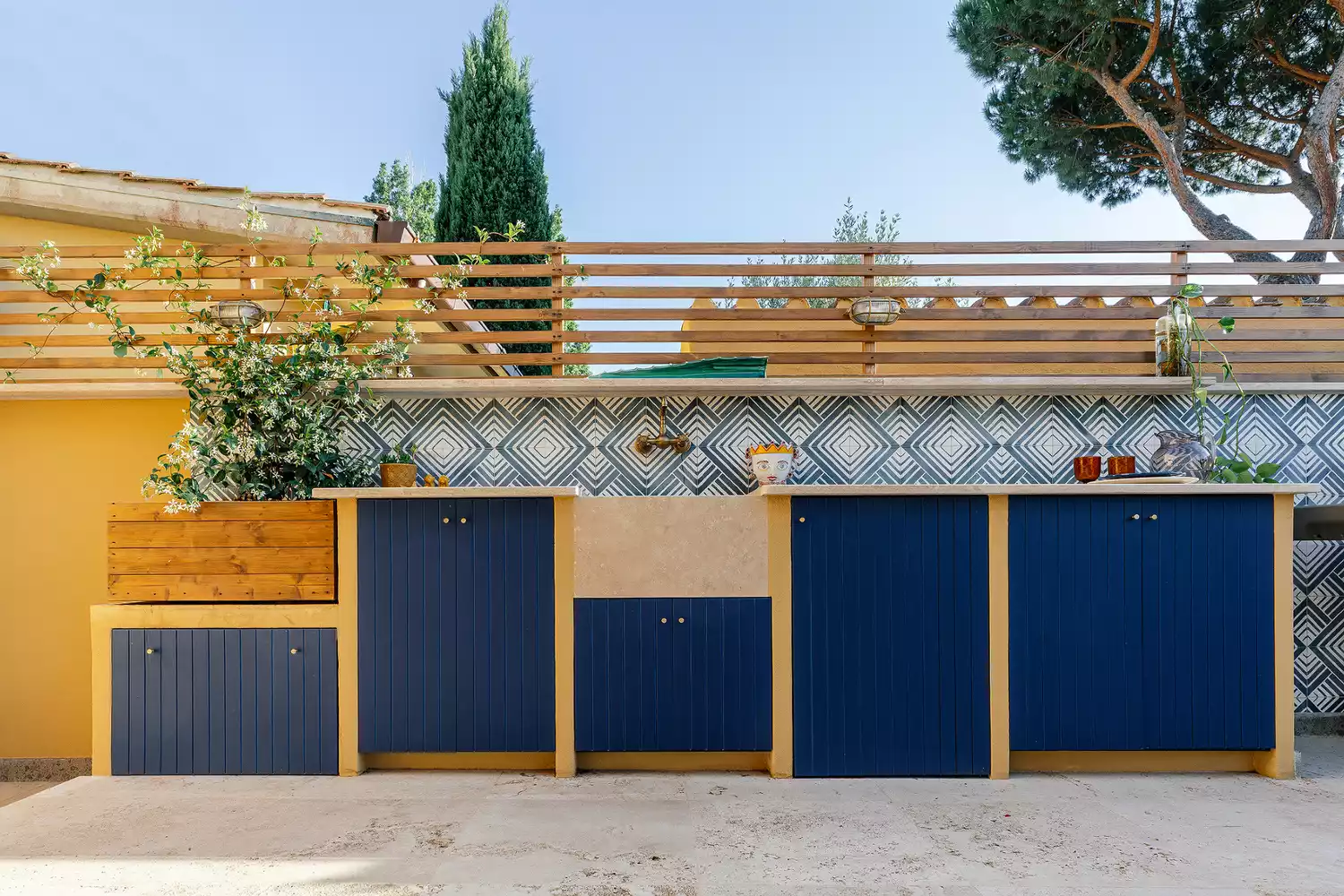
15 Outdoor Kitchen Plans With Cost-Effective Accents

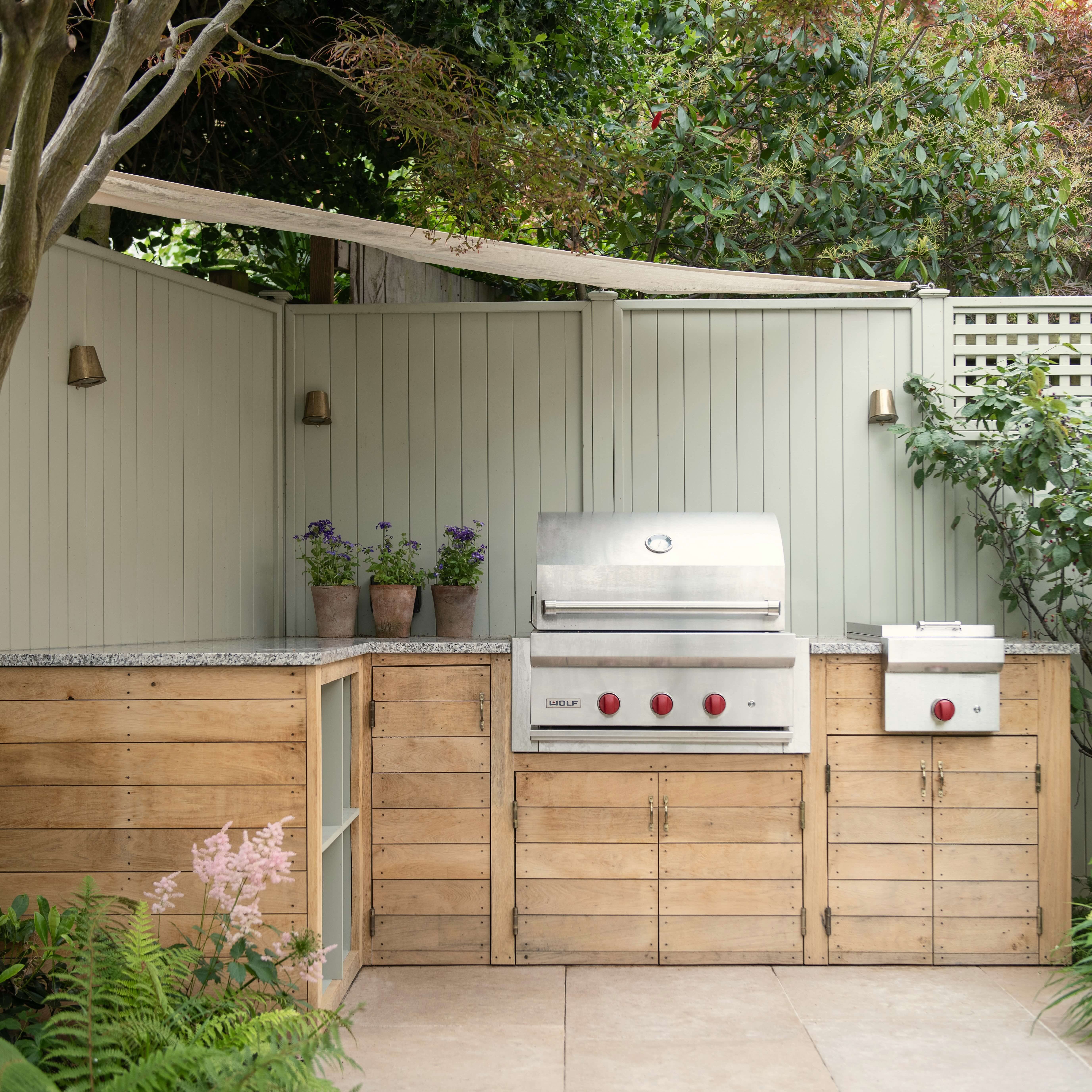
12 outdoor kitchen ideas for effortless summer dining in the garden
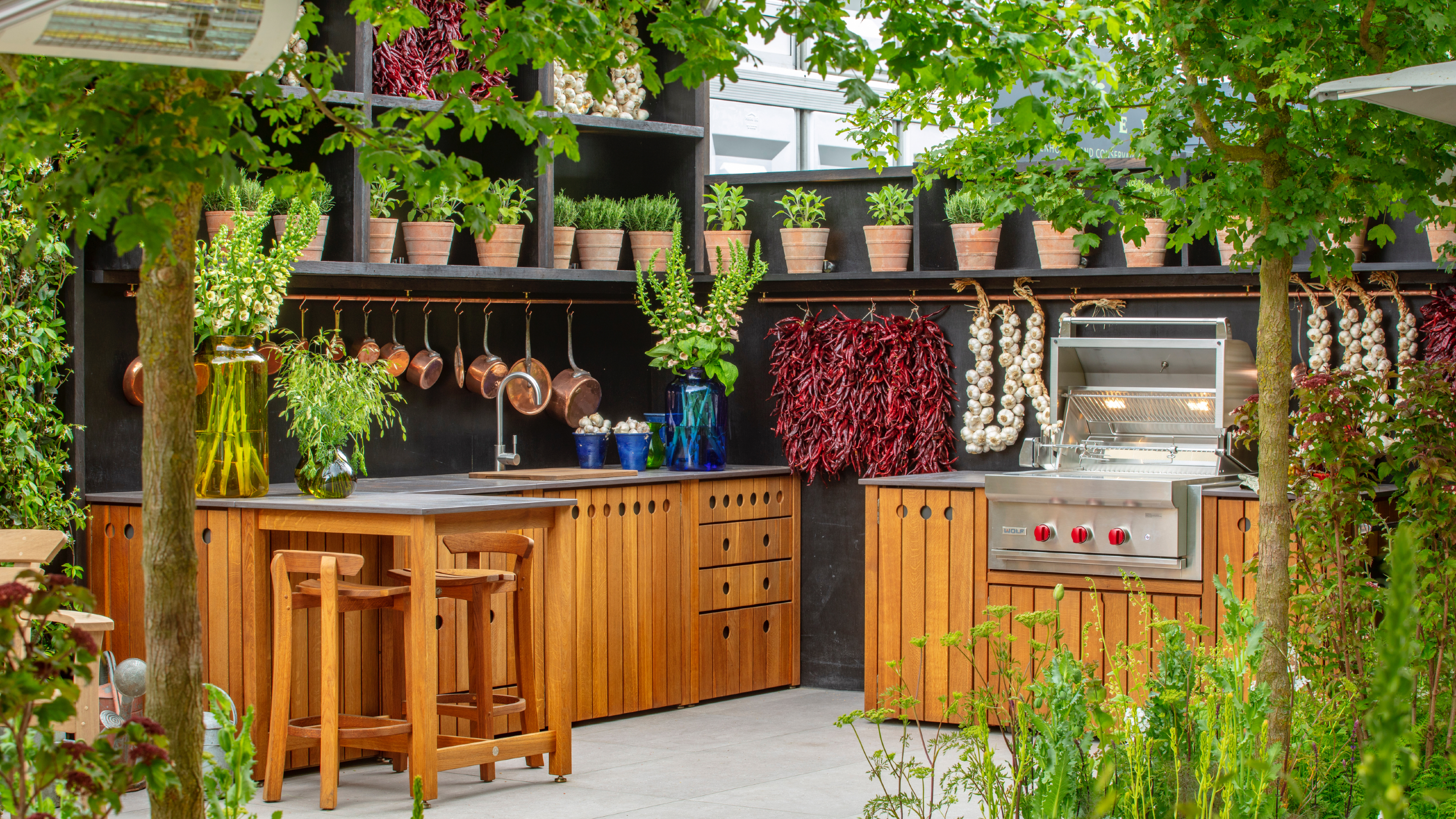
10 clever outdoor kitchen storage ideas to keep your space organised
9 Outdoor Kitchen Cabinet Setups That Rival Their Indoor Counterparts

These Outdoor Kitchen Ideas Will Have You Eating Outside All Year Long
Up Your Outdoor Entertaining With the Base Kitchen
Inside Out
Outdoor Kitchens By The Numbers