1/10
How sleek and stylish waterproof wall panels are taking on tiles
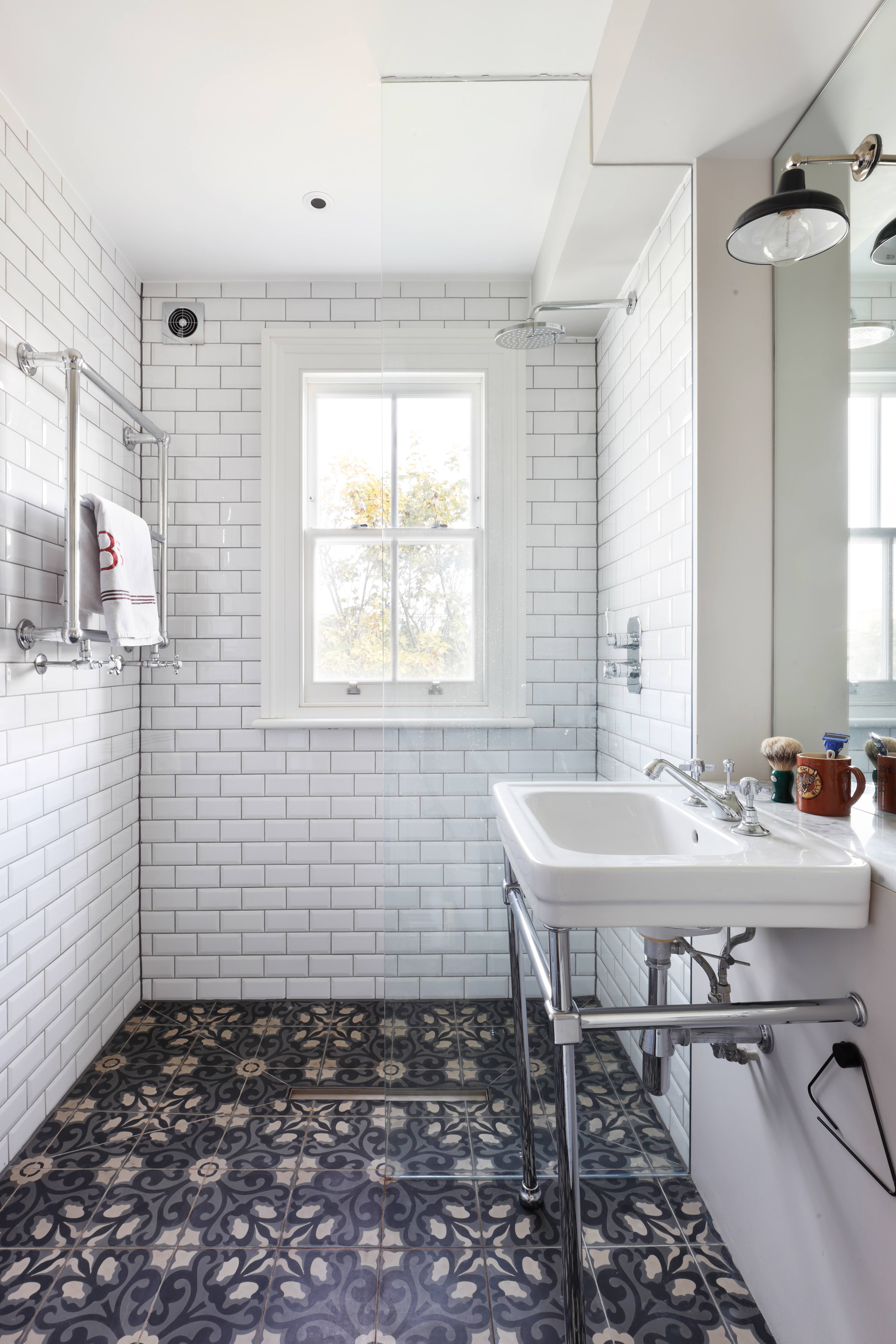
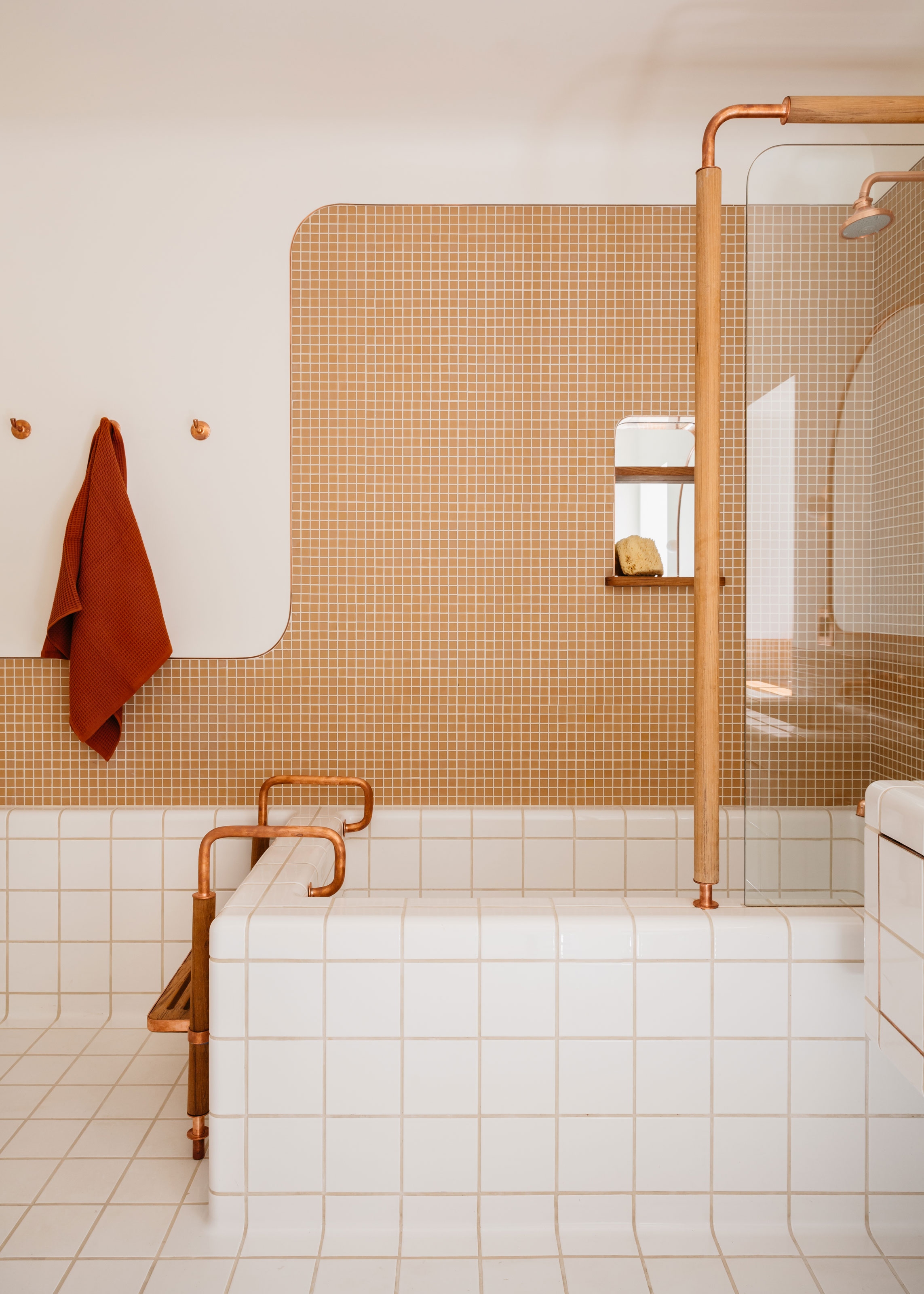
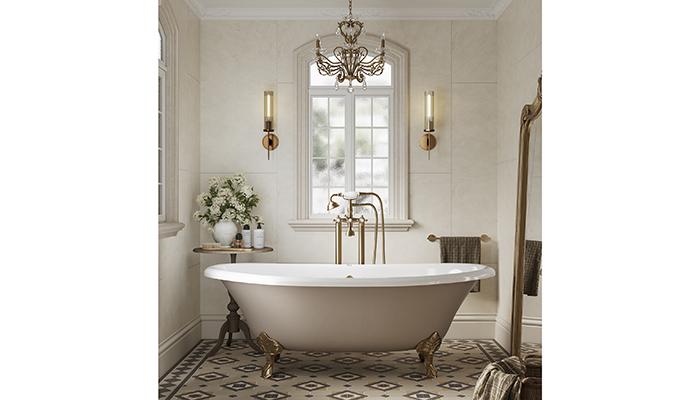
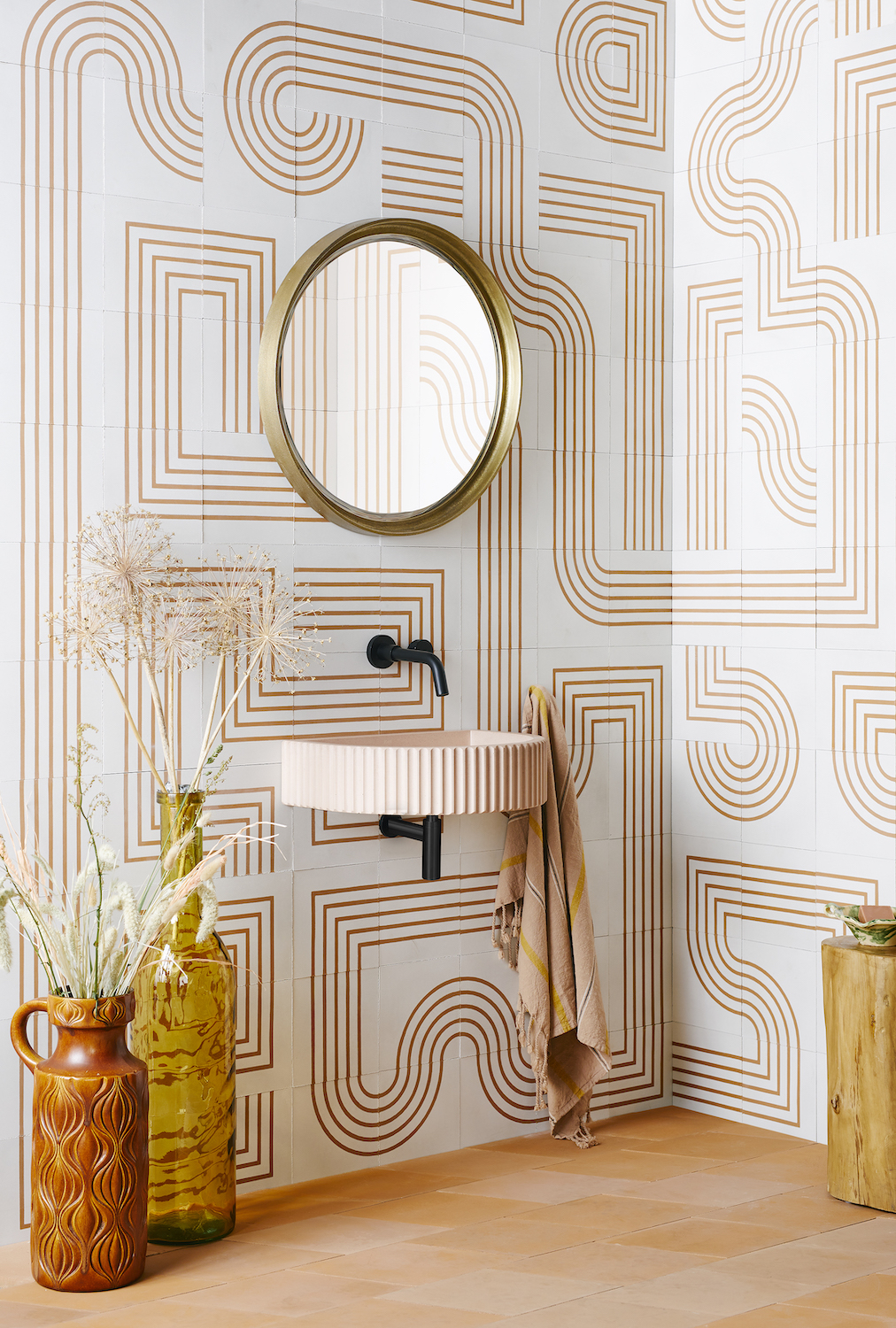
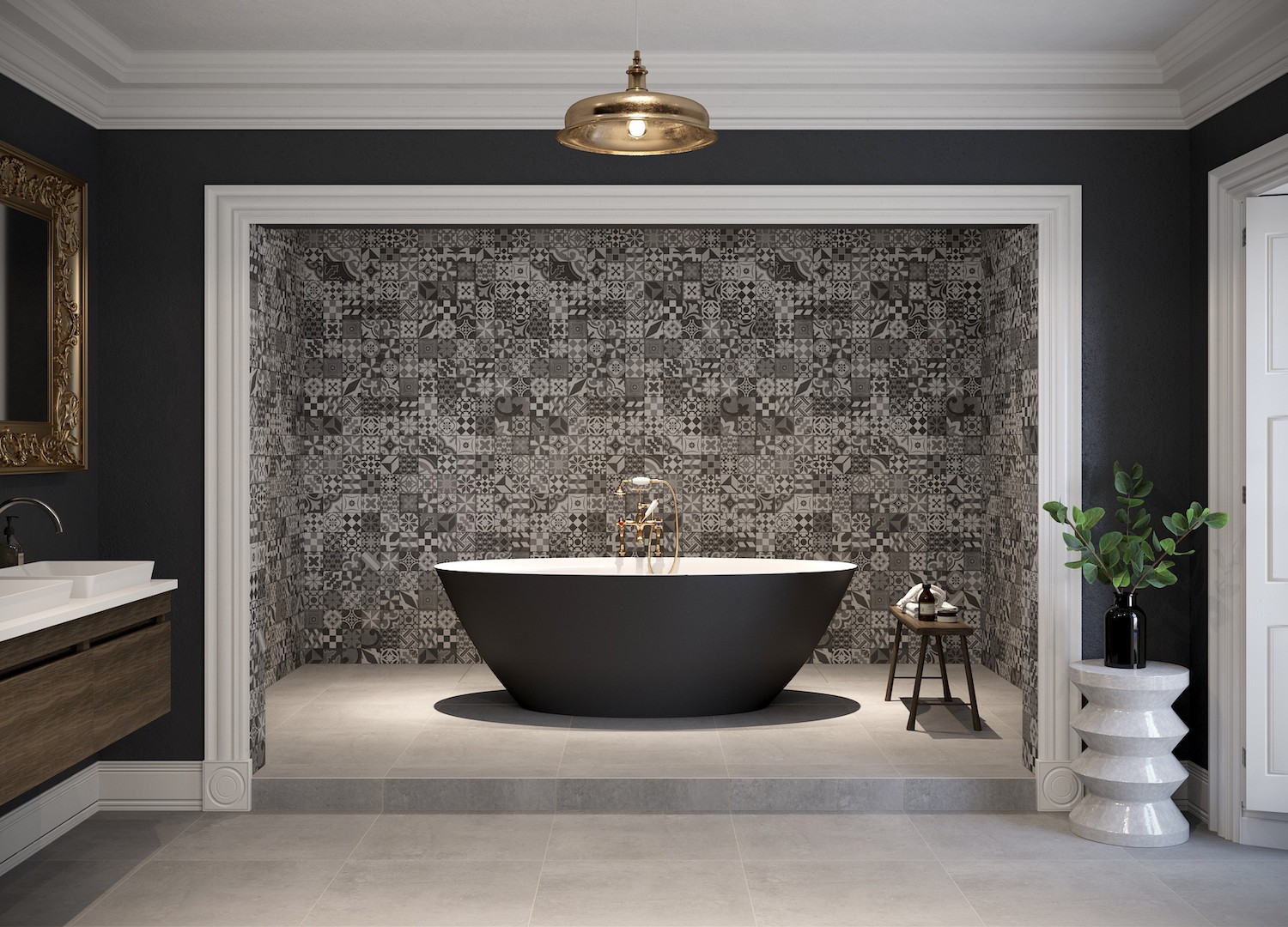
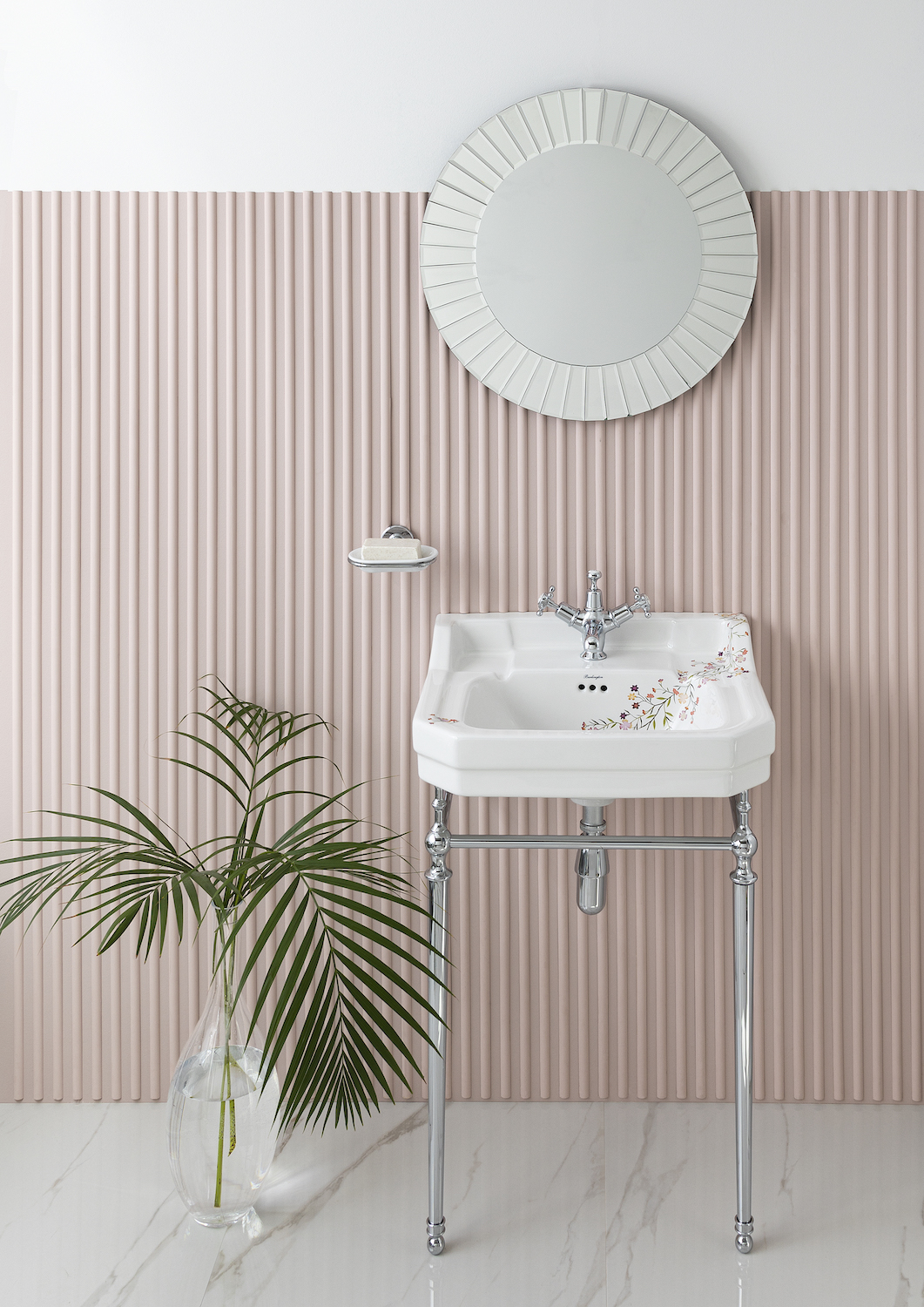
The perception of bathroom wall panels has undergone a significant transformation, evolving from a functional and cost-effective alternative to tiles into a stylish and highly sought-after design solution. This shift is reflected in robust sales figures and increasing consumer interest, even amidst broader market challenges within the kitchen, bathroom, and bedroom (KBB) sector. Initially viewed as a less appealing substitute for traditional tiling, modern wall panels now boast advanced design and finish capabilities that allow them to compete directly with tiles from an aesthetic standpoint.
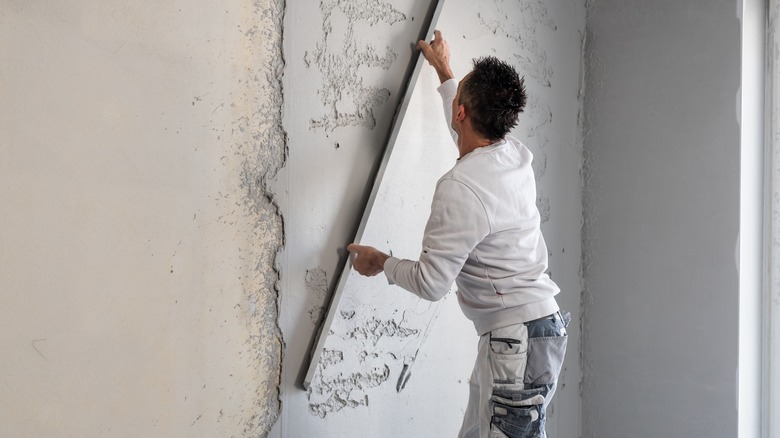
Several factors contribute to the rising popularity of waterproof wall panels. One primary advantage is their ease and speed of installation, often taking two to four times less time than traditional tiling. This is particularly beneficial given the ongoing shortage of skilled tradespeople, as panels typically require minimal mess and specialized expertise. Furthermore, the grout-free nature of wall panels addresses a key concern for homeowners: maintenance. Without grout lines, panels are inherently more hygienic, easier to clean, and less prone to issues like staining, mould, and mildew, which are common problems with natural stone or tiled surfaces.
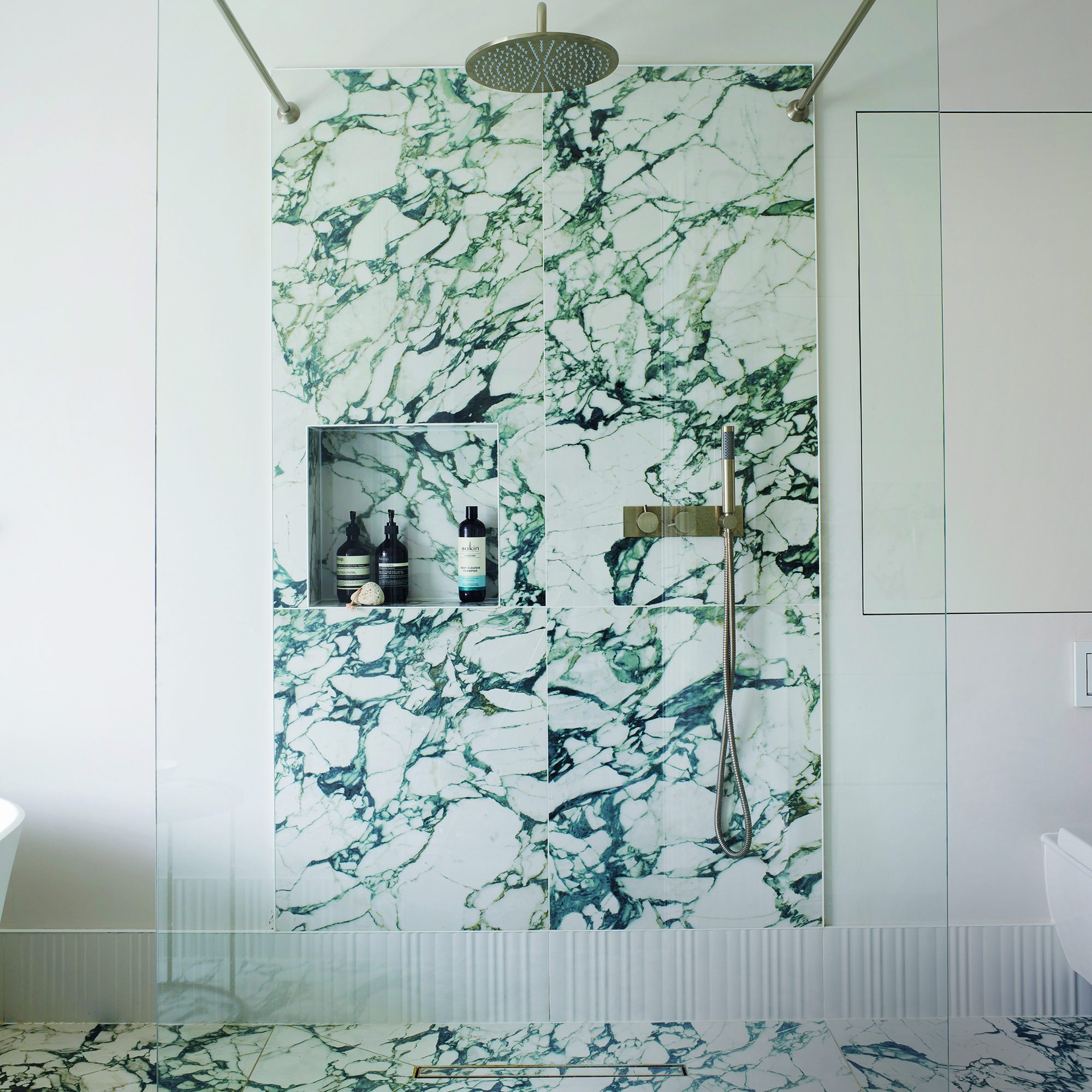
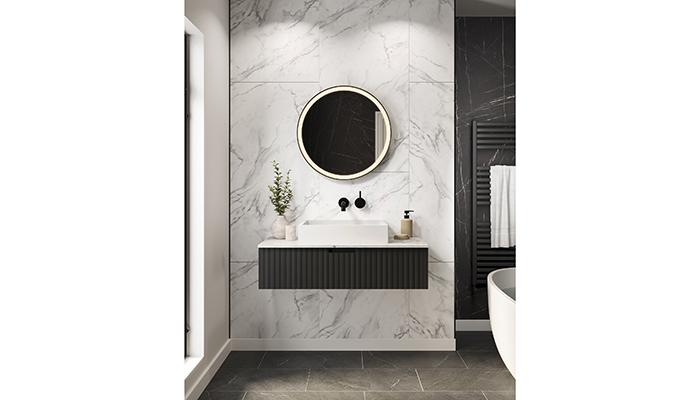
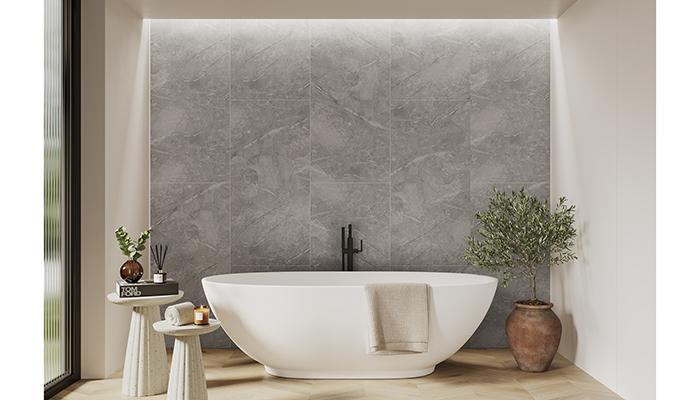
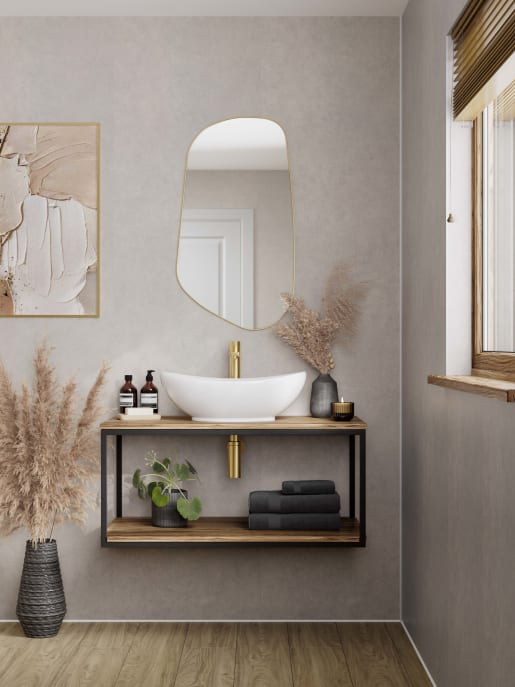
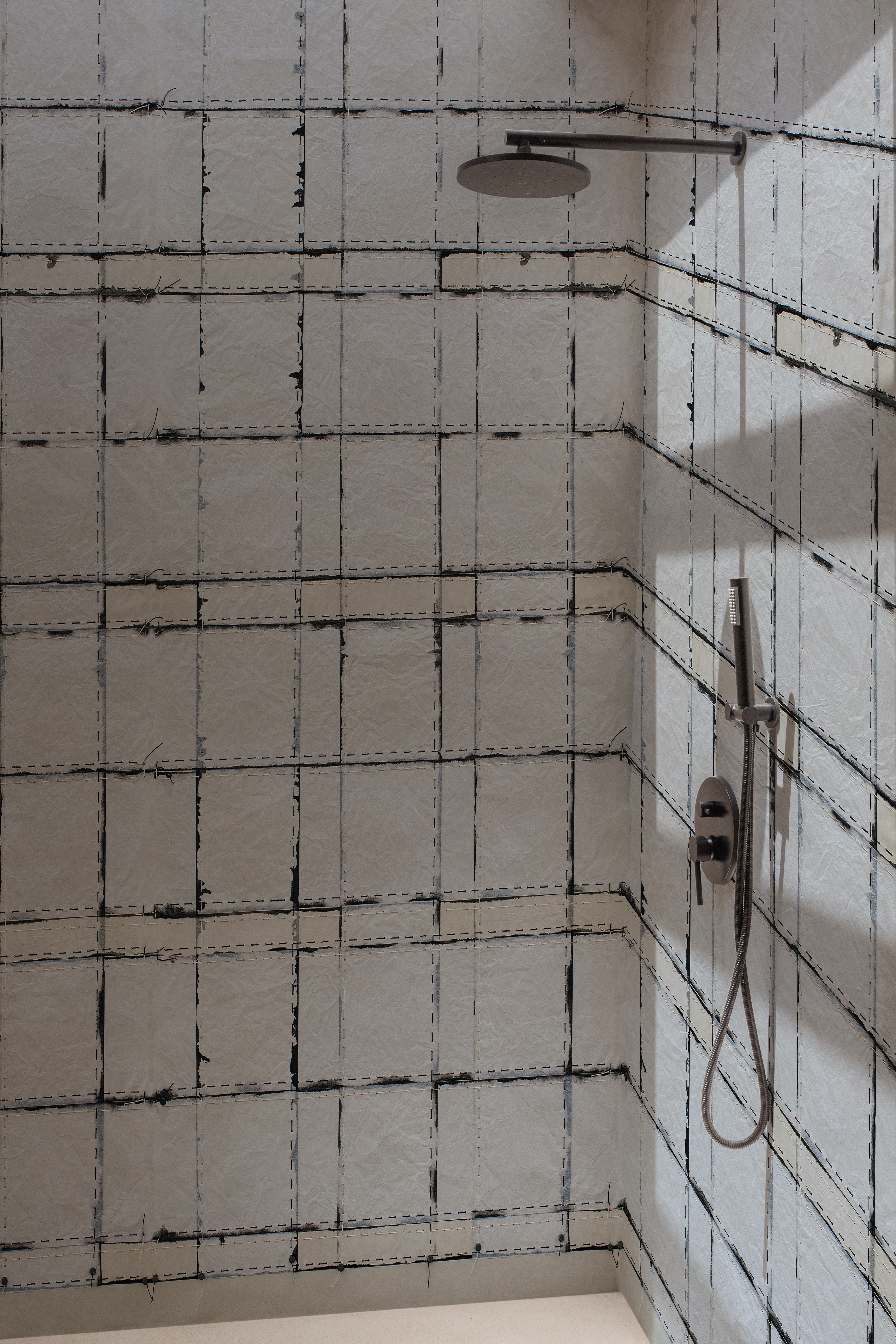
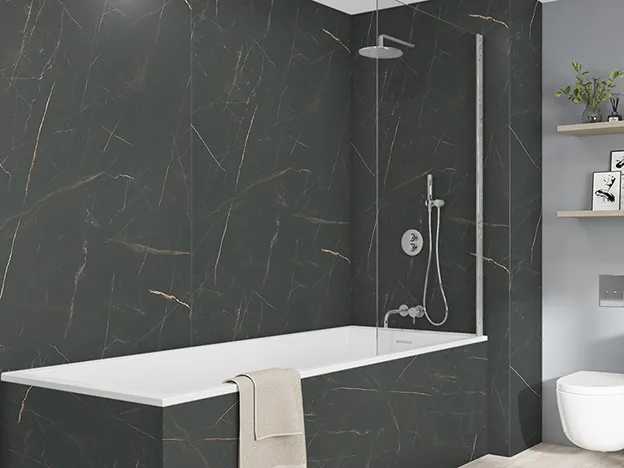
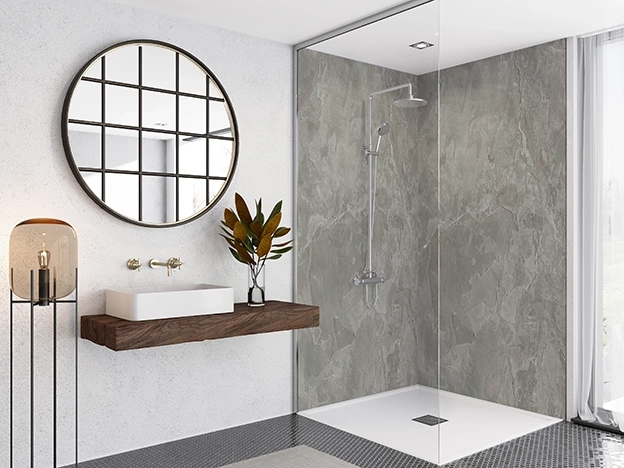
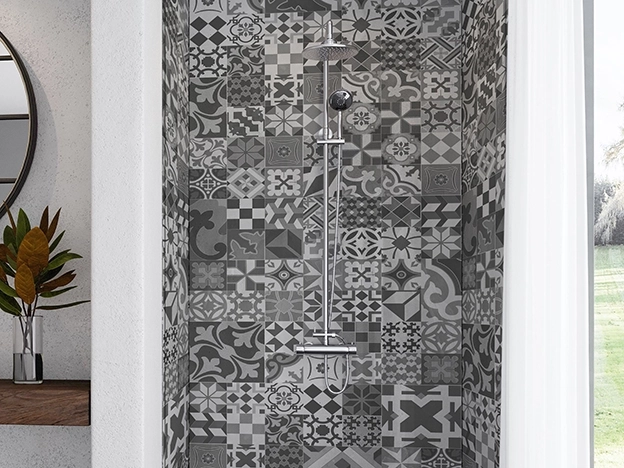
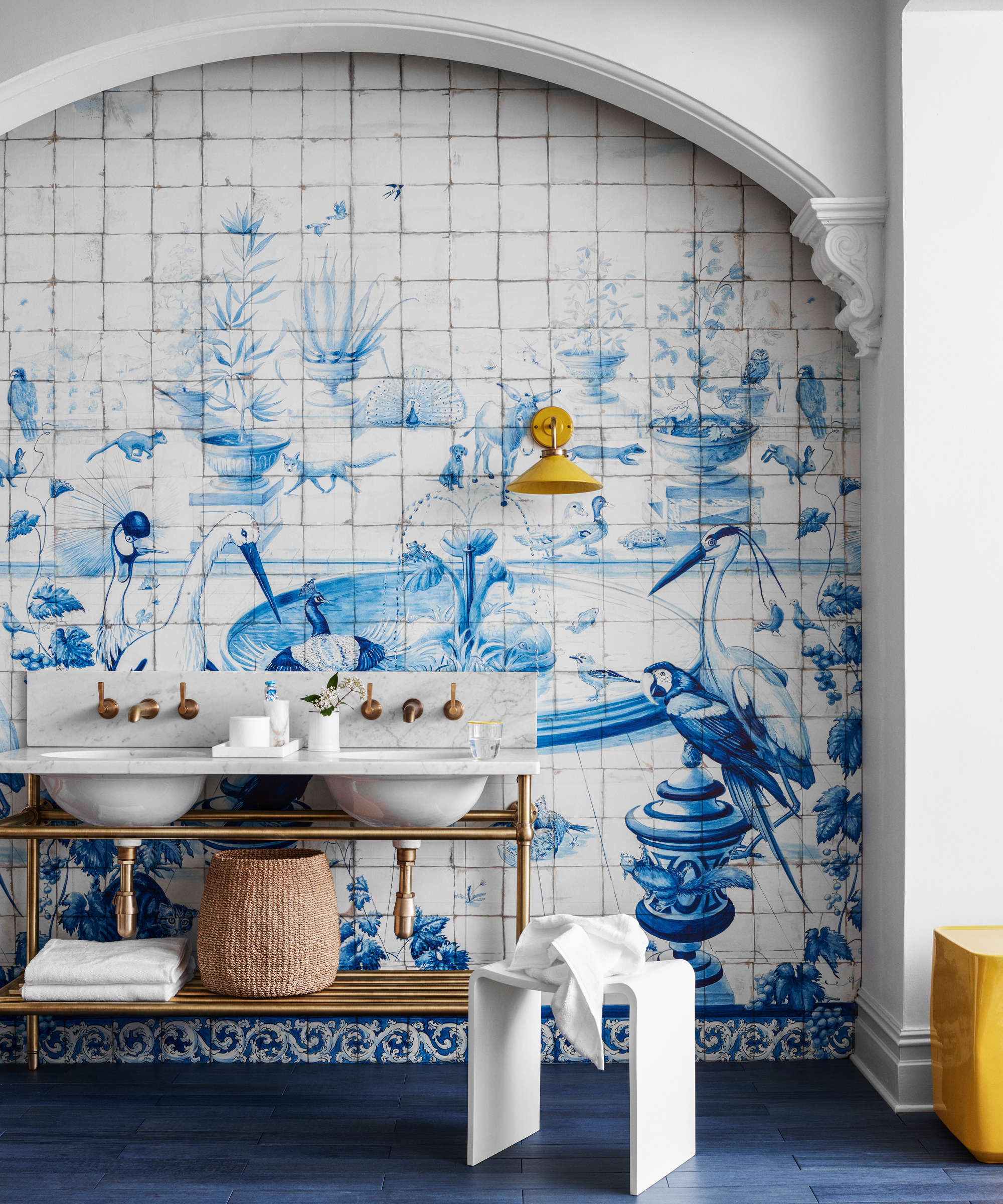
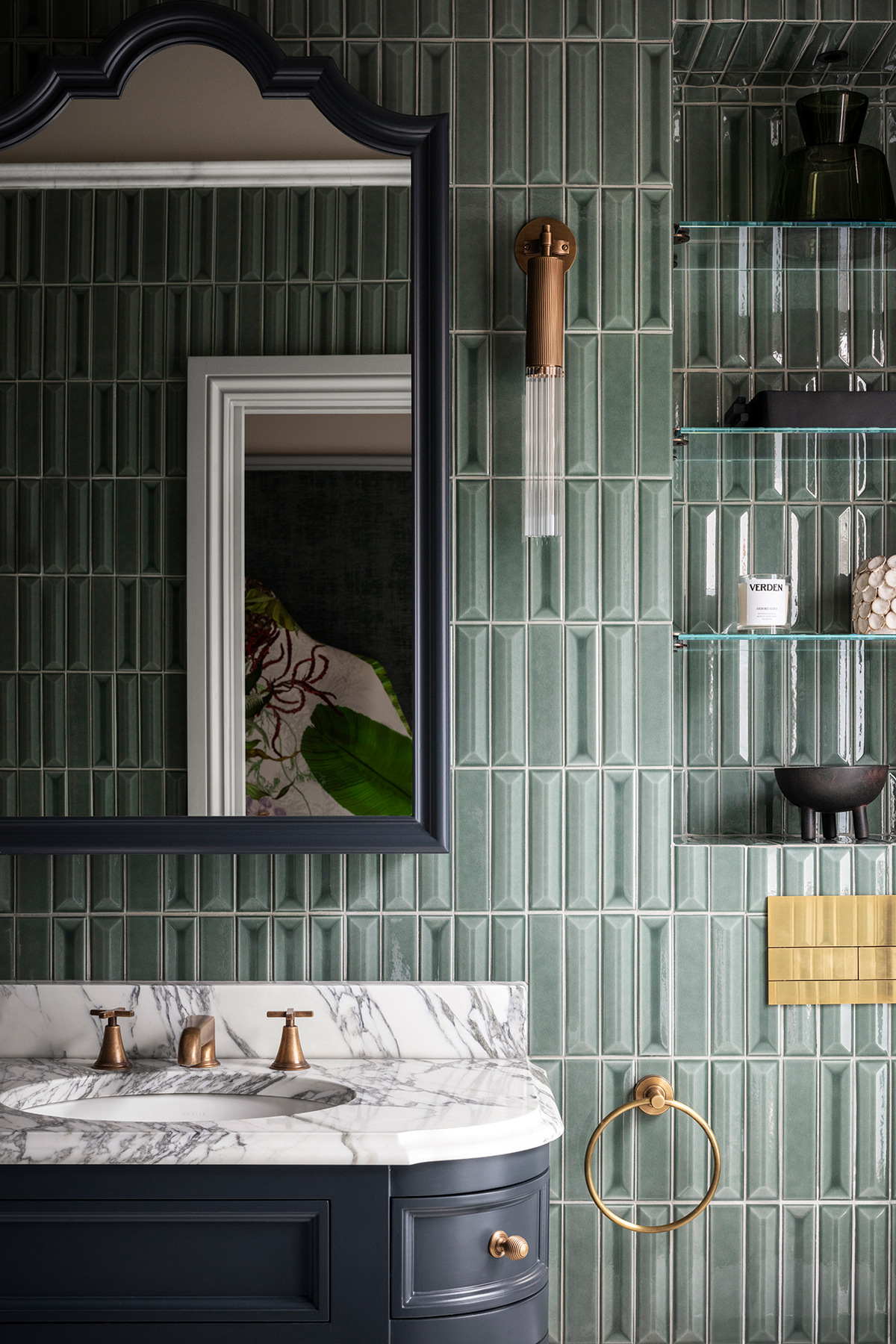
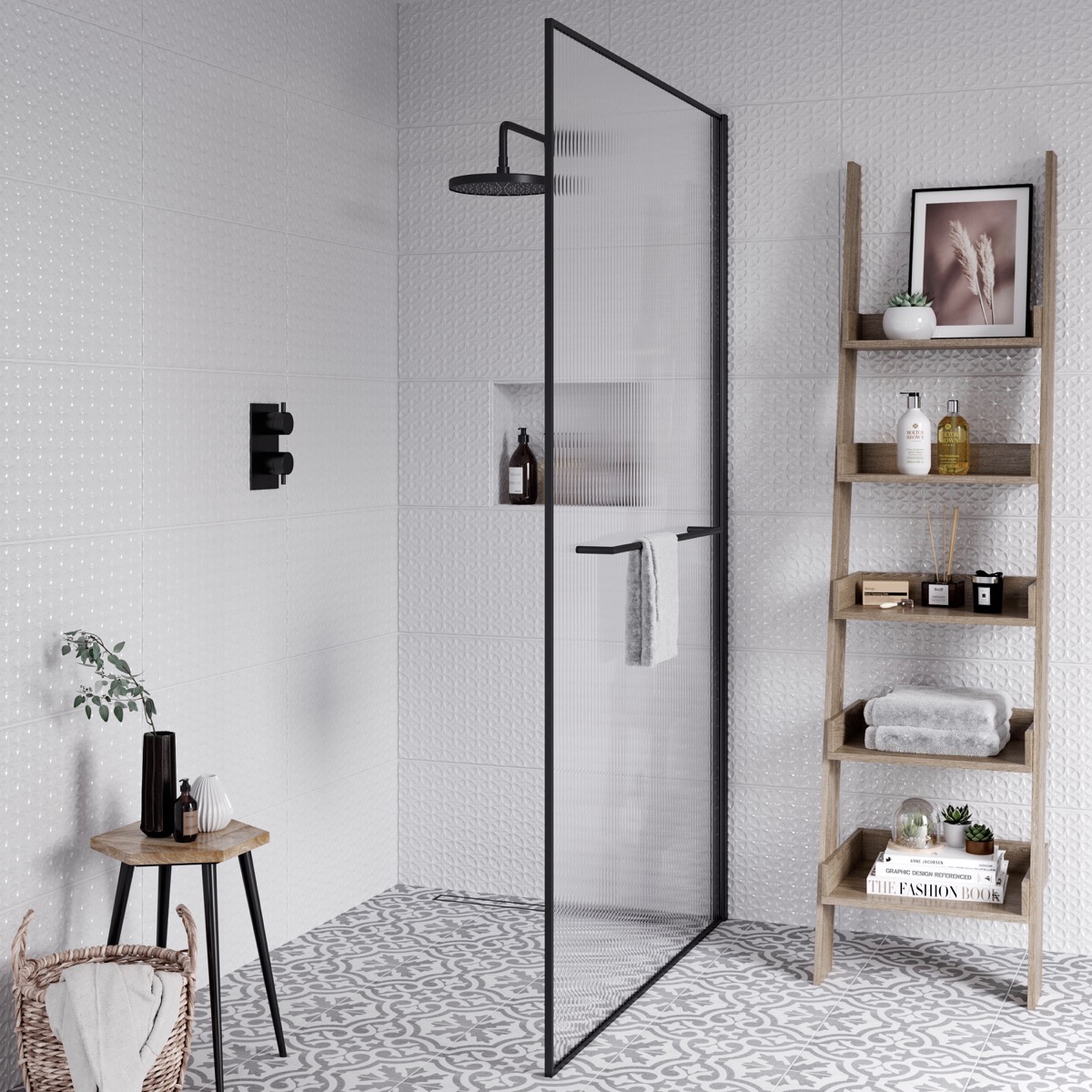

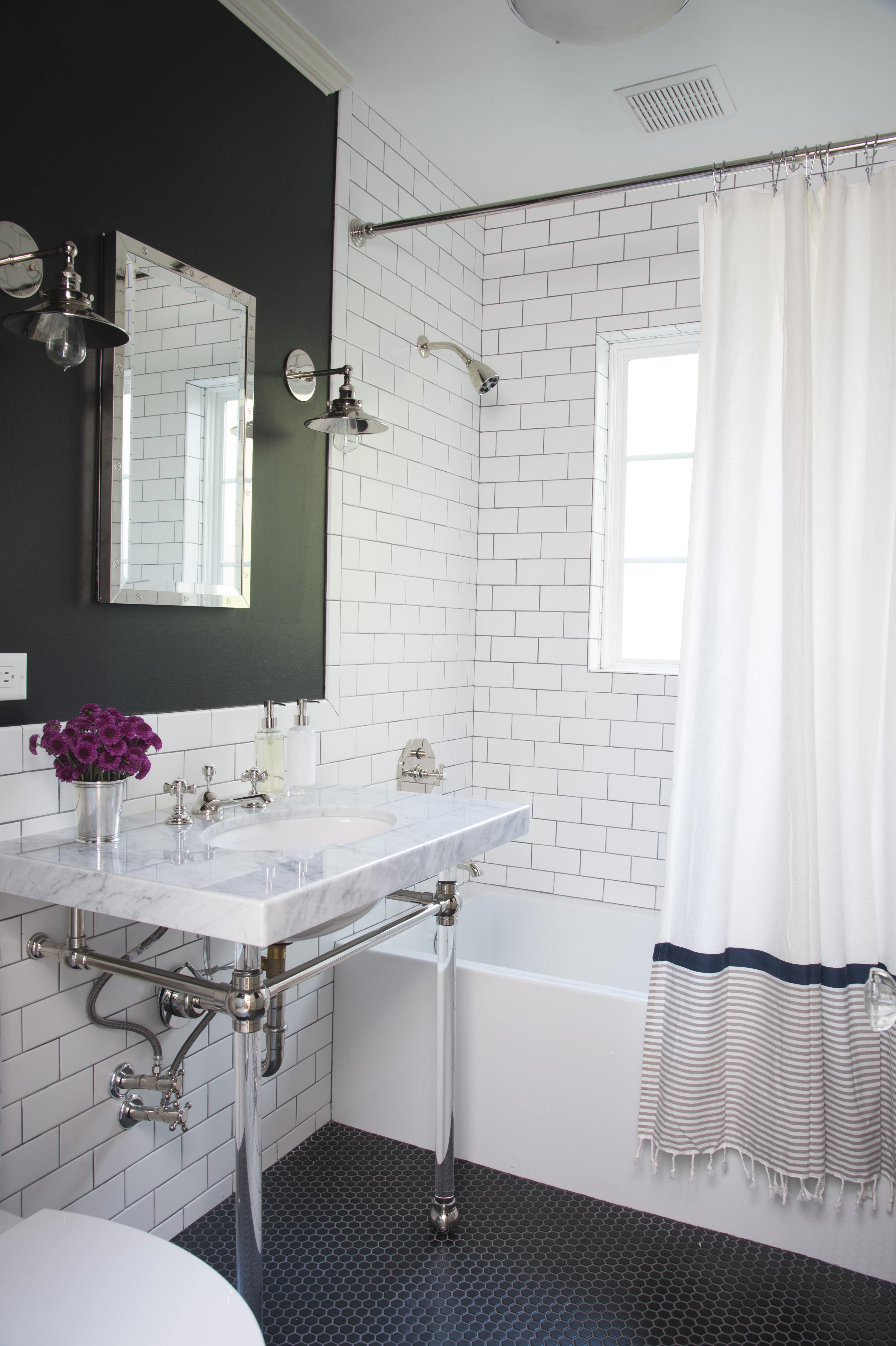
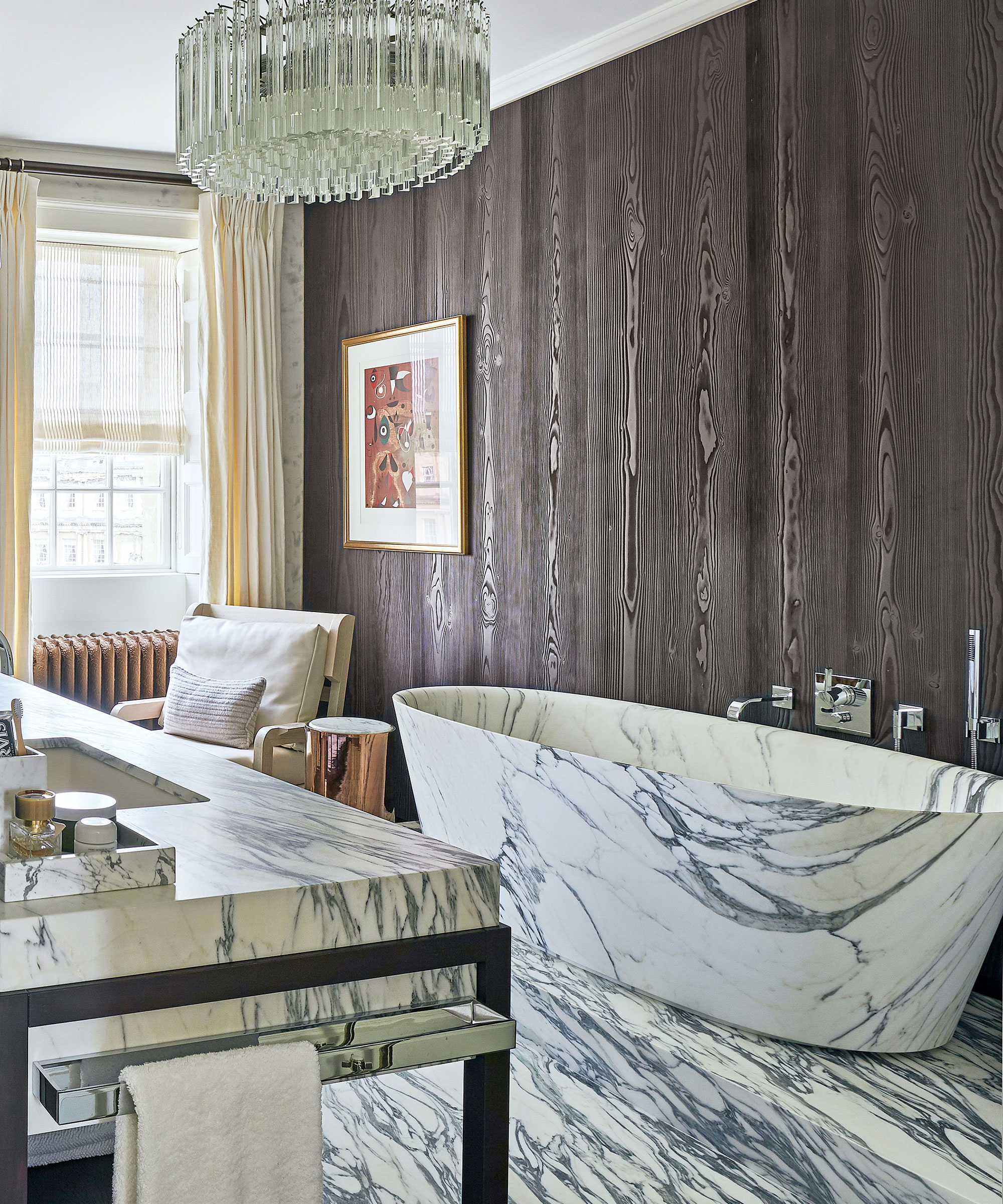
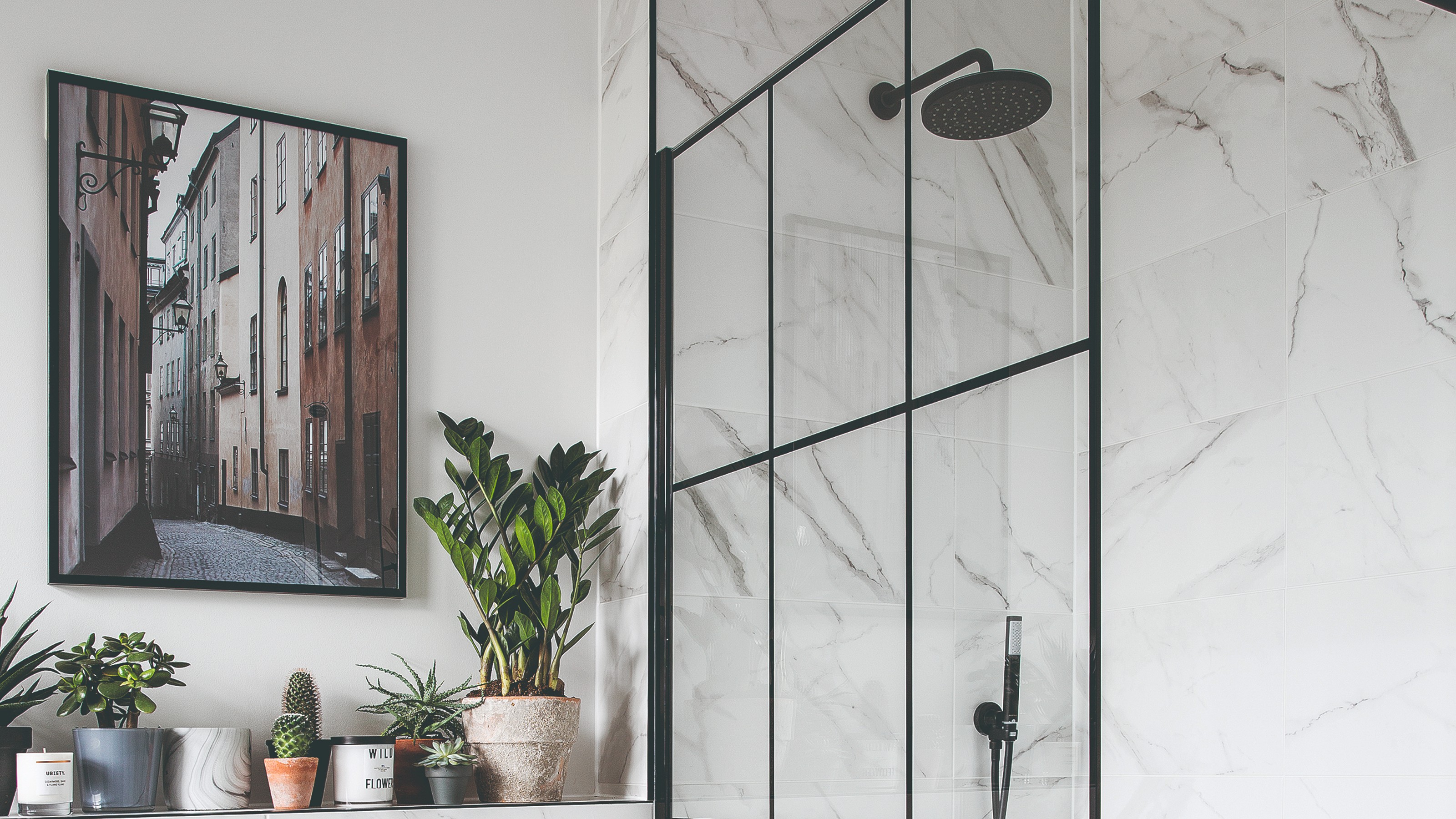
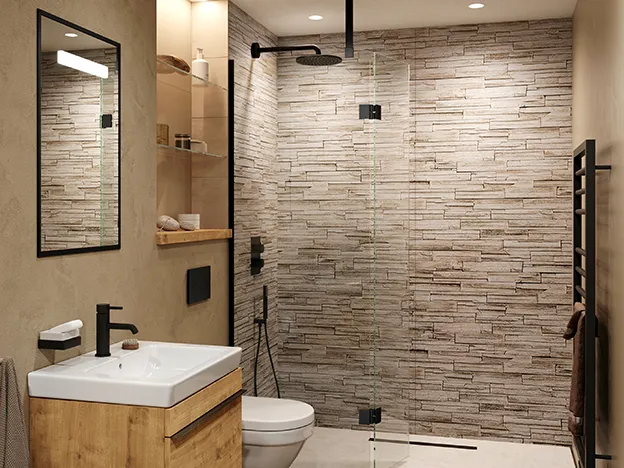
Technological advancements in print and material science have played a crucial role in enhancing the aesthetic appeal of these panels. Manufacturers are now able to replicate the natural beauty and intricate veining of marble, stone, and even popular tile effects, such as subway tiles, with remarkable realism. These designs are available in various textures, including gloss, matte, and tactile embossed finishes, offering a luxurious look without the drawbacks associated with natural materials, such as susceptibility to stains or extensive ongoing maintenance.
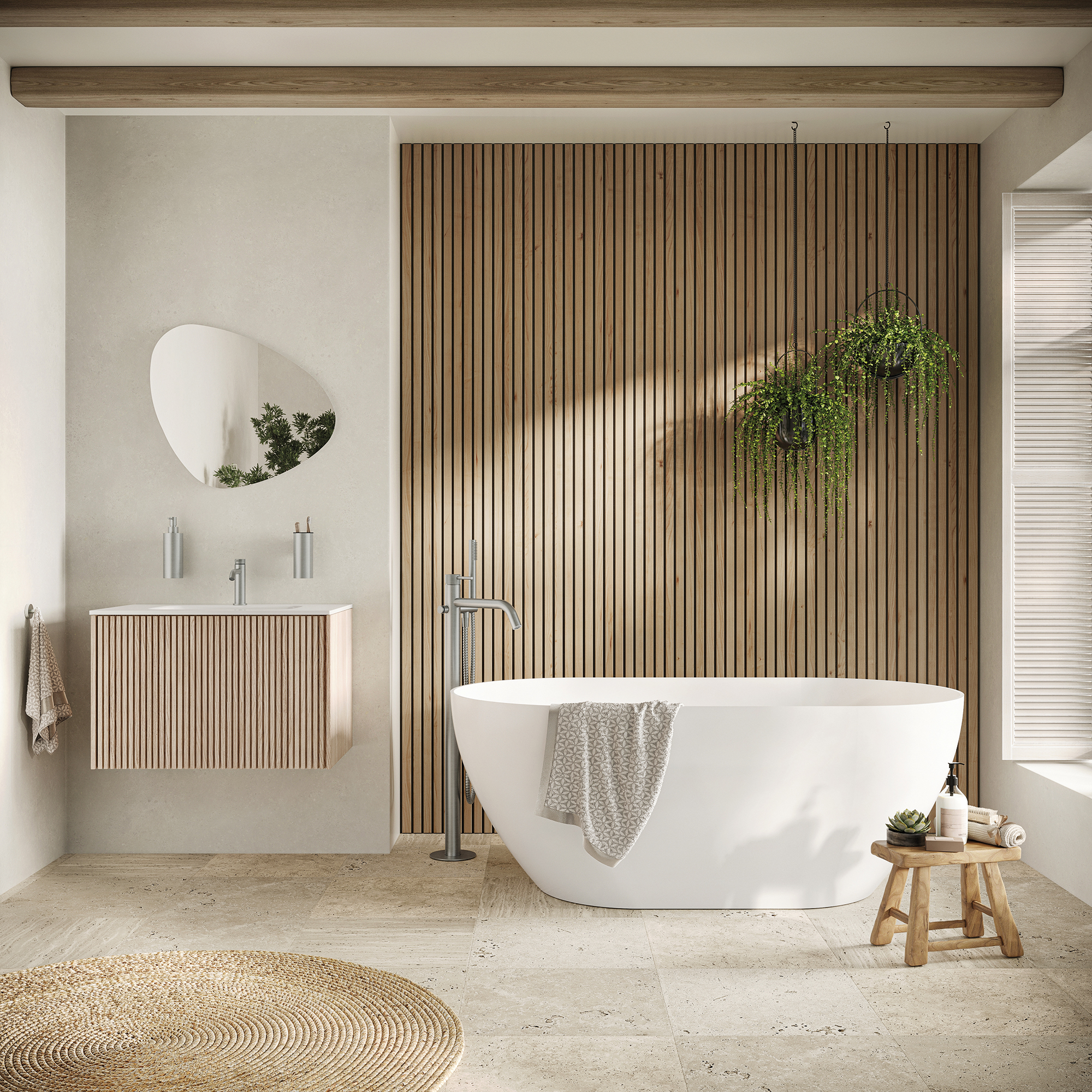
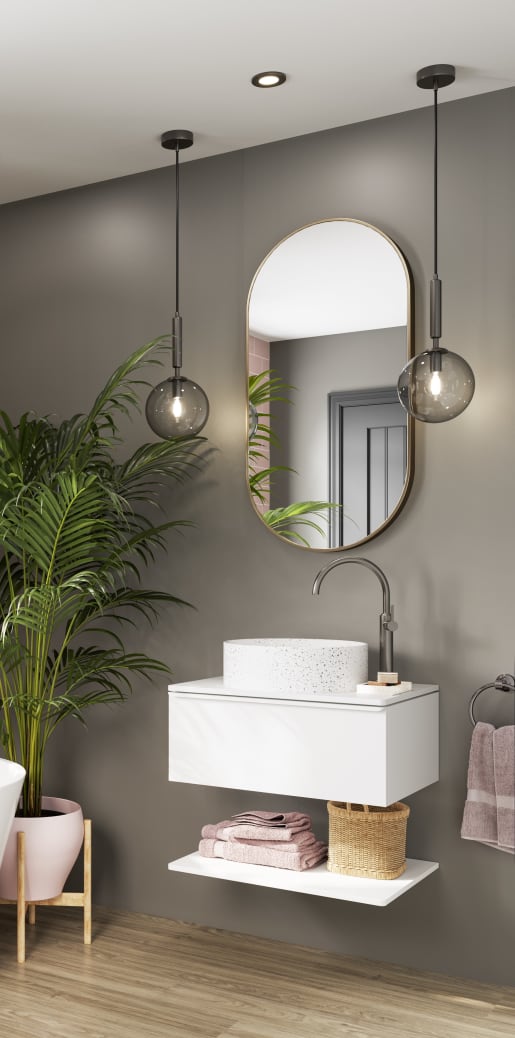
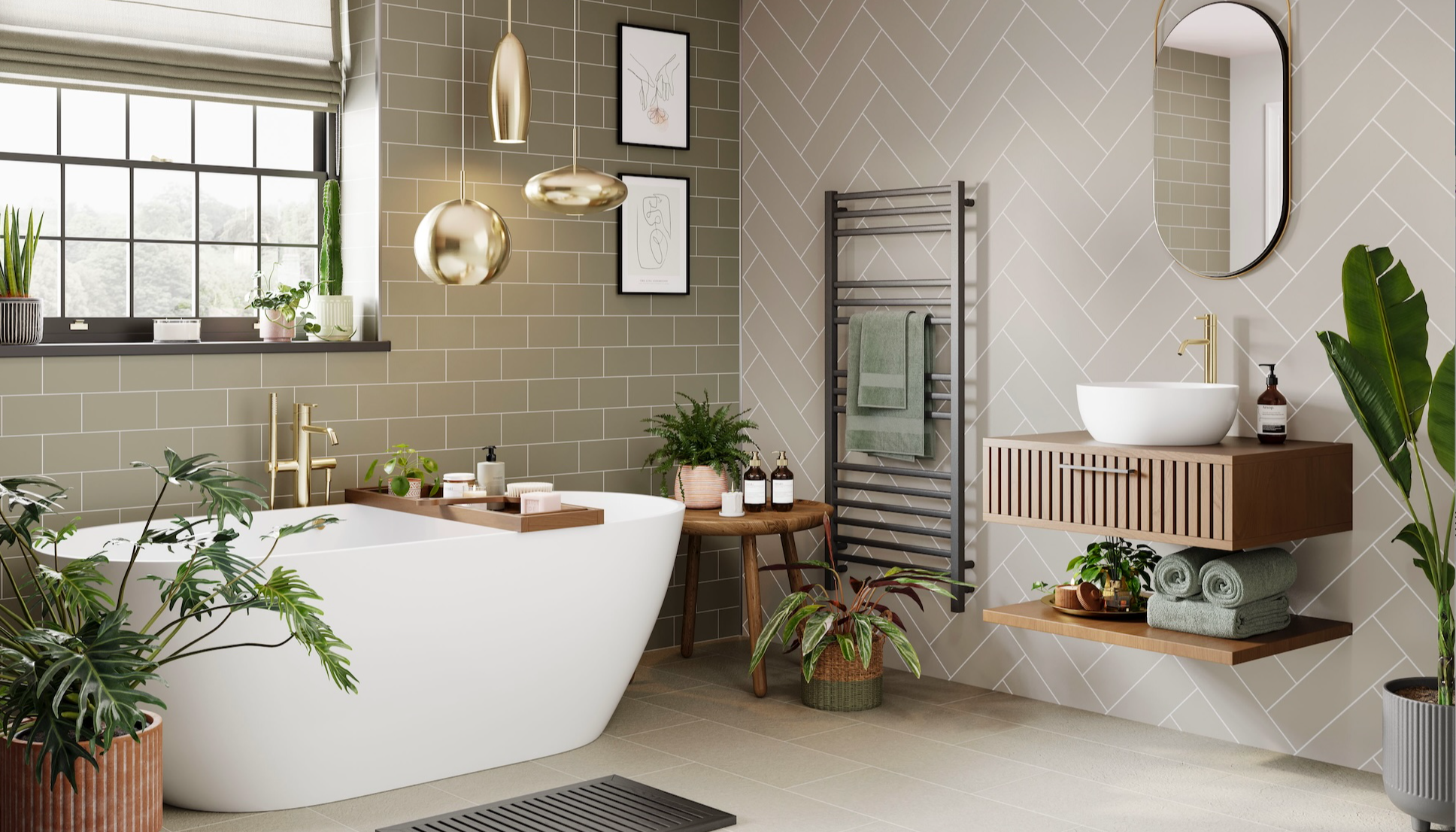
Leading suppliers like Waterline, Showerwall, Multipanel, PJH, and Wetwall have embraced this trend by expanding their product portfolios to include sophisticated wall panel collections. These companies report consistent growth in sales and highlight consumer demand for designs that reflect current interior trends, such as spa-inspired bathrooms and biophilic aesthetics. The ability to create seamless, high-end finishes that promote wellness and allow for personalized designs is a significant driver of market growth. For instance, panels that mimic coloured marbles and onyx are becoming increasingly popular, catering to the desire for sophisticated and serene bathroom environments.
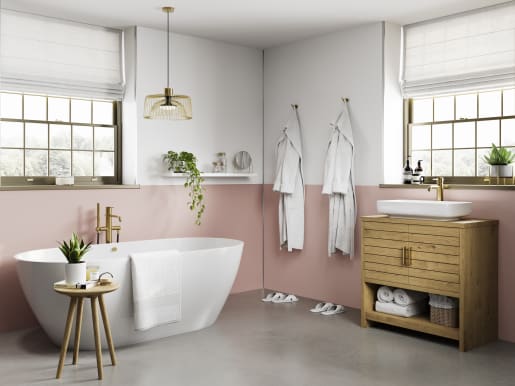
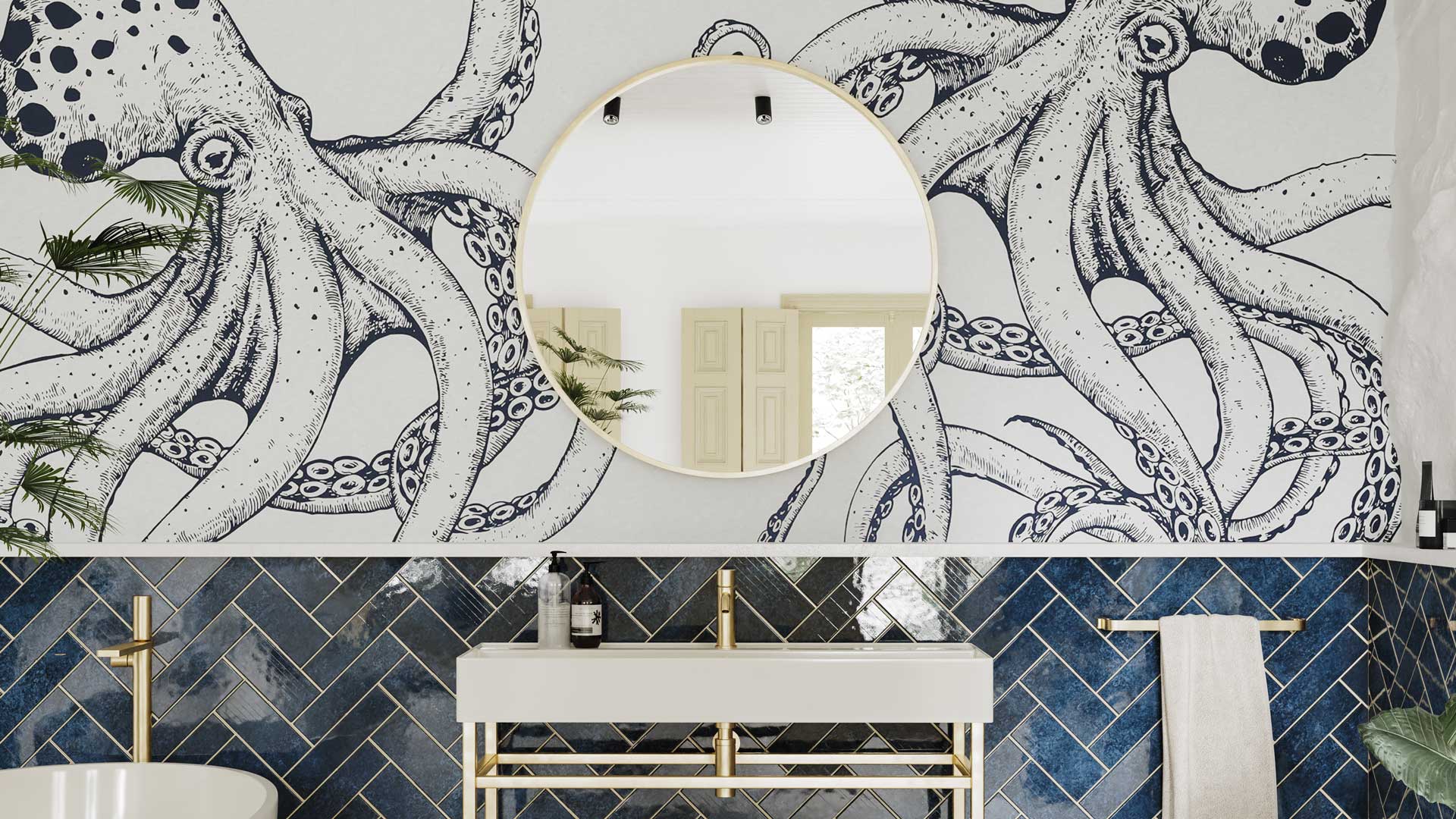
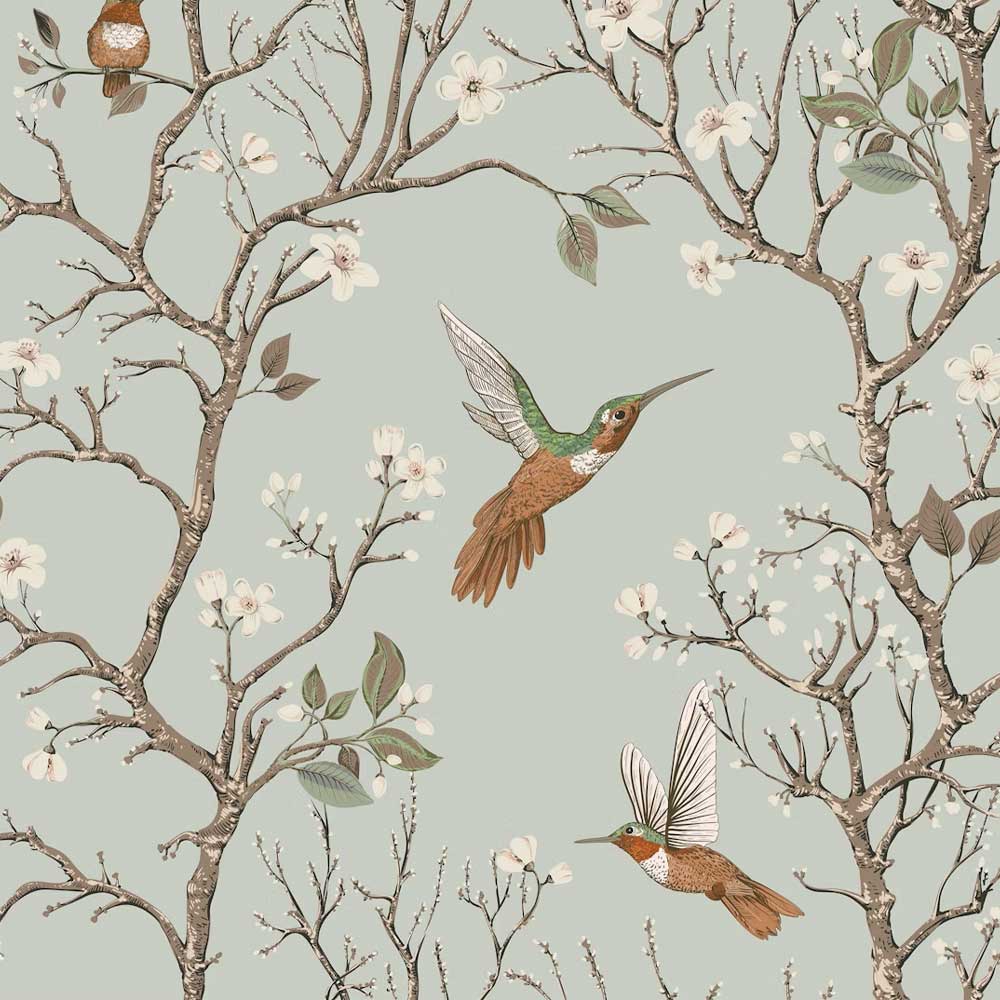
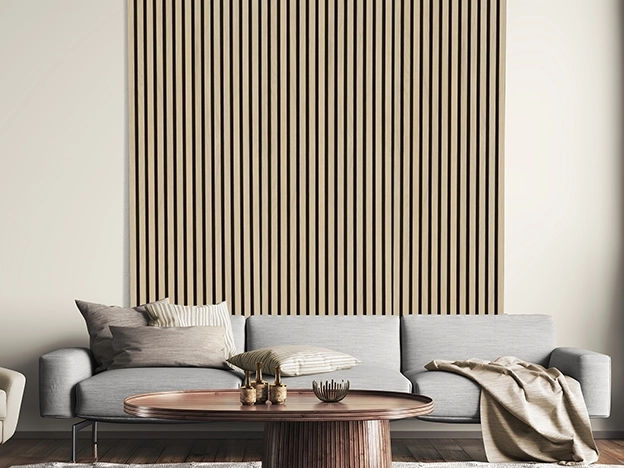
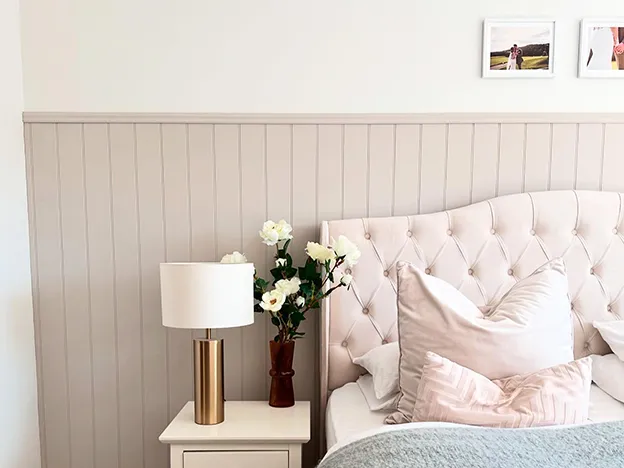
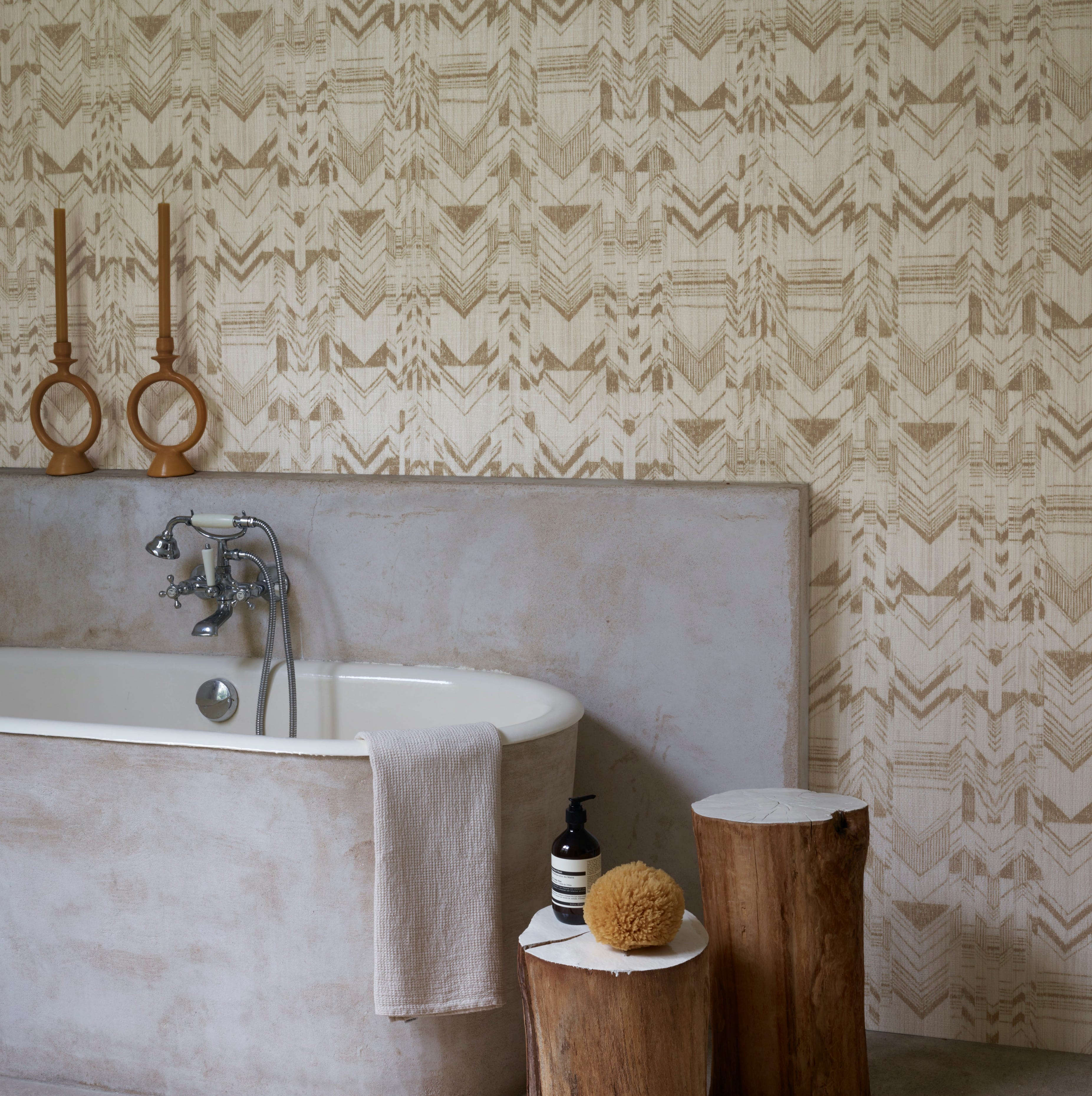
While wall panels are gaining considerable traction, experts believe they are not necessarily replacing tiles but rather offering a smart, flexible, and complementary alternative. Tiles will always hold a place in interior design, but wall panels provide a distinct proposition: minimal preparation, reduced installation mess, and a high-end, seamless surface that aligns with contemporary living and renovation preferences. The future of bathroom wall panelling is expected to see continued innovation in design, with possibilities for panels mimicking wallpaper, decorative surfaces, and architectural materials. There is also growing interest in mixed-material applications, such as half-height panels combined with paint or wallpaper, and an increasing focus on sustainability in both materials and manufacturing processes, further underscoring the dynamic and evolving nature of this market segment.
#bathroomDesign #wallPanels #waterproofPanels #homeRenovation #interiorDesignTrends #bathroomFinishes #tileAlternatives #hygienicSurfaces #designInnovation #bathroomDesign #wallPanels #waterproofPanels #homeRenovation #interiorDesignTrends #bathroomFinishes #tileAlternatives #hygienicSurfaces #designInnovation
0 comment in total
 No comments yet
You may also like
These bathroom tile alternatives will give you an equally on-trend look - without the hassle of grout
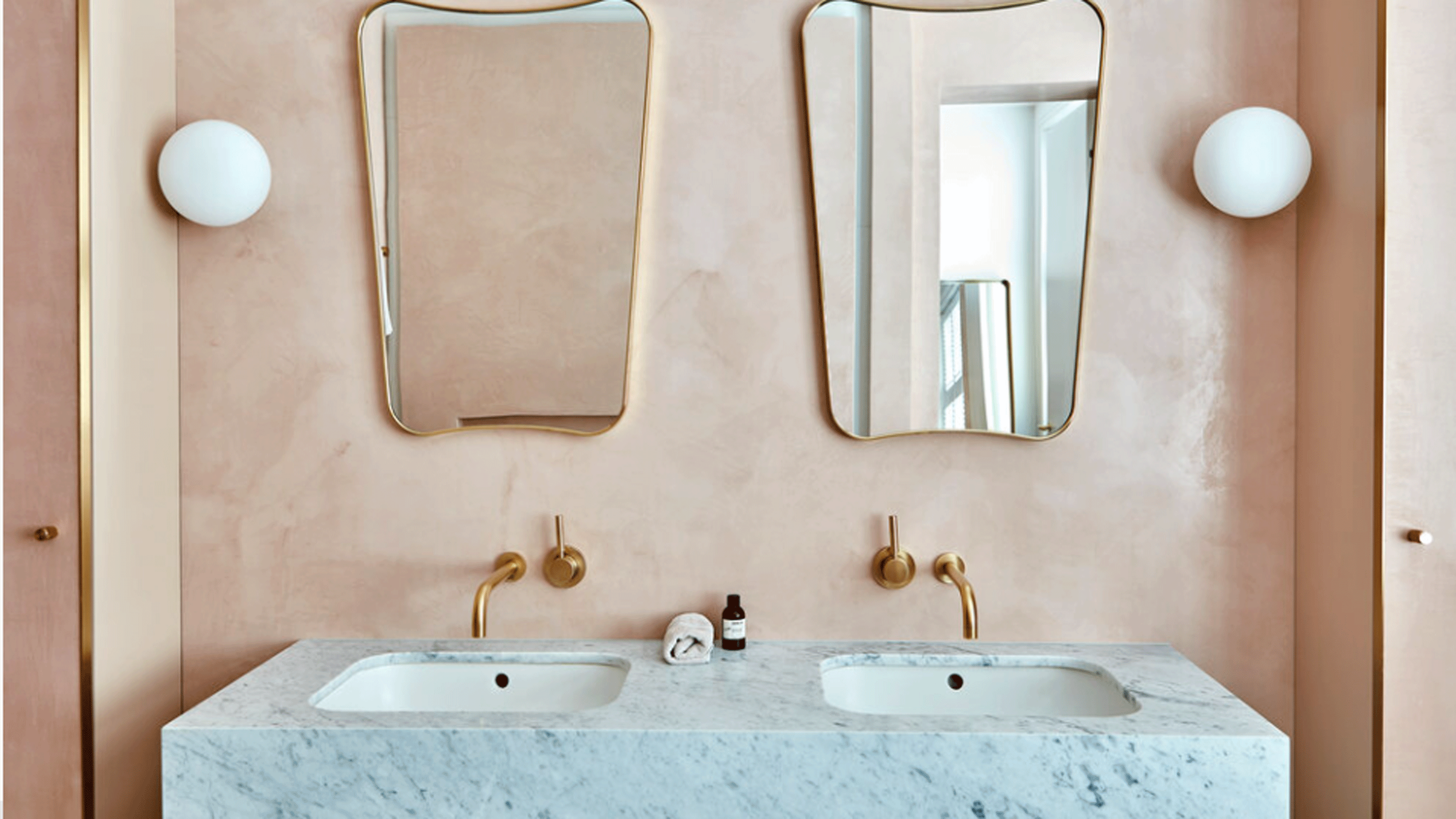
Bathroom wall ideas – 10 fresh ways to breathe life into your bathroom walls

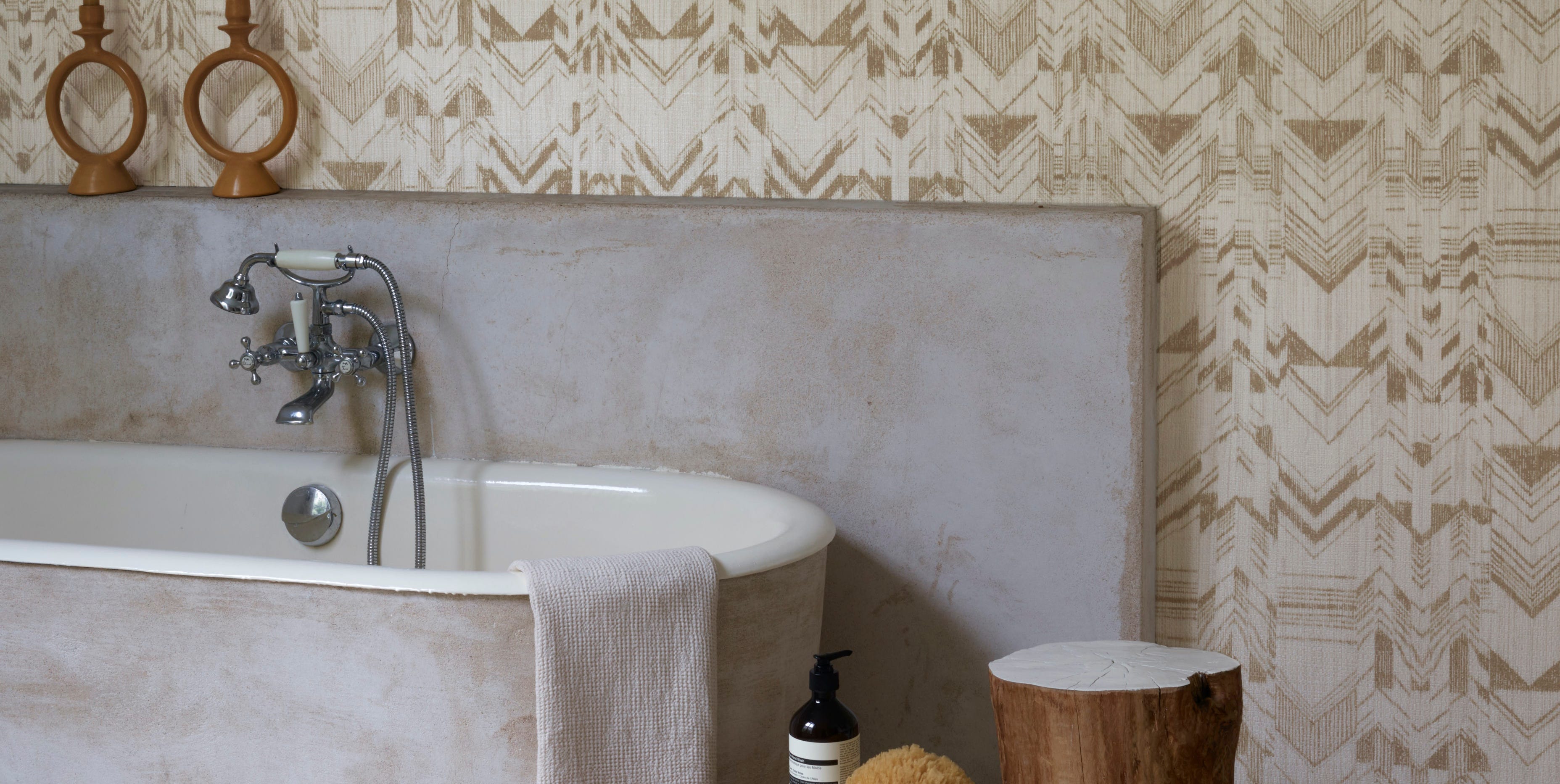
13 of the best wallpapers for bathrooms

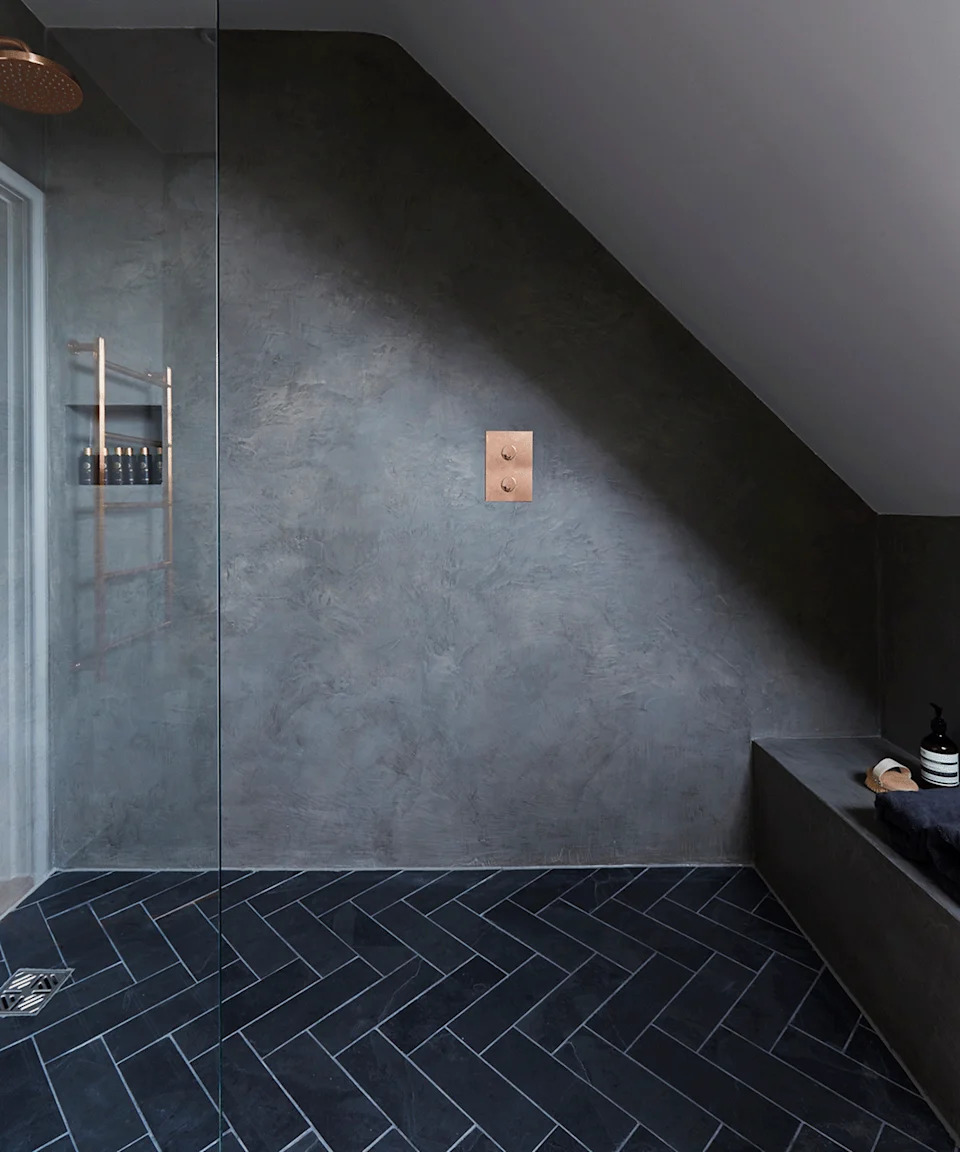
Wet room ideas – stunning wet room bathroom designs for your home

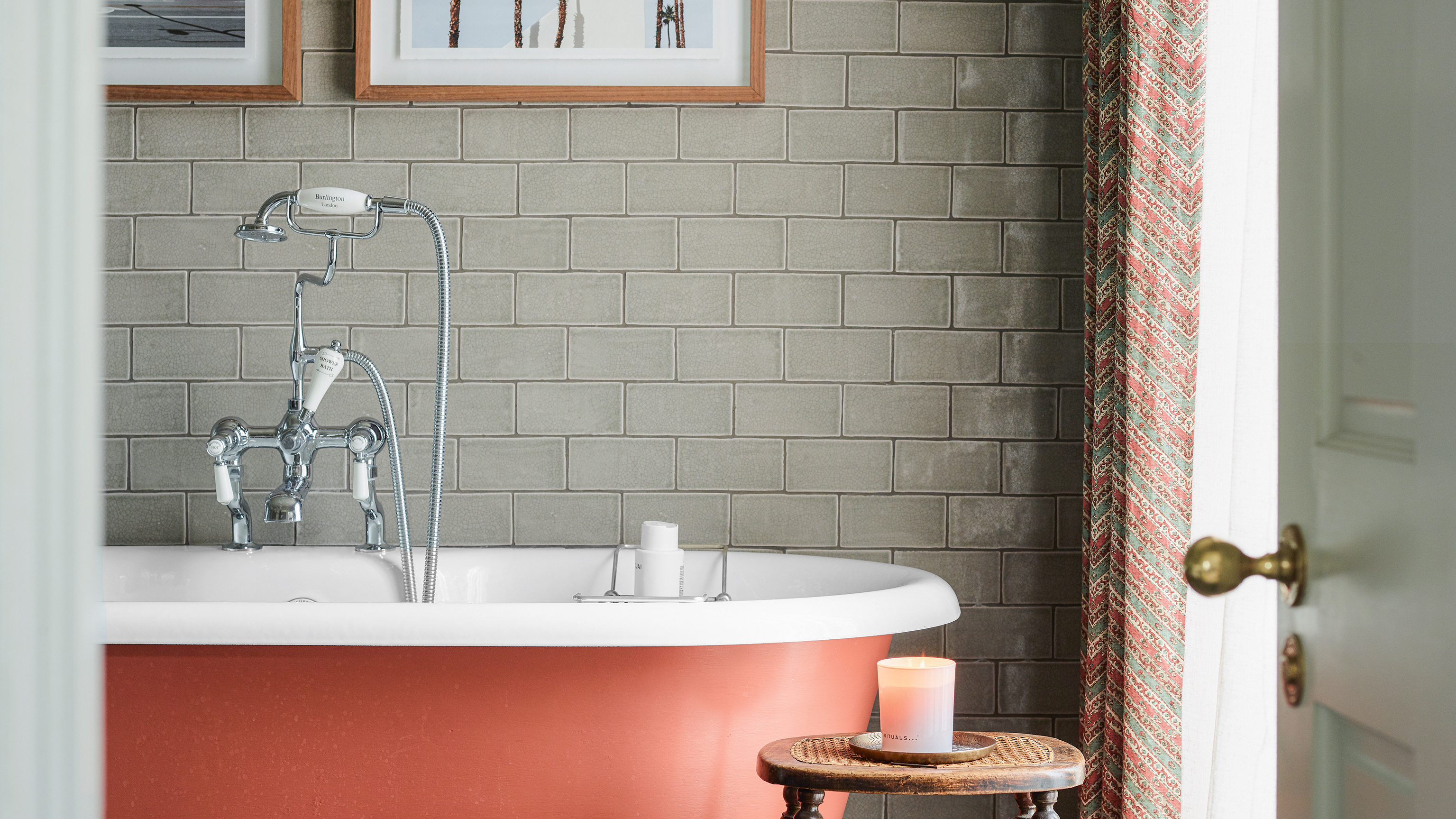
How to tile a bathroom wall – 10 steps to give your space a DIY refresh

Shower Panel Accessories | Trim, Caps & Adhesives for Shower Panels

Wet room ideas – stunning wet room bathroom designs for your home
White shower tile ideas – 10 takes on this clean, classic choice


Multipanel’s Elliott Fairlie – Why bathroom wall panels are an attractive proposition
These Are the 5 Best Bathroom Wall Options
Shower Panels & Accessories

Bathroom backsplash ideas - designers explain the best styles for behind baths and basins
The Bathroom Wall Design That's Completely Changing Showers

Can you wallpaper a bathroom? Is it a bad idea or the answer to decorating dilemmas? Experts reveal all

Bathroom backsplash ideas – 10 tips for stylish splashproof surfaces
Wall paneling ideas – 18 ways to add decorative cladding and moulding

Single Shower Panels Kits
Wall Panels
8 Types of Tile Shapes to Consider For Your Next Bathroom Reno — Number 4 Is Our Favorite Pick for 2025
Say Goodbye to Shiplap—Here Are 4 Wall Treatments Designers Are Choosing Instead