1/14
Google’s Installation Tells You What Spaces Make You Feel Better than Others
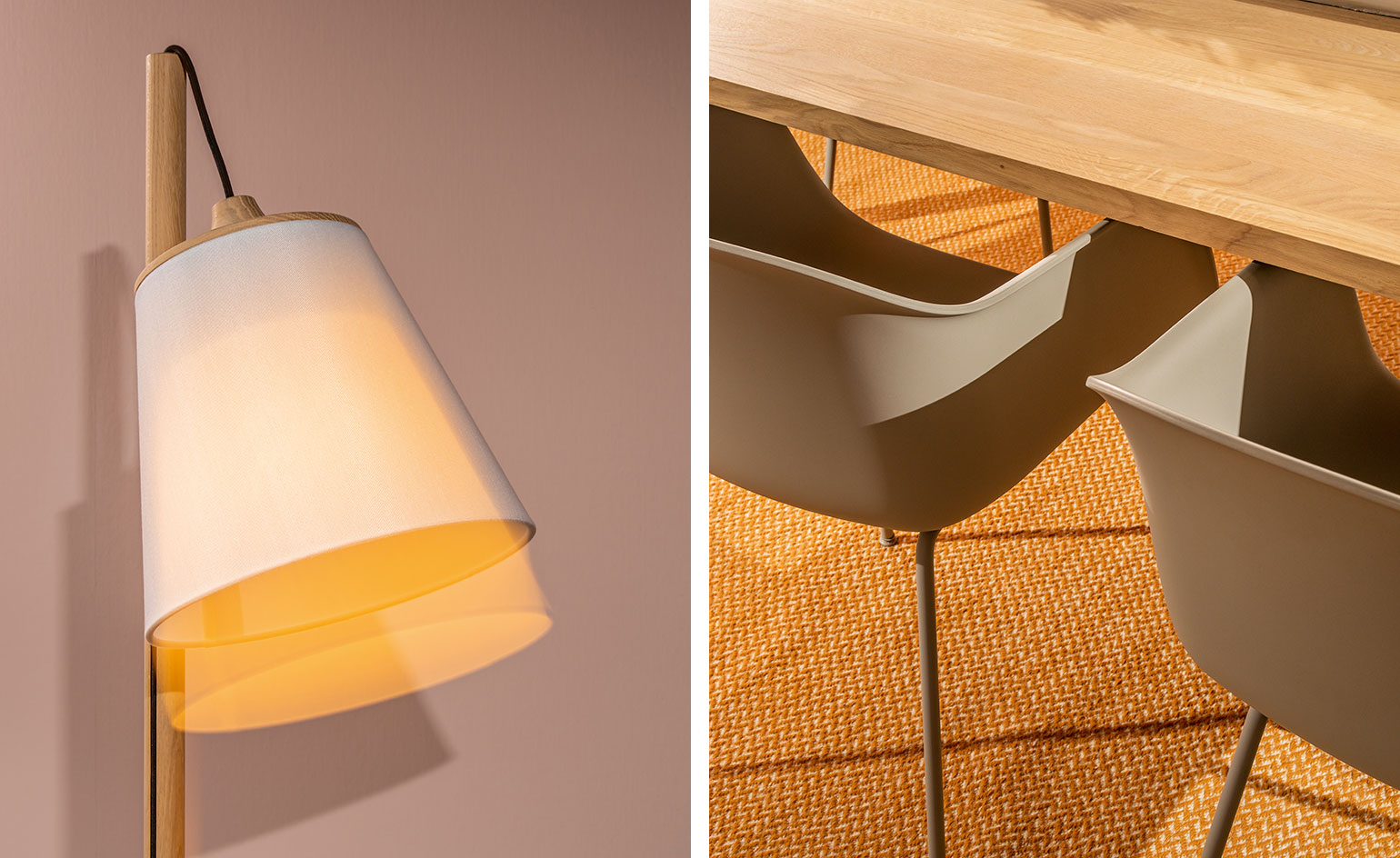
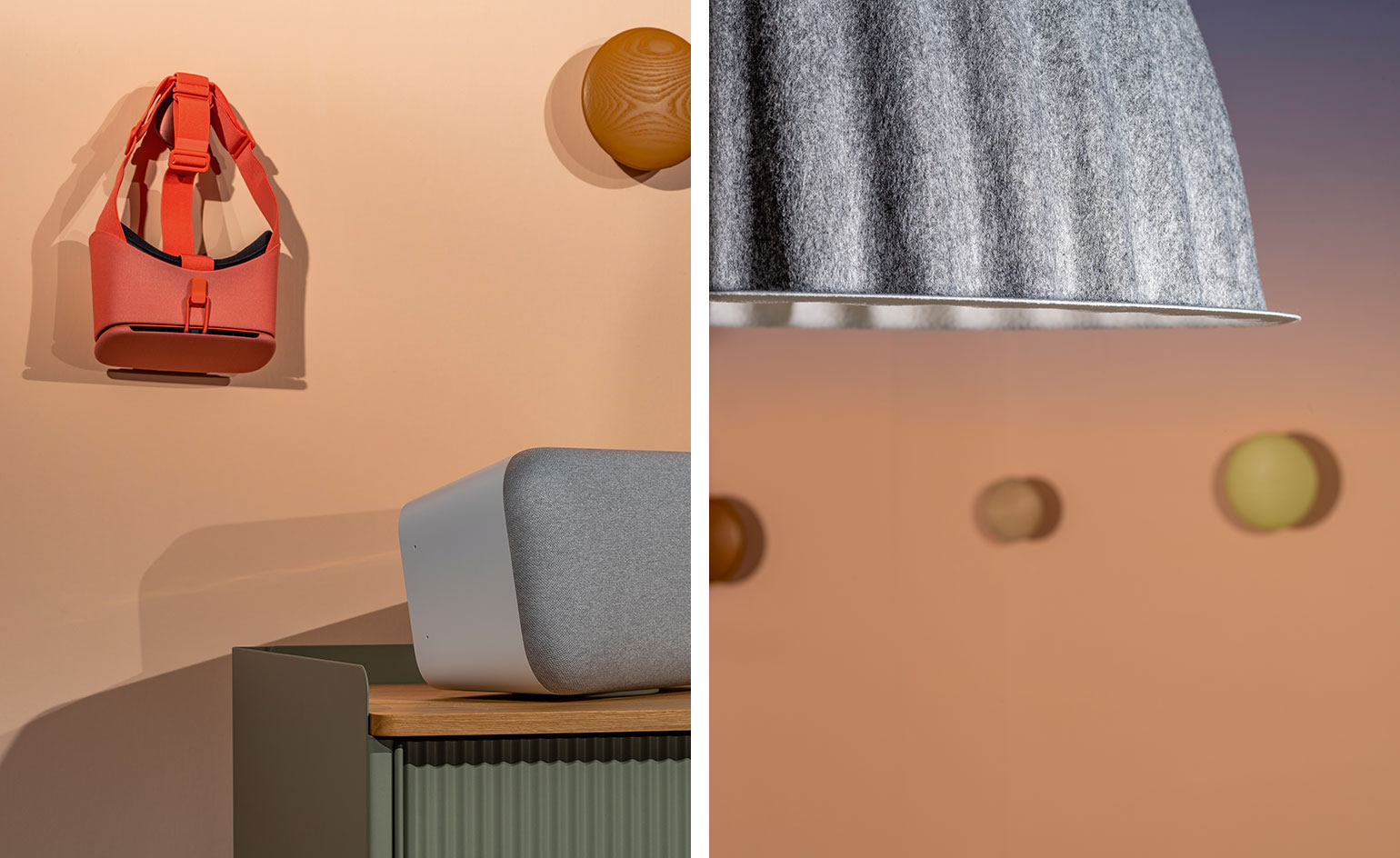
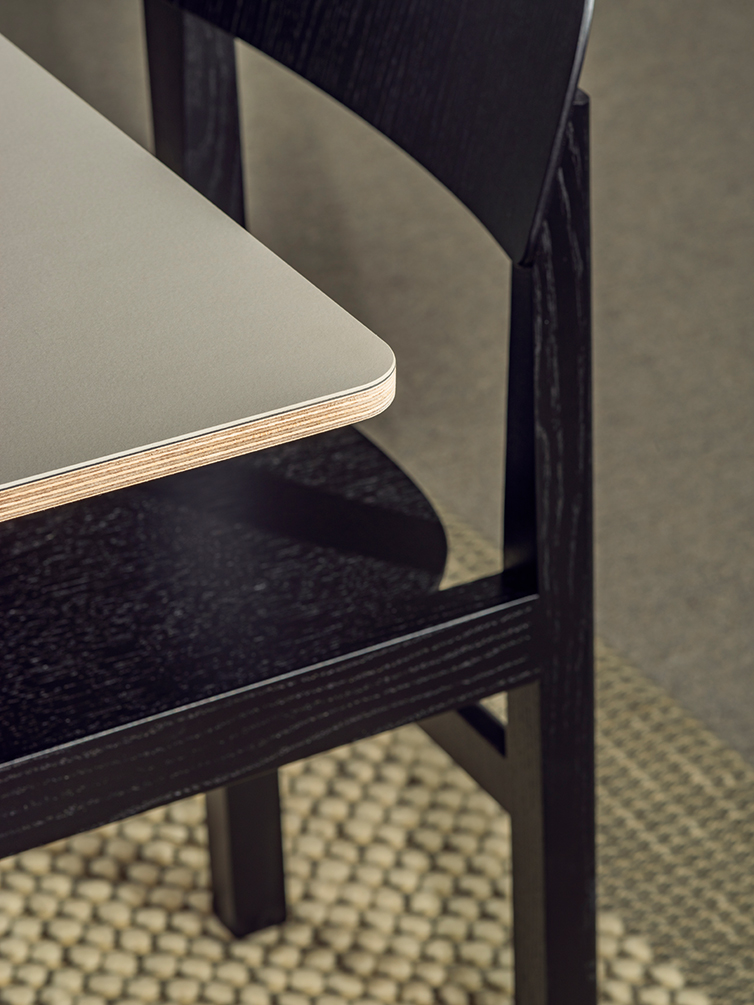
In a collaborative effort with the International Arts + Mind Lab at John Hopkins University and architect Suchi Reddy of Reddymade, Google, led by Vice President of Design Ivy Ross, presented an innovative installation at Spazio Maiocchi during Milan Design Week. The exhibition, designed to empirically determine how different interior styles affect human well-being, featured three distinct living rooms furnished with products from the Danish modern design studio Muuto. This initiative aimed to offer a scientific approach to interior design choices, moving beyond subjective aesthetic preferences.
Upon entering the installation, guests were equipped with custom-made wristbands developed by Google Hardware. These devices were designed to track various physical and physiological responses, including heart rate and skin conductivity, providing objective data on visitors' reactions to the environments. Participants then spent five minutes in each of the three meticulously curated living spaces: 'Essential,' 'Vital,' and 'Transformative.'
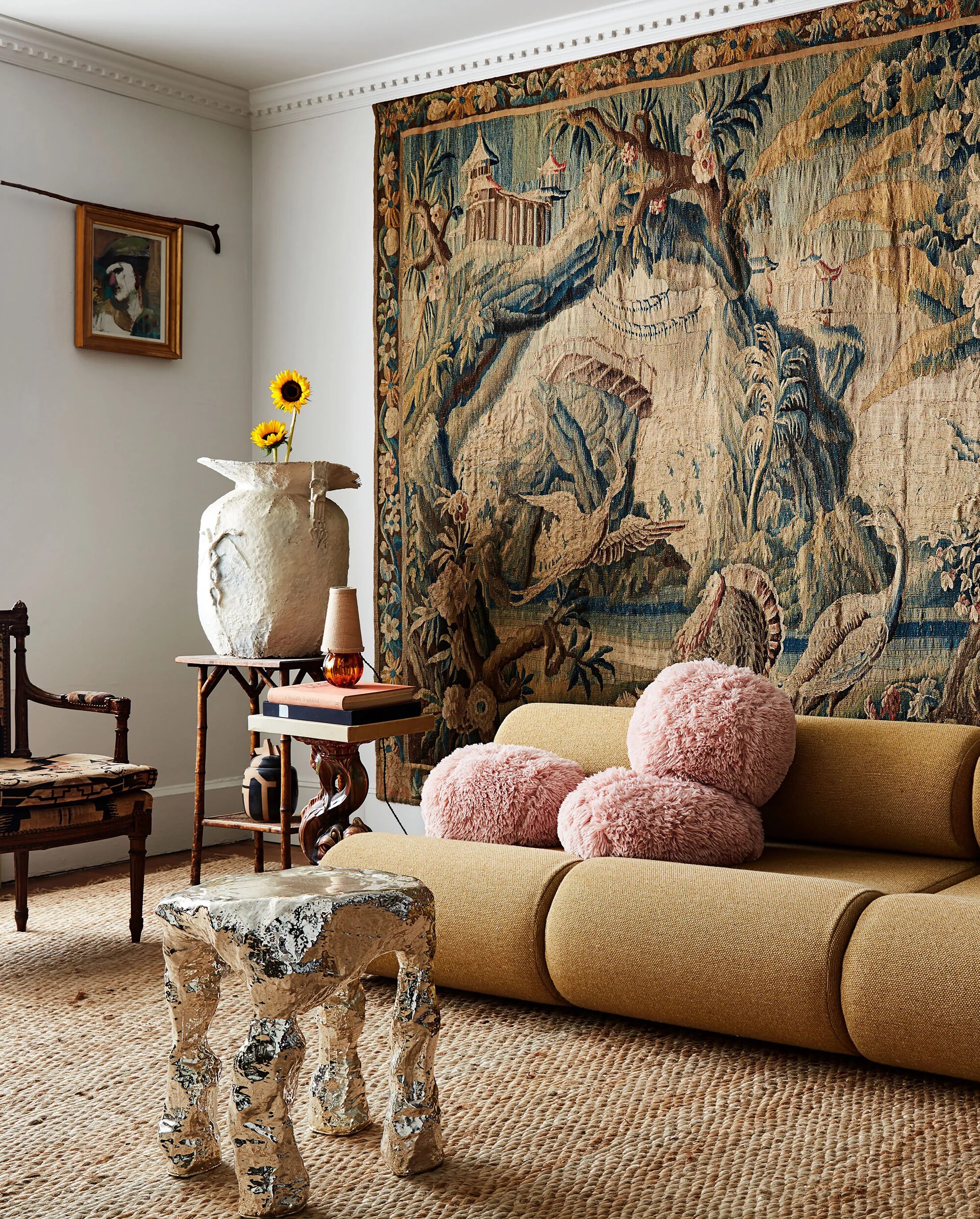
The 'Essential' room was characterized by an earthy palette, soft lighting, and comforting textures. It incorporated rounded corners and deep, dark tones, with a notable central woolly tapestry created by Dutch visual artist Claudy Jongstra, contributing to a serene and grounding atmosphere.
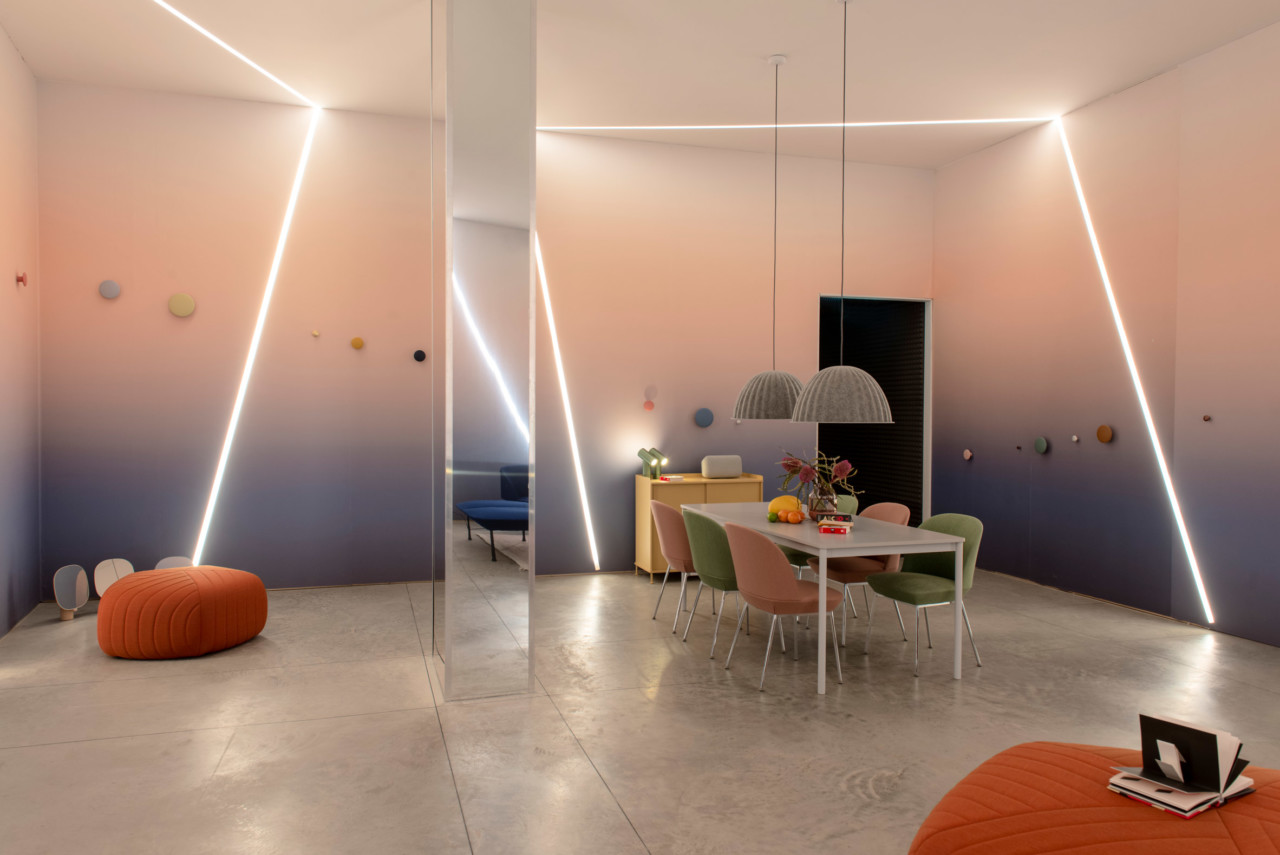
In contrast, the 'Vital' room was designed to be luminous and vibrant. It featured blue-pink ombré walls, furniture in navy and rust colors, and deliberate pops of color, such as a yellow cabinet, green and pink chairs, and a striking neon light installation by Dutch designer Sabine Marcelis, intended to create an energizing environment.
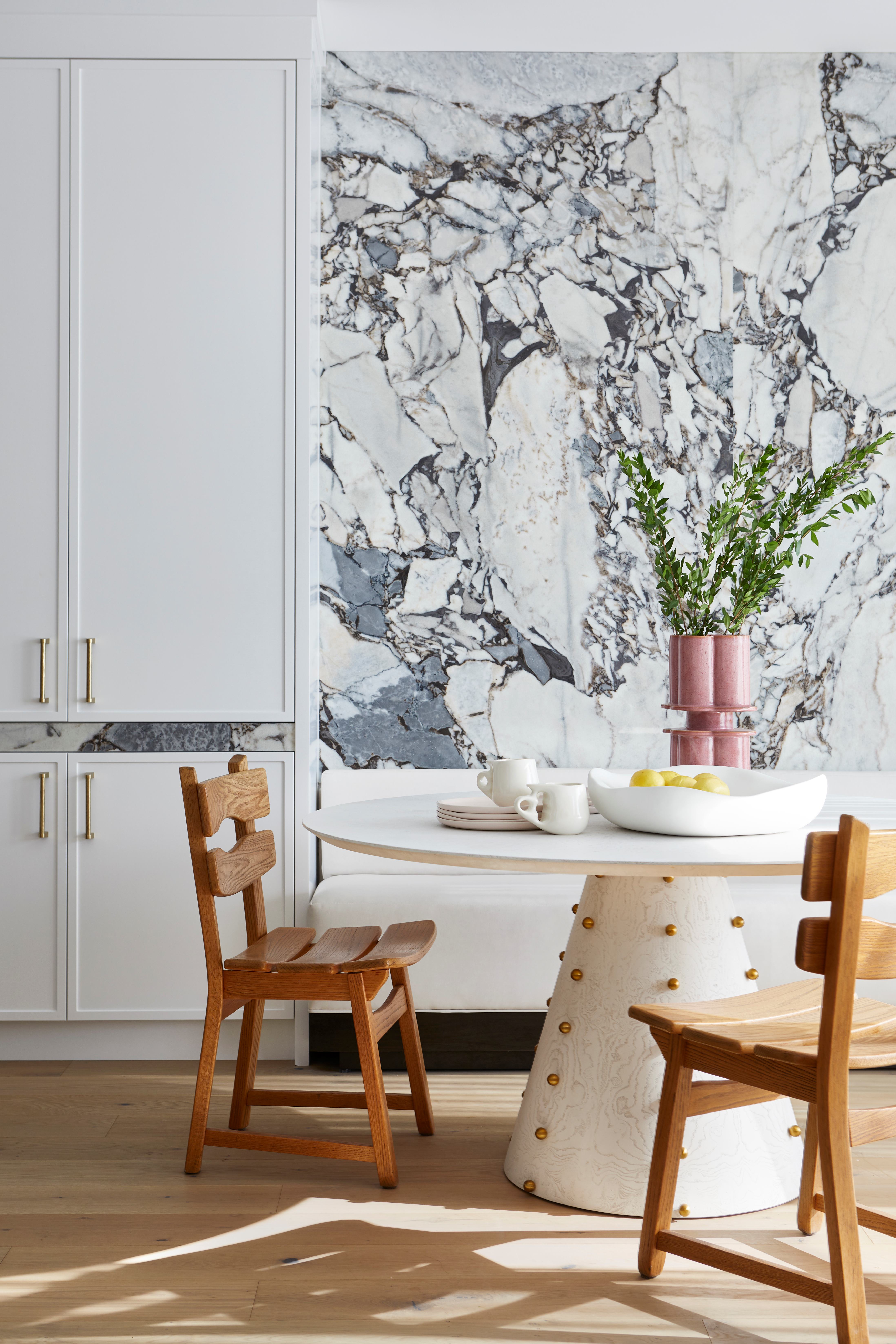
The 'Transformative' room adopted a more monochromatic and minimalist aesthetic. This space emphasized the inherent elegance of materials like wood, glass, and steel. Its walls were adorned with a unique paper material by Paper Factor, ingeniously mimicking the appearance of marble, offering a sophisticated and clean visual experience.
At the conclusion of their journey through these distinct rooms, visitors received an individualized report. This report was presented as a watercolor circle, with blue hues indicating periods of calm and pink tones signifying moments of heightened stimulation. The personalized feedback aimed to provide a clear, data-driven understanding of which environments evoked the most positive physiological responses for each individual.
This installation highlights a novel approach to interior design, suggesting that personal well-being should be a primary consideration when creating living spaces. By utilizing biometric data, Google's project offers a method for individuals to identify the specific design elements and atmospheric qualities that contribute most effectively to their sense of comfort and happiness. For designers, this scientific validation offers a new foundation for making informed choices that cater to the psychological and physiological needs of occupants, transcending purely visual appeal to create spaces that truly enhance life.
#GoogleDesign #MilanDesignWeek #InteriorDesignResearch #BiometricFeedback #ExperientialDesign #MuutoFurniture #ReddymadeArchitecture #PhysiologicalResponse #GoogleDesign #MilanDesignWeek #InteriorDesignResearch #BiometricFeedback #ExperientialDesign #MuutoFurniture #ReddymadeArchitecture #PhysiologicalResponse
0 comment in total
 No comments yet
You may also like
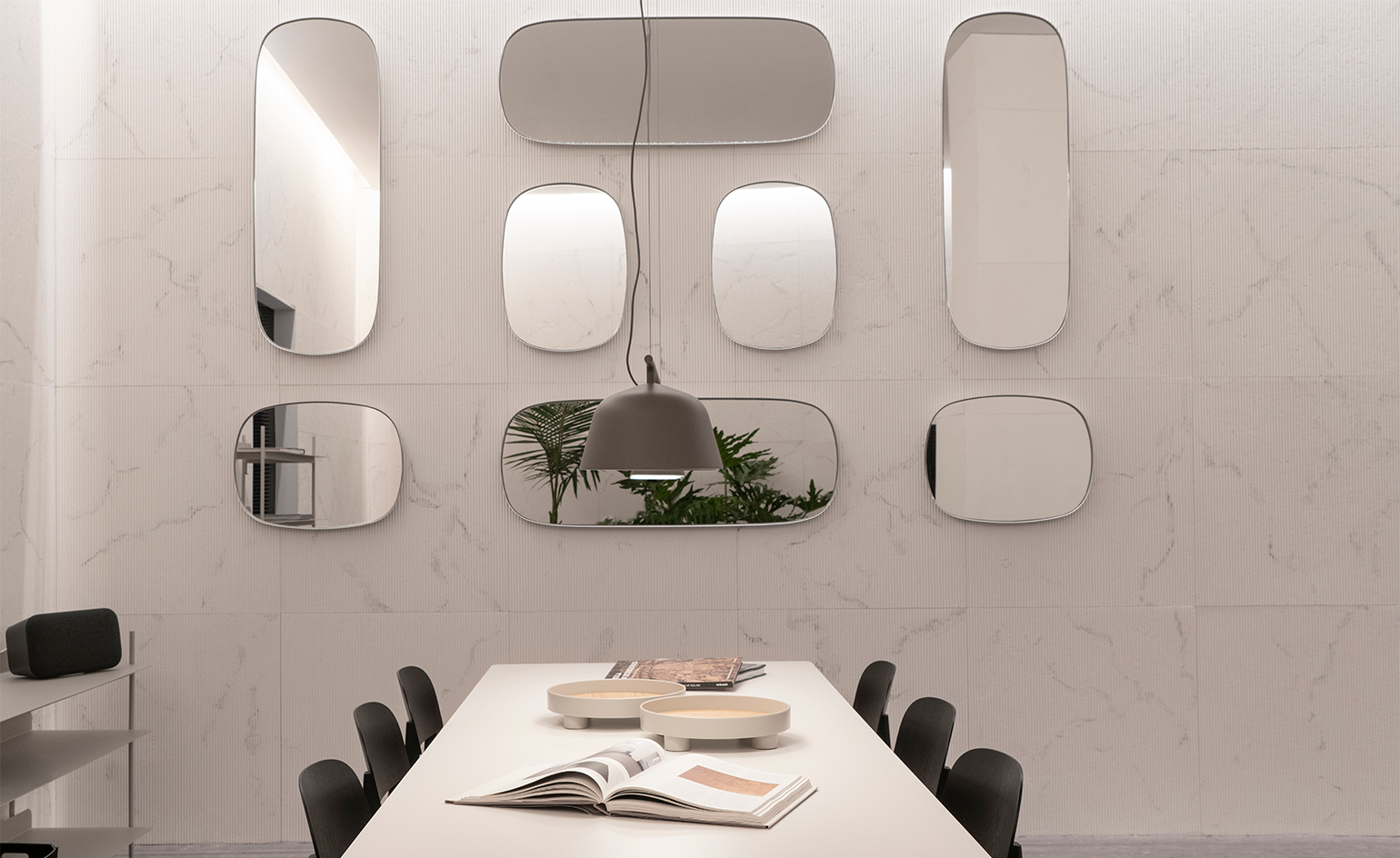
A Google installation in Milan lets you measure which interiors are good for your health
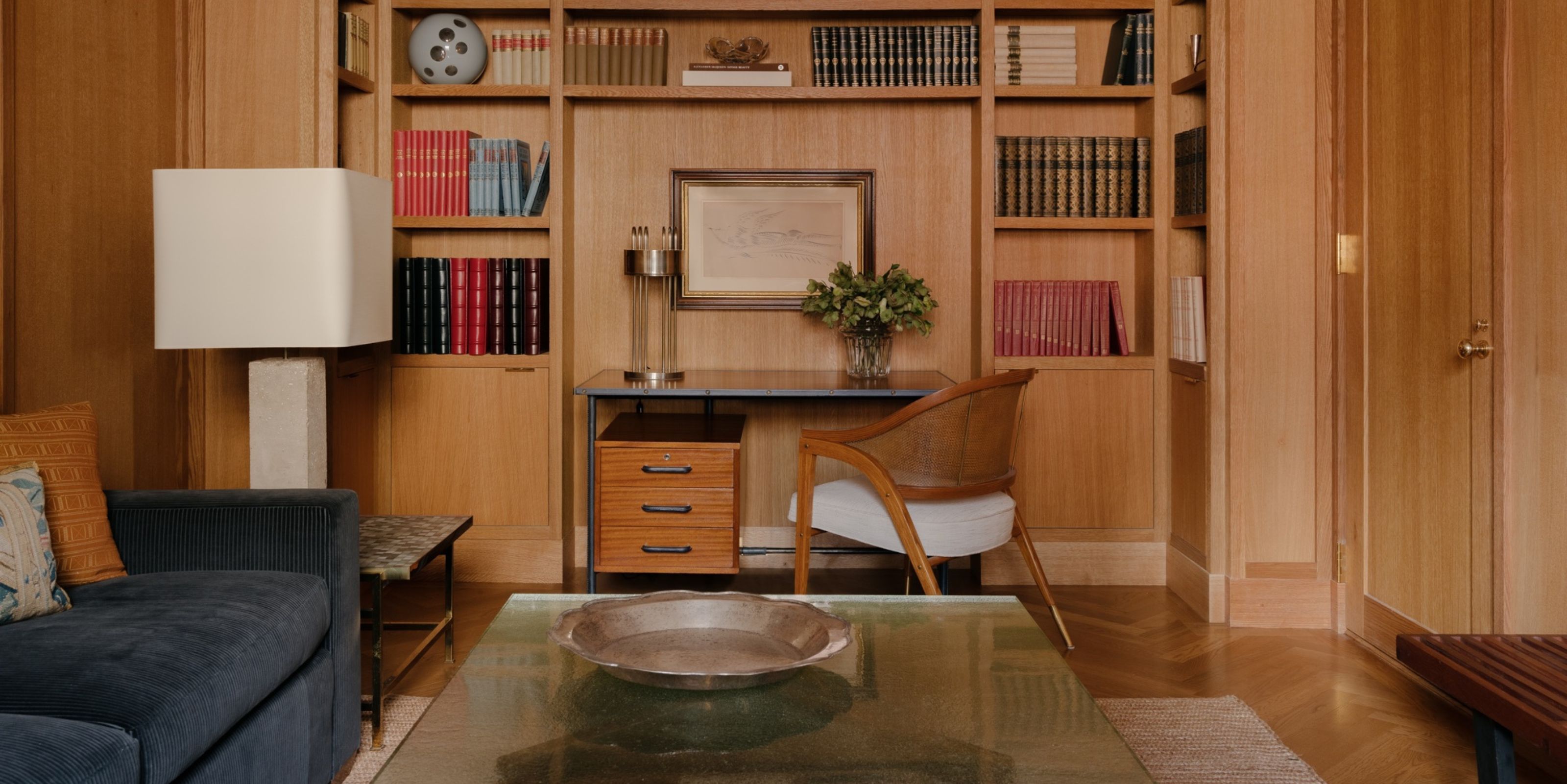
An Expert Guide to Using Positive Space in Interior Design

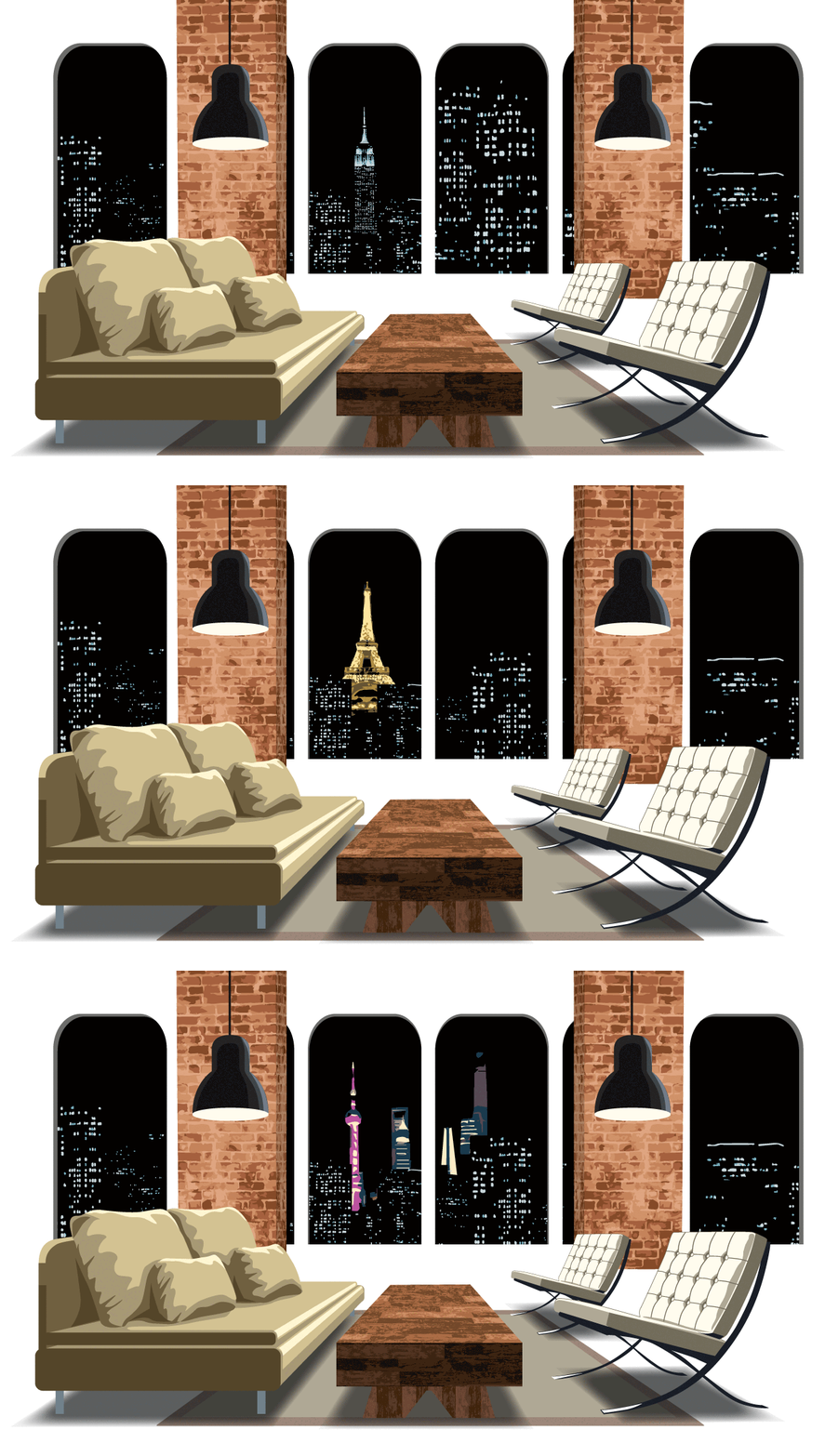
How Silicon Valley helps spread the same sterile aesthetic across the world
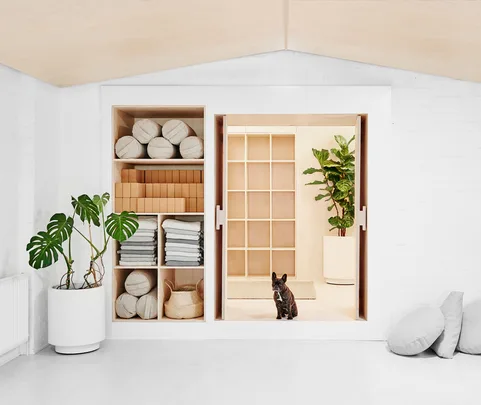
9 yoga studios that achieve design nirvana


I moved and Gemini helped in surprising ways — but the final touch is missing

How These Interior Designers Are Staying Cozy (and Sane) at Home
Why You Need a Meditation Corner in Your Home—and How to Create One

This One Color Instantly Boosts Joy in Any Room, According to Interior Designers


Introducing Microsoft Places: Turn your spaces into places