1/3
The 7 Best DIY Cleaning Solutions For Floors That Sparkle
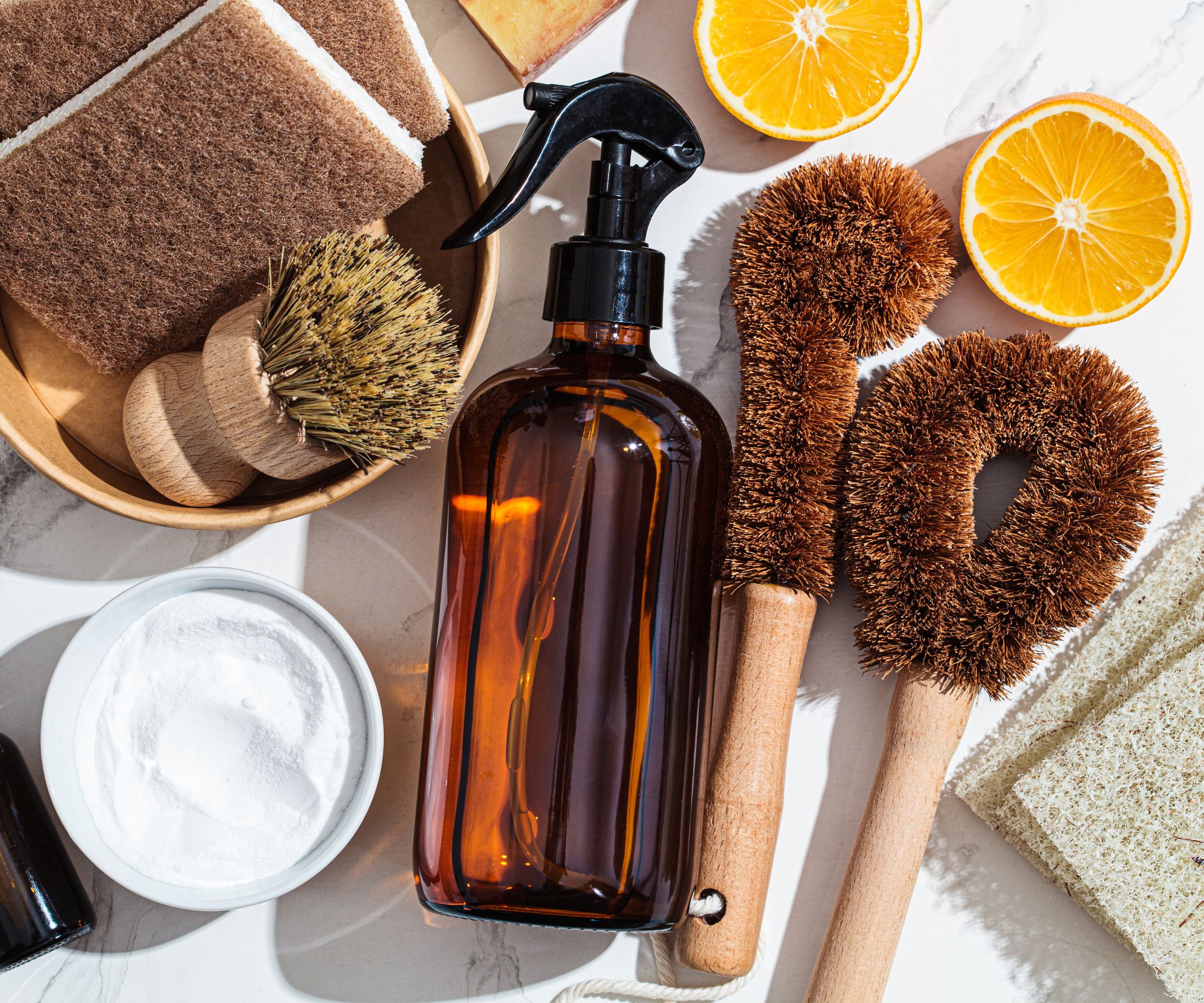
Maintaining sparkling floors doesn't always require harsh chemical cleaners, as several effective and eco-friendly DIY solutions can be made with common household ingredients. These homemade cleaners are suitable for various flooring types, offering a quick and economical alternative to store-bought products.
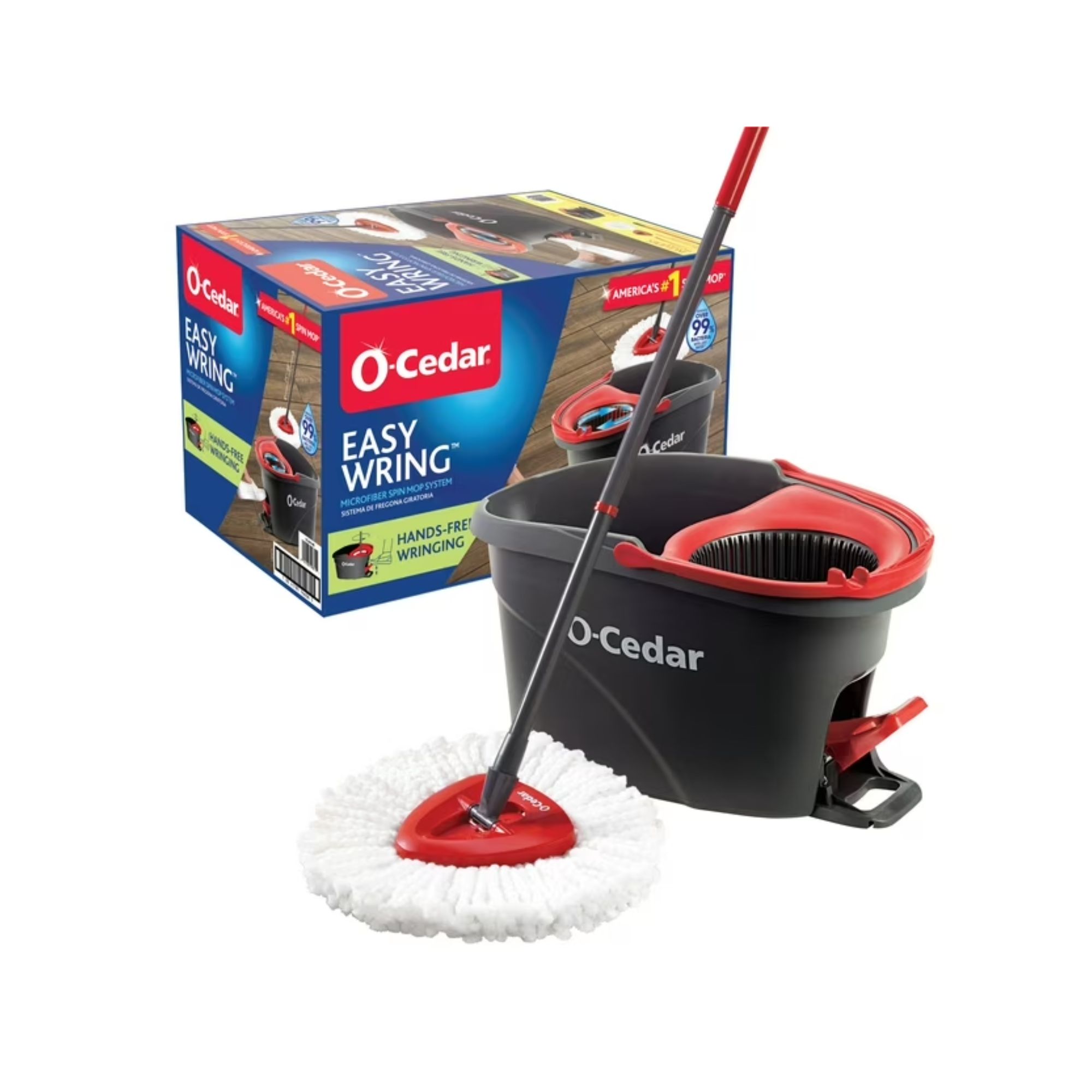
For an all-purpose floor cleaner, a dish soap solution proves highly effective. A mere eighth of a teaspoon of Dawn dish soap mixed with at least a gallon of warm water, applied with a well-wrung microfiber mop, can cut through dirt and grime on all floor types. This solution is eco-friendly and generally doesn't require rinsing if used sparingly. While vinegar can be added for enhanced cleaning power, it is not recommended for hardwood floors due to its potential to degrade the surface finish over time.
Another versatile DIY cleaner utilizes rubbing alcohol. A four-to-one ratio of warm water to 70% isopropyl alcohol creates a solution that cleans and disinfects all floor types, including wood. Alcohol's quick evaporation ensures a streak-free finish. This can be applied with a spray bottle and microfiber mop or by damp mopping, ensuring the floor is dried promptly.
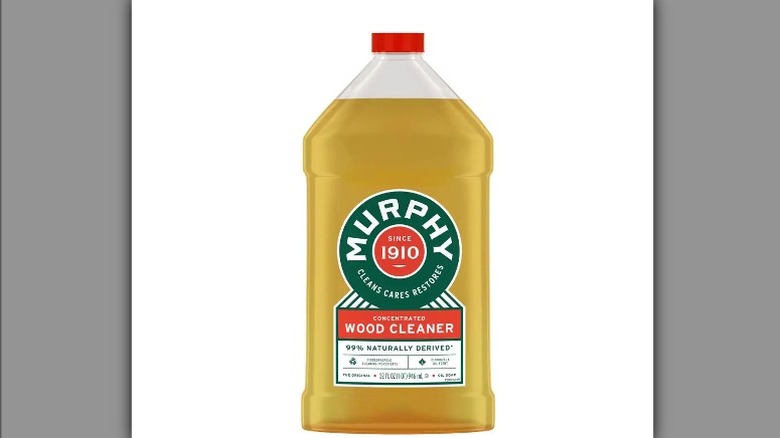
For wood floors, black tea offers a surprising and gentle cleaning option. Boiling water with six to eight tea bags, then adding a teaspoon of castile soap and a few drops of essential oil, creates a solution where the tannic acid cleans effectively without damaging the wood's finish. The compounds in tea also help prevent bacterial growth. It's crucial to test this solution in an inconspicuous area, especially on light-colored wood, and adjust tea concentration if needed. An alternative for wood floors is a mixture of lemon juice, olive oil, and warm water. Combining one gallon of warm water with three-quarters of a cup of olive oil and a half cup of lemon juice not only cleans but also adds a natural polish. Careful drying is essential to prevent damage from prolonged moisture exposure.
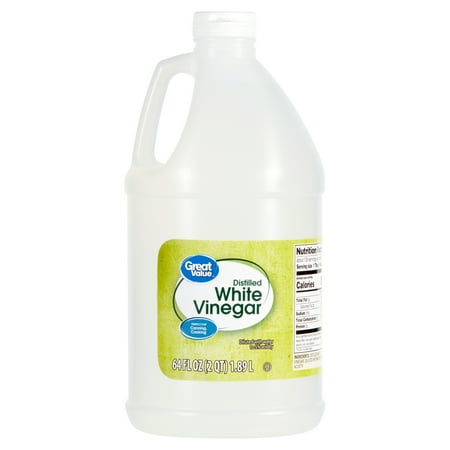
Tile and vinyl floors benefit greatly from a vinegar mix. Two cups of warm water combined with a quarter cup of white household vinegar, used with a damp mop or spray and mop technique, effectively breaks down dirt and removes sticky residues. The acetic acid in vinegar is a powerful cleaning agent. For very muddy floors, a teaspoon of dish soap can be added. Essential oils can be included to counteract the vinegar smell. It's important to adhere to the recommended proportions to avoid damaging vinyl finishes. For stubborn stains on vinyl floors, a paste made from baking soda and water can be gently rubbed onto the discoloration with a soft cloth, then rinsed. This paste, particularly when combined with Sal Suds, is effective on various household surfaces.
However, it's important to note that not all viral cleaning hacks are advisable. The popular powdered Tide with Bleach floor cleaning method is strongly discouraged by experts. This method can damage the seal on wood and natural stone floors, cause buildup, and dull the surface finish. While it might be used on vinyl floors without immediate damage, it requires thorough rinsing, adding unnecessary work. Therefore, relying on expert-approved DIY solutions is preferable to potentially damaging viral trends.
#DIYCleaning #FloorCare #HomeCleaningHacks #EcoFriendlyCleaners #HardwoodFloorCleaning #TileFloorCleaning #VinylFloorCleaning #DIYCleaning #FloorCare #HomeCleaningHacks #EcoFriendlyCleaners #HardwoodFloorCleaning #TileFloorCleaning #VinylFloorCleaning
0 comment in total
 No comments yet
You may also like
Best floor mops for sparkling results, tried and tested

How to Clean Every Type of Floor Quickly and Easily

10 Top Hardwood Floor Cleaners To Keep Them Looking Like New

A Guide to Gorgeous Floors

14 best steam cleaners for keeping your floors gleaming

12 best hard floor cleaners for keeping your flooring fresh
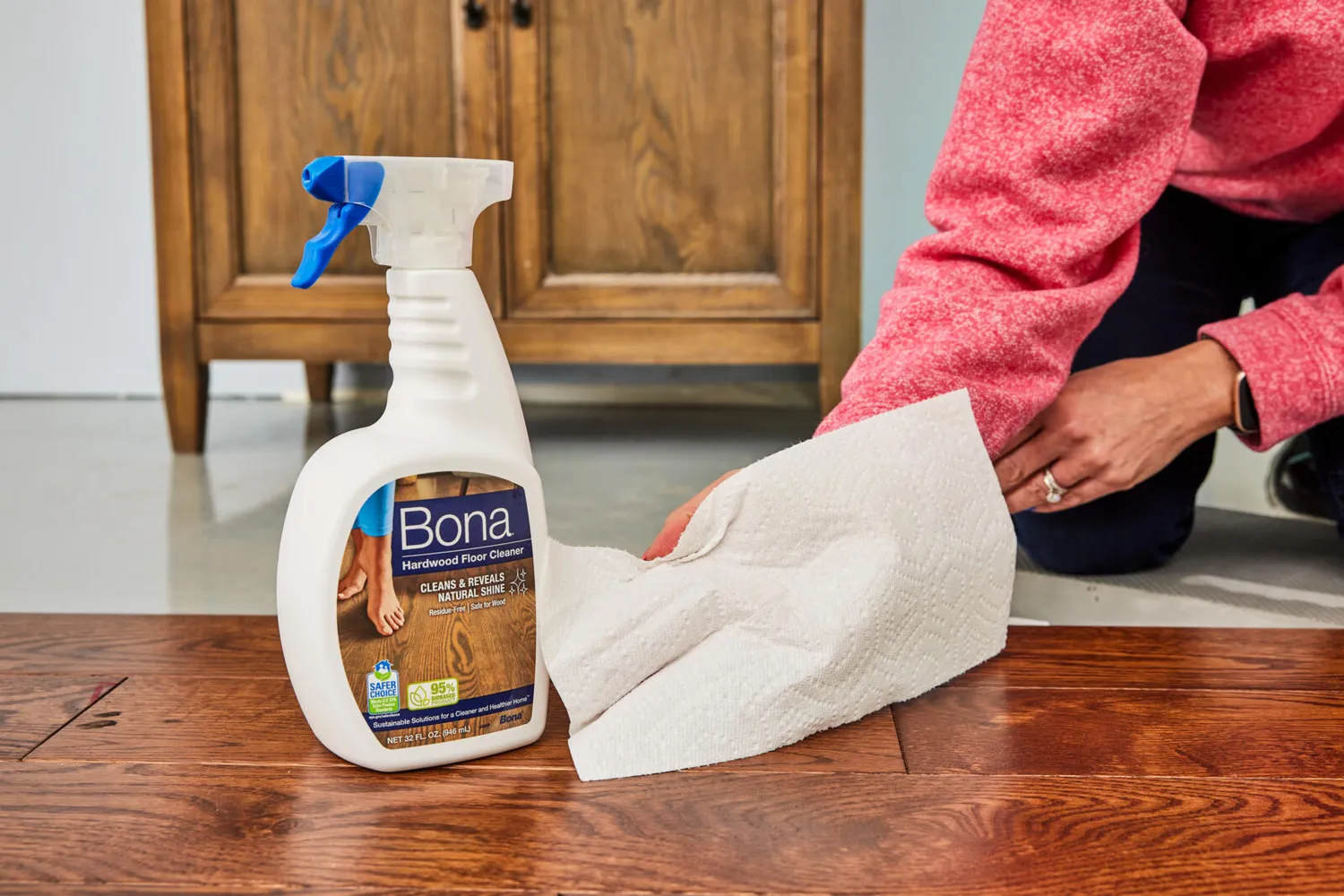
We Tested Hardwood Floor Cleaners, and These 5 Will Give You the Most Effective Results

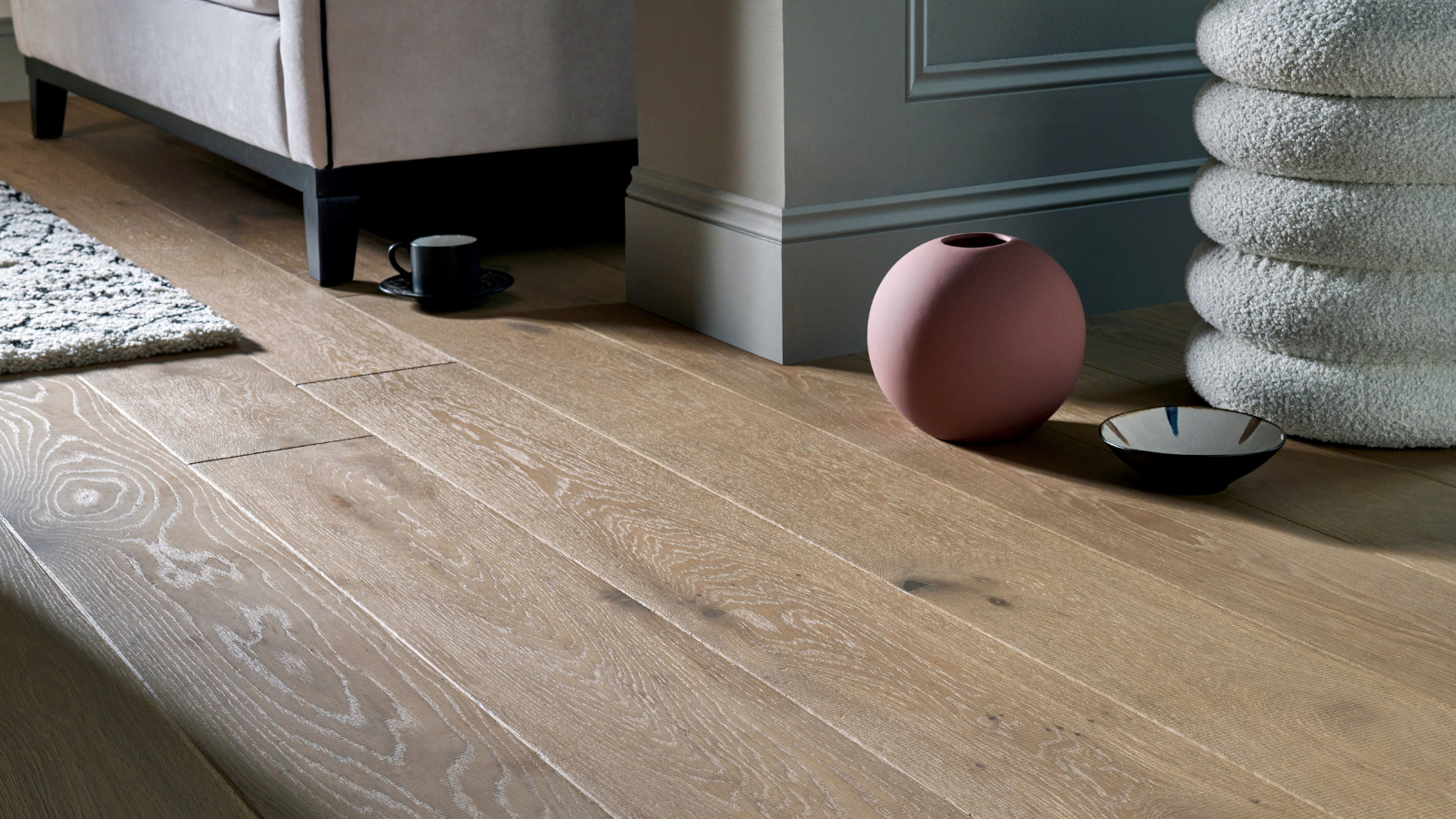
How to clean laminate floors for extra shine – and what to avoid to protect the floor's surface for years

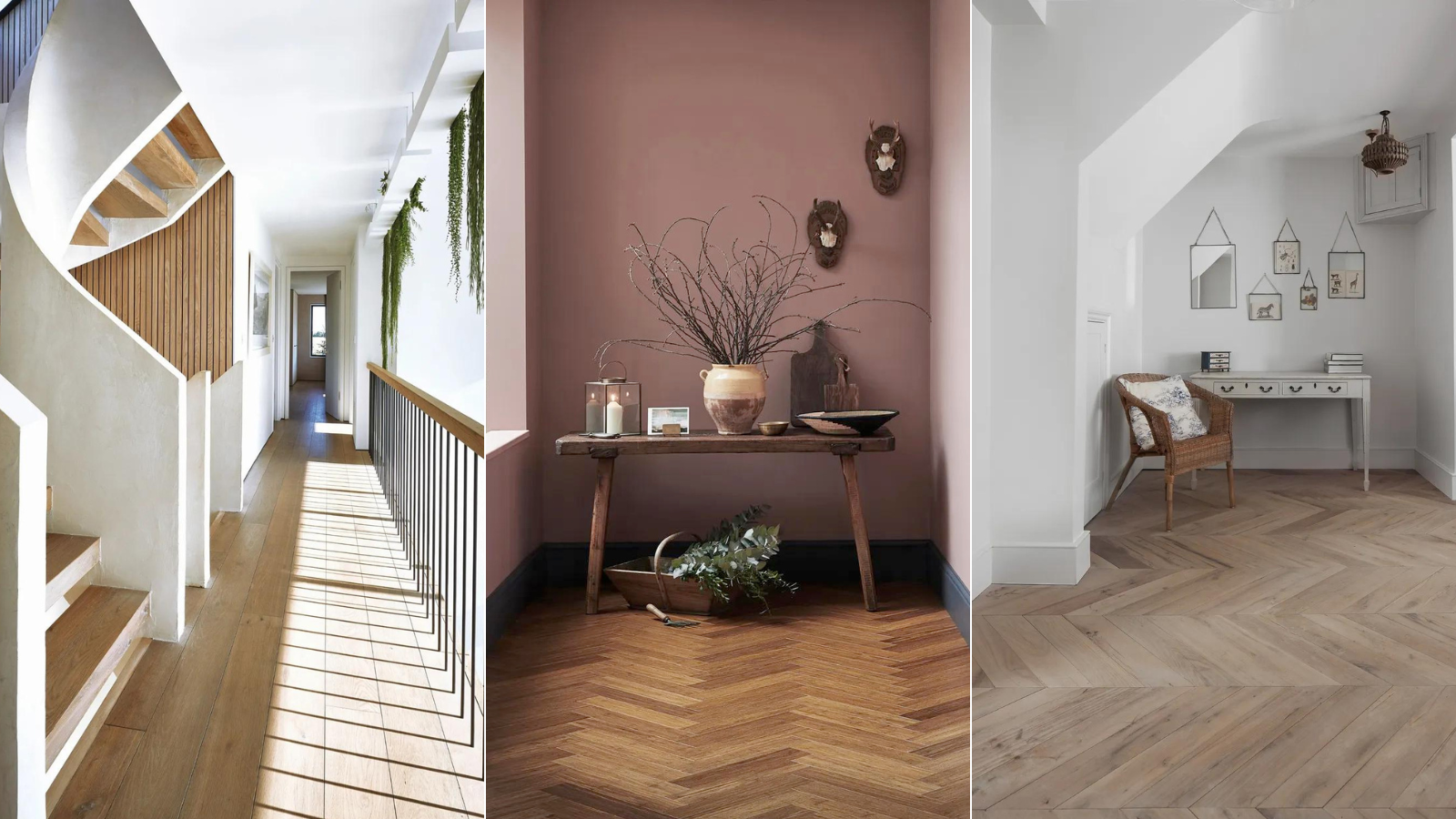
Can a DIY wood floor cleaner leave your floors gleaming? Experts share their favored techniques
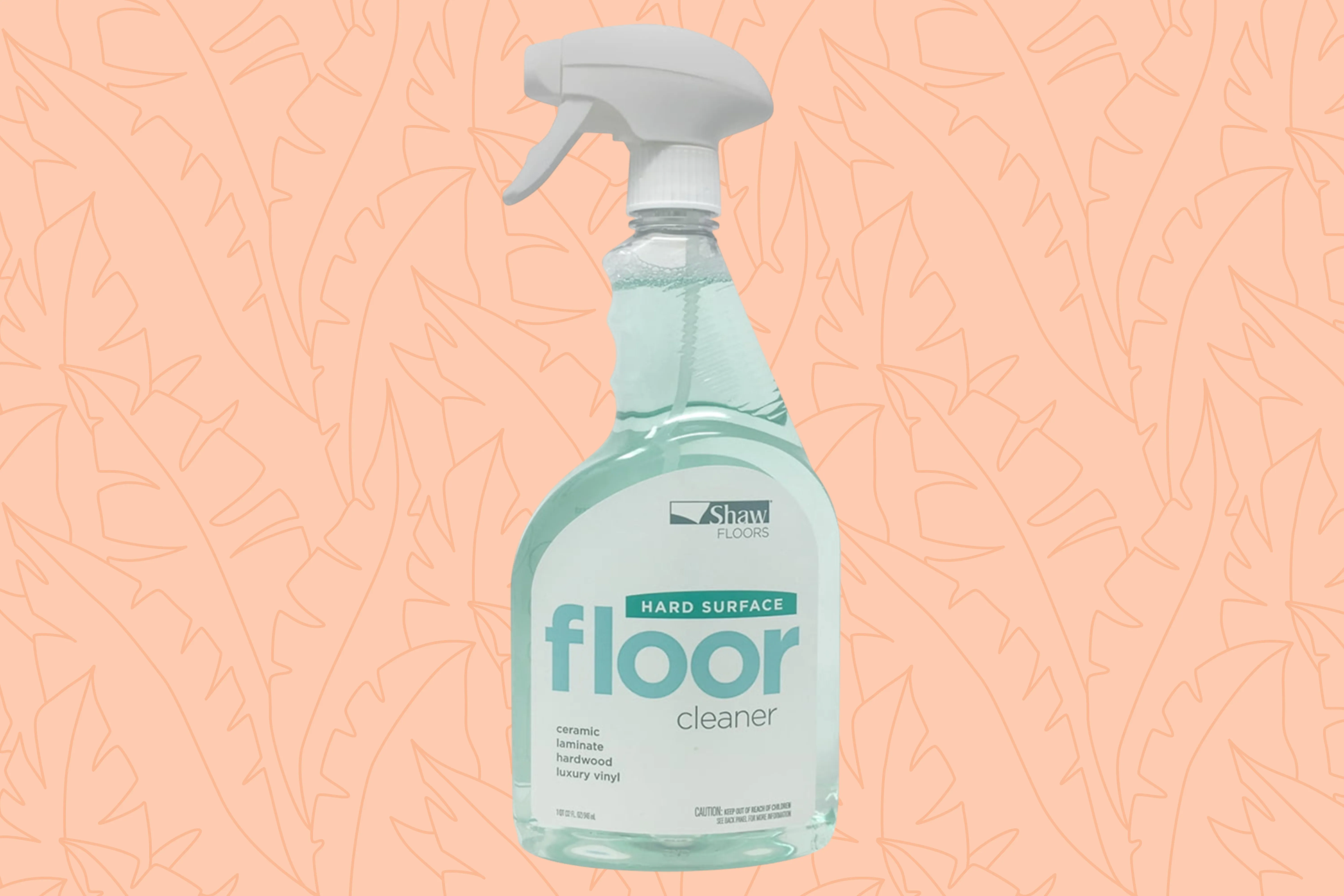
It’s Official—These Are the 5 Best Laminate Cleaners for Sparkling Floors

How to clean hardwood floors – experts reveal the best techniques
I swear by this incredibly easy 5-step method for cleaning real wood floors

A former hoarding technician shares the best tips for cleaning wood floors and carpets
27 Of The Best Hardwood Floor Cleaners If You Want Spotless, Shiny Results
The Secret to Keeping Your Hardwood Floors Pristine? It’s One of Our 6 Best Cleaners

You're cleaning your bathroom floor wrong, experts warn – here's how to get it right
15 best steam cleaners for keeping your floors gleaming

I thought my mop was just OK – until a professional cleaner taught me the right way to use it
Professional cleaners never waste their time with standard mops on tile floors – this is the $13 essential they always recommend instead
Keep Your Laminate Floors Shining Bright With These Cleaners