1/3
Jun 2023: Unconventional deck treatment holding up
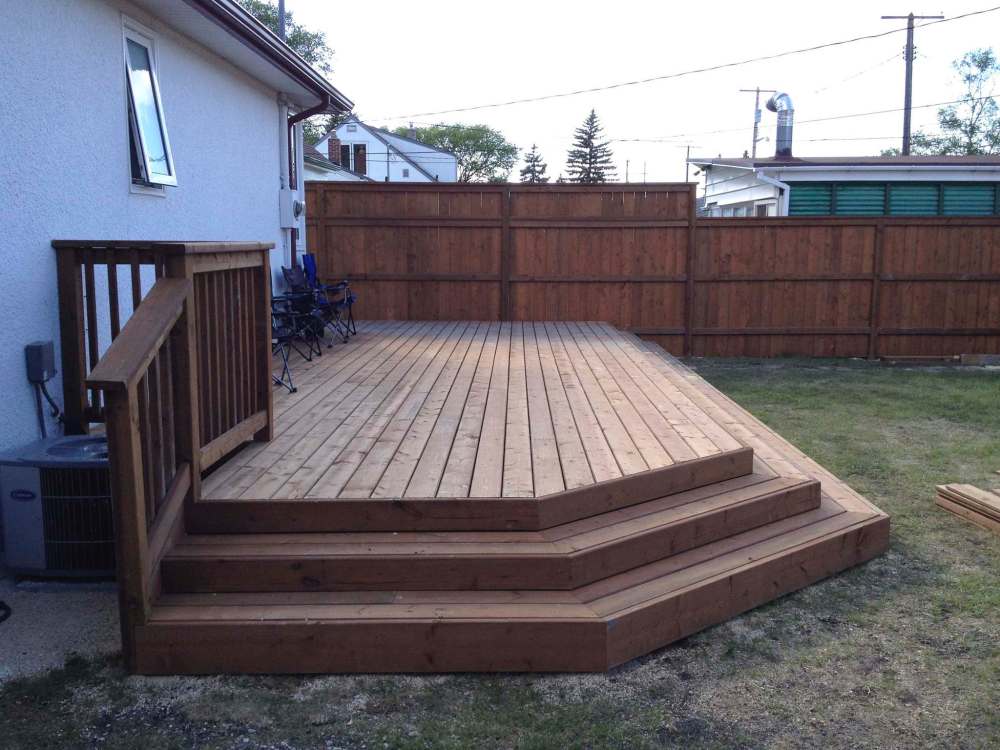
The author shares an unconventional approach to deck maintenance, detailing an experiment with canola oil as a wood treatment. This experiment was prompted by the recurring issue of conventional deck stains flaking and peeling in challenging climates, a problem the author has observed over many years. Traditional deck staining methods often prove ineffective on treated lumber because the wood's inherent treatment, designed to prevent moisture absorption and prolong its life, also hinders the stain's penetration. As a result, the stain sits superficially on the wood, leading to premature deterioration. The author's long-standing policy for treated lumber decks is to only apply stain once the wood has naturally weathered to a grey color, indicating that the initial treatment has diminished sufficiently for the stain to be absorbed effectively.
Approximately six years prior, the author had applied a deep-penetrating oil by Behr to their front and back decks. This product, unlike typical stains, was designed to soak into the lumber. For five years, this treatment held up reasonably well, maintaining its color and protective qualities. However, by the most recent spring, signs of fading and wear became evident, necessitating another treatment. The prospect of repeating the laborious and costly process of applying traditional stain, which involved moving furniture, ensuring specific weather conditions, and purchasing numerous gallons of product, was daunting.
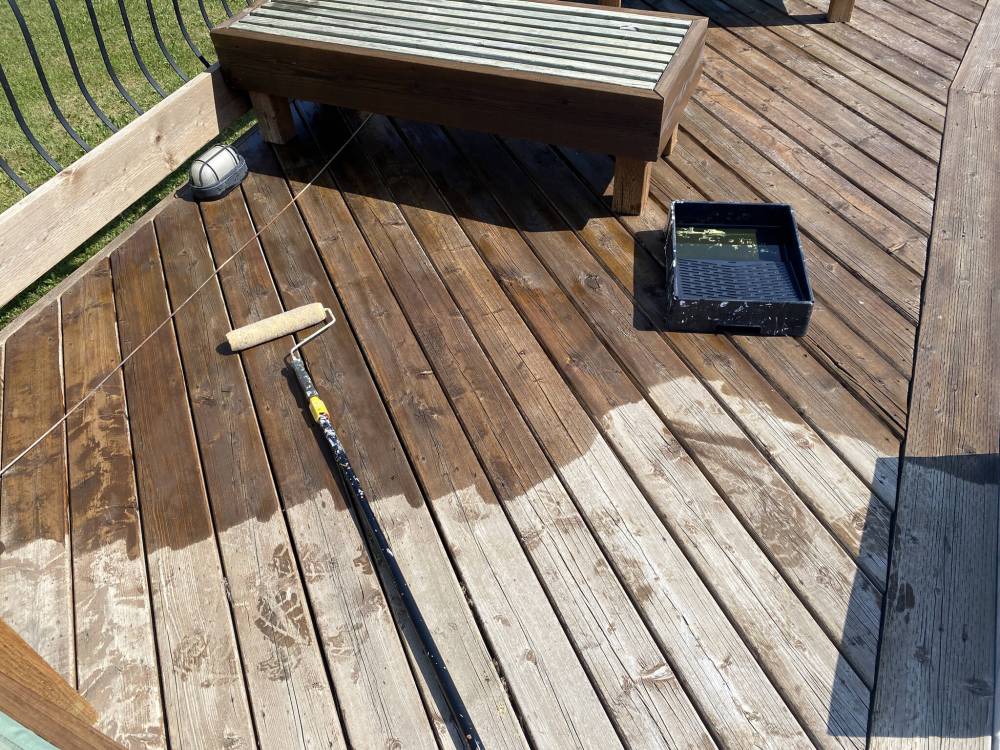
This led to the idea of an experiment with canola oil. A small patch of the faded decking was treated with canola oil, which immediately restored the wood's original brown color, similar to the "wet look" observed when water is spilled on wood. Remarkably, this darker hue persisted for over a week, even after several rain showers. Furthermore, water was observed to bead on the treated surface, indicating a repellent quality. Convinced by these initial results, the author purchased 15 gallons of canola oil and proceeded to treat the entire deck area.
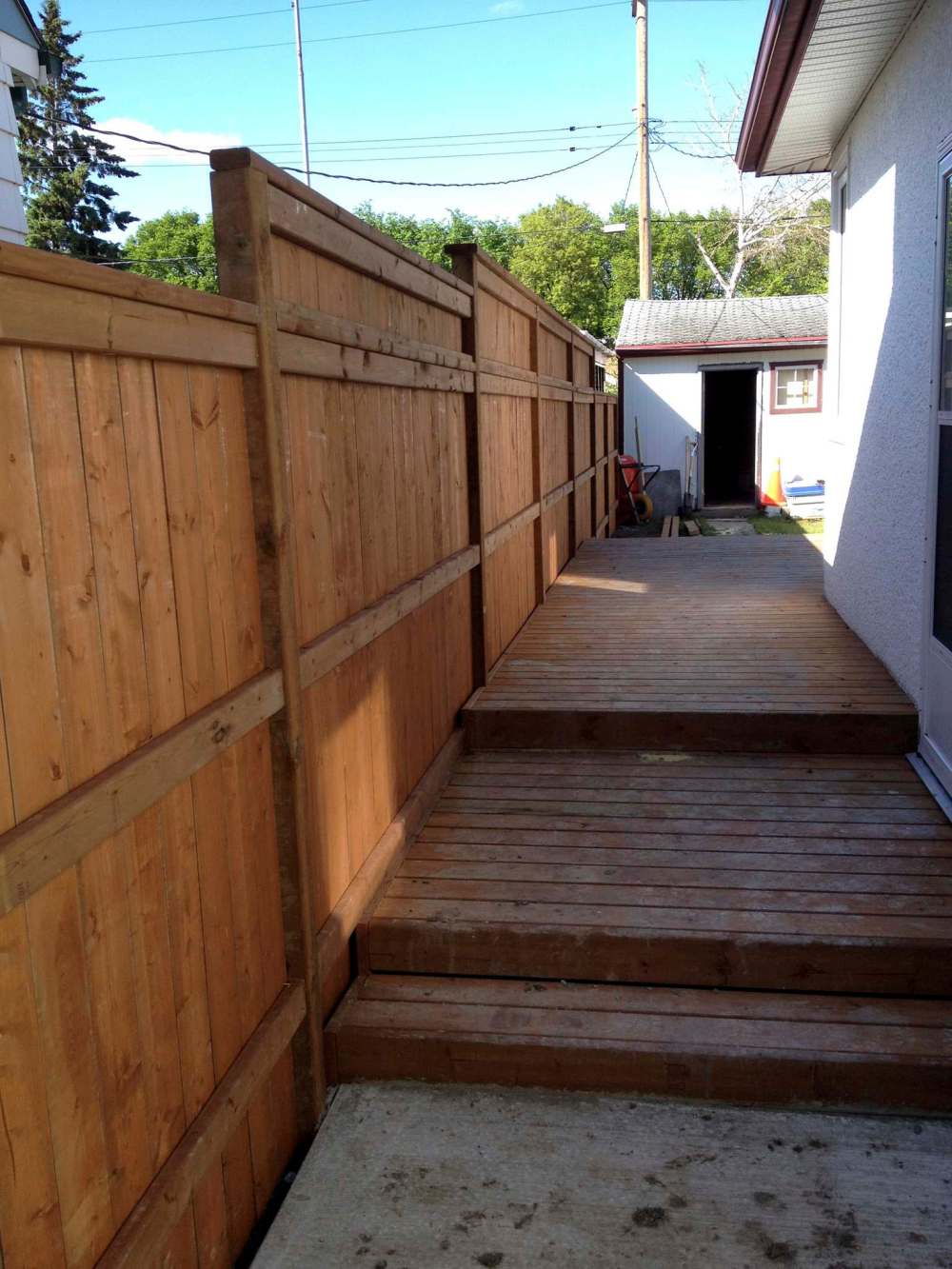
The application process was significantly less cumbersome than with traditional stains. The clear nature of canola oil eliminated concerns about overlapping roller strokes, and the aged lumber readily absorbed the oil, revealing its natural wood tones. The front porch was completed in under an hour, and the back decks, including two tiers and the area around the pool, took an additional three hours. Only the railing caps, which had also faded, were oiled to match the revitalized deck surfaces. In total, only nine gallons of canola oil were used for all the decks, demonstrating efficiency in both cost and effort. The canola oil has proven effective in restoring the appearance of the wood and repelling water, contributing to the extended life of the decks, which are now approaching 20 and 14 years old, respectively. While acknowledging that this was a personal experiment and results may vary, the author expresses satisfaction with the outcome and the unexpected ease of the process.
#HomeRenovation #DeckMaintenance #DIYHomeImprovement #WoodTreatment #CanolaOilExperiment #OutdoorLiving #HomeCareTips #CostEffectiveSolutions #HomeRenovation #DeckMaintenance #DIYHomeImprovement #WoodTreatment #CanolaOilExperiment #OutdoorLiving #HomeCareTips #CostEffectiveSolutions
0 comment in total
 No comments yet
You may also like
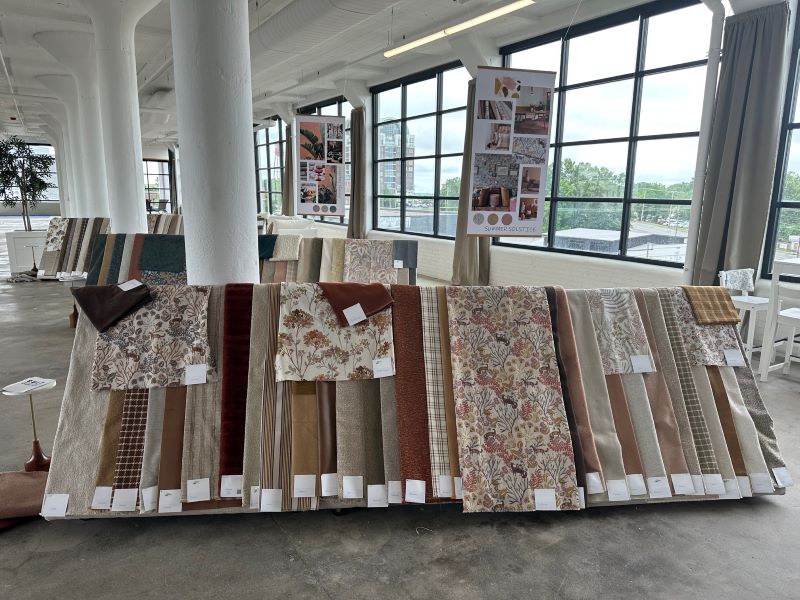
Seen at Interwoven May 2024

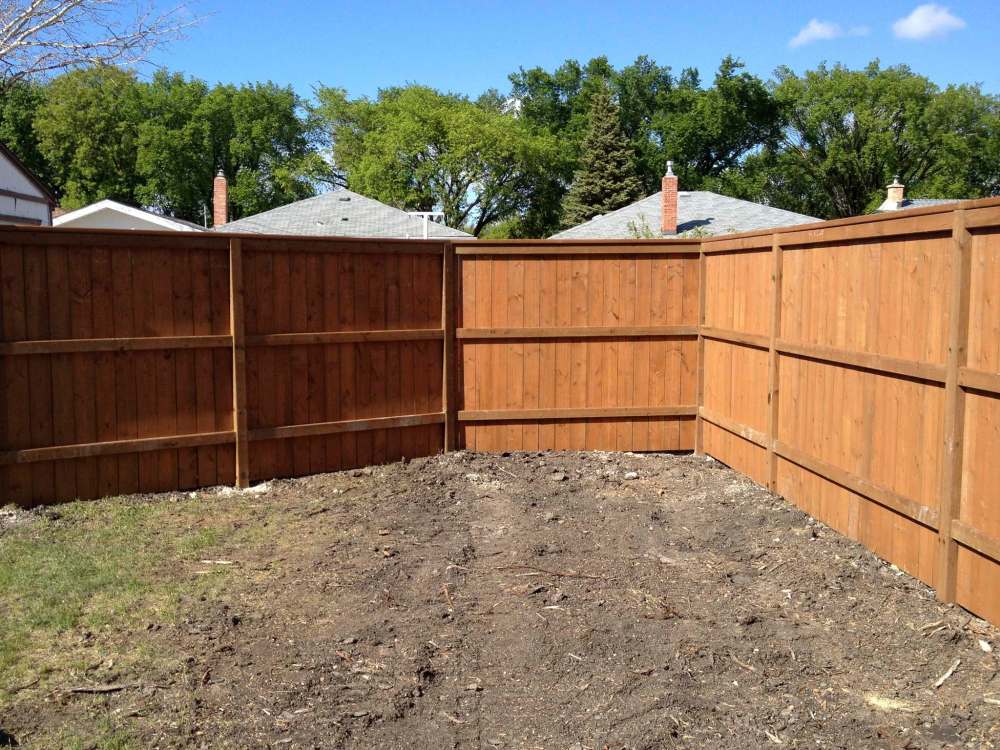
Apr 2017: This fencing project had an interesting twist


January/February 2024 Resources

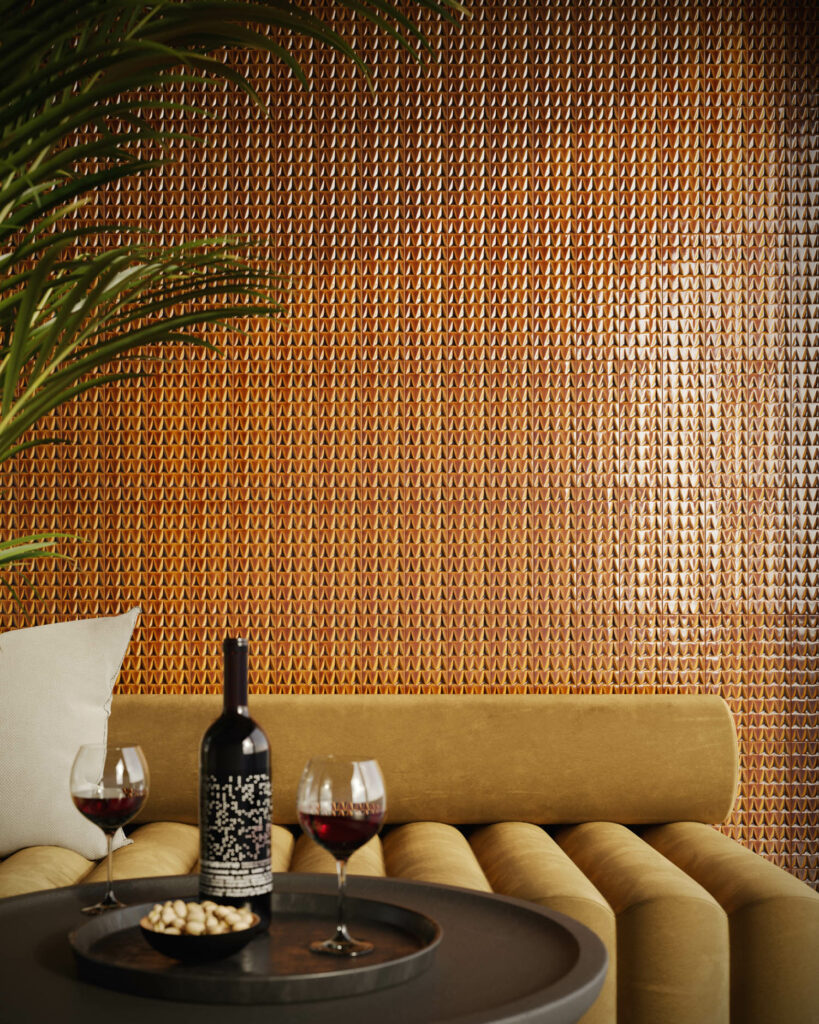
6 Tile Trends Spotted at Coverings 2024

Experts reveal the new way to upcycle secondhand furniture in 2023

Move Over, Beige—This Unexpected Neutral Is Taking Over in 2026

This Surprising Chair Trend Is Taking 2024 by Storm

The Cozy Wall Treatment That's Taking Over Big Time In 2026
This Dramatic Window Treatment Is Making A Comeback—And We Couldn't Be More Thrilled
Move Aside, Wallpaper: This Wall Treatment Trend Is Taking Over In 2026

2021’s Palette of Possibilities

Product Picks: July 2022

Mar 2023: New support beam makes wall history