1/13
Is It Officially Time to Say Goodbye to Your Coffee Table?
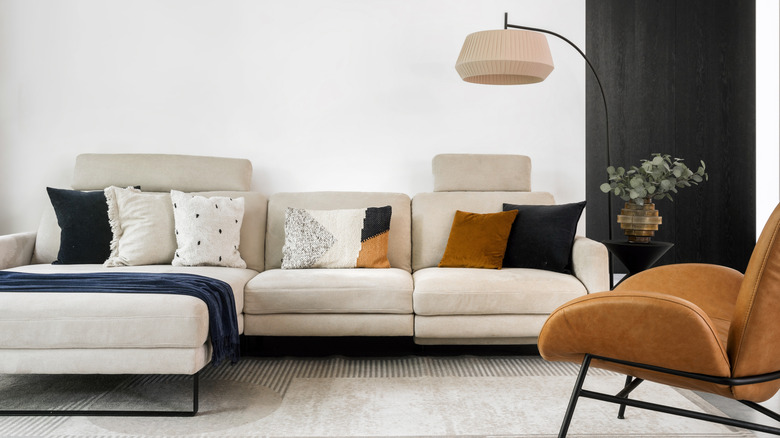
This article explores the growing trend of replacing traditional coffee tables with upholstered ottomans in living spaces. It highlights how ottomans offer a functional, cozy, and versatile alternative, appealing to homeowners seeking to introduce softness and maximize seating without compromising on style. Interior designers Maggie Dillon, Kate Aslangul, and Amanda Khouri provide insights into the benefits and considerations of incorporating ottoman coffee tables into home decor.
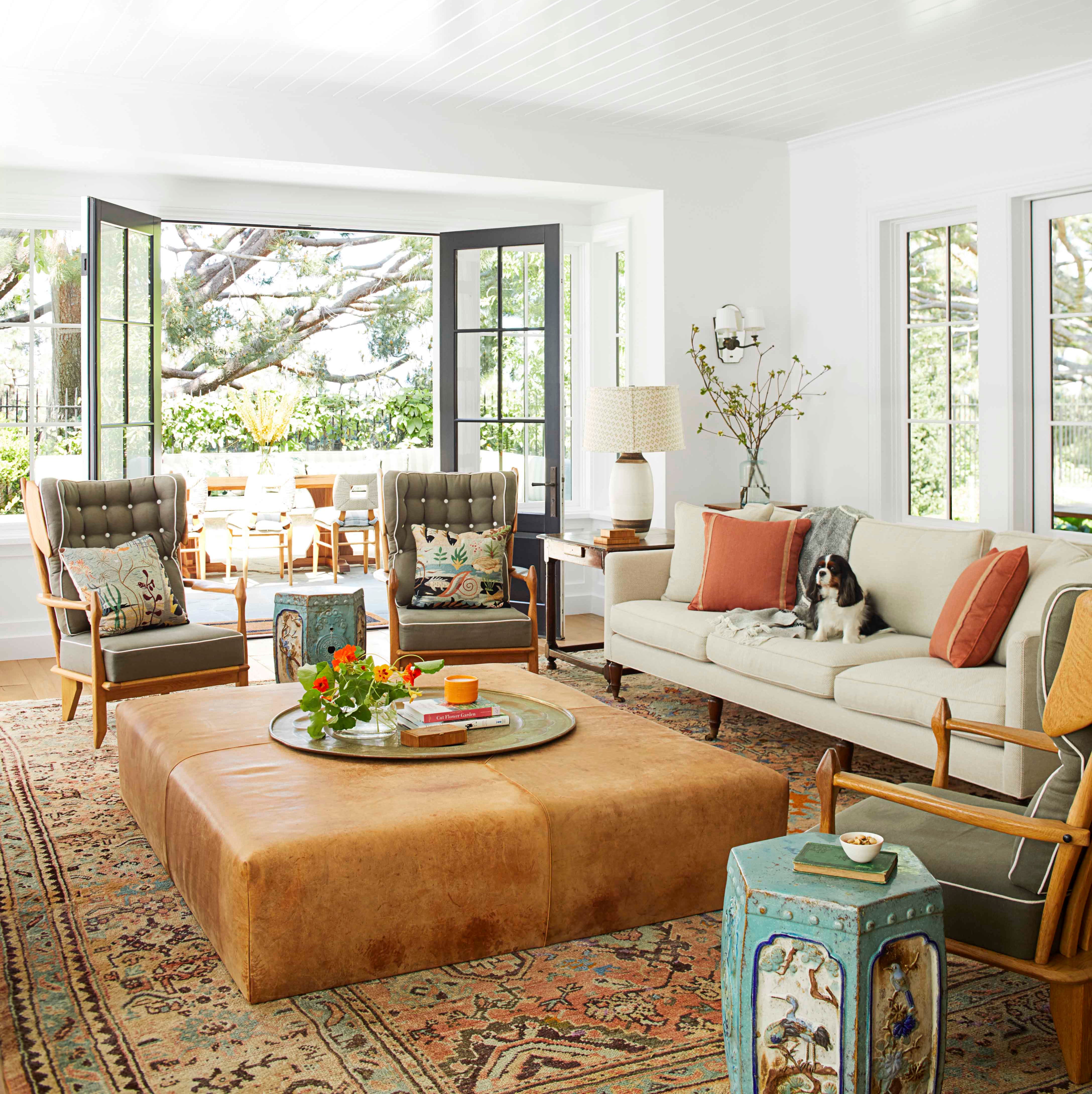
The primary advantages of ottoman coffee tables include their ability to add softness and versatility to a room, making them particularly family-friendly due to their cushioned surface. They can also effectively maximize seating options within a living area. Aesthetically, ottomans present an excellent opportunity to infuse color, texture, and pattern into a decorative scheme, allowing for playful and unexpected design details that pull a room's look together.
When selecting an ottoman, designers emphasize several key considerations. Functionally, it is crucial that the ottoman, like a traditional coffee table, allows for easy placement of drinks or books for all surrounding seating. Regarding dimensions, an ottoman should typically be about two-thirds the length of the sofa it accompanies and sit approximately 2 to 4 inches lower than the sofa. For oversized sofas, a smaller ottoman paired with a martini table or ceramic stool is recommended. Shape plays a significant role in balancing a room's aesthetic; round ottomans can soften spaces dominated by clean lines and angular furniture, while square or rectangular options are well-suited for symmetrical layouts, such as those centered around a fireplace or television. In tighter spaces, round, oval, or clipped-corner ottomans can enhance functionality and add unique visual interest.
Material selection is another vital aspect. Designers encourage bold fabric choices for ottomans, noting that they offer a middle ground for expressing personality compared to a large sofa or a small pillow. Patterned and colorful fabrics are not only visually engaging but also forgiving against everyday wear and spills. Textured fabrics, such as interesting weaves or printed linens, are highly recommended for their comfort and character, with durable performance fabrics being a practical choice. Beyond upholstery, design features like raised legs can create an airy, elegant feel, while floor-length ottomans add visual weight. Storage solutions, such as hidden compartments or lower shelves, enhance practicality. Casters are a favored feature for their ability to allow easy repositioning of the ottoman, facilitating flexible room arrangements.
Styling an upholstered ottoman effectively involves using a large, beautiful tray to create a stable, flat surface for decorative items and practical use. This tray grounds the ottoman's appearance and provides a base for elements like flower arrangements or beverages. Designers suggest accessorizing the tray with coffee table books, a small decorative bowl, and a candle, while ensuring space is left for drinks. High-gloss lacquered trays are particularly recommended for their chic appearance and ease of cleaning. Stacks of books placed directly on the ottoman can also serve as a stable and attractive styling element. If the ottoman features a striking patterned fabric, a simpler styling approach, such as a pile of magazines, may suffice. Crucially, the ottoman should also remain comfortable for resting feet, maintaining its dual role as a functional surface and a cozy footrest.
#OttomanCoffeeTables #InteriorDesign #LivingRoomDecor #HomeFurnishings #DecoratingIdeas #FunctionalDesign #FabricSelection #SpaceSavingSolutions #StylingTips #OttomanCoffeeTables #InteriorDesign #LivingRoomDecor #HomeFurnishings #DecoratingIdeas #FunctionalDesign #FabricSelection #SpaceSavingSolutions #StylingTips
0 comment in total
 No comments yet
You may also like
Is It Time to Say Goodbye to the Kitchen Island?
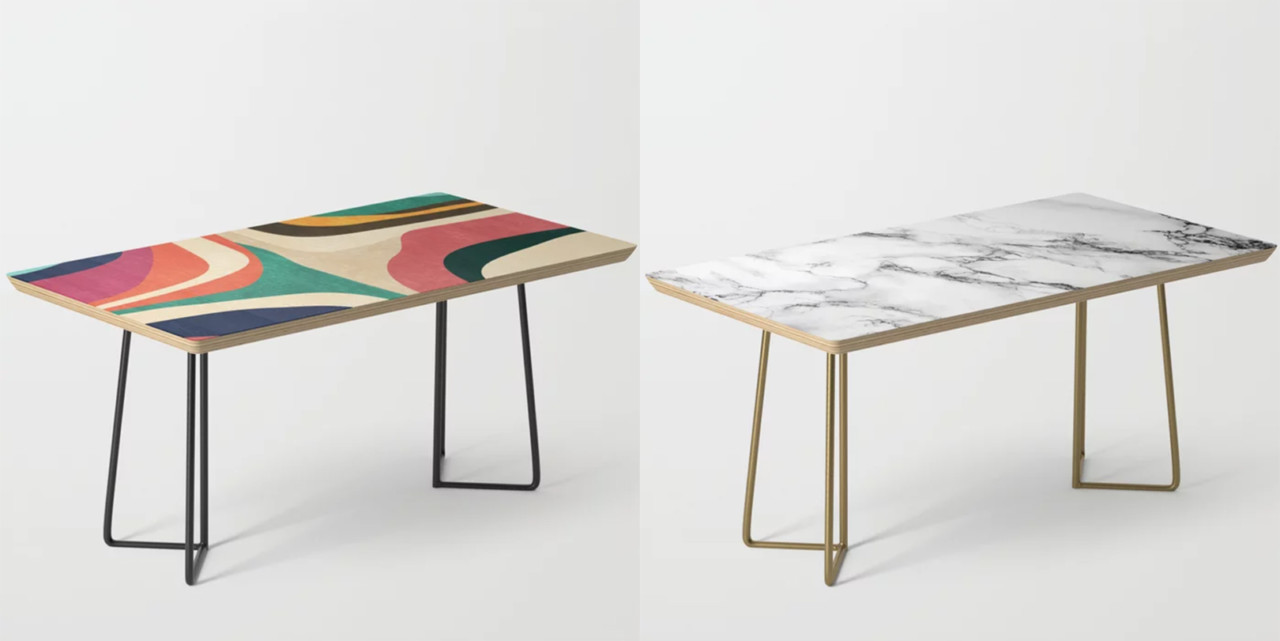
A Coffee Table Could Be Your New Favorite Piece of Art

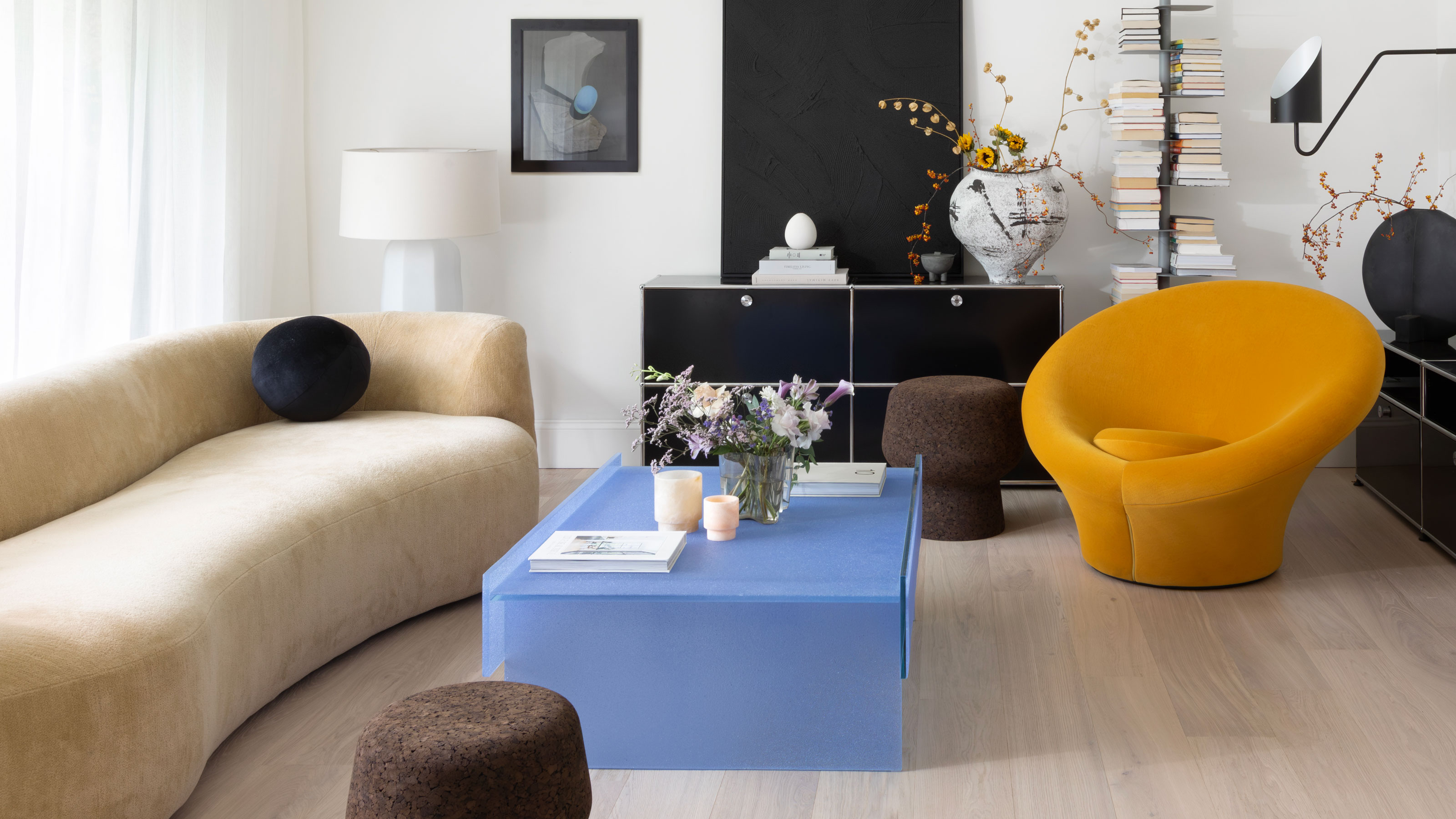
Coffee Table Trends — 9 Designer Styles That Resonate With the Mood of 2025, and How to Get the Look

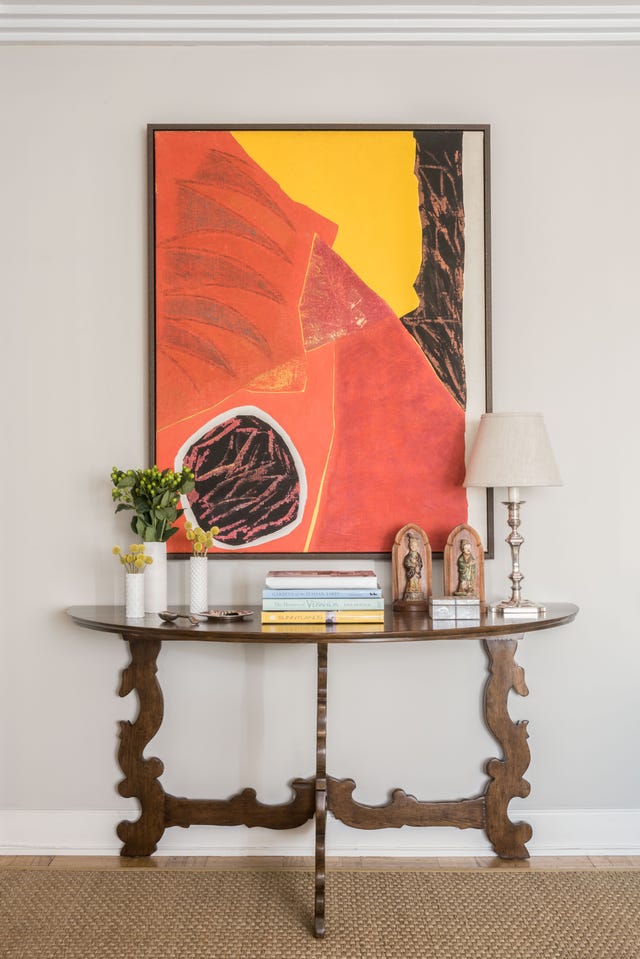
In Case You Were Wondering: Yes, You Need a Console Table!

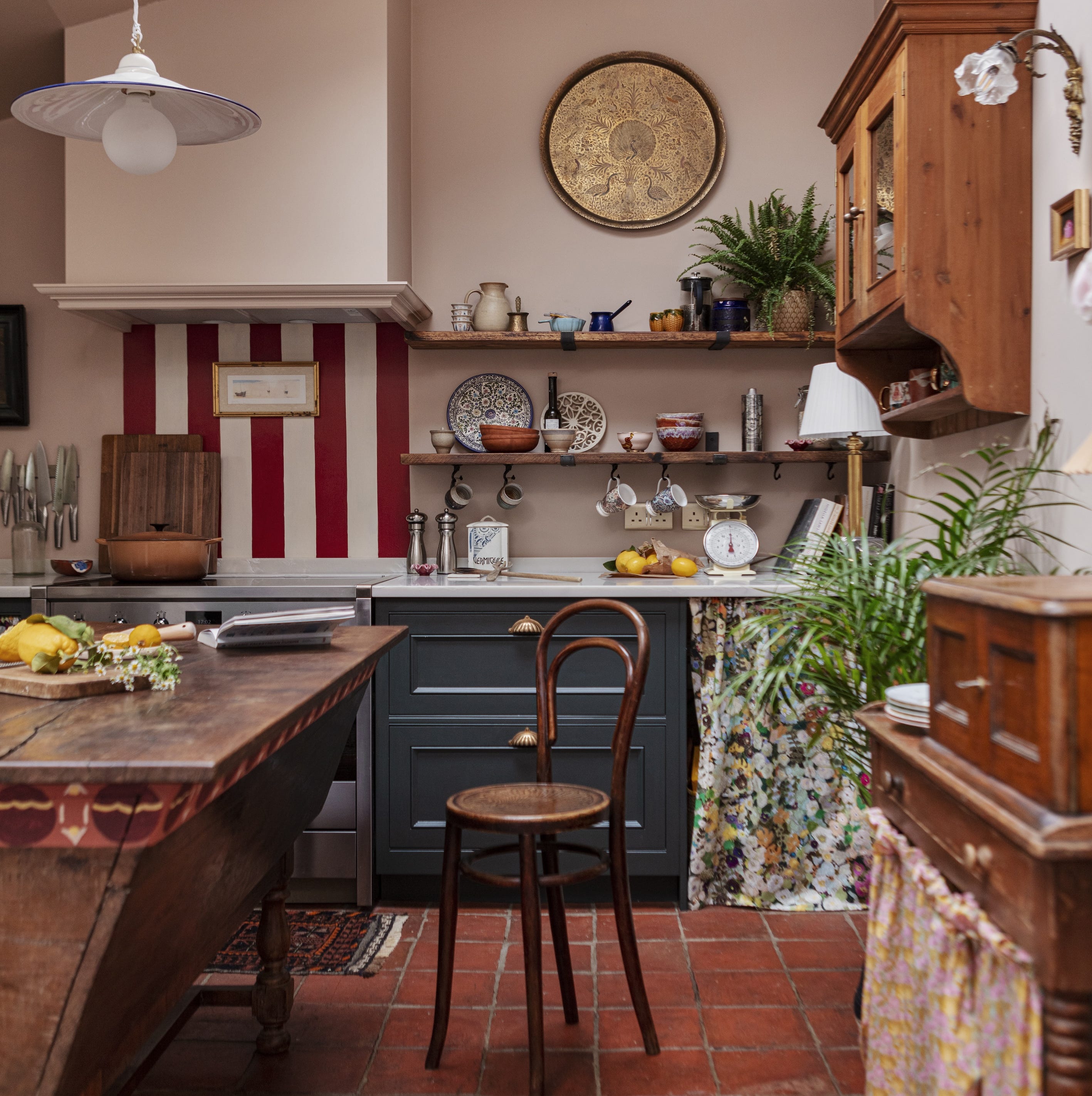
Is it time to say goodbye to kitchen islands?
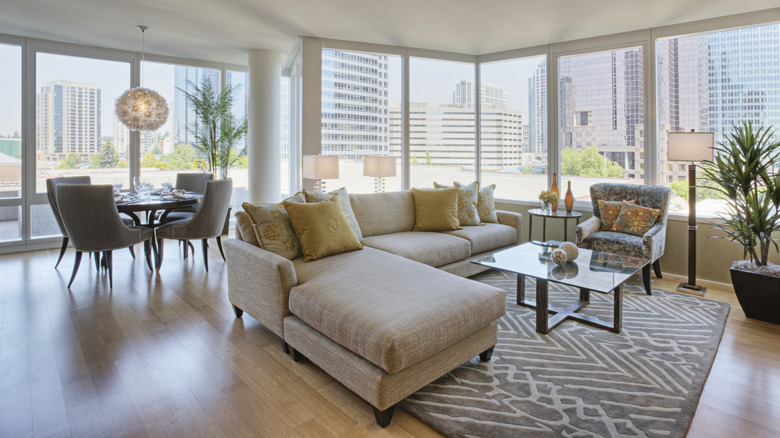
Tired Furniture Trends That Are Now Becoming A Thing Of The Past

Do We Really Still Need the Dining Table?

The Very Best Coffee Table Books to Snap Up Now
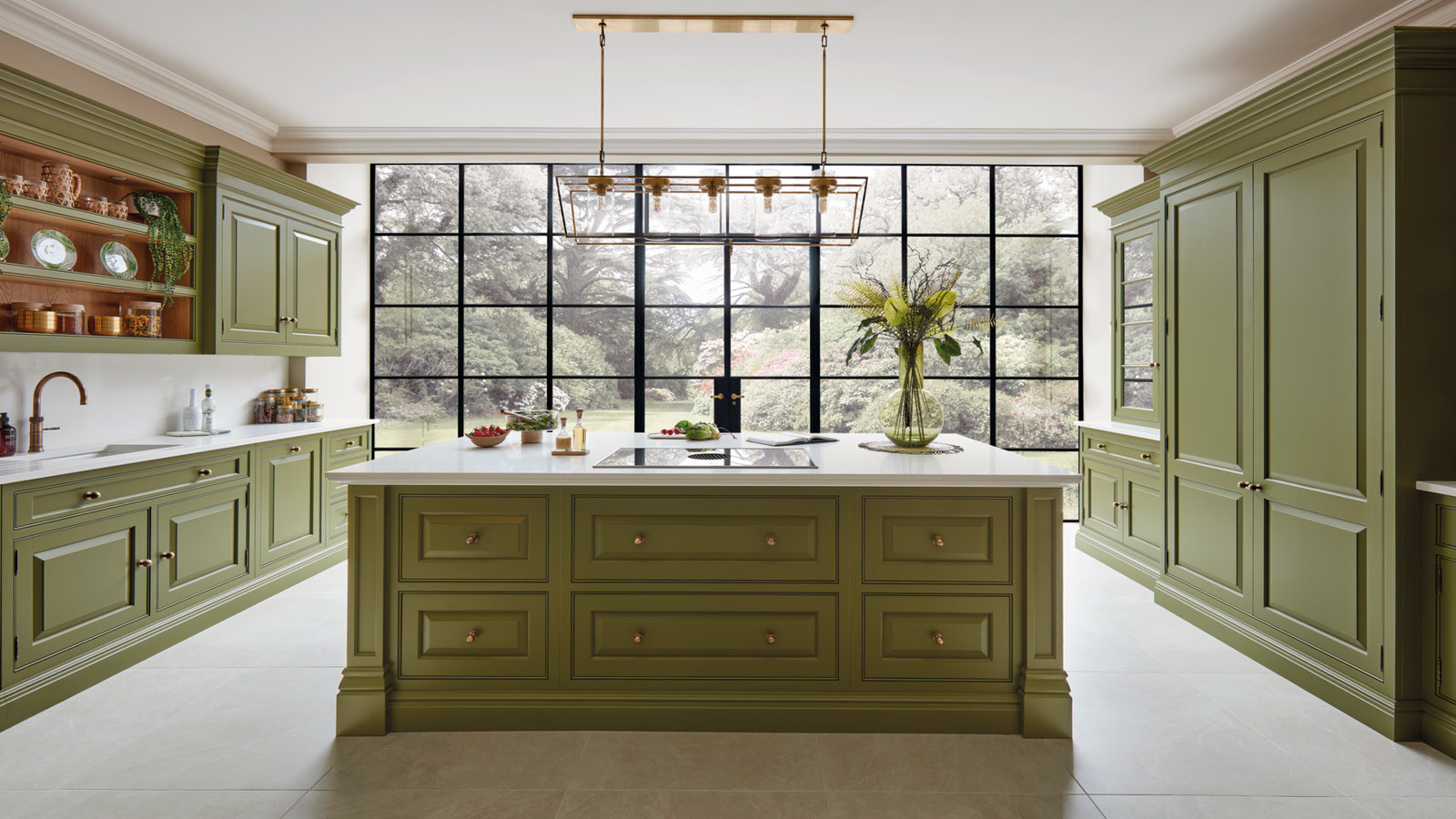
Say goodbye to the kitchen island, and hello to the prep table

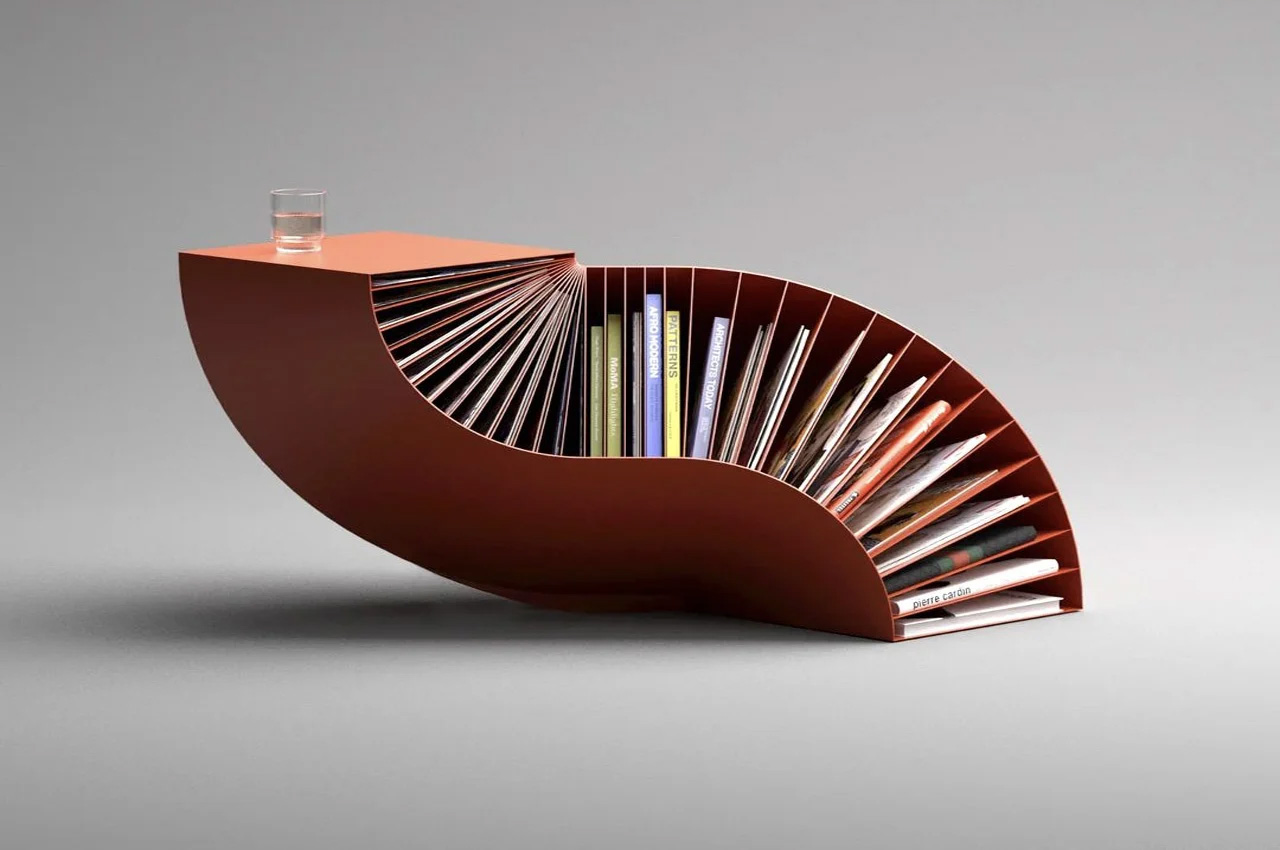
Top 10 coffee tables designed to be the center of attention of your living room

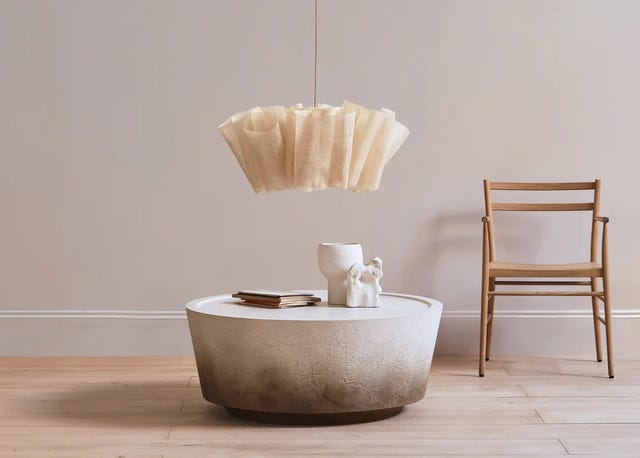
28 of the best coffee tables to buy right now

10 of the best coffee tables to suit every style

The Best Coffee Tables on the Market Right Now

Gather round! The best coffee tables for design lovers, from the colourful to the sculptural

We Tried a Lift-Top Coffee Table as a Space-Saving Solution—Here Are Our Thoughts

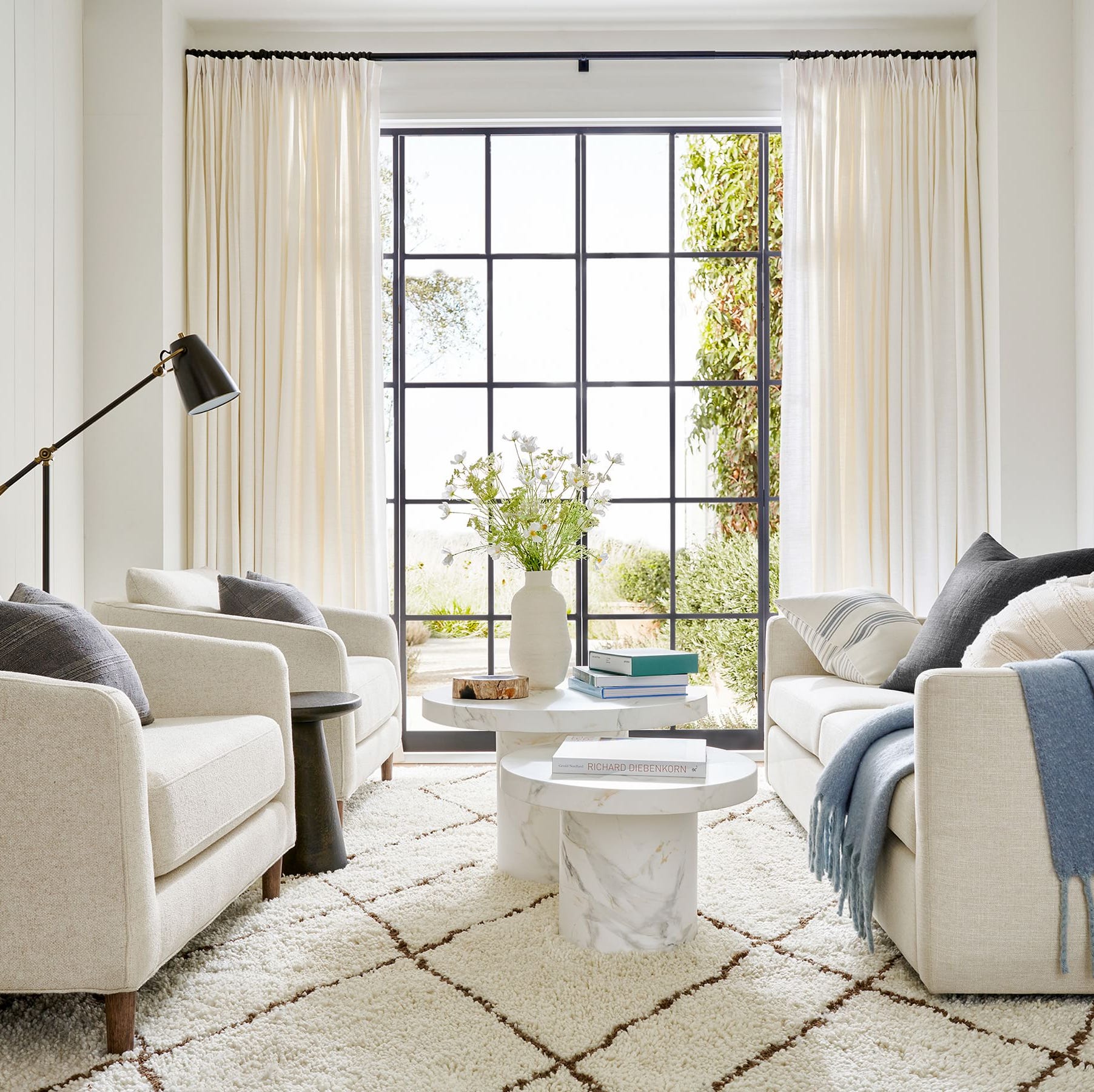
24 Very Excellent Coffee Tables
Hey, You, It's Time to Upgrade Your Nightstand
Take your pick: it's time to invest in a dressing table
The 23 Very Best Coffee Tables
Sundays Makes Our New Favorite Coffee Table